
Mississippi, with its diverse landscapes of rivers, forests, wetlands, and lakes, is home to several eagle species. Eagles are among the most majestic birds of prey, easily recognizable by their size, sharp beaks, and powerful talons. Observing these magnificent birds in Mississippi offers a glimpse into the state’s thriving wildlife. This guide explores the eagles found in Mississippi, highlighting their physical characteristics, habitats, behaviors, diets, identification tips, and conservation status.
1. Bald Eagle (Haliaeetus leucocephalus)

Physical Characteristics
The Bald Eagle is instantly recognizable by its stark white head and tail, contrasted against a dark brown body and wings. Adult Bald Eagles in Mississippi can reach a wingspan of 6 to 7.5 feet (1.8–2.3 meters) and weigh between 3 and 6 kg. Juveniles, however, are mottled brown and white and do not develop the iconic white head until they are 4–5 years old. Their strong, hooked beaks and keen eyesight make them effective hunters, capable of spotting prey from great distances.
Habitat and Distribution
In Mississippi, Bald Eagles are commonly found near rivers, large lakes, and reservoirs where they can hunt for fish. They prefer areas with tall trees or cliffs for nesting. The Mississippi River corridor is a hotspot for Bald Eagle activity, especially during winter months when populations increase due to migration. Nesting sites can be found in pine forests, hardwood forests, and along swampy areas, demonstrating their adaptability to a variety of habitats.
Behavior
Bald Eagles are known for their large, sturdy nests which they often reuse and expand each year. They are both hunters and scavengers, feeding primarily on fish, but also consuming waterfowl, small mammals, and carrion. Bald Eagles are diurnal, meaning they are active during the day, and they are highly territorial around nesting sites. During courtship, they perform impressive aerial displays, including synchronized flight and talon-locking dives.
Diet
The Bald Eagle’s diet is dominated by fish such as catfish and bass, but they are opportunistic feeders. They may hunt ducks, rabbits, and other small mammals, or scavenge on roadkill and carrion, particularly in winter. Their versatile hunting skills and scavenging behavior allow them to thrive across diverse Mississippi ecosystems.
Identification Tips
Adults are unmistakable with their white head and tail and yellow beak. Juveniles can be confused with Golden Eagles due to their mottled brown plumage. Observers can identify juveniles by their size, broad wings, and the gradual development of white on their heads over several years.
Conservation Status
The Bald Eagle is protected under the Bald and Golden Eagle Protection Act and the Migratory Bird Treaty Act. Conservation efforts, including habitat protection and monitoring, have led to a steady increase in Bald Eagle populations in Mississippi. Today, the Bald Eagle is considered a conservation success story, with sightings becoming increasingly common throughout the state.
2. Golden Eagle (Aquila chrysaetos)

Physical Characteristics
Golden Eagles are large, powerful raptors with dark brown plumage and a distinctive golden sheen on the nape. They have strong, hooked beaks, feathered legs, and muscular bodies built for soaring and hunting. Their wingspan ranges from 6 to 7.5 feet (1.8–2.3 meters), similar to Bald Eagles, but they appear more slender and aerodynamic in flight.
Habitat and Distribution
Golden Eagles are less common in Mississippi than Bald Eagles and are typically observed during migration or in northern parts of the state during winter. They prefer open areas such as fields, grasslands, and large forest edges. They may nest on cliffs or in tall trees when available, though their presence in Mississippi is mostly seasonal rather than permanent.
Behavior
Golden Eagles are largely solitary and are exceptional hunters. They use their sharp talons to capture small mammals such as rabbits, squirrels, and occasionally birds. Their flight is characterized by long glides and soaring with minimal wing flapping. During courtship, they perform impressive aerial displays including dives and swoops.
Diet
Golden Eagles feed mainly on mammals, reptiles, and birds. While they prefer live prey, they will also scavenge when necessary. Their powerful hunting skills make them top predators in their habitats, capable of taking down prey larger than themselves.
Identification Tips
Adults have dark brown plumage with a golden nape and lack the white head of Bald Eagles. Juveniles may show some white on the wings and tail but can be distinguished from Bald Eagles by their slimmer body and lack of fully white head and tail feathers.
Conservation Status
Golden Eagles are protected under federal law. Their populations are closely monitored, particularly during migration. While rare in Mississippi, occasional sightings reflect the health of surrounding habitats and migration corridors.
3. Northern Harrier (Occasionally mistaken for small eagles)
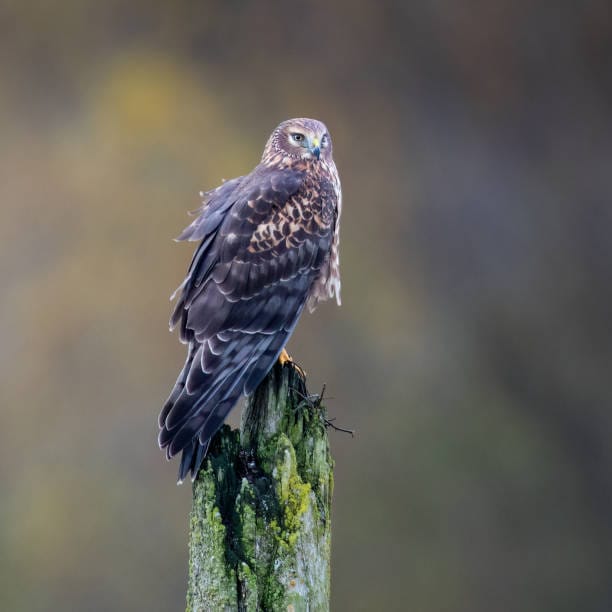
Physical Characteristics
While not a true eagle, the Northern Harrier is a large raptor with a wingspan of about 3.5 to 4.5 feet (1.1–1.4 meters). It has a slim body, long tail, and owl-like facial disk which enhances its hearing. Males are gray above with white underparts, while females are brown with streaked underparts.
Habitat and Distribution
In Mississippi, Northern Harriers are commonly seen in open fields, marshes, and grasslands. They are ground-nesting birds and rely on large tracts of wetlands and prairies for hunting and breeding.
Behavior
Northern Harriers are low-flying hunters, gliding just above the ground to surprise prey. They are highly active during the day and can often be seen making a distinctive low, circling flight over open habitats. Courtship includes aerial displays with steep dives and talon presentations.
Diet
Their diet consists mainly of small mammals, birds, and insects. They are skilled hunters and can catch prey larger than their size relative to other hawks and raptors. They are opportunistic feeders and will adjust their diet according to seasonal availability.
Identification Tips
Northern Harriers can be mistaken for eagles by casual observers due to their broad wings and hunting behavior. Key identification features include their low flight pattern, long tail, and the white patch on the rump, visible in flight.
Conservation Status
While not as protected as true eagles, Northern Harriers benefit from wetland and grassland conservation programs. Their populations are sensitive to habitat loss, particularly wetland drainage and agricultural expansion.
Conclusion
Mississippi hosts a fascinating variety of eagles and large raptors, with the Bald Eagle being the most prominent and Golden Eagles occasionally appearing during migration. Understanding these species’ physical traits, behaviors, and habitats helps bird watchers and conservationists alike. Protecting their habitats ensures that these magnificent birds continue to soar over Mississippi for generations to come.
FAQs
- Q: What is the most common eagle in Mississippi?
A: The Bald Eagle is the most common eagle found in Mississippi, especially along rivers and lakes. - Q: Can Golden Eagles be seen in Mississippi?
A: Yes, but they are rare and typically appear during migration. - Q: Where do Bald Eagles nest in Mississippi?
A: They nest in tall trees near water bodies such as rivers, lakes, and reservoirs. - Q: What do Bald Eagles eat?
A: Their diet mainly consists of fish, waterfowl, small mammals, and carrion. - Q: Are Bald Eagles endangered in Mississippi?
A: No, their populations have recovered and are stable due to conservation efforts. - Q: How can I identify a juvenile Bald Eagle?
A: Juveniles are mottled brown and white and lack the distinctive white head and tail of adults. - Q: Do Golden Eagles hunt in groups?
A: No, Golden Eagles are mostly solitary or hunt in pairs. - Q: Can Northern Harriers be confused with eagles?
A: Yes, their broad wings and hunting style may cause casual observers to mistake them for small eagles. - Q: What is the wingspan of a Bald Eagle?
A: Approximately 6 to 7.5 feet (1.8–2.3 meters). - Q: Do Bald Eagles migrate in Mississippi?
A: Many Bald Eagles migrate seasonally, leading to higher winter populations. - Q: How do Golden Eagles hunt?
A: They soar at high altitudes and dive swiftly to catch small mammals, birds, or reptiles. - Q: What habitats do Golden Eagles prefer in Mississippi?
A: Open fields, grasslands, and forest edges, typically during winter migration. - Q: Are eagles protected in Mississippi?
A: Yes, Bald and Golden Eagles are federally protected under U.S. law. - Q: What is unique about Bald Eagle nests?
A: They are extremely large, often reused and expanded each year, sometimes weighing over a ton. - Q: Can eagles be found in urban areas in Mississippi?
A: Occasionally, especially near large water bodies or undeveloped land. - Q: How long do Bald Eagles live?
A: In the wild, they can live up to 20–30 years. - Q: What role do eagles play in the ecosystem?
A: They are top predators and scavengers, helping control populations of fish and small mammals. - Q: How can I safely observe eagles in Mississippi?
A: Use binoculars or spotting scopes and maintain a safe distance to avoid disturbing them. - Q: Are there any rare eagles that visit Mississippi?
A: Occasionally, species like the Golden Eagle or Osprey may be observed during migration. - Q: Why is eagle conservation important?
A: Eagles indicate healthy ecosystems, and protecting them ensures biodiversity and ecological balance.
Read more: 3 Types of Eagles in North Carolina (Pictures And Identification)