
Sea lions are some of the most recognizable marine mammals on Earth. Known for their intelligence, playful behavior, and loud barking calls, these animals belong to the family Otariidae, also called eared seals. In this guide to the Types of Sea Lions, you’ll learn how different species vary in size, habitat, behavior, and conservation status. Understanding the differences between sea lions helps wildlife enthusiasts, students, and ocean lovers identify species correctly in the wild or in educational settings. From busy coastal rookeries to remote islands, sea lions play an important role in marine ecosystems and food chains. This article is written in a clear, beginner-friendly style and is designed to help you confidently recognize and understand the world’s most fascinating sea lions.
Types of Sea Lions: True Sea Lion Species Overview
1. California Sea Lion (Zalophus californianus)
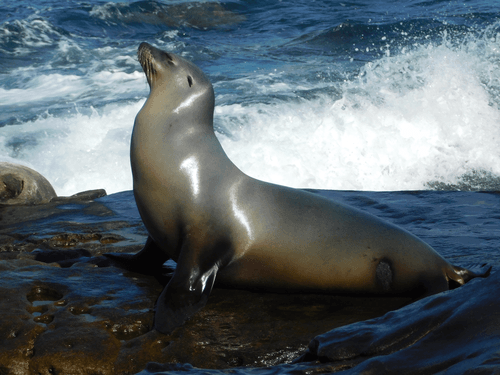
The California sea lion is the most familiar and widely recognized of all sea lions. It is commonly seen along the western coastline of North America, especially in California, where it has become a symbol of coastal wildlife. This species is medium-sized compared to other sea lions, with adult males weighing up to 850 pounds, while females are much smaller.
California sea lions are known for their intelligence and adaptability. They are often featured in zoos, aquariums, and research programs because they learn quickly and respond well to training. In the wild, they feed mainly on fish, squid, and octopus, using their speed and agility to hunt in open water.
Their social behavior is another defining feature. Large groups gather on beaches, docks, and rocky shores, where males establish territories during the breeding season. Loud barking vocalizations help males defend their space and attract females.
From an identification standpoint, California sea lions have dark brown to tan fur and long, narrow fore flippers. Their ability to rotate hind flippers forward allows them to “walk” on land, a key trait that separates sea lions from true seals.
2. Steller Sea Lion (Eumetopias jubatus)
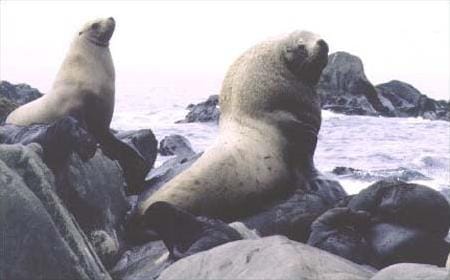
The Steller sea lion is the largest of all sea lion species and one of the largest pinnipeds in the world. Adult males can exceed 2,400 pounds, making them significantly heavier than California sea lions. This species is found across the North Pacific, from Alaska to northern Japan.
Steller sea lions are powerful swimmers that prefer colder waters. They often haul out on rocky coastlines and isolated islands rather than busy urban areas. Their pale blond or light brown coloration helps distinguish them from darker sea lions.
Unlike some other species, Steller sea lions are less vocal but more physically imposing. Males defend large territories during breeding season, using size and strength rather than constant barking.
Conservation concerns exist for this species, especially in parts of Alaska where populations declined sharply in the past. Protection measures have helped stabilize some groups, but they remain closely monitored.
3. Galápagos Sea Lion (Zalophus wollebaeki)
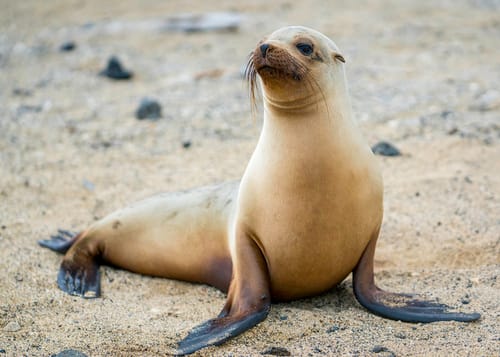
The Galápagos sea lion is a smaller, region-specific species found only in the Galápagos Islands. It is closely related to the California sea lion but has evolved unique traits due to geographic isolation.
These sea lions often rest on sandy beaches, lava rocks, and even park benches near human settlements. They are less fearful of people but remain wild animals that should not be approached.
Galápagos sea lions feed on small fish and squid, often hunting close to shore. They are excellent divers and can reach impressive depths for short periods.
Climate change and warming ocean temperatures pose serious threats to this species. Reduced food availability during El Niño events has caused population declines, making conservation efforts critical.
4. South American Sea Lion (Otaria flavescens)
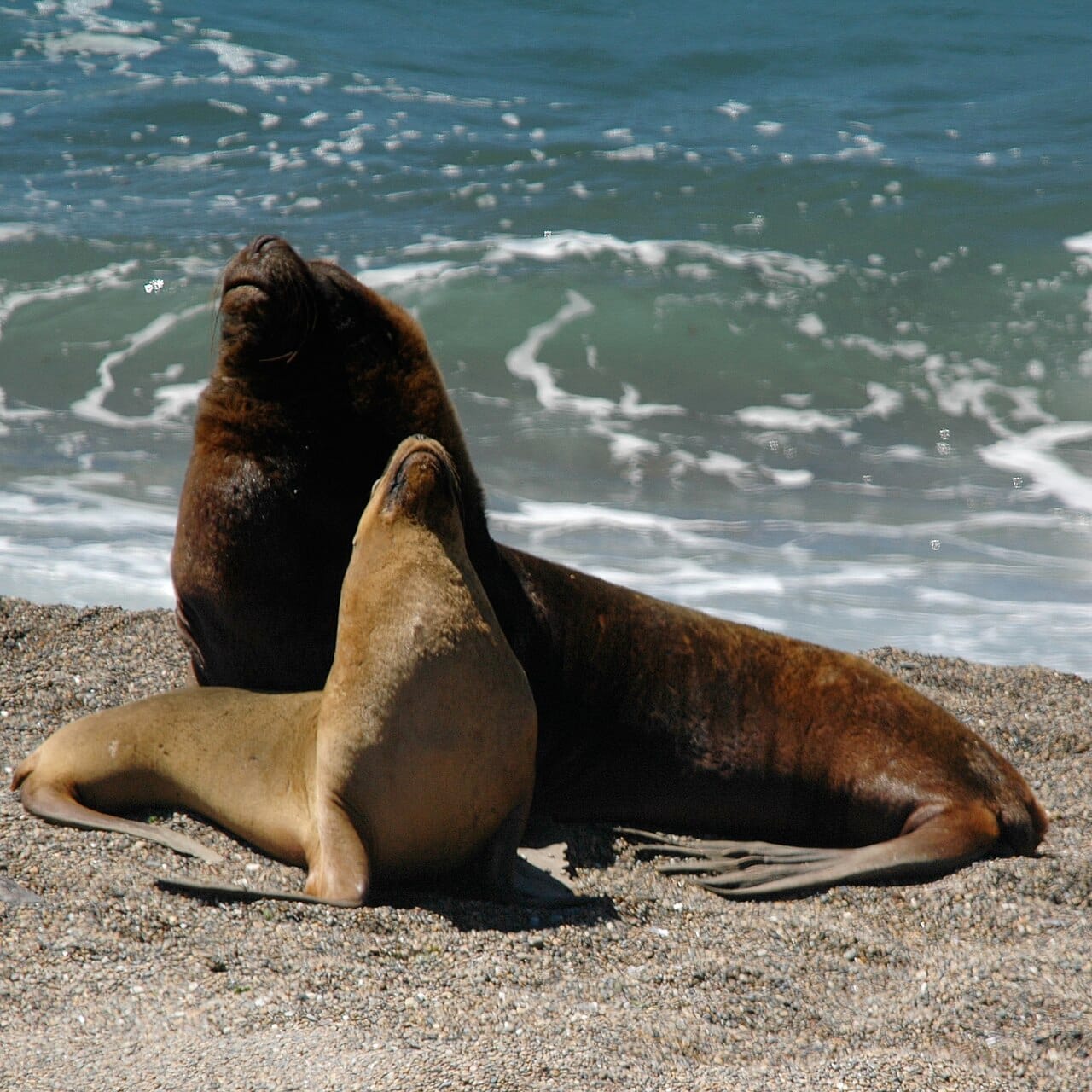
The South American sea lion is found along both the Pacific and Atlantic coasts of South America. It is larger than the California sea lion but smaller than the Steller sea lion.
This species is known for its strong sexual dimorphism. Adult males have thick necks and a mane-like appearance, while females are sleeker and lighter in color.
South American sea lions are highly adaptable and can be seen near fishing ports, beaches, and rocky islands. They often interact with fishing operations, sometimes causing conflict due to competition for fish.
Despite these challenges, populations remain relatively stable in many regions. Their loud calls and aggressive posturing make them easy to identify in crowded colonies.
5. Australian Sea Lion (Neophoca cinerea)
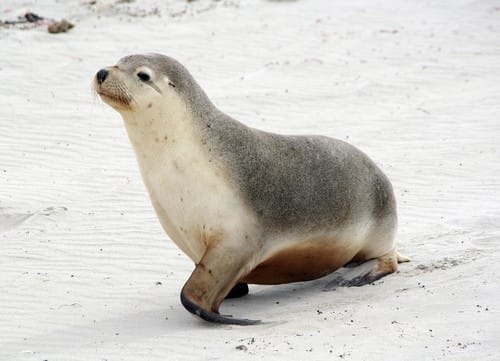
The Australian sea lion is one of the rarest sea lions in the world and is found only along the southern coast of Australia. Unlike most sea lions, this species does not have a fixed breeding season, which makes population recovery slower.
Australian sea lions are stocky and muscular, with short flippers and a blunt face. Males are dark brown with a pale mane, while females are silvery gray.
They prefer remote beaches and offshore islands, avoiding heavily populated areas. Their diet consists mainly of fish and cephalopods, which they hunt near the sea floor.
Because of low population numbers and slow reproduction, this species is considered endangered. Conservation programs focus on habitat protection and reducing fishing-related deaths.
6. New Zealand Sea Lion (Phocarctos hookeri)
The New Zealand sea lion, also known as the Hooker’s sea lion, is one of the rarest and most
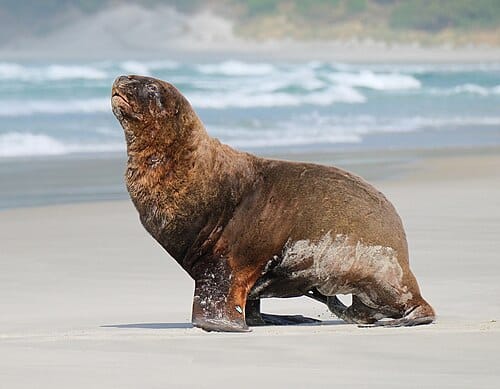
threatened sea lion species in the world. It is found primarily around New Zealand’s subantarctic islands, with small but growing colonies on the mainland’s southern beaches.
This species is noticeably robust and powerful. Adult males can weigh over 900 pounds and have thick necks with a coarse mane, while females are smaller and more streamlined. Their fur color ranges from dark brown to almost black, helping them blend into rocky coastal environments.
New Zealand sea lions are strong divers that forage on the ocean floor. They feed on fish, squid, octopus, and sometimes crustaceans. Unlike more social sea lions, they tend to spread out while resting, forming loose groups rather than dense colonies.
From an identification perspective, their heavy build, short snout, and slow, deliberate movement on land make them stand out. Conservation challenges include disease outbreaks, fishing gear entanglement, and habitat disturbance.
7. Japanese Sea Lion (Zalophus japonicus)
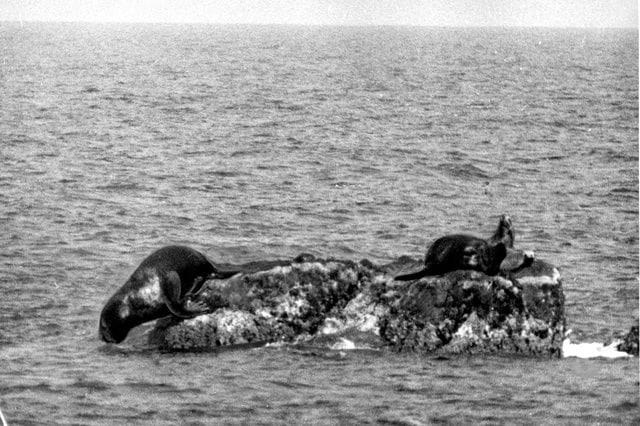
The Japanese sea lion is an extinct species that once lived along the coasts of Japan, Korea, and parts of Russia. Although no longer alive today, it remains an important part of understanding the evolutionary history of sea lions.
Historical records suggest that Japanese sea lions closely resembled modern California sea lions in appearance and behavior. They were medium-sized, social, and highly vocal, often gathering in large coastal colonies.
Overhunting during the late 19th and early 20th centuries led to their rapid decline. They were hunted for oil, skin, and meat, and by the mid-1900s, the species was declared extinct.
Including the Japanese sea lion in discussions of Types of Sea Lions highlights the importance of conservation. It serves as a reminder of how human activity can permanently alter marine ecosystems.
8. Northern Fur Seal (Callorhinus ursinus)
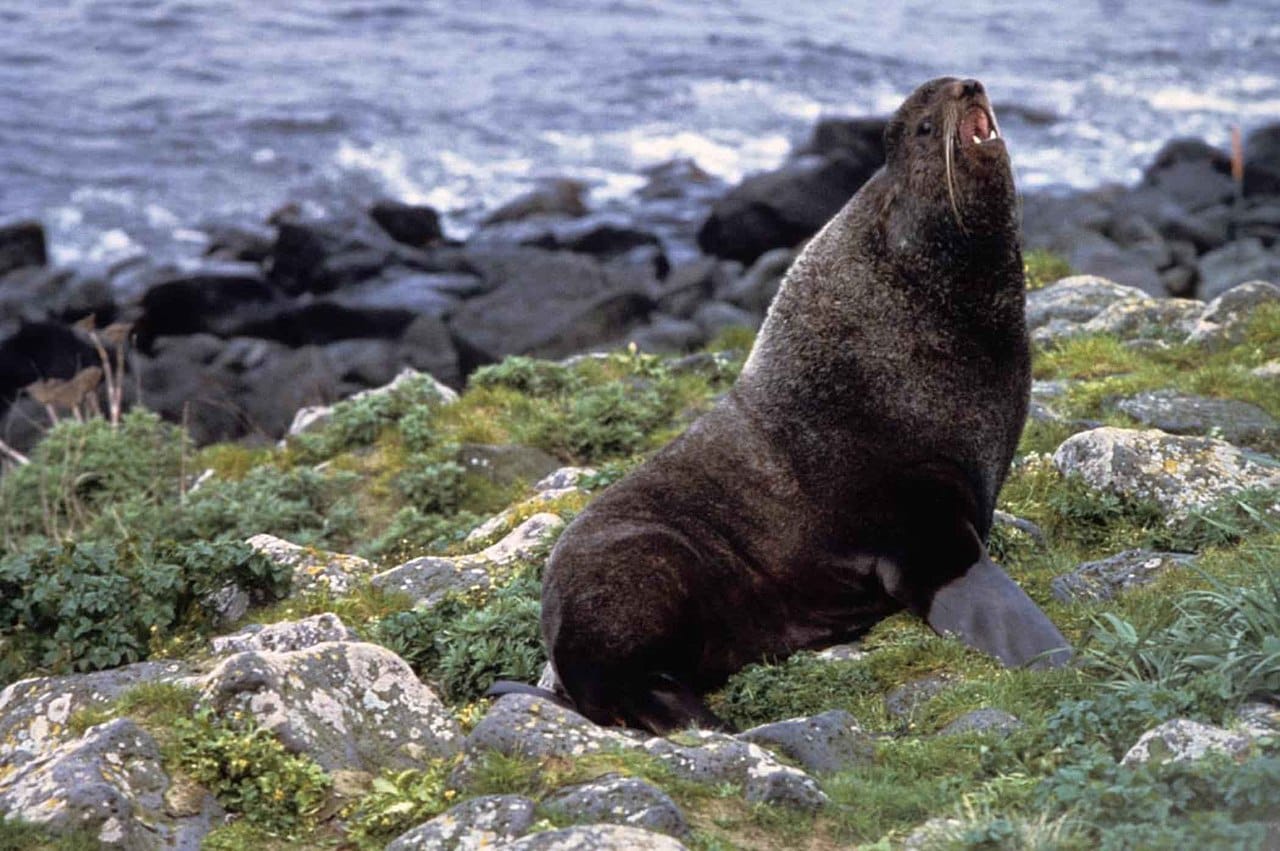
Although technically classified as a fur seal, the Northern fur seal is often grouped with sea lions due to its close relationship within the eared seal family. It inhabits the North Pacific Ocean, particularly around Alaska and Russia.
Northern fur seals have thick, dense underfur, which historically made them a major target for commercial hunting. Their sleek bodies and long flippers make them exceptional swimmers capable of long-distance migrations.
On land, they form large breeding colonies on rocky beaches. Males aggressively defend territories, while females gather closely together with their pups.
While not a true sea lion, this species helps broaden understanding of otariids and how sea lions differ from their close relatives in behavior and physical traits.
9. South American Fur Seal (Arctocephalus australis)
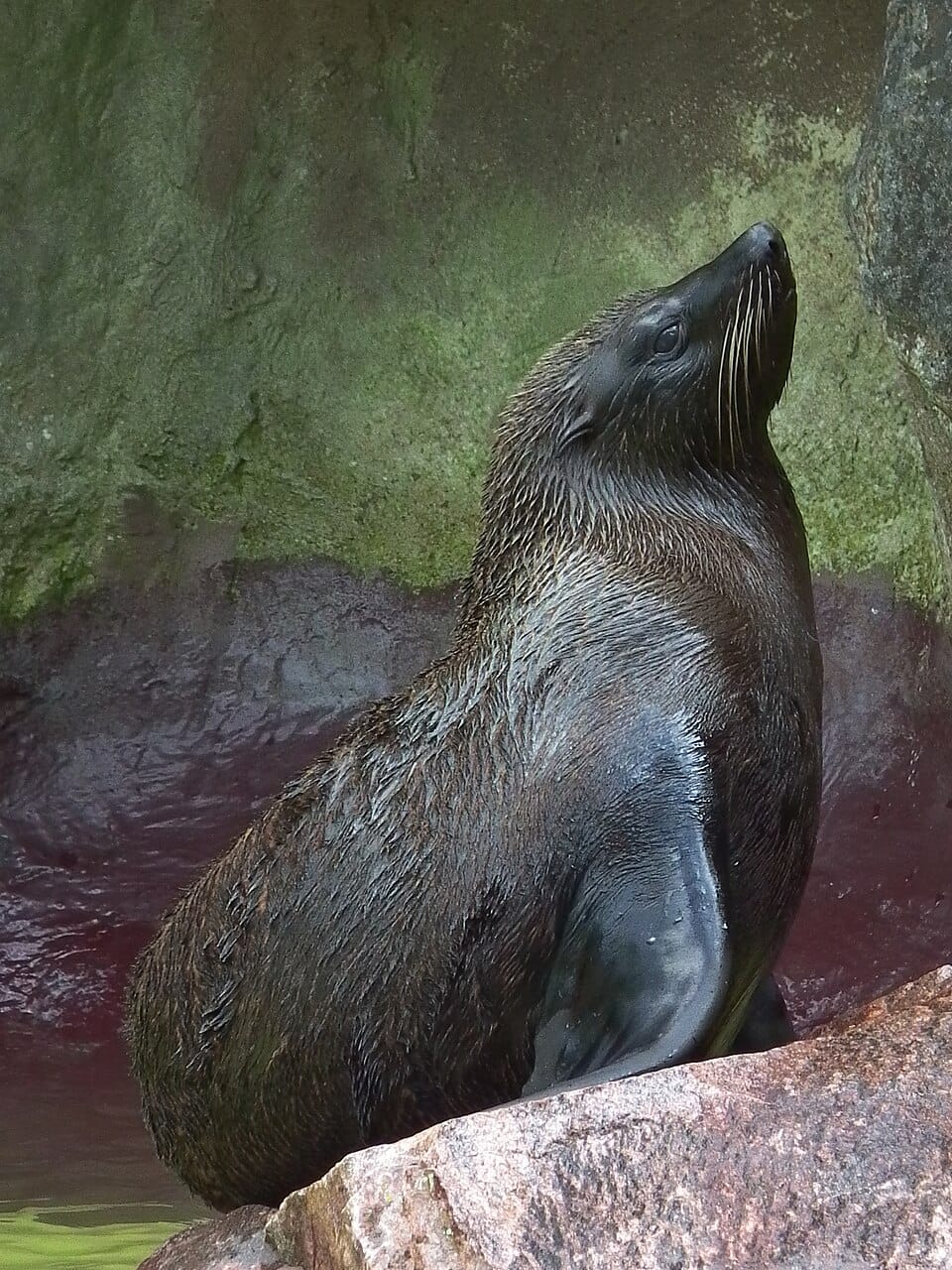
The South American fur seal is another close relative frequently included in broader sea lion discussions. It shares habitats with the South American sea lion along the southern coasts of South America.
This species is smaller and more agile, with thick fur and a pointed snout. Males are territorial and vocal during the breeding season, while females remain close to pups on rocky shores.
South American fur seals feed primarily on fish and squid and are highly adapted to colder waters. Their presence alongside true sea lions often causes confusion for beginners trying to identify species.
Learning to distinguish fur seals from sea lions improves wildlife identification skills and deepens appreciation for marine mammal diversity.
10. Subantarctic Fur Seal (Arctocephalus tropicalis)
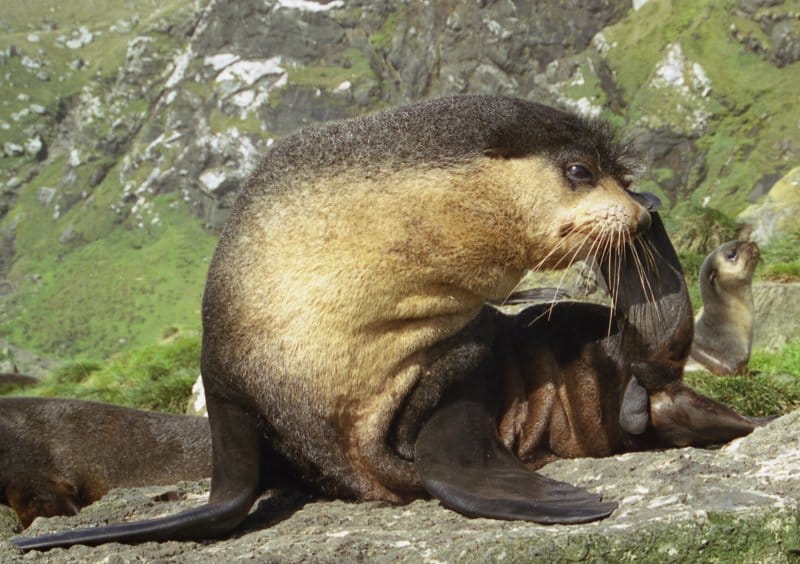
The Subantarctic fur seal lives in cold southern oceans near remote islands. While not a true sea lion, it is sometimes included in extended lists of sea lions due to shared ancestry.
This species has a sharp, fox-like face and dense fur, setting it apart visually from true sea lions. They are excellent swimmers and spend much of their lives at sea.
Subantarctic fur seals form breeding colonies on isolated islands where human disturbance is minimal. Their population has recovered in recent decades following historical hunting bans.
Including this species helps complete the picture of the broader otariid family and clarifies the differences between sea lions and fur seals.
Conclusion: Understanding the Types of Sea Lions
Learning about the Types of Sea Lions helps us appreciate the diversity, intelligence, and ecological importance of these remarkable marine mammals. From the familiar California sea lion to rare species like the New Zealand sea lion and even extinct members such as the Japanese sea lion, each species plays a unique role in ocean ecosystems.
Sea lions are indicators of ocean health, and their survival depends on clean waters, sustainable fisheries, and responsible human behavior. By understanding how to identify different sea lions and where they live, we become better stewards of the marine world. Whether you are a student, wildlife enthusiast, or casual reader, knowing the differences among sea lions deepens your connection to the ocean and its wildlife.
Conclusion
Understanding the Types of Sea Lions allows us to better appreciate the incredible diversity found within this group of intelligent marine mammals. Although sea lions share common traits such as external ear flaps, strong fore flippers, and social behavior, each species has developed unique characteristics shaped by its environment, climate, and food sources. From the highly adaptable California sea lion to the massive Steller sea lion and the endangered New Zealand sea lion, every species plays an important role in maintaining healthy marine ecosystems.
Sea lions are not only fascinating to observe but also serve as key indicators of ocean health. Changes in their populations often reflect shifts in fish availability, water quality, and climate conditions. By learning to identify different sea lions and understanding their habitats, we can better support conservation efforts and make informed choices that protect marine life. As interest in ocean wildlife continues to grow, accurate knowledge about sea lions helps ensure these remarkable animals remain part of our oceans for generations to come.
Frequently Asked Questions About Sea Lions
1. What are sea lions?
Sea lions are marine mammals belonging to the family Otariidae. They are known for having external ear flaps, strong front flippers, and the ability to walk on land by rotating their hind flippers forward.
2. How many types of sea lions are there?
There are six living species of true sea lions, but extended lists often include extinct species and closely related fur seals, bringing the total to around ten commonly discussed types.
3. What is the difference between sea lions and seals?
Sea lions have visible ear flaps, longer front flippers, and can move easily on land. True seals lack ear flaps and move on land by wriggling on their bellies.
4. Are sea lions mammals?
Yes, sea lions are mammals. They breathe air, give birth to live young, produce milk for their pups, and have body hair.
5. Where do sea lions live?
Sea lions live along coastlines in the Pacific Ocean, southern oceans, and parts of the Atlantic. They prefer rocky shores, beaches, and islands.
6. What do sea lions eat?
Sea lions mainly eat fish, squid, octopus, and sometimes crustaceans. Their diet depends on what is available in their habitat.
7. How long do sea lions live?
Most sea lions live between 15 and 30 years in the wild, depending on the species and environmental conditions.
8. Are sea lions dangerous to humans?
Sea lions are generally not aggressive but can bite if threatened or approached too closely. It is best to observe them from a safe distance.
9. Can sea lions walk on land?
Yes, sea lions can rotate their hind flippers forward, allowing them to walk and climb on land more easily than seals.
10. Why do sea lions bark?
Sea lions bark to communicate, defend territory, attract mates, and warn other sea lions of danger.
11. What is the largest sea lion species?
The Steller sea lion is the largest species, with adult males weighing over 2,000 pounds.
12. What is the smallest sea lion species?
The Galápagos sea lion is one of the smallest sea lion species.
13. Are sea lions intelligent?
Yes, sea lions are highly intelligent and capable of learning complex tasks, solving problems, and understanding human cues.
14. Do sea lions live in groups?
Yes, sea lions are social animals that live in groups called colonies, especially during the breeding season.
15. How do sea lions communicate?
They communicate through barking, growling, body posture, and physical gestures.
16. Are sea lions endangered?
Some species, such as the New Zealand sea lion and Australian sea lion, are endangered, while others are stable.
17. What threats do sea lions face?
Major threats include fishing gear entanglement, pollution, climate change, habitat loss, and disease.
18. How fast can sea lions swim?
Sea lions can swim at speeds of up to 25 miles per hour for short bursts.
19. Do sea lions migrate?
Some species migrate seasonally to follow food sources or breeding areas.
20. How deep can sea lions dive?
Sea lions can dive several hundred feet deep, depending on the species.
21. What is a sea lion pup?
A sea lion pup is a baby sea lion, born on land and dependent on its mother for milk.
22. How long do sea lion pups nurse?
Pups typically nurse for 6 to 12 months, though some species nurse longer.
23. Can sea lions see underwater?
Yes, sea lions have excellent underwater vision, adapted for hunting in low-light conditions.
24. Do sea lions have predators?
Main predators include sharks and orcas, especially for young or weak individuals.
25. Are sea lions protected by law?
In many countries, sea lions are protected under marine mammal protection laws.
26. Why do sea lions haul out on land?
They rest, breed, give birth, regulate body temperature, and avoid predators on land.
27. Can sea lions live in freshwater?
Sea lions are marine animals but can tolerate freshwater for short periods.
28. What is the scientific family of sea lions?
Sea lions belong to the family Otariidae.
29. Are sea lions related to walruses?
Yes, sea lions, seals, and walruses all belong to the pinniped group.
30. Why are sea lions important to ecosystems?
They help regulate fish populations and indicate overall ocean health.
31. Do sea lions sleep in water?
Yes, sea lions can sleep floating in water or while resting on land.
32. Can sea lions be kept as pets?
No, sea lions are wild animals and protected by law.
33. How do sea lions stay warm?
They have a thick layer of blubber that insulates them in cold water.
34. What is sexual dimorphism in sea lions?
Males are much larger than females, especially in species like the Steller sea lion.
35. Are sea lions playful?
Yes, sea lions often engage in playful behaviors like chasing and object play.
36. Can sea lions recognize humans?
In controlled environments, sea lions can recognize individual human trainers.
37. Why do sea lions gather on docks?
Docks provide safe resting spots and protection from predators.
38. Do sea lions compete with fishermen?
Yes, they sometimes compete for fish, leading to human-wildlife conflict.
39. Are sea lions noisy?
Yes, they are known for loud barking and vocal communication.
40. How do sea lions hunt?
They hunt using speed, agility, and teamwork to catch prey.
41. Can sea lions jump out of water?
Yes, sea lions can leap several feet out of the water.
42. Are sea lions curious animals?
Yes, they often investigate boats, divers, and floating objects.
43. What role does climate change play?
Climate change affects prey availability and breeding success.
44. How do sea lions breathe?
They breathe air through their lungs and can hold their breath while diving.
45. Can sea lions close their ears underwater?
Yes, their ear openings close to prevent water entry while diving.
46. Are sea lions social year-round?
They are most social during breeding season but remain social throughout the year.
47. Why are sea lions trained in aquariums?
Their intelligence makes them ideal for educational demonstrations.
48. How do sea lions recognize their pups?
They use unique vocal calls and scent recognition.
49. What happens if sea lions lose habitat?
Loss of habitat can lead to population decline and increased conflict with humans.
50. Why should we protect sea lions?
Protecting sea lions helps maintain balanced marine ecosystems and ocean health.
51. Are sea lions affected by pollution?
Yes, pollution can poison food sources and harm sea lion health.
52. Can sea lions adapt to changing environments?
Some species adapt well, but others struggle with rapid environmental change.
53. How do sea lions benefit humans?
They support ecotourism, education, and scientific research.
54. Are sea lions found worldwide?
They are mostly found in the Pacific and southern oceans.
55. What makes sea lions unique?
Their intelligence, mobility on land, and social behavior make them unique among marine mammals.