

Reptiles are a fascinating group of animals that have captured the imagination of humans for centuries. From the stealthy King Cobra to the mighty Komodo Dragon, types of reptiles display an incredible variety of adaptations and behaviors. In this article, we will explore 120 types of reptiles, providing detailed identification information and fascinating facts about each species. Whether you are a wildlife enthusiast, a student, or simply curious about nature, this guide will introduce you to the diversity and uniqueness of reptiles in a clear and beginner-friendly way.
Types of Reptiles You Should Know
1. Green Iguana

The Green Iguana (Iguana iguana) is one of the most iconic reptiles in the world. Native to Central and South America, it thrives in tropical rainforests where it spends most of its life in the trees. With a characteristic dewlap under its chin and a long, whip-like tail, the Green Iguana is instantly recognizable. Adult males can grow up to 6 feet long and weigh over 10 pounds, making them one of the larger species of lizards.
Green Iguanas are primarily herbivorous, feeding on leaves, flowers, and fruits. Their strong limbs and sharp claws allow them to climb trees effortlessly, and their tails serve as a defensive whip against predators. Interestingly, Green Iguanas have excellent vision and can detect shapes, shadows, and colors up to 40 feet away. This acute vision helps them spot potential threats and food sources.
In captivity, Green Iguanas require large enclosures with plenty of vertical space, UVB lighting, and a varied plant-based diet. Despite their popularity as pets, they can live up to 20 years if cared for properly. Conservation-wise, Green Iguanas face habitat loss due to deforestation and urban expansion, but they are still widespread in their native range.
The Green Iguana is a prime example of how types of reptiles can combine beauty, adaptability, and ecological importance in one remarkable species.
2. King Cobra
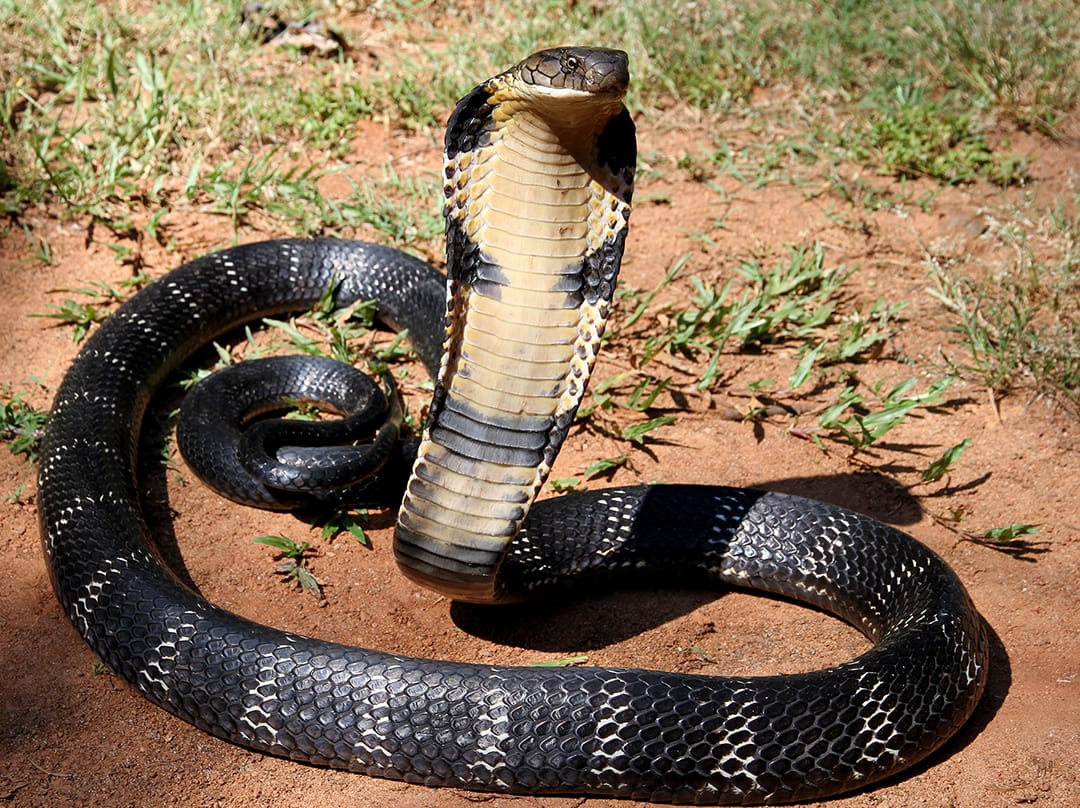
The King Cobra (Ophiophagus hannah) is the longest venomous snake on Earth, reaching lengths of up to 18 feet. Found across forests and plains of South and Southeast Asia, the King Cobra commands both respect and awe. Unlike most snakes, it is highly intelligent and exhibits unique behaviors such as building nests for its eggs—a rare trait among reptiles.
King Cobras feed mainly on other snakes, including venomous species, making them ophiophagous predators. Their venom is highly potent, containing neurotoxins that can immobilize prey almost instantly. Despite their fearsome reputation, King Cobras are typically shy and avoid human contact when possible. Encounters often occur due to habitat overlap, and bite incidents, while serious, are relatively rare.
In addition to their ecological role as top predators controlling snake populations, King Cobras hold cultural significance in many Asian traditions. They appear in folklore and are revered in some areas, contributing to both myth and conservation awareness. Protecting forests and regulating snake trade are essential for maintaining healthy populations of this remarkable reptile.
King Cobras exemplify the incredible diversity among types of reptiles, blending deadly efficiency with fascinating behavioral traits.
3. Red‑Eared Slider
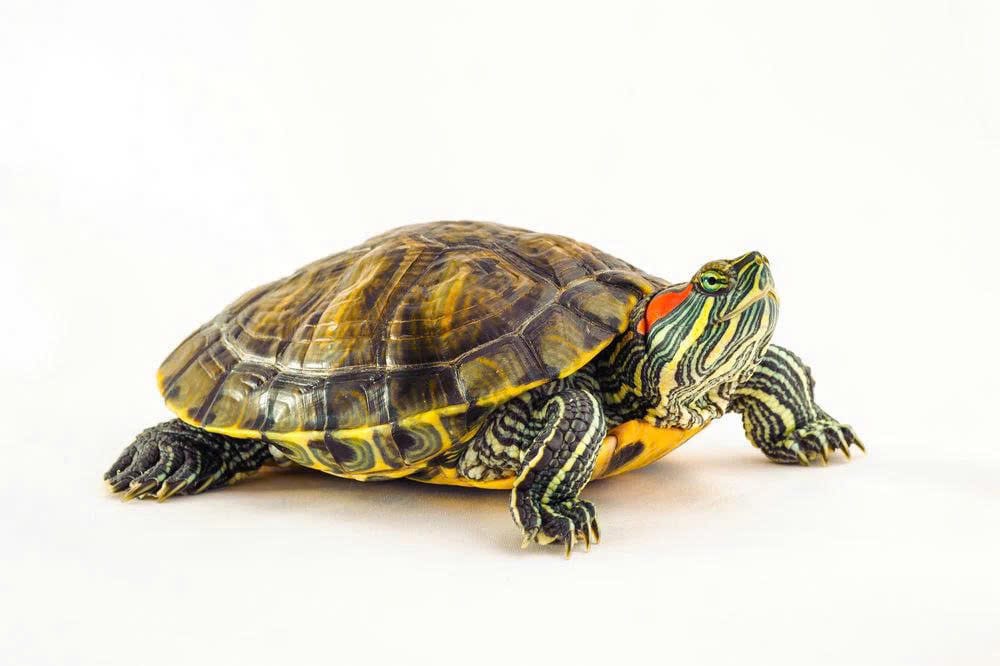
The Red‑Eared Slider (Trachemys scripta elegans) is a freshwater turtle native to the southern United States and northern Mexico. Easily identified by the red markings behind its eyes, this turtle has become one of the most recognized reptiles in the world. Red‑Eared Sliders are semi-aquatic, spending time both in the water and basking on logs or rocks under the sun.
These turtles are omnivorous, feeding on aquatic plants, insects, and small fish. Their adaptability allows them to thrive in ponds, rivers, and even urban water bodies. However, their popularity in the pet trade has led to them being introduced to non-native environments, where they sometimes compete with local turtle species. Responsible pet ownership and habitat conservation are critical to prevent ecological imbalance caused by invasive populations.
Red‑Eared Sliders have a lifespan of 20–30 years in captivity, and their care requires proper diet, UVB lighting, and clean aquatic environments. Observing them in the wild offers insight into the behaviors of semi-aquatic reptiles, including basking, feeding, and social interactions among individuals.
As one of the most common types of reptiles encountered by humans, the Red‑Eared Slider serves as a gentle introduction to reptilian diversity and ecological roles.
4. Nile Crocodile

The Nile Crocodile (Crocodylus niloticus) is one of Africa’s most formidable predators, inhabiting rivers, lakes, and marshlands throughout sub-Saharan Africa. Reaching lengths of up to 20 feet and weighing over 1,500 pounds, Nile Crocodiles are apex predators with impressive hunting skills. They are highly adaptable and can live in freshwater and brackish environments.
Nile Crocodiles feed on fish, mammals, and birds, using stealth and powerful jaws to ambush prey. Their remarkable senses, including night vision and acute hearing, make them efficient hunters even in murky waters. Despite their fearsome reputation, they play a vital role in controlling populations of other aquatic species and maintaining ecosystem balance.
Conservation efforts are essential for Nile Crocodiles due to habitat loss, hunting for their skins, and conflicts with humans. Protected areas and sustainable management practices have helped stabilize populations in some regions, allowing people to appreciate these magnificent reptiles safely.
As one of the largest and most iconic types of reptiles, the Nile Crocodile embodies strength, adaptability, and ecological significance, offering a captivating glimpse into the world of large reptiles.
5. Komodo Dragon

The Komodo Dragon (Varanus komodoensis) is the largest living lizard, found exclusively on a few Indonesian islands, including Komodo, Rinca, and Flores. Adult males can grow over 10 feet long and weigh up to 200 pounds, making them dominant predators within their habitats. Komodo Dragons have a robust body, powerful limbs, and a forked tongue used for detecting scents in the air.
These lizards are carnivorous, feeding on deer, wild boar, birds, and carrion. Their hunting strategy combines stealth, strength, and bacteria-laden saliva, which aids in subduing prey. Komodo Dragons exhibit complex social behaviors, including territorial disputes, mating rituals, and hierarchical feeding order.
Conservation of Komodo Dragons is critical due to their limited range and human pressures, including habitat encroachment and poaching. National parks and protected reserves in Indonesia help preserve these remarkable reptiles for future generations. Observing Komodo Dragons in the wild offers unique insight into the power, intelligence, and ecological importance of giant lizards.
The Komodo Dragon is a prime example of the awe-inspiring types of reptiles, showcasing evolution’s ability to produce extraordinary predators while maintaining ecological balance in their ecosystems.
These five reptiles—Green Iguana, King Cobra, Red‑Eared Slider, Nile Crocodile, and Komodo Dragon—highlight the diversity, adaptability, and ecological roles that reptiles play across the globe. As we continue exploring more types of reptiles, we gain a deeper appreciation for their uniqueness and importance in the natural world.
6. Ball Python
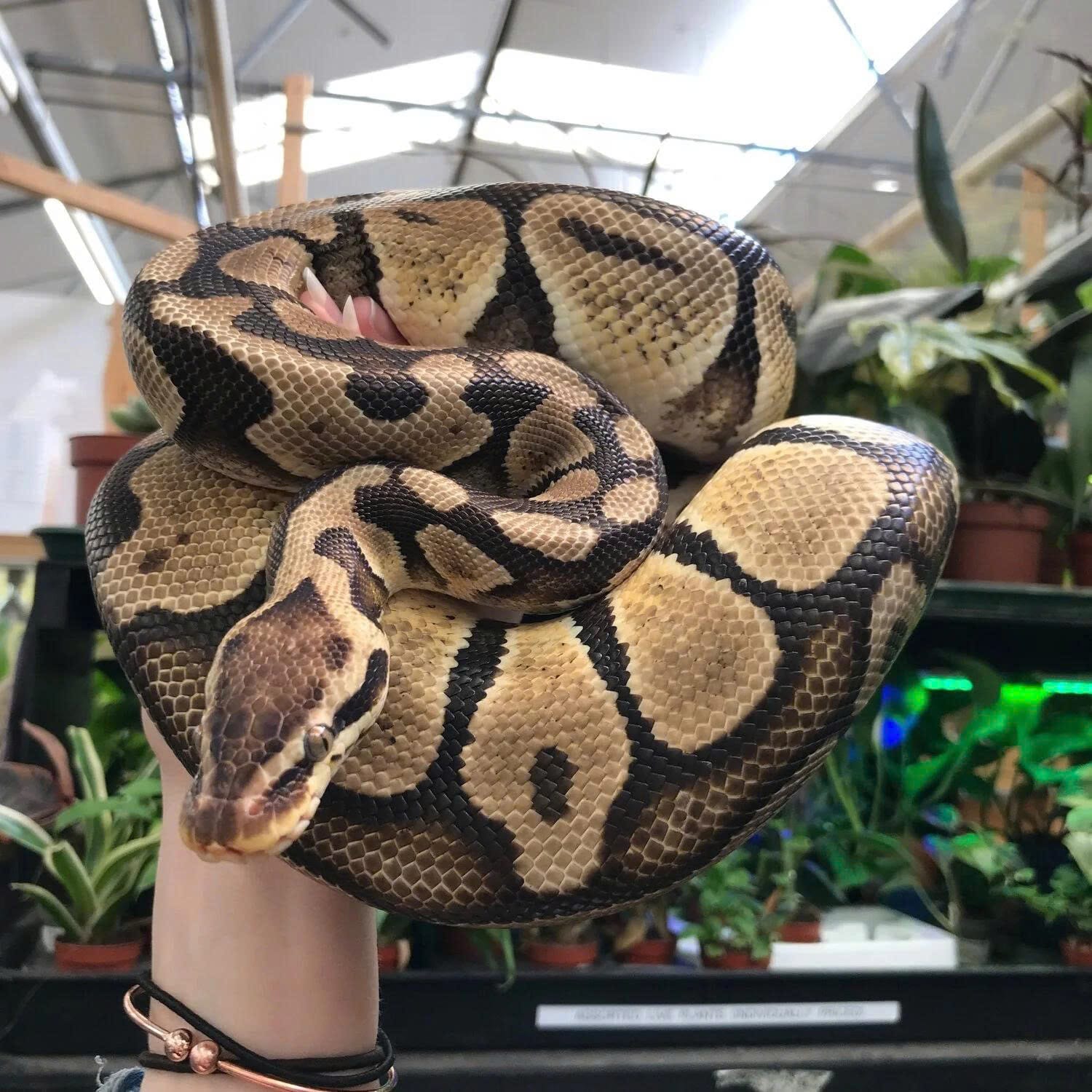
The Ball Python (Python regius), also known as the Royal Python, is one of the most popular pet snakes in the world, native to West and Central Africa. Ball Pythons are named for their tendency to curl into a tight ball when threatened, protecting their head with their muscular coils. They are generally docile and easy to handle, making them ideal for beginners interested in reptiles.
These snakes are relatively small compared to other pythons, typically reaching lengths of 3 to 5 feet, with females being larger than males. Ball Pythons are nocturnal hunters, feeding primarily on small mammals and birds. They use constriction to subdue their prey, slowly tightening their coils until the prey suffocates before swallowing it whole.
In captivity, Ball Pythons require an enclosure with proper temperature gradients, humidity, and hiding spots. They can live over 20 years with proper care. Morphs, or genetically distinct color patterns, are especially popular among reptile enthusiasts and breeders. Understanding their natural behavior and habitat is essential for responsible care.
As one of the most recognized types of reptiles in the pet trade, the Ball Python demonstrates the appeal of reptiles for both education and conservation awareness.
7. Box Turtle
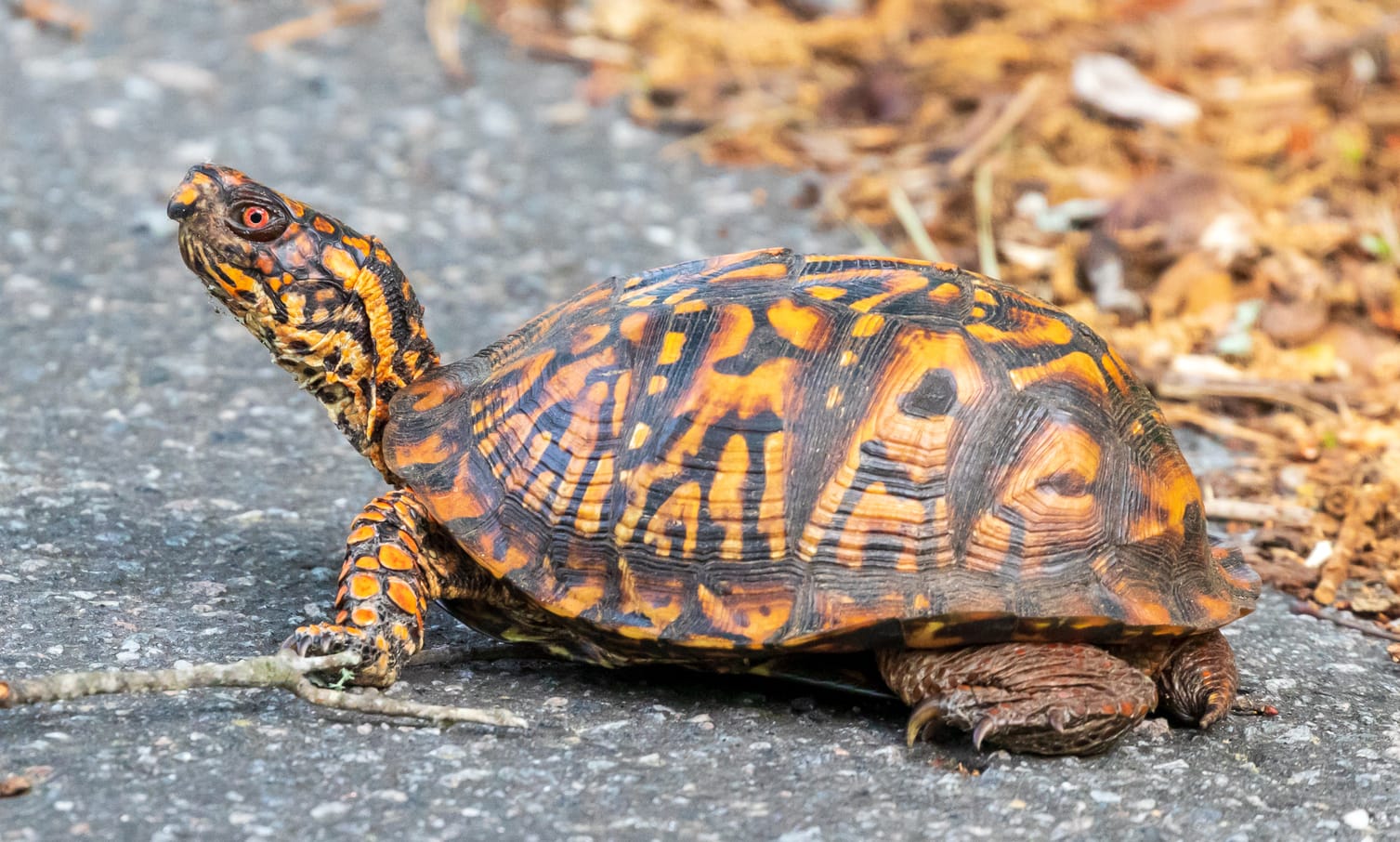
The Box Turtle (Terrapene spp.) is a terrestrial turtle known for its domed shell and hinged plastron, which allows it to close completely to protect itself from predators. Native to North America, Box Turtles inhabit forests, grasslands, and wetlands. Their slow-moving nature and longevity—often exceeding 50 years—make them fascinating creatures for wildlife enthusiasts.
Box Turtles are omnivorous, feeding on insects, worms, berries, fungi, and vegetation. They are important for ecosystems because they help control insect populations and disperse seeds through their droppings. Box Turtles are sensitive to habitat changes, pollution, and road mortality, which makes conservation efforts critical.
In captivity, Box Turtles need a secure outdoor enclosure or terrarium with soil, plants, and moisture. They require a varied diet and exposure to sunlight or UVB lighting to maintain shell and bone health. Observing these reptiles in the wild reveals complex behaviors such as seasonal migration, courtship, and nesting, highlighting the intricate lives of terrestrial turtles.
Box Turtles serve as excellent examples of how types of reptiles can combine ecological significance, longevity, and unique adaptations to survive in diverse environments.
8. American Alligator

The American Alligator (Alligator mississippiensis) is a large freshwater reptile found primarily in the southeastern United States. With adults reaching up to 13–15 feet in length, they are apex predators in their habitats, controlling populations of fish, birds, and small mammals. Their powerful jaws, armored skin, and stealthy hunting strategies make them formidable hunters.
American Alligators are typically found in swamps, rivers, lakes, and marshes. They are ectothermic, meaning their body temperature is regulated by the environment, and they bask in the sun to warm themselves. These reptiles are also highly social during mating season, establishing territories and engaging in complex vocalizations, including bellowing to attract mates.
Conservation efforts have helped the American Alligator recover from near-extinction due to hunting and habitat loss in the 20th century. Today, they are protected under federal law and serve as symbols of successful wildlife management. Observing these reptiles in their natural habitats offers insight into their role as ecosystem engineers, creating channels and ponds that benefit other wildlife.
The American Alligator remains one of the most iconic types of reptiles, showcasing adaptability, resilience, and ecological importance.
9. Gila Monster

The Gila Monster (Heloderma suspectum) is one of the few venomous lizards in the world, native to the deserts of southwestern United States and northwestern Mexico. Recognizable by its black and orange beaded skin, the Gila Monster is slow-moving and primarily terrestrial, spending much of its life in burrows to avoid the harsh desert heat.
Gila Monsters feed mainly on eggs, small mammals, and birds. Their venom, delivered through grooves in their teeth, helps subdue prey but is not usually fatal to humans. Despite their fearsome appearance, they are generally docile and pose minimal threat unless provoked. These lizards have a low metabolism and can survive long periods without food, storing fat in their tails.
In captivity, Gila Monsters require large enclosures, controlled temperatures, and careful handling. Conservation is vital as their populations are threatened by habitat destruction and illegal collection for the pet trade. Observing their behavior in the wild offers a rare glimpse into the life of a venomous lizard adapted to extreme environments.
The Gila Monster highlights the diversity and adaptability found among types of reptiles, illustrating unique evolutionary solutions to survival in harsh conditions.
10. Coral Snake

The Coral Snake (Micrurus spp.) is a small, highly venomous snake found throughout the Americas, famous for its striking red, yellow, and black banding. Despite their vibrant appearance, Coral Snakes are secretive and elusive, spending much of their time underground or hidden in leaf litter. Their venom is neurotoxic, affecting the nervous system and requiring immediate medical attention if bitten.
Coral Snakes primarily feed on other snakes, lizards, and amphibians. They are generally slow-moving and rely on camouflage and nocturnal activity to avoid predators. The saying “Red touches yellow, kill a fellow; red touches black, venom lack” is a popular mnemonic to differentiate venomous coral snakes from non-venomous look-alikes, though caution is always recommended.
Conservation challenges include habitat destruction and human fear, which often leads to unnecessary killing of these snakes. Educating the public about their behavior, ecological role, and harmlessness when left alone is crucial for their protection. Coral Snakes play a key role in maintaining healthy populations of other reptiles and amphibians, serving as both predator and prey in their ecosystems.
As a unique and visually striking species, the Coral Snake underscores the incredible variety found among types of reptiles and the importance of understanding their ecological roles.
11. Sea Turtle
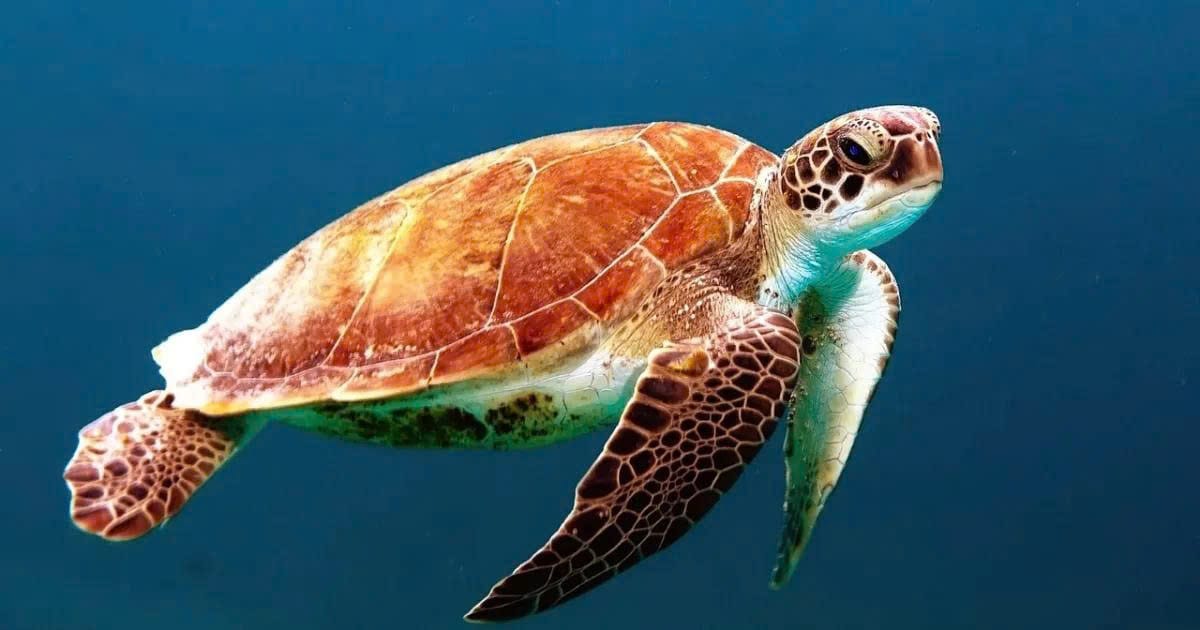
Sea Turtles are a diverse group of marine reptiles belonging to the family Cheloniidae and Dermochelyidae. They are found in oceans worldwide, known for their long migrations between feeding grounds and nesting beaches. With their streamlined shells and flippers adapted for swimming, sea turtles are perfectly suited to life in the open ocean. Among the most well-known species are the Green Turtle, Loggerhead, Hawksbill, and Leatherback Turtle.
Sea Turtles primarily feed on seagrasses, algae, jellyfish, and other marine organisms depending on the species. They play a crucial ecological role in maintaining healthy marine ecosystems by controlling jellyfish populations and promoting seagrass growth. These reptiles are known for their nesting behavior, where females return to the exact beaches where they hatched to lay eggs, a remarkable feat of navigation and instinct.
Sea Turtles face numerous threats including habitat destruction, pollution, climate change, and accidental capture in fishing gear. Conservation efforts, such as protected nesting sites, wildlife legislation, and public education, are vital for their survival. Observing sea turtles in the wild reveals their grace, resilience, and critical role as marine predators and ecosystem engineers.
Sea Turtles exemplify the diversity of types of reptiles, showcasing adaptations that allow reptiles to thrive in aquatic environments while also highlighting the importance of conservation in preserving these iconic species.
12. Spectacled Caiman
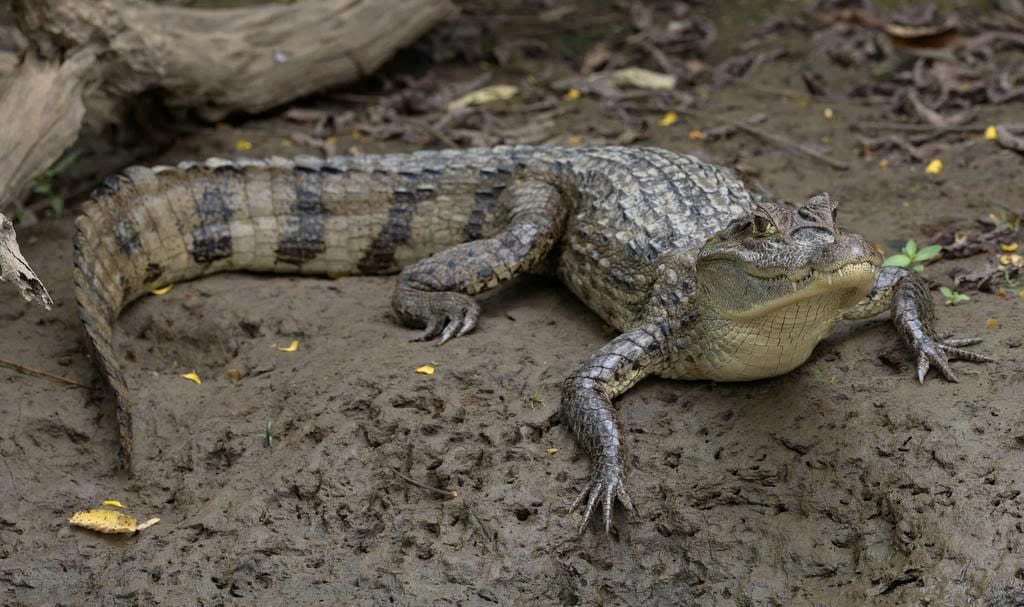
The Spectacled Caiman (Caiman crocodilus) is a small to medium-sized crocodilian found throughout Central and South America. Its name comes from the bony ridge between its eyes, which resembles a pair of spectacles. Typically reaching lengths of 4–7 feet, Spectacled Caimans are highly adaptable, inhabiting rivers, lakes, wetlands, and even man-made water bodies.
These reptiles are opportunistic predators, feeding on fish, amphibians, small mammals, and birds. They are most active at night, using stealth and ambush techniques to capture prey. Juveniles face predation from larger caimans, snakes, and birds, but adults have few natural predators due to their armored bodies and powerful jaws.
Conservation-wise, Spectacled Caimans are relatively abundant compared to other crocodilians, but they still face habitat loss and illegal hunting. They are a popular species in wildlife tourism, allowing people to observe crocodilian behavior in natural habitats safely. Their presence in wetlands also contributes to ecosystem health by regulating prey populations and creating channels that benefit other species.
The Spectacled Caiman demonstrates how types of reptiles vary in size, behavior, and ecological function, highlighting the adaptability of crocodilians to diverse environments.
13. Bearded Dragon

The Bearded Dragon (Pogona vitticeps) is a medium-sized lizard native to the arid regions of Australia. Recognizable by the spiny “beard” under its chin, which can puff out when threatened, Bearded Dragons are popular pets and educational species due to their docile nature. Adults typically reach 18–24 inches in length, with males slightly larger than females.
Bearded Dragons are omnivorous, feeding on insects, small animals, fruits, and vegetables. In the wild, they bask on rocks and branches to regulate body temperature, displaying thermoregulatory behavior typical of reptiles. Their communication involves head bobbing, arm waving, and displaying their beard to signal dominance, submission, or mating interest.
In captivity, Bearded Dragons require UVB lighting, a heat gradient, and a balanced diet to thrive. Their friendly temperament makes them excellent teaching species for demonstrating reptile behavior, diet, and physiology. Conservation concerns are minimal in the wild, but habitat degradation and the pet trade need careful management to avoid population pressures.
Bearded Dragons illustrate how types of reptiles can be both ecologically important and accessible for education, allowing humans to connect with the natural world safely.
14. Rattlesnake

Rattlesnakes are a group of venomous snakes belonging to the genus Crotalus, native to the Americas. They are easily identified by the distinctive rattle at the tip of their tail, which serves as a warning to potential predators. Species like the Eastern Diamondback, Western Diamondback, and Timber Rattlesnake are among the most well-known.
Rattlesnakes are ambush predators, feeding primarily on rodents, birds, and small mammals. Their venom is a complex mix of enzymes and toxins that immobilize and digest prey before consumption. Despite their reputation, rattlesnakes generally avoid humans and strike only when threatened or cornered. They play a vital role in controlling rodent populations and maintaining ecosystem balance.
Conservation issues include habitat destruction, road mortality, and human fear leading to unnecessary killings. Educational programs and wildlife awareness are essential to ensure that these snakes are respected rather than feared. Observing rattlesnakes in the wild offers insight into their hunting strategies, thermoregulation, and seasonal behaviors such as brumation during winter months.
Rattlesnakes are a compelling example of types of reptiles that combine danger, ecological importance, and fascinating natural history, providing endless opportunities for study and observation.
15. Softshell Turtle
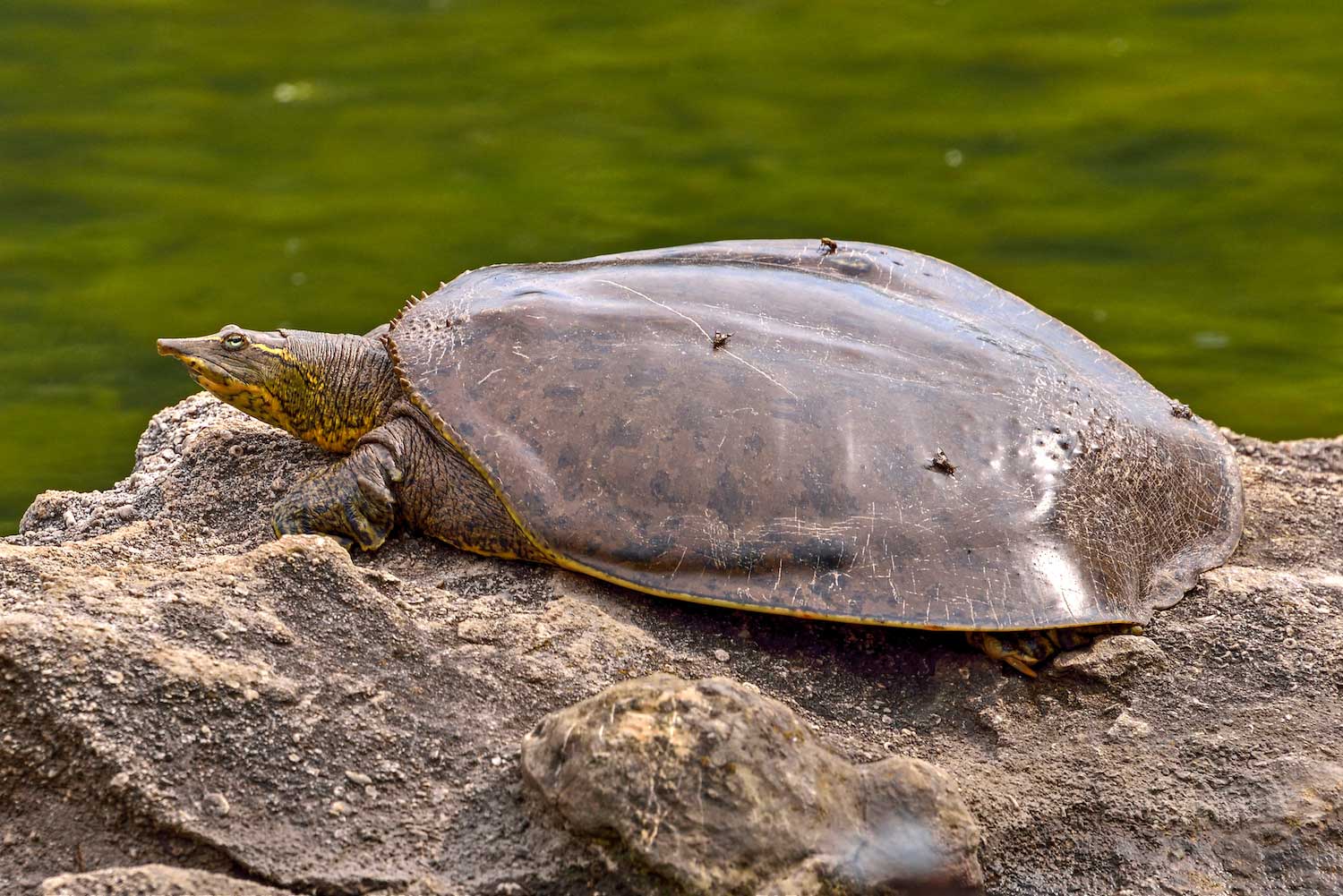
Softshell Turtles are a unique group of aquatic reptiles belonging to the family Trionychidae. Unlike hard-shelled turtles, they have a flattened, leathery shell that allows for greater mobility in water. Found in rivers, lakes, and ponds across Asia, Africa, and North America, softshell turtles vary in size, with some species reaching lengths of over 2 feet.
These turtles are primarily carnivorous, feeding on fish, amphibians, insects, and crustaceans. They are highly adapted for aquatic life, using webbed feet and a snorkel-like nose to breathe while remaining submerged. Softshell turtles are ambush predators, lying partially buried in sand or mud to surprise passing prey. Their speed in water is impressive, allowing them to escape predators and capture prey efficiently.
Softshell Turtles face threats from habitat destruction, pollution, and hunting for meat and shells. Conservation efforts, including protected areas and habitat restoration, are essential to maintain populations. Observing softshell turtles in the wild reveals their remarkable adaptations for stealth, swimming, and survival in aquatic environments.
Softshell Turtles highlight the incredible diversity among types of reptiles, showcasing adaptations that allow these animals to thrive in water while maintaining ecological roles as predators and ecosystem regulators.
16. Indian Gharial

The Indian Gharial (Gavialis gangeticus) is one of the most unique crocodilians in the world, easily recognizable by its long, narrow snout filled with sharp teeth. Native to rivers of the Indian subcontinent, the Gharial is specially adapted for catching fish, which makes up the majority of its diet. Males develop a bulbous growth called a “ghara” at the tip of their snout, used for vocalization and attracting females during the mating season.
Adult Gharials can reach lengths of up to 20 feet, making them one of the longest members of the crocodilian family. They are highly aquatic, rarely leaving the water except for nesting purposes. Unlike other crocodiles, they are less aggressive toward humans, relying on speed and stealth to capture fish instead of ambush hunting larger prey. Their diet and slender build demonstrate incredible specialization in evolution among types of reptiles.
Conservation status is critical: Gharials are listed as Critically Endangered due to habitat loss, river pollution, and fishing practices that entangle and kill them. Breeding programs and river conservation initiatives are essential to prevent their extinction. Studying the Indian Gharial offers insight into how reptiles can adapt anatomically and behaviorally to extremely specialized ecological niches.
The Indian Gharial exemplifies the diversity and ecological importance of types of reptiles, illustrating how evolution produces remarkable adaptations for survival in aquatic habitats.
17. Monitor Lizard
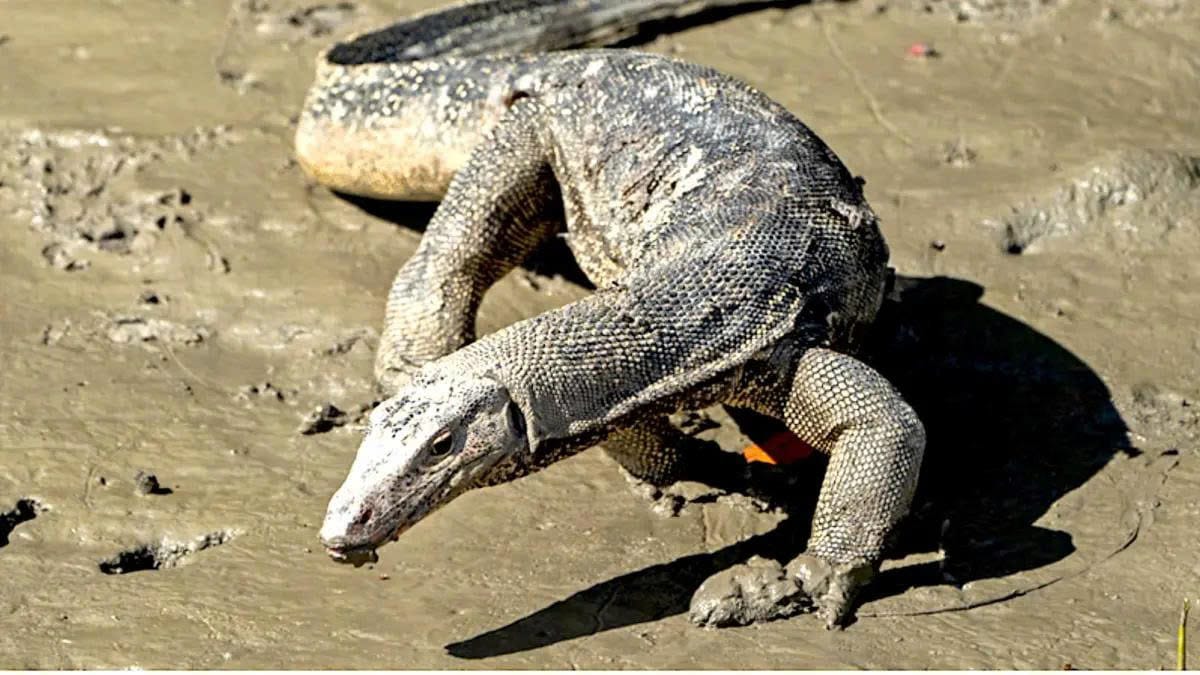
Monitor Lizards, belonging to the genus Varanus, are large, powerful reptiles found throughout Africa, Asia, and Australia. Species like the Komodo Dragon are part of this family, but smaller monitors such as the Nile Monitor or Savannah Monitor are also remarkable predators. Monitors have elongated necks, strong limbs, sharp claws, and forked tongues that help them detect prey through scent.
These reptiles are highly versatile hunters and scavengers, feeding on insects, small mammals, birds, eggs, and carrion. Their intelligence is notable among reptiles; studies have shown problem-solving skills and complex social behaviors in some species. Monitors are excellent climbers and swimmers, demonstrating adaptability across terrestrial, arboreal, and aquatic habitats.
In the wild, Monitor Lizards maintain balance in ecosystems by controlling prey populations and scavenging, which helps recycle nutrients. They face threats from habitat destruction, hunting for skins and meat, and the pet trade. Conservation efforts and education are crucial for sustaining populations while allowing safe human interactions.
Monitor Lizards highlight the diversity within types of reptiles, combining agility, intelligence, and ecological significance in ways that fascinate both scientists and wildlife enthusiasts.
18. Milk Snake
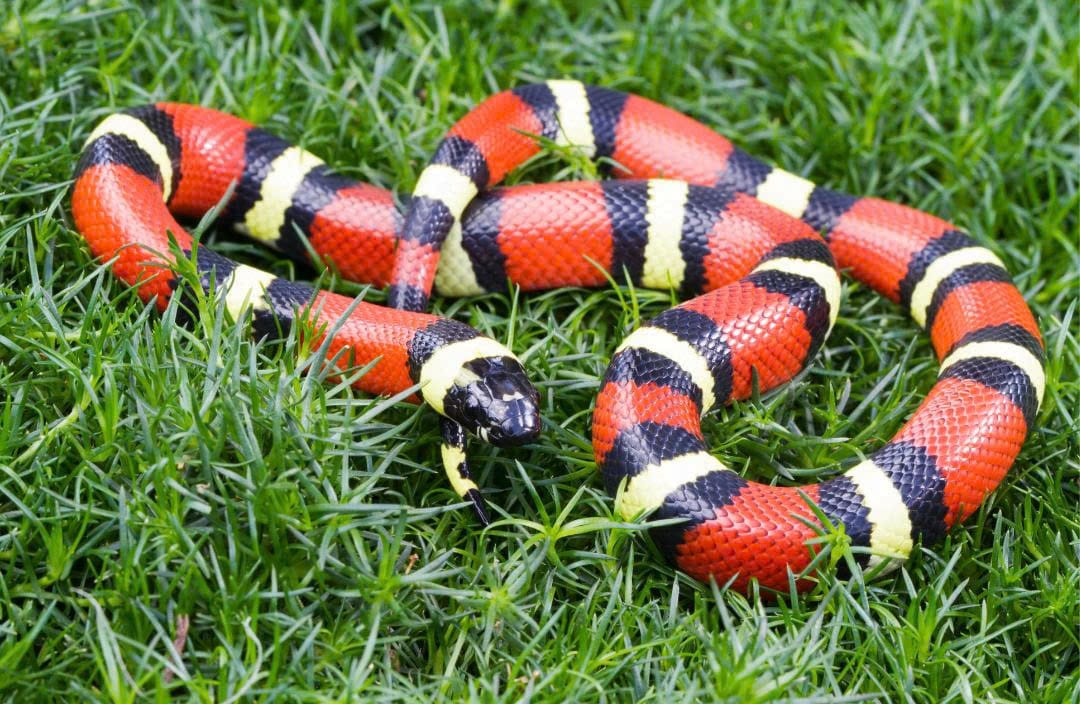
The Milk Snake (Lampropeltis triangulum) is a non-venomous snake found throughout North and Central America. It is easily recognized by its striking pattern of red, black, and white or yellow bands, which mimics the coloration of the venomous Coral Snake—a clever example of Batesian mimicry. Milk Snakes are small to medium-sized, typically 2–4 feet long, and highly adaptable to forests, grasslands, and even agricultural areas.
These snakes are nocturnal and feed on small mammals, birds, eggs, and other reptiles. Milk Snakes are excellent climbers and swimmers, showcasing the versatility of types of reptiles in occupying various ecological niches. Despite their attractive coloration, they are harmless to humans, and their presence benefits ecosystems by controlling rodent populations.
Milk Snakes are often encountered by reptile enthusiasts due to their docile nature and ease of care in captivity. Breeding programs have produced numerous color morphs, increasing their popularity in the pet trade. Conserving their habitats and understanding their ecological role ensures these snakes continue to thrive in the wild.
The Milk Snake demonstrates how types of reptiles can combine beauty, ecological function, and clever survival strategies in nature.
19. Snapping Turtle
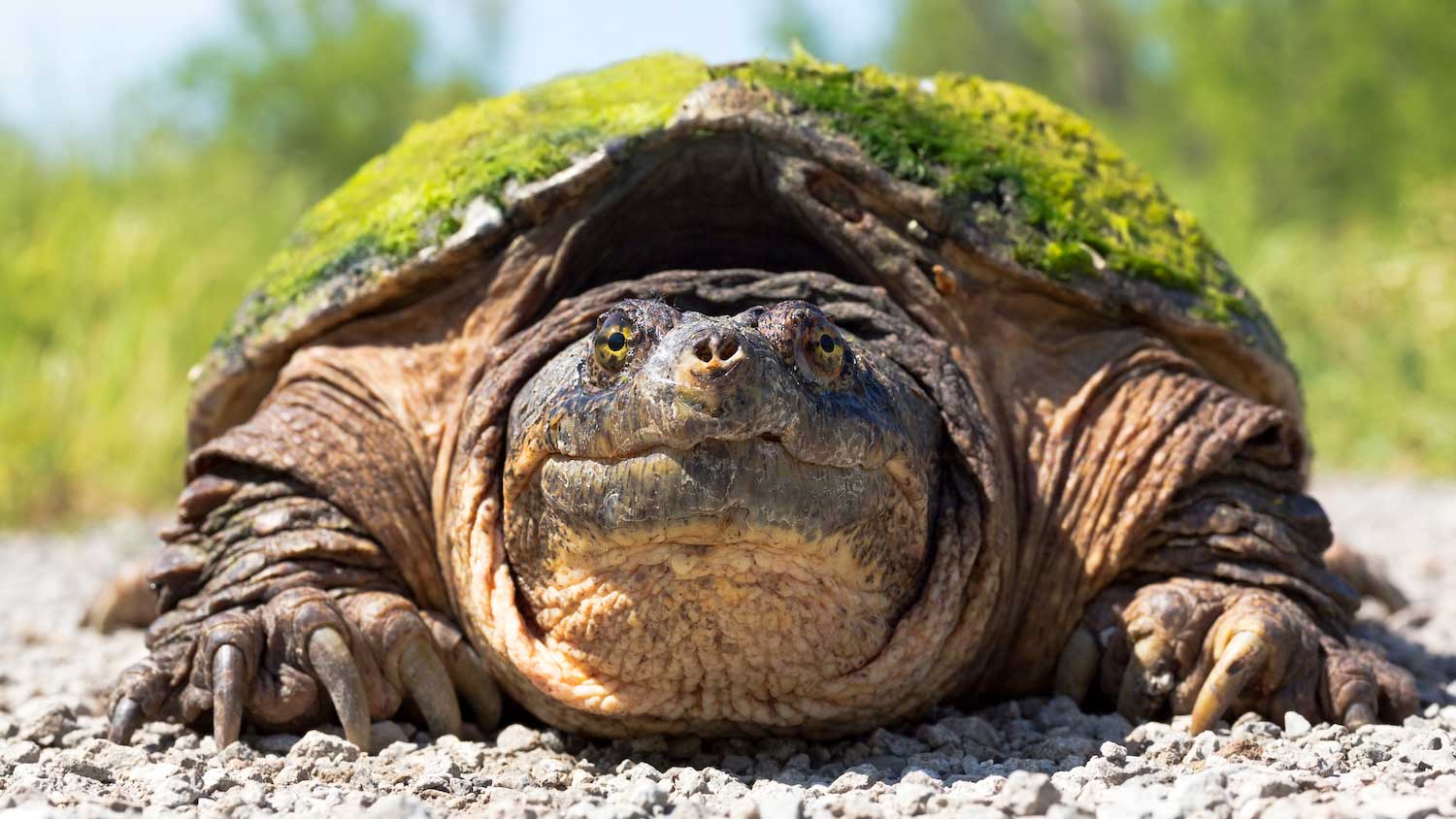
The Snapping Turtle (Chelydra serpentina) is a large freshwater turtle native to North America, known for its powerful jaws, aggressive demeanor, and long tail. They inhabit rivers, lakes, and marshes, often hiding among submerged vegetation. Despite their fierce reputation, Snapping Turtles are primarily opportunistic feeders, consuming fish, amphibians, insects, carrion, and even aquatic plants.
These turtles play a significant role in aquatic ecosystems by controlling populations of prey species and cleaning up carrion, thus maintaining water quality. Adult Snapping Turtles have few predators due to their size and strong defense mechanisms, though juveniles are vulnerable to birds, mammals, and larger reptiles.
Conservation concerns include habitat destruction, road mortality, and overharvesting in some areas. Observing Snapping Turtles in the wild highlights their adaptability, ambush hunting techniques, and complex interactions with other aquatic species. They can live for 30–40 years or more, emphasizing the longevity and resilience of reptiles.
As one of the more formidable types of reptiles, the Snapping Turtle illustrates the combination of strength, survival instincts, and ecological importance found among freshwater reptiles.
20. Chinese Alligator

The Chinese Alligator (Alligator sinensis) is a small, critically endangered crocodilian native to eastern China. Typically reaching 5 feet in length, it is significantly smaller than its American counterpart but shares many adaptations, including armored skin, powerful jaws, and semi-aquatic behavior. Chinese Alligators inhabit rivers, ponds, and wetlands, relying on aquatic habitats for hunting and reproduction.
They feed on fish, amphibians, small mammals, and invertebrates. Unlike some crocodilians, Chinese Alligators are shy and avoid human contact, often retreating to burrows or dense vegetation when threatened. They exhibit nesting behavior, with females laying eggs in carefully constructed mounds of vegetation and soil, using temperature to determine the sex of their offspring.
Conservation is critical, as habitat loss from agriculture and urban expansion has drastically reduced wild populations. Captive breeding programs and wetland restoration are essential for the species’ survival. Studying the Chinese Alligator provides valuable insight into the behavior, ecology, and evolutionary history of crocodilians, demonstrating the importance of protecting fragile reptile species.
The Chinese Alligator exemplifies how types of reptiles can be both ecologically important and highly specialized, offering a unique glimpse into the survival strategies of crocodilians.
21. Chameleon

Chameleons are a group of highly specialized lizards renowned for their ability to change color, independently move their eyes, and capture prey with long, sticky tongues. Found primarily in Madagascar, Africa, and parts of Asia, chameleons occupy forests, savannas, and shrublands. Their color-changing ability is not just for camouflage; it also communicates mood, temperature regulation, and social signaling.
Chameleons have unique zygodactylous feet, which allow them to grip branches securely, and prehensile tails that assist with balance while navigating trees. They are primarily insectivorous, but some larger species consume small birds or lizards. Their eyes can move independently, providing 360-degree vision to locate prey and avoid predators simultaneously.
In captivity, chameleons require vertical enclosures with foliage, controlled humidity, UVB lighting, and a diet of live insects. They are delicate reptiles that need careful environmental management to thrive. Observing chameleons in the wild reveals fascinating behaviors, including color displays for mating, territorial disputes, and thermoregulation. Their intricate adaptations highlight the incredible evolutionary diversity found in types of reptiles.
Chameleons showcase the specialized traits that make reptiles unique, combining agility, color communication, and predatory skills into one remarkable species.
22. Anaconda

The Anaconda, particularly the Green Anaconda (Eunectes murinus), is one of the largest snakes in the world by weight and girth, native to South America. Anacondas are primarily aquatic, inhabiting swamps, marshes, and slow-moving rivers. Their size and strength allow them to subdue large prey, including capybaras, caimans, and even deer.
Anacondas are non-venomous constrictors, coiling their muscular bodies around prey to suffocate it before swallowing whole. Despite their fearsome reputation, they are generally elusive and prefer to remain hidden in water. They rely on camouflage and stealth for both hunting and protection from threats.
Reproduction involves complex courtship behaviors, where multiple males may form a “breeding ball” around a female, competing for mating opportunities. Female anacondas are larger than males and may store sperm to fertilize multiple clutches of eggs over time.
Conservation issues include habitat destruction, hunting for skins, and human conflict. Preserving wetlands and rivers is crucial for maintaining healthy populations. Anacondas exemplify the power, adaptability, and ecological role of types of reptiles in controlling prey populations and shaping aquatic ecosystems.
23. Painted Turtle
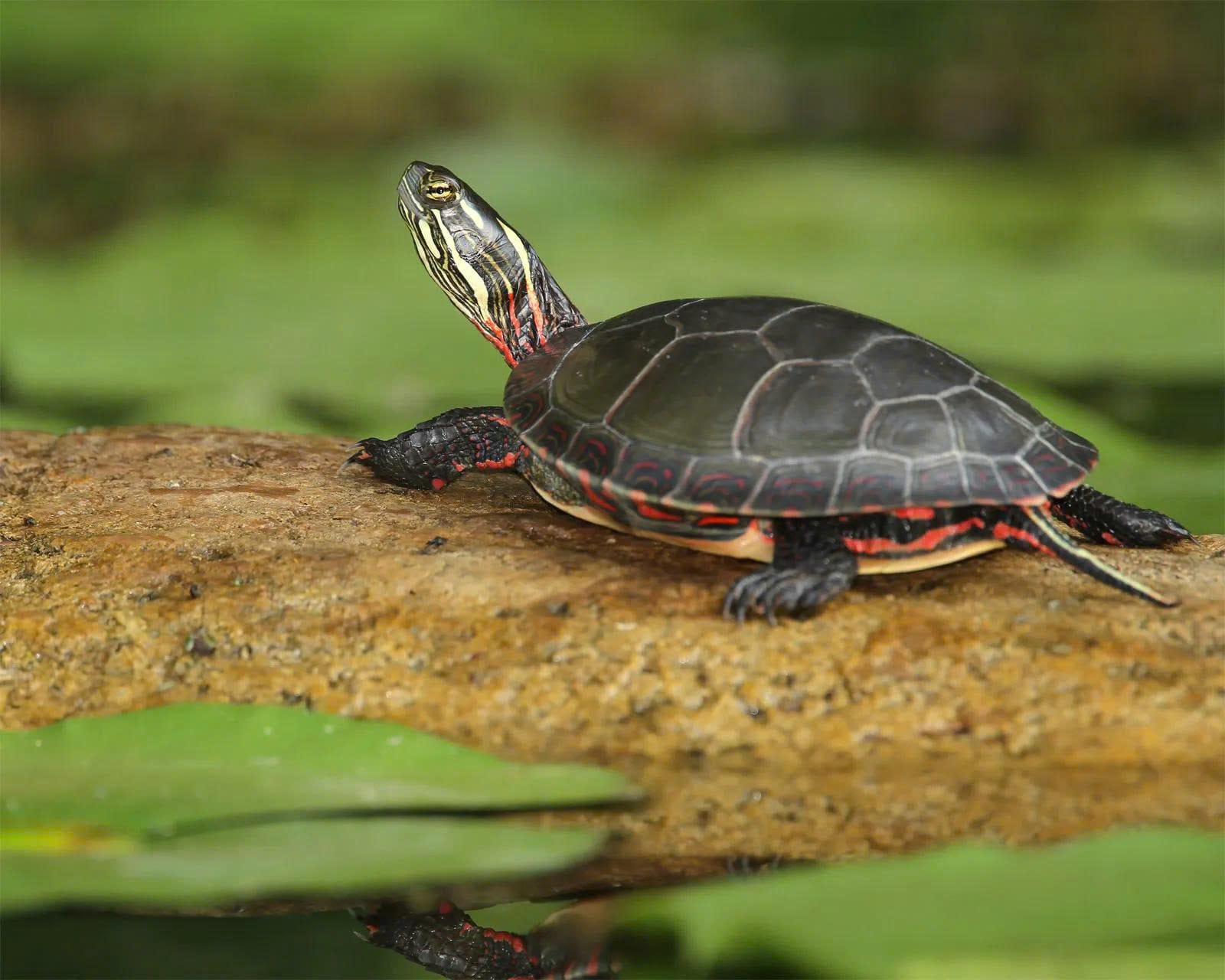
The Painted Turtle (Chrysemys picta) is a small, colorful freshwater turtle native to North America. Recognizable by red, yellow, and black markings along its shell and skin, the Painted Turtle is highly adaptable to ponds, lakes, rivers, and wetlands. They are semi-aquatic, spending time basking on logs or floating vegetation to regulate body temperature.
Painted Turtles are omnivorous, feeding on aquatic vegetation, insects, and small fish. They play a role in aquatic ecosystems by controlling invertebrate populations and recycling nutrients. During winter, they hibernate in mud or underwater sediment, slowing their metabolism to survive cold temperatures.
In captivity, Painted Turtles require UVB lighting, proper temperature gradients, and clean water for health. Their lifespan ranges from 20 to 40 years. Observing these reptiles in the wild demonstrates behaviors such as basking, foraging, and seasonal migration, illustrating the subtle complexity of types of reptiles.
Painted Turtles highlight the adaptability and ecological significance of semi-aquatic reptiles, offering insight into how reptiles thrive in diverse freshwater habitats.
24. Black Caiman

The Black Caiman (Melanosuchus niger) is one of the largest members of the alligator family, native to the Amazon Basin. Adults can exceed 16 feet in length, making them apex predators in their ecosystems. Their dark coloration helps them blend into shadowy waters, allowing them to ambush fish, birds, and mammals efficiently.
Black Caimans are nocturnal hunters, relying on stealth, powerful jaws, and sharp teeth to secure prey. Juveniles are preyed upon by larger caimans, jaguars, and birds of prey, highlighting the importance of predator-prey interactions in their habitats. These reptiles play a crucial ecological role by regulating populations of aquatic and terrestrial species and shaping wetland environments.
Conservation efforts include protecting Amazonian wetlands and enforcing hunting restrictions, as Black Caimans were heavily exploited for their skins in the 20th century. Populations have stabilized in some areas due to these initiatives. Observing Black Caimans reveals their stealthy hunting techniques, social interactions, and adaptability to fluctuating water levels in tropical rivers.
The Black Caiman exemplifies how types of reptiles can combine power, adaptability, and ecological importance, making them vital to the health of their ecosystems.
25. Skink

Skinks are a diverse family of lizards (Scincidae) found worldwide, with more than 1,500 species. They vary in size, habitat, and appearance, but are often characterized by smooth, shiny scales and elongated bodies. Skinks inhabit forests, grasslands, deserts, and urban areas, demonstrating incredible adaptability among types of reptiles.
Skinks are primarily insectivorous, feeding on insects, spiders, and other small invertebrates. Some species supplement their diet with fruits or small vertebrates. They are active during the day, using speed and agility to escape predators, and some species can shed their tails (autotomy) as a defense mechanism. This ability allows them to distract predators while escaping, a remarkable evolutionary adaptation.
In captivity, skinks require species-specific care, including appropriate temperatures, humidity, and diet. Observing skinks in the wild highlights their foraging behavior, social interactions, and adaptability to various environments. Skinks serve as important indicators of ecosystem health, as they respond to changes in habitat quality, prey availability, and environmental stressors.
Skinks demonstrate the diversity, adaptability, and ecological importance of reptiles, illustrating how even small, often overlooked species contribute to the balance of natural habitats.
26. Boa Constrictor

The Boa Constrictor (Boa constrictor) is a large, non-venomous snake native to Central and South America, widely recognized for its powerful muscular body and distinctive patterning. Adult boas can grow between 6 and 13 feet, with females typically larger than males. They inhabit forests, savannas, and semi-arid regions, often near rivers or other sources of water, which provide both prey and cover.
Boa Constrictors are ambush predators, feeding primarily on small mammals, birds, and occasionally reptiles. They kill their prey by coiling around it and constricting until the prey suffocates, a method that demonstrates both efficiency and evolutionary adaptation. Their heat-sensing pits allow them to detect warm-blooded animals even in low light, giving them a distinct hunting advantage.
In captivity, Boa Constrictors require large enclosures with proper temperature gradients, humidity, and hiding spots to mimic their natural environment. They can live for 20–30 years with proper care. Conservation challenges include habitat destruction and capture for the exotic pet trade, though they remain widespread in the wild.
The Boa Constrictor exemplifies how types of reptiles combine power, stealth, and adaptability, making them one of the most iconic snakes for both education and wildlife observation.
27. Galápagos Tortoise

The Galápagos Tortoise (Chelonoidis nigra) is one of the largest tortoises in the world, native to the Galápagos Islands. Adults can weigh over 500 pounds and reach lengths of 4–5 feet. These giant tortoises are primarily herbivorous, feeding on grasses, cacti, leaves, and fruits. Their slow metabolism allows them to survive long periods without food or water, which is critical in their island habitats where resources can fluctuate seasonally.
Galápagos Tortoises play a vital ecological role as grazers and seed dispersers. By eating plants and moving across the landscape, they help maintain plant diversity and ecosystem balance. They have long lifespans, often exceeding 100 years, making them symbols of endurance and resilience in the animal kingdom.
Conservation efforts have been crucial, as introduced species, habitat loss, and past overhunting significantly reduced populations. Captive breeding and reintroduction programs have helped restore many islands’ tortoise populations. Observing Galápagos Tortoises provides insight into slow-moving giants’ behavior, including grazing, nesting, and social interactions, highlighting the uniqueness of types of reptiles.
The Galápagos Tortoise illustrates the extraordinary adaptations of reptiles for longevity and survival in isolated ecosystems, emphasizing the importance of conservation and habitat protection.
28. False Gharial

The False Gharial (Tomistoma schlegelii) is a freshwater crocodilian found in Southeast Asia, including Indonesia, Malaysia, and Thailand. It is easily recognizable by its long, narrow snout, similar to the Indian Gharial, which allows it to catch fish efficiently. Adult False Gharials can reach lengths of 13–16 feet and are primarily aquatic, inhabiting rivers, swamps, and lowland forests.
False Gharials feed mainly on fish and small aquatic animals, using stealth and speed to capture prey. Unlike more aggressive crocodilians, they tend to be shy and avoid humans. Their reproductive behavior includes nest building and guarding, with females carefully protecting eggs until hatching. This ensures higher survival rates for juveniles in their often challenging environments.
Conservation is critical, as False Gharials face habitat destruction, pollution, and human conflict. Protected wetlands, sustainable development, and breeding programs are essential to maintain populations. Observing these reptiles reveals fascinating behaviors, such as cooperative basking, hunting strategies, and communication through vocalizations.
The False Gharial highlights how types of reptiles can evolve specialized adaptations for survival in aquatic ecosystems while remaining vulnerable to environmental pressures.
29. Leopard Gecko
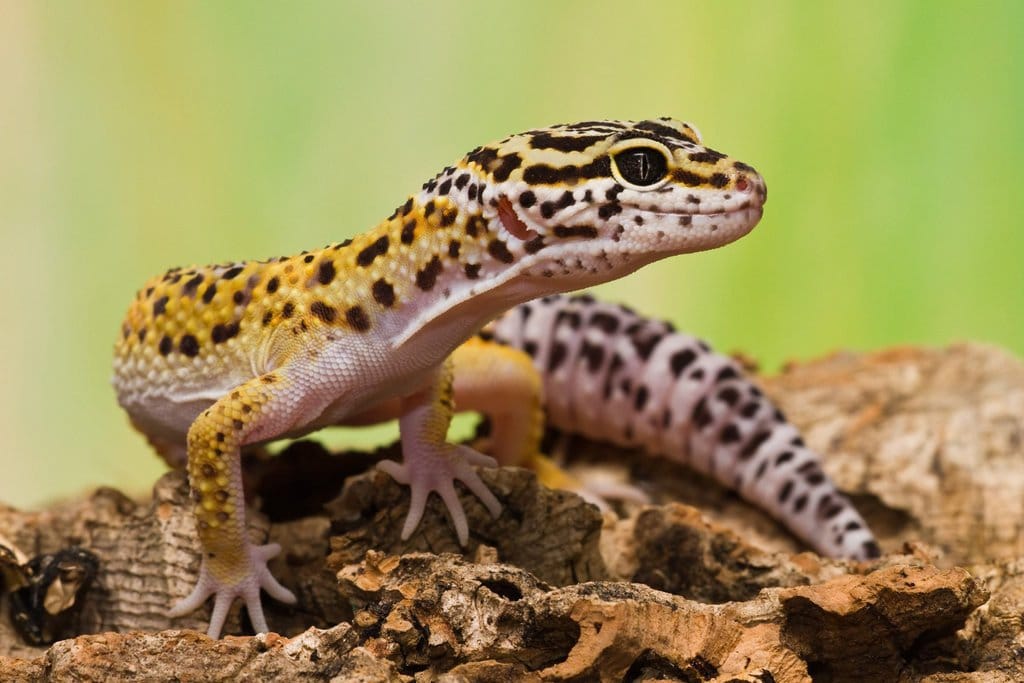
The Leopard Gecko (Eublepharis macularius) is a small, nocturnal lizard native to arid regions of Afghanistan, Pakistan, and northern India. Easily recognized by its spotted skin, the Leopard Gecko is popular among reptile enthusiasts due to its docile temperament, ease of care, and diverse color morphs. Adults typically measure 7–10 inches in length, with males slightly larger than females.
Leopard Geckos are insectivorous, feeding on crickets, mealworms, and other small invertebrates. They have specialized eyelids to protect their eyes from dust and sunlight, an uncommon trait among geckos. Their tail stores fat, which is crucial for energy during periods of food scarcity. Like many lizards, Leopard Geckos can shed their tail as a defense mechanism to escape predators.
In captivity, Leopard Geckos require a terrarium with appropriate substrate, hiding spots, UVB lighting, and a carefully managed diet. They can live 15–20 years, making them excellent long-term pets and educational species. Observing Leopard Geckos in their natural habitats reveals nocturnal hunting strategies, thermoregulation behavior, and social interactions, demonstrating the subtle complexity of small reptiles.
Leopard Geckos exemplify how types of reptiles can be accessible for education, conservation, and observation while maintaining fascinating adaptations for survival in harsh environments.
30. Viper
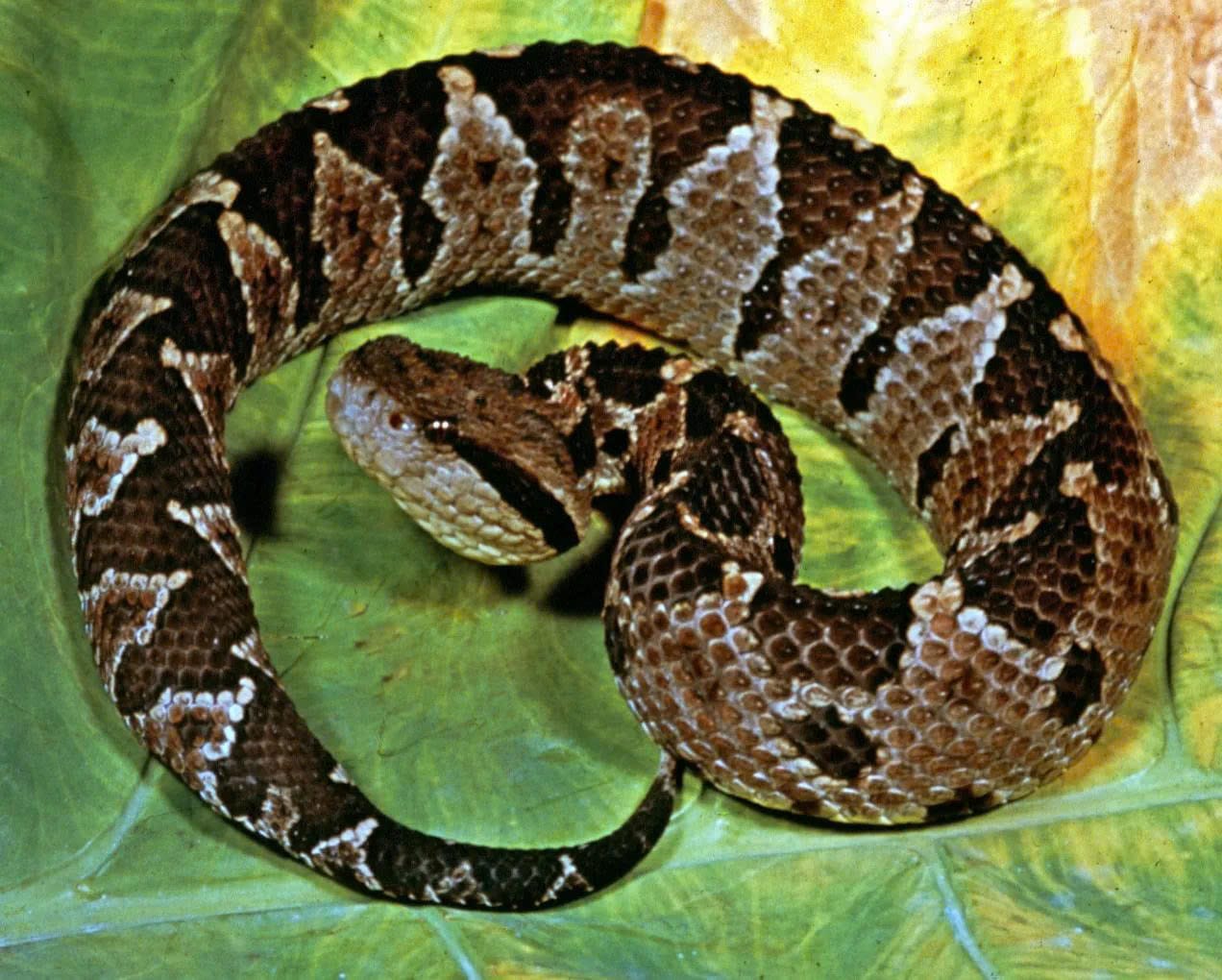
Vipers are a diverse group of venomous snakes belonging to the family Viperidae, found across Europe, Asia, Africa, and the Americas. They are known for their long, hinged fangs, which allow deep injection of venom into prey. Common species include the Gaboon Viper, European Adder, and Russell’s Viper. Vipers occupy forests, deserts, grasslands, and mountains, demonstrating adaptability across various habitats.
Vipers are primarily ambush predators, feeding on rodents, birds, and other small animals. Their venom contains hemotoxins and enzymes that immobilize prey and begin digestion before swallowing. Despite their fearsome reputation, vipers are generally non-aggressive toward humans and bite only when threatened. They are essential for controlling populations of rodents and maintaining ecological balance.
Conservation challenges include habitat loss, persecution due to fear, and illegal trade. Public education about vipers’ behavior and ecological role is vital to ensure their survival. Observing vipers in the wild offers insight into their camouflage, hunting strategies, and reproductive behavior, including egg-laying or live birth depending on the species.
Vipers exemplify how types of reptiles can combine lethal efficiency with ecological importance, emphasizing the diversity, specialization, and critical role of venomous snakes in natural ecosystems.
31. Desert Tortoise
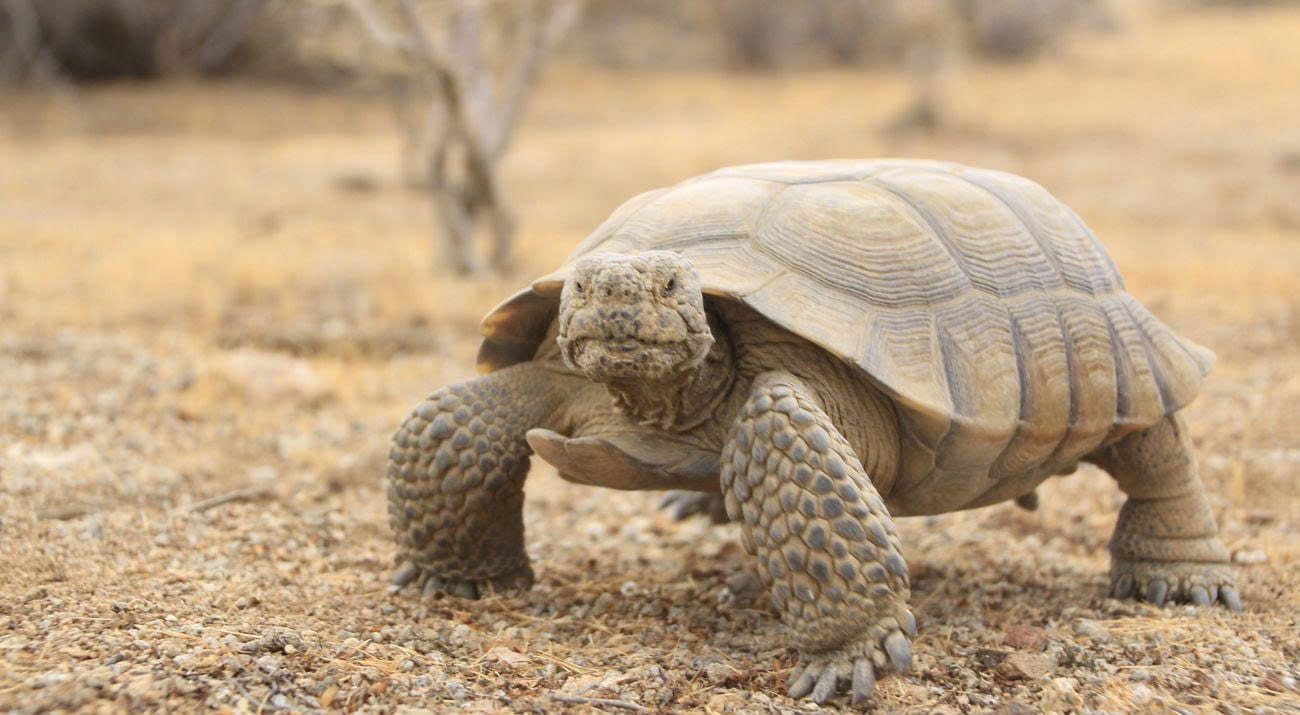
The Desert Tortoise (Gopherus agassizii) is a terrestrial reptile native to the arid deserts of the southwestern United States and northern Mexico. Adapted to extreme temperatures, this tortoise can survive long periods without water by storing moisture in its bladder and using burrows to escape heat. Adults typically weigh between 8–15 pounds and measure 9–15 inches in length.
Desert Tortoises are herbivorous, feeding on grasses, wildflowers, and cacti. Their burrows provide shelter not only for themselves but also for other desert wildlife, demonstrating their role as ecosystem engineers. These tortoises hibernate during the coldest months and estivate during the hottest periods, a behavior that allows them to thrive in challenging desert conditions.
Conservation concerns are significant due to habitat destruction, predation by feral animals, and human activities. Desert Tortoises are listed as threatened, and efforts include habitat protection, relocation programs, and public education. Observing these reptiles reveals fascinating behaviors such as foraging, burrow maintenance, and social interactions, highlighting the adaptability and ecological importance of types of reptiles.
The Desert Tortoise illustrates how reptiles can evolve specialized adaptations to survive in extreme environments while maintaining vital roles in their ecosystems.
32. Dwarf Caiman

The Dwarf Caiman (Paleosuchus palpebrosus) is the smallest crocodilian in the Americas, rarely exceeding 5 feet in length. Native to South America, particularly the Amazon and Orinoco basins, this caiman inhabits slow-moving rivers, streams, and flooded forests. Despite its small size, the Dwarf Caiman is a skilled predator, feeding on fish, amphibians, and small invertebrates.
Dwarf Caimans are highly secretive and primarily nocturnal, hiding in vegetation or burrows during the day. Their armored bodies and powerful tails offer protection from predators, while their stealth and speed allow efficient hunting. These reptiles play a crucial role in controlling prey populations and maintaining the health of aquatic ecosystems.
Conservation challenges include habitat destruction and water pollution, though they are less threatened than larger crocodilians. Observing Dwarf Caimans provides insights into the diversity of behavior, hunting strategies, and ecological adaptations found among small crocodilians, showcasing how even modestly sized reptiles can have significant ecological impact.
The Dwarf Caiman exemplifies the adaptability and ecological importance of types of reptiles, demonstrating that size does not diminish the role a species plays in its environment.
33. Tokay Gecko
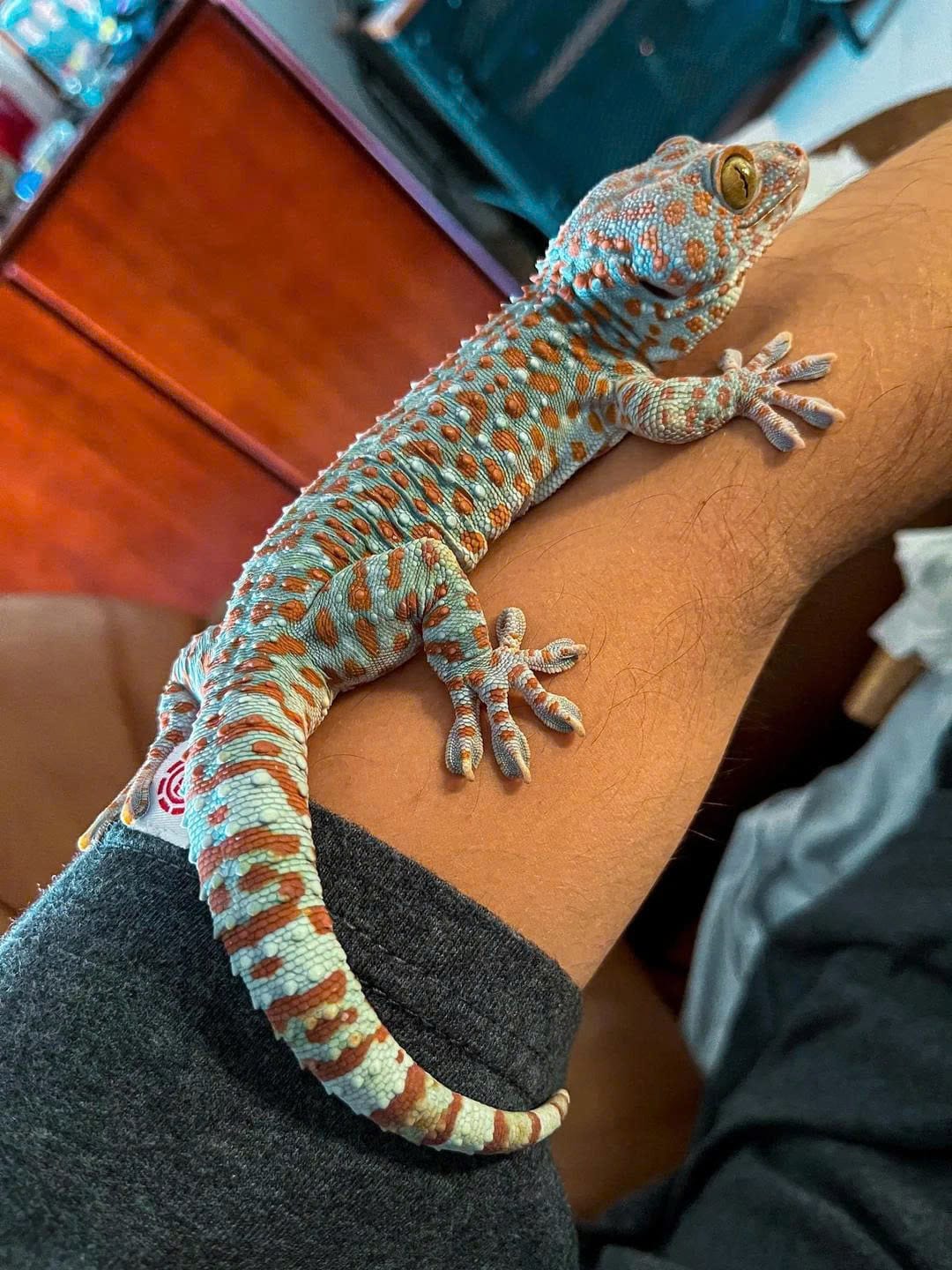
The Tokay Gecko (Gekko gecko) is a large, nocturnal lizard native to Southeast Asia, easily recognized by its vibrant blue-gray skin with orange or red spots. Adults typically measure 10–14 inches long and have powerful adhesive toe pads that allow them to climb vertical surfaces and even ceilings. Known for their loud vocalizations, Tokay Geckos are territorial and highly vocal, often heard during nighttime hours.
Tokay Geckos are insectivorous and occasionally consume small vertebrates. Their strong jaws and sharp teeth help subdue prey. In the wild, they inhabit tropical forests, mangroves, and human settlements, demonstrating remarkable adaptability. These geckos are also used in traditional medicine, which has led to overcollection in some regions.
In captivity, Tokay Geckos require spacious enclosures, vertical climbing structures, hiding spots, and proper temperature and humidity. They are aggressive compared to other geckos, requiring careful handling. Observing their behavior in the wild offers insights into hunting, communication, mating rituals, and territorial disputes, highlighting their complex social interactions and ecological role.
The Tokay Gecko demonstrates the unique adaptations of types of reptiles, including climbing, vocal communication, and nocturnal hunting strategies, making them one of the most fascinating lizards for study and observation.
34. African Spurred Tortoise

The African Spurred Tortoise (Centrochelys sulcata), also known as the Sulcata Tortoise, is the largest tortoise native to the African continent. Found in the southern edge of the Sahara Desert, adults can weigh up to 200 pounds and measure over 30 inches in length. Adapted to arid environments, they dig extensive burrows to escape extreme temperatures and protect themselves from predators.
African Spurred Tortoises are herbivorous, feeding on grasses, cacti, and succulents. Their grazing activity helps maintain vegetation balance and disperse seeds across their habitat. They are highly social during the mating season but generally solitary, with territorial disputes often occurring between males. Longevity is remarkable, with lifespans exceeding 50 years in the wild.
Conservation concerns include habitat loss and overcollection for the pet trade. Captive breeding and habitat protection are crucial for the species’ survival. Observing African Spurred Tortoises provides insight into behaviors such as burrow digging, grazing, social interactions, and thermoregulation, demonstrating their resilience and ecological importance.
The African Spurred Tortoise highlights how types of reptiles can adapt to harsh environments while playing a vital role in shaping and maintaining ecosystems.
35. Saltwater Crocodile

The Saltwater Crocodile (Crocodylus porosus) is the largest living reptile in the world, with males reaching lengths of up to 23 feet and weighing over 2,000 pounds. Found in Southeast Asia, northern Australia, and the eastern Indian Ocean, these apex predators inhabit rivers, estuaries, and coastal areas. Their size, strength, and aggressive behavior make them dominant in their habitats, controlling prey populations and maintaining ecosystem balance.
Saltwater Crocodiles feed on fish, birds, mammals, and occasionally other reptiles. They are ambush predators, using stealth, speed, and powerful jaws to capture prey efficiently. These reptiles have a long lifespan, sometimes exceeding 70 years, and demonstrate complex social behavior, including territorial displays, vocal communication, and nest guarding.
Conservation efforts are critical due to habitat destruction, human conflict, and historical hunting for skins. Protected areas, sustainable management, and education programs have helped stabilize populations in some regions. Observing Saltwater Crocodiles in the wild provides insight into the behavior of large reptiles, including hunting strategies, reproduction, and interactions with other species.
The Saltwater Crocodile exemplifies the power, adaptability, and ecological importance of types of reptiles, demonstrating the incredible diversity and specialization found among crocodilians.
36. Morelet’s Crocodile

Morelet’s Crocodile (Crocodylus moreletii) is a medium-sized crocodilian native to freshwater habitats in Mexico, Belize, and Guatemala. Adults typically measure 8–12 feet long, with robust bodies and powerful tails adapted for swimming and hunting. They inhabit rivers, swamps, lagoons, and lakes, often seeking cover among vegetation to ambush prey.
These crocodiles feed on fish, amphibians, birds, and small mammals. As apex predators in their ecosystems, Morelet’s Crocodiles play a crucial role in controlling prey populations and maintaining aquatic ecosystem health. Juveniles are vulnerable to predation by birds, larger crocodilians, and mammals, while adults face few natural threats. Their reproductive behavior involves nest building along riverbanks, with the female carefully guarding the eggs until hatching.
Conservation concerns include habitat destruction, water pollution, and illegal hunting. Morelet’s Crocodiles were once considered endangered but have rebounded in protected areas due to conservation initiatives. Observing them in the wild highlights their hunting strategies, social interactions, and ability to adapt to environmental changes.
Morelet’s Crocodile exemplifies how types of reptiles can thrive in freshwater habitats while performing essential ecological roles, demonstrating the adaptability and importance of crocodilians in ecosystems.
37. Tiger Snake
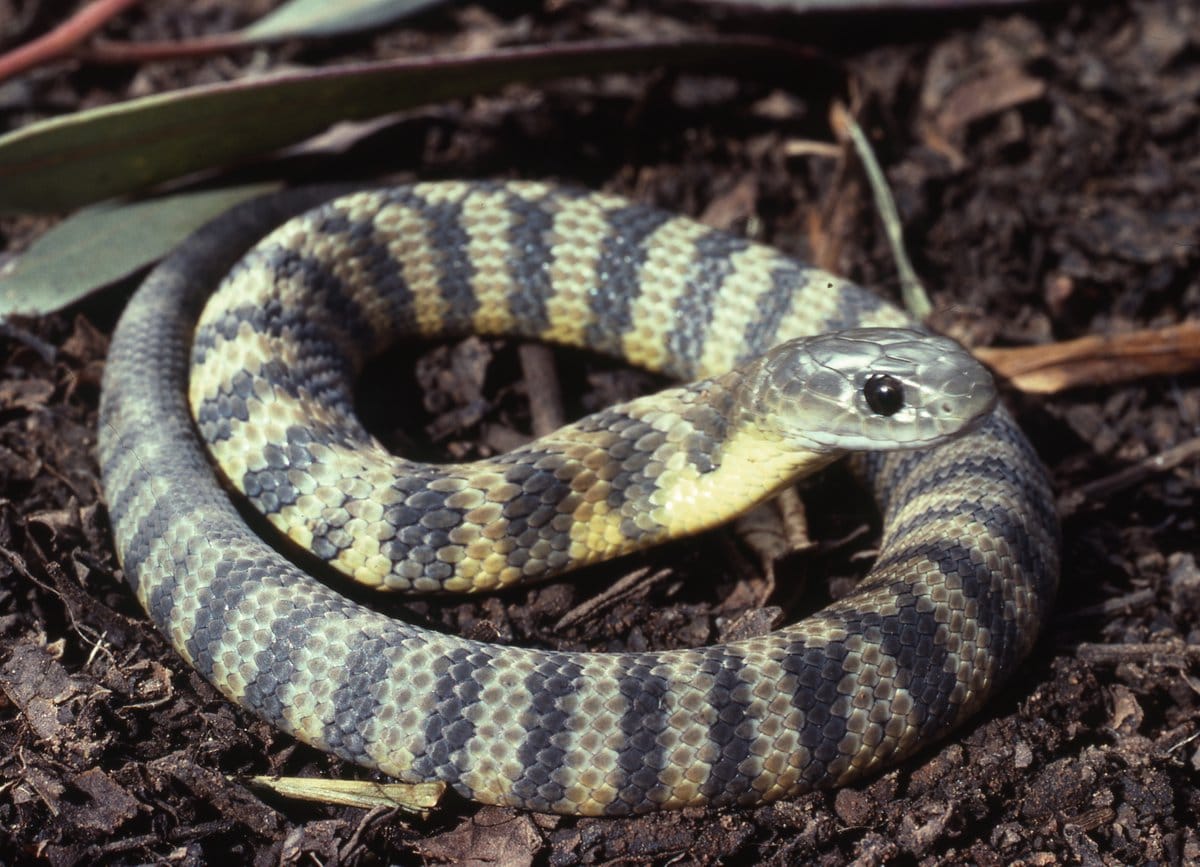
The Tiger Snake (Notechis scutatus) is a highly venomous snake native to southern Australia, including Tasmania. Named for its banded pattern, which resembles a tiger’s stripes, this snake varies in color from yellow to black depending on habitat. Adult Tiger Snakes typically measure 4–6 feet in length, although some may exceed 7 feet.
Tiger Snakes inhabit wetlands, grasslands, forests, and coastal areas. They are diurnal hunters, feeding on frogs, small mammals, birds, and other reptiles. Their venom is potent, containing neurotoxins and coagulants that immobilize prey and aid in digestion. Despite their dangerous reputation, Tiger Snakes generally avoid humans unless provoked, relying on camouflage and quick strikes for defense.
Conservation challenges include habitat loss, road mortality, and persecution by humans. Wetland preservation and public education are essential to ensure sustainable populations. Observing Tiger Snakes in the wild provides insights into their hunting strategies, territorial behavior, mating rituals, and seasonal activity patterns.
The Tiger Snake highlights the diversity and ecological importance of types of reptiles, demonstrating how venomous snakes contribute to controlling prey populations and maintaining ecosystem balance.
38. Philippine Crocodile

The Philippine Crocodile (Crocodylus mindorensis) is a critically endangered freshwater crocodilian native to the Philippines. Smaller than the Saltwater Crocodile, adults typically measure 7–10 feet long. They inhabit rivers, marshes, and swamps, relying on clean water and abundant prey for survival. Philippine Crocodiles are shy and rarely attack humans, but habitat destruction has brought them into closer contact with human settlements.
These crocodiles feed on fish, amphibians, and small mammals. As apex predators, they play a critical role in maintaining the balance of freshwater ecosystems. Reproduction involves building nest mounds and guarding eggs, with parental care increasing the survival rate of hatchlings. Human activity, including wetland conversion and hunting, has drastically reduced their numbers, making conservation programs vital.
Captive breeding and habitat restoration have been implemented to save this species from extinction. Observing Philippine Crocodiles offers valuable insights into behavior, ecological roles, and conservation challenges, highlighting the fragility and importance of freshwater crocodilians.
The Philippine Crocodile demonstrates how types of reptiles can be both ecologically significant and highly vulnerable, emphasizing the need for habitat protection and conservation awareness.
39. Cuban Crocodile

The Cuban Crocodile (Crocodylus rhombifer) is a medium-sized crocodilian endemic to Cuba, particularly in Zapata Swamp and Isle of Youth. Adults measure 8–10 feet and are known for their robust build, strong limbs, and aggressive behavior. Their bright green coloration and bold scales make them one of the most striking crocodilian species.
Cuban Crocodiles are primarily terrestrial for short periods but remain highly aquatic. They feed on fish, amphibians, reptiles, and occasionally small mammals. Their hunting strategy combines stealth, speed, and powerful jaws. As apex predators, they help regulate prey populations and maintain wetland ecosystem balance.
Conservation status is critical due to habitat loss, hunting, and invasive species. Captive breeding and protected reserves are essential for their survival. Observing Cuban Crocodiles in the wild provides insights into aggressive territorial behavior, courtship displays, hunting techniques, and social interactions, making them a captivating subject for wildlife enthusiasts.
The Cuban Crocodile exemplifies the specialization, power, and ecological importance of types of reptiles, highlighting the need for active conservation efforts.
40. Flying Dragon

The Flying Dragon (Draco volans) is a small, arboreal lizard native to the forests of Southeast Asia. Remarkable for its ability to glide between trees, it uses wing-like flaps of skin supported by elongated ribs to travel distances of up to 30 feet. Adults typically measure 8–10 inches in length, including the tail, which aids in balance during gliding.
Flying Dragons are insectivorous, feeding on ants, termites, and small arthropods. They are diurnal and highly territorial, with males using colorful throat flaps to signal dominance and attract mates. Their gliding ability allows them to escape predators efficiently and access new foraging grounds. These reptiles demonstrate exceptional adaptations for arboreal life, combining flight-like movement with stealth and camouflage.
Flying Dragons face threats from deforestation and habitat fragmentation. Protecting tropical forests is essential for their survival. Observing these lizards in the wild highlights unique locomotion, mating displays, and ecological interactions, providing a fascinating example of how reptiles can evolve specialized adaptations for survival.
The Flying Dragon illustrates the incredible diversity of types of reptiles, showcasing how evolution can produce astonishing adaptations that allow reptiles to thrive in complex environments.
41. Sidewinder

The Sidewinder (Crotalus cerastes) is a small venomous pit viper native to the deserts of the southwestern United States and northwestern Mexico. Named for its unique sideways locomotion, this snake moves in a “sidewinding” motion to traverse loose sand efficiently while minimizing contact with hot surfaces. Adults typically grow 1–2 feet long, with tan, brown, or sandy coloration that provides excellent camouflage in arid environments.
Sidewinders are nocturnal ambush predators, feeding on small mammals, lizards, and insects. Their heat-sensing pits allow them to detect warm-blooded prey in complete darkness. Reproduction involves ovoviviparity, where females give birth to live young rather than laying eggs, which is an adaptation to desert conditions. Juveniles face predation from birds, mammals, and larger reptiles, but adults have few natural predators.
Conservation concerns include habitat loss due to urban expansion and off-road vehicle activity, which can damage their fragile desert environment. Observing Sidewinders in their natural habitat provides insight into their unique locomotion, camouflage, hunting techniques, and adaptation to extreme desert climates. As a result, the Sidewinder exemplifies the remarkable diversity of types of reptiles, demonstrating specialized adaptations that allow survival in harsh environments.
42. Kemp’s Ridley Turtle
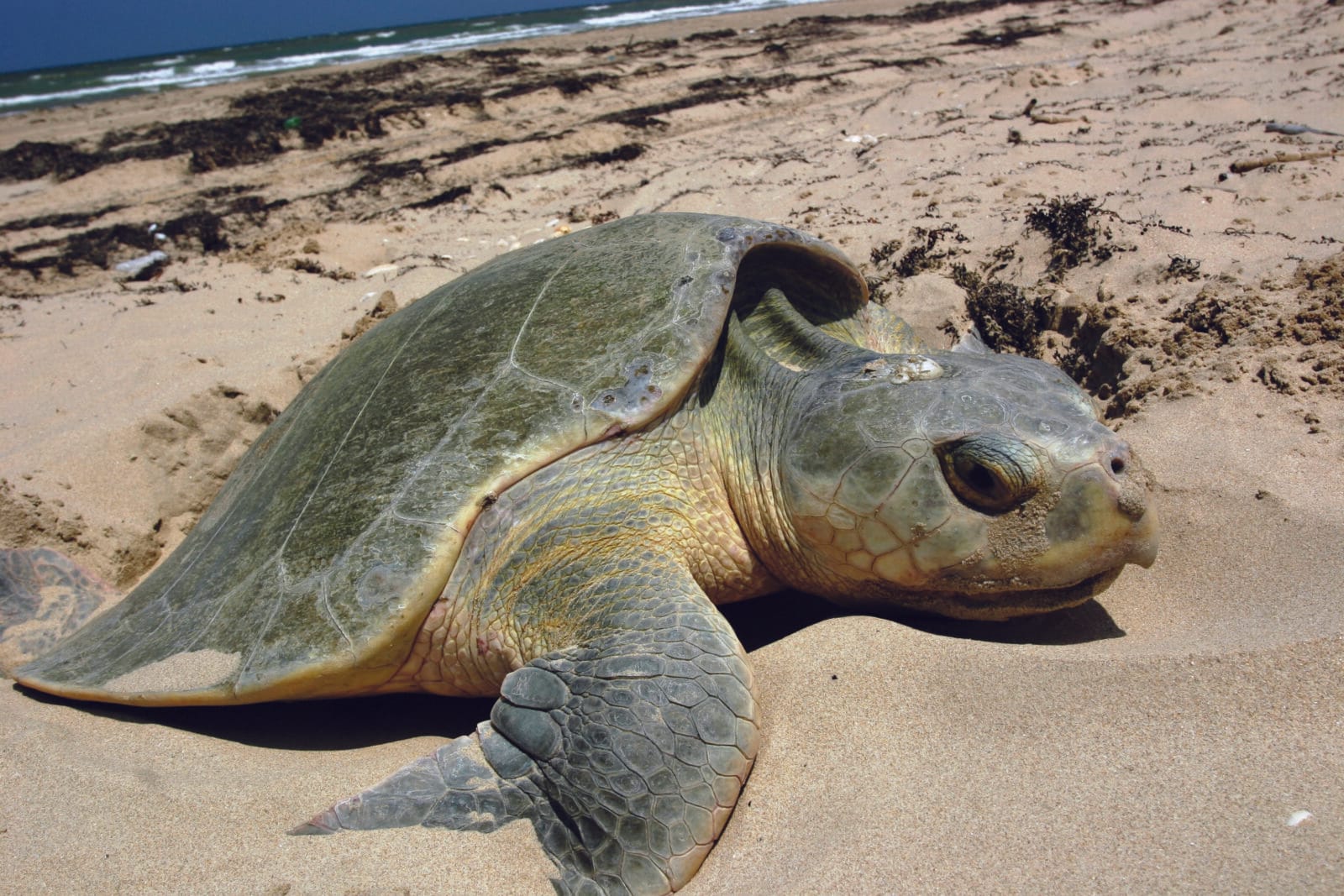
Kemp’s Ridley Turtle (Lepidochelys kempii) is the smallest and most endangered sea turtle species, native to the Gulf of Mexico and parts of the Atlantic. Adults typically weigh 80–100 pounds and measure 24–28 inches in length. Recognizable by their grayish-green carapace, these turtles are highly migratory, returning to the same beaches where they were born to nest, demonstrating remarkable navigation skills.
Kemp’s Ridley Turtles are carnivorous, feeding primarily on crabs, mollusks, jellyfish, and small fish. Nesting occurs in large groups called “arribadas,” a synchronized mass emergence of females laying eggs, which increases the survival rate of hatchlings. Juveniles face predation from birds, fish, and larger marine animals, while adults are occasionally threatened by sharks or human activities.
Conservation efforts include protecting nesting beaches, reducing bycatch in fisheries, and rehabilitation of injured turtles. Their critically endangered status highlights the importance of marine conservation and habitat protection. Observing Kemp’s Ridley Turtles in the wild demonstrates migration behavior, nesting rituals, and the critical ecological role sea turtles play in maintaining healthy marine ecosystems. This species is a vivid example of the diversity and vulnerability of types of reptiles.
43. Siamese Crocodile

The Siamese Crocodile (Crocodylus siamensis) is a freshwater crocodilian native to Southeast Asia. Smaller than its saltwater relative, adults typically measure 8–10 feet long. Siamese Crocodiles inhabit rivers, swamps, and marshes, where they are apex predators, feeding on fish, amphibians, and small mammals. They are shy and elusive, avoiding human contact whenever possible.
Reproduction involves nesting along riverbanks, where females guard eggs and hatchlings. These crocodiles play a critical ecological role by regulating prey populations and shaping freshwater habitats. Unfortunately, habitat destruction, water pollution, and illegal hunting for skins and meat have led to their critically endangered status. Conservation efforts include captive breeding, habitat restoration, and legal protection.
Observing Siamese Crocodiles in the wild offers insight into their behavior, hunting strategies, social interactions, and survival adaptations. This species demonstrates the diversity of types of reptiles, showing how freshwater crocodilians can thrive when conservation efforts protect their habitats and populations.
44. Boomslang

The Boomslang (Dispholidus typus) is a highly venomous tree-dwelling snake native to sub-Saharan Africa. Adults can reach 5–6 feet in length and are notable for their large eyes, which provide excellent depth perception for hunting. The Boomslang’s coloration varies from bright green to brown, allowing it to blend seamlessly into foliage while waiting for prey.
Boomslangs are diurnal hunters, feeding on birds, lizards, and frogs. Their venom is hemotoxic, disrupting blood clotting and leading to severe effects on prey. Despite their potency, Boomslangs are generally non-aggressive toward humans and bite only when provoked or cornered. Reproduction involves oviparity, with females laying eggs in concealed nests and leaving them to develop independently.
Conservation threats include habitat loss and human persecution, though they are not currently considered endangered. Observing Boomslangs highlights their arboreal adaptations, hunting strategies, and role in controlling prey populations. This snake is a fascinating example of how venomous types of reptiles have evolved specialized hunting and defensive mechanisms to thrive in complex ecosystems.
45. Snake-Necked Turtle

The Snake-Necked Turtle (Chelodina spp.) is a unique freshwater turtle native to Australia and New Guinea, notable for its long, flexible neck, which can extend nearly as long as its shell. This adaptation allows it to catch prey efficiently while keeping most of its body hidden underwater. Adults typically measure 12–18 inches in shell length, with males often smaller than females.
These turtles are carnivorous, feeding on fish, aquatic invertebrates, amphibians, and carrion. They are highly aquatic but can move overland to access new water sources. Snake-Necked Turtles are shy and elusive, using their necks to strike quickly at prey while remaining camouflaged. Reproduction involves laying eggs in sandy or soft soil near water bodies, with minimal parental care after laying.
Conservation concerns include habitat destruction, water pollution, and collection for the pet trade. Protecting freshwater wetlands and river systems is essential for their survival. Observing Snake-Necked Turtles in the wild provides insight into their specialized hunting strategies, adaptations for aquatic life, and their role as predators in freshwater ecosystems.
The Snake-Necked Turtle illustrates the incredible diversity of types of reptiles, showcasing unique physical adaptations that allow them to exploit specialized ecological niches successfully.
46. Wood Turtle

The Wood Turtle (Glyptemys insculpta) is a medium-sized freshwater turtle native to the northeastern United States and parts of Canada. Recognizable by its sculpted, ridged carapace and earthy brown color, the Wood Turtle inhabits rivers, streams, and adjacent terrestrial forests. Adults typically measure 5–9 inches in shell length and weigh around 1–3 pounds.
Wood Turtles are omnivorous, feeding on a combination of fruits, berries, insects, worms, and aquatic vegetation. They are highly active, often moving between terrestrial and aquatic habitats daily in search of food. Unlike many turtles, Wood Turtles are known for their ability to navigate landscapes, remembering routes between feeding and nesting sites. Reproduction involves nesting in sandy soils near water, where females lay clutches of eggs and leave them to develop independently.
Conservation concerns include habitat fragmentation, pollution, and collection for the pet trade. Protected river systems and forests are critical for their survival. Observing Wood Turtles in the wild reveals fascinating behaviors such as basking, foraging, and territorial interactions, demonstrating their adaptability and intelligence. They highlight the ecological importance of types of reptiles in maintaining healthy freshwater ecosystems.
47. African Dwarf Crocodile

The African Dwarf Crocodile (Osteolaemus tetraspis) is the smallest crocodilian in Africa, typically measuring 3–5 feet long. Native to the wetlands and slow-moving rivers of West and Central Africa, these crocodiles are highly secretive and primarily nocturnal. Their small size and elusive nature allow them to exploit habitats inaccessible to larger crocodilians.
African Dwarf Crocodiles feed on fish, amphibians, crustaceans, and insects. They are opportunistic predators, relying on stealth and patience to capture prey. Reproduction involves building concealed nests near water, with females guarding eggs until hatching. These crocodiles play an important role in controlling prey populations and maintaining the balance of wetland ecosystems.
Conservation threats include habitat loss, hunting for skins, and capture for the pet trade. Protecting swamp forests and river systems is vital to their survival. Observing African Dwarf Crocodiles provides insight into their nocturnal behavior, social interactions, and hunting strategies, illustrating how even small crocodilians can have a significant ecological impact. This species exemplifies the diversity and specialization found among types of reptiles.
48. Australian Freshwater Crocodile

The Australian Freshwater Crocodile (Crocodylus johnstoni) is a small crocodilian native to freshwater rivers, billabongs, and lagoons in northern Australia. Adults typically reach 7–10 feet in length and are highly agile swimmers. Unlike the Saltwater Crocodile, Freshwater Crocodiles are not considered dangerous to humans and are primarily fish and insect eaters.
These crocodiles are diurnal, feeding during daylight hours, and use ambush tactics to capture fish, amphibians, and crustaceans. Reproduction involves building nests along riverbanks, with the female guarding eggs during incubation. Juveniles face predation from larger crocodilians, birds, and mammals, while adults are apex predators within their freshwater habitats.
Conservation efforts have maintained stable populations, though threats from habitat modification, invasive species, and human activities persist. Observing Australian Freshwater Crocodiles highlights their adaptations for hunting, aquatic life, and social interactions, offering a glimpse into the behavior of medium-sized freshwater crocodilians. They serve as a reminder of the diversity and ecological importance of types of reptiles.
49. Olive Ridley Turtle
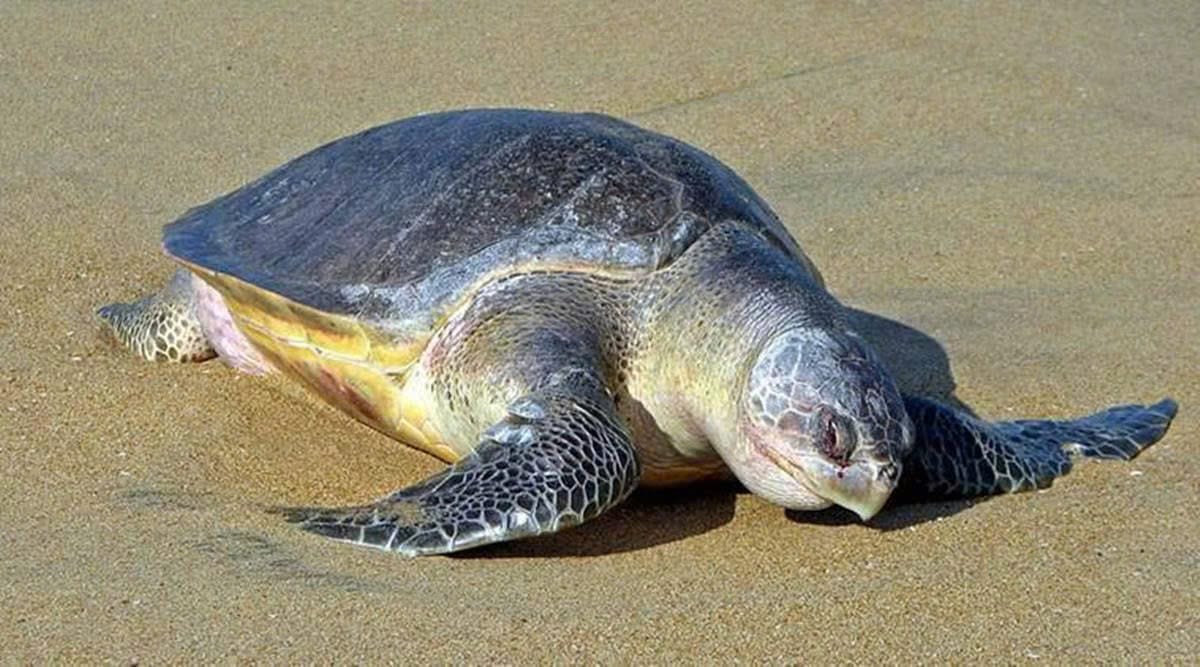
The Olive Ridley Turtle (Lepidochelys olivacea) is a small sea turtle species found in warm and tropical waters of the Pacific, Atlantic, and Indian Oceans. Adults typically weigh 80–100 pounds and measure 24–30 inches in shell length. Known for their olive-colored carapace, they are highly migratory, traveling thousands of miles between feeding grounds and nesting beaches.
Olive Ridley Turtles are carnivorous, feeding on jellyfish, crabs, shrimp, and small fish. Nesting occurs in large synchronized events called “arribadas,” where hundreds or thousands of females emerge to lay eggs simultaneously. This reproductive strategy increases hatchling survival and demonstrates remarkable navigation and timing abilities.
Conservation concerns include habitat destruction, bycatch in fishing operations, and pollution. Protected nesting beaches and international conservation programs have improved their survival rates. Observing Olive Ridley Turtles provides insight into migration, nesting behavior, and ecological importance in marine ecosystems. These turtles exemplify the endurance, navigational skills, and specialized adaptations that make types of reptiles fascinating and ecologically significant.
50. Narrow-Snouted Caiman

The Narrow-Snouted Caiman (Caiman latirostris) is a medium-sized crocodilian native to freshwater habitats in South America, including rivers, swamps, and marshes in Brazil, Argentina, Paraguay, and Uruguay. Adults typically measure 6–8 feet in length, with long, slender snouts adapted for catching fish, their primary diet. They are opportunistic predators, also consuming amphibians, birds, and small mammals.
Narrow-Snouted Caimans are generally shy and avoid human contact. Reproduction involves nest building along riverbanks, with females guarding eggs to ensure high hatchling survival. These crocodilians play a critical ecological role by regulating fish populations and maintaining the balance of wetland ecosystems. Juveniles face predation from birds, mammals, and larger crocodilians, while adults are apex predators within their habitats.
Conservation efforts are vital, as habitat destruction and hunting have historically threatened populations. Protected wetlands, sustainable management, and public education are essential for their survival. Observing Narrow-Snouted Caimans highlights their hunting strategies, social behavior, and adaptations for semi-aquatic life. This species demonstrates how types of reptiles evolve specialized features for feeding, reproduction, and survival in freshwater ecosystems.
51. Yacare Caiman

The Yacare Caiman (Caiman yacare) is a medium-sized crocodilian native to South America, primarily inhabiting the wetlands and rivers of Brazil, Bolivia, Paraguay, and Argentina. Adults typically measure 6–8 feet in length, with females slightly smaller than males. Recognizable by their olive-brown skin and bony ridges above the eyes, Yacare Caimans are adapted for both aquatic hunting and terrestrial basking.
Yacare Caimans are opportunistic predators, feeding on fish, amphibians, birds, and small mammals. They are highly social during the breeding season, forming loose groups while basking, but generally maintain territorial boundaries. Reproduction involves constructing nests from mud and vegetation, with females guarding the eggs to increase hatchling survival. Juveniles are preyed upon by larger crocodilians, birds, and mammals, while adults face few natural threats.
Conservation efforts have helped maintain stable populations, although habitat destruction and hunting for skins remain concerns. Observing Yacare Caimans in the wild provides insight into their hunting strategies, social interactions, and role as apex predators in freshwater ecosystems. This species exemplifies how types of reptiles adapt to wetlands while playing crucial ecological roles.
52. Johnston’s Crocodile

Johnston’s Crocodile (Crocodylus johnstoni), also called the Australian Freshwater Crocodile, is a small to medium-sized crocodilian found in northern Australia. Adults typically reach 7–10 feet in length and weigh between 75–150 pounds. Unlike Saltwater Crocodiles, Johnston’s Crocodiles are generally non-aggressive toward humans and primarily feed on fish and small aquatic animals.
These crocodiles are diurnal hunters, relying on ambush tactics and powerful jaws to capture prey. They inhabit rivers, billabongs, and freshwater lagoons, often nesting on riverbanks where females guard their eggs during incubation. Juveniles are vulnerable to predation by birds and larger crocodilians, while adults are apex predators in their freshwater ecosystems.
Conservation measures include habitat protection and management of human-wildlife interactions. Observing Johnston’s Crocodiles reveals their adaptations for hunting, aquatic locomotion, and social interactions, highlighting the diversity and ecological importance of types of reptiles.
53. Pig-Nosed Turtle
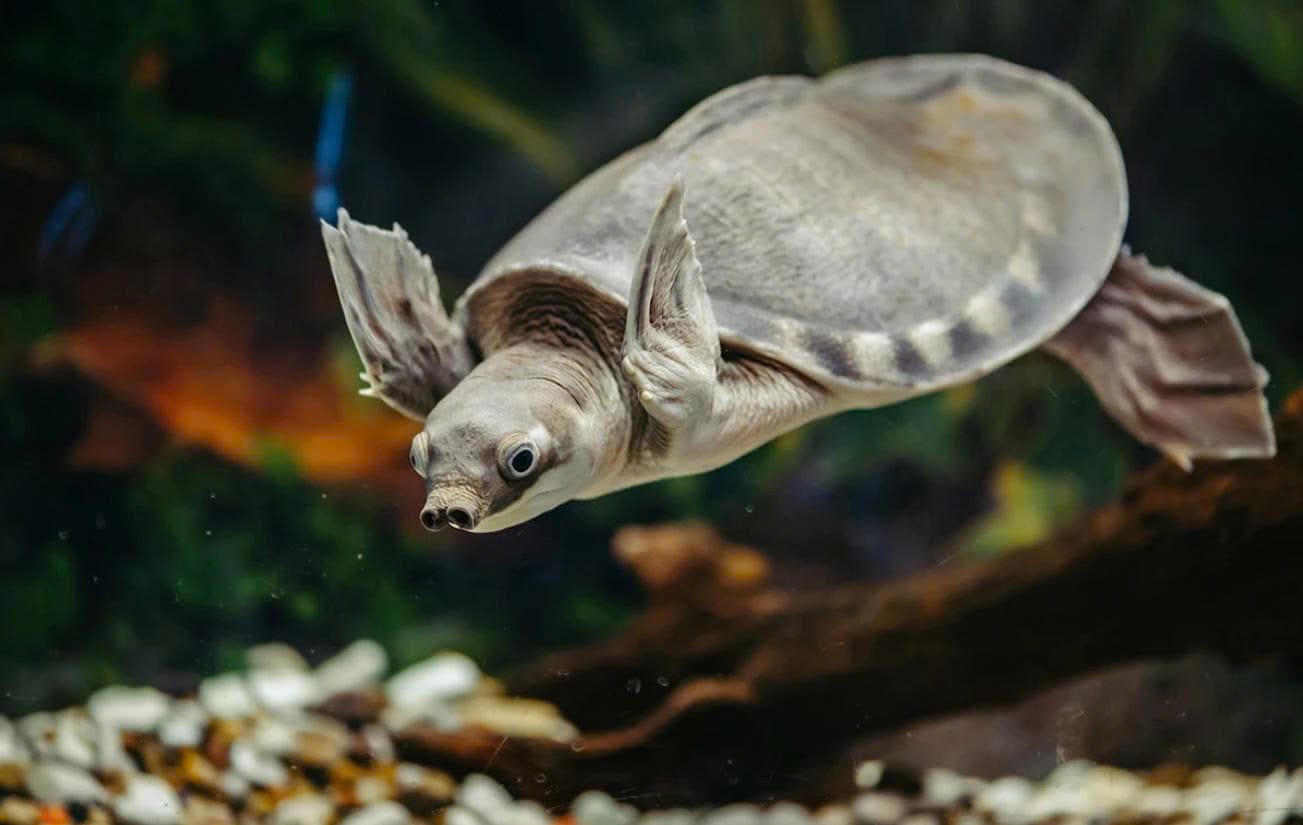
The Pig-Nosed Turtle (Carettochelys insculpta) is a freshwater turtle native to northern Australia and southern New Guinea. Named for its distinctive fleshy snout resembling a pig’s nose, this turtle is highly adapted to aquatic life. Adults can reach 2–3 feet in length and weigh up to 80 pounds, making them one of the largest freshwater turtles in their range.
Pig-Nosed Turtles are omnivorous, feeding on aquatic plants, fruits, insects, and small invertebrates. They are excellent swimmers, using flipper-like limbs to navigate rivers and lagoons. Reproduction involves nesting on sandy riverbanks, with females burying eggs and leaving them to incubate naturally. Juveniles are vulnerable to predation from birds, fish, and mammals, while adults have few predators due to their size and armored shell.
Conservation concerns include habitat destruction, overcollection for the pet trade, and water pollution. Protected river systems and environmental regulations are crucial for their survival. Observing Pig-Nosed Turtles in the wild highlights their unique adaptations, foraging behavior, and ecological role in freshwater ecosystems, making them a fascinating example of types of reptiles.
54. Paleosuchus (Caiman)

Paleosuchus, also known as the Dwarf Caiman, includes two small crocodilian species native to South America: Paleosuchus palpebrosus and Paleosuchus trigonatus. Adults typically measure 4–5 feet in length, making them the smallest members of the crocodilian family. They inhabit rivers, streams, and flooded forests, often using dense vegetation for cover and hunting.
Paleosuchus Caimans are nocturnal hunters, feeding on fish, amphibians, crustaceans, and insects. They are highly secretive, avoiding larger predators and human contact whenever possible. Reproduction involves nest construction near water, with females guarding eggs until hatching. These caimans play an important ecological role, regulating prey populations and contributing to wetland biodiversity.
Conservation threats include habitat destruction, pollution, and hunting, although populations are relatively stable in protected areas. Observing Paleosuchus Caimans reveals their stealth, hunting strategies, and ecological significance, highlighting the adaptability and diversity of types of reptiles in tropical freshwater ecosystems.
55. Slender-Snouted Crocodile

The Slender-Snouted Crocodile (Mecistops cataphractus) is a critically endangered freshwater crocodilian native to West and Central Africa. Recognizable by its elongated, narrow snout, it primarily feeds on fish, making it an efficient aquatic predator. Adults typically measure 9–11 feet in length, with males larger than females. They inhabit rivers, swamps, and mangrove forests, preferring densely vegetated areas for hunting and shelter.
Slender-Snouted Crocodiles are shy and elusive, avoiding humans and larger predators. Reproduction involves nest building along riverbanks, with females carefully guarding eggs to increase hatchling survival. Juveniles face predation from birds, mammals, and other crocodilians, while adults are apex predators in their habitats. They play a crucial ecological role by controlling fish populations and maintaining healthy freshwater ecosystems.
Conservation efforts are essential due to habitat loss, hunting, and water pollution. Protected wetlands and breeding programs are helping to stabilize populations. Observing Slender-Snouted Crocodiles in the wild provides valuable insights into their hunting strategies, social behavior, and adaptations for aquatic life, showcasing the diversity and ecological importance of types of reptiles.
56. Beaked Worm Snake

The Beaked Worm Snake (Letheobia spp.) is a small, burrowing snake found across parts of Africa and the Middle East. Measuring 4–12 inches in length, this snake is rarely seen above ground due to its subterranean lifestyle. Its cylindrical body, smooth scales, and small, beak-like snout are perfectly adapted for burrowing through soil, leaf litter, and loose sand.
Beaked Worm Snakes feed primarily on ants, termites, and other small invertebrates. They play an important ecological role in controlling insect populations and aerating the soil through their burrowing activities. Reproduction involves laying small clutches of eggs in underground nests, which hatch into fully independent young snakes. Predation on adults is minimal due to their hidden lifestyle, though birds and larger snakes may prey on juveniles.
Conservation concerns include habitat destruction due to agriculture and urban expansion. Protecting natural soils and undisturbed habitats is essential for their survival. Observing Beaked Worm Snakes highlights their specialized burrowing adaptations, insectivorous diet, and their subtle but significant role in maintaining ecosystem health. They exemplify how types of reptiles evolve to thrive in highly specialized niches.
57. Vine Snake

Vine Snakes (Ahaetulla spp.) are slender, arboreal snakes native to South and Southeast Asia. Adults typically measure 3–6 feet long, with green or brown coloration that provides excellent camouflage among tree branches and foliage. Their elongated, stick-like body and pointed snout allow them to navigate narrow spaces in trees while remaining almost invisible to predators and prey.
Vine Snakes are mildly venomous, with a diet consisting mainly of lizards, frogs, and birds. They use stealth and precise strikes to capture prey. Diurnal and highly alert, these snakes are known for their keen vision and remarkable agility. Reproduction involves laying eggs in concealed vegetation, which hatch into independent juveniles. Despite their venom, Vine Snakes are non-aggressive toward humans and rely primarily on camouflage for defense.
Conservation concerns include deforestation and habitat fragmentation, which threaten their arboreal lifestyle. Observing Vine Snakes provides insight into their hunting strategies, arboreal locomotion, and ecological role as predator controllers in forest ecosystems. These snakes are a prime example of the diversity and specialization present among types of reptiles.
58. Night Snake

The Night Snake (Hypsiglena torquata) is a small, nocturnal colubrid native to the western United States and Mexico. Adults usually reach 12–20 inches in length and are characterized by a slender body, smooth scales, and dark crossbands on a light brown or gray background. They are active at night, hunting under cover of darkness and often hiding under rocks or in burrows during the day.
Night Snakes feed on small amphibians, lizards, and occasionally insects. They are mildly venomous but pose little threat to humans due to their small size and docile nature. Reproduction involves laying small clutches of eggs in protected locations, which hatch into independent juveniles. Predators include larger snakes, birds, and mammals.
Conservation concerns include habitat destruction, pesticide use, and road mortality. Observing Night Snakes provides insight into nocturnal hunting behavior, habitat preferences, and adaptations to avoid predation. They highlight how types of reptiles can evolve specialized behaviors for survival in specific temporal niches, such as night-time hunting.
59. Ringneck Snake

The Ringneck Snake (Diadophis punctatus) is a small, non-venomous colubrid native to North America. Adults measure 10–15 inches in length and are easily recognized by the distinct ring around their neck and dark dorsal coloration. Ringneck Snakes are secretive, often found under rocks, logs, or leaf litter, emerging mostly at night to hunt.
They feed on insects, earthworms, slugs, and small amphibians. Although non-venomous to humans, they possess mild venom in their saliva to subdue prey. Reproduction involves laying small clutches of eggs in concealed locations. Predators include birds, larger snakes, and mammals, but their secretive nature provides effective protection.
Conservation concerns include habitat loss and pesticide use. Observing Ringneck Snakes highlights their unique foraging behavior, secretive lifestyle, and role as predators of invertebrates and amphibians, demonstrating the subtle ecological importance of small types of reptiles in forest and grassland ecosystems.
60. Rough Green Snake

The Rough Green Snake (Opheodrys aestivus) is a slender, non-venomous snake native to the southeastern United States. Adults typically measure 20–30 inches in length, with bright green dorsal coloration and a yellow or white belly. This coloration provides excellent camouflage among foliage, helping them avoid predators and ambush prey.
Rough Green Snakes are diurnal and primarily insectivorous, feeding on crickets, grasshoppers, caterpillars, and spiders. They are agile climbers, often navigating shrubs and trees with ease. Reproduction involves laying 4–12 eggs in protected vegetation or soil, which hatch into independent juveniles. Predators include birds of prey, larger snakes, and small mammals.
Conservation concerns include habitat destruction, pesticide exposure, and predation from domestic animals. Observing Rough Green Snakes demonstrates arboreal hunting behavior, camouflage techniques, and the importance of small reptiles in controlling insect populations. This species exemplifies how types of reptiles can evolve both physical and behavioral adaptations to thrive in forested and wetland environments.
61. Corn Snake

The Corn Snake (Pantherophis guttatus) is a non-venomous rat snake native to the southeastern United States. Adults typically measure 3–5 feet long and are recognized for their vibrant orange, brown, and red patterns with black-edged markings. Corn Snakes inhabit forests, fields, and abandoned structures, showing remarkable adaptability to human-altered environments.
Primarily nocturnal or crepuscular, Corn Snakes feed on rodents, birds, and eggs, playing an important role in controlling pest populations. They are constrictors, subduing prey by coiling around it until suffocation occurs. Reproduction involves laying clutches of 10–30 eggs in concealed locations, which hatch into independent juveniles. Predators include birds of prey, mammals, and larger snakes, but their camouflage and agility help them avoid many threats.
Corn Snakes are popular in the pet trade due to their manageable size, docile temperament, and attractive coloration. Conservation concerns in the wild include habitat loss and road mortality. Observing Corn Snakes provides insight into hunting behavior, camouflage, reproduction, and ecological significance. This species exemplifies how types of reptiles can thrive in both wild and semi-urban environments while maintaining vital ecological roles.
62. Indigo Snake

The Eastern Indigo Snake (Drymarchon couperi) is a large, non-venomous snake native to the southeastern United States. Adults can reach lengths of 6–9 feet, making them one of the longest native snakes in North America. Recognizable by their glossy blue-black scales, Indigo Snakes are powerful predators and highly beneficial for controlling populations of venomous snakes, rodents, and other small animals.
These snakes are diurnal and occupy a variety of habitats, including pine forests, scrublands, and wetlands. Reproduction involves laying 4–12 eggs in burrows or underground shelters, with hatchlings independent at birth. Predators of adults are few, though juveniles are preyed upon by birds, mammals, and larger snakes. Indigo Snakes often use gopher tortoise burrows for shelter, demonstrating a unique ecological relationship between reptiles.
Conservation challenges include habitat loss, fragmentation, and illegal collection. Conservation programs focus on habitat restoration and protection of burrow networks. Observing Indigo Snakes highlights their hunting strategies, interspecies interactions, and role as apex predators in controlling venomous snake populations. This species showcases the diversity and ecological importance of types of reptiles in North American ecosystems.
63. Hognose Snake

Hognose Snakes (Heterodon spp.) are small to medium-sized, mildly venomous snakes native to North and Central America. Adults typically measure 20–36 inches in length and are named for their upturned snout, which is adapted for digging in sandy soil to hunt amphibians and invertebrates. Hognose Snakes are known for their dramatic defensive behaviors, including flattening their necks, hissing, and playing dead to deter predators.
Hognose Snakes feed primarily on amphibians, especially toads, which are toxic to many other predators. Their mild venom helps subdue prey without harming humans. Reproduction involves laying 10–25 eggs in underground nests, which hatch into fully independent juveniles. Predators include birds, mammals, and larger snakes, but their bluffing behavior and camouflage offer effective protection.
Conservation concerns include habitat loss due to urbanization and agriculture. Observing Hognose Snakes in the wild provides insights into their unique defensive behaviors, digging adaptations, and dietary specialization. They are an excellent example of the behavioral diversity found among types of reptiles, illustrating how species evolve strategies to survive predation and thrive in their environments.
64. Blue-Tongue Skink
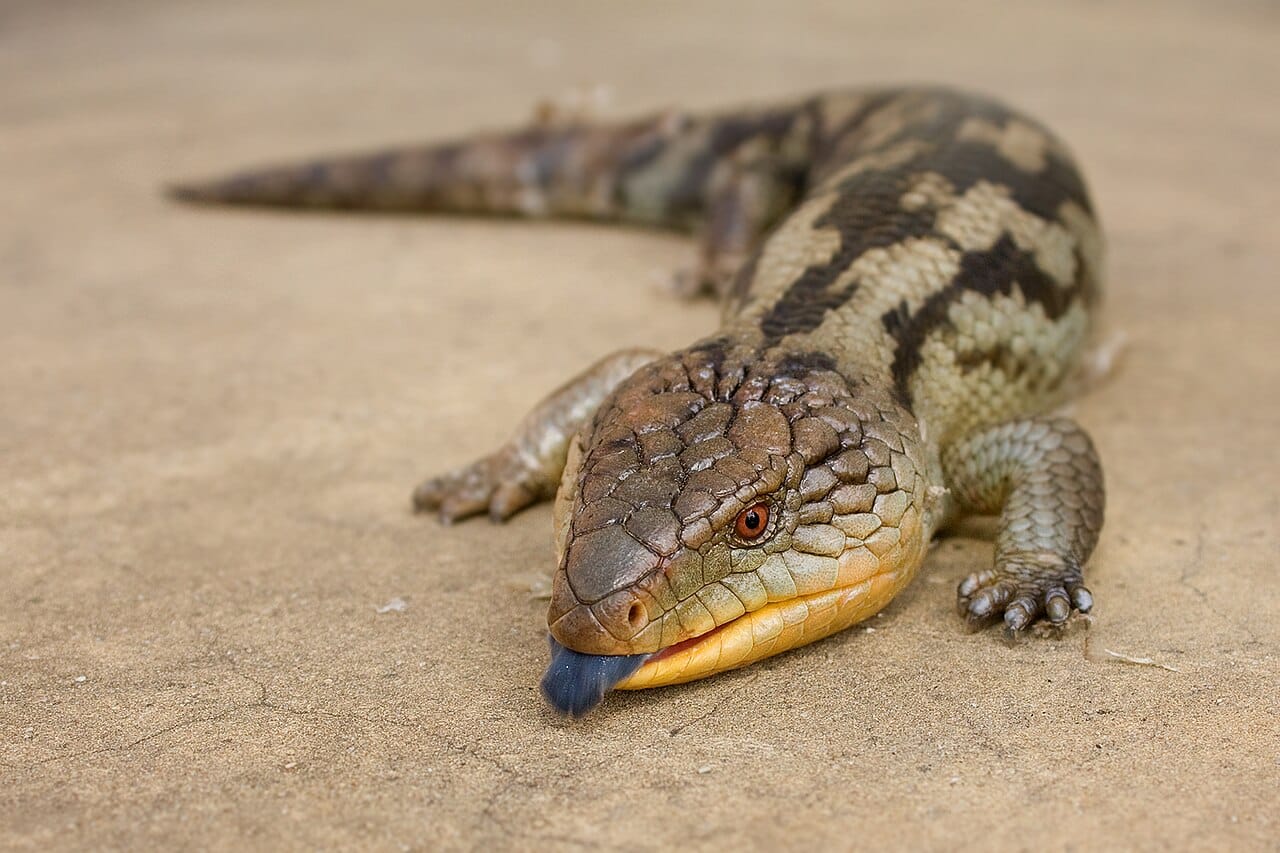
The Blue-Tongue Skink (Tiliqua spp.) is a large, terrestrial lizard native to Australia and New Guinea. Adults typically measure 18–24 inches long, with a robust body, short legs, and a distinctive blue tongue used for defensive displays. They inhabit forests, grasslands, and suburban areas, displaying remarkable adaptability to diverse habitats.
Blue-Tongue Skinks are omnivorous, feeding on insects, fruits, flowers, and small vertebrates. Their diet helps control insect populations and contributes to seed dispersal. When threatened, they display their bright blue tongue and flatten their bodies to appear larger, deterring predators. Reproduction varies by species, with some giving live birth and others laying eggs. Juveniles face predation from birds and mammals, while adults are relatively safe due to size and defensive behaviors.
Conservation concerns include habitat destruction, road mortality, and collection for the pet trade. Observing Blue-Tongue Skinks provides insight into their feeding habits, defensive strategies, and role in maintaining ecosystem balance. They demonstrate how types of reptiles can combine physical and behavioral adaptations to thrive in both wild and human-influenced environments.
65. Five-Lined Skink

The Five-Lined Skink (Plestiodon fasciatus) is a small, colorful lizard native to the eastern United States. Adults typically measure 5–8 inches in length, with juvenile lizards displaying bright blue tails that fade with age. They inhabit forests, woodlands, and moist areas with abundant leaf litter and logs for shelter.
These skinks are insectivorous, feeding on beetles, spiders, and other small invertebrates. They are diurnal and highly active, often basking to regulate body temperature. Reproduction involves laying 5–12 eggs in moist, concealed locations, with females sometimes guarding eggs until hatching. Predators include birds, snakes, and mammals, though their agility and ability to shed tails provide effective defense mechanisms.
Conservation concerns include habitat loss and pesticide exposure. Observing Five-Lined Skinks highlights their foraging behavior, territorial interactions, and ecological role as insect predators. This species exemplifies how small types of reptiles can have significant impacts on ecosystem health while displaying unique adaptations for survival.
66. Bush Viper
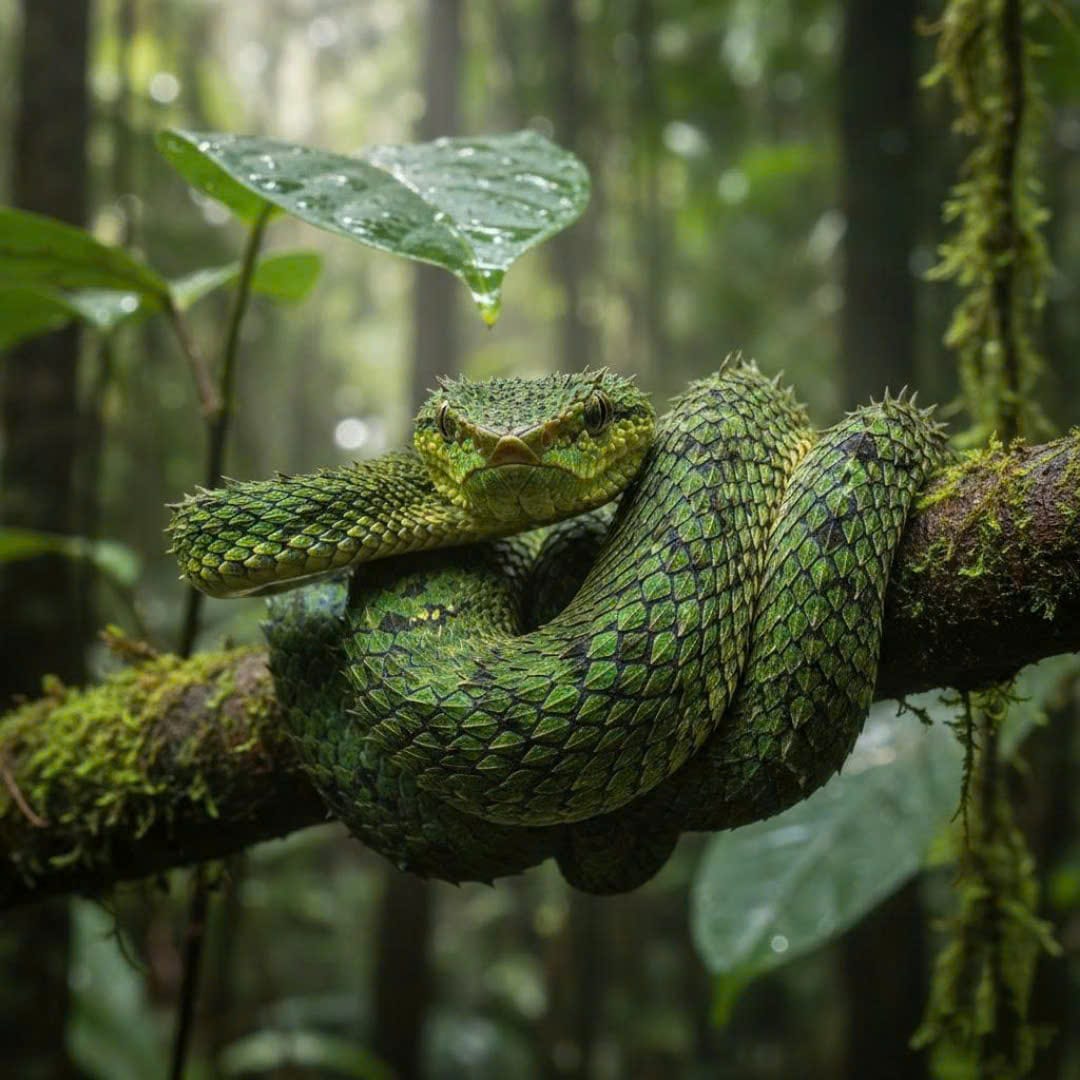
The Bush Viper (Atheris spp.) is a small to medium-sized venomous snake native to the rainforests of sub-Saharan Africa. Adults typically measure 2–3 feet long and are renowned for their vibrant, often iridescent scales in shades of green, yellow, or even red. Bush Vipers are arboreal, spending most of their lives in trees and shrubs, where their coloration provides perfect camouflage among leaves and branches.
Bush Vipers are ambush predators, feeding primarily on small mammals, birds, amphibians, and lizards. Their venom is hemotoxic, designed to immobilize prey and begin the digestive process before ingestion. Despite their venomous nature, these snakes are not aggressive toward humans unless provoked. Reproduction involves ovoviviparity, with females giving birth to live young after an extended gestation period.
Conservation concerns include deforestation, habitat fragmentation, and collection for the exotic pet trade. Observing Bush Vipers in their natural habitat provides insight into their hunting techniques, camouflage strategies, and arboreal adaptations. This species highlights the incredible diversity of types of reptiles and how venomous snakes have evolved specialized adaptations to thrive in dense forest environments.
67. Bengal Monitor

The Bengal Monitor (Varanus bengalensis) is a large, terrestrial lizard native to South and Southeast Asia. Adults typically reach 3–4 feet in length, with robust bodies, strong limbs, and a long, muscular tail. They inhabit forests, grasslands, agricultural areas, and near human settlements, showing remarkable adaptability to different environments.
Bengal Monitors are carnivorous, feeding on insects, small mammals, birds, eggs, and carrion. Their powerful jaws and sharp claws allow them to dig for prey and defend themselves from predators. Reproduction involves laying 20–30 eggs in burrows or concealed nests, which hatch into independent juveniles. Adults have few natural predators, but juveniles face threats from birds and larger reptiles.
Conservation concerns include habitat loss, hunting for skin, and persecution due to fear. Observing Bengal Monitors in the wild highlights their foraging behavior, territoriality, and ecological role as apex predators in local ecosystems. They are a prime example of how types of reptiles can adapt to human-altered landscapes while maintaining ecological balance.
68. Savannah Monitor

The Savannah Monitor (Varanus exanthematicus) is a medium to large lizard native to sub-Saharan Africa. Adults typically measure 3–4 feet long and weigh up to 15 pounds. Known for their stocky bodies, powerful jaws, and thick tails, Savannah Monitors inhabit savannahs, grasslands, and scrub forests, where they are active hunters and opportunistic scavengers.
Savannah Monitors feed on insects, small vertebrates, eggs, and carrion. Their powerful claws allow them to dig burrows for shelter and nesting. Reproduction involves laying clutches of 20–30 eggs in underground nests, which develop independently. Juveniles are vulnerable to predation by birds, snakes, and mammals, while adults are apex predators within their ecosystems.
Conservation concerns include habitat loss, hunting, and the pet trade. Observing Savannah Monitors provides insight into their hunting strategies, burrowing behavior, thermoregulation, and interactions with other species. This lizard demonstrates how types of reptiles have evolved specialized adaptations to thrive in both arid and semi-arid environments.
69. Water Monitor
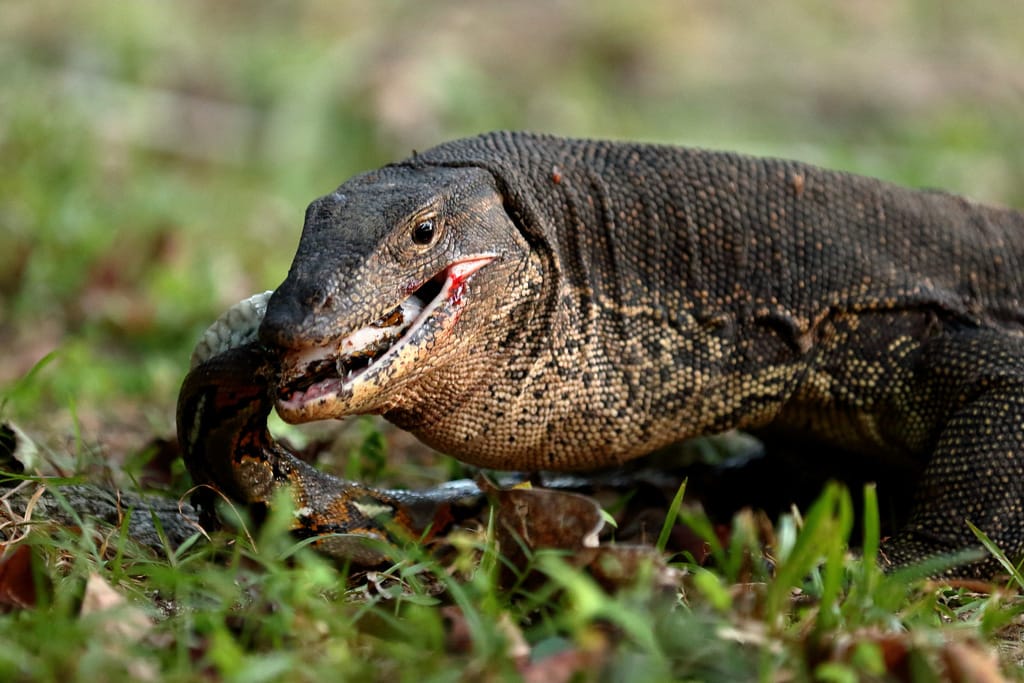
The Water Monitor (Varanus salvator) is one of the largest lizards in the world, native to South and Southeast Asia. Adults can reach 7–10 feet long, with powerful tails, sharp claws, and muscular bodies adapted for both swimming and terrestrial locomotion. They inhabit rivers, wetlands, and coastal forests, thriving in areas with abundant water and prey.
Water Monitors are opportunistic carnivores, feeding on fish, amphibians, birds, mammals, and carrion. They are excellent swimmers, using their long tails to propel themselves efficiently through water while stalking prey. Reproduction involves laying 20–40 eggs in burrows or mounds, which hatch independently. Juveniles face predation from birds and larger monitors, while adults have few natural predators.
Conservation concerns include hunting for skins, meat, and the pet trade, though populations remain robust in many protected areas. Observing Water Monitors highlights their hunting efficiency, aquatic adaptations, and ecological role as apex predators in freshwater and wetland habitats. They exemplify the diversity and power of types of reptiles in tropical ecosystems.
70. Nile Monitor

The Nile Monitor (Varanus niloticus) is a large, semi-aquatic lizard native to sub-Saharan Africa. Adults typically measure 6–10 feet long and weigh up to 50 pounds, making them formidable predators in rivers, lakes, and wetlands. Their dark, patterned scales provide camouflage among water vegetation and rocky shorelines, aiding in hunting and avoiding detection by predators.
Nile Monitors are carnivorous, feeding on fish, amphibians, birds, small mammals, and eggs. They are opportunistic hunters, capable of both ambush and active foraging. Reproduction involves laying 20–60 eggs in burrows or abandoned termite mounds, with hatchlings independent from birth. Juveniles are vulnerable to predation, while adults are apex predators with few natural threats.
Conservation concerns include hunting, habitat destruction, and capture for the pet trade. Observing Nile Monitors in the wild provides insights into their hunting strategies, swimming abilities, social interactions, and ecological importance. They are a prime example of the diversity and adaptability found among types of reptiles, demonstrating how large lizards can dominate both terrestrial and aquatic ecosystems.
71. Green Tree Python
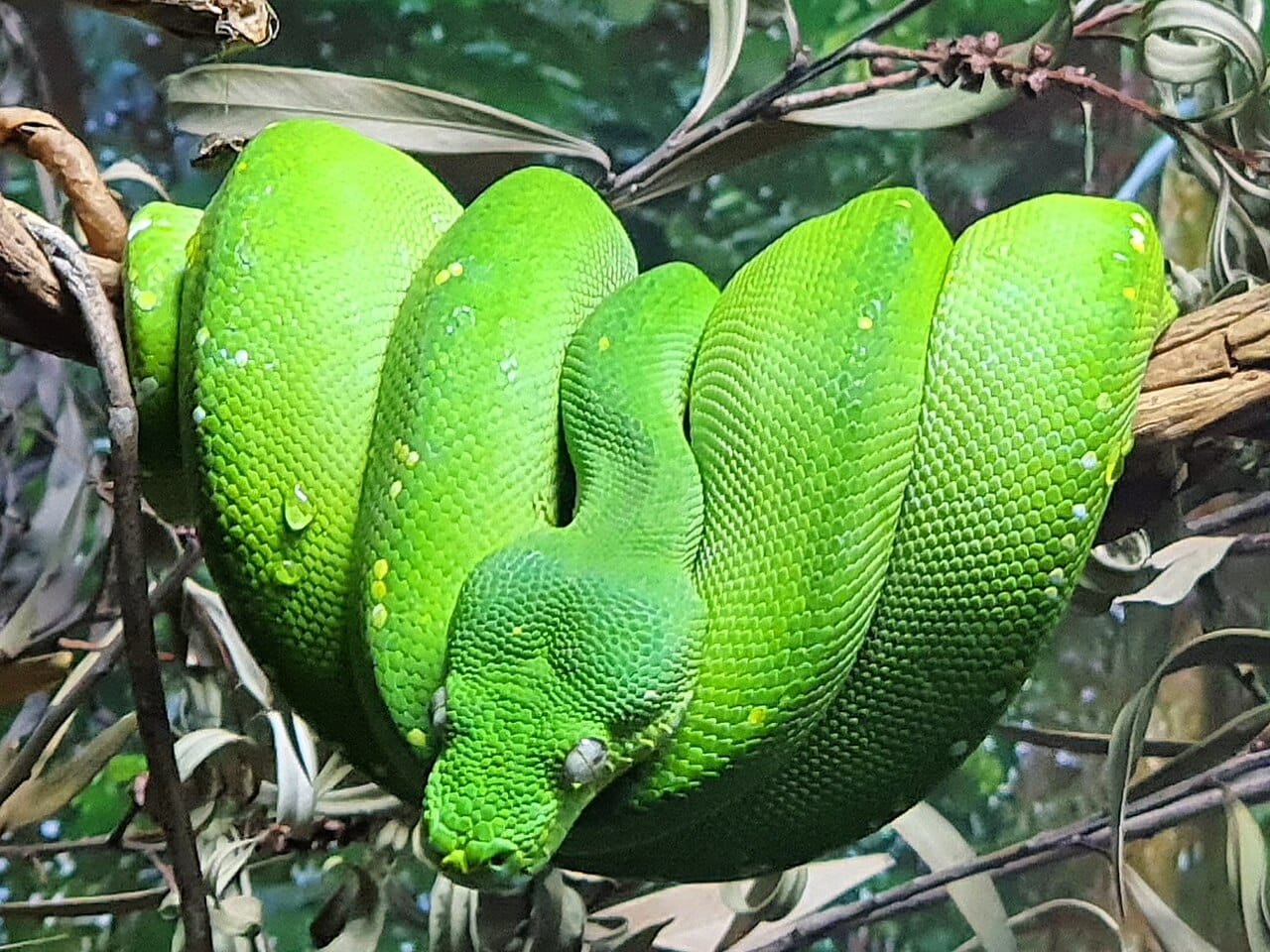
The Green Tree Python (Morelia viridis) is an arboreal snake native to New Guinea, parts of Indonesia, and northern Australia. Adults typically measure 5–7 feet long and are renowned for their striking bright green coloration, which provides perfect camouflage among leaves and branches. Juveniles are often yellow or red, gradually turning green as they mature.
Green Tree Pythons are ambush predators, feeding primarily on small mammals, birds, and reptiles. They rely on their prehensile tails to anchor themselves to branches while striking with precision. Reproduction involves laying eggs in secure locations, with females sometimes coiling around nests to provide protection. Juveniles are vulnerable to birds and larger reptiles, while adults face few natural predators due to size and arboreal agility.
Conservation concerns include habitat loss due to deforestation and collection for the exotic pet trade. Observing Green Tree Pythons in their natural habitat provides insight into their hunting strategies, camouflage, arboreal adaptations, and role as predators in rainforest ecosystems. This species exemplifies the diversity and specialization of types of reptiles, particularly among arboreal snakes.
72. Tree Boa
Tree Boas (Corallus spp.) are arboreal snakes native to Central and South America. Adults typically reach 6–10 feet in length, with thick bodies, prehensile tails, and coloration ranging from brown and tan to vibrant patterns of red, yellow, or green. Their arboreal lifestyle allows them to hunt in trees, avoiding many ground predators.
These snakes are ambush predators, feeding primarily on birds and small mammals. They use constriction to subdue prey, coiling around it until suffocation occurs. Reproduction involves live birth, a trait that allows females to retain embryos while navigating arboreal habitats. Juveniles face predation from birds, snakes, and mammals, while adults are largely safe due to size and camouflage.
Conservation concerns include deforestation and capture for the pet trade. Observing Tree Boas highlights their arboreal adaptations, hunting techniques, and ecological role as predator controllers of small vertebrates in rainforest canopies. They illustrate the adaptability and specialization found among types of reptiles in tropical forest ecosystems.
73. King Rat Snake

The King Rat Snake (Elaphe carinata) is a large, non-venomous snake native to East and Southeast Asia. Adults typically measure 6–12 feet in length, with powerful, muscular bodies and scales patterned in shades of black, brown, and gray. These snakes are both arboreal and terrestrial, displaying impressive climbing skills while hunting in trees and on the ground.
King Rat Snakes are constrictors, feeding primarily on rodents, birds, and eggs. They play a vital ecological role by controlling rodent populations, reducing the spread of diseases, and protecting crops. Reproduction involves laying eggs in concealed locations, which hatch into independent juveniles. Predators include birds of prey and larger mammals, but their size, strength, and camouflage offer significant protection.
Conservation concerns include habitat destruction, hunting, and capture for the pet trade. Observing King Rat Snakes provides insight into their hunting strategies, climbing ability, and ecological importance. This species is a remarkable example of how types of reptiles can thrive in both forested and human-modified environments while performing essential ecological functions.
74. New Guinea Python
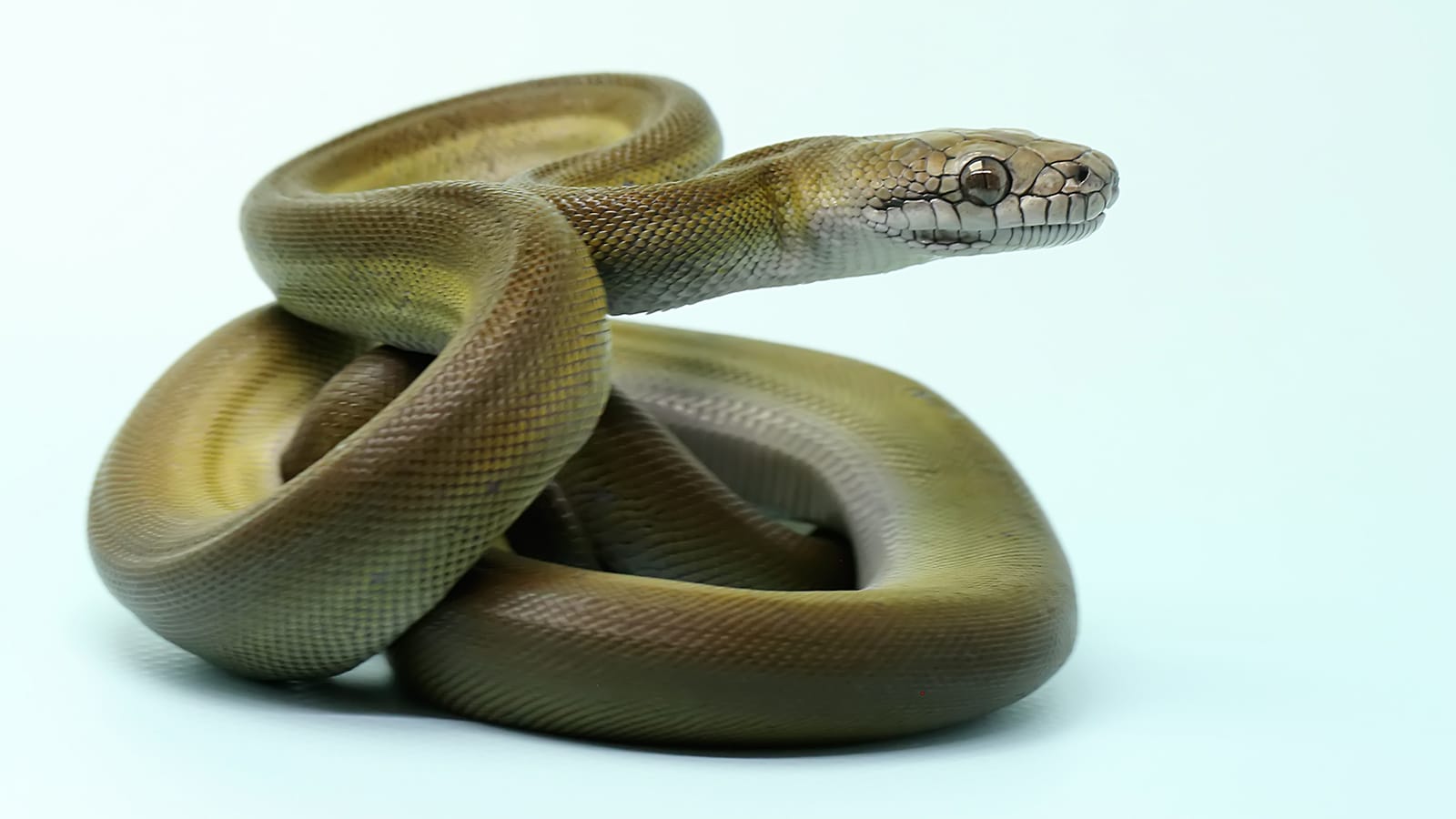
The New Guinea Python (Morelia spilota variegata) is a non-venomous constrictor native to New Guinea and nearby islands. Adults typically reach 10–16 feet in length, with bold patterns of black, brown, and cream, which provide effective camouflage in forests and grasslands. These pythons are both terrestrial and semi-arboreal, adapting to various environments.
New Guinea Pythons are ambush predators, feeding on mammals, birds, and reptiles. They use constriction to subdue prey before ingestion. Reproduction involves laying eggs in concealed nests, with females exhibiting some level of parental care by coiling around the clutch to regulate temperature. Juveniles face predation from birds, larger reptiles, and mammals, while adults are apex predators.
Conservation concerns include habitat loss and hunting for skins. Observing New Guinea Pythons provides insights into their hunting strategies, camouflage, and reproductive behaviors. They exemplify the diversity of types of reptiles, demonstrating how large constrictors play critical ecological roles in tropical ecosystems.
75. Asian Water Dragon

The Asian Water Dragon (Physignathus cocincinus) is a semi-aquatic lizard native to Southeast Asia. Adults typically measure 3–4 feet in length, including their long, slender tails. Bright green scales, a prominent dorsal crest, and strong limbs allow them to navigate both aquatic and terrestrial habitats effectively.
Asian Water Dragons are omnivorous, feeding on insects, small vertebrates, fruits, and vegetation. They are excellent swimmers, often escaping predators by diving into water and remaining submerged. Reproduction involves laying eggs in soft soil or leaf litter, with minimal parental care. Juveniles are preyed upon by birds and mammals, while adults face few natural threats due to size and agility.
Conservation concerns include habitat loss due to deforestation and capture for the pet trade. Observing Asian Water Dragons highlights their hunting behavior, swimming abilities, and adaptations for life in both forest and aquatic habitats. They demonstrate the versatility and diversity of types of reptiles, illustrating how physical adaptations support survival in complex ecosystems.
76. Thorny Devil

The Thorny Devil (Moloch horridus) is a small, spiny lizard native to the arid deserts of Australia. Adults typically measure 7–9 inches long, with a body covered in conical spines that provide defense against predators. Their coloration, a mix of browns, yellows, and oranges, allows them to blend perfectly with sandy desert terrain.
Thorny Devils are specialized feeders, primarily consuming ants. They can ingest thousands of ants in a single day, using sticky tongues to capture their tiny prey efficiently. Water acquisition is also remarkable; their skin channels dew and rain to their mouths through a network of grooves. Reproduction involves egg-laying in sandy soil, with juveniles emerging fully independent. Predators include birds and larger reptiles, but the spines and camouflage make predation difficult.
Conservation concerns include habitat degradation due to agriculture and climate change. Observing Thorny Devils in the wild provides insight into their specialized adaptations for desert survival, feeding strategies, and defensive mechanisms. They exemplify the fascinating ways types of reptiles have evolved to thrive in extreme environments.
77. Horned Lizard
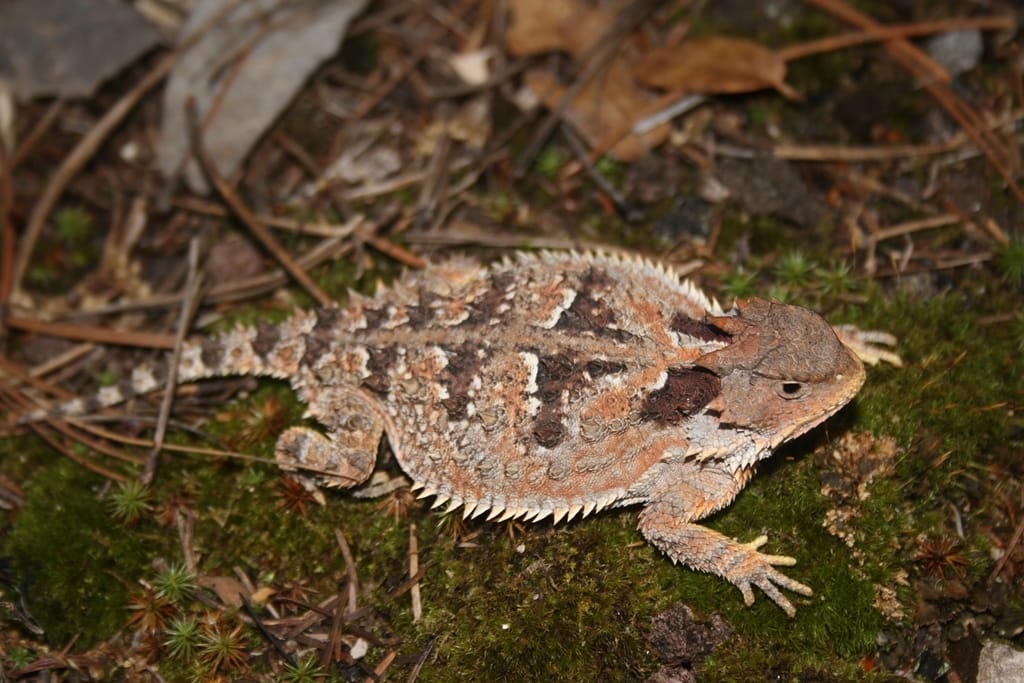
Horned Lizards (Phrynosoma spp.) are small, flattened lizards native to North and Central America. Adults typically measure 2–5 inches long, with distinctive horn-like projections on their heads and spiny bodies. Their coloration ranges from tan to brown, allowing them to blend seamlessly with sandy or rocky habitats.
Horned Lizards primarily feed on ants, especially harvester ants, but they also consume other small insects. Some species have a remarkable defense mechanism: they can squirt blood from their eyes to deter predators. Reproduction involves laying eggs in sandy soil, with juveniles independent at hatching. Predators include birds, snakes, and mammals, though their spiny bodies and camouflage provide effective protection.
Conservation concerns include habitat destruction, invasive species, and pesticide exposure. Observing Horned Lizards highlights their specialized adaptations, unique defenses, and ecological role as insect predators. This species demonstrates the diversity and ingenuity of types of reptiles in desert and semi-arid ecosystems.
78. Spiny Lizard
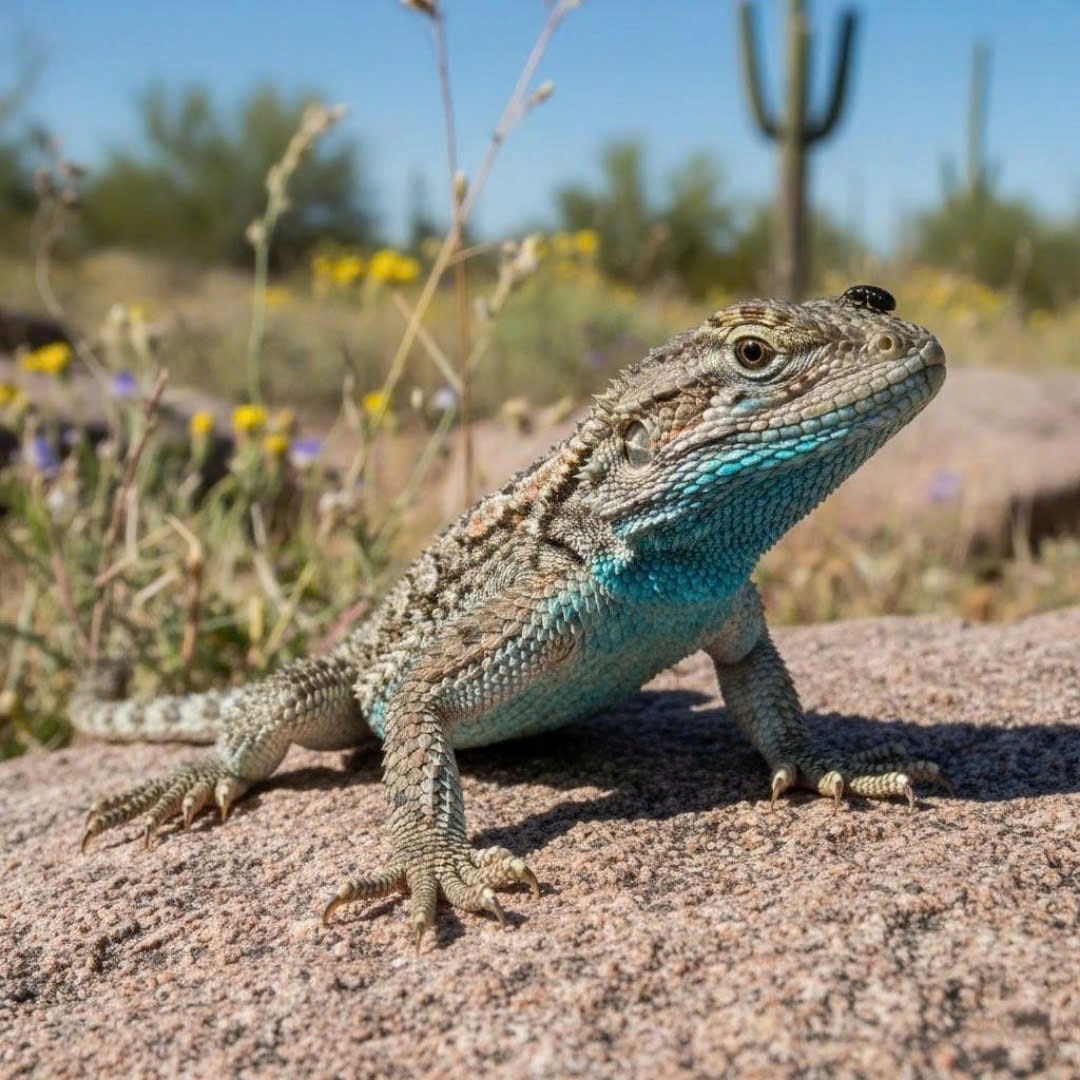
Spiny Lizards (Sceloporus spp.) are medium-sized lizards native to North and Central America. Adults typically measure 5–9 inches long, with keeled, rough scales that give them a spiny texture. Their coloration varies widely, often featuring patterns of brown, gray, or green with blue or orange markings on the throat or belly, particularly in males during breeding season.
Spiny Lizards are diurnal and primarily insectivorous, feeding on ants, beetles, spiders, and other small invertebrates. They are agile climbers, often seen basking on rocks, trees, or fence posts. Reproduction involves laying eggs in soil or under debris, with hatchlings fully independent. Predators include birds, snakes, and mammals, though their spiny scales and quick reflexes offer defense.
Conservation concerns include habitat loss and pesticide use. Observing Spiny Lizards highlights their foraging behavior, territoriality, and role as insect predators, demonstrating the diversity of types of reptiles in forest, grassland, and desert ecosystems.
79. Vine Snake
Vine Snakes (Ahaetulla spp.) are slender, arboreal snakes native to South and Southeast Asia, well-known for their stick-like bodies and elongated heads. Adults typically reach 3–6 feet in length, with bright green, yellow, or brown coloration that allows them to blend seamlessly among foliage. Their arboreal adaptations make them expert hunters of birds, lizards, and frogs.
Vine Snakes are mildly venomous, using hemotoxic venom to subdue prey. They are diurnal and rely heavily on stealth and precise strikes to capture food. Reproduction involves laying eggs in concealed vegetation, which hatch into independent juveniles. Predators include birds of prey, larger snakes, and mammals, though their camouflage and agility provide effective protection.
Conservation concerns include deforestation and habitat fragmentation. Observing Vine Snakes provides insights into their hunting strategies, arboreal locomotion, and ecological role as small vertebrate predators. This snake is a fascinating example of how types of reptiles have evolved specialized adaptations for survival in complex forest ecosystems.
80. False Water Cobra

The False Water Cobra (Hydrodynastes gigas) is a large, semi-aquatic snake native to South America. Adults typically measure 6–10 feet in length and are non-venomous, though they can deliver a painful bite. Their name comes from their ability to flatten their necks and raise the front portion of their body, mimicking the defensive posture of true cobras.
False Water Cobras are diurnal and opportunistic hunters, feeding on fish, amphibians, small mammals, and birds. They are excellent swimmers, often hunting in or near water. Reproduction involves laying eggs in concealed sites, which hatch into fully independent juveniles. Predators include larger snakes, birds, and mammals, though adults are largely safe due to size and agility.
Conservation concerns include habitat destruction and capture for the pet trade. Observing False Water Cobras provides insight into their hunting techniques, swimming ability, mimicry behavior, and ecological role in controlling aquatic and semi-aquatic prey populations. They exemplify the diversity, adaptability, and behavioral complexity of types of reptiles in tropical environments.
81. Mexican Beaded Lizard

The Mexican Beaded Lizard (Heloderma horridum) is a large, venomous lizard native to southern Mexico and parts of Central America. Adults typically measure 2–3 feet long and are covered with bead-like scales, giving them a rugged, armored appearance. Their coloration ranges from black to brown with yellow or orange patterns, providing effective camouflage among rocky terrain and desert scrub.
Mexican Beaded Lizards are nocturnal and feed on eggs, small mammals, birds, and occasionally insects. Unlike most venomous reptiles, they use venom primarily for defense and subduing prey rather than injecting it via aggressive strikes. Reproduction involves laying eggs in burrows or protected sites, with juveniles emerging fully independent. Predators include large birds and mammals, though adults are largely safe due to size, venom, and armored scales.
Conservation concerns include habitat destruction, illegal collection for the exotic pet trade, and human persecution. Observing Mexican Beaded Lizards provides insight into their hunting strategies, venomous adaptations, nocturnal behavior, and ecological role as predators and scavengers. They exemplify the specialized adaptations found among types of reptiles in arid and semi-arid ecosystems.
82. Panther Chameleon

The Panther Chameleon (Furcifer pardalis) is a vibrant, arboreal lizard native to Madagascar. Adults typically measure 12–20 inches long, including the prehensile tail used for climbing. Panther Chameleons are renowned for their ability to rapidly change color for communication, camouflage, and thermoregulation, displaying brilliant shades of green, blue, red, and orange.
These chameleons feed primarily on insects and other small invertebrates, capturing prey with their long, sticky tongues. Reproduction involves laying eggs in soil, which hatch after several months, with juveniles fully independent. Predators include birds, snakes, and mammals, but color-changing abilities and arboreal agility provide strong defenses.
Conservation concerns include habitat loss due to deforestation and capture for the pet trade. Observing Panther Chameleons provides insight into their color-changing mechanisms, arboreal adaptations, hunting techniques, and ecological role in controlling insect populations. They are a striking example of the diversity and specialization among types of reptiles.
83. Veiled Chameleon

The Veiled Chameleon (Chamaeleo calyptratus) is an arboreal lizard native to Yemen and Saudi Arabia. Adults reach 18–24 inches long, including their prehensile tail, and are named for the casque—a helmet-like structure on their heads. Their coloration ranges from green to yellow, with males displaying more vibrant hues during social interactions or stress.
Veiled Chameleons are insectivorous, feeding on crickets, flies, and other invertebrates. They rely on camouflage, color-changing abilities, and slow, deliberate movements to avoid predators. Reproduction involves laying 20–70 eggs in moist soil, which hatch after 6–12 months. Predators include birds, snakes, and mammals, though their arboreal habits and cryptic coloration offer strong protection.
Conservation concerns include habitat loss, collection for the pet trade, and climate change. Observing Veiled Chameleons highlights their hunting strategies, reproductive behavior, and color-changing adaptations. They demonstrate how types of reptiles evolve unique physiological and behavioral traits to survive in diverse ecosystems.
84. Jackson’s Chameleon
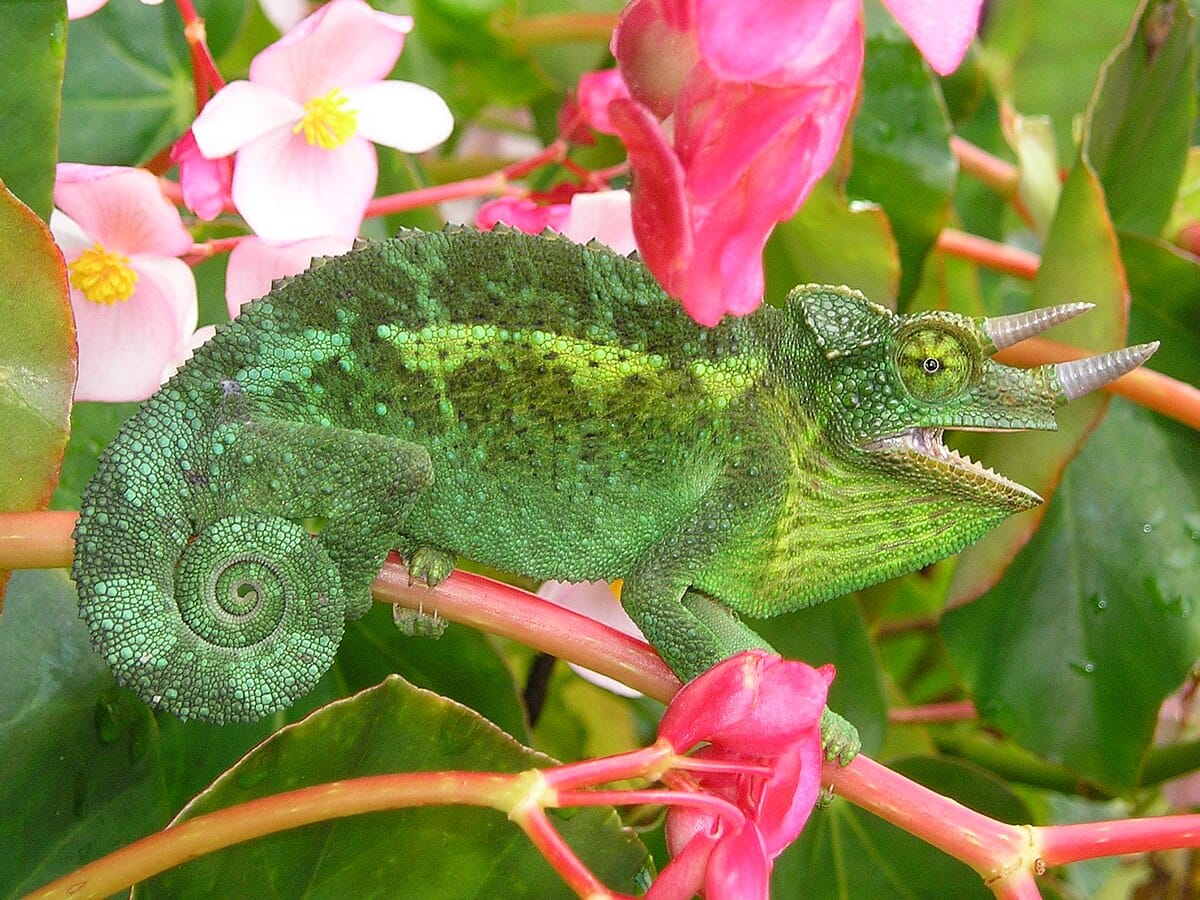
Jackson’s Chameleon (Trioceros jacksonii) is a small to medium-sized arboreal lizard native to East Africa, particularly Kenya and Tanzania. Adults typically measure 10–15 inches, with males displaying three prominent horns on their heads, while females may have small or no horns. These chameleons inhabit forests and shrublands, relying on camouflage and slow movements to avoid predators.
Jackson’s Chameleons feed primarily on insects and other small invertebrates, using their sticky tongues to capture prey efficiently. Reproduction involves live birth, with females giving birth to 8–30 fully formed juveniles. Predators include birds, snakes, and small mammals, though their arboreal lifestyle and cryptic coloration offer strong protection.
Conservation concerns include habitat loss and the pet trade, though introduced populations exist on islands like Hawaii. Observing Jackson’s Chameleons provides insight into their hunting techniques, arboreal adaptations, horn displays, and reproductive strategies. They are a fascinating example of how types of reptiles adapt to both ecological and social pressures in forest ecosystems.
85. Armadillo Lizard
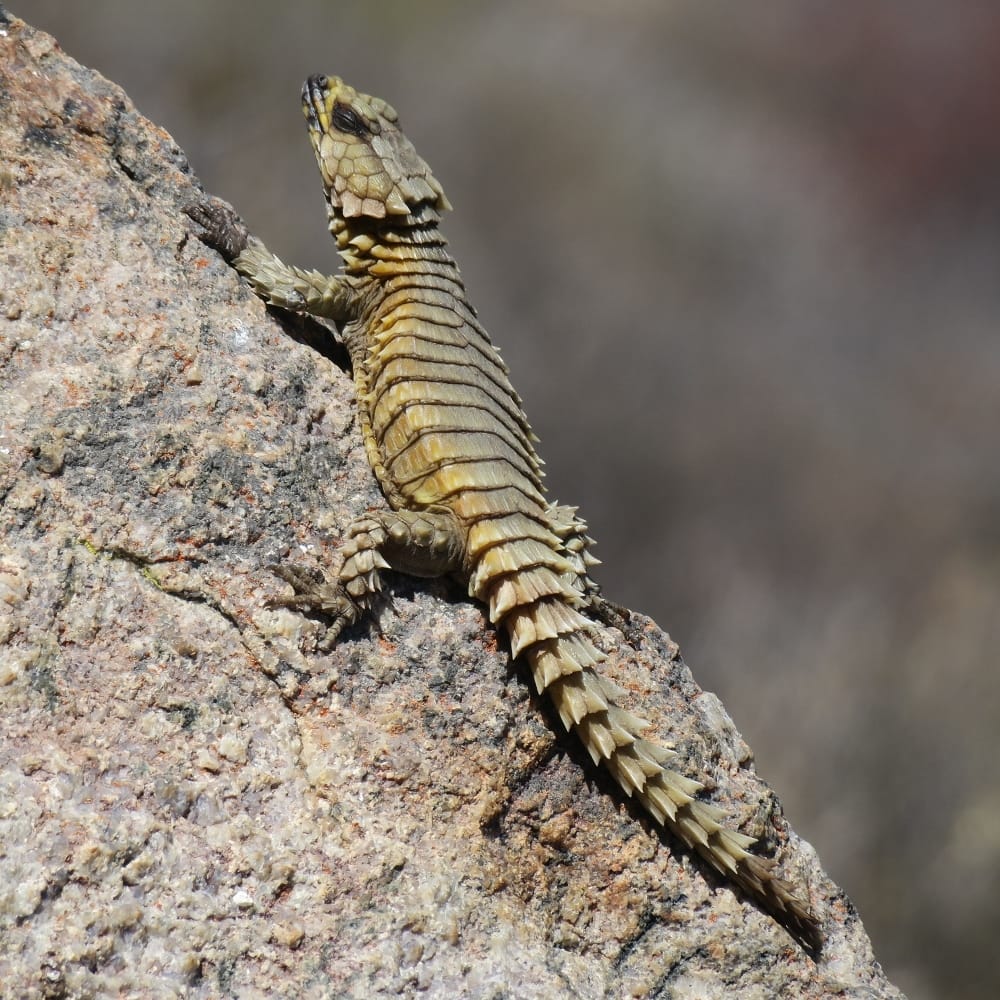
The Armadillo Lizard (Ouroborus cataphractus) is a small, heavily armored lizard native to South Africa. Adults typically measure 6–8 inches long and are covered with thick, overlapping scales that resemble an armadillo’s armor. They inhabit rocky outcrops and arid scrublands, using their unique curling behavior as a defensive strategy.
When threatened, Armadillo Lizards roll into a tight ball, biting their tail with their mouth to protect their soft underbelly. They are insectivorous, feeding primarily on ants, beetles, and other small invertebrates. Reproduction involves live birth, with females giving birth to 2–6 fully developed juveniles. Predators include birds, snakes, and small mammals, but their armored body and curling defense make predation extremely difficult.
Conservation concerns include habitat destruction and illegal collection for the pet trade. Observing Armadillo Lizards highlights their defensive adaptations, social behavior, feeding strategies, and ecological role as insect predators. They provide a striking example of how types of reptiles evolve both physical and behavioral traits to survive in harsh environments.
86. Leopard Tortoise
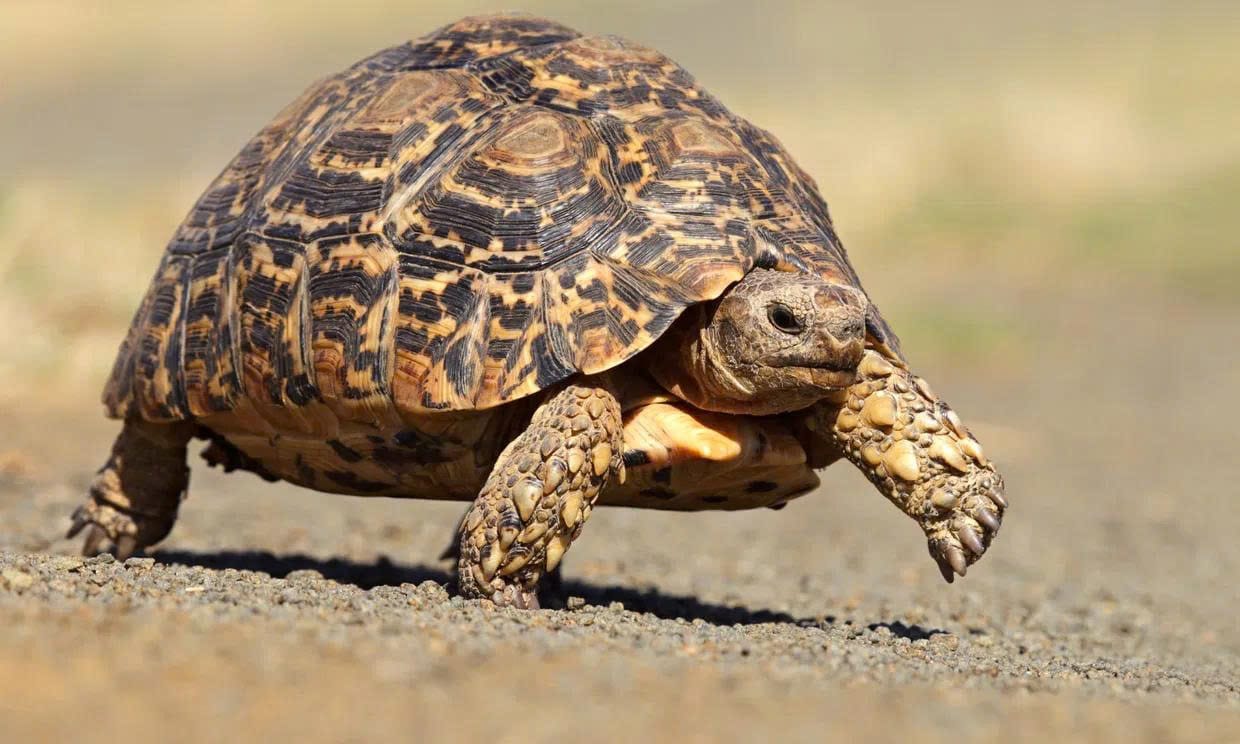
The Leopard Tortoise (Stigmochelys pardalis) is a large, herbivorous tortoise native to eastern and southern Africa. Adults typically reach 10–18 inches in length and can weigh up to 40 pounds. They are named for their distinctive, spotted shell pattern, which provides excellent camouflage in savannah and grassland habitats. Their high-domed shell also offers protection against predators.
Leopard Tortoises feed primarily on grasses, succulents, and other vegetation, playing an important role in seed dispersal and maintaining healthy grassland ecosystems. They are diurnal and spend much of the day foraging and basking in sunlight. Reproduction involves laying 5–30 eggs in burrows or hidden nests, with hatchlings fully independent. Predators of juveniles include birds, mammals, and reptiles, while adults face few natural threats due to their size and protective shell.
Conservation concerns include habitat loss, poaching, and capture for the pet trade. Observing Leopard Tortoises provides insights into their feeding behavior, social interactions, and adaptations for survival in open habitats. They are a prime example of how types of reptiles have evolved specialized physical and behavioral traits to thrive in grassland ecosystems.
87. Indian Star Tortoise

The Indian Star Tortoise (Geochelone elegans) is a small to medium-sized tortoise native to India and Sri Lanka. Adults typically measure 6–10 inches long, with striking, star-like patterns radiating from the center of each scute on their shell. This pattern provides camouflage in dry forest, scrubland, and grassland habitats.
Indian Star Tortoises are herbivorous, feeding on grasses, leaves, and fruits. They are diurnal and spend much of the day foraging, using their strong limbs to dig for food and create shallow burrows for shelter. Reproduction involves laying 2–10 eggs in soft soil, with hatchlings fully independent. Predators include birds, mammals, and reptiles, while adults are protected by their domed shell and cryptic coloration.
Conservation concerns include habitat destruction, illegal collection for the pet trade, and road mortality. Observing Indian Star Tortoises highlights their foraging strategies, camouflage techniques, and ecological role as herbivores. This species demonstrates the diversity and adaptability of types of reptiles in arid and semi-arid ecosystems.
88. Radiated Tortoise

The Radiated Tortoise (Astrochelys radiata) is a medium-sized tortoise native to southern Madagascar. Adults typically reach 10–14 inches long, with a striking, star-patterned carapace of yellow lines radiating from dark centers. These patterns provide excellent camouflage among dry leaves and vegetation in its arid forest and scrubland habitats.
Radiated Tortoises are herbivorous, feeding on grasses, fruits, and succulent plants. They are diurnal and spend much of their day foraging and basking in sunlight. Reproduction involves laying 4–12 eggs in shallow nests, with hatchlings fully independent. Predators include birds, mammals, and reptiles, while adults are relatively safe due to their hard shells and size.
Conservation concerns are severe, including habitat loss, poaching, and collection for the illegal pet trade, making this species critically endangered. Observing Radiated Tortoises highlights their feeding behavior, reproductive strategies, and ecological role as herbivores and seed dispersers. They are an important example of how types of reptiles have evolved striking patterns and survival strategies in specialized ecosystems.
89. Yellow-Bellied Slider

The Yellow-Bellied Slider (Trachemys scripta scripta) is a semi-aquatic turtle native to the southeastern United States. Adults typically measure 8–12 inches in length, with dark green or olive carapaces and bright yellow plastrons marked with dark spots. They inhabit freshwater rivers, lakes, ponds, and marshes, often basking on logs or rocks near the water.
Yellow-Bellied Sliders are omnivorous, feeding on aquatic vegetation, insects, fish, and carrion. They play a crucial ecological role in controlling aquatic invertebrate populations and maintaining healthy wetland ecosystems. Reproduction involves laying 5–20 eggs in sandy or soft soil near water, with hatchlings fully independent. Predators include birds, mammals, and larger aquatic reptiles, though adults are relatively safe due to size and aquatic mobility.
Conservation concerns include habitat destruction, water pollution, and collection for the pet trade. Observing Yellow-Bellied Sliders provides insight into their feeding habits, basking behavior, and adaptations for life in both aquatic and semi-aquatic habitats. This species demonstrates how types of reptiles can thrive in freshwater ecosystems while contributing to ecological balance.
90. Rough-Scaled Python
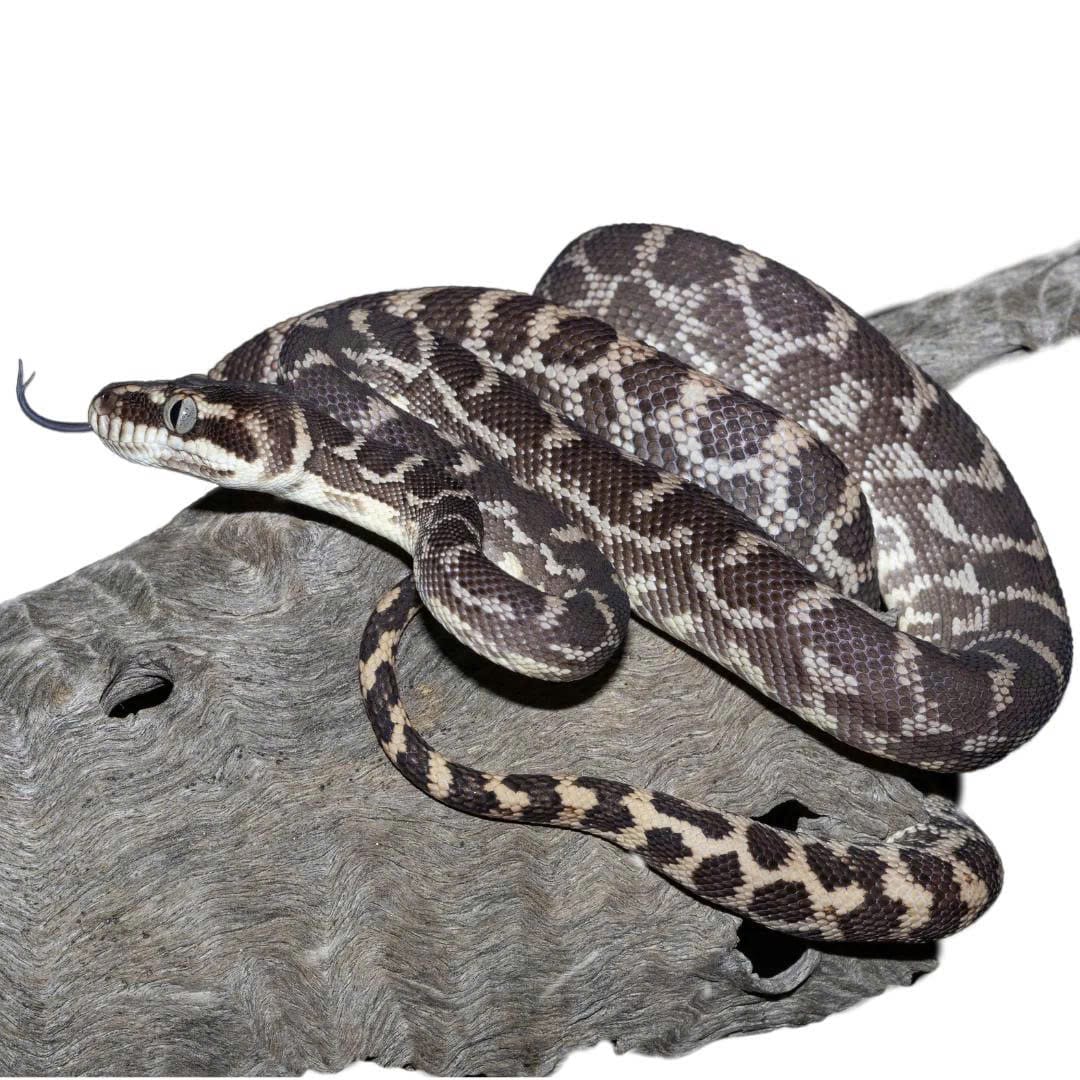
The Rough-Scaled Python (Morelia carinata) is a non-venomous constrictor native to New Guinea. Adults typically reach 6–10 feet in length and are recognized by their keeled, rough-edged scales, which provide protection and camouflage in forested habitats. Their coloration ranges from brown to gray with darker blotches, helping them blend into leaf litter and tree branches.
Rough-Scaled Pythons are ambush predators, feeding primarily on mammals, birds, and reptiles. They use constriction to subdue prey before ingestion. Reproduction involves laying 10–25 eggs in secure nests, with juveniles fully independent upon hatching. Predators include birds, larger reptiles, and mammals, though adults face few natural threats due to size and strength.
Conservation concerns include habitat loss and collection for the exotic pet trade. Observing Rough-Scaled Pythons provides insights into their hunting strategies, camouflage, and reproductive behavior. They are a fascinating example of how types of reptiles have evolved both physical and behavioral adaptations to survive and thrive in complex forest ecosystems.
91. Burmese Python
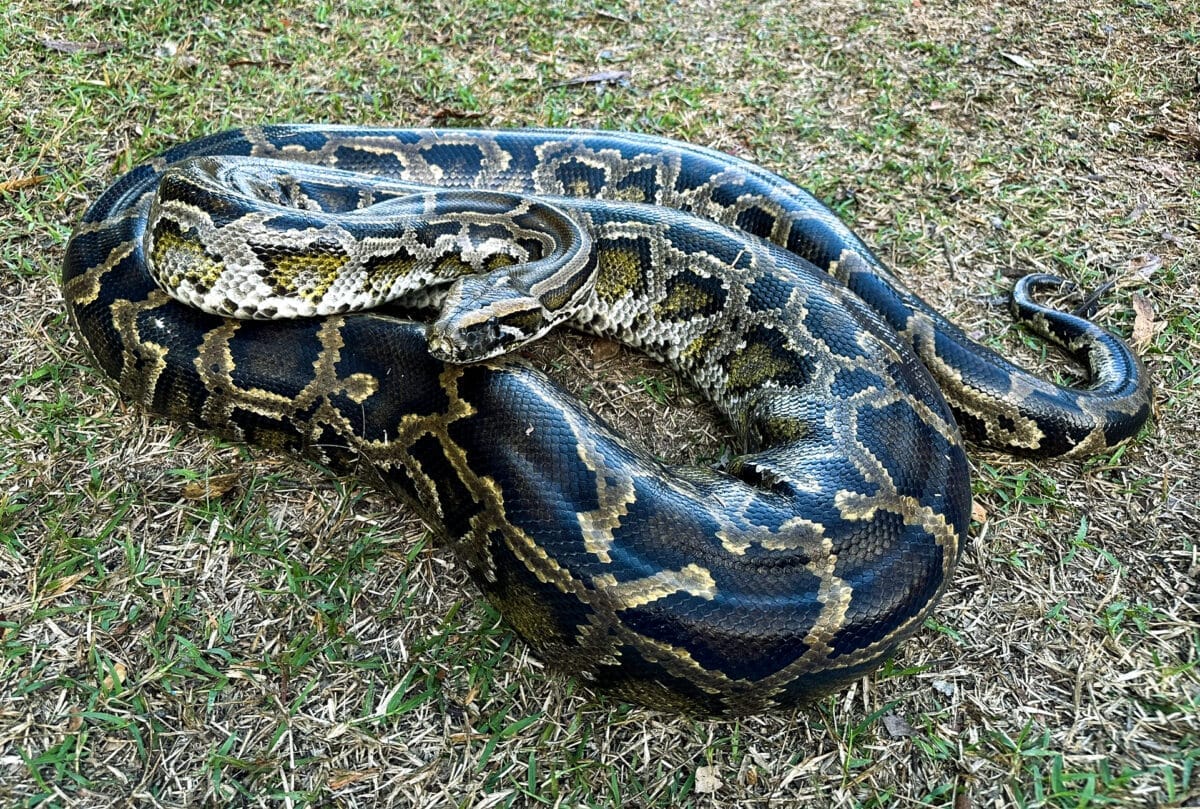
The Burmese Python (Python bivittatus) is one of the largest snakes in the world, native to Southeast Asia. Adults can reach 12–18 feet in length, with some individuals exceeding 20 feet, and weigh over 200 pounds. They are characterized by dark brown blotches outlined in black over a tan or beige background, providing excellent camouflage in forests, grasslands, and wetlands.
Burmese Pythons are ambush predators, feeding on a wide variety of prey including mammals, birds, and reptiles. They use constriction to subdue their prey, coiling tightly until suffocation occurs. Reproduction involves laying 20–50 eggs in hidden nests, with the female often coiling around the clutch to provide protection and regulate temperature. Juveniles face predation from birds and larger mammals, while adults have few natural predators due to their size and strength.
Conservation concerns include habitat destruction and collection for the pet trade, though in some areas, invasive populations have established outside their native range, such as in the Florida Everglades. Observing Burmese Pythons provides insight into their hunting strategies, reproductive behavior, and ecological role as apex predators. They exemplify the diversity and power of types of reptiles in tropical ecosystems.
92. Reticulated Python
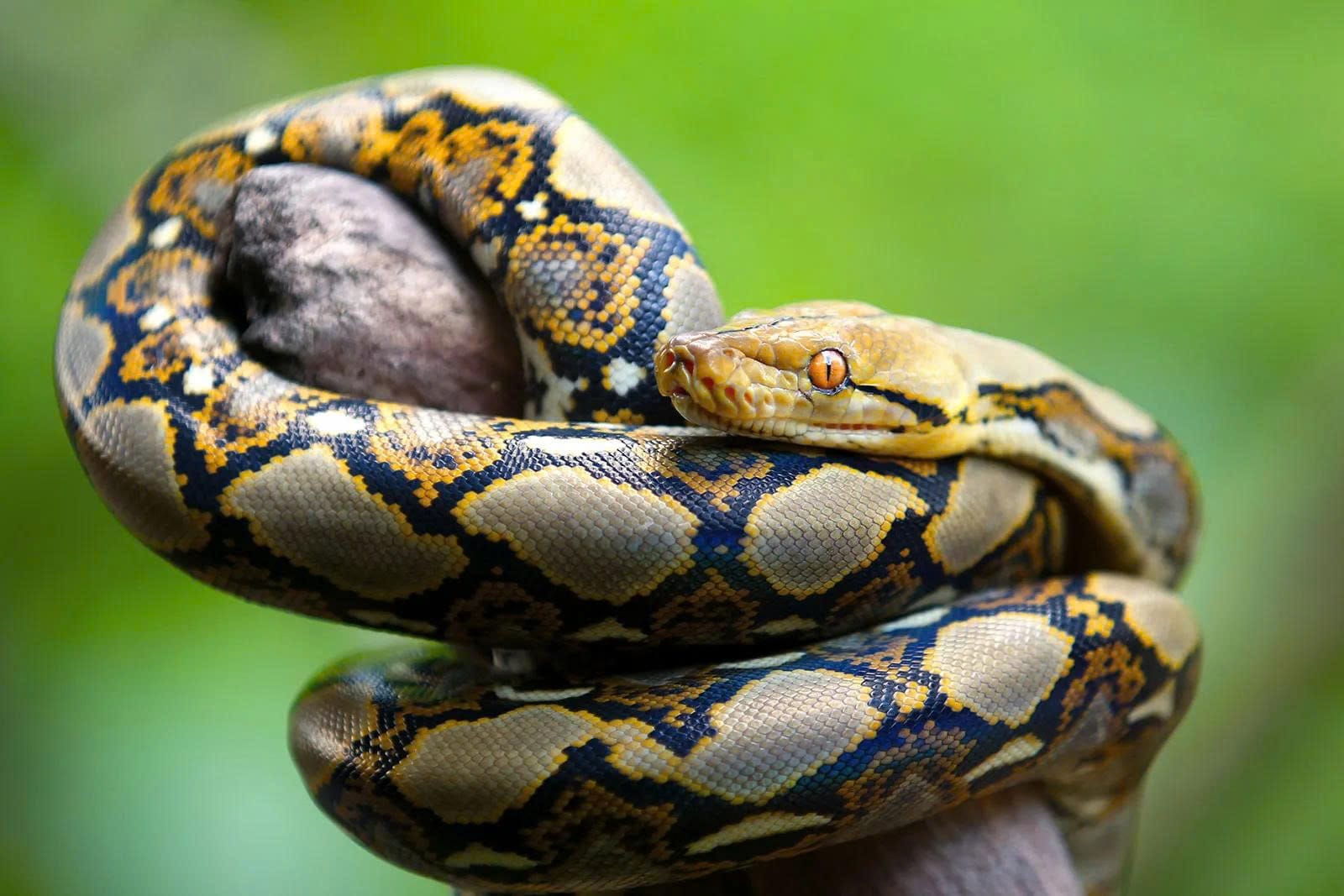
The Reticulated Python (Malayopython reticulatus) is another of the world’s largest snakes, native to Southeast Asia. Adults can reach 15–20 feet or more, with intricate net-like patterns of dark brown, black, and gold along a lighter background. These patterns help them blend into dense forests, swamps, and mangroves.
Reticulated Pythons are carnivorous and use constriction to capture mammals, birds, and occasionally reptiles. They are mostly nocturnal, relying on ambush tactics to catch prey. Reproduction involves laying 15–80 eggs in secure, hidden nests, with females occasionally providing care by coiling around the eggs. Juveniles are vulnerable to predation by birds, mammals, and other snakes, while adults face few natural threats.
Conservation concerns include habitat loss and hunting for skin and meat. Observing Reticulated Pythons provides insight into their ambush hunting, camouflage strategies, and reproductive behavior. They are a striking example of how types of reptiles can evolve enormous size and specialized hunting adaptations to thrive as apex predators.
93. Green Anaconda

The Green Anaconda (Eunectes murinus) is the largest and heaviest snake in the world, native to the swamps, rivers, and wetlands of South America. Adults typically exceed 20 feet in length and can weigh over 500 pounds. Their olive-green coloration with black oval spots allows them to blend seamlessly into murky waters and dense aquatic vegetation.
Green Anacondas are semi-aquatic ambush predators, feeding on a wide range of prey including fish, birds, mammals, and even caimans. They use constriction to subdue prey before swallowing it whole. Reproduction involves giving birth to live young, with litters ranging from 20 to over 40 babies. Juveniles face predation from birds, larger snakes, and aquatic mammals, while adults are largely safe due to size and aquatic lifestyle.
Conservation concerns include habitat loss, hunting for skin, and human persecution, though populations remain relatively stable in protected areas. Observing Green Anacondas highlights their aquatic adaptations, ambush hunting strategies, and ecological role as apex predators in freshwater ecosystems. They represent the ultimate example of power and specialization among types of reptiles.
94. Eastern Box Turtle
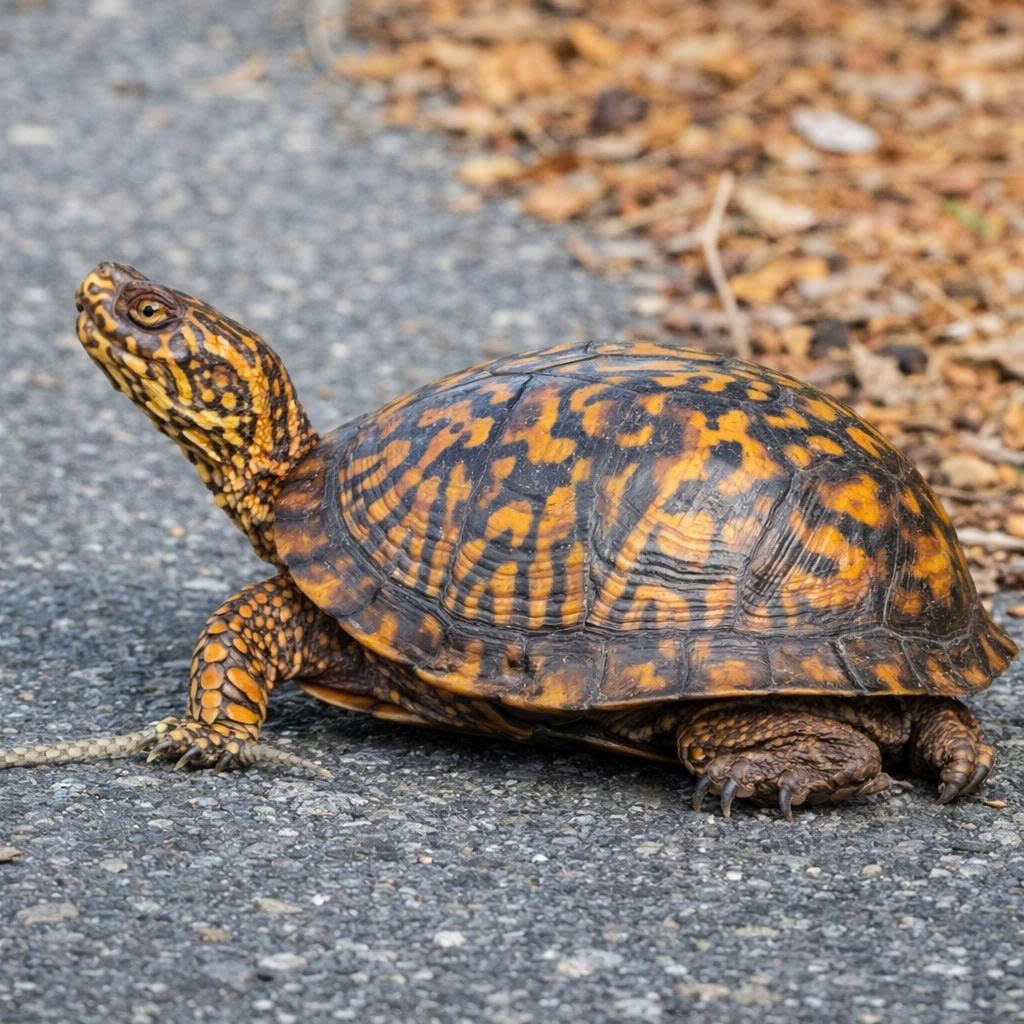
The Eastern Box Turtle (Terrapene carolina carolina) is a small to medium-sized terrestrial turtle native to the eastern United States. Adults typically measure 4–6 inches long, with a domed, hinged shell that allows them to completely enclose their body for protection. Their coloration includes brown, black, and orange patterns, providing effective camouflage in forests and grasslands.
Eastern Box Turtles are omnivorous, feeding on insects, worms, fruits, fungi, and vegetation. They are diurnal and spend much of the day foraging, while using their hinged shell to avoid predation. Reproduction involves laying 3–8 eggs in sandy or loose soil, which hatch into fully independent juveniles. Predators include raccoons, skunks, and birds, though adults are largely protected by their shell.
Conservation concerns include habitat loss, road mortality, and collection for the pet trade. Observing Eastern Box Turtles provides insights into their foraging habits, reproductive behavior, and defensive adaptations. They demonstrate how types of reptiles have evolved unique physical features like hinged shells to survive in terrestrial ecosystems.
95. Yellow-Margined Box Turtle

The Yellow-Margined Box Turtle (Cuora flavomarginata) is a medium-sized, terrestrial turtle native to East Asia, including Taiwan, China, and Japan. Adults typically measure 5–7 inches long, with a domed shell edged with yellow margins, which distinguishes them from other box turtles. Their coloration blends well with leaf litter and forest floors, providing camouflage from predators.
Yellow-Margined Box Turtles are omnivorous, feeding on insects, worms, snails, fruits, and vegetation. They are diurnal and spend much of the day foraging while retreating into their hinged shells when threatened. Reproduction involves laying 4–8 eggs in soft soil or leaf litter, with hatchlings independent at birth. Predators include mammals, birds, and larger reptiles, though adults are well-protected by their shell.
Conservation concerns include habitat loss, pollution, and collection for the pet trade, making them a species of concern in several regions. Observing Yellow-Margined Box Turtles provides insight into their feeding behavior, shell adaptations, and ecological role as both predator and prey. They are a prime example of the diversity and ingenuity among types of reptiles in East Asian forests.
96. Reeve’s Turtle
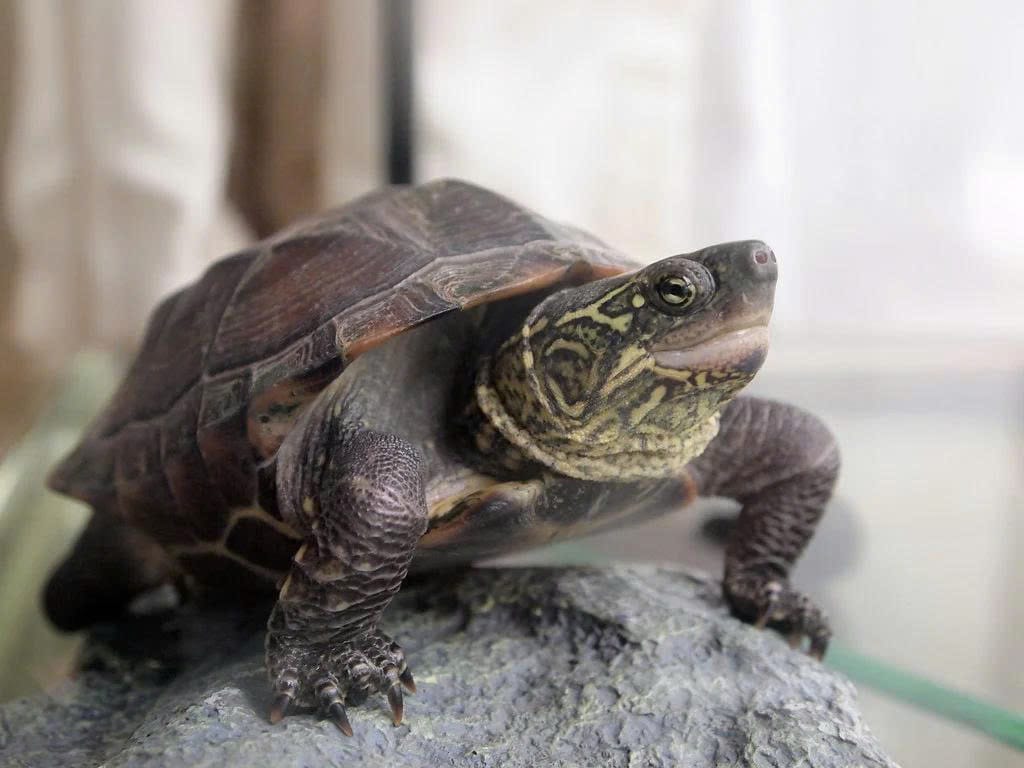
Reeve’s Turtle (Mauremys reevesii) is a small freshwater turtle native to East Asia, including China, Korea, and Japan. Adults typically measure 5–8 inches long, with dark brown to black carapaces and yellow markings along the scutes. They inhabit ponds, rivers, and slow-moving streams, often hiding among aquatic vegetation or submerged logs.
Reeve’s Turtles are omnivorous, feeding on aquatic plants, insects, small fish, and carrion. They play an important ecological role in controlling invertebrate populations and contributing to nutrient cycling in freshwater ecosystems. Reproduction involves laying 5–12 eggs in sandy or soft soil near water, with hatchlings fully independent upon emergence. Predators include birds, mammals, and larger reptiles, though adults are relatively safe due to their tough shells and aquatic mobility.
Conservation concerns include habitat destruction, water pollution, and collection for the pet trade, making them vulnerable in the wild. Observing Reeve’s Turtles provides insights into their feeding habits, aquatic adaptations, and reproductive behavior. They are an excellent example of the diversity and ecological significance of types of reptiles in freshwater habitats.
97. Spotted Turtle
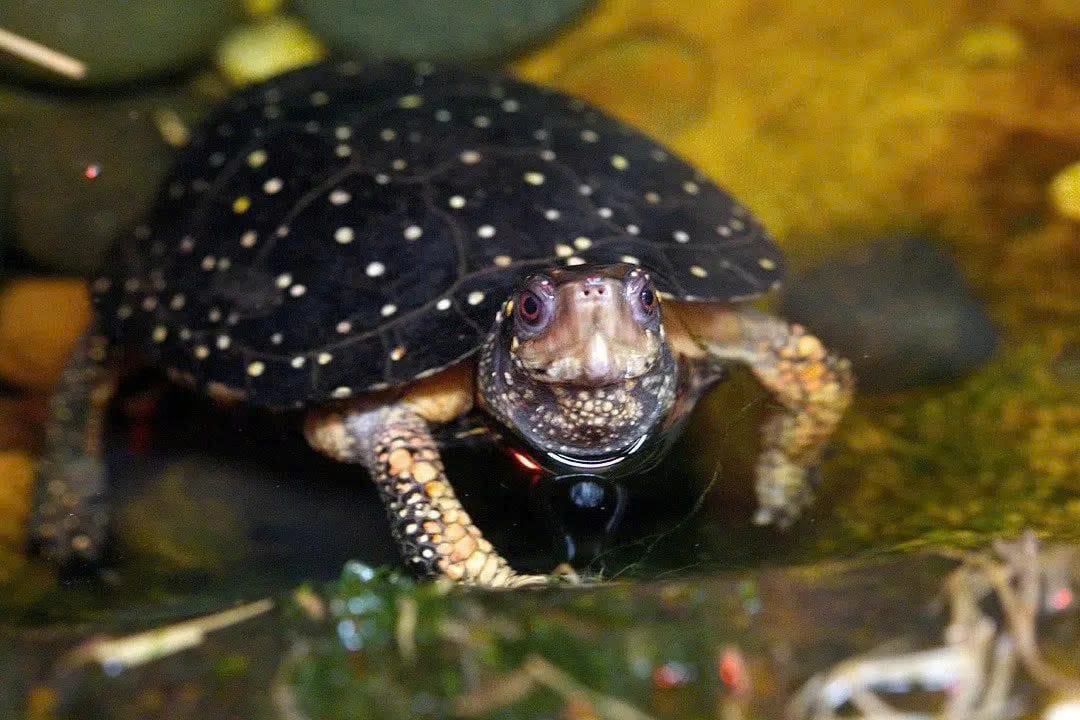
The Spotted Turtle (Clemmys guttata) is a small semi-aquatic turtle native to eastern North America. Adults typically measure 4–5 inches long, with black carapaces adorned with bright yellow spots. They inhabit shallow ponds, marshes, and slow-moving streams, often basking on logs or mud banks near water.
Spotted Turtles are omnivorous, feeding on aquatic plants, insects, worms, snails, and carrion. They are diurnal and highly active during the day, contributing to ecosystem health by controlling invertebrate populations. Reproduction involves laying 3–7 eggs in sandy soil near water, with juveniles fully independent. Predators include raccoons, herons, and other larger animals, though the turtle’s small size and camouflage provide some protection.
Conservation concerns include wetland drainage, habitat fragmentation, and illegal collection. Observing Spotted Turtles highlights their foraging behavior, aquatic adaptations, and role as both predator and prey. They are a striking example of how types of reptiles can maintain delicate ecological balance in freshwater ecosystems.
98. Banded Water Snake
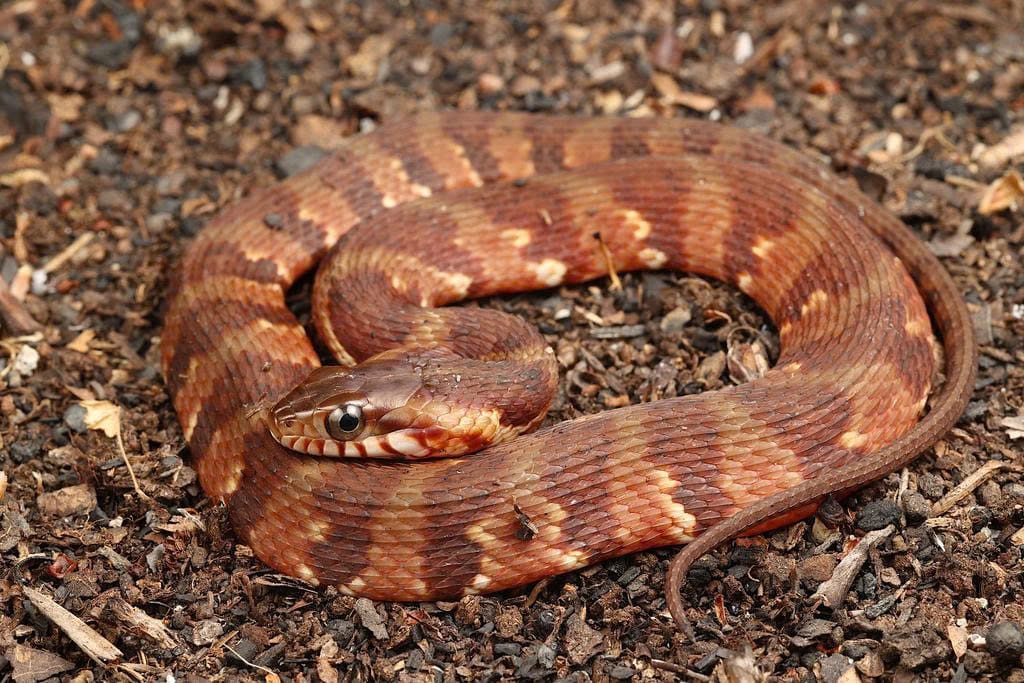
The Banded Water Snake (Nerodia fasciata) is a non-venomous aquatic snake native to the southeastern United States. Adults typically measure 2–4 feet long, with dark brown or black bands across a lighter brown or gray background. They inhabit rivers, lakes, marshes, and swamps, often swimming or hiding among aquatic vegetation.
Banded Water Snakes are carnivorous, feeding on fish, amphibians, and small invertebrates. They are excellent swimmers, using stealth and quick strikes to capture prey. Reproduction involves giving birth to live young, with litters ranging from 20–40 juveniles. Predators include birds, larger snakes, and mammals, while adults are relatively safe due to size, swimming ability, and defensive behavior.
Conservation concerns include habitat destruction and pollution. Observing Banded Water Snakes provides insight into their aquatic hunting strategies, swimming adaptations, and ecological role as predators in freshwater ecosystems. They are a vivid example of how types of reptiles have specialized for life in and around water.
99. Black-Headed Python
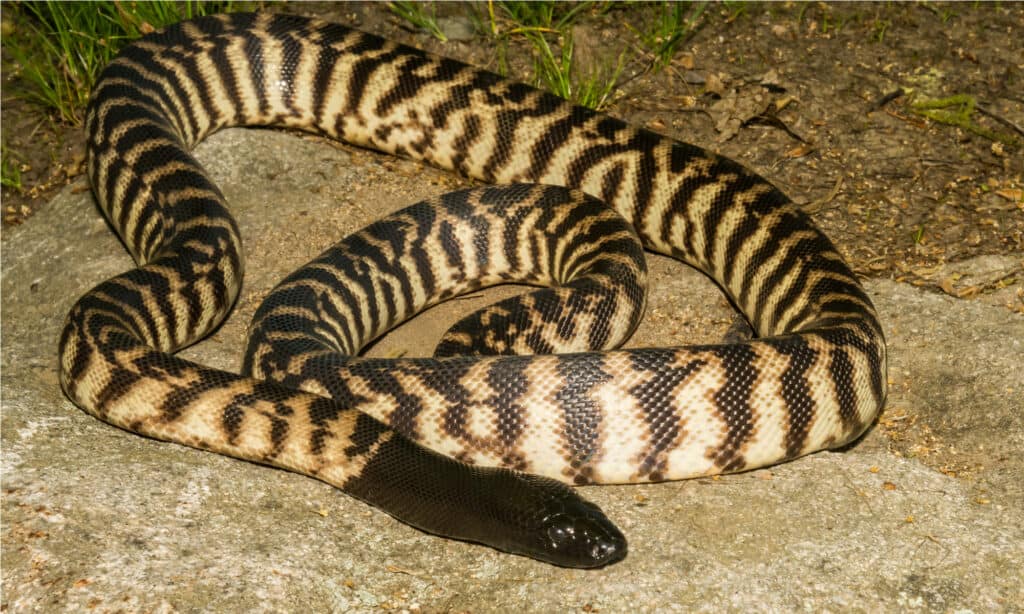
The Black-Headed Python (Aspidites melanocephalus) is a large, non-venomous constrictor native to Australia. Adults typically reach 8–13 feet long, with dark, glossy black heads and light brown or cream bodies covered with blotches or stripes. They inhabit grasslands, savannahs, and open forests, often taking shelter in hollow logs or rocky crevices.
Black-Headed Pythons are nocturnal hunters, feeding primarily on reptiles, including other snakes, lizards, and occasionally mammals. They use constriction to subdue prey and exhibit a remarkable tolerance for venomous snakes, often preying on them. Reproduction involves laying 12–40 eggs in hidden burrows or leaf litter, with hatchlings fully independent. Predators include birds and mammals, but adults face few natural threats due to size and stealth.
Conservation concerns include habitat loss and persecution due to fear. Observing Black-Headed Pythons provides insights into their hunting techniques, constriction behavior, and ecological role as apex predators in Australian ecosystems. They exemplify the diversity and adaptability of types of reptiles in arid and semi-arid environments.
100. Gopher Tortoise
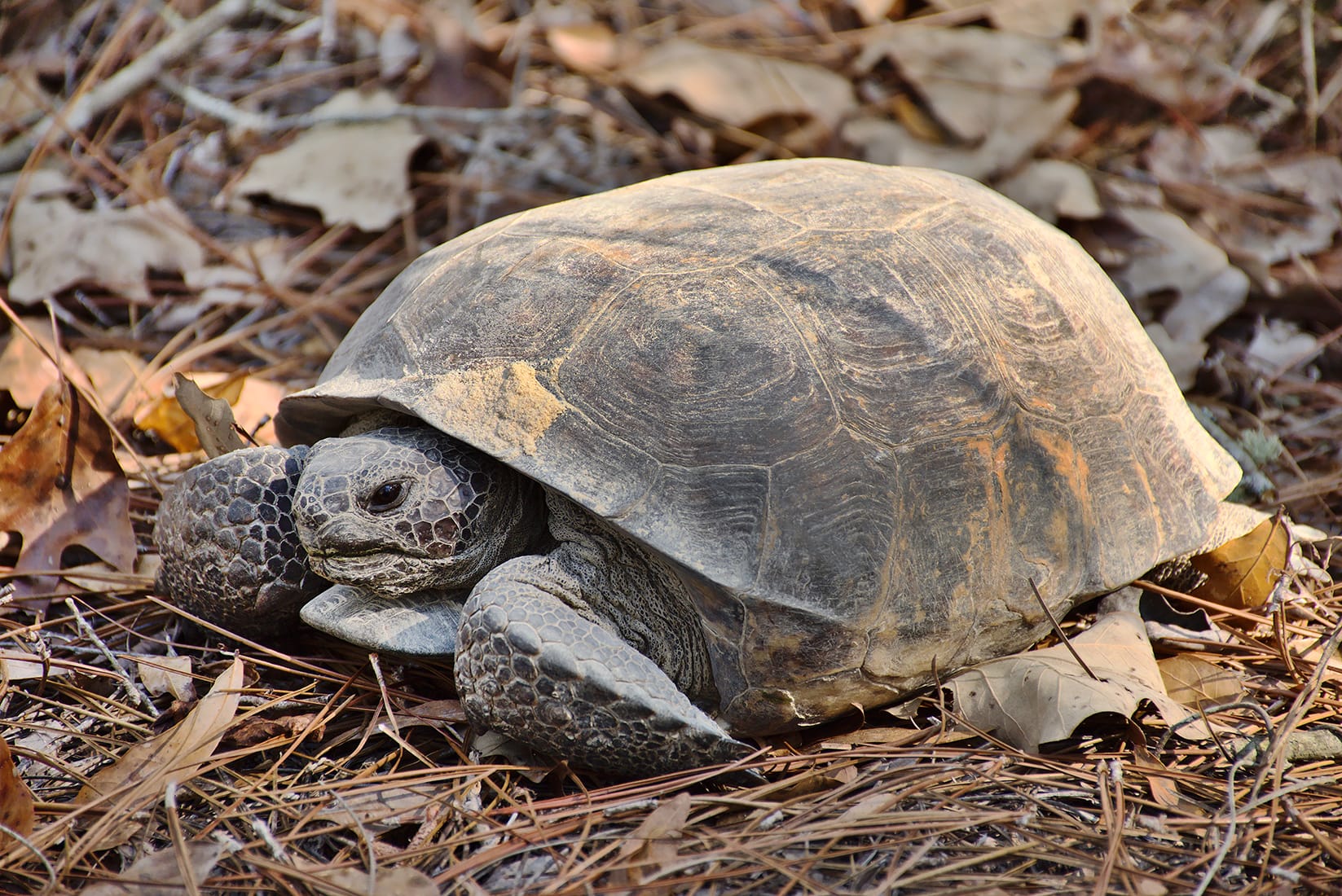
The Gopher Tortoise (Gopherus polyphemus) is a medium-sized terrestrial tortoise native to the southeastern United States. Adults typically measure 9–15 inches long, with a domed, brown or gray carapace and strong, shovel-like forelimbs adapted for digging extensive burrows. These burrows provide shelter not only for the tortoise but also for over 350 other species, making the Gopher Tortoise a keystone species in its habitat.
Gopher Tortoises are herbivorous, feeding on grasses, herbs, and fruits. They are diurnal and spend much of the day foraging and digging burrows. Reproduction involves laying 5–20 eggs in sandy soil near burrows, with hatchlings independent at birth. Predators include raccoons, foxes, birds, and snakes, though adults are relatively safe due to their burrow refuges and tough shells.
Conservation concerns include habitat destruction, road mortality, and collection for the pet trade. Observing Gopher Tortoises highlights their ecological role as ecosystem engineers, their feeding behavior, burrowing adaptations, and contributions to biodiversity. They provide a prime example of the significant impact that types of reptiles can have on ecosystem structure and health.
101. Cuban Rock Iguana
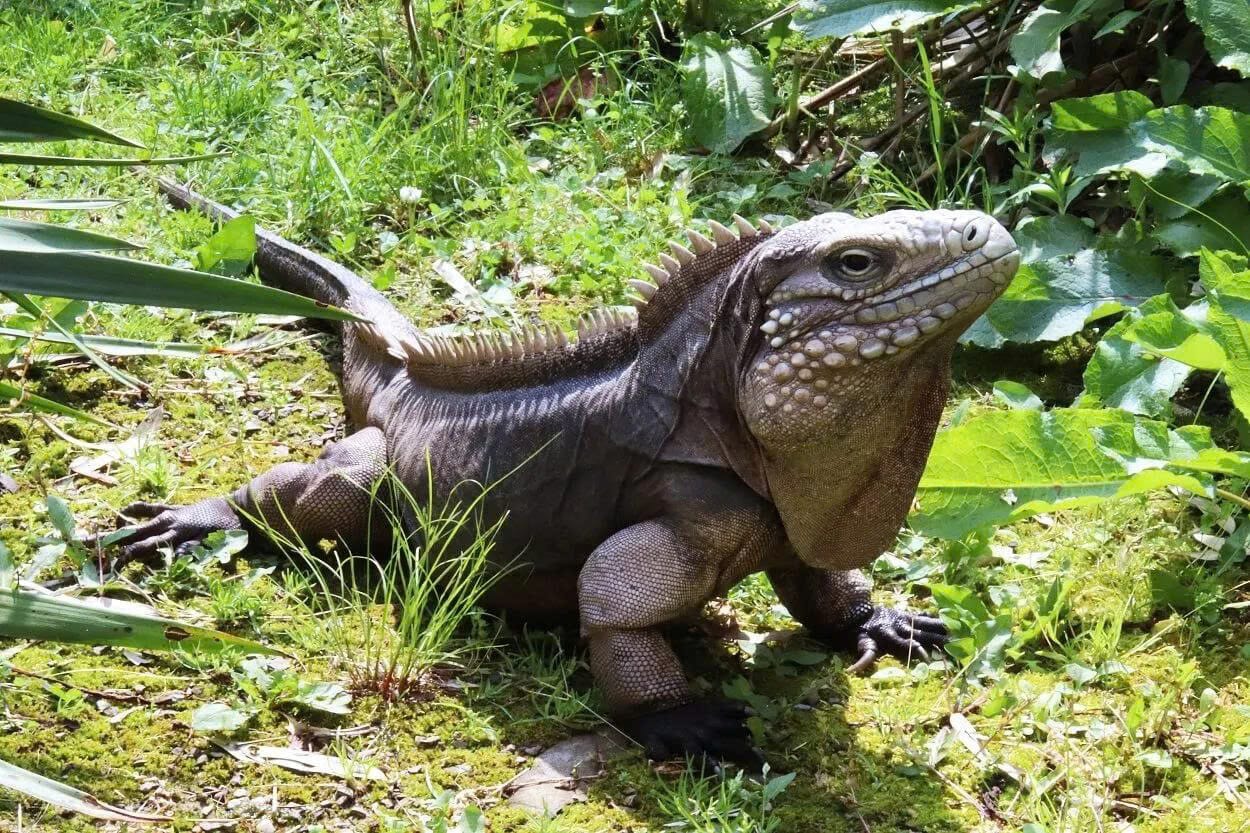
The Cuban Rock Iguana (Cyclura nubila) is a large, herbivorous lizard native to Cuba and surrounding islands. Adults can grow up to 4–5 feet long, including their muscular tails, and are known for their gray to brown bodies with subtle green highlights. Their powerful limbs and claws allow them to climb rocky terrain and dig burrows for shelter and nesting.
Cuban Rock Iguanas primarily feed on leaves, fruits, flowers, and occasionally insects. They are diurnal and spend much of their day basking in the sun or foraging among rocks and vegetation. Reproduction involves laying 2–34 eggs in burrows or crevices, which hatch after several months. Predators include birds of prey and feral mammals, while adults are relatively safe due to size, strength, and sharp claws.
Conservation concerns include habitat destruction, predation from introduced species, and illegal collection for the pet trade. Observing Cuban Rock Iguanas provides insights into their foraging behavior, territoriality, and adaptations for rocky environments. They demonstrate how types of reptiles have evolved specialized physical traits to survive in island ecosystems.
102. Fiji Banded Iguana

The Fiji Banded Iguana (Brachylophus fasciatus) is a medium-sized, arboreal lizard native to Fiji. Adults typically measure 18–22 inches long, with vibrant green bodies and striking turquoise or blue bands along the body. These iguanas are highly adapted to forest canopies, using strong limbs and claws to navigate branches and foliage.
Fiji Banded Iguanas are herbivorous, feeding on leaves, flowers, and fruits. They are diurnal and rely on color-changing abilities and camouflage to avoid predators like birds and snakes. Reproduction involves laying 2–6 eggs in sandy soil or leaf litter, with hatchlings independent upon emergence. Predators include birds, snakes, and introduced mammals, though their arboreal lifestyle provides strong protection.
Conservation concerns include habitat loss, invasive species, and collection for the pet trade, making them vulnerable in the wild. Observing Fiji Banded Iguanas highlights their vibrant coloration, arboreal adaptations, and ecological role as herbivores. They provide an excellent example of how types of reptiles evolve specialized traits for survival in tropical forest ecosystems.
103. Lesser Antillean Iguana

The Lesser Antillean Iguana (Iguana delicatissima) is a large, herbivorous lizard native to the Lesser Antilles islands in the Caribbean. Adults typically reach 4–5 feet long, with gray to green bodies and subtle markings. They are primarily terrestrial but also climb trees and shrubs to forage for food or escape predators.
Lesser Antillean Iguanas feed mostly on leaves, flowers, and fruits, playing an important role in seed dispersal and vegetation management. Reproduction involves laying 5–30 eggs in burrows or protected sandy areas, with juveniles fully independent. Predators include birds of prey, feral mammals, and introduced iguanas. Adults rely on size, speed, and camouflage for protection.
Conservation concerns include habitat loss, hybridization with invasive iguana species, and human hunting. Observing Lesser Antillean Iguanas provides insights into their feeding strategies, territorial behavior, and ecological role as herbivores and ecosystem engineers. They are a remarkable example of the diversity of types of reptiles in island ecosystems.
104. Madagascar Giant Day Gecko

The Madagascar Giant Day Gecko (Phelsuma grandis) is a large, diurnal lizard native to Madagascar. Adults typically reach 10–12 inches long and are brightly colored in shades of green, red, and blue, making them one of the most visually striking types of reptiles. They inhabit trees and bushes, using adhesive toe pads to climb smooth surfaces with ease.
These geckos are omnivorous, feeding on insects, nectar, and fruits. They play a dual ecological role as both predator and pollinator. Reproduction involves laying 2 eggs per clutch, which adhere to surfaces like leaves or tree trunks, with hatchlings independent at birth. Predators include birds, snakes, and mammals, but adults’ agility and camouflage help them avoid most threats.
Conservation concerns include habitat destruction, predation by introduced species, and the pet trade. Observing Madagascar Giant Day Geckos highlights their feeding behavior, climbing adaptations, and vibrant coloration. They are a prime example of how types of reptiles evolve specialized traits to thrive in tropical forest ecosystems.
105. House Gecko
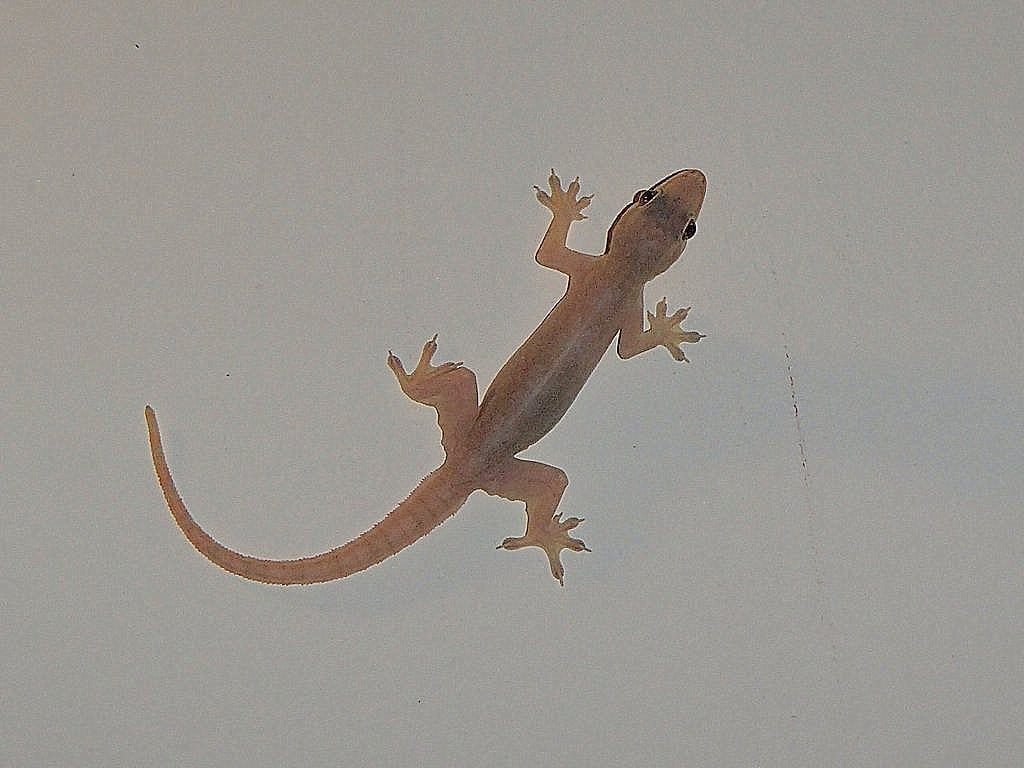
The House Gecko (Hemidactylus spp.) is a small, widespread lizard found in tropical and subtropical regions worldwide. Adults typically measure 3–6 inches long, with translucent or grayish skin that allows them to blend into walls and ceilings. They are highly adaptable, often living in close association with humans.
House Geckos are insectivorous, feeding on mosquitoes, flies, and other small insects, making them valuable natural pest controllers. They are nocturnal and use their adhesive toe pads to navigate smooth surfaces with ease. Reproduction involves laying 1–2 eggs per clutch, often in hidden crevices, with hatchlings fully independent. Predators include snakes, birds, and domestic animals, though their small size and agility provide protection.
Conservation concerns are minimal due to their adaptability, though they face risks in areas with pesticide use. Observing House Geckos provides insights into their nocturnal hunting, climbing abilities, and interactions with human environments. They are a perfect example of how types of reptiles can adapt to anthropogenic habitats while maintaining ecological roles.
106. Smooth Gecko
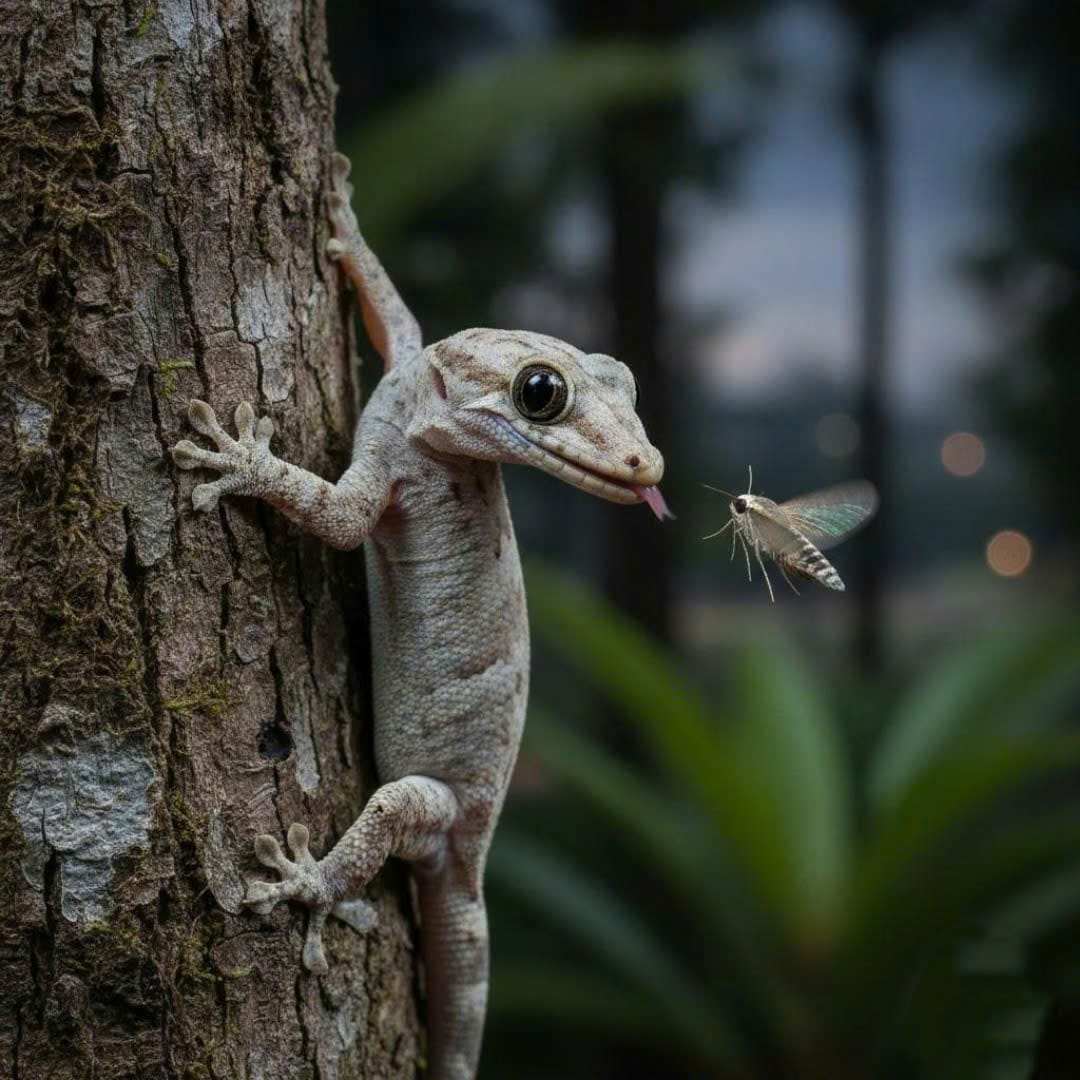
The Smooth Gecko (Genus: Gehyra or other Hemidactylus species) is a small, nocturnal lizard found in tropical and subtropical regions, particularly in forests and urban areas. Adults typically measure 3–6 inches in length, with smooth, soft skin and pale gray to brown coloration, allowing them to blend seamlessly into bark, walls, and rocks. Their name comes from their sleek, scaleless appearance, which contrasts with many other geckos that have rough or spiny skin.
Smooth Geckos are insectivorous, feeding on small insects like moths, flies, and beetles. They are excellent climbers, using adhesive toe pads to navigate walls, ceilings, and tree bark. Reproduction involves laying 1–2 eggs per clutch in sheltered locations, with hatchlings fully independent at birth. Predators include birds, snakes, and larger lizards, though their nocturnal behavior and camouflage help them avoid most threats.
Conservation concerns include habitat loss and pesticide use, but many species are adaptable to urban environments. Observing Smooth Geckos provides insights into their nocturnal hunting strategies, climbing adaptations, and interactions with both natural and human-modified habitats. They illustrate the adaptability and diversity of types of reptiles in tropical and subtropical ecosystems.
107. Flying Gecko
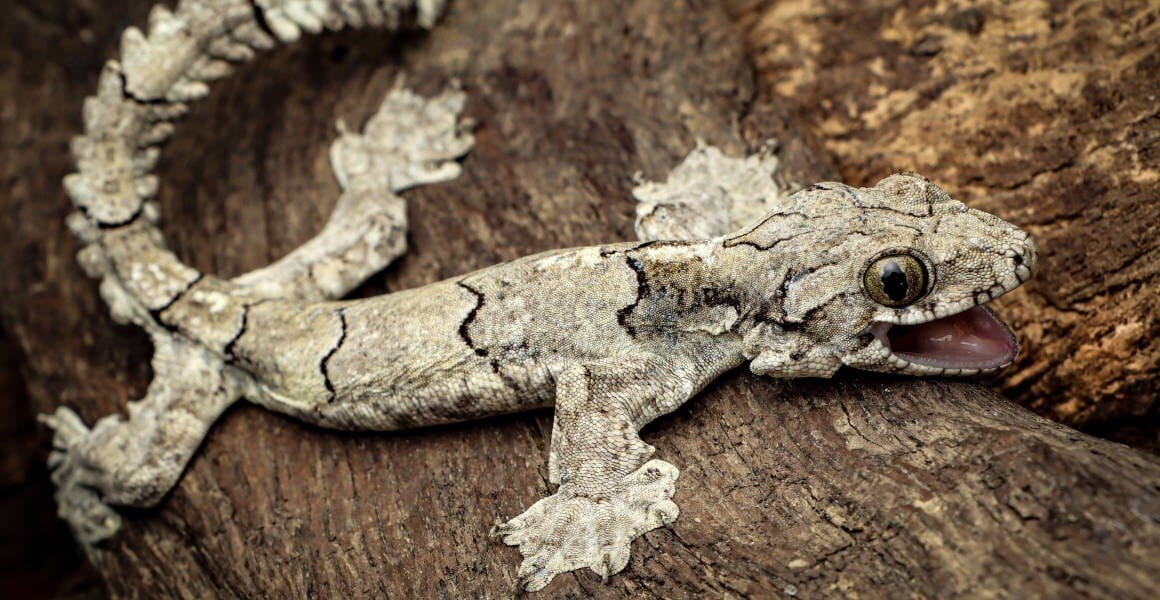
The Flying Gecko (Ptychozoon kuhli) is a small, nocturnal lizard native to Southeast Asia. Adults typically measure 4–6 inches long, with flattened bodies, webbed toes, and flaps of skin along the sides that allow them to glide between trees. Their mottled brown and gray coloration provides excellent camouflage against tree bark, helping them avoid predators.
Flying Geckos are insectivorous, feeding primarily on moths, beetles, and other small insects. They are strictly nocturnal, using stealth and gliding abilities to ambush prey or evade predators. Reproduction involves laying 1–2 sticky eggs per clutch in secure, hidden locations, with hatchlings independent at birth. Predators include birds, snakes, and larger lizards, though their camouflage and gliding behavior reduce predation risk.
Conservation concerns include deforestation and collection for the exotic pet trade. Observing Flying Geckos provides insight into their nocturnal hunting, gliding locomotion, and arboreal adaptations. They are a fascinating example of how types of reptiles can evolve specialized physical traits to navigate complex forest ecosystems.
108. Sandfish Skink

The Sandfish Skink (Scincus scincus) is a small, desert-dwelling lizard native to North Africa and the Middle East. Adults typically measure 6–9 inches long and have smooth, shiny scales that reduce friction and enable them to “swim” through sand. Their tan to golden coloration provides excellent camouflage in sandy deserts.
Sandfish Skinks are insectivorous, feeding on ants, beetles, and other small arthropods. They are diurnal but often dive into the sand to escape predators and extreme heat. Reproduction involves laying 3–5 eggs in burrows, with hatchlings fully independent. Predators include birds, snakes, and small mammals, though their sand-swimming ability and cryptic coloration provide strong protection.
Conservation concerns include habitat degradation due to human activity and desertification. Observing Sandfish Skinks highlights their unique locomotion, foraging behavior, and adaptations to extreme desert environments. They exemplify how types of reptiles can evolve specialized behaviors and physical traits to survive in harsh habitats.
109. Mexican Mole Lizard
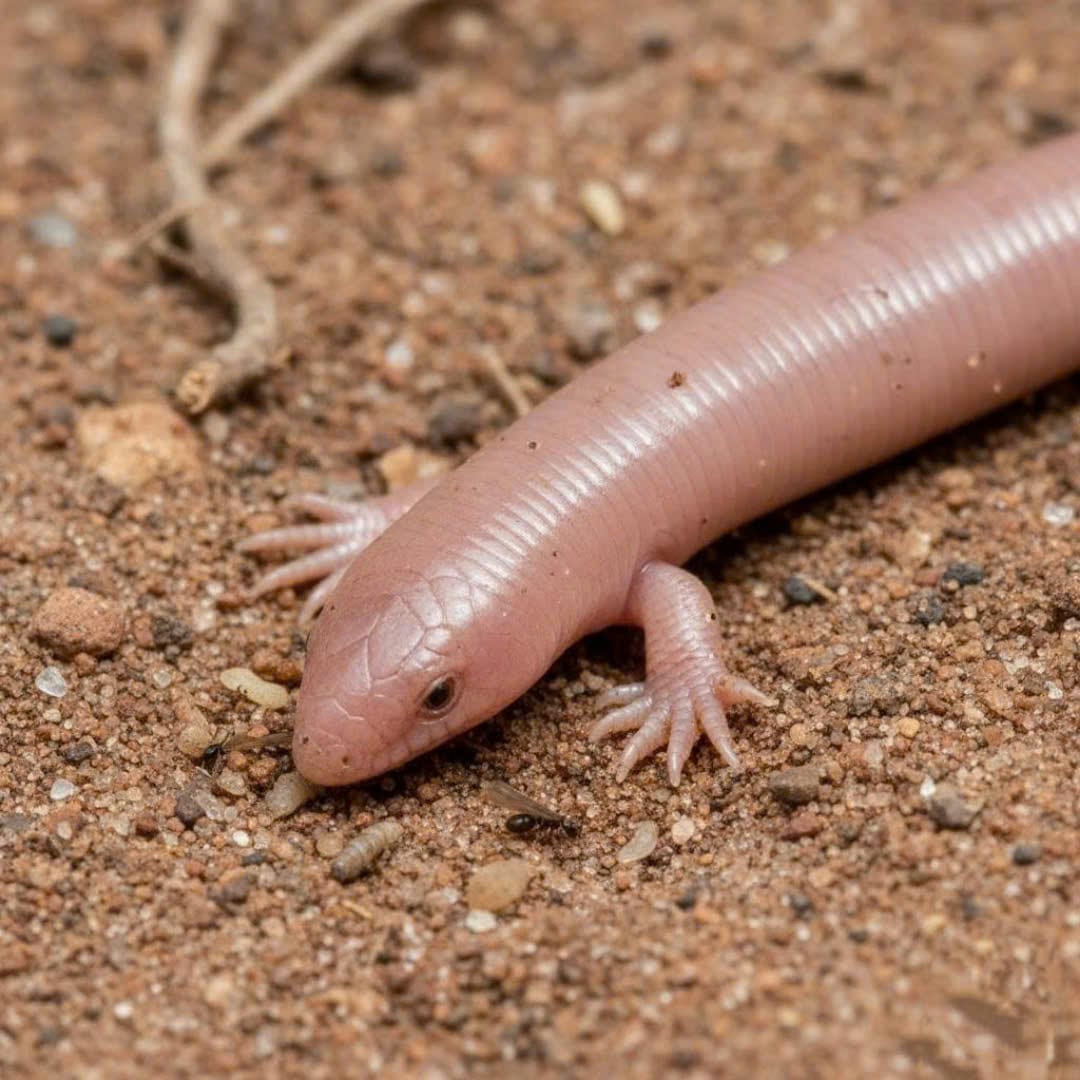
The Mexican Mole Lizard (Bipes biporus) is a small, legged worm-like reptile native to Baja California, Mexico. Adults typically measure 6–8 inches long, with elongated, cylindrical bodies and tiny forelimbs used for digging. Their pinkish, smooth bodies allow them to burrow efficiently through loose soil and sand, living almost entirely underground.
Mexican Mole Lizards are insectivorous, feeding primarily on ants, termites, and larvae found in soil. They are fossorial, spending most of their life beneath the surface to avoid predators and extreme environmental conditions. Reproduction involves laying 1–4 eggs in burrows, with hatchlings fully independent. Predators include birds, snakes, and small mammals when exposed on the surface, but their subterranean lifestyle provides strong protection.
Conservation concerns include habitat disturbance from agriculture and urbanization. Observing Mexican Mole Lizards provides insights into their subterranean behavior, feeding strategies, and adaptations to life underground. They are a unique example of how types of reptiles can evolve specialized morphologies and lifestyles to exploit niche habitats.
110. Mediterranean Worm Lizard

The Mediterranean Worm Lizard (Blanus cinereus) is a small, legless reptile native to southwestern Europe. Adults typically measure 6–8 inches long, with elongated, cylindrical bodies covered in smooth, shiny scales. Their pale pink to gray coloration and cylindrical shape allow them to burrow through soil, leaf litter, and loose rocks with ease.
Mediterranean Worm Lizards are insectivorous, feeding on ants, termites, and small invertebrates found in soil. They are fossorial and rarely surface, making them highly specialized for subterranean life. Reproduction involves laying 2–4 eggs in burrows, with hatchlings independent at birth. Predators include birds, snakes, and small mammals, but adults are well-protected underground.
Conservation concerns include habitat loss, soil pollution, and urbanization. Observing Mediterranean Worm Lizards highlights their fossorial lifestyle, feeding behavior, and unique adaptations to life underground. They demonstrate how types of reptiles can diversify into highly specialized ecological niches with distinct morphologies and behaviors.
111. Northern Water Snake

The Northern Water Snake (Nerodia sipedon) is a non-venomous aquatic snake native to the eastern United States. Adults typically measure 2–4 feet long, with dark brown or reddish bands across a lighter background. They inhabit rivers, lakes, ponds, and marshes, often basking on rocks, logs, or floating vegetation.
Northern Water Snakes are carnivorous, feeding primarily on fish, amphibians, and small invertebrates. They are excellent swimmers, using stealth and rapid strikes to capture prey. Reproduction involves giving birth to live young, with litters ranging from 20–40 juveniles. Predators include birds of prey, larger snakes, and mammals, though adults are relatively safe due to size, swimming ability, and aggressive defensive behavior.
Conservation concerns include habitat destruction, water pollution, and human persecution due to fear. Observing Northern Water Snakes provides insight into their aquatic hunting strategies, swimming adaptations, and ecological role as predators in freshwater ecosystems. They are a vivid example of how types of reptiles thrive in and around aquatic habitats.
112. Coachwhip Snake
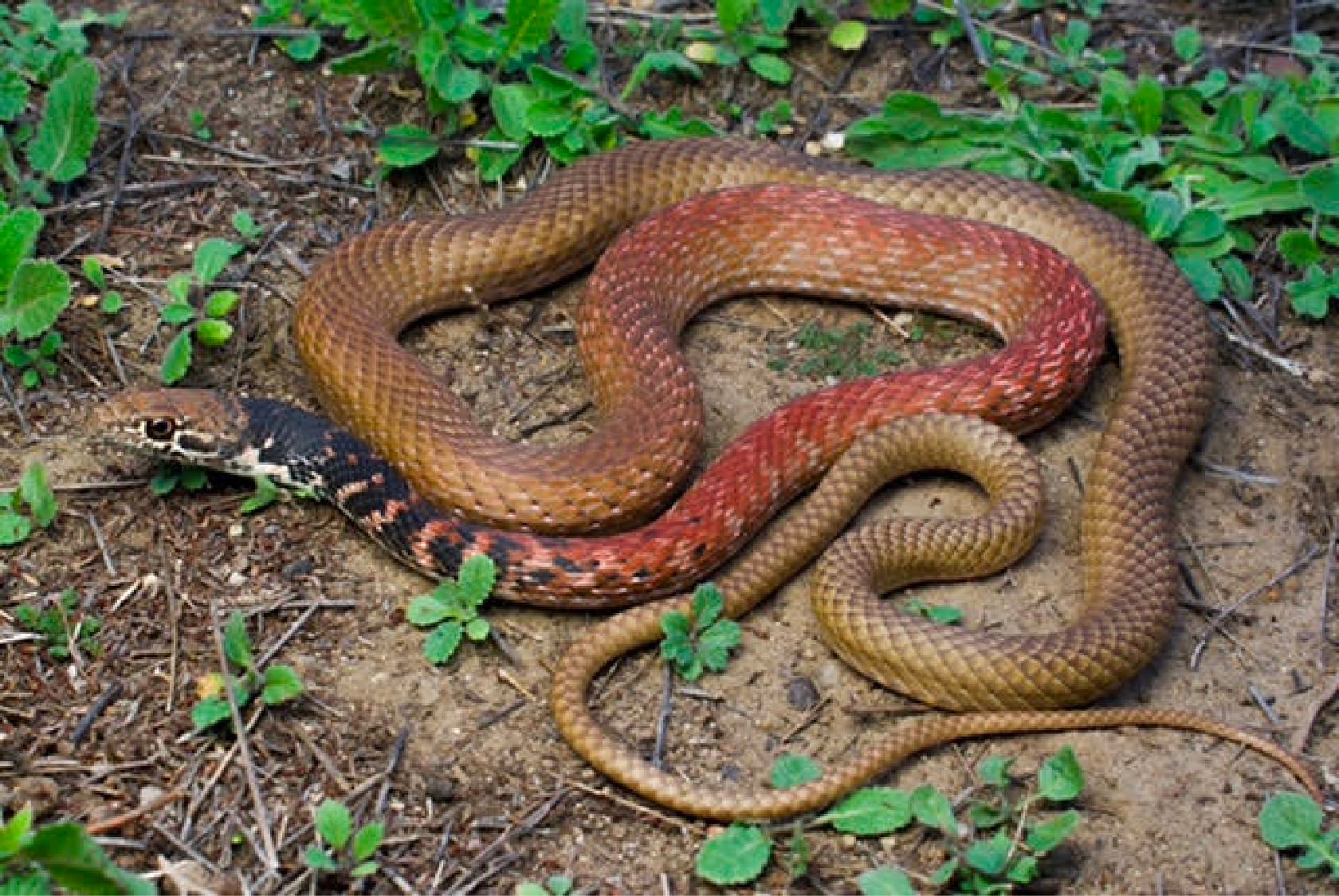
The Coachwhip Snake (Coluber flagellum) is a large, fast-moving, non-venomous snake native to the southern United States and northern Mexico. Adults can reach 6–8 feet long, with slender, whip-like bodies covered in tan, brown, or reddish scales that provide camouflage in grasslands, scrub, and open forests.
Coachwhip Snakes are diurnal hunters, feeding on lizards, rodents, birds, and other snakes. They rely on speed, agility, and excellent vision to catch prey and evade predators. Reproduction involves laying 4–24 eggs in sandy or loose soil, with hatchlings fully independent. Predators include hawks, raccoons, and larger snakes, though adults are largely protected by speed and camouflage.
Conservation concerns include habitat loss and human persecution. Observing Coachwhip Snakes highlights their active hunting behavior, speed, and ecological role as both predator and prey. They demonstrate the diversity of types of reptiles in terrestrial ecosystems and how specialized behaviors enhance survival.
113. Pine Snake

The Pine Snake (Pituophis melanoleucus) is a large, non-venomous constrictor native to the eastern United States. Adults typically measure 4–6 feet long, with cream or light brown bodies covered with dark blotches and patterns that help them blend into sandy soils and pine forests. They are primarily terrestrial, though strong burrowing abilities allow them to occupy loose soils for nesting and shelter.
Pine Snakes are carnivorous, feeding on rodents, birds, and eggs. They use constriction to subdue prey and rely on camouflage and burrowing to avoid predators. Reproduction involves laying 6–24 eggs in secure, sandy nests, with hatchlings fully independent. Predators include birds, mammals, and larger snakes, though adults are relatively safe due to size, strength, and cryptic coloration.
Conservation concerns include habitat loss, road mortality, and human persecution. Observing Pine Snakes provides insight into their hunting strategies, burrowing adaptations, and ecological role in controlling rodent populations. They are a strong example of how types of reptiles have evolved both physical and behavioral traits for survival in terrestrial habitats.
114. King Brown Snake

The King Brown Snake (Pseudechis australis), also known as the Mulga Snake, is a large, venomous snake native to Australia. Adults typically measure 6–10 feet long, with robust bodies and dark brown to reddish scales. They inhabit arid and semi-arid regions, including woodlands, grasslands, and shrublands, often taking shelter in burrows or hollow logs.
King Brown Snakes are carnivorous, feeding on reptiles, mammals, birds, and occasionally amphibians. They are powerful hunters, using venom to immobilize prey efficiently. Reproduction involves laying 10–30 eggs in hidden locations, with hatchlings fully independent. Predators include large birds of prey and monitor lizards, though adults face few threats due to size and venom potency.
Conservation concerns include habitat degradation and human persecution, though populations remain stable in protected areas. Observing King Brown Snakes highlights their venomous adaptations, hunting behavior, and ecological role as apex predators in Australian ecosystems. They demonstrate how types of reptiles can evolve both physical power and potent venom to dominate their environments.
115. Coastal Taipan

The Coastal Taipan (Oxyuranus scutellatus) is a highly venomous snake native to coastal regions of northern and eastern Australia and New Guinea. Adults can reach 10–13 feet in length, with sleek, tan to brown bodies and lighter undersides, providing camouflage in forest edges, grasslands, and woodlands.
Coastal Taipans are carnivorous, preying primarily on mammals, birds, and reptiles. They are fast, agile hunters that rely on potent venom to subdue prey quickly. Reproduction involves laying 8–12 eggs in hidden, protected sites, with hatchlings independent at birth. Predators include birds and larger reptiles, though adults have few natural threats due to size, speed, and venom potency.
Conservation concerns include habitat loss and human persecution. Observing Coastal Taipans provides insights into their hunting strategies, venomous adaptations, and ecological role as apex predators. They are a striking example of the efficiency and specialization of types of reptiles in tropical and subtropical ecosystems.
116. Coral Reef Snake

The Coral Reef Snake (Calliophis spp.) is a highly venomous snake found in coral reef ecosystems and coastal forests of Southeast Asia. Adults typically measure 2–3 feet long and are recognized for their vibrant coloration, often red, black, and blue bands, which serve as a warning to predators. These snakes are slender, agile, and primarily terrestrial but occasionally hunt along the edges of reefs and mangroves.
Coral Reef Snakes are carnivorous, preying primarily on smaller snakes, lizards, and occasionally fish. They use potent neurotoxic venom to immobilize prey rapidly. Reproduction involves laying 3–10 eggs in concealed nests, with hatchlings fully independent. Predators include larger snakes, birds, and some mammals, though their venom and aposematic coloration reduce predation risk significantly.
Conservation concerns include habitat loss due to coastal development and collection for the pet trade. Observing Coral Reef Snakes provides insight into their hunting strategies, venomous adaptations, and specialized ecological role in coastal and reef-adjacent ecosystems. They are a vivid example of how types of reptiles evolve warning coloration and potent venom to survive and thrive.
117. Rubber Boa

The Rubber Boa (Charina bottae) is a small, non-venomous snake native to western North America. Adults typically measure 2–3 feet long, with smooth, glossy, brown to olive-colored bodies resembling rubber, which gives them their name. They inhabit forests, grasslands, and mountainous regions, often hiding under logs, rocks, and leaf litter.
Rubber Boas are carnivorous, feeding primarily on small mammals, lizards, amphibians, and other snakes. They are primarily nocturnal and rely on stealth and constriction to capture prey. Reproduction involves giving birth to live young, usually 3–15 per litter, with hatchlings independent immediately. Predators include birds, mammals, and larger snakes, though adults’ secretive nature provides strong protection.
Conservation concerns include habitat loss and human disturbance, though populations are stable in many areas. Observing Rubber Boas provides insight into their stealthy hunting behavior, burrowing adaptations, and ecological role as mid-level predators. They are an excellent example of the diversity and adaptability of types of reptiles in temperate ecosystems.
118. Eastern Coral Snake

The Eastern Coral Snake (Micrurus fulvius) is a highly venomous snake native to the southeastern United States. Adults typically measure 2–3 feet long, with bright red, yellow, and black bands that serve as warning coloration. They inhabit pine forests, hardwood forests, and sandy soils, often hiding under leaf litter or logs.
Eastern Coral Snakes are carnivorous, feeding primarily on smaller snakes, lizards, and amphibians. They rely on neurotoxic venom to quickly immobilize prey. Reproduction involves laying 3–12 eggs in hidden nests, with hatchlings independent at birth. Predators include birds, mammals, and other snakes, though their coloration and venom make them dangerous to most would-be predators.
Conservation concerns include habitat loss and road mortality. Observing Eastern Coral Snakes provides insight into their hunting strategies, venom adaptations, and ecological role as specialized predators in forest ecosystems. They are a classic example of how types of reptiles evolve both potent venom and bright warning signals for survival.
119. Black-And-Yellow Mud Snake

The Black-And-Yellow Mud Snake (Farancia abacura) is a non-venomous, aquatic snake native to the southeastern United States. Adults typically measure 2–4 feet long, with glossy black bodies and striking yellow bands along the ventral side. They inhabit swamps, marshes, and slow-moving rivers, often burrowing into mud or hiding among aquatic vegetation.
Black-And-Yellow Mud Snakes are carnivorous, feeding primarily on amphibians, especially salamanders and frogs. They are excellent swimmers and rely on stealth to ambush prey. Reproduction involves laying 6–20 eggs in concealed areas near water, with hatchlings fully independent. Predators include birds, mammals, and larger snakes, though adults’ secretive behavior provides protection.
Conservation concerns include wetland drainage, pollution, and human persecution. Observing Black-And-Yellow Mud Snakes provides insights into their aquatic hunting strategies, camouflage, and ecological role in controlling amphibian populations. They demonstrate the diversity of types of reptiles in freshwater and swamp ecosystems.
120. Mexican Black Kingsnake

The Mexican Black Kingsnake (Lampropeltis getula nigrita) is a medium-sized, non-venomous constrictor native to northwestern Mexico. Adults typically measure 4–6 feet long, with glossy, solid black bodies that provide excellent camouflage at night and in rocky habitats. They are terrestrial but can climb low vegetation when hunting or escaping predators.
Mexican Black Kingsnakes are opportunistic carnivores, feeding on rodents, birds, eggs, amphibians, and other reptiles, including venomous snakes. They use constriction to subdue prey and are resistant to the venom of some species. Reproduction involves laying 5–20 eggs in secure, hidden locations, with hatchlings fully independent. Predators include birds, mammals, and larger snakes, though adults are well-protected by size, agility, and stealth.
Conservation concerns include habitat loss, urbanization, and collection for the pet trade. Observing Mexican Black Kingsnakes provides insights into their predatory behavior, ecological role as snake specialists, and adaptations for survival in arid and semi-arid habitats. They are a powerful example of how types of reptiles can evolve both behavioral and physical adaptations for predation and survival.
Conclusion: The Fascinating World of Reptiles
Exploring the diversity of types of reptiles reveals just how remarkable and adaptable these animals are. From the massive Green Anaconda that dominates South American waterways to the tiny House Gecko quietly controlling insect populations in our homes, reptiles showcase an incredible variety of shapes, sizes, behaviors, and habitats. Each species has evolved unique adaptations—whether it’s the gliding ability of the Flying Gecko, the burrowing skills of the Sandfish Skink, or the venomous efficiency of the Coastal Taipan—to survive and thrive in their environments.
Reptiles play essential roles in ecosystems around the world, acting as predators, prey, and even ecosystem engineers, like the Gopher Tortoise whose burrows support hundreds of other species. Understanding these animals not only deepens our appreciation for wildlife but also highlights the importance of conservation, as many reptiles face habitat loss, climate change, and human pressures.
Whether you are a wildlife enthusiast, a student, or a beginner exploring nature, learning about the wide range of reptiles offers endless fascination. By observing and protecting these creatures, we ensure that their vital ecological roles continue for generations to come. The 120 types of reptiles featured here provide a glimpse into the extraordinary diversity and complexity of the reptile world, making them one of nature’s most captivating groups.
Frequently Asked Questions About Types of Reptiles
1. What are reptiles?
Reptiles are cold-blooded vertebrates that have scales or scutes covering their skin. They include snakes, lizards, turtles, tortoises, and crocodilians. Most reptiles lay eggs, though some give birth to live young.
2. How many types of reptiles are there?
There are over 10,000 species of reptiles worldwide, ranging from tiny geckos to massive crocodiles and pythons. This article features 120 notable types of reptiles for identification and review.
3. What makes reptiles different from amphibians?
Reptiles have dry, scaly skin and usually lay eggs with leathery shells, while amphibians have moist skin and lay jelly-like eggs in water. Reptiles are mostly terrestrial, whereas amphibians require water for part of their life cycle.
4. Are all reptiles cold-blooded?
Yes, reptiles are ectothermic, meaning they rely on external heat sources like the sun to regulate their body temperature.
5. What do reptiles eat?
Reptiles can be herbivorous, carnivorous, or omnivorous. For example, iguanas eat plants, snakes eat rodents and birds, and some turtles eat both plants and small animals.
6. Do reptiles have predators?
Yes, reptiles are preyed upon by birds, mammals, other reptiles, and humans. Large reptiles like crocodiles have few natural predators.
7. What is the largest reptile?
The Saltwater Crocodile (Crocodylus porosus) holds the record as the largest reptile, reaching lengths of over 23 feet and weighing more than a ton.
8. What is the smallest reptile?
The Brookesia nana chameleon from Madagascar is currently the smallest known reptile, measuring only about 0.37 inches (9.5 mm) in length.
9. How long do reptiles live?
Reptile lifespans vary greatly. Some small lizards may live 5–10 years, while large turtles and crocodiles can live 50–100 years or more.
10. Can reptiles be pets?
Yes, many reptiles like Bearded Dragons, Ball Pythons, and Leopard Geckos are popular pets. They require specialized care including temperature, humidity, and diet management.
11. Are all snakes venomous?
No, most snakes are non-venomous. Only about 600 species of snakes are venomous, including cobras, vipers, and coral snakes.
12. What is the difference between a turtle and a tortoise?
Turtles are usually aquatic or semi-aquatic with webbed feet or flippers, while tortoises are land-dwelling with sturdy, round feet for walking on land.
13. Do reptiles lay eggs?
Most reptiles lay eggs, though some, like certain snakes and lizards, give birth to live young.
14. How do reptiles regulate their body temperature?
Reptiles use behavior to regulate temperature, such as basking in the sun to warm up or seeking shade to cool down.
15. What habitats do reptiles live in?
Reptiles live in a variety of habitats including deserts, forests, rivers, wetlands, grasslands, and coastal regions.
16. Are reptiles endangered?
Many reptiles are threatened due to habitat destruction, pollution, climate change, and the pet trade. Conservation efforts are critical for their survival.
17. Can reptiles swim?
Yes, many reptiles like turtles, crocodiles, water snakes, and sea snakes are excellent swimmers.
18. Do reptiles have teeth?
Most reptiles have teeth. Crocodiles, snakes, and lizards use teeth for capturing and eating prey, while turtles and tortoises have beaks instead of teeth.
19. How do snakes move without legs?
Snakes use muscles and scales to push against surfaces in various ways, including lateral undulation, sidewinding, concertina, and rectilinear motion.
20. Do reptiles hibernate?
Some reptiles undergo brumation, a hibernation-like state, during cold seasons to conserve energy and survive harsh conditions.
21. Are all reptiles dangerous?
No, most reptiles are harmless to humans. Only some snakes, lizards, and crocodilians pose serious threats due to venom or size.
22. Can reptiles see in color?
Many reptiles have excellent color vision, especially diurnal species like chameleons and some lizards, which use color for communication and hunting.
23. How do reptiles communicate?
Reptiles communicate through visual signals (like head bobbing or color changes), scent marking, sounds (hissing, growling), and body language.
24. Do all reptiles have scales?
Yes, all reptiles have scales or scutes, which help prevent water loss, protect the skin, and assist in movement.
25. What is the fastest reptile?
The Spiny-Tailed Iguana and some monitor lizards can move quickly on land, while the Black Mamba (a snake) is among the fastest-moving snakes.
26. Can reptiles regenerate tails?
Many lizards can regrow their tails if lost due to predation or injury, though the new tail may differ slightly in shape and color.
27. Do reptiles have lungs?
Yes, all reptiles breathe air using lungs. Unlike amphibians, reptiles do not rely on skin for respiration.
28. How do crocodiles hunt?
Crocodiles are ambush predators. They use stealth, strength, and powerful jaws to capture prey near water bodies.
29. Are chameleons poisonous?
No, chameleons are not poisonous. Their defense relies on camouflage, color changes, and slow movements to avoid predators.
30. Can turtles retract their heads?
Many turtles and tortoises can pull their heads and limbs inside their shells for protection against predators.
31. Do reptiles sleep?
Yes, reptiles sleep but often in shorter cycles compared to mammals. Their activity levels depend on temperature and light.
32. How do sea turtles navigate?
Sea turtles use the Earth’s magnetic field, ocean currents, and environmental cues to navigate long distances between feeding and nesting sites.
33. Are all lizards able to detach their tails?
No, only some lizard species, like geckos and skinks, have the ability to autotomize, or shed, their tails as a defense mechanism.
34. What is the lifespan of a ball python?
Ball pythons can live 20–30 years in captivity with proper care, making them one of the longer-lived snake species.
35. Can reptiles survive without water?
Reptiles are highly efficient at conserving water, but all species require some moisture, either from food, water sources, or humid environments.
36. Do snakes drink water?
Yes, snakes drink water directly from ponds, streams, and droplets on vegetation, which is essential for survival.
37. Are all turtles aquatic?
No, some turtles are fully terrestrial, like tortoises, while others are semi-aquatic or marine, like sea turtles.
38. How do iguanas communicate?
Iguanas use head bobbing, dewlap extensions, and body postures to communicate with rivals, mates, and threats.
39. Can reptiles sense heat?
Some snakes, like pit vipers and pythons, have specialized heat-sensing pits to detect warm-blooded prey in the dark.
40. What is a keystone reptile?
A keystone reptile, like the Gopher Tortoise, creates or maintains habitats that support many other species, making it essential for ecosystem health.
41. Are venomous snakes always aggressive?
No, most venomous snakes are shy and avoid humans. They only bite when threatened or cornered.
42. How do monitor lizards hunt?
Monitor lizards are active hunters, using keen eyesight, strong limbs, and sharp teeth to catch prey, including mammals, birds, and other reptiles.
43. Can reptiles climb?
Many reptiles, like geckos and chameleons, are excellent climbers. They have specialized toe pads, claws, or tails for gripping surfaces.
44. Are crocodiles reptiles?
Yes, crocodiles are reptiles. They belong to the order Crocodylia and are among the largest and most ancient reptile species.
45. Do snakes have eyelids?
Most snakes do not have eyelids. Instead, they have a clear protective scale called a spectacle covering their eyes.
46. How do reptiles shed their skin?
Reptiles periodically shed old skin in a process called ecdysis. Snakes usually shed in one piece, while lizards shed in patches.
47. Can reptiles hear?
Reptiles can detect vibrations and low-frequency sounds. Some species, like geckos, have external ears, while snakes sense vibrations through the jawbone.
48. What role do reptiles play in ecosystems?
Reptiles control prey populations, disperse seeds, provide food for predators, and contribute to ecosystem balance as both predators and prey.
49. Can reptiles live in cold climates?
Some reptiles can survive cold climates by brumation, burrowing, or hibernating to conserve energy and avoid freezing temperatures.
50. Are all lizards non-venomous?
Most lizards are non-venomous, though a few species like the Gila Monster and Mexican Beaded Lizard have venom used for defense and subduing prey.
51. How do reptiles reproduce?
Reptile reproduction varies: most lay eggs (oviparous), while some give birth to live young (viviparous). Many exhibit parental care, such as guarding eggs or burrows.
52. Do reptiles have hearts?
Yes, reptiles have a heart. Most have a three-chambered heart, while crocodilians have a four-chambered heart, allowing efficient blood circulation.
53. How do reptiles breathe underwater?
While reptiles like turtles can hold their breath for long periods, they cannot extract oxygen from water. They breathe air through lungs and may slow metabolism to extend dives.
54. What is the difference between venomous and poisonous reptiles?
Venomous reptiles inject venom through bites or stings, like snakes. Poisonous reptiles release toxins when touched or eaten, which is less common in reptiles.
Read more:
- 30 Types of Seashells (Pictures And Identification)
- 27 Types of Crocodiles: Species Identification with Pictures
- 5 Types of Crocodiles in Florida: Species, Identification, and Photos
- 4 Types of Crocodiles in Africa: Species, Identification, and Photos
- 2 Types of Crocodiles in Costa Rica (Pictures And Identification)
- Types of Crocodiles in Zimbabwe (Pictures And Identification)
- 3 Types of Crocodiles in Kenya: Species, Identification, and Photos
- 2 Types of Crocodiles in Sri Lanka: Species, Identification, and Photos
- 5 Types of Crocodiles in India: Species, Identification, and Photos
- 120 Types of Reptiles (Pictures And Identification)
- 2 Types of Crocodiles in Australia: Species, Identification, and Photos
- 2 Types of Crocodiles in Philippines (Pictures And Identification)
- 100 Types of Frogs (Pictures And Identification)
- 35 Types Of Amphibians (Pictures And Identification)
- 20 Types of Frogs in Illinois: Species Identification with Pictures
- What Do Tadpoles Eat? 30 Foods They Love the Most
- 35 Types of Salamanders (Pictures And Identification)