
Wild Rabbits in Tennessee are a fascinating part of the state’s wildlife. From the shy New England Cottontail to the common Eastern Cottontail, each species has its own habits, habitats, and traits that make it unique. Whether you’re a wildlife enthusiast, a backyard observer, or simply curious about Tennessee’s natural world, understanding these rabbits helps you identify them and appreciate their role in local ecosystems. In this guide, we explore 5 Types of Wild Rabbits in Tennessee, providing detailed insights into their physical characteristics, behavior, diet, reproduction, and interactions with humans. By the end, you’ll be able to recognize these rabbits in the wild and learn fun facts that highlight their special adaptations to Tennessee’s forests, fields, and wetlands.
1. Eastern Cottontail — The Most Widespread of All Wild Rabbits in Tennessee
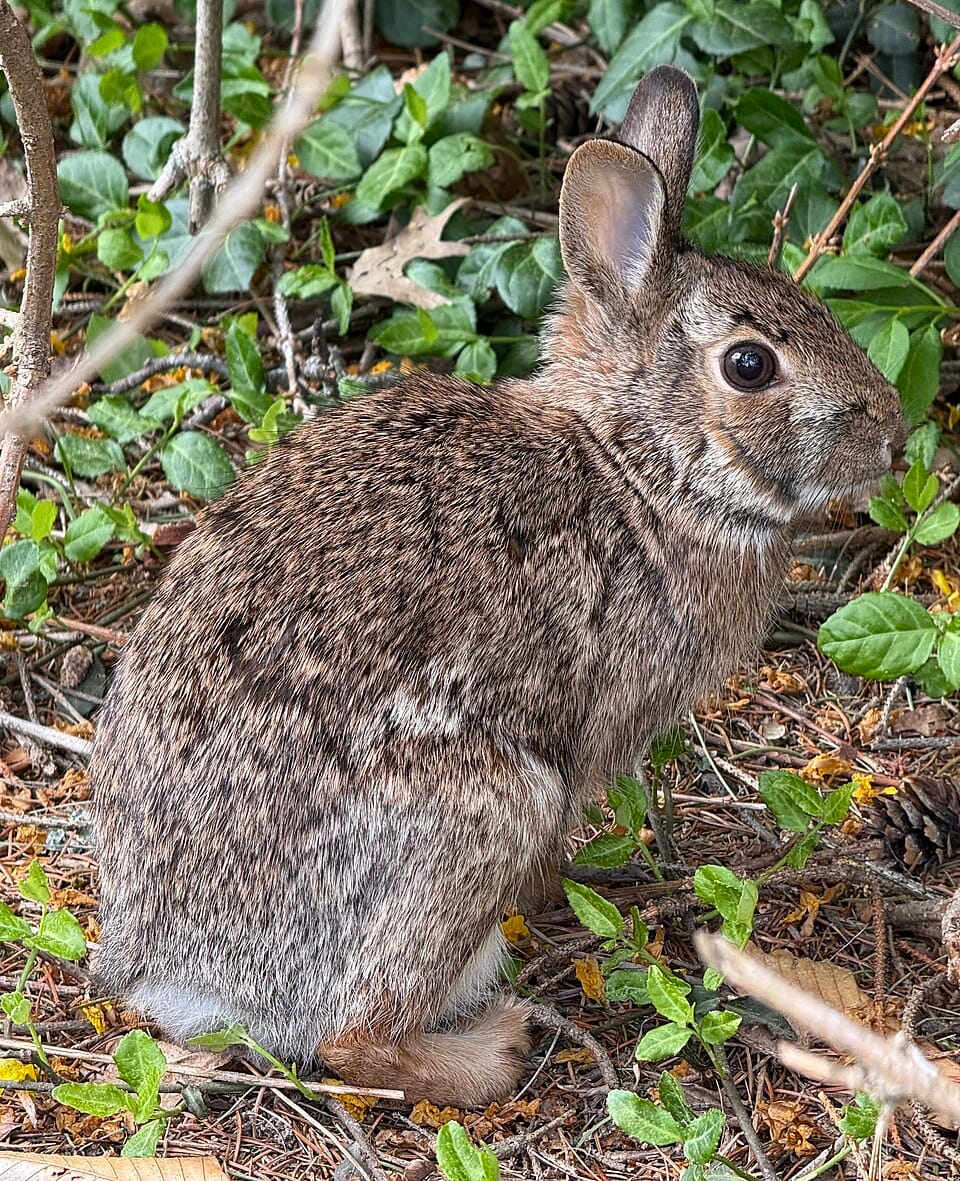
The Eastern Cottontail is easily the most common rabbit across Tennessee. If you’ve ever spotted a small brown rabbit bouncing through a field at dusk, there’s a good chance it was this one. It’s also the species most people imagine when they think of “Wild Rabbits in Tennessee.” What makes the Eastern Cottontail so easy to recognize? A mix of soft brown fur, a round white tail, and an alert face that always looks like it’s listening for trouble.
Below is a closer look at this species. I’ll walk you through how to identify it, what it eats, how it behaves, and how it fits into life around Tennessee. I’ll keep things simple and natural so you can follow along even if you don’t normally read wildlife guides.
Physical Characteristics & Identification Tips
The Eastern Cottontail looks small and gentle, but it’s tougher than it seems. Most adults weigh between two and four pounds. Their fur is usually a blend of brown, gray, and a bit of reddish coloring near the shoulders. This mixed tone lets them blend right into grasslands, brush piles, and even overgrown backyards.
The most important feature, the one people usually notice first, is the bright white “cotton” tail. It’s like a tiny flag that bounces around when the rabbit runs. Once you see it, you never forget it.
Their ears stand upright but shorter than those of jackrabbits. The ears help regulate body temperature and also work like antennas for sound. If you watch one in the wild, you’ll see those ears turning toward nearly any noise. That’s because rabbits stay on edge almost all the time. They must. Danger comes from above, below, and both sides.
If you’re trying to tell Eastern Cottontails apart from other Tennessee rabbits, look for these clues:
- A bright white underside of the tail
- A rounded face with large dark eyes
- Brown-gray fur with some lighter patches near the belly
- Shorter ears compared to Swamp Rabbits
- A body that looks compact rather than long or lanky
Young cottontails look like miniature versions of adults but with softer, fluffier fur. Their ears are a bit shorter and their legs look slightly oversized, almost like they are growing into them.
Behavior
Eastern Cottontails live an active but cautious life. They prefer to move early in the morning or close to sunset. During the day, they hide in thick cover. They don’t dig deep burrows like some rabbit species. Instead, they depend on shrubs, grass piles, or small depressions in the ground to stay hidden.
They rely on stillness more than speed. If they sense danger, they freeze. If the threat gets closer, then they sprint in a zigzag pattern. Watching one run is like watching a pinball bounce around—fast, unpredictable, and surprisingly smart.
They’re also solitary animals. You won’t see them hanging out in big groups unless food is abundant and danger is low. Even then, they keep personal space. A little too much closeness and one rabbit might nudge or chase another away.
Eastern Cottontails communicate through soft grunts, thumps, and body posture. If a rabbit stomps its back feet, there’s trouble nearby. It’s their version of saying, “Heads up, something’s wrong.”
Habitat and Range
Tennessee provides perfect conditions for Eastern Cottontails. They thrive in open fields, brushy edges, old farms, suburban yards, and forests with patches of sunlight. Anywhere with grass and cover is fair game.
You can find them statewide—from Memphis to the Tri-Cities. They adapt better than many other mammals, which is why they remain one of the most successful rabbits in North America.
What they like most is a mix of open ground for feeding and shrubs for hiding. If you think a place looks “messy,” chances are a rabbit loves it. Neatly trimmed lawns? Not so much. They want tall grass, weeds, briars, and tangled brush.
Diet
Eastern Cottontails eat a wide range of plants. Their diet shifts with the seasons:
- Spring and Summer: Grass, clover, plantain, green shoots, garden vegetables, and soft stems
- Fall: Bark from young trees, dried grasses, fallen fruit, and seeds
- Winter: Twigs, buds, woody stems, evergreen shoots
They’re grazing animals. They nibble often but in small amounts. You’ll rarely see them take big bites of anything. They also practice “coprophagy,” which means they re-eat certain droppings to extract more nutrients. It sounds strange, but it helps them survive on tough plant material.
Reproduction and Life Cycle
The Eastern Cottontail breeds many times a year—usually from February to September in Tennessee. Females build a small nest on the ground, lined with grass and fur plucked from their own belly. It looks like a shallow bowl hidden under grass.
Each litter usually has three to eight kits. The young grow fast. Their eyes open around day ten. They start nibbling solid food within a few weeks. And by one month old, they’re often ready to go out on their own. Yes, one month. Life moves fast for rabbits.
Most adults live only one to two years in the wild due to predators, disease, and harsh winters. But their high breeding rate keeps the population stable.
Fun Facts / Unique Traits
- They can run up to 18 miles per hour.
- They freeze when scared, hoping predators overlook them.
- Their eyes give them nearly 360-degree vision.
- They can stand on their hind legs to scan tall grass.
- They rarely drink from streams because they get moisture from plants.
Human Interaction
Eastern Cottontails live close to people without causing too much trouble. Gardeners may disagree, especially when beans, carrots, or lettuce start disappearing. But rabbits don’t damage structures or dig deep burrows like groundhogs.
Most interactions are peaceful. People enjoy watching them in backyards. And because these rabbits are common, they play an important role in Tennessee’s food chain. Hawks, owls, foxes, bobcats, and even snakes depend on them.
If you want to keep them out of your garden, simple fencing works. They don’t climb, and they don’t test fences the way raccoons do.
2. Swamp Rabbit — Tennessee’s Water-Loving Wild Rabbit
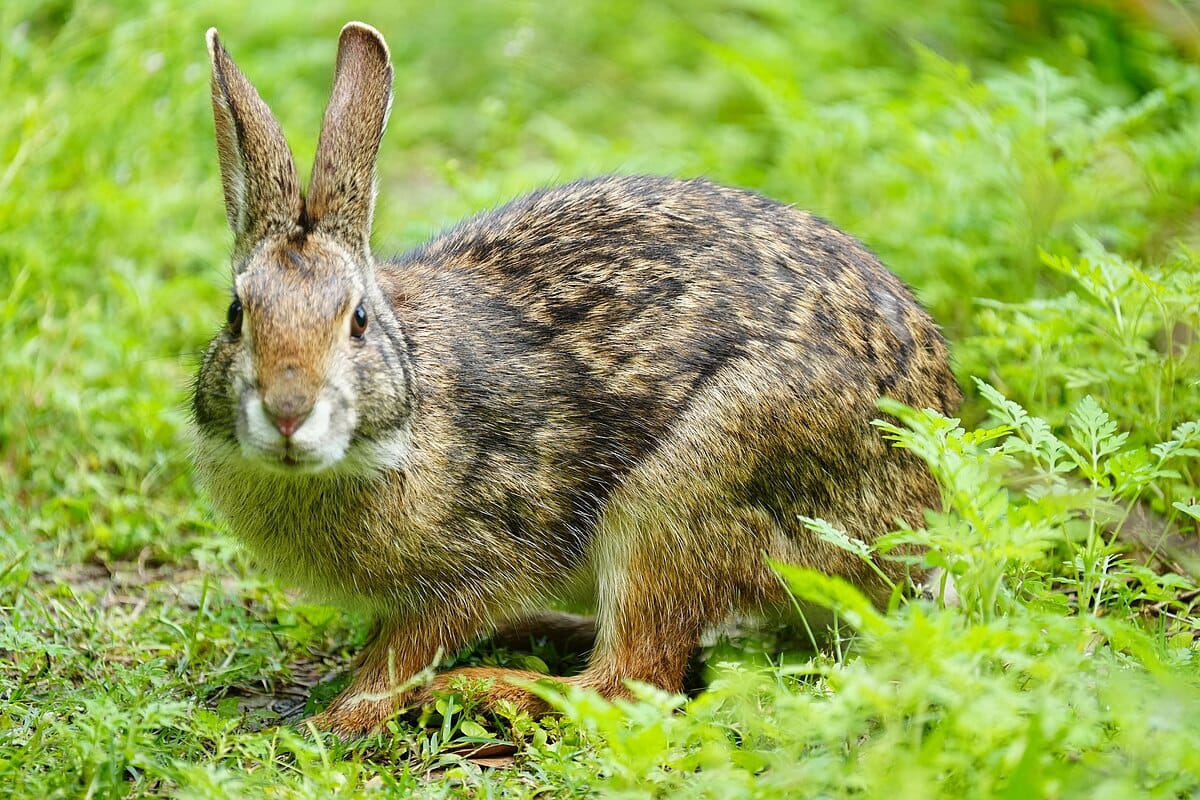
The Swamp Rabbit is a fascinating species that stands out from the more common Eastern Cottontail. True to its name, it loves wet areas and is an excellent swimmer. If you’re exploring marshes, river edges, or floodplains in Tennessee, you might spot this dark-furred, slightly larger rabbit moving cautiously through the reeds. It’s less common than the Eastern Cottontail, but its unique habitat and behaviors make it an interesting species to learn about.
In this section, we’ll explore how to identify the Swamp Rabbit, what it eats, where it lives, and how it interacts with the environment and humans. We’ll also share some fun facts that set it apart from other Tennessee rabbits.
Physical Characteristics & Identification Tips
Swamp Rabbits are noticeably larger than Eastern Cottontails. Adults typically weigh between four and seven pounds. Their body length ranges from 18 to 21 inches, and their fur is a dark brown to almost black color on the back, with lighter gray or brown tones on the belly.
One distinctive feature is their long, muscular hind legs. Unlike Eastern Cottontails, Swamp Rabbits are built for swimming and quick escapes through water. Their ears are slightly shorter and rounded at the tips, giving them a stocky look.
The tail is white on the underside, but less prominent than the Eastern Cottontail’s cotton ball. If you’re trying to identify them in the wild, look for their large size, dark coloration, and the areas they prefer—usually near water.
Behavior
Swamp Rabbits are mostly nocturnal, active at night or during the early evening. Unlike other rabbits that may hide in grassy fields, Swamp Rabbits are agile swimmers. If threatened, they don’t always run in a zigzag. Instead, they often dive into water and swim to safety.
On land, they move carefully through dense vegetation, preferring thick brush or reed beds. They are generally solitary except during mating or in areas with abundant food. Communication is similar to other rabbits, with thumping, subtle vocalizations, and scent marking.
Habitat and Range
As their name suggests, Swamp Rabbits prefer wet habitats. In Tennessee, you can find them along riverbanks, floodplains, swamps, and marshes. They also live near ponds, lakes, and occasionally wet farmland.
Their range is mostly concentrated in western and middle Tennessee, though they occasionally appear in areas farther east. The key requirement is consistent access to water and dense vegetation for cover. Unlike Cottontails, Swamp Rabbits don’t thrive in dry fields or upland forests.
Diet
Swamp Rabbits are herbivores with a preference for wetland vegetation. Their diet includes:
- Grasses and sedges
- Water plants such as cattails
- Bark and twigs in the winter
- Fruits and berries when available
They are grazers and browsers, often nibbling on soft plant shoots near water. Moisture in the plants generally meets their hydration needs, though they may drink water directly if necessary.
Reproduction and Life Cycle
Swamp Rabbits breed multiple times from spring to fall. A female builds a nest in tall grass or dense brush near water. The nest is lined with fur from her body and dried vegetation, forming a small cup-shaped depression.
Each litter usually contains two to six kits. The young are born blind and hairless but grow quickly. By two weeks, their eyes open. Within a month, they can swim and forage on their own. Adults live around three to four years in the wild, though predation often reduces this lifespan.
Fun Facts / Unique Traits
- Swamp Rabbits are excellent swimmers and can stay submerged for several seconds.
- They may escape predators by entering water, a behavior rare among rabbit species.
- They have strong, muscular hind legs adapted for both running and swimming.
- Swamp Rabbits are generally quieter than Cottontails but will thump loudly if startled.
- They play an essential role in wetland ecosystems, helping control vegetation and providing prey for larger animals.
Human Interaction
Swamp Rabbits are generally shy around humans. Because they live in wetland areas, encounters are less frequent than with Cottontails. They rarely cause garden damage, as most people don’t cultivate crops in marshy areas.
They are sometimes hunted in Tennessee, but populations are stable. Conservation efforts to preserve wetlands also benefit Swamp Rabbits, protecting their habitats from drainage, development, and pollution.
Observing a Swamp Rabbit in the wild is often a highlight for wildlife enthusiasts. They provide an excellent example of how some rabbits adapt to unique habitats and challenges, surviving in conditions where other rabbits would struggle.
3. Appalachian Cottontail — The Mountain-Dwelling Rabbit of Tennessee
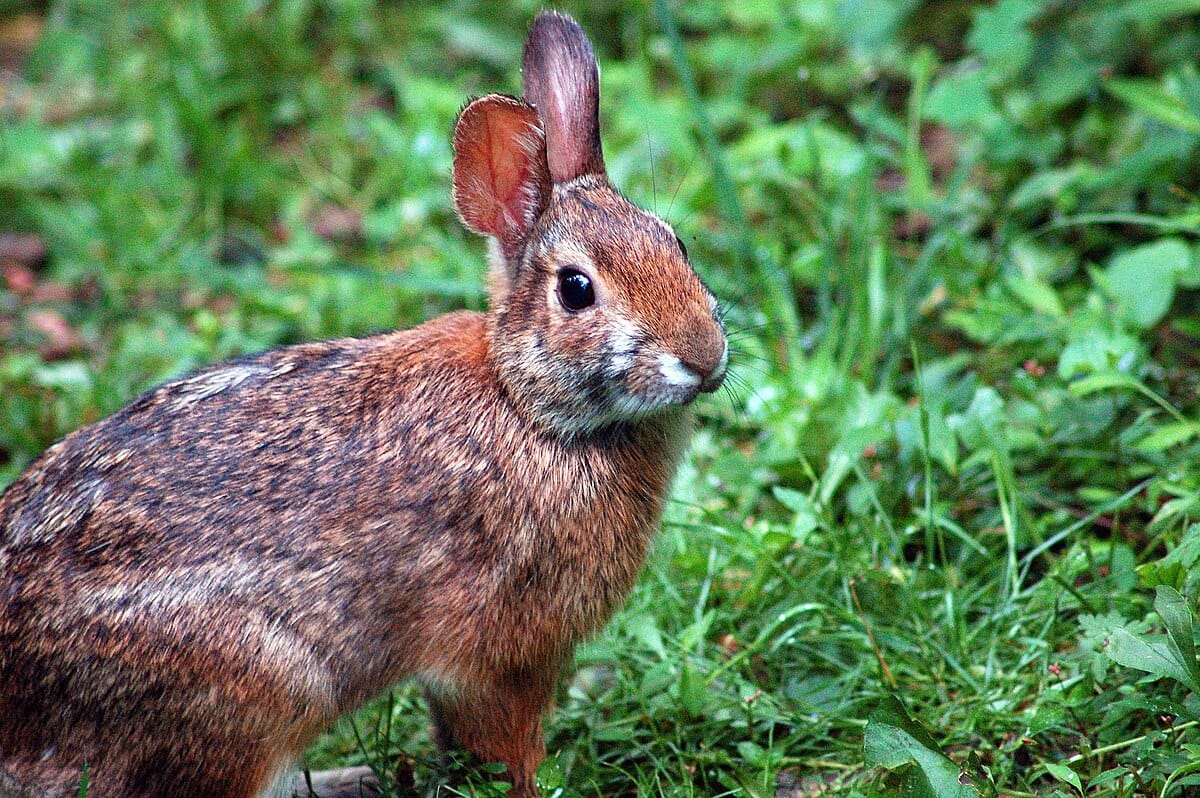
The Appalachian Cottontail is a rare and elusive species found mainly in higher elevations of Tennessee’s Appalachian region. Unlike the common Eastern Cottontail, this rabbit prefers rocky slopes, dense understory, and cool, shaded forests. If you’re hiking the Cumberland Plateau or Great Smoky Mountains, you might catch a glimpse of this small, cautious rabbit darting through ferns and shrubs.
In this section, we’ll explore how to identify the Appalachian Cottontail, its behaviors, diet, habitat, and interaction with humans. We’ll also share some interesting facts that set it apart from other Tennessee wild rabbits.
Physical Characteristics & Identification Tips
Appalachian Cottontails are smaller and more compact than Eastern Cottontails. Adults typically weigh 2.5 to 3.5 pounds and measure 13–16 inches in body length. Their fur is gray-brown with subtle reddish tinges on the back, which helps them blend into rocky forest floors.
The tail is small and white underneath, resembling a cotton puff but less prominent. Ears are moderately long with a brown-gray outer surface and lighter inner fur. They have short, sturdy legs, adapted for quick dashes over uneven terrain.
Identification in the wild requires attention to habitat and subtle features, as their coloration is similar to other cottontails. Look for smaller size, darker tones on rocky slopes, and areas with dense understory vegetation.
Behavior
Appalachian Cottontails are primarily nocturnal, though they may be active at dawn and dusk. They are extremely cautious and prefer to stay hidden in dense vegetation. Unlike Eastern Cottontails that often freeze in open areas, Appalachian Cottontails rely on camouflage and rapid zigzag running to escape predators.
They are solitary animals except during mating season. Communication is minimal, usually consisting of subtle thumps, scent markings, and occasional squeaks. Because of their mountainous habitat, they are agile and can jump over rocks and fallen logs with ease.
Habitat and Range
The Appalachian Cottontail is native to the Appalachian Mountains, with a limited range in eastern Tennessee, particularly along the Cumberland Plateau and Smoky Mountains. They prefer dense coniferous and mixed forests with rocky slopes and heavy understory vegetation.
Unlike more adaptable cottontails, they rarely venture into open fields or farmlands. Access to sheltered areas with rocks, logs, and leaf litter is essential for their survival, providing hiding spots from predators and harsh weather.
Diet
Appalachian Cottontails are herbivores with a diet consisting of:
- Grasses and ferns in summer
- Buds, twigs, and bark in winter
- Leaves of shrubs and herbaceous plants
- Occasional fruits and berries
They feed selectively, choosing tender vegetation and young shoots. Their diet varies seasonally depending on availability and altitude. Coprophagy (eating fecal pellets) is also common, helping them absorb nutrients efficiently.
Reproduction and Life Cycle
Breeding occurs mainly from late March to early September. Females construct shallow nests hidden under dense vegetation, often using leaves and fur for lining. Each litter contains 2–5 kits, born blind and hairless.
The young open their eyes in about 10–12 days and begin foraging shortly afterward. Adults have a lifespan of around 3–4 years in the wild, though predation and harsh mountain conditions can reduce this. Appalachian Cottontails usually produce 2–3 litters per season.
Fun Facts / Unique Traits
- Appalachian Cottontails are one of the rarest cottontail species in the United States.
- They are highly adapted to mountainous terrain and dense understory, unlike the widespread Eastern Cottontail.
- Their fur coloration provides excellent camouflage against rocks and leaf litter.
- They are quiet and secretive, making them difficult to observe in the wild.
- They play a vital role in mountain ecosystems by serving as prey for foxes, owls, and bobcats.
Human Interaction
Due to their remote habitat, encounters with humans are rare. They are not considered a major agricultural pest because they avoid open fields and farmlands. Conservation efforts focused on preserving Appalachian forest habitats indirectly support these rabbits.
Hiking enthusiasts and wildlife watchers may occasionally spot these elusive rabbits. Observing them requires patience and an understanding of their secretive behavior. Protecting mountain forests, preventing deforestation, and avoiding disturbance in their habitats ensures that Appalachian Cottontails continue to thrive in Tennessee.
4. Eastern Cottontail — Tennessee’s Most Common Wild Rabbit

The Eastern Cottontail is the rabbit most people in Tennessee are likely to see. From suburban backyards to open fields and forest edges, these rabbits are adaptable and widespread. Their iconic fluffy white tail earned them the nickname “Cottontail,” and they are an important part of Tennessee’s ecosystem, serving as prey for foxes, hawks, and owls.
In this section, we’ll cover identification tips, behavior, habitat preferences, diet, reproduction, and interactions with humans. We’ll also explore some fun facts that make the Eastern Cottontail a fascinating species.
Physical Characteristics & Identification Tips
Eastern Cottontails are medium-sized rabbits, typically weighing 2.5–4 pounds and measuring 14–18 inches in length. They have gray-brown fur with a mix of rusty highlights on the back and a distinctive white underside of the tail. Their ears are moderately long with a pinkish inner surface and dark tips.
Identifying an Eastern Cottontail is relatively easy due to its characteristic white tail and preference for open habitats. Juveniles have softer fur and may appear slightly more reddish, but the white tail remains prominent. Their strong hind legs allow for rapid, zigzagging escapes when threatened.
Behavior
Eastern Cottontails are crepuscular, most active at dawn and dusk. They are quick and agile, relying on speed and unpredictable movements to evade predators. Unlike Appalachian Cottontails, they are more tolerant of human activity and may venture into gardens, parks, and even suburban lawns.
They are generally solitary except during mating season. Communication includes soft thumps of the hind legs to signal danger, scent marking for territory, and occasional vocalizations. Eastern Cottontails are alert and can remain motionless for long periods when sensing danger.
Habitat and Range
Eastern Cottontails are highly adaptable and found throughout Tennessee. They inhabit:
- Open fields and meadows
- Forest edges and brushy areas
- Suburban backyards and gardens
- Roadside hedgerows
Unlike the more secretive Appalachian Cottontail, Eastern Cottontails thrive in fragmented landscapes. Access to dense cover for hiding and open areas for foraging is key to their success. They are resilient and can survive in regions heavily influenced by human activity.
Diet
Eastern Cottontails are herbivores, feeding on a wide variety of vegetation. Their diet includes:
- Grasses and clovers
- Leaves, stems, and buds
- Fruits such as berries
- Bark and twigs in winter
These rabbits feed selectively, often choosing tender shoots and leaves. They practice coprophagy, consuming some of their fecal pellets to maximize nutrient absorption. Their diet may change seasonally depending on plant availability.
Reproduction and Life Cycle
Eastern Cottontails have an extended breeding season from February to October. Females may produce 3–5 litters per year, with each litter consisting of 3–7 kits. Nests are shallow depressions lined with grass and fur, hidden in dense vegetation.
Kits are born blind and hairless but grow quickly, opening their eyes in 7–10 days. They begin foraging after two weeks and can survive independently at 4–5 weeks. Lifespan in the wild is typically 1–3 years due to predation and environmental pressures, though some can live longer in protected areas.
Fun Facts / Unique Traits
- The Eastern Cottontail’s white tail is a key survival adaptation, signaling danger to other rabbits when raised.
- They are excellent jumpers, able to leap 10 feet in a single bound when escaping predators.
- They are prolific breeders, which helps maintain their populations despite heavy predation.
- They have a strong memory for food-rich areas and can return to the same spots repeatedly.
- Despite being common, they play a vital ecological role, supporting predators and dispersing plant seeds.
Human Interaction
Eastern Cottontails often share space with humans, making them familiar but sometimes unwelcome visitors in gardens. They can damage young plants and crops if populations are high. However, they are generally harmless and contribute to the local food chain.
Wildlife enthusiasts often observe these rabbits, especially at dawn and dusk. Providing cover and avoiding disturbance can help maintain local populations. Responsible management in suburban and rural areas ensures that Eastern Cottontails coexist peacefully with humans while thriving in Tennessee’s diverse landscapes.
5. Desert Cottontail — Tennessee’s Rare but Fascinating Rabbit
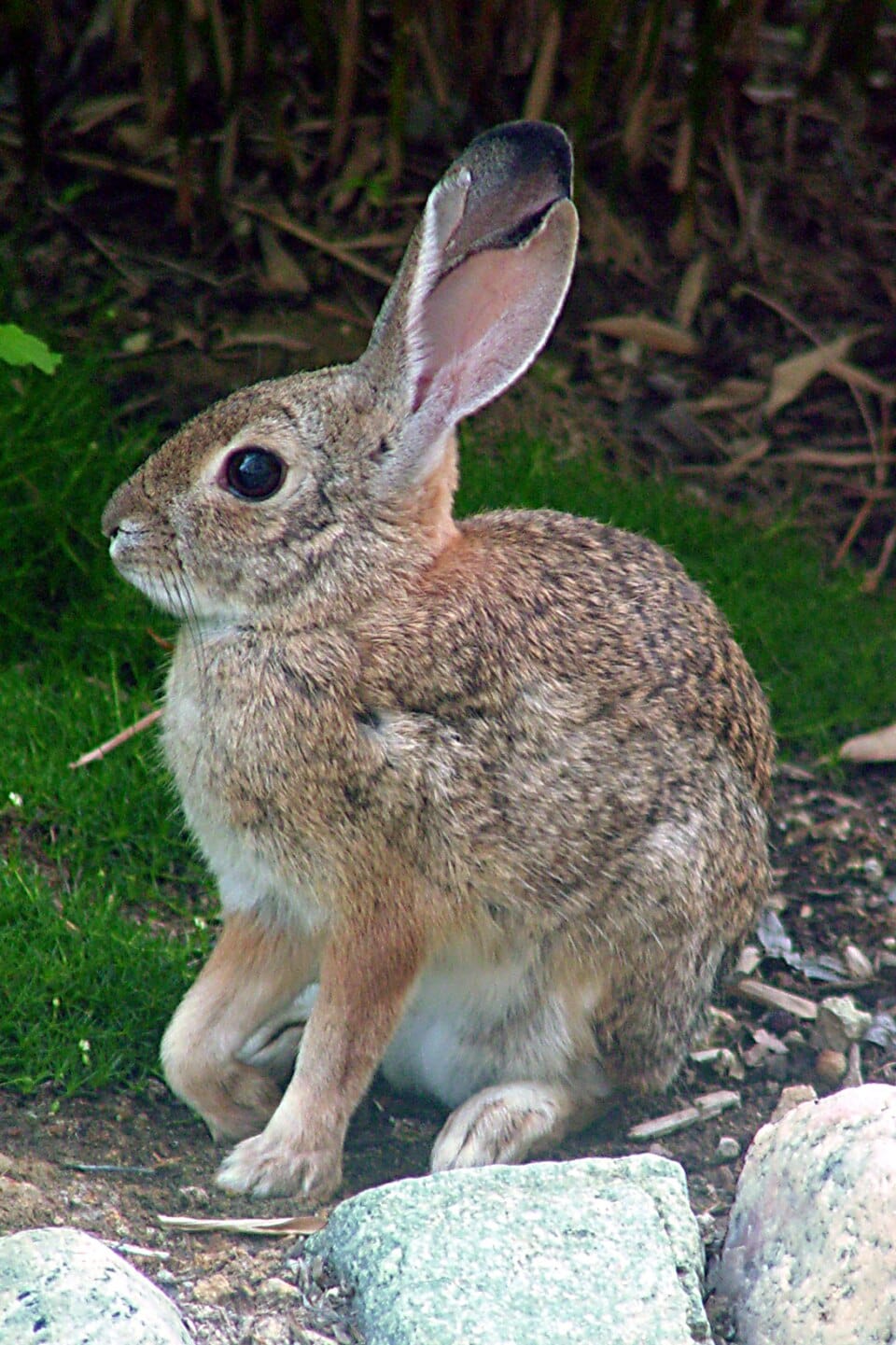
The Desert Cottontail is less common in Tennessee than the Eastern or Appalachian Cottontails. Originally adapted to the arid southwestern U.S., small populations have been spotted in dry, open areas of western Tennessee. These rabbits are fast, alert, and equipped to handle both predators and harsh conditions. Despite their name, they adapt surprisingly well to Tennessee’s seasonal climates.
In this section, we’ll explore their identification, behavior, habitat, diet, reproduction, fun facts, and interactions with humans. Understanding the Desert Cottontail helps complete the picture of Tennessee’s diverse rabbit population.
Physical Characteristics & Identification Tips
Desert Cottontails are medium-sized rabbits, usually weighing 2.5–3.5 pounds and measuring 14–16 inches long. They have pale gray-brown fur with a slight buff tint on the sides and a white underbelly. Their hind legs are long and powerful, supporting rapid bursts of speed.
One distinguishing feature is their large, rounded ears with subtle black tips. Their tail is shorter than the Eastern Cottontail, but still displays the characteristic white underside. Desert Cottontails appear leaner and more streamlined than other Tennessee rabbits.
Behavior
Desert Cottontails are highly alert and crepuscular, active mostly at dawn and dusk. They are excellent jumpers, able to clear 10–12 feet in a single bound. When threatened, they run in a zigzag pattern to evade predators.
Unlike Eastern Cottontails, they are more wary of human presence, often retreating to dense brush or burrows. Socially, they are mostly solitary except during mating season. They communicate via foot thumps, scent marking, and subtle vocalizations.
Habitat and Range
Though native to desert and semi-arid regions, Desert Cottontails in Tennessee occupy:
- Dry grasslands and scrub areas
- Open woodland edges
- Rocky or sandy soils with low vegetation
- Occasionally agricultural fields with cover nearby
They favor areas where dense shrubs or grasses provide protection from predators. Their adaptability allows them to survive occasional cold winters, though they prefer areas with open sun and minimal dense forest.
Diet
Desert Cottontails are herbivores and feed on:
- Grasses and herbs
- Leaves and stems of shrubs
- Twigs and bark during winter
- Occasionally cacti or succulents if available
They selectively browse for high-nutrient parts of plants. Coprophagy (eating some of their fecal pellets) helps them maximize nutrient intake, which is essential in lower-nutrient habitats.
Reproduction and Life Cycle
Desert Cottontails breed from February to September. Females can produce 2–5 litters per year, with 4–6 kits per litter. Nests are shallow depressions lined with fur and grass, usually hidden under shrubs or rocks.
Kits are born blind and furless, opening their eyes around 7–10 days. By three weeks, they start nibbling on vegetation, and by 4–5 weeks, they can survive independently. Their lifespan in the wild is generally 1–3 years, with predation being the primary limiting factor.
Fun Facts / Unique Traits
- Despite the name, Desert Cottontails are quite adaptable to Tennessee’s wetter climate.
- They can survive with minimal water, obtaining moisture from plants.
- Their long legs and strong muscles allow incredible agility, perfect for dodging predators.
- They are quick learners and remember safe hiding spots and feeding areas.
- They sometimes share territory with Eastern Cottontails but are more secretive and cautious.
Human Interaction
Desert Cottontails rarely interact directly with humans due to their cautious nature. They are less likely to enter suburban areas compared to Eastern Cottontails. However, when observed, they contribute to biodiversity and serve as an important prey species for hawks, foxes, and other carnivores.
Conservation and protection of open grasslands and scrub areas can help maintain their populations. Gardeners and landowners may occasionally spot them, and understanding their habits allows peaceful coexistence.
Comparison of 5 Types of Wild Rabbits in Tennessee
| # | Rabbit Species | Size & Weight | Fur / Physical Traits | Behavior & Activity | Habitat & Range | Diet | Reproduction | Human Interaction |
|---|---|---|---|---|---|---|---|---|
| 1 | New England Cottontail | 2.5–3.5 lbs; 14–16 in | Gray-brown, white belly; short tail | Shy, crepuscular, solitary | Shrublands, early successional forests, overgrown fields | Grasses, herbs, shrubs | 1–3 litters/year, 4–6 kits | Rarely seen, prefers dense cover, sensitive to habitat loss |
| 2 | Appalachian Cottontail | 2.8–3.6 lbs; 14–15 in | Brown-gray with subtle white underside | Alert, crepuscular, mostly solitary | Mountainous, rocky, open woodlands | Grasses, leaves, bark | 2–4 litters/year, 3–5 kits | Low human interaction, prefers undisturbed areas |
| 3 | Swamp Rabbit | 3.5–5 lbs; 16–20 in | Dark brown, water-resistant fur | Strong swimmer, nocturnal, timid | Swamps, wetlands, riverbanks | Aquatic plants, grasses, bark | 2–3 litters/year, 3–6 kits | Occasionally seen near water gardens, excellent at hiding |
| 4 | Eastern Cottontail | 2.5–4 lbs; 14–18 in | Reddish-brown, white belly, cotton tail | Highly active, crepuscular, social | Fields, suburban areas, forests | Grass, leaves, garden plants | 4–5 litters/year, 3–8 kits | Common in backyards, can eat crops or garden plants |
| 5 | Desert Cottontail | 2.5–3.5 lbs; 14–16 in | Pale gray-brown, buff tint, white underbelly | Fast, alert, crepuscular, solitary | Dry grasslands, scrub areas, open woodland edges | Grasses, shrubs, twigs | 2–5 litters/year, 4–6 kits | Rare, shy, minimal direct human contact |
Conclusion
Understanding Wild Rabbits in Tennessee helps us appreciate the diversity and adaptability of these small mammals. From the elusive New England Cottontail to the widely seen Eastern Cottontail, each species plays a unique role in the state’s ecosystems. Observing their behavior, identifying their habitats, and learning about their diets and reproduction can deepen your connection to Tennessee’s natural environment. Whether you’re spotting rabbits in forests, fields, or suburban backyards, these 5 Types of Wild Rabbits in Tennessee offer endless opportunities for wildlife observation and education. Next time you see a rabbit, take a closer look—you might recognize one of these fascinating species and enjoy the small wonders they bring to Tennessee’s landscapes.
Frequently Asked Questions – Wild Rabbits in Tennessee
1. What types of wild rabbits live in Tennessee?
Tennessee hosts 5 main types of wild rabbits: New England Cottontail, Appalachian Cottontail, Swamp Rabbit, Eastern Cottontail, and Desert Cottontail. Each has unique traits, habitat preferences, and behaviors that make them fascinating to study.
2. How can I identify a New England Cottontail?
Look for gray-brown fur, a white belly, a short cotton-like tail, and a shy, solitary behavior. They are smaller than Swamp Rabbits and prefer dense shrublands.
3. What is the difference between Eastern Cottontail and New England Cottontail?
Eastern Cottontails are more common, often found in fields and suburban areas, and slightly larger. New England Cottontails are shy, live in dense cover, and are harder to spot.
4. Are wild rabbits active during the day?
Most wild rabbits in Tennessee are crepuscular, meaning they are active during dawn and dusk. Swamp Rabbits are mostly nocturnal.
5. What do wild rabbits eat in Tennessee?
Their diet includes grasses, leaves, herbs, shrubs, and garden plants. Swamp Rabbits also eat aquatic plants and bark.
6. Where do New England Cottontails live?
They prefer early successional forests, shrublands, and overgrown fields with dense cover to hide from predators.
7. Can I spot Swamp Rabbits near water bodies?
Yes, Swamp Rabbits are excellent swimmers and often found near swamps, rivers, and wetlands.
8. How large do Eastern Cottontails get?
They typically weigh 2.5–4 pounds and measure 14–18 inches in length.
9. How do wild rabbits reproduce?
Most wild rabbits can have multiple litters per year. For example, Eastern Cottontails can produce 4–5 litters with 3–8 kits each.
10. Do rabbits in Tennessee hibernate?
No, wild rabbits do not hibernate. They remain active year-round, adapting to seasonal changes in diet and shelter.
11. Are Desert Cottontails common in Tennessee?
They are less common and prefer dry, open grasslands or scrub areas. They are mostly solitary and elusive.
12. How can I tell a rabbit apart from a hare?
Rabbits have shorter legs and ears, and their young are born blind and hairless. Hares are larger, with longer legs, and their young are born with fur and open eyes.
13. Do wild rabbits live alone?
Most Tennessee wild rabbits are solitary, though Eastern Cottontails may be seen near others during feeding.
14. How long do wild rabbits live?
In the wild, most Tennessee rabbits live 1–3 years, though they can survive longer in safe habitats.
15. Can wild rabbits climb trees?
No, rabbits cannot climb trees. They rely on running, hiding, and burrowing for protection.
16. What predators eat rabbits in Tennessee?
Common predators include foxes, coyotes, bobcats, hawks, owls, and snakes. Domestic pets like dogs and cats can also pose a threat.
17. How do rabbits communicate?
Rabbits thump their hind legs to signal danger, use body posture, and sometimes make soft sounds to communicate with others.
18. Are rabbits beneficial to ecosystems?
Yes, they help disperse seeds, provide prey for predators, and contribute to soil aeration through their burrowing.
19. How can I safely observe wild rabbits?
Use binoculars, remain quiet, and avoid sudden movements. Observe from a distance, especially during dawn or dusk when rabbits are active.
20. Do wild rabbits in Tennessee carry diseases?
Some can carry diseases like tularemia or parasites such as ticks and fleas. Avoid handling wild rabbits to stay safe.
21. Can wild rabbits damage gardens?
Yes, Eastern Cottontails may feed on garden vegetables, flowers, and shrubs, particularly in suburban areas.
22. How do Swamp Rabbits escape predators?
They are excellent swimmers, often diving into water to evade threats.
23. Are wild rabbits endangered in Tennessee?
Most are not endangered. However, New England Cottontails have declining populations due to habitat loss.
24. Do rabbits make burrows?
Swamp Rabbits and some Cottontails may dig shallow burrows or use dense vegetation for shelter. Others use ground cover or abandoned burrows.
25. How can I attract rabbits to my backyard?
Provide dense shrubbery, natural ground cover, and safe spaces. Avoid feeding them directly to prevent dependency.
26. How far do wild rabbits travel daily?
They usually stay within a small home range, often less than 10 acres, but may move further when foraging.
27. Do rabbits in Tennessee change color seasonally?
Some may have slightly lighter fur in winter, but most Cottontails maintain a gray-brown coloration year-round.
28. What is the fastest Tennessee wild rabbit?
Desert Cottontails are fast runners and can reach speeds up to 35 mph to escape predators.
29. How do rabbits affect agriculture?
They may consume crops, causing minor to moderate damage, especially in rural areas. Proper fencing can help reduce impact.
30. Can I domesticate wild rabbits?
Wild rabbits are not recommended as pets. They are shy, stressed by handling, and thrive best in their natural habitat.
31. How can I tell an Appalachian Cottontail from an Eastern Cottontail?
Appalachian Cottontails are smaller, with subtler fur colors, and prefer mountainous or rocky habitats, unlike the more widespread Eastern Cottontails.
32. Why are wild rabbits important to Tennessee wildlife watchers?
They provide opportunities to observe natural behaviors, predator-prey interactions, and seasonal changes in ecosystems. Watching them helps people understand Tennessee’s biodiversity.