
Badgers are fascinating members of the Mustelidae family, known for their stout bodies, powerful claws, and digging abilities. The Types of Badgers range across Europe, Asia, and North America, each with its own behavior, habitat, and diet. In this article, we explore 19 different types of badgers, highlighting how to identify them, where they live, and what makes them special. From the fierce Honey Badger of Africa to the elusive Sumatran Hog Badger, this guide is perfect for wildlife enthusiasts and beginners alike. Whether you’re observing them in the wild or simply curious about these nocturnal diggers, understanding badgers provides insight into their role in ecosystems and the intriguing variety within this family.
1. European Badger (Meles meles)
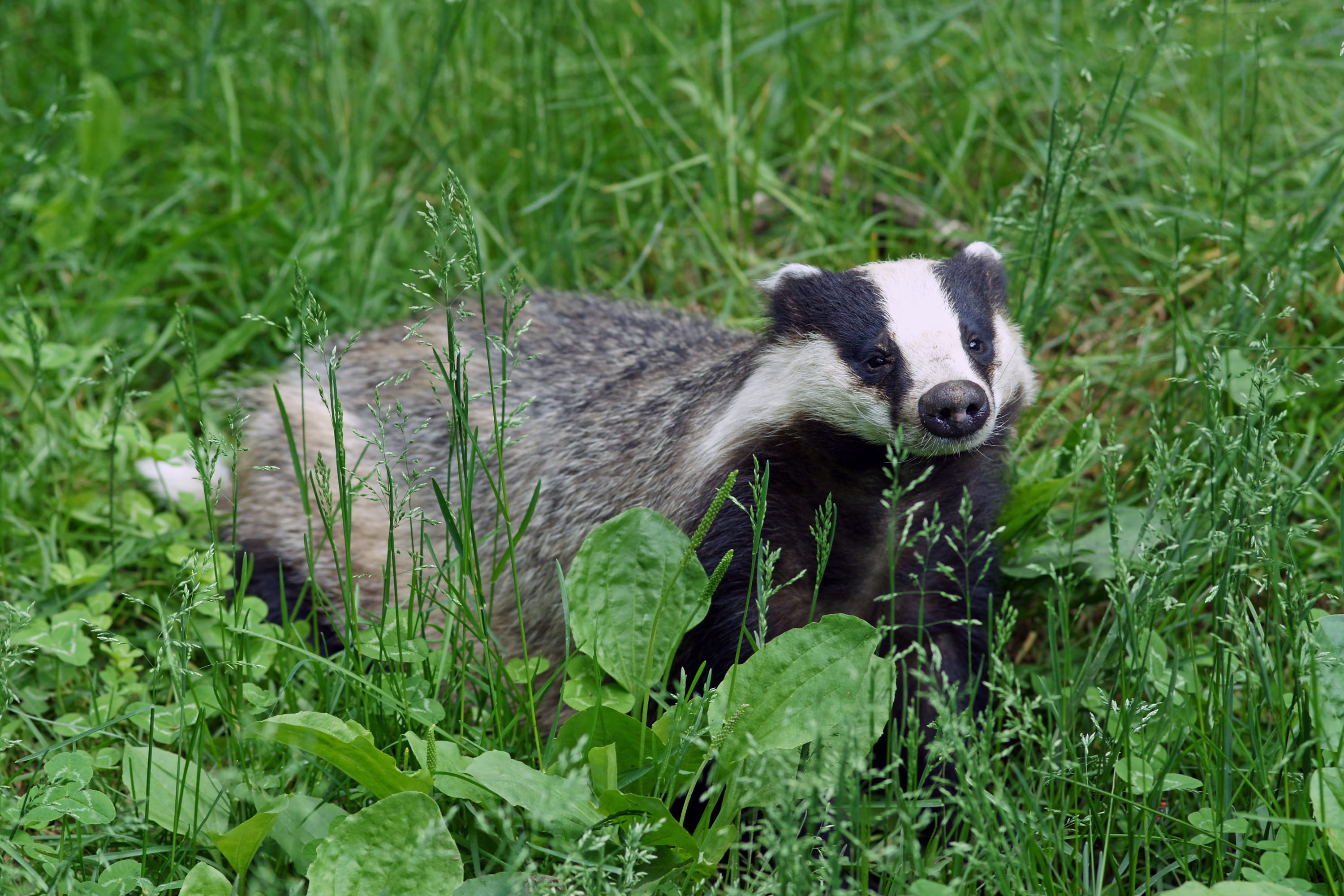
Overview
The European Badger is perhaps the most well-known species, found throughout Europe. These social animals live in extensive burrow systems called setts, often shared by multiple generations.
Identification
- Body length: 60–90 cm
- Distinct black-and-white striped face
- Short, strong legs with long claws for digging
Habitat
European Badgers thrive in woodlands, farmland, and grasslands. They prefer areas with loose soil for digging their complex burrow networks.
Behavior and Diet
European Badgers are omnivorous, feeding on earthworms, insects, small mammals, and plants. They are primarily nocturnal, using their burrows for shelter and raising young. Despite their stocky appearance, they can move quickly when threatened. Social bonds are strong, with family groups cooperating to maintain setts and protect each other from predators.
2. Asian Badger (Meles leucurus)
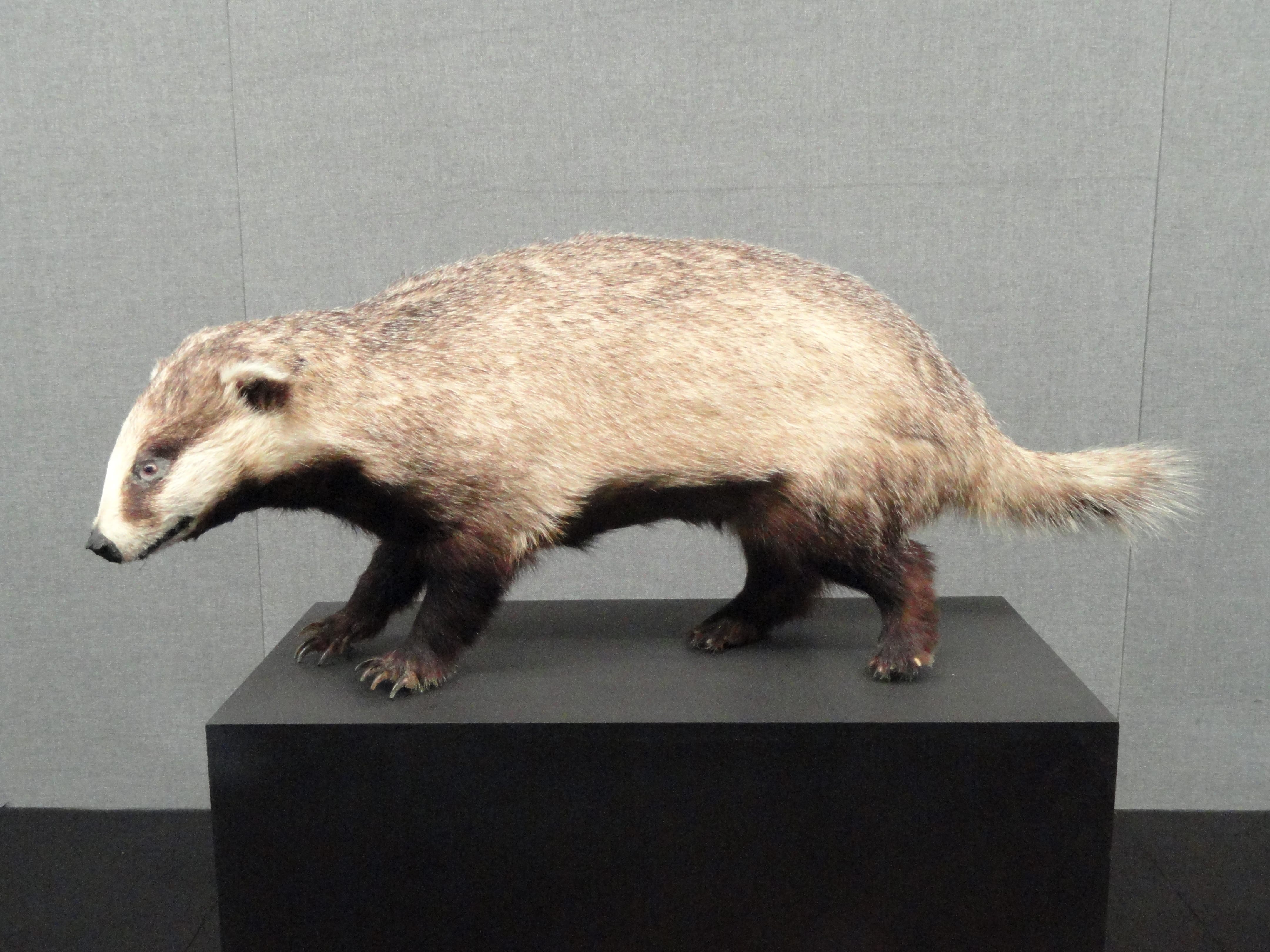
Overview
Native to East Asia, the Asian Badger closely resembles the European Badger but has a lighter body coloration and slightly narrower stripes. These badgers are solitary and often harder to spot due to dense forest habitats.
Identification
- Body length: 55–80 cm
- Greyish-brown fur with pale face stripes
- Strong claws for digging and foraging
Habitat
Asian Badgers prefer forests, grasslands, and mountainous regions. They dig burrows in soft soil, often near water sources.
Behavior and Diet
They are omnivorous, feeding on insects, small vertebrates, fruits, and roots. Unlike the European Badger, Asian Badgers are mostly solitary except during mating season. They have a keen sense of smell, which they use to locate food underground, and are surprisingly fast runners for their size. Observing their nocturnal habits often requires patience and quiet observation.
3. Japanese Badger (Meles anakuma)
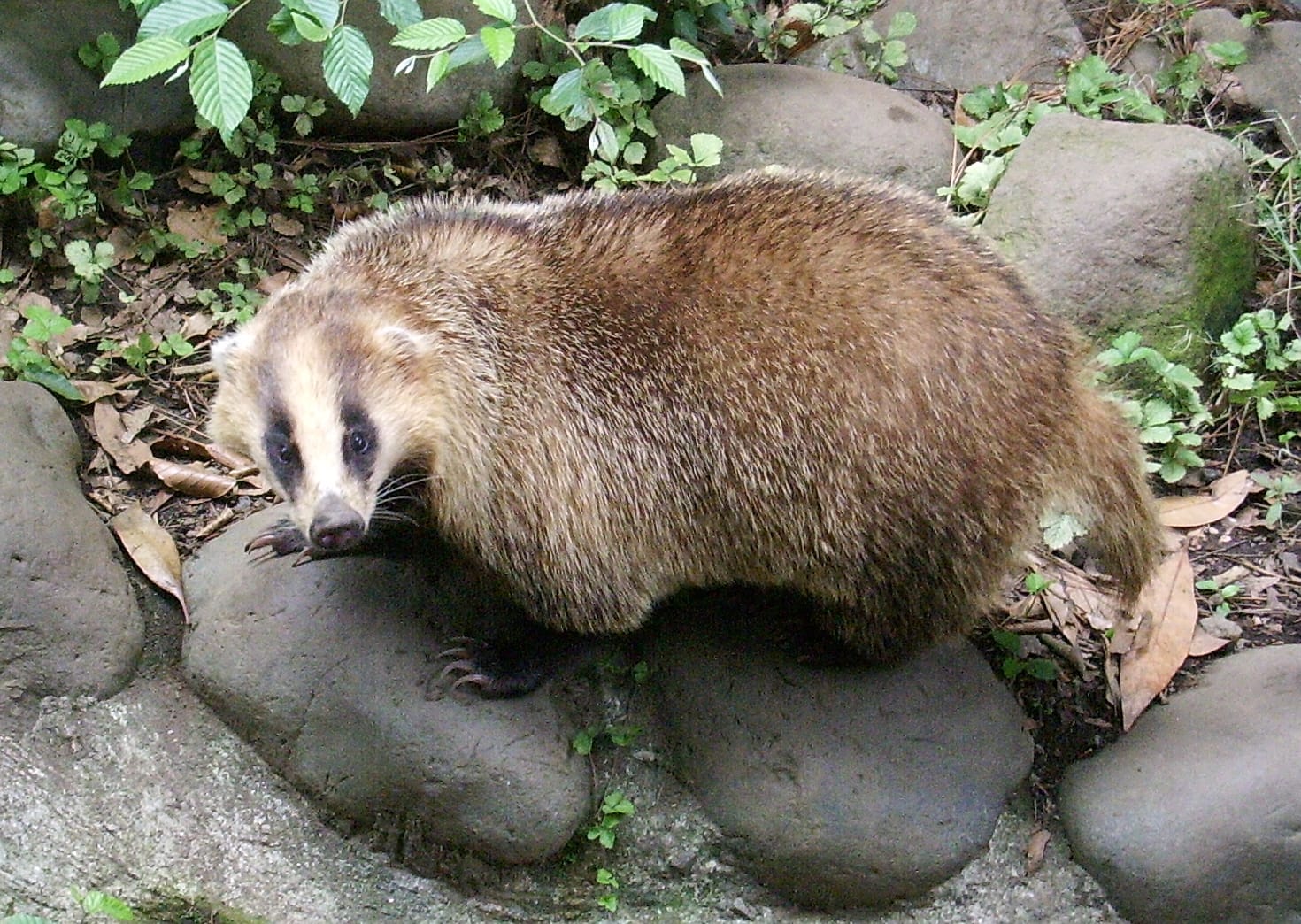
Overview
The Japanese Badger is endemic to Japan, typically smaller than European or Asian counterparts. It is nocturnal and highly adaptable, able to survive in both forests and farmlands.
Identification
- Body length: 50–70 cm
- Dark brown coat with faint face stripes
- Short legs with digging claws
Habitat
They inhabit deciduous and mixed forests, often near streams or farmlands. They dig burrows under rocks, fallen logs, or dense vegetation.
Behavior and Diet
Japanese Badgers are opportunistic feeders, eating insects, small mammals, fruits, and plant roots. They exhibit solitary behaviors, with males and females coming together only to mate. Despite being shy, they can be quite bold when food is scarce, sometimes venturing into human settlements. Watching their foraging techniques reveals their clever problem-solving abilities and remarkable sense of smell.
4. Caucasian Badger (Meles canescens)
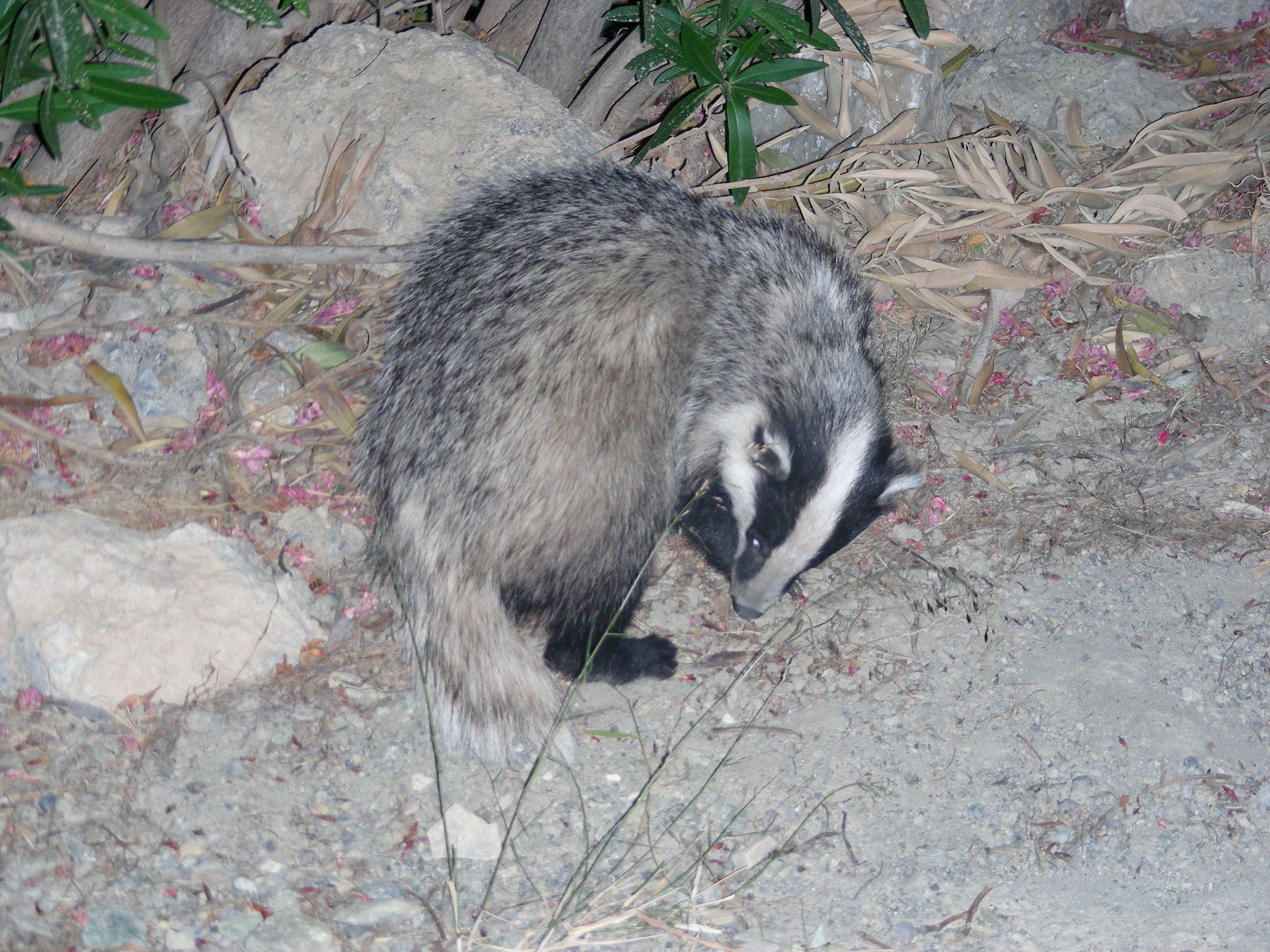
Overview
The Caucasian Badger is native to the Caucasus region, including parts of Eastern Europe and Western Asia. Slightly larger than other Meles species, it is known for its robust body and thick fur.
Identification
- Body length: 60–85 cm
- Greyish fur with darker face stripes
- Sturdy digging claws
Habitat
These badgers prefer forests, shrublands, and mountainous areas. They dig extensive burrows for shelter and raising young.
Behavior and Diet
Caucasian Badgers are omnivores, eating insects, worms, small mammals, and plant material. They are mainly nocturnal but may be active during the day in undisturbed areas. Family groups cooperate to maintain burrows and protect against predators. Observing them in the wild often requires careful tracking due to their elusive nature.
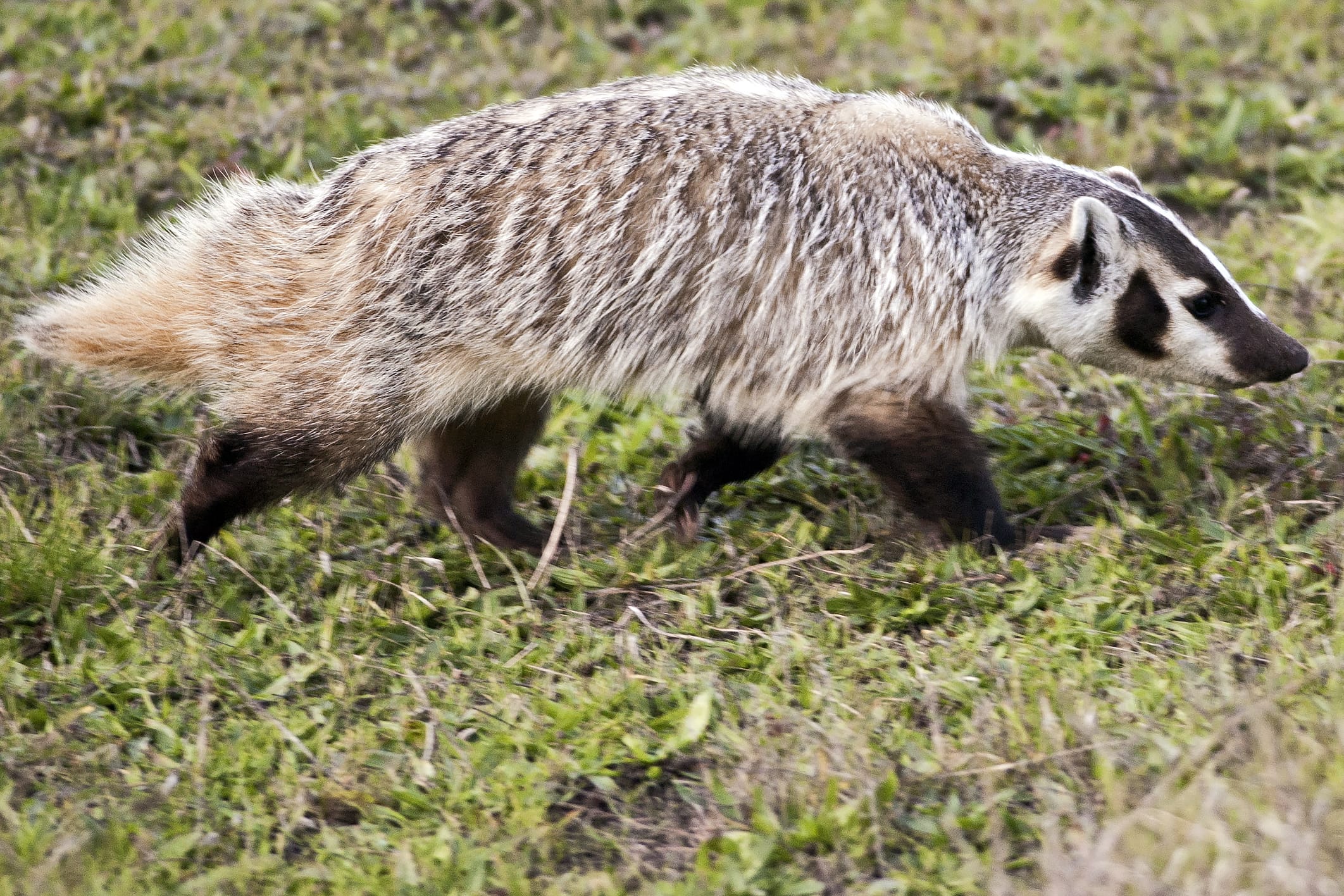
5. American Badger (Taxidea taxus)
Overview
American Badgers are found across North America, especially in prairies and open plains. They are solitary, ground-dwelling animals known for their impressive digging skills and powerful build.
Identification
- Body length: 60–75 cm
- Brownish-grey fur with a white stripe on the face and head
- Stocky body with long claws for burrowing
Habitat
They inhabit grasslands, prairies, and semi-deserts. Their burrows can be extensive and are used for hunting, shelter, and raising young.
Behavior and Diet
American Badgers are carnivorous, feeding mainly on rodents, insects, and small birds. They are skilled diggers, often hunting by tunneling after prey underground. Despite being solitary, they communicate through scent marking and occasional vocalizations. Watching an American Badger in action is like seeing a miniature excavation expert at work, combining strength, agility, and strategy to capture prey.
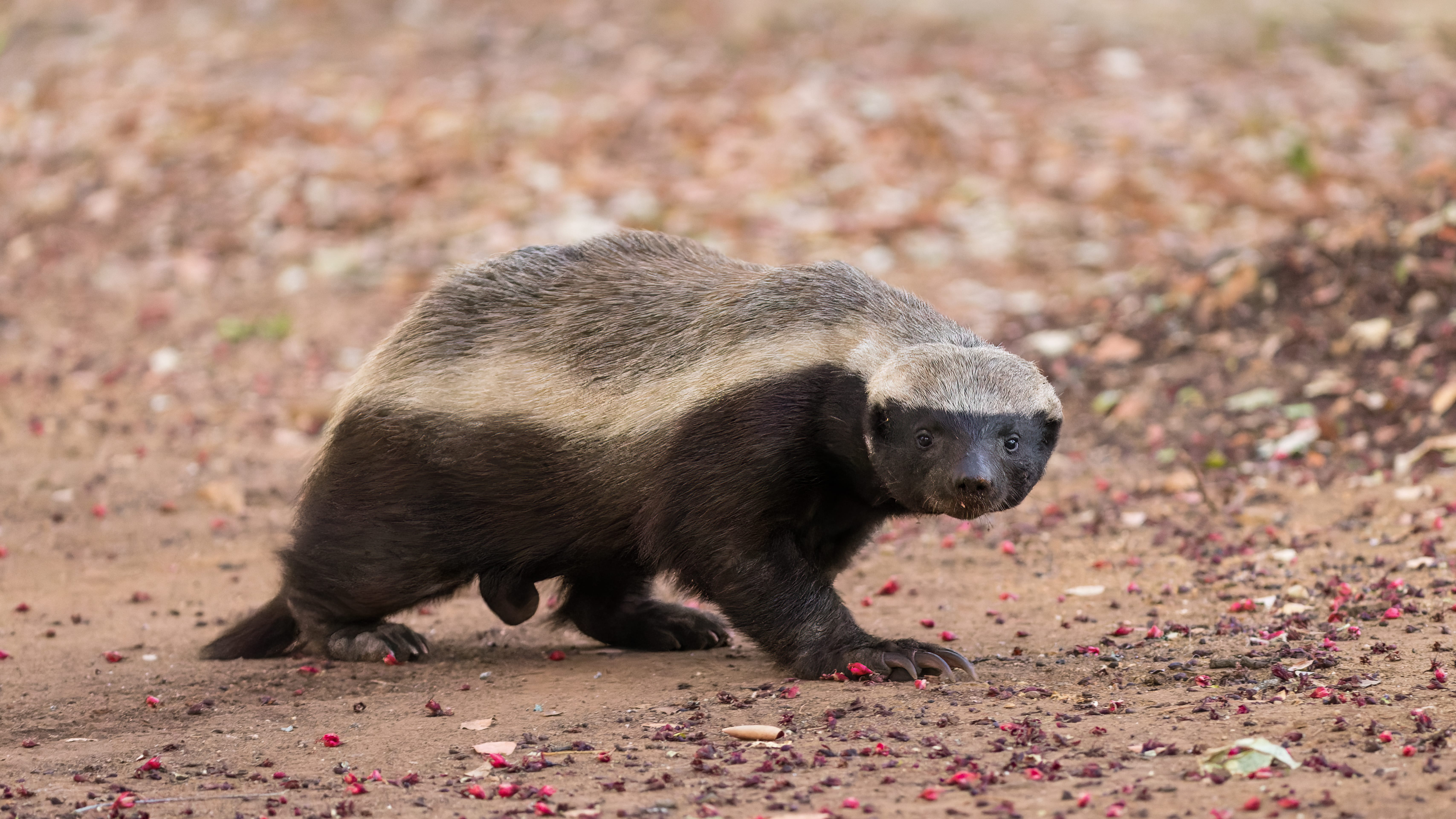
6. Honey Badger (Mellivora capensis)
Overview
The Honey Badger, also known as the ratel, is a fearless and iconic species native to Africa, Southwest Asia, and the Indian subcontinent. Despite its relatively small size, it is known for remarkable toughness and tenacity, famously taking on venomous snakes and large mammals alike.
Identification
- Body length: 55–77 cm
- Black underbody with a white or grey dorsal stripe
- Strong, sharp claws for digging and defense
Habitat
Honey Badgers occupy savannas, forests, and arid regions. They often dig burrows or occupy abandoned dens to seek shelter from heat and predators.
Behavior and Diet
Honey Badgers are omnivorous and opportunistic, feeding on honey, insects, small mammals, reptiles, and fruits. They are solitary and highly intelligent, known to use tools to extract food. Their fearless nature allows them to raid beehives, withstand bee stings, and even confront larger predators. Observing Honey Badgers highlights a combination of courage, ingenuity, and resilience rarely seen in the wild.
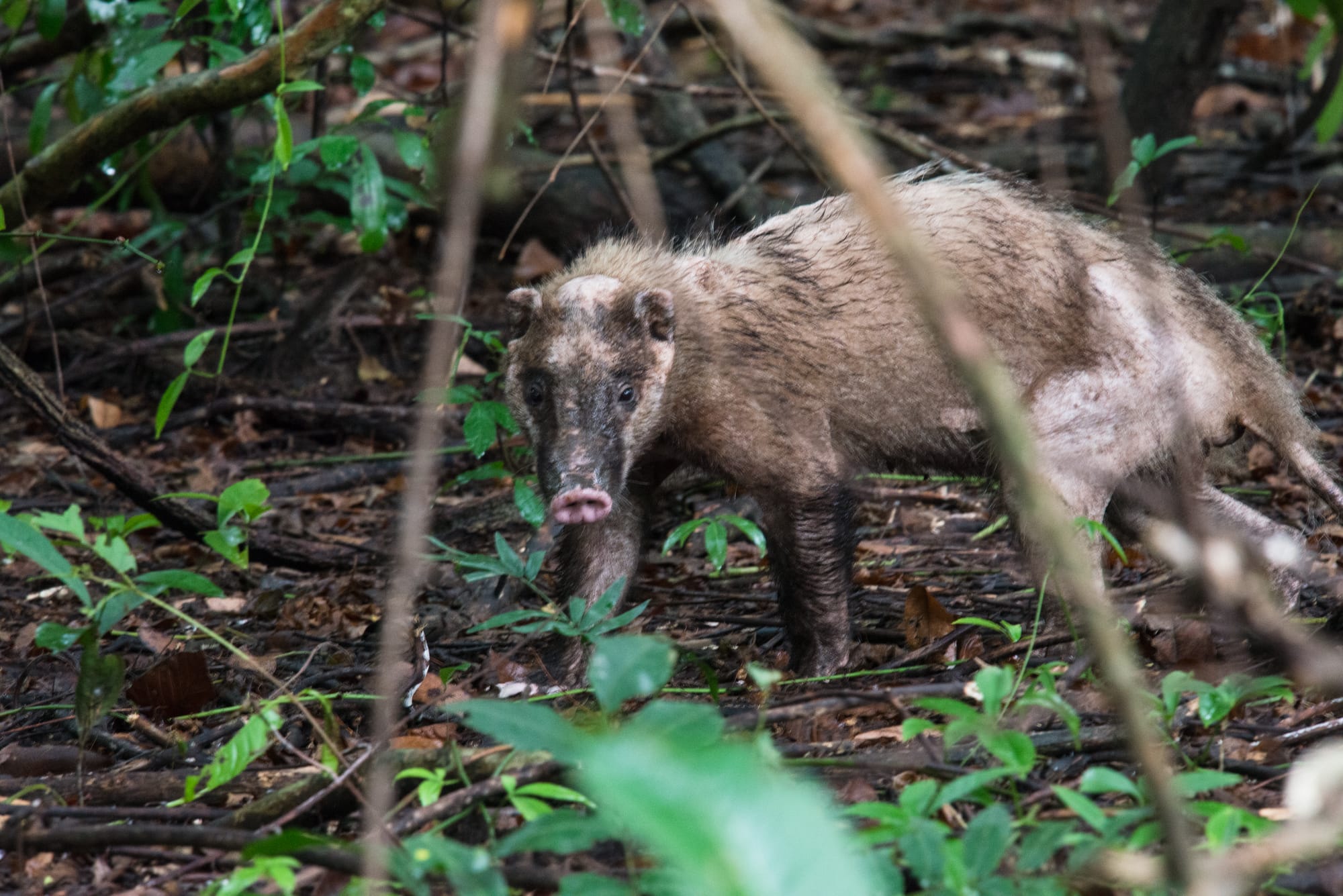
7. Northern Hog Badger (Arctonyx albogularis)
Overview
The Northern Hog Badger is native to East and Southeast Asia and is named for its pig-like snout. It is larger and heavier than many Meles badgers, with powerful digging abilities.
Identification
- Body length: 60–70 cm
- Grey-brown coat with white throat
- Broad snout and strong claws
Habitat
They inhabit forests, grasslands, and hilly regions. Burrows are usually dug in soft soil and may have multiple entrances.
Behavior and Diet
Northern Hog Badgers are omnivorous, eating insects, small mammals, reptiles, and roots. They are solitary, nocturnal, and territorial. They exhibit remarkable endurance while foraging and are skilled at excavating prey hidden underground.
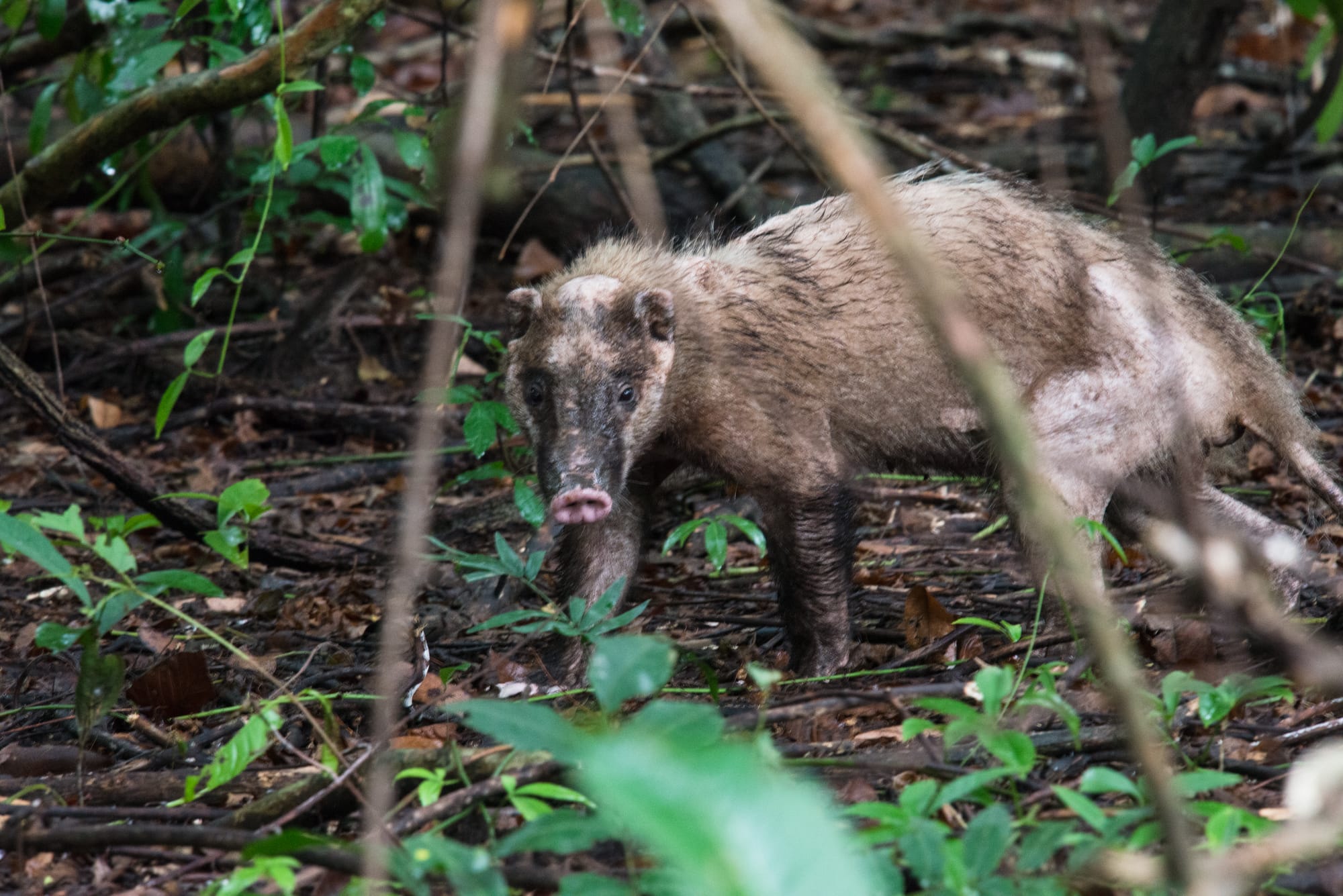
8. Greater Hog Badger (Arctonyx collaris)
Overview
Greater Hog Badgers are native to Southeast Asia and are among the largest badger species. Their muscular bodies and sharp claws make them formidable diggers and predators of small animals.
Identification
- Body length: 70–90 cm
- Grey-brown coat with distinct dark facial markings
- Large claws and broad snout
Habitat
They prefer lowland forests, grasslands, and riverbanks. Burrows are extensive, often with multiple chambers for shelter and food storage.
Behavior and Diet
Greater Hog Badgers feed on insects, small vertebrates, and plant material. They are solitary and nocturnal, using keen senses to locate hidden prey. Observing their digging technique is like watching a natural engineer at work—they can unearth hidden animals with impressive efficiency.
9. Sumatran Hog Badger (Arctonyx hoevenii)
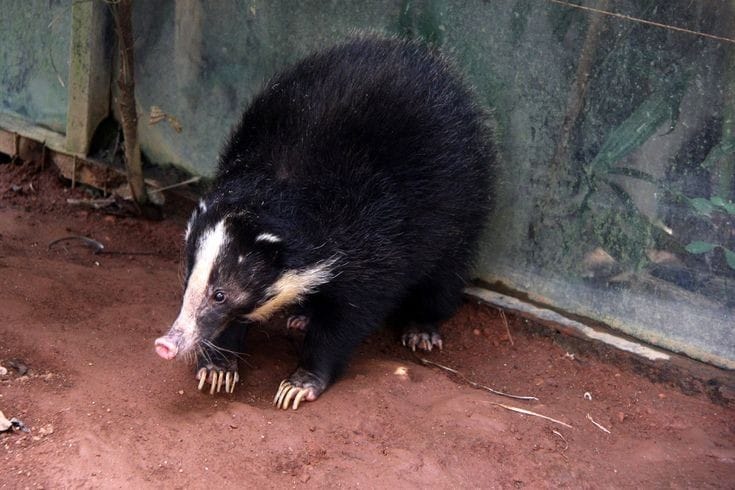
Overview
Endemic to the island of Sumatra, this species is elusive and primarily nocturnal. Sumatran Hog Badgers are smaller than Greater Hog Badgers but equally adept at burrowing and hunting.
Identification
- Body length: 55–65 cm
- Reddish-brown fur with lighter underparts
- Short, strong legs with digging claws
Habitat
They inhabit tropical forests and highland areas. Burrows are dug into slopes or under dense vegetation.
Behavior and Diet
Omnivorous by nature, they consume insects, small mammals, fruits, and roots. Solitary and shy, they avoid humans, emerging primarily at night. Their ability to locate prey underground demonstrates a sophisticated use of smell and persistence.
10. Chinese Ferret badger (Melogale moschata)
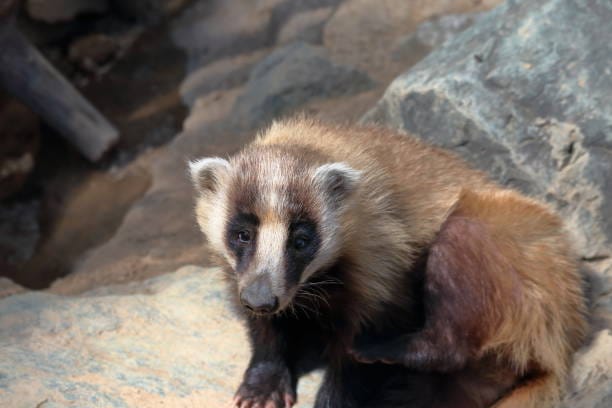
Overview
The Chinese Ferret-Badger is a small, agile badger found in China and parts of Southeast Asia. It is nocturnal and known for its clever foraging habits.
Identification
- Body length: 40–50 cm
- Reddish-brown coat with pale facial markings
- Long, slender body adapted for burrowing
Habitat
They inhabit forests, shrublands, and farmlands. Burrows are dug in soft soil or taken from abandoned dens of other animals.
Behavior and Diet
Chinese Ferret-Badgers are omnivores, feeding on insects, fruits, small mammals, and eggs. They are solitary, active at night, and use their agility and keen senses to hunt effectively. Watching their movements offers insight into the adaptive strategies of smaller badger species.
11. Formosan Ferret badger (Melogale subaurantiaca)
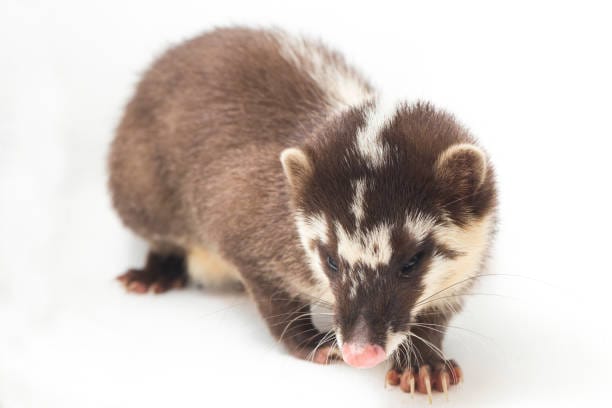
Overview
Native to Taiwan, the Formosan Ferret-Badger is nocturnal and highly secretive. It is slightly smaller than the Chinese Ferret-Badger but shares similar habits.
Identification
- Body length: 35–45 cm
- Dark brown coat with lighter face and throat
- Slender, elongated body
Habitat
They prefer forested areas and are often found near streams. Burrows are dug into soft soil or found under rocks.
Behavior and Diet
Omnivorous and solitary, Formosan Ferret-Badgers feed on insects, small mammals, and plant material. Their nocturnal behavior and agility make them hard to observe, but they are skilled foragers and excellent diggers.
12. Burmese Ferret badger (Melogale personata)
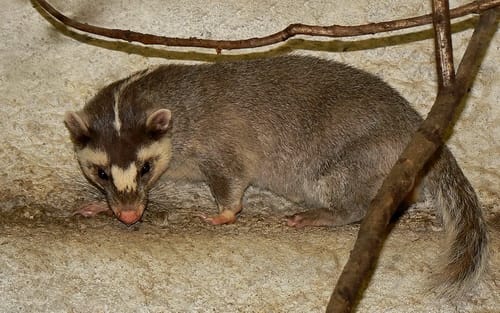
Overview
Found in Myanmar and parts of Southeast Asia, the Burmese Ferret-Badger is small, nocturnal, and adept at navigating dense forest habitats.
Identification
- Body length: 35–45 cm
- Dark brown coat with distinctive face markings
- Slender body and short legs
Habitat
They inhabit forests and hilly areas, digging burrows or using natural shelters.
Behavior and Diet
Burmese Ferret-Badgers feed on insects, small rodents, and fruits. Solitary and cautious, they display remarkable agility when hunting or escaping predators.
13. Bornean Ferret badger (Melogale everetti)
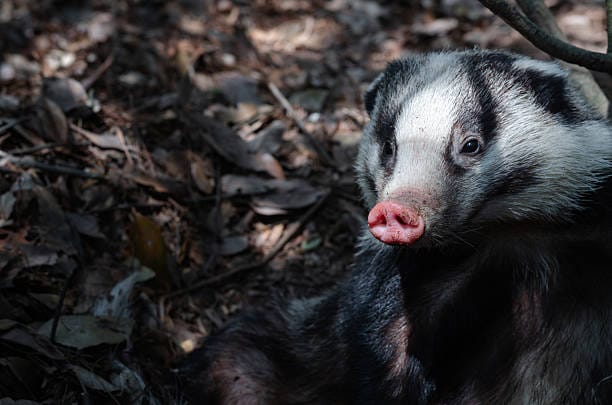
Overview
This species is endemic to Borneo and is rare due to habitat loss. It is nocturnal and prefers dense tropical forests.
Identification
- Body length: 35–45 cm
- Reddish-brown fur with lighter underparts
- Slender body for burrowing and climbing
Habitat
Primarily found in lowland and montane forests. Burrows are often dug under fallen logs or rocks.
Behavior and Diet
Omnivorous, feeding on insects, small mammals, and fruits. Solitary and elusive, Bornean Ferret-Badgers are expert diggers and climbers.
14. Javan Ferret badger (Melogale orientalis)
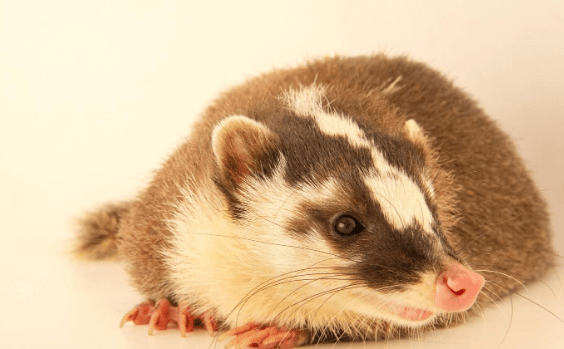
Overview
Endemic to Java, this ferret-badger is small, nocturnal, and forest-dwelling, adapted to tropical environments.
Identification
- Body length: 35–40 cm
- Reddish-brown coat with light facial stripes
- Slender body and agile movements
Habitat
They inhabit dense tropical forests, often near water sources. Burrows are dug or taken from natural crevices.
Behavior and Diet
Javan Ferret-Badgers feed on insects, small animals, and fruits. Solitary and nocturnal, they are elusive and highly adaptable to forest microhabitats.
15. Vietnam Ferret badger (Melogale cucphuongensis)
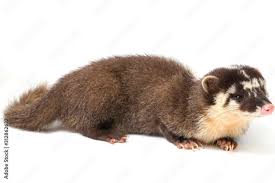
Overview
Discovered in Cuc Phuong National Park, Vietnam, this rare ferret-badger is nocturnal and forest-dwelling, with limited distribution.
Identification
- Body length: 35–45 cm
- Dark brown coat with pale facial features
- Slender body for burrowing
Habitat
They inhabit tropical and subtropical forests. Burrows are dug in soft soil or hidden under logs and rocks.
Behavior and Diet
Vietnam Ferret-Badgers feed on insects, small mammals, and fruits. Solitary and secretive, they are skilled at avoiding predators and navigating dense forest undergrowth.
16. Indonesian Stink Badger (Sunda Stink Badger, Mydaus javanensis)
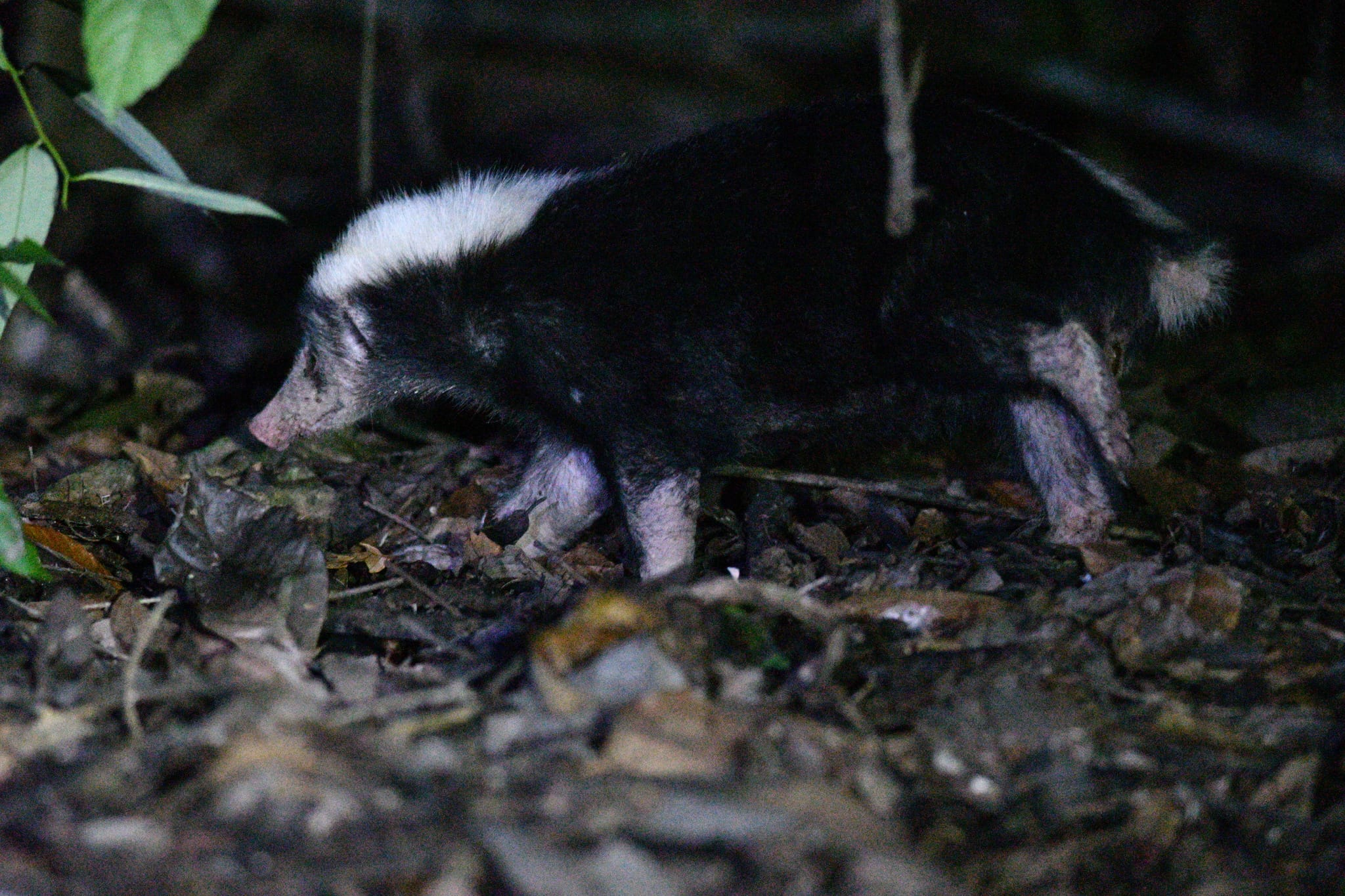
Overview
Found in Indonesia, this badger-like species emits a strong odor for defense. Despite its name, it is more closely related to skunks.
Identification
- Body length: 35–40 cm
- Black fur with white dorsal stripes
- Short legs and strong claws
Habitat
They live in forests and grasslands, often using burrows for shelter and nocturnal activity.
Behavior and Diet
Omnivorous, feeding on insects, worms, and small vertebrates. They use scent to deter predators and are primarily nocturnal.
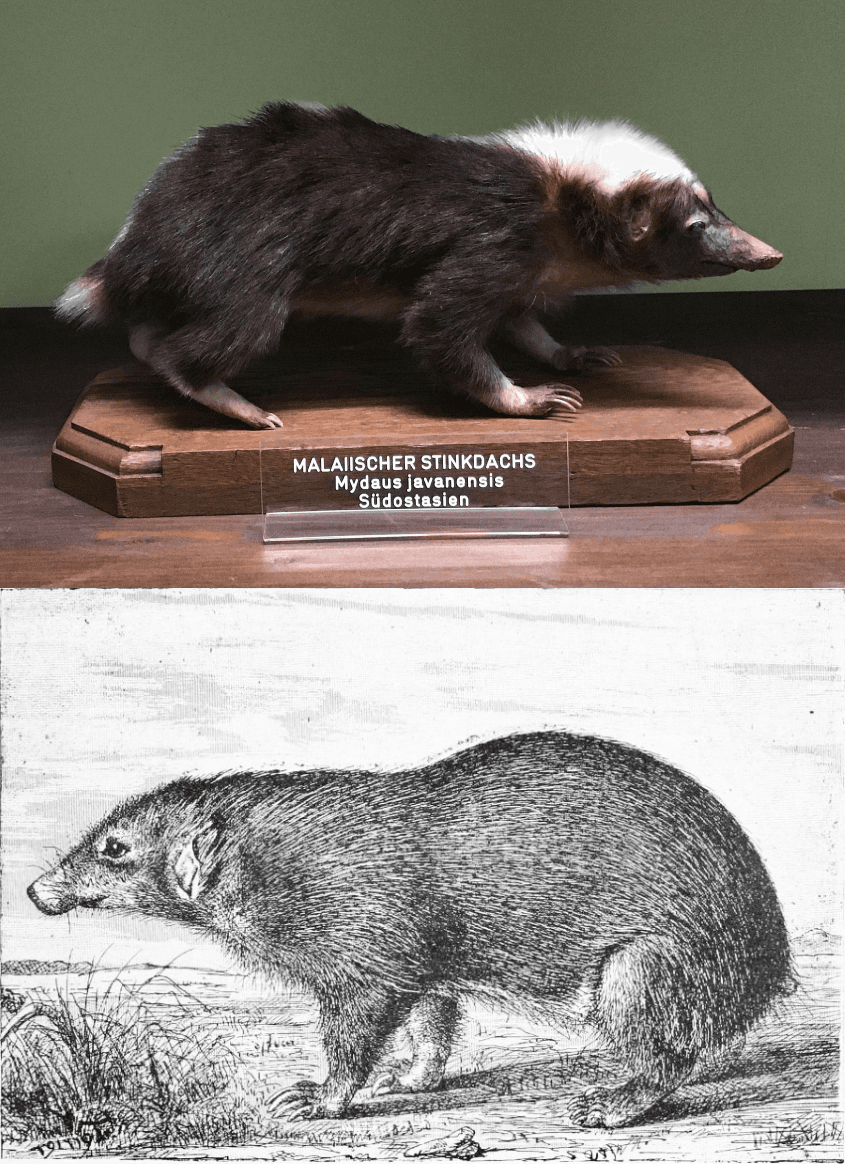
17. Palawan Stink Badger (Mydaus marchei)
Overview
Endemic to Palawan, Philippines, this stink badger is nocturnal, solitary, and uses chemical defense against predators.
Identification
- Body length: 30–35 cm
- Black fur with white stripes
- Short legs, stout body
Habitat
They inhabit lowland forests and scrublands. Burrows are dug in soft soil.
Behavior and Diet
Diet consists of insects, small animals, and fruits. They are primarily nocturnal and use their scent glands to ward off threats.
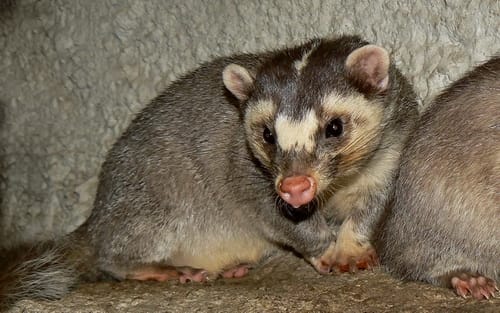
18. Formosan Badger
Overview
Another name for the Formosan Ferret-Badger, endemic to Taiwan, known for nocturnal habits and forest adaptation.
Identification
- Body length: 35–45 cm
- Dark brown coat with pale facial stripes
- Slender, agile body
Habitat
Prefers forested areas, burrowing under rocks or fallen logs.
Behavior and Diet
Omnivorous, solitary, and nocturnal. Uses agility and keen senses to locate food underground.
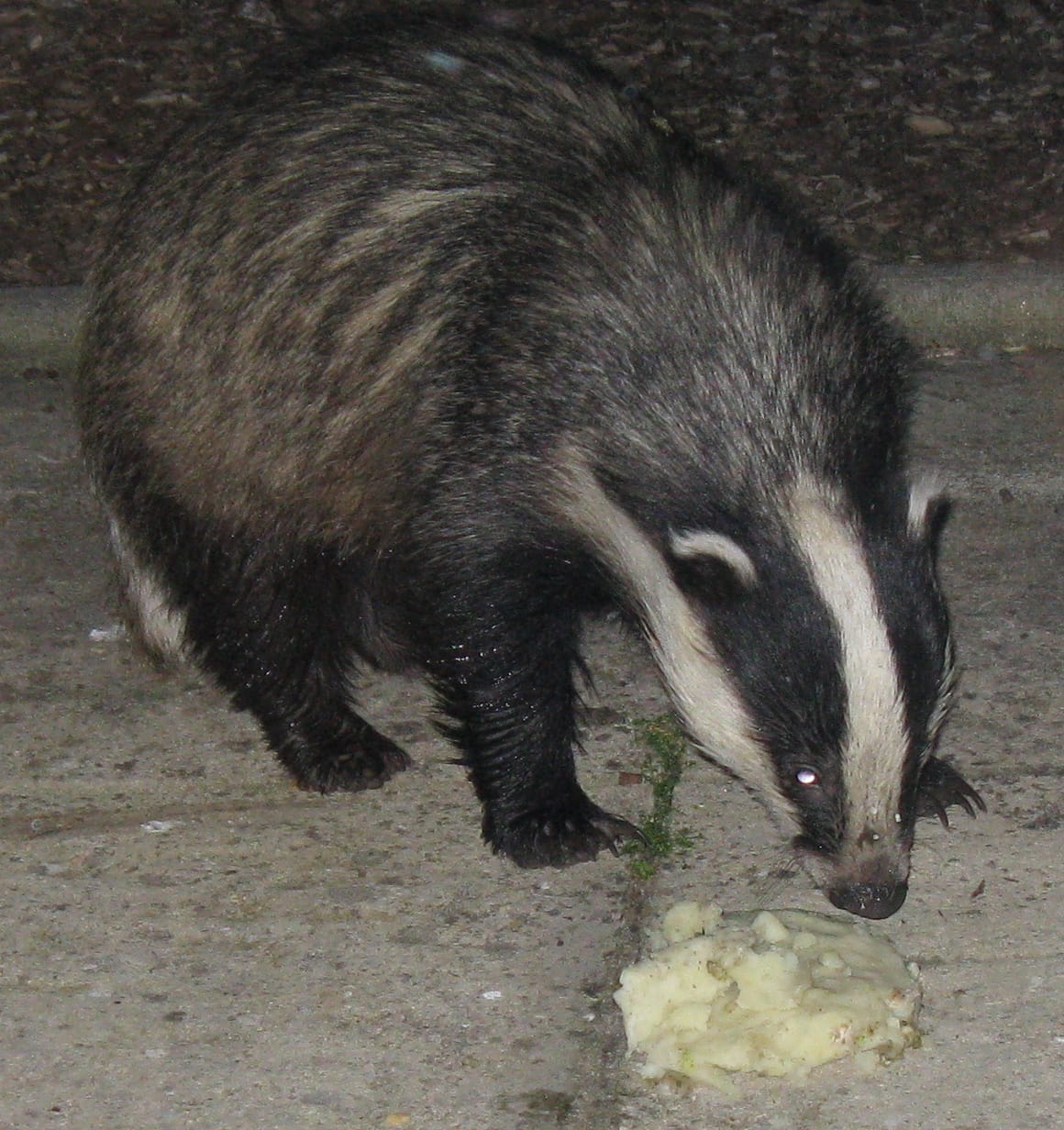
19. Cretan Badger
Overview
Found on the island of Crete, this European subspecies exhibits traits of the European Badger but adapted to island habitats.
Identification
- Body length: 55–70 cm
- Grey-brown fur with distinctive face stripes
- Short legs for digging
Habitat
They live in forests, shrublands, and farmland, digging burrows under rocks or dense vegetation.
Behavior and Diet
Cretan Badgers are omnivorous, feeding on insects, small mammals, and plants. They are mostly nocturnal, solitary, and show remarkable adaptation to island life.
Conclusion
Exploring the Types of Badgers reveals a fascinating spectrum of behaviors, adaptations, and habitats. From the fearless Honey Badger of Africa to elusive island subspecies like the Cretan Badger, each species has a unique way of surviving and thriving. Understanding these animals enriches our appreciation of wildlife and highlights the importance of protecting their natural habitats. Observing badgers safely, respecting their nocturnal nature, and learning to identify them fosters deeper connections with the natural world and promotes conservation efforts.
Frequently Asked Questions About Types of Badgers
1. What are badgers?
Badgers are medium-sized mammals in the Mustelidae family, known for their stout bodies, digging skills, and nocturnal habits.
2. How many types of badgers are there?
There are 19 recognized types of badgers worldwide, including European, American, Asian, and various ferret-badger and stink badger species.
3. Where do badgers live?
Badgers inhabit forests, grasslands, mountains, and prairies depending on their species and geographic range.
4. Are badgers dangerous?
Badgers can bite or scratch when threatened but are generally not aggressive towards humans unless provoked.
5. What do badgers eat?
They are omnivorous, feeding on insects, small mammals, fruits, roots, and sometimes carrion.
6. How can I identify a badger?
Identification involves observing body size, facial markings, fur color, and claw structure for digging.
7. What is the largest badger species?
The Honey Badger is one of the most robust and fearless, but the American Badger can be longer in body size.
8. Do badgers build burrows?
Yes, badgers dig complex burrows called setts for shelter, raising young, and storing food.
9. How long do badgers live?
Most badgers live 4–14 years in the wild, depending on species and environmental factors.
10. Are all badgers nocturnal?
Most badger species are primarily nocturnal, though some may be active during the day in undisturbed habitats.
11. How do badgers defend themselves?
Badgers use their strong claws, teeth, and burrows to escape or fend off predators.
12. Can badgers climb trees?
Some ferret-badgers can climb low branches, but most badger species are primarily ground dwellers.
13. What is the difference between a badger and a ferret?
Badgers are generally larger, stockier, and more burrowing-oriented, while ferrets are smaller and more agile.
14. Do badgers hibernate?
Most badgers do not hibernate but may reduce activity in cold seasons.
15. How do badgers communicate?
Badgers communicate through vocalizations, scent marking, and body language.
16. Are badgers social animals?
Some species, like the European Badger, are social and live in family groups, while others are solitary.
17. Can badgers swim?
Yes, badgers are capable swimmers but typically stay near land and burrows.
18. What is a Honey Badger?
A fearless badger species from Africa and Asia known for its toughness and diverse diet.
19. Where are American Badgers found?
They inhabit prairies, open plains, and grasslands across North America.
20. Are stink badgers true badgers?
Stink badgers belong to the skunk family (Mephitidae) but are often grouped with badgers due to similarities in behavior and appearance.
21. How do badgers hunt?
Badgers dig for prey like rodents, insects, and larvae, using keen senses of smell and strong claws.
22. Do badgers eat honey?
Honey Badgers are famous for raiding beehives to feed on honey and bee larvae.
23. What is a Ferret-badger?
Ferret-badgers are smaller Asian badger species, more agile, and adapted to forested environments.
24. How do badgers mate?
Mating typically occurs once a year, with females giving birth to 1–5 cubs after a gestation of 6–7 weeks.
25. Can badgers survive in urban areas?
Some species adapt to farmland or suburban areas, but they prefer natural habitats with burrowing opportunities.
26. How fast can badgers run?
Badgers can run up to 25 mph for short distances, mainly when escaping predators.
27. Do badgers have predators?
Predators include large mammals like wolves, foxes, eagles, and humans in some regions.
28. Can badgers dig deep burrows?
Yes, badgers are expert diggers, creating complex underground networks for shelter and hunting.
29. How do badgers mark territory?
They use scent glands and feces to mark territory and communicate with other badgers.
30. Are badgers endangered?
Most badger species are not endangered, though habitat loss and hunting can impact local populations.
31. What is the diet of European Badgers?
They eat earthworms, insects, small mammals, fruits, and plant roots.
32. Can badgers climb hills or slopes?
Yes, their muscular build allows them to navigate slopes and uneven terrain effectively.
33. Are badgers territorial?
Yes, especially European Badgers, which defend their setts and surrounding territory from intruders.
34. Do badgers have seasonal behaviors?
They may reduce activity in winter but do not fully hibernate. Food availability often drives activity patterns.
35. How do badgers interact with humans?
They generally avoid humans but may forage in farmlands or near settlements if food is accessible.
36. Are badgers important for ecosystems?
Yes, they control pest populations, aerate soil through digging, and contribute to biodiversity.
37. How long is a badger’s gestation period?
Typically 6–7 weeks, with litters ranging from 1 to 5 cubs depending on species.
38. Can badgers swim across rivers?
Yes, while not aquatic, badgers can swim to cross streams or avoid danger.
39. How do stink badgers defend themselves?
They release a foul-smelling secretion from their anal glands to deter predators.
40. What is the difference between a Hog Badger and a European Badger?
Hog Badgers (Arctonyx spp.) have a more pig-like snout, are larger, and are found in Asia, while European Badgers (Meles meles) have distinctive black-and-white face stripes and live in Europe. Hog Badgers are stronger diggers and tend to be more solitary, whereas European Badgers are more social.
Read more: 27 Types of Hornets (Pictures And Identification)