
Finding the best hunting boots for Alaska is not the same as choosing a basic deer hunting boot for mild woods or farm country. Alaska hunting can mean tundra, muskeg, alder brush, wet riverbanks, coastal rain, rocky sheep country, cold glassing sessions, muddy moose habitat, snow, raft trips, floatplane access, and long days far from a dry cabin or truck.
The right Alaska hunting boot should help keep your feet dry, supported, warm enough for the season, and stable on unforgiving terrain. In some parts of Alaska, a waterproof mountain boot is the right choice. In other hunts, a tall rubber boot or XTRATUF-style wet-condition boot may be more practical. Many experienced hunters bring more than one footwear option because Alaska conditions can change quickly.
This guide compares 10 hunting boots and outdoor boots that make sense for Alaska hunting. The list includes rugged mountain boots for sheep, goat, caribou, and alpine terrain; insulated boots for cold-weather hunts; tall waterproof rubber boots for wet tundra and moose country; and extreme cold options for snow, ice, and low-activity winter use.
The products were selected based on waterproof protection, ankle support, traction, insulation, shaft height, leather quality, rubber durability, wet-terrain performance, comfort under hunting loads, ease of drying, Amazon availability, brand reputation, and overall field value. No single boot is perfect for every Alaska hunt, so the best choice depends on your species, terrain, season, and travel method.
Always hunt responsibly. Follow Alaska hunting regulations, tag and permit requirements, land-access rules, firearm or bow safety practices, meat salvage requirements, weather precautions, and ethical hunting standards. In remote Alaska, footwear is part of your safety system, but you should also carry navigation, layers, emergency communication, first aid, food, water, and a realistic weather plan.
Quick Picks:
- Best Overall: Kenetrek Mountain Extreme 400 Waterproof Insulated Hunting Boot on Amazon
- Best Heavy-Duty Backcountry Pick: Zamberlan 980 Outfitter GTX RR Hunting Boot on Amazon
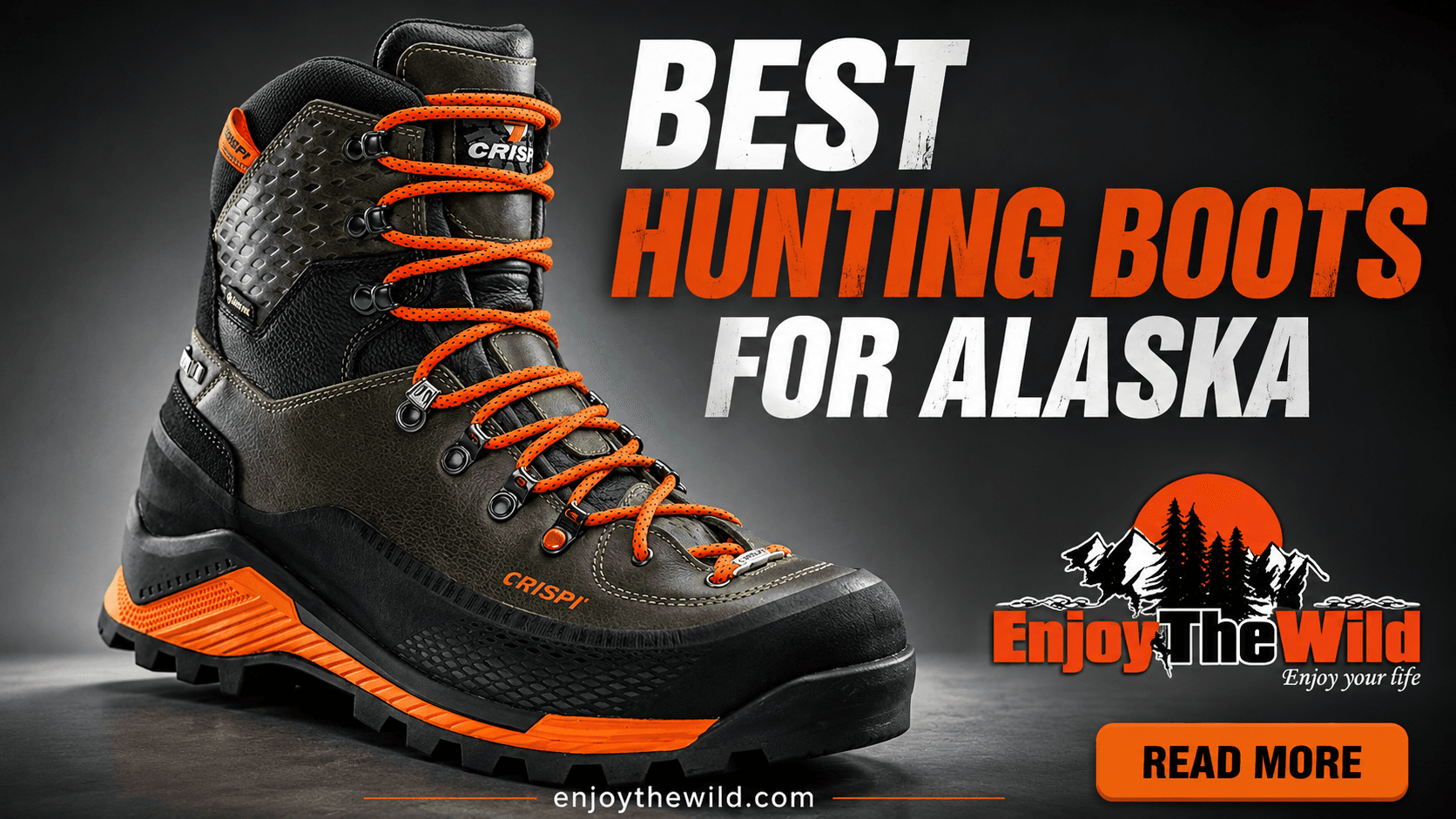
- Best Premium Mountain Pick: CRISPI Futura PWR Green Hunting Boot on Amazon
- Best Wet Alaska Boot: XTRATUF Legacy Series 15” Neoprene Men’s Fishing Boots on Amazon
- Best Extreme Cold Pick: Baffin Impact Extreme Cold Weather Boot on Amazon
Comparison Table
| Product | Best For | Material / Build | Insulation | Key Features | Alaska Use Notes | Check Price |
|---|---|---|---|---|---|---|
| Kenetrek Mountain Extreme 400 | Best Overall | Full-grain leather mountain boot | 400G Thinsulate | 10-inch height, Windtex waterproof membrane, K-Talon outsole, rubber sole guard | Excellent for active mountain hunts, rough terrain, snow patches, and heavy packs | Check Price on Amazon |
| Zamberlan 980 Outfitter GTX RR | Best Heavy-Duty Backcountry Pick | Hydrobloc Tuscan nubuck leather with rubber rand | Non-insulated | GORE-TEX membrane, Vibram StarTrek outsole, rubber rand protection | Strong option for sheep, goat, caribou, and pack-heavy Alaska terrain | Check Price on Amazon |
| CRISPI Futura PWR Green Hunting Boot | Best Premium Mountain Pick | Technical hunting boot construction | Check exact listing | Toe-lacing design, rugged mountain profile, rubber sole, technical fit | Good for serious terrain where precision, support, and traction matter | Check Price on Amazon |
| Schnee’s Beartooth 400G Waterproof Hunting Boot | Best Western Big-Game Style Pick | Leather upper hunting boot | 400G insulation | 9-inch leather upper, waterproof build, supportive big-game design | Good for cool Alaska hunts where support and moderate insulation are needed | Check Price on Amazon |
| Meindl Comfort-Fit Extreme Gore-Tex | Best Wide-Fit Mountain Boot | Waxed full-grain leather mountain boot | Uninsulated | Gore-Tex waterproof design, comfort-fit shape, naturally wide fit | Useful for long Alaska days when feet swell and toe room matters | Check Price on Amazon |
| LaCrosse Alphaburly Pro 18” 1600G Waterproof Hunting Boot | Best Tall Insulated Rubber Boot | Rubber and neoprene hunting boot | 1600G Thinsulate | 18-inch shaft, waterproof rubber, EVA footbed, heavy insulation | Best for cold, wet, muddy, stand-style, and lowland Alaska use | Check Price on Amazon |
| MUCK Arctic Pro Tall Rubber Insulated Hunting Boots | Best Warm Rubber Boot | Rubber and 8mm neoprene | Fleece lining and thermal foam | 100% waterproof, stretch-fit topline, EVA midsole, Bob-Tracker outsole | Good for snowy, wet, cold, low-to-moderate activity Alaska hunts | Check Price on Amazon |
| XTRATUF Legacy Series 15” Neoprene Men’s Fishing Boots | Best Wet Alaska Boot | Triple-dipped latex neoprene | Non-insulated | 15-inch height, 100% waterproof build, Chevron outsole, toe and heel guards | Excellent for coastal, boat, riverbank, camp, and very wet access use | Check Price on Amazon |
| Baffin Impact Extreme Cold Weather Boot | Best Extreme Cold Pick | Nylon/leather upper with Arctic rubber shell | Multi-layer removable inner boot system | Mid-calf height, locking snow collar, snowshoe-compatible design | Best for severe cold, snow, ice, low activity, glassing, and winter camp use | Check Price on Amazon |
| Kamik Forester Insulated Rubber Hunting Boots | Best Simple Waterproof Utility Boot | Rubber boot with removable liner | Removable 8mm liner | Waterproof rubber build, slip-resistant outsole, mid-calf height | Useful for camp chores, wet ground, snow, ice fishing, and moderate hunting access | Check Price on Amazon |
For Alaska, the best boot depends heavily on the hunt. Mountain boots like the Kenetrek Mountain Extreme, Zamberlan 980 Outfitter, CRISPI Futura PWR, Schnee’s Beartooth, and Meindl Comfort-Fit Extreme are better for sheep, goat, caribou, elk-style terrain, and heavy pack loads. Rubber or wet-condition boots like LaCrosse Alphaburly Pro, MUCK Arctic Pro, XTRATUF Legacy, and Kamik Forester are better for moose country, wet tundra, coastal hunts, river camps, boat travel, and snowy low-activity use. Many Alaska hunters should seriously consider packing two footwear systems if weight and travel logistics allow.
1. Kenetrek Mountain Extreme 400 Waterproof Insulated Hunting Boot on Amazon
Short Overview
The Kenetrek Mountain Extreme 400 is the best overall pick for many Alaska hunting situations because it balances mountain support, waterproofing, traction, durability, and moderate insulation. Alaska hunts often involve steep climbs, tundra edges, wet brush, scree, alder tangles, snow patches, and heavy packs, and this boot is built for rugged country. The Amazon listing describes a 10-inch leather boot made with 2.8mm full-grain leather, double and triple stitching, a Windtex waterproof membrane, 400G Thinsulate insulation, K-Talon outsole, and reinforced rubber sole guard. That feature set makes it far more supportive than a casual hiking boot. The 400G insulation is useful for cool-to-cold hunts without being as hot as 1000G boots during hard climbs. It is especially relevant for sheep, goat, caribou, moose approaches, and late-season mountain hunting. It is not a lightweight camp shoe, and it may require break-in time before a serious hunt. For hunters who need one serious lace-up boot for Alaska’s rougher terrain, this is a strong starting point.
Key Features
- 10-inch leather mountain hunting boot
- 2.8mm full-grain leather upper according to the listing
- 400G Thinsulate insulation for cool-to-cold active hunts
- Windtex waterproof membrane for wet conditions
- K-Talon outsole and rubber sole guard for traction and abrasion resistance
Pros
- Excellent support for steep Alaska terrain
- Good balance of warmth and active hunting comfort
- Strong waterproof and abrasion-resistant construction
- Useful for sheep, goat, caribou, moose, and mountain hunts
Cons
- Premium price point
- May require break-in before a demanding hunt
- Not as quick-drying or easy-clean as rubber boots
Who It’s Best For
This boot is best for serious Alaska hunters who need a supportive waterproof mountain boot for long approaches, rocky terrain, sidehills, heavy packs, and active cold-weather hunting.
2. Zamberlan 980 Outfitter GTX RR Hunting Boot on Amazon
Short Overview
The Zamberlan 980 Outfitter GTX RR is a heavy-duty backcountry hunting boot for Alaska hunters who expect rough country and heavy loads. The listing describes Hydrobloc Tuscan nubuck leather uppers, a GORE-TEX membrane, a rubber rand system, and a Vibram StarTrek outsole. That makes it useful for hunters who need protection from water, snow, rock, brush, and abrasive ground. Alaska hunting can punish weak footwear quickly, especially on sheep ridges, goat country, caribou basins, and long pack-outs. The rubber rand helps protect the leather from cuts and scratches, while the outsole design is intended for traction, support, and downhill braking. It is more substantial than lightweight boots, so casual hunters may find it overbuilt. However, when the terrain is remote and your pack is heavy, that structure can be a major advantage. For hunters who want one of the toughest backcountry-style boots on Amazon, the Zamberlan 980 is a serious option.
Key Features
- 2.8mm Hydrobloc Tuscan nubuck leather upper according to listing
- GORE-TEX waterproof membrane
- Rubber Rand System for abrasion protection
- Vibram StarTrek outsole for rugged terrain
- Designed for carrying heavier loads in steep backcountry
Pros
- Excellent for rough Alaska backcountry
- Strong waterproof and abrasion-resistant build
- Good support for pack-heavy hunts
- Useful for steep country, rocks, snow, and brush
Cons
- Heavier than lightweight hiking-style boots
- May require break-in time
- Premium pricing may not fit every budget
Who It’s Best For
This boot is best for Alaska hunters chasing sheep, goat, caribou, or mountain game where heavy packs, steep terrain, waterproof protection, and abrasion resistance are top priorities.
3. CRISPI Futura PWR Green Hunting Boot on Amazon
Short Overview
The CRISPI Futura PWR Green Hunting Boot is a premium technical hunting boot for demanding terrain where accuracy, support, and control matter. It is a good fit for Alaska hunters who want a mountain-oriented boot for ridges, tundra edges, scree, brush, and long walking days. The Amazon listing describes the boot as a choice for tough terrain with lacing that extends toward the toe for precise fit control. That kind of fit can help when sidehilling, descending, or moving through uneven country. CRISPI boots are often discussed among serious hunters because of their support and mountain performance. This boot is not a budget pick, and it may be more technical than needed for simple river-camp chores or short moose stand access. It is better suited for hunters who prioritize precision, traction, and support over simple rubber waterproofing. If your Alaska hunt looks more like a mountain expedition than a boat-camp hunt, this is worth comparing.
Key Features
- Technical hunting boot construction
- Toe-lacing design for precise fit adjustment
- Rubber sole for field traction
- Built for difficult terrain according to listing
- Premium mountain-style hunting profile
Pros
- Excellent fit control for technical terrain
- Useful for mountain-style Alaska hunts
- Good option for hunters who prioritize support and precision
- Premium design for rugged field use
Cons
- Premium price range
- Not ideal for deep swamp or boat-only use
- Exact insulation and sizing details should be verified before buying
Who It’s Best For
This boot is best for Alaska hunters who need a premium mountain boot for rugged terrain, long hikes, rocky ridges, and technical foot placement.
4. Schnee’s Beartooth 400G Waterproof Hunting Boot on Amazon
Short Overview
The Schnee’s Beartooth 400G Waterproof Hunting Boot is a strong western big-game style option that also makes sense for many Alaska hunts. The listing describes a 400G insulated, waterproof hunting boot with a 9-inch leather upper. That combination gives hunters a practical balance of support, warmth, and protection. It is a good option for cool-weather caribou hunts, moose terrain with moderate walking, mountain approaches, and hunts where you want more warmth than uninsulated leather boots. The 9-inch height offers useful ankle support without becoming overly tall. It is not as easy to clean as a rubber boot after muskeg or riverbank mud, but it gives much better support for hiking and uneven ground. It is also more active-hunt friendly than very heavily insulated rubber boots. For hunters who want a balanced Alaska boot that is not too extreme in either direction, the Beartooth 400G is a practical choice.
Key Features
- 9-inch leather hunting boot upper
- 400G insulation according to listing
- Waterproof construction
- Western big-game style support
- Useful for cool-weather active hunts
Pros
- Good balance of support, warmth, and waterproofing
- More versatile than very heavy cold-weather boots
- Useful for caribou, moose approaches, and mountain foothills
- Practical 9-inch height for field mobility
Cons
- Not as tall as rubber boots for deep wet ground
- May require leather care in wet Alaska conditions
- Not the lightest option for warm early-season hunts
Who It’s Best For
This boot is best for hunters who want a supportive waterproof leather boot with moderate insulation for cool Alaska conditions and mixed terrain.
5. Meindl Comfort-Fit Extreme Gore-Tex Waterproof Hunting Boot on Amazon
Short Overview
The Meindl Comfort-Fit Extreme Gore-Tex Waterproof Hunting Boot is a smart choice for Alaska hunters who need toe room, waterproofing, and all-day comfort in rugged country. Long Alaska hunts can cause feet to swell, especially when crossing uneven tundra, climbing, descending, or carrying a pack. A cramped toe box can quickly create hot spots, black toenails, and pain. The Amazon listing describes this boot as a naturally wide-fitting mountain boot with Gore-Tex waterproofing and rugged waxed full-grain leather. That makes it useful for hunters who struggle with narrow European-style boots. Because it is uninsulated, it is best for active hunts or mild-to-cool conditions where overheating is a concern. It is not ideal for long stationary sits in extreme cold unless paired with an appropriate sock system. For hunters who value fit and toe room on long Alaska days, the Meindl Comfort-Fit Extreme is one of the most important boots to compare.
Key Features
- Uninsulated mountain hunting boot design
- Gore-Tex waterproof protection according to listing
- Naturally wide-fitting comfort-fit shape
- Waxed full-grain leather construction
- Designed for rugged hunting and mountain terrain
Pros
- Great option for hunters who need toe room
- Waterproof leather construction for wet terrain
- Good for active hunts where overheating is a concern
- Useful for long days when feet swell
Cons
- Not warm enough for every cold stationary hunt
- May feel too roomy for narrow feet
- Premium boot requires proper care
Who It’s Best For
This boot is best for Alaska hunters who need a wider fit, waterproof protection, and mountain support for long active hunts in rugged terrain.
6. LaCrosse Alphaburly Pro 18” 1600G Waterproof Hunting Boot on Amazon
Short Overview
The LaCrosse Alphaburly Pro 18” 1600G is a strong tall rubber option for cold, wet, muddy, and snowy Alaska hunting conditions. It is especially useful for moose country, wet meadows, lowland routes, deer-style stand hunting, cold camp chores, and situations where waterproof coverage matters more than mountain foot precision. The listing describes waterproof rubber construction, 1600G Thinsulate insulation, and an EVA footbed. The 18-inch shaft provides excellent lower-leg coverage in wet grass, shallow snow, slush, and mud. The heavy insulation makes it much warmer than non-insulated rubber boots, which is valuable during cold sits or low-activity days. It is not the best boot for steep sheep or goat country because rubber pull-on boots do not hold the heel like lace-up boots. It can also be too warm for long active hikes. For cold wet lowland Alaska conditions, however, this boot is very useful.
Key Features
- 18-inch waterproof rubber hunting boot
- 1600G Thinsulate insulation according to listing
- EVA footbed for cushioning
- Tall shaft for mud, snow, slush, and wet grass
- Easy-clean rubber construction
Pros
- Excellent warmth for cold wet hunts
- Tall waterproof coverage for marshy or snowy terrain
- Easy to rinse clean after muddy conditions
- Good for moose country, wet fields, and winter access
Cons
- Not ideal for steep mountain hunting
- Can be too warm for active walking hunts
- Less precise fit than lace-up boots
Who It’s Best For
This boot is best for Alaska hunters who need warm waterproof rubber protection for cold lowland hunts, muddy moose habitat, wet access routes, and snowy camp use.
7. MUCK Arctic Pro Tall Rubber Insulated Hunting Boots on Amazon
Short Overview
The MUCK Arctic Pro is a warm waterproof rubber boot for cold, wet, snowy, and muddy Alaska conditions. The listing describes it as 100% waterproof and 100% muckproof, with 8mm neoprene, fleece lining, thermal foam beneath the footbed, a stretch-fit topline, EVA midsole, and Bob-Tracker outsole. That makes it useful for wet winter ground, camp chores, predator hunting, moose-area scouting, ice-country access, and cold low-to-moderate activity hunts. The stretch-fit topline helps seal in warmth and reduce snow or cold air entry. Compared with a mountain boot, it is easier to clean and better for wet lowland use. Compared with a lace-up boot, it provides less foot lockdown for steep terrain. It is not the first choice for sheep ridges, goat country, or long mountain pack-outs. For warmth, waterproofing, and wet winter utility, it is a strong Alaska-friendly rubber boot.
Key Features
- 100% waterproof and 100% muckproof construction according to listing
- 8mm neoprene bootie for warmth and comfort
- Fleece lining and thermal foam underfoot
- Stretch-fit topline to help retain warmth
- Bob-Tracker outsole for cold outdoor use
Pros
- Excellent for wet, cold, muddy, and snowy conditions
- Warm rubber boot option for low-to-moderate activity
- Easy to clean after mud and slush
- Useful for camp chores, wet access, and winter hunting
Cons
- Not ideal for long mountain hikes
- Less ankle support than lace-up boots
- Can feel bulky in mild conditions
Who It’s Best For
The MUCK Arctic Pro is best for Alaska hunters who need warm waterproof rubber boots for snow, mud, wet ground, camp chores, and cold lowland hunting.
8. XTRATUF Legacy Series 15” Neoprene Men’s Fishing Boots on Amazon
Short Overview
The XTRATUF Legacy Series 15” boot is not a classic mountain hunting boot, but it belongs in any Alaska footwear discussion because wet conditions are such a major part of many Alaska hunts. The listing describes a 15-inch 100% waterproof boot made with triple-dipped latex neoprene, XTRATUF’s Chevron outsole, Breathe-O-Prene insole, heel counter, toe and heel guards, and chemical-resistant construction. This boot is especially useful for coastal Alaska, boat travel, river camps, wet gravel bars, fish camp, floatplane unloading areas, raft support, and general wet camp use. It is lighter and more flexible than many tall rubber hunting boots, and it is easy to rinse clean. It is not insulated, and it does not provide the same ankle support as a mountain lace-up boot. It should not be your only boot for steep mountain hunting. However, for wet Alaska travel, camp use, and boat-to-shore conditions, XTRATUF-style boots are extremely practical.
Key Features
- 15-inch waterproof neoprene boot
- Triple-dipped latex neoprene according to listing
- XTRATUF Chevron outsole
- Breathe-O-Prene insole
- Toe and heel guards for added protection
Pros
- Excellent wet-condition boot for Alaska travel
- Useful for boats, riverbanks, coastal areas, and camp chores
- Easy to clean and quick to use
- Flexible waterproof design for wet terrain
Cons
- Not insulated for cold winter hunts
- Not ideal for mountain terrain or heavy pack-outs
- Less ankle support than lace-up hunting boots
Who It’s Best For
This boot is best for Alaska hunters who need a wet-condition boot for boats, rivers, coastal hunts, camp chores, floatplane unloading, and muddy or rainy travel days.
9. Baffin Impact Extreme Cold Weather Boot on Amazon
Short Overview
The Baffin Impact is the best extreme cold pick in this guide for Alaska conditions where warmth matters more than speed. The Amazon listing describes it as a mid-calf boot for extreme cold weather, snow, and ice-covered environments, with a removable multi-layer inner boot system, locking snow collar, Arctic Rubber shell, and snowshoe-compatible design. This makes it useful for winter predator hunting, ice fishing, snowmachine-supported access, low-activity glassing, frozen camp chores, and severe cold situations. It is not the best choice for fast hiking, sheep hunting, goat hunting, or long technical climbs because it is bulkier than mountain boots. However, extreme cold boots serve a different purpose: protecting feet during very cold low-output use. Hunters should test fit with heavy socks and verify compatibility with snowshoes or winter pants. If your Alaska hunt involves deep cold, snow, ice, and long stationary periods, the Baffin Impact deserves serious consideration.
Key Features
- Extreme cold weather snow boot design
- Mid-calf height with locking snow collar
- Removable multi-layer inner boot system
- Arctic Rubber shell for cold-weather protection
- Snowshoe-compatible design according to listing
Pros
- Excellent warmth for severe cold conditions
- Good for snow, ice, winter camp, and low activity
- Removable inner boot system helps with drying
- Useful for winter hunting, ice fishing, and snowshoe travel
Cons
- Bulky compared with hunting hiking boots
- Not ideal for fast mountain movement
- Too warm for mild-weather active hunts
Who It’s Best For
The Baffin Impact is best for Alaska hunters and winter outdoor users who face severe cold, snow, ice, low movement, and long stationary periods.
10. Kamik Forester Insulated Rubber Hunting Boots on Amazon
Short Overview
The Kamik Forester Insulated Rubber Hunting Boot is a simple waterproof utility option for hunters who want practical protection without paying premium hunting-boot prices. The listing describes a waterproof rubber boot with a removable 8mm liner, Explorer slip-resistant outsole, and mid-calf height. That makes it useful for camp chores, wet access routes, ice fishing, rainy days, muddy riverbanks, and moderate hunting use. It is not a technical mountain hunting boot, and it does not provide the same support as Kenetrek, Zamberlan, CRISPI, or Meindl lace-up boots. However, Alaska hunts often involve more than the main stalk: setting camp, moving around wet river edges, unloading boats, crossing muddy ground, or dealing with snow around camp. A simple insulated rubber boot can be valuable for those jobs. The removable liner can also help with drying. For budget-conscious buyers who want waterproof utility, the Kamik Forester is a practical option.
Key Features
- Waterproof rubber boot design
- Removable 8mm liner according to listing
- Explorer slip-resistant outsole
- Mid-calf height for wet ground and snow
- Useful for camp, chores, ice fishing, and moderate hunting access
Pros
- Simple waterproof protection for wet Alaska conditions
- Removable liner helps with drying
- Useful for camp chores and moderate winter use
- More budget-friendly than premium mountain boots
Cons
- Not suited for steep mountain hunting
- Less precise fit than lace-up boots
- Not as specialized as premium hunting boots
Who It’s Best For
This boot is best for hunters who want a simple waterproof insulated rubber boot for camp chores, wet access, snow, ice fishing, and moderate Alaska outdoor use.
Buying Guide: How to Choose the Best Hunting Boots for Alaska
Start With the Type of Alaska Hunt
The best hunting boots for Alaska depend on the hunt. A sheep or mountain goat hunt requires a stiff, supportive mountain boot with waterproofing, ankle support, and excellent traction. A moose hunt in wet lowlands may require tall rubber boots, hip boots, or a combination of waterproof footwear. A coastal black bear hunt may involve boats, rain, slick rocks, and tide zones where XTRATUF-style boots are practical. A winter predator or caribou hunt may require heavy insulation and snow-ready protection.
Before buying, think about species, terrain, season, and travel method. Alaska is too varied for one universal recommendation. If your hunt includes both camp chores and long mountain climbs, consider taking two pairs: one rugged lace-up boot and one waterproof rubber or camp boot.
Waterproofing Is More Important Than Almost Anywhere Else
Alaska hunters often deal with rain, wet tundra, muskeg, river crossings, marsh grass, snowmelt, and coastal moisture. Wet feet can cause blisters, cold injuries, and miserable hunting days. Waterproof mountain boots are best for rough terrain, while rubber boots are better for wet lowlands and camp use.
Waterproof membranes are valuable, but they still have limits. Water can enter over the boot top, seams can wear, and leather can absorb moisture if neglected. Use gaiters, maintain leather, dry boots properly, and do not assume any boot is indestructible.
Choose Support Based on Terrain
Alaska terrain can be brutal. Tundra tussocks, wet moss, loose rock, alder brush, shale, steep slopes, and hidden holes can punish weak footwear. If you are hunting sheep, goat, caribou, or high-country terrain, choose boots with strong ankle support and a stiff midsole. The boot should protect your foot while sidehilling and carrying a pack.
Rubber boots are excellent for wet terrain, but they usually do not provide the same ankle stability as lace-up mountain boots. If you expect steep terrain, do not choose rubber boots as your only footwear.
Think About Insulation Carefully
Insulation depends on season and activity level. Active early-season Alaska hunters may prefer uninsulated or lightly insulated boots because hiking hard creates heat. A 400G boot is a good middle ground for cool-to-cold active hunts. Heavy 1000G or 1600G boots are better for cold, wet, stationary, or low-activity use.
Too much insulation can cause sweating during a long hike. Once you stop, sweat can chill your feet. On the other hand, too little insulation can be dangerous during long glassing sessions or freezing weather. Match insulation to activity, not just temperature.
Rubber Boots Have a Real Place in Alaska
In many lower, wetter parts of Alaska, rubber boots are not just convenient; they can be essential. Moose country, river camps, coastal rain, marsh edges, and boat travel often favor rubber or neoprene boots. XTRATUF-style boots are especially practical around boats, shorelines, and wet camp work.
However, rubber boots are not ideal for every hunt. If you plan to climb steep ridges, sidehill with a pack, or cross broken rock, a supportive lace-up boot is safer and more comfortable. Many hunters use rubber boots for camp and wet access, then lace-up mountain boots for the actual climb.
Do Not Ignore Boot Height
Boot height matters in Alaska. A 7-inch boot may be comfortable, but it can allow water, snow, and brush debris to enter more easily. A 9-inch or 10-inch mountain boot gives better ankle support and protection. A 15-inch or 18-inch rubber boot protects better in wet grass, slush, and muddy ground.
Use gaiters with lace-up boots when moving through wet brush, snow, or scree. Gaiters help keep water, snow, seeds, and debris out of your boots and protect the uppers from abrasion.
Fit Is More Important Than Brand
Alaska is not the place to gamble on poor fit. A famous boot that does not fit your foot can ruin a hunt. The heel should stay secure when climbing. Your toes should not slam into the front on descents. Your midfoot should feel stable without pressure points. If you wear thick socks, make sure the boot has enough volume.
Try boots with your actual hunting socks. If your feet swell on long days, consider boots with extra toe room. If your heel is narrow, avoid boots that feel sloppy. Always test boots before traveling.
Break In Boots Before the Trip
Never take brand-new lace-up boots to Alaska without breaking them in. Start with short walks, then longer hikes, then loaded pack walks. Test them on hills if possible. Pay attention to hot spots, heel slip, toe pressure, and ankle rubbing.
Rubber boots may need less break-in, but they still need testing. Make sure the calf fit works, the heel does not lift excessively, and the boot does not rub after a few miles.
Plan for Drying
Boot drying is a serious issue in Alaska. Wet boots may not dry quickly in a tent, raft camp, or rainy cabin. Removable liners can help in cold-weather boots. Leather boots need slow drying and proper care. Avoid direct fire heat because it can damage glue, leather, rubber, and waterproof membranes.
Bring extra socks and rotate them. Dry socks can save a hunt when boots are damp. Pack socks in waterproof bags.
Consider Pack Weight
Alaska hunters often carry heavy packs, especially after a successful hunt. Meat, cape, horns, optics, rain gear, food, water, and survival gear add weight fast. A boot that feels fine with no pack may not support your feet under load.
For pack-heavy hunts, choose stiff midsoles, strong ankle support, and durable materials. For short wet camp use, prioritize waterproofing and easy cleanup instead.
Safety and Responsible Alaska Hunting
Boots are part of your safety system, but they do not replace preparation. Alaska weather can change quickly, and remote terrain leaves little room for mistakes. Carry navigation, emergency communication, first aid, insulation layers, rain protection, food, water, and a plan for delayed pickup or bad weather.
Follow all Alaska hunting regulations, tag requirements, land-access rules, firearm or bow safety practices, and meat salvage laws. Choose boots that help you travel safely and responsibly, not just boots that look good in product photos.
Final Recommendation
The best overall choice for many Alaska hunting situations is the Kenetrek Mountain Extreme 400 on Amazon because it combines waterproof protection, mountain support, moderate insulation, durable leather, and traction for rugged terrain.
For heavy-duty backcountry use, the Zamberlan 980 Outfitter GTX RR on Amazon is one of the strongest options. For premium technical mountain hunting, compare the CRISPI Futura PWR Green Hunting Boot on Amazon. For wet coastal, camp, boat, and river use, the XTRATUF Legacy Series 15” Boot on Amazon is extremely practical. For severe cold and snow, the Baffin Impact on Amazon is the best extreme-cold pick.
Choose based on your hunt type, terrain, season, water exposure, insulation needs, pack weight, and fit. Check current sizes and availability on Amazon before buying, and share this guide with hunting partners preparing for Alaska’s demanding conditions.
Frequently Asked Questions
1. What are the best hunting boots for Alaska overall?
The best hunting boots for Alaska overall are boots that match the terrain and season. For rugged mountain hunting, the Kenetrek Mountain Extreme 400 is a strong overall choice. For wet camp, river, or coastal use, XTRATUF or rubber boots may be better. For extreme cold, Baffin Impact or insulated rubber boots make more sense.
2. What makes a boot good for Alaska hunting?
A good Alaska hunting boot should offer waterproof protection, dependable traction, enough ankle support, durable materials, proper insulation, and a fit that works for long days. Alaska conditions can be wet, cold, rocky, muddy, and remote, so weak footwear can become a serious problem.
3. Do I need waterproof boots for Alaska hunting?
Yes, waterproof boots are extremely important for most Alaska hunts. Rain, tundra, muskeg, river crossings, wet brush, snow, and coastal conditions can soak ordinary boots quickly.
4. Are rubber boots good for Alaska hunting?
Rubber boots are very useful for wet Alaska hunts, moose country, river camps, coastal terrain, boat travel, and muddy lowland access. They are less ideal for steep mountain terrain because they provide less ankle support than lace-up boots.
5. Are XTRATUF boots good for Alaska hunting?
XTRATUF boots are excellent for wet camp, coastal, boat, riverbank, and general Alaska utility use. They are not mountain hunting boots, but they are very practical when water exposure is constant.
6. What boots are best for Alaska sheep hunting?
Alaska sheep hunting usually requires stiff, supportive, waterproof mountain boots. Kenetrek Mountain Extreme, Zamberlan Outfitter, CRISPI mountain boots, Meindl Comfort-Fit Extreme, and similar boots are good types to compare.
7. What boots are best for Alaska moose hunting?
Moose hunting often involves wet lowland terrain, muskeg, marsh edges, and muddy ground. Tall rubber boots, XTRATUF-style boots, and waterproof lace-up boots can all be useful depending on the hunt location.
8. What boots are best for Alaska caribou hunting?
Caribou hunting can involve tundra, wet ground, rocky ridges, and long walking. Waterproof lace-up boots with good ankle support are usually best, with rubber boots as a backup for very wet routes.
9. What boots are best for Alaska goat hunting?
Mountain goat hunting requires serious support, traction, and waterproofing. Choose stiff mountain boots with ankle support, strong soles, and durable uppers rather than soft rubber boots.
10. What boots are best for Alaska bear hunting?
Bear hunting footwear depends on location. Coastal and river hunts may favor waterproof rubber or XTRATUF-style boots, while mountain or spot-and-stalk hunts require supportive lace-up boots.
11. Should I bring two pairs of boots to Alaska?
Many hunters should consider bringing two pairs if weight and travel logistics allow. A mountain boot works for hiking and support, while a rubber or XTRATUF-style boot works for wet camp, boats, riverbanks, and lowland terrain.
12. Are insulated boots necessary for Alaska?
Insulated boots are useful for cold weather, late season, glassing, and low-activity hunts. For active early-season hunts, uninsulated or lightly insulated boots may be more comfortable.
13. Is 400G insulation enough for Alaska hunting?
400G insulation can be enough for active cool-weather Alaska hunts where you hike and generate heat. It may not be warm enough for long stationary winter sits.
14. Is 1000G or 1600G insulation too much for Alaska?
Heavy insulation is useful for cold low-activity hunts, but it can be too warm for long hikes or steep climbs. Choose insulation based on activity level and expected temperature.
15. Are uninsulated boots good for Alaska?
Uninsulated waterproof boots can work very well for active early-season hunts, warm weather, and hunters who sweat easily. Pair them with good socks and consider backup footwear for cold or wet camp conditions.
16. What boot height is best for Alaska hunting?
For mountain hunting, 8-inch to 10-inch boots are common because they balance support and mobility. For wet lowlands, 15-inch to 18-inch rubber boots provide better water and mud coverage.
17. Are tall rubber boots enough for Alaska?
Tall rubber boots can be enough for some wet lowland hunts, but they are not ideal for steep or rocky mountain terrain. If your hunt includes serious climbing, use supportive lace-up boots.
18. What are the best boots for Alaska tundra?
For tundra, waterproof lace-up boots with ankle support are useful for walking over uneven ground, while rubber boots can help in wet boggy areas. The right choice depends on how wet and uneven the route is.
19. What are the best boots for Alaska muskeg?
Muskeg is very wet and uneven, so waterproof protection and support both matter. Rubber boots help with water, but lace-up boots provide better ankle control. Some hunters use both depending on the route.
20. Are waders better than boots for Alaska?
Waders or hip boots can be useful for some river, marsh, or float hunts, but they can be restrictive and less breathable. For walking and climbing, dedicated boots are usually more comfortable.
21. What are the best Alaska hunting boots for wet conditions?
For wet conditions, XTRATUF Legacy, LaCrosse Alphaburly Pro, MUCK Arctic Pro, Kamik Forester, and waterproof mountain boots like Kenetrek or Zamberlan are all useful depending on terrain.
22. What are the best Alaska hunting boots for mountains?
For mountains, choose supportive lace-up boots such as Kenetrek Mountain Extreme, Zamberlan 980 Outfitter, CRISPI Futura PWR, Meindl Comfort-Fit Extreme, or Schnee’s Beartooth.
23. What are the best Alaska hunting boots for camp chores?
For camp chores, waterproof rubber boots or XTRATUF-style boots are convenient. They are easy to put on, rinse clean, and use around wet camps, boats, and riverbanks.
24. What are the best Alaska hunting boots for float hunts?
Float hunts often involve wet banks, rafts, gravel bars, and camp work. XTRATUF, rubber boots, or waterproof camp boots are useful, but pack a supportive hiking boot if you will climb or stalk away from the river.
25. What are the best boots for Alaska coastal hunting?
Coastal Alaska often involves rain, rocks, slick surfaces, boats, and tidal zones. Waterproof rubber or neoprene boots like XTRATUF are very practical, while supportive lace-up boots may be needed for inland hiking.
26. Should Alaska hunting boots be leather?
Leather boots are excellent for rugged terrain because they are supportive and durable. However, leather needs proper waterproofing, drying, and care in wet Alaska conditions.
27. Should Alaska hunting boots have a rubber rand?
A rubber rand is very useful in Alaska because it protects the leather from rocks, brush, scree, and abrasive terrain. It can extend boot life on rugged hunts.
28. What outsole is best for Alaska hunting boots?
Look for aggressive traction, stable rubber, heel braking, and lugs that can handle mud, snow, rock, and wet vegetation. For boats and wet decks, non-marking slip-resistant rubber is useful.
29. Are snow boots good for Alaska hunting?
Snow boots are useful for winter hunts, snowmachine access, ice fishing, and very cold low-activity conditions. They are not ideal for steep mountain hunting if they lack ankle support and precise fit.
30. Are Baffin Impact boots good for Alaska?
Baffin Impact boots can be excellent for severe cold, snow, ice, and low-activity Alaska use. They are bulkier than normal hunting boots, so they are better for cold stationary use than fast climbing.
31. Are MUCK boots good for Alaska hunting?
MUCK boots are useful for wet, cold, muddy, and snowy lowland conditions. They are not ideal for steep mountains, but they are practical for camp chores, wet access, and low-to-moderate activity hunts.
32. Are Kenetrek boots good for Alaska?
Kenetrek mountain boots are strong choices for Alaska’s rugged terrain because they provide support, waterproofing, traction, and durable leather construction. They are especially useful for mountain and pack-heavy hunts.
33. Are Zamberlan boots good for Alaska?
Zamberlan backcountry hunting boots are good options for Alaska hunters who need waterproof leather, rubber rand protection, and support for steep or rough terrain.
34. Are CRISPI boots good for Alaska?
CRISPI hunting boots are popular among mountain hunters because they offer technical fit, support, and traction. They are worth comparing for Alaska hunts that involve serious terrain and long walking.
35. Are Meindl boots good for Alaska?
Meindl boots can be very useful for Alaska hunters who need a supportive waterproof boot with a roomier fit. Their comfort-fit shape is especially helpful for hunters whose feet swell on long days.
36. How should Alaska hunting boots fit?
They should hold the heel securely, leave enough toe room for descents and socks, support the midfoot, and avoid pressure points. Test boots with your actual hunting socks and pack weight.
37. Should I size up for Alaska hunting boots?
Some hunters size up slightly for thicker socks or foot swelling, but too much room causes heel slip and blisters. Check the size chart and test fit before traveling.
38. What socks should I wear with Alaska hunting boots?
Wool or wool-blend socks are usually best because they manage moisture and warmth better than cotton. Bring multiple pairs and keep backups dry in waterproof bags.
39. How do I prevent blisters on an Alaska hunt?
Break in boots before the trip, wear proper socks, keep feet dry, manage hot spots early, and avoid boots that allow heel slip. Carry blister care supplies in your pack.
40. Do I need gaiters for Alaska hunting?
Gaiters are very useful in Alaska because they help keep water, snow, brush debris, mud, and scree out of your boots. They also protect boot uppers from abrasion.
41. How do I dry boots in Alaska camp?
Remove insoles or liners when possible, loosen laces, and air-dry slowly in a sheltered place. Avoid direct fire heat because it can damage leather, rubber, glue, and waterproof membranes.
42. Can wet boots ruin an Alaska hunt?
Yes. Wet boots can cause blisters, cold feet, discomfort, and reduced mobility. Because Alaska is often wet, boot drying and backup socks are very important.
43. How do I care for leather boots in Alaska?
Clean mud and grit, dry slowly, and use manufacturer-recommended leather treatment. Avoid over-oiling and avoid direct heat. Proper care helps maintain waterproofing and durability.
44. How do I clean rubber boots after an Alaska hunt?
Rinse off mud, salt, vegetation, and debris with water. Let the boots air dry away from heat and store them away from fuel, chemicals, and strong odors.
45. Are lightweight boots good for Alaska hunting?
Lightweight boots can work for early-season or lower-load hunts, but they may lack support for rugged terrain and heavy packs. Choose lightweight boots only if the terrain and load allow it.
46. Are heavy boots bad for Alaska hunting?
Heavy boots can cause fatigue, but they may provide needed support and durability. In Alaska, support often matters more than minimal weight, especially in mountains or under heavy packs.
47. Should Alaska hunting boots be breathable?
Breathability helps during active hunts, but waterproofing is often more important in Alaska. The best boot balances moisture protection with sweat management.
48. What boots are best for Alaska in August?
August hunts can be wet, mild, and physically demanding. Waterproof uninsulated or lightly insulated lace-up boots are often useful, with rubber boots as a backup for wet camp and lowland travel.
49. What boots are best for Alaska in September?
September can bring colder temperatures, rain, and snow at higher elevations. A waterproof lace-up boot with moderate insulation or a strong sock system is often a practical choice.
50. What boots are best for Alaska in winter?
Winter Alaska hunts may require extreme cold boots, insulated rubber boots, or heavily insulated lace-up boots. Choose based on activity level, snow depth, and temperature.
51. Are Amazon hunting boots reliable for Alaska?
Amazon can be useful for comparing product pages, sizes, and availability, but always verify the exact listing, seller, return policy, size, width, insulation, and product details before buying.
52. What is the biggest mistake when buying Alaska hunting boots?
The biggest mistake is assuming one boot works for every Alaska condition. Mountain terrain, wet tundra, coastal camps, and winter snow may require different footwear systems.
53. Should I buy cheap boots for Alaska hunting?
Alaska is not a good place to depend on weak footwear. Budget matters, but boots should still provide waterproofing, support, durability, and proper fit. Saving money is not worth losing mobility in remote country.
54. Can good boots replace Alaska safety planning?
No. Good boots help, but Alaska hunting also requires navigation, emergency communication, weather planning, meat-care planning, layers, food, water, first aid, and legal compliance.
55. What is the safest way to choose the best hunting boots for Alaska?
The safest approach is to choose boots based on species, terrain, weather, water exposure, season, pack weight, and fit. Break them in before the trip, pack dry socks, consider backup footwear, and always follow Alaska hunting laws and responsible field practices.