
In this guide, we compare the best hunting and outdoor boots on the market — from rugged insulated options to versatile waterproof trail boots. Choosing the right footwear can make or break a long day stalking deer, traversing wet terrain, or hiking backcountry terrain. We focused on comfort, waterproofing, insulation, traction, and all‑day performance to bring you the best of what’s out there.
We selected top boots for varied terrain, climates, and hunting/hiking intensity — from lightweight hikers to heavy‑duty insulated leather boots.
- Best overall: Oboz Bridger Insulated B‑Dry
- Best ultralight Gore‑Tex: Meindl EuroLight Insulation Waterproof Ultralight
- Best rubber hunting boot: LaCrosse Alpha Evolution Rubber Hunting Boots
- Best heavy‑duty insulated hunting: Schnees Granite Insulated Hunting Boots
- Best classic Gore‑Tex hunting boot: Danner Pronghorn Hunting Boots
- Best camo waterproof boot: Danner Wayfinder Waterproof Realtree
- Best lightweight trail choice: Salomon Ultra Hiking Boots
7 Best Hunting Boots for Deer Hunting
1. Oboz Bridger Insulated B‑Dry Hiking Boot

The Oboz Bridger Insulated B‑Dry is a rugged winter‑ready insulated hiking boot that doubles as a hunting boot in cold conditions. Featuring B‑Dry waterproofing with a nubuck leather upper and 200 grams of synthetic insulation, this pair combines warmth, dry protection, and all‑day comfort on uneven terrain. Deep Granite Peak outsoles and stable chassis give solid traction in snow, mud, and rocky trails. :contentReference[oaicite:0]{index=0}
- Waterproof: B‑Dry membrane keeps moisture out
- Insulation: 200g synthetic insulation for chilly days
- Upper: Waterproof nubuck leather
- Outsole: Winterized Granite Peak rubber
- Weight: ~3 lbs. per pair
Pros
- Excellent traction in winter conditions
- Warm and comfortable for cold hunts
- Durable leather and supportive midsole
Cons
- Heavier than lightweight trail boots
- Best suited for cold weather only
Best For: Winter hunts, snowy & wet terrain, multi‑day outdoor excursions.
2. Meindl EuroLight Insulation Waterproof Ultralight Boots

Meindl’s EuroLight Hunters are premium quality hunting boots built for all‑day comfort and performance. With a Gore‑Tex waterproof membrane, waxed full‑grain leather upper, and 300g Gore Air‑Fibre insulation, these boots balance warmth and breathability without excessive weight. The Flex‑Zone lugs and supportive PU midsole make them great for varied terrain and long hikes during scouting or deer hunting. :contentReference[oaicite:1]{index=1}
- Waterproof: Gore‑Tex breathable membrane
- Insulation: Lightweight Gore Air‑Fibre
- Upper: Waxed full‑grain leather
- Outsole: Duo‑Dur III aggressive tread
- Weight: ~3 lbs. per pair
Pros
- Excellent waterproofing and breathability
- Lightweight and flexible for long days
- High‑traction sole for varied terrain
Cons
- Premium price point
- Requires occasional conditioning of leather
Best For: Mid‑season hunts, scouting, and mixed terrain hikes where weight and comfort matter.
3. LaCrosse Alpha Evolution Rubber Hunting Boots

The LaCrosse Alpha Evolution boots feature a full rubber upper — perfect for wet, swampy, and muddy conditions. Completely waterproof by design, these hunting boots are ideal for standing water, wet grass, and soggy fields where typical leather or membrane boots might struggle. Their aggressive outsole and reinforced construction make them a reliable choice for Northeastern and Midwest deer hunting conditions.
- Waterproof: Fully rubber construction
- Insulation: None
- Upper: Rubber shell
- Outsole: Deep lugs for boggy terrain
- Weight: Moderate
Pros
- Total waterproofing for wet fields
- Easy to clean
- Great for rugged brush and timber
Cons
- Lacks insulation for cold weather
- Less breathable than leather/Gore‑Tex options
Best For: Wet terrain hunting, marshy fields, soggy conditions, swamp crossings.
4. Schnees Granite Insulated Hunting Boots

Schnees Granite boots are built to handle tough mountain terrain with robust waterproof membranes and thick synthetic insulation options. Leather uppers and Vibram‑style outsoles provide excellent traction and durability for steep ridge hikes and cold weather hunts. Many guides praise their ability to keep feet dry and warm during multi‑day hunts in snow and deep brush. :contentReference[oaicite:2]{index=2}
- Waterproof: Sympatex or similar membrane
- Insulation: 200g‑600g options
- Upper: Thick leather
- Outsole: Custom Vibram Tsavo
- Weight: Heavier build
Pros
- Excellent protection in deep snow
- Durable and rugged construction
- Very stable on steep terrain
Cons
- Heavier than most boots
- Long break‑in time for some users
Best For: High‑elevation hunts, late‑season cold weather, heavy packs.
5. Danner Pronghorn Hunting Boots
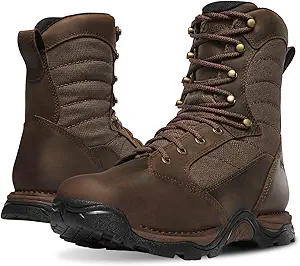
The Danner Pronghorn Hunting Boots are classic field boots with a reliable Gore‑Tex waterproof liner and a rugged leather build. These boots balance traditional boot styling with modern performance, giving dependable wet weather protection and trail confidence no matter where your hunt takes you.
- Waterproof: Gore‑Tex membrane
- Insulation: None
- Upper: Full grain leather
- Outsole: Aggressive rubber lug
- Weight: Moderate
Pros
- Classic rugged design
- Excellent waterproofing
- Comfortable for long days
Cons
- Not insulated for cold climates
Best For: General field hunting, wet weather conditions, year‑round use.
6. Danner Wayfinder Waterproof Realtree Boots
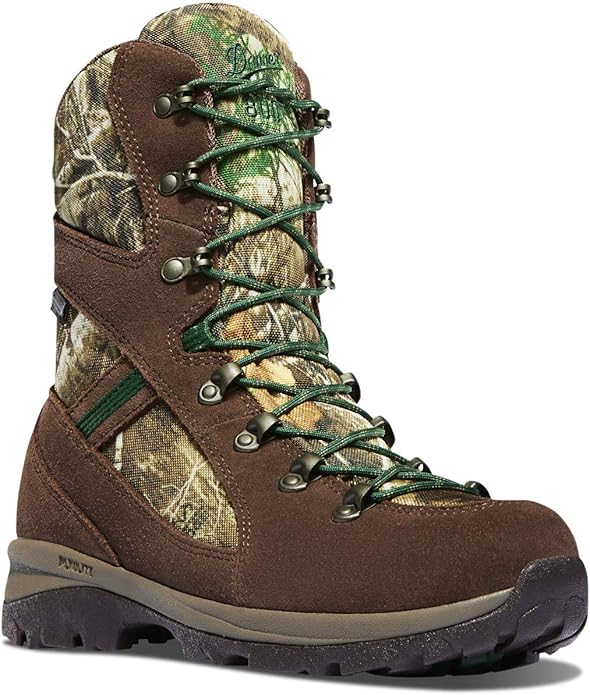
The Danner Wayfinder series combines modern waterproof technology with versatile trail performance and a Realtree pattern perfect for hunters. These are highly rated for all‑day comfort and wet terrain capability, thanks to their waterproof membrane and supportive cushioning.
- Waterproof: Yes
- Insulation: None
- Upper: Durable outdoor fabric with camo pattern
- Outsole: Trail‑ready lug pattern
- Weight: Lightweight
Pros
- Lightweight and trail‑friendly
- Excellent waterproofing
- Great for mixed terrain
Cons
- Not insulated for cold weather
Best For: All‑day trail hikes, wet conditions, and lighter loads.
7. Salomon Ultra Hiking Boots

Salomon’s Ultra Hiking boots are a lightweight choice ideal for trail days and early‑season scouting where agility and comfort are priorities. With waterproof protection and aggressive tread, they work great as crossover boots for hunters who prioritize fast, comfortable miles on wet trails.
- Waterproof: Yes
- Insulation: None
- Upper: Synthetic breathable
- Outsole: Trail‑specific rugged lugs
- Weight: Light
Pros
- Super comfortable for all‑day wear
- Great traction on wet trails
- Very lightweight
Cons
- Not ideal for very cold weather
Best For: Early season hunts, scouting, and fast packing.
How These Boots Compare
When choosing hunting boots, performance in rain/snow, comfort on long trails, durability, and value all matter. Waterproof leather and Gore‑Tex options like the Meindl EuroLight and Danner Pronghorn balance dryness and breathability, while insulated models like the Oboz Bridger and Schnees Granite tackle colder climates. Rubber boots such as the LaCrosse Alpha Evolution excel in soggy fields but lack warmth. Lighter trail boots like the Salomon Ultra shine on long miles but aren’t designed for extreme weather.
Comparison Table: Hunting & Outdoor Boots at a Glance
| Boot | Waterproof | Insulation | Best Use | Typical Rating |
|---|---|---|---|---|
| Oboz Bridger Insulated B‑Dry | ✔️ | 200g Thinsulate | Cold Weather Hiking & Hunting | 4.5★ |
| Meindl EuroLight Insulation Waterproof | ✔️ Gore‑Tex | 300g Gore Air‑Fibre | General Hunting & Hiking | 4.8★ |
| LaCrosse Alpha Evolution | ✔️ Rubber | None | Wet Terrain Hunting | 4.4★ |
| Schnees Granite Insulated | ✔️ Membrane | 200‑600g | Heavy Duty Hunting | – |
| Danner Pronghorn Hunting | ✔️ Gore‑Tex | None | Classic Field Boot | 4.3★ |
| Danner Wayfinder Waterproof Realtree | ✔️ | None | Waterproof Outdoor | 4.8★ |
| Salomon Ultra Hiking | ✔️ | None | Lightweight Trail/All‑Day Wear | 4.0★ |
These boots vary by insulation level, waterproofing technology, and weight — meaning there’s a choice for everything from late‑season hunts in snow to long miles on mixed terrain trails.
Buying Tips — How to Choose the Right Hunting Boot
Selecting the right hunting boot is crucial for comfort, safety, and overall field success. Below is a comprehensive guide to key factors you should consider before buying your next pair:
1. Waterproofing & Membranes
Waterproofing keeps feet dry in rain, dew, river crossings, and wet terrain. Gore‑Tex is a proven high‑end membrane that blocks water while letting sweat escape. Proprietary membranes like B‑Dry offer solid protection at a slightly lower price point. Rubber boots provide 100% waterproofing but can be less breathable. Always pair with moisture‑wicking socks for best results.
2. Insulation
If you hunt in cold climates or during late season, choose boots with insulation. Insulated models such as Oboz Bridger’s 200g or Meindl’s 300g Gore Air‑Fibre add warmth without excessive weight. The amount of insulation — measured in grams — determines warmth: 200g is good for cool to cold weather, while 400g‑600g suits deep winter conditions.
3. Terrain & Outsole
The outsole tread pattern affects traction and stability. Aggressive lugs are better for muddy forests and hills, while flatter tread may suffice for open fields. Vibram or Duo‑Dur III soles combine durability with stability, ideal for hilly terrain and uneven trails.
4. Weight & Comfort
Heavy boots with thick leather and insulation perform well in rugged cold hunts but can tire legs on all‑day hikes. Lightweight trail boots or ultralight hunting boots strike a balance between comfort and protection for scouting and early season hunts.
5. Fit & Break‑in
A proper fit is non‑negotiable. Always consider half sizes and width options. Leather boots may need gradual break‑in, while synthetic boots often feel comfortable out of the box. A snug heel, room for toe movement, and no pinch points are essential for blister‑free hunts.
6. Price & Value
Quality hunting boots are an investment. Higher prices typically mean better materials, longer lifespan, and improved comfort. However, you can find excellent mid‑range options that offer durability and performance if you focus on core features like waterproofing, traction, and supportive midsoles.
Conclusion — Which Hunting Boots Are Best?
If you want **the most versatile boot for year‑round hunting and cold conditions**, the Oboz Bridger Insulated B‑Dry stands out for winter hunts and wet terrain. For premium performance and lightweight comfort, the Meindl EuroLight is an excellent choice. If you hunt in marshy fields or wetlands, a rubber boot like the LaCrosse Alpha Evolution provides unbeatable waterproofing.
No matter your choice, check current prices and deals on Amazon before you buy — and pair your boots with quality socks for maximum comfort and performance. If you found this guide helpful, please share it with fellow hunters and outdoor enthusiasts!
Frequently Asked Questions (FAQs) About Hunting Boots
1. What are the best hunting boots for deer hunting?
The best hunting boots for deer hunting are waterproof, comfortable, and provide good traction for various terrains. Insulated boots are ideal for cold weather, while lightweight options work well for scouting and long hikes.
2. Should I choose insulated or non-insulated hunting boots?
Insulated boots are best for cold weather and winter hunts, keeping your feet warm during long periods outside. Non-insulated boots are lighter and more breathable, suitable for early season hunts or warmer climates.
3. How do I know my hunting boot size?
Measure your foot in the afternoon when it’s largest, and follow the manufacturer’s sizing chart. Consider wearing the socks you plan to hunt with, as thicker socks may require a half-size larger boot.
4. Are waterproof boots necessary for deer hunting?
Yes, waterproof boots are essential for wet fields, muddy terrain, and rainy conditions. They keep your feet dry, which improves comfort, warmth, and prevents blisters.
5. Can I use hiking boots for hunting?
Yes, many hiking boots are suitable for hunting if they are waterproof and provide sufficient ankle support and traction. Lightweight hiking boots are best for scouting or shorter hunts.
6. What materials are best for hunting boots?
Leather provides durability and traditional styling, while synthetic or rubber boots offer lightweight performance and waterproofing. Full-grain leather with a waterproof membrane is often the most versatile choice.
7. How much insulation do I need in hunting boots?
Insulation is measured in grams. 200g is good for cool weather, 400g–600g is ideal for cold or snowy conditions. Consider the temperature and duration of your hunt when selecting insulation.
8. Are rubber boots better than leather?
Rubber boots are 100% waterproof and easy to clean, ideal for wet terrain or marshy fields. Leather boots provide more support, durability, and can be insulated for cold weather but require more care.
9. How do I break in new hunting boots?
Wear your boots on short walks around your home or trails before your hunt. Gradually increase time and terrain difficulty to soften the leather and avoid blisters.
10. Can I wear hunting boots year-round?
Yes, but choose boots appropriate for the season. Insulated boots are ideal for fall and winter, while lightweight waterproof boots work well in spring and summer.
11. What kind of traction should I look for in hunting boots?
Deep lugs and rugged soles provide excellent grip on wet, muddy, or uneven terrain. Vibram or similar durable rubber outsoles offer reliable traction on rocks, mud, and snow.
12. Are high-cut boots better than low-cut boots for hunting?
High-cut boots provide more ankle support and protect against brush, mud, and debris. Low-cut boots are lighter and more flexible but offer less protection and support.
13. How important is breathability in hunting boots?
Breathable membranes like Gore-Tex prevent sweat buildup, keeping your feet dry and comfortable during long hikes. This reduces the risk of blisters and odor.
14. Can I use insulated boots in warm weather?
Insulated boots may cause overheating in warm weather. For early-season hunting or scouting, choose non-insulated, breathable waterproof boots.
15. What socks work best with hunting boots?
Moisture-wicking, thick hunting socks or merino wool socks provide insulation, prevent blisters, and keep your feet dry. Avoid cotton socks, which trap moisture.
16. How long do hunting boots last?
Durable leather boots with proper care can last 5–10 years. Synthetic and rubber boots may last 3–5 years depending on use and maintenance.
17. Do I need different boots for scouting and hunting?
Lightweight, flexible boots are ideal for scouting and long hikes, while heavier, insulated boots are better for cold-weather hunting and standing still for long periods.
18. Can I waterproof my boots?
Yes, leather boots benefit from waterproofing treatments like wax or sprays. Synthetic and rubber boots are generally already waterproof.
19. How do I clean my hunting boots?
Remove dirt with a soft brush, wipe with damp cloth, and condition leather if applicable. Dry boots at room temperature, away from direct heat.
20. Should I buy boots with a wide or narrow fit?
Choose boots that match your foot width. Some brands offer wide or narrow options. Proper fit prevents discomfort, blisters, and fatigue.
21. Are lightweight boots suitable for long hikes?
Yes, lightweight boots reduce fatigue on long hikes. Ensure they still provide adequate support and waterproofing for your terrain.
22. What is the difference between hunting boots and regular work boots?
Hunting boots prioritize waterproofing, insulation, traction, and quiet materials to avoid alerting game. Work boots focus on durability and safety features for labor tasks.
23. Can I wear rubber boots in snow?
Rubber boots are waterproof but may not provide sufficient insulation or traction in deep snow. Look for insulated rubber boots or pair with thick socks.
24. How do I know if my boots are broken in?
Your boots are broken in when they feel comfortable without pinching, rubbing, or causing blisters, even after several hours of walking.
25. What brands make the best hunting boots?
Popular and reliable brands include Oboz, Meindl, LaCrosse, Danner, Salomon, and Schnees. Each offers different strengths, such as insulation, waterproofing, and weight.
26. Should I choose leather, synthetic, or hybrid boots?
Leather is durable and warm, synthetic is lightweight and breathable, and hybrid boots combine leather and synthetic materials for balanced performance.
27. Can I wear hunting boots in water crossings?
Waterproof boots are suitable for shallow water crossings, but rubber boots or boots with a high waterproof rating perform best in wet terrain.
28. How do I prevent my feet from sweating in hunting boots?
Wear moisture-wicking socks, choose breathable boots, and avoid over-insulated boots in warm weather. Ventilate your feet during breaks.
29. Are Gore-Tex boots better than other waterproofing?
Gore-Tex is highly breathable and waterproof, making it ideal for extended hikes and varying weather. Other membranes also work well but may offer less breathability.
30. How heavy should hunting boots be?
Boot weight depends on insulation and terrain. Cold-weather insulated boots are heavier (~3 lbs per pair), while lightweight trail boots are under 2 lbs per pair for agility.
31. Can I use hunting boots for backpacking?
Yes, insulated boots are good for cold-weather backpacking, and lightweight waterproof boots work well for long treks. Ensure good ankle support and comfort for heavy loads.
32. How do I store hunting boots off-season?
Clean and dry boots thoroughly, apply leather conditioner if needed, and store in a cool, dry place away from direct sunlight.
33. Do I need ankle support in hunting boots?
Ankle support reduces the risk of sprains on uneven terrain. High-cut boots provide more support, while low-cut boots offer flexibility.
34. Can I use hunting boots for other outdoor activities?
Yes, most waterproof and durable hunting boots can be used for hiking, camping, and other outdoor activities.
35. How do I know if boots are waterproof?
Check the product description for waterproof membranes, sealed seams, or rubber construction. Test by sprinkling water on the upper before extended use.
36. Are insulated boots noisy when walking?
Some insulated boots are quieter than others. Leather and synthetic boots usually have softer soles, while rubber boots may produce more noise in dry conditions.
37. How often should I replace my hunting boots?
Replace boots when soles wear out, waterproofing fails, or the fit becomes uncomfortable. With proper care, quality boots can last several hunting seasons.
38. Are synthetic boots easier to maintain than leather?
Yes, synthetic boots dry faster and don’t require conditioning. Leather boots need occasional cleaning and conditioning to maintain waterproofing and durability.
39. Can I wear hunting boots for archery hunts?
Yes, choose boots with lightweight, flexible, and quiet materials to avoid alerting game. Insulation depends on the season.
40. What’s the best way to dry wet hunting boots?
Remove insoles, stuff with newspaper, and let them air dry at room temperature. Avoid direct heat sources, which can damage materials.
41. Are hunting boots compatible with crampons?
Some rugged leather or mountaineering-style boots work with crampons for icy terrain. Check manufacturer recommendations for crampon compatibility.
42. Do I need to break in rubber hunting boots?
Rubber boots generally require minimal break-in, but wearing them for short periods first helps improve comfort and flexibility.
Read more: Best Hunting Boots for Elk Hunting: Top Outdoor & Hiking Boots Reviewed