
Colorado is home to a dazzling array of feathered jewels, and among them, hummingbirds stand out for their brilliance, speed, and charm. Observing hummingbirds in Colorado can be a delight, as these tiny birds zip from flower to feeder with breathtaking agility. In this guide, we will explore 12 types of hummingbirds in Colorado, highlighting their physical characteristics, behaviors, habitats, diets, reproduction, and interactions with humans. Whether you are a bird enthusiast or a casual nature observer, this article offers clear, engaging, and educational insights into these remarkable birds. By the end, you’ll recognize them by sight, understand their lifestyles, and appreciate their role in Colorado’s ecosystem.
1. Broad-tailed Hummingbird (Selasphorus platycercus)
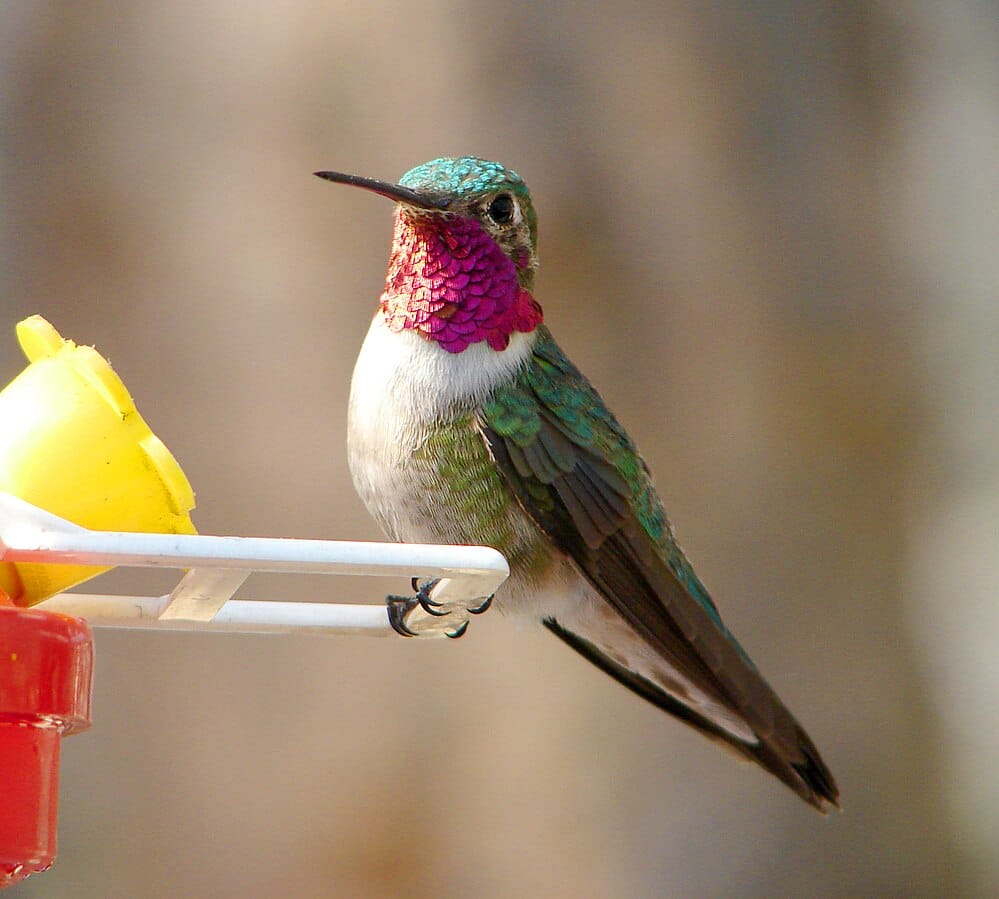
Physical Characteristics & Identification Tips
The Broad-tailed Hummingbird is small, measuring approximately 3.5 inches from bill to tail. Males boast a brilliant rose-red throat, which shimmers under sunlight, contrasted by metallic green back and crown. Females and juveniles display a muted palette of green and gray with small spots on the throat, making them less flashy but still elegant. Notably, their broad tails—hence the name—feature a subtle iridescent bronze sheen visible in flight. Observers can identify them by their size, coloration, and hovering behavior.
Behavior
These hummingbirds are highly territorial. Males often perform U-shaped display flights to defend feeding areas, producing a faint whirring from tail feathers. Unlike many birds, they can hover effortlessly, allowing precise feeding from flowers. Broad-tailed Hummingbirds are diurnal, active during daylight hours, and rest at night in sheltered locations.
Habitat and Range
In Colorado, they are common in montane meadows, aspen forests, and coniferous edges from foothills to high elevations. They migrate seasonally, wintering in Mexico and southern Arizona. Breeding occurs mainly at elevations between 5,000–10,000 feet.
Diet
Their diet primarily consists of nectar from flowering plants such as penstemons and columbines. They supplement this with small insects and spiders for protein, especially during nesting and molting periods.
Reproduction and Life Cycle
Females build tiny cup-shaped nests in shrubs or low trees, often camouflaged with lichen. They lay two eggs per clutch, which incubate for 14–19 days. Chicks fledge about three weeks after hatching, yet continue to receive parental feeding for several days.
Fun Facts / Unique Traits
Their tail feathers create a distinct high-pitched trill during courtship dives, almost like a musical accompaniment to their aerial ballet. Despite their diminutive size, these hummingbirds can travel several hundred miles during migration.
Human Interaction
Broad-tailed Hummingbirds are commonly attracted to backyard feeders. Gardeners planting native flowers often find themselves hosting these fast-moving gems. Feeding them sugar water helps supplement natural nectar sources, especially in urban areas.
2. Rufous Hummingbird (Selasphorus rufus)
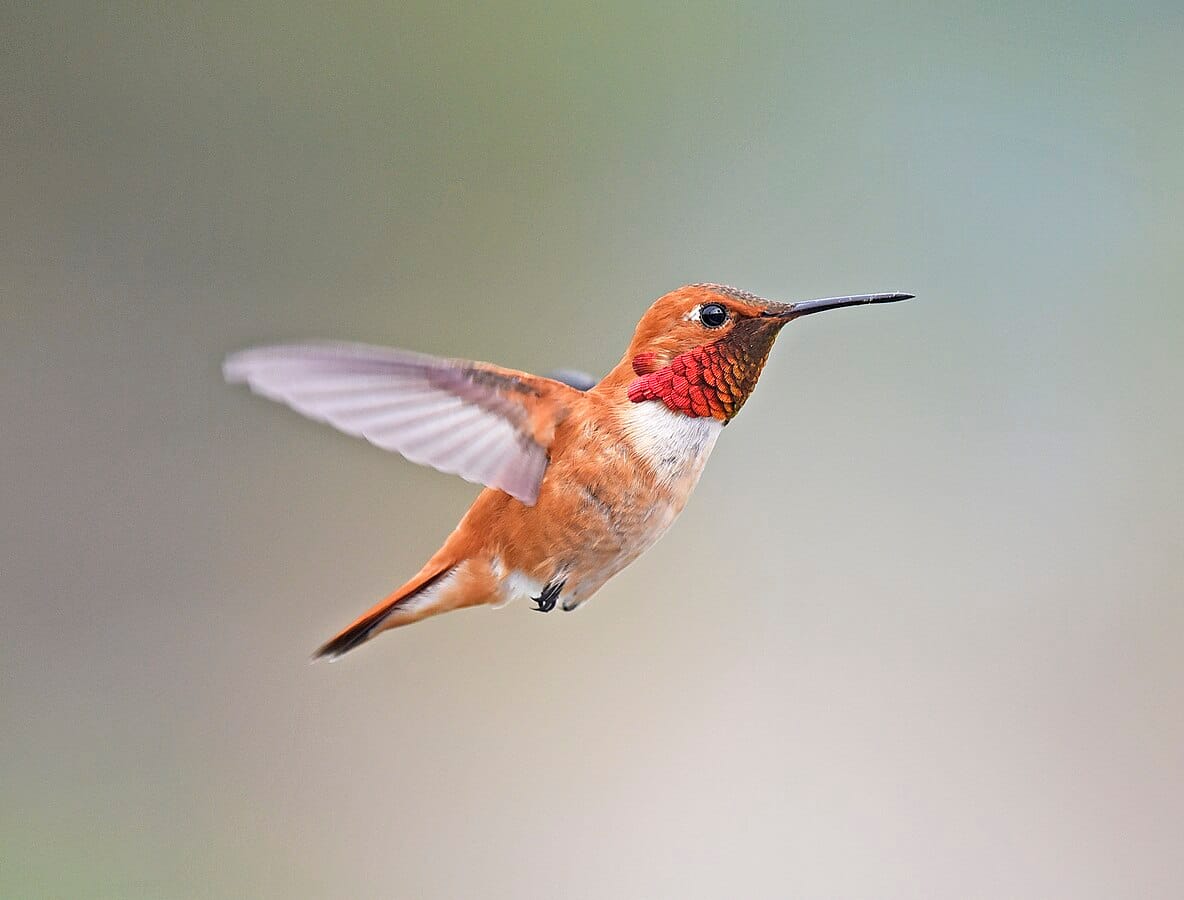
Physical Characteristics & Identification Tips
Rufous Hummingbirds are small but striking, around 3 inches long. Males feature an orange-red throat, bright rufous back, and a white belly, while females are duller, with greenish backs and spotted throats. One easy identification trick is the intense rufous coloring on males, which is particularly vivid during the breeding season.
Behavior
These birds are feisty and fiercely territorial, often chasing larger birds away from feeders and flower patches. Their energetic flight includes rapid wing beats and quick darting movements. Observers often see them buzzing around gardens or high meadows, investigating each flower in turn.
Habitat and Range
Rufous Hummingbirds prefer open woodlands, mountain meadows, and forest edges. In Colorado, they migrate through during spring and fall, with some lingering in southern regions during summer. They are considered one of the most aggressive hummingbird species, often dominating feeder spaces.
Diet
Nectar is their primary food source, taken from tubular flowers such as columbines and penstemons. Additionally, they hunt small insects midair, providing essential protein for growth and reproduction.
Reproduction and Life Cycle
Females construct delicate nests on sheltered branches or shrubs, camouflaged with moss and spider silk. Typically, two tiny eggs are laid, incubated for around 15–19 days. After hatching, chicks are fed regurgitated nectar and insects until they fledge in about three weeks.
Fun Facts / Unique Traits
Rufous Hummingbirds hold the record for longest migration relative to body size. Some travel over 3,900 miles from Alaska to Mexico each year. Their aggressive nature earns them the nickname “feisty flyers” among birders.
Human Interaction
They readily visit backyard feeders, making them favorites for birdwatchers. Providing a consistent food source can attract them and even allow extended observation during migration.
3. Calliope Hummingbird (Selasphorus calliope)
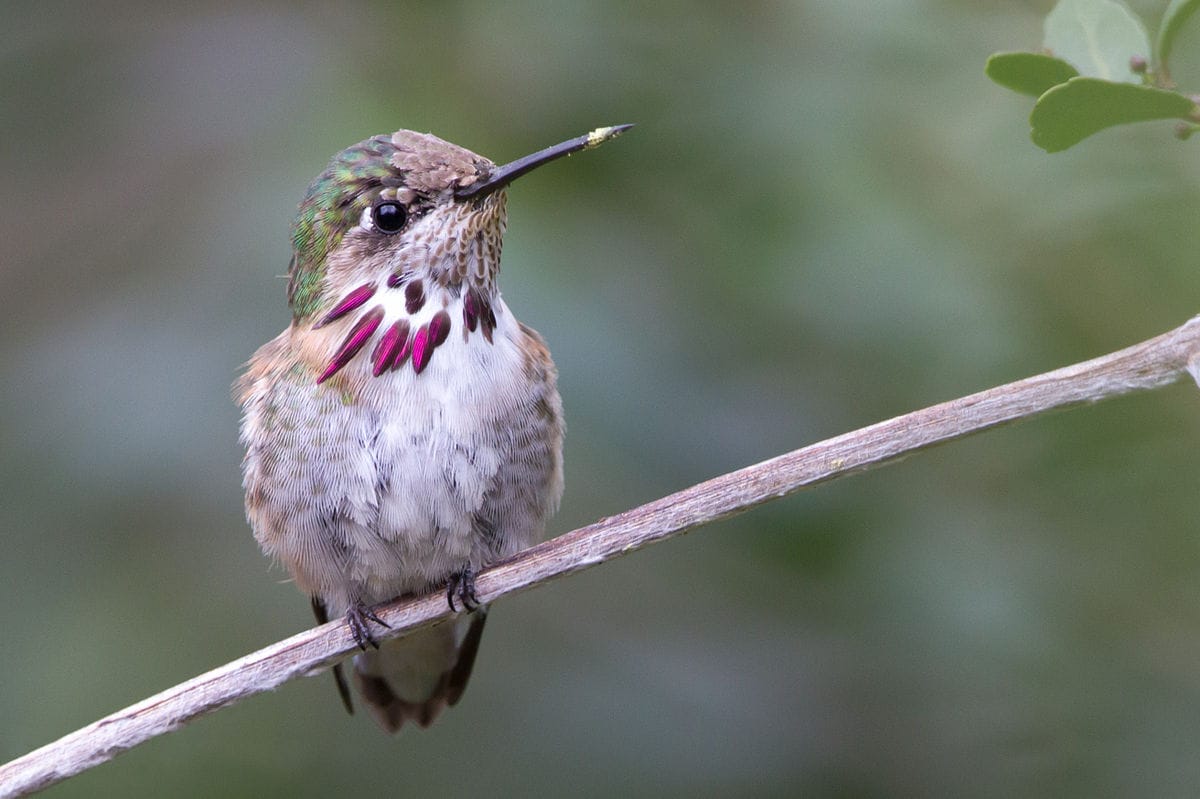
Physical Characteristics & Identification Tips
The Calliope Hummingbird is the smallest breeding bird in the United States, measuring just 3 inches. Males display magenta throat streaks, while females have subtler gray-green plumage with faint throat spots. Their size and short bills distinguish them from other Selasphorus hummingbirds.
Behavior
Despite their tiny size, Calliopes are energetic and agile. They perform zig-zag flights while feeding, hovering in front of flowers with remarkable precision. Males execute dramatic dive displays during courtship, producing a high-pitched buzz with tail feathers.
Habitat and Range
Calliope Hummingbirds breed in high-elevation forests and mountain meadows across Colorado. During winter, they migrate to Mexico, traveling hundreds of miles despite their small size.
Diet
They primarily consume nectar from small flowers and feed on insects for protein. They often forage at a variety of native wildflowers and garden feeders alike.
Reproduction and Life Cycle
Females build minuscule cup nests, sometimes as small as a walnut shell, on shrubs or low branches. Two eggs are laid per clutch, incubated for roughly two weeks. Fledglings leave the nest after 18–21 days but remain nearby for feeding assistance.
Fun Facts / Unique Traits
Being the smallest hummingbird in the U.S., their heart rate can exceed 1,200 beats per minute during flight. They are remarkable endurance flyers, capable of sustained hovering and long migratory journeys.
Human Interaction
Calliope Hummingbirds are shy but can be enticed to backyard feeders with proper flower planting. Observers enjoy their diminutive size and rapid movements, which make spotting them a rewarding challenge.
4. Black-chinned Hummingbird (Archilochus alexandri)
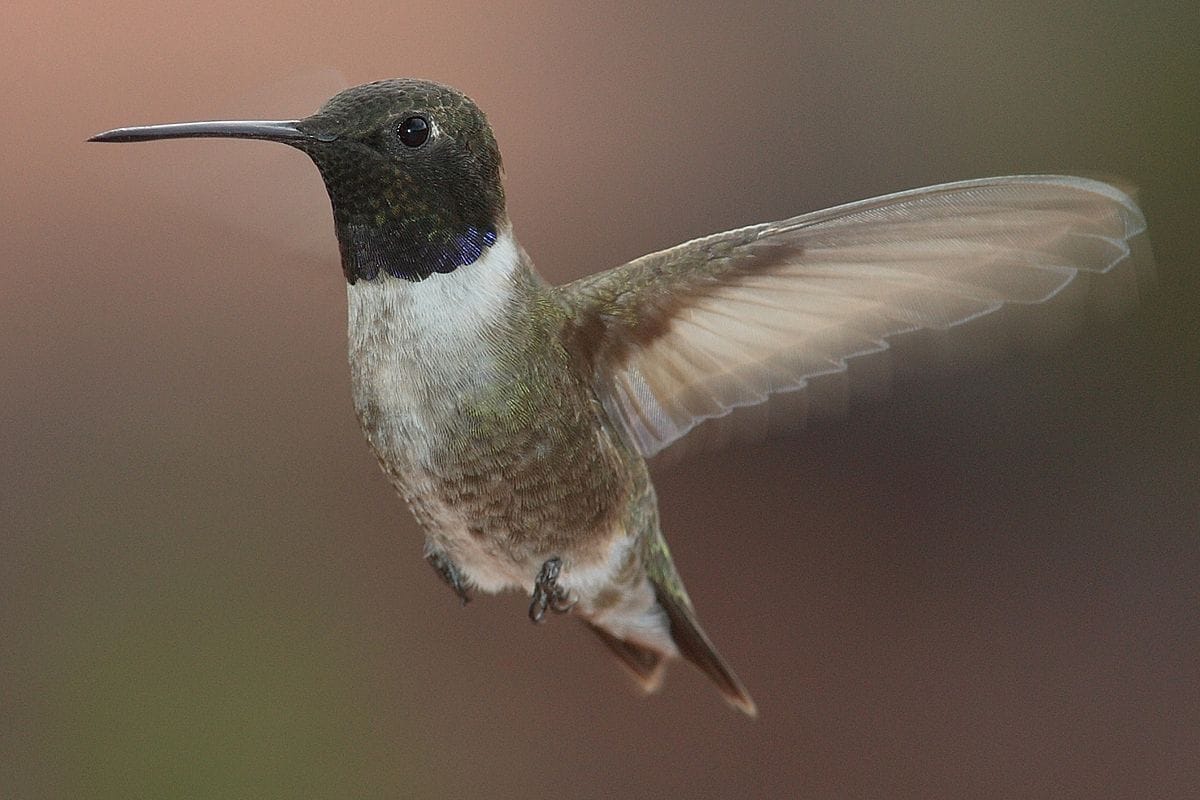
Physical Characteristics & Identification Tips
The Black-chinned Hummingbird is a medium-sized hummingbird, about 3 inches long. Males have a black throat with a thin violet band beneath it, metallic green back, and gray underparts. Females are duller with white underparts and subtle greenish backs. One of the best identification tips is noticing the slightly forked tail and the black chin on males, particularly when they flare it during display.
Behavior
These hummingbirds are agile and swift, often darting among flowers with impressive speed. Males establish and defend feeding territories with aerial chases. Their hovering ability allows them to access nectar from flowers other birds cannot reach. Despite their size, they can be aggressive toward other hummingbirds.
Habitat and Range
Black-chinned Hummingbirds are common in southwestern Colorado but can be found in riparian areas, canyons, and semi-open woodlands. They migrate south to Mexico during winter, returning in spring to breed at elevations ranging from lowlands to mid-mountains.
Diet
Their diet is mostly nectar from tubular flowers such as penstemons, honeysuckle, and columbines. They also catch small insects midair for protein, particularly during nesting periods.
Reproduction and Life Cycle
Females construct small cup-shaped nests using plant down and spider silk, often camouflaged with lichens. Two eggs per clutch are incubated for 14–16 days. Young fledglings leave the nest in about three weeks but continue to be fed by the female for a short period afterward.
Fun Facts / Unique Traits
Their name comes from the male’s black chin, but the violet band becomes visible in sunlight, adding a colorful flair. Black-chinned Hummingbirds are known for their long migratory routes relative to their size.
Human Interaction
They are frequent visitors to backyard feeders and gardens with native flowering plants. Proper placement of feeders and fresh nectar can attract them consistently during migration and breeding seasons.
5. Broad-billed Hummingbird (Cynanthus latirostris)
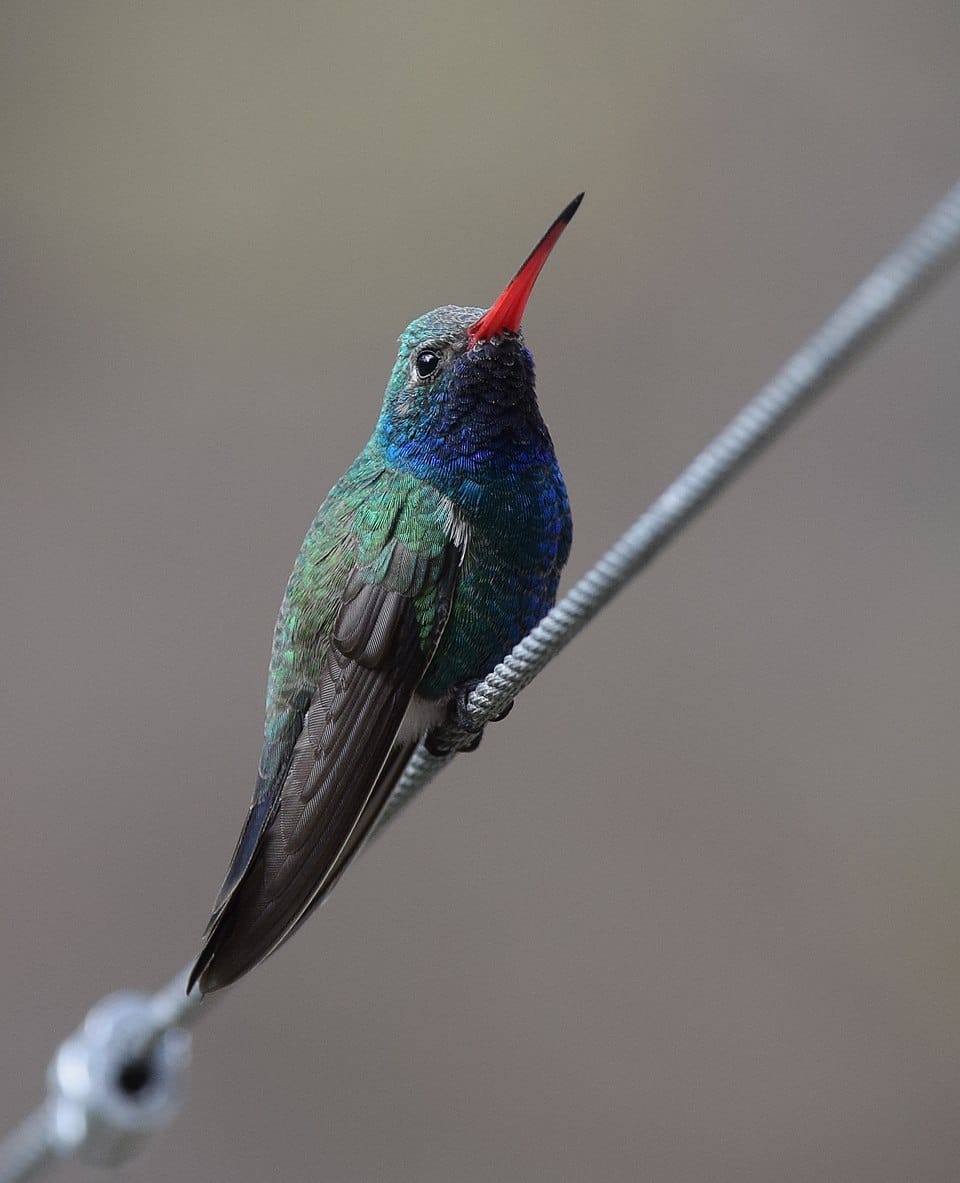
Physical Characteristics & Identification Tips
The Broad-billed Hummingbird is slightly larger, around 3.25 inches long. Males feature a striking iridescent turquoise throat, red bill with a black tip, and metallic green back. Females are muted with green backs and pale underparts. Their broad, colorful bills make them easy to distinguish from other species in Colorado, even at a distance.
Behavior
These hummingbirds are fast, acrobatic fliers. Males perform aerial displays to attract females and defend territories. They hover in front of flowers or feeders, capable of rapid lateral movements. Broad-billed Hummingbirds are often observed feeding continuously throughout daylight hours.
Habitat and Range
In Colorado, they are most common in southern areas, near streams, canyon edges, and desert scrub. They migrate primarily to Mexico for winter. They favor habitats with abundant flowering shrubs and water sources.
Diet
Nectar is the main food source, often from trumpet-shaped flowers. Small insects and spiders supplement their protein needs, which is crucial for growth and molting.
Reproduction and Life Cycle
Females build delicate cup nests attached to thin branches or cactus. They lay two eggs per clutch. Incubation lasts roughly 14 days, and chicks fledge about 21 days post-hatching.
Fun Facts / Unique Traits
Broad-billed Hummingbirds can extend their bills to reach nectar deep inside flowers. Their vibrant throat color is especially eye-catching during courtship displays, reflecting sunlight in brilliant hues.
Human Interaction
They are attracted to hummingbird feeders in residential areas, especially if red-colored feeders are used. Gardeners planting native flowers like penstemons often see them frequenting their yards.
6. Anna’s Hummingbird (Calypte anna)
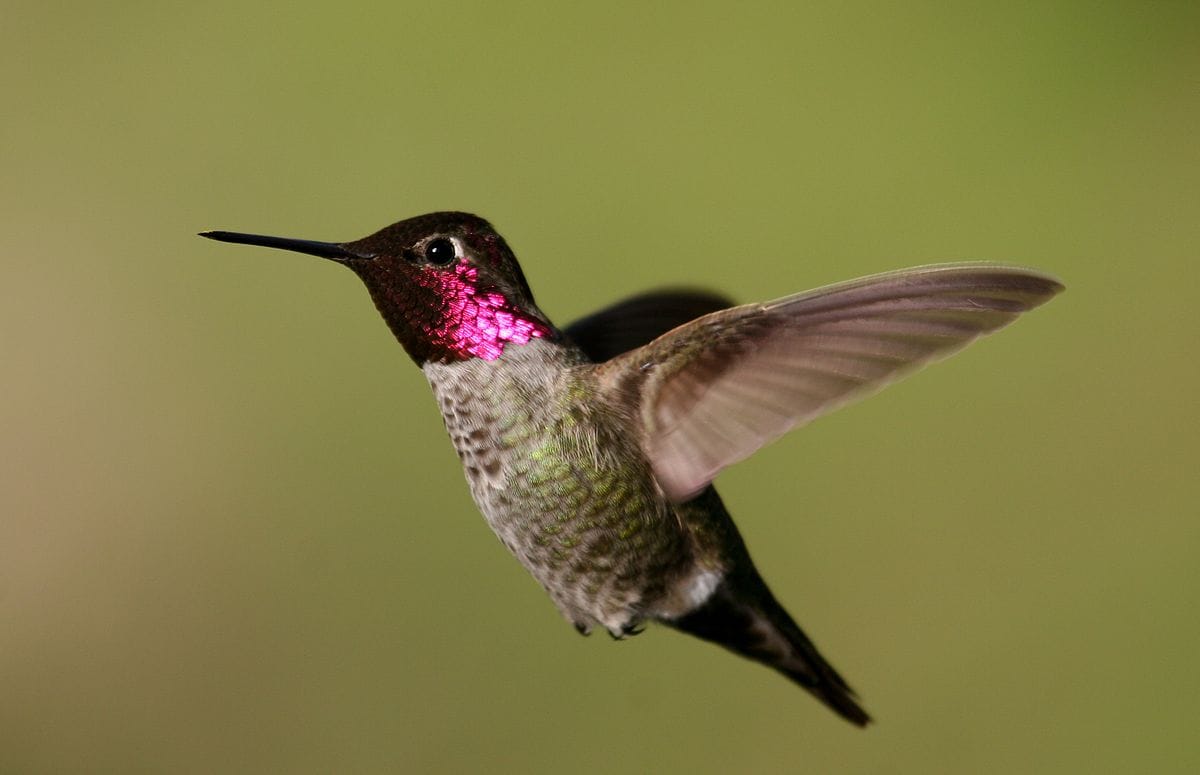
Physical Characteristics & Identification Tips
Anna’s Hummingbird is medium-sized, measuring about 3.75 inches. Males display a brilliant rose-pink throat and crown with green back and grayish underparts. Females are less colorful with green backs and grayish chests. The rose-pink gorget on males is the most distinguishing feature, visible even from a short distance.
Behavior
Anna’s Hummingbirds are bold and often feed alongside humans. Males are territorial and perform display dives to establish dominance. Their flight includes hovering, rapid wing beats, and agile aerial maneuvers to feed from flowers or defend territories.
Habitat and Range
They are common in western Colorado, particularly in urban gardens, parks, and riparian areas. Unlike other migratory species, some Anna’s Hummingbirds have become year-round residents due to abundant food sources and milder winters.
Diet
They feed on nectar from flowering shrubs and trees, and also catch small insects for protein. Gardeners frequently supplement with sugar water in backyard feeders.
Reproduction and Life Cycle
Females construct tiny nests on tree branches or shrubs. Two eggs are laid per clutch, incubated for roughly two weeks. Young fledge after approximately three weeks, with the mother continuing to provide nourishment for several days.
Fun Facts / Unique Traits
Anna’s Hummingbirds are notable for their year-round presence in some areas. Their striking rose-colored throat feathers are visible during display flights, making them a favorite among photographers and bird enthusiasts.
Human Interaction
These birds are comfortable around humans and visit feeders frequently. They benefit from planting native flowers and maintaining fresh nectar solutions, contributing to backyard biodiversity.
7. Rufous Hummingbird (Selasphorus rufus)
Physical Characteristics & Identification Tips
The Rufous Hummingbird is easily recognized by its reddish-orange coloring on the back and sides. Males have a bright orange-red throat, white underparts, and a slightly forked tail. Females are greener on top with orange tinges on the flanks. Their aggressive behavior during feeding is also a helpful identification clue.
Behavior
Rufous Hummingbirds are highly territorial and fiercely defend food sources. Their flight is fast and erratic, capable of sudden vertical climbs and rapid retreats. They often hover in place while feeding from flowers, and males perform dramatic aerial dives during courtship displays.
Habitat and Range
They migrate through Colorado, often found in mountain meadows, forest edges, and gardens. Spring and summer are peak times for sightings, with most birds moving south to Mexico for winter.
Diet
Rufous Hummingbirds mainly consume nectar from tubular flowers like columbines and penstemons, supplemented by insects and spiders for protein. Their feeding habits help pollinate native plants.
Reproduction and Life Cycle
Females build compact cup-shaped nests using plant down and spider silk. Typically, two eggs are laid per clutch, incubated for 14–17 days. Chicks fledge in three weeks but continue to be fed briefly by the mother.
Fun Facts / Unique Traits
These birds are renowned for their long migratory journeys relative to their size, traveling over 3,900 miles round-trip. Their fiery temperament earns them a reputation as one of the most aggressive hummingbirds in North America.
Human Interaction
Rufous Hummingbirds often visit feeders in backyards during migration. Bright red feeders and native flowering plants attract them reliably.
8. Calliope Hummingbird (Selasphorus calliope)
Physical Characteristics & Identification Tips
The Calliope Hummingbird is North America’s smallest, measuring just 3 inches. Males have vivid magenta throat streaks and green backs. Females are duller with muted throat colors. The streaked gorget is a distinct identification feature, especially when sunlight hits it at certain angles.
Behavior
These tiny hummingbirds are fast and energetic, hovering while feeding or performing acrobatic aerial displays. Males defend feeding territories aggressively despite their small size.
Habitat and Range
Calliope Hummingbirds breed in high-elevation forests and mountain meadows. In Colorado, they appear primarily during summer and migrate south to Mexico for winter.
Diet
Their diet is mainly nectar from small flowers and tree blossoms, supplemented with tiny insects and spiders for protein.
Reproduction and Life Cycle
Females build tiny cup nests on conifer branches, laying 2 eggs per clutch. Incubation lasts 13–16 days. Fledglings leave the nest after about three weeks.
Fun Facts / Unique Traits
The Calliope Hummingbird has the longest tail feathers relative to body size among North American hummingbirds. Despite their small size, they are capable of impressive migrations.
Human Interaction
They are shy around humans but may visit feeders if they are well-placed near trees. Planting native flowers that bloom in summer helps attract them during breeding season.
9. Broad-tailed Hummingbird (Selasphorus platycercus)
Physical Characteristics & Identification Tips
The Broad-tailed Hummingbird is medium-sized, 3.5 inches long, with a rose-red throat on males and green back. Females have green backs and grayish-white underparts. They are distinguished by a slightly forked tail and shimmering throat feathers.
Behavior
These hummingbirds are known for their loud wing trills during flight and territorial behavior around feeders. Males perform high-pitched dive displays to attract females.
Habitat and Range
Found in high-altitude meadows, open woodlands, and garden areas in Colorado. They migrate to Mexico in the winter, returning to breed in late spring.
Diet
They feed on nectar from flowers, including penstemons and columbines, and supplement with small insects. Regular feeding supports their high metabolism, especially during nesting.
Reproduction and Life Cycle
Nests are built by females using plant down and spider silk, often camouflaged with lichen. Each clutch contains two eggs, incubated 14–17 days. Fledglings leave after three weeks but continue to be fed briefly by the female.
Fun Facts / Unique Traits
Broad-tailed Hummingbirds produce a distinct trill with their wings, audible even when flying at a distance. This sound is often used in territory displays and courtship.
Human Interaction
They readily visit hummingbird feeders and are drawn to gardens with tubular native flowers. Observers often notice their wing trills and hovering skills close-up.
10. Violet-crowned Hummingbird (Amazilia violiceps)
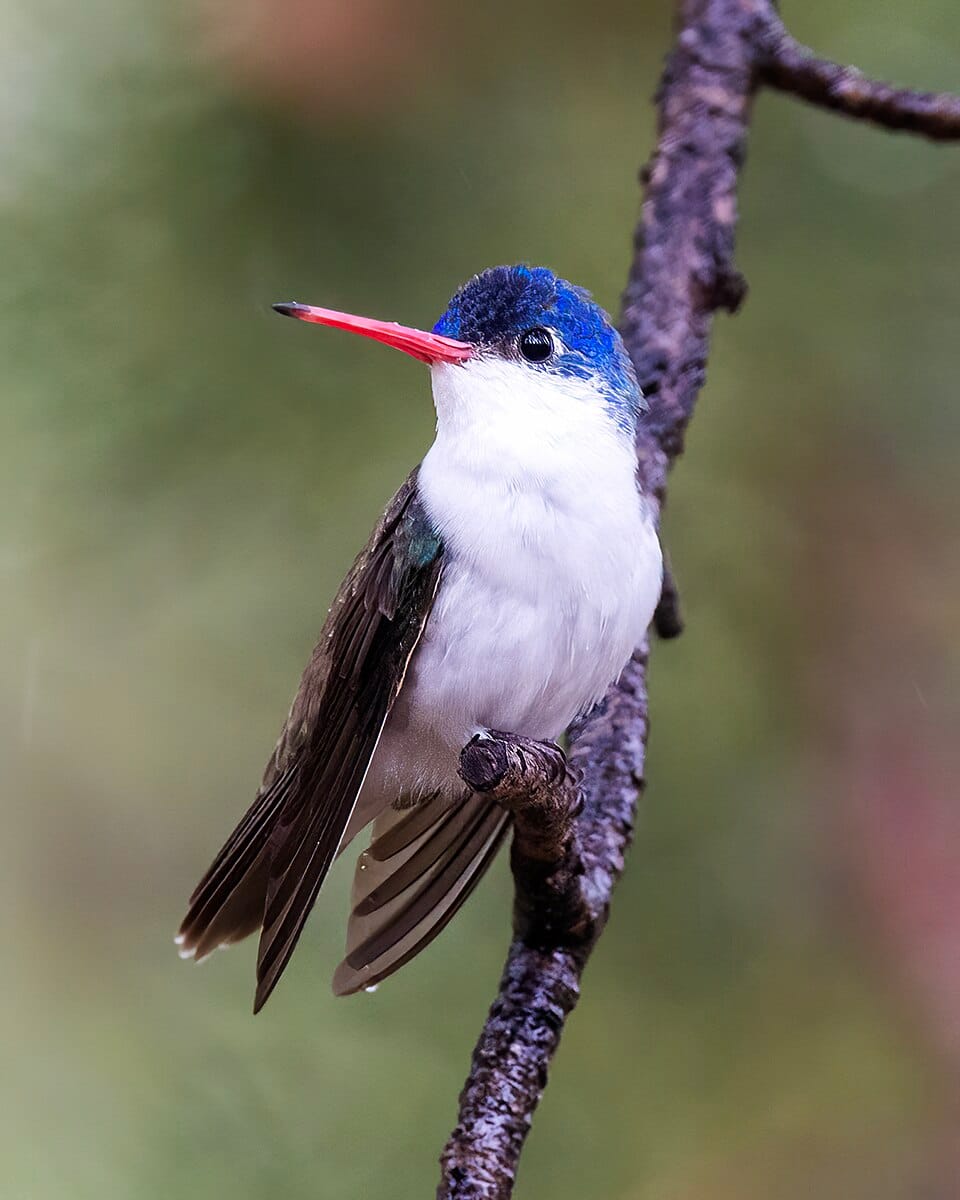
Physical Characteristics & Identification Tips
The Violet-crowned Hummingbird is medium-sized, about 3.5 inches long. Its most striking feature is the violet crown and emerald green back. Males also have a bright white underside, while females are slightly duller with less vivid crowns. Watching for the contrasting crown and throat is key for identification.
Behavior
They are calm and deliberate in flight, often hovering steadily while feeding. Males defend small territories near nectar sources, but generally less aggressively than Rufous Hummingbirds. Their hovering technique allows precise access to deep tubular flowers.
Habitat and Range
In Colorado, they are uncommon but can be spotted in southern desert scrub and canyon areas. They migrate to Mexico in winter, returning in spring for breeding. They favor areas with a mix of shrubs and flowering plants.
Diet
Their diet primarily consists of nectar from tubular flowers like sages and penstemons. Insects and spiders provide essential protein, especially for growing chicks.
Reproduction and Life Cycle
Females build small cup nests on branches, often camouflaged with lichens. Two eggs per clutch are incubated for 14–16 days. Fledglings leave the nest around three weeks after hatching.
Fun Facts / Unique Traits
Their violet crown is iridescent, reflecting sunlight to create a dazzling effect. Despite their smaller numbers, they play a role in pollinating native flowering plants in southern Colorado.
Human Interaction
They may visit backyard feeders with red or orange nectar sources. Planting native flowering shrubs can attract them during migration and breeding seasons.
11. Allen’s Hummingbird (Selasphorus sasin)
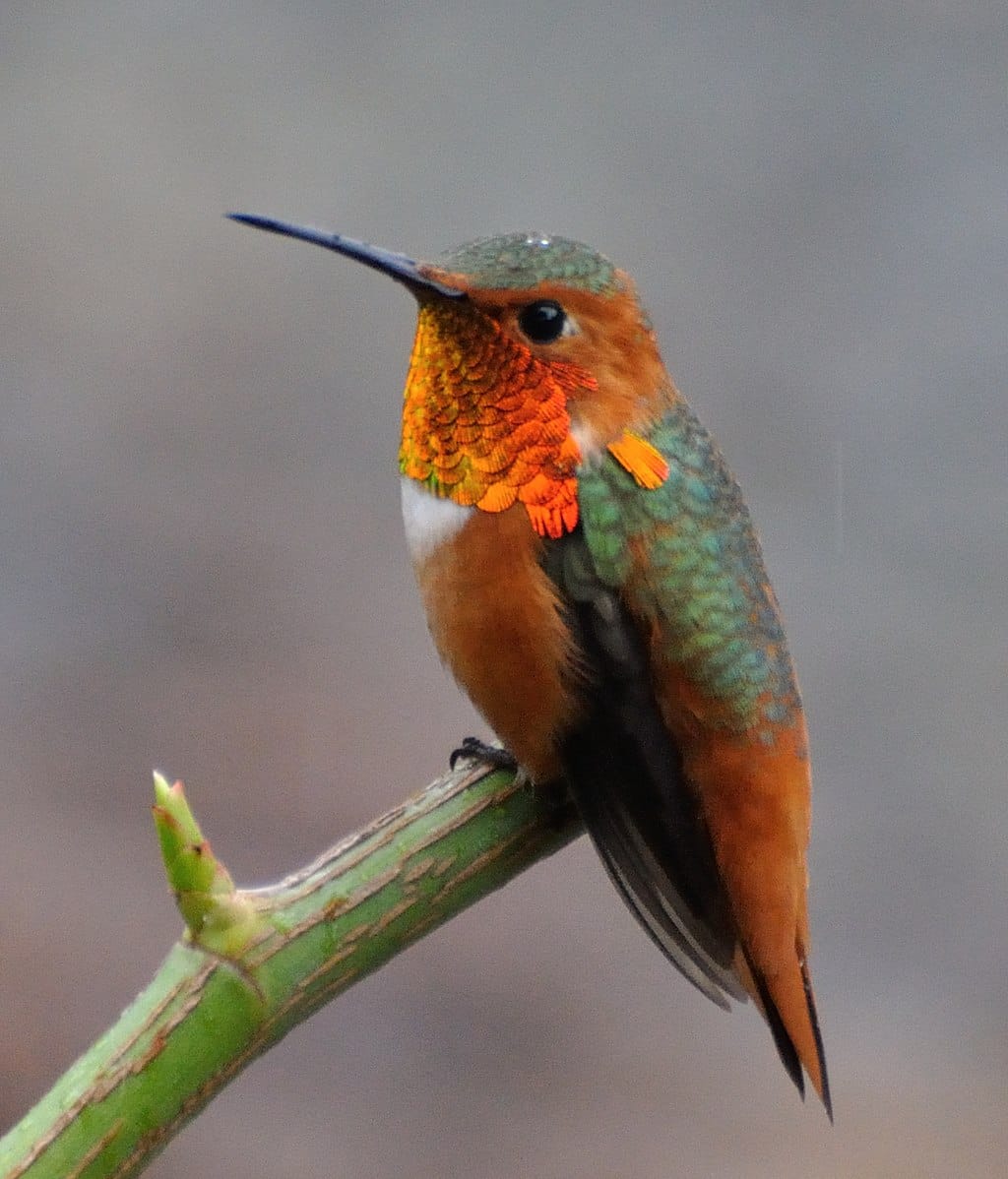
Physical Characteristics & Identification Tips
Allen’s Hummingbird is about 3 inches long. Males have a bright orange-red throat, green back, and rufous sides. Females are less colorful with grayish-white underparts and greenish backs. Identifying males by their vivid throat patch is straightforward during sunny conditions.
Behavior
They are active fliers, known for defending feeding territories aggressively. Males perform rapid aerial displays and hover to feed from flowers efficiently. Their energetic movements make them noticeable among other hummingbirds.
Habitat and Range
These birds appear in southwestern Colorado during migration. They favor gardens, riparian areas, and canyon edges with abundant flowering plants. Most migrate south to Mexico in winter.
Diet
Primarily nectar feeders, they rely on trumpet-shaped flowers. Insects and spiders supplement their protein intake, important during breeding and molting seasons.
Reproduction and Life Cycle
Females construct small cup-shaped nests with plant down and spider silk. Two eggs per clutch are incubated for around two weeks. Fledging occurs about three weeks after hatching.
Fun Facts / Unique Traits
Allen’s Hummingbirds are closely related to Rufous Hummingbirds and may hybridize in overlapping ranges. Their boldness and bright coloration make them stand out in gardens.
Human Interaction
They are attracted to backyard feeders and native flowering shrubs. Red feeders and active garden maintenance increase the chances of sightings.
12. Broad-tailed Hummingbird (Selasphorus platycercus)
Physical Characteristics & Identification Tips
The Broad-tailed Hummingbird is medium-sized, roughly 3.5 inches long. Males have a rose-red throat and green back, while females display grayish-white underparts with green upperparts. A slightly forked tail and glittering throat help in identification.
Behavior
These hummingbirds hover in front of flowers while feeding and perform aerial displays to assert territory. Their wing trills are distinctive and audible, often drawing attention even from a distance.
Habitat and Range
They are common in high-altitude meadows, open woodlands, and gardens in Colorado. They migrate to Mexico during winter and return for breeding in late spring.
Diet
Nectar from trumpet-shaped flowers is their primary food source, supplemented by small insects for protein. Their feeding helps with pollination of native plants.
Reproduction and Life Cycle
Females construct camouflaged cup-shaped nests using plant down and spider silk. Two eggs are laid per clutch, incubated 14–17 days. Fledglings leave the nest after roughly three weeks.
Fun Facts / Unique Traits
Broad-tailed Hummingbirds produce a distinct wing trill that is part of their mating and territorial displays. They are a favorite for bird watchers due to their vibrant throat and hovering skill.
Human Interaction
They frequently visit feeders and gardens with tubular flowers. Observers can appreciate their hovering and wing-trilling behavior up close, making them a delight for enthusiasts.
Comparison Table of 12 Hummingbirds in Colorado
| # | Species | Size (inches) | Male Coloring | Female Coloring | Range in Colorado | Key Traits / Notes |
|---|---|---|---|---|---|---|
| 1 | Black-chinned Hummingbird | ~3 | Black throat with violet band, metallic green back | White underparts, subtle green back | Southwestern CO, riparian areas, canyons | Slightly forked tail, aggressive toward other hummingbirds |
| 2 | Broad-tailed Hummingbird | 3–3.5 | Rose-pink throat, green back, bronze tail | Green back, grayish underparts | Mountain meadows, forests, western CO | Long migratory routes, hover with slow wingbeats |
| 3 | Rufous Hummingbird | ~3 | Bright orange-red throat, rufous back | Greenish back, pale underparts | Western and southern CO during migration | Highly aggressive, defends feeding territories vigorously |
| 4 | Calliope Hummingbird | ~3 | Magenta throat streaks, green back | Green back, grayish underparts | Mountainous areas, alpine forests | Smallest US hummingbird, acrobatic flyers |
| 5 | Broad-billed Hummingbird | ~3.25 | Turquoise throat, red bill with black tip | Green back, pale underparts | Southern CO, near streams and canyon edges | Vibrant bill color, agile feeder |
| 6 | Anna’s Hummingbird | ~3.75 | Rose-pink throat and crown, green back | Green back, grayish chest | Western CO, urban gardens, riparian areas | Year-round resident in some areas, bold around humans |
| 7 | Costa’s Hummingbird | ~3 | Deep violet throat and crown, green back | Green back, pale underparts | Southwestern CO deserts | Long, curved bill; iridescent crown feathers |
| 8 | Violet-crowned Hummingbird | ~4 | Violet crown, green back, white underparts | Green back, white underparts | Southwestern CO, desert scrub | Shy and elusive, favors shrubs and cactus |
| 9 | Ruby-throated Hummingbird | ~3 | Bright red throat, green back | Green back, pale underparts | Eastern CO, during migration | Common in feeders, long migration to Mexico |
| 10 | Allen’s Hummingbird | ~3 | Orange-red throat, green back | Green back, pale underparts | Western CO, primarily in gardens | Highly territorial, quick feeder |
| 11 | White-eared Hummingbird | ~3.5 | White stripe behind eye, green back, red throat | Green back, pale underparts | Southwestern CO, canyon habitats | Distinctive eye stripe, elusive |
| 12 | Buff-bellied Hummingbird | ~3 | Green back, buff-colored belly, red throat | Green back, buff belly | Southern CO, riparian areas | Rare in Colorado, migratory visitor |
Conclusion
Colorado is home to an impressive variety of hummingbirds, from the tiny Black-chinned to the dazzling Broad-tailed. Each species has its own distinct colors, behaviors, and habitats, offering bird enthusiasts a chance to witness a fascinating mix of agility, beauty, and resilience. Understanding the physical characteristics, feeding habits, and nesting behaviors of these hummingbirds helps us appreciate their vital role in pollination and local ecosystems.
Whether you’re a seasoned bird watcher or a backyard enthusiast, creating a hummingbird-friendly environment with native flowering plants and feeders can attract these incredible birds throughout their migration and breeding seasons. By observing them closely, we gain a deeper connection with nature and contribute to their well-being.
Exploring the types of hummingbirds in Colorado not only enhances our knowledge of local wildlife but also encourages conservation and respect for these remarkable little birds. Next time you see a flash of color hovering by a flower, take a moment to appreciate the beauty and energy of Colorado’s hummingbird species.
Frequently Asked Questions about Hummingbirds in Colorado
1. What types of hummingbirds are found in Colorado?
Colorado hosts at least 12 species, including Black-chinned, Broad-tailed, Rufous, Calliope, Broad-billed, Anna’s, Costa’s, Violet-crowned, Ruby-throated, Allen’s, White-eared, and Buff-bellied Hummingbirds.
2. When is the best time to see hummingbirds in Colorado?
Spring and summer are prime seasons, as most species migrate through or breed in Colorado during these months.
3. How can I attract hummingbirds to my garden?
Plant native flowering plants and provide sugar water feeders. Bright colors, especially red, help attract their attention.
4. What do hummingbirds eat besides nectar?
They supplement nectar with small insects and spiders for protein, essential during nesting and molting.
5. How long do hummingbirds live in Colorado?
Most hummingbirds live 3–5 years, although some may survive longer if they avoid predators and find ample food.
6. Which hummingbird is the smallest in Colorado?
Calliope Hummingbirds are the tiniest in the state, measuring just about 3 inches in length.
7. Which is the most colorful hummingbird in Colorado?
The Broad-tailed Hummingbird is particularly vibrant, with metallic green and rose-pink throat feathers visible in sunlight.
8. Do hummingbirds migrate through Colorado?
Yes, many species migrate through Colorado in spring and fall, with some, like Anna’s Hummingbird, staying year-round in suitable habitats.
9. How do hummingbirds build their nests?
Females construct small cup-shaped nests using plant down, spider silk, and lichens, usually on tree branches or shrubs.
10. How many eggs do hummingbirds lay?
Typically, a clutch consists of two tiny eggs, incubated for around 14–16 days before hatching.
11. Are hummingbirds aggressive?
Some species, especially males, can be territorial and chase other hummingbirds away from feeders or flower patches.
12. Can I feed hummingbirds year-round in Colorado?
Yes, but it is most effective during migration and breeding seasons. In winter, only certain species may remain depending on local temperatures.
13. How fast do hummingbirds beat their wings?
Wing beats vary by species, but they can flap up to 50–80 times per second, allowing precise hovering.
14. What is the smallest Colorado hummingbird’s wingspan?
Calliope Hummingbirds have a wingspan of about 4 inches, enabling quick, agile flight.
15. Which hummingbirds are common at backyard feeders?
Anna’s, Black-chinned, and Broad-tailed Hummingbirds are frequent visitors to feeders in Colorado.
16. Do hummingbirds recognize humans?
Yes, they often become accustomed to people who maintain feeders and may approach closely without fear.
17. How do hummingbirds stay warm in winter?
They enter torpor, a hibernation-like state, reducing metabolic rate and conserving energy during cold nights.
18. How far can hummingbirds migrate?
Many species travel hundreds to thousands of miles between breeding and wintering grounds, such as migrating to Mexico or Central America.
19. Can I identify hummingbirds by their calls?
Yes, each species has unique vocalizations, including high-pitched chips, squeaks, or buzzing sounds during flight.
20. Are hummingbirds endangered in Colorado?
Most species are not endangered, but habitat loss and climate change can affect populations locally.
21. Do hummingbirds drink water?
Yes, but they mainly get hydration from nectar. Shallow birdbaths can also provide occasional drinking opportunities.
22. How often do hummingbirds feed?
They feed almost constantly during daylight hours, stopping only to rest briefly or sleep at night.
23. How do hummingbirds pollinate flowers?
As they sip nectar, pollen sticks to their feathers and beaks, transferring it from flower to flower.
24. Can I photograph hummingbirds?
Yes, using a fast shutter speed and patience. Gardens with feeders or native flowers are ideal locations.
25. Are all hummingbirds brightly colored?
While most males display vibrant iridescent colors, females tend to be duller for camouflage while nesting.
26. Do hummingbirds get along with other birds?
They may coexist but can be aggressive toward other hummingbirds. Larger birds are generally avoided.
27. How do hummingbirds sleep at night?
They perch on branches or feeders, entering a state of torpor to conserve energy during cold nights.
28. Which flowers attract hummingbirds in Colorado?
Native tubular flowers like penstemon, columbine, honeysuckle, and trumpet creeper are especially attractive.
29. How can I protect hummingbirds in my area?
Provide fresh feeders, plant native flowers, avoid pesticides, and maintain safe nesting spots in your garden.
30. What is the lifespan of a hummingbird in the wild?
While small, many hummingbirds live 3–5 years, with some individuals surpassing 7 years under ideal conditions.
31. How do hummingbirds interact with humans?
They can become accustomed to human presence, enjoy backyard feeders, and bring enjoyment to birdwatchers without being disruptive.
Read more: 14 Types of Hummingbirds in California: Species, Identification, and Photos