

Bats are among the most fascinating mammals on Earth. As the only true flying mammals, they exhibit an extraordinary variety of forms, sizes, and behaviors. Found on every continent except Antarctica, bats play crucial roles in ecosystems, from pollination and seed dispersal to insect control. This guide explores 35 Types of Bats, offering detailed descriptions of their appearance, habitats, behaviors, and notable traits. Whether observing fruit bats in tropical forests, leaf‑nosed bats in caves, or tiny insect‑eaters at twilight, understanding these species reveals the remarkable adaptations and ecological importance of bats around the world.
35 Types of Bats
1. Egyptian Fruit Bat
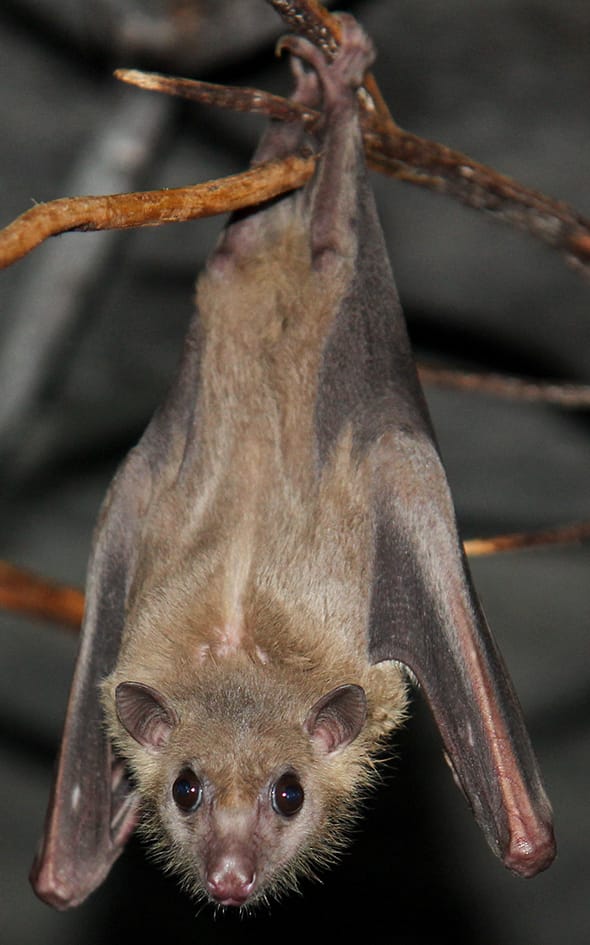
The Egyptian Fruit Bat is a medium-sized megabat with a wingspan reaching about 60 centimeters. Native to Africa and the Middle East, it thrives in a variety of habitats, from savannas to urban areas. These bats primarily feed on fruits, nectar, and flowers, using a keen sense of smell to locate ripe food. Despite their size, they are agile fliers, often seen gliding silently under the moonlight. Colonies can number in the thousands, roosting in trees or man-made structures. Their social interactions include vocalizations and grooming, with complex communication patterns for coordinating foraging activities.
In terms of identification, look for large eyes, a short snout, and brownish-gray fur. Egyptian Fruit Bats are important seed dispersers, ensuring the regeneration of fruit-bearing trees. Observing them at dusk, as they depart in coordinated groups to forage, offers a captivating insight into nocturnal ecology.
2. California Leaf-nosed Bat
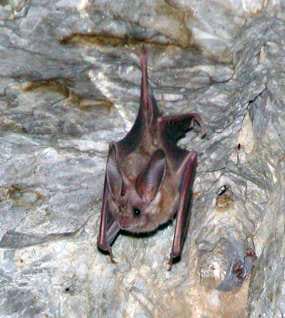
The California Leaf-nosed Bat is a small insectivorous species notable for its distinctive nose-leaf, a fleshy structure used for echolocation. Found primarily in the southwestern United States and northern Mexico, it inhabits deserts, canyons, and rocky cliffs. They roost in caves, mines, and occasionally in hollow trees. Their diet consists mainly of moths, beetles, and other flying insects, which they capture in precise, acrobatic maneuvers. Echolocation allows them to navigate complex environments even in total darkness.
This species exhibits a rich range of vocalizations and social behaviors, including grooming and communal roosting. Identification includes brown fur, small size, and the characteristic leaf-shaped nose. These bats are integral in controlling insect populations, benefiting both natural and agricultural ecosystems.
3. Honduran White Bat
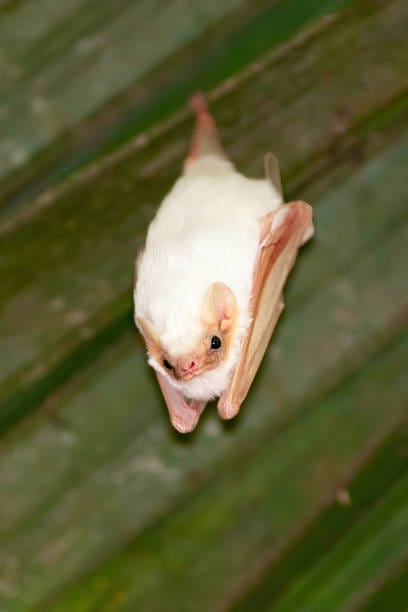
The Honduran White Bat is among the most visually striking bat species, sporting pure white fur and bright yellow nose-leaf, ears, and wingtips. Native to Central American rainforests, it roosts in rolled leaves, often in small groups of a few individuals. Its camouflage is so effective that from above, predators may overlook the bats entirely. Primarily insectivorous, this species feeds on small beetles and moths, hunting with agility beneath the forest canopy.
Behaviorally, Honduran White Bats are highly social, sharing roosting spaces and engaging in grooming and playful interactions. Identification focuses on the contrast of white fur against yellow extremities and its small, leaf-shaped nose. They highlight the remarkable diversity among leaf-nosed bats and the adaptations required for survival in dense tropical forests.
4. Indian Flying Fox
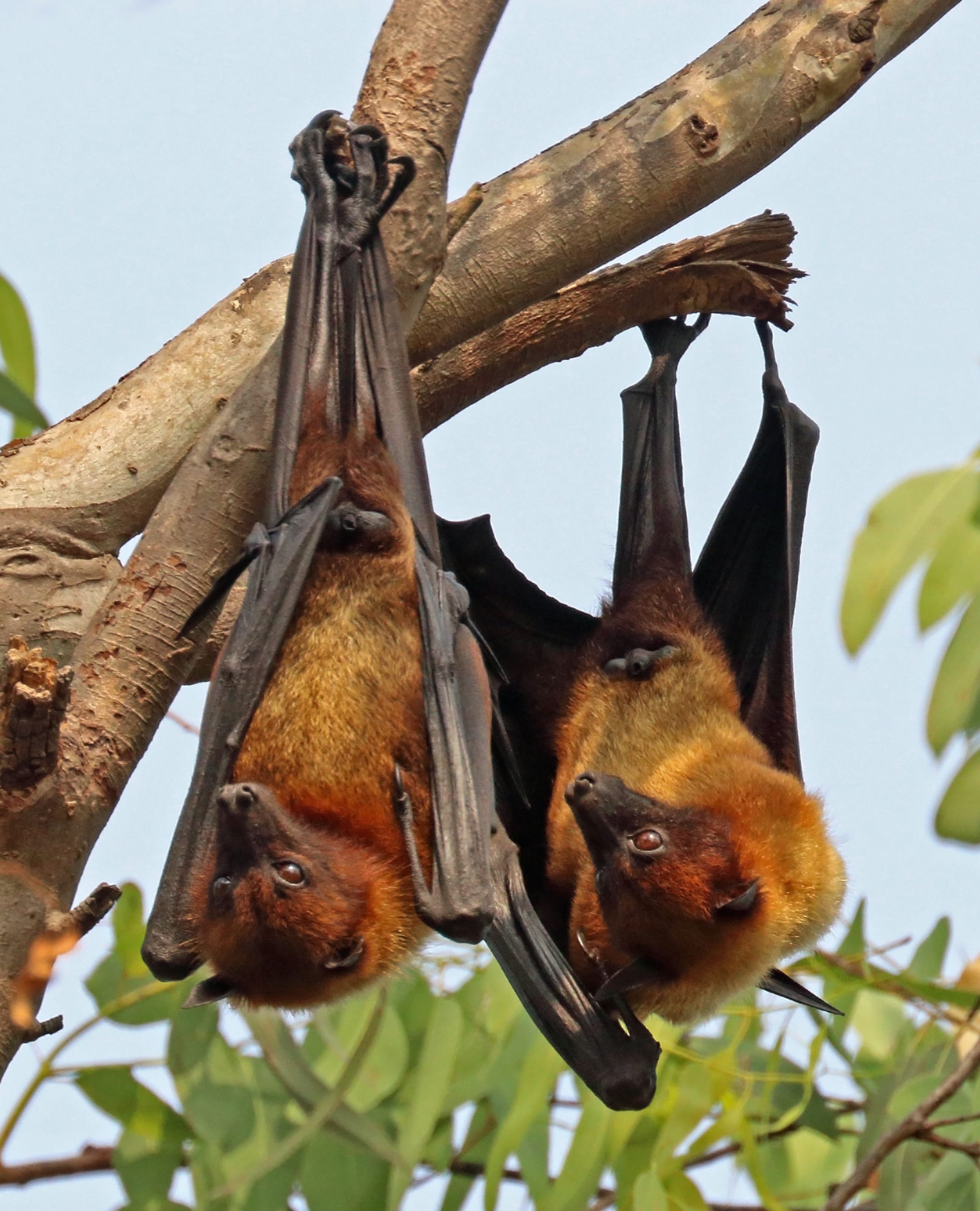
The Indian Flying Fox is one of the largest bats in the world, with a wingspan exceeding 1.5 meters. Native to South and Southeast Asia, it inhabits forests, mangroves, and urban areas. These fruit bats primarily feed on mangoes, bananas, and guavas, contributing significantly to pollination and seed dispersal. They roost in large colonies, often numbering in thousands, hanging from tall trees in noisy, social gatherings.
Despite their size, Indian Flying Foxes are gentle creatures, rarely aggressive unless provoked. Identification includes a fox-like face, large eyes, and reddish-brown body fur with darker wings. Observing these bats in flight at dusk is awe-inspiring, as they depart en masse in search of fruit, demonstrating the ecological role of bats in maintaining forest health and diversity.
5. Big Brown Bat
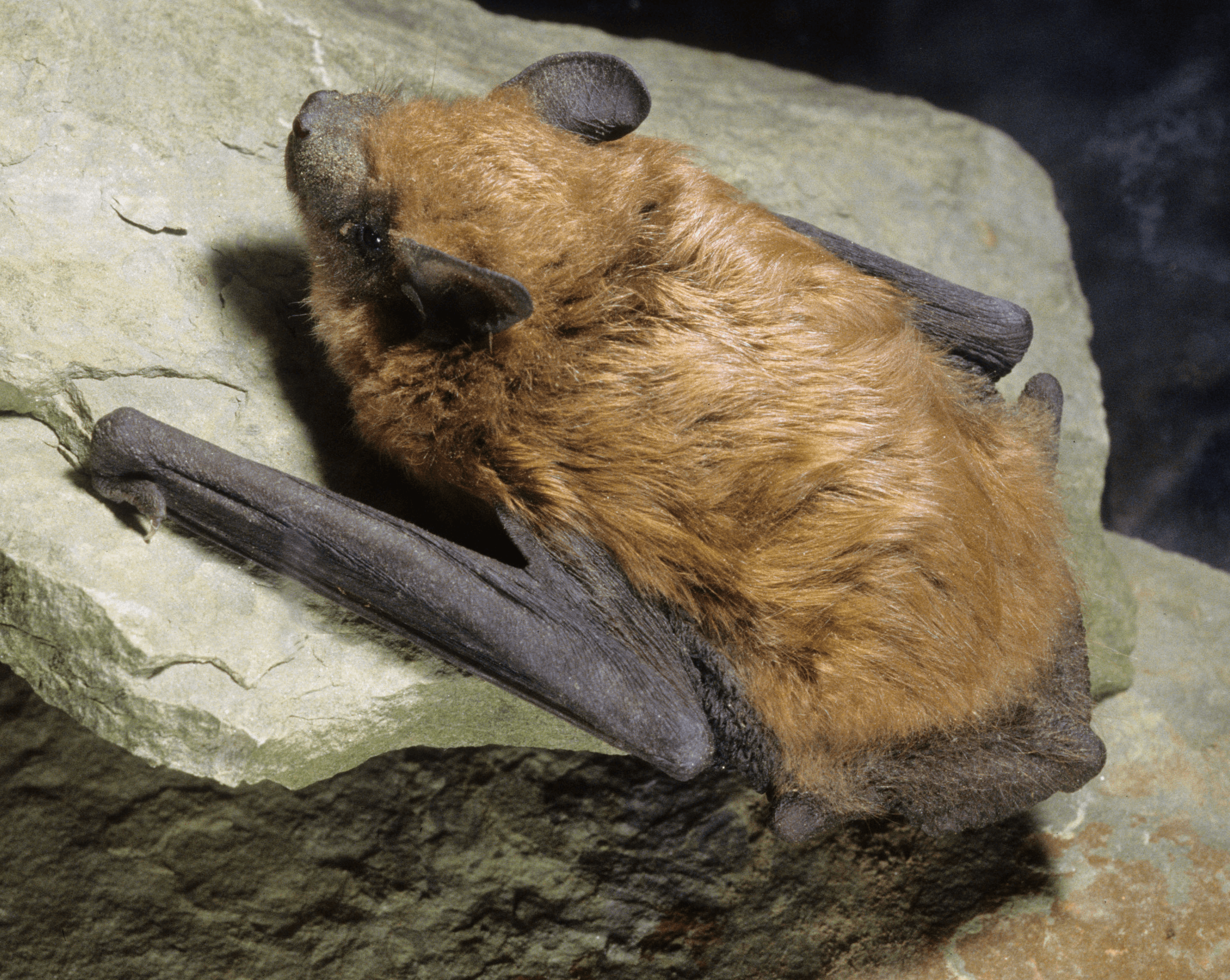
The Big Brown Bat is widespread across North America and is easily recognized by its robust size and chocolate-brown fur. Insectivorous by nature, it plays a vital role in controlling agricultural pests. These bats roost in buildings, attics, and caves, often forming small colonies. They exhibit excellent echolocation abilities, detecting insects in total darkness with precision.
Identification is straightforward: large ears, broad wings, and glossy brown fur. Their nocturnal hunting habits and agility in flight make them fascinating subjects for wildlife observers. Beyond pest control, they serve as indicators of ecosystem health, sensitive to environmental changes and pollution.
6. Peter’s Dwarf Epauletted Fruit Bat
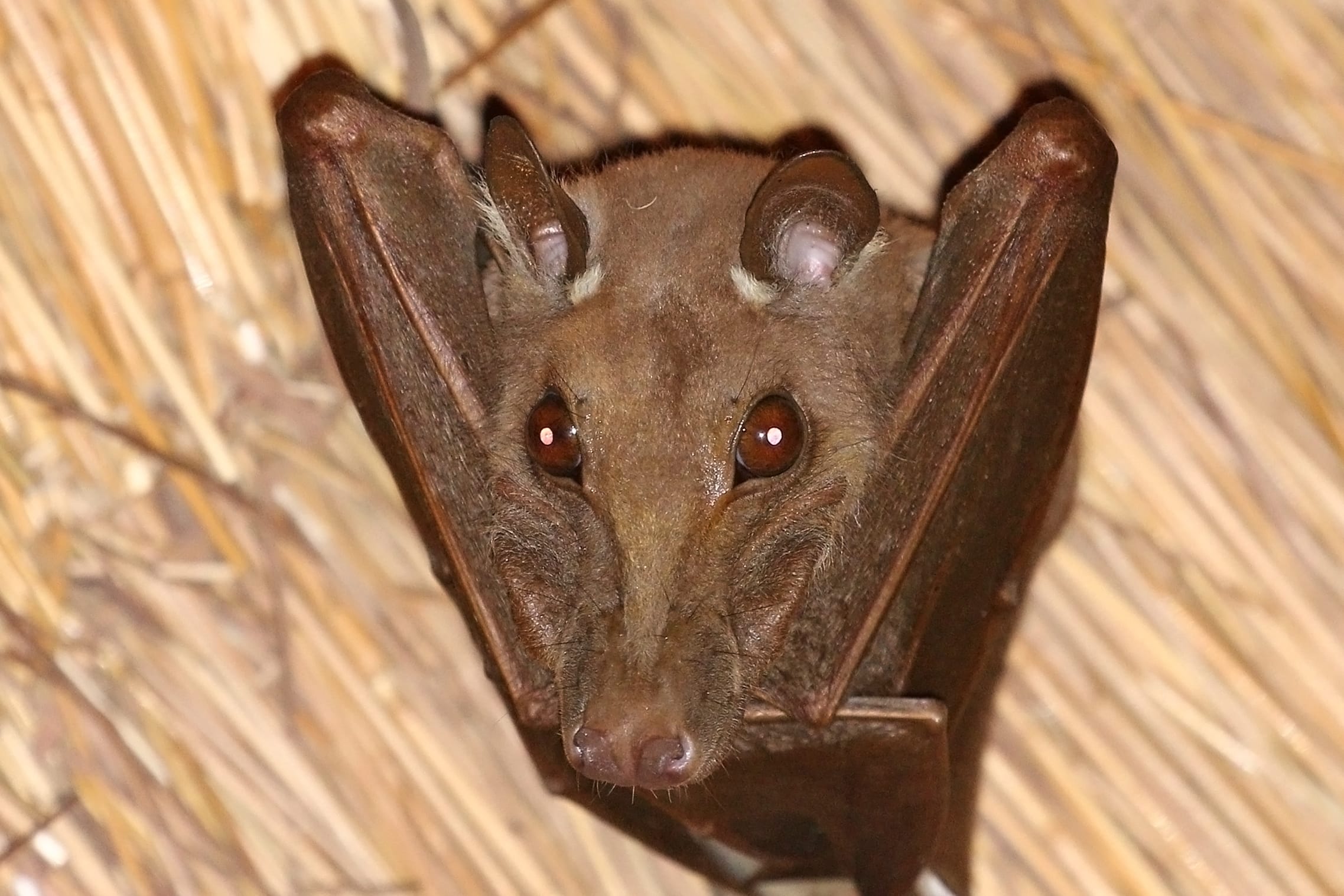
Peter’s Dwarf Epauletted Fruit Bat is a small megabat from Africa, named for the epaulette-like tufts on the males’ shoulders. These bats feed on fruits and flowers, playing an essential role in forest regeneration. They roost in trees, often under broad leaves that provide shelter from predators and weather. Social behaviors include vocal communication and occasional play among males, especially during mating displays.
Identification involves noting the tiny size, dark brown fur, and male epaulettes. These bats are crepuscular, most active at dawn and dusk. Observing their feeding patterns reveals their influence on fruit tree pollination and seed dispersal, underscoring their ecological importance.
7. Split-nosed Bat
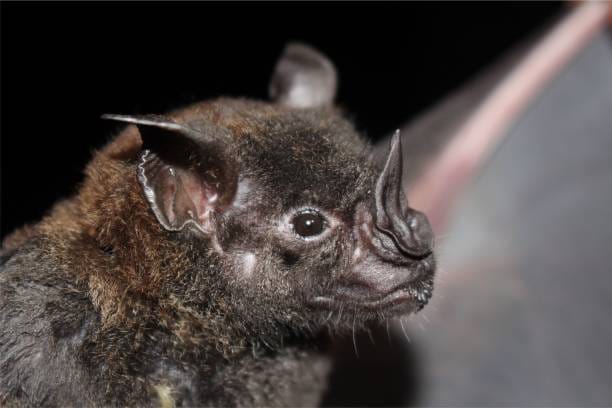
The Split-nosed Bat is a rare species known for its unusual nose structure, which aids in echolocation. Found in select tropical forests, these insectivorous bats specialize in hunting nocturnal insects, using agile flight and precise navigation. Roosts are typically in caves or hollow trees, with small colonies maintaining social cohesion through vocal signals.
Identification centers on the unique nasal split and small, agile body. These bats highlight the evolutionary adaptations that support nocturnal hunting and the diversity of facial morphologies among Types of Bats.
8. Brown Long-eared Bat
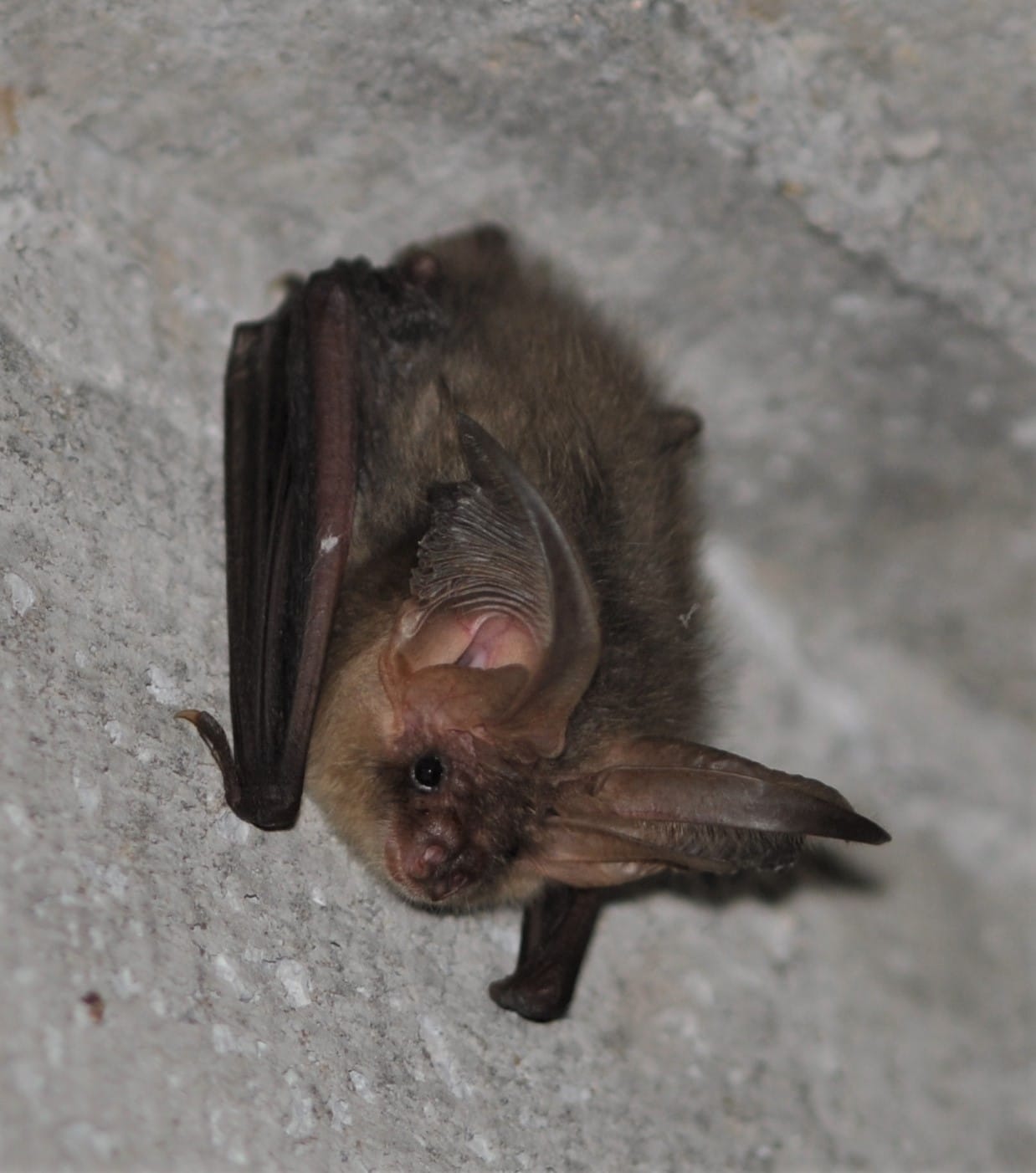
The Brown Long-eared Bat, found in Europe and parts of Asia, is recognized for its exceptionally long ears relative to body size. These ears allow acute auditory detection of insects, particularly moths. They prefer roosting in attics, barns, and tree cavities, often in small groups. Their flight is slow and maneuverable, ideal for foraging among foliage and near building structures.
Identification includes long ears, soft brown fur, and small size. These bats are crucial in controlling insect populations, particularly moths that might damage crops. Observing them requires patience, as they are often quiet and discreet during foraging activities.
9. Striped Yellow-eared Bat
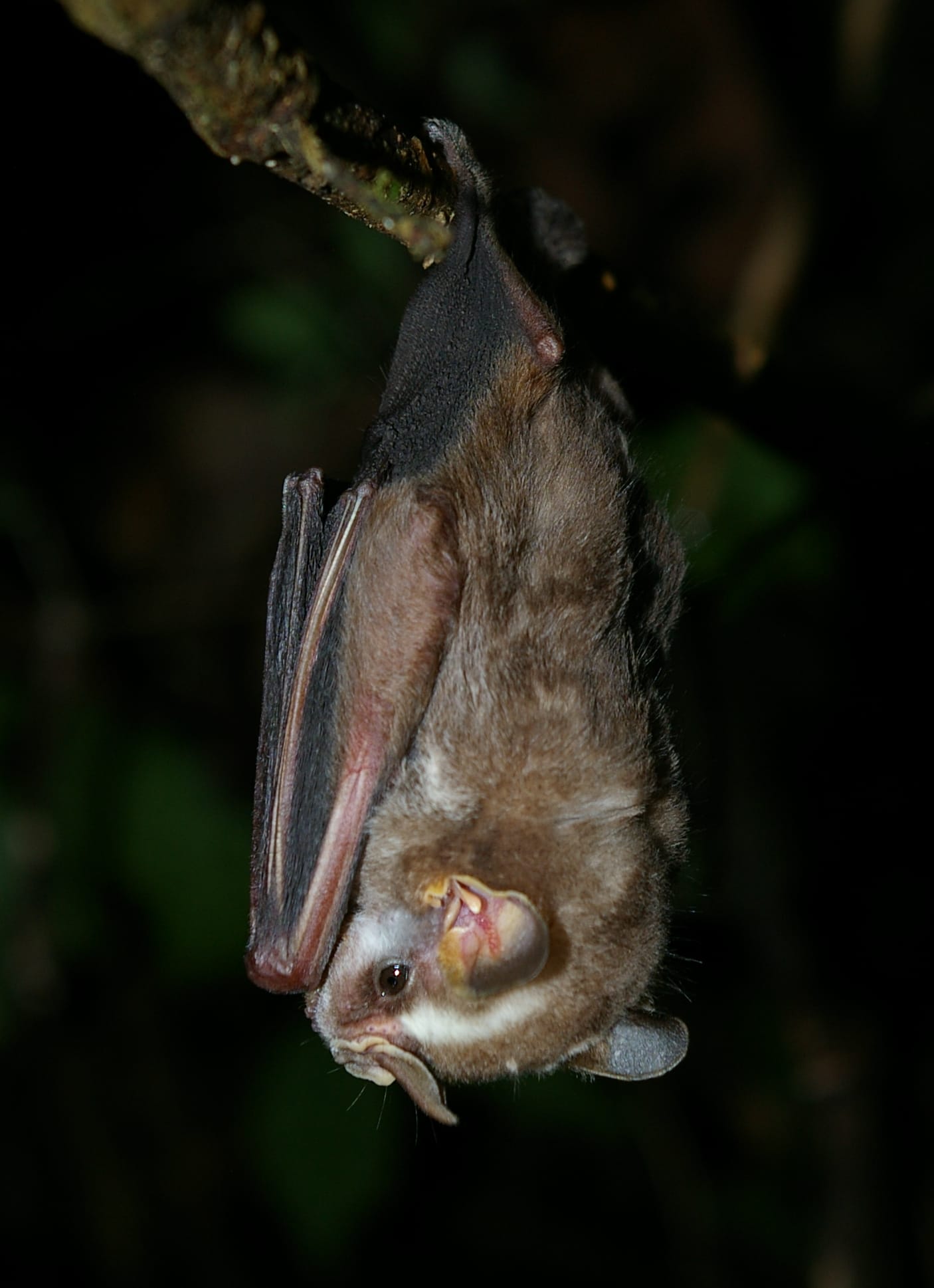
The Striped Yellow-eared Bat is native to Central and South America and is easily recognized by yellow stripes along its ears and face. These insectivorous bats forage at night, capturing flying insects with agile maneuvers. Roosting occurs in hollow trees, caves, or man-made structures, usually in small colonies that allow social interactions.
Identification relies on yellow markings and medium-sized body with brown fur. Their nocturnal activity and insect predation make them essential components of local ecosystems, highlighting the functional diversity among Types of Bats.
10. Mediterranean Horseshoe Bat
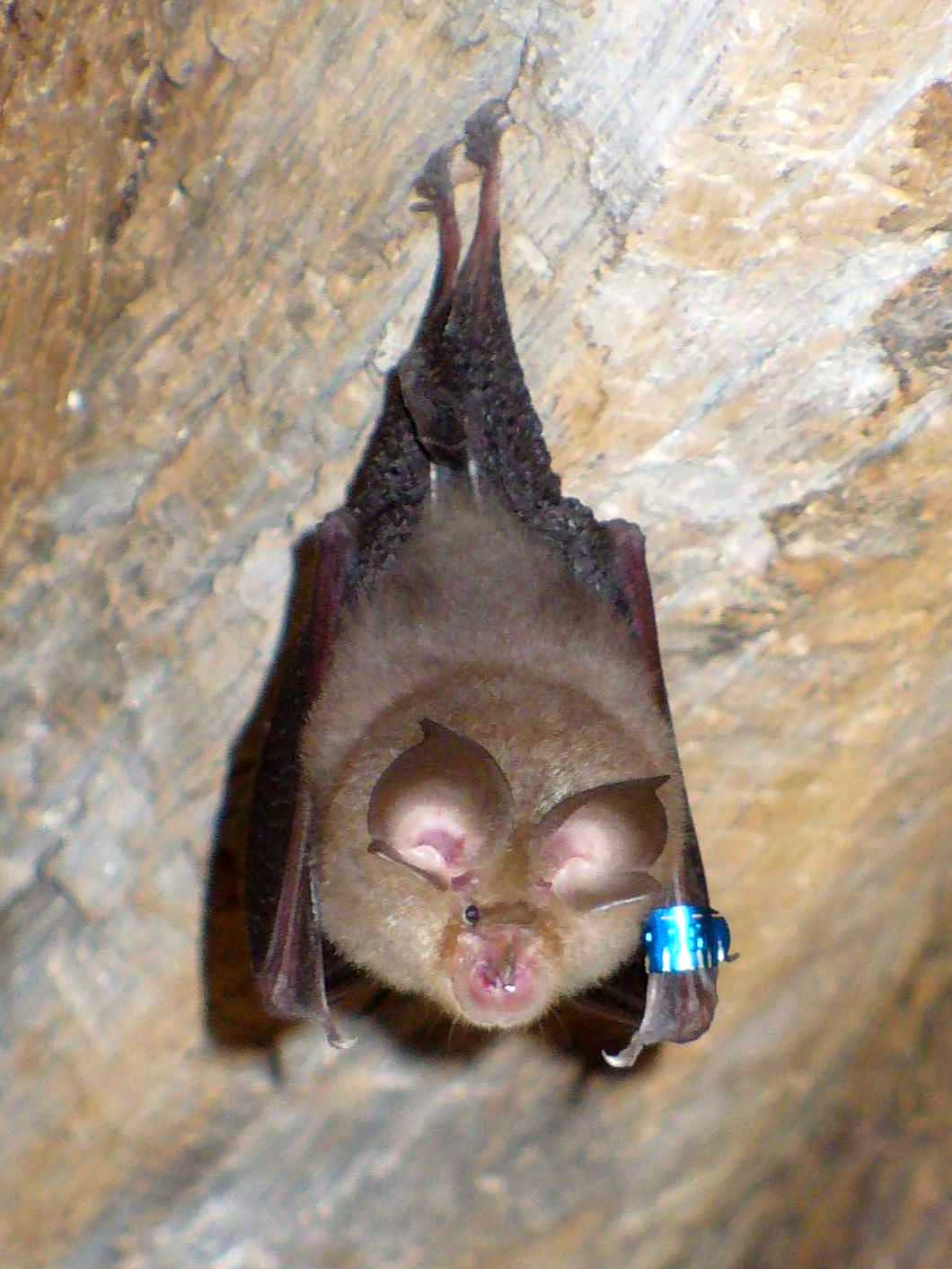
The Mediterranean Horseshoe Bat is distinguished by a horseshoe-shaped nose-leaf, crucial for echolocation. Found around southern Europe and northern Africa, they inhabit caves and abandoned buildings. Feeding on moths, beetles, and other insects, these bats navigate with exceptional precision even in complete darkness. Their colonies may range from a few dozen to several hundred individuals.
Identification includes nose-leaf shape, small size, and gray-brown fur. Studying them demonstrates the complex sensory adaptations bats employ to hunt nocturnally. These bats play critical roles in pest management and maintaining ecological balance.
11. Pygmy Pipistrelle
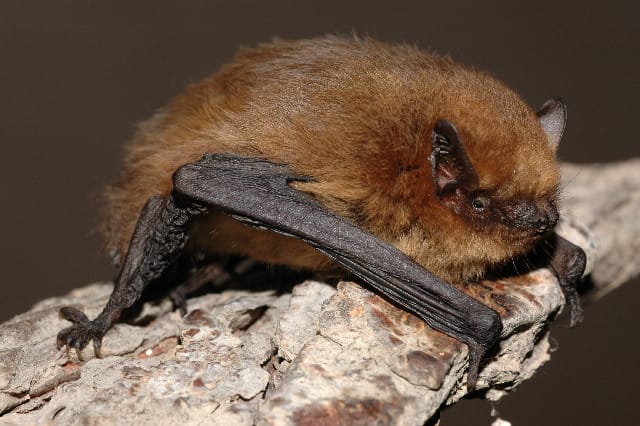
The Pygmy Pipistrelle is one of the smallest bats in the world, with a wingspan barely reaching 15 centimeters. Despite its diminutive size, it is a formidable hunter, using echolocation to detect the tiniest flying insects in dim light. Native to parts of Southeast Asia and the Indo-Pacific region, these bats inhabit forests, mangroves, and even urban areas, often roosting in crevices, roof tiles, and tree hollows. Their diet primarily consists of midges, mosquitoes, and small moths, making them essential for natural insect control in both rural and urban environments.
Socially, Pygmy Pipistrelles may roost alone or in small family groups. Their reproductive behavior is intriguing: females give birth to one pup per year, which clings to the mother until it is capable of independent flight. Identification focuses on their tiny size, dark brown fur, and rapid, fluttering flight patterns. Observing them at dusk reveals their remarkable aerial agility, as they dart and twist to capture prey. These bats exemplify how even the smallest species can play a critical ecological role.
12. Greater False Vampire Bat
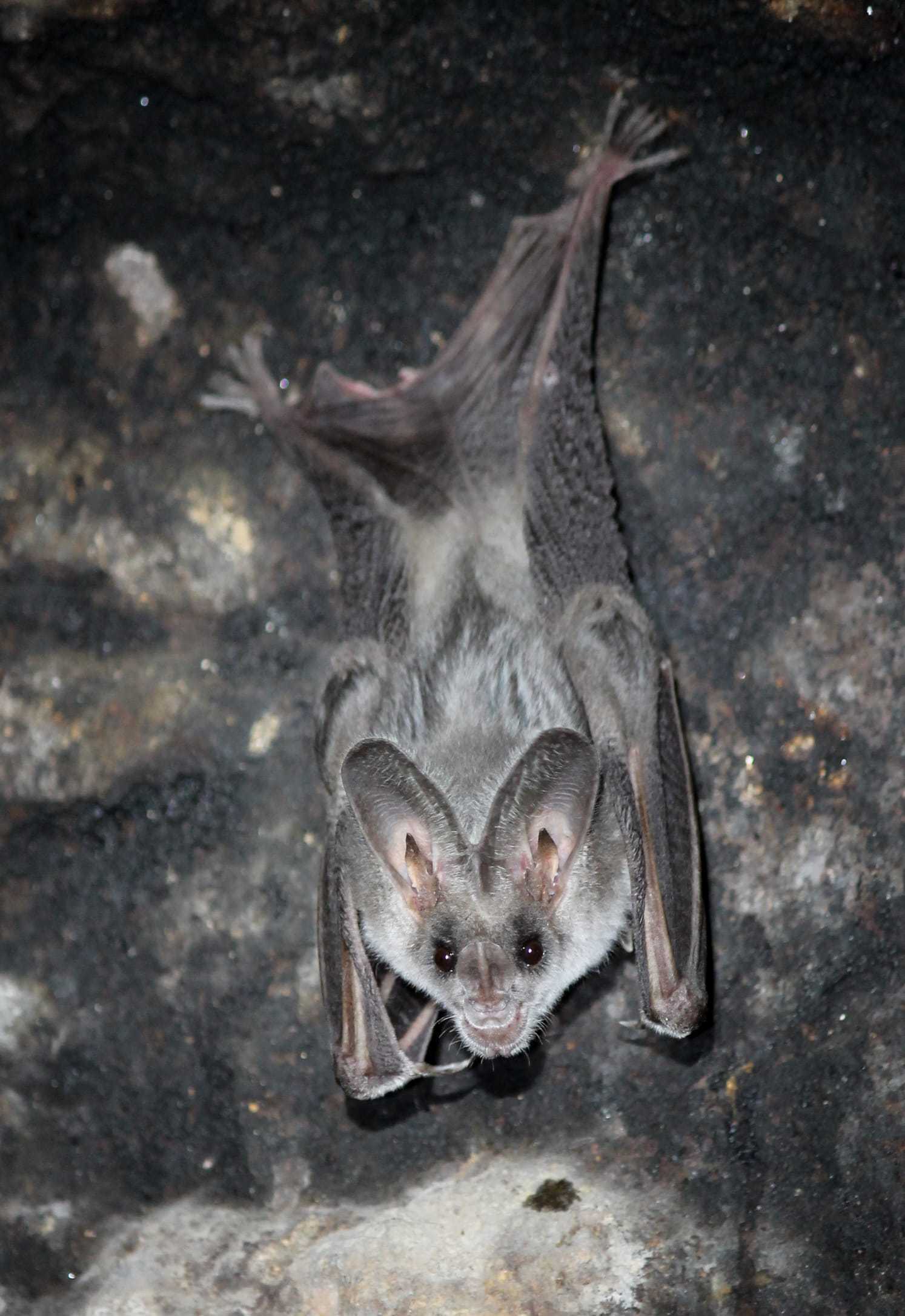
The Greater False Vampire Bat is a large, carnivorous species found across parts of Southeast Asia, including Thailand, Malaysia, and Indonesia. Unlike most fruit-eating or insectivorous bats, this species feeds on other vertebrates, such as small birds, frogs, and even other bats. Its hunting strategy combines echolocation with keen night vision, allowing it to detect prey silently from above. They roost in caves, abandoned buildings, and hollow trees, often in colonies that can number several dozen individuals.
This bat is identifiable by its broad wings, dark brown to reddish fur, and large ears with complex folds that enhance sound reception. Reproductive behavior is fascinating, with males sometimes displaying territoriality within roosts. While their predatory habits may seem fearsome, they help maintain ecosystem balance by controlling small vertebrate populations. Watching a Greater False Vampire Bat in flight is awe-inspiring, as it demonstrates extraordinary maneuverability and precision hunting.
13. Lesser False Vampire Bat
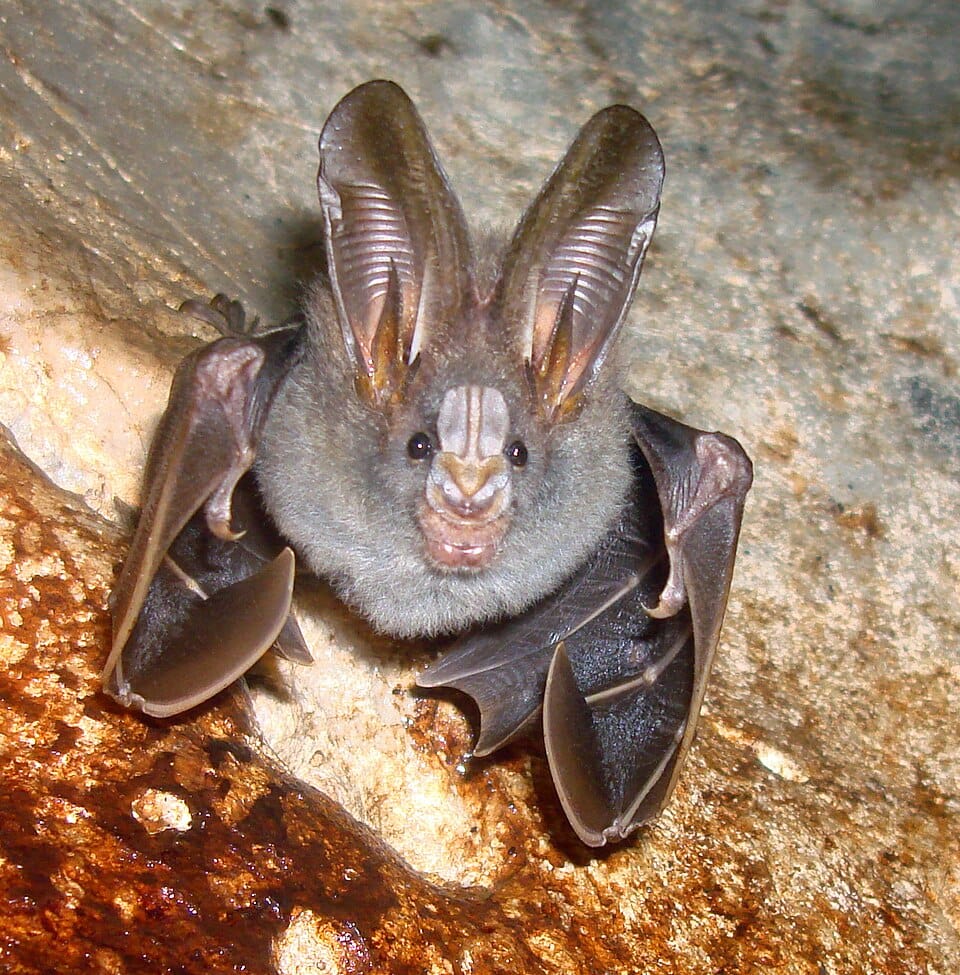
The Lesser False Vampire Bat, closely related to its larger counterpart, is smaller and slightly less aggressive in its hunting habits. Found in South and Southeast Asia, it inhabits forests and caves, preying primarily on insects but occasionally taking small vertebrates. Its sophisticated echolocation system allows it to hunt silently, even in dense vegetation. Roosts are shared communally, and bats engage in grooming and social communication, maintaining cohesion among colony members.
Identification includes smaller size, dark fur, and pronounced ear and nose structures. Behavioral observations reveal nocturnal hunting patterns and high levels of in-flight coordination when pursuing prey. These bats highlight the diversity of feeding strategies among carnivorous bat species, combining stealth, speed, and auditory precision to thrive in competitive environments.
14. Eastern Red Bat
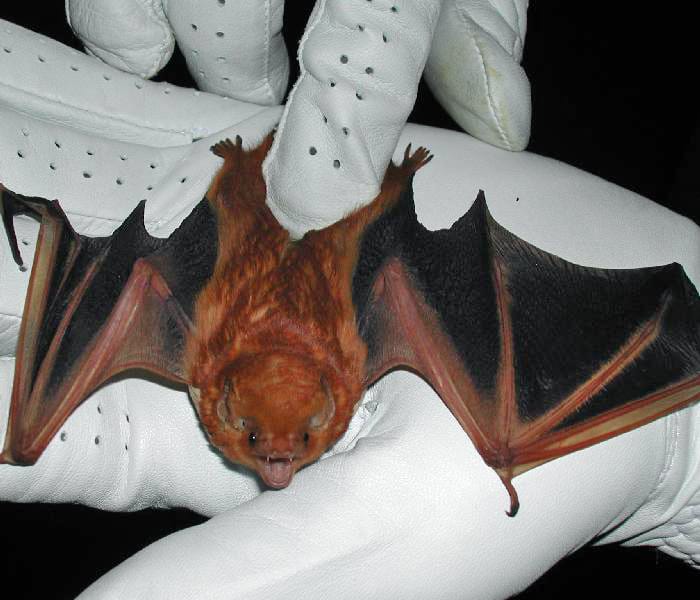
The Eastern Red Bat is a medium-sized insectivorous bat native to North America. Known for its striking reddish-orange fur, this species is often seen fluttering around trees and open spaces during the evening. They roost in foliage, hanging alone or in small groups, camouflaged among leaves. Their diet includes moths, beetles, and other nocturnal insects, making them vital for natural pest control.
During migration, Eastern Red Bats travel hundreds of kilometers to find suitable winter habitats. Identification relies on bright fur, long, pointed wings, and a small, triangular face. Mating occurs in autumn, but females store sperm until spring, giving birth to one or two pups. Observing Eastern Red Bats reveals remarkable adaptations for flight and nocturnal hunting, with rapid maneuvers and sudden directional changes that leave observers marveling at their agility.
15. Kitti’s Hog-nosed Bat
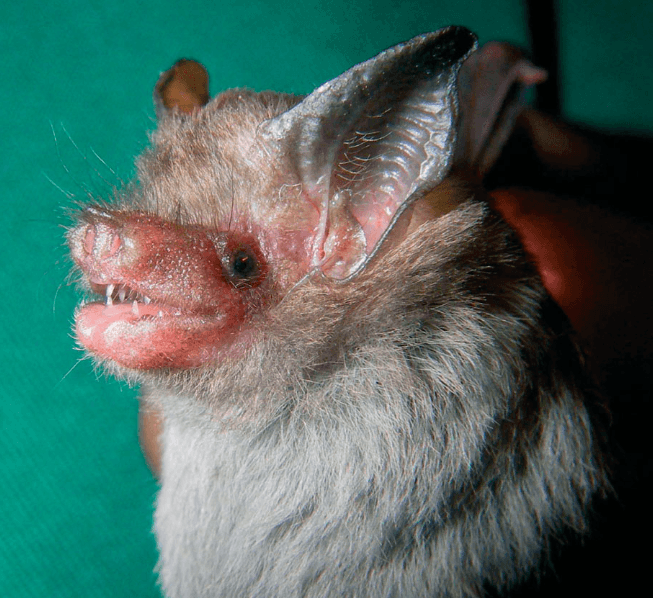
Kitti’s Hog-nosed Bat, also called the Bumblebee Bat, holds the title of the world’s smallest mammal by weight. Native to Thailand and Myanmar, it inhabits limestone caves along rivers. This microbat is insectivorous, feeding primarily on small flies and mosquitoes. Despite its tiny size, it exhibits remarkable flight agility, using echolocation to navigate confined spaces within caves.
Identification is straightforward: tiny body, short, pig-like snout, and light brown fur. Kitti’s Hog-nosed Bat forms small colonies, with dozens of individuals roosting together. Its reproductive strategy involves giving birth to a single pup, which is nurtured until it is capable of independent foraging. Studying this species highlights the incredible range of sizes among bats and the extraordinary adaptations of even the smallest mammals.
16. Lesser Short-nosed Fruit Bat
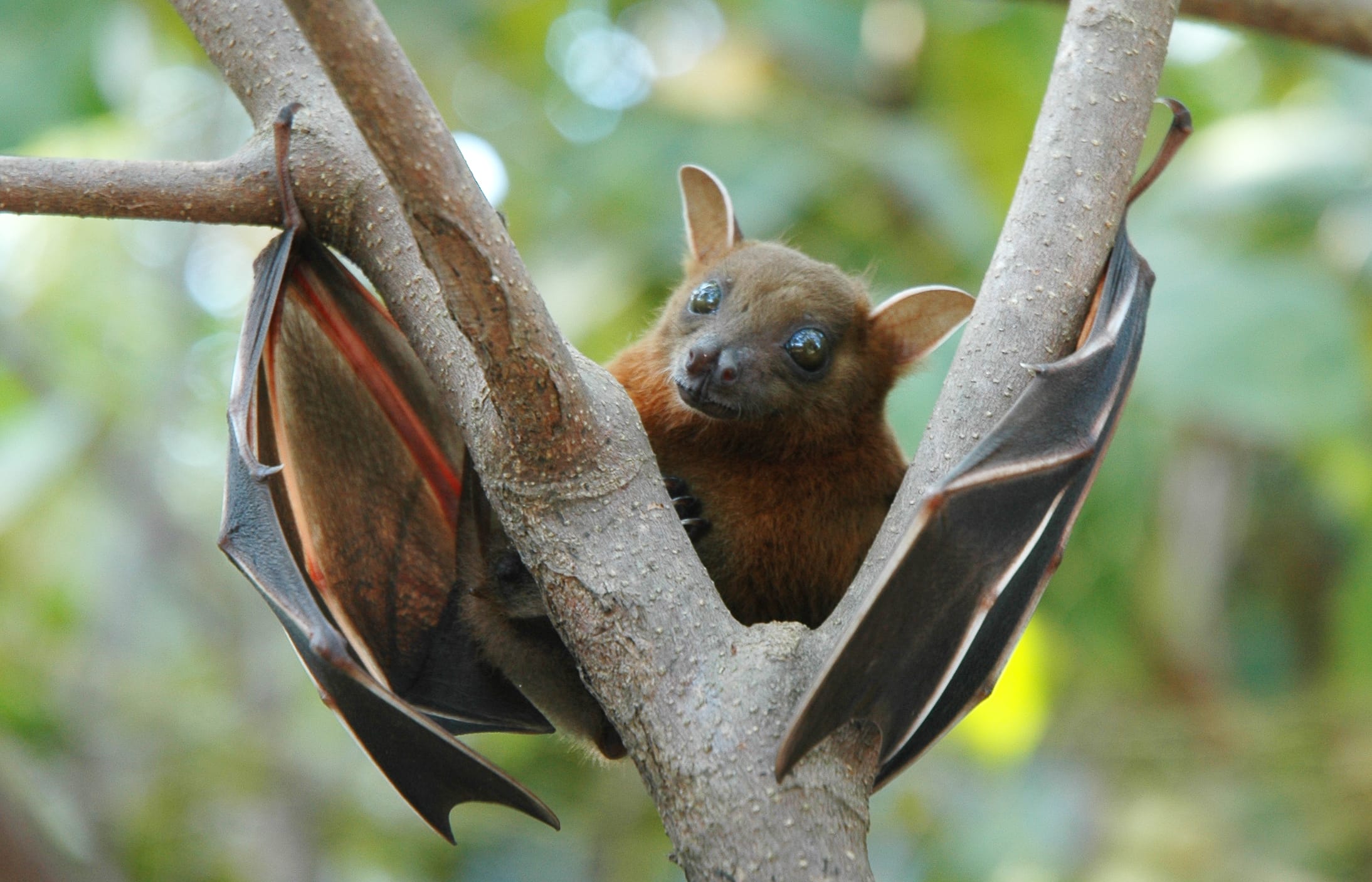
The Lesser Short-nosed Fruit Bat is a small megabat found in South and Southeast Asia. It primarily feeds on figs, guavas, and other soft fruits, playing a vital role in seed dispersal. They roost in large trees and forested areas, often in colonies that enhance social interaction and predator avoidance. Their nocturnal foraging activities influence forest regeneration patterns significantly.
Identification includes short snouts, brownish fur, and medium-sized wings adapted for maneuvering among trees. Mating behaviors involve vocal displays and social hierarchy among males. Observing Lesser Short-nosed Fruit Bats in flight showcases their ability to hover and twist with precision as they feed from branches, underlining the intricate relationship between fruit bats and tropical forest ecosystems.
17. Spotted Bat
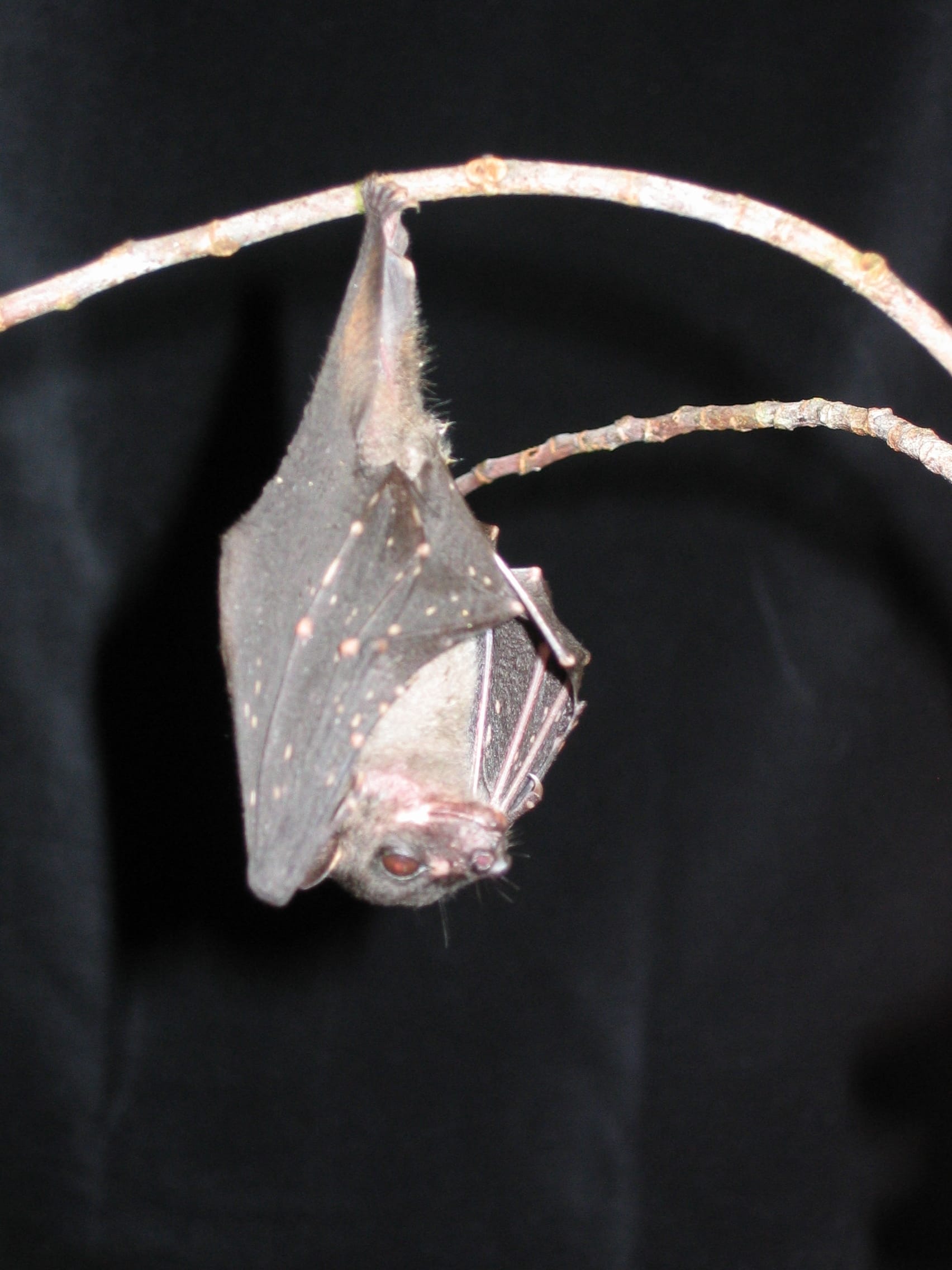
The Spotted Bat is a rare and visually striking North American species, named for its large white spots on black fur. Insectivorous by nature, it primarily hunts moths and beetles, using echolocation and highly sensitive ears to detect prey. They prefer rocky cliffs and caves for roosting, often alone or in very small groups. These bats are considered one of the most beautiful species in North America due to their contrasting coloration.
Identification is based on the black coat with distinct white spots and extremely large ears. Behavioral observations reveal late-night foraging and precise aerial hunting techniques. Their role in controlling insect populations is critical, and conservation efforts focus on protecting roosting habitats from disturbance and development.
18. Hoary Bat
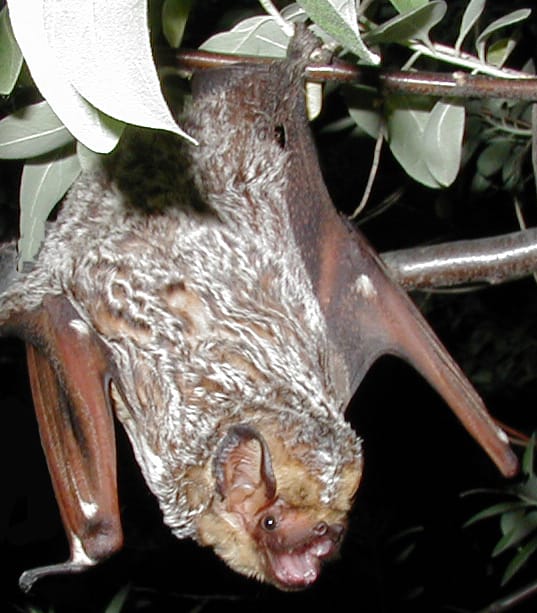
The Hoary Bat is one of the largest insectivorous bats in North America, distinguished by its frosted, silver-tipped fur that gives it a “hoary” appearance. They roost in dense foliage, often in coniferous or deciduous forests, and are solitary by nature. Their diet consists of moths, beetles, and flying insects, which they capture using agile flight patterns facilitated by broad wings and acute hearing.
Identification is straightforward: frosted brown fur, large body, and broad wings. They are long-distance migrators, traveling thousands of kilometers seasonally. Mating occurs in the fall, with delayed fertilization ensuring birth in spring. Hoary Bats demonstrate how size, coloration, and migratory behavior combine to create a highly adaptable species capable of surviving across a wide range of North American habitats.
19. Spectacled Flying Fox
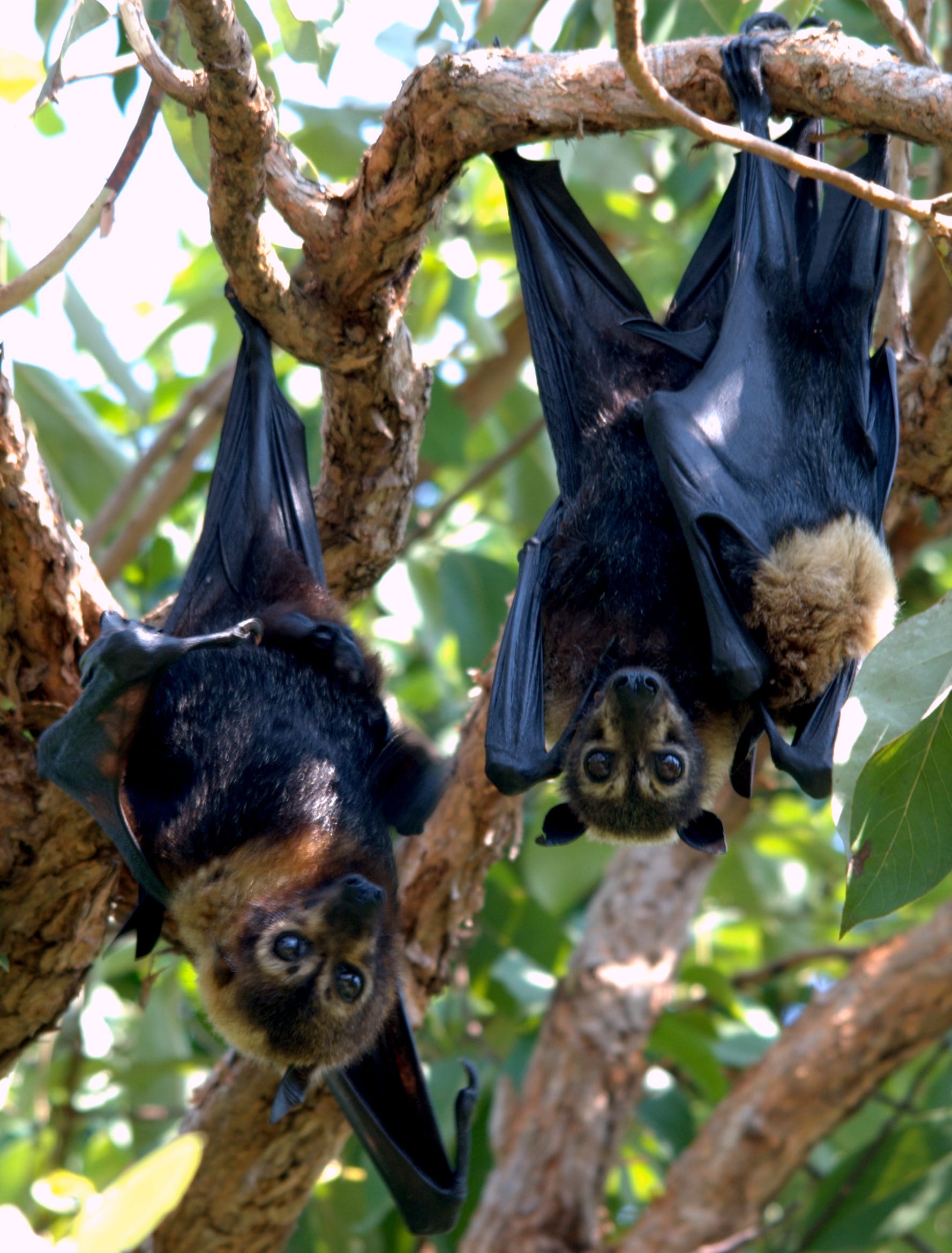
The Spectacled Flying Fox is a large megabat from northeastern Australia, Papua New Guinea, and surrounding islands. Its name derives from pale fur around the eyes, resembling spectacles. These bats are frugivorous, feeding primarily on figs, fruits, and blossoms, and play a crucial role in pollination and seed dispersal in rainforest ecosystems. Colonies can number in the tens of thousands, roosting in tall trees along riverbanks or in mangrove forests.
Identification includes large size, dark brown to black body, and pale eye rings. Spectacled Flying Foxes are highly social, exhibiting vocalizations, grooming, and coordinated flight patterns during daily foraging. Their conservation is critical due to habitat loss and hunting pressure. Observing them at dusk as they depart in massive flocks provides an unforgettable display of bat ecology and social organization.
20. Southern Little Yellow-eared Bat
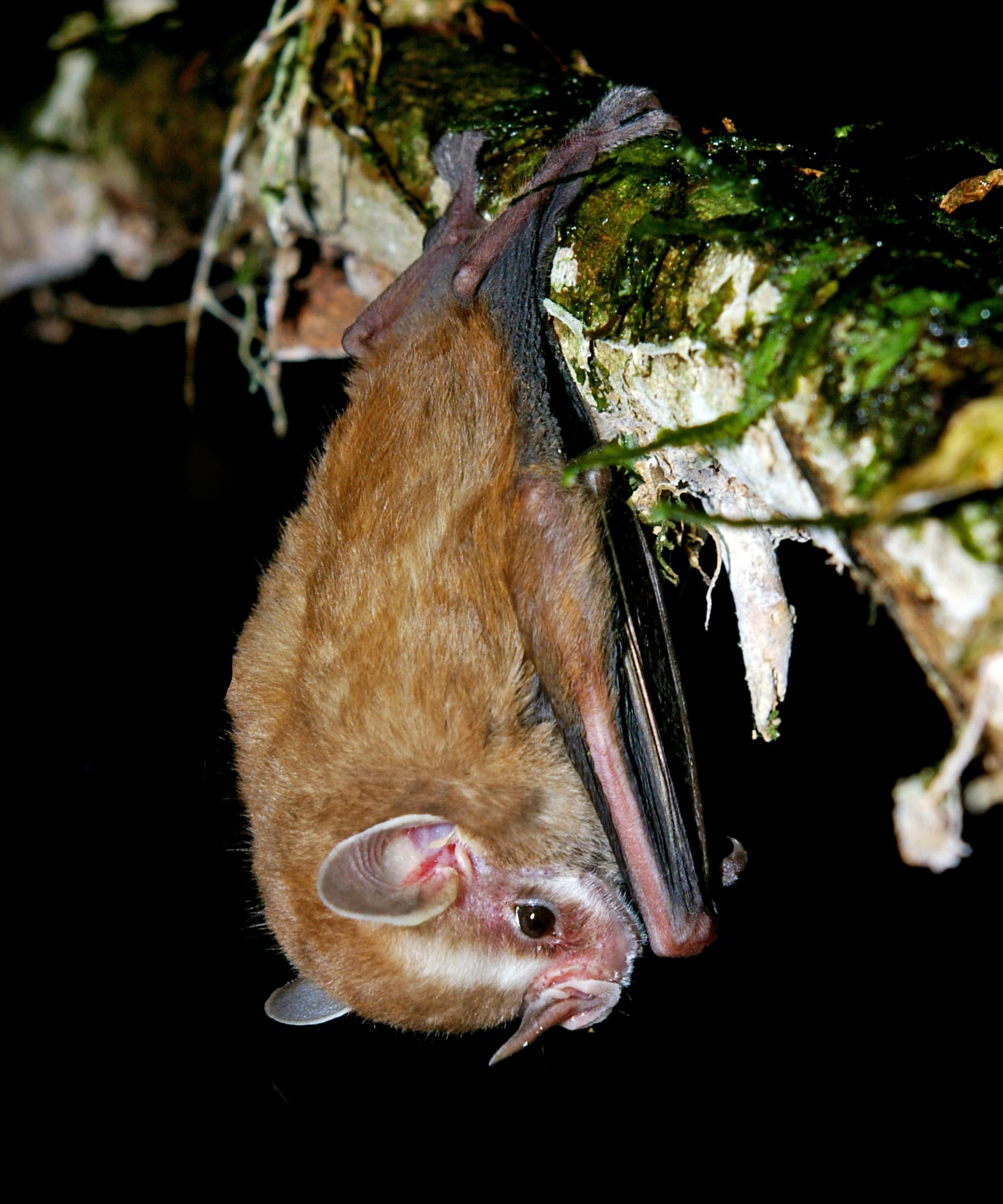
The Southern Little Yellow-eared Bat is a small, insectivorous bat found in South America, particularly in Argentina, Brazil, and Uruguay. Named for the distinctive yellow coloring on its ears, it primarily consumes moths, beetles, and other small flying insects. These bats prefer forested areas and wetlands, roosting in tree hollows, caves, and sometimes buildings. Social structures are modest, with small colonies forming for safety and warmth.
Identification includes small size, brown fur, and yellow ear markings. Mating and foraging behaviors are adapted to the nocturnal lifestyle, with keen echolocation allowing precise navigation in complex environments. Observing the Southern Little Yellow-eared Bat emphasizes the ecological importance of small insectivorous species in regulating insect populations and supporting healthy ecosystems.
21. Sulawesi Fruit Bat
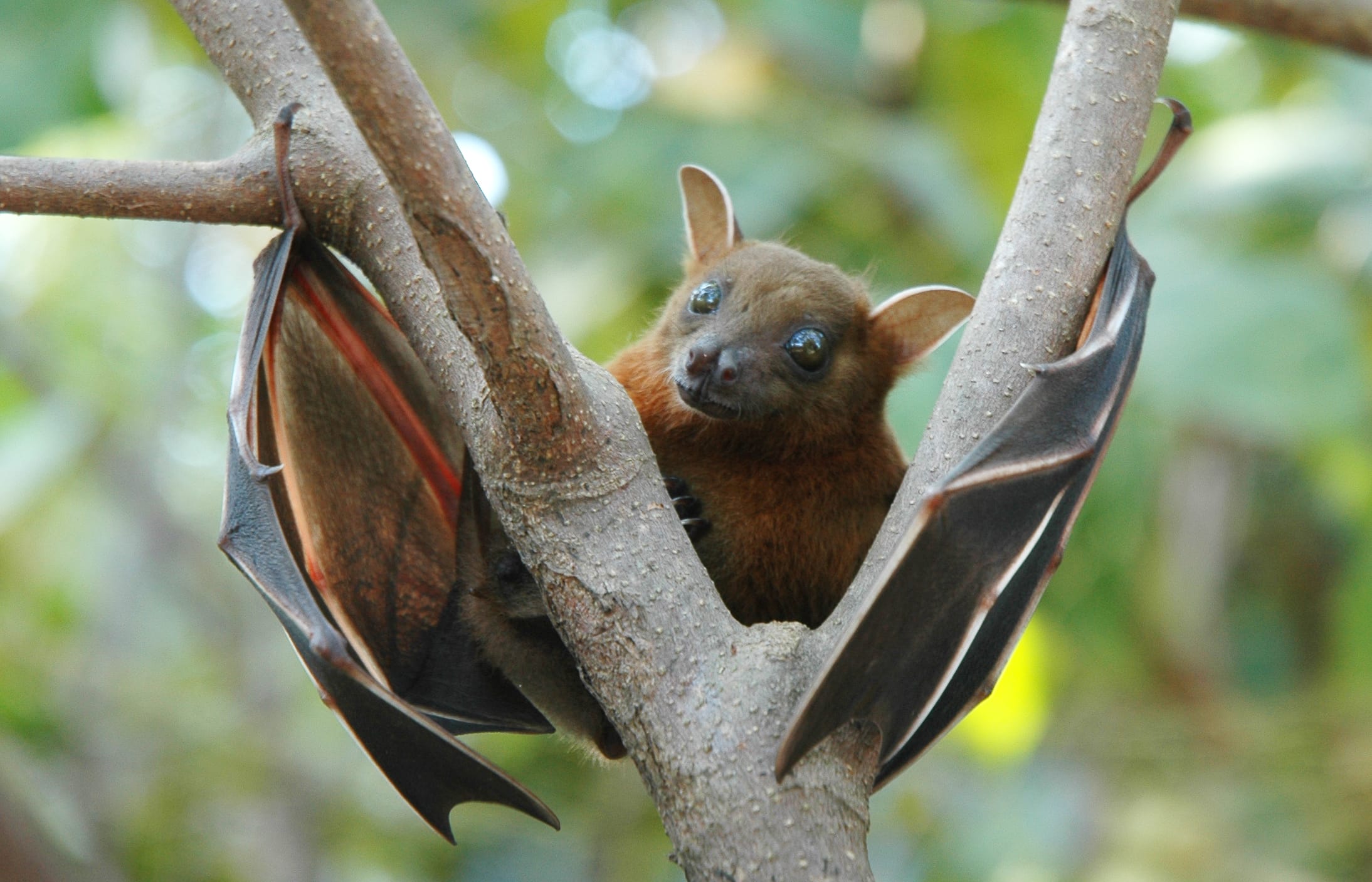
The Sulawesi Fruit Bat is a medium-sized megabat native to the Indonesian island of Sulawesi. With a wingspan of approximately 60–70 centimeters, it primarily feeds on figs, guavas, and other tropical fruits. These bats roost in forested areas and occasionally in urban gardens, often forming medium-sized colonies. Social interactions are common, with vocalizations used to coordinate movements and establish territory.
Identification includes reddish-brown fur, a slightly elongated snout, and broad wings suitable for slow, maneuverable flight. These bats play a crucial role in forest regeneration by dispersing seeds over large areas. Observing them at dusk highlights their coordinated flight and the importance of their ecological contributions to tropical forests.
22. Pale Spear-nosed Bat
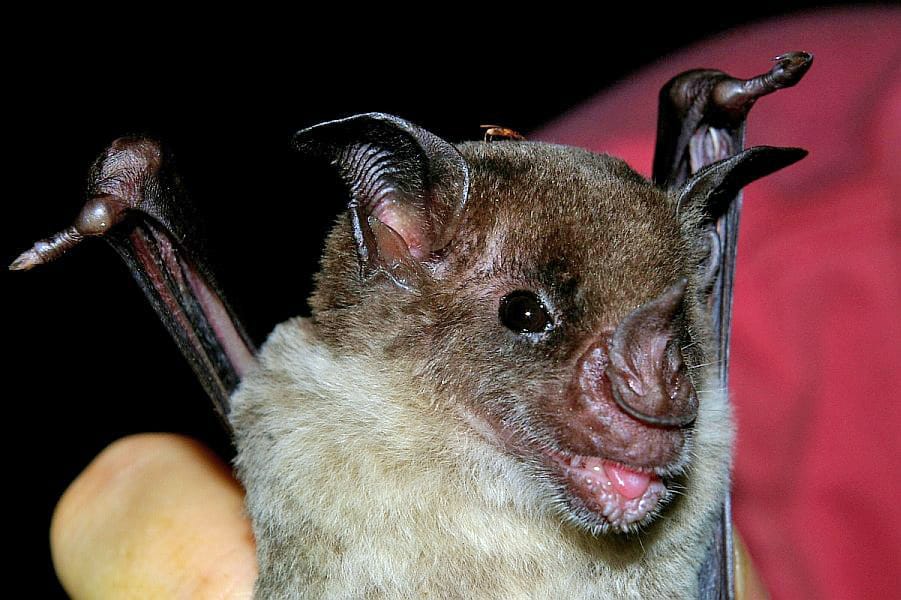
The Pale Spear-nosed Bat is a unique insectivorous species found in Central and South America. Named for its spear-like nose structure, it employs echolocation to navigate and capture insects in dense foliage. Roosting occurs in caves and hollow trees, often in colonies of dozens to hundreds. Their diet consists of moths, beetles, and other nocturnal insects.
Identification involves pale, beige fur and the distinctive nose structure. These bats are crepuscular, actively foraging during twilight hours. Studying their hunting strategies provides insight into the evolutionary adaptations that allow them to thrive in complex tropical environments. Their ecological role in controlling insect populations is invaluable.
23. Gambian Epauletted Fruit Bat
The Gambian Epauletted Fruit Bat is a medium-sized megabat native to sub-Saharan Africa. It is recognized by the epaulette-like tufts of fur on males’ shoulders, used in mating displays. Their diet consists mainly of fruits and nectar, and they roost in trees, often in colonies that provide safety and social interaction.
Identification includes brown fur, male epaulettes, and a small, pointed face. These bats are critical pollinators and seed dispersers, influencing forest composition. Observing their foraging behavior reveals intricate flight patterns and social dynamics, showcasing the diversity and complexity of bat species in African ecosystems.
24. Pallid Bat
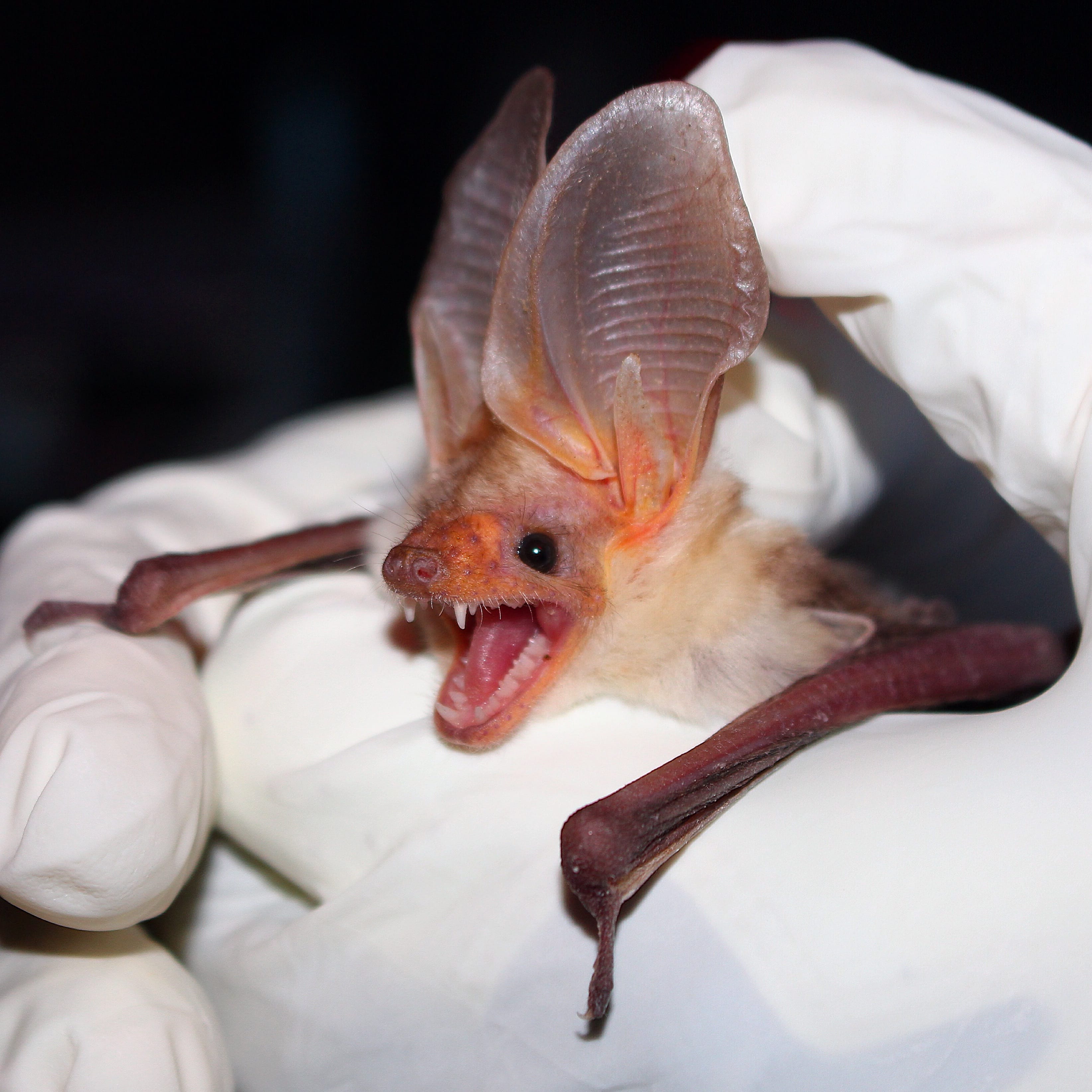
The Pallid Bat is a large North American insectivorous bat with pale fur and distinctive large ears. Unlike many bats, it often captures prey on the ground, including scorpions, beetles, and grasshoppers. Roosting occurs in rocky crevices, caves, and abandoned buildings. They are solitary or form small groups, with behaviors adapted to avoid predators while hunting in arid environments.
Identification is straightforward: pale, cream-colored fur, broad wings, and oversized ears. Their feeding habits make them unique among North American bats, particularly due to their ground-foraging adaptations. Observing Pallid Bats demonstrates the wide range of hunting strategies that different bat species employ to survive in varied habitats.
25. Little Brown Bat
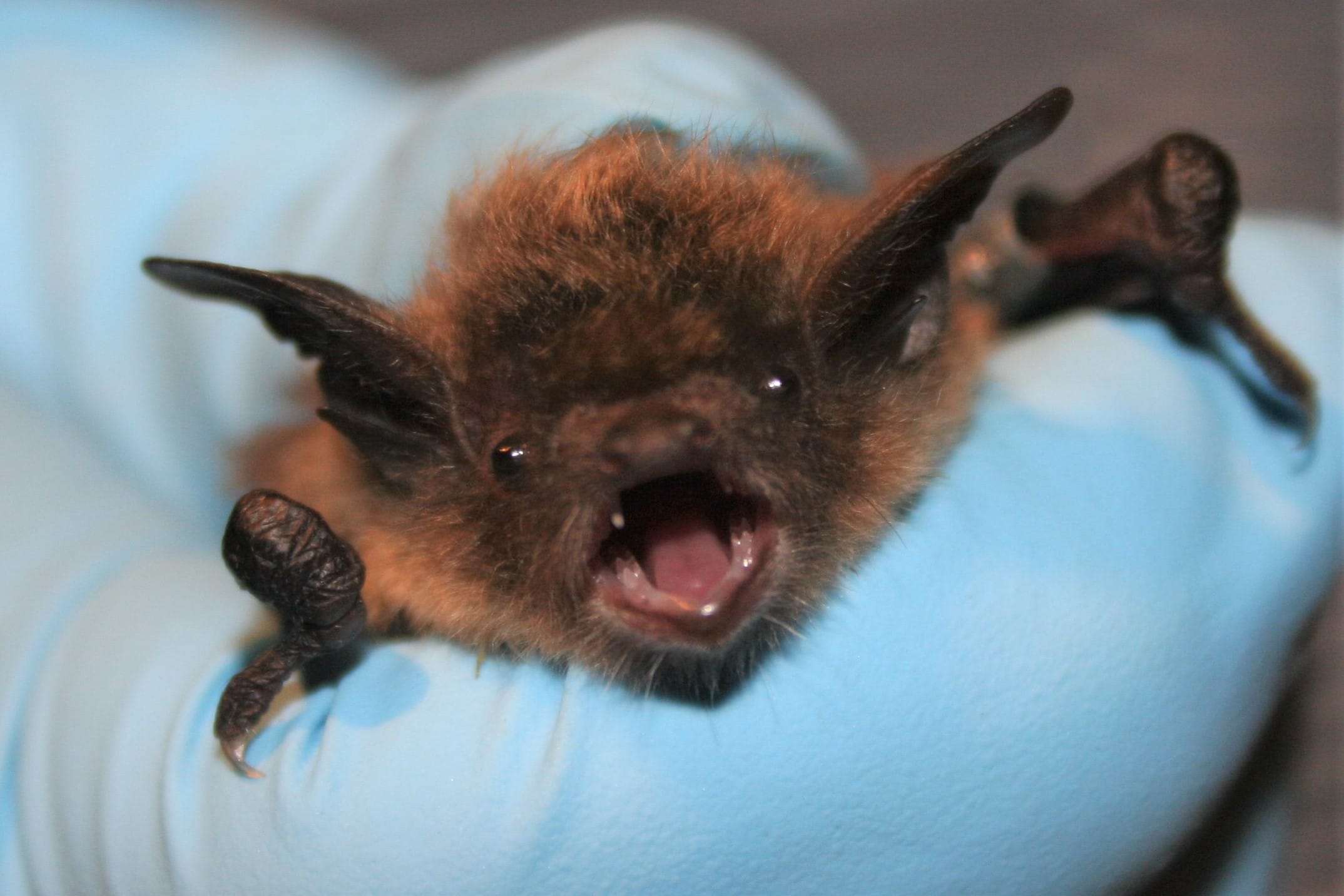
The Little Brown Bat is one of the most common bat species in North America. Small and agile, it consumes large quantities of insects, including mosquitoes, moths, and beetles, providing natural pest control. Roosts include attics, barns, and tree cavities, often forming colonies that number in the hundreds. Nocturnal and highly active, these bats display remarkable flight coordination and hunting precision.
Identification includes small size, glossy brown fur, and narrow wings adapted for agile flight. Mating occurs in autumn, with delayed fertilization ensuring spring births. Observing their evening emergence highlights their importance in urban and rural ecosystems, as well as their exceptional aerial maneuverability.
26. Mexican Free-tailed Bat
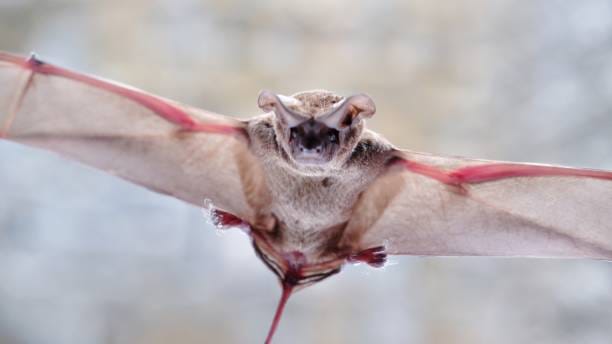
The Mexican Free-tailed Bat is a medium to large insectivorous bat widespread in North and Central America. Its name derives from the distinctive tail extending beyond the tail membrane. These bats are fast fliers, capable of reaching speeds over 96 km/h, and primarily consume moths, beetles, and other flying insects. They roost in massive colonies, including urban bridges and caves, with millions of individuals forming spectacular emergences at dusk.
Identification involves a streamlined body, long tail, and dark brown fur. Their colonies are highly social, with coordinated flight and vocal communication. These bats are vital in agricultural pest management, consuming tons of insects nightly. Observing them demonstrates both their speed and ecological importance.
27. Virginia Big-eared Bat
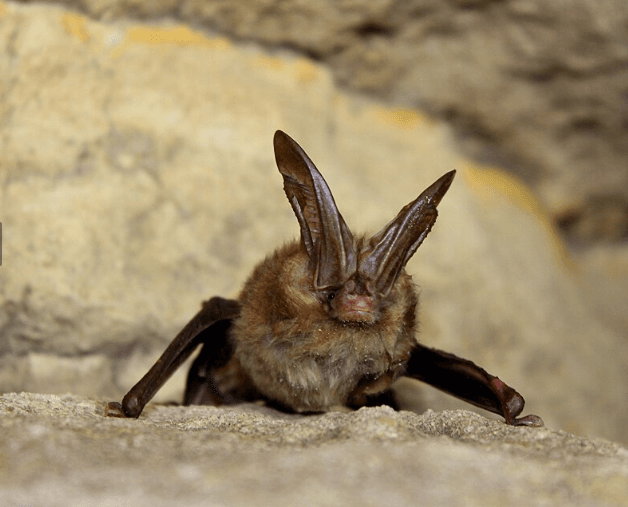
The Virginia Big-eared Bat is an endangered species native to the Appalachian Mountains of the United States. Named for its unusually large ears, it uses echolocation to hunt moths and other nocturnal insects. Roosting occurs in caves, often in small colonies with strict social hierarchies. This species is sensitive to disturbance, making habitat protection crucial for its survival.
Identification includes large ears, small size, and light brown fur. Their conservation emphasizes the importance of cave ecosystems and the role of bats in insect population control. Observing these bats provides insight into specialized adaptations for cave-dwelling and the intricate balance of sensitive ecosystems.
28. Mariana Fruit Bat
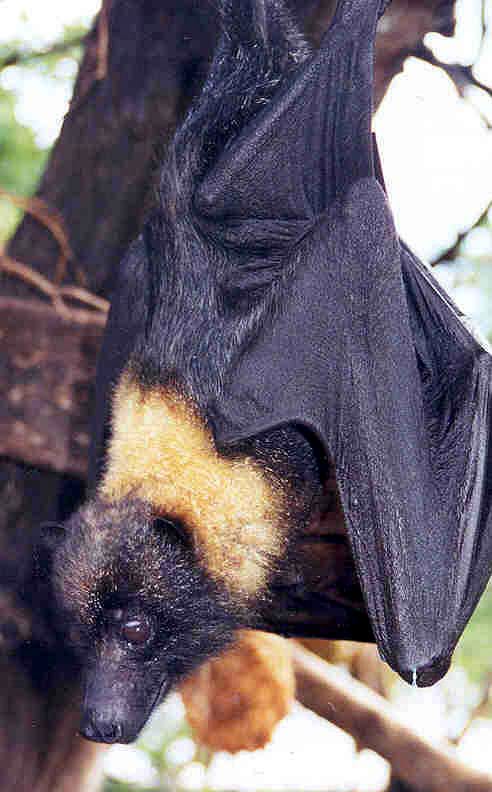
The Mariana Fruit Bat, also called the Mariana Flying Fox, is a large megabat endemic to the Mariana Islands. With dark brown fur and a fox-like face, it feeds on fruit, flowers, and leaves, serving as a critical pollinator and seed disperser. Roosting occurs in tall trees, often in colonies that help reduce predation risks.
Identification involves dark fur, a pointed snout, and large eyes. These bats are socially active, with vocalizations and grooming behaviors. Conservation efforts focus on protecting roosting trees and mitigating hunting pressures. Observing their foraging highlights the interdependence between island forests and their native bat populations.
29. Island Tube-nosed Fruit Bat
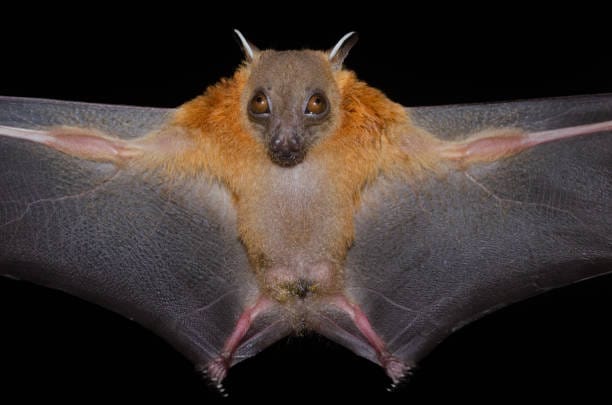
The Island Tube-nosed Fruit Bat is a medium-sized bat native to Southeast Asian islands. Its distinctive tubular nostrils aid in olfaction, helping locate ripe fruit and nectar. These bats roost in trees and occasionally in caves, often forming small, cohesive colonies. Their diet is exclusively frugivorous, contributing significantly to seed dispersal and forest regeneration.
Identification includes tube-shaped nostrils, brown fur, and medium-sized wings for agile maneuvering among trees. Social interactions involve vocal communication, grooming, and coordinated movements during foraging. Observing these bats illustrates the adaptations of island species to limited habitats and the vital role of frugivores in maintaining ecosystem health.
30. Long-haired Rousette
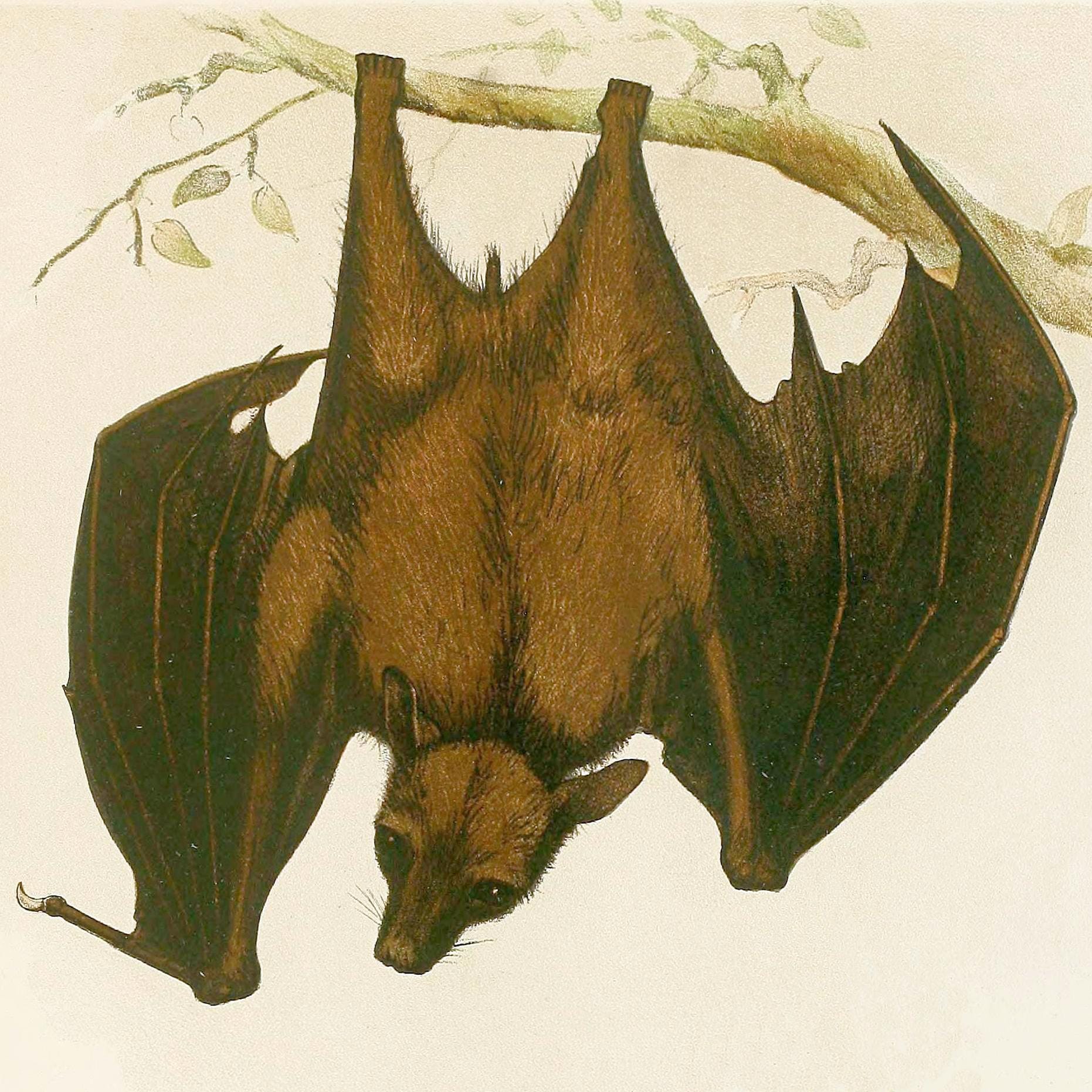
The Long-haired Rousette is a large megabat from Southeast Asia, notable for its long, golden-tipped fur and fox-like face. It primarily feeds on fruits and nectar, contributing to pollination and seed dispersal in tropical forests. They roost in trees and occasionally in caves, forming medium-sized colonies that provide social and protective benefits.
Identification includes long, golden-tipped fur, a pointed face, and broad wings. Reproductive behaviors involve male displays and vocalizations to attract females. Observing the Long-haired Rousette reveals the complex interplay of social structure, flight patterns, and ecological roles in sustaining forest ecosystems.
31. Yellow‑winged Bat
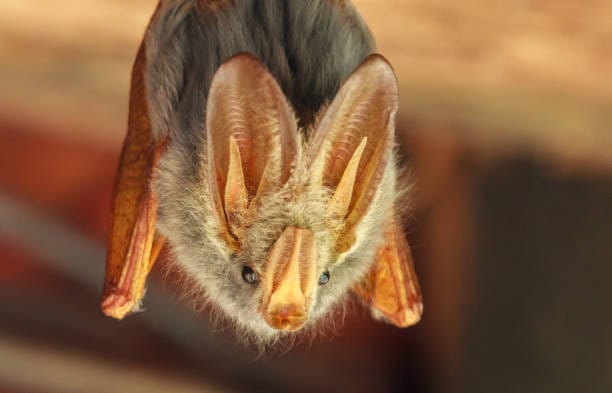
The Yellow‑winged Bat is a striking species native to sub-Saharan Africa, easily identified by the yellow coloration on its wings. This insectivorous bat feeds mainly on moths, beetles, and flying insects, using echolocation for precise navigation in the night. Roosting sites include caves, hollow trees, and occasionally man-made structures, with small colonies maintaining social interactions. Their nocturnal activity helps regulate insect populations, making them vital contributors to local ecosystems.
Identification focuses on medium size, yellow-tinged wings, and dark brown body fur. Observing these bats reveals their agile flight, coordinated hunting, and the efficiency of echolocation. Their presence indicates healthy insect populations and undisturbed habitats.
32. Arabian Trident Bat
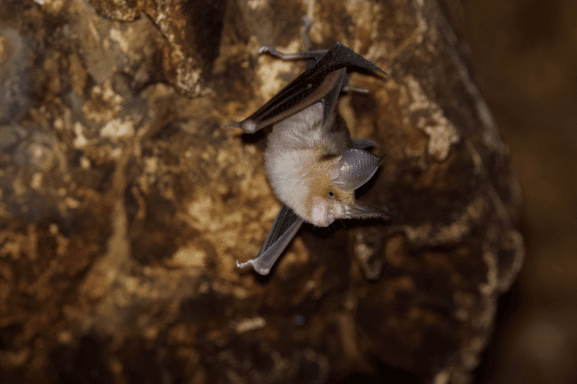
The Arabian Trident Bat is a small, rare species found in the Arabian Peninsula. It is named for the trident-like structure on its nose, which enhances echolocation. These bats are insectivorous, hunting small flying insects over desert oases, wadis, and agricultural areas. They roost in crevices, caves, and rock faces, often forming tight-knit colonies for protection against predators.
Identification includes trident-shaped nose-leaf, brown fur, and slender body. Behavioral observations show nocturnal foraging, precision flight, and complex vocalizations used to communicate within colonies. The Arabian Trident Bat is an example of adaptation to arid environments, demonstrating how specialized structures and behaviors support survival in challenging habitats.
33. Fawn Leaf‑nosed Bat
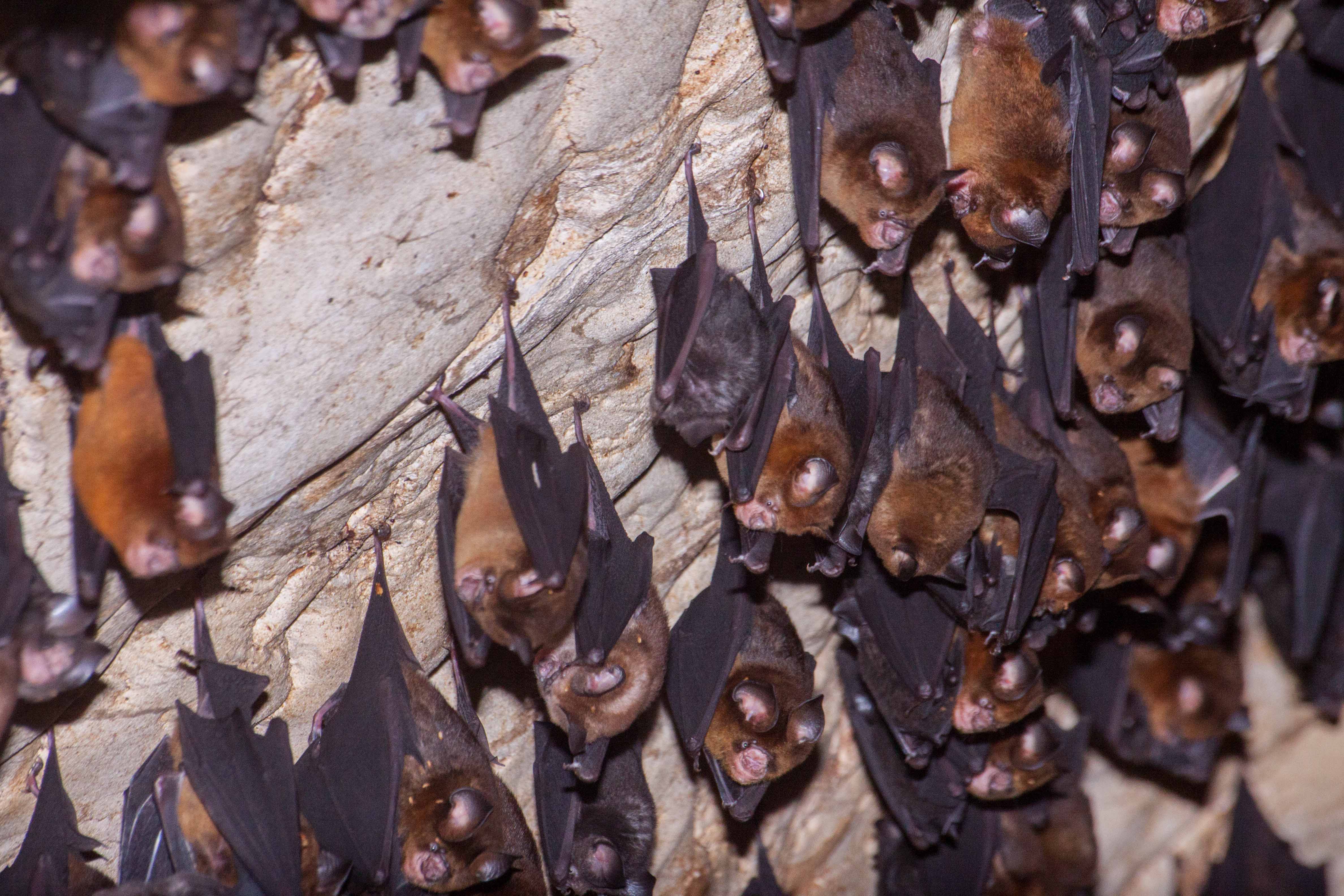
The Fawn Leaf‑nosed Bat is a small to medium-sized species native to Southeast Asia, easily recognized by its leaf-shaped nose used for echolocation. These bats feed on insects such as moths, beetles, and flying ants, capturing prey with precise aerial maneuvers. Roosting occurs in caves, hollow trees, and occasionally man-made structures, with colonies ranging from small family units to several dozen individuals.
Identification involves fawn-colored fur, leaf-shaped nose, and medium-sized wings adapted for maneuverable flight. Observing their nocturnal activity highlights their hunting strategies, social interactions, and contributions to insect population control. This species exemplifies the diversity of bat facial morphologies and their ecological significance in tropical regions.
34. Smoky Bat
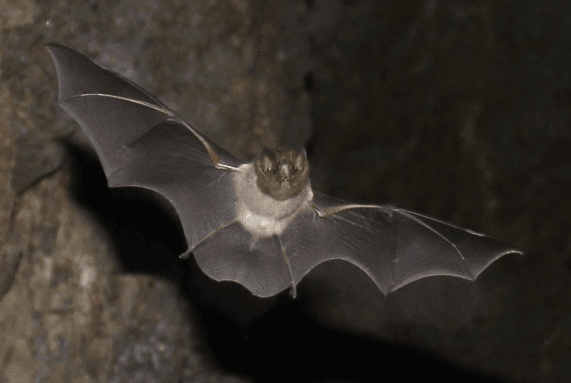
The Smoky Bat is a medium-sized insectivorous bat found in Central and South America. Its smoky-gray fur provides camouflage among rocks and tree bark. These bats feed on moths, beetles, and other insects, using echolocation to detect prey in total darkness. They roost in caves, hollow trees, and occasionally under building eaves, often forming small colonies for warmth and protection.
Identification includes smoky-gray fur, broad wings, and a small, agile body. Behavioral observations reveal nocturnal hunting patterns, precise flight, and social grooming. The Smoky Bat plays a crucial role in maintaining insect balance in its habitat, demonstrating the adaptability and ecological importance of insectivorous bats across diverse environments.
35. Vampire Bat
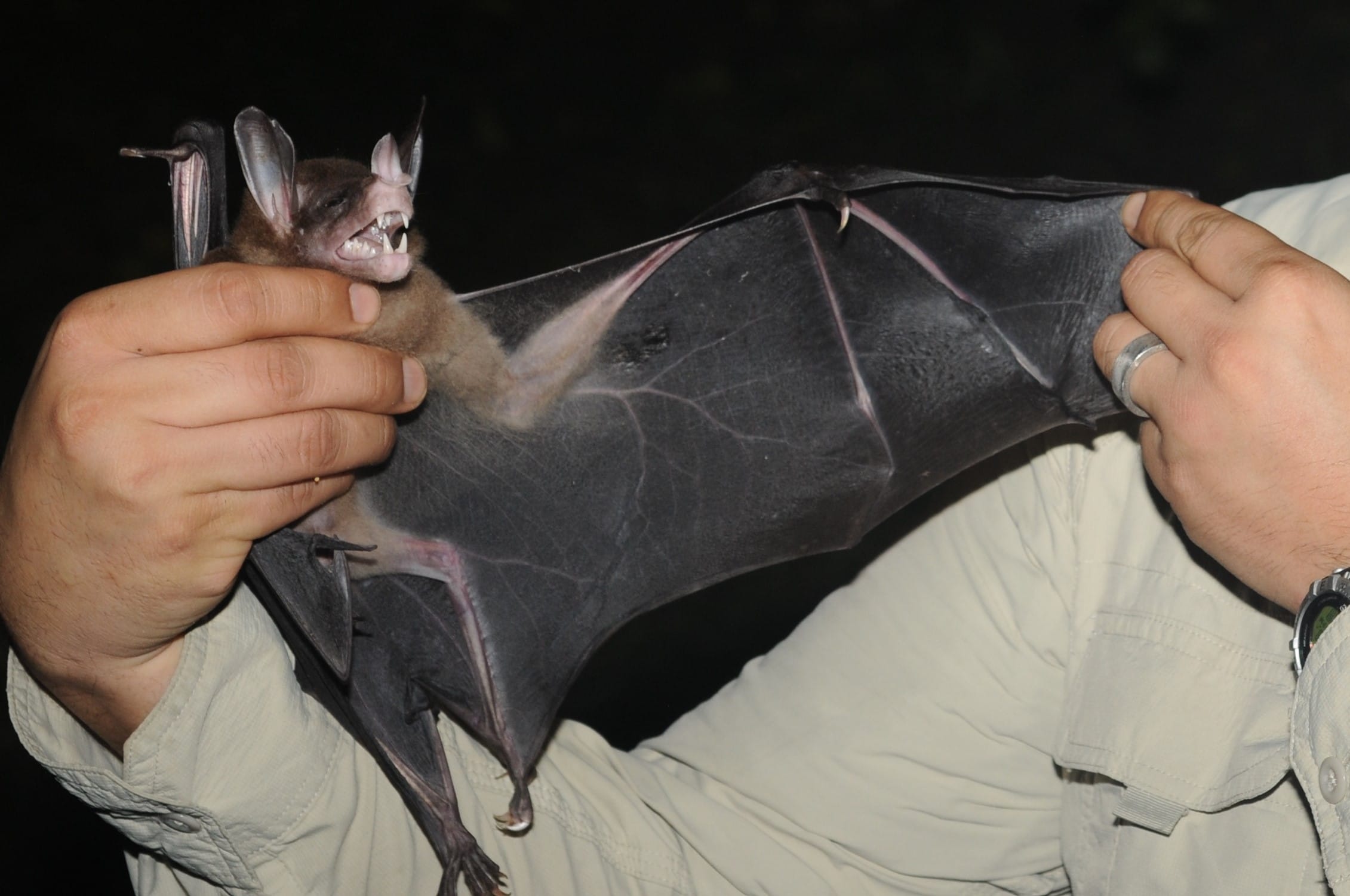
The Vampire Bat is perhaps the most famous bat due to its blood-feeding behavior. Found in Central and South America, it feeds on the blood of mammals and birds, typically livestock. Despite its reputation, it is a highly specialized species with anticoagulant saliva allowing it to feed without alerting the host. They roost in caves, hollow trees, and abandoned structures, living in tight-knit colonies that demonstrate social behaviors such as food sharing and grooming.
Identification includes small size, short fur, and sharp incisor teeth adapted for piercing skin. Vampire Bats are nocturnal, exhibiting remarkable coordination during flight and feeding. They play a unique ecological role, influencing prey populations and even contributing to scientific research on anticoagulants. Observing them offers a glimpse into the complex adaptations of bats to specialized feeding niches.
Conclusion
Bats are among the most diverse and ecologically vital mammals on the planet. From the tiny Pygmy Pipistrelle to the large Spectacled Flying Fox, these 35 Types of Bats demonstrate an incredible range of adaptations in size, diet, roosting habits, and social behavior. Some species, like the Indian Flying Fox and Mariana Fruit Bat, are essential pollinators and seed dispersers, shaping the forests they inhabit. Others, such as the Big Brown Bat, Mexican Free-tailed Bat, and Pallid Bat, serve as natural pest controllers, keeping insect populations in check and supporting human agriculture.
These bats also exhibit remarkable evolutionary innovations. Echolocation, leaf-shaped noses, elongated wings, and specialized diets highlight how each species has carved out its niche in diverse environments, from tropical forests and deserts to urban landscapes. Their nocturnal behaviors, social structures, and foraging strategies provide insight into the complexity of bat life and the delicate balance of ecosystems worldwide.
Studying bats offers more than just scientific knowledge; it reveals the unseen dynamics of ecosystems, the importance of conserving habitats, and the profound ways in which even small creatures influence the natural world. Observing these 35 species demonstrates that bats are not merely nocturnal animals of the night—they are vital contributors to biodiversity and environmental health, deserving both fascination and protection.
FAQ About Types of Bats
1. What are the main types of bats?
The main types of bats are generally divided into megabats (fruit bats) and microbats (insectivorous bats), each with hundreds of species worldwide.
2. How many species of bats exist?
There are over 1,400 species of bats globally, making them one of the most diverse mammal groups.
3. What do fruit bats eat?
Fruit bats primarily feed on fruits, nectar, and flowers, playing a vital role in pollination and seed dispersal.
4. Are all bats nocturnal?
Most bats are nocturnal, active at night, although some species, particularly fruit bats, may forage during twilight hours.
5. What is echolocation?
Echolocation is a navigation and hunting method used by many bats, emitting high-frequency sounds that bounce off objects to locate prey or obstacles.
6. How do vampire bats feed?
Vampire bats feed on the blood of mammals or birds using specialized teeth and anticoagulant saliva to obtain small amounts without harming the host significantly.
7. Where do bats roost?
Bats roost in caves, hollow trees, attics, bridges, and sometimes under leaves or in man-made structures, depending on the species.
8. What is the largest bat species?
The largest bat species is the Giant Golden-Crowned Flying Fox, with a wingspan exceeding 1.5 meters.
9. What is the smallest bat species?
Kitti’s Hog-nosed Bat, also known as the Bumblebee Bat, is the smallest mammal by size, weighing only about 2 grams.
10. How do bats help ecosystems?
Bats control insect populations, pollinate plants, disperse seeds, and maintain ecological balance in both forests and agricultural areas.
11. Can bats carry diseases?
Yes, some bats can carry diseases such as rabies or viruses, but the risk to humans is minimal if bats are not handled or disturbed.
12. How long do bats live?
Bat lifespans vary by species, with some small bats living 5–10 years and larger species like flying foxes living over 20 years in the wild.
13. Do bats migrate?
Some bat species, like the Hoary Bat, migrate seasonally to find suitable feeding and roosting areas.
14. How do bats reproduce?
Most bats have one or two offspring per year. Some species mate in the fall, with delayed fertilization allowing births in spring.
15. Why do bats hang upside down?
Bats hang upside down to take flight quickly, conserve energy while roosting, and avoid predators.
16. Are bats blind?
No, bats are not blind. Microbats rely on echolocation, while many fruit bats have excellent eyesight and keen senses of smell.
17. How do bats sleep?
Bats sleep hanging upside down in roosts, often in dark, secluded spaces for protection and energy conservation.
18. Can bats fly long distances?
Yes, some species, like the Mexican Free-tailed Bat, migrate hundreds to thousands of kilometers annually.
19. What threats do bats face?
Threats include habitat loss, hunting, climate change, disease, and disturbances to roosting sites.
20. Are all bats frugivores?
No, only megabats are primarily frugivores, while microbats are mostly insectivores or carnivorous.
21. How do bats find their food?
Bats use echolocation, keen eyesight, and olfactory senses to locate insects, fruits, or nectar.
22. Do bats live in colonies?
Many bat species live in colonies ranging from a few individuals to millions, depending on the species.
23. What is a flying fox?
Flying foxes are large fruit bats with fox-like faces, important pollinators and seed dispersers in tropical forests.
24. Can bats navigate in complete darkness?
Yes, microbats use echolocation, while some megabats rely on memory, vision, and scent to navigate at night.
25. How fast can bats fly?
Speed varies by species; Mexican Free-tailed Bats can reach speeds over 96 km/h, making them among the fastest flying mammals.
26. How do bats communicate?
Bats communicate using vocalizations, echolocation calls, body language, and social behaviors like grooming and wing flapping.
27. Are bats endangered?
Several bat species are endangered due to habitat destruction, hunting, and environmental changes, requiring conservation efforts.
28. What adaptations help bats hunt?
Adaptations include echolocation, wing shape for maneuverable flight, sharp teeth, and acute senses of hearing and smell.
29. Do bats have predators?
Yes, predators include owls, snakes, raccoons, and other mammals that can access roosting sites.
30. How do bats affect agriculture?
Bats reduce crop pests and promote pollination and seed dispersal, directly benefiting both commercial and natural ecosystems.
31. Can bats coexist with humans?
Yes, bats can thrive near humans if roosts are undisturbed, and they provide ecological services like insect control.
32. How do bats avoid predators?
Bats use camouflage, nocturnal activity, echolocation, and roosting in inaccessible places to avoid predation.
33. What is the lifespan of a vampire bat?
Vampire bats can live 9–12 years in the wild and longer in captivity, demonstrating their resilience despite specialized diets.
34. How do bats contribute to forest regeneration?
Fruit-eating bats disperse seeds across wide areas, ensuring the growth of new trees and maintaining forest diversity.
35. Do bats hibernate?
Some species, especially in temperate regions, hibernate during winter, reducing metabolism and conserving energy when food is scarce.
36. Can bats carry rabies?
Yes, a small percentage can carry rabies, but the risk to humans is low when bats are not handled.
37. How do bats raise their young?
Female bats typically give birth to one or two pups, nursing and teaching them to fly and forage for several weeks.
38. What is the role of echolocation in social behavior?
Echolocation helps bats coordinate movement, maintain group cohesion, and locate roosting sites during nighttime activity.
39. Do bats pollinate plants?
Yes, fruit bats and nectar-feeding bats are essential pollinators for many tropical and subtropical plant species.
40. How are bats classified?
Bats are classified into two major groups: Megabats (fruit and nectar eaters) and Microbats (insectivores and carnivores), each containing numerous species.
41. Why are bats important for biodiversity?
Bats maintain ecosystem balance through pest control, pollination, seed dispersal, and providing food for predators, making them indispensable to biodiversity.
42. What adaptations help bats survive in cities?
Urban-adapted bats roost in buildings, bridges, and other structures, while foraging in gardens and parks, using echolocation and vision to navigate safely.
Read more: 10 Types of Flamingos (Pictures And Identification)