

Minnesota is home to a remarkable variety of weasels and related mustelids, ranging from tiny, agile predators to larger, elusive forest dwellers. Despite their size, these creatures play an outsized role in maintaining ecological balance, controlling rodent populations, and supporting biodiversity across forests, wetlands, and prairies. From the nimble Least Weasel to the semi-aquatic American Mink, each species offers fascinating behaviors, physical traits, and adaptations unique to Minnesota’s environment. In this guide, we explore 8 types of weasels in Minnesota, providing detailed insights into their identification, habitat, diet, reproduction, and interactions with humans. Whether you are a wildlife enthusiast, hiker, or photographer, this comprehensive review will help you understand, appreciate, and even spot these agile hunters in the wild.
1. Long-Tailed Weasel (Neogale frenata)
Physical Characteristics & Identification Tips
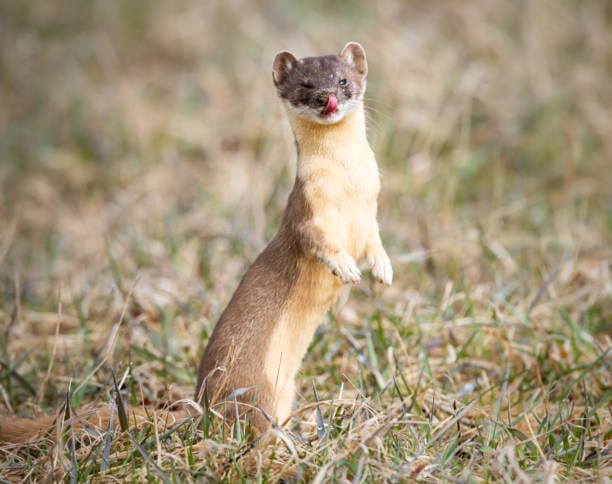
The Long-Tailed Weasel is a slender, elongated predator easily recognized by its reddish-brown coat and contrasting white underbelly. Its most distinguishing feature is the long black-tipped tail. Adults range from 14–16 inches for males and 10–12 inches for females. In winter, their coat often turns white with the black tail tip preserved, a clever adaptation for snowy conditions. Their lithe bodies, sharp claws, and elongated skulls allow for agility, speed, and precise hunting.
Behavior
Primarily nocturnal, Long-Tailed Weasels may occasionally appear in daylight, especially in quiet forest edges or meadows. They are territorial, energetic, and persistent hunters, known for chasing prey several times their size. One can liken their movements to an acrobat weaving through undergrowth, with bursts of sudden speed and unpredictable twists. Their intelligence and agility make them formidable predators despite their small stature.
Habitat and Range
Found throughout Minnesota, Long-Tailed Weasels occupy forests, grasslands, farmlands, and river edges. Dense vegetation, abandoned burrows, and rock crevices provide shelter and hunting grounds. These weasels are highly adaptable and may venture near human habitats if food is abundant.
Diet
Primarily carnivorous, Long-Tailed Weasels feed on mice, voles, shrews, and occasionally birds or insects. Food caching near dens is common, ensuring survival through winter scarcity. Their high metabolism demands nearly constant hunting, keeping them active year-round.
Reproduction and Life Cycle
Breeding occurs in summer, but delayed implantation leads to spring births. Litters range from 5–8 kits. Young are born blind and rely entirely on maternal care, rapidly developing hunting and survival skills in a few weeks.
Fun Facts / Traits
- Can take down prey much larger than themselves.
- Excellent swimmers and climbers.
- Black-tipped tail remains a distinguishing feature even in snowy landscapes.
Human Interaction
Long-Tailed Weasels are beneficial for controlling rodent populations. Rarely seen, they mostly interact indirectly with humans through their ecological role. Tracking footprints or signs is often more practical than direct observation.
2. Short-Tailed Weasel / Ermine (Mustela erminea)’

Physical Characteristics & Identification Tips
The Short-Tailed Weasel is compact, with a brown summer coat turning white in winter, except for the black tail tip. Adults measure 7–13 inches, males larger than females. Their small size belies remarkable hunting prowess, and their contrasting coloration provides both camouflage and subtle communication signals within the species.
Behavior
Stealthy and deliberate, Short-Tailed Weasels often hunt small mammals by following them into burrows or dense cover. Movements are quick, zigzagging, and almost dance-like, reflecting their agility. Primarily nocturnal, they may be active in quiet daylight areas, especially in winter.
Habitat and Range
Throughout Minnesota, Ermines inhabit forests, wetlands, and open fields. They prefer dense ground cover and abandoned burrows for shelter. Observing them is rare, but their presence signals healthy rodent populations.
Diet
Mainly small mammals such as mice and voles, occasionally birds, frogs, and insects. Their hunting in tight spaces makes them effective natural pest controllers.
Reproduction and Life Cycle
Breeding occurs midsummer, with delayed implantation leading to spring births. Litters usually contain 4–9 kits, developing rapidly and learning to hunt independently within weeks.
Fun Facts / Traits
- Winter fur historically prized for ceremonial garments.
- Fearless hunters, capable of subduing prey larger than themselves.
- Key ecological role in maintaining rodent balance.
Human Interaction
Farmers and conservationists appreciate Ermines for rodent control. Sightings are rare, but tracking signs provides valuable ecological information.
3. Least Weasel (Mustela nivalis)
Physical Characteristics & Identification Tips
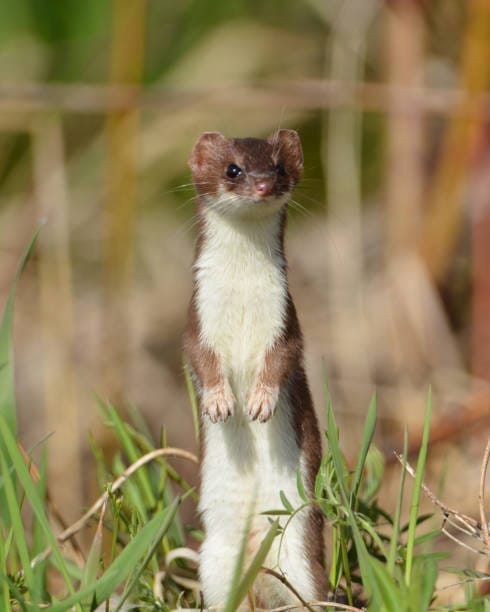
The Least Weasel is the smallest carnivore in North America, measuring only 6–8 inches. Brown above and white below in summer, turning completely white in winter. Its short tail lacks a black tip. Despite diminutive size, it is a fierce and efficient predator.
Behavior
Solitary, energetic, and fearless. Moves quickly through underbrush and burrows, hunting constantly. Their unpredictable, twisting movements make them highly effective despite small stature.
Habitat and Range
Found in open fields, meadows, and forest edges across Minnesota. Prefers dense rodent populations and can survive in fragmented habitats. Northern regions report higher densities.
Diet
Primarily mice, voles, and small mammals; occasionally insects or small birds. High metabolism demands nearly constant hunting activity.
Reproduction and Life Cycle
Breeding multiple times per year depending on food availability. Litters of 4–6 kits grow rapidly and become independent hunters within weeks.
Fun Facts / Traits
- Formidable hunters despite tiny size.
- Can enter extremely narrow spaces inaccessible to other predators.
- High-energy hunting showcases incredible metabolism.
Human Interaction
Rarely seen by humans, but valued as natural pest control. Observing one is a rewarding experience for wildlife enthusiasts.
4. American Mink (Neogale vison)
Physical Characteristics & Identification Tips
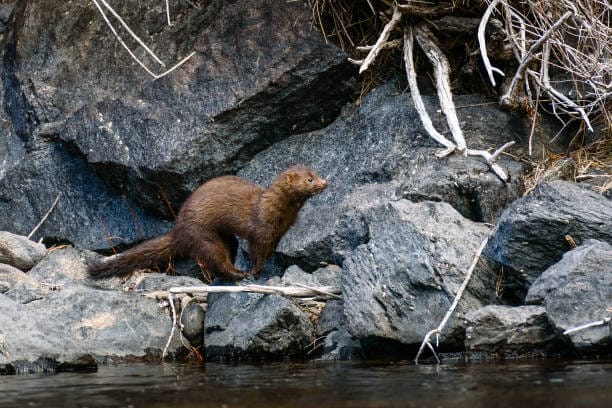
The American Mink is slightly larger than most Minnesota weasels, with adults measuring 12–18 inches plus a 4–6 inch bushy tail. Its dense, glossy dark brown fur often has lighter patches on the throat and chest, giving a subtle contrast. The mink’s fur is water-resistant, allowing efficient movement in aquatic environments. Males are larger and more muscular than females, clearly showing sexual dimorphism.
Behavior
Minks are versatile predators, skilled both on land and in water. Primarily nocturnal, they occasionally hunt in daylight. Solitary and territorial, minks use scent marking for communication. Their hunting style is stealthy and precise, often involving silent stalking along riverbanks or diving to capture fish, amphibians, and small mammals.
Habitat and Range
American Minks inhabit rivers, streams, wetlands, and pond edges throughout Minnesota. Dense vegetation provides shelter and abundant prey. Minks navigate snowy riverbanks and ice edges during winter, demonstrating impressive adaptability.
Diet
Minks are opportunistic carnivores. Their diet includes fish, frogs, crayfish, birds, and small mammals. They may cache extra food near dens to survive scarcity. Hunting efficiency allows survival in both natural and semi-rural areas.
Reproduction and Life Cycle
Breeding occurs February–April, with delayed implantation ensuring kits are born in spring. Litters contain 3–6 young, born blind and dependent. By 6–8 weeks, kits learn swimming and hunting. Sexual maturity occurs within the first year.
Fun Facts / Traits
- Minks are skilled semi-aquatic hunters.
- Historically, mink fur was highly valued.
- They exhibit surprising courage, sometimes taking on larger prey.
Human Interaction
Minks generally avoid humans but help control rodent populations. Wildlife enthusiasts track them along riverbanks, though direct sightings are uncommon.
5. American Marten (Martes americana)
Physical Characteristics & Identification Tips
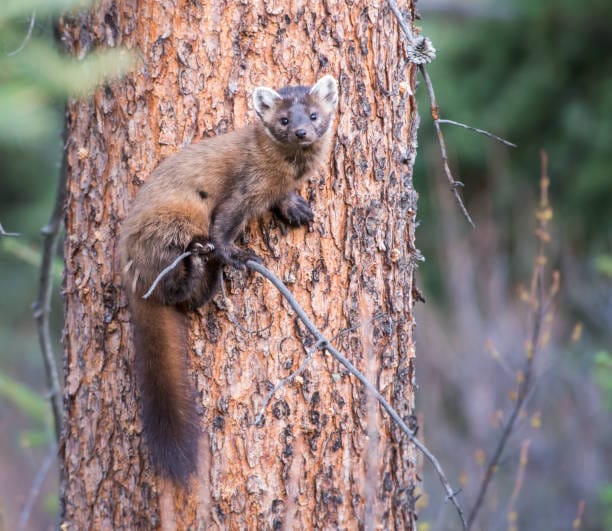
The American Marten is a small, forest-dwelling mustelid with golden-brown fur and creamy throat patch. Adults measure 14–20 inches plus a bushy tail. Slender and agile, martens have sharp claws for climbing and hunting in trees.
Behavior
Martens are crepuscular and solitary. They hunt rodents, squirrels, and birds, often in trees or dense undergrowth. Highly curious, they exhibit playful behaviors in winter, sliding along snow and leaping from branches.
Habitat and Range
They inhabit dense northern forests with conifers and mixed hardwoods. In Minnesota, they are mostly in the northeast, avoiding open areas. Hollow logs and tree cavities serve as dens.
Diet
Primarily carnivorous but will eat berries and nuts in fall. They store food near dens during scarce periods. Diet flexibility aids survival across seasonal changes.
Reproduction and Life Cycle
Breeding occurs July–August with delayed implantation. Kits are born in spring (2–5 per litter). Young remain with mother for several months before establishing territories.
Fun Facts / Traits
- Excellent tree climbers, rarely descending to the ground.
- Playful sliding on snow is a common winter activity.
- Once trapped extensively for fur, now a conservation focus.
Human Interaction
Martens rarely interact with humans but benefit forest health by controlling rodent populations. Sightings are treasured by wildlife photographers.
6. Fisher (Pekania pennanti)
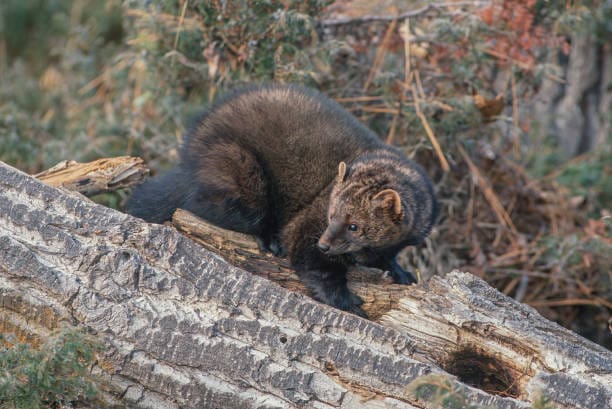
Physical Characteristics & Identification Tips
Fishers are the largest mustelids in Minnesota forests, measuring 36–47 inches including tail. Their thick dark brown fur sometimes shows a reddish sheen. Strong limbs and sharp claws allow excellent climbing. Agile for both ground and trees.
Behavior
Solitary and crepuscular, fishers are powerful hunters capable of preying on porcupines. They use scent marking and vocalizations for communication. Observing fishers is rare, but tracks in snow or soil are a clue.
Habitat and Range
Dense forests with abundant prey and den sites. Prefer large territories in mature northern Minnesota forests. Hollow logs, tree cavities, and abandoned burrows serve as dens.
Diet
Opportunistic carnivores: small mammals, birds, insects, fruits, and occasionally carrion. Skilled porcupine hunters. Seasonal diet shifts: more fruits in summer/fall, more mammals in winter.
Reproduction and Life Cycle
Breeding March–April, delayed implantation results in births the following March. Litters 1–4 kits, dependent at birth but develop hunting and climbing skills by autumn.
Fun Facts / Traits
- One of few predators of porcupines.
- Excellent climbers and swimmers.
- Elusive and rarely seen directly.
Human Interaction
Rarely interacts with humans. Supports ecosystem health by controlling rodent and porcupine populations. Conservation appreciated by wildlife enthusiasts.
7. North American River Otter (Lontra canadensis)
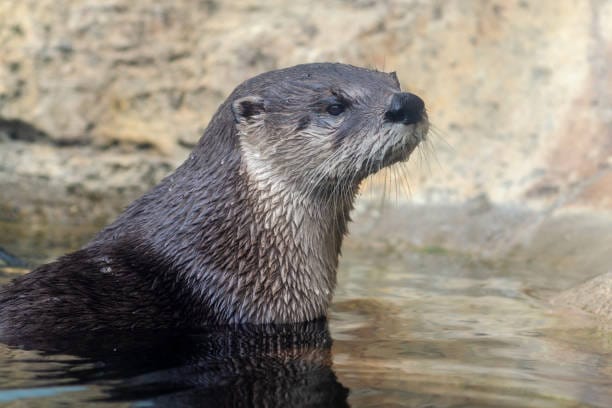
Physical Characteristics & Identification Tips
River Otters are sleek, muscular semi-aquatic mustelids. Adults 26–42 inches long with flattened tails and webbed feet. Brown fur is dense and water-resistant. Agile swimmers with streamlined bodies for aquatic life.
Behavior
Playful and social, often observed sliding on snow or swimming in groups. Mostly crepuscular, they hunt fish, amphibians, and crustaceans. Can dive for minutes while pursuing prey underwater.
Habitat and Range
Found along rivers, lakes, and wetlands throughout Minnesota. Require clean waterways with abundant prey and dens for resting. Dens often in hollow logs or riverbanks.
Diet
Primarily fish, crayfish, frogs, small mammals, and birds. Opportunistic and adaptable depending on seasonal availability.
Reproduction and Life Cycle
Breeding occurs late winter; delayed implantation leads to spring births. Litters 2–5 kits. Young develop swimming and hunting skills within weeks, dependent on mother initially.
Fun Facts / Traits
- Playful behavior often attracts human observers.
- Strong swimmers capable of pursuing prey underwater.
- Social among family units.
Human Interaction
Otters are rarely a nuisance; considered indicators of healthy waterways. Popular with ecotourists and photographers.
8. American Badger (Taxidea taxus)
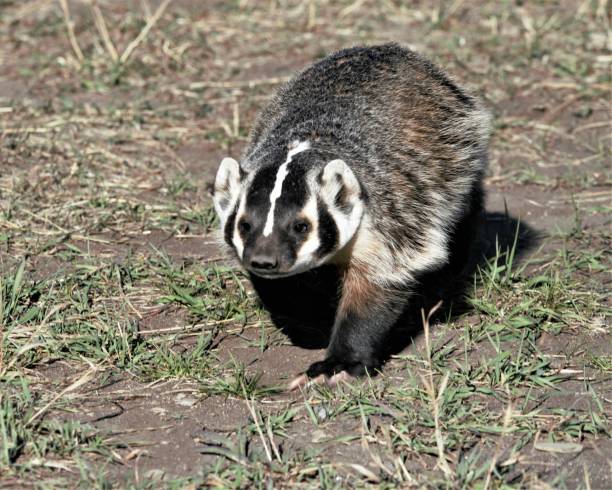
Physical Characteristics & Identification Tips
American Badgers are stout, ground-dwelling mustelids with broad bodies, short legs, and distinctive facial stripes. Adults weigh 7–12 kg, measuring up to 30 inches long. Sharp claws are adapted for digging extensive burrows.
Behavior
Mostly nocturnal, badgers are solitary and aggressive when threatened. Exceptional diggers, capable of excavating large burrows to hunt ground-dwelling prey. Known for tenacity and persistence in hunting.
Habitat and Range
Prefer grasslands, prairies, and open forest edges in southern Minnesota. Burrows serve as dens and hunting bases. Adapted to both natural and semi-rural landscapes.
Diet
Primarily small mammals such as ground squirrels, voles, and mice. Occasionally insects and reptiles. Digging skills allow access to prey underground, reducing competition with other predators.
Reproduction and Life Cycle
Breeding occurs late summer; delayed implantation leads to spring births. Litters typically contain 1–5 kits. Young remain in burrow for several weeks before emerging.
Fun Facts / Traits
- Known for exceptional digging abilities.
- Can coexist with other mustelids by occupying underground niches.
- Remarkably fearless for size.
Human Interaction
Occasionally considered a pest by farmers due to burrow digging, but ecologically valuable for controlling rodent populations. Rarely seen directly due to nocturnal habits.
FAQ’s
1. How many species of weasel are there in Minnesota?
Minnesota is home to three main weasel species: the Long-tailed Weasel (Neogale frenata), the Short-tailed Weasel (Ermine, Mustela erminea), and the Least Weasel (Mustela nivalis), which is the smallest of the group.
2. What predators eat a weasel in Minnesota?
Weasels in Minnesota are preyed upon by larger animals such as owls, hawks, foxes, coyotes, and bobcats. Their small size makes them vulnerable despite their agility and secretive nature.
3. Are weasels protected in Minnesota?
Weasels are not endangered in Minnesota, but they are protected from being taken without a proper hunting or trapping license. This ensures populations remain stable while allowing regulated small game hunting.
4. What types of weasels live in Minnesota?
The main weasels in Minnesota are the Long-tailed Weasel, Short-tailed Weasel (Ermine), and the Least Weasel. They inhabit forests, grasslands, wetlands, and even suburban areas.
5. How is the least weasel unique among Minnesota species?
The Least Weasel is the smallest weasel in Minnesota, measuring only 6–8 inches long, not including the tail. Despite its size, it is a fierce predator, feeding mostly on mice and voles.
6. Are there wild minks in Minnesota?
Yes, the American Mink (Neogale vison) is found throughout Minnesota, especially near rivers, lakes, and wetlands. They are semi-aquatic and hunt fish, amphibians, and small mammals.
7. What is the difference between a mink and a weasel in Minnesota?
Minks are larger, darker, and semi-aquatic, with webbed feet for swimming. Weasels are smaller, terrestrial predators with brown backs and white or cream bellies. Minks also have a longer lifespan and broader diet.
8. Can you shoot mink in MN?
Yes, mink are classified as furbearers in Minnesota, and trapping or hunting is regulated by the Minnesota Department of Natural Resources. Hunters need a valid license and must follow season dates and bag limits.
Conclusion
Minnesota hosts a diverse and fascinating array of weasels and mustelids, from the tiny Least Weasel to the agile American Marten and playful North American River Otter. Each species brings unique adaptations, behaviors, and hunting strategies that contribute to the ecological balance of forests, wetlands, and grasslands across the state. Observing these elusive mammals, even indirectly through tracks, dens, or signs, offers a window into their secretive lives and highlights the intricate connections within Minnesota’s ecosystems.
These weasels play essential roles as predators of small mammals, amphibians, and birds, helping to maintain healthy populations and prevent overpopulation of certain species. While direct human encounters are rare, their presence supports biodiversity and provides learning opportunities for wildlife enthusiasts, photographers, and researchers. Next time you explore Minnesota’s wild spaces, keep an eye out—you may spot a shadow darting through the underbrush, a mink slipping silently along a riverbank, or a fisher navigating the trees, quietly shaping the environment around it.
Read more:
- 20 Types of Weasels: Species Identification with Pictures
- 5 Types of Weasels in Michigan (Pictures and Identification)
- 5 Types of Weasels in Ontario (Pictures And Identification)
- 5 Types of Weasels in New York | Identification & Facts
- 5 Types of Weasels in Vermont (Pictures And Identification)
- 6 Types of Weasels in Maine (Pictures and Identification)
- 5 Types of Weasels in Alberta | Identification & Facts
- 5 Types of Weasels in Pennsylvania (Pictures and Identification)
- 5 Types of Weasels in Wisconsin | Identification & Facts
- 5 Types of Weasels in Ohio | Identification & Facts