
Mackerel are a diverse group of fast-swimming, pelagic fish that belong to the family Scombridae. They are highly valued for their nutritional content, sporting qualities, and ecological importance. While the term “Mackerel” is often used broadly, there are distinct species recognized worldwide, each with unique physical traits, habitats, and behaviors. In this article, we explore 15 types of Mackerel, highlighting their identification features, distribution, diet, and role in marine ecosystems. This guide is perfect for marine enthusiasts, anglers, and students looking to understand the rich diversity within the Mackerel family. By the end, you will be able to distinguish these species and appreciate their ecological and economic significance.
15 Types of Mackerel
1. King Mackerel (Scomberomorus cavalla)
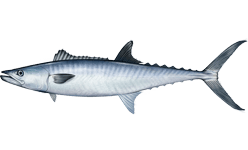
The King Mackerel, also known as the “Kingfish,” is a prominent species of the Scomberomorus genus, native to the western Atlantic Ocean and Gulf of Mexico. It is a large predator, capable of reaching up to 1.8 meters in length and 40 kilograms in weight. King Mackerel have a streamlined, elongated body, with a greenish-blue back and silvery sides, making them highly camouflaged in open waters. One distinguishing feature is the lateral line, which dips sharply downward behind the gill, a key identification marker. These fish are apex predators, feeding on smaller fish, squid, and crustaceans, using speed and agility to hunt in schools. They are known for seasonal migrations, moving to warmer waters during winter and returning to coastal feeding grounds in summer. King Mackerel are a popular target for sport fishermen due to their aggressive strikes and strong fighting ability. Their meat is prized for consumption, though care must be taken because large individuals may contain elevated mercury levels. Conservation of King Mackerel requires monitoring of fishing quotas to prevent overexploitation.
2. Spanish Mackerel (Scomberomorus maculatus)
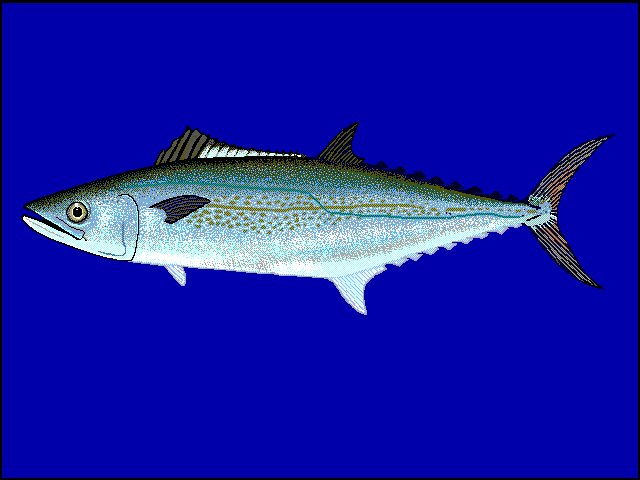
Spanish Mackerel are smaller than King Mackerel, typically reaching 30–70 centimeters in length. Recognizable by their slender bodies and distinctive olive-green or bluish back, they also display rows of yellow or bronze spots along their sides. Native to the western Atlantic, from the Gulf of Mexico to the northeastern U.S., Spanish Mackerel prefer warmer coastal waters. They are fast, schooling predators, often observed hunting baitfish near the surface. Diet primarily consists of small fish, shrimp, and plankton. Anglers prize Spanish Mackerel for their speed and fighting ability, making them a favorite for light tackle fishing. Commercially, they are harvested for their firm, flavorful meat. Management programs ensure sustainable catches, as overfishing can quickly deplete local populations. Spanish Mackerel are also known to migrate seasonally, with northern populations moving south in winter to warmer waters.
3. Atlantic Mackerel (Scomber scombrus)
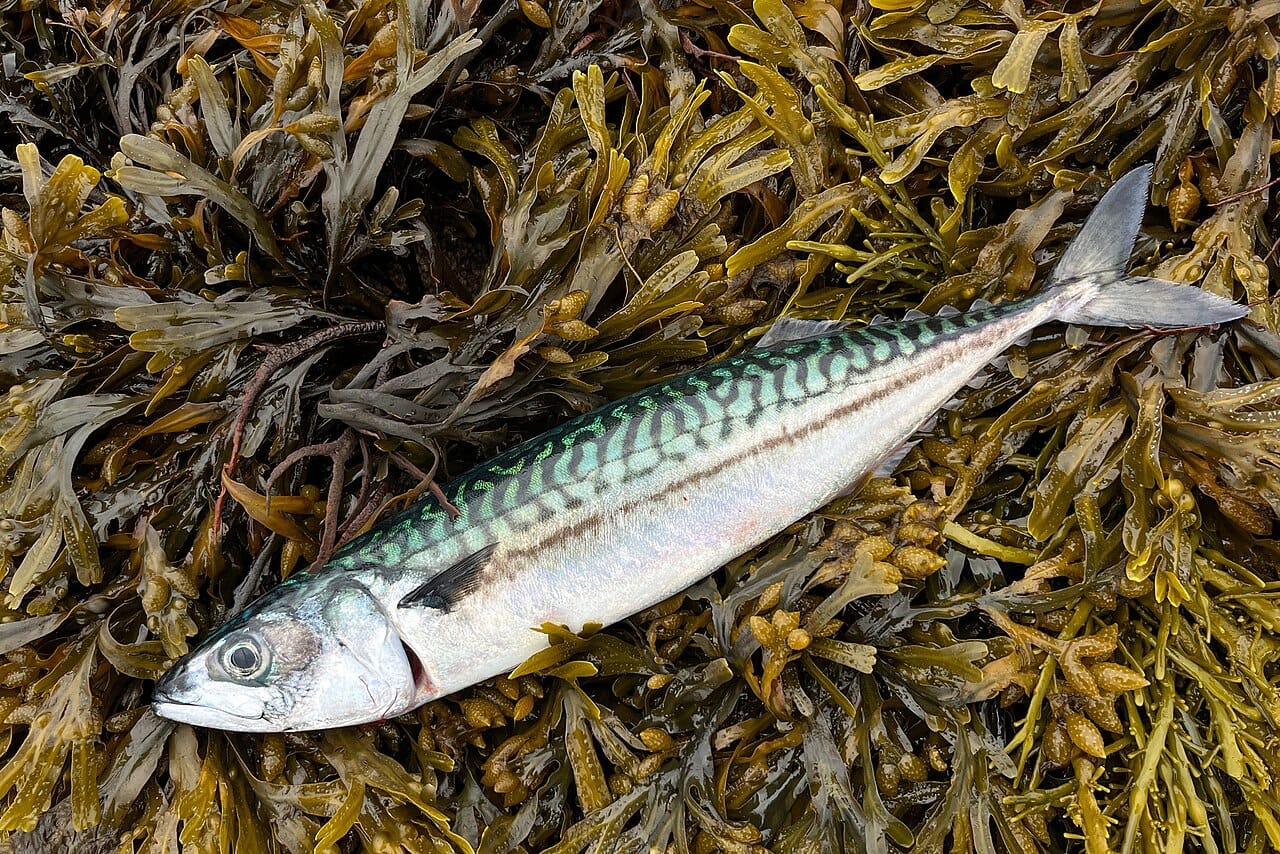
The Atlantic Mackerel is a classic “true mackerel” of northern Atlantic waters. With a distinctive greenish-blue back and wavy, dark stripes along the upper body, Atlantic Mackerel are easily recognizable. They typically grow up to 60 centimeters and weigh between 0.5–1 kilogram. This species is schooling, often forming large, dense aggregations that can stretch for kilometers. Atlantic Mackerel feed mainly on plankton, small crustaceans, and fish larvae. They are vital prey for larger predators such as tuna, seabirds, and marine mammals. Economically, Atlantic Mackerel are harvested extensively in Europe and North America, valued for canning, smoking, and fresh consumption. They are resilient but vulnerable to overfishing, and sustainable fishing practices are essential. These mackerel exhibit seasonal migrations, moving closer to shore to spawn in spring and retreating offshore in winter.
4. Cero Mackerel (Scomberomorus regalis)
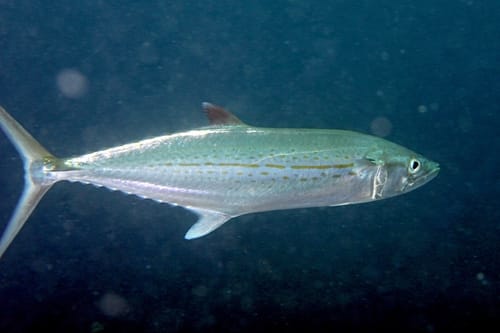
Cero Mackerel is a medium-sized species closely related to Spanish Mackerel. Found in the western Atlantic from Massachusetts to Brazil, Cero Mackerel are identified by a single longitudinal yellow stripe running along the body, accompanied by scattered spots above the lateral line. They grow up to 1 meter in length and feed on small schooling fish, squid, and shrimp. Cero Mackerel are schooling fish, often associated with floating debris or sargassum mats in tropical and subtropical waters. Anglers value them for sport fishing, as they strike aggressively and put up an impressive fight. Ecologically, they serve as both predator and prey, supporting coastal food webs. Conservation focuses on monitoring catches to prevent overfishing, particularly in heavily fished Caribbean waters.
5. Sierra Mackerel (Scomberomorus sierra)
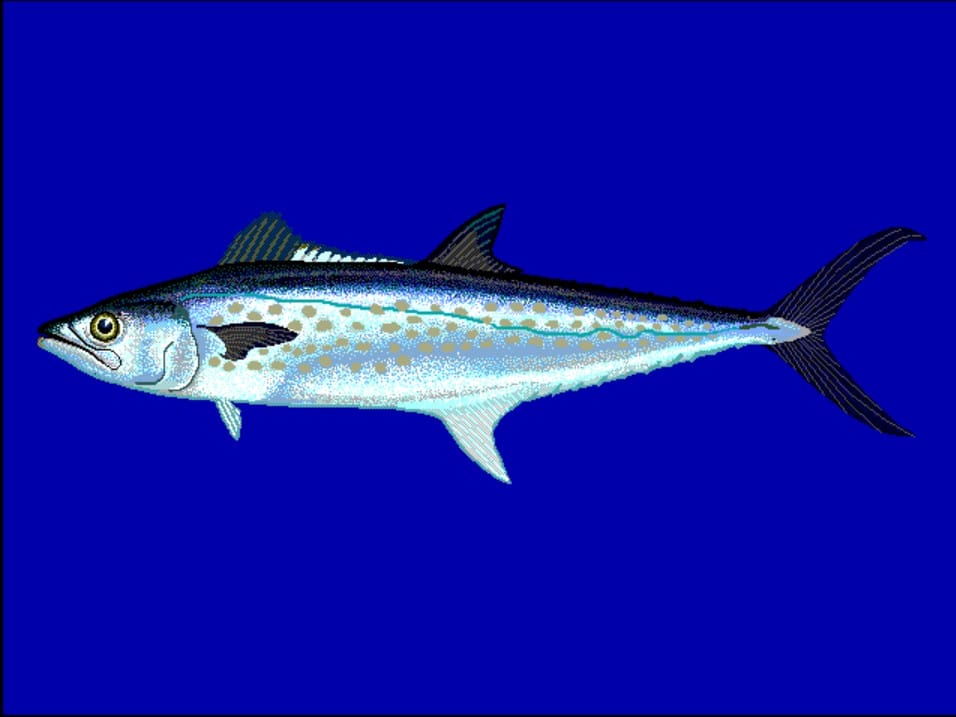
Sierra Mackerel inhabit the eastern Pacific, from southern California to northern Peru. They are slender, silvery fish with faint vertical bars along their sides. Typically reaching 50–70 centimeters in length, Sierra Mackerel are schooling predators, feeding on small fish and invertebrates. They are highly migratory, moving along coastal waters seasonally in search of prey and favorable temperatures. These fish are popular in local fisheries, especially for fresh consumption and bait in sport fishing. Their fast swimming speed and surface-hunting behavior make them fascinating subjects for marine biologists studying predator-prey interactions. Protecting Sierra Mackerel populations involves habitat conservation, especially of coastal feeding grounds and estuaries used by juveniles.
6. Jack Mackerel (Trachurus spp.)
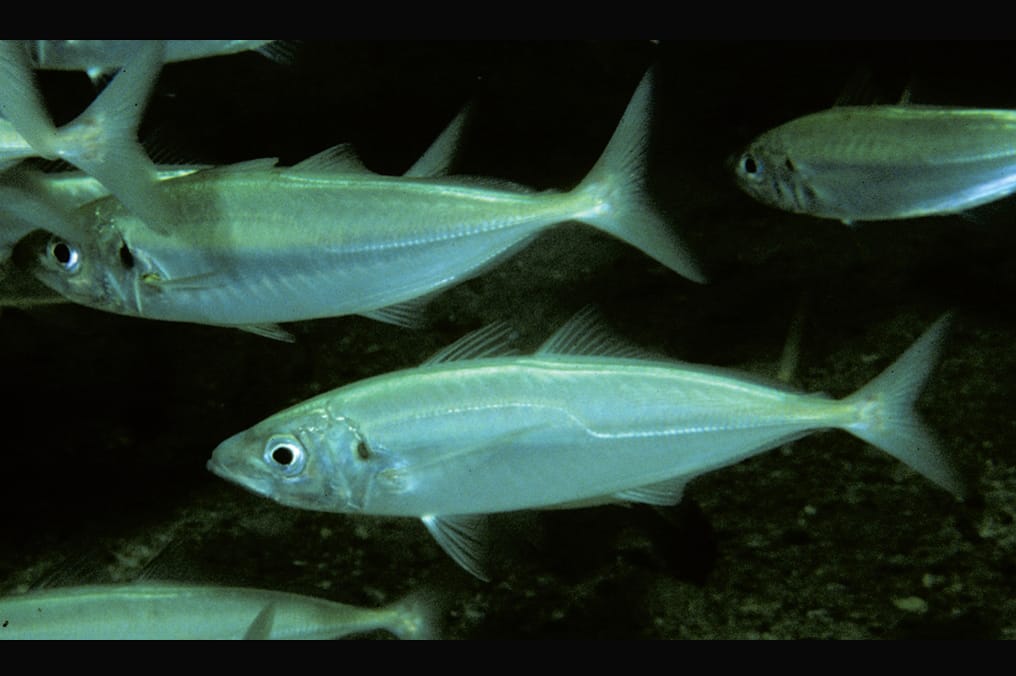
Jack Mackerel is a collective name for several species of schooling pelagic fish within the genus Trachurus. These fish are widely distributed across temperate and tropical waters globally, including the Pacific, Atlantic, and Indian Oceans. Jack Mackerel are medium-sized, typically ranging from 30 to 60 centimeters in length, with a streamlined body, silver-colored belly, and darker blue-green dorsal surface that helps camouflage them from predators. A characteristic lateral line runs along their sides, often with small scutes or scales, helping to identify them from other mackerel species.
Behaviorally, Jack Mackerel are schooling fish, forming dense aggregations that provide safety in numbers and enhance feeding efficiency. Their diet consists primarily of plankton, small crustaceans, and tiny fish, making them critical players in marine food webs. They serve as prey for larger pelagic predators like tuna, sharks, and seabirds. Their schooling behavior also makes them important for commercial fisheries, as they can be caught in large numbers using purse seines, gillnets, and trawling methods.
From a human perspective, Jack Mackerel are highly valued in many regions. In Japan, they are known as “Aji” when referring to smaller species, and are commonly prepared as sashimi or grilled fillets. In Chile, Peru, and other South American countries, Jack Mackerel is a staple in canned seafood products. Nutritionally, they are rich in omega-3 fatty acids, protein, and essential minerals, making them a healthy choice for human consumption. Despite their abundance, sustainable management is critical to prevent overfishing, as large-scale harvesting can disrupt food chains, affecting both predator populations and ecosystem stability.
Ecologically, Jack Mackerel play a dual role: as predators of plankton and small fish, they help regulate these populations, and as prey, they support top-level predators. Juvenile Jack Mackerel often inhabit coastal waters and estuaries, relying on these habitats for protection and feeding before migrating offshore as adults. This migration pattern is seasonal and closely linked to water temperature, salinity, and prey availability. Conservation efforts focus on monitoring population trends, enforcing catch limits, and protecting spawning and nursery areas.
In summary, Jack Mackerel are not only ecologically significant but also economically valuable. Their schooling behavior, wide distribution, and adaptability make them a fascinating subject for marine biologists, anglers, and seafood enthusiasts. Recognizing the differences among Trachurus species, along with their distinct habitats and dietary patterns, provides a deeper understanding of the global mackerel diversity.
7. Chub Mackerel (Scomber japonicus)
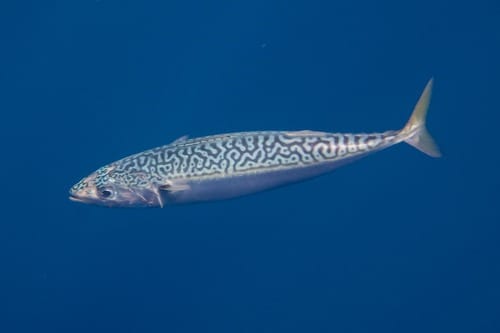
Chub Mackerel, scientifically known as Scomber japonicus, is a highly recognizable mackerel species found primarily in the Pacific and Indian Oceans. This species is medium-sized, usually ranging from 30 to 50 centimeters in length, and has a streamlined body designed for speed. Chub Mackerel display dark, wavy stripes on the dorsal side against a silver belly, providing excellent camouflage in pelagic environments. Their pectoral fins are long, and the tail is deeply forked, allowing for rapid bursts of swimming speed to escape predators or capture prey.
Ecologically, Chub Mackerel are schooling fish, often forming dense shoals that can include thousands of individuals. They are opportunistic feeders, preying on plankton, small fish, and crustaceans. Their predation plays a key role in regulating small fish and invertebrate populations, while their presence supports a variety of larger predators, including tuna, dolphins, and seabirds. Seasonal migrations are a critical feature of Chub Mackerel behavior, with populations moving closer to coastal waters during spring and summer to spawn, then dispersing offshore in autumn and winter.
Chub Mackerel are of great economic importance, especially in East Asia. In Japan, they are frequently consumed fresh as sashimi or sushi, while in other countries, they are canned, smoked, or used in fish meal production. Their high omega-3 fatty acid content makes them a nutritious addition to human diets. Commercially, Chub Mackerel are harvested using purse seines, drift nets, and trolling methods. Management programs are in place to prevent overfishing, maintain stock levels, and ensure long-term sustainability.
In addition to their economic role, Chub Mackerel contribute to the health of marine ecosystems. Juveniles inhabit coastal regions, estuaries, and protected bays, where they find shelter and abundant food resources. These habitats are essential for population replenishment and maintaining biodiversity. The adaptability of Chub Mackerel to varying environmental conditions, including temperature fluctuations and prey availability, illustrates their ecological resilience.
Overall, Chub Mackerel are a vital species in both ecological and economic contexts. Their schooling behavior, seasonal migrations, and nutritional value highlight the multifaceted importance of this species within the mackerel family. Understanding their biology and behavior is key to promoting sustainable fisheries and conserving marine biodiversity.
8. Atlantic Chub Mackerel (Scomber colias)
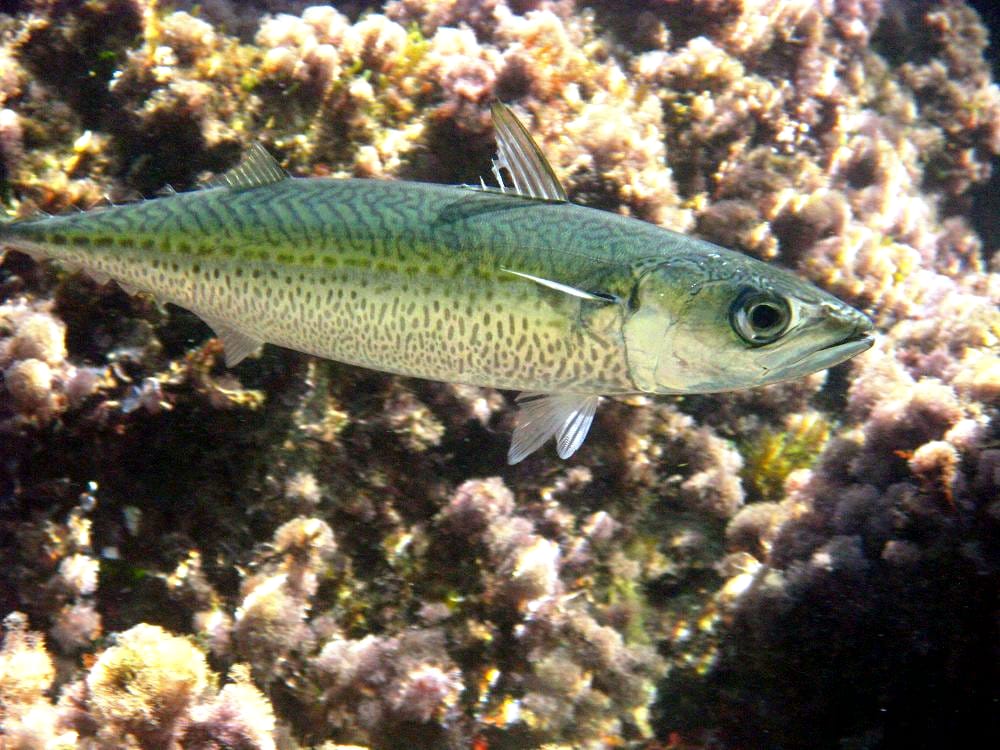
The Atlantic Chub Mackerel, Scomber colias, is a close relative of the Pacific Chub Mackerel but inhabits the warm and temperate waters of the Atlantic Ocean. They are slightly smaller, averaging 25–40 centimeters, and have a similarly streamlined body with silver sides and a bluish-green dorsal surface. Atlantic Chub Mackerel often display faint wavy lines along the back, which differentiate them from other mackerel species. Their forked tail and strong swimming muscles make them agile predators capable of chasing schooling prey in open waters.
This species is highly social, forming large schools that can extend over several kilometers. They feed primarily on planktonic crustaceans, small fish, and larval stages of other marine organisms. This predatory behavior contributes to the balance of marine food webs, ensuring the proper regulation of prey populations. Atlantic Chub Mackerel also serve as prey for tuna, seabirds, and larger pelagic fish, highlighting their ecological significance.
Atlantic Chub Mackerel are a cornerstone of commercial fisheries in Europe and North Africa. They are used for human consumption, canned goods, and fish meal production. Sustainable management practices, including regulated quotas and seasonal fishing restrictions, are essential to prevent overexploitation. These fish exhibit seasonal migrations, often moving closer to coasts in spring to spawn and retreating to deeper waters in winter. Juveniles rely on estuaries and protected coastal areas as nursery habitats, emphasizing the need for habitat conservation.
The Atlantic Chub Mackerel’s adaptability to different environmental conditions, schooling behavior, and importance in commercial fisheries make it a species of interest to both scientists and fisheries managers. By understanding their life cycle, feeding habits, and ecological interactions, we can better manage populations for long-term sustainability while maintaining the health of Atlantic marine ecosystems.
9. Blue Mackerel (Scomber australasicus)
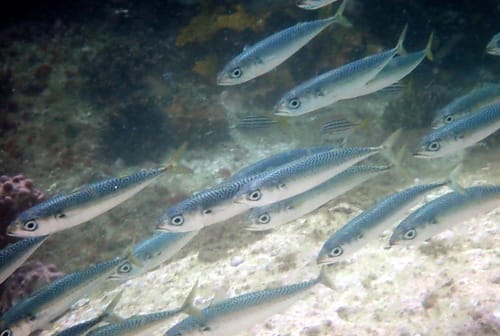
Blue Mackerel, or Scomber australasicus, is found primarily in the waters surrounding Australia, New Zealand, and parts of the western Pacific. Medium-sized, reaching up to 50 centimeters, Blue Mackerel are distinguished by their bright blue dorsal surface, silver belly, and subtle vertical stripes. Their elongated body shape, forked tail, and long pectoral fins make them exceptional swimmers, capable of rapid bursts to capture prey or avoid predators.
Blue Mackerel are schooling fish, often found near the surface or mid-water, hunting small fish, plankton, and shrimp. They play an essential role as both predators and prey, linking lower trophic levels to apex predators such as tuna, sharks, and seabirds. Juveniles often inhabit coastal bays and estuaries, providing a safe environment for growth before migrating offshore as adults. These migration patterns are influenced by water temperature, prey abundance, and breeding cycles.
Commercially, Blue Mackerel are harvested using purse seines, trawls, and sometimes hook-and-line methods. They are prized for their flavor and high omega-3 fatty acid content. Blue Mackerel are also culturally significant in Australia and New Zealand, appearing in traditional seafood dishes and local markets. Sustainable fisheries management includes monitoring populations, enforcing size limits, and protecting nursery areas to ensure long-term viability.
Ecologically and economically, Blue Mackerel are vital to both marine food webs and human industries. Their schooling behavior, adaptability, and nutritional value make them a valuable species for scientific study, recreational fishing, and commercial harvest. Understanding their habits and environmental needs is crucial for conservation and ecosystem management.
10. Spotted Mackerel (Scomberomorus munroi)
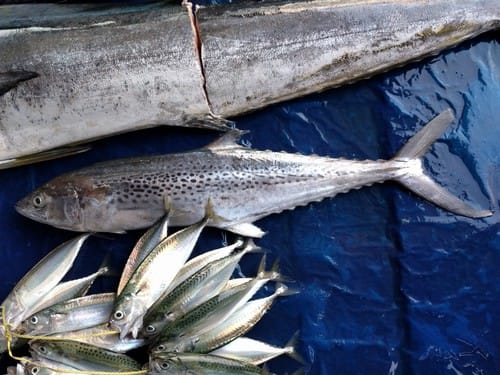
Spotted Mackerel, Scomberomorus munroi, is a tropical and subtropical species found in the Indo-Pacific region. They are medium-sized, typically 40–60 centimeters in length, with a silver body, dark dorsal surface, and scattered spots along their sides. These markings help distinguish them from closely related species such as the Indo-Pacific Spanish Mackerel. Spotted Mackerel are schooling predators, feeding on small fish, squid, and crustaceans.
Spotted Mackerel are important prey for larger pelagic predators and play a key role in maintaining the balance of reef and coastal ecosystems. Juveniles are often associated with coral reefs and seagrass beds, providing both shelter and abundant feeding opportunities. Adults inhabit open waters near the continental shelf, often forming large aggregations during feeding and spawning periods.
From a fisheries perspective, Spotted Mackerel are targeted for both commercial and recreational purposes. They are considered excellent table fish, with firm, flavorful flesh. Sustainable management practices, such as regulated catch limits and seasonal closures, are essential to prevent overfishing. Conservation efforts also focus on protecting nursery habitats and monitoring population health.
The Spotted Mackerel’s distinctive appearance, schooling behavior, and ecological importance make it a fascinating species for marine biologists, anglers, and seafood enthusiasts alike. By understanding their life cycle, habitat preferences, and feeding patterns, we can better appreciate their role in tropical and subtropical marine ecosystems.
11. Grey Mackerel (Scomberomorus semifasciatus)
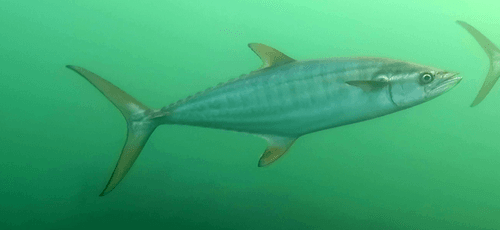
Grey Mackerel, or Scomberomorus semifasciatus, is a medium-sized predatory mackerel native to the Indo-Pacific region, particularly around northern Australia, Indonesia, and Papua New Guinea. These fish usually grow between 50–90 centimeters in length and weigh up to 7 kilograms. Their body is streamlined and slightly compressed, with a silver belly and bluish-grey dorsal surface marked by faint, irregular bars. Grey Mackerel are renowned for their speed and agility, which allows them to chase fast-moving prey such as small fish, squid, and crustaceans. This predatory skill is enhanced by their forked tail and long pectoral fins, which provide burst acceleration when hunting in open water.
Grey Mackerel are schooling fish, forming large aggregations that offer protection against larger predators and increase hunting efficiency. They are found mostly near coastal reefs, estuaries, and continental shelf waters, but can also venture into open ocean regions. Their feeding behavior has a significant ecological impact, controlling populations of smaller pelagic fish and invertebrates. They also serve as important prey for larger predators like sharks, tuna, and seabirds, contributing to a balanced marine food web.
In commercial fisheries, Grey Mackerel are targeted using gillnets, trolling lines, and sometimes purse seines. Their firm, flavorful flesh makes them highly prized in local seafood markets, especially in Australia and Southeast Asia. Anglers also value Grey Mackerel for recreational fishing due to their strong fight and speed. Sustainability efforts focus on enforcing size limits, monitoring catches, and protecting nursery habitats, particularly in estuaries and coastal bays where juveniles thrive.
Ecologically, Grey Mackerel are vital components of coastal and pelagic ecosystems. Juveniles depend on sheltered habitats for survival, while adults play a key role in controlling prey populations and providing food for apex predators. Understanding their life cycle, migratory patterns, and feeding habits is essential for effective fisheries management and marine conservation. Grey Mackerel exemplify the ecological complexity and adaptability of mackerel species in tropical and subtropical waters.
12. Indo-Pacific Spanish Mackerel (Scomberomorus commerson)
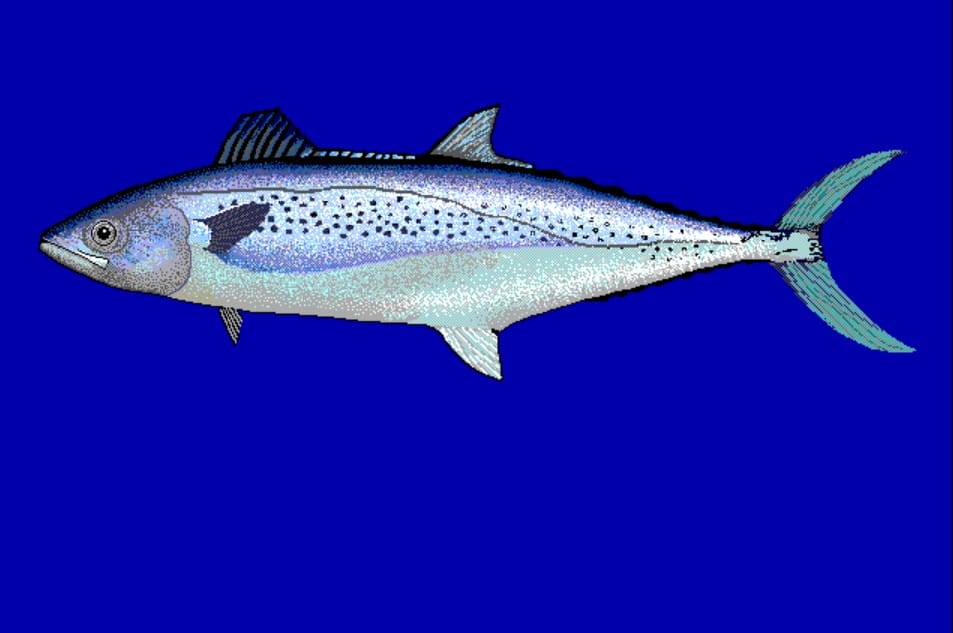
The Indo-Pacific Spanish Mackerel, Scomberomorus commerson, is one of the most widely distributed Spanish mackerel species, found across the Indian Ocean and western Pacific, including the coasts of India, Indonesia, Australia, and Southeast Asia. Adults can reach lengths of up to 1.5 meters, making them one of the larger mackerels. Their body is elongated and streamlined, with a silver belly, bluish-green back, and irregular golden spots along the sides. This striking coloration makes them easily recognizable, especially when schooling near the water surface during hunting activities.
These mackerel are highly predatory, feeding on small schooling fish, squid, and crustaceans. They exhibit remarkable speed and agility, often launching coordinated attacks on baitfish schools. Indo-Pacific Spanish Mackerel are schooling fish, forming large aggregations that enhance hunting efficiency and provide safety from predators. Their role in marine ecosystems is significant, as they regulate prey populations while supporting larger pelagic predators such as tuna, sharks, and seabirds.
In fisheries, Indo-Pacific Spanish Mackerel are targeted for both commercial and recreational purposes. They are valued for their firm, mild-flavored flesh, which is consumed fresh, grilled, smoked, or canned. Management strategies include seasonal closures, catch limits, and monitoring of spawning grounds to ensure sustainable harvesting. These mackerel often migrate seasonally, moving along coastal regions in response to water temperature, prey availability, and breeding requirements. Juveniles rely on sheltered coastal habitats, including mangroves and estuaries, which are crucial for early development.
The Indo-Pacific Spanish Mackerel’s adaptability, ecological importance, and economic value highlight its significance within the mackerel family. Studying their behavior, migration, and feeding patterns provides valuable insights into the management of marine resources and the maintenance of biodiversity in tropical and subtropical waters.
13. Broadbarred King Mackerel (Scomberomorus semifasciatus)
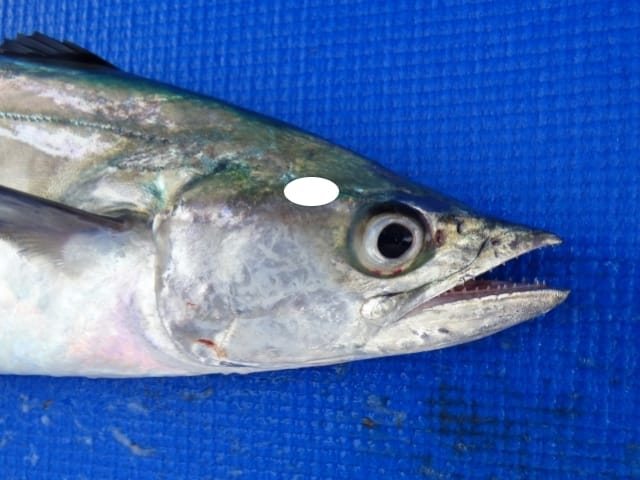
Broadbarred King Mackerel is a larger, visually striking mackerel species inhabiting the Indo-Pacific region, particularly northern Australia and surrounding waters. Closely related to Grey Mackerel, this species is distinguished by broad dark bars across the dorsal region, creating a unique identification pattern. They typically grow up to 1.2 meters in length and weigh as much as 15 kilograms, making them formidable predators within their ecosystems. Their streamlined body, forked tail, and powerful swimming muscles allow rapid bursts of speed for hunting fast-moving prey.
Broadbarred King Mackerel are schooling predators, feeding mainly on smaller fish and squid. Their aggressive hunting tactics and speed allow them to dominate local food chains. Juveniles often occupy shallow coastal waters, mangroves, and estuaries, while adults venture offshore to continental shelves and open ocean environments. Seasonal migrations are common, following prey availability and water temperature changes. They are also highly valued by sport fishermen for their strength and challenging fight.
Commercially, Broadbarred King Mackerel are harvested selectively in certain regions. They are prized for their firm, flavorful flesh, which is consumed locally or exported. Fisheries management strategies emphasize size limits, catch monitoring, and habitat protection to prevent overexploitation. Ecologically, they serve as both predator and prey, contributing to the balance of pelagic and coastal ecosystems. By understanding their life cycle, feeding behavior, and migration patterns, fisheries managers can implement strategies to maintain healthy populations and sustainable harvests.
14. West African Spanish Mackerel (Scomberomorus tritor)
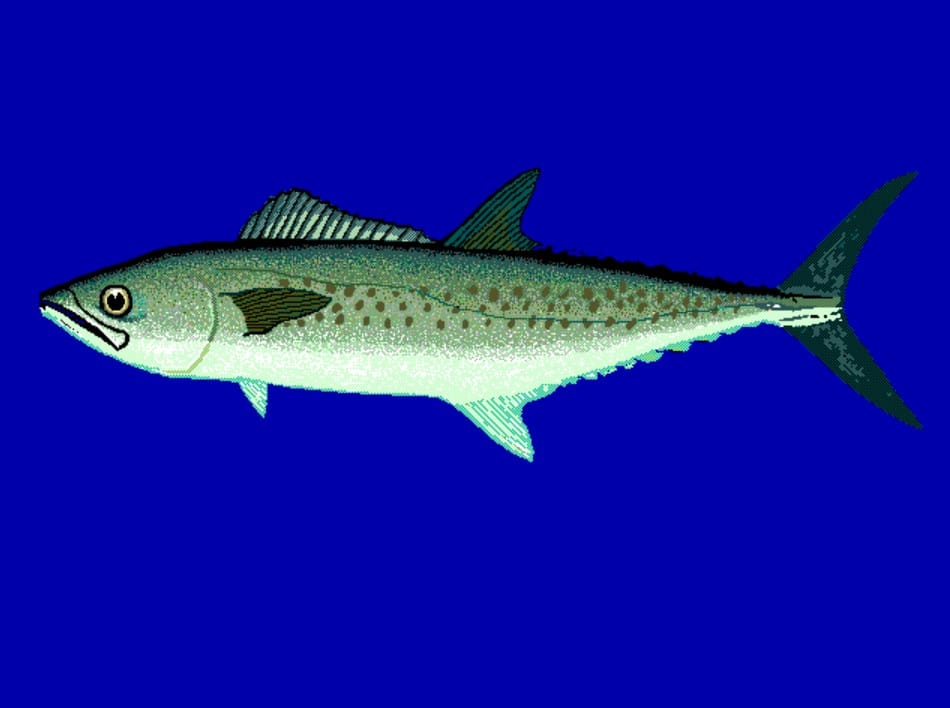
West African Spanish Mackerel, Scomberomorus tritor, is native to the coastal waters of West Africa, ranging from Morocco to Angola. Adults reach up to 1.1 meters in length, with a distinctive elongated body, silver belly, bluish-green dorsal surface, and faint golden spots along the sides. This species is a fast-swimming predator, preying on small schooling fish, squid, and crustaceans. Its hunting strategy involves coordinated attacks in groups, which makes it highly efficient in capturing prey and sustaining its energy needs.
West African Spanish Mackerel are schooling fish, often found near the surface or mid-water, and play an essential ecological role as both predator and prey. Juveniles inhabit shallow coastal areas and estuaries, which provide shelter and abundant food, while adults migrate offshore to continental shelves and deeper waters for feeding and spawning. Seasonal migrations follow prey availability and water temperature changes.
This mackerel is economically important in West Africa, supporting commercial fisheries, local markets, and recreational anglers. Its firm, mild-flavored flesh is popular for grilling, smoking, or canning. Sustainable fisheries management is crucial due to its high demand, ensuring that overfishing does not compromise population stability or local ecosystems. Conservation strategies include monitoring population trends, enforcing catch limits, and protecting spawning and nursery habitats.
Overall, the West African Spanish Mackerel is a vital component of West African marine ecosystems and fisheries. Its predatory behavior, schooling patterns, and seasonal migrations make it a fascinating subject for marine biologists and fisheries managers, emphasizing the interconnectedness of coastal and pelagic ecosystems.
15. Arabian Sparrow Seer (Scomberomorus avirostrus)
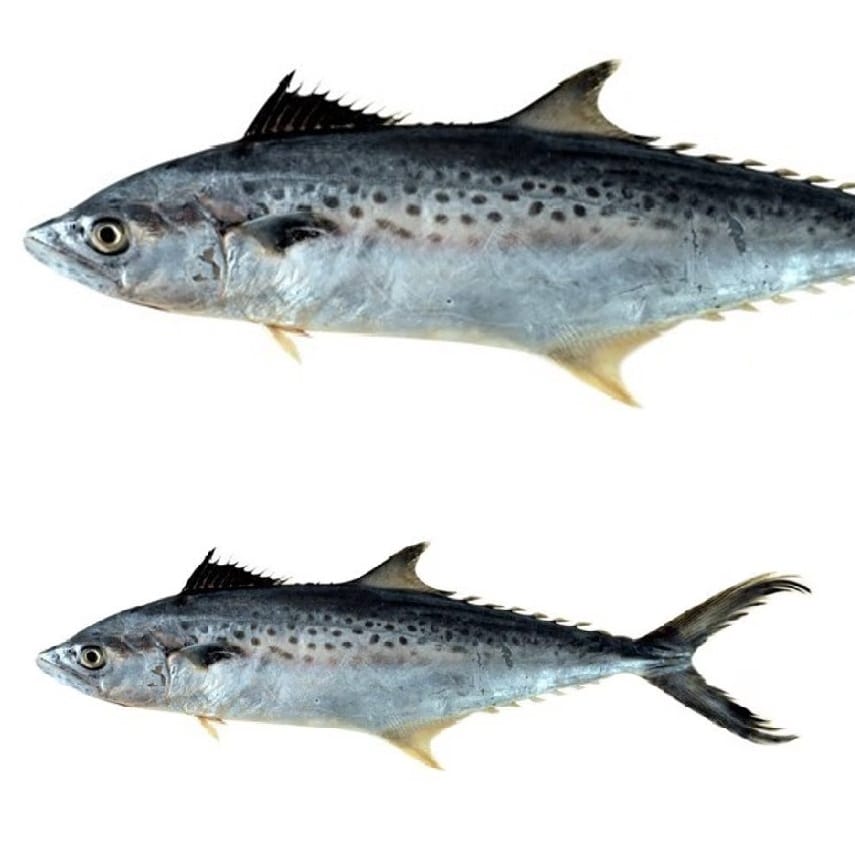
The Arabian Sparrow Seer, Scomberomorus avirostrus, is a distinctive mackerel species inhabiting the western Indian Ocean, including the Arabian Sea and coasts of Oman, Yemen, and southern Iran. Adults reach up to 80 centimeters in length and are characterized by an elongated, streamlined body, silvery belly, bluish-green dorsal surface, and subtle lateral markings. Their forked tail and long pectoral fins allow for swift, agile movements in pursuit of prey. This species is predatory, feeding mainly on small fish, crustaceans, and cephalopods, often hunting near the surface in open waters or around reef edges.
Arabian Sparrow Seer are schooling fish, forming moderate-sized groups that enhance foraging efficiency and provide protection against predators. Juveniles utilize coastal lagoons, estuaries, and mangroves as nursery areas before migrating offshore as adults. Seasonal migrations occur in response to monsoon-driven changes in water temperature, prey availability, and spawning requirements. As both predator and prey, this mackerel contributes to ecosystem balance by regulating prey populations and serving as a food source for larger pelagic predators like tuna, sharks, and seabirds.
From a fisheries perspective, Arabian Sparrow Seer is locally significant. They are caught using gillnets, longlines, and trolling methods, primarily for fresh consumption in coastal communities. Their firm, nutritious flesh is valued for human consumption, especially in traditional Arabian seafood dishes. Management strategies focus on sustainable harvesting, habitat protection, and monitoring population trends to ensure that the species remains abundant despite fishing pressures. Studying this species provides insights into the broader ecological dynamics of the Arabian Sea and helps support sustainable marine resource management.
In summary, the Arabian Sparrow Seer is a unique and ecologically important mackerel species in the western Indian Ocean. Its schooling behavior, predatory skills, seasonal migrations, and economic significance highlight the diverse roles mackerels play in marine ecosystems and human economies.
Conclusion
In this comprehensive guide, we explored 15 types of Mackerel, ranging from the fast and powerful King Mackerel to the unique Arabian Sparrow Seer. Each species demonstrates the incredible diversity within the mackerel family, with variations in size, coloration, habitat, feeding behavior, and ecological roles. From coastal waters to open oceans, these schooling, predatory fish play a vital role in marine ecosystems as both predators and prey, supporting biodiversity and maintaining balance within the food web.
Beyond their ecological importance, Mackerel species are highly valued by humans for their nutritional benefits, sporting qualities, and economic significance. Whether you are an angler seeking the thrill of a fast-fighting fish, a seafood enthusiast enjoying their omega-3-rich flesh, or a marine biologist studying predator-prey dynamics, understanding the different types of Mackerel provides valuable insights into marine life and sustainable fisheries management.
Recognizing the distinctions between species such as Spanish Mackerel, Chub Mackerel, and Indo-Pacific varieties allows for better conservation strategies, responsible fishing practices, and appreciation of these remarkable fish. Protecting their habitats, monitoring population levels, and respecting seasonal migrations are all essential to ensuring that Mackerel continue to thrive in oceans worldwide.
In summary, Mackerel are not just a staple of coastal fisheries and cuisine—they are dynamic, ecologically significant, and fascinating members of our oceans. By understanding the types of Mackerel, we gain a deeper appreciation for their role in marine ecosystems and the importance of preserving these species for future generations.
Frequently Asked Questions about Mackerel
1. What are Mackerel?
Mackerel are fast-swimming, schooling fish belonging to the family Scombridae. They are found in temperate and tropical oceans worldwide and are valued for their nutritional and ecological importance.
2. How many types of Mackerel are there?
There are many species of Mackerel, with this guide covering 15 common and notable types, including King, Spanish, Chub, Blue, and Grey Mackerel.
3. What is the difference between King Mackerel and Spanish Mackerel?
King Mackerel are larger, reaching up to 1.8 meters, with a pronounced lateral line and aggressive hunting behavior. Spanish Mackerel are smaller, faster, and marked with yellow or bronze spots along their sides.
4. Are Mackerel good to eat?
Yes, Mackerel are rich in omega-3 fatty acids, protein, and essential minerals. They are commonly grilled, smoked, canned, or eaten raw as sashimi in some countries.
5. Where are Chub Mackerel found?
Chub Mackerel (Scomber japonicus) are primarily found in the Pacific and Indian Oceans, including Japan, Australia, and Southeast Asia.
6. How do Mackerel migrate?
Most Mackerel species migrate seasonally, moving closer to coasts to spawn and returning to open waters for feeding. Migration depends on water temperature, prey availability, and breeding needs.
7. What do Mackerel eat?
Mackerel are predatory fish. They feed on small schooling fish, plankton, crustaceans, and cephalopods depending on their species and habitat.
8. Are Mackerel schooling fish?
Yes, almost all Mackerel species are schooling fish. Schooling provides protection from predators and increases hunting efficiency.
9. Can Mackerel be caught by recreational fishing?
Yes, Mackerel are popular targets for anglers. Species like King, Spanish, and Blue Mackerel are known for their speed and challenging fight.
10. What is the lifespan of Mackerel?
Mackerel generally live between 4 to 10 years depending on the species, with growth rates influenced by food availability and environmental conditions.
11. Are Mackerel safe to eat regularly?
Smaller species like Spanish and Atlantic Mackerel are safe to eat regularly, but larger ones like King Mackerel may contain higher mercury levels, so consumption should be limited.
12. How do you identify Atlantic Mackerel?
Atlantic Mackerel have a greenish-blue back with wavy dark stripes and silver sides. They are smaller than King Mackerel and form dense schools in the North Atlantic.
13. What habitats do Mackerel prefer?
Mackerel inhabit coastal waters, continental shelves, open oceans, and sometimes estuaries or reef edges, depending on the species.
14. Are Mackerel endangered?
Most Mackerel species are not endangered, but overfishing can threaten local populations. Sustainable management and monitoring are important for maintaining stocks.
15. How fast can Mackerel swim?
Mackerel are among the fastest fish, capable of short bursts of up to 40 km/h (25 mph) depending on species and size.
16. What is the difference between Chub Mackerel and Atlantic Chub Mackerel?
Chub Mackerel (Scomber japonicus) are mostly found in the Pacific, while Atlantic Chub Mackerel (Scomber colias) inhabit the Atlantic Ocean. They differ slightly in size, markings, and migratory behavior.
17. Do Mackerel migrate in schools?
Yes, Mackerel migrate in large schools, which helps protect them from predators and increases feeding efficiency.
18. How can you distinguish Blue Mackerel?
Blue Mackerel (Scomber australasicus) have a bright blue dorsal surface, silver belly, and subtle vertical stripes. They are found mainly in Australian and New Zealand waters.
19. Are Mackerel high in omega-3?
Yes, Mackerel are rich in omega-3 fatty acids, which support heart health, brain function, and overall nutrition.
20. Do juvenile Mackerel live in different habitats?
Yes, juveniles often inhabit sheltered coastal areas, estuaries, and mangroves to avoid predators before migrating offshore as adults.
21. How long do Mackerel grow?
Mackerel size varies by species: King Mackerel can grow up to 1.8 meters, while smaller species like Spanish Mackerel reach around 50–70 cm.
22. Can Mackerel be farmed?
Mackerel are mostly wild-caught, though there are experimental aquaculture programs for certain species, focusing on sustainability and reducing overfishing pressures.
23. What predators eat Mackerel?
Predators include tuna, sharks, seabirds, dolphins, and larger predatory fish. Schooling behavior helps reduce predation risk.
24. Are Mackerel found worldwide?
Mackerel species are widespread across temperate and tropical oceans, including the Atlantic, Pacific, Indian Ocean, and adjacent seas.
25. How do Mackerel reproduce?
Mackerel spawn in open water, releasing eggs and sperm into the water column. Fertilized eggs float and hatch into larvae, which grow in coastal or estuarine nurseries.
26. What is the fastest Mackerel species?
King Mackerel is among the fastest, capable of rapid bursts when chasing prey or avoiding predators.
27. Are Mackerel schooling fish easy to catch?
Schooling behavior can make Mackerel abundant, but their speed and agility often challenge anglers and commercial fishermen.
28. How does water temperature affect Mackerel?
Mackerel prefer warmer waters for feeding and spawning. Temperature changes trigger seasonal migrations to maintain optimal conditions.
29. What do you call small Mackerel in Japan?
Small Chub Mackerel are called “Aji” in Japan and are used in sushi, sashimi, and fried dishes.
30. Can Mackerel survive in estuaries?
Yes, juveniles of many species inhabit estuaries and mangroves as nursery grounds, while adults prefer open coastal and offshore waters.
31. How can you tell Spanish Mackerel apart from Cero Mackerel?
Spanish Mackerel have rows of yellow spots, while Cero Mackerel have a distinct longitudinal stripe along the body, plus scattered spots above it.
32. What role do Mackerel play in the ecosystem?
Mackerel are both predators and prey. They regulate populations of smaller fish and plankton and provide food for larger predators, maintaining ecosystem balance.
33. Do Mackerel change color?
Mackerel may show slight color variation depending on water depth, light conditions, and stress, but their overall pattern remains consistent for identification.
34. Are all Mackerel edible?
Most species are edible and nutritious, but larger species like King Mackerel should be eaten in moderation due to potential mercury accumulation.
35. How long do Mackerel live?
Lifespan varies by species, generally 4–10 years, depending on predation, fishing pressure, and environmental conditions.
36. What fishing methods are used for Mackerel?
Purse seines, drift nets, trolling, and gillnets are common methods. Recreational anglers often use light tackle and bait fish to catch Mackerel.
37. Are Mackerel schooling patterns seasonal?
Yes, schooling density often increases during migrations or spawning seasons to improve feeding efficiency and reproductive success.
38. Can Mackerel be found near reefs?
Some species, like Grey and Spotted Mackerel, are commonly found near coral reefs or rocky outcrops where prey is abundant.
39. Do Mackerel form mixed-species schools?
Yes, some species may school with other small pelagic fish, especially in regions with high prey density.
40. What is the economic importance of Mackerel?
Mackerel support commercial fisheries, recreational fishing, local markets, and export industries, making them a key species economically.
41. Are Mackerel migratory?
Yes, most Mackerel species exhibit seasonal migrations driven by temperature, prey availability, and breeding cycles.
42. What are juvenile Mackerel called?
Juveniles are often called fry or fingerlings, depending on size and local terminology.
43. How do Mackerel hunt?
Mackerel hunt in coordinated schools, using speed and agility to chase small fish, squid, and crustaceans.
44. Can Mackerel survive in cold water?
Some species, like Atlantic Mackerel, can tolerate cooler waters, while tropical species prefer warmer temperatures.
45. How do you store Mackerel after catching?
Fresh Mackerel should be chilled on ice immediately. They can also be frozen, smoked, or canned to preserve quality.
46. Do Mackerel have commercial value worldwide?
Yes, Mackerel are commercially valuable in Europe, Asia, Africa, and Oceania for human consumption and industrial purposes.
47. Are Mackerel predators or prey?
Both. Mackerel are predators of small fish and plankton, and prey for tuna, sharks, seabirds, and marine mammals.
48. How do you identify Broadbarred King Mackerel?
Broadbarred King Mackerel have distinctive broad dark bars across the dorsal region, distinguishing them from Grey and King Mackerel.
49. What is the most widely distributed Mackerel?
Indo-Pacific Spanish Mackerel (Scomberomorus commerson) is among the most widely distributed species, found throughout the Indian and western Pacific Oceans.
50. Are Mackerel sustainable to eat?
Many species are sustainable if harvested responsibly. Following local guidelines, size limits, and seasonal restrictions ensures sustainable consumption.
Read more: 120 Types of Reptiles (Pictures And Identification)