
Arizona is home to a variety of skunks that play important roles in maintaining healthy ecosystems. Known for their powerful defensive spray, skunks are much more than a smelly surprise—they help control insects and small rodents, benefiting both wildlife and humans. This guide explores the types of skunks in Arizona, including identification tips, behavior, habitats, diets, and interactions with humans. Whether you’re hiking in the Sonoran Desert, exploring suburban neighborhoods, or visiting rural areas, understanding these nocturnal mammals allows you to appreciate them safely. By the end of this article, you’ll be able to identify each skunk species found in Arizona and understand their unique ecological contributions.
1. Striped Skunk (Mephitis mephitis)
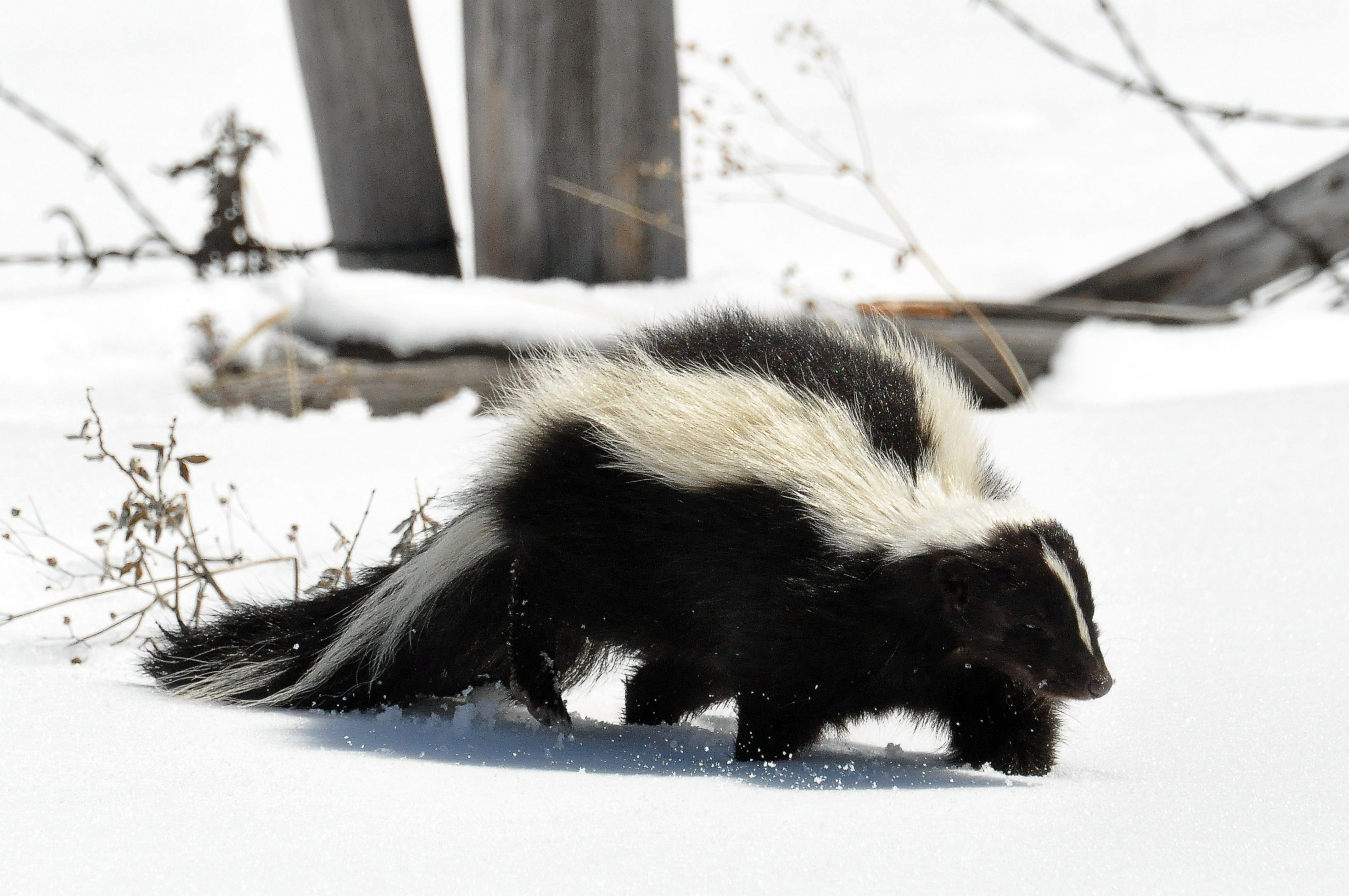
Physical Characteristics & Identification Tips
The Striped Skunk is Arizona’s most recognizable skunk. It has a black coat with two bold white stripes running from its head to its bushy tail. Adults range from 20–30 inches long and weigh 6–10 pounds, with males generally larger than females. Look for the V-shaped stripes and a deliberate, slow walk—these are their first warning signs before spraying.
Behavior
Nocturnal and solitary, Striped Skunks rest in dens or under structures during the day and emerge at night to forage. They use hissing, foot-stomping, and tail-raising as warnings before spraying. Despite their reputation, they are gentle creatures and rarely aggressive.
Habitat and Range
Striped Skunks are widespread throughout Arizona, inhabiting deserts, grasslands, farmlands, and suburban areas. They prefer areas near water and shelter such as rock crevices, brush piles, or abandoned burrows.
Diet
Omnivorous and opportunistic, they eat insects, small mammals, eggs, fruits, and berries. Seasonal diet shifts occur, with insects dominating in summer and plant matter or rodents more in winter.
Reproduction and Life Cycle
Breeding occurs February–March, with females giving birth to 4–6 kits in late spring. Kits are born blind and helpless but grow quickly. By fall, young skunks disperse to establish their own territories. Lifespan is usually 2–3 years in the wild.
Fun Facts / Noteworthy Traits
- Can spray up to six times before replenishing musk.
- Frequently groom themselves, maintaining cleanliness.
- Predators usually avoid them due to their potent spray.
Human Interaction
Most encounters are accidental. Secure trash, feed pets indoors, and block access under decks or sheds. If sprayed, clean with hydrogen peroxide, baking soda, and dish soap.
2. Western Spotted Skunk (Spilogale gracilis)
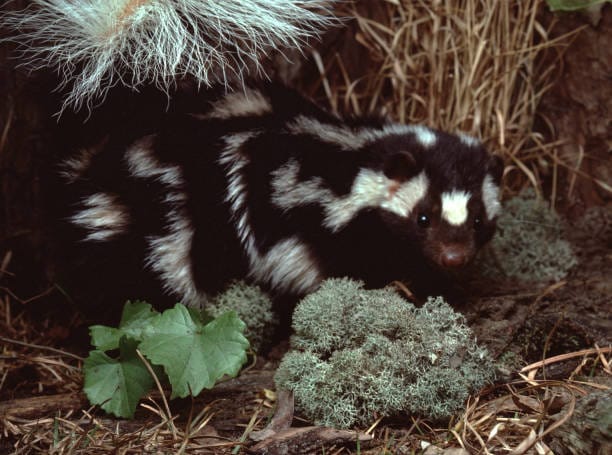
Physical Characteristics & Identification Tips
Smaller than the Striped Skunk, weighing 1–3 pounds and measuring 16–24 inches. Its black coat features broken white stripes and spots. Slender build and fluffy tail make it appear agile. When threatened, it can perform a handstand on its front paws, tail raised—a theatrical warning display.
Behavior
Nocturnal and secretive, Western Spotted Skunks are excellent climbers, navigating rocky terrain and trees. They are solitary and often avoid human activity, inhabiting dens, brush piles, or abandoned burrows.
Habitat and Range
Found primarily in northern and central Arizona, preferring rocky outcrops, shrublands, and forest edges. They often reuse burrows of other animals.
Diet
Insectivorous and omnivorous, feeding on insects, small mammals, eggs, fruits, and occasionally reptiles. They provide natural pest control in rural areas.
Reproduction and Life Cycle
Mating occurs in late winter with delayed implantation; birth is in spring. Litters typically consist of 4–5 kits. Lifespan is around 3 years in the wild.
Fun Facts / Noteworthy Traits
- Handstand display is unique and theatrical.
- Can climb trees and rocky terrain.
- Despite small size, spray is potent enough to deter predators.
Human Interaction
Rare in urban areas. Conservation includes preserving brushy edges and reducing pesticide use. Observe from a safe distance.
3. Hog-Nosed Skunk (Conepatus leuconotus) — Rare Visitor
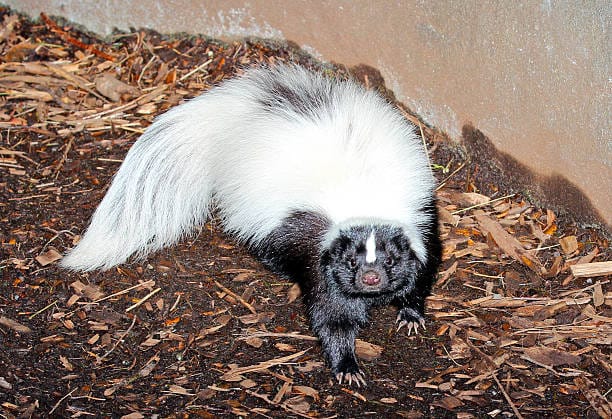
Physical Characteristics & Identification Tips
Larger than other skunks, weighing up to 15 pounds. Pale dorsal stripe and pig-like snout adapted for digging. Rare in Arizona, mainly in southwestern desert areas. Easily identifiable due to distinctive appearance.
Behavior
Nocturnal and solitary, Hog-Nosed Skunks dig for insects, roots, and small animals using strong forelimbs. They spray when threatened, after warning behaviors such as foot-stomping.
Habitat and Range
Native to the southwestern U.S. and Mexico. In Arizona, rare visitors may appear in deserts and scrublands. They prefer open areas with loose soil for digging.
Diet
Insects, roots, small reptiles, and occasionally fruit. Digging also aerates soil and controls pests.
Reproduction and Life Cycle
Breeding occurs in early spring with litters of 2–6 young. Kits stay in dens before joining foraging trips. Lifespan up to 4 years in the wild.
Fun Facts / Noteworthy Traits
- Snout is perfectly adapted for digging and locating food underground.
- Distinctive wide dorsal stripe sets it apart from other skunks.
- Rare visitors attract wildlife enthusiasts.
Human Interaction
Though rare, they can help control pests. Observe from a safe distance to minimize conflicts.
Conclusion
The types of skunks in Arizona — Striped, Western Spotted, and rare Hog-Nosed Skunks — each play an important ecological role. They control insects and rodents, improve soil quality, and provide fascinating wildlife encounters. Understanding these species allows safe coexistence while appreciating Arizona’s nocturnal mammals. Respect habitats, maintain distance, and enjoy observing these intriguing creatures.
Frequently Asked Questions About Skunks in Arizona
1. How many types of skunks are in Arizona?
Three confirmed: Striped, Western Spotted, and Hog-Nosed (rare visitor).
2. Which skunk is most common?
Striped Skunk (Mephitis mephitis).
3. Where do skunks live in Arizona?
Deserts, grasslands, forests, farmland, and suburban areas, often near water or shelters.
4. Are skunks dangerous?
They are non-aggressive but spray when threatened. May carry rabies.
5. What do Arizona skunks eat?
Omnivorous: insects, rodents, eggs, fruits, and berries.
6. When are skunks active?
Primarily nocturnal, most active at dusk and dawn.
7. Can skunks climb?
Western Spotted Skunks can climb rocks and small trees; Striped Skunks are mostly terrestrial.
8. How far can skunks spray?
Up to 10 feet, multiple times before replenishing musk.
9. How long do skunks live?
2–3 years typically, up to 4–5 in protected areas.
10. Are skunks beneficial?
Yes, they control pests, disperse seeds, and aerate soil.
11. How do skunks warn before spraying?
Hissing, foot-stomping, tail raising, and handstand displays (spotted skunks).
12. How to safely deter skunks?
Secure trash, remove food sources, block access under structures, and use motion-activated deterrents.
13. When do skunks breed?
Late winter; kits are born in spring.
14. Are Hog-Nosed Skunks common in Arizona?
No, they are rare visitors mainly in southwestern deserts.
15. What predators hunt skunks?
Owls, foxes, bobcats, and coyotes, though many avoid them due to scent.
16. Can skunks swim?
Yes, but they prefer dry ground.
17. Are skunks protected?
Yes, under state wildlife regulations.
18. How to tell Striped and Spotted Skunks apart?
Striped have continuous broad stripes; Spotted have broken stripes and spots.
19. Do skunks help gardens?
Yes, they eat insects, grubs, and small rodents, reducing pest populations.
20. Can skunks dig under fences?
Yes; bury fencing 12 inches deep and angle outward to prevent entry.
21. What to do if skunks spray pets?
Use hydrogen peroxide, baking soda, and dish soap to clean, avoiding eyes and mouth.
22. How do skunks communicate?
Hissing, growling, foot-stomping, handstands, and scent marking.
23. Are skunks common in suburban Arizona?
Striped Skunks are common; Spotted Skunks are less visible.
24. What time of year are skunks most active?
Early spring and late summer.
25. What is the rarest skunk in Arizona?
Hog-Nosed Skunk.
26. How to identify skunk tracks?
Five toes with claw marks; smaller than raccoon tracks.
27. Can skunks be kept as pets?
No, it’s illegal and unsafe.
28. How do skunks affect ecosystems?
Control insects and rodents, improve soil, and disperse seeds.
29. How to observe skunks safely?
Keep a distance, avoid provoking them, and use binoculars or cameras at night.
30. Why are skunks important in Arizona?
They balance ecosystems by managing pests, aiding soil, and providing wildlife interest.
Read more: 3 Types of Skunks in Kentucky (Pictures And Identification)