
Ferrets, though often thought of as domestic pets, have fascinating wild relatives that roam the grasslands, forests, and semi-desert regions across the globe. These creatures belong to the Mustelidae family and are known for their slender bodies, sharp hunting instincts, and nocturnal behavior. In this guide, we will explore 10 types of wild ferrets, highlighting their physical characteristics, behavior, habitats, diets, life cycles, and interactions with humans. By the end, you’ll have a deeper understanding of these elusive mammals and their role in ecosystems.
1. Black-footed Ferret
Physical Characteristics & Identification Tips
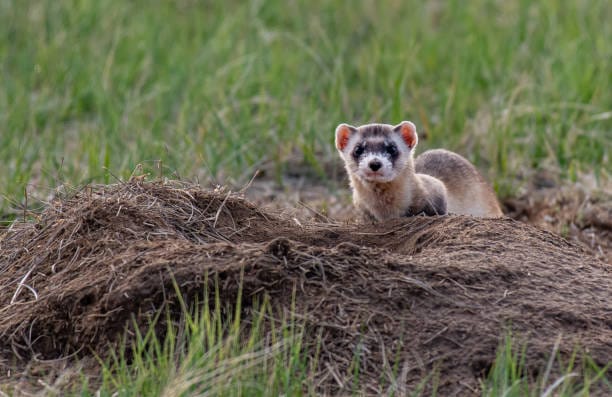
The Black-footed Ferret is slender, measuring around 35–45 cm, with creamy yellow fur, black markings on the legs and feet, and a dark mask across its eyes. Its long, flexible body allows it to navigate burrows effortlessly.
Behavior
Nocturnal and primarily solitary, Black-footed Ferrets hunt prairie dogs and small rodents. They exhibit remarkable agility when chasing prey in underground tunnels.
Habitat and Range
Native to North American grasslands, especially in the Great Plains, they rely heavily on prairie dog colonies for both shelter and food.
Diet
Carnivorous, feeding almost exclusively on prairie dogs, supplemented by small rodents and birds. They store minimal food in burrows, preferring frequent hunting.
Reproduction and Life Cycle
Breeding occurs in early spring, producing litters of 3–6 kits. Young ferrets are independent within two months, and the species typically lives 3–5 years in the wild.
Fun Facts / Unique Traits
They are one of the most endangered mammals in North America, with extensive conservation programs helping to revive populations.
Human Interaction
Conservationists often track them using radio collars. Human activity and habitat loss remain their biggest threats.
2. European Polecat

Physical Characteristics & Identification Tips
European Polecats have dark brown fur, lighter underbellies, and a distinctive facial mask. Adults measure 35–50 cm, excluding the tail.
Behavior
Mostly nocturnal, solitary, and highly territorial. They hunt rabbits, rodents, and birds, often venturing near human settlements at night.
Habitat and Range
Found across Western and Central Europe, inhabiting woodlands, marshes, and farmlands with dense cover for hunting and denning.
Diet
Carnivorous, preying on small mammals, amphibians, and occasionally eggs. Opportunistic feeders adjust their diet seasonally.
Reproduction and Life Cycle
Breeding occurs in late winter to early spring, producing 4–8 kits. Kits are independent after approximately two months.
Fun Facts / Unique Traits
European Polecats are the wild ancestors of domestic ferrets, sharing many behavioral traits.
Human Interaction
They are sometimes trapped for fur, but their elusive nature generally limits interactions with humans.
3. Steppe Polecat
Physical Characteristics & Identification Tips
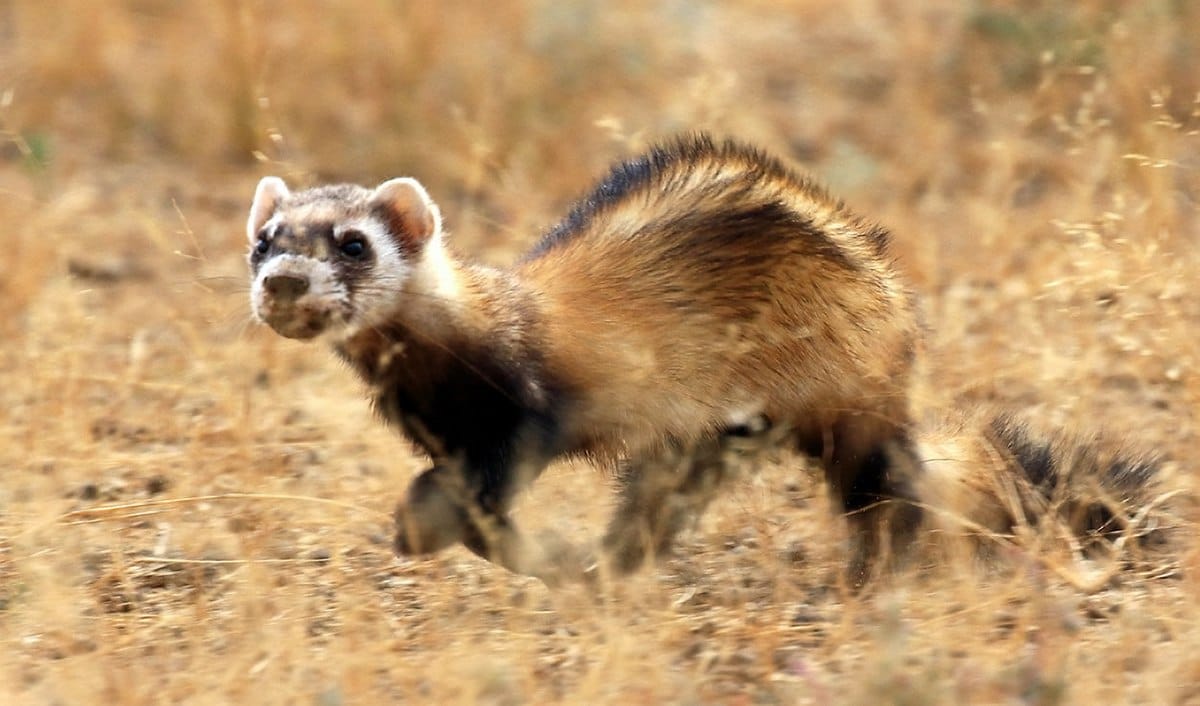
The Steppe Polecat is robust, with yellowish-brown fur and darker facial masks. Adults measure 30–45 cm, excluding a bushy tail.
Behavior
Nocturnal and mostly solitary. They are skilled hunters, often chasing prey through complex burrow systems.
Habitat and Range
Inhabit the steppes of Central Asia, including Kazakhstan and Mongolia, preferring grasslands with loose soil for burrows.
Diet
Primarily carnivorous, hunting rodents, ground-nesting birds, and insects. They may store small amounts of food in burrow chambers.
Reproduction and Life Cycle
Breeding season is late winter; females produce 4–7 kits per litter, with juveniles becoming independent within two months.
Fun Facts / Unique Traits
Steppe Polecats are highly adaptable to seasonal extremes, using deep burrows to escape the summer heat and winter cold.
Human Interaction
While generally avoiding humans, they may enter farmland areas, sometimes causing conflicts with farmers.
4. Marbled Polecat
Physical Characteristics & Identification Tips
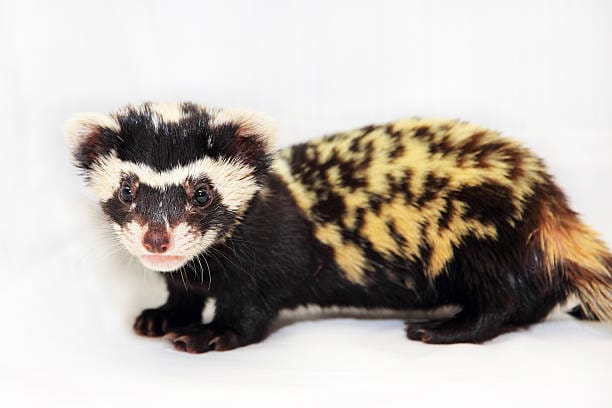
Small and colorful, marbled polecats have striking yellow, brown, and white patterns. Adults are around 25–35 cm long.
Behavior
Solitary and nocturnal. Excellent climbers and burrowers, they hunt small rodents and insects.
Habitat and Range
Found in Central Asia and Eastern Europe, often in semi-arid grasslands and scrublands with ample hiding spots.
Diet
Feed on small mammals, birds, and insects, showing opportunistic feeding habits depending on prey availability.
Reproduction and Life Cycle
Females give birth to 3–5 kits, which mature in about two months. They often change burrows seasonally.
Fun Facts / Unique Traits
Marbled patterns help camouflage them against dry grasslands and rocky terrains.
Human Interaction
Rarely seen by humans due to nocturnal habits; occasionally affected by habitat destruction.
5. Chinese Ferret-badger
Physical Characteristics & Identification Tips
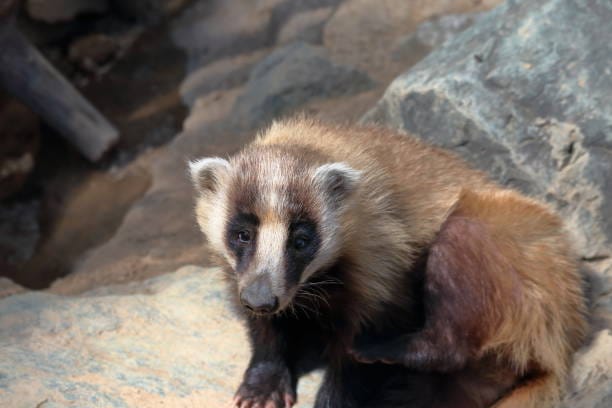
Distinctive black and white markings along the face, body length 33–38 cm. Rounded ears and short limbs make them excellent diggers.
Behavior
Nocturnal and largely solitary. They forage for small mammals, insects, and fruits.
Habitat and Range
Native to forests and farmland edges in China and Southeast Asia. They prefer areas with dense underbrush.
Diet
Omnivorous diet includes rodents, insects, and seasonal fruits.
Reproduction and Life Cycle
Females produce 2–4 kits per year. Juveniles remain in dens for several weeks before independent foraging.
Fun Facts / Unique Traits
Unlike true ferrets, ferret-badgers have shorter tails and more robust limbs, ideal for digging.
Human Interaction
Occasionally hunted or trapped locally; they adapt well to farmland edges near human settlements.
6. Burmese Ferret-badger
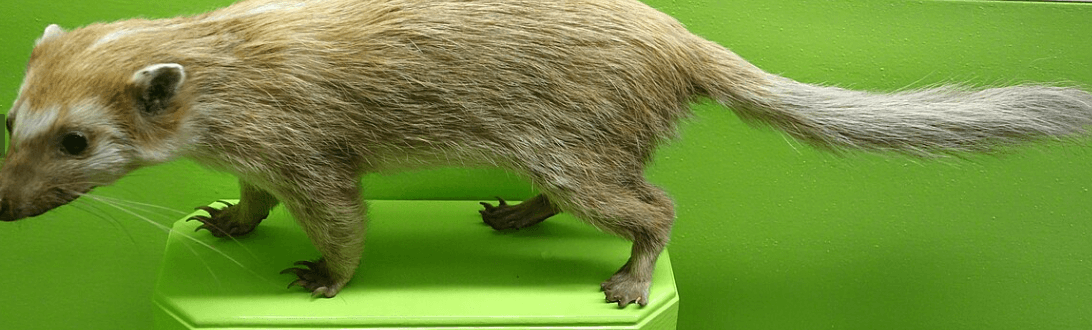
Physical Characteristics & Identification Tips
Medium-sized with dark brown fur and pale facial markings. Tail is relatively short, body is stocky.
Behavior
Nocturnal, primarily solitary, adept at climbing and digging. They are agile hunters of small vertebrates and insects.
Habitat and Range
Endemic to forests and scrublands of Myanmar, preferring areas with loose soil for burrowing.
Diet
Feeds on rodents, birds, insects, and occasionally eggs.
Reproduction and Life Cycle
Breeding produces 2–3 kits per year. Young ferret-badgers are independent after 4–5 weeks.
Fun Facts / Unique Traits
Excellent climbers, they often forage in trees as well as on the ground.
Human Interaction
Rarely encountered due to dense habitats, but local communities may occasionally trap them for fur.
7. Javan Ferret-badger
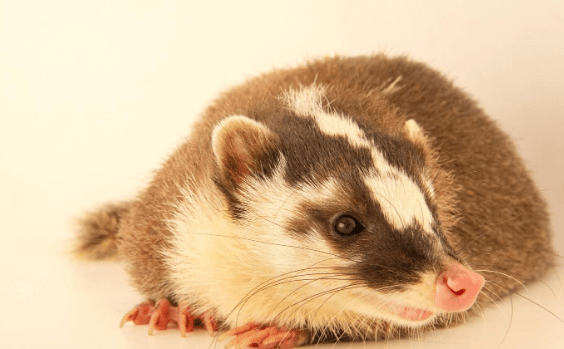
Physical Characteristics & Identification Tips
Small and sleek, with grayish fur and distinct dark stripes on the face. Tail is short, body length around 30 cm.
Behavior
Nocturnal and solitary. Agile climbers and diggers, primarily hunting insects and small vertebrates.
Habitat and Range
Found in forests and agricultural areas of Java, Indonesia, often near streams and underbrush.
Diet
Omnivorous, consuming insects, small rodents, and occasionally fruits.
Reproduction and Life Cycle
Females produce 2–3 offspring per litter. Juveniles quickly learn hunting and climbing skills.
Fun Facts / Unique Traits
Endemic to Java, they play a vital role in controlling insect populations in farmland.
Human Interaction
Limited interactions; occasionally trapped for local trade but generally shy and elusive.
8. Chinese Polecat
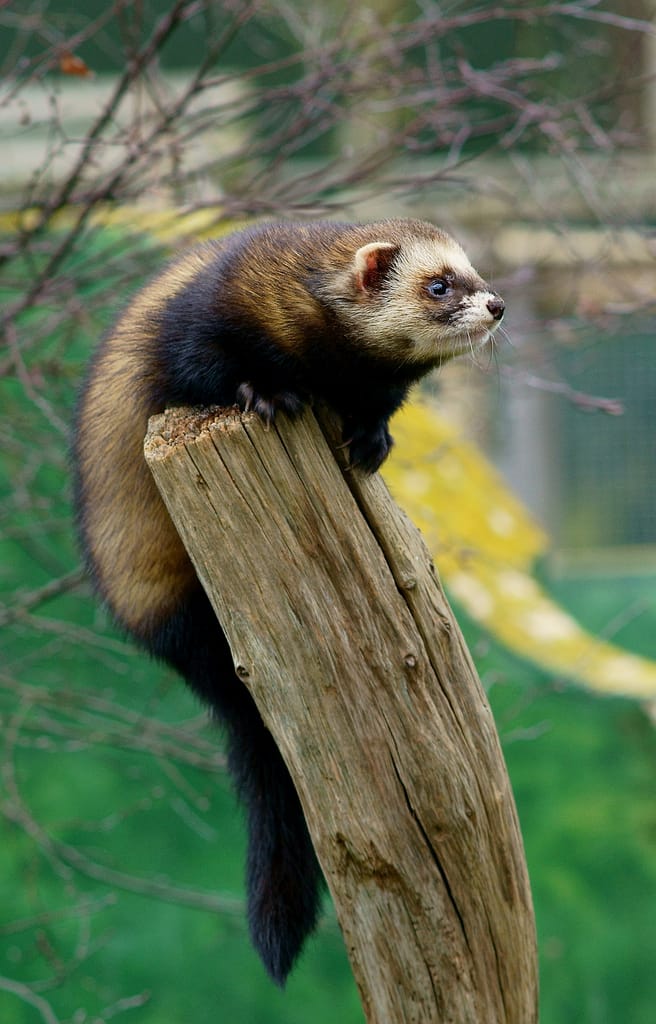
Physical Characteristics & Identification Tips
Medium-sized with dark brown fur, light underbelly, and distinct facial mask. Tail bushy and often darker at the tip.
Behavior
Nocturnal, solitary, and territorial. Skilled hunters, they pursue small mammals and birds.
Habitat and Range
Widespread in northern and central China, occupying forests, grasslands, and farmland edges.
Diet
Carnivorous diet primarily includes rodents, rabbits, and birds.
Reproduction and Life Cycle
Females produce 4–6 kits per litter; juveniles mature and leave burrows within 6–8 weeks.
Fun Facts / Unique Traits
They are one of the ancestors of domestic ferrets, sharing behavioral and physiological traits.
Human Interaction
Occasionally hunted for fur but largely avoid human contact due to nocturnal habits.
9. Siberian Weasel
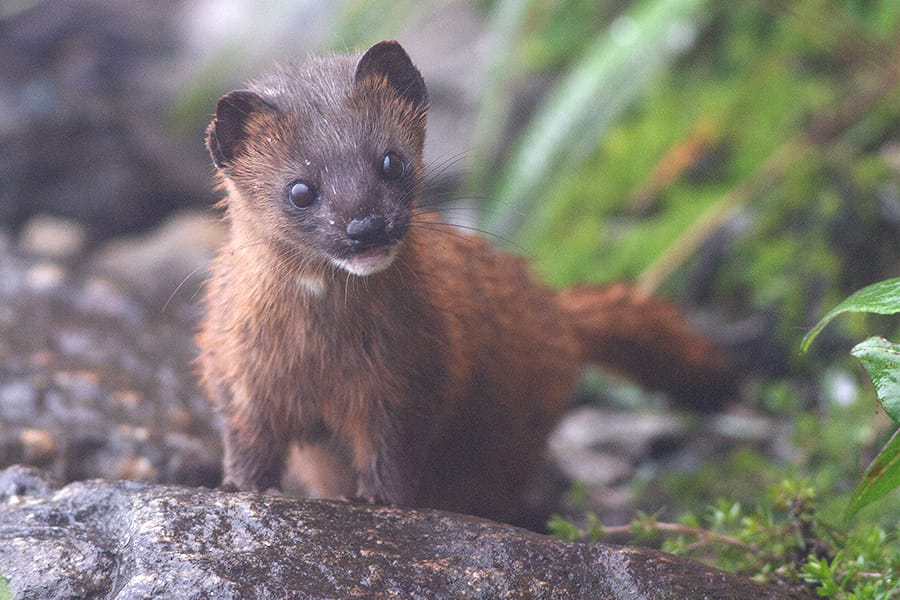
Physical Characteristics & Identification Tips
Slender and elongated, fur reddish-brown with white underparts, tail bushy. Adults reach up to 35 cm in body length.
Behavior
Nocturnal and highly agile hunters, preying on rodents, birds, and eggs.
Habitat and Range
Found across Siberia, Mongolia, and northern China in forests, riverbanks, and grasslands.
Diet
Primarily carnivorous, feeding on small mammals and occasionally amphibians.
Reproduction and Life Cycle
Females produce 3–6 kits per year; juveniles develop hunting skills rapidly.
Fun Facts / Unique Traits
Often mistaken for small ferrets due to body shape and hunting behavior.
Human Interaction
Rarely interacts with humans; may be trapped locally for fur trade.
10. Stoat (Ermine)
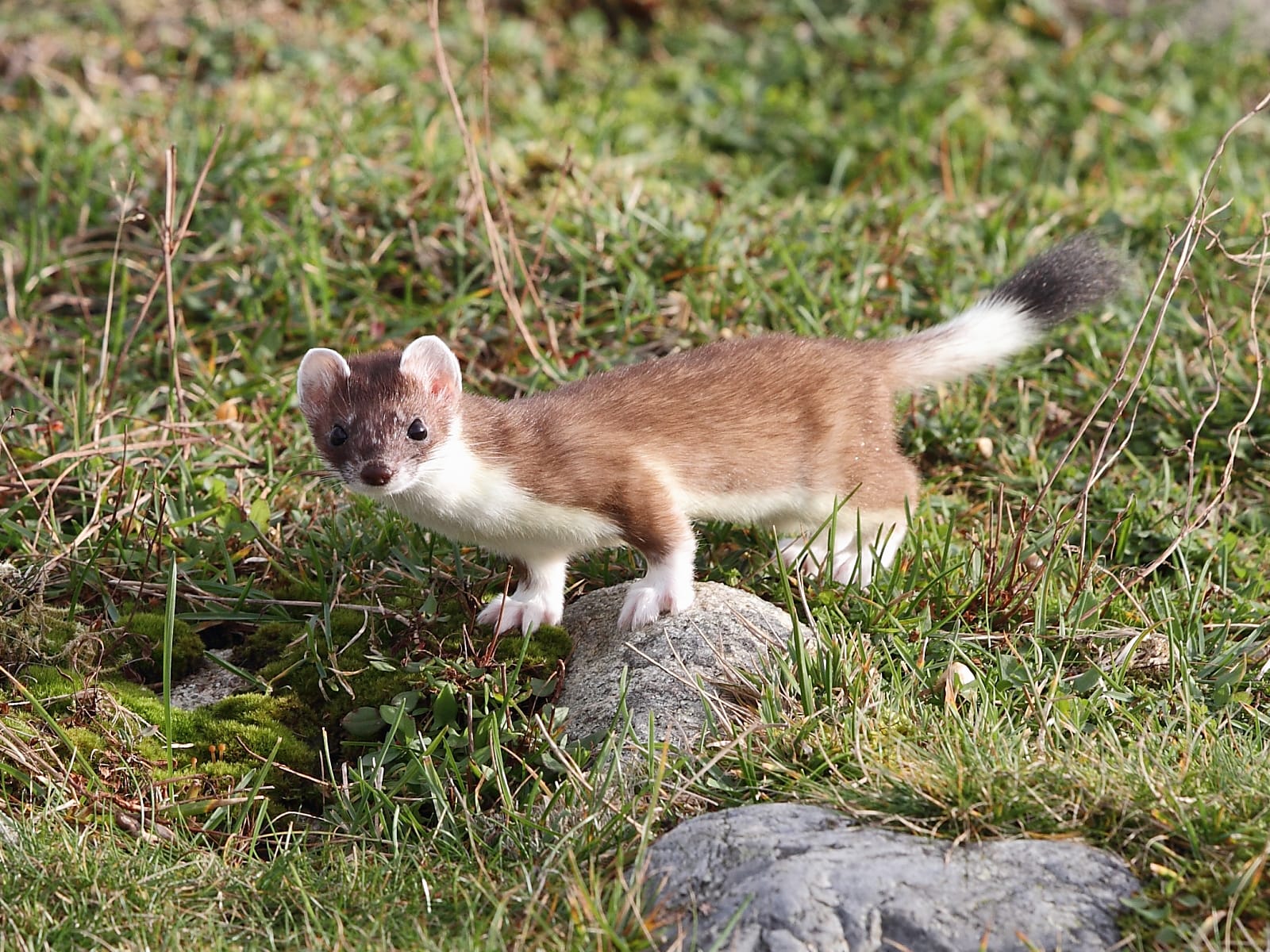
Physical Characteristics & Identification Tips
Small, 17–33 cm body length, brown summer coat and white winter coat, with characteristic black-tipped tail.
Behavior
Nocturnal and solitary, stoats are agile predators hunting rodents, rabbits, and birds.
Habitat and Range
Found across Europe, Asia, and North America, inhabiting forests, tundra, and grasslands.
Diet
Carnivorous, feeding on small mammals, birds, and eggs; known for rapid hunting techniques.
Reproduction and Life Cycle
Breeding results in 6–12 kits per year; delayed implantation allows kits to be born in spring.
Fun Facts / Unique Traits
Famous for their winter-white “ermine” coat, historically prized for royal garments.
Human Interaction
Minimal human contact; occasionally affected by hunting or fur trade.
Conclusion
Wild ferrets are fascinating members of the Mustelidae family, each species exhibiting unique adaptations, behaviors, and survival strategies. From the endangered Black-footed Ferret of North America to the elusive Marbled Polecat of Central Asia, these animals play crucial roles in controlling rodent populations and maintaining ecological balance. Observing their nocturnal habits, hunting techniques, and interactions with their habitats provides valuable insights into the delicate ecosystems they inhabit. While human activity poses challenges, conservation efforts continue to protect vulnerable species and ensure their survival for future generations. By understanding the diversity and importance of wild ferrets, we can better appreciate these agile, mysterious mammals and the habitats they call home.
Frequently Asked Questions About Types of Wild Ferrets
1. What are the different types of wild ferrets?
This guide covers 10 types of wild ferrets, including Black-footed Ferret, European Polecat, Steppe Polecat, Marbled Polecat, and others.
2. Where are Black-footed Ferrets found?
They are native to the grasslands of North America, mainly in the Great Plains.
3. Are all wild ferrets nocturnal?
Yes, most wild ferrets are nocturnal, being active at night and resting in burrows during the day.
4. What do wild ferrets eat?
They are primarily carnivorous, feeding on rodents, birds, insects, and occasionally eggs.
5. How do wild ferrets hunt?
They use agility, speed, and their slender bodies to chase prey through burrows and dense underbrush.
6. Which species are closest to domestic ferrets?
European Polecats are considered the wild ancestors of domestic ferrets.
7. Do wild ferrets live alone or in groups?
Most species are solitary and territorial, coming together mainly for breeding.
8. How many kits do wild ferrets have per litter?
Litters usually range from 2 to 12 kits depending on the species.
9. How long do wild ferrets live?
Wild ferrets typically live 3–5 years, though some may survive longer in protected areas.
10. Do ferrets have natural predators?
Yes, including birds of prey, foxes, larger mammals, and snakes.
11. How do wild ferrets avoid predators?
They use burrows, camouflage, nocturnal activity, and rapid movements to avoid threats.
12. What habitats do wild ferrets prefer?
Grasslands, forests, semi-deserts, and farmlands with dense cover for hunting and denning.
13. Can wild ferrets survive extreme climates?
Yes, species like Steppe Polecats and Siberian Weasels adapt to cold winters and hot summers using burrows and seasonal behavior.
14. Do any ferrets hibernate?
Most do not truly hibernate, though some may reduce activity or enter torpor in extreme cold.
15. How do wild ferrets reproduce?
Females typically breed in late winter or spring, giving birth to multiple kits per litter.
16. How quickly do kits grow?
Kits usually become independent within 4–8 weeks, depending on the species.
17. Are wild ferrets endangered?
Yes, species like Black-footed Ferrets are critically endangered, with conservation programs helping population recovery.
18. How do ferret-badgers differ from true ferrets?
Ferret-badgers are more robust, have shorter tails, and occupy different ecological niches, though they are closely related.
19. Can wild ferrets climb?
Some species, like ferret-badgers, are excellent climbers, while others stick primarily to the ground and burrows.
20. How do wild ferrets communicate?
Through scent marking, vocalizations, and body language.
21. Are ferrets territorial?
Yes, they defend their burrows and hunting grounds aggressively against intruders.
22. Do wild ferrets store food?
Most species hunt daily and store minimal food, relying on hunting rather than hoarding.
23. What role do ferrets play in ecosystems?
They control rodent populations and help maintain ecological balance.
24. How do humans impact wild ferrets?
Habitat loss, agriculture, and trapping for fur threaten wild populations.
25. Can wild ferrets be kept as pets?
Only domestic ferrets are suitable; most wild species are not adapted for captivity.
26. Which ferret species are found in Asia?
Chinese Ferret-badger, Burmese Ferret-badger, Javan Ferret-badger, Siberian Weasel, and Chinese Polecat.
27. Which ferret species are found in Europe?
European Polecat, Marbled Polecat, and Stoat (Ermine).
28. Do ferrets change color seasonally?
Yes, Stoats (Ermine) change from brown in summer to white in winter; other species have minimal seasonal changes.
29. How active are ferrets at night?
They can travel several kilometers at night, hunting and patrolling their territories.
30. Why study types of wild ferrets?
Studying ferrets enhances understanding of ecological balance, adaptation to harsh climates, and species conservation efforts.
Read more: 12 Types of Wild Lions (Pictures And Identification)