

Fish are some of the most diverse and fascinating creatures in the aquatic world. From vibrant reef dwellers to massive deep-sea predators, they inhabit nearly every water body on Earth. This guide explores 120 types of fish, offering a clear look at their distinctive features, behaviors, habitats, and ecological roles. Whether you’re a beginner fish enthusiast or an experienced naturalist, these descriptions help you identify and appreciate the variety in the underwater world.
Types of Fish
1. Atlantic Salmon (Salmo salar)
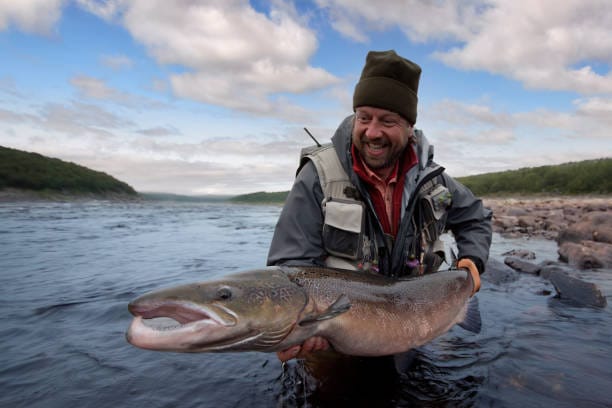
Atlantic Salmon are anadromous fish, meaning they spend part of their lives in the ocean and return to freshwater rivers to spawn. Known for their remarkable migratory behavior, they can travel thousands of kilometers to reach their birthplace. Typically silver in color with a streamlined body, Atlantic Salmon are prized both as a sport fish and for their culinary value. They feed on smaller fish and invertebrates, and their lifecycle includes a fascinating transformation from fry to smolt before entering the sea. Conservation efforts are ongoing due to overfishing and habitat loss, highlighting the species’ ecological importance and delicate balance in river ecosystems.
2. Chinook Salmon (Oncorhynchus tshawytscha)

Chinook Salmon, the largest of the Pacific salmon species, can reach impressive sizes exceeding 50 pounds. These fish are known for their dark back and silvery belly, with black spots along the tail and dorsal fin. Like other salmon, Chinooks are anadromous, migrating from freshwater streams to the open ocean and back to spawn. Their diet consists of smaller fish, squid, and crustaceans. Chinook Salmon are highly valued for commercial and sport fishing, and their presence is a key indicator of the health of North American river systems.
3. Coho Salmon (Oncorhynchus kisutch)
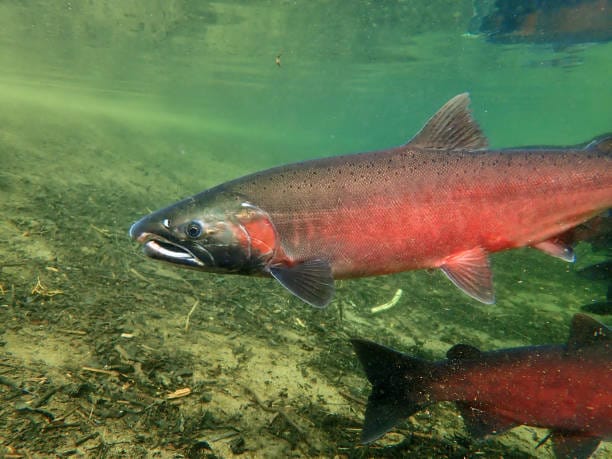
Coho Salmon, sometimes called silver salmon, are distinguished by their bright silver sides and bluish-green back. Adult Coho are medium-sized compared to other salmon species, with males developing pronounced hooked jaws during spawning. They inhabit the North Pacific Ocean and nearby freshwater streams, where they spawn after a two to three-year ocean life. Coho Salmon are opportunistic feeders, consuming insects, smaller fish, and plankton. They play a crucial role in both commercial fisheries and indigenous subsistence, and their populations are carefully monitored to prevent overexploitation.
4. Rainbow Trout (Oncorhynchus mykiss)

Rainbow Trout are freshwater fish recognized for their colorful iridescent body, featuring a pinkish lateral stripe along their silvery sides. Native to North America, they have been introduced worldwide due to their popularity in sport fishing. Rainbow Trout prefer cold, clear streams and lakes with ample oxygen. Their diet includes insects, crustaceans, and smaller fish. These trout are also important for ecological studies, as they respond to changes in water quality, making them indicators of environmental health. Anglers often prize them for their fighting ability and aesthetic appeal.
5. Brown Trout (Salmo trutta)

Brown Trout are native to Europe but have spread globally due to stocking for recreational fishing. They feature brown or golden bodies with black and red spots, providing excellent camouflage in their natural riverine habitats. Brown Trout are adaptable, found in rivers, lakes, and brackish waters, feeding on insects, smaller fish, and crustaceans. They are known for their cautious and elusive nature, which makes them a challenging catch for anglers. Conservation measures, including habitat restoration, help maintain healthy populations while supporting sustainable fishing practices.
6. Brook Trout (Salvelinus fontinalis)

Brook Trout are a freshwater char species native to North America, recognizable by their dark green to brown bodies adorned with pale spots and a vermiculated dorsal pattern. They thrive in cold, clear streams and lakes with high oxygen levels. Brook Trout feed primarily on insects, crustaceans, and small fish. Their adaptability makes them popular among anglers, though habitat degradation and water pollution have impacted some populations. Conservation programs, including stream restoration and hatchery stocking, help maintain their numbers while promoting healthy ecosystems.
7. Arctic Char (Salvelinus alpinus)

Arctic Char inhabit the cold waters of Arctic and sub-Arctic regions, often living in glacial lakes and coastal marine environments. They display remarkable color variation, with bright red or orange bellies during spawning and darker backs in other seasons. Arctic Char are opportunistic feeders, consuming insects, small fish, and plankton. They are prized in both commercial fisheries and sport fishing, and their life cycle reflects the extreme environments they endure. Monitoring Arctic Char populations helps scientists understand climate impacts on fragile cold-water ecosystems.
8. Lake Trout (Salvelinus namaycush)

Lake Trout are large freshwater char found in North American deep, cold lakes. They have elongated bodies with light spots on a darker background and can live several decades. Lake Trout are top predators in their ecosystems, feeding on smaller fish and invertebrates. They are highly valued for sport fishing and play a crucial role in maintaining balance in lake food webs. Conservation efforts focus on preventing overfishing and maintaining water quality to sustain healthy populations.
9. Tilapia (Oreochromis spp.)

Tilapia are freshwater fish native to Africa and the Middle East, though they have been introduced globally for aquaculture. They are hardy, fast-growing, and adaptable to a variety of water conditions. Tilapia are primarily herbivorous, feeding on algae and plant matter, though some species consume small invertebrates. Their ease of farming makes them a major food fish worldwide. Ecologically, Tilapia can become invasive in non-native habitats, sometimes outcompeting native species.
10. Nile Tilapia (Oreochromis niloticus)

Nile Tilapia is a prominent species within the Tilapia genus, widely cultivated for its rapid growth and resilience. Native to Africa’s Nile River basin, they thrive in lakes, rivers, and reservoirs. Nile Tilapia are omnivorous, consuming plants, plankton, and insects. They are essential in global aquaculture, providing protein to millions. However, in ecosystems where they are introduced, they can disrupt local biodiversity, emphasizing the importance of careful management in non-native regions.
11. Bluegill (Lepomis macrochirus)

Bluegill are small, colorful freshwater sunfish native to North America. Recognized by their deep, laterally compressed bodies and dark spot on the gill cover, they inhabit lakes, ponds, and slow-moving rivers. Bluegill feed on insects, crustaceans, and small fish. They are a favorite for recreational anglers due to their abundance and willingness to bite. Ecologically, they serve as prey for larger fish and birds, playing a key role in freshwater food webs.
12. Largemouth Bass (Micropterus salmoides)

Largemouth Bass are iconic freshwater sport fish in North America, identifiable by their large mouths extending past the eyes and dark lateral stripe. They occupy lakes, rivers, and reservoirs, thriving in vegetated areas. Largemouth Bass are apex predators, feeding on fish, amphibians, and crustaceans. Their aggressive feeding behavior and striking appearance make them popular among anglers. Management practices include habitat preservation and regulated fishing to maintain stable populations.
13. Smallmouth Bass (Micropterus dolomieu)

Smallmouth Bass prefer clear, rocky rivers and lakes, distinguished by their bronze bodies with vertical stripes. Smaller than Largemouth Bass, they feed primarily on crayfish, insects, and smaller fish. Known for their strong fight on the line, they are prized in sport fishing. Smallmouth Bass play a role in controlling prey populations and supporting recreational economies. Conservation focuses on protecting water quality and ensuring sustainable angling practices.
14. Northern Pike (Esox lucius)

Northern Pike are predatory freshwater fish with elongated bodies, sharp teeth, and camouflaged patterns of light spots on a greenish background. Found across North America, Europe, and Asia, they inhabit lakes, rivers, and marshes. Northern Pike feed on smaller fish, amphibians, and occasionally waterfowl. Their ambush predation strategy is highly effective, influencing local fish community structures. Anglers prize them for their size and fighting ability, and fisheries management ensures healthy ecosystems.
15. Muskellunge (Esox masquinongy)

Muskellunge, or muskie, are closely related to Northern Pike but are larger and rarer. Native to North America, they have elongated bodies with light markings on darker skin. Muskies are top predators, feeding on fish, frogs, and small mammals. They inhabit rivers and lakes with abundant vegetation for cover. Known as the “fish of ten thousand casts,” Muskellunge are legendary in sport fishing due to their size and elusiveness. Conservation involves habitat preservation and catch-and-release practices to maintain populations.
16. Walleye (Sander vitreus)
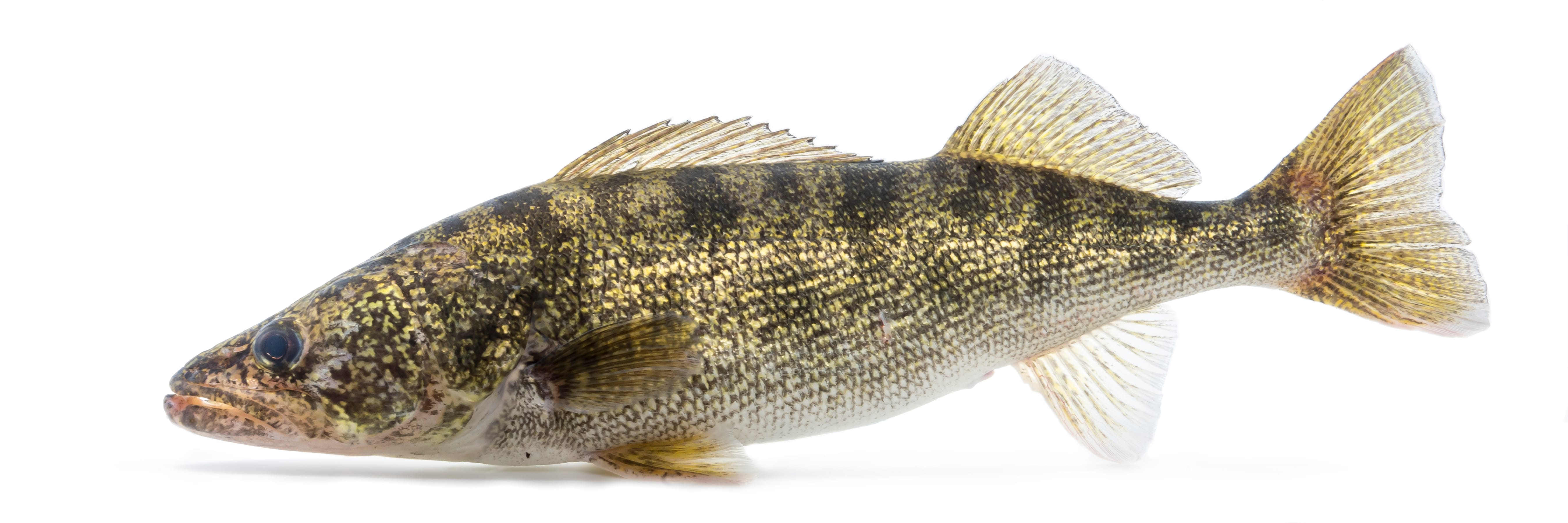
Walleye are freshwater perciform fish recognized by their olive to golden color and distinctive reflective eyes adapted for low-light hunting. They inhabit lakes and rivers in North America, feeding on fish, insects, and crustaceans. Walleye are prized both commercially and recreationally for their flavorful flesh. Their behavior and seasonal movements are well-studied, making them a central species in fisheries management and ecological monitoring programs.
17. Yellow Perch (Perca flavescens)

Yellow Perch are small, striped freshwater fish common in North America. With yellow to golden bodies and vertical dark bands, they inhabit lakes, rivers, and ponds. They feed on insects, zooplankton, and smaller fish. Yellow Perch serve as prey for larger predators like Northern Pike and Bass. They are popular among anglers, especially for ice fishing. Maintaining clean water and healthy habitats ensures their continued abundance and ecological role.
18. Atlantic Cod (Gadus morhua)
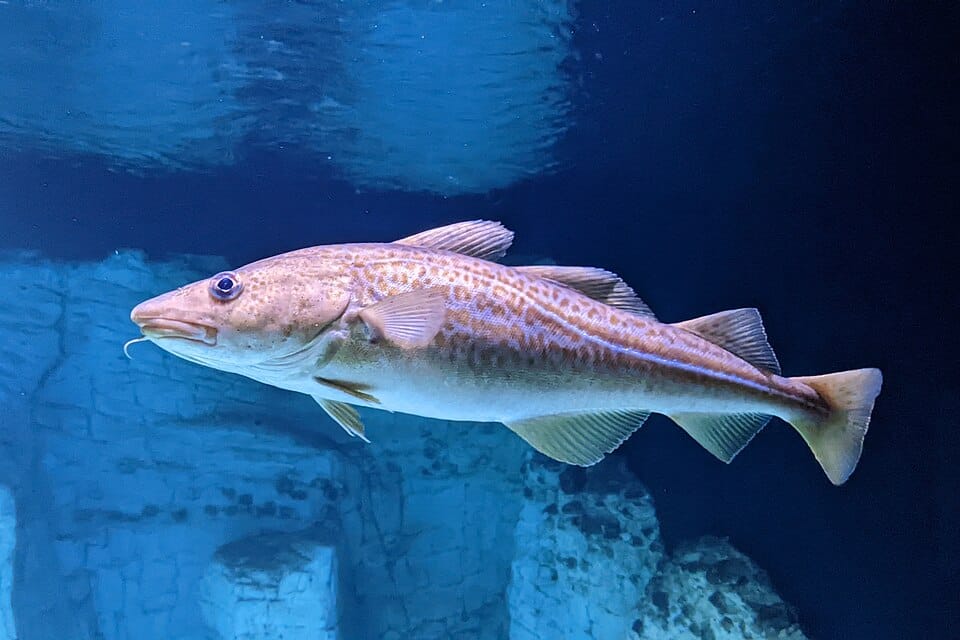
Atlantic Cod are large, cold-water marine fish historically vital for North Atlantic fisheries. They have greenish-brown bodies with pale spots and a prominent barbel on the chin. Atlantic Cod feed on smaller fish, crustaceans, and mollusks. Overfishing severely reduced populations in the 20th century, prompting strict quotas and conservation measures. Their recovery is crucial for ecosystem balance and sustainable fisheries.
19. Pacific Cod (Gadus macrocephalus)
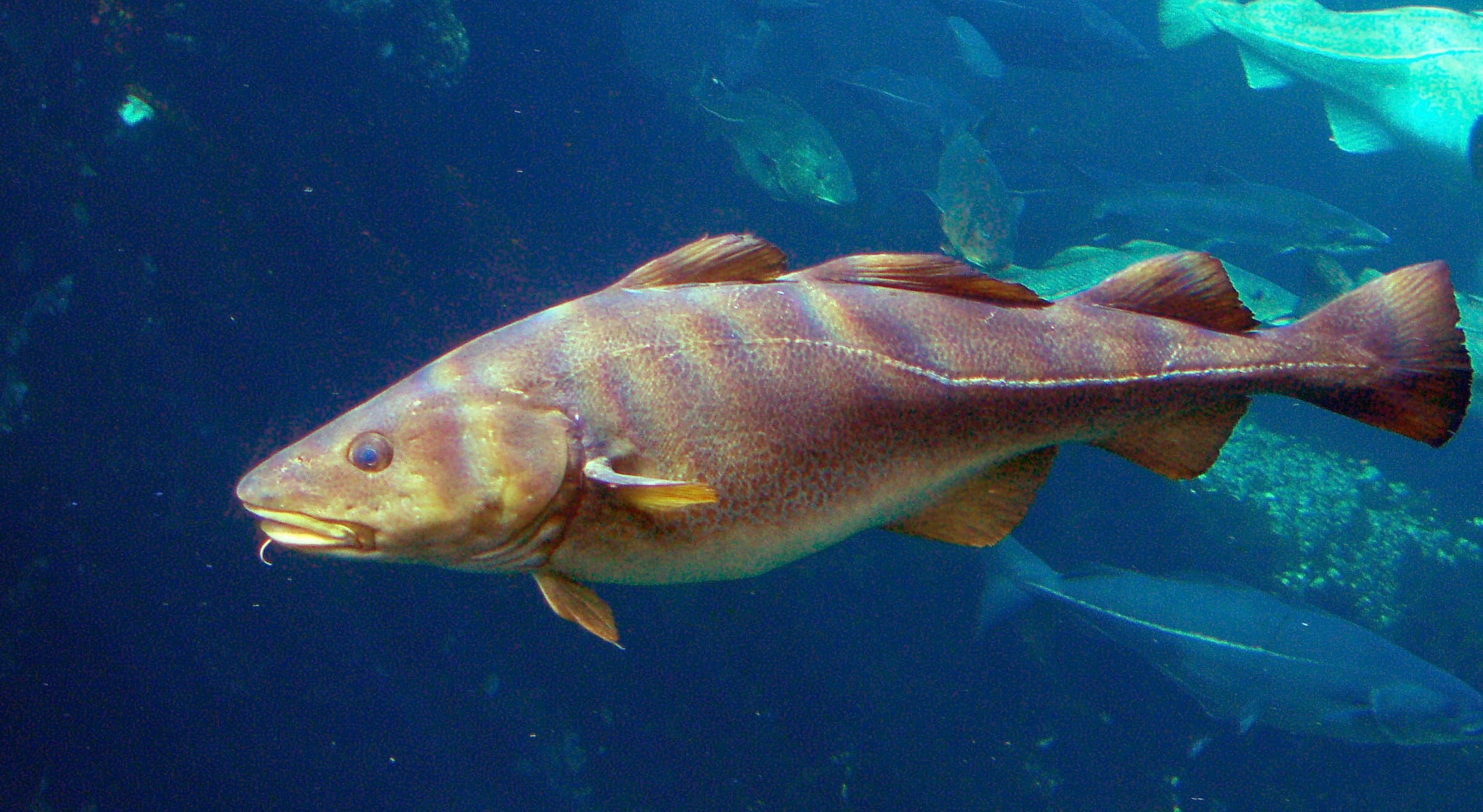
Pacific Cod are closely related to Atlantic Cod, inhabiting North Pacific waters. They have a mottled brown color with three dorsal fins and a small chin barbel. Pacific Cod are demersal, feeding on fish, cephalopods, and crustaceans. Commercially significant, they support fisheries in Alaska, Russia, and Japan. Proper management ensures the species remains abundant while maintaining healthy marine ecosystems.
20. Haddock (Melanogrammus aeglefinus)
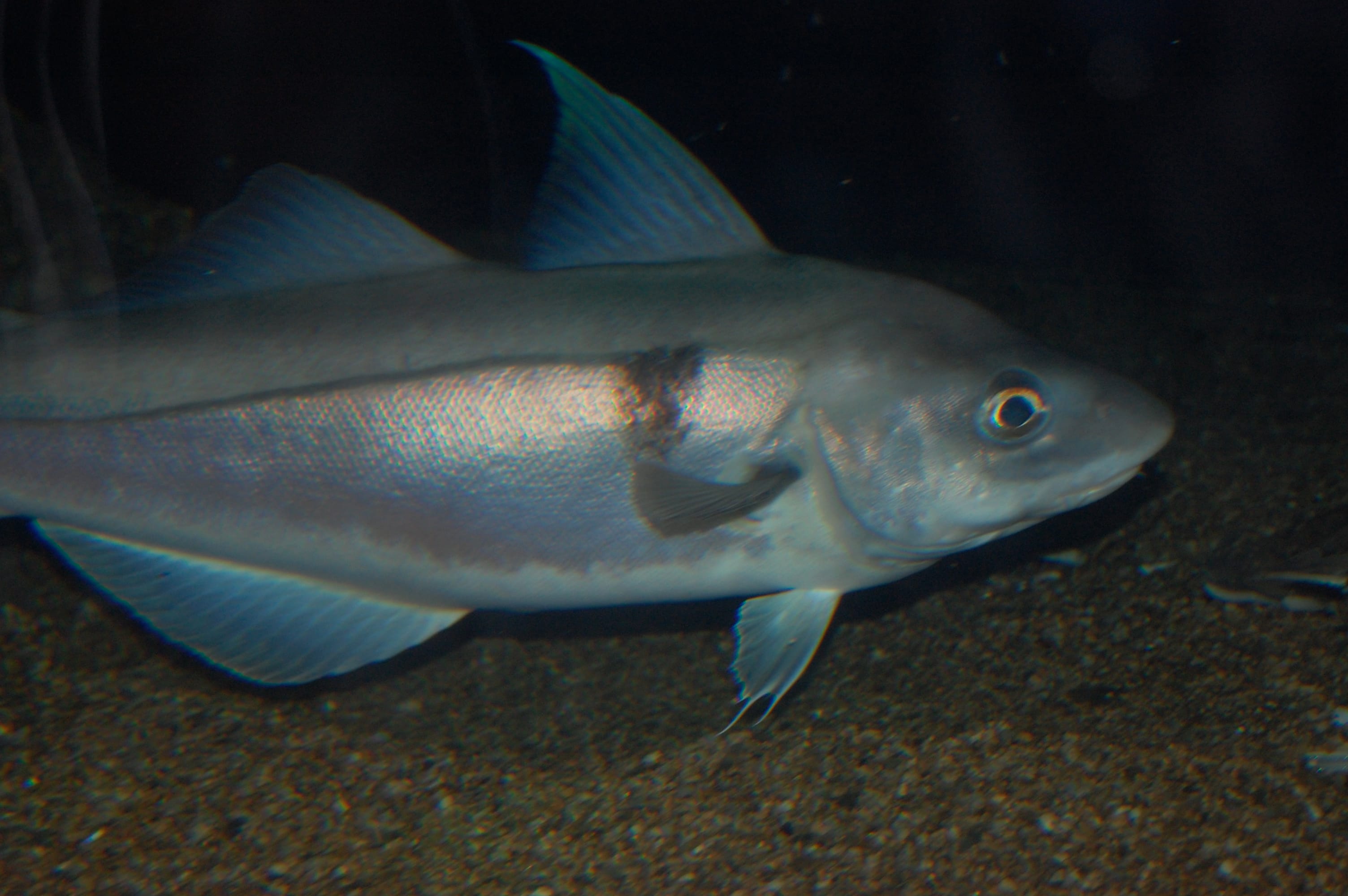
Haddock are North Atlantic fish valued for their mild, flaky meat. They feature a gray to brown body with a distinctive dark lateral line and black blotch above the pectoral fin, known as the “Devil’s Thumbprint.” Haddock inhabit cold, shallow waters, feeding on benthic invertebrates and small fish. Sustainable fishing practices are critical for their long-term survival, as overharvesting has historically threatened populations.
21. Pollock (Pollachius virens)

Pollock are cold-water marine fish found in the North Atlantic. They have a silvery-green body with a lighter belly and a distinctive forked tail. Pollock are schooling fish, feeding primarily on small crustaceans, squid, and smaller fish. Commercially, Pollock are vital for the seafood industry, often processed into fillets, fish sticks, and imitation crab. Ecologically, they serve as prey for larger fish, marine mammals, and seabirds, making them an essential link in the ocean food web. Sustainable fishing practices are critical for maintaining Pollock populations and supporting marine ecosystem balance.
22. Herring (Clupea harengus)
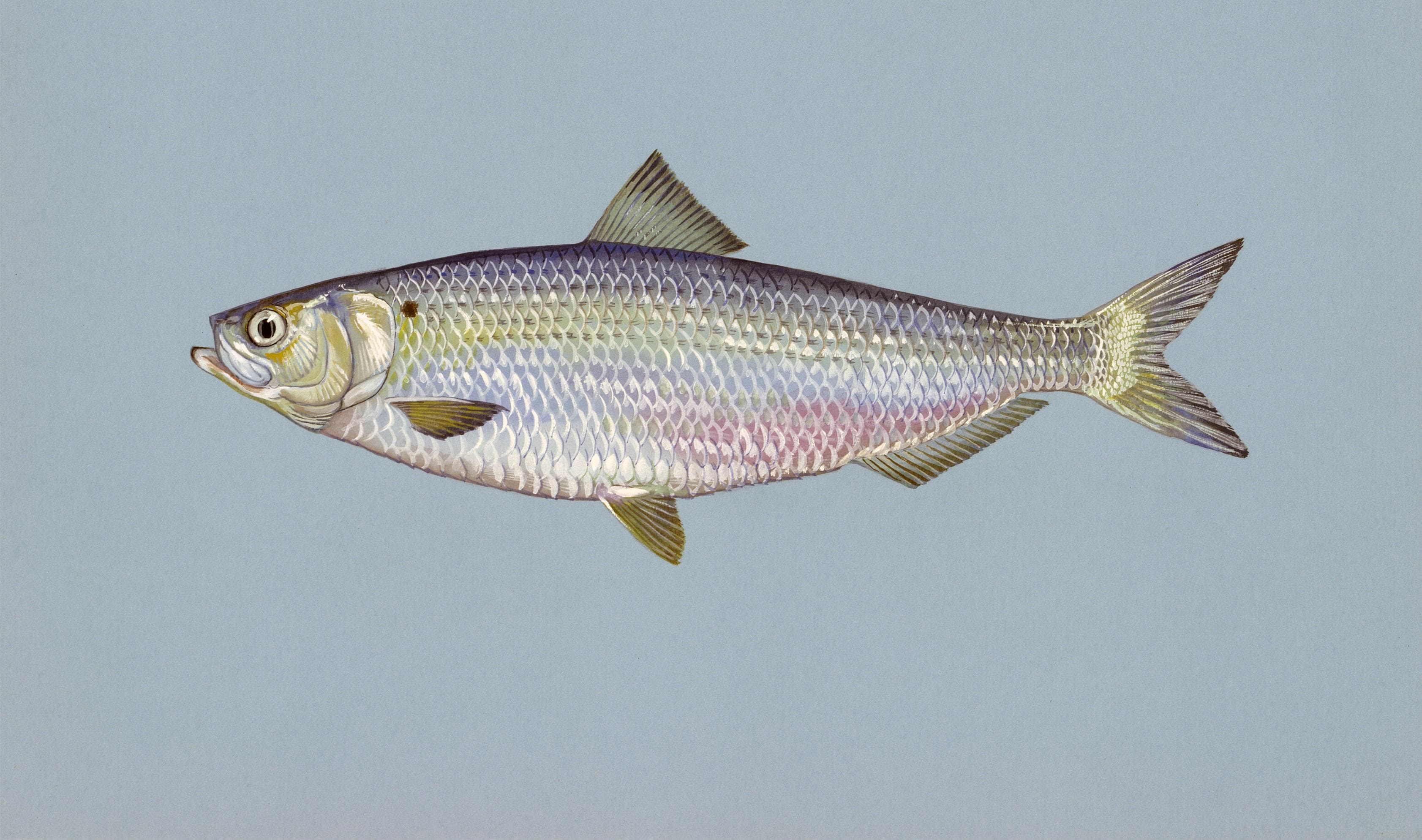
Herring are small, silver-colored schooling fish found in the North Atlantic and parts of the Pacific. They play a crucial role in marine ecosystems, serving as a food source for larger predators including cod, seabirds, and marine mammals. Herrings feed mainly on plankton and small invertebrates. Economically, they are harvested for food, bait, and oil. Their schooling behavior and seasonal migrations make them a fascinating subject for scientists studying predator-prey interactions and ocean ecology. Conservation efforts focus on preventing overfishing to maintain healthy herring populations.
23. Anchovy (Engraulis encrasicolus)

Anchovies are small, schooling forage fish with slender, silver bodies. Found in the Atlantic, Mediterranean, and Pacific, they thrive in coastal waters and estuaries. Anchovies feed on plankton and microscopic organisms, supporting larger fish, seabirds, and marine mammals. Their high abundance makes them important commercially, often canned or processed into fish meal and oil. Anchovies are a cornerstone species in many ecosystems, and fluctuations in their populations can ripple through food webs, emphasizing the importance of sustainable management.
24. Sardine (Sardina pilchardus)

Sardines are small, oily fish native to European waters and parts of the Atlantic. They have elongated bodies covered with silvery scales and are known for forming dense schools. Sardines feed on plankton, providing a critical food source for larger predators such as tuna, seabirds, and dolphins. Economically, sardines are processed for human consumption and animal feed. Monitoring sardine populations is essential because their abundance reflects the health of marine ecosystems and helps maintain balance in the food chain.
25. Mackerel (Scomber scombrus)

Mackerel are fast-swimming, predatory fish found in the Atlantic and Mediterranean. They have streamlined, blue-green bodies with wavy dark stripes on the back. Mackerel feed on smaller fish and plankton and are themselves prey for larger fish and marine mammals. Highly valued commercially, they are commonly consumed fresh, smoked, or canned. Mackerel are important indicators of ocean health, as their population fluctuations often signal changes in water temperature and prey availability. Sustainable fishing helps protect their ecological role.
26. King Mackerel (Scomberomorus cavalla)

King Mackerel are large, migratory fish found in the western Atlantic and Gulf of Mexico. Recognizable by their elongated bodies, forked tail, and silver coloration with faint lateral stripes, they are apex predators feeding on smaller fish such as sardines and anchovies. King Mackerel are highly prized by sport fishers for their speed and fighting ability. Ecologically, they help maintain balance in reef and pelagic systems. Fisheries management includes size and catch limits to prevent overexploitation.
27. Tuna (Thunnus spp.)

Tuna are large, migratory predatory fish found in tropical and temperate oceans. They have torpedo-shaped bodies adapted for fast swimming, and their diet includes smaller fish, squid, and crustaceans. Tuna play a central role in marine food webs and are highly valued commercially for sushi, sashimi, and canned products. Overfishing has led to population declines in some species, prompting strict international management. Tuna also serve as indicators of ocean health due to their migratory patterns and sensitivity to environmental changes.
28. Bluefin Tuna (Thunnus thynnus)
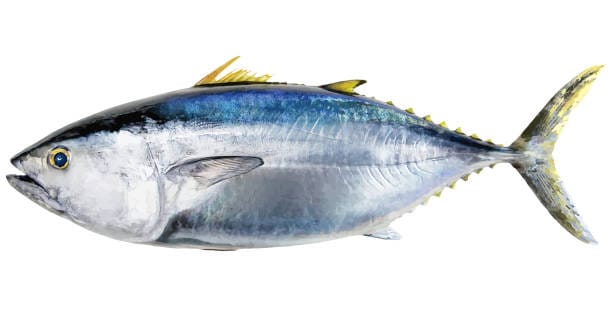
Bluefin Tuna are among the largest tuna species, reaching weights of over 600 kilograms. They inhabit the Atlantic Ocean and Mediterranean Sea. Bluefin Tuna are apex predators, consuming other fish and squid. Highly prized for sushi and sashimi, their populations have faced dramatic declines due to overfishing. Conservation measures include quotas, size limits, and monitoring of breeding grounds. Bluefin Tuna are also notable for their remarkable swimming endurance and ability to maintain elevated body temperatures, which allows them to inhabit cold waters efficiently.
29. Yellowfin Tuna (Thunnus albacares)
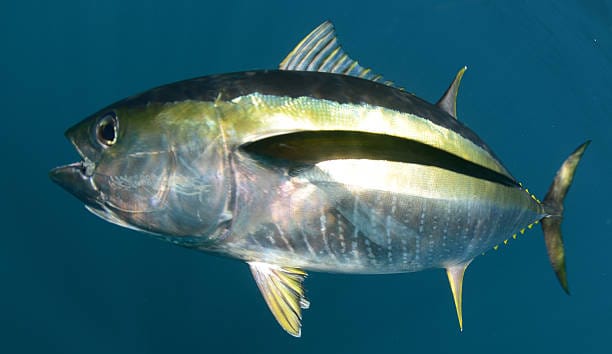
Yellowfin Tuna are medium-sized tuna with bright yellow dorsal and anal fins and streamlined bodies. Found in tropical and subtropical oceans worldwide, they feed on smaller fish, squid, and crustaceans. They are commercially important for fresh and canned seafood. Yellowfin Tuna are also targeted in sport fishing due to their speed and strength. Conservation efforts focus on sustainable harvesting to maintain populations, especially in heavily fished regions, and tracking their migratory routes helps researchers study oceanic ecosystem dynamics.
30. Albacore Tuna (Thunnus alalunga)
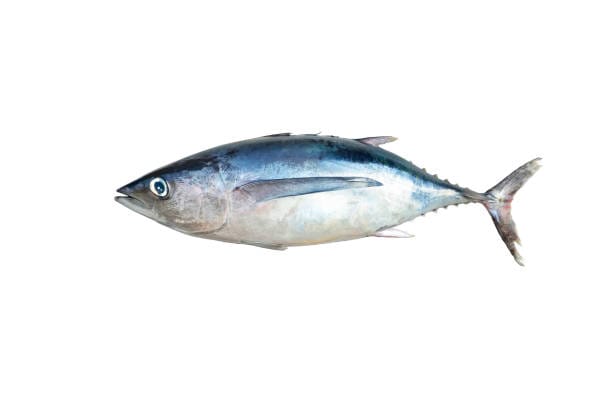
Albacore Tuna are recognizable for their long pectoral fins and metallic blue coloration. They inhabit temperate and tropical oceans and feed on smaller fish and cephalopods. Albacore are commercially valuable for canned tuna production. Their migratory patterns cover thousands of kilometers, making them important indicators of ocean health and temperature changes. Sustainable fisheries management and monitoring of spawning areas are essential to ensure long-term population stability and ecological balance.
31. Skipjack Tuna (Katsuwonus pelamis)
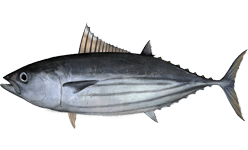
Skipjack Tuna are small, fast-moving tuna species found in tropical and subtropical oceans. Their dark back, lighter belly, and characteristic horizontal stripes distinguish them. Skipjack feed on small fish, crustaceans, and cephalopods. They are the most abundant tuna species and a staple in canned tuna products. Despite high catches, sustainable management practices help maintain population levels. Skipjack Tuna also support pelagic food webs as prey for larger fish, sharks, and marine mammals.
32. Swordfish (Xiphias gladius)
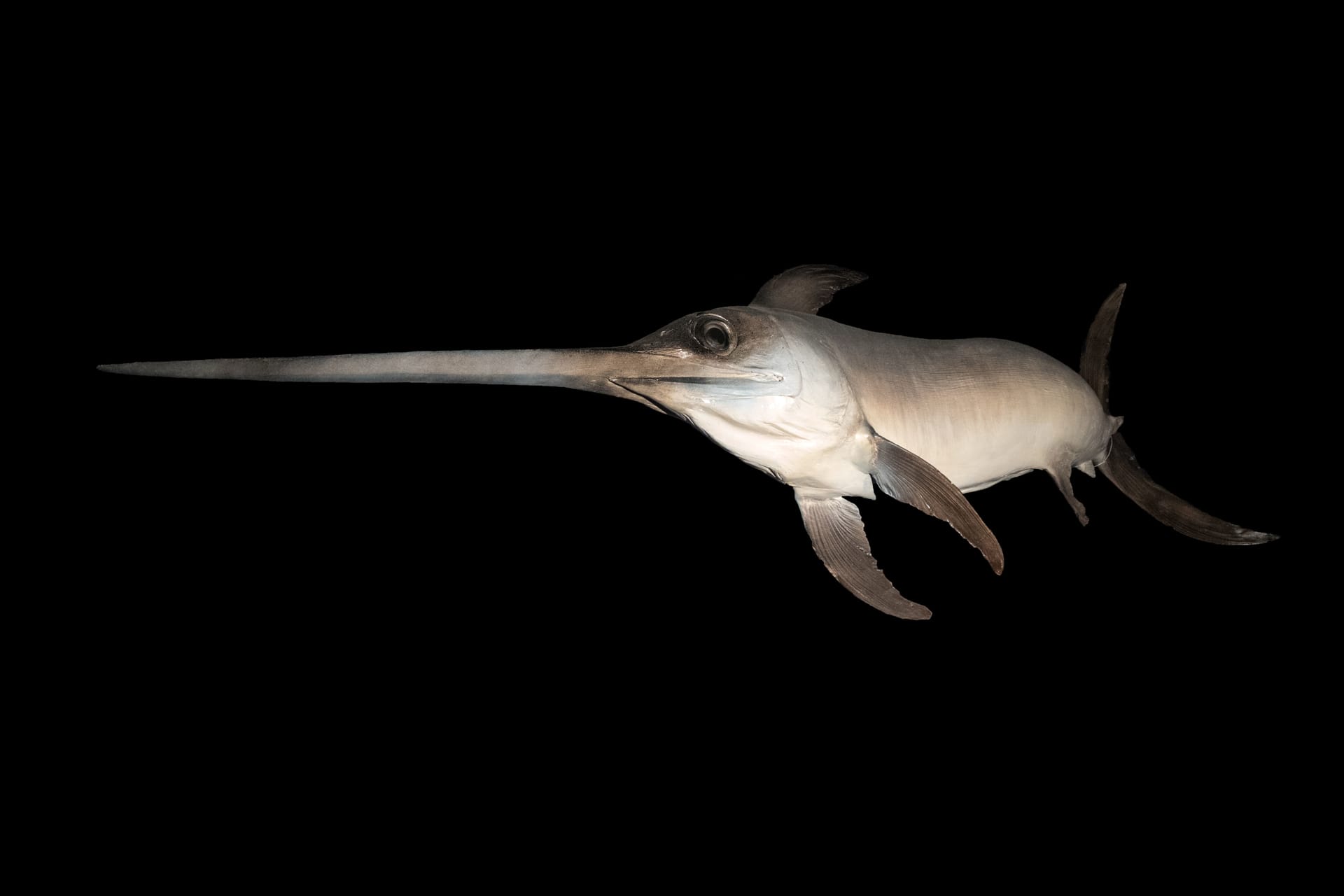
Swordfish are large predatory fish characterized by their elongated, flat bills. Found in temperate and tropical oceans, they use their bills to slash prey, primarily smaller fish and squid. Swordfish are prized in sport and commercial fisheries. They are solitary hunters with remarkable speed and endurance. Fisheries management includes size and catch limits to prevent overexploitation and maintain their ecological role as apex predators in pelagic environments.
33. Marlin (Istiophoridae family)

Marlin are large, fast-swimming billfish with elongated bodies and spear-like upper jaws. Found in tropical and subtropical oceans, they feed on fish, squid, and crustaceans. Marlin are renowned in sport fishing for their size, speed, and acrobatics. Their migratory patterns cover vast oceanic distances, making them essential for studying pelagic ecosystem dynamics. Conservation emphasizes sustainable sport fishing and monitoring of spawning areas.
34. Sailfish (Istiophorus platypterus)
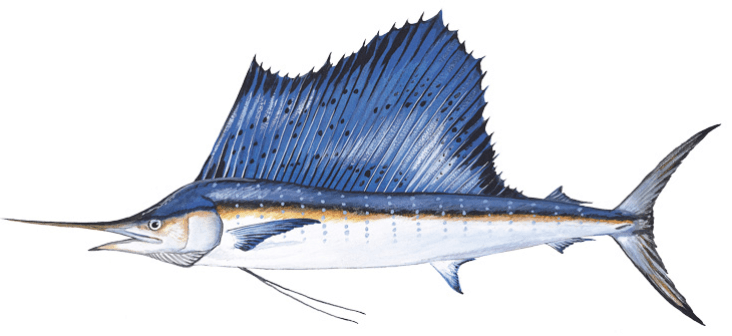
Sailfish are distinguished by their large dorsal fins resembling sails and streamlined bodies. Found in warm and temperate oceans, they are among the fastest fish in the ocean. Sailfish feed on smaller fish and squid using quick bursts of speed and agility. Highly prized in sport fishing, they are often caught and released. Sailfish are important apex predators, and their health reflects the overall status of oceanic food webs.
35. Mahi-Mahi / Dorado (Coryphaena hippurus)

Mahi-Mahi, also known as Dorado or Dolphin Fish, are brightly colored fish with iridescent blues, greens, and golds. They inhabit tropical and subtropical oceans and are fast-growing and highly migratory. Mahi-Mahi feed on small fish, squid, and crustaceans. Popular in commercial and recreational fishing, they are known for acrobatic leaps and rapid swimming. Maintaining sustainable catch limits is crucial to preserve both their populations and the health of the pelagic ecosystem.
36. Pumpkinseed (Lepomis gibbosus)

Pumpkinseed are small freshwater sunfish native to North America, recognized by their deep, compressed bodies and bright orange spots on the cheeks. They inhabit ponds, lakes, and slow-moving rivers with abundant vegetation. Pumpkinseed feed on insects, crustaceans, and small fish. They are popular among anglers, especially children and beginner fishers. Ecologically, they contribute to freshwater food webs and serve as prey for larger fish and birds.
37. Crappie (Pomoxis spp.)
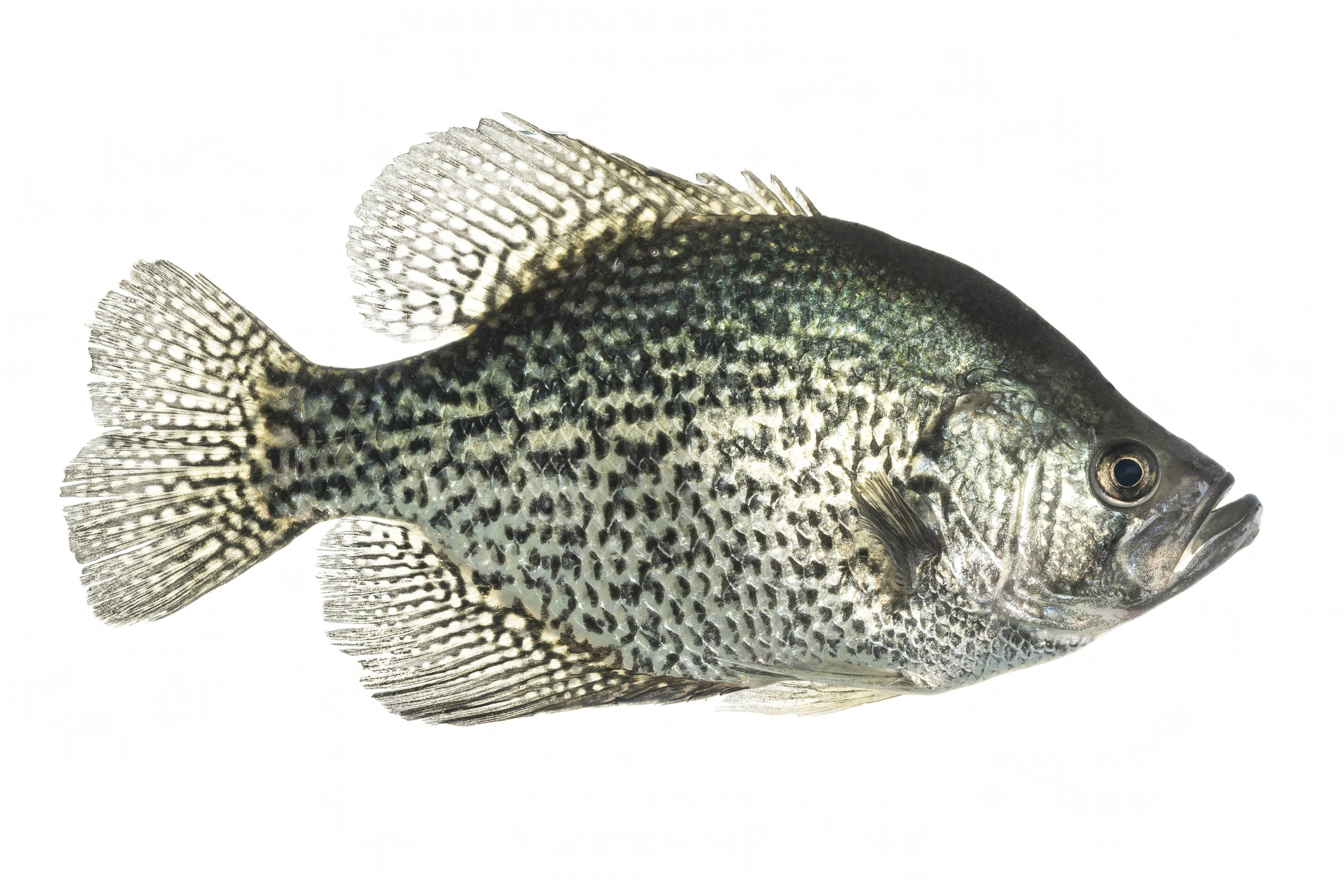
Crappie are freshwater sunfish found across North America, with two main species: Black Crappie and White Crappie. They have laterally compressed bodies, dark patterns, and large mouths. Crappie inhabit lakes, reservoirs, and rivers, often near submerged structures. They feed on small fish and invertebrates. Valued in sport fishing, crappie support recreational economies while playing a critical role in aquatic ecosystems by controlling prey populations.
38. Sunfish (Lepomis spp.)
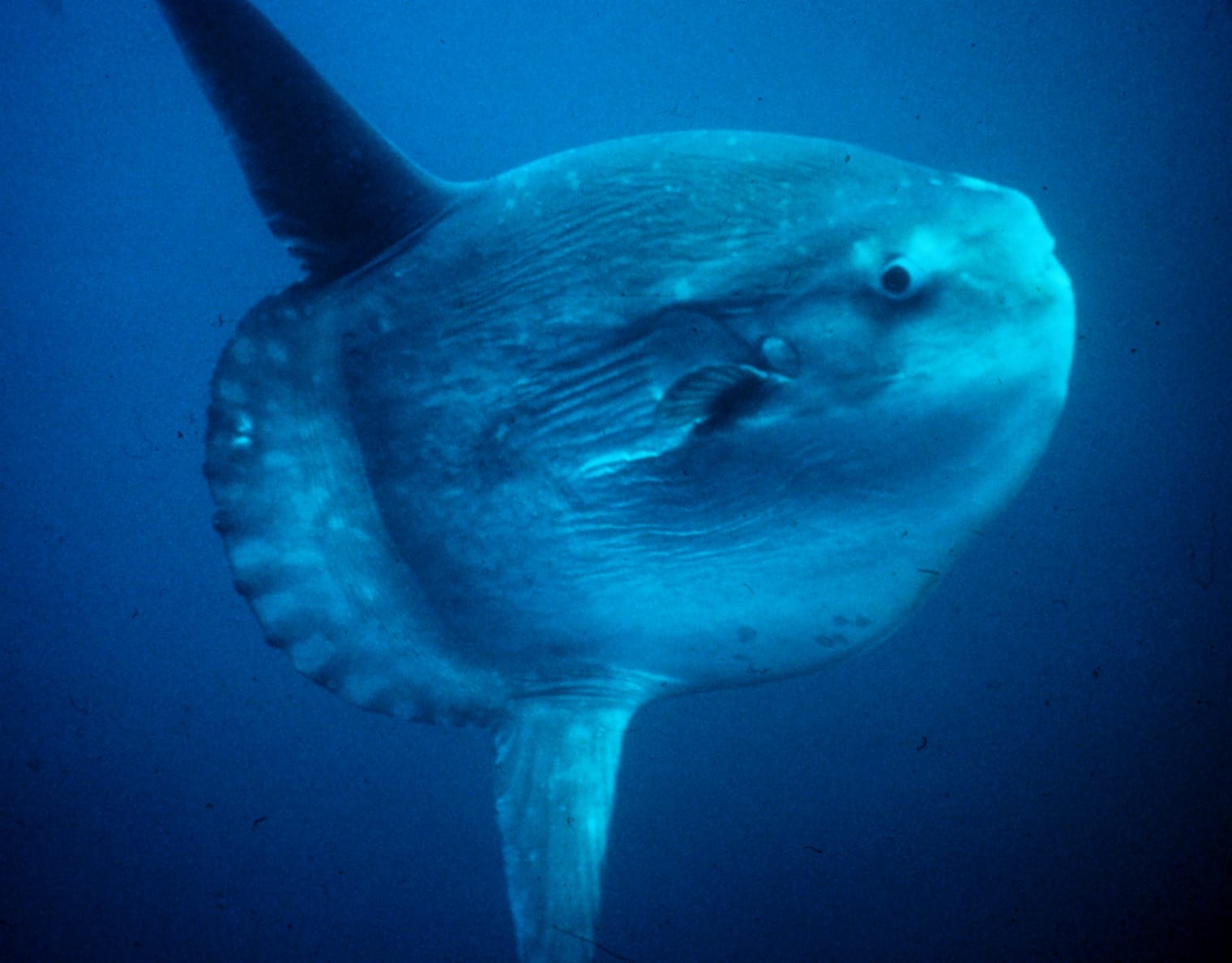
Sunfish are small to medium freshwater fish with colorful bodies and spiny fins. They inhabit ponds, lakes, and rivers, feeding on insects, crustaceans, and small fish. Sunfish are vital for ecological balance, serving as prey for larger fish and birds. Anglers prize them for their abundance and fighting ability. Sunfish display complex reproductive behaviors, including nest building and parental care, providing fascinating insights into freshwater fish ecology.
39. Carp (Cyprinus carpio)

Common Carp are large, freshwater fish native to Europe and Asia but introduced worldwide. Recognizable by their elongated bodies, barbels near the mouth, and scalation, they inhabit rivers, lakes, and ponds. Carp feed on benthic invertebrates, plants, and detritus. While they support fisheries and aquaculture, they can be invasive, impacting water quality and native species. Management focuses on balancing economic value with ecological sustainability.
40. Grass Carp (Ctenopharyngodon idella)

Grass Carp are herbivorous freshwater fish introduced globally to control aquatic vegetation. Native to East Asia, they have elongated bodies, silvery scales, and broad mouths for grazing plants. Grass Carp inhabit rivers, lakes, and reservoirs. They play an essential role in controlling invasive aquatic plants but require careful management to prevent ecological disruption. Their introduction highlights the challenges of balancing human use with ecosystem health.
41. Common Carp (Cyprinus carpio)
Common Carp are large freshwater fish native to Europe and Asia, now found worldwide. They have elongated bodies, barbels near the mouth, and thick, metallic scales. Carp inhabit rivers, lakes, and ponds, feeding on benthic invertebrates, plants, and detritus. They are highly adaptable, capable of thriving in various water conditions. Ecologically, carp can impact aquatic vegetation and native species when introduced. Carp are popular in recreational fishing and aquaculture, but managing their populations is essential to maintain ecosystem balance.
42. Catfish (Siluriformes order)

Catfish are a diverse group of freshwater and some saltwater fish known for their whisker-like barbels. Found on every continent except Antarctica, they occupy rivers, lakes, and coastal waters. Catfish feed on insects, smaller fish, and detritus. They vary widely in size, shape, and coloration, from small aquarium species to giant river catfish over two meters long. Catfish play a crucial ecological role as bottom feeders, recycling nutrients, and supporting aquatic food webs. Many species are valuable for commercial and recreational fishing.
43. Channel Catfish (Ictalurus punctatus)
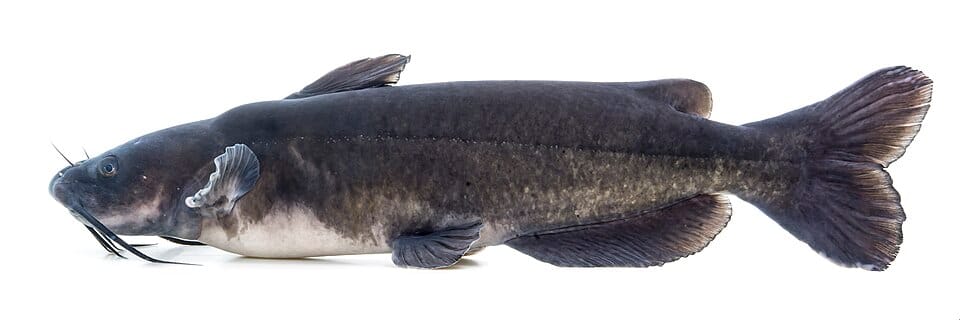
Channel Catfish are native to North American rivers and lakes, recognizable by their forked tail and smooth, scaleless body. They feed on fish, insects, and plant matter. Channel Catfish are highly prized by anglers for their fighting ability and are extensively farmed in aquaculture. They thrive in warm, slow-moving waters with sandy or muddy bottoms. Ecologically, they are opportunistic feeders, helping control smaller fish populations and maintain ecosystem balance.
44. Blue Catfish (Ictalurus furcatus)
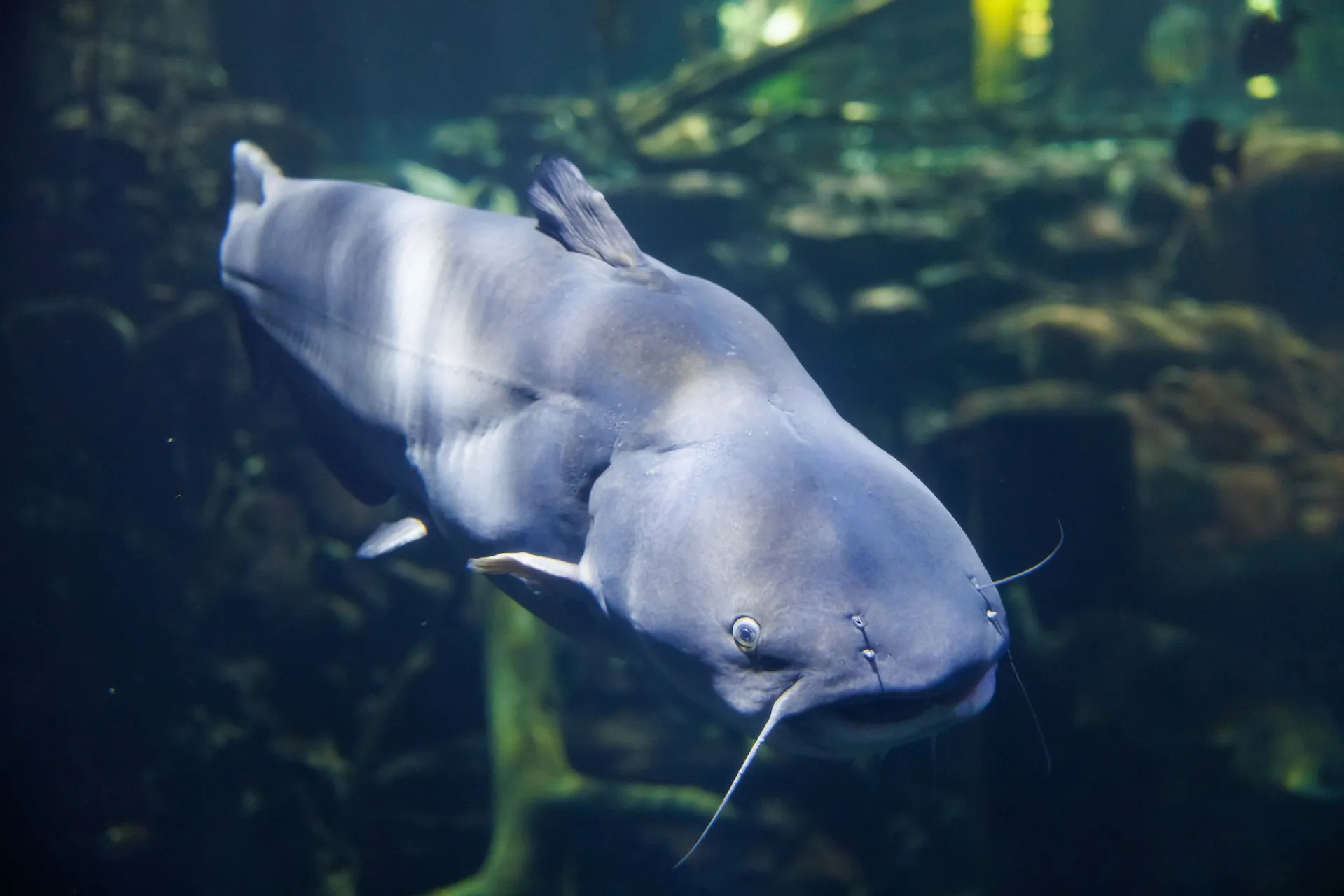
Blue Catfish are large freshwater fish native to the Mississippi, Missouri, and Rio Grande river systems. They can grow over 100 kilograms and have bluish-gray bodies with deeply forked tails. Blue Catfish are apex freshwater predators, consuming fish, crustaceans, and even small birds. Popular among sport fishers, they are known for their strength and endurance. Managing Blue Catfish populations is important to prevent overpredation on native species and maintain ecological stability.
45. Flathead Catfish (Pylodictis olivaris)
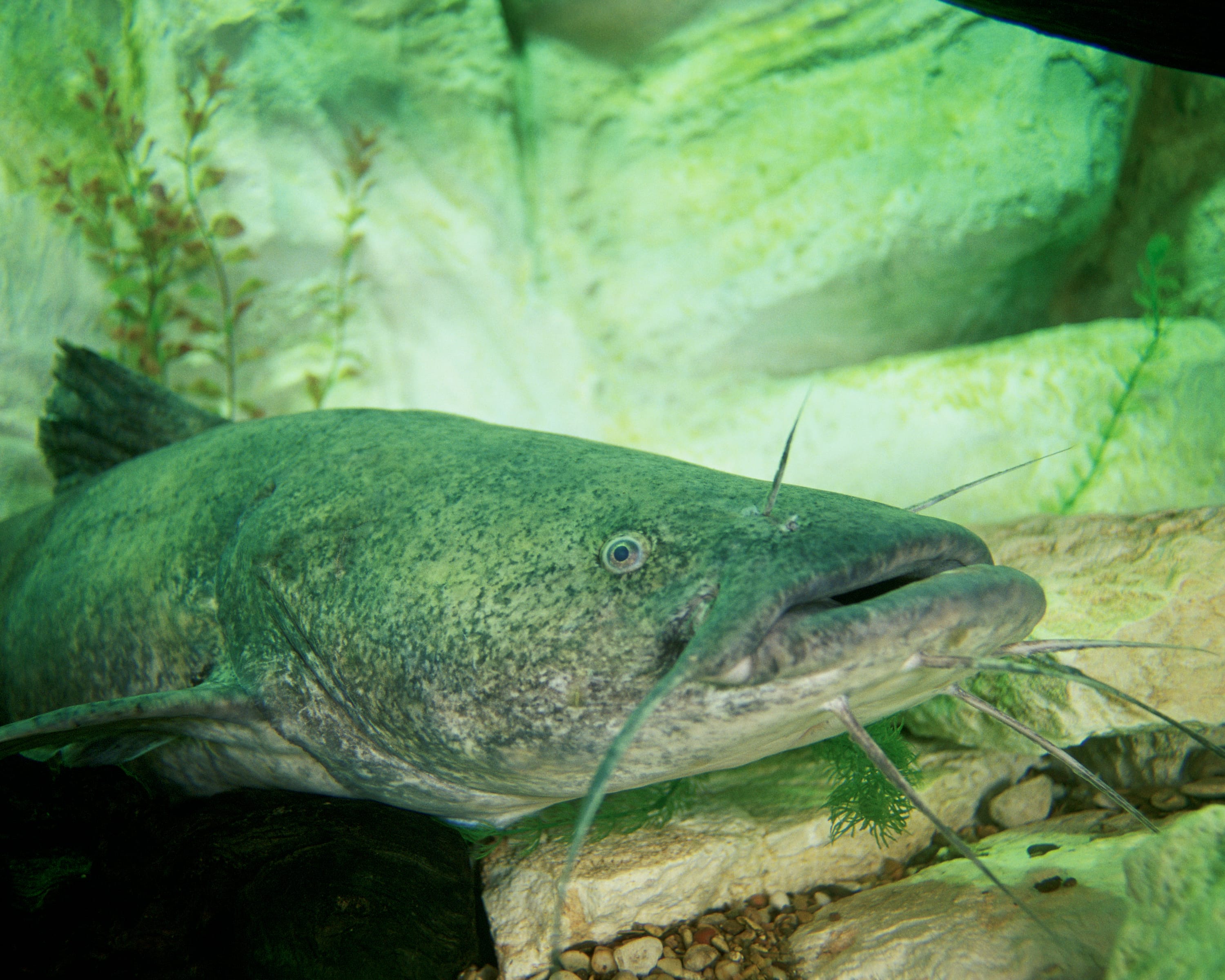
Flathead Catfish are large freshwater predators native to North America, characterized by broad, flattened heads and mottled brown bodies. They inhabit rivers and reservoirs with deep pools and submerged structures. Feeding primarily on live fish, they play a key role in regulating prey populations. Flathead Catfish are popular in recreational fishing due to their size and strength. Sustainable angling practices help maintain healthy populations and protect the balance of freshwater ecosystems.
46. Bullhead Catfish (Ameiurus spp.)

Bullhead Catfish are small to medium freshwater fish common across North America. They have rounded heads, barbels around the mouth, and stout bodies. Bullheads inhabit slow-moving rivers, lakes, and ponds, feeding on insects, worms, and small fish. They are hardy, tolerant of poor water quality, and breed prolifically. Bullheads provide an important ecological function as both predator and prey and are popular with beginner anglers due to their abundance and ease of catching.
47. Tilapia (Oreochromis spp.)
Tilapia are tropical freshwater fish native to Africa but introduced globally for aquaculture. They have laterally compressed bodies, spiny dorsal fins, and a wide range of coloration. Tilapia feed on algae, plants, and small invertebrates. They are fast-growing, highly adaptable, and widely farmed for food. While valuable commercially, Tilapia can become invasive in non-native ecosystems, impacting native species and water quality. Sustainable management is essential to balance human use and ecological integrity.
48. Zebrafish (Danio rerio)
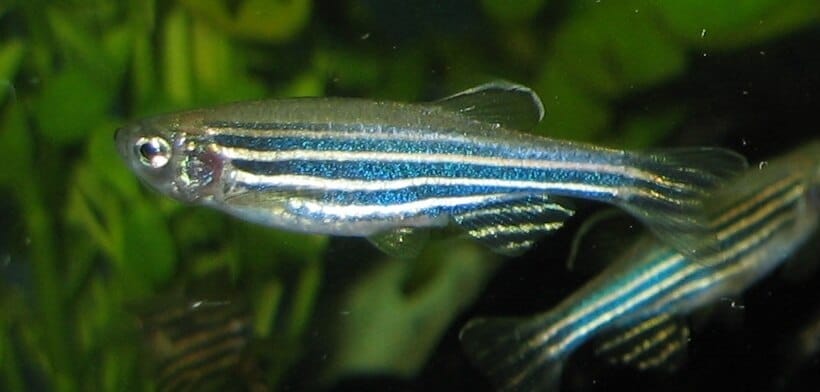
Zebrafish are small freshwater fish native to South Asia, known for their striking horizontal blue and silver stripes. They inhabit slow-moving rivers, streams, and rice paddies. Zebrafish feed on small insects, plankton, and invertebrates. Popular in research, aquariums, and education, they are also a model species for genetics and developmental biology. In ecosystems, zebrafish contribute to insect population control and serve as prey for larger fish and birds.
49. Guppy (Poecilia reticulata)

Guppies are small, colorful freshwater fish native to South America. Males are brightly colored, while females are more muted, displaying sexual dimorphism. Guppies inhabit streams, ponds, and rivers with abundant vegetation. They feed on insects, algae, and small invertebrates. Guppies are widely popular in aquariums and are highly adaptable to various water conditions. Ecologically, they help control mosquito populations and support food webs as prey for larger fish and birds.
50. Mollies (Poecilia spp.)
:strip_icc()/the-mollie-1380726-hero-b5727abe24d9464c80e690ec88034853.jpg)
Mollies are small freshwater and brackish fish native to Central and South America. They have rounded bodies, varying colors, and sometimes sail-like dorsal fins. Mollies feed on algae, plankton, and small invertebrates. They are livebearers, producing fully developed fry rather than laying eggs. Mollies are popular in aquariums and can adapt to a range of water conditions, including slightly saline environments. In their ecosystems, they help regulate algae growth and provide food for predators.
51. Swordtail (Xiphophorus hellerii)

Swordtails are freshwater fish native to Central America, named for the elongated lower tail fin in males. They inhabit rivers, streams, and ponds with vegetation. Swordtails feed on algae, small invertebrates, and plant matter. They are livebearers, breeding prolifically in aquariums. Ecologically, they contribute to controlling algae and insect populations while serving as prey for larger species. Swordtails are popular in aquaculture and the aquarium trade due to their hardiness and vibrant colors.
52. Platyfish (Xiphophorus maculatus)

Platyfish are small freshwater fish from Central America, known for vibrant patterns and hardy nature. They inhabit slow-moving streams, rivers, and ponds. Platies feed on algae, small invertebrates, and detritus. They are livebearers, producing numerous fry, making them popular in aquariums. Ecologically, Platies support freshwater food webs by controlling small prey populations and serving as food for larger fish and birds. They are also commonly used in research due to their resilience.
53. Cichlid (Cichlidae family)

Cichlids are a diverse group of freshwater fish found in Africa, South America, and Central America. They vary in size, shape, and coloration, from small, colorful aquarium species to larger predators. Cichlids inhabit lakes, rivers, and streams, feeding on insects, smaller fish, and plant matter. They exhibit complex social and breeding behaviors, including parental care. Ecologically, cichlids influence invertebrate populations and serve as prey for larger predators. Many are popular in aquaculture and aquariums for their beauty and adaptability.
54. Oscar (Astronotus ocellatus)

Oscars are medium-sized freshwater cichlids native to South America. They have dark bodies with orange-red markings and rounded fins. Oscars inhabit slow-moving rivers, flooded forests, and lakes, feeding on smaller fish, crustaceans, and insects. Known for their intelligence and personality, Oscars are popular aquarium fish. Ecologically, they are mid-level predators, controlling small fish populations while serving as prey for larger species in their native habitats. Sustainable aquarium practices help prevent invasive populations outside their native range.
55. Discus (Symphysodon spp.)
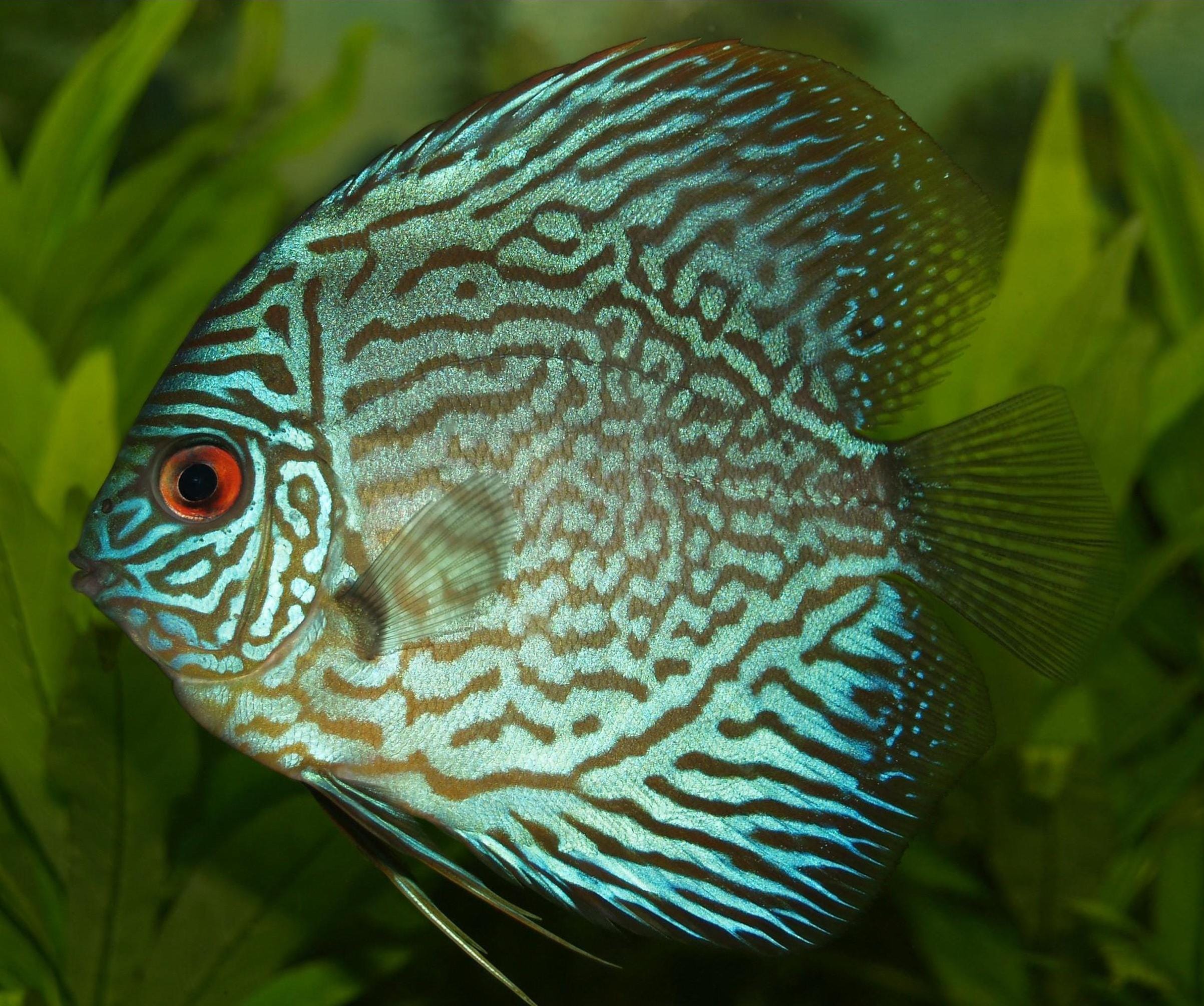
Discus are colorful freshwater cichlids from the Amazon Basin, recognized for their round, laterally compressed bodies and vibrant patterns. They inhabit slow-moving, heavily vegetated waters. Discus feed on small invertebrates, plant matter, and detritus. In aquaculture and aquariums, they are prized for their beauty and unique breeding behaviors, including parental care of fry. Ecologically, Discus contribute to the diversity of tropical freshwater ecosystems, interacting with other fish species and invertebrates in complex food webs.
56. Angelfish (Pterophyllum scalare)

Angelfish are freshwater cichlids native to the Amazon River basin, known for their triangular bodies and long fins. They inhabit slow-moving rivers, flooded forests, and streams with dense vegetation. Angelfish feed on insects, small fish, and plant matter. They display monogamous breeding behaviors, caring for eggs and fry. Popular in aquariums for their elegance and patterns, Angelfish also play a role in controlling prey populations and supporting the ecological balance of tropical freshwater systems.
57. Neon Tetra (Paracheirodon innesi)
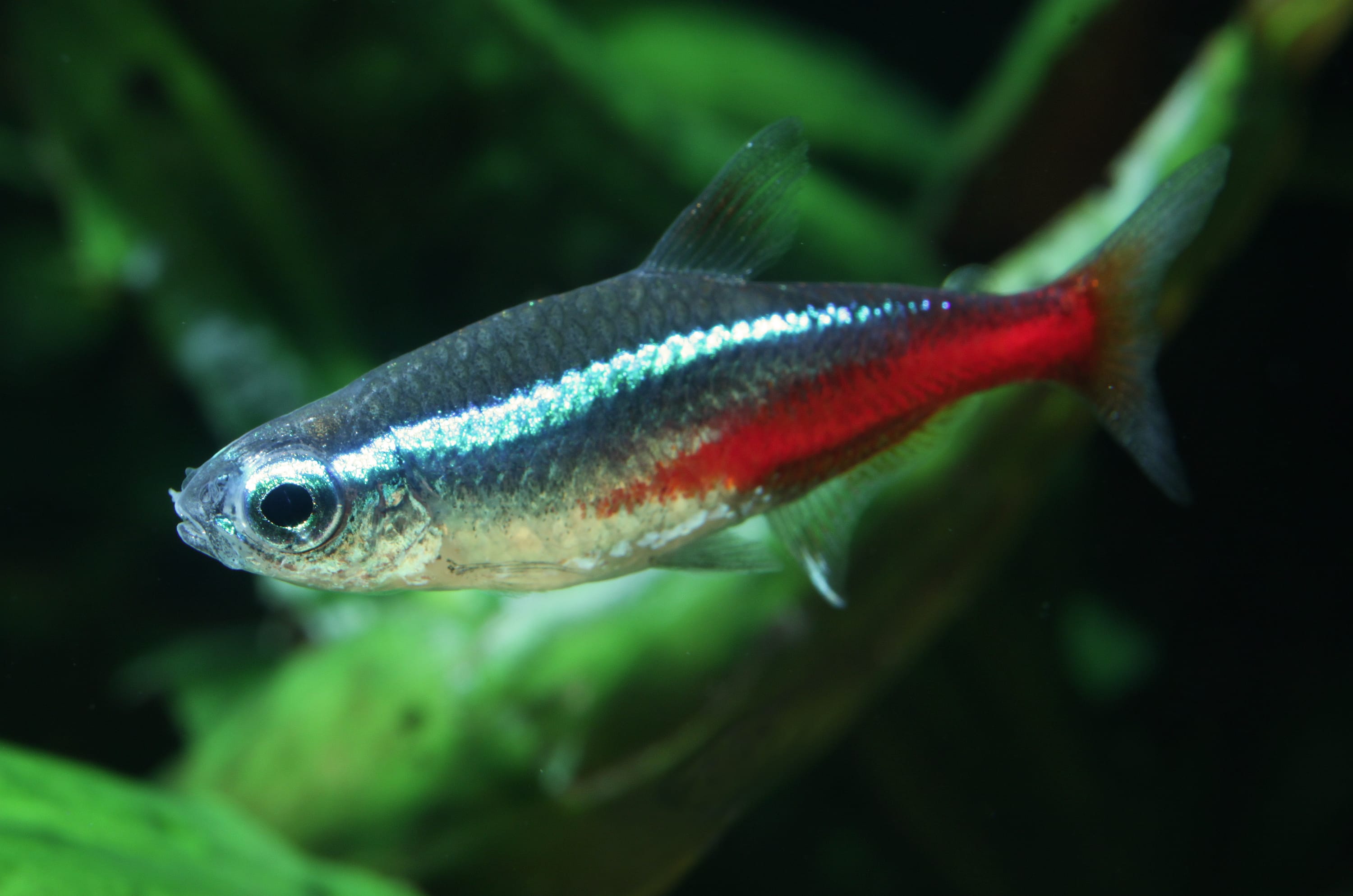
Neon Tetras are small, vibrant freshwater fish from South America, characterized by their iridescent blue and red stripes. They inhabit slow-moving, shaded streams and rivers with dense vegetation. Neon Tetras feed on small invertebrates, plankton, and plant matter. They are schooling fish, offering safety in numbers. Popular in aquariums, they contribute to freshwater ecosystems by regulating insect and plankton populations while providing food for larger species.
58. Betta / Siamese Fighting Fish (Betta splendens)
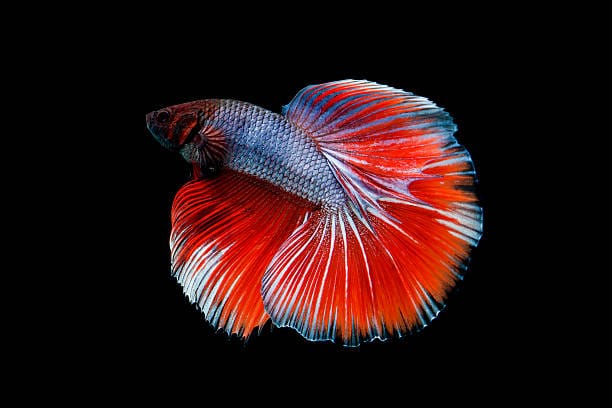
Betta fish are freshwater fish native to Southeast Asia, known for their vivid colors and long, flowing fins. They inhabit shallow, slow-moving waters like rice paddies and ponds. Bettas feed on insects, larvae, and small crustaceans. Males are highly territorial, often engaging in ritualized combat. Ecologically, Bettas control insect populations and serve as prey for larger fish and birds. They are extremely popular in aquariums due to their beauty and unique behaviors.
59. Clownfish (Amphiprioninae subfamily)
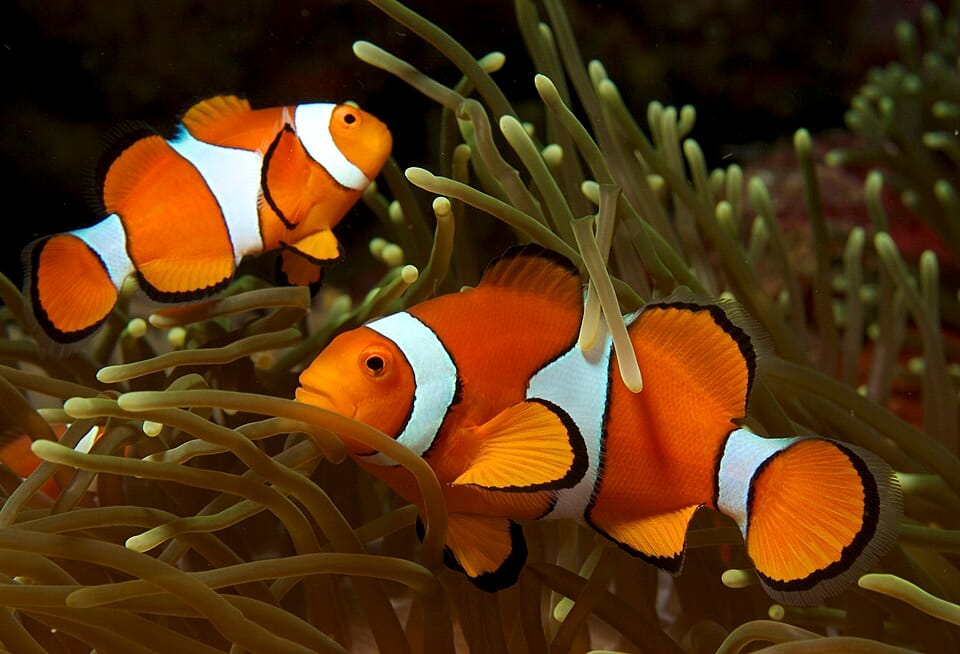
Clownfish are small, brightly colored marine fish inhabiting coral reefs in the Indian and Pacific Oceans. Famous for their symbiotic relationship with sea anemones, they gain protection while providing cleaning and food scraps to their hosts. Clownfish feed on plankton, algae, and small invertebrates. Popularized by media and aquariums, Clownfish play a key ecological role in maintaining reef health and nutrient cycling.
60. Grouper (Epinephelinae subfamily)

Groupers are large predatory marine fish found in tropical and subtropical oceans, particularly around reefs. They have robust bodies, large mouths, and variable coloration. Groupers feed on fish, crustaceans, and cephalopods. As apex predators, they help regulate reef ecosystems by controlling prey populations. Many species are commercially and recreationally fished, making sustainable management critical to maintaining their populations and protecting coral reef health.
61. Snapper (Lutjanidae family)
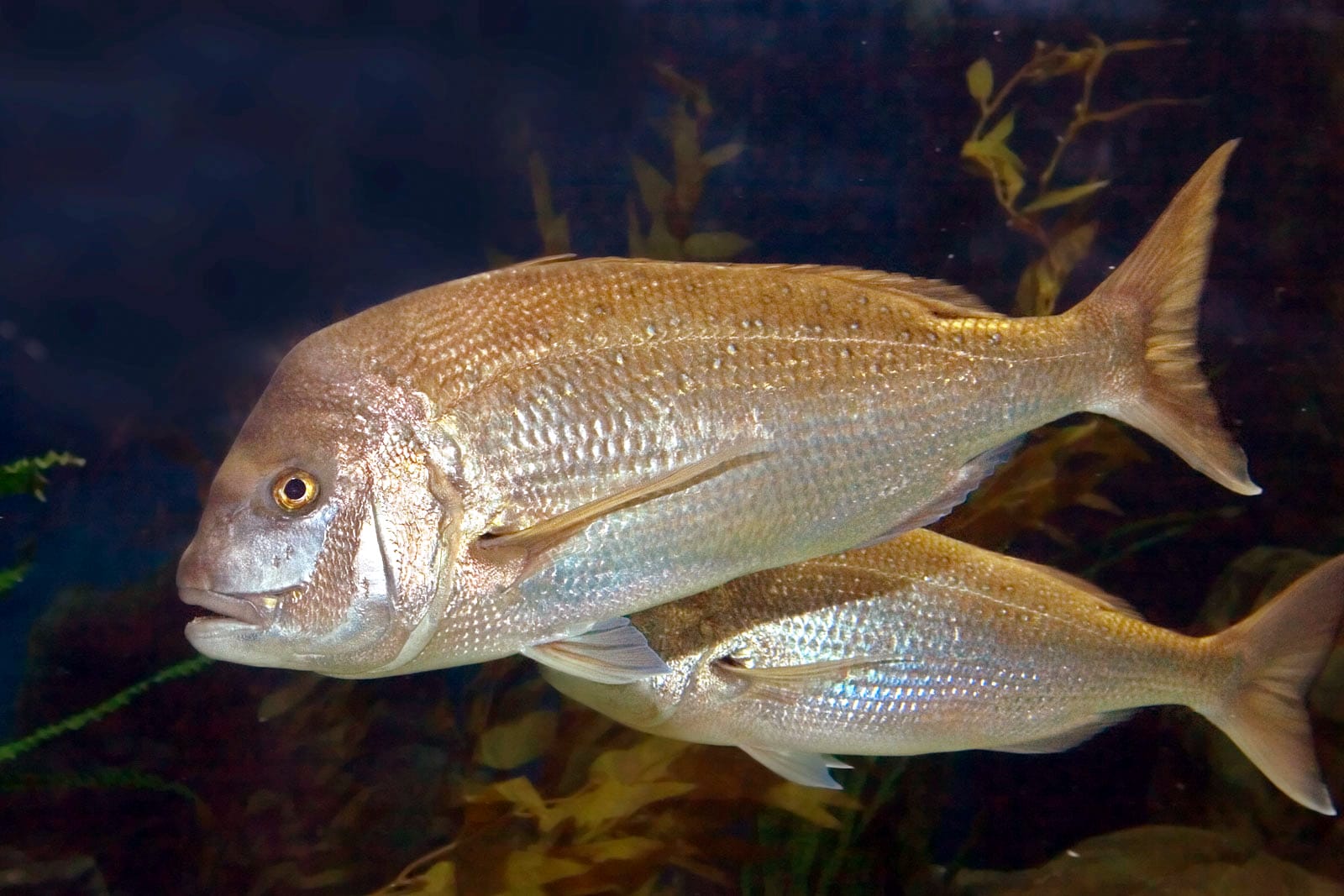
Snappers are a diverse family of predatory marine fish found in tropical and subtropical oceans worldwide. They have elongated bodies, pointed snouts, and strong jaws with sharp teeth. Snappers inhabit reefs, rocky outcrops, and estuaries, feeding on smaller fish, crustaceans, and mollusks. They are highly prized for their taste and sport-fishing value. Ecologically, snappers help regulate prey populations and maintain reef balance. Their schooling behavior makes them both effective predators and targets for larger marine predators.
62. Red Snapper (Lutjanus campechanus)

Red Snappers are iconic reef fish of the Gulf of Mexico and western Atlantic, recognized by their bright red coloration and streamlined bodies. They inhabit deep reefs and structures, preying on fish, shrimp, and crabs. Red Snappers can live for decades and grow over 1 meter long. Overfishing has threatened their populations, so sustainable management is crucial. They play an important ecological role in controlling smaller fish populations and supporting healthy reef ecosystems.
63. Barracuda (Sphyraena spp.)

Barracudas are elongated, predatory fish with powerful jaws filled with sharp teeth, inhabiting tropical and subtropical oceans. They are agile hunters, feeding primarily on smaller fish. Barracudas often patrol reefs and open water, sometimes traveling in schools. Their aggressive hunting and speed help maintain balance in marine food webs. While dangerous to small prey, barracudas rarely threaten humans. Anglers prize them for sport fishing due to their size and strength.
64. Pufferfish (Tetraodontidae family)
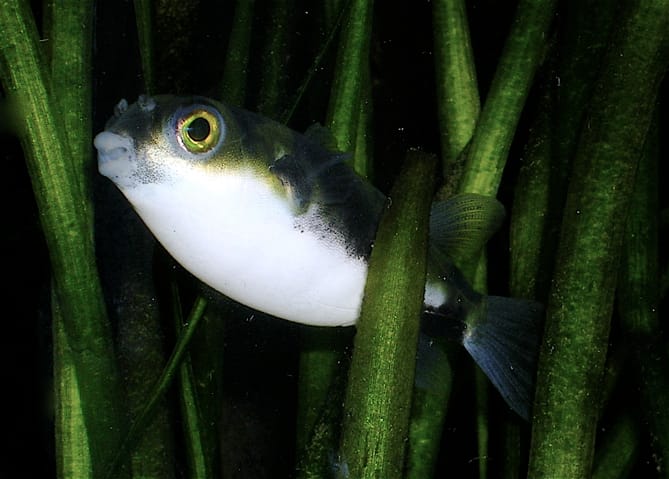
Pufferfish are small to medium marine fish known for their ability to inflate their bodies as a defense mechanism. Found in tropical and subtropical oceans, they have spiny skin and potent toxins in some species. Pufferfish feed on algae, invertebrates, and mollusks. They play a unique ecological role by controlling invertebrate populations and contributing to reef biodiversity. Their distinctive appearance and behavior make them a favorite among divers and marine enthusiasts.
65. Blowfish (Tetraodontidae family)
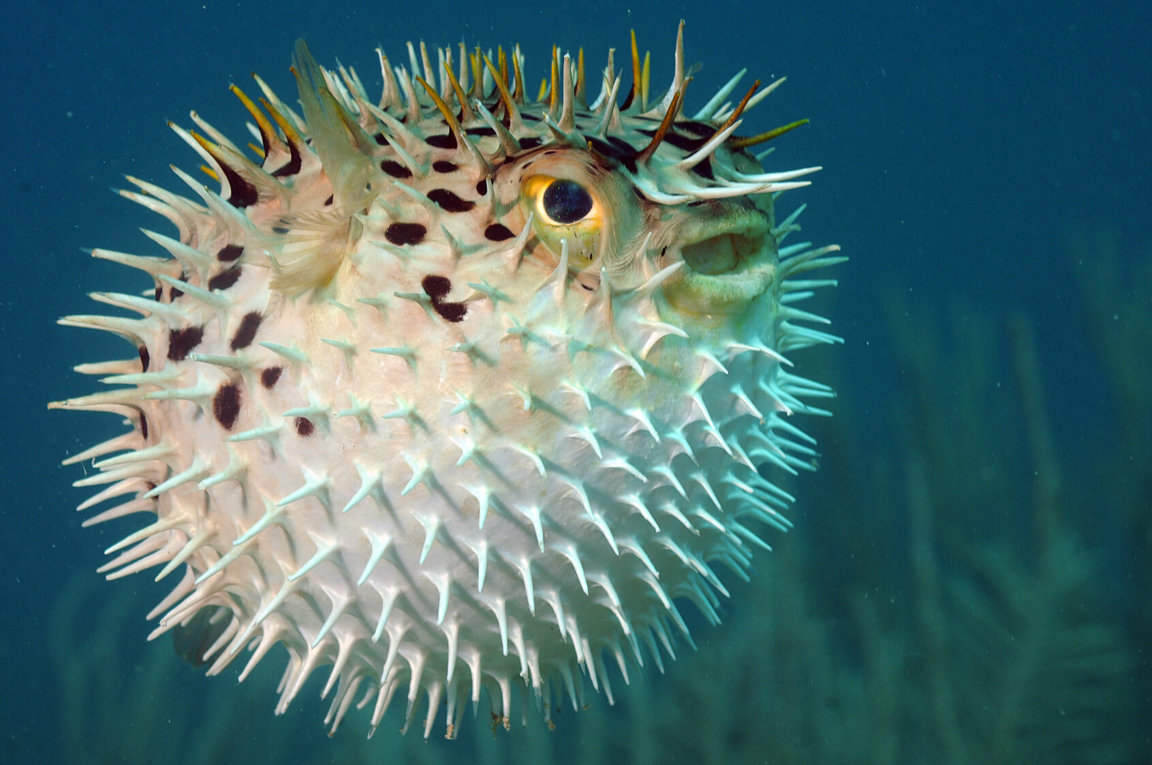
Blowfish are close relatives of pufferfish, sharing the ability to puff up when threatened. They inhabit coastal waters, coral reefs, and estuaries. Blowfish feed on crustaceans, mollusks, and small fish. Their toxin, tetrodotoxin, deters predators and makes them both fascinating and dangerous. Blowfish contribute to marine ecosystems by regulating prey populations and supporting food webs. They are celebrated in culinary traditions, though preparation requires skill due to their toxicity.
66. Triggerfish (Balistidae family)
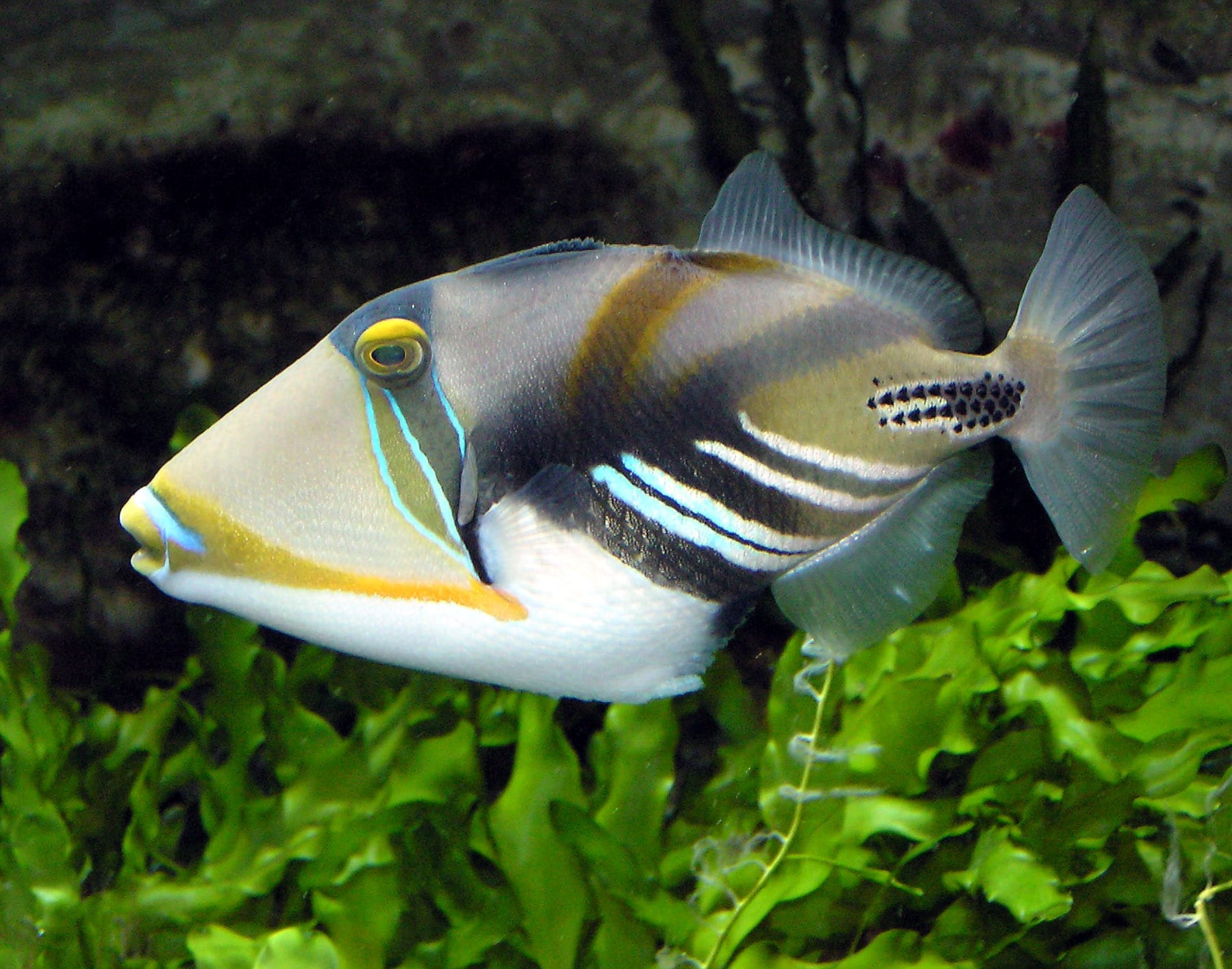
Triggerfish are brightly colored reef fish known for their angular bodies and strong jaws. Found in tropical and subtropical reefs worldwide, they feed on sea urchins, crustaceans, and mollusks, using their teeth to crush hard shells. Triggerfish are territorial and sometimes aggressive, especially when guarding nests. Ecologically, they help control invertebrate populations and maintain reef health. Divers and snorkelers often encounter triggerfish due to their bold behavior and striking appearance.
67. Parrotfish (Scaridae family)
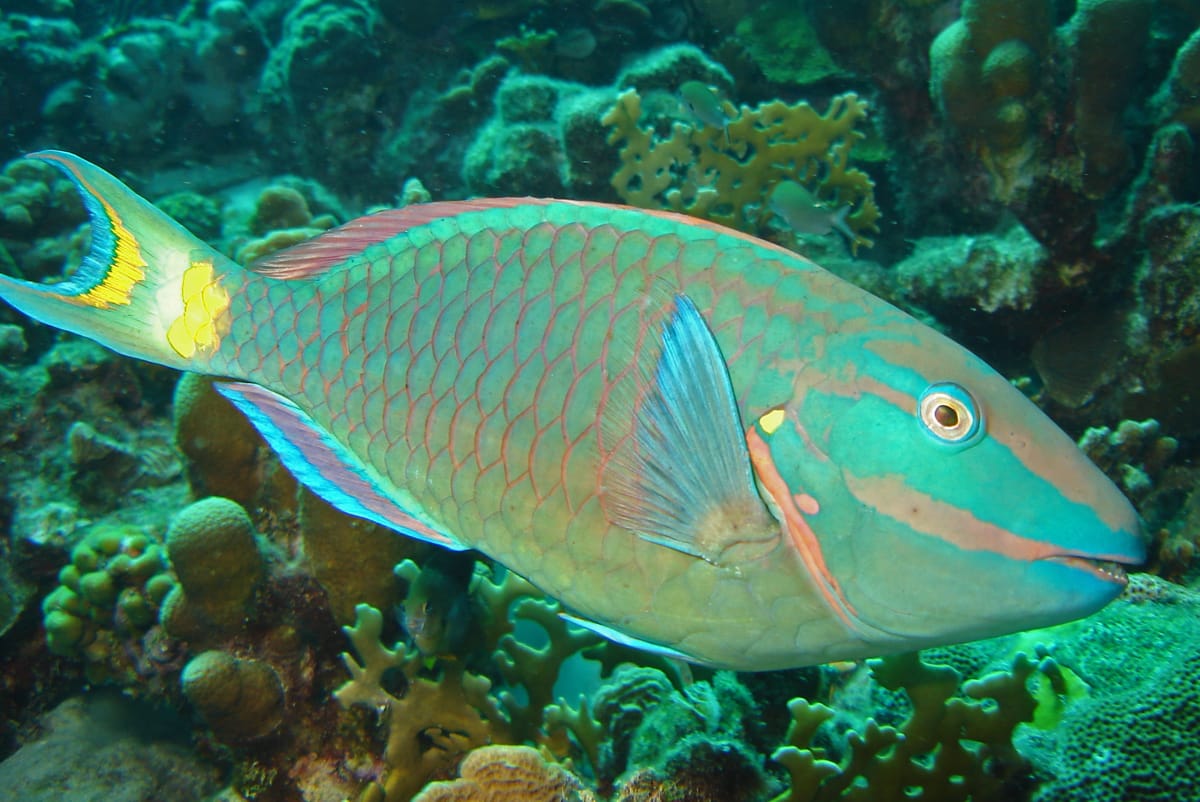
Parrotfish are colorful reef dwellers recognized by their beak-like teeth used to scrape algae from coral surfaces. Found in tropical oceans, they play a critical role in maintaining coral reef ecosystems by preventing algal overgrowth. Parrotfish feed on algae and coral polyps, and their grinding action contributes to sand production. They exhibit sequential hermaphroditism, with individuals changing sex during their lifespan. Parrotfish are admired for their vivid coloration and essential ecological role.
68. Wrasse (Labridae family)

Wrasses are a diverse group of reef fish with elongated bodies and bright patterns. They inhabit shallow and deep coral reefs, feeding on small invertebrates, crustaceans, and parasites found on other fish. Some wrasses act as cleaner fish, maintaining reef health by removing parasites from larger species. Wrasses display fascinating social structures, including sex change and hierarchical behaviors. Their ecological role and vivid coloration make them popular among divers and marine biologists.
69. Surgeonfish (Acanthuridae family)

Surgeonfish are named for the sharp spines near their tails used for defense. Found in tropical reefs, they have oval, laterally compressed bodies and feed mainly on algae. Surgeonfish play an essential role in controlling algal growth, helping coral reefs thrive. They are social, often forming schools, and some species exhibit territorial behavior. Their unique adaptations, bright colors, and ecological significance make them integral to reef ecosystems and popular in marine aquariums.
70. Tang (Acanthurus spp.)

Tangs are colorful surgeonfish, widely recognized from popular culture and marine aquariums. They inhabit coral reefs in tropical oceans, feeding predominantly on algae. Tangs use their sharp tail spines for defense and display schooling behavior. By controlling algal growth, they support reef health and biodiversity. Tangs are highly valued in the aquarium trade, requiring careful care to maintain health and natural behaviors. In the wild, they are prey for larger fish and seabirds.
71. Butterflyfish (Chaetodontidae family)
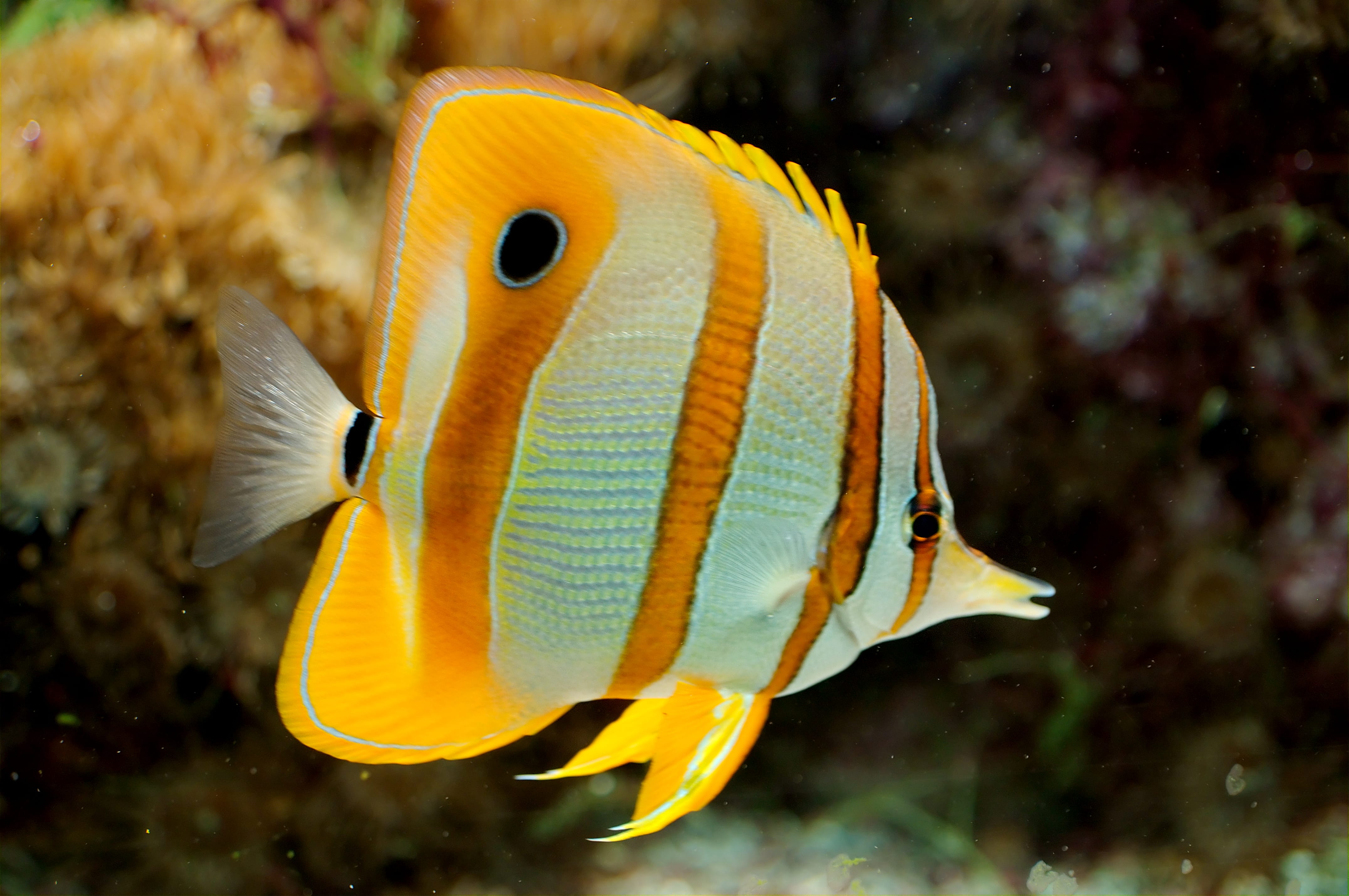
Butterflyfish are small, colorful reef fish with laterally compressed bodies and elongated snouts, perfect for feeding on coral polyps and invertebrates. Found in tropical oceans, they display intricate patterns that help with camouflage and mating displays. Butterflyfish often form monogamous pairs and exhibit strong site fidelity, remaining near specific reef areas. Ecologically, they influence coral and invertebrate populations and are indicators of reef health. Their vibrant colors make them popular among divers and aquarists.
72. Anglerfish (Lophiiformes order)
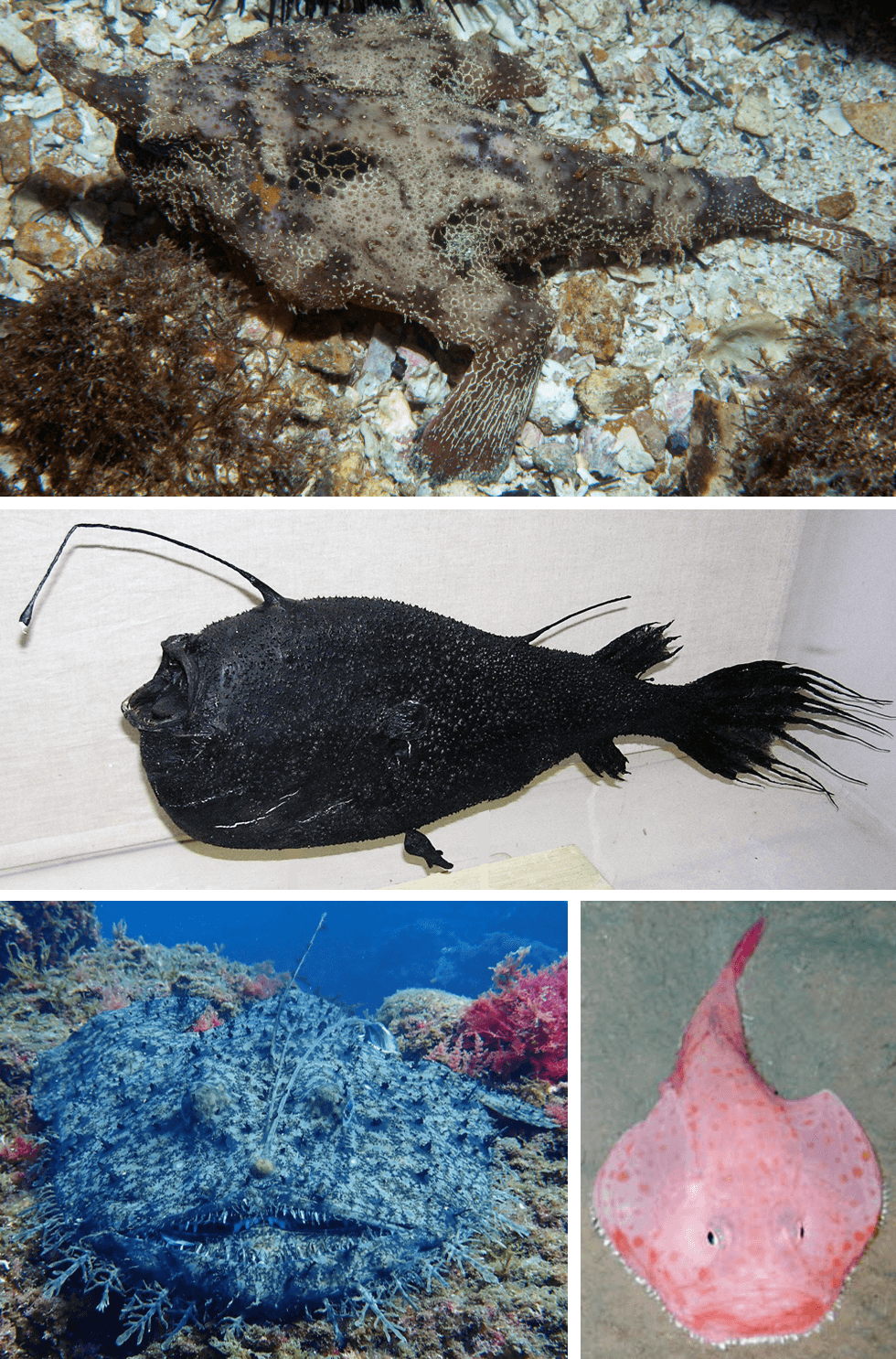
Anglerfish are deep-sea fish known for their bioluminescent lures used to attract prey. They inhabit the dark depths of the Atlantic and Pacific Oceans, where light is minimal. Anglerfish have large mouths, expandable stomachs, and camouflage adaptations for ambushing prey. Females are significantly larger than males, which often fuse to them parasitically. Anglerfish play a vital role in deep-sea food webs, controlling smaller fish populations and supporting deep ocean ecosystem balance.
73. Swordtail (Acanthopterygii group)
Swordtails are freshwater and brackish fish, named for the elongated lower tail fin in males. Native to Central America, they inhabit rivers, streams, and vegetated ponds. Swordtails feed on algae, small invertebrates, and plant matter. They are livebearers and breed prolifically, making them popular in aquariums. Ecologically, Swordtails help regulate small prey populations and serve as prey for larger fish and birds. Their adaptability and bright coloration make them a favorite among hobbyists.
74. Seahorse (Hippocampus spp.)
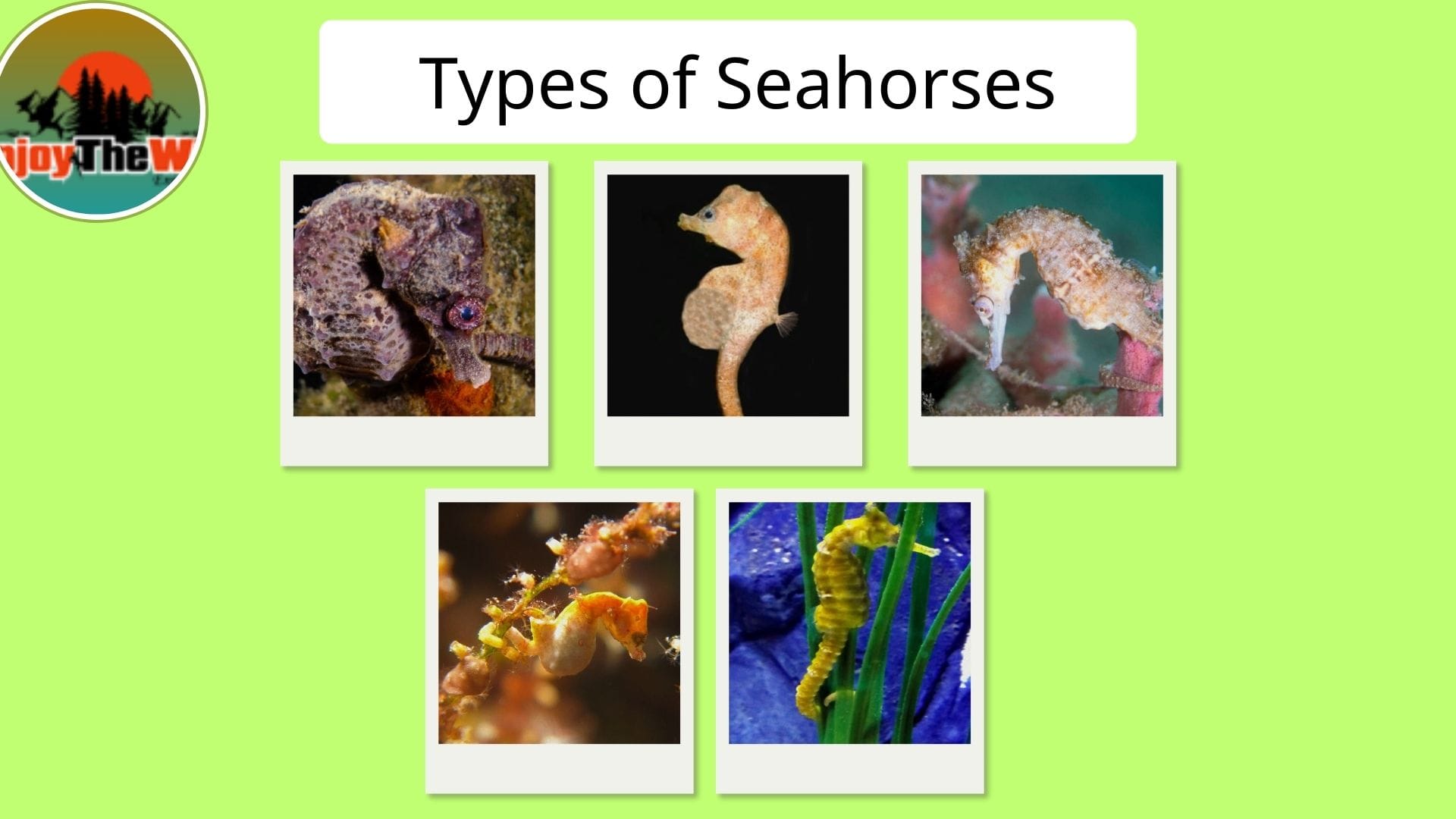
Seahorses are unique marine fish with upright, horse-like heads and prehensile tails. They inhabit seagrass beds, coral reefs, and estuaries, feeding on plankton and small crustaceans. Male seahorses carry and brood the eggs, a rare reproductive strategy among vertebrates. They are vulnerable to habitat degradation and overfishing. Seahorses contribute to reef and estuary ecosystems by controlling plankton populations and providing prey for larger predators. Their intricate behavior and appearance fascinate divers and marine biologists alike.
75. Stingray (Myliobatiformes order)
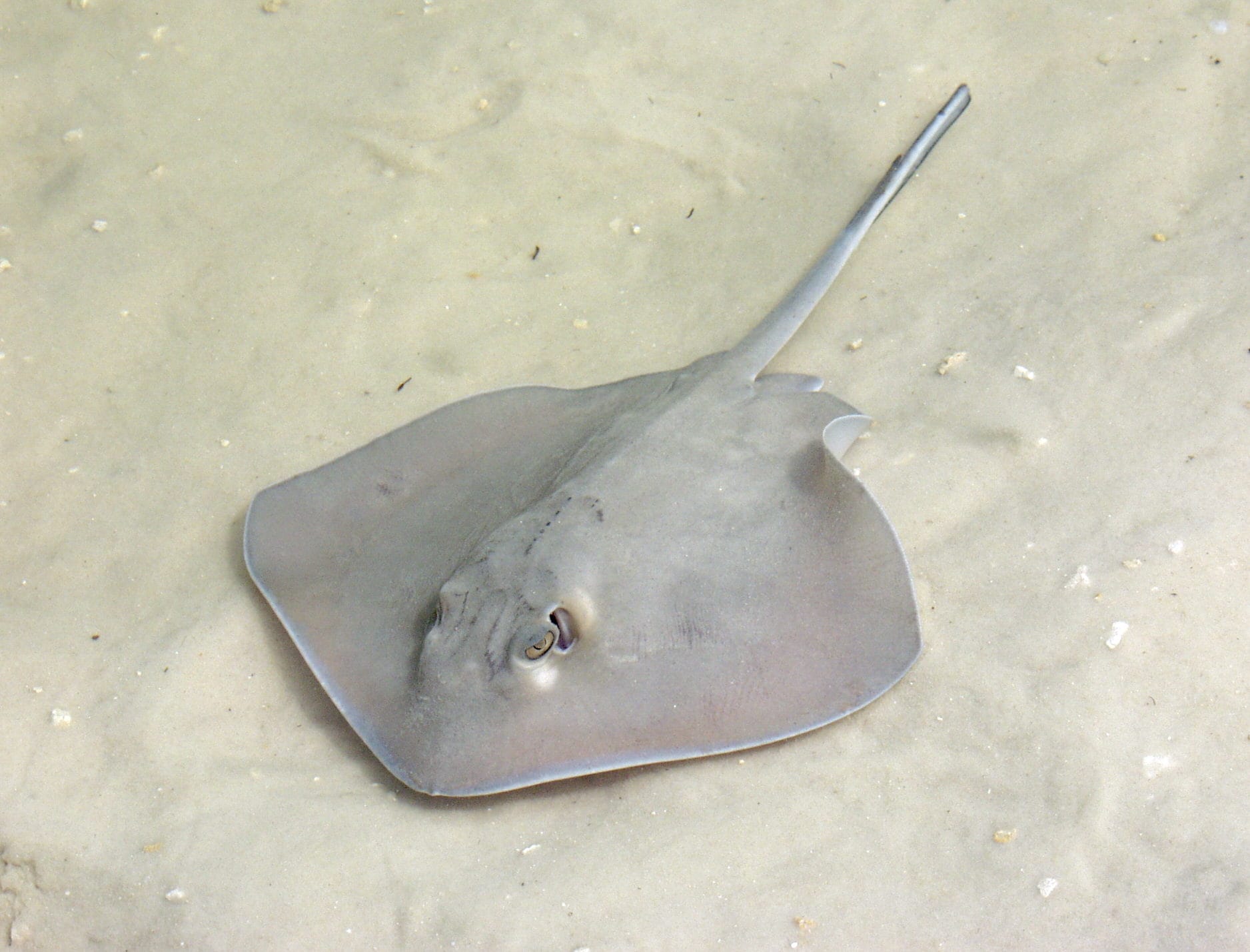
Stingrays are flat-bodied cartilaginous fish found in coastal waters, estuaries, and river systems worldwide. They have broad pectoral fins, whip-like tails, and venomous spines for defense. Stingrays feed on mollusks, crustaceans, and small fish, often burying themselves in sand to ambush prey. Ecologically, they aerate sediments while foraging and regulate benthic invertebrate populations. Stingrays are popular in ecotourism and aquariums, requiring respectful interaction due to their defensive capabilities.
76. Manta Ray (Mobula birostris)

Manta Rays are large, filter-feeding cartilaginous fish inhabiting tropical and subtropical oceans. They have triangular pectoral fins and cephalic lobes to channel plankton into their mouths. Manta Rays are highly migratory and often form seasonal aggregations at cleaning stations where smaller fish remove parasites. Ecologically, they control plankton populations and support marine food webs. They are admired for their size, grace, and intelligence, making them a focus of marine conservation efforts.
77. Shark (Selachimorpha superorder)
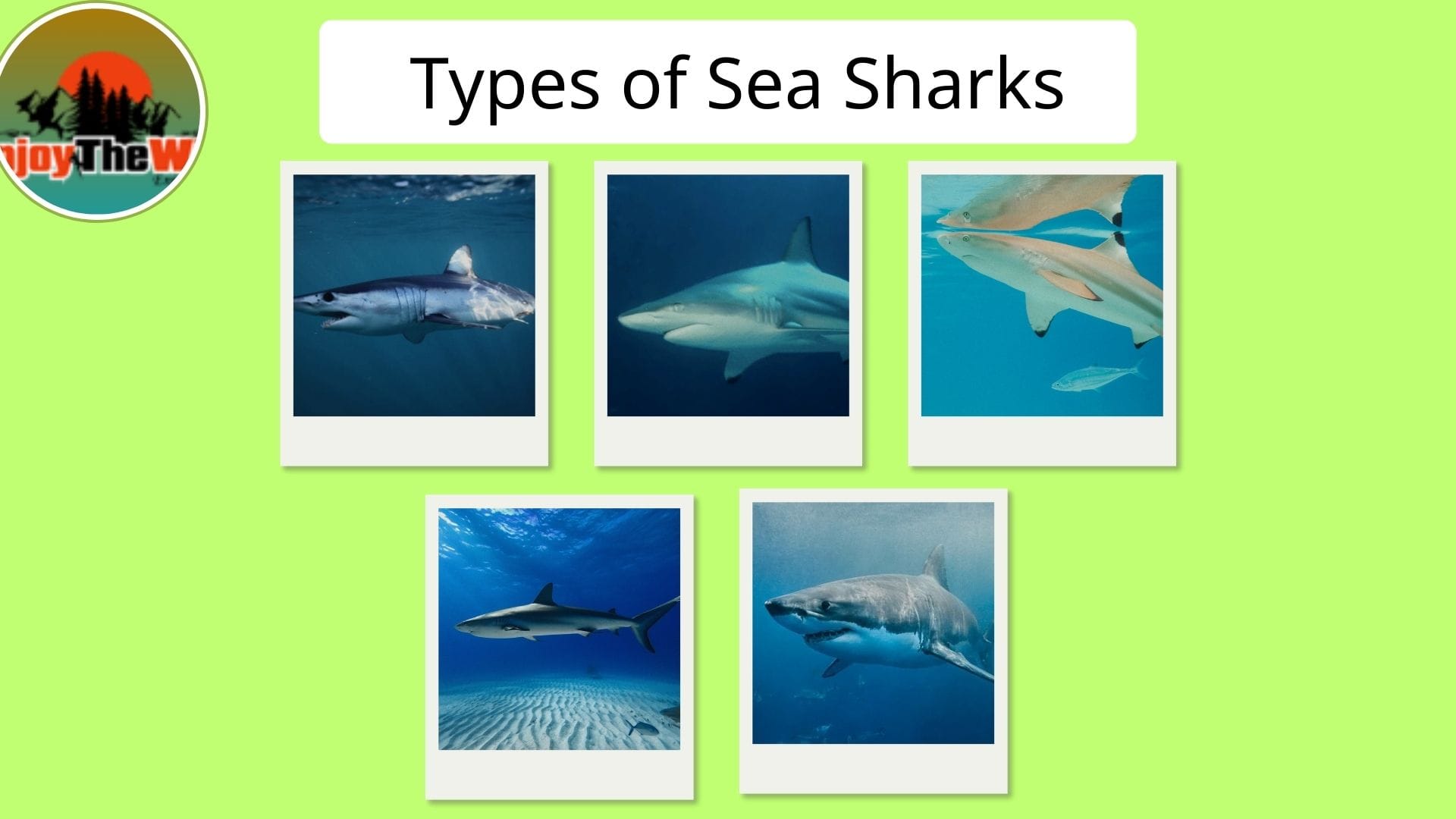
Sharks are apex predators found in oceans worldwide, ranging from small species to giants like the whale shark. They have cartilaginous skeletons, sharp teeth, and highly developed sensory organs for detecting prey. Sharks occupy diverse habitats, from shallow reefs to deep waters, feeding on fish, marine mammals, and invertebrates. Ecologically, sharks maintain balance in marine ecosystems by regulating prey populations. Many species are threatened by overfishing and habitat loss, prompting global conservation measures.
78. Great White Shark (Carcharodon carcharias)

The Great White Shark is one of the largest predatory fish, inhabiting coastal waters of all major oceans. Recognizable by its robust body, conical snout, and serrated teeth, it feeds on seals, fish, and carrion. Great Whites are solitary hunters, often employing ambush tactics. As apex predators, they play a crucial role in regulating marine mammal and fish populations. Despite their fearsome reputation, attacks on humans are rare. Conservation efforts focus on mitigating bycatch and habitat degradation.
79. Tiger Shark (Galeocerdo cuvier)

Tiger Sharks are large, predatory fish found in tropical and subtropical waters worldwide. Named for the stripes on juveniles, they have a broad head and strong jaws. Tiger Sharks are opportunistic feeders, consuming fish, seabirds, turtles, and even inedible objects. They help maintain ecosystem balance by controlling prey populations and scavenging carrion. Tiger Sharks are solitary and highly migratory, making them a key species for studying marine predator dynamics. Conservation focuses on managing fisheries and protecting critical habitats.
80. Hammerhead Shark (Sphyrnidae family)

Hammerhead Sharks are easily identified by their distinctively shaped heads, which enhance sensory perception and maneuverability. Found in warm waters worldwide, they inhabit coastal areas, continental shelves, and open oceans. Hammerheads feed on fish, squid, and crustaceans, often hunting in schools. Their unique morphology supports prey detection and social behaviors. Ecologically, they are apex predators, contributing to healthy marine food webs. Many species are threatened by overfishing, emphasizing the need for conservation measures.
81. Bull Shark (Carcharhinus leucas)

Bull Sharks are powerful predatory fish known for their stocky bodies and aggressive behavior. They inhabit warm, shallow coastal waters, estuaries, and even freshwater rivers. Bull Sharks feed on fish, other sharks, and marine mammals. They are unique among sharks for their ability to tolerate freshwater, allowing them to travel far upriver. Ecologically, Bull Sharks regulate prey populations and maintain the balance of coastal ecosystems. Their boldness and adaptability make them fascinating subjects for marine research.
82. Whale Shark (Rhincodon typus)

Whale Sharks are the largest fish in the world, reaching lengths over 12 meters. They are gentle filter feeders, consuming plankton, small fish, and squid. Found in tropical and warm-temperate oceans, Whale Sharks migrate long distances following plankton blooms. Despite their size, they pose no threat to humans. Ecologically, they play a vital role in controlling plankton populations and supporting marine food webs. Whale Sharks are a focus of ecotourism and conservation efforts due to their vulnerability from fishing and habitat degradation.
83. Gobies (Gobiidae family)

Gobies are small, bottom-dwelling fish found in freshwater, brackish, and marine environments worldwide. They have fused pelvic fins forming suction discs, allowing them to anchor to substrates. Gobies feed on small invertebrates, algae, and detritus. They often form symbiotic relationships with burrowing shrimp, sharing shelters. Ecologically, gobies contribute to sediment turnover and invertebrate population control. Their diversity and adaptability make them fascinating for both scientific study and aquarium enthusiasts.
84. Seabream (Sparidae family)

Seabream are medium-sized marine fish inhabiting rocky reefs and coastal waters of tropical and temperate oceans. Recognizable by their deep bodies and sharp dorsal fins, they feed on invertebrates, crustaceans, and small fish. Seabream are important both ecologically and economically, as they support recreational and commercial fisheries. They play a key role in controlling benthic invertebrate populations and maintaining reef health. Their schooling behavior and adaptability contribute to the stability of coastal ecosystems.
85. Tilefish (Malacanthidae family)
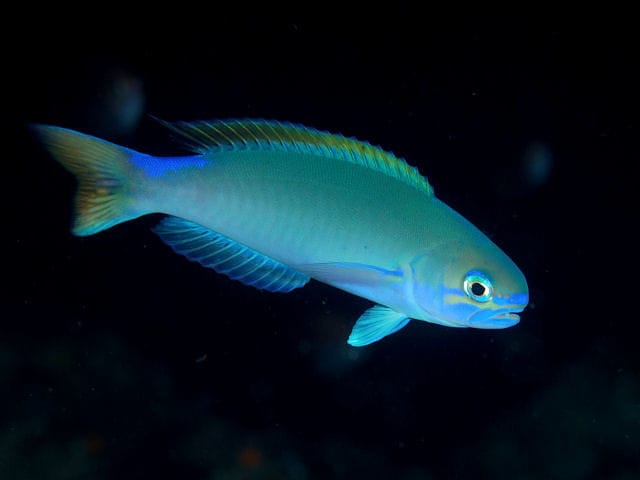
Tilefish are colorful, elongated marine fish that inhabit sandy and muddy bottoms of continental shelves and slopes. They are known for their burrowing behavior, creating dens in the seafloor where they shelter and lay eggs. Tilefish feed on benthic invertebrates, crustaceans, and small fish. Ecologically, they aerate sediments and support benthic food webs. Tilefish are commercially fished in some regions and are valued for their firm, white flesh. Their fascinating behavior and vibrant colors attract attention from divers and marine enthusiasts.
86. Eel (Anguilliformes order)

Eels are elongated, snake-like fish found in freshwater and marine habitats worldwide. They feed on invertebrates, small fish, and carrion. Many species, such as the European and American eel, undertake long migrations to spawning grounds in the ocean. Eels play an essential ecological role by linking freshwater and marine food webs. Their mysterious life cycles, nocturnal habits, and secretive behavior make them intriguing subjects for scientific study and conservation efforts.
87. Moray Eel (Muraenidae family)

Moray Eels are predatory, carnivorous fish found in tropical and subtropical reefs. They have elongated, muscular bodies and strong jaws with sharp teeth for capturing fish, octopuses, and crustaceans. Morays often hide in crevices, ambushing prey with sudden lunges. Ecologically, they regulate reef fish populations and contribute to reef biodiversity. Divers admire their striking patterns and colors, though they should be approached cautiously due to their defensive nature.
88. Conger Eel (Congridae family)

Conger Eels are large, elongated marine fish inhabiting rocky reefs, caves, and sandy bottoms in temperate and tropical oceans. They feed on fish, crustaceans, and cephalopods. Conger Eels are nocturnal predators, using stealth to capture prey. They contribute to the structure and function of reef and benthic ecosystems by regulating prey populations. Congers are occasionally targeted in sport and commercial fisheries. Their size, strength, and secretive habits fascinate marine biologists and divers alike.
89. Sturgeon (Acipenser spp.)

Sturgeons are ancient, large-bodied fish found in temperate rivers and coastal waters. They have elongated bodies, bony scutes, and heterocercal tails. Sturgeons are benthic feeders, consuming invertebrates, small fish, and detritus. They play a critical ecological role by recycling nutrients and maintaining benthic community structure. Many species are critically endangered due to overfishing for caviar and habitat loss. Sturgeons’ prehistoric appearance and ecological importance make them a focal species for conservation.
90. Paddlefish (Polyodon spathula)
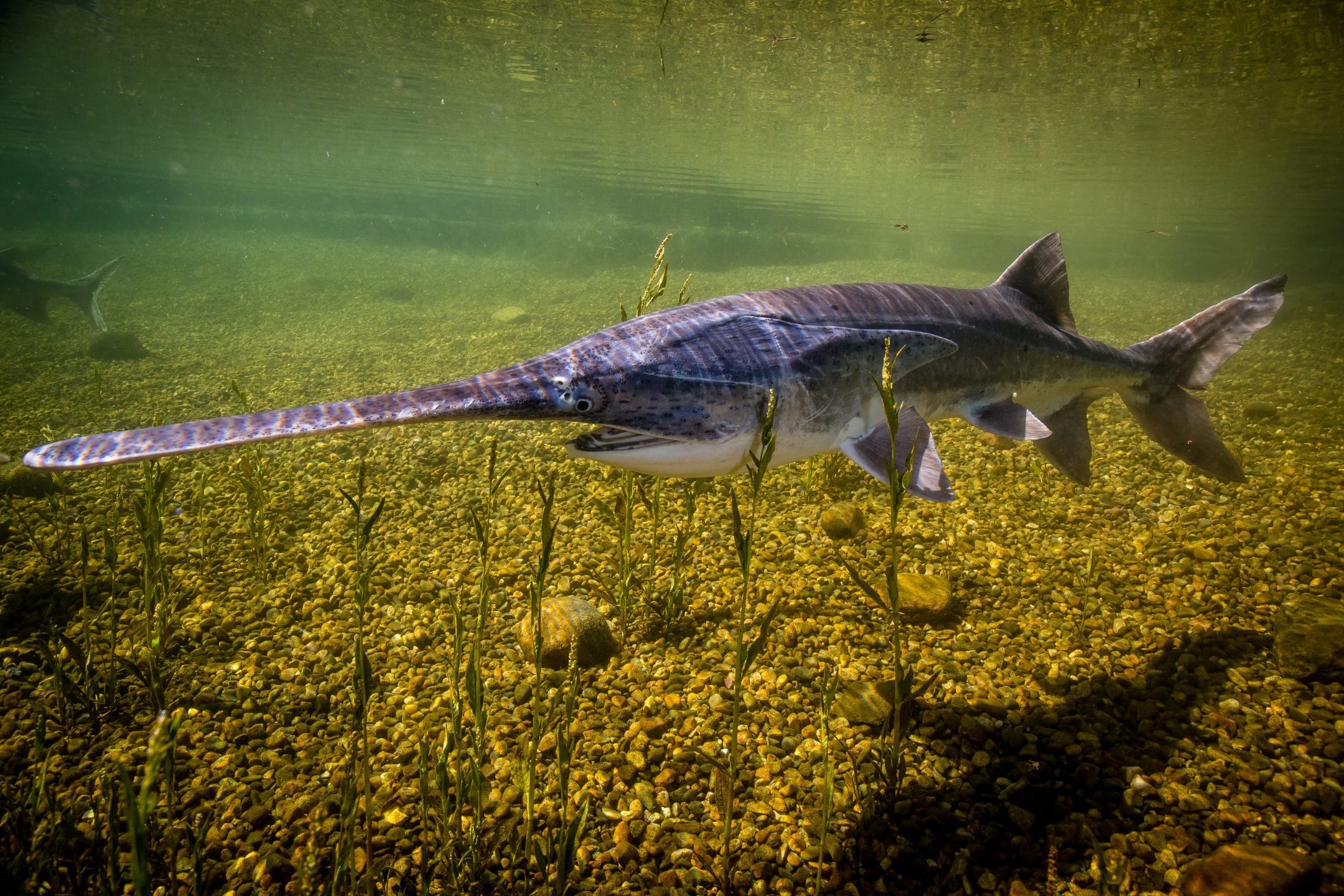
Paddlefish are freshwater fish native to North American rivers, known for their long, paddle-shaped snouts used to detect plankton and small organisms. They are filter feeders, swimming with open mouths to collect microscopic prey. Paddlefish support freshwater ecosystems by regulating plankton populations. They are considered living fossils, retaining ancient traits from prehistoric fish. Conservation efforts focus on protecting river habitats and controlling overharvesting, as they are valued for their roe and ecological significance.
91. Hogfish (Lachnolaimus maximus)

Hogfish are reef-dwelling fish found in the western Atlantic and Caribbean. Recognizable by their elongated snouts, which they use to root in sand and crevices for invertebrates, they are carnivorous and agile hunters. Hogfish contribute to reef ecosystem health by controlling invertebrate populations. They are prized in recreational fisheries for their firm, flavorful flesh. Hogfish exhibit protogynous hermaphroditism, with individuals changing sex during their lifespan, making them fascinating from a biological perspective.
92. Kingfish (Menticirrhus spp.)
Kingfish, also called whiting, inhabit shallow coastal waters and estuaries. They have elongated, silvery bodies and feed on small invertebrates, crustaceans, and worms in sandy bottoms. Kingfish play an essential role in coastal ecosystems as both predator and prey. They support local fisheries and recreational angling. Their schooling behavior and migratory patterns influence benthic community dynamics, making them integral to the food webs of temperate and tropical coastal regions.
93. Tarpon (Megalops atlanticus)

Tarpons are large, silver-colored fish found in the Atlantic, Gulf of Mexico, and Caribbean. They inhabit coastal waters, estuaries, and rivers, feeding on smaller fish and crustaceans. Tarpons are famous for their acrobatic leaps when hooked, making them a highly sought-after game fish. Ecologically, they are apex predators in coastal food webs, controlling prey populations and supporting ecosystem balance. Tarpons are also important indicators of coastal habitat health and water quality.
94. Bonefish (Albula vulpes)
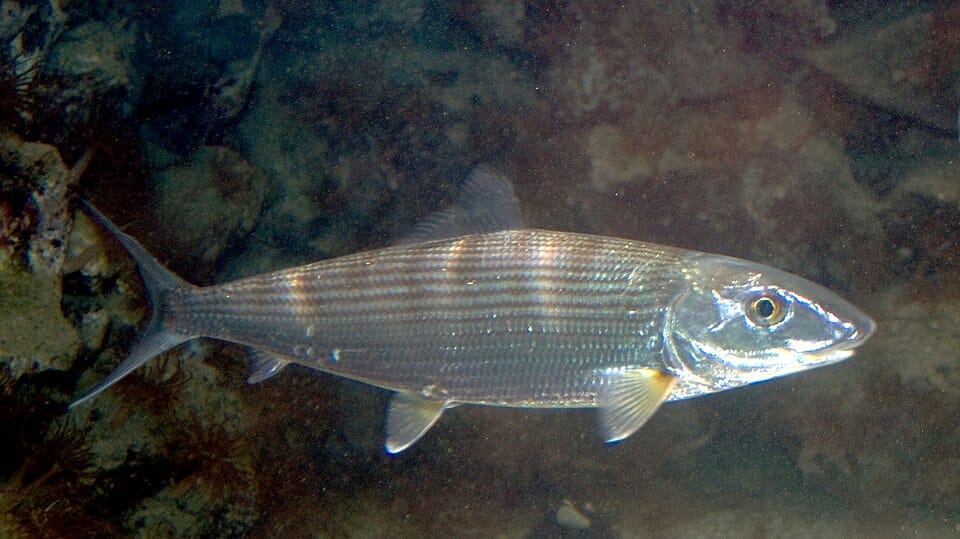
Bonefish are silvery, shallow-water fish common in tropical flats and estuaries. They feed on benthic invertebrates, small crustaceans, and worms. Bonefish are prized in fly fishing due to their speed and challenging behavior. Ecologically, they help maintain benthic invertebrate populations and serve as prey for larger predators like sharks and barracudas. Bonefish are sensitive to habitat degradation, making them a focal point for conservation in coastal regions.
95. Yellowtail Amberjack (Seriola lalandi)

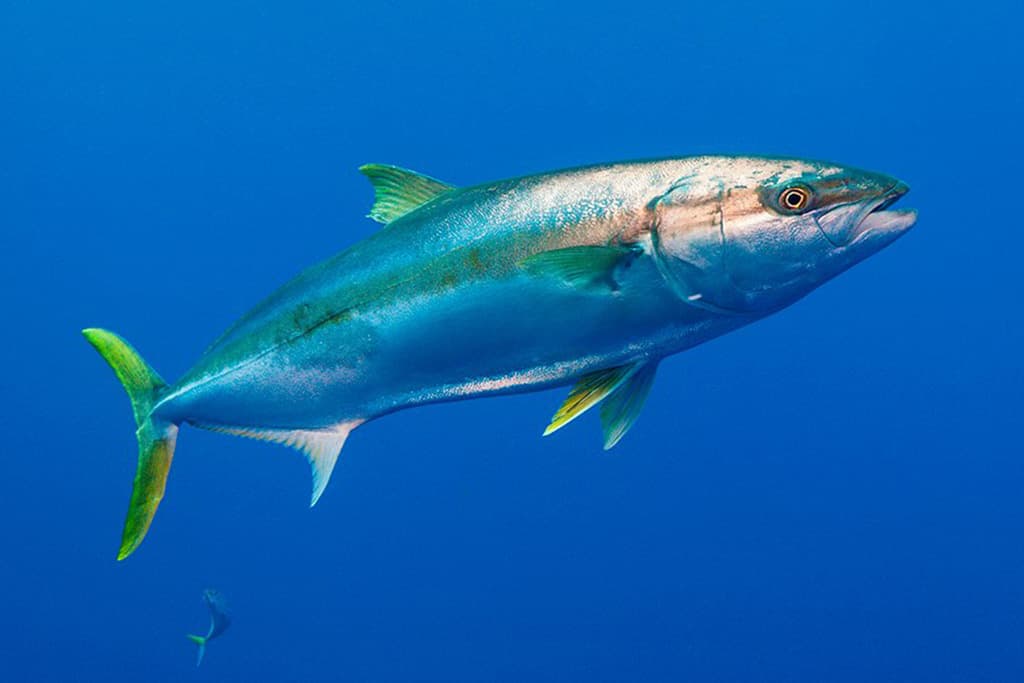
Yellowtail Amberjack are fast-swimming pelagic fish found in subtropical and temperate oceans. Recognizable by their elongated bodies and yellow stripe along the tail, they feed on fish, squid, and crustaceans. Amberjacks are important apex predators in coastal and offshore ecosystems. They support commercial and recreational fisheries due to their size and fighting ability. Their schooling behavior, migratory patterns, and ecological role make them critical components of marine food webs.
96. Bluegill Sunfish (Lepomis macrochirus)
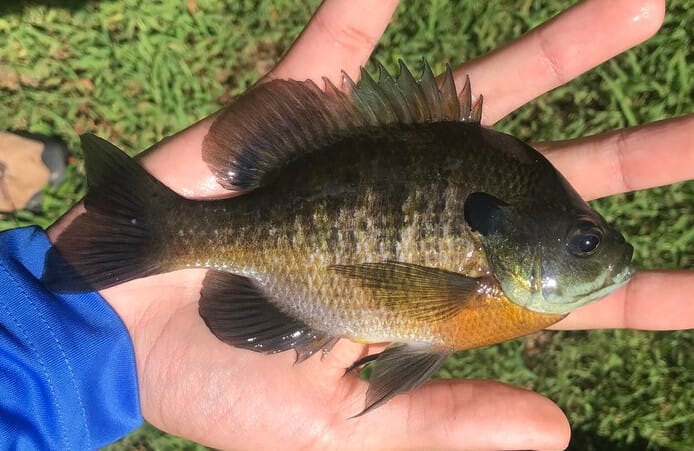
Bluegill Sunfish are small, freshwater fish native to North America, recognizable by their deep, laterally compressed bodies and dark ear flaps. They inhabit lakes, ponds, and slow-moving rivers, feeding on insects, small crustaceans, and plant matter. Bluegills are important for maintaining insect populations and supporting freshwater food webs. They are popular among anglers and provide food for larger predatory fish. Their reproductive behavior, including nest building and parental care, is fascinating to observe.
97. Atlantic Mackerel (Scomber scombrus)

Atlantic Mackerel are schooling pelagic fish found in the North Atlantic. They have streamlined bodies, forked tails, and striking iridescent coloration. Mackerels feed on plankton, small fish, and crustaceans. They support marine ecosystems as prey for larger predators like tuna, seabirds, and marine mammals. Atlantic Mackerel are economically important, sustaining commercial fisheries. Their schooling behavior and migratory patterns influence nutrient cycling and marine food web dynamics.
98. Pollock (Pollachius pollachius)
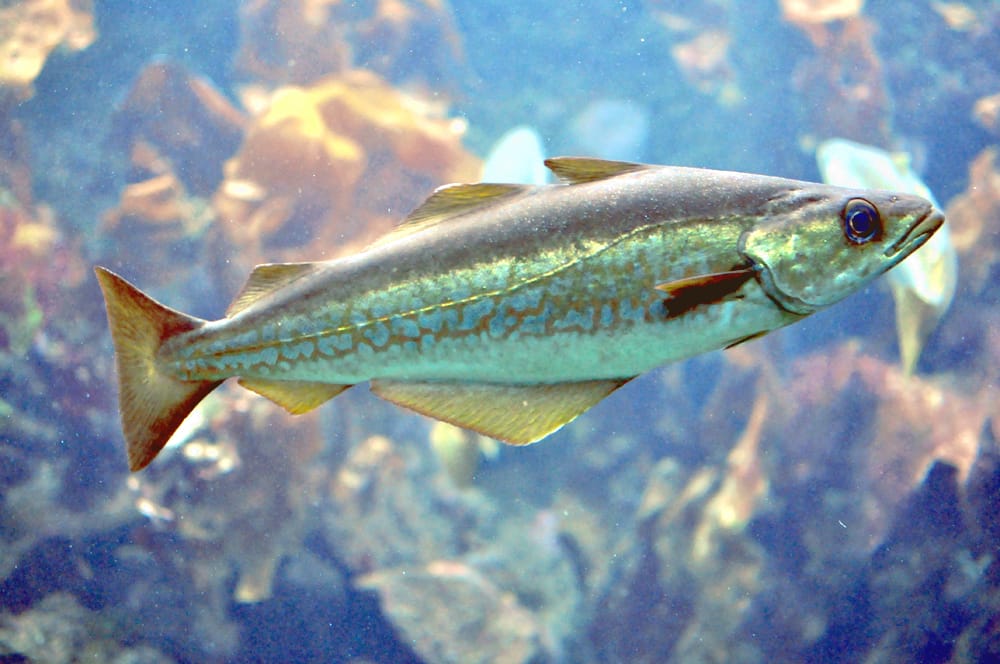
Pollock are medium-sized marine fish inhabiting the North Atlantic, often associated with rocky and sandy bottoms. They feed on smaller fish, crustaceans, and invertebrates. Pollock support both recreational and commercial fisheries, providing essential protein sources. Ecologically, they maintain balance in fish communities and serve as prey for larger predators like cod, seals, and seabirds. Their schooling behavior and seasonal migrations influence benthic and pelagic ecosystem interactions.
99. Sculpin (Cottidae family)

Sculpins are small, bottom-dwelling fish found in freshwater and marine habitats of the Northern Hemisphere. They have flattened heads, large pectoral fins, and cryptic coloration for camouflage. Sculpins feed on insects, crustaceans, and small fish. They play a key ecological role as both predator and prey, contributing to the structure of benthic food webs. Their adaptability to diverse environments and fascinating behavior make them popular among ichthyologists and anglers alike.
100. Hake (Merlucciidae family)
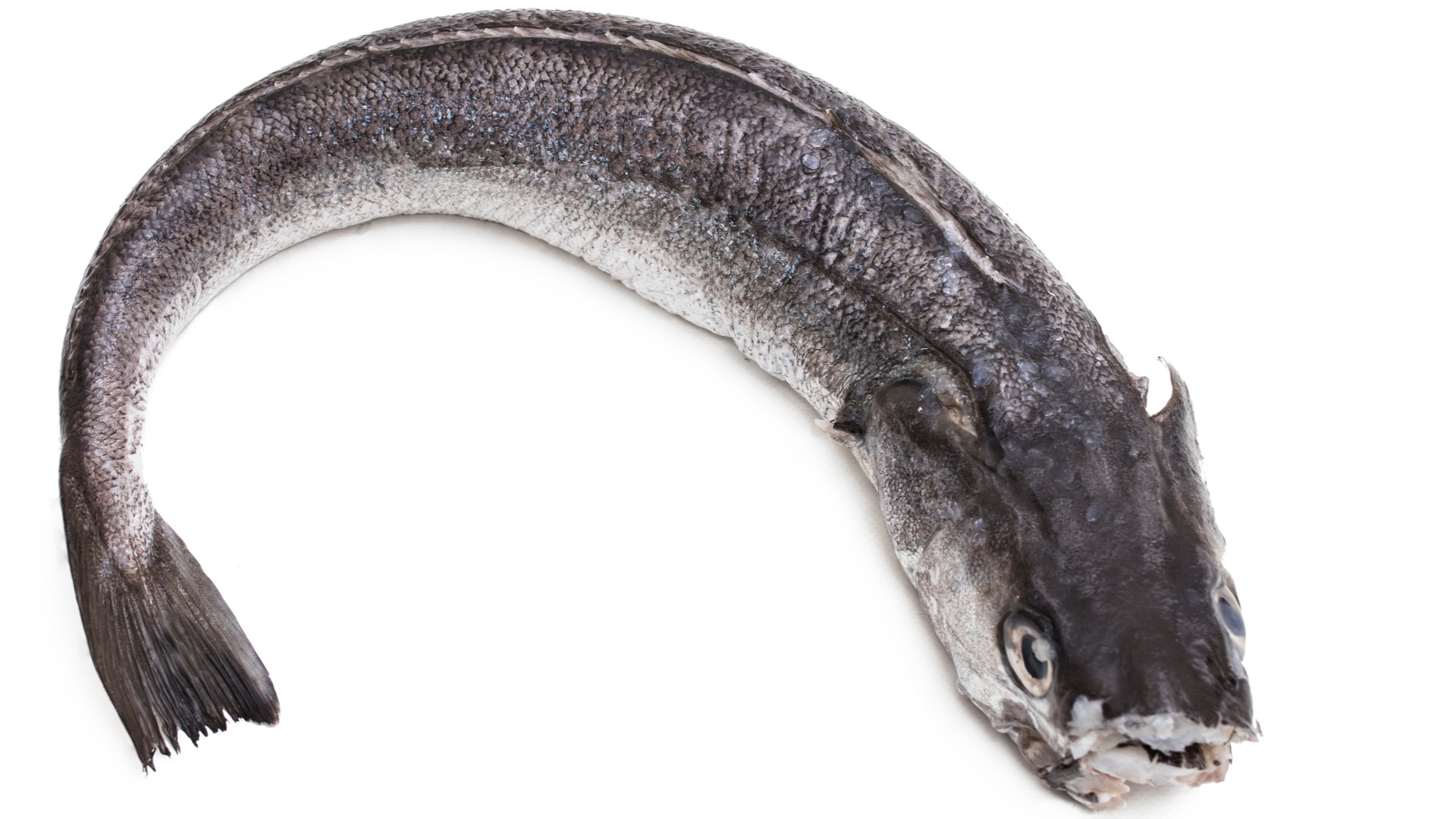
Hake are elongated, predatory marine fish found in temperate and subtropical oceans. They inhabit continental shelves and slopes, feeding on smaller fish, squid, and crustaceans. Hake are economically important, supporting commercial fisheries worldwide. Ecologically, they regulate prey populations and provide food for larger marine predators. Their schooling behavior and migratory patterns make them influential in benthic and pelagic ecosystem dynamics, maintaining balance in coastal and offshore habitats.
101. Halibut (Hippoglossus spp.)
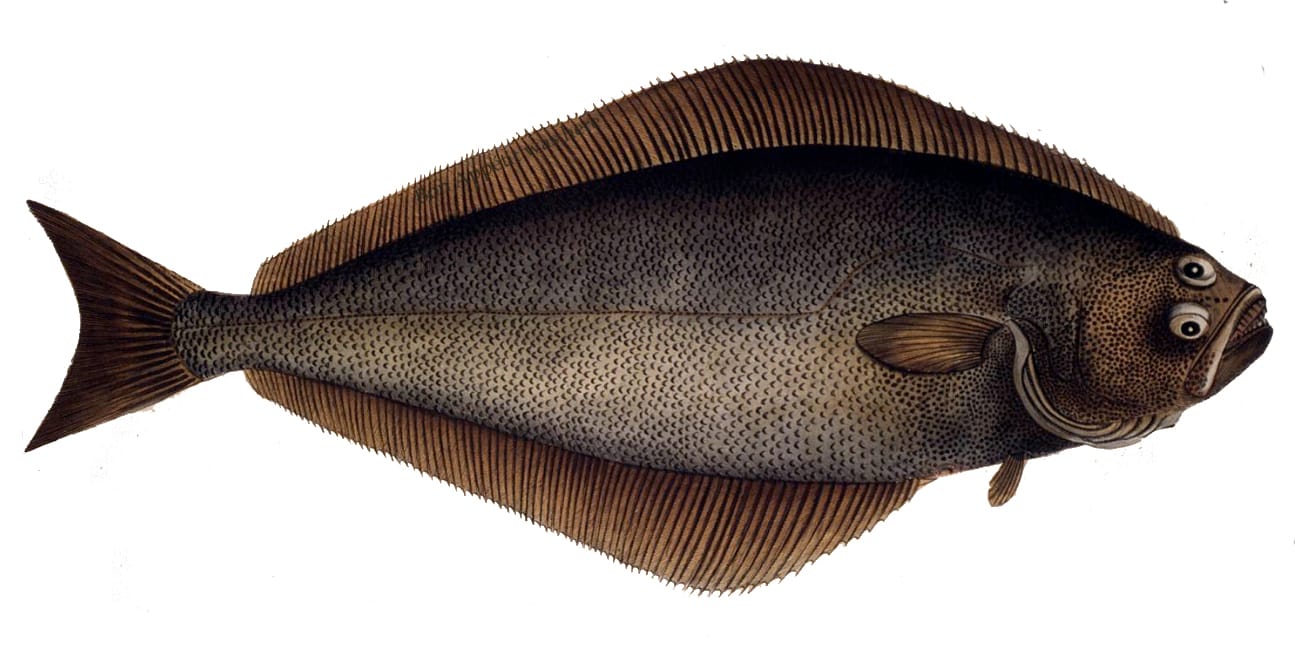
Halibut are large, flat-bodied marine fish inhabiting northern Atlantic and Pacific oceans. They are demersal, living near the seafloor, and feed on smaller fish, squid, and crustaceans. Halibut are apex predators in their ecosystems, controlling prey populations and supporting marine food webs. They are commercially valuable and popular among anglers. Their asymmetrical body and eye migration during development make them fascinating examples of evolutionary adaptation. Halibut also play a key role in benthic nutrient cycling, influencing seafloor ecology.
102. Flounder (Pleuronectidae family)

Flounders are flatfish with unique adaptations for life on sandy and muddy seafloors. They undergo metamorphosis where one eye migrates to the other side, allowing them to lie flat while remaining alert. They feed on small fish, crustaceans, and invertebrates. Flounders provide prey for larger fish and marine mammals, contributing to coastal and shelf food webs. Their camouflage and ability to burrow into sediments make them masterful ambush predators. Flounders are also significant for recreational and commercial fisheries.
103. Sole (Soleidae family)

Soles are small to medium-sized flatfish, closely related to flounders. Found in shallow coastal waters and estuaries, they feed on worms, crustaceans, and small fish. Their flattened bodies and cryptic coloration allow them to blend with sandy or muddy bottoms. Ecologically, soles play a role in controlling benthic invertebrate populations and serve as prey for larger predators. Soles are also prized in culinary markets, particularly in Europe, for their delicate texture and flavor. Their behavior demonstrates remarkable adaptation to benthic life.
104. Rainbow Fish (Melanotaeniidae family)

Rainbow Fish are colorful freshwater species native to Australia and New Guinea. They inhabit rivers, streams, and lakes, feeding on insects, crustaceans, and algae. Their vivid coloration is more pronounced in males, especially during breeding displays. Rainbow Fish contribute to freshwater food webs, controlling insect populations and serving as prey for larger fish. Popular in aquariums due to their beauty and active behavior, they also demonstrate social schooling behavior and reproductive strategies that fascinate ichthyologists and hobbyists alike.
105. Silver Dollar (Metynnis spp.)

Silver Dollars are freshwater fish native to South America, easily recognized by their round, silver-colored bodies. They inhabit slow-moving rivers and flooded forests, feeding primarily on plant matter, algae, and small invertebrates. Ecologically, they control vegetation growth and support food webs by serving as prey for larger fish and birds. Silver Dollars are popular in aquariums for their peaceful nature and schooling behavior. Their reflective bodies and agile swimming make them a visually striking component of freshwater ecosystems.
106. Arowana (Osteoglossidae family)

Arowanas are large, predatory freshwater fish found in South America, Southeast Asia, and Africa. Recognizable by their elongated bodies and large scales, they are surface feeders consuming fish, insects, and small invertebrates. Arowanas are important apex predators, regulating populations of smaller species and maintaining freshwater ecosystem balance. They are highly prized in aquaculture and aquarium trade for their beauty and rarity. Their jumping ability and parental care, where they carry fry in their mouths, are remarkable adaptations.
107. Bichir (Polypteridae family)

Bichirs are ancient freshwater fish native to Africa, recognizable by their elongated bodies, armored scales, and dorsal finlets. They are nocturnal predators, feeding on fish, insects, and crustaceans. Bichirs have lungs, allowing them to breathe air in oxygen-poor waters, an evolutionary adaptation linking them to early fish. Ecologically, they regulate prey populations and occupy a unique niche in freshwater systems. Their prehistoric appearance, hardiness, and survival strategies make them fascinating subjects for research and aquarists.
108. Lionfish (Pterois spp.)

Lionfish are venomous marine fish native to the Indo-Pacific, but invasive in the Atlantic and Caribbean. Recognizable by their striking striped patterns and elongated fins, they are predatory, feeding on small fish and invertebrates. Ecologically, invasive lionfish disrupt reef ecosystems by reducing native fish populations. In their native range, they contribute to reef predator-prey dynamics. Lionfish are subjects of ecological management efforts due to their invasive impact, and divers are captivated by their dramatic appearance and behavior.
109. Astyanax / Tetra (Characidae family)
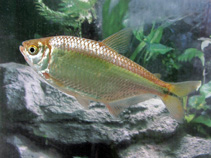
Tetras are small, colorful freshwater fish native to Central and South America. They inhabit rivers, streams, and floodplains, feeding on insects, small invertebrates, and plant matter. Tetras are integral to freshwater food webs, serving as prey for larger fish and birds. Popular in aquariums for their vibrant colors and schooling behavior, tetras also display fascinating reproductive strategies and social interactions. Their adaptability and ecological role highlight the diversity and importance of tropical freshwater ecosystems.
110. Pacu (Piaractus spp.)

Pacu are freshwater fish closely related to piranhas but primarily herbivorous. Native to South American rivers, they feed on seeds, fruits, and vegetation, occasionally supplementing their diet with small animals. Pacu influence riverine plant dispersal and serve as prey for larger predators. Their flattened bodies, strong jaws, and social behavior make them unique among freshwater fish. Pacu are also popular in aquaculture and aquarium trade, demonstrating a combination of ecological importance and cultural interest in South America.
111. Archerfish (Toxotidae family)

Archerfish are small, freshwater and brackish fish found in Southeast Asia and Northern Australia. They are famous for shooting water jets to knock insects into the water. Feeding primarily on insects and small invertebrates, they play a critical role in controlling insect populations near aquatic habitats. Archerfish demonstrate advanced learning and precision hunting techniques. Their unique feeding behavior attracts scientific study and fascination among aquarists. They are excellent examples of how fish adapt to exploit terrestrial prey.
112. Rainbow Trout (Oncorhynchus mykiss)
Rainbow Trout are freshwater and anadromous fish native to North America. They inhabit rivers, lakes, and streams, feeding on insects, crustaceans, and smaller fish. Rainbow Trout are ecologically important, controlling insect populations and serving as prey for birds and larger fish. They are highly valued in recreational fishing and aquaculture. Their striking coloration, seasonal migrations, and adaptability make them emblematic of freshwater ecosystems. Conservation efforts focus on habitat protection and maintaining wild populations.
113. Steelhead Trout (Oncorhynchus mykiss irideus)
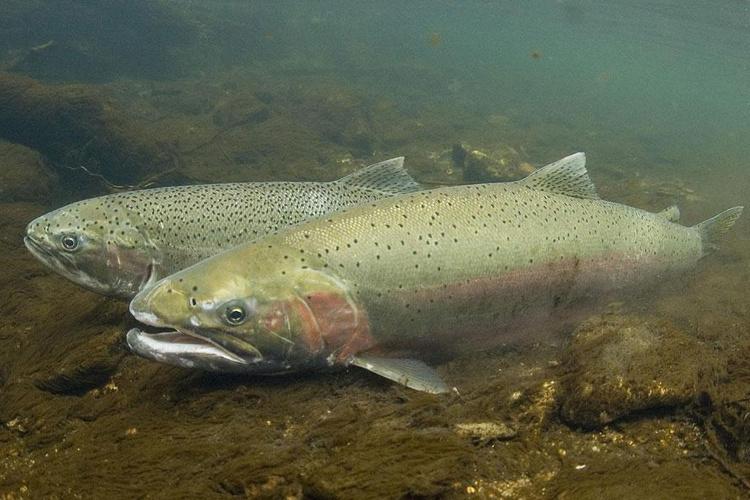
Steelhead Trout are anadromous rainbow trout that migrate from freshwater to the ocean and back to spawn. They are predators of insects, small fish, and crustaceans in both habitats. Steelhead play a crucial ecological role, transporting nutrients between marine and freshwater systems. Recreational anglers prize them for their size and fight. Their lifecycle, adaptability, and resilience make them vital indicators of ecosystem health. Steelhead also highlight the interconnectedness of river and ocean habitats.
114. Springfish (Various families)
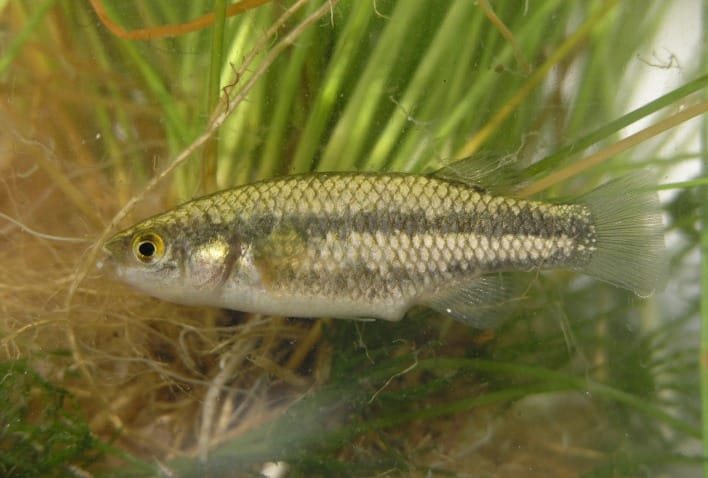
Springfish are small freshwater fish found in North America, inhabiting springs, streams, and shallow pools. They feed on insects, algae, and small invertebrates. Ecologically, they contribute to nutrient cycling and serve as prey for larger fish and amphibians. Springfish are indicators of water quality and habitat health. Their sensitivity to environmental changes underscores the importance of freshwater conservation. Despite their small size, they play a significant role in maintaining the balance of spring-fed ecosystems.
115. Suckerfish (Catostomidae family)
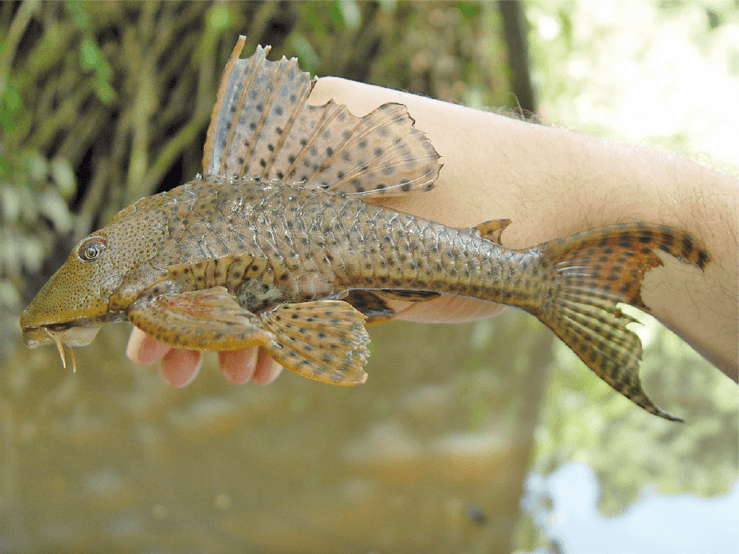
Suckerfish are freshwater fish native to North America, recognized by their ventral mouths adapted for bottom feeding. They consume detritus, algae, and invertebrates, helping to clean riverbeds and maintain benthic ecosystem health. Suckerfish are prey for larger fish, birds, and mammals, integrating into food webs. They inhabit rivers, lakes, and streams, demonstrating resilience to diverse environmental conditions. Their feeding behavior highlights their ecological role in nutrient cycling and sediment turnover in freshwater habitats.
116. Lamprey (Petromyzontida order)

Lampreys are jawless fish with elongated, eel-like bodies and a suction-cup mouth lined with teeth. They inhabit freshwater and coastal marine habitats, feeding parasitically on the blood and body fluids of other fish. Lampreys are ancient species, important for understanding vertebrate evolution. Ecologically, they regulate fish populations and contribute to nutrient cycling. Some species are considered pests due to their parasitic behavior, while others are of conservation concern. Their life cycle, including larval filter-feeding, is remarkable.
117. Mudskipper (Oxudercinae subfamily)

Mudskippers are amphibious fish inhabiting intertidal mudflats of Africa, Asia, and Australia. They use pectoral fins to “walk” on land and breathe through their skin and gills. Feeding on algae, small invertebrates, and detritus, mudskippers contribute to nutrient cycling in estuarine ecosystems. Their territorial and social behaviors, including burrow building, are fascinating. Mudskippers demonstrate remarkable adaptations for terrestrial and aquatic life, serving as models for studying evolutionary transitions from water to land.
118. Tetraodon / Puffer (Tetraodontidae)

Pufferfish are known for their ability to inflate their bodies as a defense against predators. Found in tropical and subtropical oceans, they feed on invertebrates, algae, and small fish. Some species contain potent toxins that deter predation. Ecologically, they regulate invertebrate populations and occupy niche roles in coral reef and coastal ecosystems. Pufferfish display unique behaviors such as nest-building in sand for mating purposes. Their unusual appearance and adaptations make them popular in aquariums and the focus of marine research.
119. Glassfish (Ambassidae family)
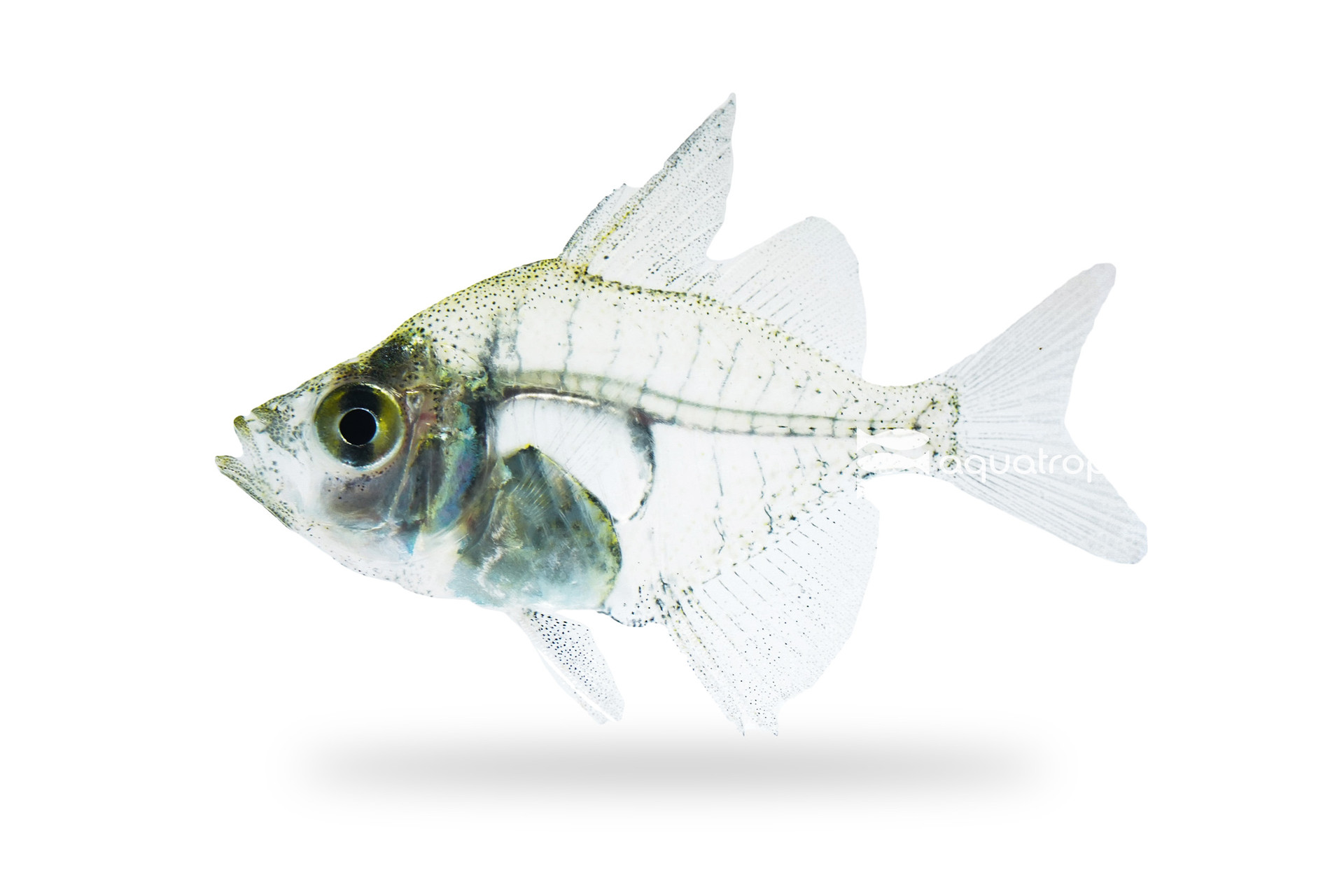
Glassfish are small, translucent freshwater fish native to Southeast Asia. Their nearly transparent bodies allow observation of internal organs and circulation, making them intriguing both scientifically and visually. They feed on insects, plankton, and small invertebrates, contributing to food web dynamics. Glassfish inhabit rivers, streams, and estuaries, often schooling for protection. Their fragile appearance belies resilience and ecological importance as prey and for maintaining insect populations in freshwater habitats.
120. Baleen Whale fish relatives (if context allows)

While baleen whales are mammals, certain fish are colloquially grouped with “whale fish” due to size or ecological similarities, such as large filter-feeding fish. These species feed on plankton, small crustaceans, and schooling fish, often traveling in open ocean pelagic zones. They support marine food webs by linking lower trophic levels to larger predators. Studying these species highlights convergent feeding strategies and ecological functions across vertebrates. They remind us how evolutionary adaptations can lead to similar ecological roles in vastly different lineages.
Conclusion
The world of fish is incredibly diverse, ranging from tiny, colorful freshwater species to massive, ocean-dwelling giants. Across the 120 types we explored, each species demonstrates unique adaptations, behaviors, and ecological roles. Some, like the Archerfish, have evolved extraordinary hunting skills, while others, such as the Halibut, are apex predators shaping the marine food web. Freshwater species, including Rainbow Trout and Silver Dollar, maintain river and lake ecosystems, while marine species like Lionfish and Whale Shark highlight the intricate balance of ocean habitats.
Understanding and appreciating these species is crucial for conservation efforts. Human activity, overfishing, habitat loss, and climate change threaten many fish populations worldwide. Protecting these species ensures the continued health of aquatic ecosystems and preserves the natural wonder of our waterways and oceans. Fish are more than just food; they are essential components of biodiversity, offering insights into evolution, adaptation, and the interconnectedness of life.
Frequently Asked Questions about Types of Fish
1. What are the most common types of freshwater fish?
Common freshwater fish include Rainbow Trout, Tilapia, Largemouth Bass, and Carp. These species are widespread in rivers, lakes, and streams.
2. What are the largest fish in the world?
The Whale Shark is the largest fish, reaching lengths over 40 feet, followed by the Basking Shark and large predatory fish like Swordfish.
3. Which fish are endangered?
Endangered fish include Atlantic Bluefin Tuna, certain species of Sturgeon, and some freshwater fish like the Chinese Paddlefish.
4. What is the fastest fish?
The Sailfish is considered the fastest, capable of swimming up to 68 mph (110 km/h) to catch prey or escape predators.
5. How do fish breathe underwater?
Fish breathe using gills, which extract oxygen from water as it passes over delicate filaments rich in blood vessels.
6. What are filter-feeding fish?
Filter-feeding fish, such as Whale Sharks and Manta Rays, consume plankton and tiny organisms by filtering large volumes of water.
7. Which fish are popular in aquariums?
Popular aquarium fish include Neon Tetras, Guppies, Betta fish, Angelfish, and Discus, valued for their colors and behaviors.
8. What is the difference between freshwater and saltwater fish?
Freshwater fish live in rivers, lakes, and ponds, while saltwater fish inhabit oceans. They differ in osmoregulation and habitat requirements.
9. Which fish are venomous?
Venomous fish include Lionfish, Pufferfish, and Stonefish, which use toxins for defense against predators.
10. How do fish reproduce?
Most fish lay eggs, while some, like Guppies and Mollies, are livebearers. Fertilization may be internal or external, depending on the species.
11. What are schooling fish?
Schooling fish, such as Sardines and Anchovies, swim in coordinated groups to protect against predators and improve foraging.
12. How long do fish live?
Fish lifespan varies widely. Some live a few years, while species like Koi or certain Sturgeon can live over 50 years.
13. What is the smallest fish?
The Stout Floater and Paedocypris progenetica are among the smallest fish, growing only around 7–8 mm in length.
14. Which fish are top predators?
Top predatory fish include Great White Sharks, Barracudas, King Mackerel, and Halibut, controlling prey populations in their habitats.
15. How do fish communicate?
Fish communicate using visual signals, body movements, sounds, and chemical cues, especially during mating or territorial disputes.
16. What are migratory fish?
Migratory fish, like Salmon and Steelhead Trout, move between freshwater and saltwater to spawn, feeding, or avoid harsh conditions.
17. Which fish are important commercially?
Commercially important species include Tuna, Cod, Salmon, Tilapia, and Sardines, supporting global fisheries and aquaculture.
18. What is the difference between a bass and a trout?
Bass are generally warm-water predators, while trout prefer cooler waters. They differ in habitat, diet, and body shape.
19. How do fish adapt to deep oceans?
Deep-sea fish have adaptations like bioluminescence, large eyes, expandable stomachs, and slow metabolism to survive extreme pressures.
20. Which fish are invasive?
Invasive fish include Lionfish, Asian Carp, and Tilapia in non-native areas, often outcompeting local species.
21. How do pufferfish defend themselves?
Pufferfish inflate their bodies and may release tetrodotoxin to deter predators, making them dangerous if consumed improperly.
22. What are catfish known for?
Catfish have barbels resembling whiskers, aiding in sensing food along riverbeds, and are bottom-dwelling omnivores.
23. What is the role of fish in ecosystems?
Fish control prey populations, support predators, recycle nutrients, and maintain aquatic ecosystem balance.
24. How do coral reef fish survive?
Reef fish rely on camouflage, symbiosis, territoriality, and schooling for protection and feeding in complex reef environments.
25. Which fish are herbivorous?
Herbivorous fish include Pacu, Parrotfish, and Grass Carp, consuming plants, algae, and contributing to habitat maintenance.
26. How do freshwater fish deal with predators?
Freshwater fish use camouflage, schooling, rapid escape responses, and burrowing to avoid predators.
27. Which fish are bioluminescent?
Deep-sea fish like Anglerfish and Lanternfish produce light through photophores to attract prey or communicate.
28. How are fish classified?
Fish are classified into bony fish (Osteichthyes), cartilaginous fish (Chondrichthyes), and jawless fish (Agnatha) based on anatomy and evolution.
29. Which fish are important for research?
Zebrafish, Tilapia, and Guppies are model organisms used in genetics, developmental biology, and ecology research.
30. How do fish detect prey?
Fish use vision, smell, lateral lines, and electroreception to detect prey, especially in low-light or murky waters.
31. How do migratory fish know where to go?
They use environmental cues, magnetic fields, water currents, and olfactory signals to navigate during migration.
32. Which fish are nocturnal?
Nocturnal fish include Catfish, Bichirs, and some Shark species, feeding primarily at night to avoid competition and predators.
33. What is the smallest freshwater aquarium fish?
Species like Neon Tetra and Ember Tetra are tiny freshwater fish ideal for small aquariums, measuring 1–2 cm.
34. How do fish sleep?
Fish enter periods of reduced activity, often hovering or resting near substrates, while still being responsive to danger.
35. How do predatory fish hunt?
Predatory fish like Barracuda and Pike rely on speed, ambush tactics, sharp teeth, and keen senses to catch prey.
36. Which fish are popular in sport fishing?
Popular sport fish include Marlin, Tuna, Salmon, Bass, and Swordfish, prized for size, fight, and challenge.
37. What are schooling advantages?
Schooling provides protection from predators, improves foraging efficiency, and enhances hydrodynamic efficiency.
38. How do fish reproduce in captivity?
In captivity, breeding may require controlled water conditions, temperature, and diet to mimic natural triggers for spawning.
39. Which fish are edible?
Many fish are edible, including Salmon, Cod, Trout, Tuna, and Tilapia, providing important sources of protein globally.
40. How do fish migrate in rivers?
River migration involves navigating obstacles, responding to seasonal changes, and following chemical or physical cues in water.
Read more: