
Oregon is home to a fascinating variety of wild rabbits, each with its own characteristics, behavior, and habitat preferences. From the familiar Eastern Cottontail to the elusive Pygmy Rabbit, exploring the Types of Wild Rabbits in Oregon offers a closer look at these agile, fascinating creatures. Whether you are a wildlife enthusiast, photographer, or just curious about local fauna, understanding Wild Rabbits in Oregon helps you identify species, observe their natural behaviors, and appreciate the role they play in ecosystems. In this guide, we will cover seven key rabbit species, including identification tips, diet, habitat, reproduction, and fun facts, so you can get a comprehensive view of Oregon’s wild rabbit population.
1. Eastern Cottontail – One of the Most Common Types of Wild Rabbits in Oregon

The Eastern Cottontail (Sylvilagus floridanus) is arguably the most familiar wild rabbit in Oregon. Often spotted in suburban yards, open fields, and meadows, this rabbit’s charming white tail has earned it the nickname “cottontail.” If you’re curious about Wild Rabbits in Oregon, the Eastern Cottontail is an excellent starting point for identification and observation.
Physical Characteristics & Identification Tips
Eastern Cottontails are medium-sized rabbits, usually measuring 14–18 inches in length and weighing between 2 and 4 pounds. Their fur is predominantly brown or gray, blending seamlessly with grassy fields or brushy habitats. A standout feature is the signature fluffy white tail, visible when the rabbit bolts from predators. They have large, dark eyes positioned on the sides of the head, enhancing peripheral vision to detect threats. Their ears are moderately long, with rounded tips, helping them detect even faint rustling in nearby vegetation.
One trick to identify them in the wild is watching their movement patterns. Cottontails hop in short bursts rather than running long distances in a straight line. Their fur color varies subtly based on the region and season, but the white tail remains a consistent marker. Young rabbits, called kits, are smaller and often have darker fur until their first molt.
Behavior
Eastern Cottontails are primarily crepuscular, meaning they are most active during dawn and dusk. They are solitary creatures, except during mating season, and rely heavily on stealth and camouflage to survive. Their behavior includes frequent feeding pauses to remain alert for predators. When threatened, cottontails freeze, blending into their surroundings, and then dash away in a rapid zigzag pattern to confuse hunters.
They communicate subtly with body language, thumping hind legs to signal danger to nearby rabbits. Their territorial behavior is noticeable in males during breeding season, defending small areas where females are present. These rabbits rarely burrow; instead, they rely on nests, or “forms,” hidden in dense vegetation for protection.
Habitat and Range
The Eastern Cottontail’s habitat in Oregon spans from lowland fields to suburban areas. They thrive in open spaces bordered by brush or shrubs, which provide both food and cover. Farmlands, meadows, and gardens are perfect habitats, as long as there is a mix of open foraging areas and protective vegetation. Unlike some forest-dwelling species, cottontails prefer habitats that allow quick escape routes and easy access to herbaceous plants.
They are widespread across western and eastern Oregon, adapting well to human-altered landscapes. Their ability to live near roads, gardens, and suburban areas makes them one of the most visible Wild Rabbits in Oregon.
Diet
Eastern Cottontails are herbivores, primarily feeding on grasses, clovers, herbs, and garden vegetables. During winter, when green plants are scarce, they chew on bark, twigs, and buds of woody plants to sustain themselves. They practice coprophagy, consuming a type of nutrient-rich fecal pellet to extract maximum nutrition from their food. Their diet is flexible, which helps them survive in urban, suburban, and rural environments.
Reproduction and Life Cycle
These rabbits are prolific breeders. A female can produce 3–5 litters per year, each with 3–6 kits. Gestation lasts around 28 days. Young are born blind, hairless, and completely dependent on the mother. Within a week, they grow fur and open their eyes, becoming increasingly mobile. By two weeks, kits leave the nest to explore their surroundings. Survival rates are low due to predation, but high reproductive rates compensate for this.
Fun Facts / Unique Traits
Did you know that the Eastern Cottontail’s signature white tail is a defense mechanism? Flashing the tail signals nearby rabbits of danger while confusing predators. They also create temporary shallow nests called forms, which are camouflaged so well that even humans might step over them without noticing. Another quirky trait: these rabbits are not true diggers; they prefer natural ground cover over burrows.
Human Interaction
Eastern Cottontails adapt remarkably well to human environments. Gardeners often spot them nibbling on vegetables, while suburban dwellers may see them darting across lawns. They are harmless and can even help control plant overgrowth in some areas. However, caution is advised when observing them; never attempt to feed or touch wild rabbits, as this can stress them or expose you to parasites. Watching quietly is the best way to appreciate these charming creatures.
Understanding the Eastern Cottontail gives a solid foundation for identifying other Wild Rabbits in Oregon. Their adaptability, distinctive features, and interesting behavior make them a favorite among wildlife enthusiasts and casual observers alike.
2. Mountain Cottontail – A Hardy Resident Among Wild Rabbits in Oregon
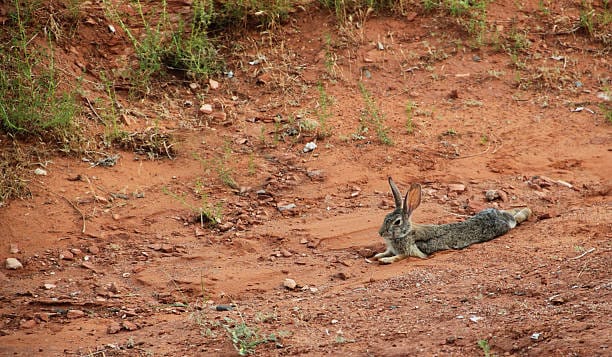
The Mountain Cottontail (Sylvilagus nuttallii) is a resilient and slightly smaller species than the Eastern Cottontail, perfectly adapted to the rocky hills, shrublands, and higher elevations of Oregon. If you’re exploring Types of Wild Rabbits in Oregon, the Mountain Cottontail is a fascinating species to observe, combining agility with keen survival instincts.
Physical Characteristics & Identification Tips
Mountain Cottontails are typically 12–16 inches long and weigh around 2–3 pounds. Their fur is gray-brown with a subtle reddish tinge on the sides, and the underbelly is light gray or white. Like their eastern cousins, they possess a white, fluffy tail, though it may appear slightly smaller. Their ears are long and narrow, allowing for excellent hearing across rocky terrain. Distinctive black-tipped ears and a more slender frame help differentiate them from Eastern Cottontails.
In the wild, these rabbits blend almost seamlessly with rocky hillsides and sagebrush, making them difficult to spot. Observing their behavior, such as short, rapid hops and careful pauses, can help identify them when their coloration alone is not enough.
Behavior
Mountain Cottontails are mostly crepuscular, active during dawn and dusk, though in quieter areas, they may forage during the day. They are solitary and territorial, often maintaining small home ranges that they defend from intruding rabbits. Their alertness is remarkable; they freeze or quickly retreat at the slightest sign of danger. Unlike Eastern Cottontails, which favor open meadows, Mountain Cottontails are adapted to rugged terrain and rely on rocky crevices for quick shelter.
Communication involves thumping the hind feet to alert other rabbits of potential threats. During breeding season, males display chasing and circling behavior around females to establish dominance and reproductive readiness.
Habitat and Range
As their name suggests, Mountain Cottontails favor mountainous regions, dry shrublands, and rocky hillsides. In Oregon, they are primarily found in central and eastern parts of the state, where elevation and terrain suit their lifestyle. They avoid dense forests and lowland farmland, preferring areas with rocks, shrubs, and open spaces for feeding.
Their adaptability to elevation changes and rocky terrain allows them to survive in areas that many other rabbits would find inhospitable. They create “forms” — shallow depressions in the ground — often tucked among rocks or under shrubs, which serve as temporary shelters from predators and weather.
Diet
Mountain Cottontails are herbivores, feeding primarily on grasses, shrubs, herbs, and twigs. In winter, they rely on woody plants, bark, and buds to survive. Like other rabbits, they practice coprophagy, re-ingesting nutrient-rich pellets to maximize nutrient absorption. Their diet reflects seasonal availability and the rugged habitats they occupy.
Reproduction and Life Cycle
Mountain Cottontails breed from late winter through late summer, producing 2–4 litters per year, with 3–6 kits each. Gestation lasts around 28 days. Kits are born blind and hairless, relying entirely on the mother’s care. They grow fur within a week and open their eyes shortly afterward. By two weeks, they begin exploring nearby vegetation under the mother’s watchful eye. Predation is high in the wild, but the species compensates with frequent reproduction.
Fun Facts / Unique Traits
One interesting trait of Mountain Cottontails is their preference for rocky terrain; they can leap over stones and navigate rugged hillsides with impressive agility. Their coloration offers natural camouflage, especially when blending with sagebrush and dry grasses. Unlike some lowland rabbits, Mountain Cottontails rarely enter human settlements, making sightings in populated areas uncommon.
Another fun fact: they are excellent jumpers and can leap long distances when escaping predators, using a combination of zigzagging and rapid bursts to confuse threats.
Human Interaction
Mountain Cottontails rarely interact with humans due to their preference for remote habitats. However, wildlife watchers and photographers may encounter them in state parks or natural preserves. They are harmless and play a vital role in the ecosystem, serving as prey for foxes, coyotes, and raptors. Observing these rabbits from a distance is safe and rewarding, giving a glimpse into the adaptive skills of Oregon’s wild rabbit population.
Learning to recognize the Mountain Cottontail enhances your understanding of Wild Rabbits in Oregon, highlighting the diversity of species and their specialized adaptations to different habitats.
3. Pygmy Rabbit – Oregon’s Tiny Survivor Among Wild Rabbits

The Pygmy Rabbit (Brachylagus idahoensis) is Oregon’s smallest native rabbit species, weighing just 1 pound on average and measuring around 9–11 inches long. Despite its tiny size, it’s a remarkable survivor, adapted to sagebrush and high-desert habitats. For anyone exploring Types of Wild Rabbits in Oregon, the Pygmy Rabbit stands out for its miniature stature and specialized lifestyle.
Physical Characteristics & Identification Tips
Pygmy Rabbits have soft, grayish-brown fur that blends perfectly with dry sagebrush. Their ears are relatively short compared to other rabbits, helping them conserve body heat in colder high-desert climates. Their small, rounded body and stubby tail make them distinguishable from the larger cottontail species. Adult Pygmy Rabbits weigh between 10 and 14 ounces, making them one of the tiniest rabbits in North America.
Spotting a Pygmy Rabbit in the wild can be tricky due to their small size and camouflaged coloration. Look for subtle movement near sagebrush bases, along with their signature shallow burrows or “forms” that they use for protection. Unlike larger rabbits, they often hide entirely under shrubs when sensing danger.
Behavior
Pygmy Rabbits are shy and mostly nocturnal, coming out at dawn or dusk to forage. They are solitary creatures and rarely leave their burrows during the daytime. Their behavior is highly cautious; they freeze at the slightest hint of danger and retreat into their complex burrow systems. Communication is subtle, often relying on scent markings and occasional thumping of hind legs to signal nearby rabbits.
They are excellent diggers, creating burrows that provide shelter from predators and extreme weather. These burrows may have multiple entrances and extend several feet underground, offering protection from foxes, coyotes, and birds of prey.
Habitat and Range
In Oregon, Pygmy Rabbits are primarily found in the eastern and high-desert regions, favoring dense sagebrush habitats. They rely on sagebrush for both food and cover, making these shrubs essential to their survival. Unlike cottontails, they are not commonly found in urban or suburban areas, preferring remote, sparsely populated landscapes where predators are fewer and shelter is abundant.
Diet
Pygmy Rabbits are herbivores with a highly specialized diet, feeding mainly on sagebrush leaves, stems, and buds. In winter, when green vegetation is limited, they rely almost exclusively on sagebrush. They also consume grasses and other small plants when available. Like other rabbits, they practice coprophagy, re-ingesting nutrient-rich pellets to maximize nutrient absorption and maintain health in harsh environments.
Reproduction and Life Cycle
Breeding occurs from late winter to early summer. Pygmy Rabbits produce 2–3 litters per year, with 3–6 kits each. Gestation lasts about 28–30 days. Newborn kits are born blind, hairless, and fully dependent on the mother. Within a week, they develop fur, and by two weeks, they begin exploring nearby burrows under maternal supervision. High predation rates in the wild are offset by their ability to produce multiple litters annually.
Fun Facts / Unique Traits
Despite their size, Pygmy Rabbits are skilled diggers and often create intricate burrow systems, which other wildlife may later use for shelter. Their reliance on sagebrush for both food and protection is unique among North American rabbits. They are also among the most elusive rabbits, rarely seen in open areas. Their small size allows them to navigate dense shrubs with ease, making them agile and stealthy.
Human Interaction
Pygmy Rabbits are rarely encountered by humans due to their remote habitats. They are considered sensitive species in some regions and benefit from conservation efforts that protect sagebrush ecosystems. Observing these rabbits requires patience and minimal disturbance. They play an important ecological role, serving as prey for raptors and small predators while contributing to the health of sagebrush habitats.
Understanding the Pygmy Rabbit highlights the diversity of Wild Rabbits in Oregon and emphasizes the importance of preserving specialized habitats for smaller, more sensitive species.
—
4. Brush Rabbit – Oregon’s Woodland Dweller
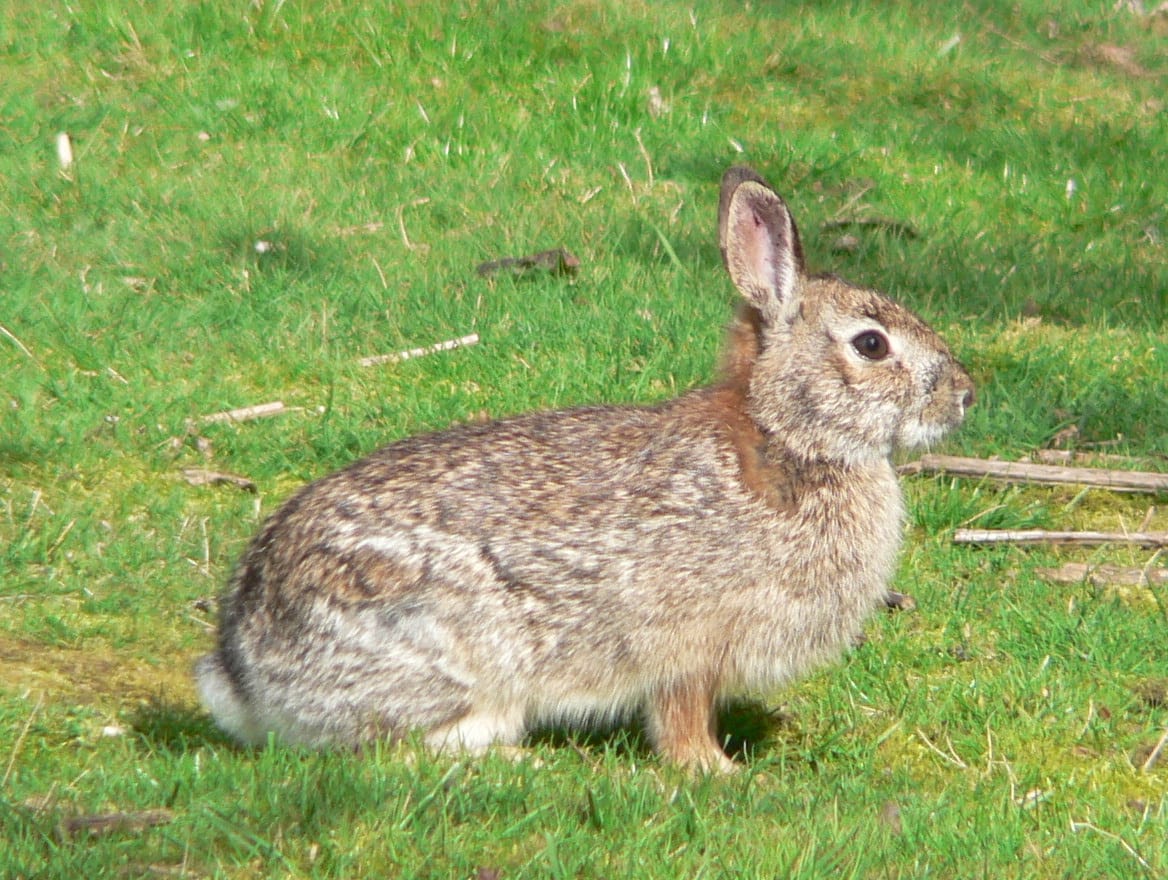
The Brush Rabbit (Sylvilagus bachmani) is a compact rabbit species that thrives in Oregon’s dense undergrowth, woodlands, and forest edges. Known for its shy nature and preference for thick vegetation, it’s a key representative of Wild Rabbits in Oregon that prefers cover over open spaces.
Physical Characteristics & Identification Tips
Brush Rabbits are small to medium-sized, measuring 12–16 inches long and weighing 1.5–2.5 pounds. Their fur is soft, ranging from gray to reddish-brown, with a lighter underbelly. They have short, rounded ears and a small, fluffy white tail. Compared to cottontails, Brush Rabbits have a slightly stockier build and darker coloration that helps them blend into shaded forest floors.
Identifying a Brush Rabbit involves observing their habitat and movement patterns. They favor thick shrubs and dense ground cover, rarely venturing into open areas. When they move, they hop quickly in short bursts, using zigzag patterns to escape predators. Their small size and camouflaged fur make them excellent at hiding from humans and other animals.
Behavior
Brush Rabbits are crepuscular, most active at dawn and dusk. They are highly cautious and rely on dense cover to avoid predators. These rabbits rarely stray far from protective vegetation and use well-concealed forms for resting. They communicate using subtle thumping signals to alert others of danger. During breeding season, males may display chasing behavior, circling around females to assert dominance and readiness to mate.
Their behavior emphasizes stealth over speed. Unlike open-field cottontails, Brush Rabbits prefer to hide or freeze when threatened, taking advantage of their natural camouflage and thick habitat.
Habitat and Range
Brush Rabbits inhabit dense undergrowth, thickets, and forest edges, primarily in western Oregon. They thrive in areas with abundant shrubs, ferns, and low-lying vegetation, which provide both food and protection. Unlike mountain or cottontail species, they are rarely found in open fields or urban areas. Their preference for cover allows them to avoid many predators, although birds of prey and foxes still pose a threat.
Diet
Brush Rabbits are herbivorous, consuming grasses, leaves, bark, and various herbaceous plants. In forested areas, they often feed on ferns, shrubs, and low tree bark during winter. Like other rabbits, they practice coprophagy to maximize nutrient absorption. Their diet is influenced by seasonal changes and availability, making them adaptable to different woodland habitats.
Reproduction and Life Cycle
Brush Rabbits breed from early spring to late summer, producing 2–4 litters per year, each containing 2–6 kits. Gestation lasts around 28 days. Kits are born blind and hairless, relying entirely on maternal care. Within a week, fur develops, and by two weeks, they begin exploring underbrush near their nests. Predation is high, but frequent reproduction ensures the population remains stable.
Fun Facts / Unique Traits
Brush Rabbits are remarkable for their ability to navigate dense undergrowth. Their short ears and compact body allow them to move quickly through shrubs without being detected. They rarely venture into open areas, making sightings unusual. Another interesting trait: these rabbits create multiple “forms” within their territory, giving them safe options for hiding from predators.
Human Interaction
Brush Rabbits have minimal interaction with humans due to their preference for dense habitats. They are occasionally seen near suburban woodland edges or natural preserves. They play a vital role in forest ecosystems, serving as prey for birds of prey, foxes, and bobcats while helping maintain vegetation balance. Observing them requires patience and a keen eye, as their camouflaged fur and cautious nature make them masters of concealment.
Studying the Brush Rabbit provides insight into how Wild Rabbits in Oregon adapt to forested environments, highlighting behavioral and ecological diversity among the state’s lagomorphs.
5. Eastern Cottontail – Oregon’s Familiar Wild Rabbit
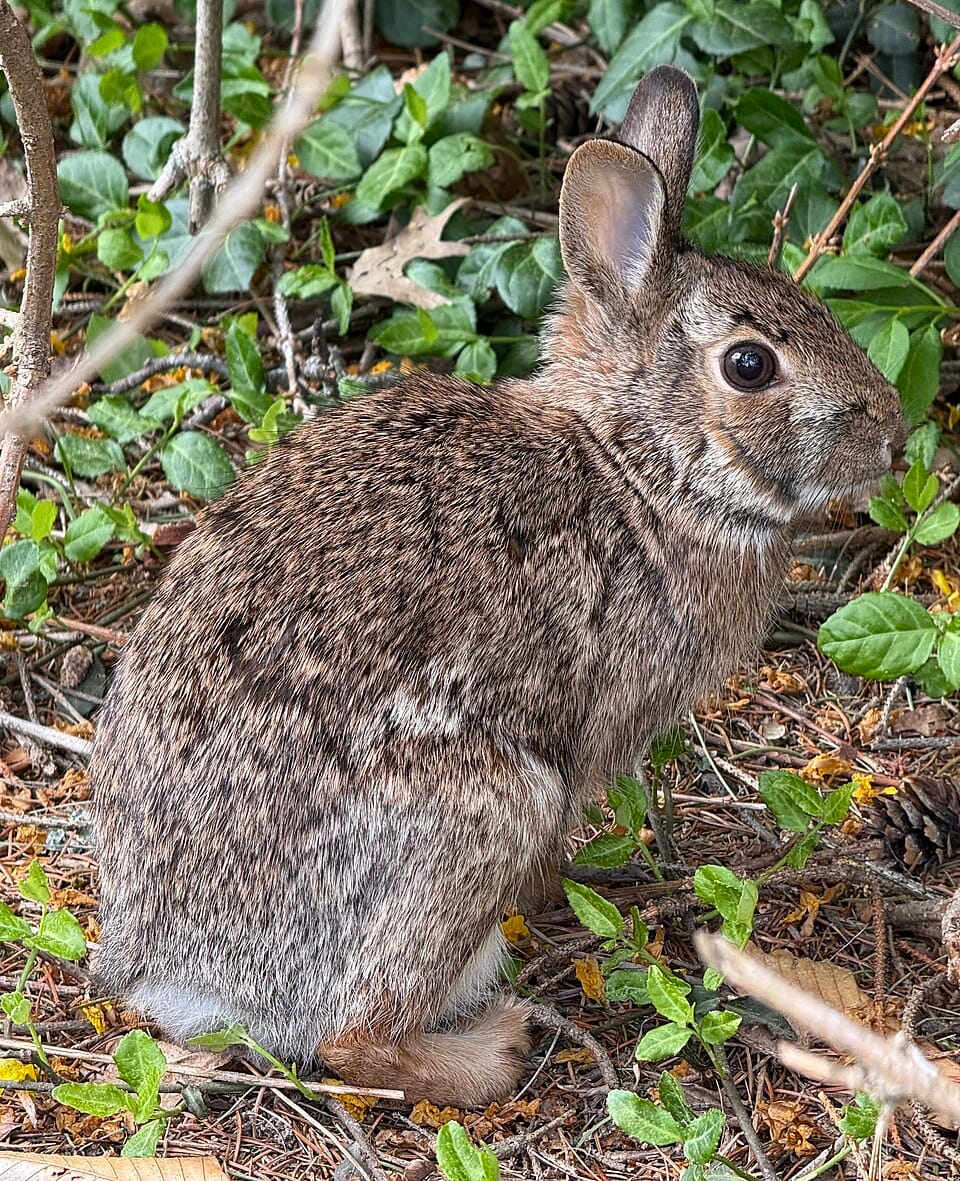
The Eastern Cottontail (Sylvilagus floridanus) is one of the most commonly observed wild rabbits in Oregon. Recognizable by its iconic white fluffy tail, this species thrives in fields, gardens, and suburban areas, making it a familiar sight for wildlife enthusiasts. When exploring Types of Wild Rabbits in Oregon, the Eastern Cottontail offers a glimpse into adaptability and coexistence with human environments.
Physical Characteristics & Identification Tips
Eastern Cottontails measure 14–18 inches long and weigh 2–4 pounds. Their fur is predominantly brown-gray with some reddish tints, and their underbelly is white. The large, round white tail is the hallmark feature. Long ears, strong hind legs, and a compact body allow them to move swiftly and evade predators. Observers can often spot them by the distinctive white flash of their tail as they hop away.
Behavior
Eastern Cottontails are crepuscular, most active during early morning and late evening. They are generally solitary and territorial but may be seen in small groups in abundant habitats. They use quick bursts of zigzag hopping to escape threats, and thump their hind feet to warn other rabbits of danger. During breeding season, males display chasing and circling behavior around females.
Habitat and Range
These rabbits thrive in meadows, fields, gardens, and forest edges across Oregon, favoring areas with cover for hiding and open spaces for feeding. They are highly adaptable and are frequently seen near human settlements. They create shallow forms under shrubs or in tall grass for resting and protection.
Diet
Eastern Cottontails are herbivorous, feeding on grasses, herbs, shrubs, and bark. In winter, they shift to woody plants and twigs. Like other rabbits, they practice coprophagy to maximize nutrient absorption and survive periods of limited food availability.
Reproduction and Life Cycle
Breeding occurs from spring through fall, producing 3–5 litters per year with 3–7 kits each. Gestation lasts about 28 days. Kits are born blind and hairless, gaining fur within a week and exploring their surroundings within two weeks. Frequent reproduction balances high predation in open habitats.
Fun Facts / Unique Traits
Eastern Cottontails are highly adaptable and have successfully colonized urban and suburban areas. Their white tail acts as a “flash signal,” confusing predators during escape. They are agile jumpers, capable of leaping 10–15 feet in a single bound when threatened.
Human Interaction
Eastern Cottontails often share space with humans, feeding on gardens and ornamental plants. They are generally harmless and play a vital ecological role as prey for hawks, foxes, and coyotes. Observing them in urban edges allows people to witness a common but fascinating wild rabbit species.
—
6. White-tailed Jackrabbit – Oregon’s Agile Grassland Runner

The White-tailed Jackrabbit (Lepus townsendii) is a large, long-legged rabbit species inhabiting Oregon’s grasslands and open plains. Distinguished from other cottontails by size and behavior, this species represents the wilder, more open-terrain types of Wild Rabbits in Oregon.
Physical Characteristics & Identification Tips
White-tailed Jackrabbits can reach 20–26 inches in length and weigh 3–6 pounds. They have large, upright ears with black tips, long hind legs, and a white underbelly. The white tail is prominent during escape. Their powerful legs enable high-speed running, essential for survival in open grasslands where cover is minimal.
Behavior
These jackrabbits are primarily crepuscular but can be active during daylight in quiet areas. They are highly alert and rely on speed to escape predators, using long, bounding leaps that can exceed 10 feet. When resting, they lie low in shallow depressions to remain inconspicuous. They are solitary, except during mating season, when males pursue females actively.
Habitat and Range
White-tailed Jackrabbits occupy Oregon’s grasslands, sagebrush plains, and prairies. They favor open areas with minimal trees but require shrubs or small vegetation patches for temporary cover. Their range extends across eastern Oregon and higher plains, avoiding dense forests.
Diet
Herbivorous by nature, they feed on grasses, shrubs, and woody plants. In winter, they consume twigs, bark, and buds. Their diet is highly seasonal and reflects the availability of vegetation in open landscapes. Coprophagy is practiced to enhance nutrient absorption.
Reproduction and Life Cycle
Breeding occurs from March to September. Females produce 2–4 litters annually, with 2–5 kits each. Gestation lasts about 42 days. Kits are born fully furred and with open eyes, unlike smaller cottontails, enabling faster mobility in open habitats.
Fun Facts / Unique Traits
White-tailed Jackrabbits are exceptional runners and jumpers, capable of rapid zigzag maneuvers to evade predators. They can change direction mid-leap and reach speeds of up to 35 mph. Their long ears also help dissipate heat in sunny open areas.
Human Interaction
They rarely enter urban areas due to their preference for open terrain. They are often hunted for sport and food, but play an important ecological role as prey for coyotes, eagles, and foxes. Observing them requires patience and a safe distance, as they are quick to flee.
—
7. Desert Cottontail – Oregon’s Warm-Region Hopper
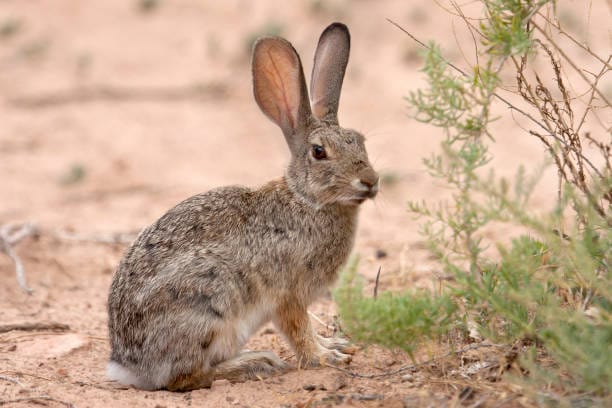
The Desert Cottontail (Sylvilagus audubonii) inhabits Oregon’s southern arid regions, where warm temperatures and sparse vegetation demand specialized survival strategies. It is a robust and hardy species, adapted to desert-like environments.
Physical Characteristics & Identification Tips
Desert Cottontails measure 14–18 inches long and weigh 2–3.5 pounds. Their fur is light brown to sandy gray, which camouflages them in arid landscapes. Large ears assist in thermoregulation and predator detection. The white underbelly and tail are classic rabbit features, with the tail often visible when the rabbit flees.
Behavior
Desert Cottontails are mostly nocturnal to avoid the heat of the day but may forage at dawn or dusk. They rely on quick bursts of running and zigzag hopping to escape predators. They are territorial and solitary but maintain overlapping home ranges, especially in areas with abundant food.
Habitat and Range
These rabbits occupy the southern and southeastern deserts and shrublands of Oregon. They thrive in arid regions with sparse vegetation, shrubs, and grasses. Burrows are shallow and located near shrubs for protection from predators and harsh sunlight.
Diet
Desert Cottontails feed on grasses, shrubs, and cacti, depending on seasonal availability. They also eat leaves, stems, and woody plant material during dry months. Coprophagy helps them absorb enough nutrients to survive in nutrient-poor environments.
Reproduction and Life Cycle
Breeding occurs from early spring to late summer. Females produce 3–5 litters per year with 3–6 kits. Gestation lasts about 28 days. Kits are born blind and hairless, gaining mobility and fur within the first few weeks. Frequent reproduction balances the high predation rates in open, arid landscapes.
Fun Facts / Unique Traits
Desert Cottontails are particularly heat-tolerant and can survive in dry, harsh habitats that many other rabbits avoid. Their coloring provides excellent camouflage, and they are highly agile, capable of short, rapid bursts of speed to elude predators.
Human Interaction
They rarely enter urban environments but can sometimes be spotted in farmland near desert regions. They are harmless and important prey for local predators, including raptors, coyotes, and foxes. Observing Desert Cottontails offers insight into the adaptability of Wild Rabbits in Oregon’s varied climates.
FAQ’s About Types of Wild Rabbits in Oregon
What are the Types of Wild Rabbits in Oregon?
Oregon is home to seven main wild rabbit species: Eastern Cottontail, Brush Rabbit, Pygmy Rabbit, Mountain Cottontail, White-tailed Jackrabbit, Desert Cottontail, and the Snowshoe Hare. Each species has distinct characteristics, behaviors, and habitat preferences.
Where can I find Wild Rabbits in Oregon?
Wild Rabbits in Oregon inhabit diverse habitats. Eastern Cottontails are common near fields and suburbs, Brush Rabbits prefer dense woodland, Pygmy Rabbits occupy sagebrush areas, Mountain Cottontails live in rocky hills, White-tailed Jackrabbits roam grasslands, Desert Cottontails thrive in arid southern regions, and Snowshoe Hares inhabit northern forests.
What do Pygmy Rabbits eat?
Pygmy Rabbits feed primarily on sagebrush leaves, stems, and buds. They may also eat grasses and small plants when available. In winter, sagebrush becomes their main food source, and they practice coprophagy to maximize nutrient absorption.
How can I identify a Brush Rabbit?
Brush Rabbits are small, gray to reddish-brown rabbits with short ears and a fluffy white tail. They prefer dense undergrowth and thickets. Watching for short, quick zigzag hopping near thick shrubs can help identify them.
Are Eastern Cottontails common in urban areas?
Yes. Eastern Cottontails are highly adaptable and often found near gardens, meadows, and suburban areas, making them the most frequently seen wild rabbit in Oregon.
What is unique about the White-tailed Jackrabbit?
White-tailed Jackrabbits are large, long-legged rabbits adapted to open grasslands. They rely on speed and agility to escape predators and can leap over 10 feet in a single bound. Their long ears help dissipate heat and detect predators.
How do Desert Cottontails survive in arid environments?
Desert Cottontails have light sandy fur for camouflage and are mostly nocturnal to avoid heat. They feed on grasses, shrubs, and cacti, and use shallow burrows near shrubs to stay cool and safe from predators.
Do Pygmy Rabbits dig their own burrows?
Yes. Pygmy Rabbits are skilled diggers, creating burrows in sagebrush areas. These burrows provide shelter from predators and extreme weather, with multiple entrances for safety.
How do Brush Rabbits reproduce?
Brush Rabbits breed from early spring to late summer, producing 2–4 litters per year, each with 2–6 kits. Kits are born blind and hairless and begin exploring underbrush within two weeks.
What predators do wild rabbits in Oregon face?
Predators include coyotes, foxes, bobcats, hawks, and owls. Pygmy and Brush Rabbits rely on dense cover for protection, while larger species like White-tailed Jackrabbits rely on speed and agility.
Can I feed wild rabbits in Oregon?
It’s not recommended. Feeding wild rabbits can alter their natural behavior, increase predation risk, and may lead to dietary issues. Observing them in their natural habitat is safer for both humans and rabbits.
How long do wild rabbits live?
In the wild, most rabbits live 1–3 years due to predation. Some larger species, like White-tailed Jackrabbits, may live up to 5–6 years if they avoid predators and harsh conditions.
What is the difference between a Cottontail and a Jackrabbit?
Cottontails are generally smaller, with shorter ears and limbs, and prefer covered habitats. Jackrabbits are larger, with long ears and strong hind legs, adapted for open terrain and fast running.
Do Snowshoe Hares live in Oregon?
Yes, Snowshoe Hares inhabit northern forests in Oregon. They are known for large hind feet, seasonal coat changes, and preference for dense cover in colder climates.
What do Eastern Cottontails eat?
They eat grasses, herbs, shrubs, and bark, depending on the season. In winter, woody plants and twigs are essential. Like all rabbits, they practice coprophagy to absorb nutrients efficiently.
Are Pygmy Rabbits endangered?
Pygmy Rabbits are considered sensitive or threatened in parts of their range due to habitat loss. Conservation of sagebrush ecosystems is crucial for their survival.
How do wild rabbits avoid predators?
They use camouflage, dense vegetation, quick zigzag hopping, and burrows to avoid predators. Species like Jackrabbits rely more on speed, while Pygmy and Brush Rabbits rely on concealment.
Do wild rabbits in Oregon hibernate?
No. Rabbits are active year-round. They adapt to seasonal changes by altering diet and using burrows or dense vegetation for shelter in winter.
Can wild rabbits be found in cities?
Some species, like Eastern Cottontails, are often seen in urban and suburban areas. Most others, like Pygmy and Brush Rabbits, prefer rural or forested regions.
How fast can White-tailed Jackrabbits run?
They can reach speeds of up to 35 mph and use long, bounding leaps to escape predators in open grasslands.
How do Desert Cottontails regulate heat?
They use large ears to dissipate heat, remain in burrows during the hottest part of the day, and forage during cooler hours.
What is coprophagy and why do rabbits do it?
Coprophagy is the re-ingestion of nutrient-rich pellets. Rabbits do this to maximize nutrient absorption, especially in habitats where food may be limited.
Do Brush Rabbits live in groups?
No, they are generally solitary. They may share territory ranges but usually keep to themselves except during mating season.
What adaptations help Pygmy Rabbits survive?
They have small size, excellent camouflage, digging abilities, and a diet focused on sagebrush. These adaptations allow survival in sagebrush deserts with limited cover and food.
Do wild rabbits impact ecosystems?
Yes. They serve as prey for numerous predators, help control vegetation, and their burrows provide shelter for other wildlife.
How can I observe wild rabbits safely?
Use binoculars, maintain distance, avoid sudden movements, and observe during dawn or dusk when they are most active. Do not attempt to feed or touch them.
Are all rabbits in Oregon native?
Most wild rabbits in Oregon are native, like the Brush Rabbit and Pygmy Rabbit. Eastern Cottontails were introduced in some areas but have established populations.
Do rabbits communicate with each other?
Yes. Rabbits use thumping, scent markings, and subtle body language to communicate danger, territorial boundaries, and mating readiness.
Why are rabbits important in Oregon?
They are a key part of food chains, serve as prey for predators, and contribute to plant population control, maintaining ecological balance across diverse habitats.
Read more: 5 Types Of Wild Rabbits in Tennessee: Species, Identification, and Photos