
Vultures are among the most fascinating and often misunderstood birds in Mississippi. Renowned for their role as nature’s cleanup crew, these birds play a crucial part in maintaining healthy ecosystems by consuming carrion and preventing the spread of disease. In Mississippi, birdwatchers and wildlife enthusiasts primarily encounter two species: the Turkey Vulture and the Black Vulture. Despite their somewhat intimidating appearance, these scavengers are harmless to humans and are highly adapted to a life of soaring flight, keen eyesight, and remarkable ecological efficiency. This guide explores the types of vultures in Mississippi, providing detailed identification features, behaviors, habitats, diets, and tips for observing them in the wild, making it perfect for beginners and seasoned birders alike.
1. Turkey Vulture (Cathartes aura)
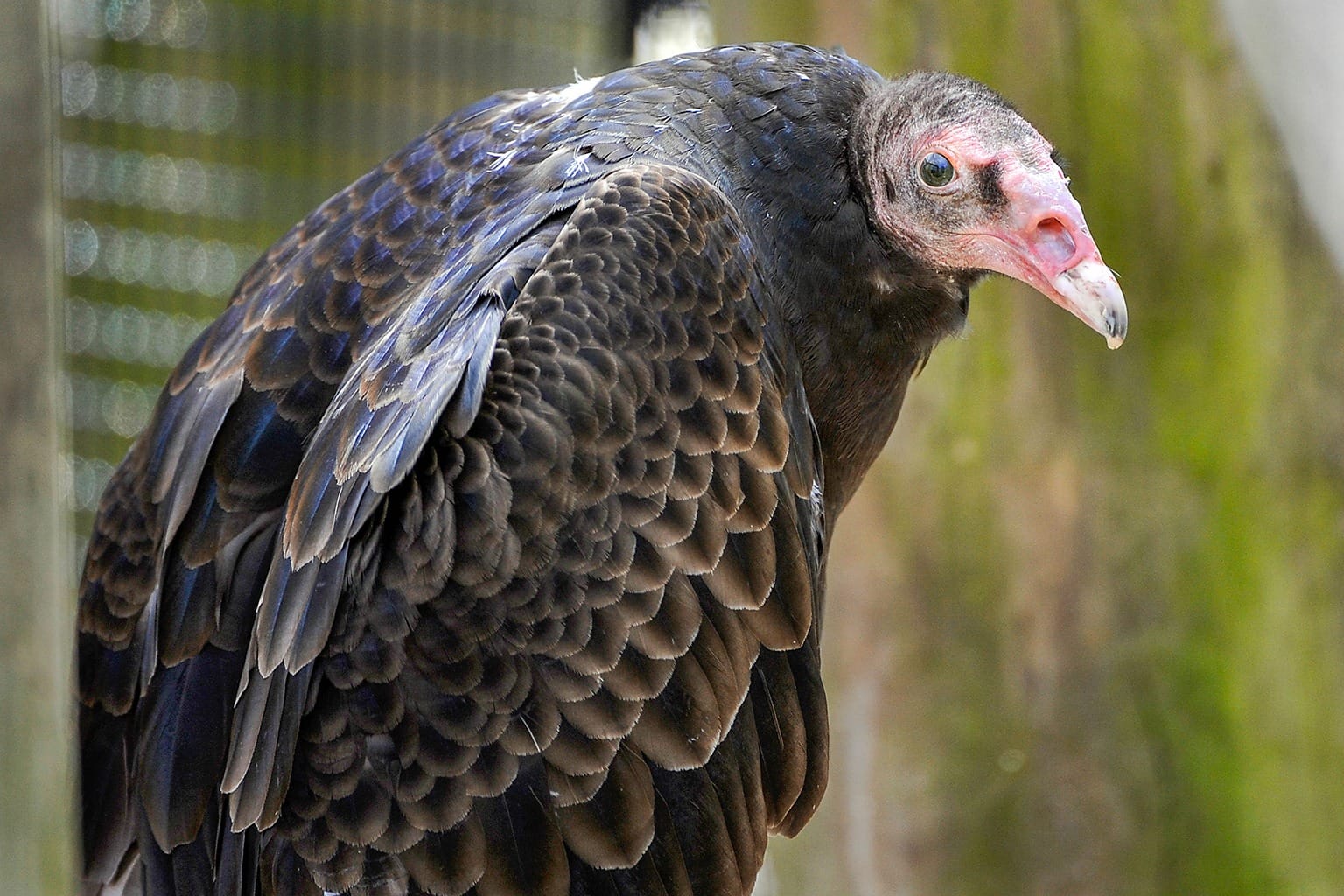
The Turkey Vulture is the most common vulture in Mississippi and is easily recognizable by its soaring flight and distinctive red head. It is an essential species for the state’s ecosystems, helping to recycle nutrients by consuming decaying animals.
Identification and Physical Characteristics
Turkey Vultures are large birds, measuring approximately 25–32 inches in length with a wingspan ranging from 63–72 inches. They have dark brown to black plumage and long, broad wings that allow them to glide effortlessly on thermals for hours. One of the most distinctive features is their bright red, featherless head, which helps reduce bacterial growth while feeding on carrion. Juveniles have darker heads, which gradually turn red as they mature. The tail is long and slightly rounded, aiding in their graceful soaring flight.
Behavior and Diet
Turkey Vultures are primarily scavengers, feeding almost exclusively on carrion. Unlike predatory birds, they rarely hunt live prey. Their highly developed sense of smell, one of the few in birds, allows them to locate decaying animals even under forest canopies. They often feed in groups, establishing a social hierarchy where dominant birds eat first. These vultures are non-aggressive toward humans and play a key role in disease prevention by consuming potentially harmful carcasses.
Habitat and Range in Mississippi
Turkey Vultures are highly adaptable and inhabit a wide range of environments, from forests and wetlands to open fields and farmland. They are commonly seen soaring along highways, using rising thermals to survey large areas for food. This species is year-round in Mississippi, though they may migrate slightly southward during harsh winters. They favor roosting in tall trees or abandoned buildings, often forming large communal roosts that can include hundreds of birds.
Best Time and Places to Observe
Observing Turkey Vultures is easiest during the day when thermals are active. Look for their characteristic V-shaped flight pattern against the sky, often accompanied by slow, deliberate wing flaps. Wildlife enthusiasts can spot them in open fields, forest edges, and along rural roads. Early morning and late afternoon are prime times when these birds are actively searching for food.
Interesting Facts
Turkey Vultures can travel over 100 miles in a single day while foraging.
They occasionally regurgitate to lighten their load and deter predators.
Despite popular misconceptions, they are completely harmless to humans.
They help control populations of decaying animals, reducing the spread of disease in both wildlife and human communities.
2. Black Vulture (Coragyps atratus)
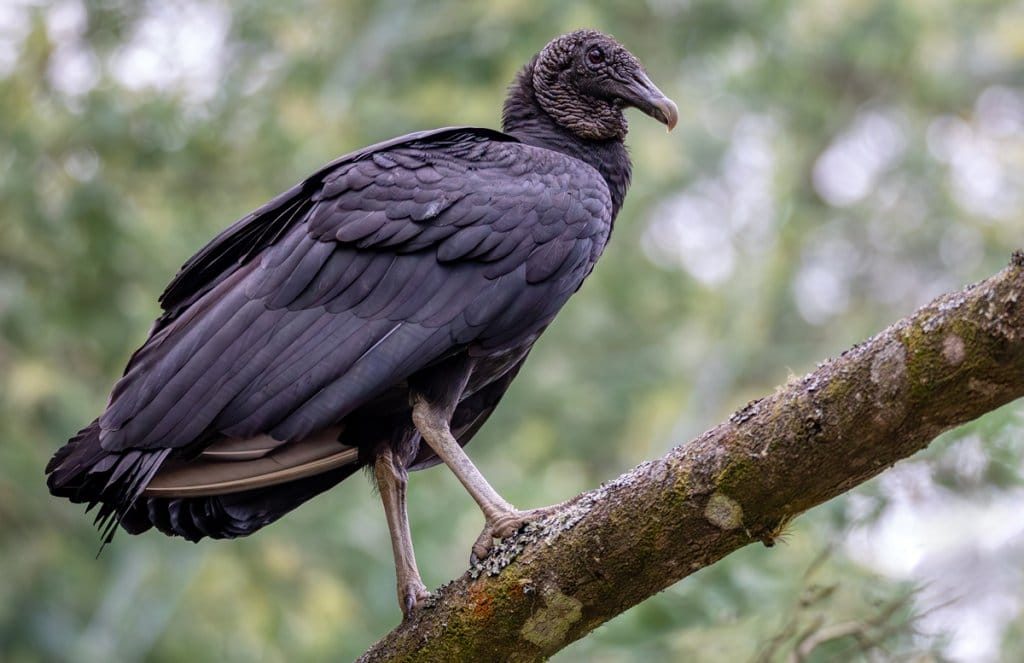
The Black Vulture is another scavenger species found throughout Mississippi. Although smaller than the Turkey Vulture, it is equally impressive in its ecological role and can be distinguished by its darker plumage and social behavior.
Identification and Physical Characteristics
Black Vultures measure around 22–26 inches in length with a wingspan of 52–60 inches, making them slightly smaller than Turkey Vultures. Their plumage is uniformly black, including the head, which is grayish-black and featherless. White patches at the tips of the wings are noticeable in flight and help distinguish them from Turkey Vultures. Black Vultures have short tails and a robust, slightly hooked beak, ideal for tearing into carrion. Juveniles have darker heads, which gradually lighten as they mature.
Behavior and Diet
Like Turkey Vultures, Black Vultures are scavengers, feeding primarily on carrion. However, they are more aggressive and social, often seen feeding in groups where dominance hierarchies determine access to food. They lack a strong sense of smell, unlike Turkey Vultures, and instead rely on sight and following other scavengers to locate food. These birds are also opportunistic feeders, occasionally consuming eggs or weak or injured animals.
Habitat and Range in Mississippi
Black Vultures are widespread throughout Mississippi and thrive in woodlands, farmlands, wetlands, and urban areas. They often roost in large trees, abandoned buildings, or even cliff edges. Like Turkey Vultures, they are year-round residents, though local movements may occur depending on food availability. Their adaptability allows them to coexist with humans, sometimes feeding at landfills or near roadkill.
Best Time and Places to Observe
Black Vultures are often observed soaring in groups, making short, flapping flights interspersed with glides. Open fields, roadsides, and forest edges are ideal for spotting them. Early morning and late afternoon are the most active times for feeding and social interactions. Observers should note the shorter wingspan and white wing tips, which are key identification features when distinguishing them from Turkey Vultures.
Interesting Facts
Black Vultures are highly social and aggressive, often intimidating other scavengers to secure food.
They have excellent eyesight but rely on other vultures to locate food due to their limited sense of smell.
These birds are capable of soaring at high altitudes, covering extensive areas in search of carrion.
Despite their reputation, they are harmless to humans and play a critical role in controlling carrion-related diseases.
Comparison Between Turkey Vultures and Black Vultures
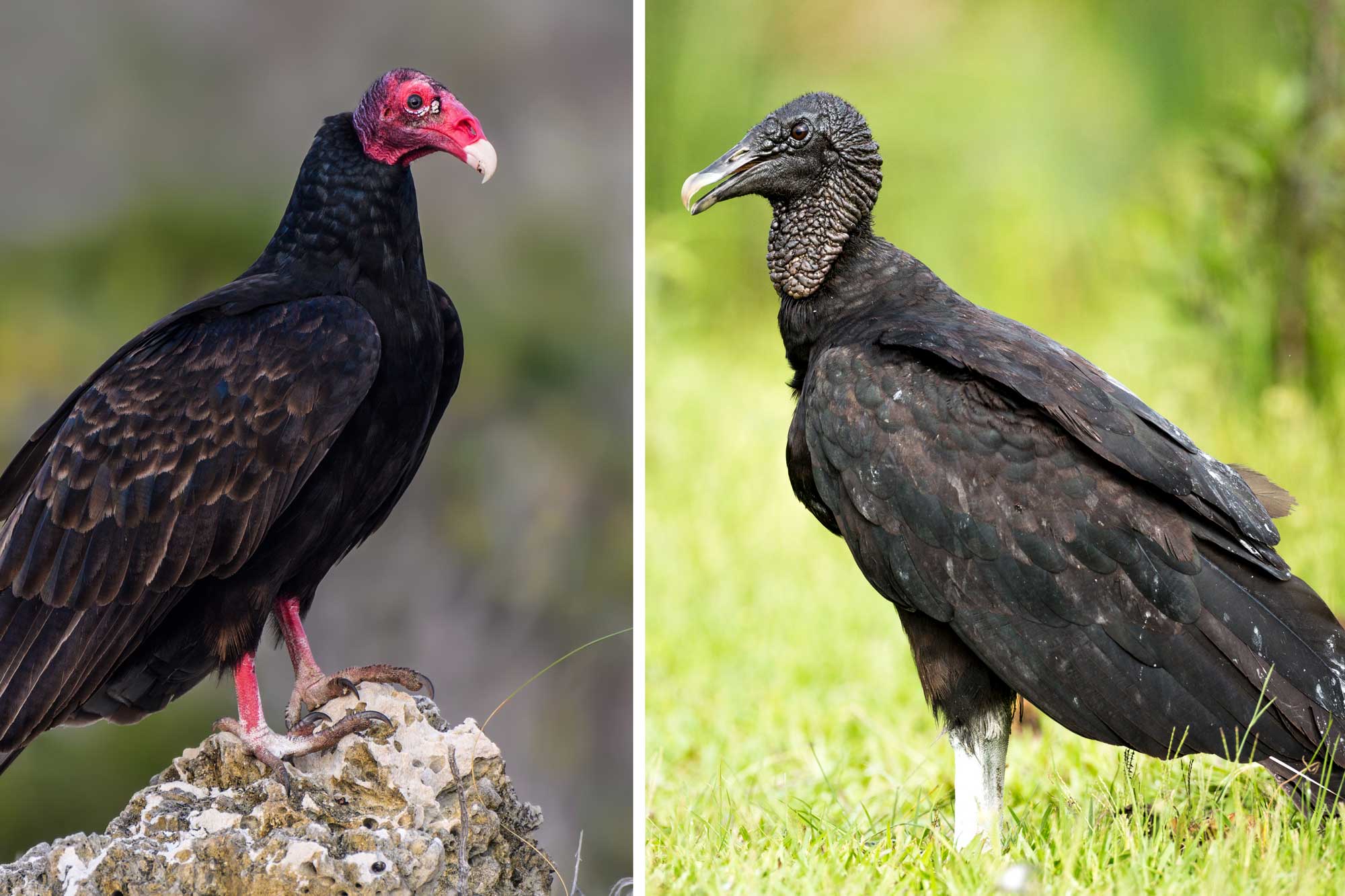
Size: Turkey Vultures are larger, with a longer wingspan.
Plumage and Head: Turkey Vultures have dark brown bodies with bright red heads, while Black Vultures are black with grayish-black heads.
Flight Style: Turkey Vultures soar with wings in a V-shape and rock slightly; Black Vultures soar in shorter, flapping glides.
Senses: Turkey Vultures have a keen sense of smell; Black Vultures rely on sight and following others.
Behavior: Black Vultures are more aggressive and social; Turkey Vultures are more solitary when feeding.
Ecological Importance of Vultures in Mississippi
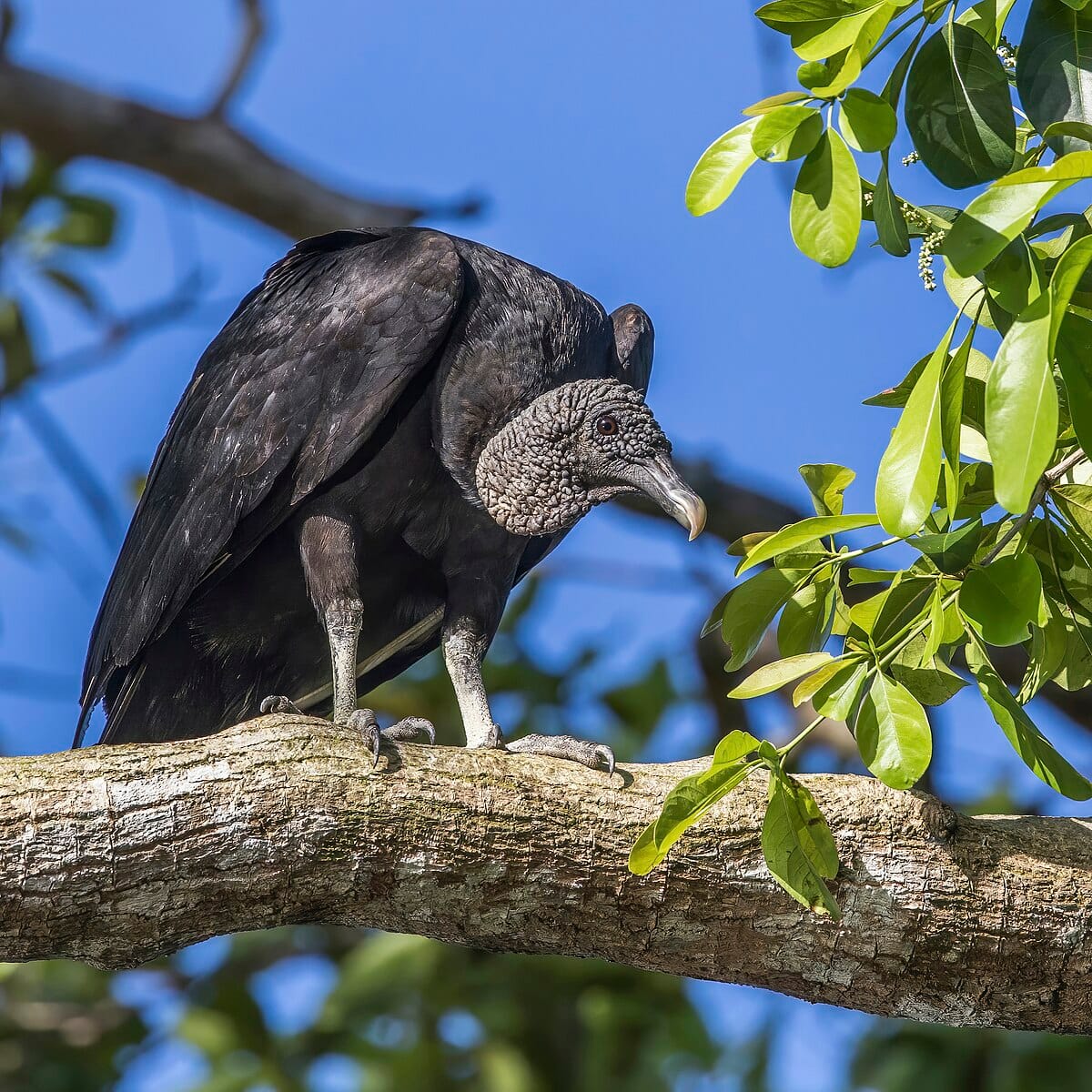
Vultures play a vital role in ecosystem health. By consuming carrion, they prevent the spread of disease, recycle nutrients, and maintain balance in natural food chains. Without these scavengers, decaying animals could become hotspots for bacteria and viruses, negatively affecting both wildlife and humans. Their presence also indirectly benefits other species by reducing competition for other scavengers and predators.
Conservation Status and Threats
Both Turkey Vultures and Black Vultures are currently stable populations in Mississippi, benefiting from adaptability to human-altered landscapes. However, threats such as habitat loss, poisoning from lead or pesticides, and vehicle collisions can impact local populations. Conservation efforts focus on education, habitat protection, and reducing human-wildlife conflicts to ensure these essential birds continue thriving.
Tips for Observing Vultures in the Wild
Use binoculars or spotting scopes to observe wing patterns and head coloration.
Visit open fields, wetlands, or forest edges during early morning or late afternoon.
Respect their space; vultures are sensitive to disturbances around roosts and feeding sites.
Take notes and photos for identification, but avoid interfering with feeding.
FAQ’s
1. Are there vultures in Mississippi?
Yes, Mississippi is home to both Turkey Vultures and Black Vultures. They are commonly seen soaring in the sky or resting in open fields. Vultures are important scavengers that help clean up dead animals. They prefer areas with open landscapes and scattered trees. Watching the skies for their distinctive flight patterns can help you spot them.
2. How many types of vultures are there?
There are 23 species of vultures worldwide, divided into two groups: New World vultures and Old World vultures. New World vultures, like Turkey and Black Vultures, are found in the Americas. Old World vultures are native to Africa, Europe, and Asia. Each species has unique adaptations for scavenging. Their diversity helps ecosystems efficiently remove carrion.
3. What is the most aggressive vulture?
Black Vultures are considered the most aggressive of the vultures. They are bold and often chase away other scavengers, including larger Turkey Vultures. They feed in groups and may dominate food sources. Their aggressive nature is a survival tactic to secure meals. Despite their fearsome behavior, they primarily eat carrion and pose little threat to humans.
4. How do you tell the difference between a Turkey Vulture and a Black Vulture?
Turkey Vultures have red heads and long, broad wings with light-colored underwing patterns. Black Vultures have black heads and shorter tails, with white patches near the wing tips. Turkey Vultures often soar with a slight V shape, while Black Vultures flap more frequently. Size, head color, and flight style are key identifiers. Observing them in flight is the easiest way to tell them apart.
5. Are buzzards and vultures the same?
In the U.S., the term “buzzard” usually refers to vultures, especially Turkey Vultures. In Europe, buzzards are actually a type of hawk. So, terminology varies by region. Both vultures and true buzzards are birds of prey but have different diets and behaviors. Understanding local context is important when using these names. Essentially, American “buzzards” are vultures.
6. Where are turkey vultures in the US?
Turkey Vultures are widespread across the United States. They are commonly found in open and semi-open areas, such as forests, fields, and roadsides. They migrate in colder regions but remain year-round in southern states. They rely on thermals for soaring and are often seen circling above carrion. Their wide distribution makes them one of the most visible vultures in the country.
7. Is Vultures 2 better than Vultures?
If you’re referring to a game or media titled “Vultures 2,” opinions vary depending on personal preference. In real life, the question doesn’t apply to actual vultures. Vultures in nature are all essential for ecosystems, with no “better” species. Their roles in scavenging and nutrient cycling are equally important. Observing different vulture species highlights their unique behaviors.
8. Which vulture is the king of vultures?
The King Vulture, native to Central and South America, is considered the most majestic of vultures. It is large with striking white, black, and colorful head patterns. Despite its impressive appearance, it is not aggressive and often waits for smaller vultures to open carcasses. Its unique coloring and size earn it the title “king.” It plays an important role in controlling carrion in tropical forests.
9. What’s the difference between a vulture and a condor?
Condors are a type of vulture, but they are larger and belong to specific genera: Andean Condor (South America) and California Condor (North America). Condors have longer wingspans and often soar at higher altitudes. Their conservation status is critical, especially for California Condors. While all vultures scavenge, condors are among the largest and most iconic scavengers. Flight style and habitat also help distinguish them.
10. Do vultures carry diseases?
Vultures can carry bacteria from decaying animals but rarely transmit diseases to humans. Their strong stomach acids destroy harmful pathogens, making them nature’s cleaners. Handling dead animals or vultures without protection could be risky. Overall, vultures reduce the spread of disease by consuming carcasses. They are beneficial rather than hazardous in most ecosystems.
11. How to identify a Turkey Vulture?
Turkey Vultures are large, dark birds with red heads and long, broad wings. They often soar in a V shape and tilt side-to-side while searching for food. The underwing pattern is lighter compared to Black Vultures. They feed primarily on carrion and are found across the Americas. Observing their flight and head color is the easiest way to identify them.
12. Does Tennessee have buzzards or vultures?
Tennessee has both Turkey Vultures and Black Vultures, often called buzzards locally. They are common throughout the state, especially in open areas and farmland. These birds play a key role in cleaning up carrion. Sightings are frequent along highways, where they search for roadkill. They are a familiar part of Tennessee’s wildlife.
13. Who will win, eagle or vulture?
An eagle is more powerful in a one-on-one confrontation due to its strong talons, hunting skills, and agility. Vultures are mainly scavengers and rely on soaring and group feeding. Eagles are predators, while vultures are cleaners of the ecosystem. Size matters too, but in general, an eagle could overpower a vulture. However, interactions are rare in the wild.
14. What is the most beautiful vulture in the world?
The King Vulture is often considered the most beautiful, with vibrant red, orange, and yellow head colors contrasting with its white and black plumage. Its striking appearance stands out among vultures. Other species, like the Lammergeier, also have unique and elegant features. Beauty in vultures is largely based on coloration and size. Despite their scavenger role, they are visually impressive birds.
15. Do vultures have any enemies?
Vultures have few natural predators as adults, but eggs and chicks can fall prey to snakes, raccoons, or large birds of prey. Human activities like hunting, poisoning, and habitat destruction pose significant threats. Their aerial lifestyle and group behavior protect them from many predators. Adult vultures are largely safe due to size, flight, and vigilance. Conservation efforts are key to protecting vulnerable species.
16. Do vultures carry leprosy?
No, vultures do not carry leprosy. They primarily consume carrion, and their stomach acid kills most bacteria and pathogens. They play a crucial role in preventing disease spread in ecosystems. Contact with vultures is generally safe, though it’s wise to avoid handling wild birds directly. Vultures are nature’s cleaners, not disease carriers for humans.
17. What are the benefits of vultures?
Vultures clean up carcasses, preventing the spread of harmful bacteria and diseases. They recycle nutrients back into the ecosystem efficiently. By removing dead animals quickly, they help control populations of pests and scavengers. Their role reduces the risk of outbreaks like anthrax or rabies. Overall, vultures are essential for ecosystem health and balance.
18. What does it mean when vultures spread their wings?
When vultures spread their wings, it’s often a behavior called “sunning.” They expose their wings to sunlight to warm up and help kill bacteria or parasites. This posture also dries their feathers after rain or moisture. In some cases, it can signal dominance or be used for thermoregulation. It’s a natural and common behavior observed in many vulture species.
19. What are the disadvantages of vultures?
Vultures can sometimes spread trash or partially eaten remains around human areas. They may appear aggressive while defending territory or feeding. Some people find them unsightly or noisy, especially in urban environments. Habitat loss and poisoning have made many species vulnerable. Despite minor disadvantages, their ecological role far outweighs these issues.
20. Why are vultures clean?
Vultures are clean because their strong stomach acid kills most bacteria from decaying meat. They rarely carry pathogens externally and help reduce disease spread in the environment. Preening and sunning also maintain feather hygiene. By consuming carrion efficiently, they prevent rotting carcasses from contaminating the area. Their cleanliness is an important ecological benefit.
21. What eats a vulture?
Adult vultures have few natural predators due to their size and flying abilities. Eggs and chicks may be preyed upon by snakes, raccoons, or large birds of prey. Humans pose a significant threat through hunting, poisoning, and habitat destruction. In rare cases, large carnivores like lions may attempt to eat a grounded vulture. Overall, adult vultures are relatively safe in the wild.
22. Would a lion eat a vulture?
Lions generally prefer larger prey but may eat a vulture if it is accessible, such as a grounded or sick bird. However, vultures’ strong beaks and flight ability make them difficult to catch. Vultures mostly avoid predation by soaring high and staying in groups. Eating vultures is opportunistic rather than common for lions. This rarely happens in the wild.
23. Why do vultures wait to eat dead animals?
Vultures wait because they rely on other senses to locate safe food and often allow other scavengers to open tough carcasses. Waiting reduces the risk of injury and allows easier access to edible parts. They may also wait for warmer temperatures to aid digestion. Group feeding ensures competition is minimized and safety is maximized. Timing and observation are part of their feeding strategy.
24. Why don’t hyenas eat vultures?
Hyenas usually ignore vultures because adult vultures can fly and defend themselves. Vultures are often too agile for hyenas to catch. Hyenas focus on larger terrestrial prey or carrion on the ground. Occasionally, they may scavenge vulture chicks, but this is rare. Both species often coexist, sharing food sources without direct conflict.
25. Do vultures eat dogs?
Yes, vultures may eat deceased dogs if the carcass is accessible. They are scavengers and do not typically hunt living animals. Eating dead dogs is part of their ecological role in cleaning up carrion. Domestic or stray dogs in areas with vultures may sometimes become food after death. Vultures help prevent the spread of disease from decomposing animals.
26. Why do vultures eat the eyes first?
Vultures often start feeding on the eyes because they are soft, nutrient-rich, and easy to access. This allows them to consume energy quickly without struggling with tough skin or muscles. Eye consumption is common among scavengers. It also helps vultures begin feeding efficiently before others arrive. It’s a natural part of their scavenging strategy.
27. What eats a hawk?
Hawks can fall prey to larger birds of prey like eagles, owls, or even large falcons. Mammals such as foxes or raccoons may attack hawks on the ground or at the nest. Hawks use flight, speed, and camouflage to avoid predation. While adult hawks are formidable, eggs and chicks are vulnerable. Predation is a natural part of maintaining ecological balance.
28. Why do vultures cry?
Vultures don’t actually cry with emotion; the “crying” sound is a vocal call for communication. They use hisses, grunts, or screeches to signal territory, warn other vultures, or coordinate feeding. These vocalizations are important for social interactions. Observers may interpret these sounds as crying, but they serve practical functions in their daily life.
29. What does it mean when vultures are circling?
Circling vultures are often searching for food using thermal air currents. This soaring behavior helps them cover large areas efficiently. It can also indicate territory and social hierarchy among the flock. Observers sometimes see it as ominous, but it’s normal scavenging behavior. Circling is one of the most recognizable vulture behaviors.
30. Will a vulture eat another vulture?
Vultures rarely eat other vultures, as they are primarily scavengers of carrion. In extreme starvation or competition, they may scavenge deceased vultures. Aggressive interactions for food may occur, but cannibalism is uncommon. Vultures generally rely on natural deaths or other carrion. Their feeding habits are focused on efficiency, not predation of their own species.
31. Which state has the most vultures?
States in the southern U.S., like Texas and Florida, have large populations of Turkey and Black Vultures. Warm climates with open spaces and abundant carrion support their numbers. Migration patterns also affect local population density. Observing them near highways and fields is common. Southern states offer optimal habitats for these scavengers.
32. What is the difference between a turkey vulture and a vulture?
In the U.S., “vulture” is a general term, while “Turkey Vulture” refers to a specific species. Turkey Vultures have red heads, long wings, and a strong sense of smell. Other vultures, like Black Vultures, have black heads and more aggressive behavior. Flight patterns, head color, and feeding behavior help differentiate them. Each species plays a distinct ecological role.
33. What do vultures do in the winter?
Many vultures migrate to warmer areas during winter, while some remain in southern regions year-round. They reduce activity when temperatures are cold and rely on thermal currents for soaring. Food scarcity may change their movement patterns. In winter, group feeding and roosting help conserve energy. Their survival depends on adapting to seasonal changes in habitat and food availability.
Conclusion
Mississippi’s vultures, the Turkey Vulture and Black Vulture, are remarkable scavengers that contribute significantly to ecosystem health. By understanding their physical characteristics, behaviors, diets, and habitats, birdwatchers and wildlife enthusiasts can better appreciate these misunderstood birds. Observing vultures in the wild offers insights into the complex ecological roles they play while highlighting the importance of conservation efforts. Whether soaring above farmland or gliding over wetlands, these birds remind us of the delicate balance of nature and the critical services wildlife provides to maintain it.
Read more: