
Barracudas are sleek, predatory fish known for their elongated bodies, powerful jaws, and razor-sharp teeth. Found in tropical and subtropical waters worldwide, Barracudas are both feared and admired for their agility, speed, and hunting prowess. This guide explores 15 remarkable types of Barracuda, highlighting key identification traits, habitat, diet, and unique behaviors for each species. Whether you are a marine enthusiast, an aquarium hobbyist, or simply curious about these fascinating predators, this article provides clear, beginner-friendly information to help you understand the diversity of Barracuda species. From the iconic Great Barracuda to the vibrant Yellowstripe Barracuda, you will discover how these fish contribute to the ocean’s delicate ecological balance.
15 Types of Barracuda
1. Great Barracuda (Sphyraena barracuda)
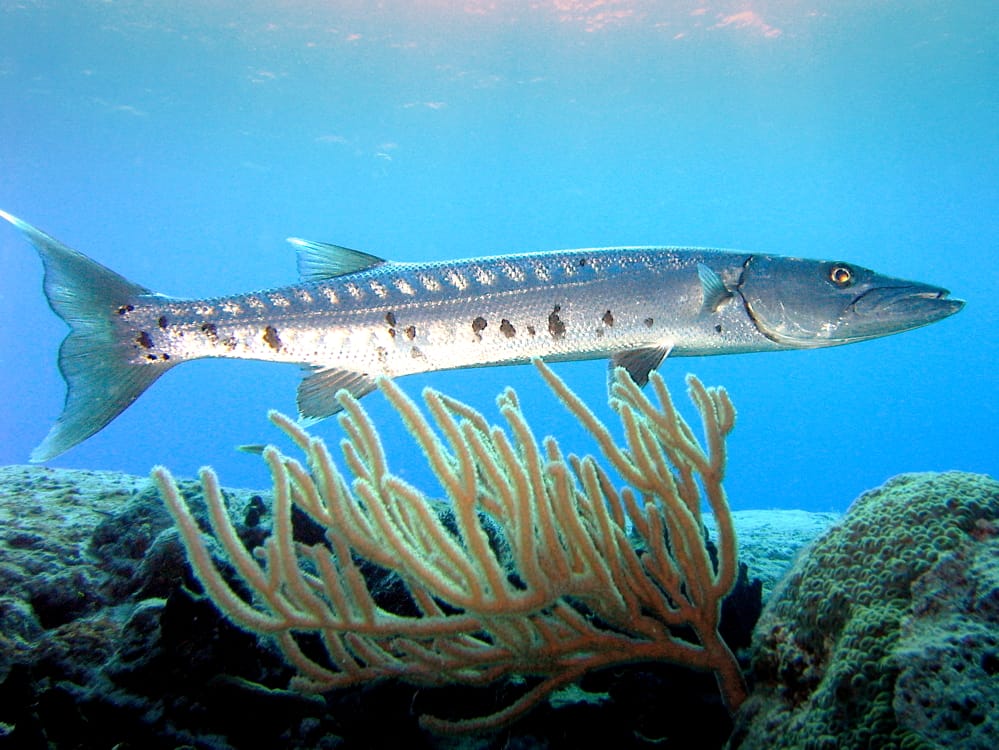
The Great Barracuda is arguably the most well-known species, famous for its large size and formidable predatory skills. Typically found in tropical and subtropical oceans, they inhabit shallow reefs, mangroves, and seagrass beds. Adults can grow up to 2 meters in length, making them apex predators in their environment.
Great Barracudas are ambush hunters. Using their elongated bodies and strong tails, they can accelerate quickly to strike unsuspecting prey, including smaller fish, crustaceans, and cephalopods. Their sharp, fang-like teeth ensure that captured prey cannot escape. Observing them in the wild, one will notice their solitary nature, often patrolling reef edges or open waters to maximize hunting efficiency.
In terms of human interaction, Great Barracudas are largely harmless unless provoked or attracted by shiny objects. Scuba divers are often fascinated by their sleek, silver bodies and predatory grace. Conservation efforts focus on maintaining healthy reef ecosystems, as overfishing and habitat degradation can impact their populations.
2. Pacific Barracuda (Sphyraena argentea)
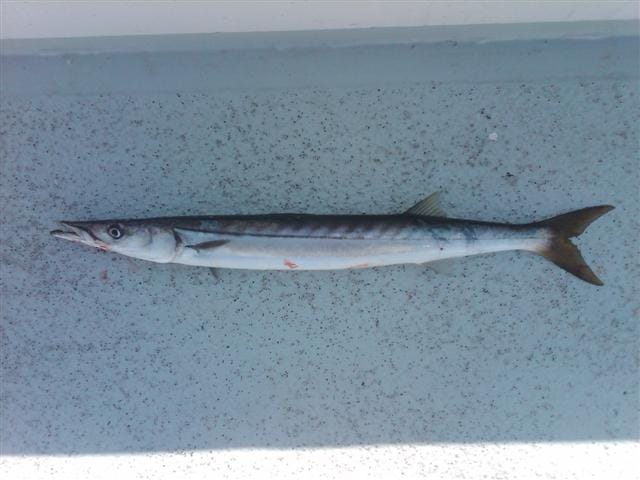
Pacific Barracuda is native to the eastern Pacific Ocean, from Baja California to northern Peru. They are slightly smaller than their Great Barracuda cousins, typically reaching 1–1.5 meters in length. Recognizable by their slender, silver body and distinctive lateral lines, Pacific Barracuda are a common sight for sport fishermen and divers alike.
These Barracudas are schooling fish, often moving in large groups to hunt small schooling prey such as sardines and anchovies. Their speed and coordination make them highly efficient predators. Juveniles stay closer to the coast, often forming large schools, while adults venture into open waters and deeper reefs. They are also popular in local cuisines and are frequently caught for commercial purposes, emphasizing the need for sustainable management practices.
Pacifc Barracuda are fascinating to observe due to their agile hunting techniques. They can leap out of the water during high-speed chases, showcasing remarkable muscular power. Aquarium enthusiasts rarely keep them due to their size, but they remain iconic examples of marine predatory fish.
3. Yellowtail Barracuda (Sphyraena flavicauda)
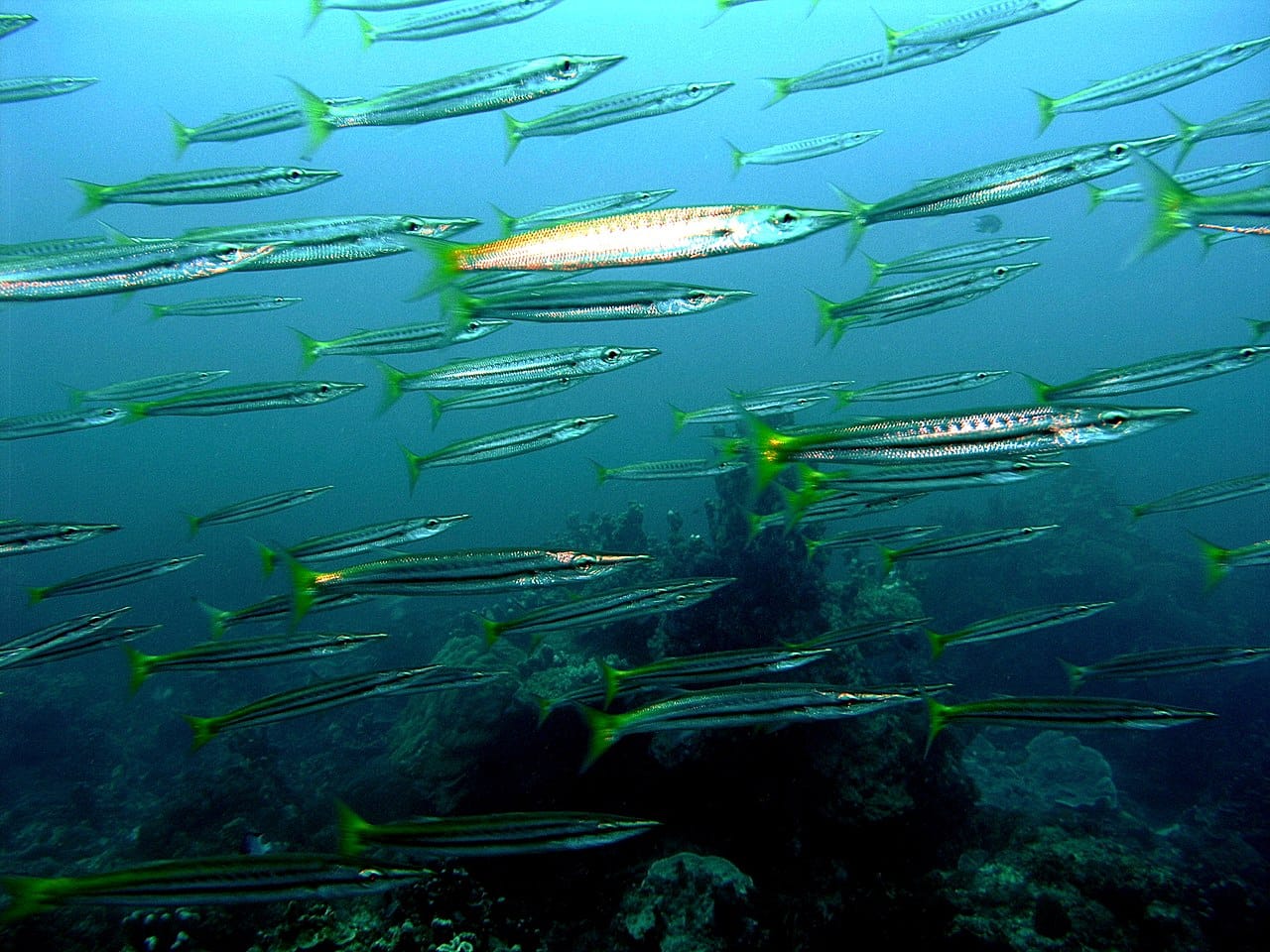
Yellowtail Barracuda are medium-sized predators native to the Indo-Pacific region, particularly around coral reefs and lagoon areas. True to their name, they feature a bright yellow tail that contrasts with their sleek silver body, making them easily distinguishable from other species. They usually reach up to 1 meter in length and are highly agile swimmers.
Their diet primarily consists of smaller fish, squid, and crustaceans. Yellowtail Barracudas often hunt in coordinated groups, allowing them to corral prey into confined spaces before striking. They are known for their rapid bursts of speed and excellent vision, which helps them detect prey even in turbid waters.
In the wild, Yellowtail Barracuda play an essential role in controlling populations of smaller reef fish, maintaining ecological balance. Divers admire their beauty and speed, while fishery managers monitor their populations to prevent overexploitation. Their striking tail coloration makes them an appealing subject for marine photography and educational displays.
4. Blackfin Barracuda (Sphyraena qenie)
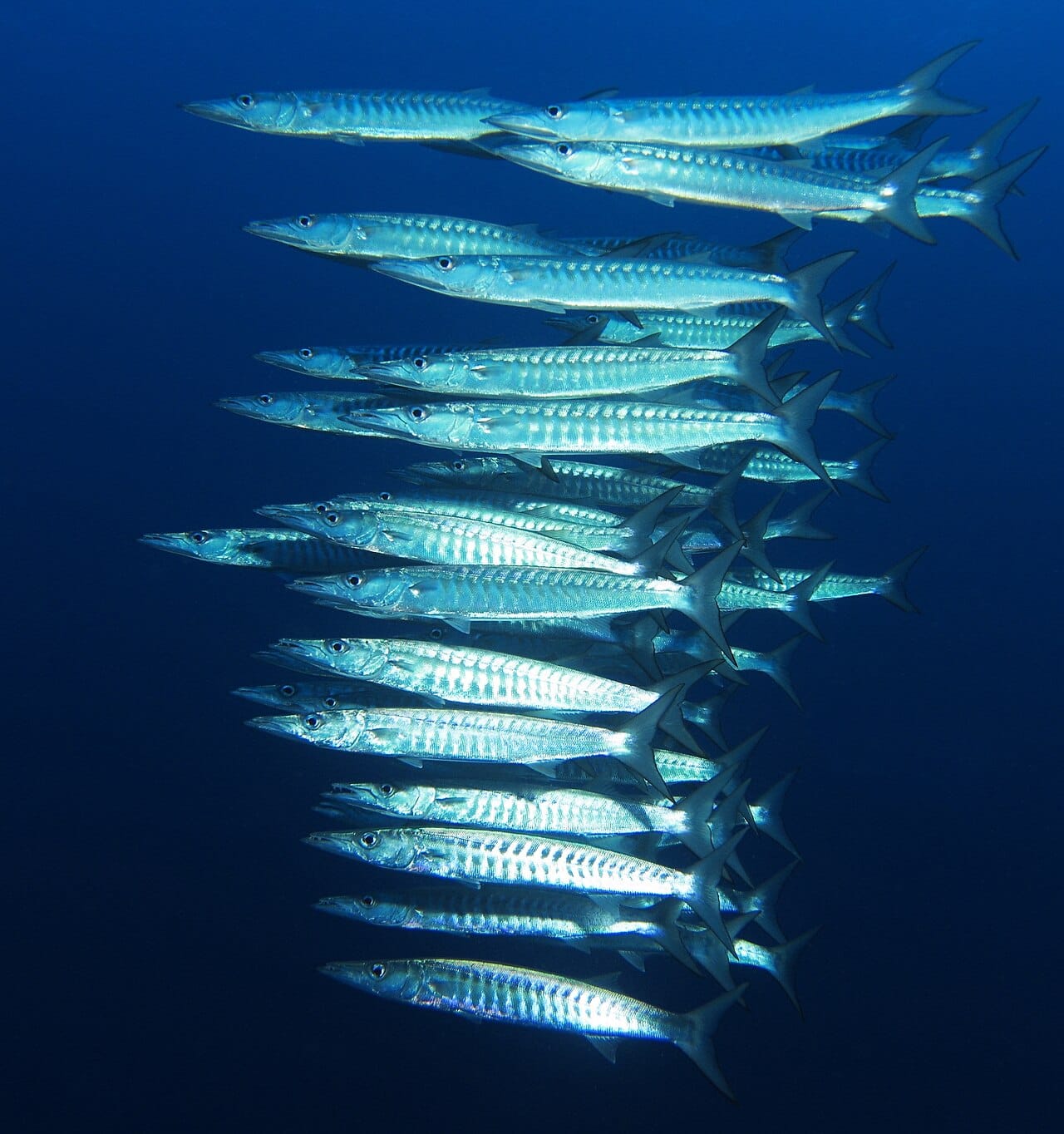
The Blackfin Barracuda is distinguished by the dark pigmentation on its dorsal and caudal fins. Found across the Indo-Pacific, this species prefers coral reefs, lagoons, and coastal waters. Adult Blackfin Barracudas typically grow up to 1.2 meters and are powerful predators within their habitat.
They feed on a variety of small to medium-sized fish, using stealth and rapid acceleration to capture prey. Blackfin Barracudas are solitary hunters, often patrolling the reef edges or swimming just below the surface. Their black fins provide camouflage in shaded waters, aiding in ambush hunting strategies.
This species is relatively lesser-known to the general public, but it is highly valued among marine ecologists and sport fishermen. Their presence in healthy reef ecosystems is indicative of balanced predator-prey relationships. Observing their hunting behavior offers insights into the dynamics of tropical reef environments.
5. Yellowstripe Barracuda (Sphyraena chrysotaenia)
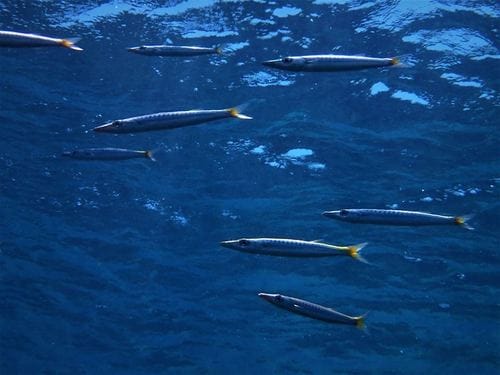
Yellowstripe Barracuda are easily identified by a bright yellow stripe running along their silvery body. They inhabit the Indo-West Pacific, favoring coral reefs, estuaries, and seagrass beds. Adult sizes reach approximately 1–1.5 meters, and they are highly efficient hunters.
They exhibit a mix of solitary and small-group hunting behaviors. Yellowstripe Barracuda feed on small schooling fish and crustaceans, using their speed and keen eyesight to outmaneuver prey. Juveniles often stay in sheltered areas to avoid predation, gradually moving to open waters as they mature.
In addition to their ecological role, they are sometimes targeted by artisanal fisheries and sport fishing enthusiasts. Sustainable management ensures that populations remain healthy, preserving their role as top predators in reef ecosystems. Their vibrant stripe and streamlined body make them a favorite among underwater photographers and marine educators.
6. European Barracuda (Sphyraena sphyraena)
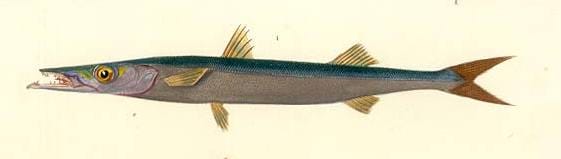
European Barracuda is native to the Mediterranean Sea and the eastern Atlantic Ocean. Recognizable by its elongated silver body with subtle vertical markings, it can reach lengths of up to 1.5 meters. This species thrives in coastal waters, rocky reefs, and seagrass beds, often hunting near the surface or midwater levels.
European Barracudas are opportunistic predators, feeding on smaller fish, cephalopods, and crustaceans. They are fast and agile, relying on stealth and bursts of speed to capture prey. Juveniles tend to form small schools, providing safety in numbers, while adults become more solitary and territorial.
For divers and marine enthusiasts, observing European Barracudas in their natural habitat is a spectacular experience. They are known for their sleek, torpedo-like bodies and sharp teeth, which make them highly efficient hunters. Sustainable fishing practices are critical to maintaining their populations in the Mediterranean region.
7. Guachanche Barracuda (Sphyraena guachancho)
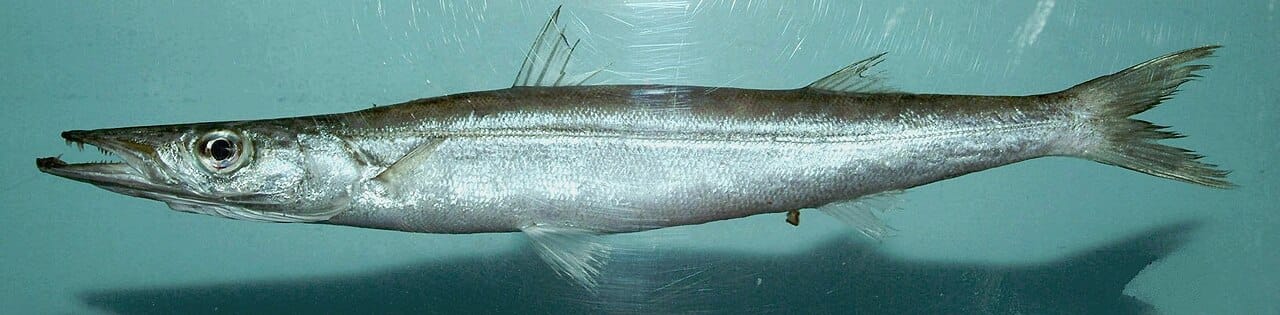
Guachanche Barracuda, also known as Guachanche, inhabits the tropical and subtropical waters of the Atlantic Ocean. It is distinguished by its silver body with darker dorsal and tail regions, reaching up to 1.2 meters in length. This species is primarily found near coastal reefs, mangroves, and bays.
Guachanche Barracudas are predatory fish feeding on smaller fish and invertebrates. Their hunting technique involves rapid strikes and short bursts of high-speed swimming. Juveniles often remain in sheltered habitats before venturing into open waters as they grow.
Though not as famous as the Great Barracuda, Guachanche Barracuda plays an important ecological role in maintaining the balance of reef fish populations. Divers appreciate their streamlined form and fast swimming behavior, which demonstrates the efficiency of predatory species in tropical marine ecosystems.
8. Bigeye Barracuda (Sphyraena forsteri)
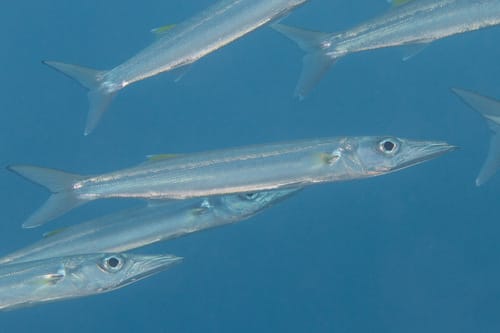
The Bigeye Barracuda is named for its unusually large eyes, adapted to spotting prey in low-light or deeper waters. Native to the Indo-Pacific region, this species reaches up to 1.3 meters and is found near reefs, lagoons, and drop-offs. Its silvery body often has faint lateral lines and darker dorsal shading.
Bigeye Barracudas feed mainly at dusk and dawn, preying on smaller schooling fish. Their large eyes allow them to detect movement efficiently in dim lighting, giving them a hunting advantage. Adults often hunt alone or in small groups, using their speed to ambush prey with precision.
This species is particularly interesting to marine biologists studying nocturnal and crepuscular predatory fish. They also attract underwater photographers due to their striking eyes and streamlined silhouette. Bigeye Barracuda are indicators of healthy reef ecosystems, as they require abundant prey and clean waters to thrive.
9. Mexican Barracuda (Sphyraena ensis)
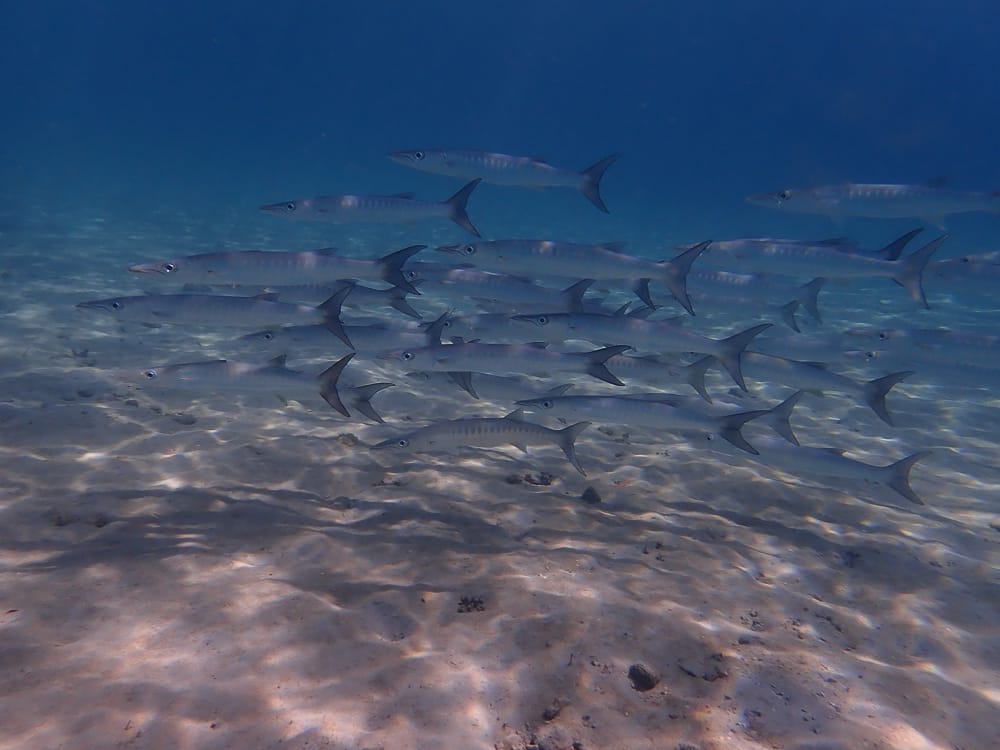
Mexican Barracuda is commonly found along the eastern Pacific coastline, from Mexico down to Central America. It has a sleek, elongated body with a silver sheen and subtle lateral markings, typically reaching 1–1.5 meters in length. This species prefers shallow coastal waters, estuaries, and coral reefs.
Their diet consists of small fish and crustaceans, and they are known for their rapid bursts of speed and precise strikes. Juveniles often form protective schools before gradually adopting a more solitary hunting style as adults. They are highly agile swimmers, capable of sudden acceleration to capture prey.
Mexican Barracuda are popular among sport fishermen due to their size and fighting ability. Maintaining healthy populations requires careful management, as overfishing can affect the ecological balance of local reefs and coastal waters. Observing them in their natural habitat highlights the role of apex predators in controlling small fish populations.
10. Northern Sennet (Sphyraena borealis)
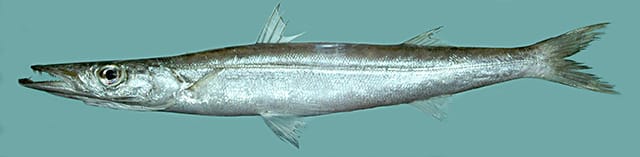
Northern Sennet is a smaller barracuda species found in the western Atlantic Ocean, including the coastal waters of the southeastern United States and the Caribbean. They grow up to 1 meter in length and are characterized by a streamlined silver body with faint horizontal lines and sharp teeth.
Northern Sennet feed primarily on small fish and shrimp, often hunting in small schools. Their predatory behavior helps maintain the balance of mid-level fish populations in coastal and reef ecosystems. They are fast swimmers, relying on agility and coordination when pursuing prey.
Due to their smaller size, Northern Sennet are less intimidating than larger barracuda species, making them easier for divers and snorkelers to observe. They provide valuable insight into the diversity of predatory fish species and their ecological importance along the western Atlantic coasts.
11. Sharpnose Barracuda (Sphyraena acutipinnis)
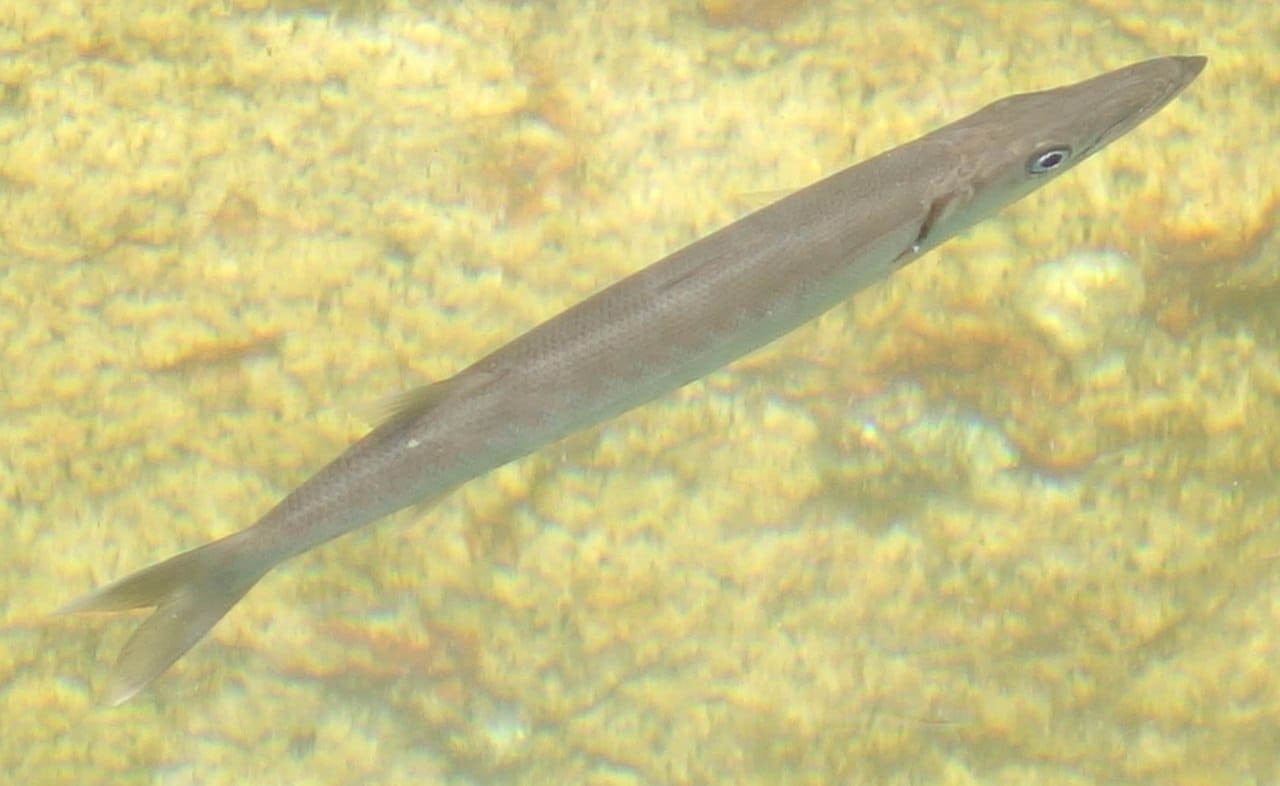
The Sharpnose Barracuda is named for its pointed snout, which distinguishes it from other species. Found throughout the Indo-Pacific region, including coral reefs and lagoons, this species typically grows up to 1 meter in length. Its silver body, long tail, and streamlined profile make it a highly efficient predator.
Sharpnose Barracudas feed primarily on small schooling fish, using their slender bodies to maneuver quickly and strike with precision. They often hunt in small groups, coordinating movements to corral prey before striking. Juveniles tend to stay in sheltered reef areas to avoid predation, gradually moving into open waters as they mature.
These Barracudas are fascinating for divers and marine biologists alike. Their elongated bodies and rapid swimming ability demonstrate evolutionary adaptations for speed and agility. Conservation of coral reefs is critical to maintaining healthy populations of Sharpnose Barracuda, as their survival depends on abundant prey and shelter.
12. Guinean Barracuda (Sphyraena afra)
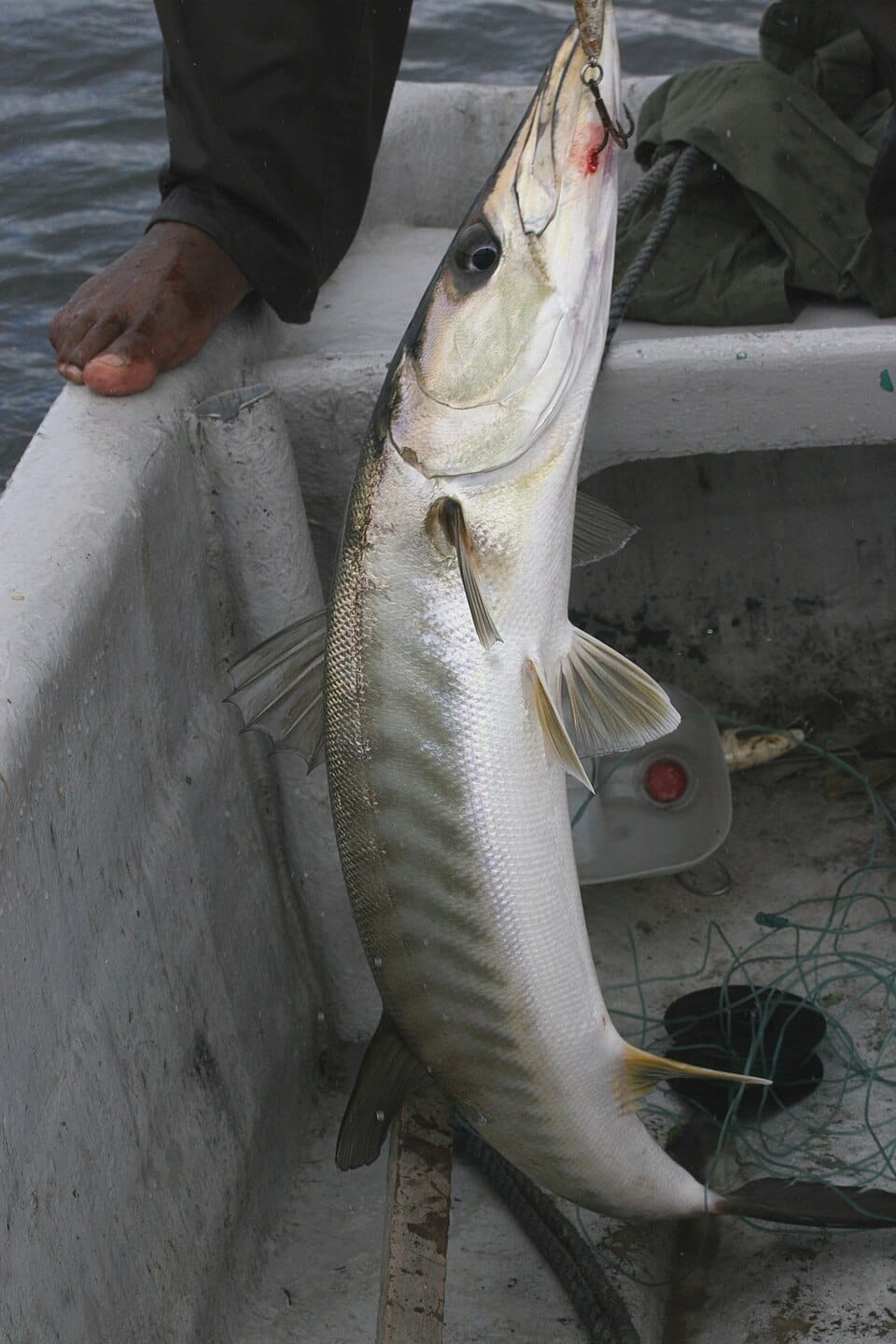
Guinean Barracuda inhabits the tropical and subtropical waters of the eastern Atlantic, particularly around West Africa. This medium-sized species can reach up to 1.2 meters in length and is easily recognized by its silver coloration and dark dorsal shading. It prefers shallow coastal waters, estuaries, and coral reef environments.
They are opportunistic predators, feeding on small fish, crustaceans, and cephalopods. Guinean Barracudas often hunt alone or in small groups, relying on stealth and sudden acceleration to capture prey. Their presence is essential for controlling populations of smaller fish, contributing to the ecological balance of their habitats.
Guinean Barracudas are not commonly seen in public aquariums but are highly valued by marine researchers and sport fishermen. Their role as mid-level predators highlights the importance of maintaining healthy coastal ecosystems and protecting these species from overfishing.
13. Australian Barracuda (Sphyraena novaehollandiae)
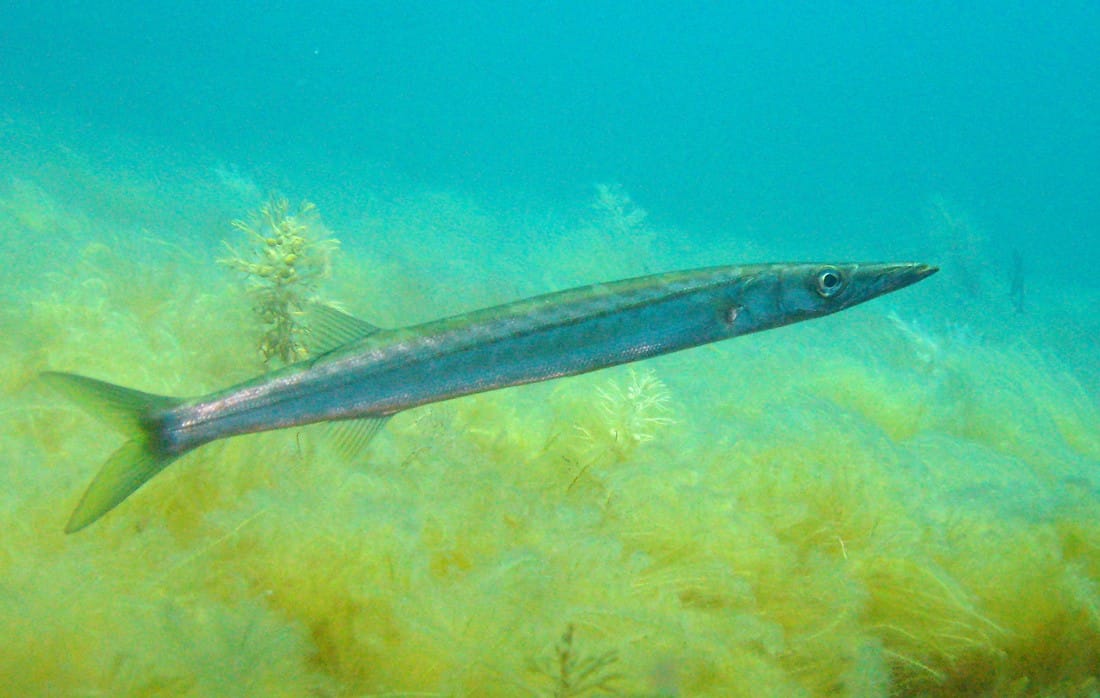
The Australian Barracuda is native to the waters off southern and eastern Australia. It features a sleek, elongated silver body with faint lateral lines and can reach up to 1.5 meters. This species inhabits open coastal waters, estuaries, and nearshore reefs, making it a versatile predator in various habitats.
Australian Barracudas feed on small fish and invertebrates, often hunting near the surface during the day. They are highly agile and can execute rapid bursts of speed to capture prey. Juveniles form small schools for protection, while adults are more solitary and territorial. Their hunting strategies are an excellent example of predator efficiency in coastal ecosystems.
This species is popular among recreational fishermen due to its size and fighting ability. Observing Australian Barracudas in the wild provides insights into the dynamics of predator-prey interactions in temperate reef and coastal environments. They are an important species for local fisheries management and ecological studies.
14. Arabian Barracuda (Sphyraena arabiansis)
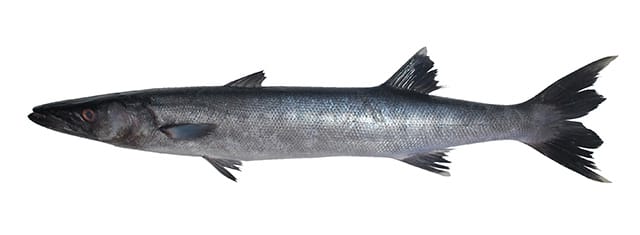
Arabian Barracuda is found in the Red Sea and western Indian Ocean. It grows up to 1.2 meters in length and is characterized by a silver body with darker fins and subtle lateral stripes. This species prefers coral reef lagoons, sandy bottoms, and shallow coastal waters.
They are aggressive hunters, feeding on small fish and crustaceans. Arabian Barracudas often patrol reef edges and open waters, using their speed and sharp teeth to ambush prey. Juveniles stay close to shelter areas, moving into open waters as they mature to increase hunting efficiency.
Marine ecologists value Arabian Barracudas as indicators of healthy reef ecosystems. Divers can observe their predatory skills and sleek body design, which exemplifies evolutionary adaptation for speed and ambush hunting. Conservation efforts are important to maintain their populations, particularly in regions affected by overfishing and coral degradation.
15. Pickhandle Barracuda (Sphyraena jello)
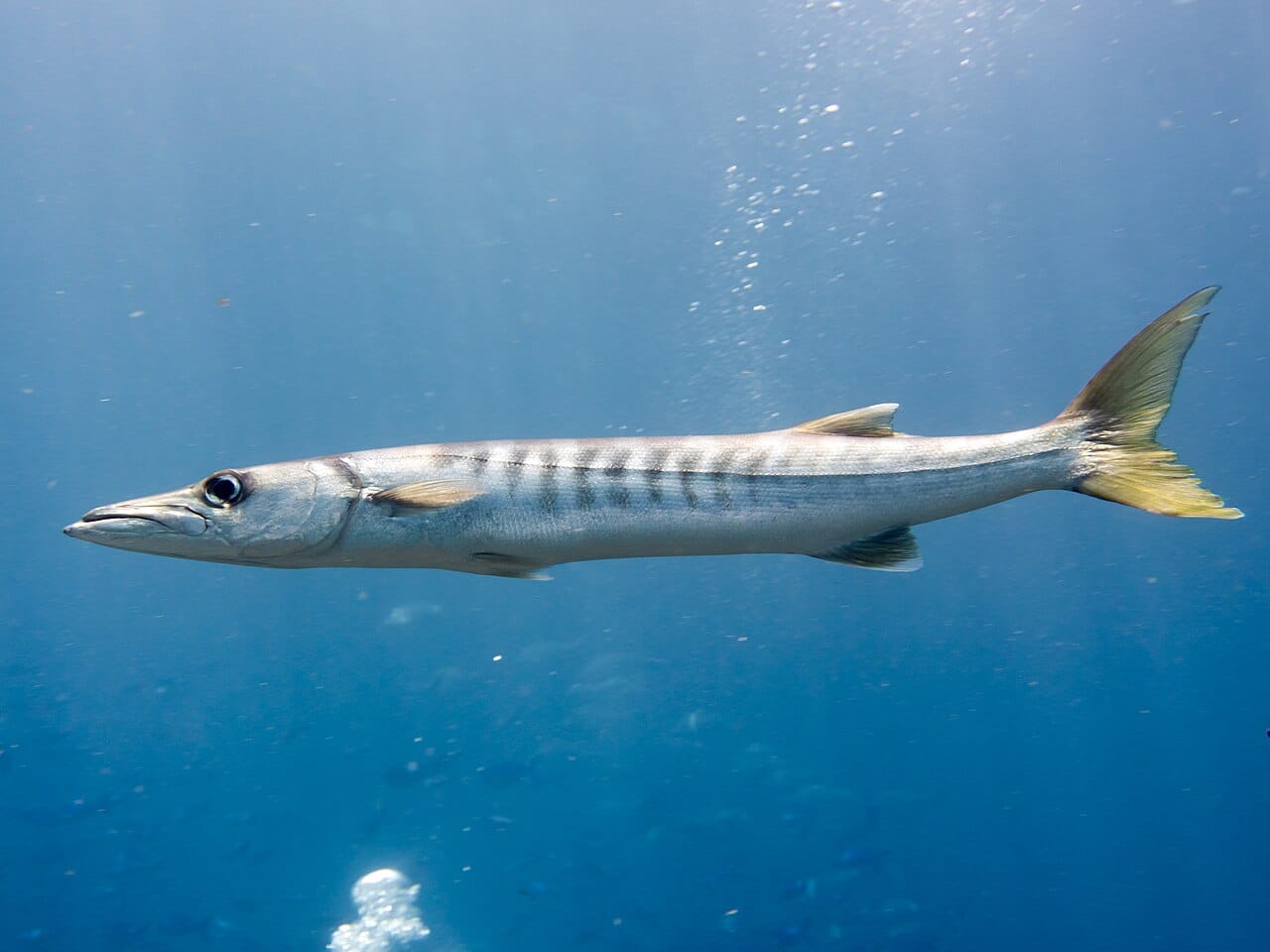
The Pickhandle Barracuda is a medium-sized species found throughout the Indo-Pacific, particularly around coral reefs and lagoons. Named for the dark “pickhandle” markings along its body, it grows up to 1.3 meters and is a swift, agile predator. Its silver body and streamlined shape allow for efficient hunting and rapid bursts of speed.
Pickhandle Barracudas feed mainly on small fish, squid, and crustaceans. They are both solitary and group hunters, depending on prey availability and environmental conditions. Juveniles often form protective schools, gradually transitioning to solitary hunting as they grow.
They play a vital role in controlling populations of small reef fish, maintaining ecological balance. Divers and snorkelers often encounter Pickhandle Barracudas in tropical reefs, where their distinctive markings and graceful swimming make them visually striking. Protecting coral reef habitats ensures the survival of this species and its contribution to healthy marine ecosystems.
Conclusion
Barracudas are among the ocean’s most fascinating and agile predators, admired for their sleek, torpedo-shaped bodies, razor-sharp teeth, and remarkable hunting abilities. From the iconic Great Barracuda to the distinctive Pickhandle Barracuda, each species exhibits unique physical traits, behaviors, and habitat preferences, highlighting the incredible diversity within this group of predatory fish.
Understanding the different types of Barracuda is essential for marine enthusiasts, divers, and conservationists. Freshwater proximity and coral reef environments support their hunting, while their diet of smaller fish and invertebrates helps maintain the balance of marine ecosystems. Observing these fish in the wild reveals their agility, intelligence, and the critical role they play as top predators.
Whether you are a beginner learning about marine life or an experienced hobbyist studying fish behavior, exploring these 15 remarkable Barracuda species provides insight into the complexity of oceanic ecosystems. By protecting their natural habitats and practicing sustainable fishing, we can ensure that Barracudas continue to thrive, inspiring awe and maintaining ecological balance in tropical and subtropical waters. Truly, the diverse types of Barracuda are a testament to the beauty and power of the underwater world.
Frequently Asked Questions about Types of Barracuda
1. What are Barracudas?
Barracudas are predatory fish known for their long, slender bodies, sharp teeth, and remarkable speed. They inhabit tropical and subtropical oceans and are apex predators in their habitats.
2. How many types of Barracuda are there?
There are at least 15 well-recognized types of Barracuda, including the Great Barracuda, Pacific Barracuda, and Pickhandle Barracuda, each with unique features and habitats.
3. Where do Barracudas live?
Barracudas are found in tropical and subtropical waters worldwide, including coral reefs, coastal lagoons, estuaries, and open ocean waters.
4. What do Barracudas eat?
Barracudas are carnivorous and primarily feed on smaller fish, squid, and crustaceans. Their sharp teeth and ambush tactics make them efficient hunters.
5. How big can Barracudas get?
Depending on the species, Barracudas can range from 1 meter to over 2 meters in length, with the Great Barracuda being the largest species.
6. Are Barracudas dangerous to humans?
Barracudas are generally not aggressive toward humans unless provoked. Most bites occur when shiny objects attract their attention.
7. How fast can Barracudas swim?
Barracudas are among the fastest fish in the ocean, capable of reaching speeds up to 35 miles per hour, which helps them ambush prey efficiently.
8. What is the Great Barracuda?
The Great Barracuda is the largest and most famous Barracuda species, known for its powerful jaw, long body, and predatory nature in tropical waters.
9. What is the difference between Great Barracuda and Pacific Barracuda?
Great Barracuda are larger and more solitary, while Pacific Barracuda are slightly smaller, often found in schools, and inhabit the eastern Pacific Ocean.
10. How do Barracudas hunt?
Barracudas use stealth and bursts of speed to ambush prey. Some species hunt alone, while others, like Pacific Barracuda, hunt in coordinated schools.
11. What is the Yellowtail Barracuda?
Yellowtail Barracuda is an Indo-Pacific species known for its bright yellow tail and silver body. It is an agile hunter inhabiting reefs and lagoons.
12. What is the Blackfin Barracuda?
Blackfin Barracuda features dark dorsal and tail fins for camouflage and prefers coral reefs and coastal waters in the Indo-Pacific region.
13. What is the Yellowstripe Barracuda?
Yellowstripe Barracuda has a distinctive yellow stripe along its body and inhabits the Indo-West Pacific, feeding on small schooling fish and crustaceans.
14. What is the European Barracuda?
European Barracuda is native to the Mediterranean Sea and eastern Atlantic, recognized by its silver body and subtle vertical markings.
15. What is the Guachanche Barracuda?
Guachanche Barracuda is found in tropical Atlantic waters, characterized by a silver body and darker dorsal areas, inhabiting reefs, mangroves, and bays.
16. What is the Bigeye Barracuda?
Bigeye Barracuda has unusually large eyes adapted for hunting in low-light conditions and is native to Indo-Pacific reefs and lagoons.
17. What is the Mexican Barracuda?
Mexican Barracuda inhabits the eastern Pacific coast, feeding on small fish and crustaceans, and grows up to 1.5 meters in length.
18. What is the Northern Sennet?
Northern Sennet is a smaller Barracuda species found in the western Atlantic, including Caribbean coastal waters, and feeds on small fish and shrimp.
19. What is the Sharpnose Barracuda?
Sharpnose Barracuda has a pointed snout, enabling precise predatory strikes, and inhabits Indo-Pacific coral reefs and lagoons.
20. What is the Guinean Barracuda?
Guinean Barracuda is found along West Africa’s tropical Atlantic waters, feeding on small fish and crustaceans and inhabiting shallow reefs.
21. What is the Australian Barracuda?
Australian Barracuda is native to southern and eastern Australian waters, preferring open coastal waters and estuaries, growing up to 1.5 meters.
22. What is the Arabian Barracuda?
Arabian Barracuda inhabits the Red Sea and western Indian Ocean, recognizable by silver body and darker fins, hunting along reef edges and shallow waters.
23. What is the Pickhandle Barracuda?
Pickhandle Barracuda features dark “pickhandle” markings along its body and is found in Indo-Pacific coral reefs, feeding on small fish and crustaceans.
24. Are Barracudas found in freshwater?
No, Barracudas are strictly marine species and are not found in freshwater environments.
25. How long do Barracudas live?
Most Barracuda species live between 10 and 15 years in the wild, depending on habitat, predation, and environmental conditions.
26. Can Barracudas be kept in aquariums?
Due to their size, speed, and predatory behavior, Barracudas are generally not suitable for home aquariums and are best observed in the wild.
27. What adaptations make Barracudas effective hunters?
Barracudas have streamlined bodies, powerful tails, sharp teeth, and keen eyesight, allowing them to ambush prey with incredible speed and precision.
28. Do Barracudas hunt in schools?
Some species, like Pacific Barracuda, hunt in schools, while others, like Great Barracuda, are more solitary predators.
29. What role do Barracudas play in the ecosystem?
Barracudas are apex or mid-level predators, controlling populations of smaller fish and maintaining the ecological balance of reefs and coastal waters.
30. Are Barracudas dangerous for fishing?
They are fast and aggressive predators, but they are not typically a threat to humans. Sport fishermen must handle them carefully due to their sharp teeth.
31. How can you identify a Barracuda?
Barracudas are identified by their elongated bodies, pointed snouts, large mouths with sharp teeth, and silvery coloration, often with distinctive markings or stripes.
32. What is the diet of juvenile Barracudas?
Juvenile Barracudas feed on plankton, small fish, and crustaceans, often schooling to reduce predation risk while growing.
33. Do Barracudas migrate?
Some species of Barracuda undertake seasonal migrations in search of food or for spawning, while others remain in localized reef areas.
34. How do Barracudas reproduce?
Barracudas are oviparous, laying eggs that float in open water. Spawning usually occurs in large aggregations to increase survival rates of offspring.
35. Are Barracudas endangered?
Most Barracuda species are not endangered, but overfishing and reef habitat degradation can threaten local populations, making conservation important.
36. Can Barracudas bite humans?
Barracuda bites on humans are rare and usually occur when provoked or attracted by shiny objects that resemble prey fish.
37. What is the typical size of a Pickhandle Barracuda?
The Pickhandle Barracuda grows up to 1.3 meters, with distinctive dark markings along its body, making it easily recognizable.
38. How fast is a Great Barracuda?
Great Barracudas can reach speeds of up to 35 miles per hour, making them among the fastest fish in their habitats.
39. Where can you see European Barracuda?
European Barracuda are found in the Mediterranean Sea and eastern Atlantic Ocean, often near reefs, seagrass beds, and coastal waters.
40. What are the main predators of Barracudas?
Sharks, large tuna, and humans are among the main predators of Barracudas, especially for juvenile and smaller species.
41. Do Barracudas pose a threat to other fish?
Yes, as apex predators, Barracudas hunt smaller fish and help control populations, which maintains ecosystem balance.
42. What is the lifespan of a Great Barracuda?
Great Barracudas typically live between 12 and 15 years in the wild, depending on food availability and predation pressure.
43. Are Barracudas schooling fish?
Some Barracuda species, like the Pacific Barracuda, form schools, while others prefer a solitary hunting lifestyle.
44. How can you safely dive near Barracudas?
Maintain calm movements, avoid shiny objects, and respect their space. They are curious but rarely aggressive unless provoked.
45. What colors do Barracudas have?
Barracudas are generally silver, with variations such as yellow stripes, black dorsal fins, or pickhandle markings depending on the species.
46. How do Barracudas contribute to marine ecology?
By preying on smaller fish, Barracudas regulate fish populations, helping to maintain healthy reef ecosystems and biodiversity.
47. Can Barracudas be seen from boats?
Yes, their silvery bodies often reflect sunlight near the surface, making them visible to divers and boaters in tropical waters.
48. What is the habitat of the Bigeye Barracuda?
Bigeye Barracudas prefer deeper reefs, drop-offs, and clear lagoons where low-light conditions help them hunt efficiently.
49. How do juvenile Barracudas survive predation?
Juveniles often form schools or hide in seagrass beds and coral crevices to avoid predators while growing.
50. Are Barracudas important for fisheries?
Yes, many Barracuda species are valued for sport fishing and local consumption, but sustainable practices are essential to prevent overfishing.
51. Can Barracudas change color?
Barracudas generally maintain their silver coloration, but some species show subtle color changes or intensified markings during stress or mating.
52. What is the fastest way Barracudas hunt?
They rely on stealth, sudden acceleration, and sharp teeth to ambush prey, often striking in a fraction of a second.
53. Are Barracudas solitary or social?
It depends on the species. Some hunt in groups, while others, like Great Barracuda, are mostly solitary predators.
54. Why are Barracudas popular among divers?
Their sleek bodies, impressive speed, and predatory behavior make them fascinating subjects for underwater observation and photography.
55. How can you identify a Pickhandle Barracuda?
Look for the dark “pickhandle” markings along a silvery body and an elongated shape typical of predatory Barracudas.
Read more: 30 Types of Clownfish (Pictures And Identification)