
Reindeer, also known as caribou in North America, are remarkable animals that have captured human fascination for centuries. Across the Arctic tundra, boreal forests, and mountain regions of Europe, Asia, and North America, reindeer display a fascinating variety of sizes, coat patterns, and behaviors. Learning about the types of reindeer provides insights into how these animals have adapted to survive in extreme climates, migrate across vast distances, and interact socially in herds. From the familiar woodland reindeer to the rare Svalbard population, each type tells a story of ecological adaptation, survival strategies, and cultural importance to indigenous communities.
1. Mountain / Norwegian Reindeer (Rangifer tarandus tarandus)
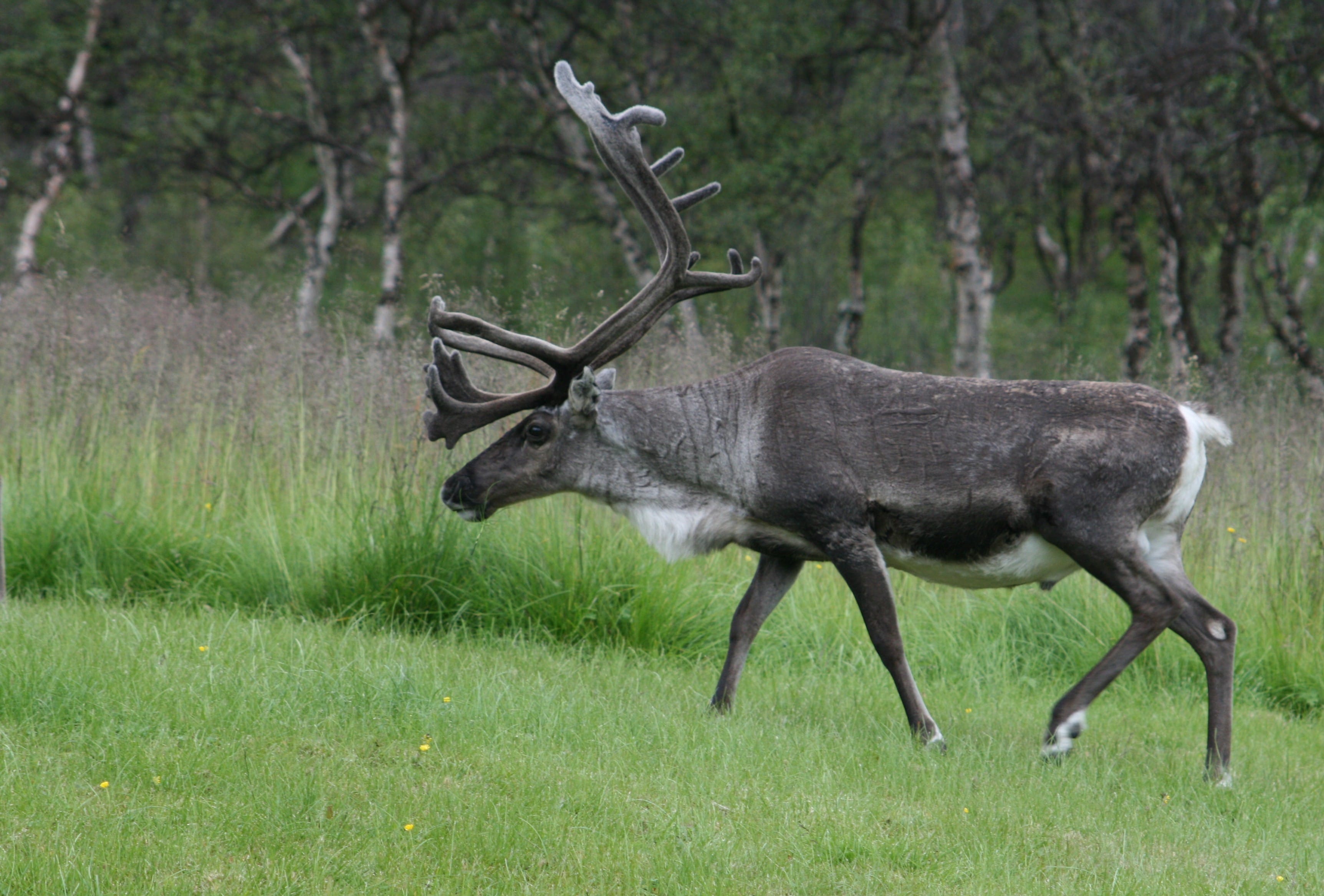
The Mountain or Norwegian Reindeer inhabits the mountainous regions of Norway and adjacent Scandinavian countries. It is one of the most recognizable types of reindeer, with medium-sized bodies and a striking brown-and-white coat that blends with rocky, snowy terrain. Mountain Reindeer are highly adapted to steep, rugged environments, displaying strong legs and hooves suited for climbing and foraging on alpine vegetation.
These reindeer are herbivorous, feeding mainly on lichens, mosses, and shrubs, depending on seasonal availability. Their winter coat thickens to provide insulation against freezing temperatures, while in summer, their lighter coat allows them to remain active during warmer months. They are social animals, forming herds that can range from a few dozen to several hundred individuals, depending on food abundance and migration patterns.
Migration plays a crucial role in the life of Mountain Reindeer. Seasonal movement from high-altitude summer grazing grounds to lower winter valleys allows them to access a consistent food supply while avoiding deep snow. During these migrations, herds display complex social dynamics, with older males leading groups, and mothers ensuring calves remain protected from predators such as lynx and wolves. Their keen eyesight and alert behavior further increase survival rates.
Reproduction occurs once a year, typically in the fall. Dominant males establish mating rights through sparring contests, where antlers clash in non-lethal battles. Females give birth in spring, usually a single calf that can stand and walk within hours. Calves are vulnerable initially but remain under maternal care until they can integrate into the herd.
Mountain Reindeer also have cultural significance. Indigenous communities, such as the Sami people, rely on them for food, clothing, and transportation. Conservation measures have helped stabilize populations, though challenges remain, including habitat encroachment, climate change, and human disturbance. Observing Mountain Reindeer offers a window into the resilience and adaptability of Arctic wildlife, highlighting the importance of preserving natural landscapes for future generations.
2. Forest Reindeer (Rangifer tarandus fennicus)
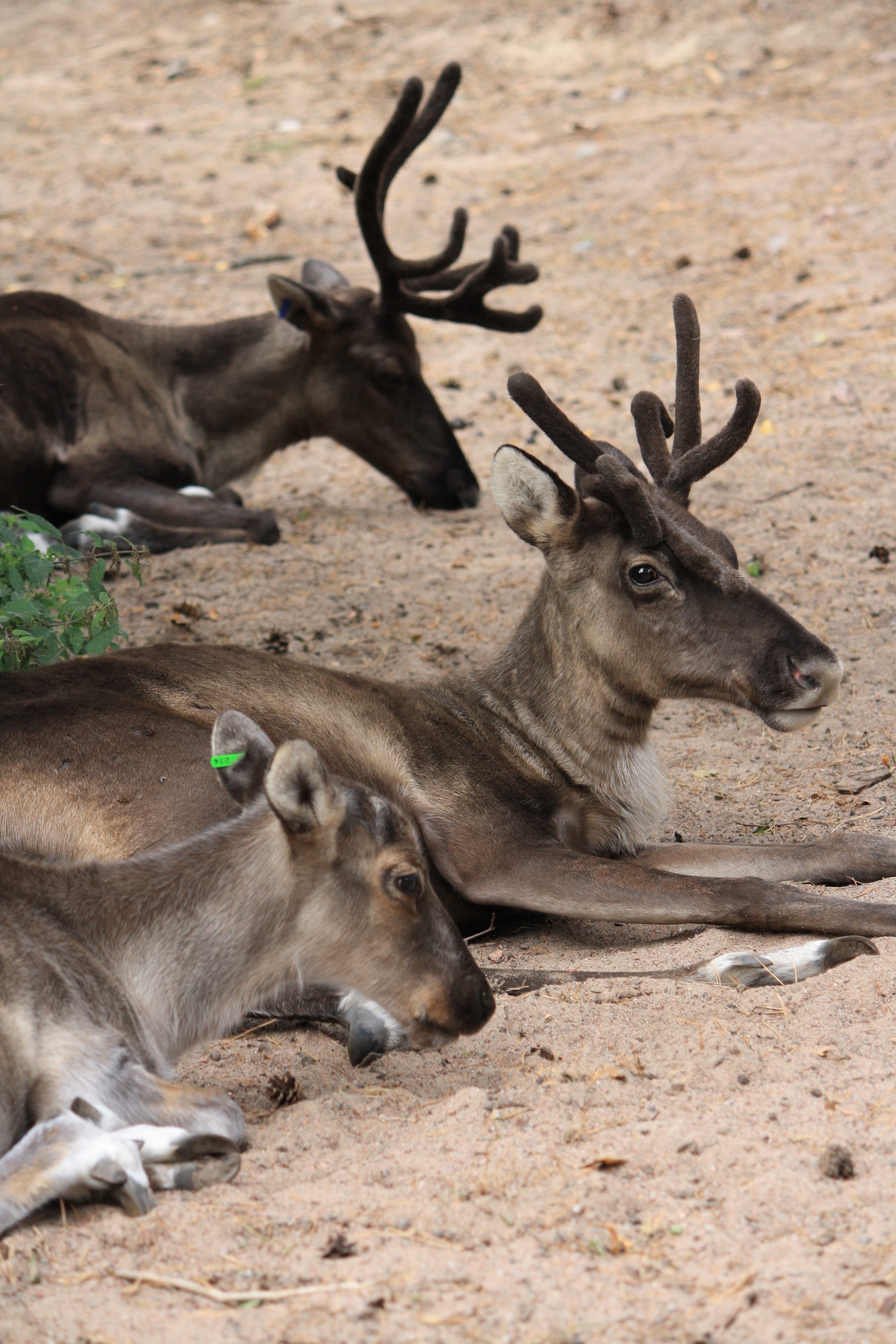
Forest Reindeer are native to boreal forests in Finland and northwestern Russia. Slightly larger than Mountain Reindeer, they have darker coats with distinct antler shapes, adapted for navigating dense forested habitats. Unlike tundra-dwelling reindeer, Forest Reindeer are less migratory, often residing in localized areas with rich vegetation, including shrubs, lichens, and tree bark.
Behaviorally, Forest Reindeer are more solitary or found in smaller herds than their tundra counterparts. This adaptation reduces competition for limited food in densely vegetated areas. They exhibit remarkable camouflage abilities, with coat colors blending seamlessly into the forest floor and underbrush, providing protection against predators like wolves and lynx.
Their diet varies seasonally. In winter, when snow covers ground vegetation, Forest Reindeer rely heavily on lichen, which they dig out using broad hooves. Summer allows a more varied diet with fresh shoots, berries, and leaves. Their digestive system is efficient at extracting nutrients from tough, fibrous materials, ensuring survival during harsh winters.
Forest Reindeer reproduce in the autumn. Males compete through antler displays rather than direct combat, a strategy that minimizes injury while establishing hierarchy. Calves are born in late spring and remain under close maternal supervision until they are capable of foraging independently. Predation risk is higher for calves, emphasizing the importance of vigilant mothers and small, concealed herd structures.
Conservation efforts have focused on protecting large tracts of forest and limiting human disturbance. Habitat fragmentation remains a key challenge, as roads and logging activities can disrupt seasonal movement and reduce food availability. Studying Forest Reindeer provides insight into how large mammals adapt to dense forest habitats while maintaining social cohesion and reproductive success.
3. Svalbard Reindeer (Rangifer tarandus platyrhynchus)
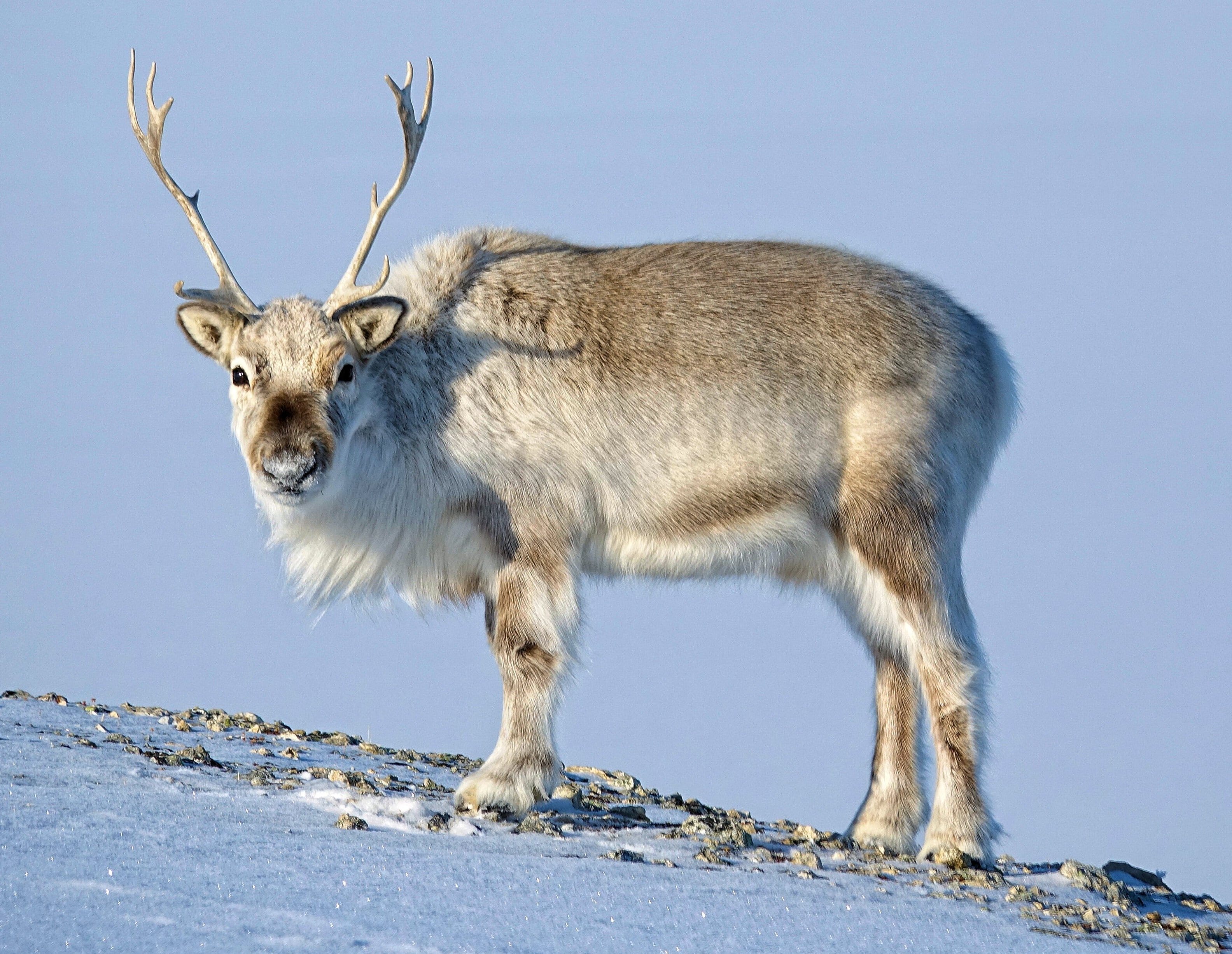
Svalbard Reindeer inhabit the remote Svalbard archipelago in the Arctic Ocean and are the smallest of all reindeer types. Their compact size and short legs are evolutionary adaptations to extreme cold and limited food resources. Svalbard Reindeer display a light brown coat that thickens into a dense, woolly layer during the long winter months, providing exceptional insulation against freezing temperatures and icy winds.
These reindeer are highly sedentary compared to other migratory types. Seasonal movements are minimal, as Svalbard’s limited landscape and harsh climate make long migrations unfeasible. Instead, they forage locally on mosses, lichens, and sparse tundra vegetation, efficiently storing fat to survive prolonged winters. Their metabolism adapts to scarcity, allowing survival even during food shortages.
Social behavior in Svalbard Reindeer is notable for smaller group sizes, usually composed of a few females with calves and one or two males. The limited population size on the archipelago encourages close-knit herd structures, which provide warmth, protection, and coordinated foraging. Predators are few, primarily Arctic foxes, but calves remain vulnerable.
Reproduction is carefully timed. Mating occurs in late autumn, with births in late spring to take advantage of milder weather and food availability. Calves are well-developed at birth, able to follow their mothers shortly after delivery. Antler development in males and females occurs annually, with males displaying larger and more elaborate antlers during the rut.
Conservation-wise, Svalbard Reindeer populations are stable but remain sensitive to climate change, as melting ice and altered vegetation patterns could affect food supply. Their remote habitat offers protection, yet warming temperatures and human activities, such as tourism, may pose future risks. Observing Svalbard Reindeer demonstrates the adaptability of large herbivores to isolated, extreme environments and highlights the importance of preserving Arctic ecosystems.
4. Siberian Tundra Reindeer (Rangifer tarandus sibiricus)
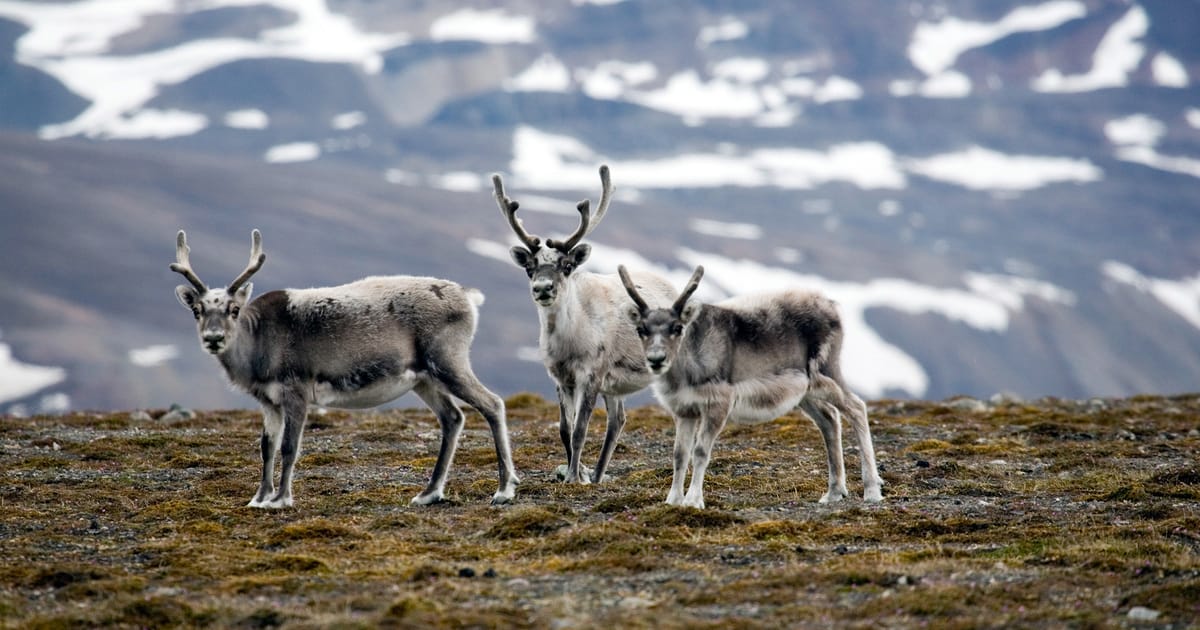
Siberian Tundra Reindeer roam the expansive tundra regions of northern Russia and Siberia. Known for their long migrations, some herds travel over 3,000 kilometers annually—the longest of any terrestrial mammal. Their light-colored coat blends with snowy landscapes, providing camouflage against predators such as wolves and bears.
These reindeer live in large, dynamic herds, which offer protection and improve foraging efficiency. Herd size fluctuates seasonally, expanding during calving periods and contracting during harsh winters. Herd movement is closely tied to seasonal changes, ensuring access to fresh pastures, lichen beds, and water sources.
Siberian Tundra Reindeer have well-developed antlers, which males use during mating season to establish dominance. Females also grow antlers, which help in foraging under snow. Reproduction is synchronized with the environment: calves are born in spring to coincide with increasing vegetation and milder temperatures, maximizing survival chances.
Dietary habits are diverse, ranging from lichen and moss in winter to leaves, grasses, and shrubs in summer. Their hooves are specially adapted for both snow and marshy tundra, providing stability and efficient locomotion. Predation pressure influences herd behavior, with vigilance and coordinated movement reducing calf mortality.
Conservation of Siberian Tundra Reindeer involves monitoring populations, limiting poaching, and protecting migration corridors. Climate change poses challenges by altering snow cover and vegetation patterns, potentially affecting nutrition and migration routes. Studying these reindeer provides valuable insights into adaptation, endurance, and ecosystem dynamics in extreme northern habitats.
5. Altai–Sayan Reindeer (Rangifer tarandus buskensis)
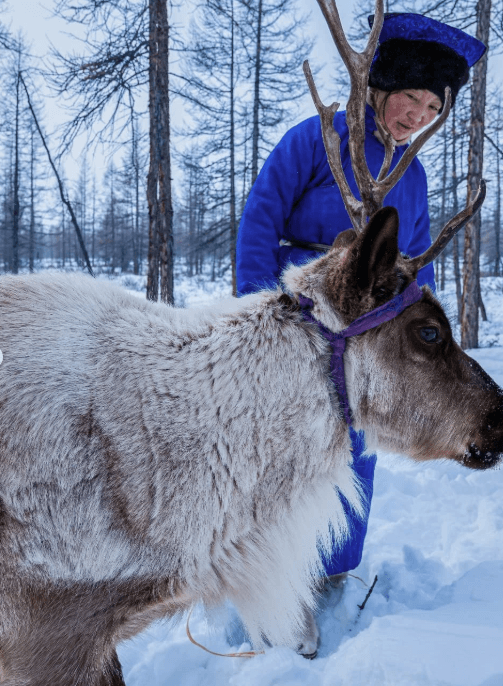
The Altai–Sayan Reindeer inhabits the mountainous Altai and Sayan regions of southern Siberia. These reindeer are medium-sized, with a distinctive dark brown coat and robust antlers, well-suited for navigating steep slopes, rocky outcrops, and forested valleys. They are primarily adapted to high-altitude, semi-arid environments where vegetation is sparse and seasonal variations are extreme.
Altai–Sayan Reindeer are nomadic within their mountainous ranges, traveling to access food sources and avoid deep snow. They feed on lichens, shrubs, and seasonal grasses, using strong hooves to dig through snow for winter forage. Socially, they form moderate-sized herds, with males and females often segregating outside the mating season.
Reproduction occurs in late autumn. Males compete using antler displays, while females give birth in spring to calves able to move quickly to evade predators like wolves. Adaptations for cold and limited oxygen at high altitudes include a thick coat and efficient respiratory system, allowing them to thrive where other large herbivores may struggle.
Conservation concerns for Altai–Sayan Reindeer focus on habitat protection and controlling hunting pressures. Local communities benefit from sustainable management programs that balance human needs with wildlife preservation. Observing these reindeer highlights the incredible adaptability of Rangifer species to diverse environments, from Arctic tundra to mountainous forests.
6. Novaya Zemlya Reindeer (Rangifer tarandus pearsoni)
The Novaya Zemlya Reindeer is native to the Novaya Zemlya archipelago in the Russian Arctic. Adapted to one of the harshest climates on Earth, these reindeer are relatively small, with compact bodies that minimize heat loss. Their dense, pale winter coat helps them blend into the snowy environment, providing camouflage from predators such as Arctic foxes and occasional wolves.
These reindeer are highly sedentary, as the limited terrain of the islands restricts extensive migration. They forage on lichens, mosses, and sparse tundra vegetation, using their strong hooves to dig through snow and ice to reach food in winter. Summer months provide a burst of greenery, which allows them to build fat reserves critical for surviving the long, dark winter.
Socially, Novaya Zemlya Reindeer form small herds, usually led by experienced females who guide calves to foraging areas. Male reindeer develop antlers used in mating season for dominance displays, though actual combat is limited due to spatial constraints on the islands. Calves are born in spring and quickly adapt to the challenging environment, following mothers for protection and nourishment.
Conservation efforts are relatively successful because the remote location naturally limits human interference. However, climate change poses a growing threat, altering the snow cover and vegetation patterns essential for survival. Studying Novaya Zemlya Reindeer offers insight into the extraordinary adaptability of large herbivores in extreme Arctic conditions and the delicate balance of isolated ecosystems.
7. Kamchatka / Okhotsk Reindeer (Rangifer tarandus phylarchus)
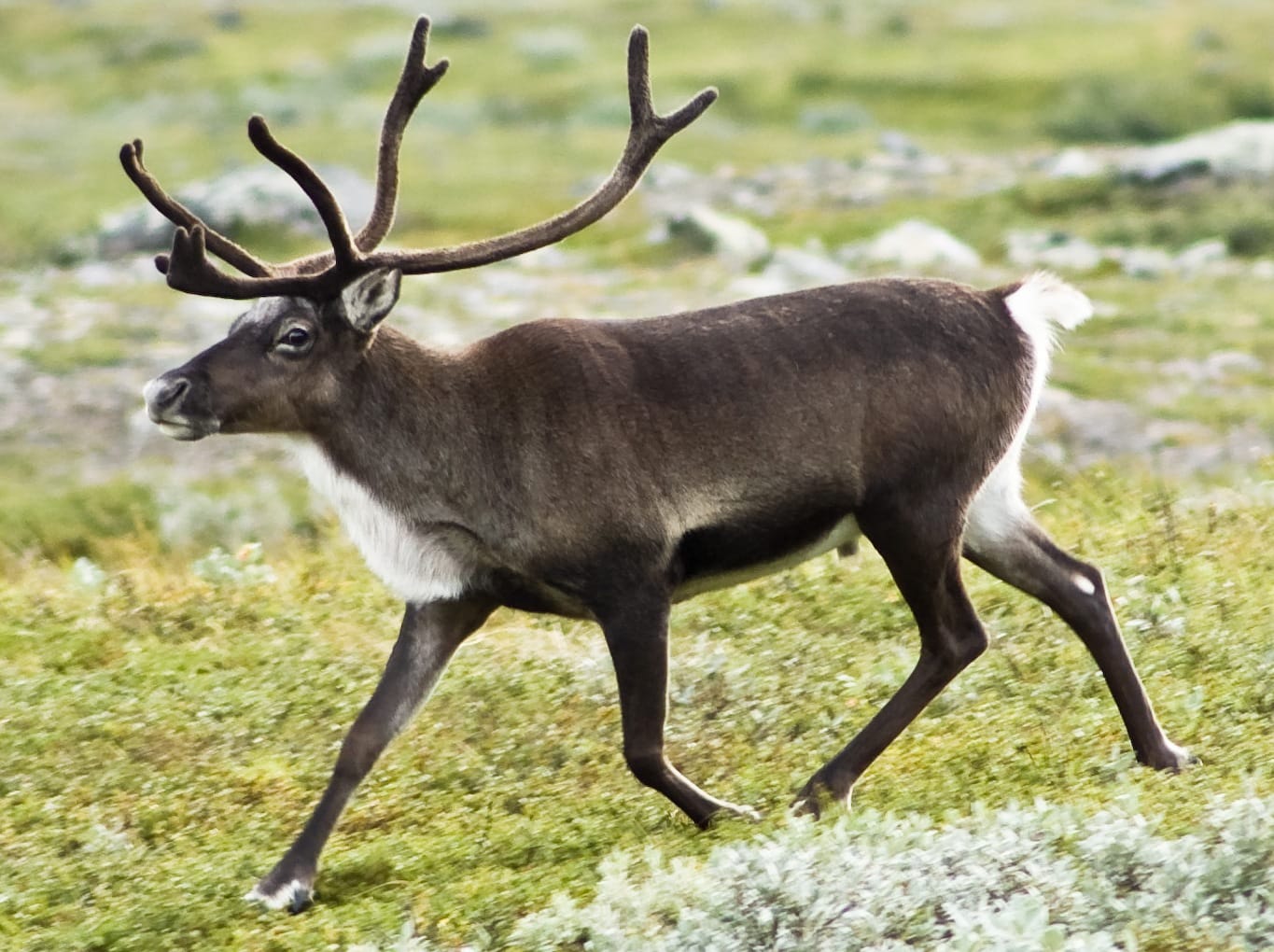
Kamchatka Reindeer, also known as Okhotsk Reindeer, inhabit the Kamchatka Peninsula and surrounding regions of eastern Russia. These reindeer are medium-sized with dark, dense coats to survive cold, wet climates, and they display remarkable stamina for both migration and seasonal foraging. Their long legs and broad hooves are adapted for traversing snow, marshes, and volcanic terrain.
These reindeer are highly migratory, moving seasonally to follow food availability. In winter, they forage on lichens and mosses buried under snow, while in summer they feed on grasses, shrubs, and tree foliage. Herd structures are dynamic, expanding during the mating season and contracting during harsher months, which balances competition for limited resources.
Reproductive behavior involves males competing for mating rights through displays and gentle sparring. Females give birth in spring when vegetation and temperatures favor calf survival. Young calves are remarkably resilient, quickly learning to navigate challenging terrain and avoiding predators such as wolves and bears.
Cultural interactions are significant in this region, with indigenous communities historically relying on these reindeer for food, transport, and clothing. Conservation challenges include habitat fragmentation, climate change, and hunting pressure. Studying Kamchatka Reindeer highlights adaptations to wet, cold, and mountainous environments and emphasizes the importance of protecting migratory corridors for Arctic herbivores.
8. Greenland / Barren-ground Caribou (Rangifer tarandus groenlandicus)

Greenland Caribou, also called Barren-ground Caribou, are widespread across northern Greenland and Canada. These reindeer are built for endurance, with long legs, broad hooves, and a coat that ranges from dark brown in summer to creamy white in winter. These adaptations support survival in extreme tundra environments with fluctuating snow and ice conditions.
Migration is central to their life cycle, as herds traverse hundreds of kilometers annually to reach calving grounds and summer pastures. Herd sizes can be immense, with thousands of individuals moving together, a strategy that enhances protection against predators and improves foraging efficiency. These migrations are some of the longest for terrestrial mammals, showcasing extraordinary endurance and navigation skills.
Diet includes lichen, mosses, and grasses in summer, with snow-covered lichens providing essential nutrients during winter. Predation is a key survival challenge, particularly for calves, which are highly vulnerable to wolves and Arctic foxes. Herd behavior, vigilant mothers, and group cohesion help improve calf survival rates.
Reproduction occurs in late fall. Males establish dominance through antler displays, ensuring mating access to females. Calves are born in spring with rapid mobility, able to follow mothers almost immediately. Conservation concerns include climate change, which affects snow cover and forage availability, and potential human encroachment. Observing Greenland Caribou demonstrates the remarkable resilience of tundra-adapted herbivores and the necessity of preserving their migration routes.
9. Woodland / Boreal Caribou (Rangifer tarandus caribou)
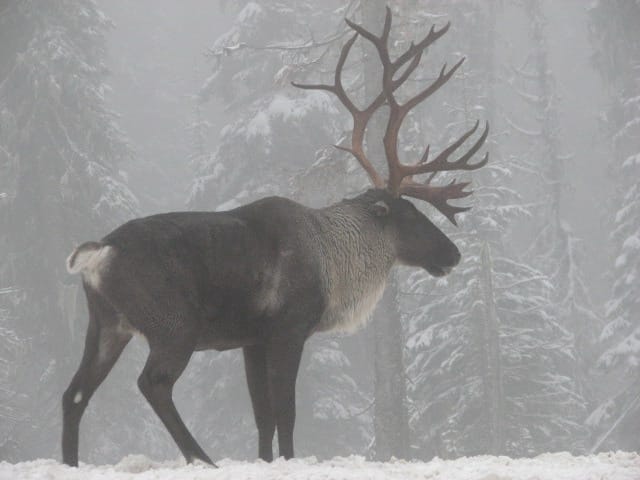
Woodland Reindeer, or Boreal Caribou, are distributed across Canada and Alaska in dense forested habitats. They are larger than tundra-dwelling types and have darker coats with long legs and broad hooves adapted for walking on soft forest floors and deep snow. These reindeer exhibit slow, deliberate movements, conserving energy in challenging forest environments.
Unlike highly migratory tundra populations, Woodland Caribou tend to remain in localized areas, moving seasonally within a smaller range to exploit available vegetation. Diet consists of lichens, mosses, and woody plants, with seasonal shifts based on snow depth and food availability. Herd sizes are typically smaller, often a few dozen individuals, reflecting the forest’s limited carrying capacity.
Males develop large, sweeping antlers, used during mating season to establish dominance. Females give birth in secluded areas to protect calves from predators such as wolves and bears. Young calves quickly learn to forage and navigate forested terrain, benefiting from maternal guidance and herd protection.
Conservation of Woodland Caribou is critical, as habitat fragmentation due to logging, mining, and human development threatens survival. Protecting large contiguous forest areas and migration routes ensures these reindeer maintain healthy populations. Studying Woodland Reindeer highlights how species adapt to dense forest ecosystems while balancing social structures and survival strategies.
10. George River / Labrador Caribou (Rangifer tarandus caboti)
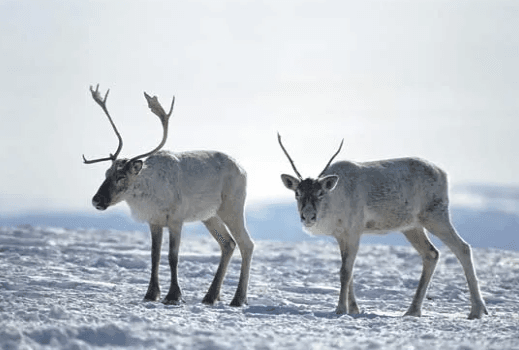
The George River Caribou, found in Quebec and Labrador in eastern Canada, represents one of the most well-known migratory reindeer populations. These caribou are medium-sized with pale coats that change seasonally. Their remarkable long-distance migrations cover hundreds of kilometers between calving grounds and winter feeding areas, demonstrating endurance and precise navigation abilities.
Herd behavior is critical for survival. George River Caribou form large, fluid herds that split and merge depending on food availability and predation risks. Diet includes lichens in winter and a variety of shrubs, grasses, and herbs in summer. Predators include wolves and bears, making herd cohesion and vigilance essential for protecting calves.
Reproduction occurs in the fall. Males compete using antler displays, and dominant bulls gain access to receptive females. Calves are born in spring and immediately integrate into the herd. The population is sensitive to environmental changes, such as severe winters and habitat disruption. Conservation efforts focus on monitoring population numbers and limiting hunting pressures.
George River Caribou are culturally significant to Indigenous peoples, providing food and materials for traditional practices. Their migratory patterns offer insight into how large herbivores cope with changing environmental conditions and maintain genetic diversity through widespread herd mixing. Observing these caribou emphasizes the importance of protecting both habitat and migratory corridors for long-term survival.
11. Osborn’s Caribou (Rangifer tarandus osborni)
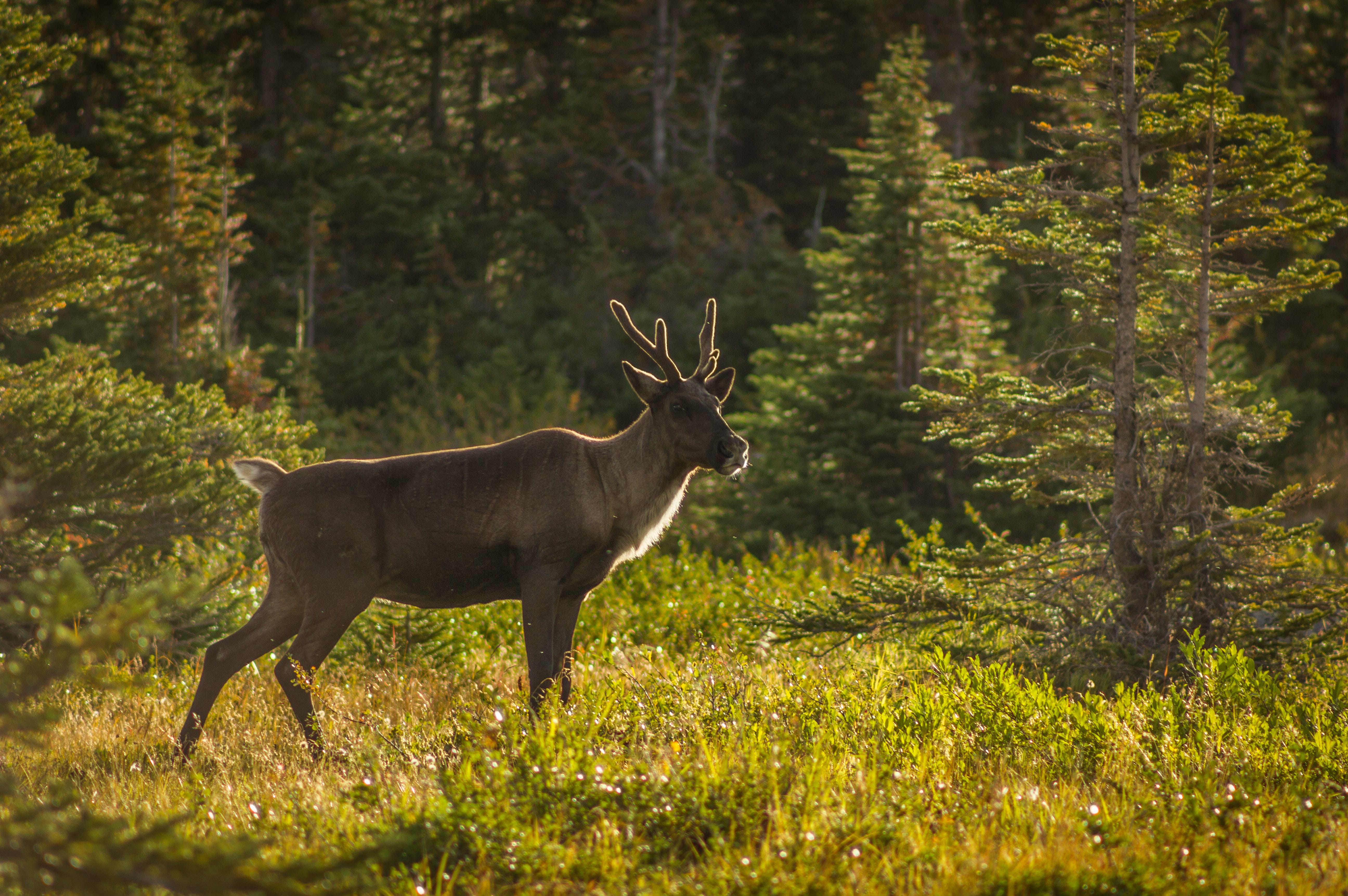
Osborn’s Caribou is a rare type of reindeer found in the mountainous regions of Alaska and northwestern Canada. Known for their robust build and dark brown coats, these reindeer are well-adapted to rocky, alpine environments. Their strong hooves and muscular legs allow them to traverse steep slopes and navigate rugged terrain with ease, which is essential for accessing sparse alpine vegetation.
These reindeer are primarily migratory, moving seasonally to find optimal feeding grounds. During the winter, they forage on lichens and mosses beneath the snow, while summer provides a bounty of grasses, shrubs, and herbs. Herd sizes vary, typically ranging from a few dozen to several hundred individuals, depending on food availability and predation pressure.
Osborn’s Caribou display complex social behaviors. Males grow large, imposing antlers used in mating season to establish dominance, while females retain smaller antlers that help in foraging under snow. Calving occurs in late spring, and mothers exhibit strong protective behaviors, guiding calves through challenging terrain and teaching them survival skills.
Predators include wolves and bears, which makes vigilance and herd cohesion vital. Conservation challenges include climate change, habitat disturbance from human activity, and overhunting. By studying Osborn’s Caribou, researchers gain insight into how reindeer populations adapt to mountainous landscapes while maintaining social structure and reproductive success.
12. Peary Caribou (Rangifer tarandus pearyi)
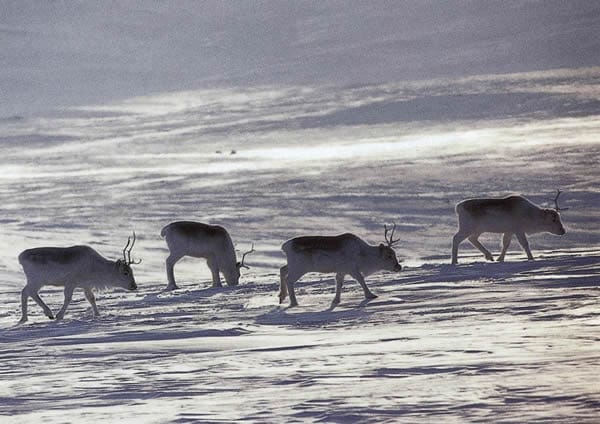
Peary Caribou inhabit the high Arctic islands of Canada and are among the smallest reindeer types. Their compact size and light-colored winter coats are key adaptations to extreme cold and limited food resources. These reindeer survive on sparse vegetation, including lichens, mosses, and low-lying shrubs, often digging through snow to access sustenance.
Peary Caribou are highly migratory within their island habitats, moving between seasonal feeding areas. Herds are usually small, which reduces competition for limited food. Socially, they form close-knit groups where older females guide the herd and protect calves. Predation is relatively low due to the isolated Arctic environment, though Arctic foxes and occasional wolves may pose a threat.
Reproduction occurs in late autumn, with calves born in late spring when conditions allow for better survival. Calves are remarkably resilient, able to walk and forage shortly after birth. Antler growth in both males and females provides foraging advantages and aids in establishing dominance hierarchies during mating season.
Conservation efforts for Peary Caribou focus on protecting habitat and monitoring populations. Climate change is a significant threat, impacting snow cover and vegetation availability. Studying Peary Caribou offers valuable lessons about survival strategies, energy conservation, and social organization in some of the harshest environments on Earth.
13. Eastern European Forest Reindeer (Rangifer tarandus valentinae)
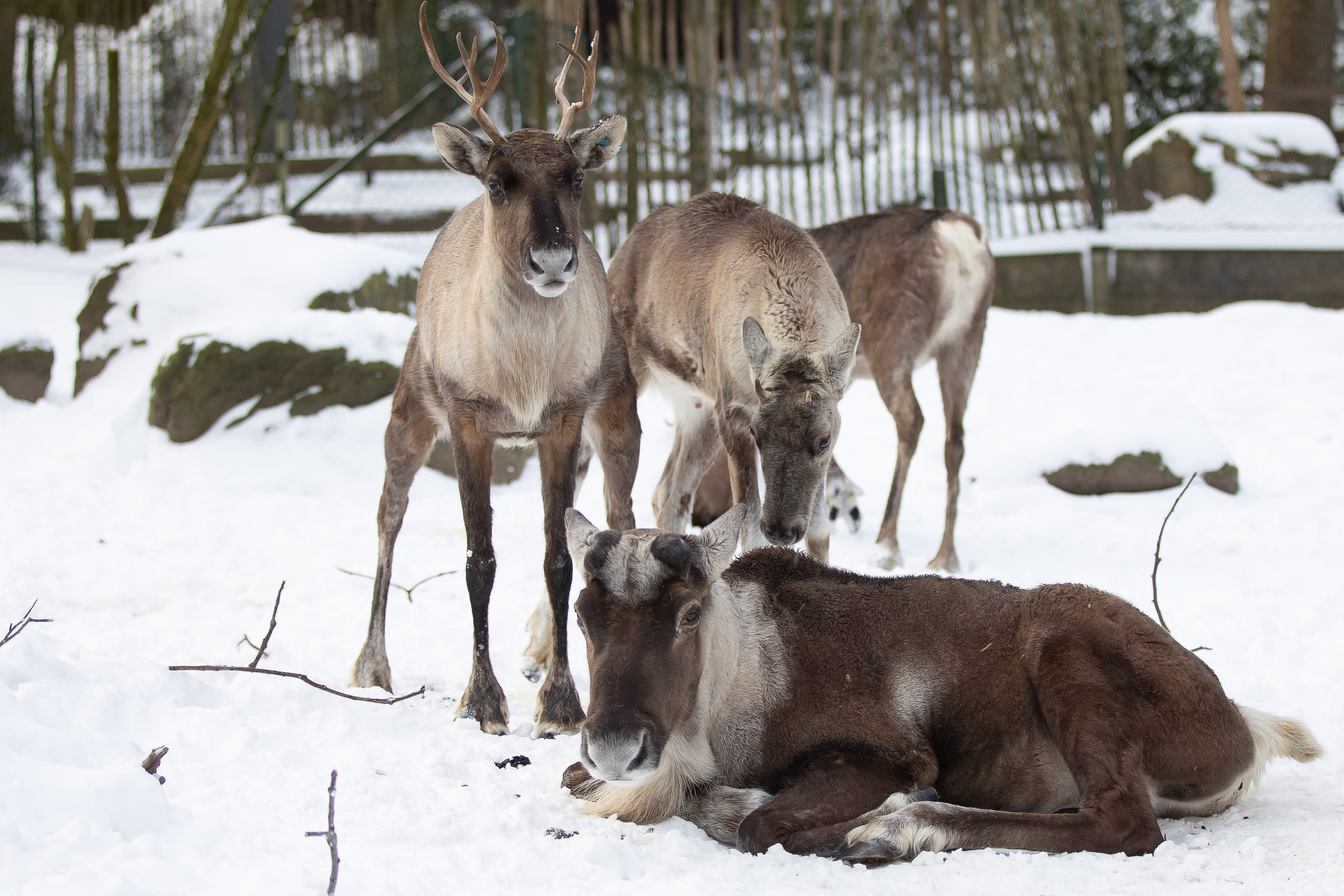
Eastern European Forest Reindeer inhabit the forested regions of Russia, Belarus, and parts of Eastern Europe. Slightly larger than tundra types, they have dark, dense coats and long legs suited for walking on soft forest floors and through deep snow. Their social structure is typically composed of small herds that move cautiously through dense woodland.
These reindeer are relatively sedentary, rarely undertaking long migrations. They feed on a combination of lichens, mosses, shrubs, and tree bark, adjusting diet seasonally based on availability. Predation from wolves and lynx influences herd movement and vigilance, particularly for calves who remain under close maternal supervision.
Reproductive behavior includes antler displays by males during the rut to compete for mating opportunities. Calves are born in late spring when food availability is optimal, ensuring early growth and survival. Females are attentive mothers, teaching calves how to forage and recognize predators.
Conservation concerns center on habitat fragmentation due to logging, road construction, and human settlement. Protection of large, contiguous forest areas is essential to maintain population health. Studying Eastern European Forest Reindeer highlights how large herbivores adapt to forested environments, balancing mobility, foraging efficiency, and predator avoidance.
14. Taimyr Reindeer (Rangifer tarandus taimyrensis)
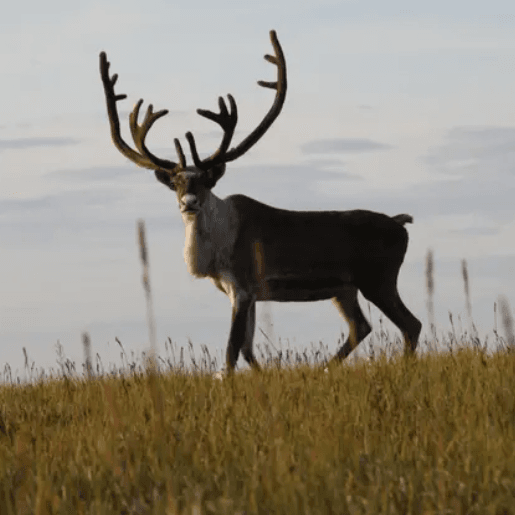
The Taimyr Reindeer is native to the Taimyr Peninsula in northern Siberia and represents one of the most northerly reindeer populations. They are medium-sized with pale winter coats and are known for their long-distance migrations, which allow access to summer pastures rich in grasses and shrubs.
Herds can be extensive, sometimes numbering in the thousands, providing protection against predators and improving foraging efficiency. Migration is a key survival strategy, enabling reindeer to cope with extreme seasonal variations in snow cover and food availability. Predators include wolves, which influences herd cohesion and calf survival rates.
Reproduction occurs in autumn, with calves born in spring. Antler displays are used to establish dominance among males, while females ensure calves are protected and able to forage effectively. Seasonal diet includes lichens and mosses in winter, with a broader variety in summer. Adaptations include strong hooves for walking on snow and tundra, thick coats for insulation, and efficient metabolism for energy conservation.
Conservation measures focus on minimizing human impact, monitoring herd size, and protecting migration corridors. Climate change poses a long-term risk by altering vegetation patterns and snow conditions. Studying Taimyr Reindeer provides insight into how Arctic herbivores survive in extreme climates and maintain population health over vast landscapes.
15. Eurasian Tundra Reindeer (Rangifer tarandus across Europe and Asia)
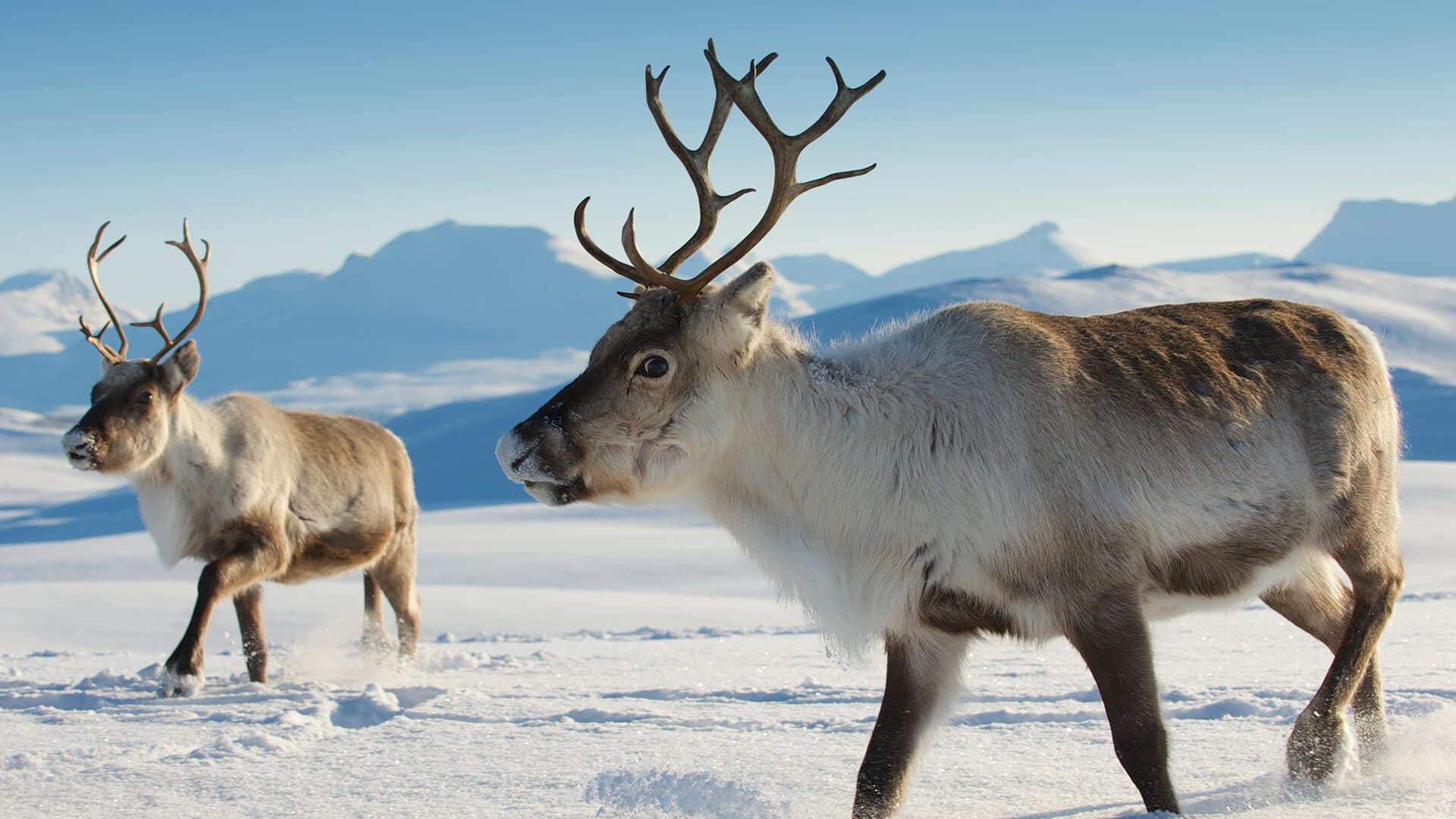
Eurasian Tundra Reindeer are widespread across northern Europe and Asia, inhabiting Arctic and sub-Arctic tundra regions. They are medium to large-sized with light-colored coats in winter and darker summer coats, adapted to blend with tundra landscapes. These reindeer undertake seasonal migrations to access high-quality forage and calving areas.
Social behavior includes forming large, fluid herds that split and merge based on seasonal conditions. Diet consists mainly of lichens, mosses, and tundra vegetation, with winter foraging requiring digging through snow to reach hidden lichens. Predators include wolves and occasionally bears, making herd coordination and vigilance critical for calf survival.
Reproductive cycles are synchronized with environmental conditions. Males compete during the rut using antler displays, while females give birth to calves in spring, maximizing the availability of vegetation for lactation. Calves are agile and quickly integrate into the herd, benefiting from protection and learning social cues from adults.
Conservation challenges include habitat fragmentation, climate change, and human encroachment. Preserving migration corridors and tundra ecosystems is essential for maintaining population stability. Studying Eurasian Tundra Reindeer reveals the resilience of these animals in extreme climates and their ability to adapt socially and physiologically to environmental pressures.
Conclusion
Across the Arctic, boreal forests, and mountain ranges, the 15 types of reindeer showcase the incredible diversity and adaptability of this iconic species. From the tiny, hardy Peary Caribou to the highly migratory Siberian Tundra Reindeer, each type demonstrates unique survival strategies, social behaviors, and ecological roles. Understanding types of reindeer not only deepens our appreciation for these animals but also highlights the importance of conservation efforts to protect habitats, migration routes, and genetic diversity. Observing reindeer in their natural environments provides insight into resilience, adaptation, and the intricate connections between species and ecosystems. By learning about these magnificent creatures, we can better support wildlife preservation and ensure these Arctic and boreal inhabitants thrive for generations to come.
Frequently Asked Questions about Types of Reindeer
1. What are reindeer?
Reindeer, also known as caribou in North America, are large herbivorous mammals adapted to Arctic and sub-Arctic environments. They are famous for their long legs, hooves designed for snow and tundra, and impressive antlers.
2. How many types of reindeer are there?
There are 15 widely recognized types of reindeer, each adapted to different habitats across the Arctic, Siberia, and northern Europe.
3. Where do reindeer live?
Reindeer inhabit tundra, boreal forests, mountains, and Arctic islands in regions including Russia, Scandinavia, Canada, Greenland, and Alaska.
4. What do reindeer eat?
Reindeer are herbivores, feeding mainly on lichens, mosses, shrubs, and grasses. Seasonal availability influences their diet, with lichens dominating winter forage.
5. Do both male and female reindeer have antlers?
Yes, both males and females grow antlers, though males usually have larger antlers used during mating season for dominance displays.
6. How do reindeer survive extreme cold?
Reindeer have thick fur coats, a compact body shape, and large hooves to walk on snow. Their metabolism allows them to conserve energy during long winters.
7. Are reindeer migratory?
Many types, especially tundra-dwelling reindeer like Siberian and Eurasian Tundra Reindeer, undertake long seasonal migrations to access food and calving grounds.
8. How long do reindeer live?
Reindeer typically live 10 to 15 years in the wild, depending on predation, habitat, and environmental conditions.
9. What predators do reindeer face?
Predators include wolves, bears, lynx, and Arctic foxes. Calves are particularly vulnerable, requiring herd protection and maternal care.
10. How do reindeer reproduce?
Reindeer mate in the fall. Males use antler displays to compete, and calves are born in spring, ready to follow mothers shortly after birth.
11. What is the smallest type of reindeer?
The Peary Caribou is the smallest reindeer, adapted to high Arctic islands with sparse vegetation and extreme cold.
12. Which reindeer migrates the farthest?
Siberian Tundra Reindeer are known for their long migrations, sometimes covering over 3,000 kilometers annually.
13. How are reindeer adapted to forest habitats?
Forest-dwelling reindeer, like Woodland Caribou, have darker coats, long legs, and hooves suited for soft, forested terrain.
14. Do all reindeer types migrate?
No. Forest and some island populations, like Svalbard and Novaya Zemlya Reindeer, have limited or minimal migrations due to habitat constraints.
15. What is unique about Svalbard Reindeer?
Svalbard Reindeer are small, compact, and sedentary. They survive Arctic isolation with dense winter coats and efficient energy use.
16. What role do reindeer play in ecosystems?
Reindeer are important herbivores, controlling vegetation, supporting predator populations, and influencing nutrient cycles in tundra and forest ecosystems.
17. How do reindeer communicate?
Reindeer communicate through vocalizations, body language, and antler displays, particularly during mating season or when alerting the herd to danger.
18. Can reindeer swim?
Yes, reindeer are strong swimmers and can cross rivers and lakes during migration to reach new feeding grounds.
19. How do reindeer find food under snow?
They use their broad, sharp hooves to dig through snow and ice to reach lichens and mosses beneath the surface.
20. What is the largest type of reindeer?
Greenland / Barren-ground Caribou are among the largest, adapted to tundra regions with long migrations and expansive herds.
21. Are reindeer endangered?
Some populations, like the Peary Caribou and certain forest types, are vulnerable or declining due to habitat loss, climate change, and human activity.
22. How many calves do reindeer have at a time?
Reindeer typically give birth to a single calf per year, which is highly dependent on maternal care and herd protection.
23. What is the role of antlers in female reindeer?
Female reindeer use antlers to compete for food and dig through snow to access lichens during winter.
24. How fast can reindeer run?
Reindeer can run up to 60 km/h (37 mph) for short distances to escape predators, though they usually move at a steady pace during migration.
25. Do reindeer have seasonal coat changes?
Yes, reindeer molt their summer coat for a thicker winter coat, which provides insulation and camouflage in snow-covered landscapes.
26. How do reindeer survive in the dark Arctic winter?
They rely on strong senses, herd cooperation, and stored fat to survive months of darkness with limited food availability.
27. What is the lifespan of a reindeer calf?
Calves grow quickly and can stand within hours of birth. They remain dependent on mothers for the first few months but may live up to 10–15 years in the wild.
28. How do reindeer adapt to predators?
Reindeer rely on herd behavior, vigilance, camouflage, and strong running ability to evade predators.
29. Do reindeer eat meat?
No, reindeer are herbivores, feeding exclusively on plants like lichens, mosses, shrubs, and grasses.
30. How do reindeer affect vegetation?
By grazing, digging for lichens, and browsing shrubs, reindeer shape plant communities and influence ecosystem nutrient cycles.
31. What are the main threats to reindeer?
Habitat loss, climate change, hunting, and human disturbance are the primary threats to reindeer populations worldwide.
32. How do reindeer cope with deep snow?
They use their broad hooves as snowshoes to walk on deep snow and dig through to reach lichens beneath.
33. Can reindeer cross mountains?
Yes, mountainous reindeer like Mountain and Altai–Sayan Reindeer are excellent climbers, using strong legs and hooves to traverse steep terrain.
34. What is the diet in summer?
During summer, reindeer eat a variety of vegetation including grasses, shrubs, leaves, and herbs, which provide essential nutrients for growth and reproduction.
35. How do reindeer migrate?
Migration involves seasonal movement between summer and winter feeding grounds, often spanning hundreds or thousands of kilometers, guided by memory, experience, and environmental cues.
36. Do reindeer live in groups year-round?
Reindeer form herds year-round, though herd size and composition fluctuate seasonally based on food, predation, and reproductive behavior.
37. How do reindeer give birth in cold climates?
Calves are born in spring when temperatures are milder and vegetation is available, maximizing survival chances despite remaining exposed to predators and snow.
38. Are reindeer important to indigenous peoples?
Yes, reindeer provide food, clothing, and transportation for Indigenous communities such as the Sami in Scandinavia and Arctic peoples in Canada and Russia.
39. How do reindeer adapt to climate change?
Reindeer adapt by altering migration routes, adjusting foraging strategies, and using fat reserves during periods of scarce vegetation, though extreme changes remain a challenge.
40. Can reindeer survive without migration?
Some forest and island populations survive with limited movement, but migratory populations rely heavily on seasonal travel for food and reproduction.
41. Why is understanding types of reindeer important?
Studying the 15 types of reindeer helps us understand adaptation, ecosystem balance, and the impacts of climate change, informing conservation and sustainable management efforts.
Read more: 45 Types of Jellyfish (Pictures And Identification)