

Camels have long been symbols of endurance and adaptability in harsh environments, earning their title as the “ships of the desert.” Across the globe, there are multiple species and breeds of camels, each with its own distinctive features, habitats, and uses. This guide explores the Types of Camels, ranging from the one-humped Dromedary to the wild Bactrian and the fascinating hybrids of camelids. Whether for transport, wool, or meat, camels have played an essential role in human history and continue to intrigue wildlife enthusiasts today. Read on to discover the fascinating diversity and characteristics of these remarkable animals.
1. Dromedary Camel (*Camelus dromedarius*)
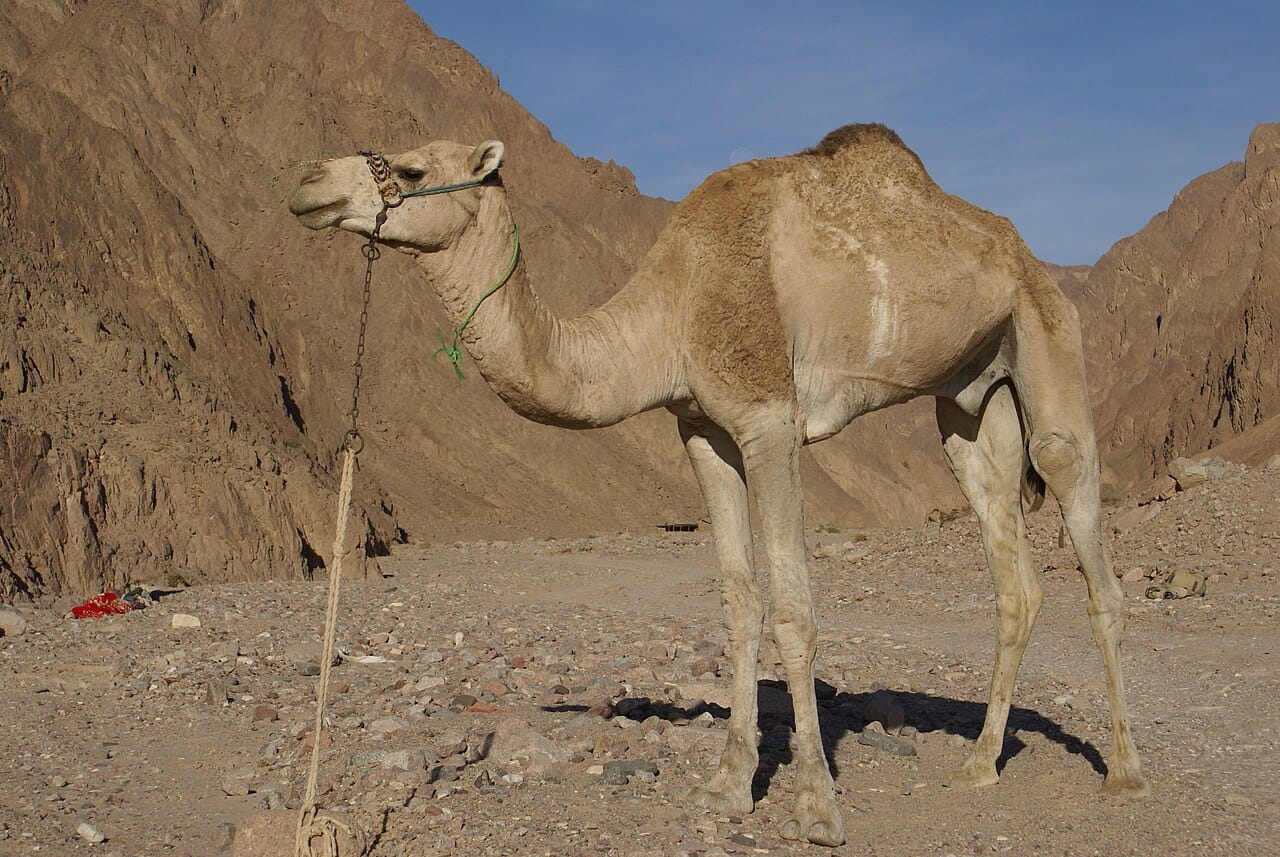
The Dromedary Camel, commonly known as the one-humped camel, is the most widespread and recognizable member of the camel family. Native to the arid deserts of the Middle East and North Africa, it has adapted perfectly to extreme heat and scarce water sources. Adult Dromedaries typically stand 6–7 feet tall at the shoulder and weigh between 880–1,320 pounds (400–600 kg). Their single hump stores fat, which the animal can metabolize when food is scarce, providing energy for long journeys across desert landscapes.
Behaviorally, Dromedaries are social animals, often traveling in herds led by a dominant male. They feed primarily on dry grasses, desert shrubs, and thorny plants, showing remarkable resilience to sparse vegetation. Historically, humans have relied on them for transportation, carrying goods and people across challenging terrains. Their thick, leathery lips allow them to browse thorny plants without injury, and their double-layered eyelashes protect against sandstorms.
Reproduction in Dromedaries involves a gestation period of about 13–14 months, after which a single calf is born. Mothers are highly protective, and calves can stand and walk within a few hours of birth. Today, Dromedaries are still essential to desert communities, both as working animals and for their milk and meat. They exemplify how evolution has equipped camels with the physical and behavioral traits to survive in extreme environments, making them a cornerstone of Types of Camels.
2. Bactrian Camel (*Camelus bactrianus*)
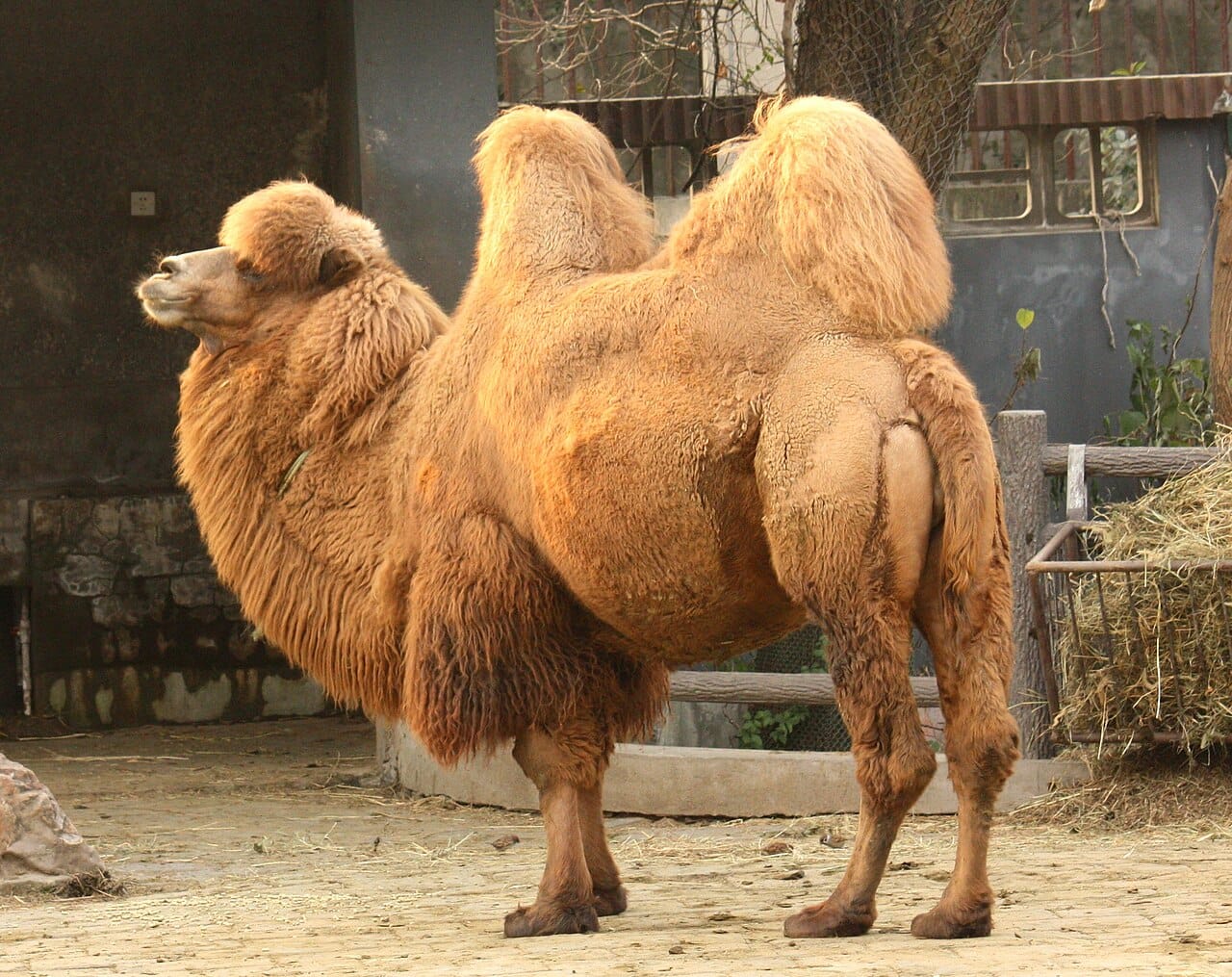
The Bactrian Camel, distinguished by its two humps, is native to Central Asia, including the steppes of Mongolia and China. Adults are slightly larger than Dromedaries, standing up to 7.5 feet tall and weighing up to 2,200 pounds (1,000 kg). The two humps store fat, enabling survival in both arid deserts and cold mountainous regions. Unlike Dromedaries, Bactrians are exceptionally adapted to harsh winters, with thick woolly coats and the ability to withstand extreme temperature fluctuations.
Bactrian Camels are domesticated primarily for transportation, wool, and milk. Their strong, sturdy legs allow them to carry heavy loads over long distances, while their padded feet prevent sinking into soft sand or snow. These camels are herbivores, consuming grasses, shrubs, and other tough vegetation. They are known for their calm temperament and endurance, often forming close bonds with their human handlers. Breeding occurs similarly to Dromedaries, with a single calf born after 13–14 months, capable of walking almost immediately. Bactrians highlight the versatility and adaptability that make camels so vital in human societies, showcasing the diversity among Types of Camels.
3. Wild Bactrian Camel (*Camelus ferus*)
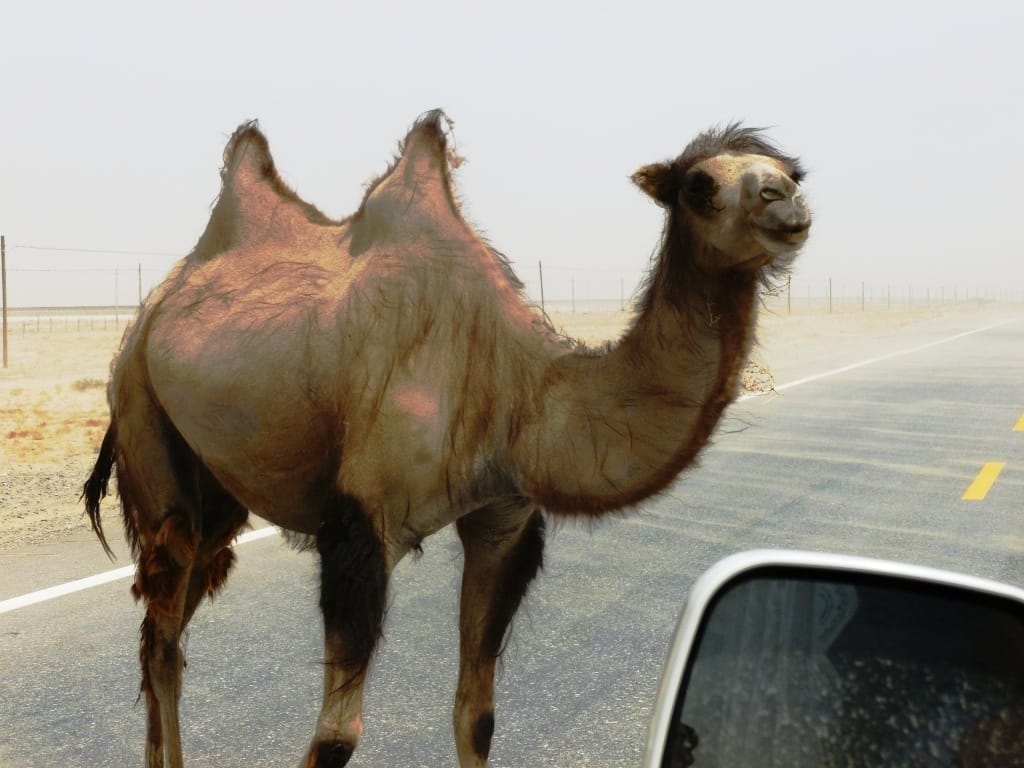
The Wild Bactrian Camel is one of the rarest and most intriguing members of the camel family. Native to the deserts of northwestern China and Mongolia, these camels are critically endangered, with fewer than 1,000 individuals remaining in the wild. Unlike their domesticated relatives, Wild Bactrians have evolved to survive in extremely harsh, saline desert environments, where water sources are scarce and vegetation is limited.
Adults resemble domesticated Bactrians but are slightly smaller and possess different physiological adaptations, such as tolerance to high salt concentrations in water. They feed on a variety of desert plants, including halophytes, which many other animals cannot digest. Wild Bactrians are solitary or form small family groups, avoiding human contact whenever possible. Breeding occurs seasonally, with calves born in the spring to take advantage of limited food availability. Conservation efforts are ongoing, aiming to protect their natural habitats and prevent extinction. This species demonstrates the resilience and survival skills of wild camels, highlighting the evolutionary diversity within Types of Camels.
4. Hybrid Camel (*Camelus dromedarius × Camelus bactrianus*)
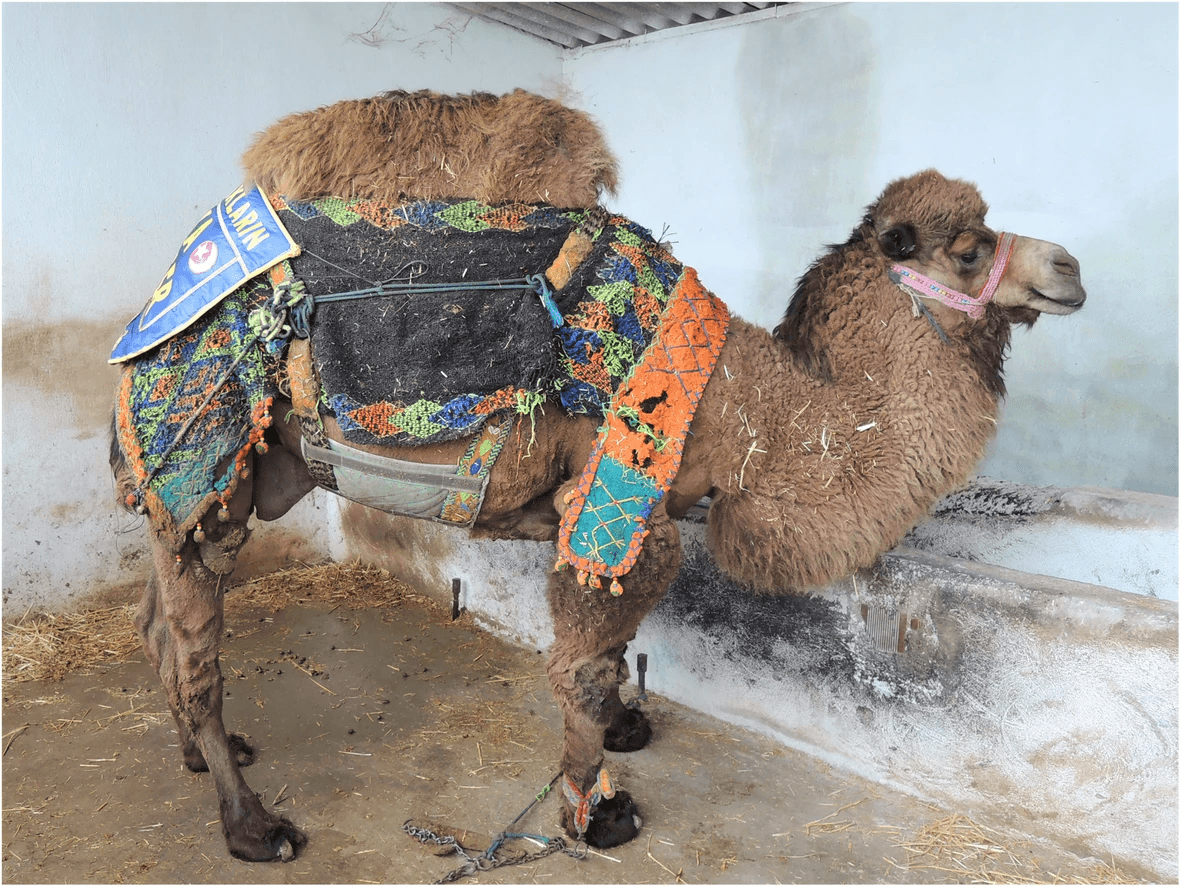
Hybrid Camels are the result of crossbreeding Dromedary and Bactrian camels, combining traits from both species. They often possess one and a half humps or other intermediate features, displaying a mixture of physical and behavioral characteristics. These hybrids are especially valued in regions where both types of camels coexist, as they combine the endurance of Dromedaries with the strength and cold tolerance of Bactrians.
Hybrid Camels are used for transport, carrying heavier loads over long distances, and are often considered superior work animals in challenging terrains. They feed on similar vegetation as their parent species, adapting easily to diverse desert and steppe environments. Breeding practices are carefully managed by humans to maintain desirable traits, including temperament, strength, and endurance. The existence of hybrids emphasizes the flexibility within Types of Camels and shows how selective breeding enhances their utility while preserving natural adaptations.
5. Feral Dromedary Camel
Feral Dromedary Camels are descendants of domesticated camels released or escaped into the wild, with large populations found in Australia. These camels have thrived in arid inland regions, demonstrating the species’ remarkable adaptability. Adult feral Dromedaries can weigh up to 1,500 pounds (680 kg) and are capable of traveling vast distances in search of food and water.
Feral Dromedaries feed on a wide variety of desert vegetation, from shrubs to grasses, often competing with native wildlife. They form social herds, usually led by a dominant male, and exhibit behaviors similar to domesticated Dromedaries, including mating rituals and parental care. While considered a pest in some regions due to environmental impact, feral Dromedaries also showcase the resilience and survival abilities of camels outside of human management. Their presence highlights the ecological versatility and persistence of Types of Camels, making them fascinating subjects for wildlife enthusiasts and researchers alike.
6. Bactrian Camel Breed – Wool Type
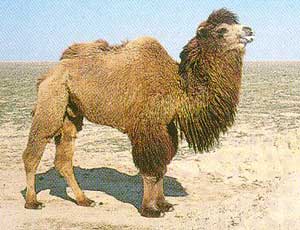
The Wool-Type Bactrian Camel is a domesticated variant selectively bred for its thick, long coat, prized for textile production. Native to Central Asia, particularly Mongolia and Kazakhstan, these camels have adapted to survive both extreme heat and freezing winters. Adult Wool-Type Bactrians typically weigh 1,200–2,200 pounds (550–1,000 kg) and stand up to 7.5 feet tall at the shoulder.
Their dense, shaggy coat protects them from harsh temperatures and can be sheared to produce high-quality camel wool. These camels feed primarily on dry grasses, shrubs, and hardy vegetation found across steppe and desert regions. Calm and intelligent, Wool-Type Bactrians are easy to manage and are integral to local economies, providing wool, milk, and transport. Their selective breeding demonstrates human influence on Types of Camels, combining natural endurance with practical traits for clothing and textiles.
7. Bactrian Camel Breed – Meat/Work Type
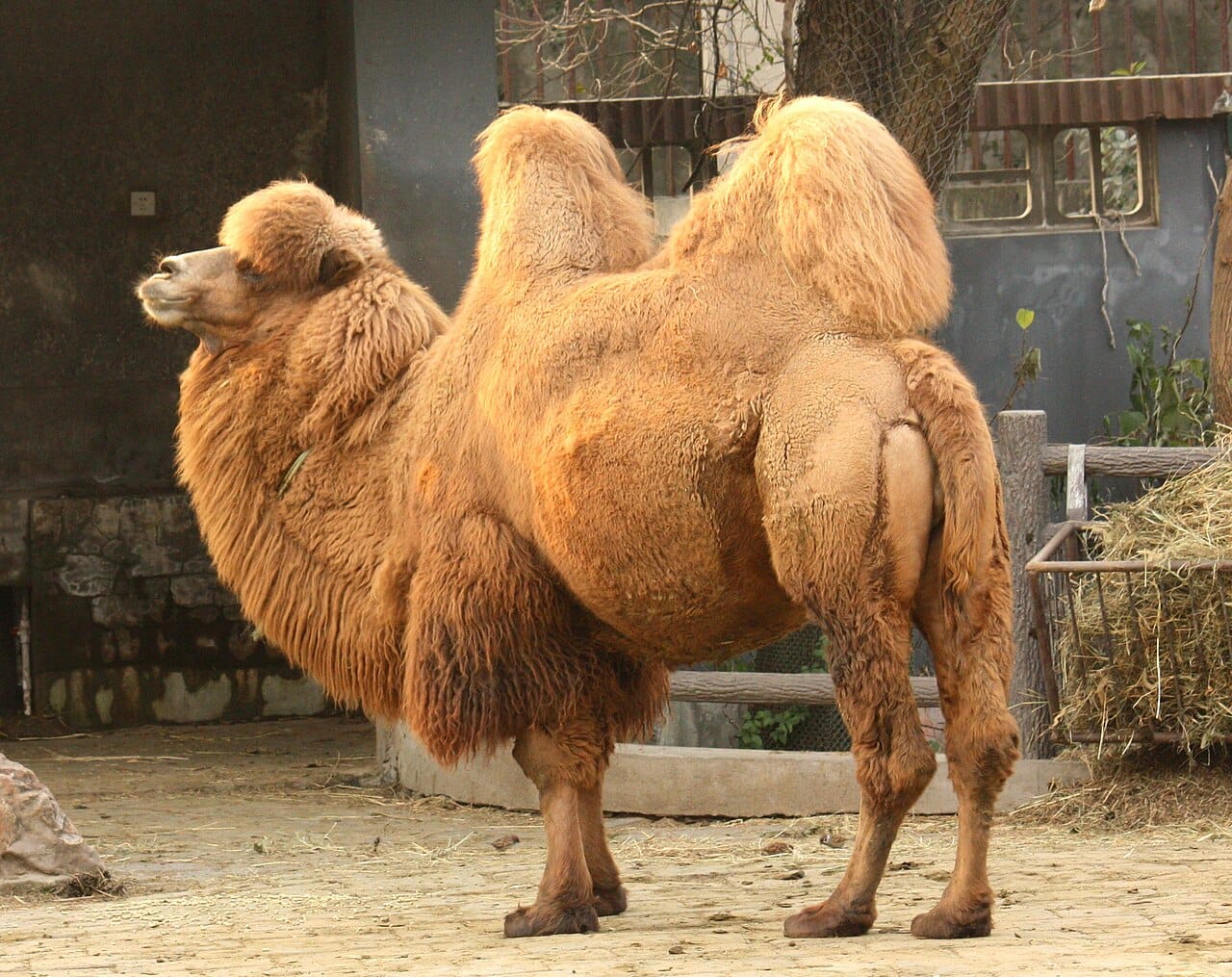
The Meat/Work-Type Bactrian Camel is bred mainly for strength, milk, and meat production rather than wool. These camels are slightly larger and more muscular than the Wool-Type, with broad chests and sturdy legs suitable for carrying heavy loads. Found in Central Asian countries, including Mongolia, China, and Kazakhstan, they thrive in harsh desert and steppe environments.
Meat/Work-Type Bactrians feed on sparse vegetation, demonstrating remarkable efficiency in converting low-quality forage into energy. They are invaluable to local communities, providing milk, meat, and labor for transport and agricultural tasks. Gestation lasts around 13–14 months, and females produce strong, healthy calves capable of immediate mobility. These camels highlight the diversity of human-selected traits within Types of Camels and illustrate the balance between strength, endurance, and productivity in domesticated camel breeds.
8. Llama (*Lama glama*)

Llamas are South American camelids primarily found in the Andes of Peru, Bolivia, Ecuador, and Chile. Unlike true camels, llamas are adapted to mountainous regions rather than deserts. Adults typically weigh 280–450 pounds (130–200 kg) and stand about 5–6 feet tall when including the neck. They have long, curved necks, soft wool, and expressive eyes that reflect their intelligence and alertness.
Llamas are domesticated for their wool, meat, and use as pack animals, capable of carrying 50–75 pounds (23–34 kg) over rough terrain. They are herbivores, grazing on grasses, shrubs, and high-altitude vegetation. Llamas are social animals, often forming close-knit herds with clear social hierarchies. Breeding involves gestation of approximately 11–12 months, producing a single cria. Their adaptability, gentle temperament, and practical utility make llamas an important part of Types of Camels, demonstrating diversity beyond desert-adapted species.
9. Alpaca (*Vicugna pacos*)
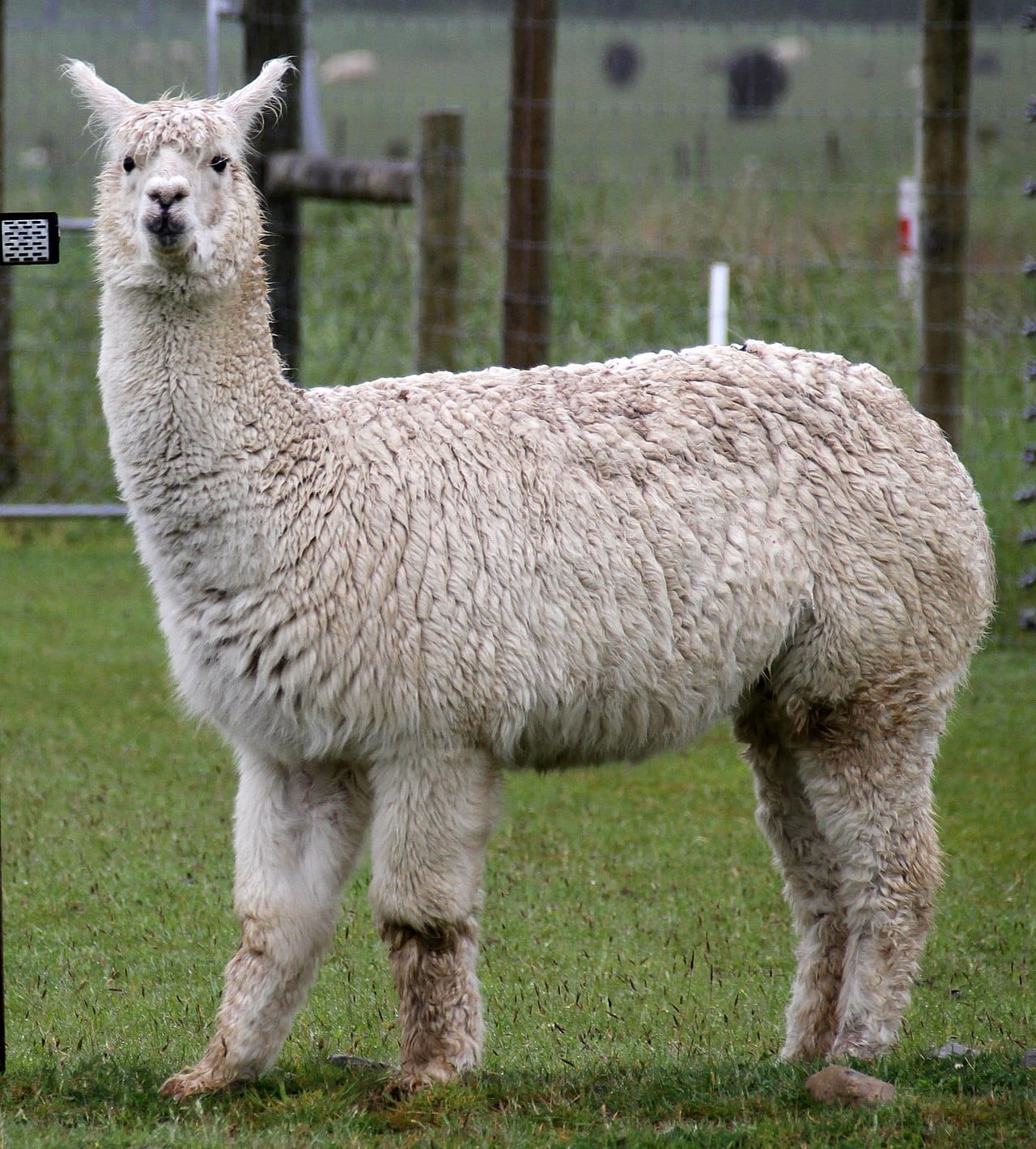
Alpacas are domesticated camelids native to the Andes Mountains, closely related to llamas but smaller in size and primarily bred for their soft, luxurious wool. Adults weigh between 100–200 pounds (45–90 kg) and stand about 3 feet tall at the shoulder. Alpacas are valued for their fine fleece, used to produce high-quality textiles, from clothing to blankets.
Alpacas are social animals, forming cohesive herds and communicating through body postures, vocalizations, and ear movements. They feed on grasses, leaves, and other vegetation and are highly efficient grazers. Gestation lasts around 11–12 months, resulting in a single cria. With their calm demeanor, ease of care, and economic importance, alpacas highlight the domesticated diversity within Types of Camels and the versatility of camelids in human societies.
10. Guanaco (*Lama guanicoe*)
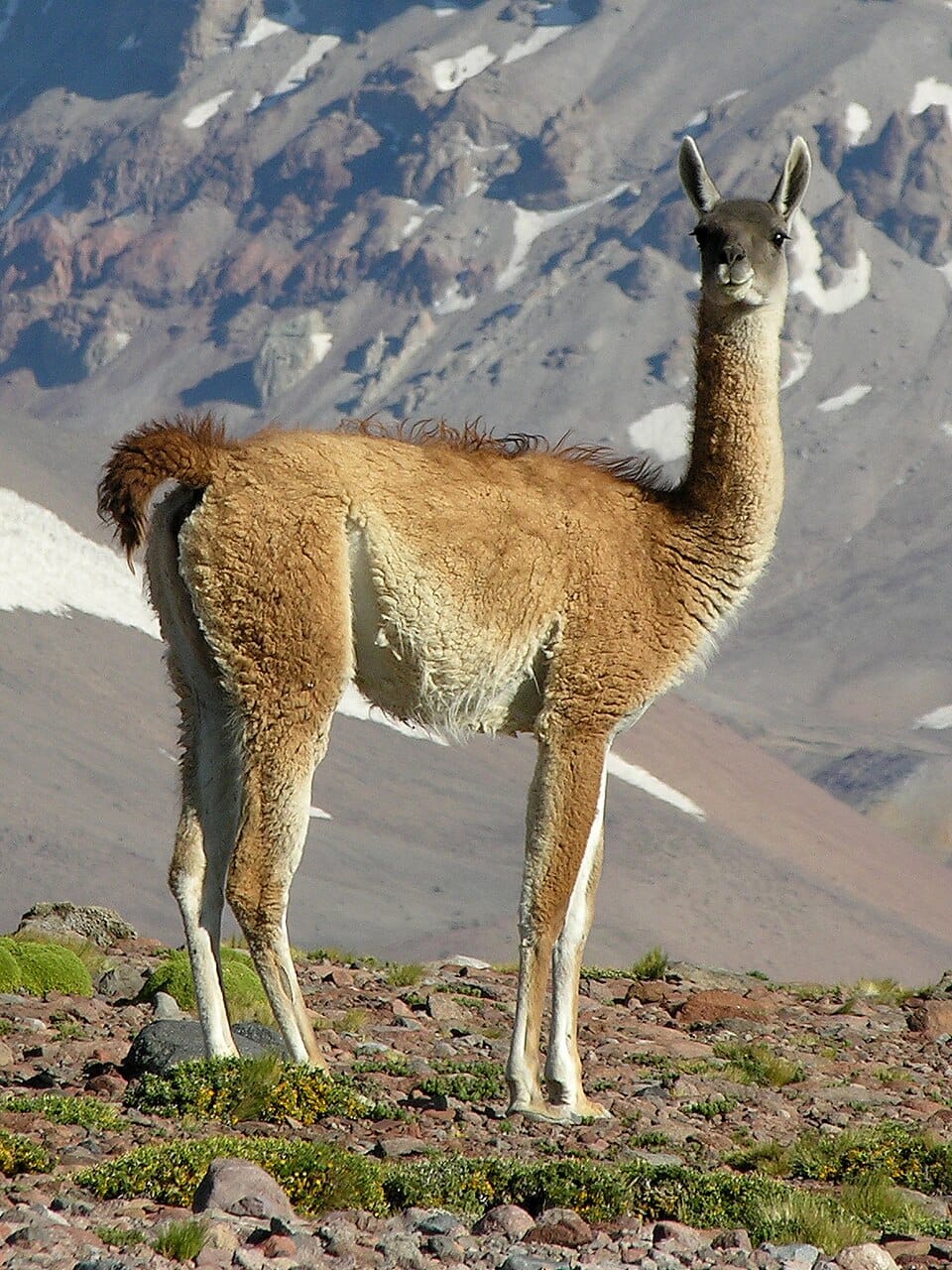
The Guanaco is a wild South American camelid native to the high plains and mountains of Argentina, Chile, Peru, and Bolivia. It is the ancestor of the domesticated llama and is renowned for its agility, endurance, and ability to survive in arid, mountainous environments. Adults typically weigh 200–300 pounds (90–140 kg) and have a long, slender neck, reddish-brown coat, and white underbelly.
Guanacos are herbivores, feeding on grasses, shrubs, and lichens. They are social, forming family groups with a dominant male, several females, and their young. Guanacos have keen eyesight and alert behavior to detect predators such as pumas. Females give birth to a single cria after an 11–12 month gestation, and the young are able to run within hours. The Guanaco represents the wild, untamed side of Types of Camels, showcasing adaptability, speed, and social structure in camelids outside desert environments.
11. Vicuña (*Vicugna vicugna*)
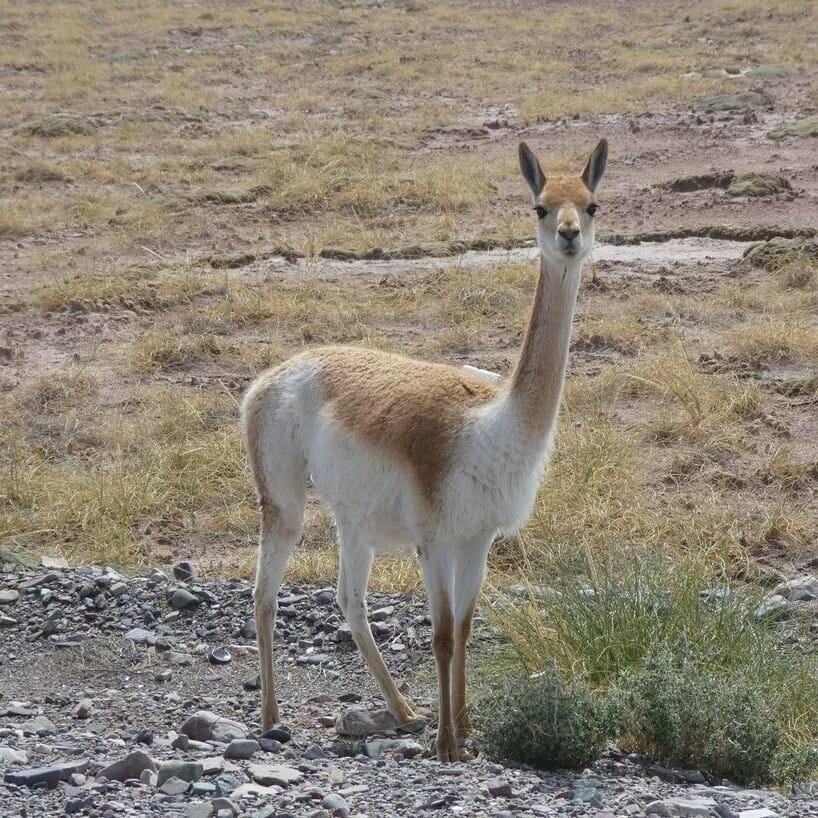
The Vicuña is a wild South American camelid, closely related to the alpaca and native to the high-altitude regions of the Andes Mountains in Peru, Bolivia, Argentina, and Chile. Adults are smaller than alpacas, weighing 77–120 pounds (35–55 kg) and standing about 3 feet tall at the shoulder. Vicuñas are celebrated for their incredibly fine and soft wool, considered one of the most luxurious natural fibers in the world.
Vicuñas are herbivorous, grazing on grasses and small shrubs found in their arid highland habitat. They live in family groups with one dominant male, several females, and their young, exhibiting strong social bonds. Reproduction occurs seasonally, with a single cria born after approximately 11 months. Vicuñas are shy, agile, and highly alert to predators like pumas. Their delicate physiology and natural beauty make them a fascinating member of Types of Camels, showing how camelids thrive in extreme high-altitude conditions.
12. Huarizo (Hybrid of Llama and Alpaca)
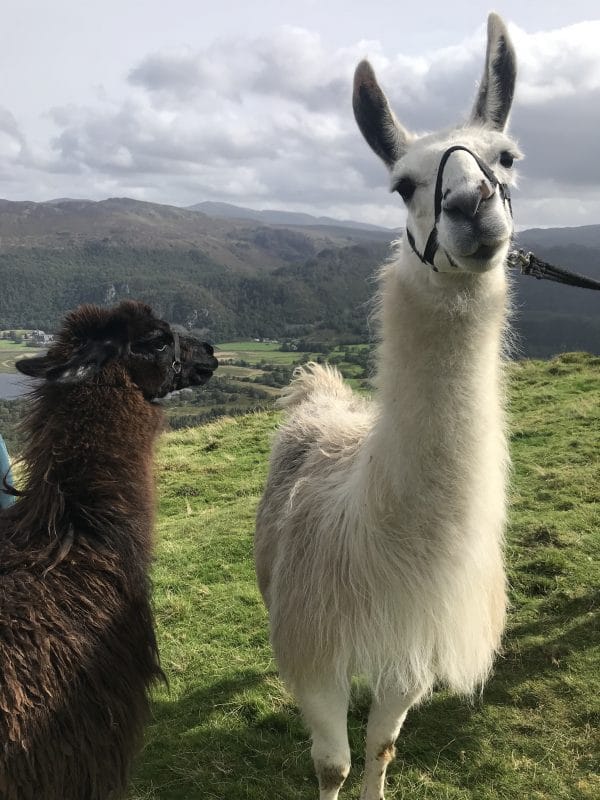
Huarizo is a hybrid camelid resulting from the crossbreeding of a male llama and a female alpaca. These hybrids combine the strength and size of llamas with the soft fleece of alpacas, creating a versatile and visually distinctive animal. Adults generally weigh 150–250 pounds (68–113 kg) and display a mix of wool textures and coat colors inherited from both parents.
Huarizos are typically bred for wool production and as companion animals due to their calm and friendly nature. They are social, preferring to live in small herds or alongside other camelids. Feeding primarily on grasses, leaves, and shrubs, huarizos adapt well to the high-altitude Andes environment. They are gentle and easy to manage, making them popular among breeders seeking the best qualities of both parent species. Huarizos highlight human-influenced diversity within Types of Camels and the creativity of selective breeding.
13. Cama (Hybrid of Camel and Llama)
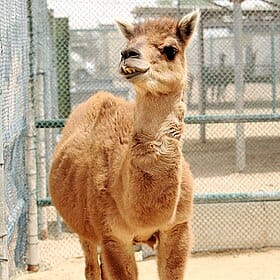
The Cama is a rare hybrid between a dromedary camel and a llama, first developed through artificial insemination. Combining the large size and endurance of camels with the smaller stature and temperament of llamas, camas are bred primarily for research and experimental purposes. Adults can weigh between 550–880 pounds (250–400 kg) and stand 5–6 feet tall at the shoulder.
Camas exhibit traits from both parents, including strong endurance, adaptable feeding habits, and calm behavior. Their diet consists of grasses, shrubs, and forage typical to camelids. Reproduction involves careful veterinary supervision due to the size difference between the parent species. Camas are extremely rare and demonstrate the possibilities of hybridization within Types of Camels, offering unique insights into genetics, adaptation, and human-animal interaction.
14. Llamanaco (Hybrid of Guanaco and Llama)

Llamanaco is a hybrid between wild guanacos and domesticated llamas, mainly found in parts of Chile and Argentina. These hybrids are created naturally or through selective breeding to combine the hardiness of wild guanacos with the docile nature of llamas. Adults typically weigh 200–350 pounds (90–160 kg) and are similar in height to llamas, standing around 5–6 feet tall including the neck.
Llamanacos are herbivores, feeding on grasses, shrubs, and high-altitude vegetation. They are social animals, living in small herds with clear hierarchies. Reproduction occurs with a single offspring after a gestation period of about 11–12 months. Llamanacos exemplify the intersection of wild and domestic traits in Types of Camels, showing how hybridization can create animals with desirable survival skills, adaptability, and temperament for human use or ecological studies.
Conclusion
From the desert-hardened Dromedary to the rare Wild Bactrian, and from the woolly alpacas to hybrid camas and huarizos, the diversity within Types of Camels is truly remarkable. These camelids demonstrate adaptations for survival in extreme climates, high altitudes, and challenging terrains. Whether domesticated or wild, each species and hybrid offers insights into endurance, intelligence, and utility for humans and ecosystems alike. Studying these 14 camels not only highlights their ecological and economic significance but also inspires a deeper appreciation for the fascinating versatility of camels in our natural world.
Frequently Asked Questions About Types of Camels
1. What are the main types of camels?
The main types of camels include Dromedary (one hump), Bactrian (two humps), and their wild and hybrid variants, along with South American camelids like llamas, alpacas, guanacos, and vicuñas.
2. How many humps does a Dromedary Camel have?
Dromedary camels have one hump that stores fat, providing energy and water when food is scarce.
3. What is the difference between Bactrian and Dromedary camels?
Bactrian camels have two humps and are adapted to cold deserts and steppes, while Dromedaries have one hump and thrive in hot, arid deserts.
4. Where are wild Bactrian camels found?
Wild Bactrian camels are found in northwestern China and Mongolia, mainly in saline desert areas.
5. What are hybrid camels?
Hybrid camels result from crossbreeding Dromedary and Bactrian camels or other camelid species, combining traits from both parents.
6. What is a feral Dromedary camel?
Feral Dromedaries are domesticated camels that have returned to the wild, particularly abundant in Australia’s arid regions.
7. How are Bactrian camels used by humans?
Bactrian camels are used for transport, carrying heavy loads, wool, milk, and sometimes meat in Central Asian communities.
8. What is the Wool-Type Bactrian camel?
The Wool-Type Bactrian camel is bred for its long, thick coat, which is sheared for textile production.
9. What is the Meat/Work-Type Bactrian camel?
This breed is primarily used for strength, milk, meat, and labor rather than wool production.
10. Where are llamas native to?
Llamas are native to the Andes Mountains of South America, mainly in Peru, Bolivia, Ecuador, and Chile.
11. How are alpacas different from llamas?
Alpacas are smaller, primarily bred for fine wool, while llamas are larger and mainly used as pack animals.
12. What is the guanaco?
The guanaco is a wild South American camelid, ancestor of the llama, adapted to high-altitude plains and mountains.
13. What is a vicuña?
The vicuña is a small, wild South American camelid prized for its extremely soft and fine wool.
14. What is a huarizo?
A huarizo is a hybrid between a male llama and a female alpaca, bred for wool and companion purposes.
15. What is a cama?
The cama is a rare hybrid between a dromedary camel and a llama, created through artificial insemination for research and breeding purposes.
16. What is a llamanaco?
Llamanaco is a hybrid of a wild guanaco and a domestic llama, combining hardiness and docile temperament.
17. How long do camels live?
Camels typically live 40–50 years in the wild or under human care.
18. How much water can a camel drink?
A camel can drink up to 30 gallons (113 liters) of water at once and survive weeks without water.
19. What do camels eat?
Camels are herbivores, feeding on grasses, shrubs, thorny plants, and desert vegetation.
20. How do camels survive in deserts?
Camels have fat-storing humps, efficient water retention, and thick coats to survive extreme heat and scarce water.
21. How big do camels get?
Dromedaries can weigh 880–1,320 pounds (400–600 kg), while Bactrians can reach 2,200 pounds (1,000 kg).
22. Can camels swim?
While not natural swimmers, camels can cross shallow rivers and streams if necessary.
23. How fast can camels run?
Camels can run up to 40 mph (65 km/h) in short bursts and sustain 25 mph (40 km/h) over long distances.
24. How do camels stay cool?
Camels regulate body temperature, sweat efficiently, and have thick coats to reflect sunlight.
25. How do camels protect themselves from predators?
Wild camels rely on size, speed, alertness, and herd protection to avoid predators.
26. How many offspring do camels have?
Camels usually give birth to a single calf after a gestation of 13–14 months (South American camelids: 11–12 months).
27. What is the economic importance of camels?
Camels provide transport, milk, meat, wool, and even tourism opportunities in desert regions.
28. What is camel milk used for?
Camel milk is nutritious, consumed fresh, fermented, or used to make cheese in some cultures.
29. Are all camelids considered camels?
All camelids belong to the Camelidae family, but true camels are Dromedary and Bactrian, while South American species are llamas, alpacas, guanacos, and vicuñas.
30. How do camels store fat?
Camels store fat in their humps, which can be metabolized for energy and water during food scarcity.
31. What adaptations help camels survive sandstorms?
Camels have long eyelashes, bushy eyebrows, and closable nostrils to protect eyes and respiratory passages.
32. Are camels endangered?
Wild Bactrian camels are critically endangered, while other camel species are stable or domesticated.
33. How do camels communicate?
Camels communicate through vocalizations, ear and tail movements, and body posture.
34. Do camels sleep standing up?
Camels can sleep both standing and lying down, often resting in the shade during the hottest parts of the day.
35. Can camels drink salty water?
Wild Bactrian camels can drink saline or brackish water, a rare adaptation among mammals.
36. What predators do camels have?
Wild camelids may be preyed upon by large cats like pumas, wolves, or human hunters in certain regions.
37. How fast do camel calves grow?
Camel calves can stand and walk within a few hours of birth and begin grazing within a few weeks.
38. Can camels be kept as pets?
Some people keep camels as companion animals or for hobby farms, but they require space, care, and proper climate.
39. How do camel hybrids differ from parent species?
Hybrids may combine traits such as size, wool quality, or endurance from both parent species, creating unique combinations.
40. Are camels social animals?
Yes, camels are social, forming herds with clear hierarchies, especially in wild or feral populations.
41. What is the lifespan of South American camelids?
Llamas, alpacas, guanacos, and vicuñas typically live 15–25 years, shorter than desert camels.
42. Can camels survive without food?
Camels can survive several days to weeks without food by metabolizing fat stored in their humps.
43. How do camels handle extreme cold?
Bactrian camels and South American camelids have thick coats to survive subzero temperatures.
44. How are camels important culturally?
Camels are symbols of endurance, trade, and survival in desert and highland cultures.
45. How many camel species are domesticated?
Dromedary, Bactrian, llama, and alpaca are all domesticated camelids used for work, wool, or transport.
46. What is the conservation status of camels?
Dromedaries and domesticated Bactrians are abundant, while wild Bactrians and vicuñas have conservation protections.
47. How do camels drink water efficiently?
Camels drink large amounts quickly and store it in their bloodstream, reducing water loss.
48. What role do camels play in desert ecosystems?
They act as grazers, seed dispersers, and sometimes as prey, contributing to ecological balance.
49. Are camels good for tourism?
Yes, camel rides and safaris are popular in desert regions and cultural experiences.
50. What is the difference between llamas and alpacas in wool?
Llamas have coarser wool suitable for ropes and rugs, while alpaca wool is finer, softer, and highly valued for clothing.
51. Can camels survive in non-desert climates?
Feral and hybrid camels can adapt to various climates, including steppes, highlands, and semi-arid regions.