

Sparrows are among the most widespread and familiar birds in the world, often seen hopping around gardens, streets, farms, and parks. Despite their small size and plain appearance, they are incredibly adaptable and resourceful feeders. Their ability to survive in both urban and rural environments is largely due to their flexible and opportunistic diet.
Understanding what sparrows eat helps explain why they thrive almost everywhere humans live. These birds are not picky eaters—they adjust their food choices based on season, habitat, and availability. From seeds and grains to insects and fruits, sparrows play an important role in ecosystems by controlling pests and dispersing plant seeds.
This guide explores the 30 most common foods sparrows eat, their seasonal diet changes, feeding behavior, and their ecological importance in nature.
What Do Sparrows Eat in the Wild?
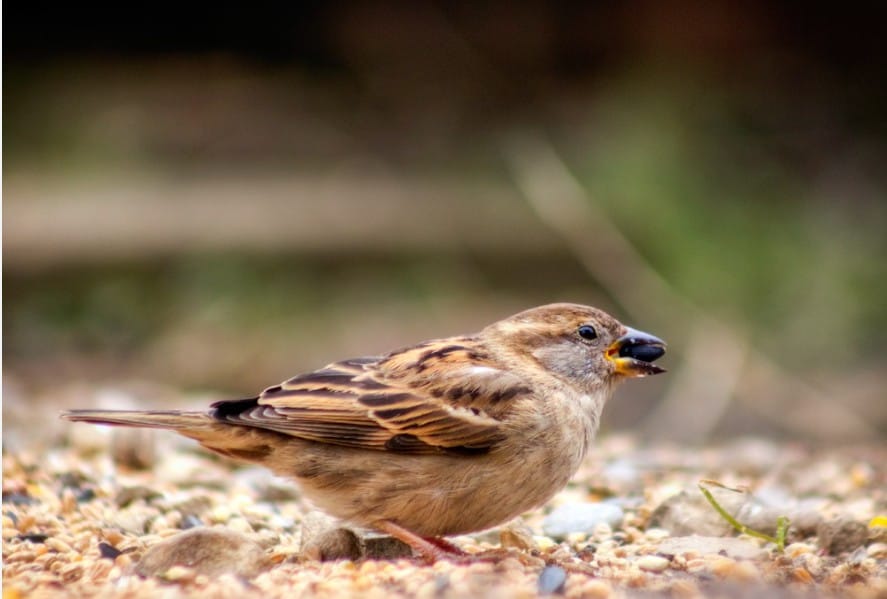
In the wild, sparrows are omnivorous birds with a strong preference for plant-based foods such as seeds and grains. However, they also consume a variety of insects and small invertebrates, especially during breeding season when protein demand increases.
Their diet is highly flexible. In agricultural areas, they feed on grains like wheat and rice. In gardens and urban spaces, they rely on seeds, crumbs, and human-provided foods. During spring and summer, insects become more important, while in autumn and winter, seeds and berries dominate their diet.
Below are 30 essential foods that make up a sparrow’s diverse diet.
1. Grains
Grains are one of the most important food sources for sparrows, especially in agricultural and urban environments. Sparrows often feed on spilled grains from farms, storage areas, and bird feeders. These include a wide range of cereal crops that provide essential carbohydrates.
Grains give sparrows long-lasting energy needed for daily activities such as flying, foraging, and social interactions. Because grains are abundant in human-altered landscapes, they play a major role in supporting large sparrow populations.
This food source is particularly important during winter when insects are scarce and energy demands are higher.
2. Wheat
Wheat is a widely consumed grain by sparrows, especially in farming regions. Birds often feed on exposed wheat fields or leftover grains after harvesting.
Wheat provides carbohydrates and fiber, making it a stable and reliable energy source. Sparrows can easily crack and digest wheat kernels using their strong beaks.
Its availability in both wild and agricultural settings makes wheat a staple food for sparrows worldwide.
3. Rice
Rice is another important grain consumed by sparrows, particularly in regions where rice cultivation is common. They often feed on fallen grains in fields or storage areas.
Rice offers quick energy through carbohydrates and is easy for sparrows to digest. Both raw and partially processed grains are consumed.
In agricultural landscapes, rice plays a significant role in supporting sparrow populations.
4. Oats
Oats are a nutritious grain that sparrows consume when available. They are often found in farms, feed stores, or mixed bird seed blends.
Oats provide fiber, protein, and slow-releasing energy, making them beneficial for sustained activity.
Sparrows readily consume oats when other grains are less accessible.
5. Barley
Barley is another cereal grain included in sparrow diets. It is commonly found in agricultural fields and bird feed mixes.
This grain provides essential carbohydrates and helps sustain energy during colder months or migration periods.
Sparrows break down barley grains efficiently using their strong, conical beaks.
6. Millet
Millet is one of the most preferred seeds for sparrows and is often used in bird feeders to attract them. It is small, easy to eat, and highly digestible.
Millet provides quick energy and is especially popular in both wild and urban environments.
Because of its accessibility, millet is a key dietary component for sparrows across many regions.
7. Corn (Cracked Corn)
Cracked corn is a common food source for sparrows in rural and farm areas. The broken kernels are easier for small birds to consume.
Corn provides high-energy carbohydrates that help sustain sparrows during active periods.
It is especially useful in winter when other natural food sources are limited.
8. Sorghum
Sorghum is a drought-resistant grain that sparrows consume in agricultural regions where it is cultivated.
It provides carbohydrates and is often available in harvested fields or stored grain supplies.
Sparrows are highly adaptable and include sorghum in their diet whenever accessible.
9. Seeds
Seeds form the core of a sparrow’s diet. They are widely available in natural environments such as grasslands, gardens, and forests.
Seeds provide essential fats, proteins, and carbohydrates that support daily energy needs.
Sparrows are highly skilled at cracking seeds using their short, strong beaks.
10. Sunflower Seeds
Sunflower seeds are highly nutritious and widely consumed by sparrows, especially at bird feeders.
They are rich in fats and proteins, making them an excellent energy source during cold weather or migration periods.
Sparrows often feed on both shelled and unshelled sunflower seeds depending on availability.
11. Nyjer Seeds
Nyjer seeds are small, oil-rich seeds that sparrows may consume when available, especially at bird feeders. Although they are more commonly associated with finches, sparrows will also feed on them opportunistically.
These seeds provide high energy due to their fat content, making them useful during colder months when energy demands are higher.
Their small size makes them easy for sparrows to handle and digest efficiently.
12. Safflower Seeds
Safflower seeds are another nutritious food that sparrows may eat in both wild and feeder environments. They are slightly harder than other seeds but still accessible to sparrows.
These seeds provide a balance of fats, protein, and carbohydrates, supporting daily energy needs.
Sparrows may prefer safflower seeds when other softer seeds are less available.
13. Grass Seeds
Grass seeds are a natural and abundant food source for sparrows in meadows, fields, and lawns. They are often collected directly from seed heads.
These seeds are easy to find and provide essential carbohydrates for energy.
Grass seeds are especially important during late summer and autumn when plants are seeding.
14. Weed Seeds
Weed seeds are a crucial wild food source for sparrows. They are widely available in disturbed soil, gardens, and roadsides.
Sparrows actively forage for these seeds on the ground and in vegetation.
Weed seeds play a key role in sustaining sparrow populations in natural environments.
15. Peanuts
Peanuts are high-energy food that sparrows may consume when available, especially in crushed or shelled form.
They provide fats and proteins that help support active metabolism and survival during winter.
Peanuts are commonly offered in bird feeders and are highly attractive to sparrows.
16. Berries
Berries are an important seasonal food for sparrows, especially in late summer and autumn. They are found in hedgerows, gardens, and woodland edges.
Berries provide natural sugars, vitamins, and hydration, helping birds maintain energy levels.
They also play a role in seed dispersal through droppings.
17. Blackberries
Blackberries are widely consumed by sparrows when they ripen in late summer. They are soft, sweet, and easy to eat.
These fruits provide quick energy and are often eaten in large quantities when available.
Blackberries are one of the most important wild fruits in a sparrow’s diet.
18. Raspberries
Raspberries are another favorite berry of sparrows. They are commonly found in gardens and wild hedgerows.
Their soft texture and high sugar content make them an ideal energy source.
Sparrows may repeatedly visit raspberry bushes until the fruit is fully consumed.
19. Blueberries
Blueberries are nutrient-rich fruits eaten by sparrows when available in woodland and garden habitats.
They contain antioxidants and sugars that help support health and energy.
Blueberries are especially important during seasonal transitions when insects are less available.
20. Strawberries
Strawberries are occasionally consumed by sparrows, especially in cultivated gardens.
They provide hydration and quick energy through natural sugars.
While not a primary wild food, strawberries are attractive when ripe and accessible.
21. Elderberries
Elderberries are a valuable seasonal food source for sparrows, especially in late summer and autumn. These small dark berries grow in clusters and provide natural sugars and antioxidants.
Sparrows feed heavily on elderberries when they are ripe, taking advantage of their high energy content before colder months arrive.
They also contribute to seed dispersal by spreading seeds through their droppings across different habitats.
22. Apples
Apples are commonly eaten by sparrows when they become soft or damaged. Birds peck into exposed flesh to access the sweet interior.
They are especially important in orchards and gardens where fallen fruit is available.
Apples provide hydration and quick energy, particularly in autumn and winter.
23. Pears
Pears are similar to apples and are consumed when ripe and easily accessible. Sparrows feed on soft, exposed areas of the fruit.
Their natural sugars make them a good energy source during colder months.
Pears are often part of sparrows’ urban and garden diets.
24. Chopped Fruits
Chopped fruits include a variety of soft fruits provided in gardens or naturally broken down in the wild. Sparrows readily feed on small fruit pieces.
These fruits provide hydration, vitamins, and quick energy.
They are especially useful in urban environments where natural food diversity is limited.
25. Insects
Insects are a critical protein source for sparrows, especially during breeding season. They include a wide variety of small arthropods found in soil, vegetation, and air.
Sparrows actively hunt insects to support chick growth and adult energy needs.
This food group plays a key role in balancing sparrow diets.
26. Caterpillars
Caterpillars are soft-bodied larvae that provide high protein and are especially important during spring and summer.
Sparrows often find them on leaves and branches in gardens and woodlands.
They are essential for chick development during the breeding season.
27. Beetles
Beetles are widely consumed insects found in soil, bark, and vegetation. Sparrows forage actively to locate them.
They provide protein and fats necessary for energy and growth.
Beetles are an important part of the natural insect diet.
28. Flies
Flies are small, fast-moving insects that sparrows catch opportunistically. They are abundant in most environments.
Flies provide quick protein intake and are especially useful during warmer months.
Their availability makes them a consistent food source.
29. Spiders
Spiders are occasionally eaten by sparrows when found in vegetation or ground cover.
They provide protein and are part of the broader insectivore component of the diet.
Although not primary prey, spiders contribute to dietary diversity.
30. Earthworms
Earthworms are a highly nutritious food source consumed by sparrows, especially in moist soil conditions.
They are rich in protein and easy to digest, making them valuable during breeding season.
Sparrows often locate earthworms by pecking at damp ground areas.
Seasonal Diet Changes
Sparrows adjust their diet throughout the year depending on food availability. In spring and summer, they consume more insects, caterpillars, and spiders to support breeding and chick growth. In autumn and winter, they rely more heavily on seeds, grains, and berries.
This adaptability allows sparrows to survive in both rural and urban environments year-round.
Feeding Behavior & Foraging Techniques
Sparrows are ground and surface foragers, often seen hopping in search of seeds and insects. They use their short, strong beaks to crack seeds and pick small insects from surfaces.
They are highly social feeders and often forage in groups, which increases feeding efficiency and safety.
Ecological Role of Sparrows
Sparrows play an important ecological role by controlling insect populations and helping in seed dispersal. Their feeding habits help maintain balance in both natural and human environments.
They also serve as indicators of ecosystem health due to their sensitivity to habitat changes.
Fun Facts About Sparrow Eating Habits
- Sparrows can adapt their diet within days based on food availability.
- They often feed in large social groups for safety.
- Urban sparrows rely heavily on human food waste.
- They switch from insects to seeds seasonally with precision.
- Sparrows can recognize reliable food sources and return to them repeatedly.
Conclusion
Sparrows are highly adaptable birds with an incredibly flexible diet that includes grains, seeds, insects, fruits, and more. Their ability to thrive in almost any environment is directly linked to this dietary diversity.
By understanding what sparrows eat, we gain insight into how they survive alongside humans and why they remain one of the most successful bird species in the world.
Frequently Asked Questions About What Sparrows Eat
1. What do sparrows mainly eat?
Sparrows mainly eat seeds and grains, but they are opportunistic and also consume insects, fruits, and small invertebrates depending on availability.
2. Do sparrows eat insects?
Yes, sparrows eat insects such as beetles, caterpillars, flies, and spiders, especially during breeding season when they need more protein.
3. Do sparrows eat bread?
Sparrows may eat bread crumbs, but bread is not nutritionally ideal and should only be offered occasionally in very small amounts.
4. What seeds do sparrows prefer?
Sparrows prefer millet, sunflower seeds, grass seeds, and weed seeds because they are easy to crack and energy-rich.
5. Do sparrows eat rice?
Yes, sparrows eat rice, especially in agricultural areas where grains are abundant after harvesting.
6. Do sparrows eat wheat?
Wheat is a common food for sparrows, particularly in farming regions where spilled grains are accessible.
7. Do sparrows eat fruits?
Yes, sparrows eat fruits like apples, pears, berries, and cherries when available, especially in gardens and orchards.
8. Do sparrows eat berries?
Berries such as blackberries, raspberries, and elderberries are important seasonal foods for sparrows.
9. Do sparrows eat grass seeds?
Yes, grass seeds are a natural and abundant food source for sparrows in fields and open areas.
10. Do sparrows eat sunflower seeds?
Sunflower seeds are highly nutritious and commonly eaten by sparrows, especially at bird feeders.
11. Do sparrows eat oats?
Yes, sparrows eat oats when available, as they provide energy and fiber.
12. Do sparrows eat corn?
Sparrows eat cracked corn, especially in rural areas and bird feeding stations.
13. Do sparrows eat peanuts?
Yes, sparrows may eat peanuts, particularly crushed or broken pieces that are easier to consume.
14. Do sparrows eat spiders?
Yes, spiders are part of their insect-based diet and provide protein.
15. Do sparrows eat earthworms?
Yes, sparrows eat earthworms when they can find them in moist soil areas.
16. Do sparrows eat beetles?
Beetles are commonly eaten by sparrows as a protein-rich food source.
17. Do sparrows eat caterpillars?
Yes, caterpillars are especially important for feeding young sparrows during breeding season.
18. Do sparrows eat flies?
Sparrows eat flies when they can catch them, especially in warm months.
19. Do sparrows eat seeds in winter?
Yes, sparrows rely heavily on seeds during winter when insects are scarce.
20. Do sparrows change their diet seasonally?
Yes, they eat more insects in spring and summer and more seeds and grains in autumn and winter.
21. Do sparrows eat garden seeds?
Yes, sparrows often eat seeds from garden plants and flowers.
22. Do sparrows eat mealworms?
Yes, mealworms are an excellent protein source for sparrows, especially in feeders.
23. Do sparrows eat suet?
Yes, sparrows may eat suet, particularly in cold weather when they need extra energy.
24. Do sparrows eat bread crumbs from humans?
Yes, sparrows often eat crumbs in urban environments, but it is not a healthy long-term diet.
25. Do sparrows eat insects in cities?
Yes, sparrows in cities still eat insects found around vegetation and buildings.
26. Do sparrows eat garden pests?
Yes, sparrows help control pests by eating insects like caterpillars and beetles.
27. Do sparrows eat ants?
Yes, ants are part of their opportunistic insect diet.
28. Do sparrows eat snails?
Sparrows may occasionally eat small snails, but they are not a primary food source.
29. Do sparrows eat fruit in trees?
Yes, sparrows often feed on soft or ripe fruit directly from trees.
30. Do sparrows eat berries in winter?
Yes, berries are an important winter food source when insects are unavailable.
31. Do sparrows eat rice in fields?
Yes, sparrows often feed on rice grains in harvested or unharvested fields.
32. Do sparrows eat birdseed mixes?
Yes, sparrows readily consume mixed birdseed offered in feeders.
33. Do sparrows eat wild plants?
Yes, sparrows eat seeds from wild grasses and plants.
34. Do sparrows eat apples in gardens?
Yes, sparrows eat soft or damaged apples found in gardens and orchards.
35. Do sparrows eat insects all year?
No, insect consumption peaks in warmer months when they are abundant.
36. Do sparrows eat more seeds than insects?
Yes, seeds make up the majority of their diet overall.
37. Do sparrows eat human food?
Yes, sparrows may eat small bits of human food in urban areas.
38. Do sparrows eat grass?
They do not eat grass itself but consume grass seeds.
39. Do sparrows eat sunflower hearts?
Yes, sunflower hearts are highly preferred because they are easy to eat.
40. Do sparrows eat frozen food in winter?
No, they prefer natural seeds and berries over frozen foods.
41. Do sparrows eat worms in gardens?
Yes, sparrows often find worms in moist garden soil.
42. Do sparrows eat agricultural crops?
Yes, sparrows can feed on crops like wheat, rice, and barley.
43. Do sparrows eat flower seeds?
Yes, they often consume seeds from flowering plants.
44. Do sparrows eat during the day?
Yes, sparrows are diurnal and feed throughout daylight hours.
45. Do sparrows store food?
No, sparrows do not store food; they forage daily.
46. Do sparrows eat alone or in groups?
They often feed in groups for safety and efficiency.
47. Do sparrows eat more in winter?
Yes, they increase food intake to maintain body heat.
48. Do sparrows eat insects in flight?
They mostly catch insects on surfaces, not in flight.
49. Do sparrows eat poisonous foods?
They naturally avoid toxic foods but can be harmed by processed human foods.
50. What is the best food to feed sparrows?
The best foods are millet, sunflower seeds, oats, and mealworms for balanced nutrition.
51. Why are sparrows important in ecosystems?
Sparrows help control insect populations and disperse seeds, supporting ecological balance.
Read more: