
Kentucky is a state where rolling hills, dense forests, and fertile farmlands create a haven for deer of all shapes and sizes. From the familiar White-tailed Deer that graze in backyards to the occasional exotic visitors like Fallow or Sika Deer, the variety of cervids in this region is remarkable. Observing these animals provides insight into their ecological roles, survival strategies, and the delicate balance between wildlife and human development.
This guide explores six types of deer found in Kentucky, detailing their appearance, habits, habitats, diets, and interactions with humans. Whether you’re a wildlife enthusiast, hunter, or casual nature observer, understanding these deer enriches your experience in the Bluegrass State and helps foster a deeper appreciation for its native and introduced wildlife.
1. White-Tailed Deer (Odocoileus virginianus)

Physical Characteristics
White-tailed Deer are Kentucky’s most common cervid, instantly recognizable by their reddish-brown summer coat and grayish winter fur. Bucks typically weigh between 150 and 300 pounds, sporting antlers that regrow annually. Does are smaller, averaging 100–150 pounds. Their tail, brown on top and white underneath, acts as a visual signal to alert other deer when danger approaches.
Behavior
These deer are crepuscular, mostly active at dawn and dusk. They are social animals, forming small family groups. Bucks become more aggressive during the fall rut, engaging in antler clashes and vocalizations to attract mates. They communicate through body postures, scent marking, and audible signals like snorts or grunts.
Habitat and Range
White-tailed Deer occupy forests, fields, and agricultural lands throughout Kentucky. They thrive in mixed habitats with cover and open areas for foraging. Populations have rebounded dramatically due to conservation efforts, making them one of the most widely distributed deer in North America.
Diet
They are browsers, feeding on leaves, twigs, fruits, and nuts. Seasonal changes affect their diet: tender shoots in spring, corn and acorns in autumn, and twigs and bark in winter. Gardens and crop fields often attract deer, sometimes causing human-deer conflicts.
Reproduction and Life Cycle
Breeding occurs in fall, with gestation lasting about 200 days. Fawns, usually one or two per doe, are born in late spring. They are camouflaged with spots and hidden in vegetation for weeks. By autumn, yearlings start exploring independently and establishing territories.
Fun Facts / Traits
White-tailed Deer can leap over eight feet and run up to 35 mph. Their tail signaling is a communication tool, and their acute sense of smell allows them to detect predators early.
Human Interaction
Beloved by nature watchers and hunters alike, they play a key role in Kentucky’s ecosystem but can damage crops and gardens. Managed hunting helps maintain balanced populations.
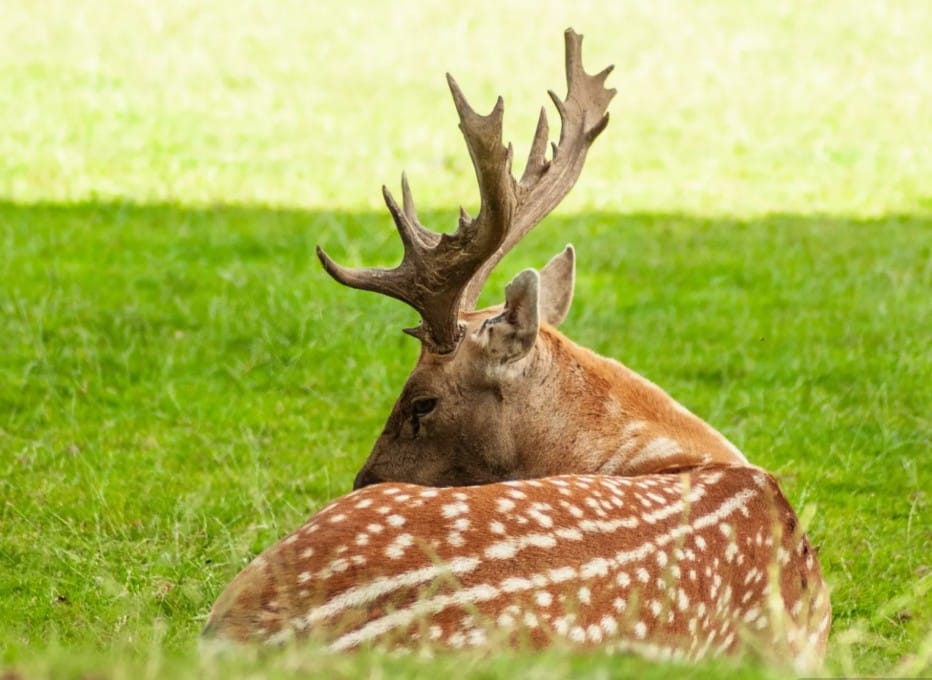
2. Fallow Deer (Dama dama)
Physical Characteristics
Fallow Deer are medium-sized with striking coat patterns: common chestnut with white spots, black, pale, or menil morphs. Bucks have distinctive palmate antlers. Females lack antlers, and their tails are long with a central black stripe.
Behavior
Fallow Deer are social, forming herds that fluctuate by season. During rut, males display dominance and emit deep groans to attract females. Outside breeding season, herds are cooperative and peaceful.
Habitat and Range
Non-native to Kentucky, they exist in private preserves and managed estates. They prefer parklands, grasslands, and lightly wooded areas with access to cover and open fields.
Diet
They browse on grasses, herbs, and acorns, adapting to seasonal food availability. In winter, they consume woody plants and leftover crops.
Reproduction and Life Cycle
Rut peaks in October; gestation is ~230 days. Fawns are born spotted and hidden for safety. Lifespan is up to 16 years in captivity.
Fun Facts / Traits
Fallow Deer have four color morphs and flat, broad antlers. They are photogenic and highly recognizable, making them popular in wildlife photography.
Human Interaction
Kept in private estates, Fallow Deer are admired for their elegance. They pose minimal ecological threat when managed properly.
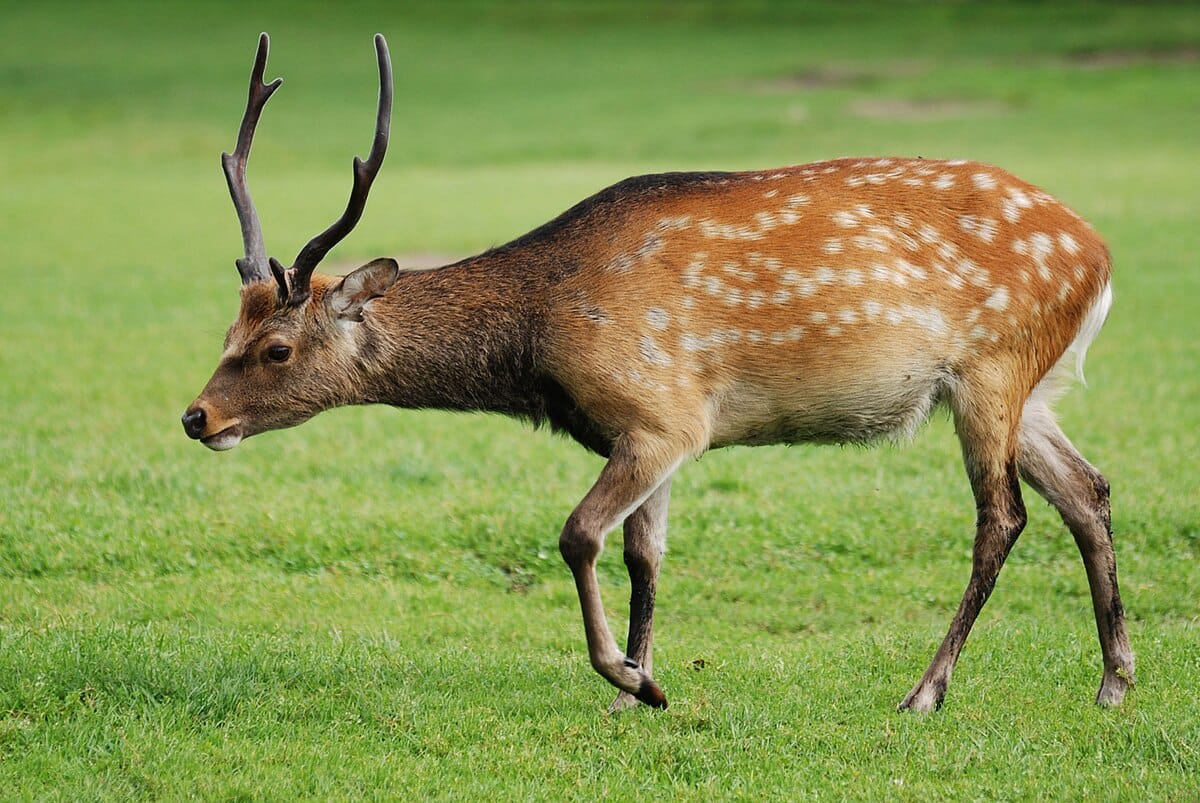
3. Sika Deer (Cervus nippon)
Physical Characteristics
Sika Deer are small, with reddish-brown spotted coats in summer and darker winter coats. Males have narrow antlers. Large dark eyes and erect ears make them appear alert at all times.
Behavior
They are agile and curious, often vocalizing with whistles or barks. During rut, males emit high-pitched bugles and engage in short territorial conflicts.
Habitat and Range
Found mainly in private preserves, wetlands, and forest edges. Adaptable to human-altered landscapes.
Diet
Browsers of grasses, herbs, and aquatic plants. They tolerate lower-quality forage better than some native deer.
Reproduction and Life Cycle
Rut in autumn; gestation ~220 days. Fawns are hidden and cared for until they can safely join the herd. Lifespan ~15 years.
Fun Facts / Traits
Maintain faint spots year-round. Strong swimmers. Named after the Japanese word shika.
Human Interaction
Admired for beauty; hybridization with native species is monitored. They are calm and photogenic.
4. Mule Deer (Odocoileus hemionus)

Physical Characteristics
Mule Deer have large, mule-like ears, forked antlers, and short tails with black tips. Adults weigh 130–300 pounds and have light brown to gray coats.
Behavior
They are calm, vigilant, and use a bounding leap (stotting) to navigate terrain. Mostly active at dawn and dusk, they form small family groups.
Habitat and Range
Native to the western U.S., occasional individuals appear in western Kentucky near river corridors. Prefer open woodlands, prairies, and brushy canyons.
Diet
Consume shrubs, leaves, and grasses. Adapt well to drier environments.
Reproduction and Life Cycle
Rut peaks in November; gestation ~200 days; fawns usually twins. Fawns grow fast and follow mothers quickly.
Fun Facts / Traits
Excellent hearing and vision for movement; stotting confuses predators.
Human Interaction
Rare sightings excite wildlife enthusiasts. Observations help track ecosystem changes.
5. Black-Tailed Deer (Odocoileus hemionus columbianus)

Physical Characteristics
Subspecies of Mule Deer with dark coat and black tail. Adults weigh 100–250 pounds. Antlers smaller but similar to Mule Deer.
Behavior
Cautious, move quietly through dense cover, communicate with tail flicks and scent marking. Bucks solitary; does form family groups.
Habitat and Range
Native to Pacific Northwest, rare in Kentucky; prefer forests and mixed woodlands.
Diet
Eat shrubs, berries, tender shoots, mosses, and fungi.
Reproduction and Life Cycle
Breeding in late fall; gestation ~7 months; fawns hidden for several weeks.
Fun Facts / Traits
Excellent swimmers; acute movement detection. Can adapt far from native range.
Human Interaction
Found in captivity and managed herds. Observations are prized by photographers and naturalists.
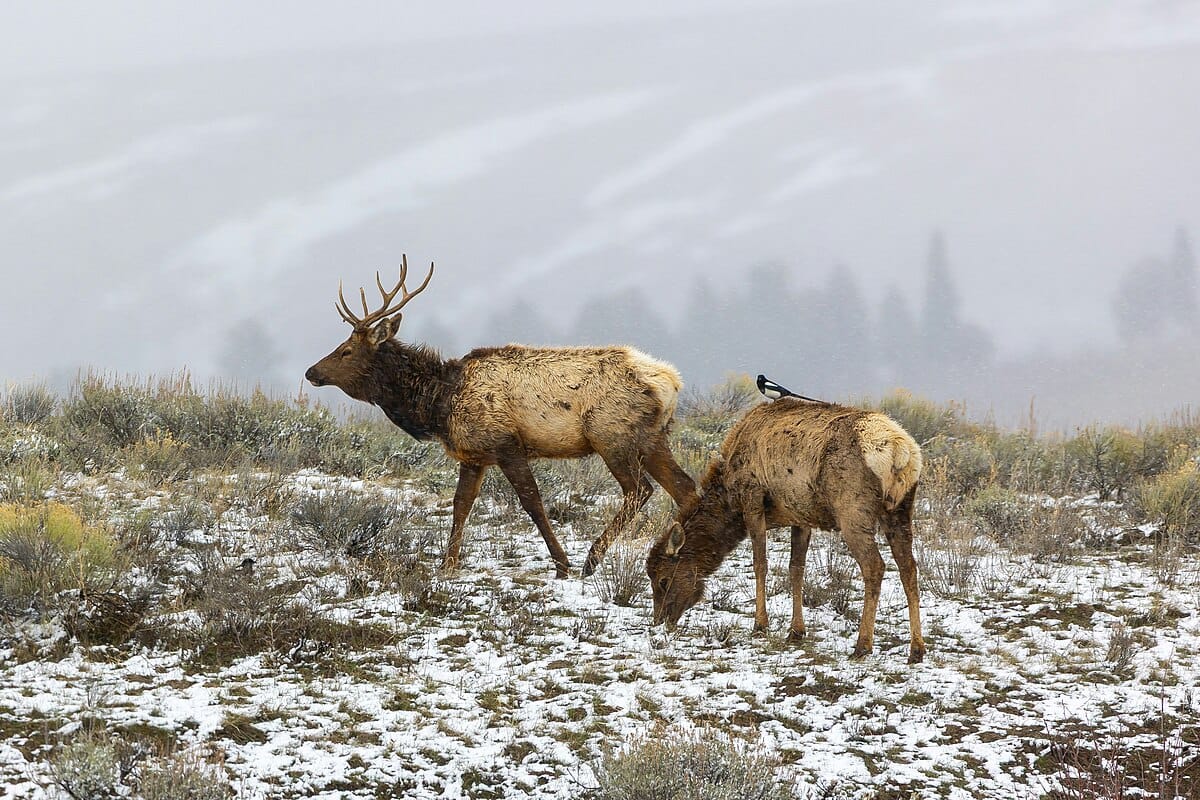
6. Elk (Cervus canadensis)
Physical Characteristics
Elk, sometimes called wapiti, are among the largest members of the deer family in Kentucky. Adult bulls can weigh between 600 and 1,100 pounds, while cows average 450–600 pounds. They sport a reddish-brown body with a lighter rump patch, and bulls develop impressive antlers each year, capable of spanning over four feet. Elk are easily distinguished from other deer by their massive size, muscular neck, and long legs.
Behavior
Elk are social, forming large herds of cows and juveniles led by dominant bulls. Males become especially vocal during the rut in September, producing loud bugling calls to attract females and warn rival bulls. Elk are crepuscular, most active at dawn and dusk, and move in coordinated herds to forage safely.
Habitat and Range
Historically abundant across Kentucky, Elk populations declined due to hunting and habitat loss but have been reintroduced in select regions, especially in eastern and south-central Kentucky. They thrive in forested valleys, open meadows, and riverine corridors, where they can graze and seek cover from predators.
Diet
Elk are grazers and browsers. Their diet includes grasses, forbs, leaves, twigs, and bark. Seasonal shifts in food availability drive movements: in spring and summer, lush grasses dominate; in winter, woody browse sustains them. Elk also occasionally feed on agricultural crops near their habitats.
Reproduction and Life Cycle
The breeding season occurs in early fall. Dominant bulls establish harems of multiple females and guard them aggressively. After a gestation of around 240 days, calves are born in late spring. Calves are spotted for camouflage and begin following mothers within a few days. Lifespan in the wild averages 10–13 years, while some may reach 20 in managed preserves.
Fun Facts / Traits
Elk are excellent swimmers and can traverse rivers and streams with ease. Their bugling calls carry over long distances, often echoing through valleys in a hauntingly beautiful display of communication. Despite their size, Elk are surprisingly agile, able to navigate rugged terrain at impressive speeds.
Human Interaction
Elk are a symbol of Kentucky’s wildlife restoration success. Controlled hunting seasons, wildlife management programs, and protected areas have allowed populations to recover. Encounters with Elk are thrilling for hikers, photographers, and naturalists, offering a glimpse into the state’s rich ecological heritage.
FAQ’s
1. Are there mule deer in Kentucky?
No, mule deer are not native to Kentucky. The state’s deer population is almost entirely White-tailed Deer.
2. Does Kentucky have big whitetail deer?
Yes, Kentucky is known for producing large White-tailed Bucks. The combination of abundant food, good habitat, and regulated hunting helps bucks grow impressive antlers.
3. How many deer are in Kentucky?
Kentucky has an estimated 800,000 to 900,000 White-tailed Deer statewide, though numbers fluctuate depending on hunting and habitat conditions.
4. What kind of deer are in Kentucky?
White-tailed Deer are the only wild deer species found in Kentucky. They thrive in forests, farmlands, and even suburban areas.
5. Are there red deer in Kentucky?
No, red deer are not native to Kentucky. Any red deer you might see are likely in private preserves or zoos.
6. How rare is a white-tailed deer?
White-tailed Deer are very common in Kentucky. While albino or leucistic white-colored deer are rare, standard brown and reddish-white White-tails are abundant.
7. Can I shoot a deer on my property in Kentucky?
Yes, you can hunt deer on your own property in Kentucky, but only during legal hunting seasons and with proper permits. You must follow all state regulations regarding firearm safety, bag limits, and reporting.
8. Does Kentucky have moose or elk?
Kentucky does not have moose. Elk were once native but were extirpated; today, there are small managed elk populations in certain areas like the eastern counties.
9. What is the elk capital of Kentucky?
The elk capital of Kentucky is around the Daniel Boone National Forest area in eastern Kentucky, where small herds are managed and monitored by the state.
10. Can you keep elk sheds in Kentucky?
Yes, you can legally collect elk antler sheds on public and private lands as long as you follow state regulations. Some areas may require permission from landowners or local authorities.
11. What is the best county in Kentucky for deer hunting?
Counties like Breathitt, Wolfe, and Bell in eastern Kentucky are known for good deer hunting, along with western counties such as Ballard and Fulton for trophy bucks. The “best” county can depend on land access and hunter pressure.
12. Can you bait elk in Kentucky?
Baiting elk is generally prohibited on public lands in Kentucky. On private lands, rules may vary, so it’s important to check with the Kentucky Department of Fish and Wildlife Resources (KDFWR) before attempting to bait elk.
Conclusion
Kentucky hosts a fascinating variety of deer, from the ever-present White-tailed Deer to the majestic Elk, and even exotic introductions like Fallow and Sika Deer. Each species brings its own story of adaptation, survival, and coexistence with humans. Observing these animals highlights the diversity of habitats in the Bluegrass State — from dense forests and open fields to river valleys and managed preserves.
Understanding the behaviors, diets, and life cycles of Kentucky’s deer enriches our appreciation of local wildlife. Whether you are a wildlife enthusiast, photographer, or hunter, learning about these six deer species offers insight into their ecological roles and the importance of conservation efforts. Every sighting is a reminder of the delicate balance between nature and human influence, and the ongoing stewardship required to keep these populations thriving.
Read more: 5 Types of Deer in New Mexico (Pictures and Identification)