
Foxes are among the most adaptable and charming members of the canid family. Across the globe, there are many species of foxes, each with its own fascinating behaviors, habitats, and appearances. In this guide, we will explore 30 different types of foxes, providing detailed insights into their distinctive features, natural homes, and habits. Whether you are a wildlife enthusiast, a student of zoology, or just curious about the creatures you might encounter in forests or deserts, this guide covers everything you need to know about foxes. Let’s explore the diverse world of these clever and charismatic animals.
1. Red Fox
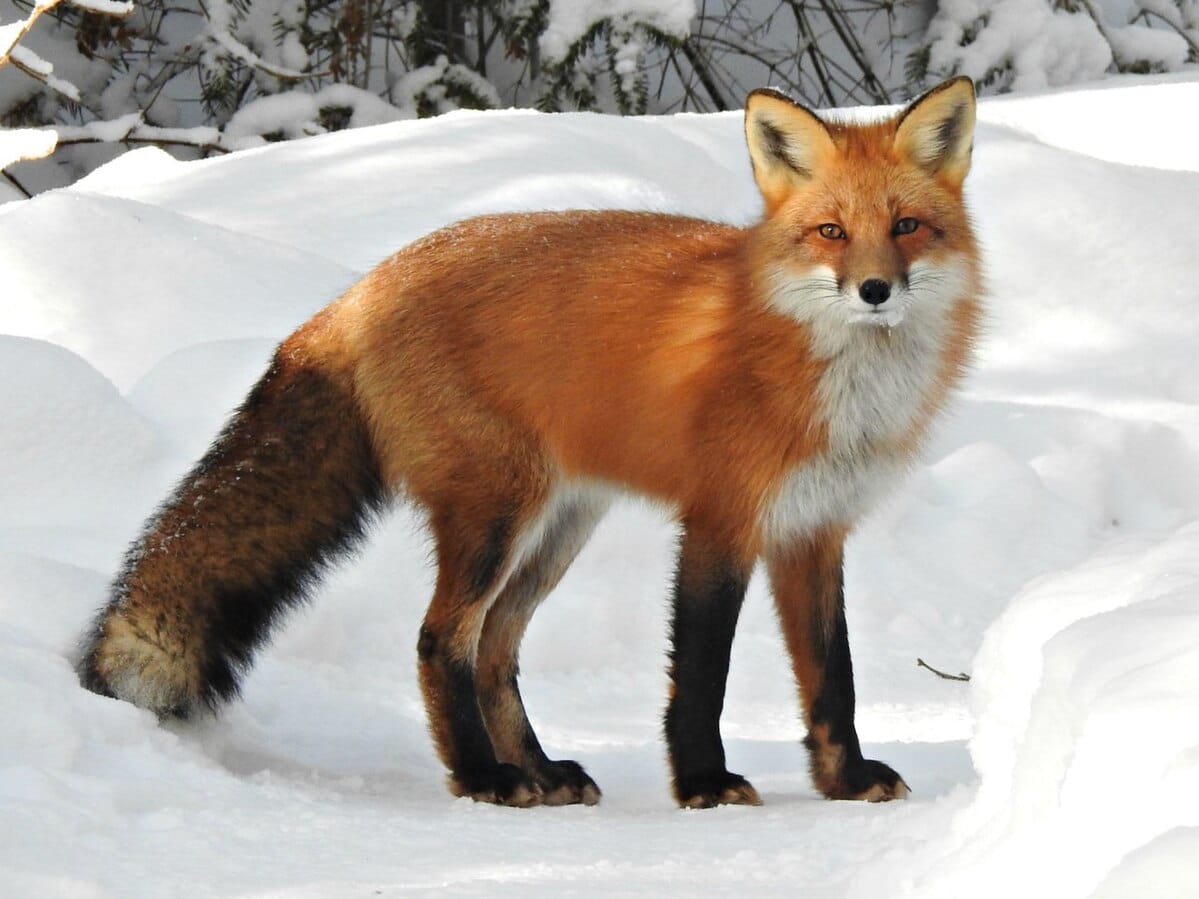
The Red Fox (Vulpes vulpes) is perhaps the most recognized fox in the world. Its striking reddish coat, bushy tail, and sharp facial features make it instantly identifiable. Red foxes are highly adaptable and occupy habitats ranging from forests and grasslands to suburban areas. They are opportunistic feeders, hunting rodents, birds, and even scavenging human food when available. Their keen sense of hearing allows them to detect prey underground, and their playful behavior often captivates onlookers. One interesting fact is that red foxes have color morphs such as silver and cross fox, showing the variety in their appearance. They are primarily solitary animals, but during the breeding season, pairs form for raising young. Their adaptability and intelligence are key to their global success.
2. Arctic Fox

Living in the extreme cold of the Arctic tundra, the Arctic Fox (Vulpes lagopus) is a master of survival in harsh climates. Its thick fur, which changes color seasonally from white in winter to brown or gray in summer, provides both camouflage and insulation. Arctic foxes primarily hunt lemmings and birds, and they are known to follow polar bears to scavenge leftovers. Their small ears and compact body shape minimize heat loss, an evolutionary design perfect for freezing temperatures. Observing an Arctic fox can feel like glimpsing a small ghost moving quietly across snowy landscapes. Despite the harsh environment, these foxes show remarkable social behaviors, sometimes forming small family groups. Their resilience is an inspiring example of adaptation in the animal kingdom.
3. Fennec Fox
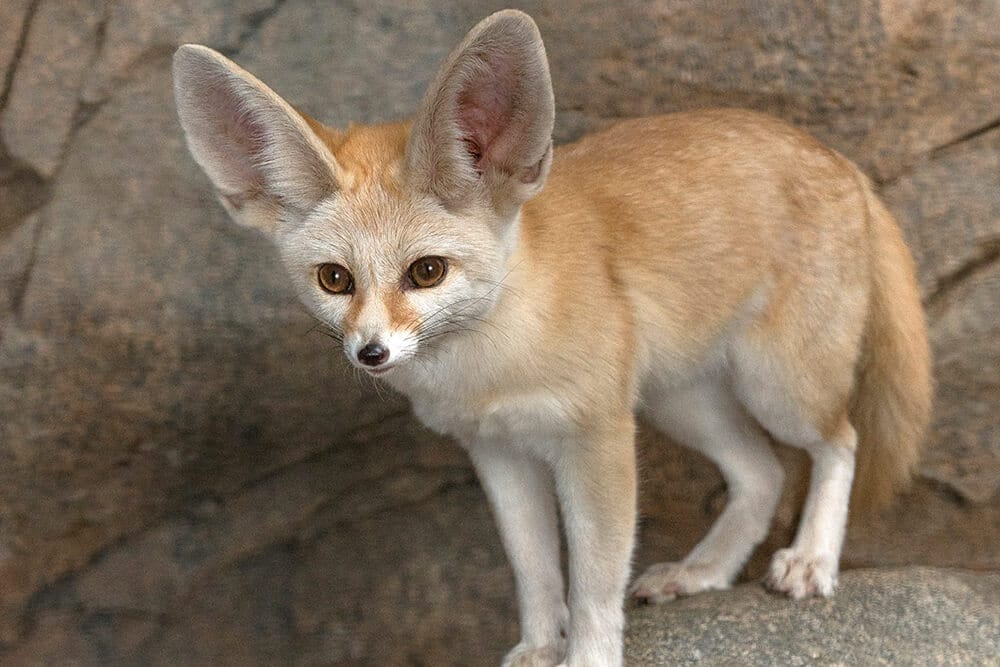
The Fennec Fox (Vulpes zerda) is instantly recognizable for its enormous ears and tiny body, native to the Sahara Desert. These ears serve a dual purpose: detecting prey underground and dissipating heat in the scorching desert. Fennec foxes are nocturnal hunters, preying on insects, rodents, and plants. They dig extensive burrows to escape the daytime heat, creating complex underground homes. Despite their small size, they are extremely agile and resourceful. The Fennec’s social behavior is notable, often seen in family groups communicating through vocalizations and scent markings. Their striking appearance and endearing behavior make them a favorite in wildlife photography. They are a vivid example of adaptation to desert life.
4. Bengal Fox

Also known as the Indian Fox, the Bengal Fox (Vulpes bengalensis) inhabits grasslands and scrublands of the Indian subcontinent. This small fox has a sandy-brown coat, a bushy tail, and dark markings on its muzzle and ears. Bengal foxes are primarily crepuscular, active during dawn and dusk, hunting small mammals, birds, and insects. They are skilled diggers, constructing burrows for shelter and rearing young. Unlike some solitary fox species, Bengal foxes sometimes exhibit playful social interactions, particularly among siblings. Human encroachment poses challenges to their habitats, but they are remarkably adaptable and continue to thrive in fragmented landscapes. Their alert expressions and agile movements make them a fascinating species to observe in the wild.
5. Blanford’s Fox

Blanford’s Fox (Vulpes cana) is a small, nimble fox native to the mountainous regions of the Middle East. It is easily identified by its slender body, large ears, and bushy tail. These foxes are primarily nocturnal, hunting insects, small mammals, and fruits. Their ability to scale rocky cliffs with agility allows them to escape predators and find shelter in difficult terrains. Blanford’s foxes communicate through vocalizations and scent markings, and they often move in small family groups. Despite their relatively secretive nature, they play an important role in their ecosystems by controlling rodent populations. Observing one requires patience, but their cautious movements and sharp features reveal a remarkable adaptation to harsh, rocky habitats.
6. Cape Fox
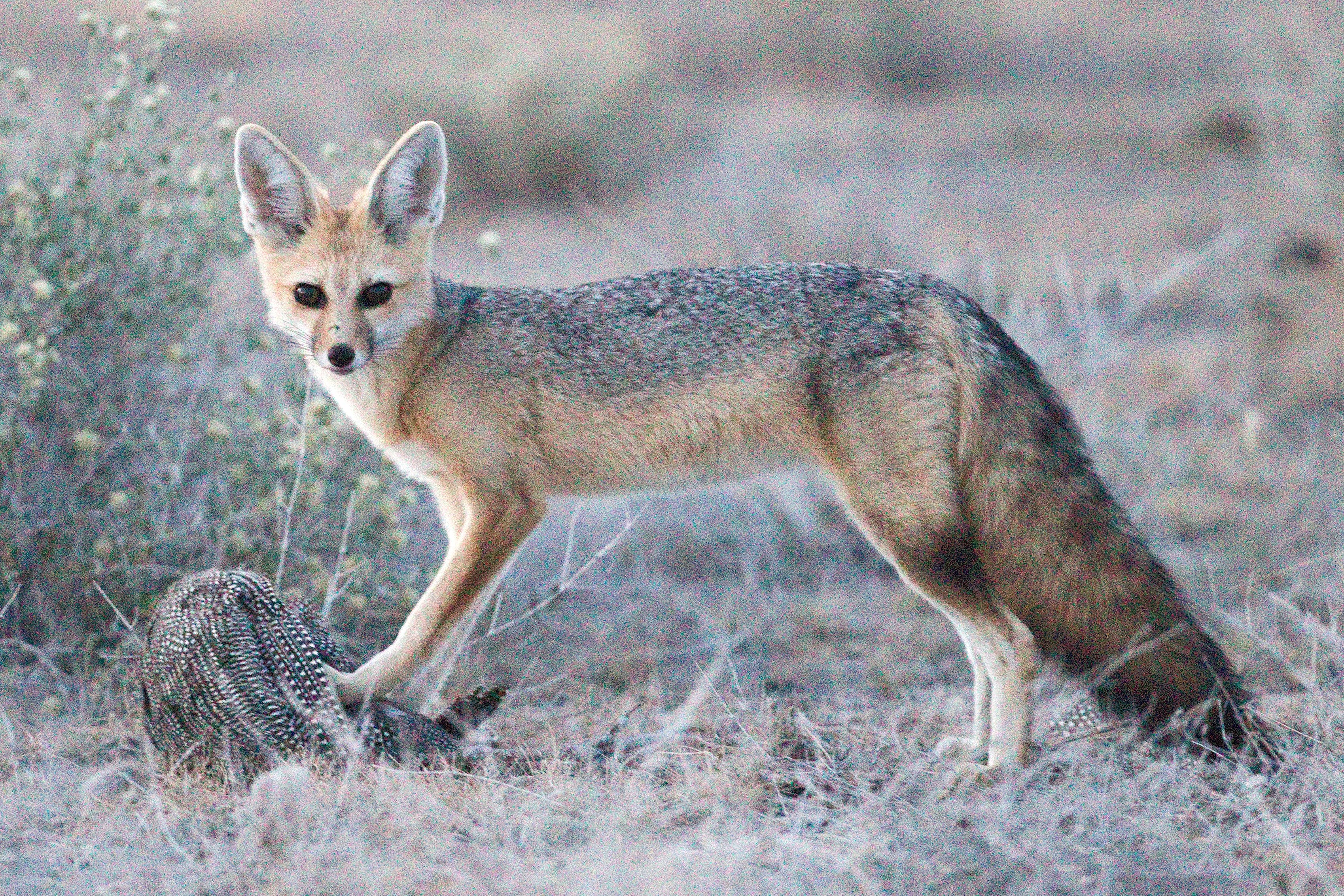
The Cape Fox (Vulpes chama), also known as the Silver-backed Fox, is a medium-sized fox native to southern Africa. It has a distinctive silvery-gray back, contrasted with a lighter underbelly, and a long, bushy tail tipped with black. Cape foxes inhabit open savannas, grasslands, and semi-desert regions, often preferring areas with scattered shrubs or rocky outcrops for shelter. They are primarily nocturnal, emerging at dusk to hunt small mammals, birds, insects, and occasionally fruits. One of their most fascinating behaviors is their ability to leap gracefully while hunting rodents, reminiscent of a ballet dancer in the night.
Cape foxes are generally solitary, though mating pairs may stay together during the breeding season. They dig burrows or use abandoned aardvark holes to shelter themselves during the day. Communication is essential for these foxes, and they use a combination of high-pitched yelps, growls, and scent markings to convey territory boundaries or alert potential mates. Their large ears are highly sensitive, capable of detecting the faintest rustle of prey underground. Despite the harsh landscapes they inhabit, Cape foxes demonstrate remarkable adaptability and resourcefulness. Observing them is a lesson in patience and respect for the subtle behaviors of nocturnal wildlife.
During the breeding season, which generally occurs in late winter, females give birth to litters of two to six pups. Both parents participate in raising the young, bringing food and teaching survival skills. The playful antics of the pups, including mock hunting and wrestling, prepare them for independent life in the wild. Conservation-wise, Cape foxes are currently listed as Least Concern, but habitat loss and human conflict remain ongoing threats. For wildlife enthusiasts, spotting a Cape fox in the wild offers a glimpse of stealth, elegance, and survival instinct all rolled into one agile creature.
7. Corsac Fox

The Corsac Fox (Vulpes corsac) is a medium-sized fox native to the steppes and semi-arid regions of Central Asia. Its sandy-gray coat provides excellent camouflage in open grasslands and deserts. Unlike many other fox species, Corsac foxes are highly social, often forming small family groups that hunt and den together. They are crepuscular, mostly active during dawn and dusk, and feed on small mammals, insects, birds, and occasionally plant material.
One remarkable trait of Corsac foxes is their ability to cover long distances in search of food, showing stamina and adaptability in harsh environments. Their dens are usually dug in soft soil and can be quite complex, with multiple entrances and chambers. These dens provide protection from predators and extreme temperatures, showcasing the fox’s ingenuity in survival strategies. The Corsac’s large ears and keen eyesight allow it to detect prey from afar, making it a skilled and efficient hunter.
Social interactions among Corsac foxes include playful chasing, vocalizations, and cooperative hunting techniques. These behaviors strengthen bonds within family groups and improve hunting success. Reproduction typically occurs in spring, with females giving birth to litters of three to six pups. Parents are attentive and teach their young essential skills for hunting and navigating the expansive steppes. While not endangered, Corsac fox populations are affected by habitat fragmentation and hunting for their fur. Observing a Corsac fox demonstrates how social cooperation and adaptability are crucial to survival in open, challenging landscapes.
8. Swift Fox
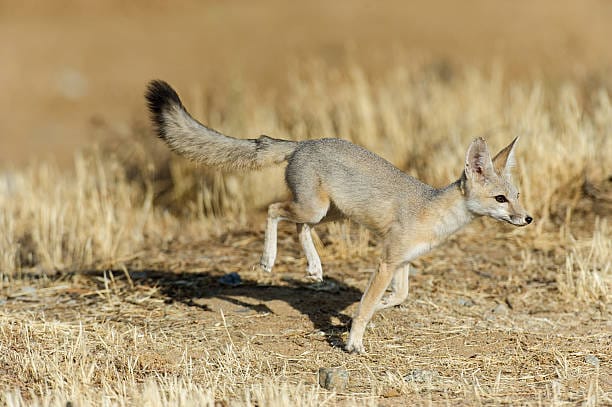
The Swift Fox (Vulpes velox) is a small fox native to the grasslands and prairies of North America, particularly in the Great Plains. Characterized by a pale yellow-orange coat, black-tipped tail, and relatively short legs, the Swift Fox is known for its remarkable speed and agility. These foxes are crepuscular and primarily hunt small mammals, insects, and birds during dawn and dusk. Their name reflects their ability to cover large distances quickly, both in hunting and evading predators.
Swift foxes prefer open terrain with sparse vegetation, which allows them to detect predators early. They dig complex burrow systems that serve as daytime shelters and safe havens for raising their young. These burrows often have multiple entrances, providing escape routes in case of danger. Swift foxes are generally monogamous, with mating pairs maintaining territories of several square kilometers. Their communication includes a range of vocalizations, scent markings, and body language.
Breeding occurs in late winter or early spring, with females giving birth to litters of three to six pups. Parents are diligent in feeding and protecting the young until they are capable of hunting independently. The Swift Fox faced population declines in the 20th century due to habitat loss and predator control programs, but conservation efforts have helped restore many populations. Observing a Swift Fox in its natural habitat provides insight into how speed, alertness, and adaptability are essential survival traits for small canids in open landscapes.
9. Kit Fox
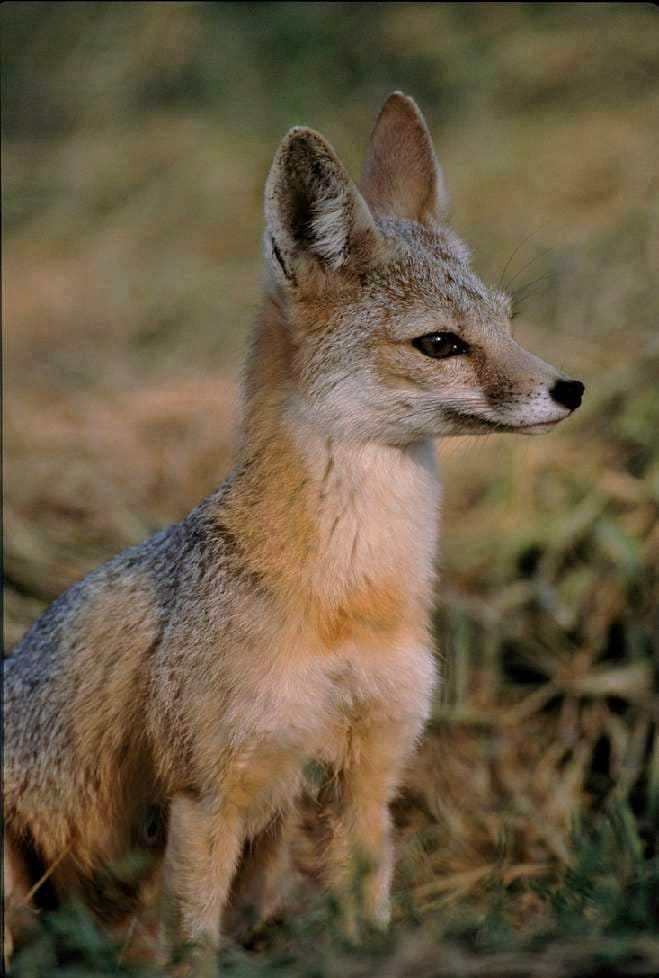
The Kit Fox (Vulpes macrotis) is a small, desert-adapted fox native to arid regions of the southwestern United States and northern Mexico. It has large ears, a narrow muzzle, and a pale grayish-tan coat that blends seamlessly with sandy desert terrain. These foxes are nocturnal hunters, feeding on rodents, insects, and reptiles. Their long legs and light frame allow them to move quietly and swiftly over loose sand while searching for prey.
Kit foxes construct elaborate burrows for shelter and rearing young. These burrows often have multiple chambers and entrances, providing protection from predators and extreme desert temperatures. Despite their solitary nature, kit foxes maintain loose social networks through scent marking and vocalizations. Their keen senses allow them to detect prey under the sand and navigate vast desert expanses with confidence. Reproduction occurs in late winter or early spring, and females give birth to litters of two to six pups. The young learn hunting skills through observation and practice, ensuring their survival in a challenging environment.
Conservation-wise, the Kit Fox faces threats from habitat loss due to urbanization and agriculture. Nevertheless, they are resilient and continue to persist in protected desert regions. Observing a Kit Fox provides a glimpse into the delicate balance of desert ecosystems and the extraordinary adaptations of small canids to extreme climates. Their combination of speed, stealth, and ingenuity makes them one of the most fascinating fox species in North America.
10. Rüppell’s Fox

Rüppell’s Fox (Vulpes rueppellii), also known as the Sand Fox, inhabits the arid deserts of North Africa and the Middle East. Its sandy coat provides excellent camouflage against desert sands, while its large ears help dissipate heat and detect prey underground. Rüppell’s foxes are primarily nocturnal, emerging at night to hunt small mammals, insects, birds, and occasionally fruits. Their slender body, long legs, and bushy tail aid in swift, efficient movement across loose sand and rocky terrain.
These foxes are solitary hunters but maintain overlapping territories marked with scent to communicate with neighbors. Their dens are often dug in sand dunes or rocky crevices, offering protection from predators and daytime heat. Reproduction typically occurs in late winter, with females giving birth to litters of two to five pups. Parents are attentive, bringing food and teaching hunting skills to the young. Observing Rüppell’s Fox in the wild highlights the incredible adaptations necessary for survival in some of the harshest environments on Earth. They exemplify resilience, stealth, and cleverness, traits shared by foxes worldwide.
11. Tibetan Fox (Tibetan Sand Fox)

The Tibetan Fox (Vulpes ferrilata), also called the Tibetan Sand Fox, is a medium-sized fox native to the high-altitude steppes and plateaus of Tibet, Nepal, and surrounding regions. Recognizable by its square-shaped face, short muzzle, and striking reddish-brown coat with a silvery sheen, this fox stands out among other canids. The Tibetan Fox primarily feeds on pikas, small rodents, and occasionally insects, making it an important predator in its ecosystem. Its hunting style is methodical, often patiently observing prey before pouncing with precision.
Tibetan Foxes are solitary animals but maintain territories marked with scent and visual cues. Their dens are dug into soft soil or rocky outcrops, providing shelter from harsh winds and cold temperatures. These foxes are crepuscular, most active during dawn and dusk when their prey is abundant. Reproduction usually occurs in late spring, with females giving birth to litters of three to six pups. Both parents may participate in nurturing the young, teaching them essential hunting and survival skills. Observing a Tibetan Fox offers insight into the unique adaptations of high-altitude predators, including thick fur, keen senses, and remarkable agility across rugged terrain.
Despite their remote habitats, Tibetan Fox populations face threats from habitat degradation, poaching, and human encroachment. Conservation efforts focus on protecting their native ecosystems and promoting coexistence with local communities. Watching a Tibetan Fox in the wild is a rare and rewarding experience, highlighting the delicate balance of high-altitude ecosystems and the ingenuity of a species perfectly adapted to extreme environments.
12. Pale Fox
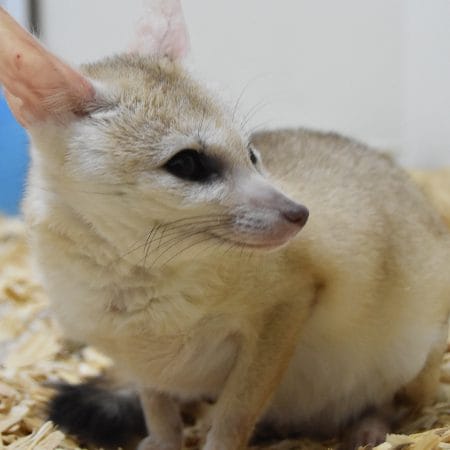
The Pale Fox (Vulpes pallida) is a small fox species native to the arid regions of the Sahara Desert and Sahel. True to its name, it has a pale sandy coat that provides excellent camouflage against the desert sands. Its slender body, long legs, and large ears make it well-suited for desert life, allowing it to move quickly and detect prey from a distance. The Pale Fox feeds primarily on small mammals, insects, fruits, and occasionally birds, displaying remarkable adaptability in its diet.
Pale Foxes are nocturnal, avoiding the scorching heat of the day by resting in burrows or under shrubs. They are social among their species, sometimes forming small family groups that hunt and forage together. Their dens are simple yet effective, often consisting of burrows dug in soft sand. Reproduction occurs in the cooler months, with females giving birth to litters of two to six pups. The young quickly learn to hunt and survive in the harsh desert environment. Observing Pale Fox behavior provides valuable insight into desert adaptation, social interactions, and the resilience of small predators in extreme climates.
Conservation status for the Pale Fox is currently stable, but desertification and human expansion remain ongoing challenges. These foxes demonstrate how evolution equips species with specialized traits for survival, from heat tolerance to keen hunting skills. Seeing a Pale Fox in the wild reveals the quiet, persistent beauty of desert ecosystems and the fox’s clever strategies for life in one of the harshest habitats on Earth.
13. Gray Fox
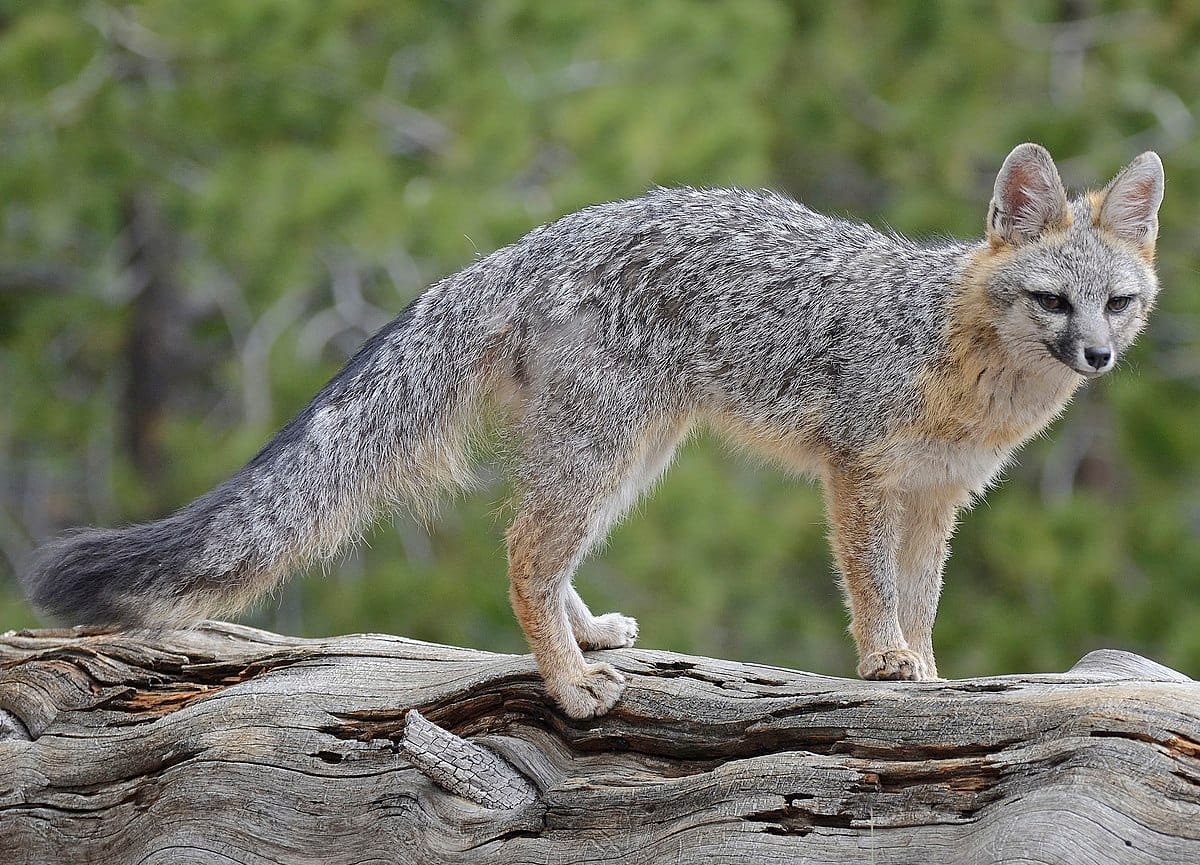
The Gray Fox (Urocyon cinereoargenteus) is a medium-sized fox native to North and Central America. Distinguished by its grizzled gray coat, reddish sides, and black-tipped tail, it is unique among foxes for its ability to climb trees. This arboreal skill allows the Gray Fox to escape predators, forage for birds and eggs, and explore dense forested habitats. Its diet is varied, including small mammals, birds, insects, fruits, and nuts, showcasing its adaptability in diverse ecosystems.
Gray Foxes are primarily nocturnal and crepuscular, often hunting during the twilight hours. They are solitary hunters, though they maintain close bonds with mates during breeding season. Dens are typically dug in hollow trees, brush piles, or abandoned burrows, providing shelter and protection for raising pups. Breeding occurs in late winter or early spring, with litters averaging three to five pups. The young develop essential skills through playful interactions and guided hunting, preparing them for independent life in forests, brushlands, and rocky areas.
Gray Foxes face threats from habitat fragmentation, hunting, and disease, but they remain widespread across their range. Their arboreal capabilities make them fascinating to observe, highlighting a unique adaptation that sets them apart from other fox species. Observing a Gray Fox climbing or leaping through trees offers a glimpse into the versatility and intelligence of these remarkable canids.
14. Island Fox
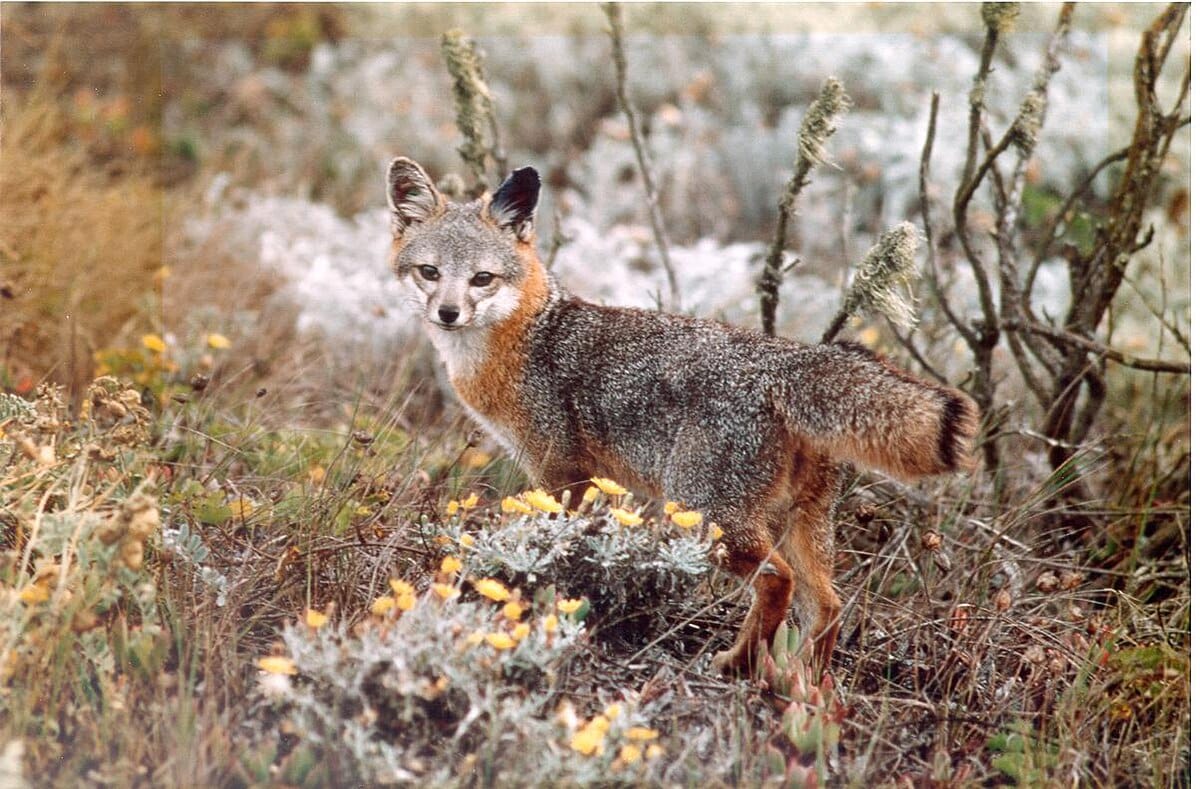
The Island Fox (Urocyon littoralis) is a small, endemic fox species found on six of the Channel Islands off the coast of Southern California. It is closely related to the Gray Fox but is notably smaller, with a compact body, short legs, and a grayish-brown coat. The Island Fox is adapted to its insular environment, feeding on insects, birds, eggs, small mammals, fruits, and coastal plants. Its diet reflects the limited resources of island ecosystems, demonstrating remarkable adaptability and opportunism.
Island Foxes are generally nocturnal, though some activity occurs during daylight in less-disturbed areas. They are solitary but maintain territories marked with scent glands. Dens are dug in sandy soils, rocky crevices, or abandoned burrows, offering protection for raising pups. Breeding occurs in late winter, with litters typically consisting of two to four pups. Parents are attentive, ensuring the young learn essential foraging and survival skills. The small population size of Island Foxes makes them vulnerable to disease, predation, and human disturbance.
Conservation efforts have successfully recovered several Island Fox populations from near-extinction, highlighting the importance of habitat protection, predator control, and monitoring. Observing an Island Fox provides a unique opportunity to see how evolution shapes species in isolated environments, where limited resources and small populations drive specialized adaptations for survival and reproduction.
15. Crab-eating Fox

The Crab-eating Fox (Cerdocyon thous) is a medium-sized canid native to South America, particularly found in savannas, forests, and wetlands of Brazil, Argentina, and neighboring countries. Despite its name, this fox does not eat crabs exclusively; its diet includes rodents, insects, birds, fruits, and occasionally small reptiles. The Crab-eating Fox has a reddish-brown coat, dark legs, and a bushy tail with a black tip. Its adaptability allows it to thrive in a variety of habitats, from open grasslands to dense forests.
Crab-eating Foxes are mostly nocturnal and crepuscular, foraging for food during the cooler hours. They are generally solitary but may pair up during breeding season. Dens are usually dug in sandy or loose soil, sometimes using natural crevices or burrows of other animals. Breeding occurs in the late rainy season, with females giving birth to litters of two to four pups. The young develop hunting skills gradually, learning to capture prey efficiently and navigate their complex environments.
Conservation-wise, Crab-eating Foxes are currently stable, but habitat conversion and hunting pose ongoing threats. Observing them provides insight into a highly adaptable canid that balances its diet and behavior to survive in diverse South American habitats. Their cautious but resourceful nature demonstrates the remarkable resilience of foxes across the globe.
16. Darwin’s Fox

Darwin’s Fox (Lycalopex fulvipes) is one of the rarest fox species in the world, endemic to the temperate forests of southern Chile. Named after Charles Darwin, who collected a specimen during his famous voyage, this fox is small and elusive, with a dark brown to black coat that helps it blend seamlessly into the dense forest understory. Darwin’s Fox primarily feeds on small mammals, insects, birds, and fruits, reflecting its opportunistic diet in a habitat with limited prey availability.
These foxes are mostly nocturnal and crepuscular, actively hunting at dawn and dusk. They are solitary animals, although family groups may be observed during the breeding season. Darwin’s Foxes use burrows, hollow logs, or dense vegetation for shelter and rearing pups. Breeding occurs in late winter, and females give birth to litters of two to four pups. The young gradually learn to forage and hunt, guided by their mother’s behavior and the challenges of the forest floor. Darwin’s Fox exhibits remarkable stealth and patience, traits that help it avoid predators like pumas and birds of prey.
Conservation efforts are critical for this species, as habitat loss due to logging, road construction, and human settlement threatens its survival. The Darwin’s Fox serves as a symbol of the unique biodiversity of southern Chile’s temperate forests. Observing one in the wild is a rare privilege, offering a glimpse into the life of a fox that has adapted to dense, humid, and rugged environments where survival requires cunning and resilience.
17. Pampas Fox

The Pampas Fox (Lycalopex gymnocercus) is native to the open grasslands and pampas regions of South America, including Argentina, Uruguay, and Brazil. It is medium-sized with a slender build, sandy-gray coat, and black markings on the legs and tail. Known for its adaptability, the Pampas Fox feeds on small mammals, insects, birds, and plant matter, allowing it to thrive in diverse habitats, from open plains to agricultural areas.
Pampas Foxes are primarily nocturnal and crepuscular, avoiding the intense heat of the day. They are solitary hunters but may form pairs or small family groups during the breeding season. Dens are dug in sandy or loose soils and may be reused for multiple generations. Breeding usually occurs in the austral winter, with females giving birth to litters of two to five pups. The young learn essential survival skills through play and observation, developing hunting prowess and territorial awareness early on.
This species demonstrates remarkable adaptability to human-altered landscapes, often foraging near farms or settlements. However, hunting and habitat conversion remain ongoing challenges. Observing a Pampas Fox in the wild provides a fascinating insight into a species that balances predation, foraging, and social behavior to survive in open and exposed habitats. Its clever strategies and keen senses highlight the ingenuity of foxes in diverse ecosystems.
18. Hoary Fox
The Hoary Fox (Lycalopex vetulus) is a small fox species found in the cerrado savannas of Brazil. It has a grayish coat, long legs, and a bushy tail, giving it a distinctive appearance among South American foxes. Primarily insectivorous, the Hoary Fox feeds on termites, beetles, and other invertebrates, though it will occasionally consume small vertebrates. Its specialized diet reflects the adaptations necessary for survival in dry, open savanna landscapes.
Hoary Foxes are nocturnal, spending the day resting in burrows or dense vegetation to avoid predators and heat. They are generally solitary but maintain overlapping territories, often marked with scent glands. Breeding occurs during the dry season, with litters of two to four pups. The young learn foraging and hunting techniques under the guidance of their mother, gradually becoming adept at detecting prey and navigating the savanna. Their subtle, quiet movements make them difficult to observe, yet they play an important ecological role in controlling insect populations.
Conservation concerns include habitat fragmentation due to agriculture and urbanization. Despite these threats, Hoary Foxes remain relatively stable in population. Observing them showcases an example of dietary specialization, ecological balance, and the ingenuity required for a small predator to survive in a demanding environment. Their cautious, deliberate behavior makes them a fascinating species for wildlife enthusiasts.
19. Bat‑eared Fox
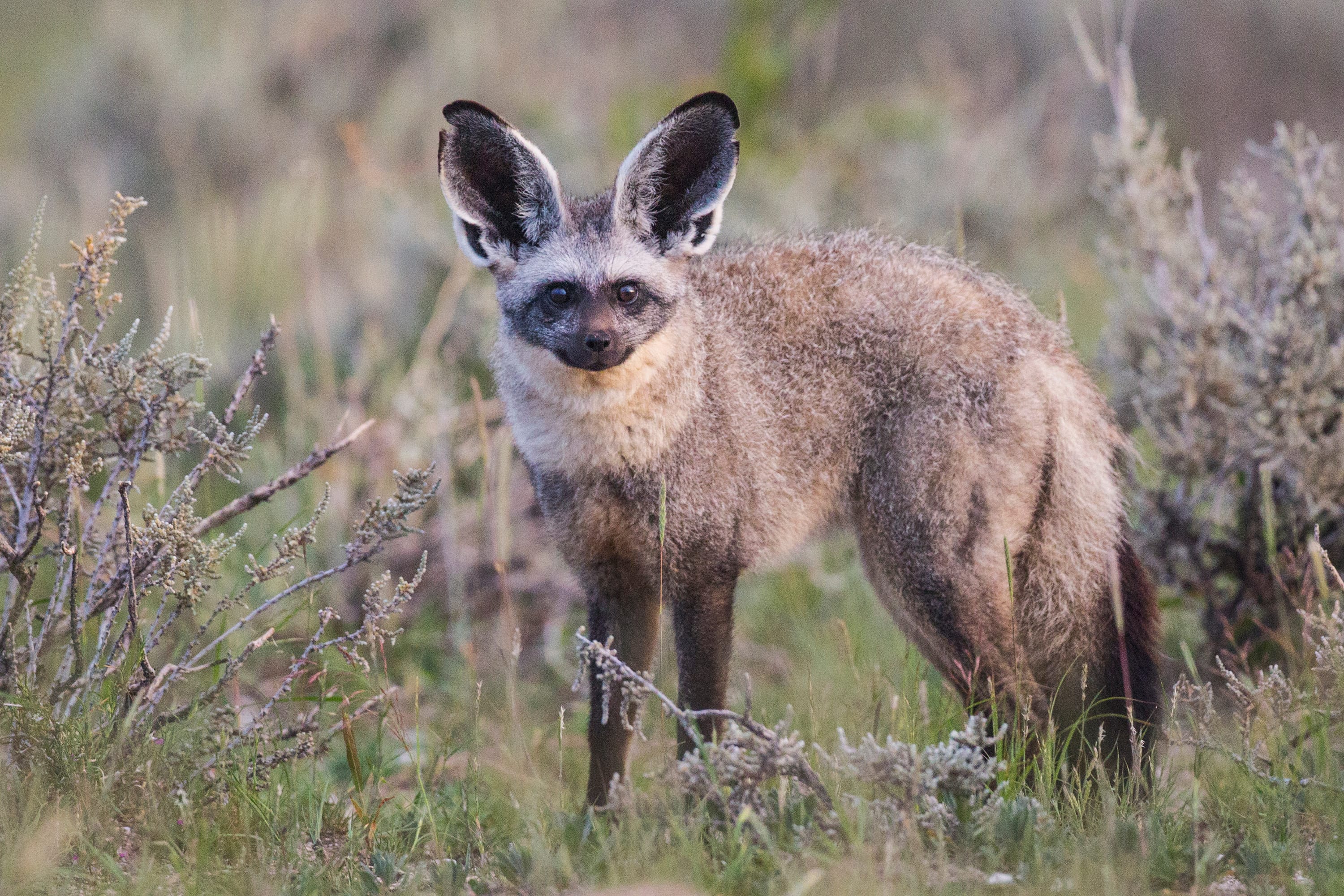
The Bat-eared Fox (Otocyon megalotis) is native to the savannas and arid regions of eastern and southern Africa. Named for its disproportionately large ears, this fox uses its acute hearing to locate insects such as termites and beetles, which form the bulk of its diet. Bat-eared Foxes have a gray-brown coat, long legs, and a bushy tail, with facial markings that give them a unique appearance among canids.
These foxes are crepuscular and nocturnal, often hunting in pairs or small family groups. Their large ears not only aid in locating prey but also help dissipate heat in hot climates. Dens are dug in sandy soils, offering shelter from predators and extreme weather. Breeding occurs during the cooler months, with females producing litters of three to six pups. The pups learn hunting and social behaviors through observation and play, honing skills critical for survival in a habitat filled with competitors and predators.
Bat-eared Foxes are highly social compared to other fox species, with pairs often cooperating in hunting and pup-rearing. Despite human encroachment and habitat loss, they remain relatively abundant in protected areas. Observing a Bat-eared Fox highlights a species finely tuned for insectivory, social cooperation, and survival in some of Africa’s harshest environments. Their remarkable ears and agile movements are a testament to the diversity of adaptations among foxes worldwide.
20. Culpeo (Andean) Fox
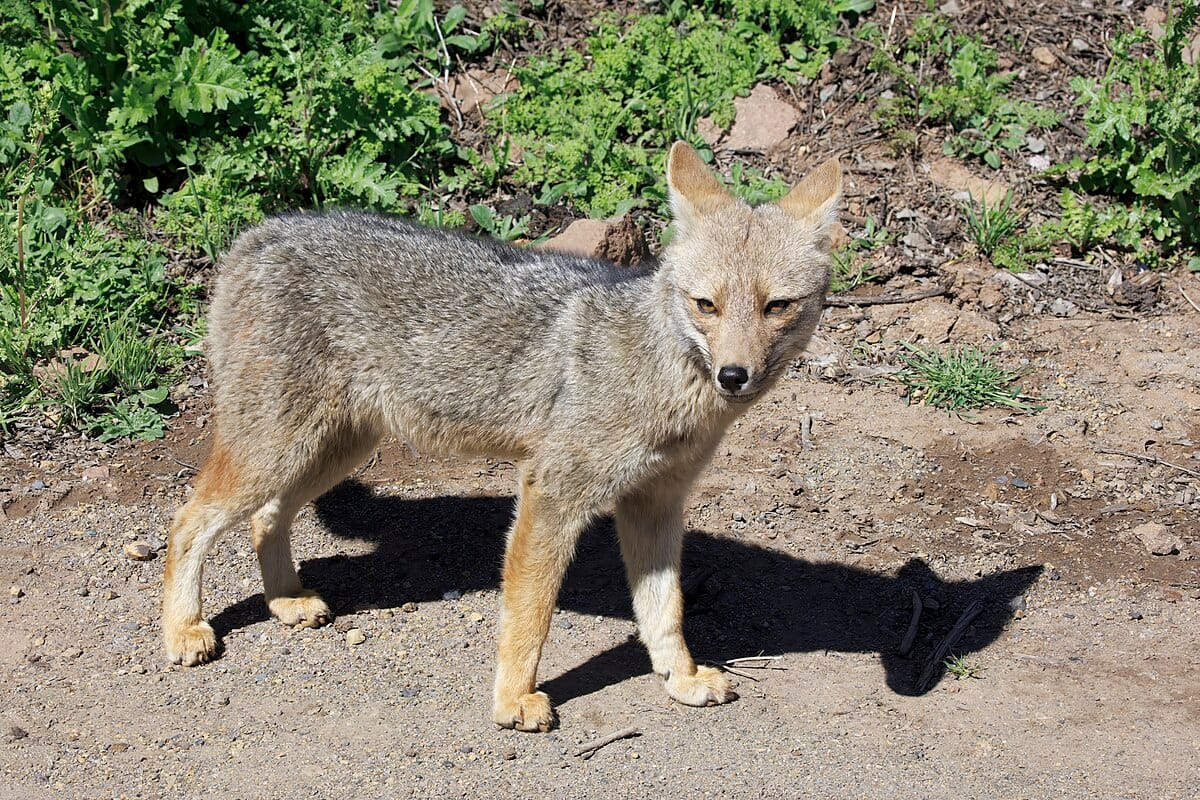
The Culpeo, also known as the Andean Fox (Lycalopex culpaeus), is the second-largest fox species in South America, found in the Andean mountains, Chilean valleys, and Patagonian regions. It has a reddish-brown coat, grayish legs, and a bushy tail with a black tip. Culpeos are opportunistic predators, feeding on small mammals, birds, reptiles, insects, and occasionally carrion. Their hunting strategy combines stealth, speed, and adaptability, allowing them to survive across diverse habitats and altitudes.
Culpeo foxes are primarily nocturnal, seeking shelter in rocky outcrops, dens, or abandoned burrows during the day. They are solitary hunters but establish territories that may overlap with others, marked with scent and visual cues. Breeding occurs during winter, with females giving birth to litters of two to six pups. The young quickly develop hunting and survival skills, often mimicking adult behaviors in playful interactions. Culpeos are known for their intelligence, ability to adapt to human-altered landscapes, and occasional scavenging near farms and settlements.
While some populations face hunting pressure and habitat loss, the Culpeo remains widespread and resilient. Observing this fox in its natural environment provides insight into the Andean ecosystem, predator-prey interactions, and the adaptability of a fox species thriving in mountainous terrains. Their cautious yet confident demeanor demonstrates how foxes can survive in challenging habitats while maintaining ecological balance.
21. Sechuran Fox

The Sechuran Fox (Lycalopex sechurae) is a small, elusive fox native to the arid deserts and dry scrublands along the Pacific coast of Peru and northern Chile. Adapted to one of the harshest environments in South America, the Sechuran Fox has a sandy-brown coat that blends seamlessly with desert soils, offering camouflage from predators and prey alike. It primarily feeds on small mammals, insects, birds, and occasionally fruit, reflecting its omnivorous diet that allows survival in a landscape with scarce resources.
These foxes are mostly nocturnal and crepuscular, avoiding the intense daytime heat. They are generally solitary but may be seen in pairs during the breeding season. Sechuran Foxes use dens or crevices for shelter, where they raise litters of two to four pups. The young learn hunting skills by observing their parents and through playful interactions that mimic predation, essential for survival in an environment with limited prey. Their ability to conserve water and locate food demonstrates remarkable adaptation to desert life.
Human activity, including habitat encroachment and hunting, poses a threat to Sechuran Fox populations. Despite this, they remain a symbol of resilience, thriving in a region where many other species struggle. Observing a Sechuran Fox in the wild offers insight into the subtle balance between predator and environment, highlighting the fox’s cleverness and resourcefulness in surviving one of South America’s driest habitats.
22. South American Gray Fox

The South American Gray Fox (Lycalopex griseus) inhabits diverse regions including the Patagonian steppes, Andean foothills, and southern forests of Chile and Argentina. Medium-sized with a grayish coat and reddish markings around the face and legs, this fox exhibits excellent camouflage in both forested and open landscapes. Its diet is highly adaptable, feeding on small mammals, birds, reptiles, insects, and fruits, demonstrating opportunistic feeding behavior that contributes to its survival across varied habitats.
Gray Foxes are primarily nocturnal, actively foraging at night and resting in dens during the day. Solitary by nature, they establish territories marked by scent and visual signals. Breeding occurs during the austral winter, with litters typically consisting of two to four pups. Juveniles develop hunting and survival skills through observation and play, gradually becoming independent hunters capable of navigating diverse environments. The South American Gray Fox’s behavior illustrates adaptability, caution, and intelligence, allowing it to persist in both wild and human-altered landscapes.
Although this fox is relatively common compared to other South American species, threats include hunting, habitat fragmentation, and competition with domestic animals. Observing one in the wild provides an understanding of how foxes balance the demands of survival with stealth and ingenuity. Their ability to traverse different ecosystems, from dry plains to temperate forests, highlights their versatile adaptations and ecological significance.
23. White-footed Fox

The White-footed Fox (Lycalopex leucopus) is a lesser-known species of fox native to South America, often found in arid and semi-arid regions. It is distinguished by its pale gray-brown coat and white markings on the feet, a unique feature that gives it its common name. This fox is small, agile, and nocturnal, feeding on insects, small rodents, birds, and plant material. Its diet and behavior are shaped by the limited resources of its dry habitat.
White-footed Foxes are mostly solitary, establishing territories that they defend through scent marking. They use dens, burrows, or natural crevices for shelter, particularly during breeding season. Litters typically include two to five pups, which gradually learn to forage and hunt under the guidance of their mother. This learning process is critical, as the survival of the young depends on developing efficient hunting strategies and avoiding predators. Their ability to move quietly and remain alert enhances their chances of survival in a challenging environment.
Habitat loss and human encroachment are potential threats to White-footed Fox populations. However, their adaptability to sparse resources and nocturnal lifestyle help mitigate some risks. Observing this fox provides insight into the ways small predators manage survival in harsh environments, offering lessons in resilience, resourcefulness, and the subtle interplay between predator and prey.
24. Maned Wolf (Fox-like Canid)

The Maned Wolf (Chrysocyon brachyurus) is often referred to as “fox-like” due to its long legs, slender body, and reddish coat, though it belongs to a distinct genus. Native to South America’s grasslands and savannas, particularly in Brazil, Paraguay, and Bolivia, the Maned Wolf is the tallest of the canids. Unlike typical foxes, it is an omnivore with a diet that includes small mammals, birds, insects, and a variety of fruits, most notably the lobeira fruit, which plays a crucial role in seed dispersal.
Maned Wolves are primarily nocturnal and crepuscular, hunting alone and relying on their height and keen senses to spot prey in tall grass. They communicate through scent marking, vocalizations, and visual signals to maintain territory boundaries. Breeding occurs during the dry season, with females giving birth to one to four pups in dens, often in abandoned burrows. The pups learn essential survival skills gradually, following their mother and practicing hunting and foraging techniques.
Threats include habitat loss due to agriculture, road collisions, and occasional hunting. Despite these challenges, the Maned Wolf remains a symbol of South America’s unique wildlife. Observing one in the wild offers a glimpse into a species that combines the traits of foxes, wolves, and small canids, demonstrating how morphology and behavior adapt to open, tall-grass environments. Its slender form and fox-like appearance often mislead casual observers, but its ecological role is substantial.
25. Hoary Fox

The Hoary Fox (Lycalopex vetulus) is a small, insectivorous fox native to Brazil’s cerrado savannas. With a grayish coat, slender body, and long legs, it is well-suited to hunting insects, particularly termites and beetles, which form the bulk of its diet. Unlike many fox species, the Hoary Fox relies heavily on invertebrates, reflecting a highly specialized feeding strategy that ensures survival in the savanna’s open and dry conditions.
Hoary Foxes are nocturnal, avoiding daytime heat by resting in burrows or under vegetation. They are generally solitary but may tolerate overlapping territories with others of their species. Breeding occurs in the dry season, and females give birth to litters of two to four pups. Young foxes learn hunting techniques and survival skills gradually, refining their ability to detect, dig, and capture insects. Their quiet, deliberate movements and specialized diet make them elusive and fascinating to observe.
Despite habitat fragmentation from agriculture and urbanization, the Hoary Fox persists across its range. Observing this species demonstrates dietary specialization, ecological balance, and adaptation to challenging environments. Its small size, stealthy behavior, and insect-focused lifestyle highlight the diversity of foxes worldwide, illustrating how evolution shapes species to thrive in distinct habitats.
26. Swift-eared Fox
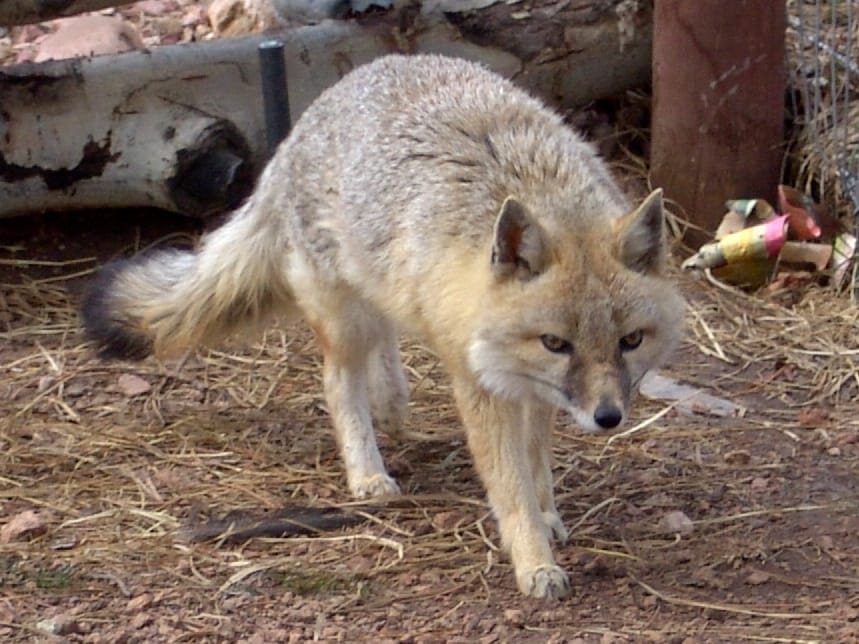
The Swift-eared Fox is a rare and little-known subspecies or variant of fox found in select regions of South America. It is named for its unusually large, sharp ears that allow it to detect the faintest sounds of prey, even under dense vegetation or sandy terrain. Its coat is generally a pale reddish-brown, blending seamlessly into grasslands and semi-arid habitats. Unlike more generalist foxes, the Swift-eared Fox relies heavily on its acute hearing to hunt small rodents, insects, and occasionally birds. This keen sense gives it an advantage in areas where visual detection may be challenging, particularly during dusk or dawn.
Behaviorally, the Swift-eared Fox is primarily nocturnal and crepuscular. During the day, it rests in burrows, rock crevices, or under shrubs, conserving energy for nighttime hunting. It is generally solitary, with individuals defending territories marked through scent glands and visual signals. Breeding occurs in the early part of the rainy season, producing litters of two to five pups. Young foxes learn hunting and survival skills by observing their mother and practicing stalking and pouncing in play, gradually developing the fine-tuned auditory skills necessary for survival.
Threats to the Swift-eared Fox include habitat degradation, human expansion, and predation by larger carnivores. Despite its rarity, this fox demonstrates remarkable adaptation, showing how evolution fine-tunes sensory capabilities to environmental demands. Observing a Swift-eared Fox in the wild highlights its stealth, precision, and reliance on hearing over sight, providing a fresh perspective on the diversity and specialization among fox species.
27. Silver Fox
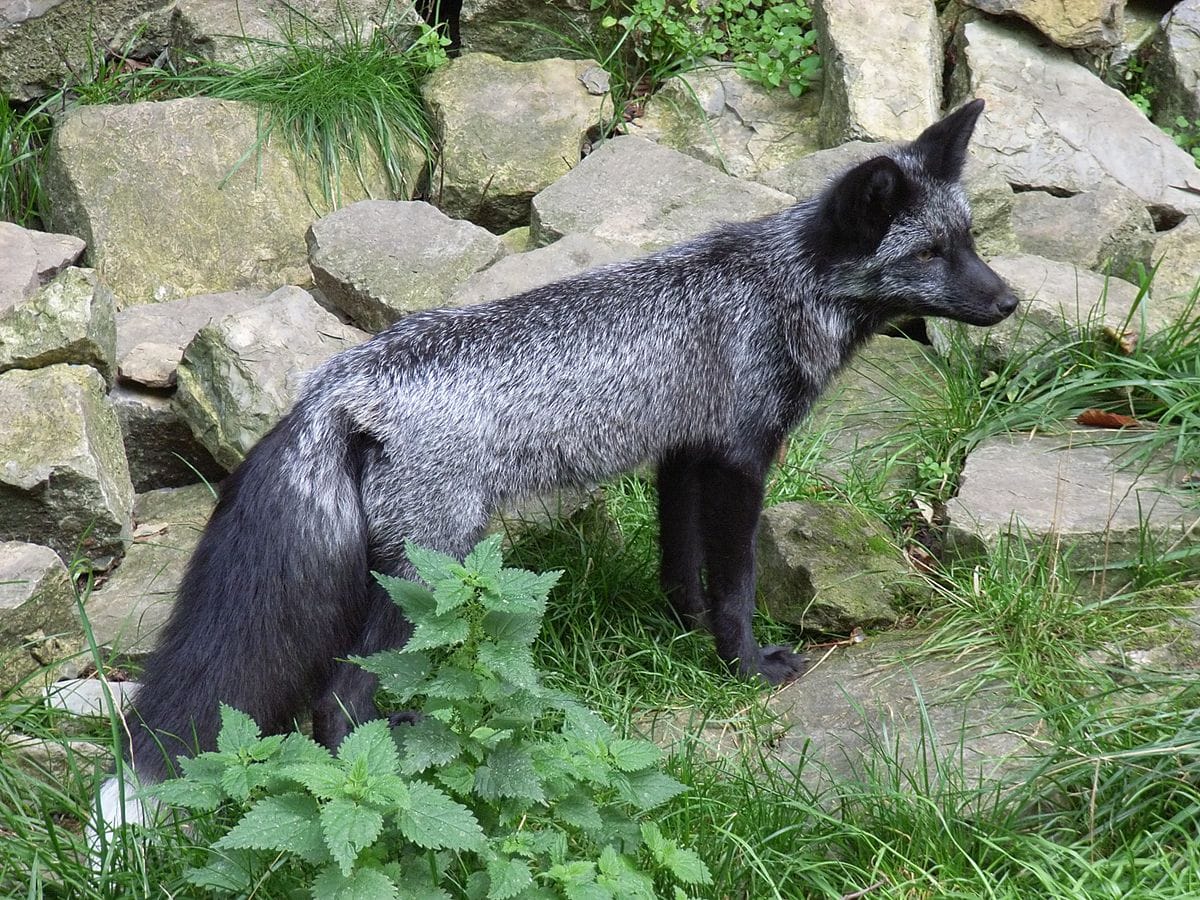
The Silver Fox is a melanistic morph or subspecies of the Red Fox, with a striking silvery-gray coat that can appear almost black under certain light conditions. Historically valued for its fur, the Silver Fox has been the focus of both captive breeding and conservation studies. It shares many behavioral and ecological traits with Red Foxes, including omnivorous diet, nocturnal habits, and adaptability to diverse habitats ranging from forests to tundra margins. Its unique coloration, however, provides enhanced camouflage in certain environments, such as rocky landscapes or areas with heavy shadows.
Silver Foxes are solitary foragers, primarily hunting at night for small mammals, birds, insects, and fruits. They establish territories using scent marking, vocalizations, and occasional confrontations with intruders. Breeding occurs in late winter, producing litters of three to six pups. Juveniles learn essential survival skills through observation, play, and trial-and-error hunting exercises. In captivity, Silver Foxes have been subjects of behavioral research, including studies on domestication and social interaction, demonstrating remarkable cognitive flexibility and adaptability.
While their population is relatively stable in the wild, threats include fur trapping, habitat fragmentation, and human interference. Observing a Silver Fox provides insight into how genetic variation can influence appearance, behavior, and ecological niche. Its sleek coat and intelligent, alert demeanor make it one of the most visually striking and fascinating fox morphs to study in the wild.
28. Cross Fox
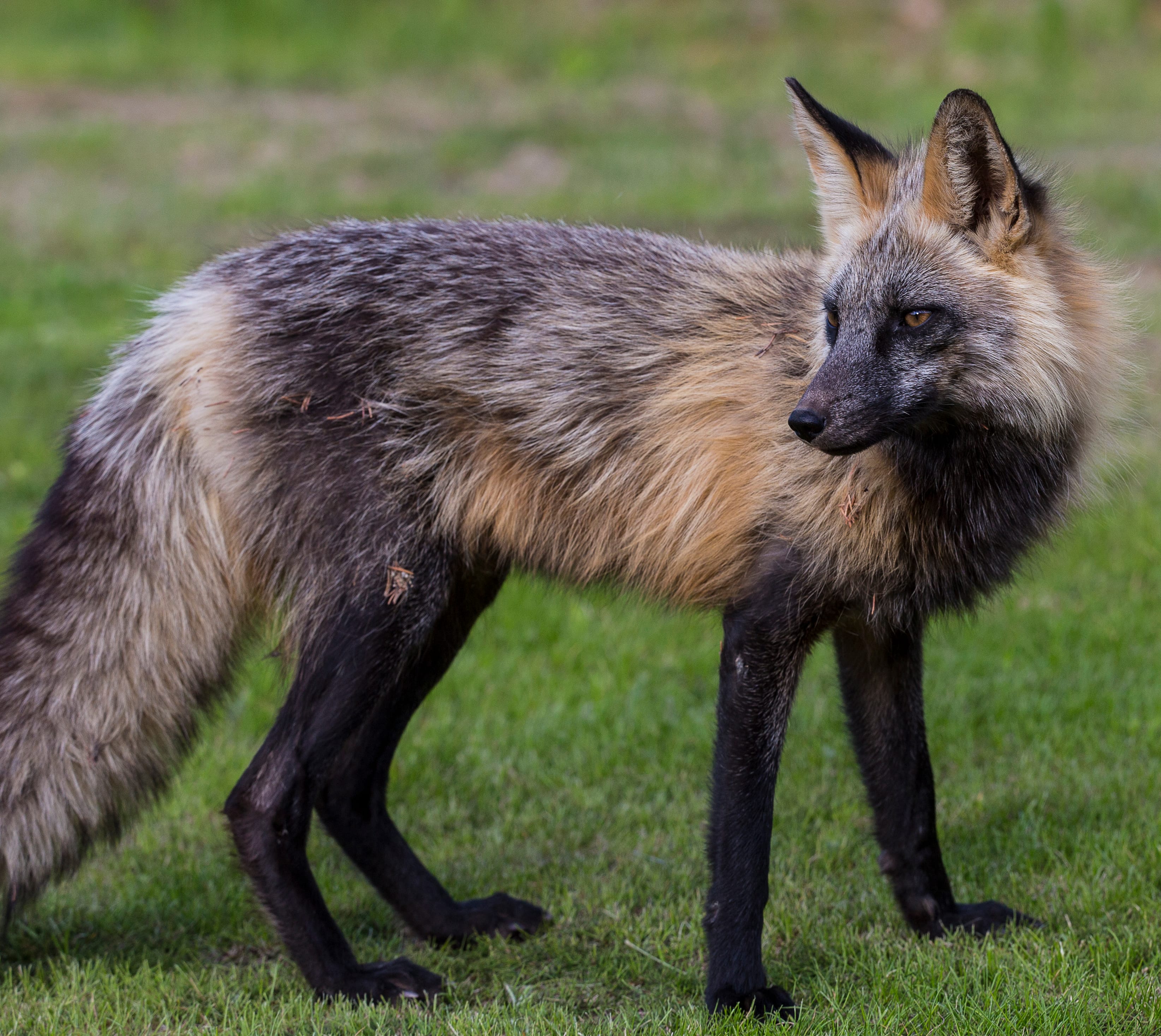
The Cross Fox is another color morph of the Red Fox, named for the distinctive dark cross pattern that extends from the shoulders down the back. This striking pattern offers some camouflage in forested and open habitats, breaking up the fox’s silhouette and helping it avoid predators. Cross Foxes are native to North America and parts of Europe, although sightings are rarer than typical red or silver morphs. Behaviorally, Cross Foxes are similar to their Red Fox relatives, being opportunistic feeders and highly adaptable to diverse environments.
They hunt at night, feeding on rodents, birds, insects, fruits, and small reptiles. Territories are established through scent marking, vocal signals, and visual cues. Breeding occurs in late winter to early spring, with litters of three to seven pups. Young foxes develop survival and hunting skills gradually, often observed practicing stealthy approaches and pouncing on insects or small prey. Cross Foxes also display clever problem-solving abilities, sometimes raiding human-associated food sources when natural prey is scarce.
Threats include habitat loss, hunting, and competition with domestic animals. Despite these challenges, Cross Fox populations remain resilient due to their adaptability and resourcefulness. Observing one in the wild is an opportunity to witness how color morphs can influence predator-prey interactions, as well as provide a vivid example of genetic diversity within fox species.
29. Tibetan Sand Fox (Variant)

The Tibetan Sand Fox, occasionally regarded as a variant or subspecies, is native to the high-altitude grasslands and steppes of the Tibetan Plateau. Recognizable by its pale sandy coat, bushy tail, and fox-like facial structure, this fox is well-adapted to cold, arid environments with wide temperature fluctuations. Unlike many foxes, the Tibetan Sand Fox specializes in hunting small mammals such as pikas, which dominate the plateau ecosystem. Its diet may also include insects and occasionally birds, reflecting its opportunistic feeding strategies.
Primarily crepuscular, the Tibetan Sand Fox is most active at dawn and dusk. It is solitary and territorial, with scent marking and occasional vocalizations establishing boundaries. Breeding occurs in the spring, yielding litters of two to five pups. The young learn hunting skills through observation and play, practicing stealth and precision necessary for capturing quick, elusive prey in open terrain. Its behavior exemplifies patience, efficiency, and adaptation to extreme conditions.
Despite harsh conditions, the Tibetan Sand Fox thrives due to its specialized hunting techniques and keen senses. Habitat threats include grazing, infrastructure development, and climate change impacts on prey populations. Observing this fox provides insight into evolutionary adaptations to high-altitude environments, illustrating the remarkable diversity of feeding strategies and survival tactics among foxes worldwide.
30. Himalayan Red Fox
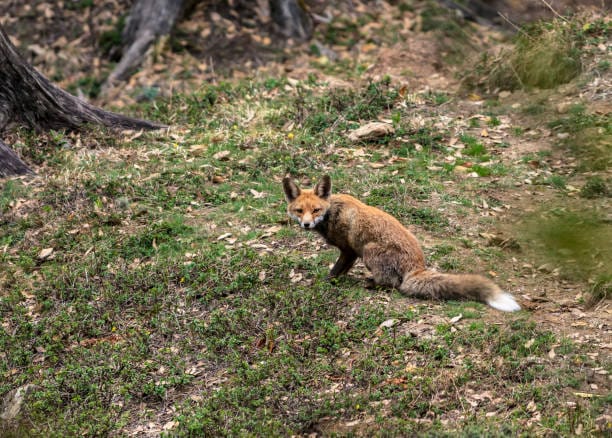
The Himalayan Red Fox is a high-altitude variant of the common Red Fox, found throughout the Himalayas in India, Nepal, Bhutan, and Tibet. It is characterized by a reddish-orange coat with white underparts and a bushy tail, often tipped with black. This fox is well-adapted to mountainous terrain, including rocky slopes, alpine meadows, and sparse forests. Its diet is omnivorous, including rodents, birds, insects, and seasonal plant material, reflecting both opportunism and adaptation to seasonal availability.
Himalayan Red Foxes are primarily nocturnal, using dens in rock crevices or burrows for shelter during harsh weather. Solitary foragers, they rely on keen senses of sight, smell, and hearing to detect prey and avoid predators. Breeding occurs in late winter or early spring, producing litters of two to six pups. Young foxes gradually learn to hunt and navigate rugged terrain through observation, practice, and play, building the skills necessary to survive in challenging environments.
Human encroachment, grazing, and road construction pose threats to their populations. Despite this, the Himalayan Red Fox demonstrates remarkable resilience and adaptability. Observing one offers a glimpse into how a widespread species like the Red Fox can develop specialized traits to thrive in extreme mountain environments. Its agility, intelligence, and fox-like charm make it an iconic representative of high-altitude carnivores.
Conclusion
Foxes are among the most adaptable and fascinating members of the animal kingdom. From the deserts of Africa to the high-altitude plateaus of Asia, these 30 types of foxes showcase incredible diversity in appearance, behavior, and habitat. Whether it’s the large ears of the Swift-eared Fox, the striking coat of the Silver Fox, or the specialized hunting skills of the Tibetan Sand Fox, each species demonstrates how evolution fine-tunes survival strategies for specific environments. Observing foxes in the wild offers a unique glimpse into their intelligence, agility, and social dynamics.
Understanding the diversity of fox species helps us appreciate their role in ecosystems as both predators and prey. Protecting their habitats and minimizing human impact ensures these incredible animals continue to thrive for generations to come. By learning about the various types of foxes, we deepen our connection with wildlife and gain insight into the rich complexity of nature. Whether you’re a wildlife enthusiast, a student, or simply curious about animals, these foxes are a reminder of the subtle wonders that exist all around us.
FAQ’s
1. What is a fox?
A fox is a small to medium-sized mammal in the family Canidae, known for its pointed ears, bushy tail, and keen hunting skills.
2. How many types of foxes are there?
There are over 30 recognized types of foxes around the world, including red foxes, arctic foxes, and kit foxes.
3. Where do foxes live?
Foxes inhabit diverse habitats, including forests, grasslands, deserts, mountains, and urban areas.
4. What do foxes eat?
Foxes are omnivores. They eat small mammals, birds, insects, fruits, and sometimes human food in urban areas.
5. Are foxes nocturnal?
Many fox species are primarily nocturnal, but some are active during dawn and dusk.
6. How long do foxes live?
In the wild, foxes live around 3 to 7 years, while in captivity, they can live over 10 years.
7. What is the difference between a red fox and an arctic fox?
Red foxes are larger with reddish fur, while arctic foxes are smaller and have white fur in winter for camouflage.
8. Are foxes dangerous to humans?
Foxes are generally shy and avoid humans. They rarely attack unless provoked or rabid.
9. Do foxes live in packs?
Foxes are usually solitary, but some species form family groups during breeding season.
10. How do foxes communicate?
Foxes communicate through vocalizations, body language, and scent markings.
11. Can foxes swim?
Yes, many foxes are good swimmers and can cross rivers or streams when needed.
12. How fast can foxes run?
Foxes can reach speeds of 30 to 45 km/h (18–28 mph) for short bursts while hunting or escaping predators.
13. What is a fox den?
A fox den, or earth, is a burrow where foxes rest, raise their young, and take shelter from weather or predators.
14. How many babies do foxes have?
Foxes usually give birth to 2–6 kits per litter, depending on the species and environmental conditions.
15. Are foxes endangered?
Most fox species are not endangered, but some, like the Darwin’s fox, are vulnerable due to habitat loss.
16. Can foxes climb trees?
Some fox species, like the gray fox, are excellent climbers and can scale trees to escape predators or hunt.
17. Do foxes hibernate?
No, foxes do not hibernate, but they may reduce activity during harsh winter months.
18. What is a fox’s main predator?
Foxes face threats from wolves, coyotes, eagles, and humans.
19. How do foxes hunt?
Foxes rely on keen hearing, sight, and smell to hunt small mammals, insects, and birds, often pouncing on prey.
20. Are foxes smart?
Foxes are highly intelligent animals, capable of problem-solving, adapting to new environments, and learning from experience.
21. Can foxes survive in cities?
Yes, urban foxes thrive by scavenging food and adapting to human environments.
22. What colors can foxes be?
Foxes come in various colors, including red, gray, silver, black, white, and mixed color morphs.
23. Do foxes mate for life?
Most foxes form monogamous pairs during the breeding season, but they do not mate for life.
24. How far do foxes travel?
Foxes can travel several kilometers while hunting or searching for territory, depending on species.
25. Can foxes change their fur color?
Some foxes, like arctic foxes, change fur color seasonally for camouflage.
26. What is a silver fox?
The silver fox is a melanistic variant of the red fox, with a shiny black or silver coat.
27. Do foxes dig?
Yes, foxes dig dens, search for food, and uncover burrowing animals like rodents.
28. How do foxes mark territory?
Foxes use scent glands, urine, and feces to mark their territory and communicate with other foxes.
29. Can foxes be pets?
While some people domesticate foxes, they are wild animals and require specialized care. Ownership may be restricted by law.
30. What is the smallest fox species?
The fennec fox is the smallest fox, weighing around 1–1.5 kg (2–3 lbs) and having large ears for heat dissipation.
31. What is the largest fox species?
The red fox is generally the largest species, with adults weighing 6–14 kg (13–31 lbs).
32. Do foxes live in groups?
While usually solitary, some foxes may form small family groups for hunting or raising young.
33. How do foxes adapt to extreme climates?
Foxes have evolved to survive in deserts, tundras, forests, and mountains by adjusting fur thickness, diet, and behavior.
34. Can foxes hear well?
Foxes have excellent hearing, allowing them to detect prey underground or at a distance.
35. How do foxes protect themselves?
Foxes rely on speed, camouflage, and agility to escape predators. Some species also use vocal alarms.
36. What is a fox’s lifespan in the wild?
Foxes usually live 3–7 years in the wild, depending on species and environmental conditions.
37. Do foxes eat insects?
Yes, insects are a key part of many fox species’ diets, especially during the warmer months.
38. Are foxes territorial?
Yes, foxes defend territories, especially during breeding season, using scent and vocalizations.
39. Do foxes play?
Young foxes, called kits, engage in playful behavior that helps them learn hunting and social skills.
40. Can foxes swim?
Some fox species, like red foxes, are good swimmers and can cross rivers or streams to hunt or escape danger.
41. How do foxes interact with other wildlife?
Foxes may compete with coyotes, wolves, and other predators, but they also help control rodent populations, maintaining ecological balance.