
Hamsters are fascinating small mammals that have captured the curiosity of humans for centuries. From the Syrian golden hamster to the tiny Roborovski dwarf, these creatures exhibit a surprising diversity in size, behavior, and habitat. This guide explores types of hamsters, detailing their physical characteristics, habits, diets, life cycles, and interactions with humans. Whether you are an enthusiast, a budding wildlife researcher, or simply intrigued by these little nocturnal foragers, this article provides a friendly, informative look at hamsters in the wild and domesticated environments.
1. Golden (Syrian) Hamster
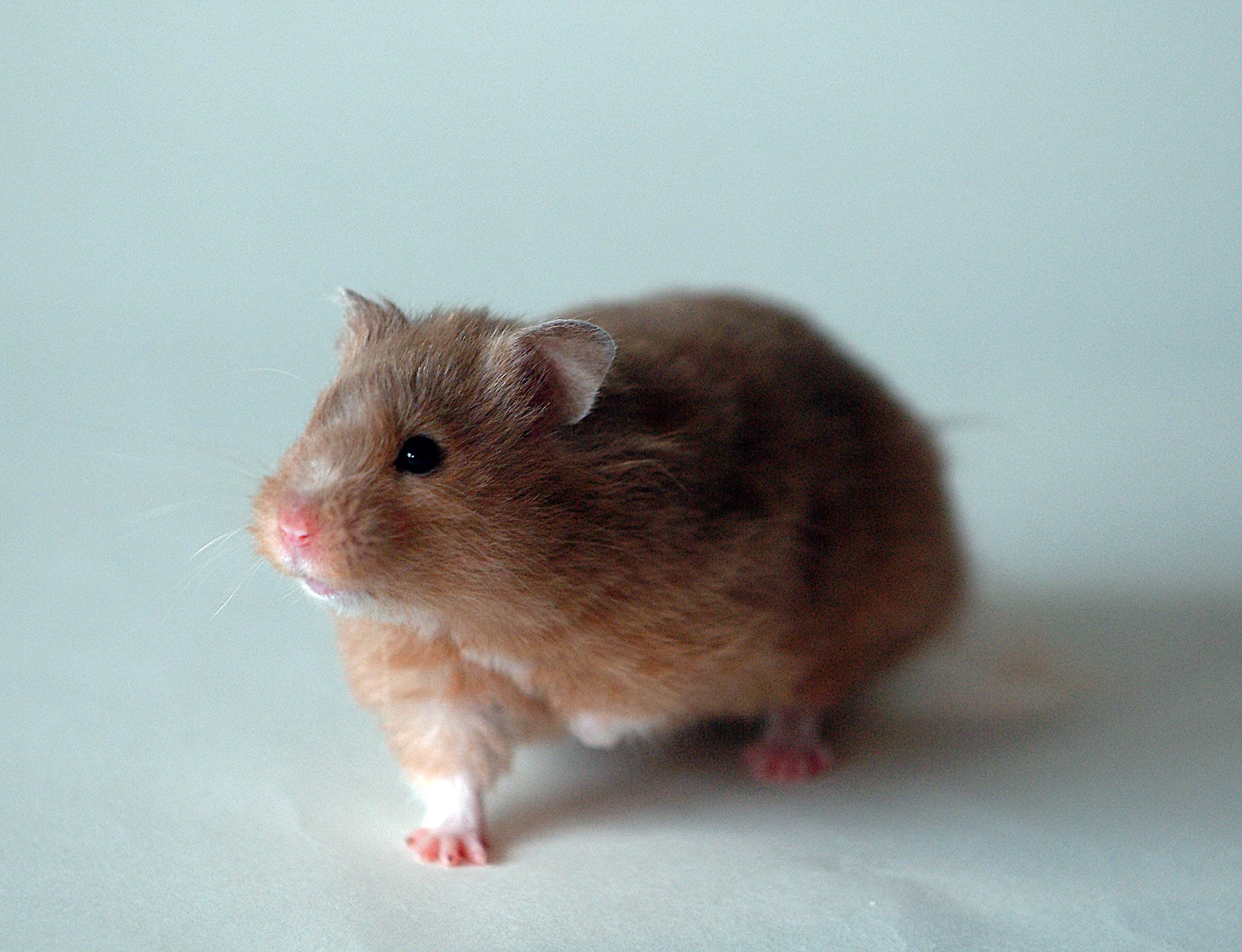
Physical Characteristics & Identification Tips
Golden hamsters are perhaps the most recognized species. Adults measure 12–15 cm in length, with dense fur ranging from golden brown to orange and white markings on the underbelly. Their small, rounded ears and expressive black eyes make them visually striking and easy to identify.
Behavior
They are primarily nocturnal and display solitary behavior. Golden hamsters spend much of their time foraging, digging tunnels, and storing food in their cheek pouches. Their activity peaks during twilight, and they exhibit territorial aggression when encountering others of the same species.
Habitat and Range
Native to Syria and neighboring regions, they inhabit dry, open landscapes, including steppes and semi-deserts. In the wild, they often take refuge in burrows that offer protection from predators and extreme temperatures.
Diet
Golden hamsters are omnivorous, feeding on seeds, grains, vegetables, and occasional insects. In captivity, a diet including high-quality hamster pellets, fresh fruits, and vegetables keeps them healthy and active.
Reproduction and Life Cycle
Females have a gestation period of approximately 16–18 days, giving birth to 4–12 pups per litter. The young are born hairless and blind but grow rapidly, reaching independence within three weeks.
Fun Facts / Unique Traits
Golden hamsters are famous for their cheek pouches, which can expand to store large amounts of food. In the wild, this adaptation allows them to transport food efficiently back to their burrows.
Human Interaction
As one of the most popular pet species, golden hamsters are commonly used in educational programs and research. Their docile nature, combined with striking appearance, makes them ideal for observation and handling under controlled conditions.
2. European Hamster (Common Hamster)
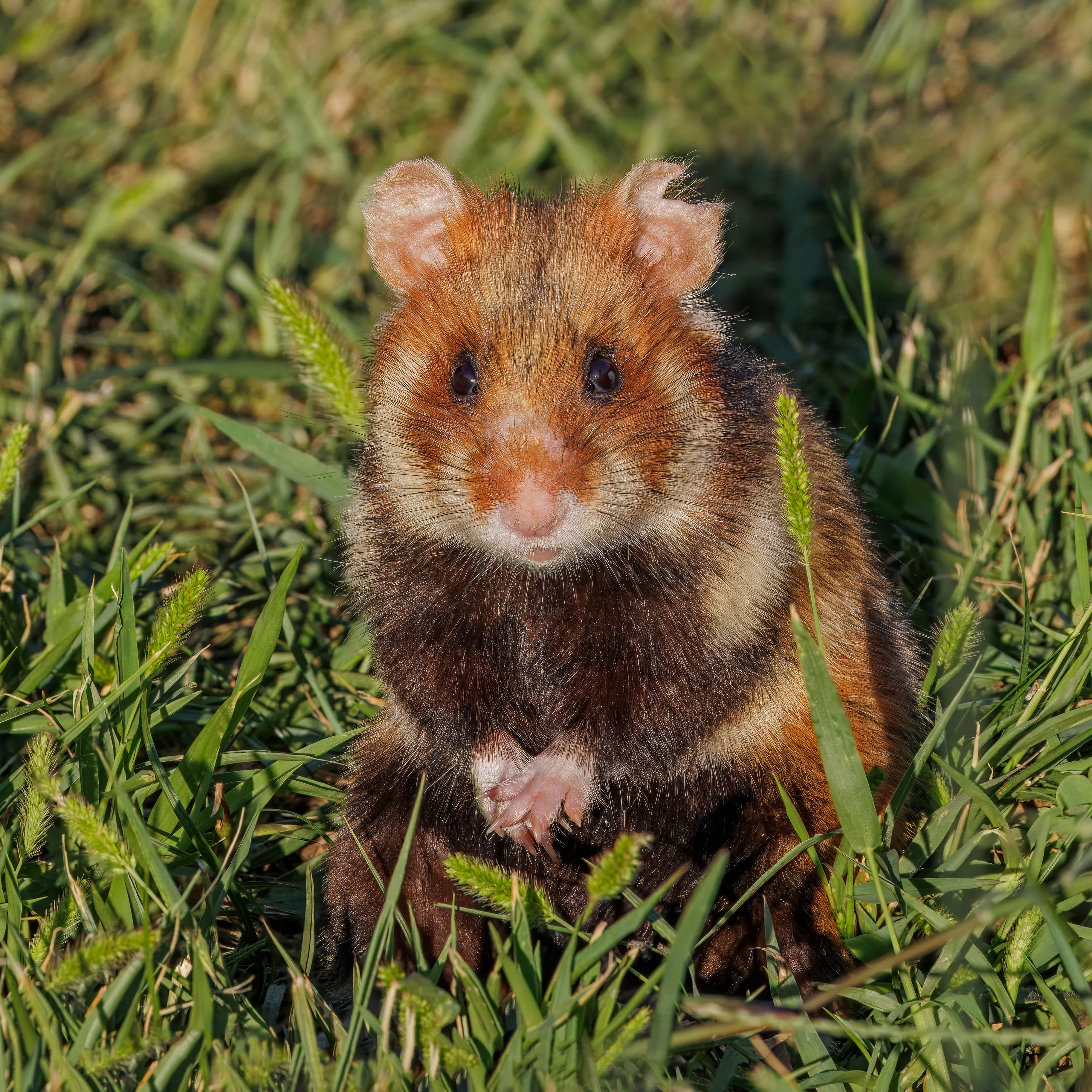
Physical Characteristics & Identification Tips
The European hamster is larger than its Syrian counterpart, measuring up to 35 cm in length. Its fur is a mixture of brown, black, and white patches, with a distinctive white belly. Large, rounded cheek pouches are used for storing food.
Behavior
European hamsters are crepuscular and solitary. They construct extensive burrow systems that can reach 2 meters in depth. These hamsters are known to hibernate during the winter months, reducing metabolic activity significantly.
Habitat and Range
They are native to Central and Eastern Europe, often found in grasslands, farmland, and open fields. Burrow networks are usually located in areas with loose, fertile soil that facilitates digging.
Diet
Their diet consists of grains, seeds, vegetables, and insects. They actively store surplus food in burrows for hibernation periods.
Reproduction and Life Cycle
European hamsters reproduce between spring and early summer. A female can have 2–3 litters per year, with 6–12 pups per litter. Juveniles are independent within a month of birth.
Fun Facts / Unique Traits
European hamsters hibernate for several months, a rare trait among hamsters. Their ability to survive extended cold periods in underground burrows is remarkable.
Human Interaction
Although once common, European hamster populations have declined due to habitat loss. They are considered a species of conservation concern in many European countries.
3. Roborovski Dwarf Hamster
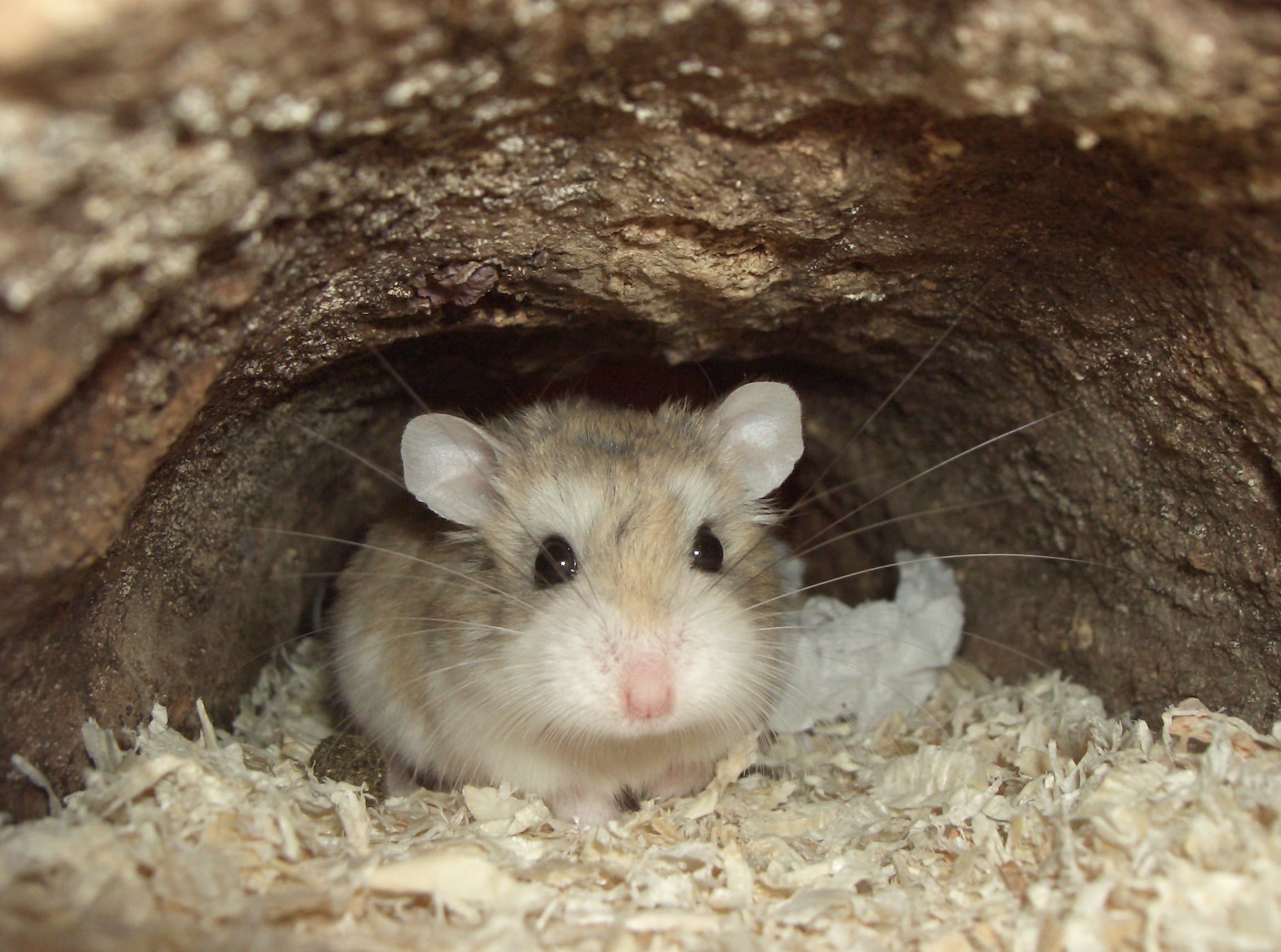
Physical Characteristics & Identification Tips
Roborovski dwarf hamsters are tiny, typically measuring 4–5 cm. Their sandy-brown fur, white markings above the eyes, and agile movements make them distinctive. Despite their size, they are remarkably fast and active.
Behavior
They are highly social compared to other species and can live in small groups. Roborovski hamsters are extremely energetic, often seen running on wheels or exploring tunnels for hours.
Habitat and Range
Native to deserts and semi-arid regions of Central Asia, including Mongolia and northern China, they adapt well to sparse vegetation and extreme temperature fluctuations.
Diet
Roborovski hamsters feed primarily on seeds, grains, and small insects. They are excellent at foraging and storing food within their burrow systems.
Reproduction and Life Cycle
Females can produce 2–5 litters per year, each with 3–9 pups. The young develop quickly, gaining independence in 3–4 weeks.
Fun Facts / Unique Traits
Known for their speed, Roborovski hamsters can run several kilometers per night in the wild. Their tiny size and agility help evade predators efficiently.
Human Interaction
They are increasingly popular as pets due to their small size and social behavior. However, their energy level requires larger cages and ample enrichment.
4. Mongolian Hamster
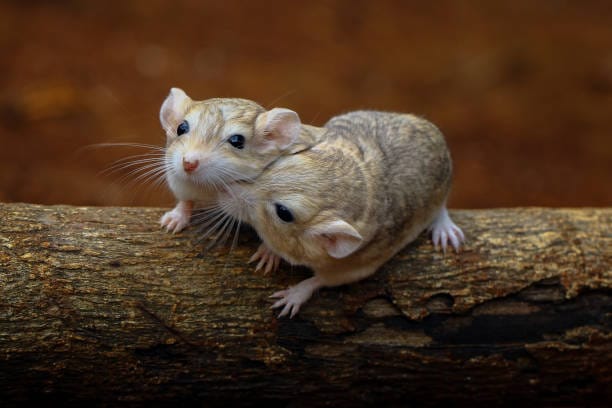
Physical Characteristics & Identification Tips
Mongolian hamsters are small to medium-sized, averaging 9–11 cm in length. Their fur is a blend of sandy brown and gray, providing excellent camouflage in their native habitat. They have rounded ears and prominent black eyes, with cheek pouches for storing food.
Behavior
These hamsters are nocturnal and solitary. They spend most of their time digging burrows and hoarding seeds. Their behavior includes cautious foraging and quick retreat when threatened, making them highly elusive in the wild.
Habitat and Range
Found across the grasslands and deserts of Mongolia and adjacent regions of China, they favor dry, open areas with loose soil suitable for digging burrows.
Diet
Mongolian hamsters are omnivorous, consuming seeds, roots, and occasional insects. They store food in their burrows to survive periods of scarcity.
Reproduction and Life Cycle
Breeding occurs during the warmer months. Females can have 2–3 litters per year, each consisting of 4–9 pups. The young develop rapidly and leave the burrow within a month.
Fun Facts / Unique Traits
Mongolian hamsters are exceptional diggers, capable of creating complex burrow systems with multiple chambers for nesting and food storage.
Human Interaction
These hamsters are occasionally kept in research environments but are mostly observed in the wild due to their shy nature.
5. Eversmann’s Hamster
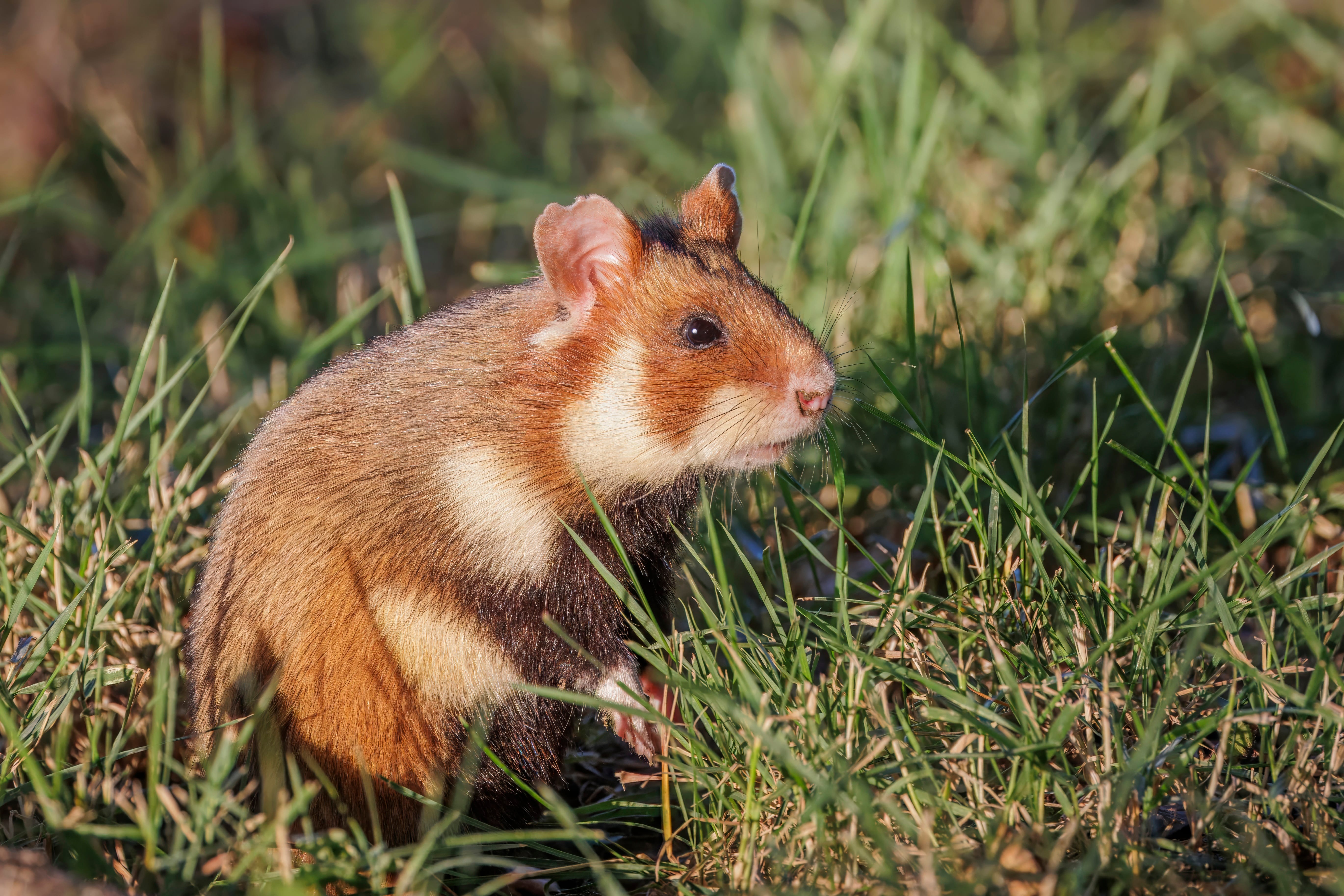
Physical Characteristics & Identification Tips
Eversmann’s hamster is slightly larger than the Mongolian hamster, with a body length of 10–13 cm. Its fur ranges from sandy-brown to a reddish hue, and its white underbelly provides contrast. The black eyes are prominent, and the small rounded ears are characteristic.
Behavior
Nocturnal and mostly solitary, Eversmann’s hamsters dig intricate burrows. They are active foragers, using their cheek pouches to transport food. These hamsters are highly alert and can be skittish around predators.
Habitat and Range
They inhabit the steppes of Kazakhstan, southern Russia, and northwestern China. Open plains with sparse vegetation and loose soil are preferred for burrowing.
Diet
Eversmann’s hamsters are omnivorous, eating seeds, grains, roots, and occasional insects. Food storage in burrows is crucial for surviving harsh winter months.
Reproduction and Life Cycle
Breeding occurs during spring and summer. Females may have 2–3 litters annually, with 5–8 pups per litter. Juveniles are independent in about four weeks.
Fun Facts / Unique Traits
These hamsters are excellent at adapting to seasonal changes. Their burrows have multiple chambers, providing shelter from predators and extreme temperatures.
Human Interaction
They are primarily studied in ecological research. Conservationists monitor populations due to habitat changes in Central Asia.
6. Gansu Hamster
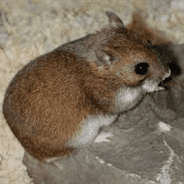
Physical Characteristics & Identification Tips
Gansu hamsters are medium-sized, measuring 9–12 cm. Their coats are sandy-brown with subtle darker streaks on the back, and their eyes are round and dark. Cheek pouches are prominent for storing food.
Behavior
These hamsters are solitary and nocturnal. They dig extensive burrow systems and display cautious foraging habits. They are quick to retreat when sensing danger.
Habitat and Range
Native to the Gansu province of China, they live in semi-arid grasslands and shrublands. Loose, sandy soil is preferred for burrow construction.
Diet
Omnivorous in nature, Gansu hamsters feed on seeds, grains, roots, and insects. They stockpile food in their burrows to survive periods of scarcity.
Reproduction and Life Cycle
Females can have 2–3 litters annually, each with 4–9 pups. Young hamsters develop rapidly and leave the burrow after about a month.
Fun Facts / Unique Traits
Gansu hamsters are particularly adept at conserving water, an adaptation to the semi-arid environments they inhabit.
Human Interaction
These hamsters are rarely kept as pets and are mainly observed in ecological studies and wildlife monitoring.
7. Chinese Striped Hamster
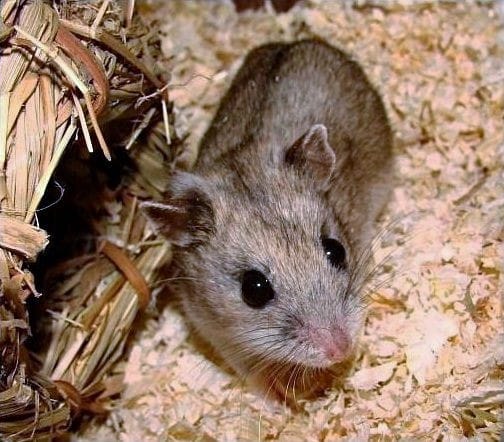
Physical Characteristics & Identification Tips
The Chinese striped hamster is small, 8–10 cm long, with light brown fur and distinctive dark stripes along its back. Cheek pouches and dark eyes are prominent, aiding in identification.
Behavior
They are nocturnal and solitary. Chinese striped hamsters dig burrows and are known for their meticulous food storage habits. They are agile and alert when threatened.
Habitat and Range
Native to northern China and Mongolia, they inhabit grasslands, agricultural fields, and semi-deserts with loose soil for burrowing.
Diet
They feed on seeds, grains, and small insects. Food hoarding is essential to survive seasonal scarcity.
Reproduction and Life Cycle
Females may have 2–3 litters annually with 5–7 pups per litter. Offspring grow quickly and become independent within three to four weeks.
Fun Facts / Unique Traits
Their distinctive back stripes help camouflage them against the grassy landscapes of northern China.
Human Interaction
While occasionally observed in research studies, they are rarely kept as pets due to their elusive nature.
8. Lama Dwarf Hamster
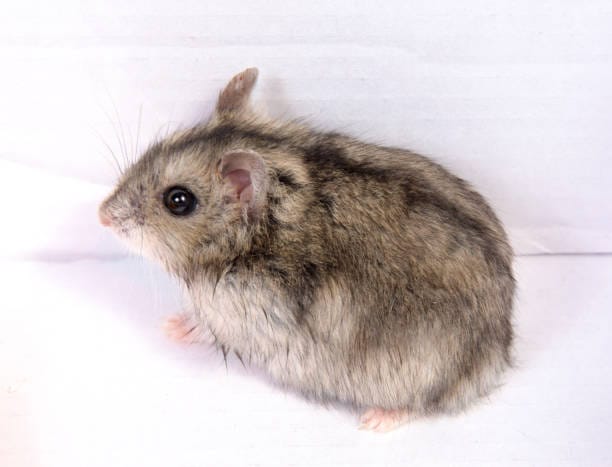
Physical Characteristics & Identification Tips
The Lama dwarf hamster is a tiny species, 7–9 cm in length. Its fur is sandy-brown with a light underbelly. The eyes are dark, round, and expressive, and the cheeks expand to store food.
Behavior
They are nocturnal and shy, preferring solitary living. Lama dwarf hamsters dig shallow burrows and are highly active at night.
Habitat and Range
Native to Tibet and nearby regions of China, they inhabit rocky, semi-arid areas with sparse vegetation.
Diet
Omnivorous, feeding on seeds, grasses, roots, and insects. They store food in burrows for later consumption.
Reproduction and Life Cycle
Females produce 2–3 litters yearly, with 3–7 pups per litter. Juveniles are independent within three weeks of birth.
Fun Facts / Unique Traits
Despite their small size, Lama dwarf hamsters are quick and agile, evading predators efficiently in rocky terrain.
Human Interaction
Rarely kept in captivity, they are mainly studied in the wild by zoologists monitoring small mammal populations.
9. Long-tailed Dwarf Hamster
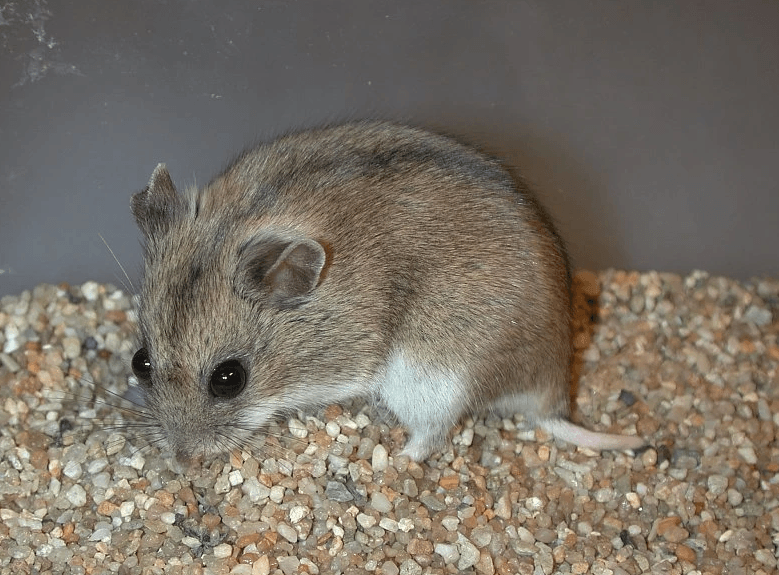
Physical Characteristics & Identification Tips
Long-tailed dwarf hamsters are small, measuring 7–9 cm, with sandy-brown fur and a slightly lighter underbelly. They have relatively longer tails compared to other dwarf hamsters, which helps in balancing while moving through tunnels.
Behavior
They are nocturnal and solitary, spending their nights foraging and exploring. Known for their agility, they are quick to dart into burrows when sensing danger.
Habitat and Range
Native to Mongolia and northern China, they inhabit arid grasslands and semi-desert areas with loose soil suitable for burrowing.
Diet
Omnivorous, they consume seeds, grains, roots, and insects. They actively hoard food in burrows to prepare for scarce periods.
Reproduction and Life Cycle
Females have 2–3 litters per year, with 3–7 pups per litter. Offspring develop quickly, leaving the burrow in about three weeks.
Fun Facts / Unique Traits
Their long tails are unusual for dwarf hamsters and may help in maintaining balance while navigating complex burrow systems.
Human Interaction
They are rarely kept as pets due to their small size and energetic nature but are studied in wildlife research.
10. Sokolov’s Dwarf Hamster
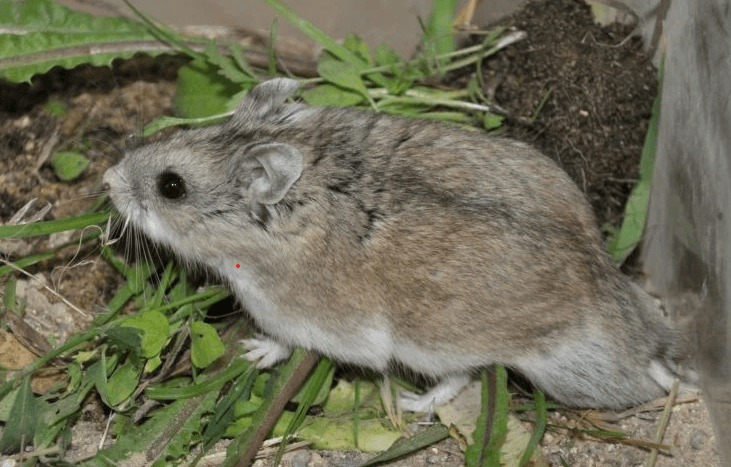
Physical Characteristics & Identification Tips
Sokolov’s dwarf hamsters are 8–10 cm long with soft, sandy fur and pale underbellies. Their eyes are dark and round, and they have prominent cheek pouches for storing food.
Behavior
Nocturnal and solitary, they are cautious foragers. They dig burrows with multiple chambers to store food and rest safely.
Habitat and Range
They inhabit the semi-arid regions of Central Asia, including Mongolia and northern China, favoring loose, sandy soils.
Diet
Omnivorous, consuming seeds, grains, roots, and insects. Food hoarding is essential for surviving winter and dry seasons.
Reproduction and Life Cycle
Females may produce 2–3 litters per year, each with 4–6 pups. The young grow quickly and are independent in about three to four weeks.
Fun Facts / Unique Traits
Despite their small size, Sokolov’s hamsters are agile and capable of constructing complex burrows that help them survive extreme climates.
Human Interaction
Primarily observed in ecological research, they are rarely kept as pets due to their shy and solitary nature.
11. Tibetan Dwarf Hamster
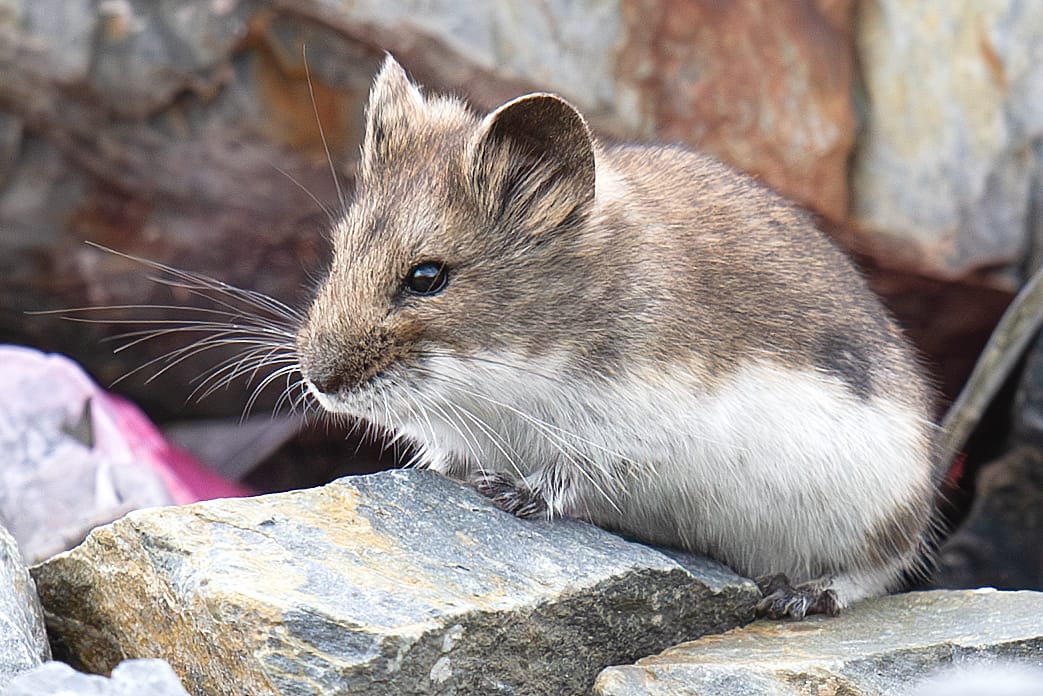
Physical Characteristics & Identification Tips
The Tibetan dwarf hamster is small, 7–9 cm in length, with sandy fur and a light underbelly. Its compact body and rounded ears distinguish it from other dwarf species.
Behavior
Nocturnal and mostly solitary, these hamsters dig shallow burrows and are very active at night. They are quick to retreat from predators.
Habitat and Range
Native to the Tibetan Plateau and nearby regions, they live in rocky, semi-arid landscapes with sparse vegetation.
Diet
Omnivorous, feeding on seeds, grasses, and small insects. They store food in burrows to prepare for harsh seasons.
Reproduction and Life Cycle
Females produce 2–3 litters annually, each with 3–6 pups. The young leave the nest within three weeks.
Fun Facts / Unique Traits
Adapted to high-altitude environments, Tibetan dwarf hamsters can withstand cold temperatures and low oxygen conditions.
Human Interaction
They are primarily studied in the wild, as they are rarely kept in captivity due to their specialized habitat requirements.
12. Campbell’s Dwarf Hamster

Physical Characteristics & Identification Tips
Campbell’s dwarf hamsters measure 7–10 cm with grayish-brown fur and a white underbelly. They have dark eyes and small, rounded ears, making them easily distinguishable from other dwarf species.
Behavior
They are social in comparison to other hamsters and can tolerate living in small groups. Nocturnal activity is high, and they are fast and agile.
Habitat and Range
Native to Central Asia, including Kazakhstan, Mongolia, and northern China. They inhabit grasslands, semi-deserts, and areas with loose soil for burrows.
Diet
Omnivorous, feeding on seeds, grains, roots, and insects. They store food in burrows for later consumption.
Reproduction and Life Cycle
Females produce 2–5 litters per year, with 4–8 pups per litter. Juveniles mature rapidly, becoming independent within three weeks.
Fun Facts / Unique Traits
Campbell’s dwarf hamsters are known for their social tolerance and can display playful interactions in groups.
Human Interaction
They are popular pets due to their small size, social behavior, and adaptability to captivity.
13. Winter White Dwarf Hamster
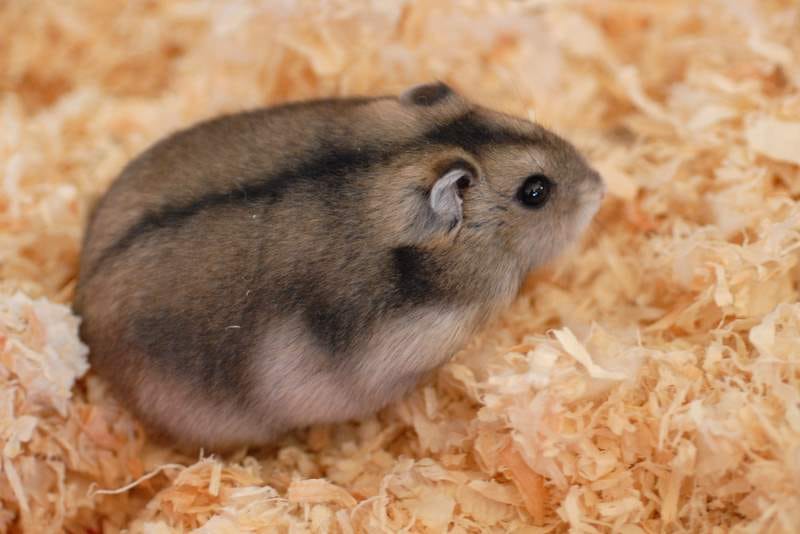
Physical Characteristics & Identification Tips
Winter White dwarf hamsters are 7–10 cm in length. Their coat changes color seasonally, from gray-brown in summer to almost pure white in winter, helping with camouflage.
Behavior
Nocturnal and moderately social, they are active burrowers and spend significant time foraging during twilight hours.
Habitat and Range
Found in Siberia, Kazakhstan, and northern China, inhabiting grassy steppes, semi-deserts, and areas with loose soil.
Diet
Their diet consists of seeds, grains, vegetables, and small insects. They hoard food to survive the colder months.
Reproduction and Life Cycle
Females can produce 2–4 litters annually, with 4–7 pups per litter. The young grow rapidly and become independent within three weeks.
Fun Facts / Unique Traits
Seasonal coat color change is a remarkable adaptation to cold climates, providing excellent camouflage in snowy environments.
Human Interaction
These hamsters are common pets due to their small size, gentle temperament, and attractive seasonal coat change.
14. Roborovski Dwarf Hamster
Physical Characteristics & Identification Tips
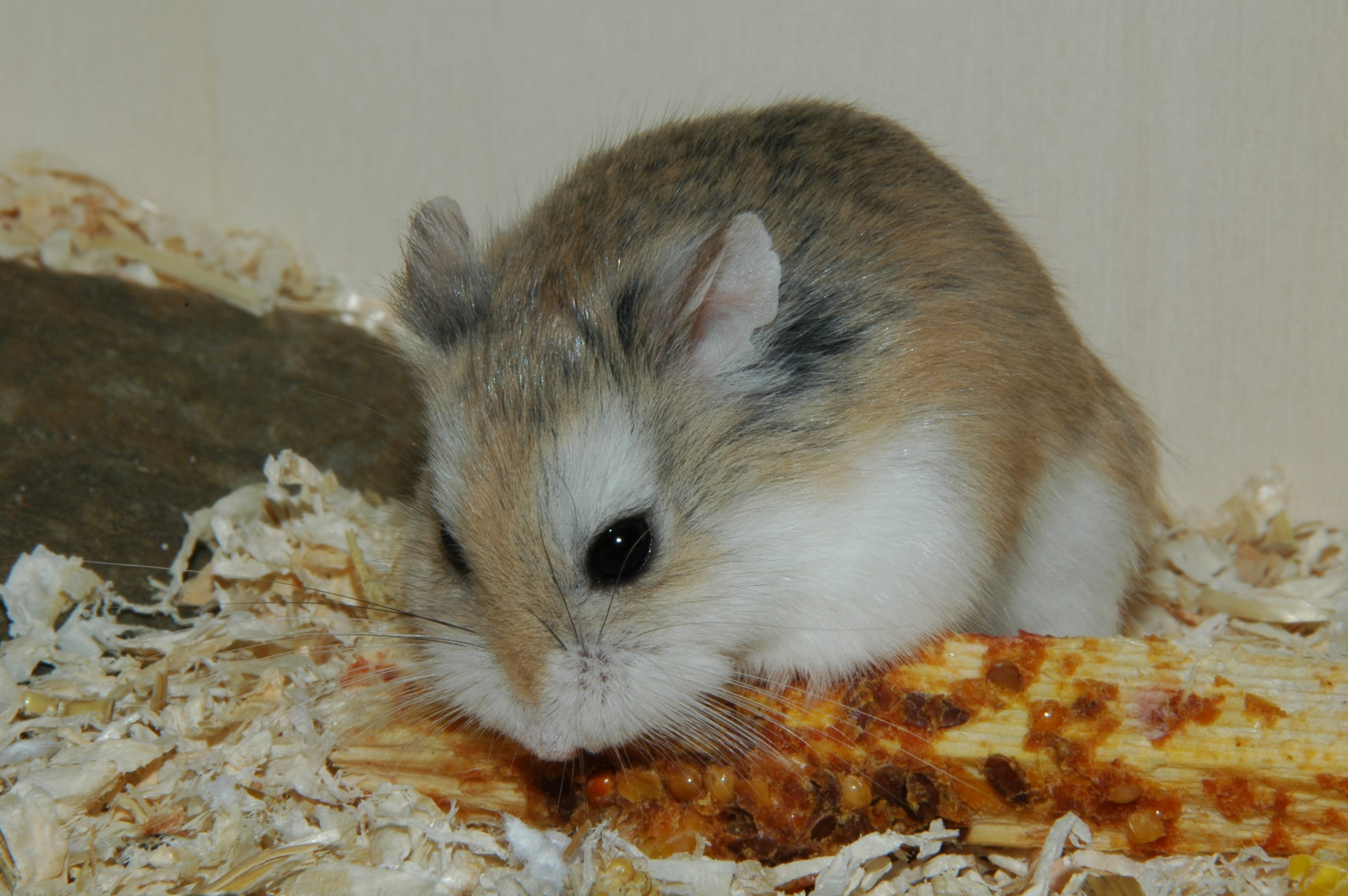
Roborovski dwarf hamsters are tiny, 4–5 cm in length, with sandy-brown fur and white markings above their eyes. Their compact size and quick movements make them easy to recognize.
Behavior
Extremely active and social, they prefer to live in small groups. Nocturnal by nature, they spend hours running through burrows and exploring.
Habitat and Range
Native to Central Asia, including Mongolia and northern China, they inhabit deserts and semi-arid grasslands with sparse vegetation.
Diet
Omnivorous, feeding mainly on seeds, grains, and small insects. They actively store food in burrows for survival.
Reproduction and Life Cycle
Females can have 2–5 litters per year, each with 3–9 pups. Young develop rapidly, leaving the nest within three to four weeks.
Fun Facts / Unique Traits
Roborovski hamsters are renowned for their speed, often running several kilometers in the wild each night.
Human Interaction
They are increasingly popular as pets, though their energy requires larger cages and enrichment to prevent stress.
15. Ciscaucasian Hamster
Physical Characteristics & Identification Tips
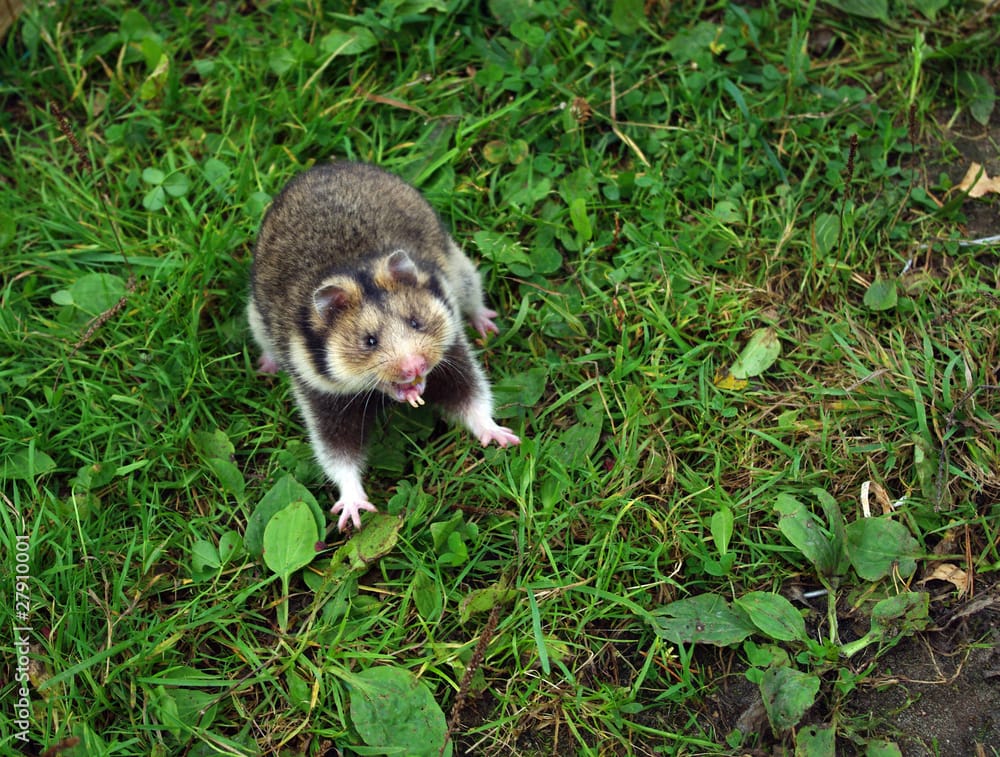
Ciscaucasian hamsters measure 8–10 cm in length. They have sandy-brown fur with a lighter underbelly and dark, round eyes.
Behavior
Nocturnal and solitary, they dig burrows and hoard food. They are cautious foragers, often staying close to their burrow entrances.
Habitat and Range
Native to the Caucasus region, they inhabit grasslands, fields, and steppe areas with loose soil for digging.
Diet
They feed on seeds, roots, grains, and insects, storing extra food in burrows for winter survival.
Reproduction and Life Cycle
Females have 2–3 litters per year, each with 4–7 pups. Juveniles are independent within three weeks of birth.
Fun Facts / Unique Traits
Ciscaucasian hamsters are adapted to seasonal climates, creating deep burrows to survive harsh winters and hot summers.
Human Interaction
Rarely kept in captivity, they are mainly studied in wildlife and ecological research.
16. Pallid Hamster
Physical Characteristics & Identification Tips
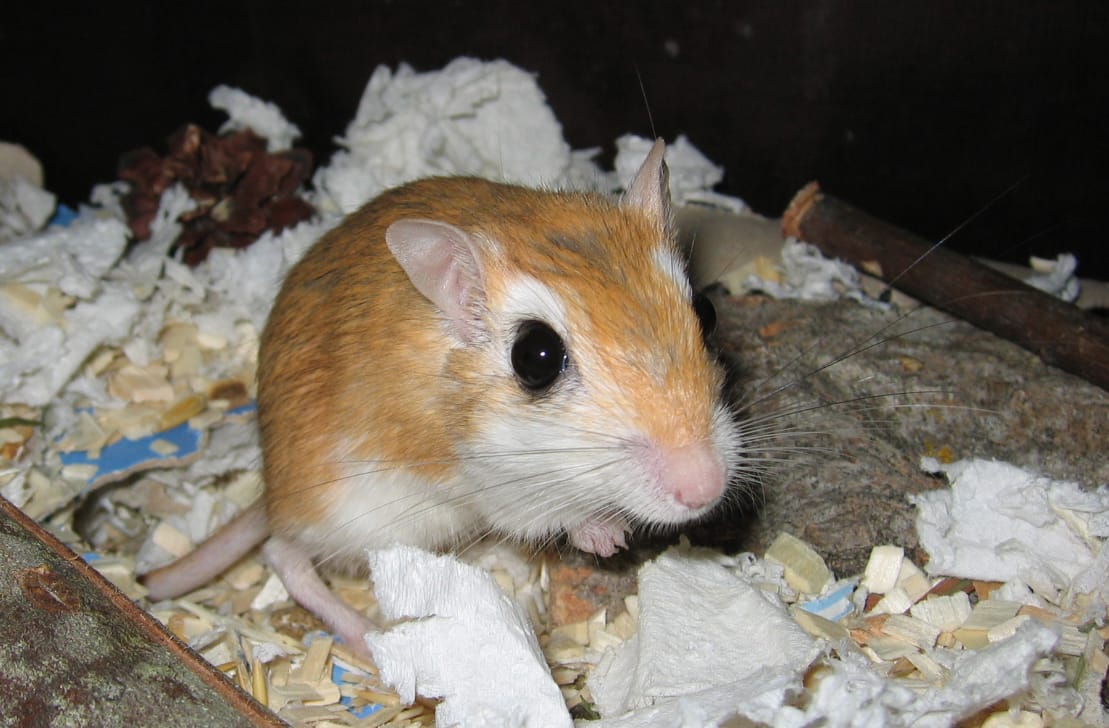
The Pallid hamster is medium-sized, measuring 9–11 cm in length, with pale sandy-brown fur and a light underbelly. Its dark, round eyes and prominent cheek pouches make it easily recognizable.
Behavior
They are nocturnal and mostly solitary. Pallid hamsters spend nights foraging, storing food, and maintaining their burrows, which often include multiple chambers for nesting and food storage.
Habitat and Range
Native to the arid regions of Central Asia, including Kazakhstan and western China, they inhabit dry grasslands and semi-deserts with loose soil suitable for digging.
Diet
Omnivorous in nature, they feed on seeds, grains, roots, and insects. They hoard food in burrows to prepare for harsh conditions.
Reproduction and Life Cycle
Females produce 2–3 litters per year, with 4–8 pups per litter. The young develop rapidly, leaving the burrow after approximately three weeks.
Fun Facts / Unique Traits
Their pale coat helps camouflage them against the sandy and rocky landscapes they inhabit, reducing the risk of predation.
Human Interaction
Rarely kept as pets, they are primarily observed in ecological studies and wildlife research projects.
17. Desert Hamster
Physical Characteristics & Identification Tips
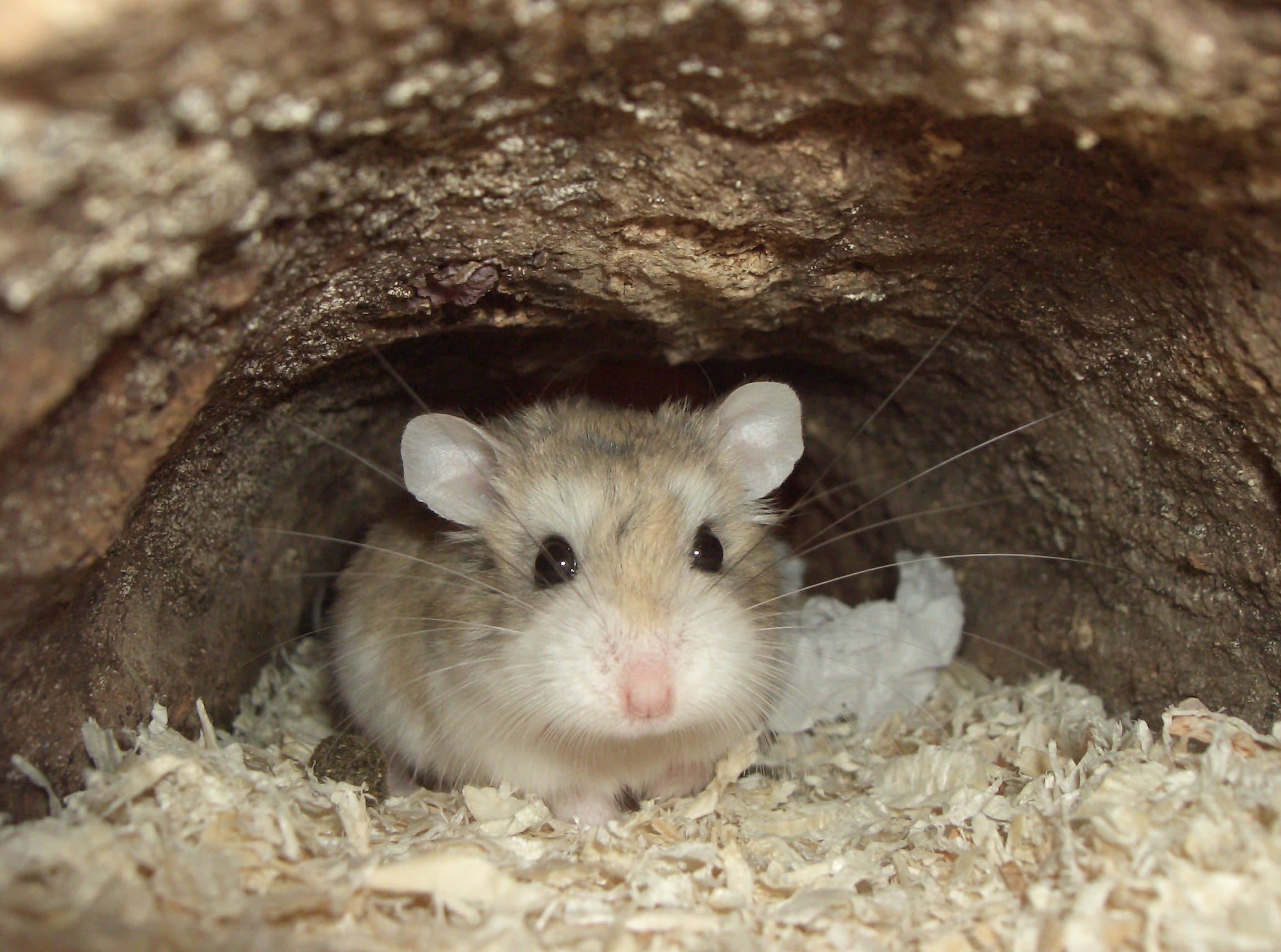
Desert hamsters are small, measuring 8–10 cm, with light brown fur and a white underbelly. Their short, rounded tails and large cheek pouches are distinctive features.
Behavior
These hamsters are nocturnal and highly active at night. They are solitary and spend considerable time digging burrows and collecting food.
Habitat and Range
Found in desert regions of Central Asia and northern China, they inhabit sandy and arid landscapes with sparse vegetation.
Diet
Omnivorous, eating seeds, grains, roots, and occasional insects. Burrow food stores help them survive periods of scarcity.
Reproduction and Life Cycle
Breeding occurs in spring and summer, with females producing 2–4 litters annually. Each litter contains 3–7 pups, which become independent in about three weeks.
Fun Facts / Unique Traits
Their ability to thrive in extreme temperatures makes them excellent desert survivors, capable of conserving water efficiently.
Human Interaction
Primarily studied in the wild, they are rarely maintained in captivity due to their specialized desert adaptations.
18. Striped Back Hamster

Physical Characteristics & Identification Tips
The Striped Back hamster is small, 7–9 cm long, with a distinctive dark stripe running along its back from head to tail. The sandy-brown coat and white underbelly complement the pattern.
Behavior
Nocturnal and solitary, they dig burrows with multiple chambers and hoard food for later use. They are agile and quick to retreat when threatened.
Habitat and Range
Native to northern China and Mongolia, they inhabit grasslands, semi-deserts, and agricultural areas with loose soil suitable for burrowing.
Diet
Omnivorous, feeding on seeds, grains, roots, and insects. Food caching in burrows is essential for survival during food-scarce periods.
Reproduction and Life Cycle
Females produce 2–3 litters per year, each containing 4–7 pups. Young hamsters become independent in about three weeks.
Fun Facts / Unique Traits
The dark dorsal stripe provides camouflage and helps break up their outline in grassy terrain, reducing predation risk.
Human Interaction
They are mainly studied in ecological and wildlife research; rarely kept as pets due to their elusive behavior.
19. Chinese Dwarf Hamster
Physical Characteristics & Identification Tips
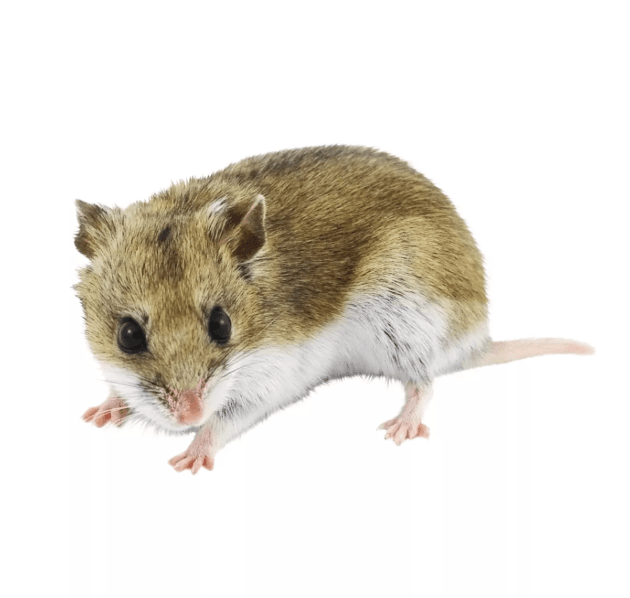
Chinese dwarf hamsters are tiny, 7–9 cm in length, with gray-brown fur and a pale underbelly. Their small size, dark eyes, and long tails make them distinguishable from other dwarf species.
Behavior
Social and nocturnal, they are active burrowers. Chinese dwarf hamsters can live in pairs or small groups, unlike many solitary hamster species.
Habitat and Range
Native to northern China and Mongolia, they inhabit grasslands, semi-deserts, and areas with sandy soil for burrows.
Diet
They feed on seeds, grains, roots, and small insects, storing food in burrows to survive periods of scarcity.
Reproduction and Life Cycle
Females produce 2–3 litters per year, with 3–6 pups per litter. Offspring grow rapidly, leaving the burrow within three weeks.
Fun Facts / Unique Traits
They are more social than most hamster species, making them slightly easier to keep in groups in captivity.
Human Interaction
Occasionally kept as pets and studied for behavioral research due to their sociable nature.
20. Dzungarian Hamster

Physical Characteristics & Identification Tips
The Dzungarian hamster is small, 7–9 cm in length, with gray-brown fur and white underbelly. Its rounded ears and prominent cheek pouches are key identifying features.
Behavior
They are nocturnal and solitary. Dzungarian hamsters spend most of their active hours foraging and maintaining burrow systems.
Habitat and Range
Native to Central Asia, including Kazakhstan, Mongolia, and northwestern China. They inhabit grasslands and semi-deserts with loose soil for digging burrows.
Diet
Omnivorous, feeding on seeds, grains, roots, and insects. They store excess food in burrows to survive harsh seasons.
Reproduction and Life Cycle
Females produce 2–4 litters per year, each with 3–7 pups. Juveniles grow quickly and become independent within three weeks.
Fun Facts / Unique Traits
Dzungarian hamsters are well-adapted to cold winters and hot summers, often using deep burrows for temperature regulation.
Human Interaction
They are occasionally kept as pets, but their high energy levels and solitary nature require careful management in captivity.
21. Altai Hamster
Physical Characteristics & Identification Tips
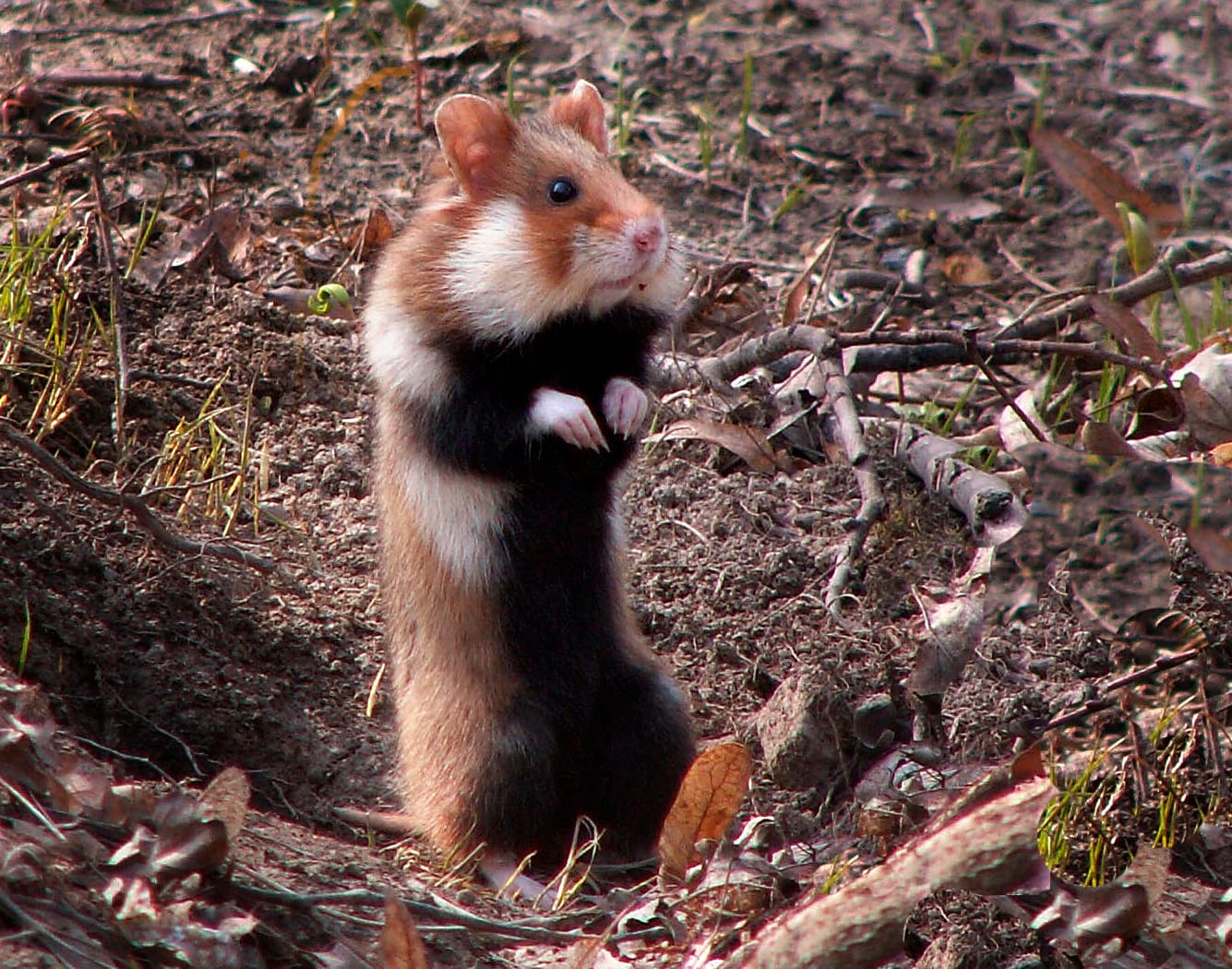
Altai hamsters are medium-sized, measuring 9–11 cm in length. Their fur is sandy-brown with a lighter underbelly, and they have dark, round eyes and small rounded ears. Prominent cheek pouches help them store food.
Behavior
Nocturnal and solitary, Altai hamsters are active burrowers. They spend most of their nights foraging and maintaining burrow systems with multiple chambers for shelter and food storage.
Habitat and Range
Native to the Altai Mountains and surrounding grasslands, they inhabit semi-arid regions with loose soil suitable for burrowing.
Diet
Omnivorous, feeding on seeds, grains, roots, and occasional insects. They store food in burrows to survive periods of scarcity.
Reproduction and Life Cycle
Females produce 2–3 litters per year, with 4–8 pups per litter. Juveniles leave the burrow in about three weeks after birth.
Fun Facts / Unique Traits
Altai hamsters are excellent diggers and are well adapted to cold winters and hot summers of mountainous grasslands.
Human Interaction
Primarily observed in the wild, they are rarely kept in captivity but are occasionally studied in ecological research.
22. Transcaucasian Hamster
Physical Characteristics & Identification Tips
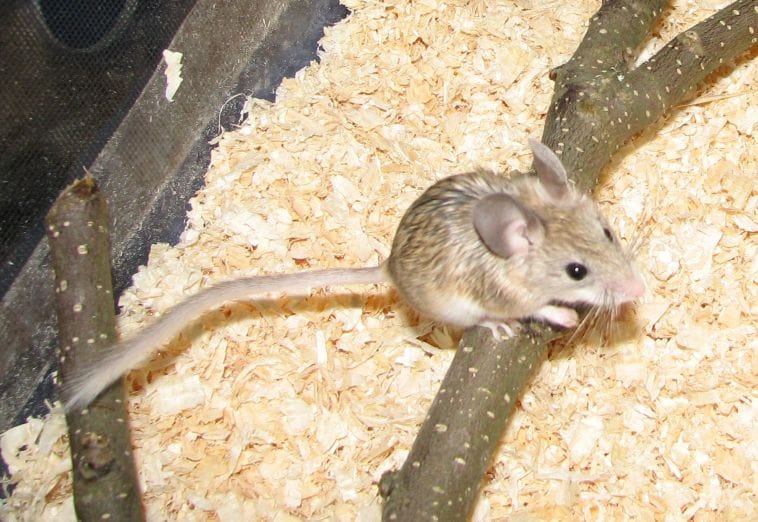
The Transcaucasian hamster measures 9–10 cm in length, with sandy-brown fur and a white underbelly. Dark eyes and small, rounded ears are distinctive features, along with cheek pouches for food storage.
Behavior
Nocturnal and mostly solitary, they dig burrows for shelter and food storage. They are cautious foragers and agile in escaping predators.
Habitat and Range
Native to the Transcaucasus region, inhabiting grasslands, steppe areas, and semi-deserts with loose soil for burrows.
Diet
Omnivorous, feeding on seeds, grains, roots, and insects. Burrow food caches are essential for survival during winter months.
Reproduction and Life Cycle
Females produce 2–3 litters per year, with 4–7 pups each. Young hamsters become independent approximately three weeks after birth.
Fun Facts / Unique Traits
They are well adapted to seasonal climate changes, using burrows to escape both heat and cold extremes.
Human Interaction
Rarely kept as pets, they are mainly studied in ecological research and wildlife monitoring projects.
23. Steppe Hamster
Physical Characteristics & Identification Tips
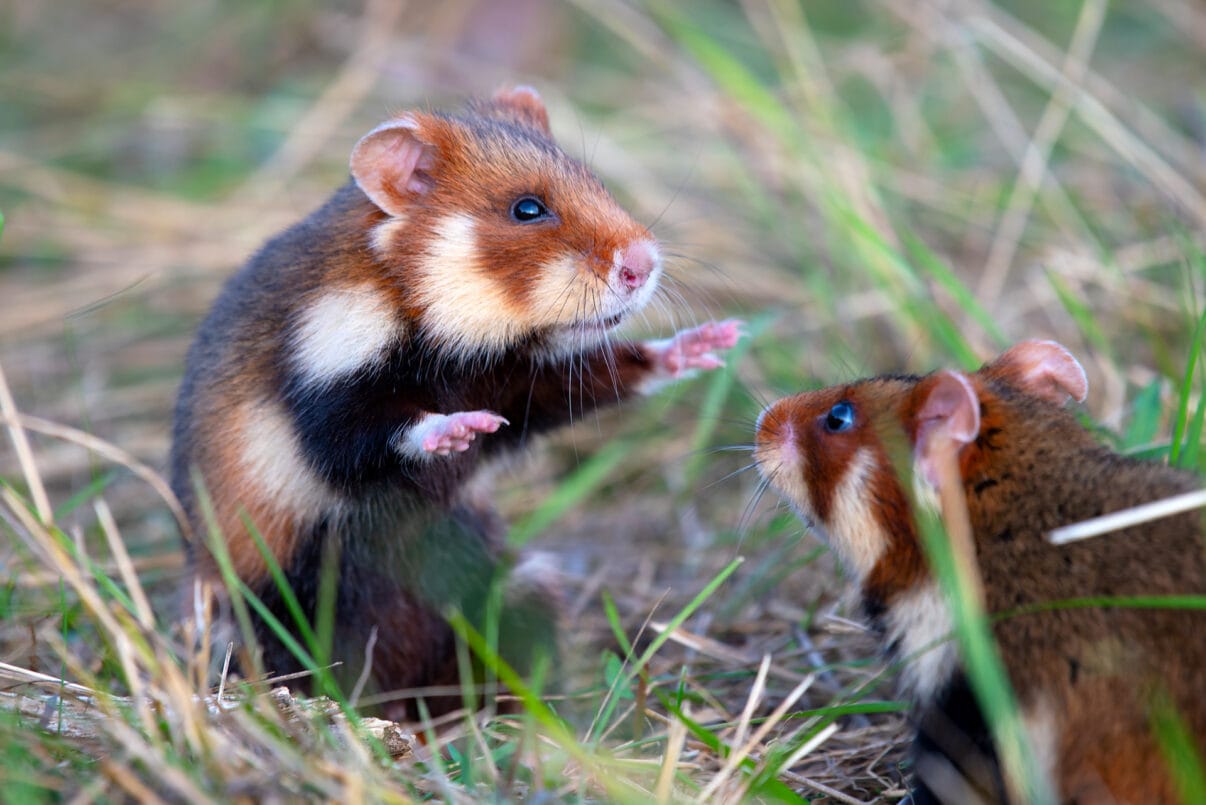
Steppe hamsters are 9–11 cm long, with sandy to light brown fur and a pale underbelly. Their round eyes and small ears are key identifiers, and cheek pouches help in carrying food.
Behavior
Nocturnal and solitary, Steppe hamsters dig extensive burrows. They actively forage for seeds, grains, and roots during the night.
Habitat and Range
They inhabit the steppes of Central Asia, including Kazakhstan, Mongolia, and parts of China. Loose soil is necessary for burrow construction.
Diet
Omnivorous, feeding primarily on seeds, roots, grains, and insects. Food is hoarded in burrows to withstand periods of scarcity.
Reproduction and Life Cycle
Females produce 2–3 litters per year, with 4–8 pups per litter. Juveniles mature rapidly and leave the nest in roughly three weeks.
Fun Facts / Unique Traits
Their burrows can extend over several meters, offering protection from predators and harsh weather.
Human Interaction
Mainly observed in the wild; occasionally studied in research projects but rarely kept as pets.
24. Tien Shan Hamster
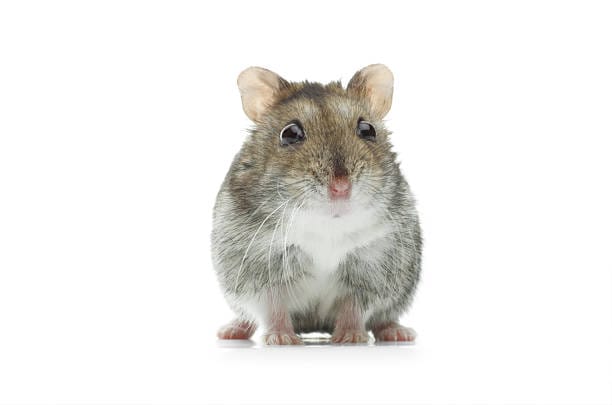
Physical Characteristics & Identification Tips
Tien Shan hamsters are medium-sized, 9–11 cm long, with light brown fur and a pale underbelly. Prominent cheek pouches and dark, rounded eyes distinguish them from other species.
Behavior
Nocturnal and solitary, they are active burrowers. They spend nights foraging and maintaining burrow systems with multiple chambers.
Habitat and Range
Native to the Tien Shan Mountains, inhabiting grasslands and semi-arid slopes with loose soil suitable for digging burrows.
Diet
Omnivorous, consuming seeds, grains, roots, and insects. Food is hoarded in burrows for survival during scarce periods.
Reproduction and Life Cycle
Females have 2–3 litters per year, with 4–7 pups per litter. Young leave the nest approximately three weeks after birth.
Fun Facts / Unique Traits
Adapted to mountainous terrain, these hamsters can navigate rocky landscapes efficiently while foraging.
Human Interaction
Primarily observed in the wild; rarely kept in captivity due to specialized habitat requirements.
25. Ural Hamster
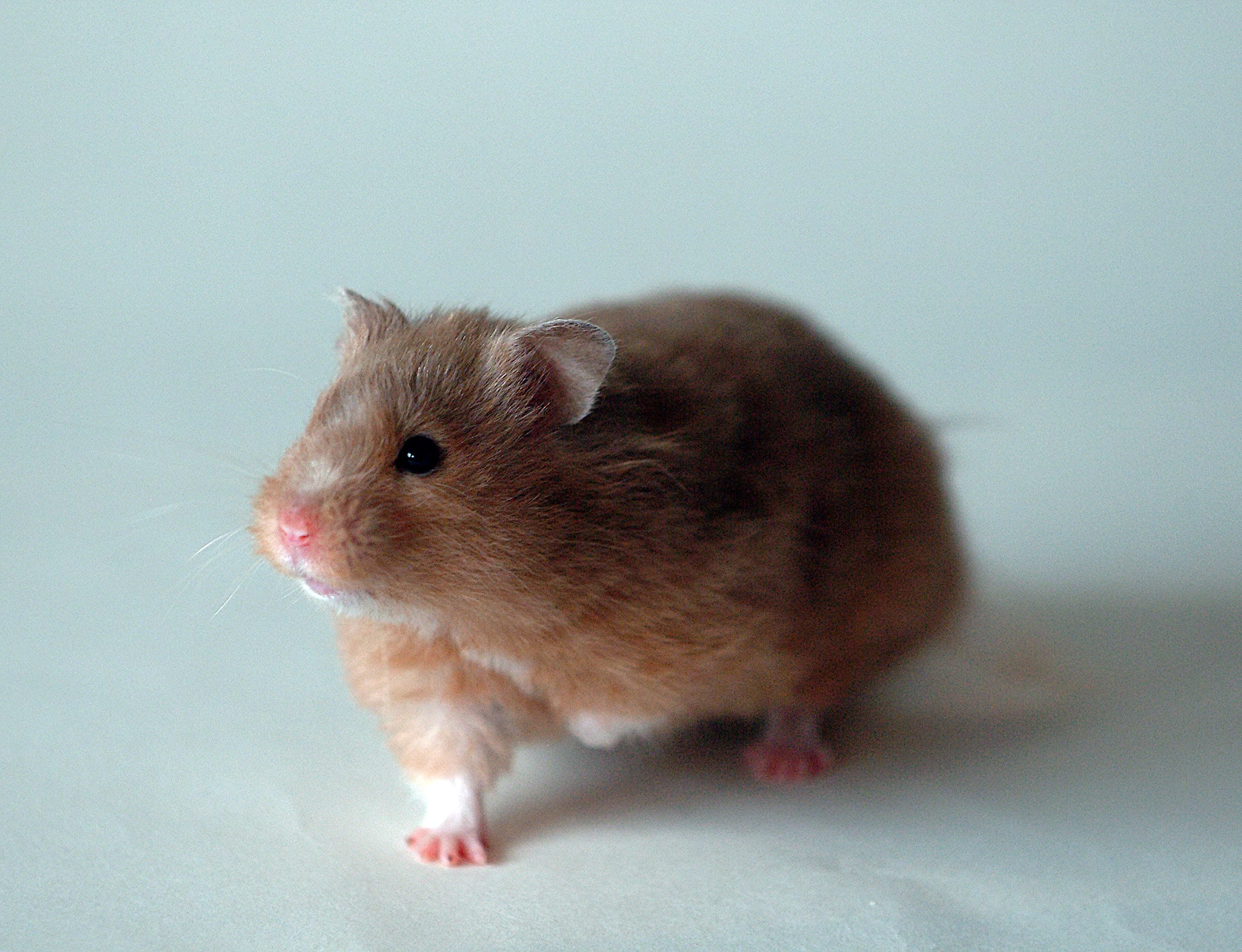
Physical Characteristics & Identification Tips
Ural hamsters are medium-sized, 9–11 cm in length, with sandy-brown fur and lighter underbelly. Dark eyes, rounded ears, and expandable cheek pouches are distinctive features.
Behavior
Nocturnal and solitary, they dig burrows with multiple chambers for shelter and food storage. Foraging occurs mainly at night.
Habitat and Range
Native to the Ural Mountains region, inhabiting grasslands, fields, and semi-deserts with loose soil suitable for burrowing.
Diet
Omnivorous, feeding on seeds, grains, roots, and insects. Burrow food caches help them survive harsh winters.
Reproduction and Life Cycle
Females produce 2–3 litters per year, with 4–8 pups per litter. Juveniles become independent within three weeks.
Fun Facts / Unique Traits
Ural hamsters are highly adaptable to seasonal changes, using deep burrows for protection from both heat and cold.
Human Interaction
They are primarily observed in the wild and are rarely maintained in captivity, but studied for ecological research.
Frequently Asked Questions About Types of Hamsters
1. What are the different types of hamsters?
There are 25 types of hamsters covered in this guide, including Mongolian Hamster, Campbell’s Dwarf Hamster, Roborovski Dwarf Hamster, and more.
2. What is the largest type of hamster?
The Pallid Hamster and Altai Hamster are among the larger wild species, measuring up to 11 cm in length.
3. Which hamsters are considered dwarf species?
Dwarf hamsters include Winter White, Roborovski, Campbell’s, and Chinese Dwarf Hamsters, all small and agile nocturnal creatures.
4. Are hamsters nocturnal or diurnal?
Most wild hamsters are nocturnal, active at night while resting in burrows during the day.
5. What is the typical diet of wild hamsters?
Wild hamsters are omnivorous, eating seeds, grains, roots, and occasionally insects, often storing food in their burrows.
6. How do hamsters build their burrows?
Hamsters dig burrows with multiple chambers for nesting, food storage, and safety from predators.
7. How many pups do hamsters have per litter?
Most hamster species have 3–8 pups per litter, depending on the species, with multiple litters per year.
8. How fast do hamster pups grow?
Pups usually become independent within three weeks of birth, growing rapidly in their early stages.
9. What habitats do wild hamsters prefer?
Wild hamsters inhabit grasslands, steppes, semi-deserts, and arid mountain regions with loose soil suitable for burrows.
10. Do hamsters store food?
Yes, hamsters have cheek pouches to store seeds and grains, which they hoard in their burrows for winter or scarce periods.
11. Are hamsters social animals?
Most wild hamsters are solitary, though some dwarf species like Campbell’s and Chinese Dwarf Hamsters can tolerate small groups.
12. Can hamsters survive extreme climates?
Species like Tibetan, Dzungarian, and Ural Hamsters are adapted to survive cold winters and hot summers using burrows for temperature regulation.
13. How do hamsters avoid predators?
Hamsters rely on burrows, camouflage, and nocturnal activity to reduce the risk of predation.
14. Which hamster species have seasonal coat changes?
Winter White Dwarf Hamsters change from gray-brown in summer to almost white in winter for better camouflage.
15. Are hamsters found worldwide?
Wild hamsters are native mostly to Central Asia, Mongolia, northern China, and surrounding regions.
16. How long do hamsters live in the wild?
Wild hamsters typically live 1–3 years depending on species, predation, and food availability.
17. Can all hamster species be kept as pets?
No, species like Roborovski or Pallid Hamsters are rarely kept in captivity due to their high activity and specialized needs.
18. What is the smallest type of hamster?
Roborovski Dwarf Hamsters are among the smallest, measuring just 4–5 cm in length.
19. How do hamsters communicate?
Hamsters communicate using squeaks, body movements, and scent markings from glands and their urine.
20. Do hamsters hibernate?
Some species like the Winter White may enter torpor in extreme cold, reducing metabolism temporarily, but true hibernation is rare.
21. What predators do wild hamsters face?
Wild hamsters are preyed upon by birds of prey, snakes, foxes, and small carnivorous mammals.
22. How can you identify a hamster species?
Identification is based on size, fur color, tail length, eye size, and presence of dorsal stripes or markings.
23. Which hamsters are adapted to deserts?
Desert Hamsters, Pallid Hamsters, and Dzungarian Hamsters are adapted to arid landscapes with minimal water and high temperatures.
24. How do hamsters care for their young?
Females keep pups in burrow chambers, nursing and protecting them until they are ready to leave at around three weeks old.
25. Are hamsters territorial?
Yes, most wild species are territorial and will defend their burrows against intruders.
26. How active are hamsters at night?
Hamsters can travel several kilometers nightly in search of food and to patrol their territory.
27. Do hamsters eat insects?
Yes, many wild hamsters supplement their seed and grain diet with small insects for protein.
28. What adaptations help hamsters survive winters?
They rely on burrows for warmth, hoard food, and some species change fur color for camouflage.
29. How do humans impact wild hamsters?
Habitat loss, agriculture, and predation from domestic animals can threaten wild populations, though some species adapt to farmland edges.
30. Why study types of hamsters?
Studying hamsters helps understand ecological balance, adaptations to harsh climates, and species conservation efforts.
Read more: 10 Types of Wild Ferrets (Pictures and Identification)