

Norfolk, a county in eastern England, is home to a diverse range of deer species that roam its forests, parks, and open landscapes. Understanding the types of deer in Norfolk is essential for wildlife enthusiasts, photographers, and conservationists alike. In this guide, we explore the most common deer found in Norfolk, providing insights into their behavior, appearance, and habitats. Whether you’re trying to spot them in the wild or simply curious about these graceful animals, this article offers a clear and friendly overview for beginners and seasoned nature lovers. Read on to learn more about the deer in Norfolk and their unique characteristics.
1. Red Deer
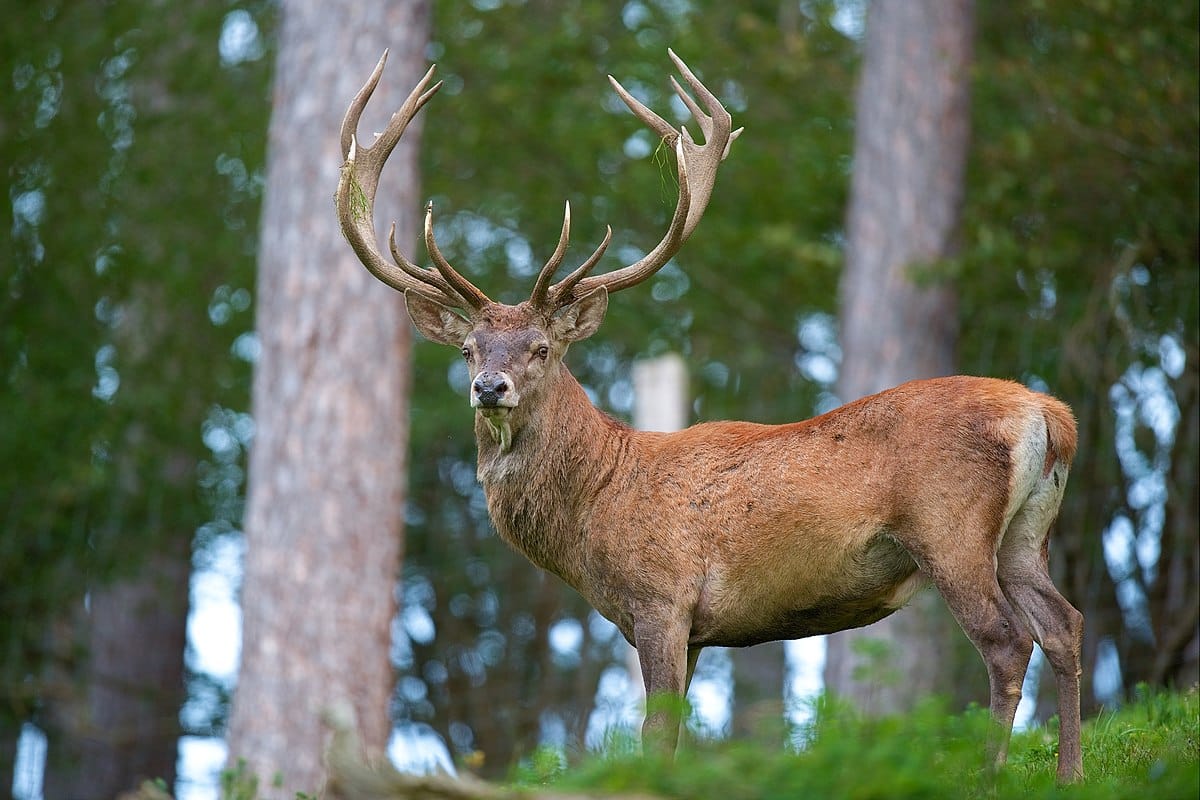
Red deer are among the largest and most iconic deer species in Norfolk. They are easily recognized by their reddish-brown coat, which turns darker in winter, and their impressive antlers that males (stags) grow annually. Red deer favor woodland edges, open moorlands, and grasslands, often forming large herds during the autumn rutting season.
Stags use their antlers in ritual battles to establish dominance and attract females (hinds). The rut is an amazing spectacle where the forest echoes with roaring calls. Red deer are herbivores, feeding mainly on grasses, heather, leaves, and shoots. Their adaptability allows them to thrive in both managed estates and wild landscapes.
Spotting red deer can be thrilling, especially in early mornings or late evenings. They are cautious animals and may quickly retreat into dense cover if startled. Conservation efforts have helped maintain stable populations in Norfolk, and they remain a favorite among wildlife photographers and nature enthusiasts.
2. Roe Deer

Roe deer are smaller and more delicate than red deer, with a reddish-brown summer coat that fades to grey-brown in winter. Males, known as bucks, have short, erect antlers, usually with up to three points. Roe deer are agile and elusive, preferring woodland interiors, hedgerows, and farmland edges where they can hide easily.
These deer are crepuscular, being most active at dawn and dusk. Their diet consists of grasses, leaves, shoots, berries, and fungi. Roe deer communicate through scent marking and soft bleating sounds, particularly during the mating season in July and August. Females (does) are known for their solitary nature except when caring for fawns.
Roe deer are commonly spotted in Norfolk’s woodlands and rural gardens. Their cautious yet curious behavior makes them a delight for wildlife watchers. Understanding their seasonal habits and preferred habitats can greatly increase your chances of observing these graceful creatures.
3. Fallow Deer

Fallow deer are easily recognized by their spotted coat in summer, which becomes darker in winter, and by the males’ broad, palmate antlers. They are medium-sized deer and are social, often forming herds that include both males and females outside the rutting season. Fallow deer are adaptable, living in woodlands, parklands, and open grasslands.
The rut occurs in October, when males compete for females by displaying their antlers and performing vocalizations called “groans.” Fallow deer feed on grasses, leaves, shoots, and fruits, and they play a crucial role in shaping woodland vegetation by selective grazing. Observing a herd of fallow deer can be fascinating, especially when stags engage in gentle sparring or when fawns explore their surroundings under the watchful eye of their mothers.
Fallow deer have been introduced to many Norfolk estates and parks, where they have thrived due to careful management and protection. Their striking appearance and social behavior make them a popular subject for photographers and wildlife enthusiasts.
4. Reeves’ Muntjac
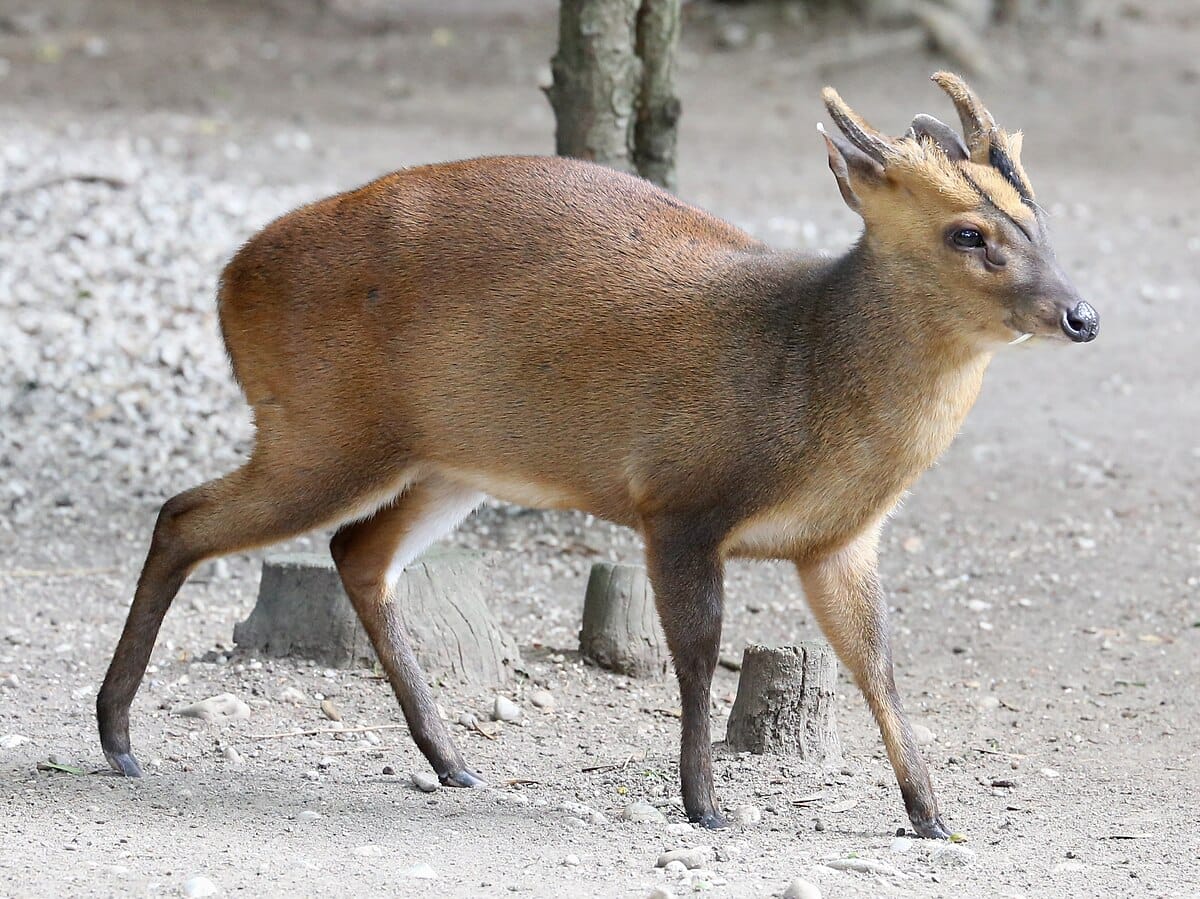
Reeves’ Muntjac, also called the barking deer, is a small and intriguing species found in Norfolk’s woodlands and parklands. They have a reddish-brown coat with a paler underbelly, short antlers on the males, and noticeable canine teeth that give them a somewhat unusual appearance. Reeves’ Muntjac are named for their loud barking calls, which they use to signal danger or establish territory.
These deer are largely solitary and secretive, often hiding in dense undergrowth. They feed on leaves, shoots, berries, and fallen fruit, sometimes even nibbling on garden plants if they wander near human habitats. The rutting season occurs in spring, and males engage in small skirmishes to claim territory. Females can breed multiple times a year, producing one fawn per pregnancy.
Reeves’ Muntjac are relatively new to the British landscape, having been introduced in the 19th century. Despite being non-native, they have adapted well to Norfolk’s forests and gardens. Their small size, quiet movement, and occasional vocalizations make spotting them a special treat for wildlife watchers and photographers.
5. Chinese Water Deer
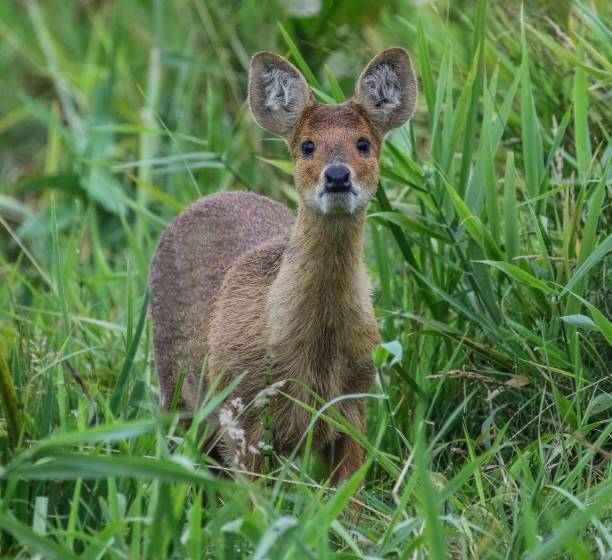
Chinese Water Deer are another fascinating addition to Norfolk’s deer population. Unlike most deer, they do not have antlers; instead, males possess prominent tusk-like canine teeth, which they use in fights during the rut. Their coat is a yellow-brown with a lighter underside, providing excellent camouflage in reeds and riverbanks where they often reside.
These deer are highly adaptable and prefer wetland habitats, grasslands, and woodland edges. They are active mostly at night or during dawn and dusk, feeding on grasses, reeds, and other vegetation. Males mark territory with scent glands and engage in tusk displays to ward off rivals. Females give birth to one or two fawns, often hidden in dense cover for safety.
Though originally from China and Korea, Chinese Water Deer have established populations in parts of Norfolk due to introduction. They are considered a non-native but non-invasive species, adding diversity to the local wildlife. Observing them requires patience, but spotting a male displaying tusks or a hidden fawn can be an unforgettable experience for wildlife enthusiasts.
Conclusion
Norfolk offers a fascinating glimpse into the variety of deer that inhabit the region, from the majestic red deer to the quirky Chinese Water Deer. Learning about the types of deer in Norfolk helps enthusiasts understand their habits, habitats, and behaviors, enriching the experience of observing these animals in the wild. Whether you are a photographer, a hiker, or a nature lover, exploring Norfolk’s deer populations provides countless opportunities for education and enjoyment. The deer in Norfolk demonstrate the adaptability of wildlife and the importance of preserving diverse habitats for future generations.
FAQ’s
1. What types of deer can be found in Norfolk?
Norfolk hosts Red Deer, Roe Deer, Fallow Deer, Reeves’ Muntjac, and Chinese Water Deer.
2. Which deer is the largest in Norfolk?
The Red Deer is the largest deer species in Norfolk.
3. Are there native deer in Norfolk?
Yes, Red Deer and Roe Deer are native species, while others like Muntjac and Chinese Water Deer are introduced.
4. What habitats do Norfolk deer prefer?
Deer in Norfolk inhabit woodlands, wetlands, grasslands, and parklands depending on the species.
5. Can you spot deer in urban areas?
Some deer, like Reeves’ Muntjac, occasionally wander into gardens and parks near human settlements.
6. What do deer in Norfolk eat?
They feed on leaves, grasses, shoots, berries, and sometimes garden plants.
7. When is deer rutting season in Norfolk?
The rutting season varies: Red Deer rut in autumn, while Roe Deer rut in summer.
8. Are Reeves’ Muntjac deer vocal?
Yes, they are known as barking deer due to their loud calls used for communication and alarm.
9. Do Chinese Water Deer have antlers?
No, instead males have prominent tusk-like canine teeth used in fights during the rut.
10. How many fawns do deer in Norfolk typically have?
Most species have 1-2 fawns per pregnancy, depending on the species and environmental conditions.
11. Are Fallow Deer common in Norfolk?
Yes, Fallow Deer are found in managed woodlands and estates, though they are not native.
12. Which deer is the most elusive in Norfolk?
Reeves’ Muntjac and Chinese Water Deer are the most secretive due to their small size and quiet behavior.
13. How can I identify a Roe Deer?
Roe Deer are small with a reddish-brown coat, white rump patch, and short antlers on males.
14. Are Norfolk deer dangerous to humans?
Deer are generally non-aggressive but may defend themselves if cornered or during rut.
15. Can I feed deer in Norfolk?
Feeding wild deer is not recommended as it can alter their natural behavior and diet.
16. What is the lifespan of deer in Norfolk?
Depending on the species, deer live between 6-15 years in the wild.
17. Are Red Deer males called stags?
Yes, male Red Deer are called stags, females are hinds, and young are calves.
18. How far do deer roam in Norfolk?
Deer typically roam within 1-5 km of their home range but may move further during rut or food scarcity.
19. Are deer in Norfolk protected by law?
Yes, deer are protected under wildlife laws, and hunting is regulated.
20. Which deer species in Norfolk is nocturnal?
Chinese Water Deer and Reeves’ Muntjac are mostly active at night or during dawn and dusk.
21. Do deer migrate in Norfolk?
No, Norfolk deer are resident and do not migrate long distances.
22. How can I safely observe deer?
Use binoculars, stay quiet, and keep a safe distance to avoid disturbing them.
23. What predators do deer in Norfolk face?
Natural predators are limited, but humans and vehicles are the main threats.
24. Can deer swim in Norfolk?
Yes, species like Chinese Water Deer are excellent swimmers and prefer wetlands.
25. How do deer communicate?
Deer use vocalizations, scent marking, body language, and antler displays for communication.
26. Are deer social animals?
Some, like Red Deer, form herds, while Muntjac are solitary and territorial.
27. When are deer most active in Norfolk?
They are most active during dawn and dusk, known as crepuscular activity.
28. How do I tell male from female deer?
Males usually have antlers or tusks (for Water Deer), females are smaller and lack these features.
29. What is the average weight of Red Deer?
Adult Red Deer stags can weigh 160–240 kg, while hinds weigh 90–120 kg.
30. Do deer in Norfolk live in herds?
Yes, Red Deer and Fallow Deer form small to medium herds, especially outside the rut season.
31. How fast can deer run?
Deer can reach speeds of 30–40 mph when escaping danger.
32. Can deer jump fences?
Yes, many deer can jump over 2-meter fences when necessary.
33. Are deer in Norfolk endangered?
Most are not endangered locally, though some species are protected and monitored.
34. How do deer hide from predators?
They use camouflage, quiet movement, and dense vegetation to stay safe.
35. Can deer live near humans?
Yes, some deer adapt to parklands and gardens but avoid heavy human activity.
36. Do deer mark their territory?
Yes, using scent glands, urine, and scrapes on trees or soil.
37. How long is deer gestation in Norfolk?
Gestation lasts about 7–8 months, depending on the species.
38. When are fawns born?
Most fawns are born in late spring to early summer for optimal survival.
39. How do deer stay warm in winter?
They grow thicker fur and rely on dense cover for protection from cold winds.
40. Can I photograph deer safely?
Yes, using a telephoto lens and keeping distance prevents stress to the animals.
41. Do deer shed antlers?
Yes, males shed antlers annually after the rut, and new ones grow in spring.
Read more: 15 Types of Deer in North America (Pictures And Identification)