

Zebras are some of the most captivating creatures roaming the African plains. Known for their striking black-and-white stripes, wild zebras capture the curiosity of wildlife enthusiasts and researchers alike. In this guide, we’ll explore 11 types of wild zebra, providing detailed descriptions, habitats, behaviors, and identification tips. Whether you are a beginner or just interested in learning about these remarkable animals, this article is designed to give you a clear understanding of the types of wild zebra found in the wild today.
1. Plains Zebra

The Plains Zebra is the most common and widely distributed zebra species in Africa. You can spot them across savannas, grasslands, and open woodlands in countries like Kenya, Tanzania, and South Africa. Their stripes are broad, horizontal on the body, and vertical on the legs, making them visually distinct from other zebra species.
Appearance and Identification
Plains Zebras have a striking coat with black-and-white stripes that are unique to each individual. While all zebras share striped patterns, the Plains Zebra’s stripes are closer together than some of its relatives. Males and females look similar, though males tend to be slightly larger. They have short, erect manes and long tails ending in a tuft of hair.
Behavior and Social Structure
Plains Zebras are social animals. They form family groups called harems, consisting of one stallion and several mares with their young. You’ll often see them grazing together, sometimes alongside wildebeests or antelopes. Grazing is a group activity, which helps them watch for predators like lions and hyenas. They are active during the day and rest at night.
Diet and Feeding
Plains Zebras primarily feed on grasses but occasionally nibble on leaves and bark. They are not picky eaters, which allows them to adapt to various habitats. They spend most of their day feeding, moving slowly from one patch of grass to another. Water is important, so they often stay near rivers or watering holes.
Reproduction and Lifespan
Females give birth to a single foal after a gestation period of around 12 months. Foals are born with brown and white stripes that darken as they grow. Plains Zebras can live up to 25 years in the wild, though many face threats from predators and habitat loss.
2. Burchell’s Zebra
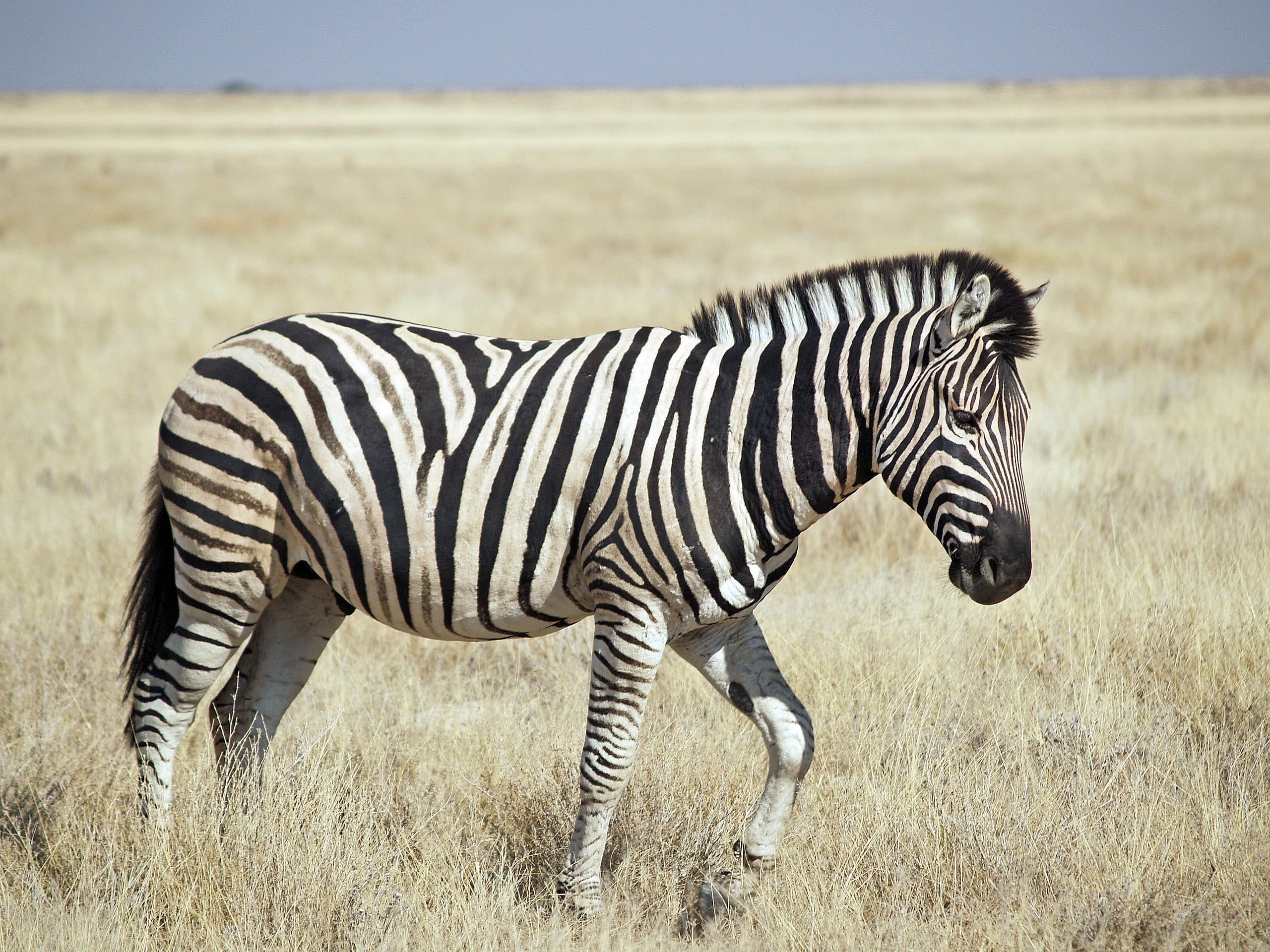
Burchell’s Zebra, a subspecies of the Plains Zebra, is named after the explorer William John Burchell. They are mainly found in southern Africa, including Botswana, Zimbabwe, and South Africa. Their stripes are lighter and less dense than other Plains Zebras, giving them a more subtle appearance.
Appearance and Identification
Burchell’s Zebras have narrow, widely spaced stripes that fade towards the belly, which is typically white. Some populations have shadow stripes between the main black stripes, creating a three-dimensional effect. Their faces often show distinct striping patterns that differ from individual to individual.
Behavior and Social Structure
These zebras are highly social, forming large herds during migration periods. They rely on their groups for protection, using coordinated movements to avoid predators. Communication involves vocalizations, facial expressions, and tail signals. Burchell’s Zebras are also known for their playful interactions, especially young foals who chase each other in the grasslands.
Diet and Feeding
Burchell’s Zebras are primarily grazers, favoring grasses but occasionally consuming herbs and shrubs. Their digestive system allows them to process tough grasses efficiently. They often move in search of fresh grazing areas and water, covering long distances during dry seasons.
Reproduction and Lifespan
Stallions maintain harems of females, which they protect from rivals. Gestation lasts approximately 12 months, and the foal can stand within an hour of birth. Burchell’s Zebras can live up to 20–25 years in the wild, depending on environmental conditions and predation pressure.
3. Grant’s Zebra

Grant’s Zebra is another subspecies of the Plains Zebra and is named after the British explorer James Grant. They are native to East Africa, including Kenya, Tanzania, and Uganda. They are smaller than Burchell’s Zebras but have more pronounced, sharp stripes.
Appearance and Identification
Grant’s Zebras have narrow black and white stripes that extend all the way down to the hooves. Unlike other zebras, their bellies are not always pure white; some show faint striping patterns. Their heads often feature bold, contrasting stripes that help identify individuals.
Behavior and Social Structure
Grant’s Zebras live in small family units but often join larger herds during migration or in areas with abundant food. They are vigilant and quick to flee when predators approach. Their social hierarchy is maintained through gentle nudges and occasional displays of dominance by stallions.
Diet and Feeding
The diet consists mainly of short grasses, which are abundant in their East African habitats. They graze in the early morning and late afternoon, avoiding the hottest hours of the day. Water sources are critical, so herds tend to settle near rivers or seasonal streams.
Reproduction and Lifespan
Females give birth to a single foal, which remains with the mother for several months. The young learn social and survival behaviors by observing the herd. Lifespan is typically 20–25 years in the wild, with predation and drought posing the main threats.
4. Maneless Zebra

The Maneless Zebra is a rare variation of the Plains Zebra, found primarily in some regions of East and Southern Africa. Unlike most zebras, this subspecies has either a very short mane or sometimes no mane at all, giving it a sleek, unusual appearance. Their distinctive lack of mane makes them a fascinating subject for wildlife watchers and photographers.
Appearance and Identification
Maneless Zebras display the classic black-and-white stripes of their relatives, but the absence of a mane immediately sets them apart. Their stripes are often thinner and less densely packed than other Plains Zebras. Each individual’s stripe pattern is unique, like a fingerprint. They have long, slender legs, perfect for fast escapes from predators.
Behavior and Social Structure
These zebras live in small family groups or harems, typically led by a dominant stallion. Even without a mane, they are socially active, using body language, ear movements, and vocal calls to communicate. They often graze alongside other zebra species and antelopes, benefiting from the vigilance of mixed-species groups. Young foals often stay close to their mothers for safety during the first months of life.
Diet and Feeding
Like other zebras, Maneless Zebras are primarily grazers, feeding mostly on grasses. They prefer areas with fresh, short grass but can adapt to different grassland conditions. Water access is crucial, and they may travel significant distances to reach reliable watering holes. Their feeding habits also help maintain the health of grasslands, preventing overgrowth and supporting biodiversity.
Reproduction and Lifespan
Gestation lasts about 12 months, and females typically give birth to a single foal. The young are strong and capable of walking within an hour of birth. Adult Maneless Zebras can live 20–25 years in the wild. Threats include predators, habitat loss, and occasional droughts.
5. Crawshay’s Zebra
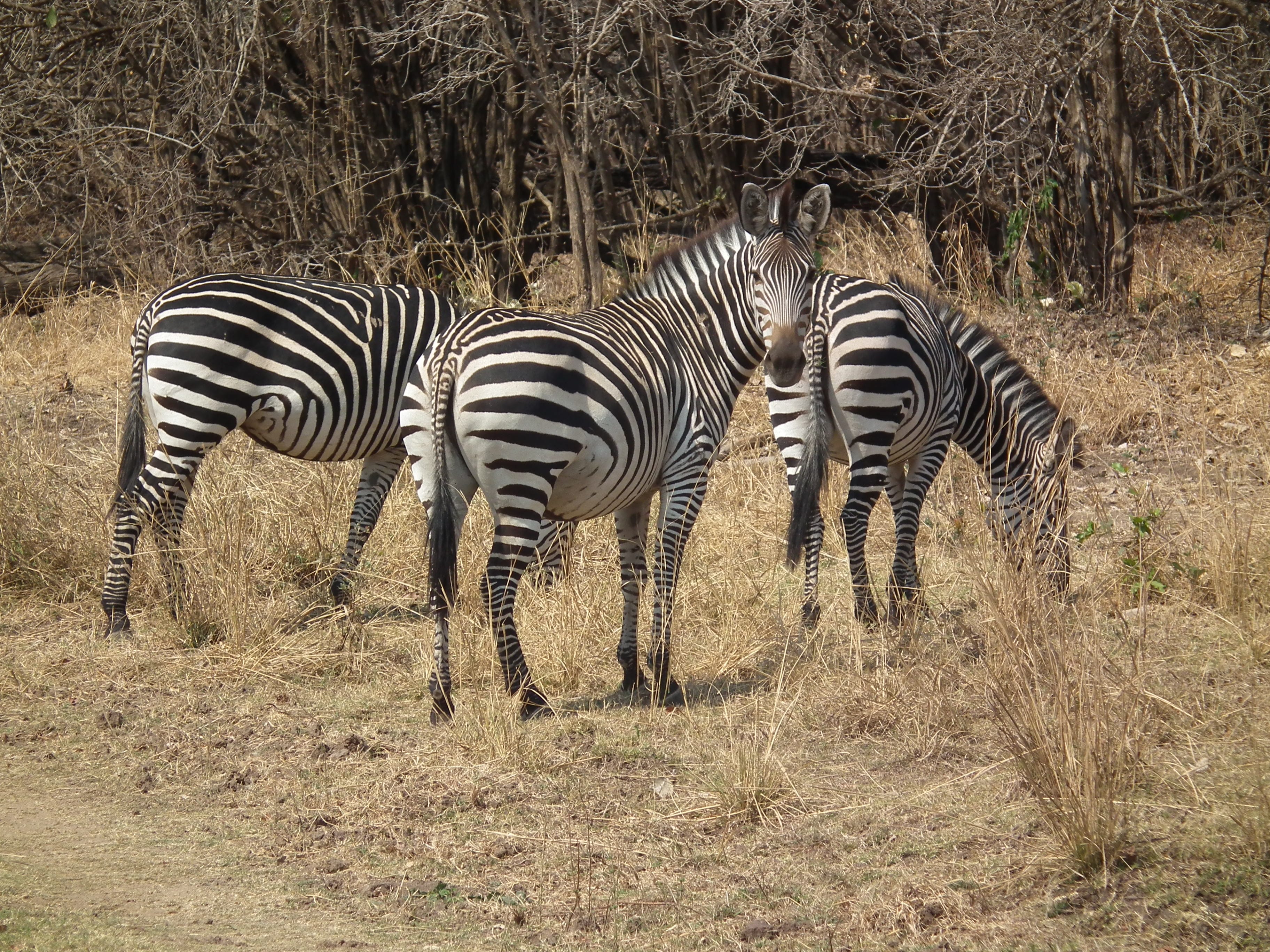
Crawshay’s Zebra, also called Crawshay’s Plains Zebra, is a subspecies of the Plains Zebra native to eastern Zambia, Malawi, and northern Mozambique. They are named after the explorer Henry Crawshay, who first documented them. Crawshay’s Zebras are known for their striking stripes and slightly smaller build compared to Burchell’s Zebras.
Appearance and Identification
Crawshay’s Zebras feature bold, narrow stripes that extend down to their hooves. One of their most distinguishing traits is the presence of shadow stripes between the main black stripes, giving their coat a subtle three-dimensional look. Their faces are marked with unique stripe patterns, making individual identification possible.
Behavior and Social Structure
These zebras form small harems led by a stallion. Herds can merge into larger groups during migrations or when grazing areas are abundant. Crawshay’s Zebras are highly vigilant, and their coordinated movements help protect them from predators like lions and leopards. Young zebras play actively within the herd, often chasing and nipping at one another.
Diet and Feeding
They primarily consume grasses but may also feed on leaves and twigs if necessary. Grazing is usually done in early mornings and late afternoons. Crawshay’s Zebras travel to find suitable grazing grounds, especially during the dry season. Water is essential, and they may follow traditional migratory paths to reach rivers and watering holes.
Reproduction and Lifespan
Females give birth to a single foal after a gestation period of about 12 months. The foal learns social and survival skills by staying close to the mother and observing the herd. Crawshay’s Zebras can live up to 20 years in the wild, though predation and environmental challenges affect their survival rates.
6. Chapman’s Zebra
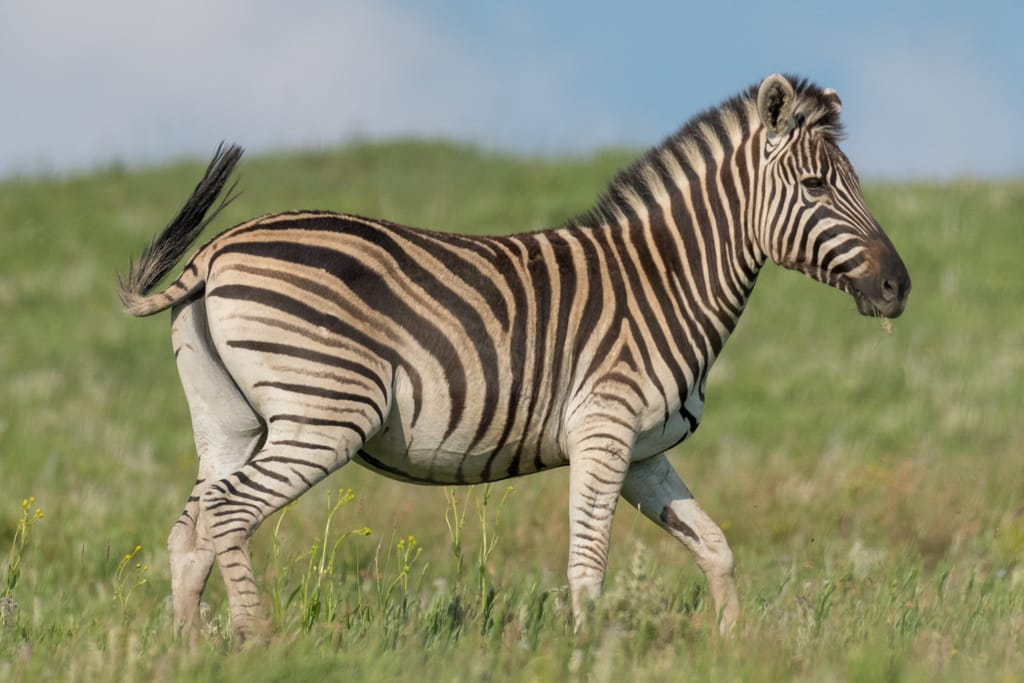
Chapman’s Zebra, also a Plains Zebra subspecies, is native to parts of Botswana, Zimbabwe, and South Africa. Named after James Chapman, an explorer of southern Africa, they are recognizable by their broad stripes and robust build. Chapman’s Zebras are often seen in mixed-species herds with other zebras and grazers, contributing to the dynamic wildlife landscapes of southern Africa.
Appearance and Identification
Chapman’s Zebras have wide, dark stripes with clear separation, contrasting sharply against their white or light gray underbelly. Their faces and legs are also striped, and the mane is short but prominent. Their striking pattern makes them a favorite subject for wildlife photography and observation.
Behavior and Social Structure
These zebras are social and tend to stay in harems, with a dominant stallion protecting several mares and their young. During the dry season, herds may join to travel in search of water and fresh grazing. Chapman’s Zebras communicate through vocalizations, tail movements, and ear positioning, allowing them to maintain cohesion in large groups.
Diet and Feeding
Grazing on grasses forms the bulk of their diet. Chapman’s Zebras prefer short, fresh grass but will adapt when food is scarce. They spend much of their day feeding, moving gradually across the plains. Access to water is essential, so herds often migrate toward rivers or seasonal water sources during dry periods.
Reproduction and Lifespan
Gestation lasts about 12 months, and females usually give birth to one foal. The young are active quickly after birth and learn herd behavior by observing adults. Chapman’s Zebras can live 20–25 years, with survival largely influenced by predators, habitat conditions, and human activity.
7. Selous’ Zebra
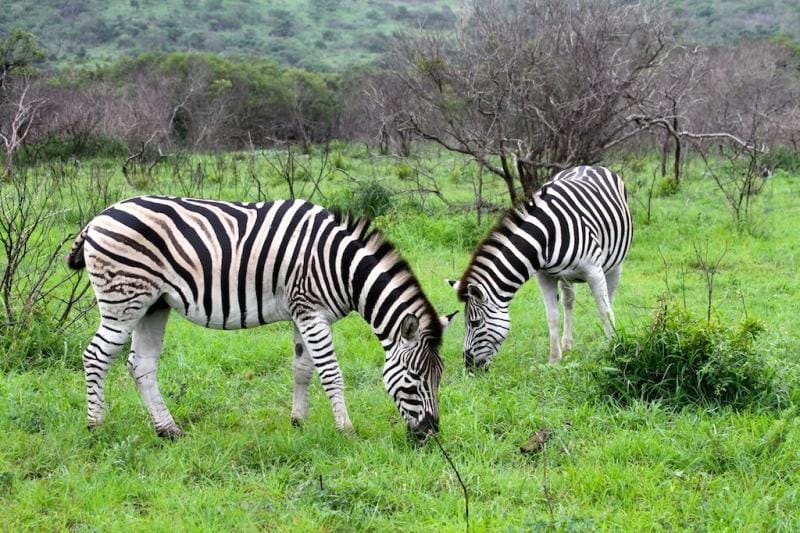
Selous’ Zebra is a lesser-known subspecies of the Plains Zebra, found mainly in parts of southeastern Africa, including Tanzania and Mozambique. Named after the famous British hunter and conservationist Frederick Selous, these zebras are admired for their graceful movement and slightly narrower stripes compared to Burchell’s Zebras.
Appearance and Identification
Selous’ Zebras display the classic black-and-white stripe pattern, but the stripes are closer together and more intricate on the torso. Their faces feature unique markings that help researchers identify individuals. Unlike some other subspecies, their bellies are usually completely white, providing a sharp contrast to the striped sides.
Behavior and Social Structure
These zebras live in family groups led by a dominant stallion. They are social, and larger herds often form during migration periods. Their movements are coordinated to avoid predators, and they communicate with each other through vocal calls, ear movements, and tail flicks. Foals are playful and learn to navigate the herd through observation and gentle interactions.
Diet and Feeding
Selous’ Zebras feed mostly on grasses, but will eat leaves and twigs if necessary. They prefer fresh, short grasses and move frequently to find optimal grazing areas. Access to water is essential, so herds often travel to seasonal streams or rivers. Their grazing helps maintain the health of grasslands, benefiting other wildlife in the ecosystem.
Reproduction and Lifespan
Gestation lasts approximately 12 months, with females giving birth to one foal. The young are capable of standing and walking shortly after birth. Selous’ Zebras can live up to 25 years in the wild, although predation and habitat loss remain challenges.
8. Mountain Zebra

Mountain Zebras are native to the mountainous regions of Namibia and South Africa. They are adapted to rocky terrain and steep slopes, making them unique among zebra species. Their sure-footedness and agility allow them to escape predators and access grazing areas unavailable to other zebras.
Appearance and Identification
Mountain Zebras are slightly smaller than Plains Zebras and feature narrow, closely spaced stripes. Their bellies are usually white, and they have a short, erect mane. Unlike other zebras, they often show a dewlap—a fold of skin on the throat—which is particularly noticeable in males. Their hooves are strong and well-suited for rugged landscapes.
Behavior and Social Structure
They form small herds of 5–15 individuals, typically led by a stallion. Herds are territorial, and males defend their area from rivals. Mountain Zebras are generally quiet but communicate through whinnies, snorts, and body language. They often feed in the early morning and late afternoon to avoid the heat of the day.
Diet and Feeding
The diet consists mainly of grasses and occasionally leaves from shrubs. Mountain Zebras are grazers but can browse if needed. They travel carefully across rocky terrain to find sufficient food and water. Their grazing behavior helps prevent overgrowth and supports the local ecosystem.
Reproduction and Lifespan
Gestation lasts around 12 months, with females typically giving birth to a single foal. Young zebras quickly learn to navigate steep terrain, staying close to adults for safety. Mountain Zebras can live up to 25 years, though survival depends on predator pressure and environmental conditions.
9. Hartmann’s Mountain Zebra

Hartmann’s Mountain Zebra is a subspecies of Mountain Zebra, mainly found in the mountains of Namibia and southwestern Angola. They are well-adapted to arid, rocky environments and are known for their agility and endurance. This subspecies is smaller and more compact than other Mountain Zebras.
Appearance and Identification
Hartmann’s Mountain Zebras have bold, vertical stripes on their torso and thinner stripes on their legs. Their bellies are white, and males often have a small dewlap. Their hooves and strong legs make them excellent climbers, perfectly suited to rocky slopes and uneven terrain. Their mane is short and stands upright along the neck.
Behavior and Social Structure
They live in small family groups, with a dominant stallion leading several mares and their young. Territorial behavior is strong, and stallions often patrol the edges of their area. Social interactions include grooming and nuzzling among herd members, helping strengthen bonds. Foals are playful and learn quickly how to navigate rugged terrain.
Diet and Feeding
Hartmann’s Mountain Zebras are primarily grazers but will browse on shrubs if grass is scarce. They often feed early in the morning or late afternoon. Water is limited in their habitats, so they are adapted to survive on minimal moisture. Grazing also plays an important role in keeping mountain grasslands balanced.
Reproduction and Lifespan
Gestation is about 12 months, with one foal born per female. The young are quick to stand and move alongside adults to learn survival skills. Hartmann’s Mountain Zebras can live 20–25 years in the wild, with predation and drought being the main threats.
10. Cape Mountain Zebra

The Cape Mountain Zebra is native to South Africa, specifically the mountainous regions of the Western and Eastern Cape. This subspecies was once critically endangered but has recovered thanks to conservation efforts. Their striking appearance and adaptation to rugged terrain make them a highlight of South African wildlife.
Appearance and Identification
Cape Mountain Zebras have narrow stripes and a prominent dewlap, especially in males. Their bellies are white, and their legs show thin stripes extending to the hooves. The mane is short and stands upright, and the overall body is compact and muscular. Their bold markings make them easy to distinguish from other zebra species.
Behavior and Social Structure
They live in small herds, usually consisting of one stallion, a few mares, and their foals. Larger herds may form in areas with abundant food. Cape Mountain Zebras are territorial, and stallions often patrol their domain to ward off rivals. Social grooming is common and strengthens bonds between individuals.
Diet and Feeding
Their diet consists mainly of grasses, but they may browse on leaves when grass is scarce. Grazing occurs primarily in the cooler parts of the day. Water access is essential, and herds are often found near rivers or seasonal water sources. Their feeding habits help maintain a healthy balance in the mountain grasslands.
Reproduction and Lifespan
Gestation lasts approximately 12 months, and females usually give birth to one foal. Foals quickly learn to follow the herd and adapt to rugged terrain. Cape Mountain Zebras can live up to 25 years in the wild, with conservation efforts playing a key role in their survival.
11. Grevy’s Zebra

Grevy’s Zebra is the largest and most endangered zebra species, native to Kenya and Ethiopia. Known for their narrow stripes and large ears, they differ significantly from Plains and Mountain Zebras. Their populations have declined due to habitat loss and competition with livestock, making conservation critical.
Appearance and Identification
Grevy’s Zebras have narrow, closely spaced stripes that cover their entire body, including the belly. Unlike other zebras, they have a white belly and a rounder, more robust body. Their large ears help with thermoregulation in hot climates. Each zebra’s stripe pattern is unique, making it easier for researchers to identify individuals.
Behavior and Social Structure
Grevy’s Zebras are less social than Plains Zebras. They form loose groups and come together mainly for water or mating. Males establish territories and attract females with displays and vocalizations. Foals learn to survive by observing adults and quickly adapting to the semi-arid environment.
Diet and Feeding
They feed primarily on grasses but can also consume leaves and shoots when grass is scarce. Grevy’s Zebras can survive in arid areas with sparse water, often relying on dew or succulent plants. Their grazing behavior helps maintain ecosystem health and prevents overgrowth in grasslands.
Reproduction and Lifespan
Gestation lasts about 13 months, slightly longer than other zebra species, and females give birth to one foal. Foals are agile and adapt quickly to the dry, open habitats. Grevy’s Zebras can live up to 25 years in the wild, but conservation remains essential for their survival.
Conclusion
Zebras are remarkable creatures with diverse appearances, behaviors, and adaptations. From the common Plains Zebra to the endangered Grevy’s Zebra, each species has unique traits that make it fascinating to study and observe. Understanding the types of wild zebra helps us appreciate their role in ecosystems and the importance of conservation. Next time you see stripes on the African plains, remember: there’s more than meets the eye. Protecting these zebras ensures future generations can enjoy their beauty and learn from their behavior.
Frequently Asked Questions about Types of Wild Zebra
1. What are the main types of wild zebra?
The main types include Plains Zebra, Burchell’s Zebra, Grant’s Zebra, Maneless Zebra, Crawshay’s Zebra, Chapman’s Zebra, Selous’ Zebra, Mountain Zebra, Hartmann’s Mountain Zebra, Cape Mountain Zebra, and Grevy’s Zebra.
2. How can I identify a Plains Zebra?
Plains Zebras have broad black-and-white stripes, a short mane, and are the most common zebra species in Africa.
3. What makes Burchell’s Zebra different from other zebras?
Burchell’s Zebra has lighter stripes that fade toward the belly, and its stripes are more widely spaced than other Plains Zebras.
4. Where can I find Grant’s Zebra?
Grant’s Zebra is mainly found in East Africa, especially Kenya, Tanzania, and Uganda.
5. What is unique about Maneless Zebras?
Maneless Zebras either have a very short mane or no mane, giving them a sleek and unusual appearance.
6. Where do Crawshay’s Zebras live?
Crawshay’s Zebras are native to eastern Zambia, Malawi, and northern Mozambique.
7. How can I recognize Chapman’s Zebra?
Chapman’s Zebras have wide, dark stripes and a robust build. Their stripes are sharply defined and contrast with a lighter belly.
8. What is special about Selous’ Zebra?
Selous’ Zebra has narrow, intricate stripes and a completely white belly. It is found mainly in southeastern Africa.
9. Where do Mountain Zebras live?
Mountain Zebras are found in mountainous regions of Namibia and South Africa and are adapted to rocky terrain.
10. How is Hartmann’s Mountain Zebra different?
Hartmann’s Mountain Zebra is smaller, more compact, and adapted to arid, rocky environments.
11. Where can Cape Mountain Zebra be found?
Cape Mountain Zebras live in the mountains of South Africa’s Western and Eastern Cape regions.
12. What makes Grevy’s Zebra unique?
Grevy’s Zebra is the largest zebra species with narrow stripes, large ears, and is endangered.
13. Are all zebra stripes the same?
No, each zebra’s stripe pattern is unique, like a fingerprint, even among the same species.
14. Do zebras have the same stripe patterns from birth?
Foals are born with stripes that darken and become more defined as they grow.
15. How long do zebras live?
Zebras can live 20–25 years in the wild, depending on species, habitat, and predation pressure.
16. What do wild zebras eat?
They mainly graze on grasses but may eat leaves, herbs, or bark if necessary.
17. How do zebras drink water?
Zebras need regular access to water and often stay near rivers, streams, or watering holes.
18. Are zebras social animals?
Yes, zebras are highly social and usually live in family groups called harems, led by a stallion.
19. Do zebras migrate?
Some species, like Plains Zebras, migrate seasonally in search of fresh grass and water.
20. How do zebras avoid predators?
Zebras rely on herd vigilance, coordinated movement, and quick sprints to escape predators like lions and hyenas.
21. What predators hunt zebras?
Lions, leopards, hyenas, and wild dogs are the main predators of wild zebras.
22. How do zebras communicate?
They use vocalizations, ear and tail movements, facial expressions, and body postures to communicate with each other.
23. Do zebras have natural camouflage?
Their stripes help break up their outline in grasslands, confusing predators and reducing insect bites.
24. Can zebras swim?
Yes, zebras can swim if necessary, though they usually avoid deep water unless crossing rivers.
25. How do zebras sleep?
Zebras often sleep standing up for short periods, though they may lie down briefly in safe areas.
26. How many foals do zebras have at a time?
Usually, one foal is born per female after a gestation period of about 12 months.
27. Do zebras live in mixed-species herds?
Yes, zebras often graze alongside wildebeests, antelopes, and other herbivores for added protection.
28. Why are Grevy’s Zebras endangered?
Habitat loss, competition with livestock, and limited water access have reduced their populations.
29. Can zebras interbreed?
Zebras can sometimes hybridize with horses or donkeys, producing offspring called zonkeys or zorses.
30. What is the difference between Mountain and Plains Zebras?
Mountain Zebras are adapted to rocky, mountainous terrain, have a dewlap, and smaller herds. Plains Zebras inhabit grasslands and have larger, more social herds.
31. Are zebras territorial?
Some species, especially stallions, are territorial and defend their harems or grazing areas.
32. How fast can zebras run?
Zebras can run up to 65 km/h (40 mph) to escape predators.
33. Do zebras get along with other animals?
Generally yes; they coexist with other grazers and sometimes form mixed-species herds.
34. How do zebras care for their young?
Foals stay close to their mothers for protection, feeding, and learning social behaviors.
35. Are all zebras endangered?
No, Plains Zebras are common, but Grevy’s and some Mountain Zebra subspecies are threatened or endangered.
36. Can zebras survive in captivity?
Yes, zebras can live in zoos or wildlife reserves, but they require large, open spaces and proper social groups.
37. Do zebras mate for life?
Zebra stallions maintain harems, but they do not mate for life. Social dynamics often change within the herd.
38. How do zebras groom themselves?
Zebras groom each other by nipping and scratching with teeth to remove insects and dirt, strengthening social bonds.
39. Can humans domesticate zebras?
Zebras are difficult to domesticate due to their strong instincts, unpredictable behavior, and high alertness.
40. What role do zebras play in the ecosystem?
Zebras maintain grasslands by grazing, help other species find food, and serve as prey for large predators, supporting ecological balance.
41. How do zebras adapt to dry seasons?
Zebras migrate to areas with fresh grass and water, and their diet flexibility allows them to survive when resources are scarce.
42. Why do zebra stripes differ among subspecies?
Stripe patterns evolved for camouflage, thermoregulation, and social recognition. Different habitats and genetic factors influence stripe variation.
43. Can zebras recognize each other by stripes?
Yes, zebras can identify individuals by their unique stripe patterns, aiding social interactions and herd cohesion.
Read more: 35 Types of Spiders in Australia (Pictures And Identification)