
Florida hosts a fascinating array of skunks, each contributing to the ecosystem in unique ways. Often remembered for their potent defensive spray, skunks are much more than just a smelly encounter. They help control insect and rodent populations, benefiting both wildlife and humans. In this article, we explore the types of skunks in Florida, covering identification, behavior, habitats, diets, and interactions with humans. Whether you’re exploring the Everglades, suburban neighborhoods, or rural areas, understanding these creatures can help you coexist safely and appreciate their ecological role. By the end, you’ll confidently identify each skunk species found in Florida and understand their behavior and habitats.
1. Striped Skunk (Mephitis mephitis)
Physical Characteristics & Identification Tips
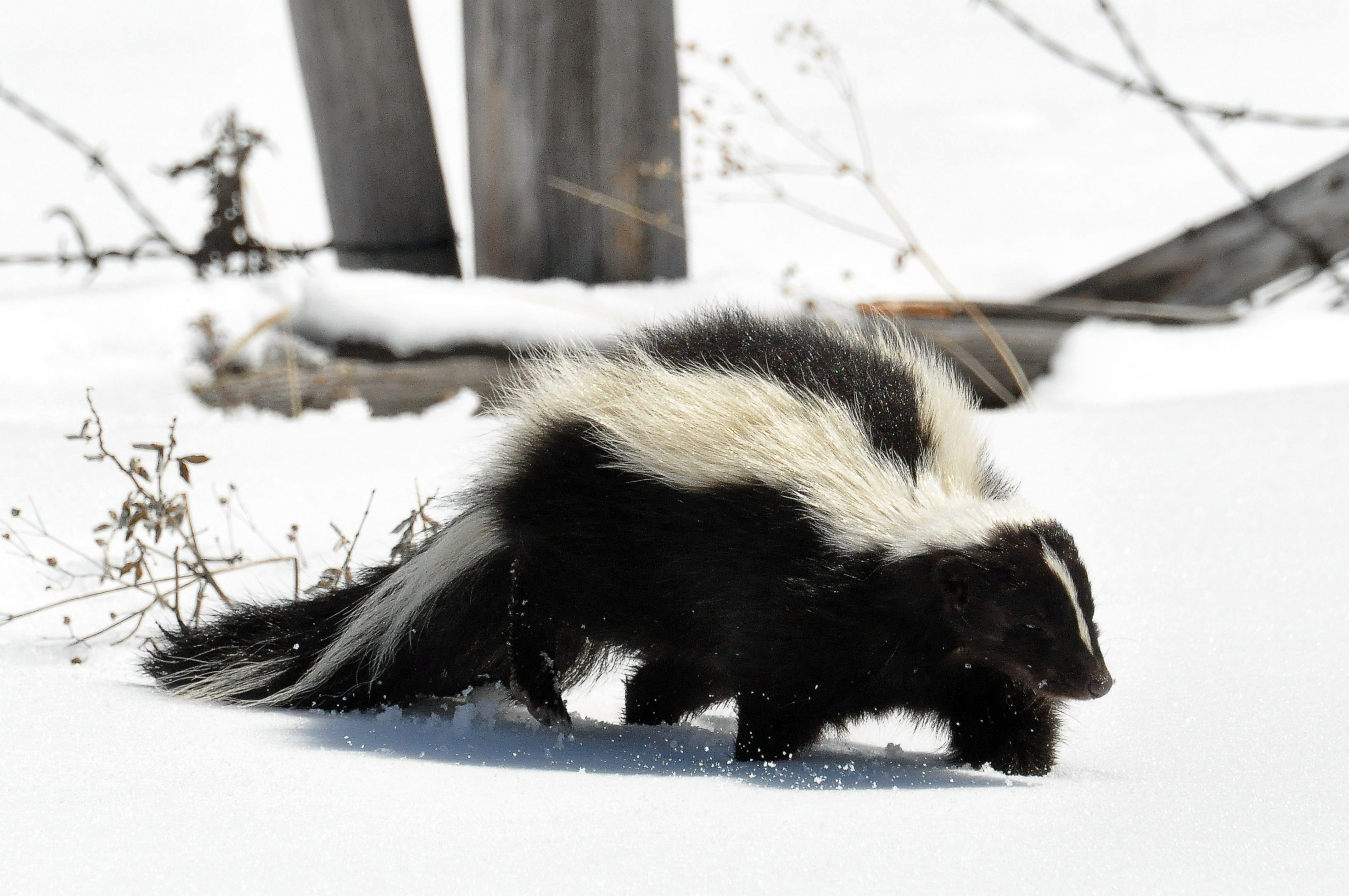
The Striped Skunk is the most familiar species in Florida. It features a bold black coat with two broad white stripes running from head to bushy tail. Adults range from 20 to 30 inches long, including the tail, and weigh 6 to 10 pounds. Males are generally larger than females. Their short legs and sharp claws make them excellent diggers, while the triangular head and pointed snout give them a curious expression. Look for the V-shaped stripes and a slow, deliberate walk — their first warning before spraying.
Behavior
Primarily nocturnal and solitary, Striped Skunks rest in dens or under structures during the day. They emerge at night to forage, using multiple warning signals like foot-stomping and hissing before spraying. Despite their reputation, they are gentle and rarely aggressive. In suburban areas, they scavenge trash and garden produce, providing natural pest control.
Habitat and Range
Striped Skunks are widespread across Florida, from the Panhandle to the Keys. They prefer open areas near woods, water, or farmland. They don’t truly hibernate but may enter torpor during cold spells, foraging on milder nights.
Diet
Omnivorous and opportunistic, they eat insects, small mammals, fruits, berries, and eggs. Their diet shifts seasonally, with insects dominating in summer and plant matter or rodents more in winter.
Reproduction and Life Cycle
Breeding occurs from February to March, with females giving birth to 4–6 kits in late spring. Young are blind and helpless at birth, growing quickly to join the mother. By fall, they disperse to establish territories. Lifespan is typically 2–3 years in the wild.
Fun Facts / Noteworthy Traits
- Striped Skunks can spray up to six times before replenishing their musk.
- They groom themselves frequently, maintaining cleanliness.
- Predators usually avoid them due to their potent defensive spray.
Human Interaction
Encounters are usually accidental. Secure trash bins, feed pets indoors, and close access under decks or sheds. If sprayed, use hydrogen peroxide, baking soda, and dish soap to neutralize odor.
2. Eastern Spotted Skunk (Spilogale putorius)
Physical Characteristics & Identification Tips
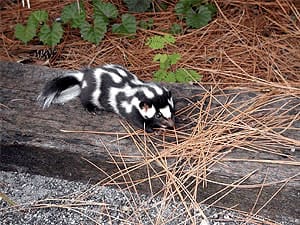
Smaller than the Striped Skunk, weighing 1–3 pounds and measuring 16–24 inches. Its black fur is marked with broken white stripes and spots. The slender build and fluffy tail give it an almost acrobatic appearance. When threatened, it may perform a handstand on front paws, raising the tail — a striking and memorable warning.
Behavior
Nocturnal and secretive, Eastern Spotted Skunks can climb small trees and squeeze through narrow spaces. They are solitary and avoid human activity, often inhabiting barns, brush piles, and dense woodlands.
Habitat and Range
Historically found throughout the eastern U.S., populations in Florida are primarily in northern and central regions. They favor wooded edges, overgrown fields, and rural areas, often reusing dens from other animals.
Diet
They feed on insects, small rodents, eggs, reptiles, and seasonal fruits. Insectivorous habits make them valuable to farmers for pest control.
Reproduction and Life Cycle
Mating occurs in late winter with delayed implantation; birth is in spring. Litters are 4–5 kits, which remain with the mother until summer. Lifespan is around 3 years in the wild.
Fun Facts / Noteworthy Traits
- The handstand warning display is one of nature’s most theatrical defenses.
- Can climb trees, unusual for skunks.
- Despite size, their scent is strong enough to deter predators.
Human Interaction
Rare in suburban areas. Conservation involves maintaining brushy edges and reducing pesticide use. Observe from a distance for safety.
3. Hog-Nosed Skunk (Conepatus leuconotus) — Rare Visitor
Physical Characteristics & Identification Tips
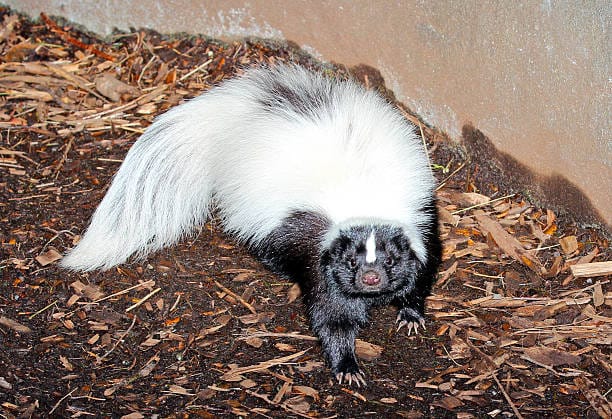
Larger than other skunks, weighing up to 15 pounds. Pale dorsal stripe and pig-like snout used for digging roots and insects. Rare in Florida, mostly in western panhandle counties. Distinctive appearance makes it easy to identify.
Behavior
Nocturnal and solitary. Uses strong forelimbs to dig for insects, grubs, and roots. Sprays when threatened, after foot-stomping and vocal warnings.
Habitat and Range
Native to southwestern U.S. and Mexico. Rare wanderers may appear in Florida. Prefers open fields, scrublands, and forest edges.
Diet
Primarily insects, roots, small reptiles, and occasionally fruit. Digging benefits soil aeration and pest control.
Reproduction and Life Cycle
Breeding occurs in early spring with litters of 2–6 young. Kits stay in the den for weeks before joining nightly foraging trips. Lifespan up to 4 years in the wild.
Fun Facts / Noteworthy Traits
- Snout adapted for digging and locating food underground.
- Single wide dorsal stripe distinguishes it from other skunks.
- Rare visitors may intrigue wildlife enthusiasts.
Human Interaction
Though rare, they may help control pests. Observing from a safe distance is recommended.
Conclusion
The types of skunks in Florida — Striped Skunk, Eastern Spotted Skunk, and rare Hog-Nosed Skunk — each play a vital role in ecosystems. They control pests, enrich soil, and offer fascinating wildlife encounters. Understanding these creatures allows for safe coexistence and appreciation of Florida’s nocturnal neighbors. Respect their habitats, keep your distance, and enjoy observing these unique mammals.
Frequently Asked Questions About Skunks in Florida
1. How many types of skunks are found in Florida?
Florida has three confirmed skunks: Striped, Eastern Spotted, and Hog-Nosed (rare visitor).
2. Which skunk is most common in Florida?
The Striped Skunk (Mephitis mephitis) is the most widespread and frequently observed species.
3. Where do skunks live in Florida?
Skunks inhabit woodlands, fields, farmlands, and suburban areas, often near water or dens.
4. Are skunks dangerous to humans or pets?
They are not aggressive but spray when threatened. Avoid handling; they may carry rabies.
5. What do skunks eat in Florida?
Omnivorous: insects, small mammals, eggs, fruits, and berries.
6. When are skunks active?
Primarily nocturnal, active around dusk and dawn.
7. Do skunks hibernate in Florida?
No, they may enter torpor during cold spells but forage on mild nights.
8. How can I tell a Striped Skunk from an Eastern Spotted Skunk?
Striped Skunks have broad continuous stripes; Eastern Spotted Skunks have broken stripes and spots.
9. Are Eastern Spotted Skunks endangered in Florida?
Populations are declining due to habitat loss and pesticide use.
10. How far can a skunk spray?
Up to 10 feet with accuracy, multiple times before needing to replenish musk.
11. What should I do if a skunk sprays near my home?
Ventilate and clean using hydrogen peroxide, baking soda, and dish soap.
12. Can skunks climb trees?
Eastern Spotted Skunks can climb small trees; Striped Skunks are mostly terrestrial.
13. How long do skunks live in the wild?
Typically 2–3 years; can live longer under favorable conditions.
14. What attracts skunks to yards?
Food, trash bins, pet food, grubs, and shelter under structures.
15. How can I humanely keep skunks away?
Seal access under decks, remove outdoor food, and use motion-activated deterrents.
16. When do skunks have babies?
Late winter mating; kits born in spring, usually 4–6 per litter.
17. Are skunks good pets?
No. In Florida, keeping wild skunks as pets is illegal and unsafe.
18. Why do skunks raise their tails before spraying?
Tail raising is a warning to predators before spraying.
19. How do skunk tracks look?
Five toes with claw marks, smaller than raccoon tracks.
20. What predators hunt skunks in Florida?
Owls, foxes, bobcats, and coyotes; many avoid skunks due to scent.
21. Do skunks help the environment?
Yes, by controlling insects and rodents and aiding soil health.
22. What should I do if I find a baby skunk alone?
Observe from a distance; contact a licensed wildlife rehabilitator if abandoned.
23. Are skunks common in suburban Florida?
Striped Skunks are common; Eastern Spotted Skunks are less frequently seen.
24. How do skunks communicate?
Hissing, growling, foot-stomping, handstands (spotted), and scent marking.
25. Can skunks dig under fences?
Yes; install fencing buried 12 inches deep and angled outward.
26. What is the rarest skunk in Florida?
Hog-Nosed Skunk is the rarest visitor.
27. Do skunks carry diseases?
Yes, including rabies. Avoid handling skunks or carcasses.
28. How should I treat a pet sprayed by a skunk?
Wash with hydrogen peroxide, baking soda, and dish soap, avoiding eyes and mouth.
29. Do skunks make sounds?
Yes, hissing, growling, or chirping when threatened or communicating with kits.
30. What time of year are skunks most visible?
Early spring and late summer, during breeding or when kits explore their surroundings.
31. Can skunks swim?
Yes, they can cross short water distances but prefer dry ground.
32. Are skunks protected in Florida?
Yes, they are managed by wildlife agencies; removal should be by professionals.
33. Why are skunks important to Florida ecosystems?
They control pests, disperse seeds, and improve soil health, maintaining ecological balance.
Read more: