

Pennsylvania is home to several skunk species that contribute to the state’s ecosystems by controlling insects and small rodents. While they are often remembered for their pungent defensive spray, skunks are fascinating nocturnal mammals with unique behaviors. In this article, we explore the types of skunks in Pennsylvania, including their physical traits, behavior, habitats, diet, reproduction, and interactions with humans. Whether you’re hiking in the Pocono Mountains or walking through suburban neighborhoods, this guide will help you identify skunks safely and appreciate their ecological importance.
1. Striped Skunk (Mephitis mephitis)
Physical Characteristics & Identification Tips
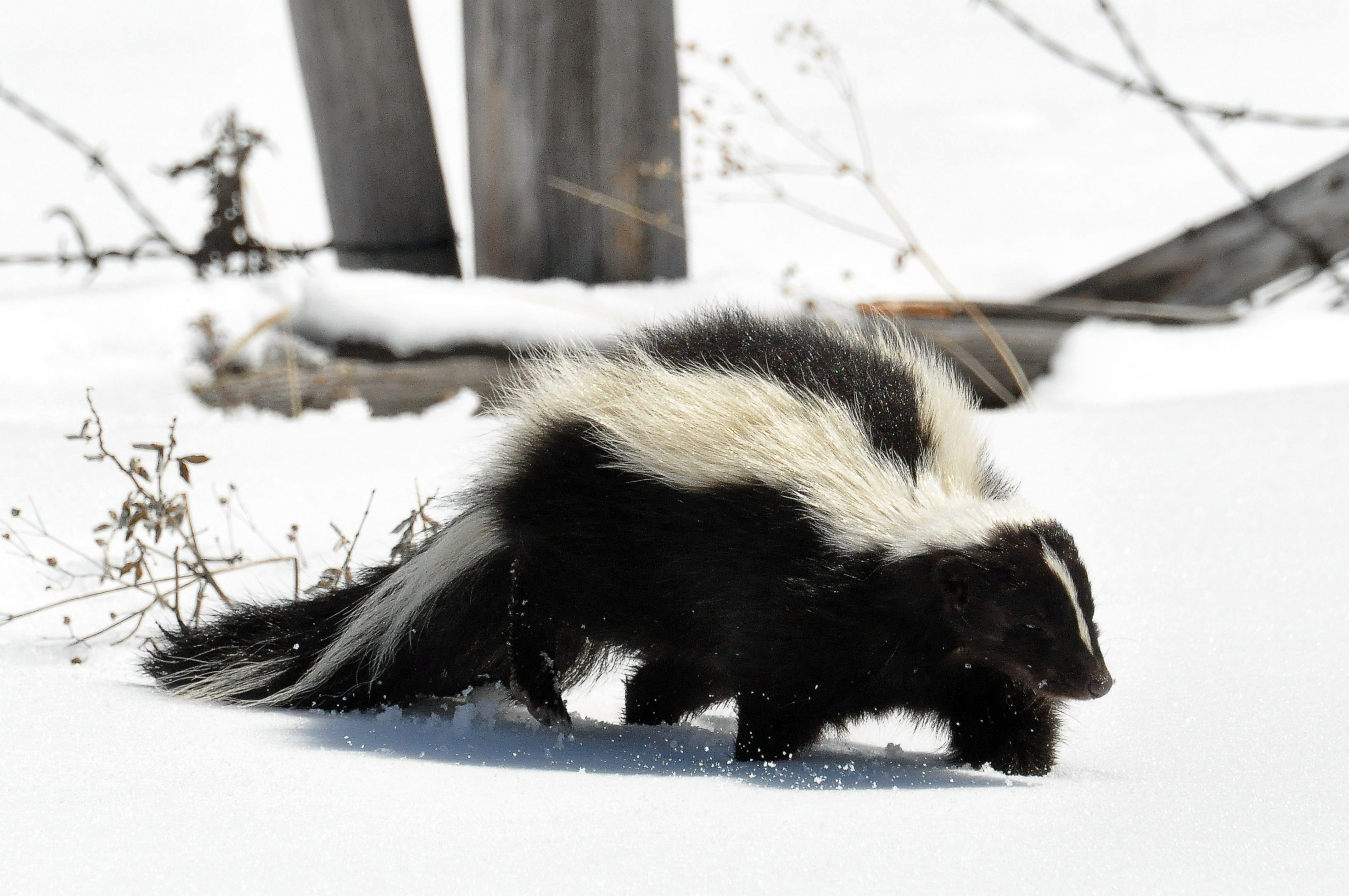
The Striped Skunk is Pennsylvania’s most familiar skunk. It has a black coat with two bold white stripes running from its head to its bushy tail. Adults range from 20–30 inches in length and weigh 6–10 pounds. Males are generally larger than females. Look for the distinctive V-shaped stripes and slow, deliberate walking style—early warning signs before they spray.
Behavior
Nocturnal and solitary, Striped Skunks rest in dens or sheltered areas during the day and forage at night. They give warning signals such as hissing, foot-stomping, and tail-raising before spraying. Despite their reputation, they are generally gentle and non-aggressive.
Habitat and Range
Striped Skunks are widespread across Pennsylvania, inhabiting forests, fields, farmlands, and suburban neighborhoods. They prefer areas near water and shelters like brush piles, abandoned burrows, or under decks.
Diet
Omnivorous and opportunistic, they eat insects, small mammals, eggs, fruits, and berries. Seasonal diet shifts occur, with insects more prevalent in summer and plant matter or rodents in colder months.
Reproduction and Life Cycle
Breeding occurs from February to March, with females giving birth to 4–6 kits in late spring. Kits are born blind and helpless but grow quickly, dispersing in the fall. Lifespan in the wild is usually 2–3 years.
Fun Facts / Noteworthy Traits
- Can spray up to six times before replenishing musk.
- Groom themselves frequently to stay clean.
- Predators often avoid them due to their strong odor.
Human Interaction
Most encounters are accidental. Secure trash, feed pets indoors, and block access under decks or sheds. Use hydrogen peroxide, baking soda, and dish soap to neutralize spray if needed.
2. Eastern Spotted Skunk (Spilogale putorius)
Physical Characteristics & Identification Tips
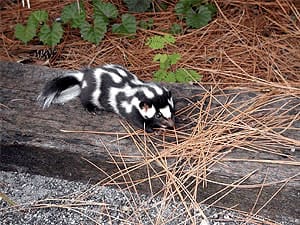
Smaller than Striped Skunks, weighing 1–3 pounds and measuring 16–24 inches long. Its black coat has broken white stripes and spots. Slender build and fluffy tail make it appear agile. When threatened, it can perform a handstand, raising its tail as a warning.
Behavior
Nocturnal and secretive, Eastern Spotted Skunks are excellent climbers and avoid human activity. Solitary by nature, they often inhabit barns, brush piles, or dense woodlands.
Habitat and Range
Historically widespread in eastern U.S., now mostly found in western and central Pennsylvania. They prefer brushy areas, forest edges, and abandoned burrows.
Diet
Insects, small mammals, eggs, fruits, and occasionally reptiles. They are natural pest controllers in rural areas.
Reproduction and Life Cycle
Mating occurs in late winter, with delayed implantation; kits are born in spring, usually 4–5 per litter. Lifespan is about three years in the wild.
Fun Facts / Noteworthy Traits
- Handstand warning display is unique and theatrical.
- Can climb trees and rocky terrain.
- Small size but strong enough spray to deter predators.
Human Interaction
Rare in suburban areas. Conservation includes preserving brushy edges and reducing pesticide use. Observe from a safe distance.
3. Hog-Nosed Skunk (Conepatus leuconotus) — Rare Visitor
Physical Characteristics & Identification Tips
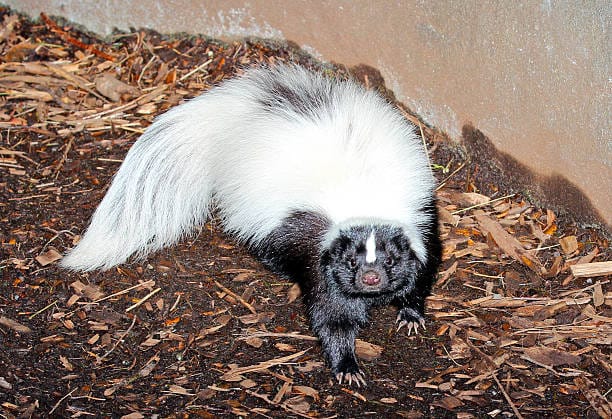
Larger than other skunks, weighing up to 15 pounds. Pale dorsal stripe and pig-like snout adapted for digging. Rare in Pennsylvania and mostly seen in western counties.
Behavior
Nocturnal and solitary, they dig for insects, roots, and small animals. Like other skunks, they spray when threatened after warning behaviors.
Habitat and Range
Native to the southwestern U.S., occasional wanderers may appear in Pennsylvania. Prefer open areas with loose soil for digging.
Diet
Feed on insects, roots, small reptiles, and sometimes fruit. Their digging also helps aerate soil and control pests.
Reproduction and Life Cycle
Breeding in early spring; litters of 2–6 kits. Kits remain in dens before joining foraging trips. Lifespan up to 4 years in the wild.
Fun Facts / Noteworthy Traits
- Snout is ideal for digging underground food.
- Wide dorsal stripe distinguishes it from other skunks.
- Rare visitors excite wildlife enthusiasts.
Human Interaction
Though rare, they help control pests. Observe safely and avoid disturbing them.
Conclusion
The types of skunks in Pennsylvania — Striped, Eastern Spotted, and the rare Hog-Nosed Skunks — each play vital ecological roles. They control pests, improve soil, and provide intriguing wildlife encounters. Understanding these species allows safe coexistence while appreciating Pennsylvania’s nocturnal mammals. Respect their habitats, maintain distance, and enjoy observing these fascinating creatures.
Read more:
- 14 Types of Skunks: Species Identification with Pictures
- 5 Types of Skunks in Georgia (Pictures and Identification)
- What Do Skunks Eat? 50 Foods They Love the Most
- 5 Types of Skunks in Texas (Pictures and Identification)
- 5 Types of Skunks in Nevada (Pictures And Identification)
- 4 Types of Skunks in North Carolina (Pictures And Identification)
- 3 Types of Skunks in Virginia (Pictures And Identification)
- 8 Types of Skunks in New Mexico (Pictures and Identification)
- 5 Types of Skunks in Kansas (Pictures and Identification)
- 3 Types of Skunks in Florida (Pictures And Identification)
- 3 Types of Skunks in Tennessee (Pictures And Identification)
- 3 Types of Skunks in Kentucky (Pictures And Identification)
- 5 Types of Skunks in Iowa (Pictures And Identification)
- 5 Types of Skunks in Indiana (Pictures and Identification)
- 2 Types of Skunks in Michigan (Pictures And Identification)
- 3 Types of Skunks in Arizona (Pictures And Identification)
- 30 Types of Mollusks (Pictures And Identification)
- 3 Types of Skunks in Ohio (Pictures And Identification)
- 5 Types of Skunks in Colorado (Pictures and Identification)