

Tetras are one of the most popular groups of freshwater aquarium fish, loved for their vibrant colors, peaceful behavior, and community-friendly nature. With over 50 recognized species, Types of Tetras offer a wide range of sizes, patterns, and behaviors suitable for both beginner and experienced aquarists. These tiny yet fascinating fish originate primarily from South America and Africa, inhabiting rivers, streams, and slow-moving water bodies. Their ability to adapt to home aquariums, combined with their stunning appearance, makes them a favorite among hobbyists worldwide. In this guide, we explore 50 Types of Tetras, providing detailed descriptions, care tips, and unique traits of each species.
1. Black Skirt Tetra (Gymnocorymbus ternetzi)

The Black Skirt Tetra is a classic freshwater aquarium species known for its distinctive black vertical stripes and flowing fins. Originally from the Paraguay and Paraná River basins, this species thrives in community tanks and is renowned for its peaceful temperament. Black Skirt Tetras are medium-sized, typically growing up to 5 cm in length, making them ideal for small to medium aquariums. Their adaptive nature allows them to tolerate a range of water conditions, though they prefer slightly acidic to neutral water with a temperature range of 22–28°C. These Tetras are omnivorous, feeding on flake foods, small live insects, and vegetable matter. Behaviorally, they are shoaling fish, so keeping them in groups of six or more enhances their natural swimming patterns and reduces stress. One of the most intriguing aspects of Black Skirt Tetras is their subtle social hierarchy, with dominant fish occasionally chasing subordinates in a playful, non-aggressive manner. They also exhibit slight color changes when stressed or excited, providing a visual cue for aquarists to monitor their well-being. Spawning is relatively straightforward under controlled conditions, involving dense plants where females can deposit eggs safely. Overall, the Black Skirt Tetra combines elegance, ease of care, and fascinating behavior, making it a staple in community aquariums.
2. Ember Tetra (Hyphessobrycon amandae)

Ember Tetras are small, fiery-orange fish that light up aquariums with their vibrant coloration. Native to the Rio Tapajós basin in Brazil, they are ideal for nano tanks due to their small size, reaching only 2 cm in length. These Tetras prefer slightly acidic water (pH 6–7) and temperatures between 23–29°C. Ember Tetras are peaceful, shoaling fish, best kept in groups of at least eight to ten to display natural behaviors and avoid stress. Their diet includes micro-pellets, finely crushed flake foods, and occasional live or frozen foods like daphnia or brine shrimp. Despite their small size, Ember Tetras are surprisingly active and agile, often swimming near the lower and middle water columns, creating a dynamic and lively aquarium scene. Breeding Ember Tetras can be rewarding; they scatter eggs among dense plants or spawning mops, with adults typically not preying on their young if separated during breeding. Their warm orange hue contrasts beautifully with green plants and dark substrate, making them a visually appealing choice. The combination of vibrant color, peaceful nature, and small size positions the Ember Tetra as an essential choice for beginner aquarists seeking to add life and movement to their aquariums.
3. Neon Tetra (Paracheirodon innesi)

Neon Tetras are arguably the most iconic species among all freshwater aquarium fish. Recognizable by their iridescent blue and red stripes, they create a stunning visual effect, especially in dimly lit aquariums. Originating from the Amazon basin in South America, these Tetras thrive in slightly acidic to neutral water with temperatures ranging from 20–26°C. Neon Tetras grow up to 4 cm and are peaceful, shoaling fish that prefer to be in groups of six or more, enhancing their natural schooling behavior. Their diet is omnivorous, including flake foods, micro-pellets, and occasional live foods. Neon Tetras are sensitive to water conditions, so regular maintenance and stable parameters are essential for optimal health. They also exhibit fascinating social behaviors, such as synchronized swimming, which not only provides aesthetic appeal but also reflects their natural instinct to evade predators in the wild. Breeding Neon Tetras involves creating soft, slightly acidic water conditions and dim lighting to mimic their natural environment, with females scattering hundreds of eggs among fine-leaved plants. The combination of vibrant coloration, peaceful temperament, and small size makes the Neon Tetra a perennial favorite in community aquariums worldwide.
4. Serpae Tetra (Hyphessobrycon eques)

The Serpae Tetra is a bold, crimson-colored fish distinguished by its deep red body and black dorsal spot. Native to the Amazon River basin, this species is slightly larger than other small Tetras, reaching 5 cm in length. Serpae Tetras are moderately active and best kept in schools of six or more to diffuse their occasional fin-nipping behavior in small groups. They prefer slightly acidic to neutral water (pH 6–7.5) and temperatures between 22–27°C. Omnivorous by nature, Serpae Tetras thrive on a diet of flake foods, small live insects, and vegetable matter. Their lively behavior adds energy to community tanks, and their bold color contrasts beautifully against green plants and dark substrate. Breeding Serpae Tetras can be challenging but rewarding, with females scattering eggs among dense plants. Although peaceful with other species, their slight nipping tendencies mean careful tankmate selection is necessary. Overall, Serpae Tetras offer a vibrant, energetic addition to aquariums, combining striking color, social dynamics, and moderate care requirements for both beginners and experienced aquarists.
5. Green Neon Tetra (Paracheirodon simulans)

Green Neon Tetras are a visually striking species, often confused with their more famous relative, the Neon Tetra. With a shimmering green lateral stripe and a subtle red patch near the tail, they provide an elegant, understated beauty to freshwater aquariums. Native to the Rio Negro and Orinoco river basins in South America, Green Neon Tetras thrive in soft, acidic water with temperatures between 23–27°C. Their small size, reaching up to 3 cm, makes them suitable for nano and medium-sized tanks. Like other Tetras, they are peaceful and shoaling, preferring groups of six or more to exhibit natural swimming patterns. Their diet includes high-quality flake foods, micro-pellets, and occasional live or frozen foods like daphnia or brine shrimp. Green Neon Tetras are sensitive to water quality, requiring regular maintenance and stable parameters. Breeding them involves creating soft, slightly acidic water with dim lighting to simulate their natural environment, allowing females to scatter hundreds of eggs among fine-leaved plants. Their elegant color, gentle behavior, and adaptability make Green Neon Tetras an excellent choice for both novice and experienced aquarists seeking a serene yet vibrant aquarium display.
6. Bloodfin Tetra (Aphyocharax anisitsi)
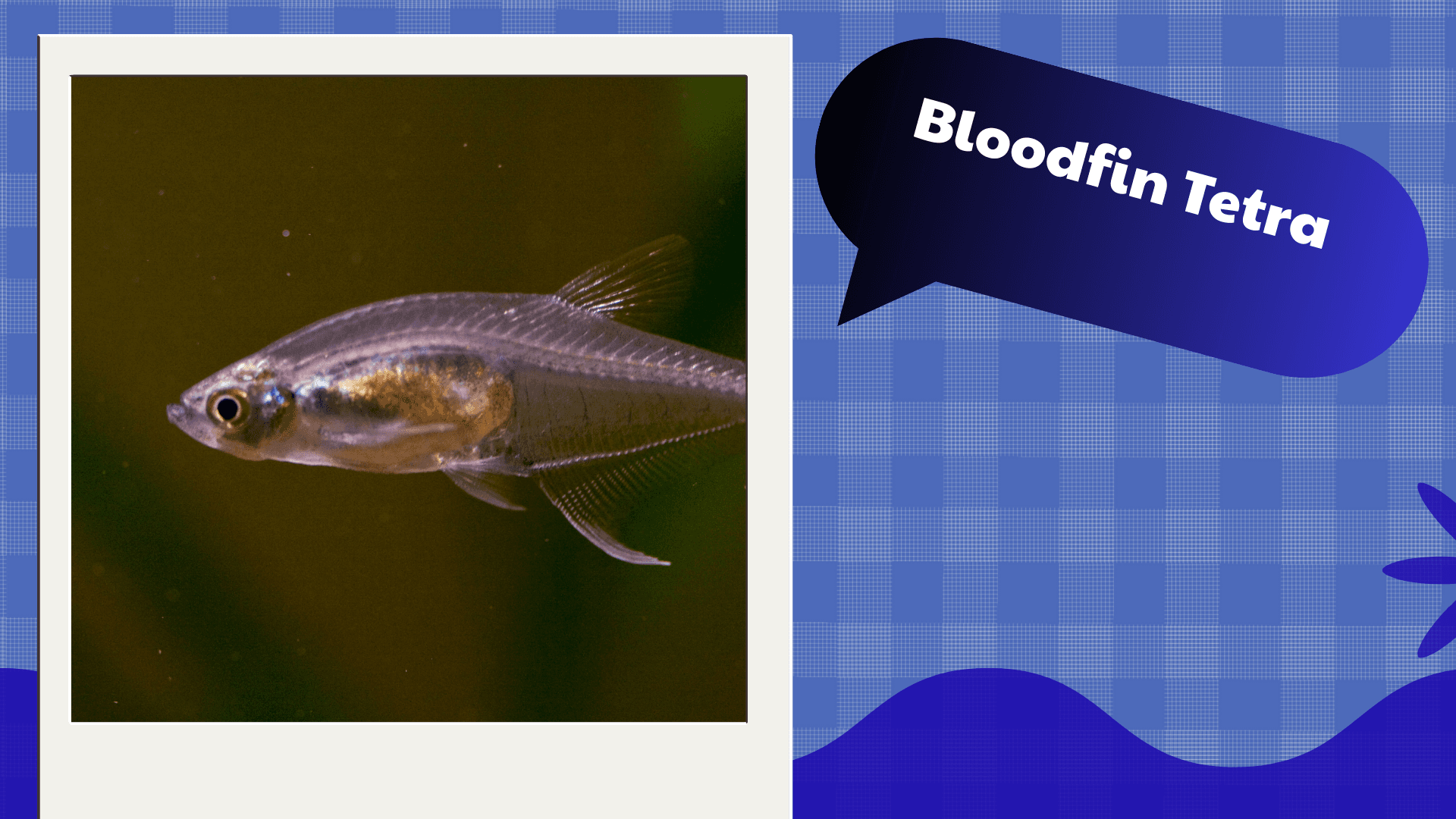
Bloodfin Tetras are a dynamic and hardy species that bring vibrant energy to any freshwater aquarium. Native to Paraguay, Brazil, and Argentina, these Tetras inhabit rivers and streams with moderate current and dense vegetation. Their most striking feature is the bright red coloration of their fins, which stands out against a translucent silver body. This vivid contrast has earned them the common name “Bloodfin.” Bloodfin Tetras typically grow to about 5 cm, making them ideal for community aquariums with other small to medium-sized peaceful fish. They are omnivorous, feeding on flake foods, small live insects, and plant matter. Their active swimming patterns are best observed in schools of at least six, which promotes natural behavior and reduces stress. When setting up a tank for Bloodfin Tetras, aquarists should provide slightly acidic to neutral water, a temperature range of 22–28°C, and plenty of hiding spots using plants or driftwood. These Tetras are hardy and adaptable, tolerating a range of water conditions, which makes them excellent for beginner fishkeepers. Behaviorally, Bloodfin Tetras are peaceful but may chase each other lightly during play, which is a normal aspect of their social interaction. Breeding Bloodfin Tetras requires a separate tank with fine-leaved plants, as they are egg scatterers. Females deposit hundreds of eggs, and adults should be removed to prevent predation. With their brilliant red fins, active schooling, and easy care requirements, Bloodfin Tetras remain a favorite among aquarium enthusiasts worldwide.
7. Rummy Nose Tetra (Hemigrammus bleheri)

Rummy Nose Tetras are instantly recognizable for their glowing red noses and striking black-and-white striped tails, creating a remarkable display in community tanks. Native to the Amazon basin, particularly in Brazil, Peru, and Colombia, these Tetras inhabit slow-moving rivers with clear, slightly acidic water. Rummy Nose Tetras are shoaling fish, ideally kept in groups of eight or more to display natural swimming behavior and to feel secure. They grow up to 6 cm in length and are peaceful, making them compatible with other non-aggressive species. Their diet includes high-quality flake foods, micro-pellets, and occasional live or frozen foods like brine shrimp, enhancing their color intensity. Maintaining stable water conditions is crucial for their health, as they are sensitive to nitrates and sudden changes in temperature. Rummy Nose Tetras are also indicators of water quality; a dulling of their bright red noses often signals stress or suboptimal tank conditions. In terms of breeding, they are egg scatterers, preferring soft, slightly acidic water with fine-leaved plants or spawning mops to protect their eggs. Breeding Rummy Nose Tetras requires patience, as fry are tiny and sensitive, needing infusoria or powdered foods in the first days. With their vibrant coloration, delicate patterns, and peaceful demeanor, Rummy Nose Tetras provide both visual appeal and a fascinating insight into shoaling behavior, making them a must-have for dedicated aquarists seeking a colorful centerpiece in community tanks.
8. Emperor Tetra (Nematobrycon palmeri)

Emperor Tetras are elegant and visually stunning fish native to the Rio Tuira basin in Panama and Colombia. Known for their sleek silver bodies, accented by a striking blue-black dorsal stripe and yellow-tinged fins, Emperor Tetras provide a regal presence in any aquarium. They typically reach 5–6 cm in length and are peaceful, making them excellent for community tanks. Emperor Tetras are highly social and thrive in schools of at least six to eight individuals, exhibiting natural synchronized swimming patterns that enhance tank aesthetics. Their diet is omnivorous; they accept high-quality flake foods, micro-pellets, and small live foods such as daphnia or brine shrimp. Maintaining water with a pH of 6–7.5 and temperatures between 23–28°C replicates their natural habitat and ensures optimal health. One of the most captivating behaviors of Emperor Tetras is their subtle courtship display, where males showcase their dorsal fins and body colors to attract females. Breeding involves egg scattering in well-planted tanks with dim lighting to mimic natural conditions. Adults may consume eggs, so separating them during spawning is recommended. Emperor Tetras also benefit from a well-decorated tank with floating plants, driftwood, and moderate current, which promotes active swimming and reduces stress. Combining beauty, peaceful temperament, and engaging behavior, Emperor Tetras remain a top choice for aquarists aiming to create visually dynamic and harmonious community aquariums.
9. Black Neon Tetra (Hyphessobrycon herbertaxelrodi)

Black Neon Tetras are a subtle yet captivating species, appreciated for their unique dark lateral stripe contrasted by a shimmering silver body. Native to the Paraguay River basin, they inhabit slow-moving waters with dense vegetation. Growing up to 4 cm, Black Neon Tetras are peaceful, shoaling fish that should be kept in groups of at least six to observe natural behaviors and maintain social harmony. Their diet is omnivorous, thriving on a mix of flake foods, micro-pellets, and occasional live or frozen foods. Black Neon Tetras are adaptable to a range of water conditions, though slightly acidic to neutral water with temperatures of 22–27°C mimics their natural environment best. They are known for their subtle schooling behavior, often forming tight formations that create a stunning visual effect in the aquarium. Breeding Black Neon Tetras requires soft, acidic water and fine-leaved plants or spawning mops, with adults removed post-spawning to prevent predation. Their calm demeanor and subdued coloration make them ideal companions for other peaceful community fish, adding contrast to more brightly colored tank mates. With elegance, ease of care, and gentle social dynamics, Black Neon Tetras are perfect for aquarists seeking a balanced and aesthetically pleasing freshwater setup.
10. Cardinal Tetra (Paracheirodon axelrodi)

Cardinal Tetras are one of the most celebrated freshwater fish due to their vibrant red and blue coloration, offering a spectacular visual display in any aquarium. Native to the Orinoco and Negro River basins in South America, they thrive in soft, acidic water with temperatures between 23–27°C. Growing to about 4 cm, Cardinal Tetras are peaceful, shoaling fish, ideally kept in groups of six or more to display natural schooling behavior and reduce stress. Their diet includes high-quality flake foods, micro-pellets, and occasional live or frozen foods, which help maintain the intensity of their striking colors. Cardinal Tetras are sensitive to water quality, and changes in coloration can signal stress or suboptimal conditions. In the wild, these fish form large schools to avoid predators, a behavior that is mirrored in captivity when kept in adequately sized groups. Breeding Cardinal Tetras involves creating slightly acidic, soft water and dim lighting to encourage egg-laying among dense plants. Fry are small and require infusoria or finely powdered food initially. Cardinal Tetras not only add a vibrant splash of color to community aquariums but also exhibit fascinating social behaviors, making them a favorite among beginner and experienced aquarists alike. Their combination of beauty, peaceful temperament, and schooling behavior ensures that Cardinal Tetras remain a staple in freshwater aquariums worldwide.
11. Lemon Tetra (Hyphessobrycon pulchripinnis)

The Lemon Tetra is a vibrant and peaceful freshwater fish that captivates aquarists with its subtle yellow hue and delicate translucent fins. Native to the Rio Tapajós basin in Brazil, Lemon Tetras inhabit slow-moving rivers and tributaries, often shaded by dense overhanging vegetation. In aquariums, they thrive in slightly acidic to neutral water, ideally between pH 6.0 and 7.0, with temperatures ranging from 23–28°C. Lemon Tetras are relatively small, reaching approximately 3–4 cm in length, making them ideal candidates for both small and medium community tanks. Their diet is omnivorous, including high-quality flake foods, micro-pellets, and occasional live foods such as brine shrimp or daphnia, which enhance their color vibrancy and overall health. Behaviorally, Lemon Tetras are shoaling fish, preferring groups of six or more, which allows them to display natural schooling patterns and reduces stress. These fish are peaceful and compatible with other small, non-aggressive species, making them perfect for community aquariums. Breeding Lemon Tetras involves providing soft, slightly acidic water, fine-leaved plants for egg-laying, and dim lighting to simulate their natural habitat. Eggs are scattered among plants, and adults should be removed post-spawning to prevent predation. With their gentle temperament, elegant coloration, and ease of care, Lemon Tetras provide a subtle yet visually pleasing addition to any freshwater aquarium.
12. Diamond Tetra (Moenkhausia pittieri)

Diamond Tetras are known for their sparkling, reflective scales that shimmer like tiny diamonds under aquarium lighting. Native to Lake Valencia in Venezuela, these medium-sized Tetras grow to about 5 cm and are highly adaptable to community tanks. Their natural habitat includes calm waters with dense vegetation and moderate water flow, a setup that should be replicated in home aquariums to ensure optimal health. Diamond Tetras are peaceful and social, thriving in groups of six or more, which allows their schooling behavior to fully develop. Their diet is omnivorous, including flakes, small pellets, and occasional live or frozen foods like mosquito larvae or daphnia. One of the most captivating aspects of Diamond Tetras is their reflective scales, which create a mesmerizing effect as they swim, especially in well-lit tanks with dark substrates. Water parameters should be stable, with a temperature range of 23–28°C and a pH of 6.0–7.0. Breeding Diamond Tetras involves creating a slightly acidic and soft water environment, providing fine-leaved plants for egg-laying. They are egg scatterers, and adults should be separated from the eggs to prevent predation. With their dazzling appearance, peaceful nature, and ease of care, Diamond Tetras remain a favorite among aquarists looking to add sparkle and activity to their tanks.
13. X‑Ray Tetra (Pristella maxillaris)

X‑Ray Tetras are fascinating freshwater fish notable for their transparent bodies, which reveal their skeletal structure and internal organs—a feature that has earned them their name. Native to the Amazon, Orinoco, and Essequibo river basins, these fish inhabit calm, vegetated waters with slightly acidic to neutral pH levels and temperatures of 23–28°C. X‑Ray Tetras are small, typically reaching 4–5 cm, and are extremely peaceful, making them excellent for community aquariums with other non-aggressive species. Their diet includes high-quality flake foods, micro-pellets, and occasional live foods like brine shrimp, which help maintain their health and slight iridescent shimmer. Shoaling in groups of six or more is essential to their well-being, as these social fish exhibit natural schooling behavior that reduces stress and enhances visual appeal. Breeding X‑Ray Tetras requires soft, slightly acidic water, dim lighting, and fine-leaved plants or spawning mops for egg scattering. Fry are tiny and need infusoria or finely powdered foods for the first weeks. Their unique translucent bodies, peaceful temperament, and easy care requirements make X‑Ray Tetras a captivating addition for both beginner and experienced aquarists.
14. Congo Tetra (Phenacogrammus interruptus)

Congo Tetras are among the largest and most colorful of all freshwater Tetras, originating from the Congo River Basin in Africa. They typically reach 8–10 cm in length, with males exhibiting metallic blue-green bodies, flowing fins, and red-tipped tails, while females are slightly smaller with less pronounced coloration. Congo Tetras are peaceful, shoaling fish best kept in groups of six or more to display natural swimming patterns and reduce stress. Their diet is omnivorous, consisting of high-quality flakes, pellets, and live foods such as brine shrimp, daphnia, and bloodworms. Maintaining slightly acidic to neutral water with temperatures between 24–28°C ensures optimal health and vibrant coloration. Congo Tetras thrive in spacious aquariums with plenty of swimming space, moderate water flow, and densely planted areas that mimic their natural habitat. Breeding Congo Tetras involves providing soft, slightly acidic water, dim lighting, and dense plants or spawning mops for egg-laying. Adults should be removed after spawning to prevent egg predation. With their striking colors, graceful swimming, and community-friendly behavior, Congo Tetras are a standout species for large aquariums, offering both beauty and dynamic activity.
15. Silver Tip Tetra (Hasemania nana)
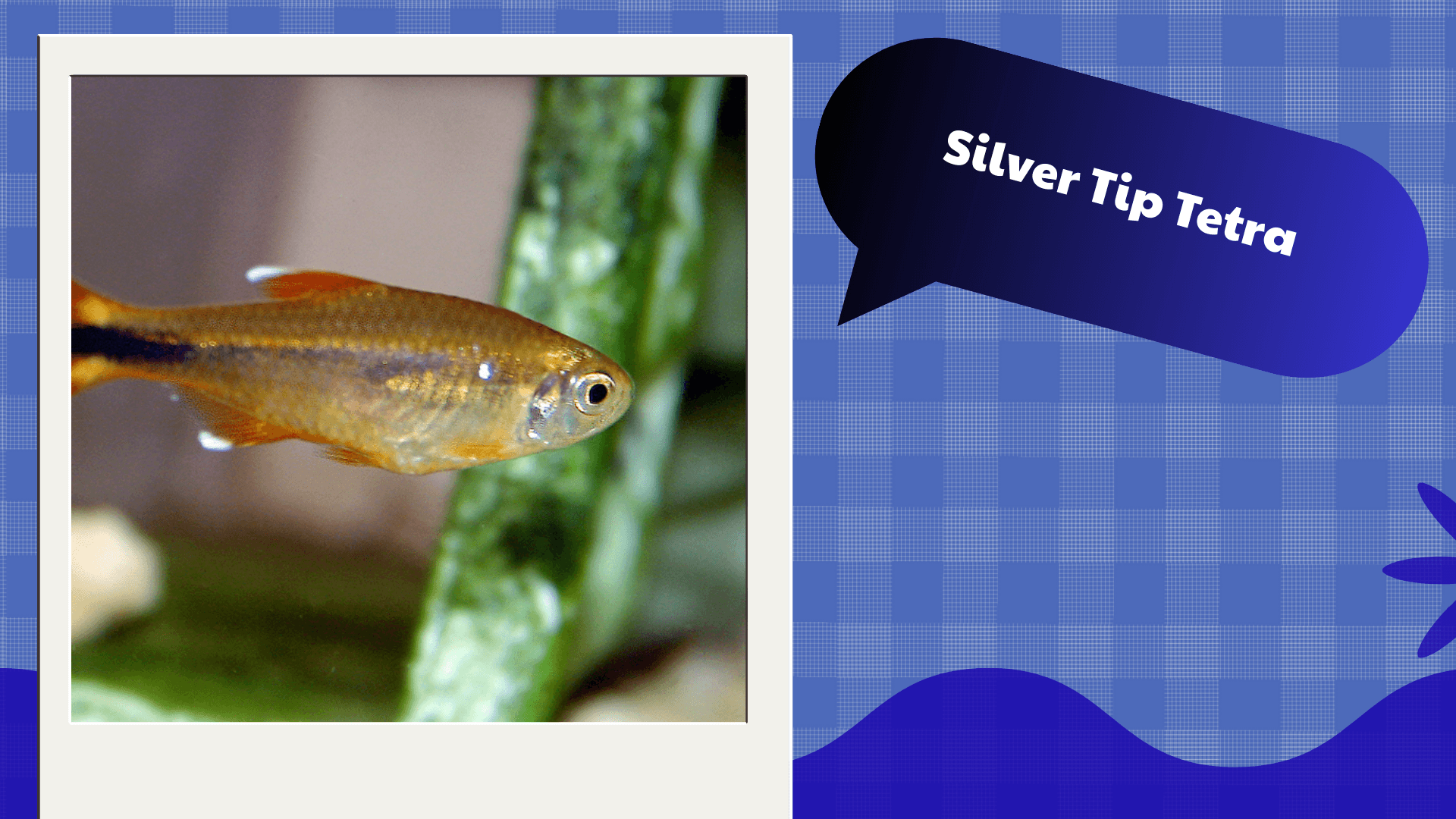
Silver Tip Tetras are small, hardy fish recognized for the bright silvery tips of their dorsal and caudal fins, adding subtle sparkle to community aquariums. Native to the São Francisco River Basin in Brazil, these Tetras inhabit streams and rivers with moderate current, rocky substrates, and abundant vegetation. Silver Tip Tetras reach 4–5 cm in length and are peaceful, making them ideal for small to medium community tanks. They are omnivorous, feeding on high-quality flakes, micro-pellets, and occasional live foods such as brine shrimp and daphnia. Keeping them in schools of six or more is essential to their health and social behavior, as they naturally shoal in the wild. They thrive in slightly acidic to neutral water with a temperature range of 23–28°C. Breeding Silver Tip Tetras requires soft, slightly acidic water and fine-leaved plants or spawning mops to scatter eggs safely. Fry are tiny and need infusoria or powdered foods for the first few weeks. Their small size, peaceful temperament, and attractive silvery accents make Silver Tip Tetras a popular choice for beginner aquarists, providing subtle beauty and lively activity within a community tank.
16. Gold Tetra (Hemigrammus rodwayi)

The Gold Tetra, also known as the Rodwayi Tetra, is a captivating freshwater fish that brings warmth and color to any aquarium. Native to South America, particularly Guyana and Brazil, Gold Tetras inhabit small rivers and slow-moving streams with dense vegetation and soft substrates. Their distinctive golden body, coupled with transparent fins and subtle red accents near the tail, makes them visually appealing and an excellent addition to community tanks. These Tetras are relatively small, growing up to 4 cm, and are peaceful, thriving in shoals of six or more. Keeping them in groups ensures their natural schooling behavior and reduces stress, which enhances coloration and activity. Gold Tetras are omnivorous, accepting high-quality flake foods, micro-pellets, and occasional live or frozen foods such as daphnia and brine shrimp. They are hardy and adaptable but prefer slightly acidic to neutral water (pH 6–7.5) with temperatures ranging from 23–28°C. In aquariums, providing plants, driftwood, and moderate water flow mimics their natural environment, promoting active swimming and natural behaviors. Breeding Gold Tetras involves soft, slightly acidic water, dense plants, and dim lighting to encourage egg-laying. Females scatter eggs among the foliage, and adults should be separated to prevent egg predation. With their bright coloration, peaceful temperament, and adaptability, Gold Tetras remain a favorite among both beginner and experienced aquarists looking to create a lively, colorful freshwater community.
17. Head & Taillight Tetra (Hemigrammus ocellifer)

The Head & Taillight Tetra is a small, striking fish known for its distinctive red spots near the head and tail, which resemble glowing lights—hence its name. Native to the Amazon basin in South America, they inhabit slow-moving rivers and floodplain areas with soft, slightly acidic water. This species reaches about 4–5 cm in length and is peaceful, making it ideal for community tanks with other non-aggressive fish. Head & Taillight Tetras are shoaling fish, preferring groups of six or more to display natural swimming behavior and reduce stress. Their diet is omnivorous, consisting of high-quality flake foods, micro-pellets, and live or frozen foods like daphnia, brine shrimp, and mosquito larvae. Maintaining stable water conditions with temperatures between 23–28°C and pH 6–7 ensures health and vibrant coloration. These Tetras are active swimmers, often exploring the middle and lower water columns, and their red “lights” provide a beautiful accent in planted aquariums. Breeding Head & Taillight Tetras involves providing soft, slightly acidic water, dim lighting, and dense fine-leaved plants or spawning mops. Females scatter hundreds of eggs, and adults should be removed to prevent predation. With their distinctive coloration, gentle behavior, and lively schooling, Head & Taillight Tetras remain a popular choice for aquarists seeking both aesthetic appeal and a peaceful community fish.
18. Red Eye Tetra (Moenkhausia sanctaefilomenae)

Red Eye Tetras are a striking species, easily identified by their bright red eyes contrasting with silver-gray bodies and slightly translucent fins. Native to rivers in Brazil, Paraguay, and Uruguay, they inhabit slow-moving waters with moderate vegetation and a sandy or fine substrate. Red Eye Tetras grow to approximately 5 cm and are peaceful, shoaling fish that should be kept in groups of six or more to exhibit natural behaviors and reduce stress. Their diet is omnivorous, including high-quality flake foods, micro-pellets, and occasional live or frozen foods such as brine shrimp and daphnia. These Tetras are active swimmers and display subtle social hierarchies within their schools, which adds visual interest in community tanks. Maintaining slightly acidic to neutral water (pH 6–7.5) and temperatures between 23–28°C replicates their natural environment and ensures healthy growth and coloration. Breeding Red Eye Tetras requires soft, slightly acidic water, fine-leaved plants or spawning mops, and careful separation of adults after egg-laying. Fry require infusoria or finely powdered food initially. With their vibrant eye coloration, peaceful temperament, and dynamic schooling behavior, Red Eye Tetras are a captivating addition to freshwater aquariums, adding elegance and subtle drama to any tank setup.
19. Colombian Tetra (Hyphessobrycon columbianus)

The Colombian Tetra, sometimes called the Colombian Red Tetra, is an energetic and colorful fish native to rivers in Colombia and Venezuela. They are medium-sized Tetras, reaching about 5 cm, with a shimmering silver body, red dorsal and caudal fins, and a subtle lateral line marking. Colombian Tetras are peaceful and thrive in schools of six or more, which enhances their natural shoaling behavior and reduces stress. Their diet is omnivorous, including high-quality flake foods, micro-pellets, and live or frozen foods such as brine shrimp, daphnia, or mosquito larvae. These fish are hardy but prefer soft, slightly acidic to neutral water (pH 6–7) with temperatures of 23–28°C. Providing plants, driftwood, and open swimming areas helps mimic their natural river habitats and promotes active, healthy behavior. Breeding Colombian Tetras requires soft, acidic water, dense plants or spawning mops, and removal of adults post-spawning to prevent egg predation. Their vibrant fins, peaceful nature, and active schooling make Colombian Tetras a visually appealing and harmonious addition to community aquariums, ideal for both beginner and experienced aquarists looking for an eye-catching species.
20. Blind Cave Tetra (Astyanax jordani)

Blind Cave Tetras, also known as Mexican Tetras, are an extraordinary species famous for their complete lack of pigmentation and eyes due to evolution in dark cave systems. Native to northeastern Mexico, these Tetras inhabit underground rivers and caves, adapting to complete darkness over generations. They are small, growing up to 5 cm, and are peaceful, shoaling fish that should be kept in groups of six or more to display natural schooling behavior. Blind Cave Tetras are omnivorous, feeding on flake foods, micro-pellets, and occasional live foods, though their lack of eyes has led them to rely heavily on other senses, particularly the lateral line system, to detect movement and navigate their environment. They thrive in slightly acidic to neutral water (pH 6–7.5) with temperatures between 22–27°C. Breeding Blind Cave Tetras involves creating conditions similar to their natural habitat, including dim lighting and dense plants for egg-laying. Eggs are scattered among plants, and adults should be separated to prevent predation. Despite their unusual appearance, Blind Cave Tetras are hardy, peaceful, and fascinating to observe, offering aquarists a unique glimpse into evolutionary adaptation while providing a calm, schooling presence in community aquariums.
21. Mexican Tetra (Astyanax mexicanus)

The Mexican Tetra is a fascinating species, widely known for its adaptability and diverse morphs, including both surface-dwelling and cave-dwelling varieties. Native to rivers in Mexico, these Tetras thrive in slow-moving waters, streams, and even underground cave systems. Their surface-dwelling form typically has a silver body with reflective scales, while cave-dwelling individuals often exhibit complete lack of pigmentation and reduced or absent eyes. Both morphs are peaceful, shoaling fish that should be kept in groups of six or more to encourage natural schooling behaviors and reduce stress.
Mexican Tetras grow to around 5–6 cm in length and are highly adaptable to community aquariums. They are omnivorous and will accept high-quality flake foods, micro-pellets, and occasional live or frozen foods such as brine shrimp, daphnia, or bloodworms. Their hardiness makes them excellent for beginner aquarists, though maintaining slightly acidic to neutral water (pH 6–7.5) and temperatures between 22–28°C is ideal for vibrant health and coloration.
Breeding Mexican Tetras is interesting, particularly because the cave-dwelling form demonstrates unique behaviors adapted to dark, low-light environments. Eggs are scattered among fine-leaved plants, and adults should be separated post-spawning to avoid predation. In aquariums, providing both open swimming space and hiding spots with plants or driftwood helps mimic natural conditions and encourages active, natural behavior. Overall, the Mexican Tetra combines adaptability, peaceful nature, and fascinating evolutionary traits, making it a highly rewarding species for aquarists seeking both beauty and biological intrigue.
22. Bucktooth Tetra (Exodon paradoxus)

The Bucktooth Tetra is an energetic and somewhat mischievous species, instantly recognizable by its pronounced front teeth, which give it its common name. Native to the Amazon and Orinoco river basins, Bucktooth Tetras inhabit fast-flowing rivers with rocky substrates and dense vegetation. These fish are relatively small, growing up to 6–7 cm, but their sharp teeth allow them to interact with plants and small invertebrates in intriguing ways.
Unlike most peaceful Tetras, Bucktooth Tetras are semi-aggressive and require careful tankmate selection. While they can be kept in community aquariums, they may nip fins or disturb slow-moving or long-finned fish. Keeping them in groups of six or more reduces aggression and allows natural social behavior to emerge. Their diet is omnivorous, including high-quality flakes, micro-pellets, and live foods such as small insects or brine shrimp. Regular feeding with a balanced diet maintains health and coloration.
Aquarium conditions should include slightly acidic to neutral water (pH 6–7.5), temperatures of 23–28°C, and plenty of swimming space with hiding spots created by plants and driftwood. Breeding Bucktooth Tetras is rare in captivity and requires soft, slightly acidic water with dense plants for egg deposition. Despite their challenging behavior, Bucktooth Tetras are fascinating, lively fish that add dynamic activity and natural predatory behavior to community tanks for more experienced aquarists.
23. African Copper Ribbon Tetra (Rhabdalestes septentrionalis)

The African Copper Ribbon Tetra is a sleek and attractive species, prized for its elongated copper-colored lateral stripe that runs along the body from head to tail. Native to rivers and freshwater bodies in West Africa, these Tetras prefer slightly acidic to neutral water (pH 6–7.5) with temperatures between 24–28°C. They grow to about 5–6 cm and are peaceful, shoaling fish best kept in groups of six or more to exhibit natural schooling behavior.
Their diet is omnivorous, accepting high-quality flake foods, micro-pellets, and live or frozen foods like brine shrimp or daphnia. African Copper Ribbon Tetras are active swimmers and prefer aquariums with moderate water flow, open swimming areas, and shaded regions created by plants or driftwood. Breeding in captivity is rare but possible with soft, slightly acidic water and dense plants for egg scattering. Adults should be separated from eggs to prevent predation. With their elegant copper stripe, peaceful temperament, and active schooling behavior, African Copper Ribbon Tetras make an excellent addition to community tanks, offering both visual appeal and natural, dynamic activity.
24. African Red‑Eyed Tetra (Arnoldichthys spilopterus)

The African Red-Eyed Tetra is a stunning freshwater fish distinguished by its bright red eyes and translucent silvery body, creating a striking contrast that captivates aquarists. Native to rivers in West Africa, they inhabit slow-moving waters with dense vegetation and moderate current. These Tetras grow up to 6 cm and are peaceful, shoaling fish that should be kept in groups of six or more to display natural social behavior and reduce stress.
African Red-Eyed Tetras are omnivorous and thrive on a diet of high-quality flakes, micro-pellets, and occasional live or frozen foods such as brine shrimp, daphnia, or mosquito larvae. Aquarium conditions should replicate their natural environment, with slightly acidic to neutral water (pH 6–7.5), temperatures of 24–28°C, and densely planted areas to encourage natural behavior. Breeding involves providing soft water, fine-leaved plants for egg-laying, and removal of adults after spawning to prevent predation. With their vibrant red eyes, peaceful demeanor, and dynamic shoaling behavior, African Red-Eyed Tetras provide both beauty and ecological interest for community aquariums, making them a favorite among aquarists seeking a striking yet harmonious species.
25. Blackline Tetra (Hyphessobrycon scholzei)

The Blackline Tetra is a visually striking species, known for the bold black stripe that runs along its silvery body from gill to tail. Native to rivers in South America, particularly Brazil, they inhabit slow-moving streams and floodplains with soft substrates and dense vegetation. Blackline Tetras grow to about 4–5 cm and are peaceful, shoaling fish that should be kept in groups of six or more to exhibit natural swimming patterns and social behavior.
They are omnivorous and thrive on a diet of high-quality flake foods, micro-pellets, and occasional live or frozen foods such as daphnia or brine shrimp. Their active swimming and dynamic behavior make them an engaging addition to community tanks. Water parameters should be slightly acidic to neutral (pH 6–7) with temperatures of 23–28°C, and aquariums should include plants, open swimming areas, and shaded hiding spots to mimic their natural environment. Breeding Blackline Tetras involves soft, slightly acidic water and fine-leaved plants or spawning mops for egg deposition, with adults removed to prevent predation. With their bold black stripe, peaceful nature, and active schooling behavior, Blackline Tetras provide visual contrast and dynamic movement, making them an excellent choice for beginner and experienced aquarists alike.
26. Black Phantom Tetra (Hyphessobrycon megalopterus)

The Black Phantom Tetra is a graceful and elegant freshwater fish, renowned for its deep black dorsal fin and shimmering silver body. Native to the Paraguay and Paraná river basins in South America, this Tetra inhabits slow-moving rivers and floodplain waters with dense vegetation and moderate current. Black Phantom Tetras are peaceful, shoaling fish that thrive in groups of six or more, allowing natural schooling behavior and reducing stress. Their calm demeanor makes them compatible with other small to medium peaceful species in community aquariums.
They reach around 4–5 cm in length and display subtle sexual dimorphism: males are darker with longer dorsal fins, while females are slightly larger with paler coloration. Black Phantom Tetras are omnivorous, accepting high-quality flake foods, micro-pellets, and occasional live foods like brine shrimp or daphnia. Proper water parameters are slightly acidic to neutral (pH 6–7.5) with temperatures ranging from 22–28°C. A well-planted tank with open swimming areas and shaded spots mimics their natural environment and promotes active, healthy behavior.
Breeding Black Phantom Tetras involves providing soft, slightly acidic water, fine-leaved plants or spawning mops, and removing adults after egg-laying to prevent predation. Fry are delicate and require infusoria or finely powdered food initially. With their striking black fins, subtle schooling, and peaceful temperament, Black Phantom Tetras provide both visual elegance and serene activity in freshwater aquariums, making them a favorite among beginner and experienced aquarists alike.
27. Black‑Winged Hatchetfish (Carnegiella marthae)

The Black-Winged Hatchetfish is an unusual and fascinating Tetra, known for its distinctive wing-like pectoral fins and silver body accented with black markings. Native to the Rio Orinoco and Rio Negro basins in South America, these Tetras inhabit calm, shaded waters with abundant surface vegetation. They are surface-dwelling fish that spend much of their time near the waterline, displaying their unique gliding movements.
Growing up to 3–4 cm, Black-Winged Hatchetfish are peaceful, shoaling species that should be kept in groups of six or more to encourage natural schooling and social behavior. They are highly sensitive to water conditions, preferring slightly acidic to neutral water (pH 6–7) and temperatures of 24–28°C. Their diet includes high-quality flake foods, micro-pellets, and live or frozen foods like daphnia or brine shrimp. Feeding should be done carefully, as these fish often feed at the surface and can be shy or easily startled.
Breeding in captivity is challenging and requires soft, slightly acidic water, floating plants, and dim lighting to simulate their natural environment. Eggs are laid among plants and must be protected from adults. The Black-Winged Hatchetfish’s unusual body shape, fascinating surface-dwelling behavior, and peaceful temperament make it a captivating addition to community tanks, especially for aquarists seeking something distinctive and elegant.
28. African Copper Tetra (Alestopetersius caudalis)

The African Copper Tetra is a vibrant freshwater fish native to West African rivers, particularly in Gabon and Cameroon. This Tetra is named for its metallic copper sheen along the body and shimmering fins, which provide a stunning visual display in aquariums. Growing up to 6 cm, African Copper Tetras are peaceful and thrive in shoals of six or more, which enhances natural schooling behavior and reduces stress.
These Tetras are omnivorous and readily accept high-quality flake foods, micro-pellets, and occasional live foods such as daphnia, brine shrimp, or mosquito larvae. Maintaining slightly acidic to neutral water (pH 6–7.5) and temperatures of 23–28°C promotes health, vibrant coloration, and active behavior. African Copper Tetras enjoy planted aquariums with moderate swimming space, shaded areas, and gentle water flow.
Breeding African Copper Tetras in captivity involves soft water, dense plants, and separation of adults after egg-laying to prevent predation. Fry require infusoria or finely powdered food for the first few weeks. With their metallic copper coloration, peaceful temperament, and engaging schooling behavior, African Copper Tetras bring elegance and dynamic activity to community aquariums.
29. Yellow Phantom Tetra (Hyphessobrycon roseus)

The Yellow Phantom Tetra is a rare and beautiful species, noted for its soft yellow body, semi-transparent fins, and gentle demeanor. Native to the Amazon basin, these Tetras inhabit slow-moving rivers and floodplains with dense vegetation. Yellow Phantom Tetras grow to about 4–5 cm and are peaceful, shoaling fish that should be kept in groups of six or more to exhibit natural behavior and reduce stress.
They are omnivorous, thriving on high-quality flake foods, micro-pellets, and occasional live foods such as daphnia or brine shrimp. Maintaining slightly acidic to neutral water (pH 6–7) with temperatures of 23–28°C ensures healthy growth, vibrant coloration, and active swimming patterns. Their calm temperament makes them compatible with other peaceful community species.
Breeding Yellow Phantom Tetras involves providing soft water, fine-leaved plants, and dim lighting. Eggs are scattered, and adults should be separated to prevent predation. The combination of delicate yellow coloration, peaceful schooling behavior, and gentle temperament makes Yellow Phantom Tetras a subtle yet elegant choice for aquarists looking to create a serene and visually appealing freshwater community aquarium.
30. Blue Emperor Tetra (Inpaichthys kerri)
The Blue Emperor Tetra is a striking, medium-sized species known for its vivid metallic blue body and flowing fins that reflect light beautifully. Native to rivers in the Amazon basin, particularly in Brazil, this Tetra prefers slow-moving, shaded waters with dense vegetation and moderate flow. Blue Emperor Tetras grow up to 6–7 cm and are peaceful, shoaling fish that thrive in groups of six or more, exhibiting natural schooling behavior that enhances visual appeal and reduces stress.
Their diet is omnivorous, consisting of high-quality flake foods, micro-pellets, and occasional live or frozen foods such as brine shrimp, daphnia, or bloodworms. Proper water parameters include slightly acidic to neutral pH (6–7.5) and temperatures between 23–28°C. A well-planted tank with open swimming areas, shaded spots, and moderate flow mimics their natural environment and encourages natural activity.
Breeding Blue Emperor Tetras is challenging and requires soft, slightly acidic water, fine-leaved plants, and removal of adults after spawning. Despite this, they are highly rewarding due to their striking coloration, graceful swimming, and peaceful behavior. Blue Emperor Tetras remain a standout species in freshwater aquariums, adding both beauty and dynamic activity, making them an excellent choice for aquarists seeking a visually captivating and harmonious tank companion.
31. Rosy Tetra (Hyphessobrycon rosaceus)

The Rosy Tetra is a small, peaceful freshwater fish cherished for its soft pinkish hue and subtle shimmer. Native to the river systems of Brazil, these Tetras inhabit calm, slow-moving streams and shaded areas with moderate vegetation. Their gentle coloration and peaceful behavior make them an excellent choice for community aquariums.
Rosy Tetras typically grow to about 4–5 cm in length and thrive in groups of six or more, as they are shoaling fish. Keeping them in schools not only reduces stress but also encourages natural swimming patterns, creating an active and lively display in the tank. Their diet is omnivorous and versatile, accepting high-quality flake foods, micro-pellets, and occasional live foods such as brine shrimp or daphnia. Proper nutrition enhances their coloration and overall health.
Water parameters are essential for maintaining healthy Rosy Tetras. They prefer slightly acidic to neutral water with a pH range of 6–7.5 and temperatures between 23–28°C. Providing a planted aquarium with open swimming areas, floating plants, and moderate water flow helps replicate their natural habitat, promoting natural behavior and stress-free living. Breeding Rosy Tetras in captivity involves soft, slightly acidic water and fine-leaved plants or spawning mops. Eggs are scattered among foliage, and adults should be removed after spawning to prevent predation. With their gentle pink coloration, peaceful temperament, and schooling behavior, Rosy Tetras offer an elegant and lively addition to community aquariums.
32. Ornate Tetra (Hyphessobrycon bentosi)

The Ornate Tetra is a charming and colorful freshwater fish native to the Amazon and Tocantins river basins in South America. Known for its vibrant orange-red body and delicate black fin edges, this Tetra adds visual interest and activity to community tanks. Ornate Tetras are peaceful, shoaling fish that reach approximately 4–5 cm in length and should be kept in groups of six or more to display natural schooling behavior.
These Tetras are omnivorous and thrive on a varied diet of high-quality flake foods, micro-pellets, and occasional live or frozen foods like brine shrimp, daphnia, or bloodworms. Feeding a balanced diet enhances their coloration, energy levels, and overall health. Water conditions should be slightly acidic to neutral, with a pH of 6–7.5 and temperatures ranging from 23–28°C, closely mimicking their natural riverine habitat.
Breeding Ornate Tetras involves providing soft, slightly acidic water, dim lighting, and dense plants or spawning mops for egg-laying. Eggs are scattered among the foliage, and adults must be removed post-spawning to avoid predation. Their vibrant coloration, peaceful nature, and active schooling make Ornate Tetras a standout species for aquarists seeking an elegant, harmonious addition to community tanks.
33. Green Fire Tetra (Aphyocharax rathbuni)

The Green Fire Tetra is a striking freshwater fish notable for its iridescent green body and fiery red dorsal and caudal fins. Native to the Amazon River in Brazil, this Tetra thrives in slow-moving rivers, floodplains, and calm tributaries with dense vegetation. Green Fire Tetras are peaceful, shoaling species that should be kept in groups of six or more to encourage natural schooling and reduce stress.
They reach 4–5 cm in length and are omnivorous, readily accepting high-quality flake foods, micro-pellets, and occasional live or frozen foods like brine shrimp and daphnia. Proper nutrition enhances their vibrant green body and fiery red fins, making them highly desirable for visual display in aquariums. Water conditions should be slightly acidic to neutral (pH 6–7.5) and temperatures of 23–28°C to replicate their natural habitat.
Breeding Green Fire Tetras requires soft, slightly acidic water, fine-leaved plants, and separation of adults after egg-laying to prevent predation. Fry need infusoria or finely powdered foods for the first few weeks. With their vivid coloration, peaceful behavior, and dynamic schooling activity, Green Fire Tetras offer both beauty and liveliness to community aquariums.
34. White Skirt Tetra (Albino Gymnocorymbus ternetzi)

The White Skirt Tetra, also known as the Albino Black Skirt Tetra, is a visually appealing freshwater fish distinguished by its translucent white body and flowing fins. Native to South America, particularly Paraguay and Brazil, this Tetra inhabits slow-moving rivers, streams, and floodplains with soft substrates and dense vegetation. Their gentle coloration and peaceful temperament make them excellent candidates for community aquariums.
White Skirt Tetras grow to about 5–6 cm in length and are shoaling fish, thriving in groups of six or more. Keeping them in schools encourages natural social behavior, reduces stress, and creates a lively display. Their diet is omnivorous, including high-quality flake foods, micro-pellets, and occasional live or frozen foods like daphnia or brine shrimp. Maintaining balanced nutrition enhances their health and fin development.
Water parameters should be slightly acidic to neutral, with a pH of 6–7 and temperatures ranging from 23–28°C. A planted tank with open swimming areas and shaded hiding spots promotes natural behavior and activity. Breeding White Skirt Tetras involves soft water, fine-leaved plants for egg scattering, and careful removal of adults after spawning. Their elegant white body, flowing fins, and peaceful nature make White Skirt Tetras a sophisticated and lively addition to community aquariums.
35. Garnet Tetra (Hemigrammus pulcher)

The Garnet Tetra is a small, brilliantly colored freshwater fish, admired for its deep red body and silvery accents that shimmer in aquarium lighting. Native to the Rio Negro basin in Brazil, Garnet Tetras inhabit slow-moving waters with dense plant coverage and soft, sandy substrates. They are peaceful, shoaling fish that should be kept in groups of six or more to encourage natural schooling and reduce stress.
Garnet Tetras grow to about 4–5 cm and are omnivorous, feeding on high-quality flake foods, micro-pellets, and occasional live foods such as daphnia or brine shrimp. Their vibrant red coloration becomes more pronounced with proper nutrition and stable water conditions. Water parameters should include slightly acidic to neutral pH (6–7) and temperatures of 23–28°C. A well-planted tank with moderate swimming space and shaded areas replicates their natural environment, promoting active and healthy behavior.
Breeding Garnet Tetras involves providing soft, slightly acidic water, dense plants for egg scattering, and separating adults after spawning to protect the eggs. Fry require infusoria or powdered foods initially. With their vivid red coloration, peaceful temperament, and lively schooling behavior, Garnet Tetras are a visually captivating addition to community aquariums, perfect for aquarists seeking both color and harmony.
36. Flag Tetra (Hyphessobrycon heterorhabdus)

The Flag Tetra is a small and striking freshwater fish, celebrated for its vivid red coloration along the tail and dorsal fins, contrasting beautifully with a silvery body. Native to South American rivers, particularly in Brazil, they inhabit calm, slow-moving waters with soft substrates and dense vegetation. Flag Tetras are peaceful, shoaling fish that thrive in groups of six or more, allowing natural schooling behavior and reducing stress in the aquarium.
Growing up to 4–5 cm, Flag Tetras are omnivorous and adapt well to high-quality flake foods, micro-pellets, and occasional live or frozen foods like brine shrimp and daphnia. Their diet is crucial for maintaining vibrant coloration and active behavior. In aquariums, maintaining slightly acidic to neutral water (pH 6–7.5) and temperatures between 23–28°C ensures health, vibrancy, and longevity. Plants, driftwood, and open swimming spaces mimic their natural environment, encouraging active schooling and exploration.
Breeding Flag Tetras requires soft, slightly acidic water, fine-leaved plants, and separation of adults after egg-laying to prevent predation. Fry need infusoria or powdered food for the first few weeks. With their striking red fins, peaceful temperament, and dynamic schooling behavior, Flag Tetras provide both color and lively activity to community aquariums, making them a popular choice for beginner and experienced aquarists alike.
37. Red Phantom Tetra (Hyphessobrycon sweglesi)

The Red Phantom Tetra is a delicate and beautiful fish, named for the subtle red tint on its fins and body that creates a ghostly, elegant appearance. Native to the Paraguay River basin, they inhabit slow-moving waters with moderate vegetation and shaded areas. Red Phantom Tetras are peaceful, shoaling species, ideally kept in groups of six or more to promote natural schooling behavior and reduce stress.
They grow to approximately 4–5 cm and are omnivorous, consuming high-quality flakes, micro-pellets, and occasional live or frozen foods such as brine shrimp or daphnia. Their diet and water quality are essential for maintaining their characteristic red hues. Optimal water conditions include slightly acidic to neutral pH (6–7.5) and temperatures between 23–28°C. Aquariums with plants, floating vegetation, and open swimming areas replicate their natural environment and enhance their health and activity.
Breeding Red Phantom Tetras involves providing soft, slightly acidic water, fine-leaved plants or spawning mops, and removal of adults after egg-laying. Fry require infusoria or finely powdered foods initially. With their subtle red coloration, peaceful nature, and schooling behavior, Red Phantom Tetras bring elegance and serenity to freshwater aquariums, making them a highly desirable species for community tanks.
38. Head & Tail Tetra (Beacon) (Hemigrammus ocellifer)
The Head & Tail Tetra, also known as the Beacon Tetra, is a small, peaceful freshwater fish distinguished by its bright red spots at the head and tail, giving the impression of glowing “beacons.” Native to the Amazon and Orinoco River basins, they inhabit slow-moving streams, floodplains, and shaded waters with abundant vegetation. These Tetras are shoaling fish, best kept in groups of six or more, which enhances natural schooling behavior and reduces stress.
Head & Tail Tetras grow to about 4–5 cm and are omnivorous, thriving on a diet of high-quality flake foods, micro-pellets, and occasional live or frozen foods like daphnia or brine shrimp. Proper nutrition and stable water conditions ensure vibrant coloration and healthy growth. Ideal water parameters include slightly acidic to neutral pH (6–7.5) and temperatures between 23–28°C.
Breeding this Tetra involves soft, slightly acidic water, fine-leaved plants or spawning mops, and careful removal of adults after egg-laying to protect the eggs. With their bright “beacon-like” coloration, peaceful temperament, and lively schooling behavior, Head & Tail Tetras are an excellent addition to any community aquarium, offering both visual interest and calm social dynamics.
39. Rock Coshu Blue Tetra (Boehlkea fredcochui)

The Rock Coshu Blue Tetra is a visually striking freshwater fish, celebrated for its brilliant metallic blue body and transparent fins. Native to the Amazon basin, they inhabit slow-moving rivers, floodplains, and shaded tributaries with soft substrates and abundant vegetation. Rock Coshu Blue Tetras are peaceful, shoaling fish, preferring groups of six or more to exhibit natural schooling behavior and reduce stress.
They grow to approximately 4–5 cm and are omnivorous, consuming high-quality flake foods, micro-pellets, and occasional live or frozen foods such as brine shrimp or daphnia. Maintaining slightly acidic to neutral water (pH 6–7.5) and temperatures of 23–28°C is ideal for vibrant coloration and healthy activity. A planted aquarium with open swimming areas and shaded regions mimics their natural habitat, encouraging active and stress-free behavior.
Breeding Rock Coshu Blue Tetras requires soft, slightly acidic water, dense plants or spawning mops, and separation of adults after egg-laying. Fry require infusoria or powdered foods initially. With their shimmering blue bodies, peaceful nature, and schooling behavior, Rock Coshu Blue Tetras bring elegance and dynamic movement to community aquariums, making them a captivating addition for aquarists.
40. Red Line Tetra (Hyphessobrycon amapaensis)

The Red Line Tetra is a small yet striking freshwater fish, named for the vibrant red stripe that runs horizontally along its silver body. Native to the rivers of northern Brazil, these Tetras inhabit calm streams, floodplains, and shaded waters with soft substrates and dense vegetation. They are peaceful, shoaling fish that thrive in groups of six or more, displaying their natural swimming behavior and reducing stress in aquariums.
Red Line Tetras grow to about 4–5 cm and are omnivorous, consuming high-quality flake foods, micro-pellets, and occasional live or frozen foods like daphnia or brine shrimp. Proper diet and stable water parameters are crucial for maintaining their vibrant red stripe and healthy activity. Ideal water conditions include slightly acidic to neutral pH (6–7) and temperatures between 23–28°C.
Breeding Red Line Tetras requires soft, slightly acidic water, fine-leaved plants or spawning mops, and removal of adults post-spawning to prevent predation. Fry feed on infusoria or finely powdered food initially. With their bold red stripe, peaceful nature, and lively schooling behavior, Red Line Tetras are a visually captivating and harmonious addition to community aquariums, completing a colorful and diverse Tetra collection.
41. Flame Tetra (Hyphessobrycon flammeus)

The Flame Tetra is a small, vibrant freshwater fish renowned for its fiery red-orange coloration that covers most of its body. Native to the Rio Negro and other tributaries in Brazil, Flame Tetras inhabit slow-moving waters with dense vegetation and soft substrates. Their striking coloration and peaceful nature make them a favorite among community aquarists seeking visually appealing, non-aggressive fish.
Flame Tetras grow to approximately 4–5 cm in length and are shoaling fish, best kept in groups of six or more to display natural schooling behavior and reduce stress. Their diet is omnivorous, accepting high-quality flake foods, micro-pellets, and occasional live or frozen foods such as brine shrimp or daphnia. Feeding a balanced diet helps maintain their vibrant colors and overall health.
Water conditions play a crucial role in the health and coloration of Flame Tetras. They prefer slightly acidic to neutral water (pH 6–7.5) and temperatures ranging from 23–28°C. Aquariums should include open swimming areas as well as dense plant coverage and floating plants to mimic natural environments. Breeding Flame Tetras in captivity requires soft, slightly acidic water, fine-leaved plants for egg scattering, and removal of adults after spawning to prevent predation. With their fiery hue, peaceful demeanor, and dynamic schooling behavior, Flame Tetras are an excellent choice for both beginners and experienced aquarists looking to add vibrant activity to a community tank.
42. Buenos Aires Tetra (Hyphessobrycon anisitsi)

The Buenos Aires Tetra is a hardy, medium-sized Tetra species native to the Paraná River basin in South America. Known for its silvery body accented with red or orange fins, it is one of the most adaptable and active Tetras, capable of thriving in a wide range of water conditions. Buenos Aires Tetras are particularly popular among beginner aquarists due to their resilience and peaceful nature, though they can be slightly nippy towards slow-moving, long-finned tankmates.
Growing up to 6–7 cm, Buenos Aires Tetras are omnivorous and thrive on a varied diet, including high-quality flake foods, micro-pellets, and live or frozen foods like bloodworms, daphnia, or brine shrimp. Maintaining water with a pH of 6–7.5 and temperatures of 22–28°C promotes vibrant coloration and active swimming. A spacious aquarium with moderate current, plenty of open swimming areas, and plant cover helps replicate their natural environment and encourages natural behavior.
Breeding Buenos Aires Tetras involves providing slightly acidic water, dense plant cover or spawning mops, and separating adults post-spawning. Fry feed initially on infusoria or finely powdered foods. Their hardiness, vibrant colors, and dynamic schooling make Buenos Aires Tetras a highly versatile and visually appealing addition to community aquariums.
43. African Blue Diamond Tetra (Alestopetersius smykalai)

The African Blue Diamond Tetra is an elegant freshwater fish with a striking metallic blue body and delicate translucent fins. Native to rivers in West Africa, particularly Cameroon, this Tetra inhabits slow-moving streams with dense vegetation and shaded areas. African Blue Diamond Tetras are peaceful, shoaling fish that thrive in groups of six or more, promoting natural social behavior and reducing stress in aquariums.
They reach approximately 4–5 cm in length and are omnivorous, feeding on high-quality flakes, micro-pellets, and occasional live or frozen foods such as daphnia or brine shrimp. Their vibrant blue coloration intensifies with proper diet and stable water parameters. Ideal conditions include slightly acidic to neutral water (pH 6–7.5) and temperatures of 23–28°C. Aquariums should include planted areas, open swimming space, and gentle water flow to mimic their natural habitat.
Breeding African Blue Diamond Tetras is challenging and requires soft water, dense plants or spawning mops, and separation of adults to prevent egg predation. Fry require infusoria or powdered food for the first few weeks. With their shimmering blue body, peaceful temperament, and schooling behavior, African Blue Diamond Tetras are an eye-catching addition to freshwater community aquariums.
44. Black Morpho Tetra (Poecilocharax weitzmani)

The Black Morpho Tetra is a small, striking freshwater fish distinguished by its dark, almost black body and subtle metallic highlights. Native to the Rio Negro in Brazil, this Tetra prefers slow-moving waters with dense vegetation and soft substrates. Black Morpho Tetras are peaceful, shoaling species that should be kept in groups of six or more to encourage natural schooling and reduce stress.
Growing to 3–4 cm, Black Morpho Tetras are omnivorous, feeding on high-quality flake foods, micro-pellets, and live or frozen foods such as daphnia or brine shrimp. Their water should be slightly acidic to neutral (pH 6–7.5) with temperatures between 23–28°C to maintain optimal health and coloration. Plant coverage, floating vegetation, and open swimming areas help recreate natural conditions and encourage active, stress-free behavior.
Breeding Black Morpho Tetras in captivity requires soft, slightly acidic water, dense plants or spawning mops, and removal of adults after egg-laying. Fry feed on infusoria or finely powdered food initially. With their unique dark coloration, peaceful nature, and schooling behavior, Black Morpho Tetras provide a dramatic and elegant visual effect in freshwater aquariums, ideal for aquarists seeking a subtle but striking species.
45. Yellow Tailed Congo Tetra (Alestopetersius caudalis)

The Yellow Tailed Congo Tetra is a vibrant and active freshwater fish native to rivers in West Africa. They are celebrated for their silvery bodies accented with yellow tails and shimmering fins, providing a dynamic and colorful display in community aquariums. These Tetras inhabit slow-moving rivers with dense vegetation and shaded areas, creating natural hiding spots and ideal conditions for their peaceful, shoaling behavior.
Growing to 5–6 cm, Yellow Tailed Congo Tetras are omnivorous and thrive on high-quality flake foods, micro-pellets, and occasional live or frozen foods such as brine shrimp or daphnia. Maintaining slightly acidic to neutral water (pH 6–7.5) and temperatures of 23–28°C ensures vibrant coloration and active behavior. Aquariums should include open swimming areas and plant coverage to mimic their natural habitat.
Breeding Yellow Tailed Congo Tetras requires soft, slightly acidic water, fine-leaved plants or spawning mops, and removal of adults after egg-laying. Fry initially feed on infusoria or finely powdered foods. With their vibrant yellow tails, peaceful temperament, and dynamic schooling behavior, Yellow Tailed Congo Tetras provide an energetic, visually striking addition to freshwater community tanks.
46. Dawn Tetra (Aphyocharax paraguayensis)

The Dawn Tetra is a peaceful and attractive freshwater fish, named for the soft, dawn-like pinkish-orange hue that covers its body. Native to the Paraguay River basin in South America, these Tetras inhabit calm, slow-moving waters with dense vegetation and moderate current. Their gentle coloration and peaceful nature make them excellent for community aquariums, where they can be safely housed alongside other small, non-aggressive species.
Dawn Tetras typically grow to around 4–5 cm and are shoaling fish, thriving in groups of six or more. Keeping them in schools encourages natural swimming behavior, reduces stress, and creates a lively display in aquariums. Their diet is omnivorous, readily accepting high-quality flake foods, micro-pellets, and occasional live or frozen foods such as daphnia or brine shrimp. A varied diet ensures optimal health and enhances the soft, pastel coloration that gives this Tetra its name.
Optimal water conditions include slightly acidic to neutral pH (6–7.5) and temperatures between 23–28°C. Aquariums with moderate plant coverage, floating plants, and open swimming spaces mimic their natural habitat and encourage active behavior. Breeding Dawn Tetras in captivity requires soft, slightly acidic water, fine-leaved plants or spawning mops, and separation of adults after spawning to protect the eggs. With their soft hues, peaceful temperament, and schooling behavior, Dawn Tetras provide elegance and subtle beauty to freshwater aquariums.
47. Broken Line Tetra (Hemigrammus ulreyi)

The Broken Line Tetra is a small, eye-catching freshwater fish characterized by a series of dashed lines running along its silver body, giving it its distinctive “broken line” appearance. Native to South America, particularly the Amazon and Paraguay basins, these Tetras inhabit slow-moving rivers, shaded streams, and areas with dense vegetation. They are peaceful, shoaling species, thriving in groups of six or more to encourage natural schooling behavior and reduce stress.
Growing to 4–5 cm, Broken Line Tetras are omnivorous and readily consume high-quality flake foods, micro-pellets, and occasional live or frozen foods such as brine shrimp or daphnia. A balanced diet enhances their body markings and maintains their active swimming patterns. Water parameters should be slightly acidic to neutral (pH 6–7.5) with temperatures between 23–28°C, replicating their natural habitat to promote health and coloration.
Breeding Broken Line Tetras involves soft water, fine-leaved plants, and removal of adults post-spawning. Fry feed on infusoria or powdered foods initially. With their distinctive body markings, peaceful nature, and lively schooling, Broken Line Tetras offer both visual interest and harmonious activity in community aquariums.
48. Red Base Tetra (Hemigrammus stictus)

The Red Base Tetra is a visually striking fish, named for the bold red coloration along the lower part of its body. Native to the Amazon basin, these Tetras inhabit slow-moving streams and shaded rivers with dense vegetation. Red Base Tetras are peaceful, shoaling fish that thrive in groups of six or more, which helps reduce stress and promotes natural schooling behavior in aquariums.
They grow to about 4–5 cm and are omnivorous, feeding on high-quality flakes, micro-pellets, and occasional live or frozen foods such as daphnia or brine shrimp. Maintaining slightly acidic to neutral water (pH 6–7.5) and temperatures between 23–28°C ensures vibrant red coloration and healthy activity. Planted aquariums with floating plants, open swimming areas, and moderate water flow mimic natural conditions and encourage dynamic schooling behavior.
Breeding Red Base Tetras requires soft, slightly acidic water, fine-leaved plants for egg scattering, and careful removal of adults after spawning. Fry feed initially on infusoria or powdered foods. With their bold red base, peaceful temperament, and lively schooling, Red Base Tetras are a colorful, harmonious addition to freshwater community tanks.
49. Sailfin Tetra (Crenuchus spilurus)

The Sailfin Tetra is a unique and visually striking freshwater fish, known for its tall, sail-like dorsal fin that resembles the sail of a ship. Native to rivers in South America, including the Amazon basin, Sailfin Tetras inhabit slow-moving streams and floodplains with abundant vegetation and shaded areas. Their peaceful nature and distinctive fin shape make them a fascinating addition to community aquariums.
Sailfin Tetras grow to around 5–6 cm and are shoaling fish, thriving in groups of six or more to promote natural schooling behavior. They are omnivorous, feeding on high-quality flake foods, micro-pellets, and occasional live or frozen foods such as brine shrimp or daphnia. Proper nutrition ensures healthy fin development, vibrant coloration, and active swimming behavior. Water should be slightly acidic to neutral (pH 6–7.5) with temperatures between 23–28°C.
Breeding Sailfin Tetras requires soft, slightly acidic water, dense plants for egg scattering, and separation of adults after spawning to prevent predation. Fry initially feed on infusoria or finely powdered foods. Their unusual sail-like dorsal fin, peaceful temperament, and schooling behavior make Sailfin Tetras an elegant and visually captivating choice for aquarists seeking a unique freshwater species.
50. Toucan Tetra (Tucanoichthys tucano)

The Toucan Tetra is one of the most colorful and striking freshwater Tetras, named for its vibrant multicolored pattern reminiscent of a toucan bird. Native to the Rio Tucano and other tributaries in Brazil, these Tetras inhabit slow-moving waters with dense vegetation and shaded areas. Toucan Tetras are peaceful, shoaling fish that thrive in groups of six or more, exhibiting natural schooling behavior and reducing stress.
Growing up to 4–5 cm, Toucan Tetras are omnivorous and accept high-quality flake foods, micro-pellets, and occasional live or frozen foods such as daphnia or brine shrimp. Their vivid coloration and patterns are enhanced by proper nutrition and stable water conditions. Ideal water parameters include slightly acidic to neutral pH (6–7.5) and temperatures between 23–28°C. Aquariums should include plants, floating vegetation, and open swimming areas to replicate their natural habitat.
Breeding Toucan Tetras is challenging and requires soft, slightly acidic water, fine-leaved plants for egg-laying, and removal of adults post-spawning. Fry feed on infusoria or powdered foods initially. With their vibrant, multicolored patterns, peaceful temperament, and active schooling, Toucan Tetras are a show-stopping addition to freshwater community aquariums, perfect for aquarists seeking both color and harmony.
Conclusion: Exploring the Fascinating World of Tetras
Tetras are some of the most vibrant and peaceful freshwater fish, beloved by aquarists around the world for their variety of colors, patterns, and behaviors. From the fiery hues of the Flame Tetra to the shimmering metallic tones of the African Blue Diamond Tetra, each species brings its own unique charm to community aquariums. Understanding the diversity of Tetras is essential for creating a healthy and harmonious tank environment.
Keeping Tetras in proper groups or schools is key to ensuring their natural behavior, reducing stress, and encouraging lively activity. Most Tetras thrive in slightly acidic to neutral water, with temperatures ranging from 23–28°C, and they are omnivorous, requiring a balanced diet of flakes, micro-pellets, and occasional live or frozen foods. Providing a planted tank with shaded areas, floating plants, and open swimming spaces allows Tetras to display their full beauty and natural behaviors.
Breeding Tetras requires attention to water parameters, spawning spaces, and protection of eggs and fry, but it can be highly rewarding for aquarists who wish to observe the fascinating lifecycle of these species. Each of the 50 Tetras we explored in this guide, including the iconic Neon Tetra, Rummy Nose Tetra, and Toucan Tetra, contributes its own unique aesthetic and personality to freshwater aquariums.
By learning about the different Types of Tetras and their specific care requirements, aquarists can create a thriving, colorful, and harmonious aquarium. Whether you are a beginner or an experienced hobbyist, understanding these species helps enhance the overall enjoyment of keeping Tetras and ensures their health, vibrancy, and longevity. From schooling behavior to distinctive colors, these Tetras demonstrate why they are among the most popular and admired freshwater fish in the world.
FAQs About Types of Tetras
1. What are Tetras?
Tetras are small freshwater fish, known for their vibrant colors and peaceful nature. They belong to the Characidae family and are popular in aquariums worldwide.
2. How many types of Tetras are there?
There are over 50 commonly kept Tetra species in aquariums, each with unique colors, patterns, and behaviors.
3. Are Tetras suitable for beginners?
Yes, many Tetra species like Neon Tetras and Cardinal Tetras are hardy, peaceful, and easy to care for, making them ideal for beginners.
4. How big do Tetras grow?
Most Tetras grow between 2–6 cm depending on the species. Larger types like Congo Tetras can reach up to 7 cm.
5. What water conditions do Tetras need?
Tetras thrive in slightly acidic to neutral water (pH 6–7.5) and temperatures ranging from 23–28°C. Stable water parameters are crucial for their health.
6. Do Tetras need a group to thrive?
Yes, Tetras are schooling fish and do best in groups of six or more. This reduces stress and encourages natural behavior.
7. What do Tetras eat?
Tetras are omnivorous. They eat high-quality flake foods, micro-pellets, and occasional live or frozen foods like brine shrimp and daphnia.
8. Can Tetras live with other fish?
Yes, Tetras are peaceful and can live with other non-aggressive community fish, including Corydoras, Gouramis, and small Rasboras.
9. How often should I feed Tetras?
Feed Tetras 1–2 times a day with small portions that they can consume within 2–3 minutes to avoid overfeeding.
10. Do Tetras require plants in their tank?
Yes, live or artificial plants provide hiding spots, reduce stress, and mimic their natural habitat, enhancing their well-being.
11. Can Tetras live in a small tank?
Small groups of Tetras can live in tanks of at least 20 liters (5 gallons), but larger groups need 40 liters (10 gallons) or more.
12. How long do Tetras live?
With proper care, most Tetras live 3–5 years, while some species like Congo Tetras may live up to 7 years.
13. How do I breed Tetras?
Breeding involves providing soft, slightly acidic water, fine-leaved plants or spawning mops, and separating adults after eggs are laid. Fry eat infusoria or powdered food initially.
14. Are Tetras aggressive?
Most Tetra species are peaceful. However, some may nip at long-finned tankmates, especially if kept in too small groups or stressed.
15. Do Tetras change color with age?
Some Tetras become more vibrant as they mature, while others may lose intensity if water conditions are poor or diet is inadequate.
16. Can Tetras live in slightly hard water?
Yes, many species tolerate slightly hard water, but they prefer soft to moderately hard water similar to their natural habitats.
17. What is the best lighting for Tetras?
Moderate aquarium lighting is ideal. Bright light may stress Tetras without plants or shaded areas to retreat to.
18. How do I prevent diseases in Tetras?
Maintain clean water, avoid overfeeding, quarantine new fish, and monitor for signs of illness such as clamped fins or discoloration.
19. Can Tetras jump out of the tank?
Some species are prone to jumping. Always cover your aquarium with a secure lid to prevent accidents.
20. Are Tetras compatible with shrimp?
Most small Tetras are compatible with larger shrimp species, but tiny shrimp fry may be at risk in a community tank.
21. What is the difference between Neon and Cardinal Tetras?
Neon Tetras have a blue stripe ending mid-body, while Cardinal Tetras have a red stripe running the entire length of their body.
22. Can Tetras survive in cooler water?
Tetras are tropical fish, so temperatures below 20°C can cause stress or illness. Maintain 23–28°C for optimal health.
23. Do Tetras need aeration?
While not strictly necessary, aeration improves oxygen levels and water circulation, keeping Tetras healthy and active.
24. Can Tetras live alone?
No, Tetras are schooling fish. A single Tetra may become stressed, lose color, and exhibit abnormal behavior.
25. How often should I change water for Tetras?
Perform a 20–30% water change every week to maintain water quality and prevent disease.
26. Are Tetras schooling fish?
Yes, Tetras are naturally social and do best in groups of six or more, where they display active and synchronized swimming.
27. How many Tetras can I keep in a 20-gallon tank?
You can keep around 12–15 small Tetras in a 20-gallon tank, leaving space for plants and open swimming areas.
28. Can Tetras coexist with Bettas?
Many small Tetras can coexist with Bettas, but avoid long-finned or highly aggressive Bettas to prevent fin nipping.
29. Do Tetras need a filter?
Yes, a filter is essential to maintain clean water, reduce toxins, and simulate gentle water flow, which Tetras enjoy.
30. What diseases affect Tetras?
Common issues include Ich (white spot disease), fin rot, and bacterial infections. Maintaining water quality and proper diet helps prevent disease.
31. Are all Tetras colorful?
Most Tetras are colorful, with hues of red, blue, yellow, and metallic tones. Some species, like the Black Phantom Tetra, have subtler coloration.
32. How do Tetras communicate?
Tetras communicate through body movements, schooling patterns, and fin displays. They also use color intensity to signal stress or readiness to breed.
33. Can Tetras live in a brackish tank?
Most Tetras are freshwater species and do not tolerate brackish water. Always keep them in freshwater conditions.
34. Do Tetras need a lot of hiding spots?
Yes, plants, driftwood, and rocks provide shelter, reduce stress, and mimic natural habitats.
35. Are Tetras egg scatterers?
Yes, most Tetras scatter eggs over plants or spawning mops. Adults should be removed to prevent egg predation.
36. Can Tetras eat live food?
Yes, live foods like brine shrimp, daphnia, and mosquito larvae are excellent for enhancing coloration and promoting natural hunting behavior.
37. Do Tetras require a heater?
Yes, a heater is recommended to maintain tropical temperatures between 23–28°C, ensuring health and vibrancy.
38. Can Tetras change behavior if stressed?
Stressed Tetras may hide, swim erratically, lose color, or stop eating. Address water quality, tank mates, or overcrowding immediately.
39. How long does it take for Tetra fry to grow?
Tetra fry grow rapidly under proper care, reaching juvenile size in 4–6 weeks, and fully mature in 6–12 months depending on species.
40. Do Tetras prefer soft or hard water?
Most Tetras prefer soft to moderately hard water, mimicking their natural habitats in South American rivers.
41. Can Tetras live with snails?
Yes, peaceful Tetras generally coexist with snails, which help with algae control and maintain tank cleanliness.
42. What is the best tank setup for Tetras?
A planted tank with open swimming areas, gentle filtration, moderate lighting, and stable water parameters provides the ideal environment.
43. Are Tetras schooling in the wild?
Yes, in their natural habitats, Tetras form schools to reduce predation risk and maintain social cohesion.
44. How do I introduce new Tetras to an existing tank?
Quarantine new fish for 2–3 weeks, acclimate slowly to the tank water, and monitor behavior to prevent stress or disease.
45. Can Tetras tolerate slightly alkaline water?
Some species tolerate slightly alkaline water (pH up to 7.5), but soft to neutral water is ideal for vibrant colors and health.
46. Are Tetras active swimmers?
Yes, Tetras are active, agile swimmers that enjoy open spaces and schooling with their group members.
47. Do Tetras require a specific diet for color enhancement?
Yes, feeding high-quality flake foods rich in carotenoids, along with live or frozen foods, enhances natural coloration.
48. Can Tetras adapt to new tanks quickly?
Most Tetras adapt well if water conditions are stable, and they are introduced slowly to reduce stress.
49. What is the most popular Tetra?
Neon Tetras are among the most popular due to their bright blue and red colors, small size, and peaceful nature.
50. How do Tetras interact with each other?
Tetras interact through schooling, synchronized swimming, and subtle color and fin displays. Proper groups enhance social behavior and reduce stress.
51. Can Tetras coexist with larger fish?
Peaceful Tetras can coexist with larger, non-aggressive fish. Avoid predatory species that may view small Tetras as food.
52. Do Tetras require regular tank maintenance?
Yes, regular water changes, substrate cleaning, and monitoring water parameters are essential for healthy Tetras.
53. Are Tetras sensitive to light changes?
Tetras appreciate a stable day-night cycle. Sudden bright lights can stress them, so provide shaded areas or floating plants.
54. How do I choose the best Tetra species for my tank?
Consider tank size, water parameters, temperament, and compatibility with other fish when selecting Tetra species for your aquarium.
Read more: 30 Types of Toucans (Pictures And Identification)