

Sharks are among the most fascinating animals on Earth. They have cruised through our oceans for more than 400 million years, long before dinosaurs walked the land. Today, sharks range from gentle plankton feeders to powerful hunters that sit near the top of marine food chains. This guide explores Types of Sharks from across the globe, helping you recognize their shapes, habits, and habitats. Whether you imagine a shadow gliding under blue water or a spotted shark resting on coral reefs, sharks capture curiosity like few other creatures. Hop in and discover how diverse, clever, and surprisingly important these ocean predators truly are.
100 Types of Sharks: A Friendly Guide to Ocean Predators
1. Great White Shark

Great White Shark (Carcharodon carcharias) is often the first name that pops into mind when people think about sharks. Famous for its size and power, this species can reach over 20 feet in length and weigh more than two tons. Yet behind that fearsome reputation is a smart and cautious predator that plays a vital role in ocean ecosystems.
Great whites are found in coastal and offshore waters of every major ocean, especially around Australia, South Africa, California, and the Mediterranean Sea. They prefer cool to temperate waters and are often seen near seal colonies, where food is plentiful. If sharks had favorite cafés, these would be theirs.
One striking feature is the sharp contrast between their dark gray back and white belly. This pattern, called countershading, helps them blend in from above and below. Add rows of triangular, serrated teeth, and you have a design built for slicing through prey like seals, sea lions, and large fish.
Despite popular myths, Great White Sharks do not hunt humans. Most bites are believed to be cases of mistaken identity, often when a surfer resembles a seal from below. After a test bite, the shark usually lets go. It is a bit like biting into what you think is a sandwich and realizing it is plastic.
Great whites are curious animals. Researchers have observed them nudging floating objects and circling new sights before acting. They also breach dramatically when attacking seals, launching their massive bodies out of the water in an explosive leap that looks straight out of a nature documentary.
These sharks have an excellent sense of smell and can detect tiny traces of blood from far away. Even more impressive is their ability to sense electrical signals produced by the muscles of other animals, thanks to special organs called ampullae of Lorenzini. It is like having a built-in radar system.
Great White Sharks grow slowly and have few pups, which makes their populations vulnerable to overfishing. Today, they are protected in many countries. Learning about them helps replace fear with respect, reminding us that this powerful shark is not a villain, but a guardian of balance in the sea.
2. Whale Shark

Whale Shark (Rhincodon typus) is the largest fish in the world, yet it is also one of the gentlest. Growing up to 40 feet long or more, this giant could easily frighten anyone at first glance. But spend a moment watching one glide calmly through tropical waters, and you will see why divers call it the “gentle giant.”
Whale sharks live in warm oceans around the world, often near coral reefs and areas rich in plankton. They migrate long distances, following seasonal blooms of tiny organisms. Seeing one feels like meeting a slow-moving bus with fins.
Their bodies are covered in beautiful patterns of white spots and stripes, unique to each individual, much like human fingerprints. Scientists use these patterns to identify and track whale sharks over time, building photo databases instead of tagging whenever possible.
Unlike many other sharks, whale sharks are filter feeders. They swim with their huge mouths open, letting in water filled with plankton, small fish, and shrimp. Special pads inside the mouth trap food while water flows back out. It is ocean dining on a massive scale.
Even with their size, whale sharks are harmless to humans. Divers often swim alongside them, carefully keeping distance while enjoying the experience. The shark usually pays little attention, as if saying, “Nice to meet you, but I have plankton to find.”
Whale sharks are slow swimmers, often cruising just below the surface. They can dive deep, but most sightings happen near the top of the water, where sunlight lights up their spotted backs like stars in the sea.
Sadly, whale sharks face threats from boat strikes, fishing, and habitat loss. They are now protected in many regions. By learning about this species, people better understand that not all sharks are hunters. Some are peaceful travelers, quietly keeping ocean food chains in balance.
3. Tiger Shark

Tiger Shark (Galeocerdo cuvier) earns its name from the dark stripes that mark its sides, especially in younger individuals. These stripes fade with age, but the nickname sticks. Known as one of the ocean’s great opportunists, tiger sharks are famous for eating just about anything.
They live in tropical and subtropical waters worldwide, often near coastlines, islands, and coral reefs. Warm seas are their comfort zone, where food is abundant and varied.
Tiger sharks can grow over 16 feet long and have broad heads with powerful jaws. Their teeth are thick and curved, shaped almost like can openers. This design allows them to slice through turtle shells, bones, and even tough rays.
What sets tiger sharks apart is their curious appetite. Fish, seals, birds, squid, sea turtles, and even non-food items have been found in their stomachs. Old stories joke that a tiger shark will try to eat a license plate if given the chance. While exaggerated, it shows how bold these sharks can be.
They mostly hunt at night, using sharp senses to track prey in low light. During the day, they often cruise slowly, giving the impression of calm confidence, like a patrol officer of the reef.
Tiger sharks are important scavengers, helping clean up dead animals and keeping the ocean healthy. Without them, waste could build up, and weaker animals might linger longer than they should.
Although involved in some shark-human incidents, tiger sharks do not see people as prey. Respecting their space and understanding their habits goes a long way. Learning about them replaces fear with knowledge, which is always a good trade.
4. Bull Shark

Bull Shark (Carcharhinus leucas) is one of the most adaptable sharks in the sea. Strong, stocky, and confident, this species can live in both saltwater and freshwater, a rare skill among sharks.
Bull sharks are found in warm coastal waters worldwide, but they are also famous for swimming far up rivers. They have been recorded thousands of miles inland in rivers like the Amazon and Mississippi. Imagine seeing a shark where you expect only catfish. Talk about a surprise guest.
Their name comes from their blunt snout and bold behavior. Bull sharks often swim in shallow water, bringing them closer to humans than many other shark species. They can grow around 11 feet long and are packed with muscle.
These sharks eat fish, rays, smaller sharks, turtles, birds, and more. Their powerful bite ranks among the strongest of all sharks, making them effective hunters in murky waters where visibility is low.
What makes bull sharks special is their ability to regulate salt levels in their bodies. This lets them move between oceans and rivers without trouble. It is like having a built-in water filter system.
Bull sharks are alert and curious. They often investigate unfamiliar objects, including boats and swimmers. Most of the time, this curiosity ends with a pass-by rather than an attack.
As top predators, bull sharks help control fish populations and maintain balance in coastal ecosystems. Understanding their role shows that even tough-looking sharks have an important job in nature’s big picture.
5. Great Hammerhead Shark

Great Hammerhead Shark (Sphyrna mokarran) is the largest of all hammerhead species and one of the most recognizable sharks in the ocean. Its wide, flat head, shaped like a hammer, makes it look as if nature got creative with a blueprint.
Great hammerheads live in warm coastal waters and along continental shelves around the world. They often swim alone, unlike some smaller hammerheads that form schools. A lone cruiser, you might say.
Growing up to 20 feet long, this shark is both elegant and powerful. The hammer-shaped head, called a cephalofoil, holds eyes at each end, giving the shark excellent vision. It also packs sensory organs that help detect prey hidden under sand.
Great hammerheads love stingrays. They pin rays down with their wide heads before taking a bite, showing clever use of body shape. It is a bit like using a tool built right into your face.
Besides rays, they eat fish, squid, and smaller sharks. Their tall, sickle-shaped dorsal fin often slices above the surface, making them easy to spot when they cruise shallow waters.
These sharks are strong swimmers and can migrate long distances. They prefer clear water but are not shy about exploring reefs and drop-offs in search of food.
Sadly, great hammerheads are threatened by overfishing, especially for their fins. Protecting them matters, as losing such a skilled predator would ripple through marine ecosystems. Learning about this striking shark helps build respect for its place in the ocean family.
6. Basking Shark
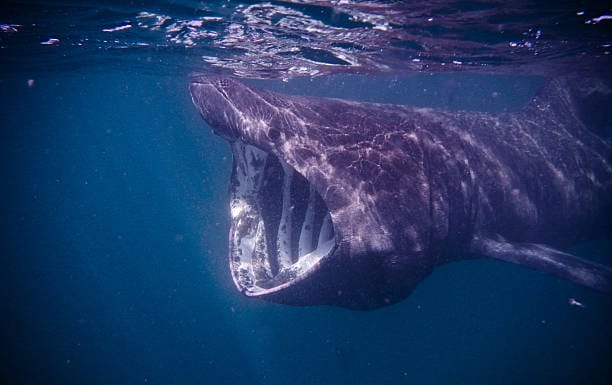
Basking Shark (Cetorhinus maximus) is the second-largest fish on Earth, right after the whale shark. Reaching lengths of more than 25 feet, this giant looks intimidating at first glance. But like a slow-moving cloud in the sea, it is calm and harmless.
Basking sharks live in temperate oceans around the world. They are often seen near the surface with their huge mouths wide open, slowly filtering plankton from the water. Early sailors once mistook them for sea monsters because of their size and strange swimming style.
Their long gill slits almost circle the head, giving them a dramatic look. Inside, special gill rakers trap tiny organisms as water flows out. It is like dragging a fine net through the sea, but built into the shark itself.
Basking sharks migrate seasonally, following plankton blooms. For much of the year, they disappear into deeper waters, making their life cycle something of a mystery. Scientists are still piecing together where they go and what they do when out of sight.
Despite their size, basking sharks are gentle and slow swimmers. Divers who meet one often describe the moment as peaceful, almost magical. Seeing such a massive animal move so quietly reminds us that power does not always mean aggression.
Sadly, basking sharks have been heavily fished in the past for their liver oil and fins. Today, many countries protect them, giving this ocean giant a chance to recover.
7. Shortfin Mako Shark
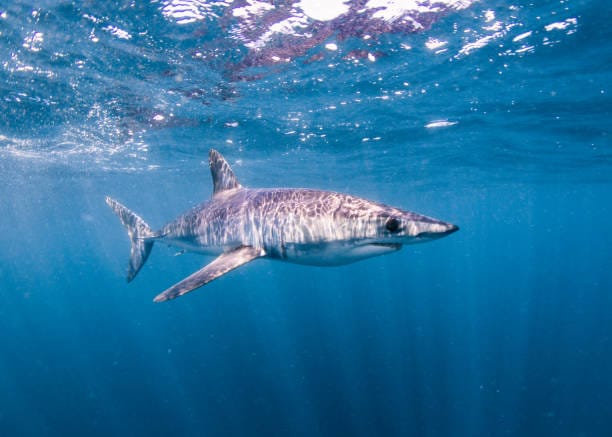
Shortfin Mako Shark (Isurus oxyrinchus) is often called the fastest shark in the sea. Built like a torpedo, this sleek predator can burst through the water at speeds over 40 miles per hour. If sharks had a racetrack, the mako would take the checkered flag.
Shortfin makos live in open oceans and temperate waters worldwide. They are rarely seen near shore, preferring the deep blue where schools of fast fish roam.
This shark has a pointed snout, large eyes, and a crescent-shaped tail designed for speed. Its smooth, metallic-blue back fades to white underneath, giving it a polished look, almost like a racing car of the ocean.
Makos hunt agile prey such as tuna, swordfish, and mackerel. They are known for spectacular leaps, sometimes launching themselves several feet into the air after being hooked or while chasing prey. It is a reminder of just how much energy they pack.
Shortfin makos are warm-bodied sharks, able to keep parts of their muscles warmer than the surrounding water. This gives them extra power and endurance, much like an athlete warming up before a sprint.
Though powerful, makos are not common near swimmers. Their biggest threat today comes from overfishing, especially as bycatch in tuna fisheries. Protecting this speed champion helps keep ocean food webs in balance.
8. Longfin Mako Shark

Longfin Mako Shark (Isurus paucus) is the lesser-known cousin of the shortfin mako. It shares the same sleek shape but stands out with its longer pectoral fins and slightly larger eyes, giving it a graceful, almost gliding appearance.
This species lives mainly in deep offshore waters of tropical and subtropical oceans. Because it stays far from shore and dives deep, sightings are rare, and much of its life remains a mystery.
Longfin makos can reach lengths of about 14 feet. Their dark blue backs and lighter bellies help them blend into the open ocean, where light fades quickly with depth.
They likely feed on fast-moving fish and squid, using speed and sharp teeth to capture prey in the dark waters below the surface. Compared to their famous relatives, longfin makos seem more reserved, like a quiet sibling who avoids the spotlight.
Scientists know less about their breeding and migration than about many other sharks. Each new observation adds another piece to the puzzle, showing how much there is still to learn about deep-ocean life.
Because they are rarely targeted, longfin makos are not as well studied, but accidental capture remains a concern. Learning about them reminds us that even hidden sharks deserve attention and care.
9. Blue Shark

Blue Shark (Prionace glauca) is one of the most widespread sharks in the world. Slim, long, and elegant, it seems built for endless cruising across open oceans.
Blue sharks live in deep waters of tropical and temperate seas. They often travel in loose groups, sometimes forming schools of dozens or even hundreds, a rare sight among large sharks.
Their deep blue back fades to a bright white belly, giving them their name. Long, narrow pectoral fins help them glide efficiently, almost like wings, as they move through the water.
They feed mainly on squid and small fish, but will also take crustaceans and carrion when available. Blue sharks are active hunters, often moving between surface waters at night and deeper zones during the day.
Despite their graceful look, blue sharks are tough survivors, able to roam huge distances in search of food. Some individuals have been tracked crossing entire ocean basins, a true marine road trip.
Blue sharks are among the most commonly caught sharks worldwide, largely due to fishing pressure. Even though they are still numerous, this level of capture raises concern for the future of this ocean wanderer.
10. Oceanic Whitetip Shark

Oceanic Whitetip Shark (Carcharhinus longimanus) is a symbol of the open sea. With its long, rounded fins tipped in white, this shark looks like it was painted by the waves themselves.
It lives far from land in warm, tropical oceans, often where the water seems endless in every direction. In such empty places, any floating object can become a gathering point for life, and oceanic whitetips are quick to investigate.
This species grows to about 11 feet and has a stocky body built for steady cruising rather than bursts of speed. It moves with slow confidence, conserving energy in the vast blue desert.
Oceanic whitetips eat fish, squid, rays, and carrion. They are bold scavengers and will follow ships, hoping for scraps. Old sailors called them “sea dogs” because of this loyal trailing behavior.
In the past, they were among the most common sharks in tropical seas. Today, their numbers have dropped sharply due to fishing, making sightings less frequent than they once were.
Understanding this shark’s role as an open-ocean scavenger shows how even in the emptiest waters, predators help keep life cycling.
11. Scalloped Hammerhead Shark

Scalloped Hammerhead Shark (Sphyrna lewini) is one of the most well-known hammerhead species, named for the curved indentations along the front edge of its head.
Found in warm coastal waters and around islands worldwide, scalloped hammerheads often form large schools during the day, sometimes numbering in the hundreds. Seeing such a group is like watching a fleet of underwater gliders.
Adults can reach about 14 feet long. Their wide-set eyes give excellent vision, while their special sensors help locate prey hiding under sand or rocks.
They feed on fish, squid, and rays, often hunting at night before returning to schools by day. This daily rhythm gives them both social time and hunting time, a balanced shark lifestyle.
Scalloped hammerheads are strong swimmers and can migrate across oceans. Sadly, heavy fishing pressure has caused serious population declines, making conservation efforts crucial.
Learning about this social hammerhead helps us appreciate that sharks are not just lone hunters, but sometimes community members of the sea.
12. Smooth Hammerhead Shark

Smooth Hammerhead Shark (Sphyrna zygaena) looks similar to the scalloped hammerhead but has a smoother, straighter front edge to its head, giving it a cleaner profile.
This species prefers cooler waters than many other hammerheads and can be found in temperate seas around the world. It sometimes ventures far from shore into open waters.
Smooth hammerheads can grow up to 16 feet long. Their bodies are streamlined, built for long-distance travel and steady swimming.
They hunt fish, squid, and rays, using their wide heads to sense hidden prey. Like other hammerheads, they often swim in schools, especially when young.
These sharks are known to migrate seasonally, following temperature changes and food supplies. It is like an annual ocean commute, guided by instinct.
Though less famous than their scalloped relatives, smooth hammerheads are just as important in maintaining balance in marine ecosystems.
13. Bonnethead Shark

Bonnethead Shark (Sphyrna tiburo) is the smallest member of the hammerhead family, usually growing only about 3 to 4 feet long. Its head is shaped more like a shovel than a hammer, giving it a friendly, curious look.
Bonnetheads live in warm, shallow waters of the western Atlantic and eastern Pacific, often near seagrass beds and sandy bottoms.
They have an unusual diet for a shark. Along with crabs and small fish, bonnetheads eat seagrass. Scientists believe they can digest some of it, making them one of the few sharks known to be partly omnivorous.
These sharks often swim in small groups and are common in bays and estuaries. Because of their size and calm nature, they are rarely seen as a threat.
Bonnetheads show that hammerheads are not all giants. Some are small, social, and surprisingly flexible in their food choices.
14. Winghead Shark

Winghead Shark (Eusphyra blochii) has the widest head of any hammerhead species, sometimes nearly half the length of its body. This gives it a dramatic, almost comical appearance, like it is wearing an oversized helmet.
Winghead sharks live in shallow coastal waters of the Indo-Pacific region, often near mangroves and muddy bottoms.
They usually grow up to about 6 feet long and feed on small fish and crustaceans. Their wide heads provide excellent sensory coverage, helping them locate prey in cloudy water.
Because they stay close to shore, winghead sharks are more exposed to fishing and habitat loss. Their limited range makes them especially vulnerable.
Not much is known about their behavior, but every new study helps fill in the story of this unusual hammerhead cousin.
15. Nurse Shark

Nurse Shark (Ginglymostoma cirratum) is the laid-back resident of coral reefs and lagoons. With a broad head, small eyes, and a calm nature, it looks like the sleepy cat of the shark world.
Nurse sharks live in warm, shallow waters of the Atlantic and eastern Pacific. During the day, they often rest in groups under ledges or in caves, piled together like a stack of logs.
Growing up to about 10 feet long, nurse sharks feed mainly on fish, crustaceans, and mollusks. They use suction to pull prey from crevices, a handy trick when dinner hides in tight spaces.
At night, nurse sharks become more active, cruising slowly over the bottom in search of food. Their barbels, small whisker-like organs near the mouth, help sense prey in the dark.
Nurse sharks are usually calm around humans and often allow close observation. Still, like any wild animal, they should be respected, especially when resting.
This relaxed shark reminds us that not every predator needs to rush. Sometimes, slow and steady works just fine.
16. Tawny Nurse Shark

Tawny Nurse Shark (Nebrius ferrugineus) is a close relative of the nurse shark, found mainly in the Indo-Pacific region. It shares the same calm style but has its own look and habits.
This species lives around coral reefs, sandy flats, and lagoons, often resting on the bottom during the day. Its brownish color helps it blend in with the seafloor, like a living shadow.
Tawny nurse sharks can grow up to about 10 feet long and feed on fish, squid, and invertebrates. Like their Atlantic cousins, they use suction to capture prey hiding in cracks.
They are mostly nocturnal, becoming active after sunset. Divers sometimes spot them gliding slowly over reefs at night, giving the scene a peaceful, almost dreamlike feel.
Although generally gentle, tawny nurse sharks can defend themselves if bothered. Giving them space keeps both shark and swimmer safe.
With their calm behavior and reef-dwelling life, tawny nurse sharks show another friendly face among the many Types of Sharks that share our oceans.
17. Blacktip Reef Shark

Blacktip Reef Shark (Carcharhinus melanopterus) is one of the most familiar sharks on tropical reefs. With its black-tipped fins cutting through shallow water, it often becomes the first shark many snorkelers ever see.
This species lives in warm Indo-Pacific waters, especially around coral reefs, lagoons, and sandy flats. They prefer shallow zones and sometimes cruise in water so thin you could almost walk across it.
Blacktip reef sharks usually grow to about 5 or 6 feet long. Their slender bodies and alert movements give them a lively, curious look, like the neighborhood watch of the reef.
They feed on small fish, squid, and crustaceans, often hunting in quick bursts. When excited, they may arch their backs and lower their fins, a clear signal that they want space.
These sharks are active during the day and night, often patrolling the same reef areas again and again. Many individuals show strong site loyalty, returning to favorite spots like regular customers at a café.
Blacktip reef sharks are usually shy around humans and prefer to keep a safe distance. Their presence adds life to coral reefs and reminds us how rich shallow seas can be.
18. Blacktip Shark

Blacktip Shark (Carcharhinus limbatus) looks similar to its reef cousin but lives a more open lifestyle. It is known for dramatic spinning leaps when feeding, a behavior that gives this shark its flair.
Blacktip sharks inhabit warm coastal waters around the world and are often found near beaches, bays, and river mouths. They can tolerate lower salinity, sometimes venturing into estuaries.
Growing up to about 8 feet long, blacktip sharks have slim bodies and pointed snouts. The dark tips on their fins make them easy to recognize, especially when they leap clear of the water.
They feed mainly on schooling fish like mullet and sardines. During feeding frenzies, several blacktips may chase prey together, spinning and splashing in a burst of action.
Blacktip sharks migrate seasonally, following warm waters and food supplies along coastlines. It is like an annual coastal road trip guided by instinct.
These sharks are important predators in nearshore ecosystems, helping keep fish populations balanced.
19. Caribbean Reef Shark
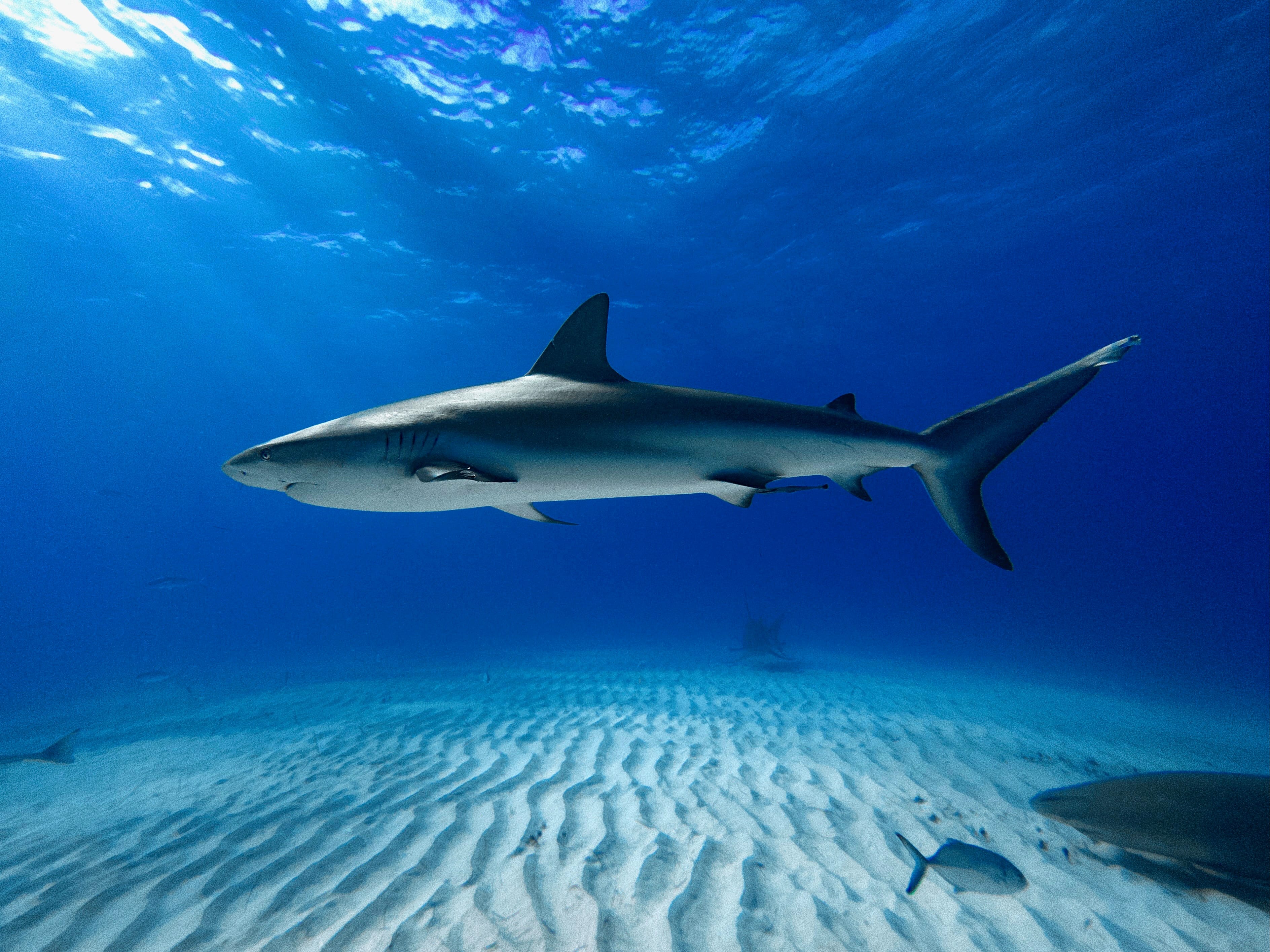
Caribbean Reef Shark (Carcharhinus perezi) is a familiar sight in the clear blue waters of the western Atlantic. It often glides calmly along coral walls, giving divers a classic reef shark experience.
This species lives around coral reefs and drop-offs in the Caribbean Sea and nearby Atlantic waters. It prefers clear water where its smooth, confident swimming style stands out.
Caribbean reef sharks can reach about 10 feet in length. They have sturdy bodies, rounded snouts, and dark fin edges that set them apart from similar species.
They feed on reef fish, rays, and smaller sharks, often hunting at night. By day, they cruise slowly or rest near ledges, keeping an eye on their territory.
These sharks show curiosity toward divers but usually keep a respectful distance. Their calm presence often becomes a highlight of reef dives.
As top predators, Caribbean reef sharks help maintain healthy coral ecosystems by controlling mid-level fish populations.
20. Grey Reef Shark
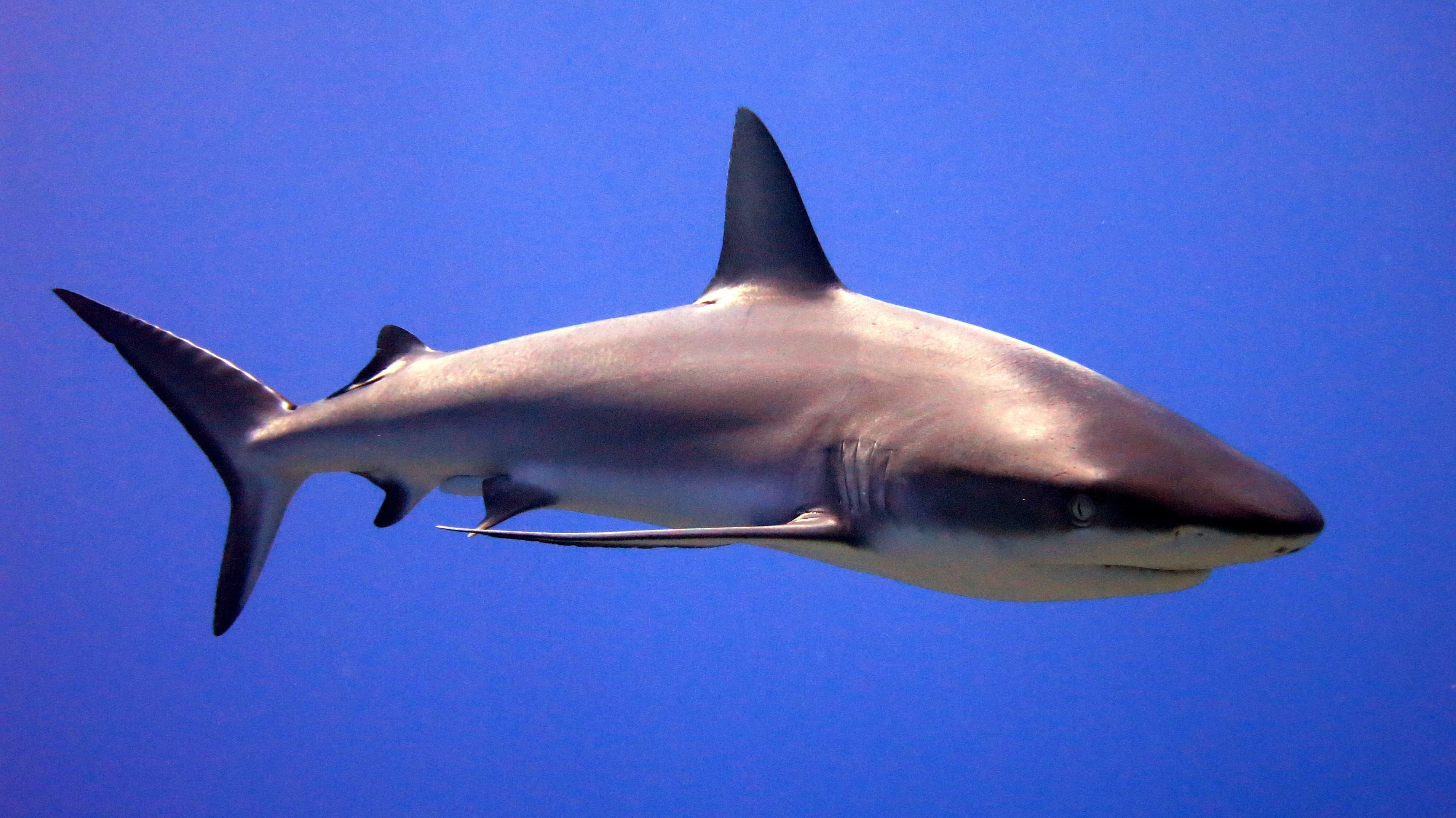
Grey Reef Shark (Carcharhinus amblyrhynchos) is one of the most common sharks on Indo-Pacific reefs. Quick, alert, and social, it adds energy to tropical underwater scenes.
Grey reef sharks live around coral reefs, passes, and outer slopes, especially where currents bring plenty of food. They like places with moving water, as if enjoying an ocean breeze.
They grow to about 8 feet long and have streamlined bodies built for agile swimming. A white underside and darker gray back help them blend into reef backgrounds.
These sharks feed on fish, squid, and crustaceans, often hunting at dawn and dusk. During the day, they may gather in loose groups near reef drop-offs.
When feeling threatened, grey reef sharks display a warning posture, arching their backs and lowering pectoral fins. It is their way of saying, “Let’s keep this friendly.”
Their strong presence shows how lively and balanced reef systems can be when predators thrive.
21. Silvertip Shark

Silvertip Shark (Carcharhinus albimarginatus) stands out with bright white edges on its fins, giving it a polished, eye-catching look in clear water.
This species lives around coral reefs and offshore islands in tropical oceans, often near deep drop-offs where reef meets open sea.
Silvertip sharks can reach lengths of about 10 feet. They are powerful swimmers with broad fins and thick bodies, built for patrolling reef edges.
They feed on fish, rays, and smaller sharks, often hunting in deeper water before moving onto reefs. Their bold nature means they are not shy about approaching unfamiliar sights.
Divers sometimes describe silvertips as confident and curious, making encounters exciting but requiring respect and calm behavior.
These sharks link reef and open-ocean food webs, showing how connected marine habitats truly are.
22. Silky Shark

Silky Shark (Carcharhinus falciformis) gets its name from its smooth skin, which feels almost like fine sandpaper compared to other sharks.
Silky sharks roam warm open oceans worldwide and often follow schools of tuna. Where there is tuna, a silky shark may not be far behind.
They grow up to about 11 feet long and have slender bodies with long, curved fins. Their dark, silky-gray backs blend perfectly with deep blue water.
Silkies feed on fish, squid, and crustaceans, hunting both day and night. They are active swimmers, rarely sitting still, like marathon runners of the sea.
These sharks are highly social and may gather in large numbers around food sources or floating objects.
Heavy fishing pressure has reduced silky shark populations in many regions, making conservation a growing concern.
23. Dusky Shark

Dusky Shark (Carcharhinus obscurus) is a large, slow-growing coastal shark known for its broad head and calm cruising style.
Dusky sharks live in warm temperate and tropical waters worldwide, often near continental shelves and offshore islands.
They can reach over 13 feet in length and have thick bodies with dark gray coloring. Their size gives them a solid, steady presence in the water.
Dusky sharks feed on fish, rays, squid, and occasionally smaller sharks. They hunt mainly near the bottom but also take prey in mid-water.
Because they grow slowly and have few pups, dusky sharks are vulnerable to overfishing. Many populations have declined over recent decades.
Protecting this slow-maturing shark is vital for keeping coastal food webs balanced.
24. Spinner Shark
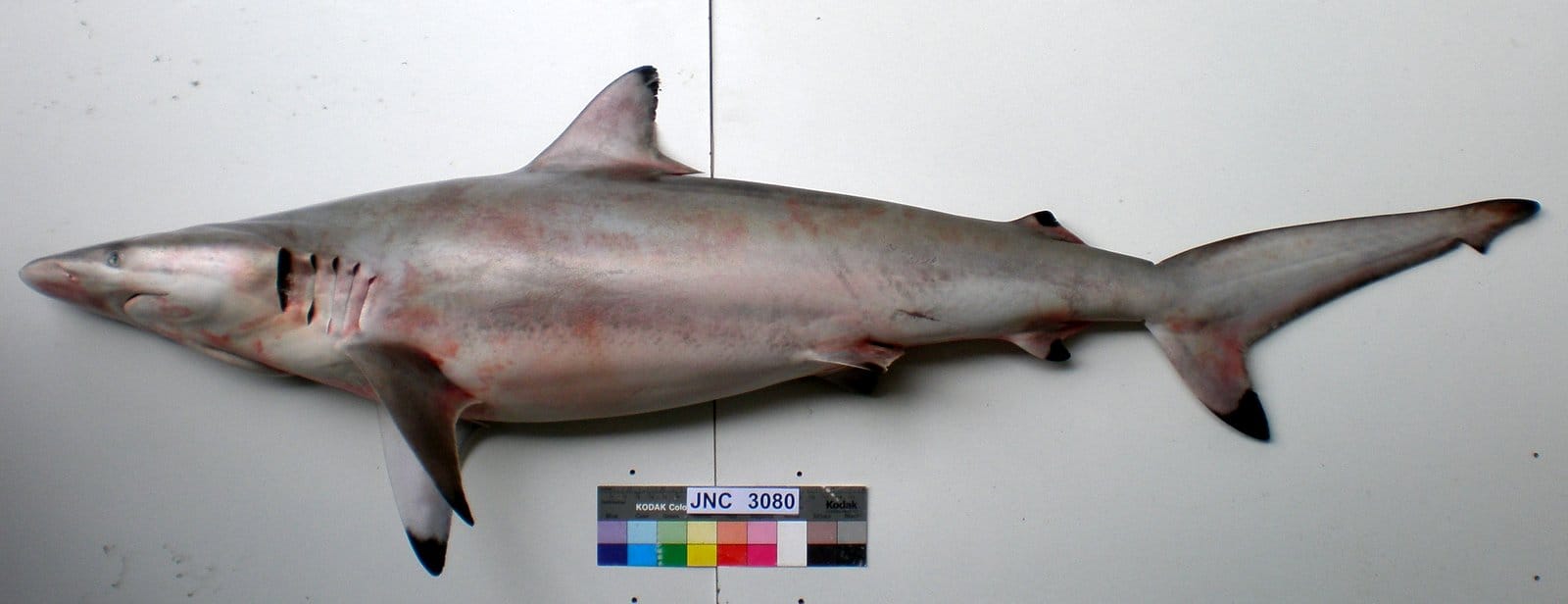
Spinner Shark (Carcharhinus brevipinna) is famous for its acrobatic feeding style. When chasing fish, it often spins through the air, twisting like a silver ribbon above the waves.
This species lives in warm coastal waters around the world and is common near beaches and bays.
Spinner sharks grow to about 8 feet long and look similar to blacktip sharks, though their snouts are longer and more pointed.
They feed mainly on schooling fish, charging into groups and snapping rapidly. The spinning leap likely helps them grab prey while stunning fish below.
These sharks migrate along coastlines, following warm currents and fish movements, much like seasonal travelers.
Watching spinner sharks in action is a reminder that sharks can be both powerful and surprisingly graceful.
25. Sand Tiger Shark

Sand Tiger Shark (Carcharias taurus) has a fierce look, with long, needle-like teeth that stick out even when its mouth is closed. Yet behind that grin is a calm and slow-moving shark.
Sand tiger sharks live in temperate and subtropical coastal waters worldwide, often near sandy bottoms, reefs, and shipwrecks.
They grow up to about 10 feet long and have bulky bodies with brownish spots on their sides, giving them a rugged appearance.
These sharks feed on fish, rays, and squid, often hunting at night. During the day, they may hover almost motionless, a skill helped by gulping air to control buoyancy.
Sand tiger sharks are often seen by divers resting near wrecks, creating an unforgettable sight, like ancient guardians of sunken ships.
Despite their scary teeth, they are generally calm and tolerant around people.
26. Sandbar Shark

Sandbar Shark (Carcharhinus plumbeus) is a classic coastal shark, known for its tall dorsal fin and steady swimming style.
This species lives in warm temperate and tropical waters worldwide, especially over sandy bottoms and continental shelves.
Sandbar sharks can reach about 8 feet in length and have thick, sturdy bodies. Their high first dorsal fin makes them easy to identify from a distance.
They feed on fish, rays, and crustaceans, often hunting near the bottom. Juveniles use shallow bays as nursery areas, where they find shelter and food.
Sandbar sharks often form groups, especially when young, showing that some sharks enjoy company.
They have been heavily fished in the past, leading to declines in many areas, though management has helped some populations recover.
27. Lemon Shark
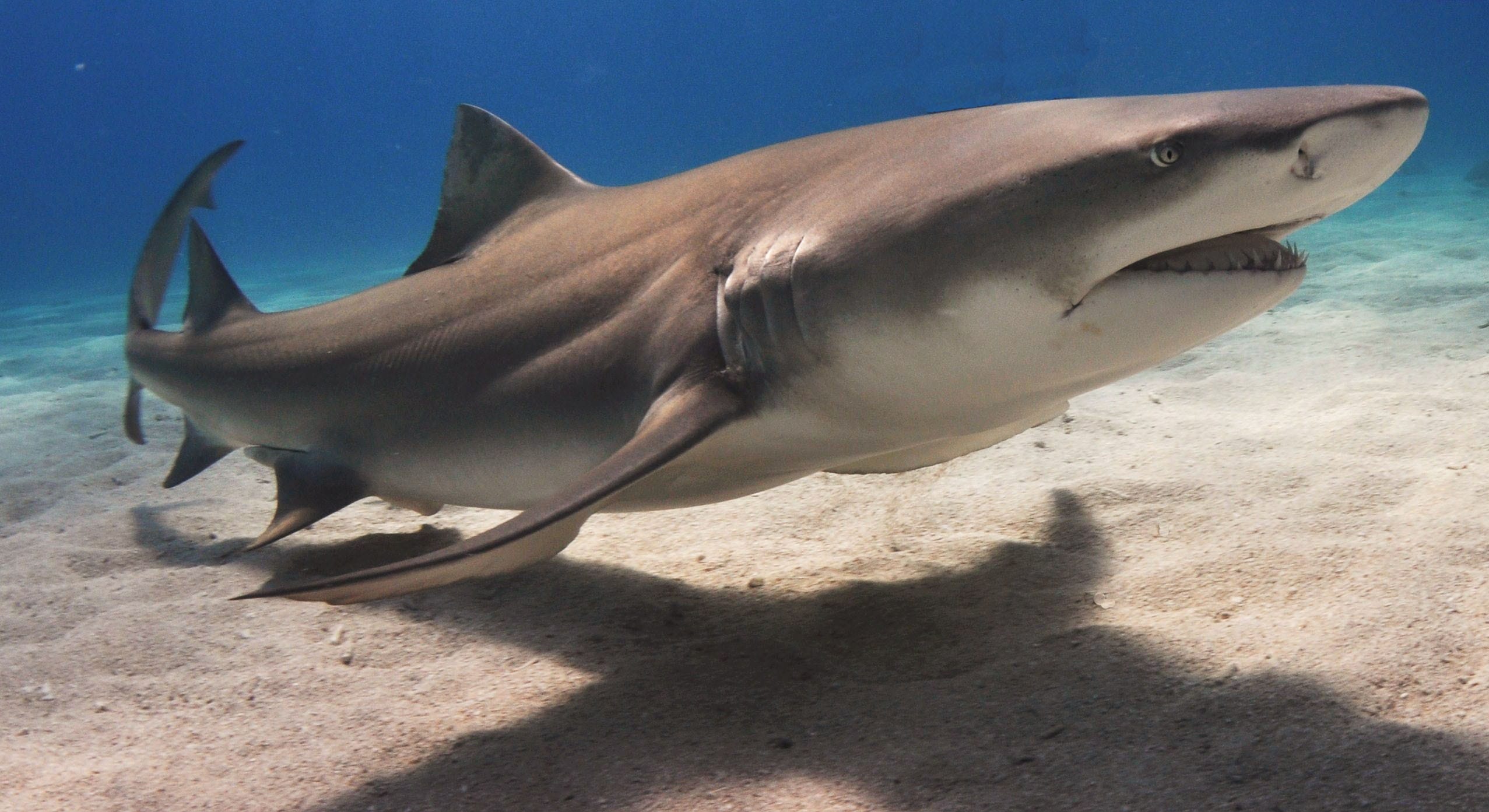
Lemon Shark (Negaprion brevirostris) gets its name from its yellowish-brown color, which blends well with sandy coastal waters.
Lemon sharks live in warm shallow waters of the western Atlantic and eastern Pacific, often near mangroves, seagrass beds, and coral reefs.
They grow up to about 11 feet long and have broad heads with small eyes, giving them a sturdy, grounded look.
Lemon sharks feed on fish, rays, and crustaceans. They are known for strong social behavior, sometimes forming loose groups and returning to the same areas year after year.
These sharks have been studied closely in places like the Bahamas, helping scientists learn about shark learning and memory.
Their calm nature and site loyalty make lemon sharks favorites among researchers and divers alike.
28. Leopard Shark

Leopard Shark (Triakis semifasciata) is named for the dark saddle-like markings along its back, which resemble the spots of a leopard.
This species lives along the Pacific coast of North America, especially in shallow bays, estuaries, and near kelp forests.
Leopard sharks usually reach about 6 feet in length and are slender, with long tails and smooth swimming movements.
They feed on crabs, clams, shrimp, and small fish, often rooting through sandy bottoms like underwater foragers.
Leopard sharks are common in calm, shallow waters and are often seen by beachgoers and kayakers. They are shy and usually swim away when approached.
These sharks show how coastal waters can be home to gentle and approachable shark species.
29. Atlantic Sharpnose Shark

Atlantic Sharpnose Shark (Rhizoprionodon terraenovae) is a small, lively shark often found close to shore in the western Atlantic.
It lives in warm coastal waters, bays, and estuaries, sometimes in large groups that move with tides and seasons.
Growing to about 4 feet long, this shark has a pointed snout and slim body, making it quick and agile.
Atlantic sharpnose sharks feed on small fish, shrimp, and squid. They are active hunters, darting through shallow water in search of prey.
Because of their size, they pose little risk to humans and often become bycatch in small fisheries.
They are an important food source for larger sharks, linking small coastal life to bigger ocean predators.
30. Pacific Sharpnose Shark

Pacific Sharpnose Shark (Rhizoprionodon longurio) is the eastern Pacific counterpart of the Atlantic sharpnose, sharing a similar shape and lifestyle.
This species lives along the Pacific coasts of the Americas, from the Gulf of California to parts of South America, favoring shallow coastal waters.
Pacific sharpnose sharks grow to about 4 feet long and have slender bodies with long, pointed snouts that help them snap up small prey.
They feed mainly on small fish, squid, and crustaceans, often hunting in groups near the bottom or in mid-water.
These sharks are fast-growing and short-lived, traits that help their populations recover more quickly than larger sharks.
As active members of nearshore ecosystems, Pacific sharpnose sharks show that even small sharks play big roles in the story of Sharks.
31. Copper Shark (Bronze Whaler)
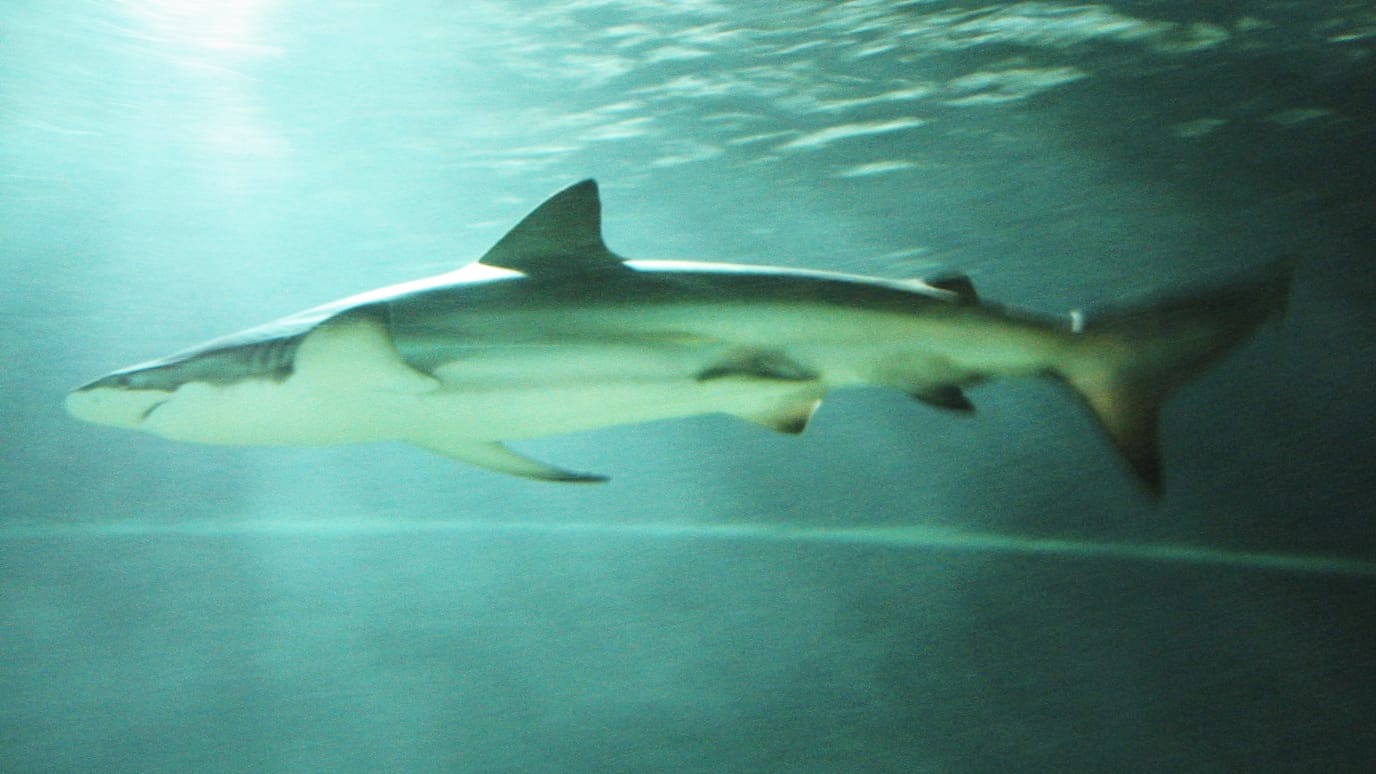
The Copper Shark, often called the Bronze Whaler, is a sleek, powerful coastal species found in temperate waters around the world. It earns its name from the warm bronze sheen along its back, which glows beautifully in sunlight. This shark is an active swimmer, cruising beaches, bays, and offshore reefs in search of fish and squid.
Copper Sharks can grow over 11 feet long and are known for seasonal migrations that sometimes bring large groups close to shore. Despite their size, they are usually cautious around people. Think of them as confident surfers of the sea—always on the move, rarely standing still.
In ecosystems, Copper Sharks play an important role by keeping fish populations balanced. Their presence is often a sign of healthy coastal waters.
32. Galapagos Shark

The Galapagos Shark is a sturdy, broad-bodied species commonly seen around remote islands and coral reefs. Named after the famous archipelago, this shark enjoys clear, warm waters where reef fish are plentiful. It has a classic shark look: a tall dorsal fin, rounded snout, and calm but alert posture.
Often swimming in small groups, Galapagos Sharks show curiosity, sometimes circling divers from a respectful distance. One might compare them to quiet guards of the reef, always watching, rarely rushing.
As mid-level predators, they help keep reef communities in balance, preventing any single species from taking over.
33. Bignose Shark

The Bignose Shark stands out for its long, wide snout, which gives it a slightly comical yet memorable appearance. Found in deeper offshore waters, this shark uses its sensitive nose to detect faint electrical signals from hidden prey.
Usually living along continental slopes, Bignose Sharks are rarely seen by humans. They prefer the dim blue of deeper seas, where fish and cephalopods make up most of their meals.
Though not famous, this species reminds us that many Types of Sharks live far from beaches, quietly shaping ocean life out of sight.
34. Night Shark

The Night Shark is a true ocean wanderer, most active after sunset, as its name suggests. By day, it cruises deeper waters; by night, it rises closer to the surface to hunt schooling fish and squid.
Slender and fast, the Night Shark can reach around 9 feet in length. Its large eyes help it see in low light, giving it an edge during nighttime hunts. One could say it works the late shift while the reef sleeps.
Although rarely encountered by swimmers, the Night Shark plays a key role in open-ocean food webs.
35. Whitetip Reef Shark

The Whitetip Reef Shark is one of the most familiar faces on tropical reefs. Smaller and more relaxed than many Sharks, it often rests motionless on the seafloor during the day, using buccal pumping to breathe.
At night, it becomes lively, weaving through coral crevices in search of small fish and crustaceans. Its white-tipped fins make it easy to spot, even in fading light.
Friendly in appearance and calm in behavior, this species is a favorite among divers and a gentle ambassador for the many Types of Sharks living on coral reefs.
36. Blacknose Shark

The Blacknose Shark is easy to recognize thanks to the dark smudge on the tip of its snout, as if it dipped its nose in ink. This small coastal shark lives in warm Atlantic waters, often near sandy bottoms, seagrass beds, and coral reefs.
Growing to about 5 feet long, it feeds mainly on small fish and crustaceans. Its slim body allows it to glide smoothly through shallow water, where one might spot it darting away like a shy guest at a beach party.
Blacknose Sharks are harmless to people and serve as helpful indicators of healthy coastal habitats.
37. Finetooth Shark
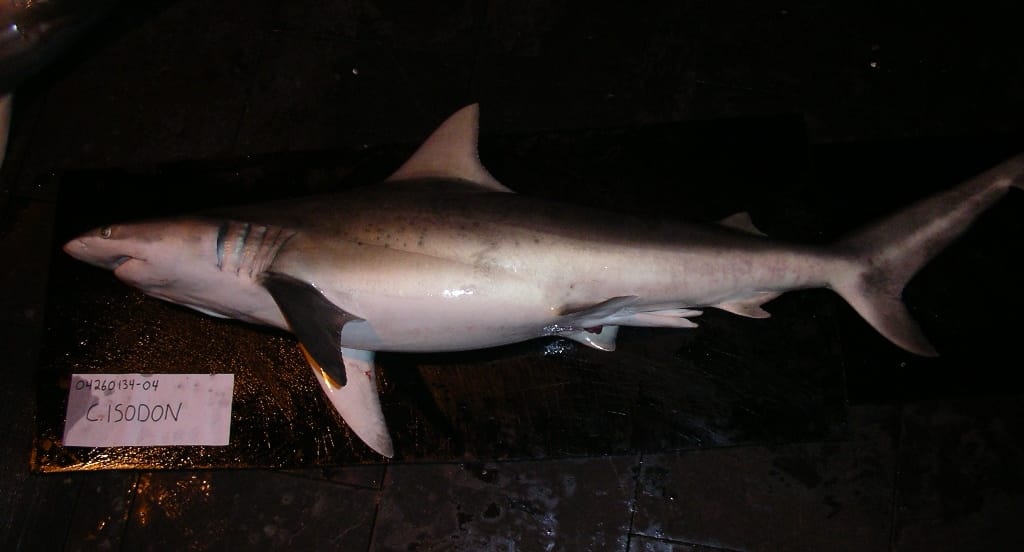
The Finetooth Shark is a fast, slender species known for its finely serrated teeth, perfect for gripping slippery fish. Found in the western Atlantic and Gulf of Mexico, it often travels in groups, especially during seasonal migrations.
These Sharks usually measure around 5 to 6 feet long and favor shallow coastal waters. When feeding, they may rush through schools of fish in quick bursts, a bit like silver arrows slicing through water.
Although active and energetic, Finetooth Sharks rarely interact with humans and are more interested in their next meal.
38. Pondicherry Shark

The Pondicherry Shark is one of the least known and most mysterious Sharks, native to coastal and river-influenced waters of South Asia. With a slim body and pointed snout, it resembles other small requiem sharks but remains poorly studied.
Sadly, this species has not been reliably seen for decades and may be extremely rare. If it still survives, it likely patrols muddy estuaries and nearshore waters, hunting small fish.
The story of the Pondicherry Shark is a quiet reminder of how fragile marine life can be when habitats change too quickly.
39. Smalltail Shark

The Smalltail Shark gets its name from its relatively short upper tail fin, which sets it apart from many similar species. It lives in the tropical western Atlantic, often close to muddy river mouths and shallow coastal zones.
This shark grows up to about 6 feet long and feeds on fish and invertebrates found near the seabed. Its preference for murky water makes it a creature of shadows, rarely seen but steadily working its patch of ocean.
Smalltail Sharks help keep coastal ecosystems balanced by controlling smaller prey species.
40. Daggernose Shark

The Daggernose Shark is striking, with a long, flattened snout shaped like a blade. Found mainly off the northern coast of South America, it favors turbid, sediment-rich waters where few other large Sharks roam.
Reaching lengths of around 5 feet, this species uses its unusual nose to sense prey hidden in cloudy water. Its narrow head gives it a sharp, focused look, like a detective always on duty.
Now considered critically endangered, the Daggernose Shark highlights the urgent need for coastal conservation.
41. Porbeagle Shark

The Porbeagle Shark is a powerful, cold-water relative of the great white, built like a torpedo for speed. Found in the North Atlantic and Southern Hemisphere, it thrives in cool, open seas.
Porbeagles can reach 12 feet and are famous for their strength and agility. They hunt fast fish such as mackerel and herring, often leaping from the water in spectacular bursts.
Among pelagic Types of Sharks, the Porbeagle stands out as a true athlete of the ocean.
42. Salmon Shark

The Salmon Shark is the Porbeagle’s Pacific cousin, living in the chilly waters of the North Pacific Ocean. It is named for its favorite prey—salmon—which it pursues with remarkable speed.
This shark can maintain a body temperature warmer than the surrounding water, giving it an advantage in cold seas. Think of it as wearing a built-in thermal jacket while chasing dinner.
Strong, fast, and curious, the Salmon Shark is a top predator in northern marine ecosystems.
43. Thresher Shark

The Thresher Shark is famous for its extremely long tail, sometimes as long as its body. This unusual feature is not just for show—it uses the tail like a whip to stun schools of fish.
Living in open oceans and along continental shelves, Threshers grow up to 20 feet when the tail is included. Watching one hunt is like seeing a skilled martial artist in action, precise and controlled.
Graceful and impressive, the Thresher is one of the most iconic Sharks in the sea.
44. Bigeye Thresher Shark

The Bigeye Thresher Shark shares the long tail of its relatives but is easy to spot by its enormous eyes. These eyes help it see in deep, low-light waters where it often hunts during the day.
At night, it may rise closer to the surface to feed on squid and small fish. Its deep-sea habits mean encounters are rare, adding to its mysterious charm.
This species shows how Sharks adapt in clever ways to life far below sunlight.
45. Pelagic Thresher Shark

The Pelagic Thresher Shark is the most ocean-loving member of the thresher family, spending much of its life in open waters far from land. Slim and elegant, it glides through blue seas with slow, steady movements.
Like its cousins, it uses its long tail to strike prey, often hunting alone or in small groups. Its calm nature and striking shape make it a favorite subject for underwater photographers.
With its sweeping tail and gentle presence, the Pelagic Thresher closes this section of our guide to the diverse Types of Sharks that roam the oceans.
“`html
46. Goblin Shark
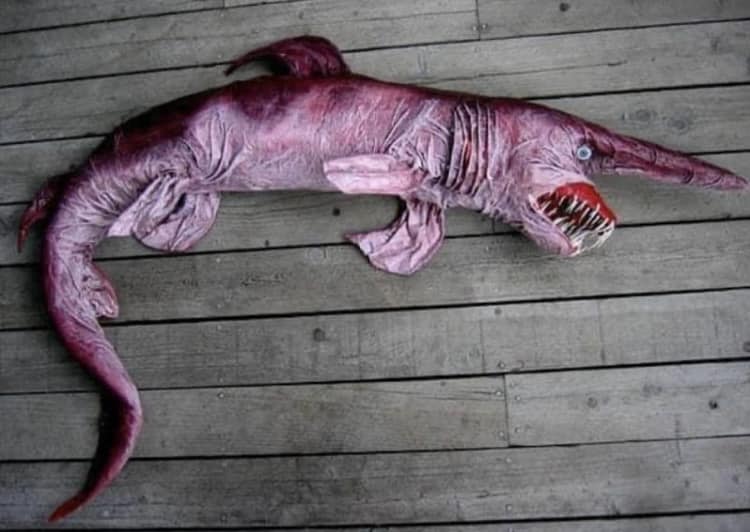
The Goblin Shark is often called a “living fossil” because its lineage stretches back millions of years. Its most distinctive feature is a protruding, flattened snout that houses highly extendable jaws filled with nail-like teeth.
Goblin Sharks live in deep, dark waters, often several hundred meters below the surface, making them rarely seen by humans. They feed on fish, squid, and crustaceans, using their extendable jaws to snatch prey quickly in the dim depths.
Despite their eerie appearance, goblin sharks are slow-moving and pose no threat to humans. Their unique adaptations are perfect examples of deep-sea survival strategies.
47. Megamouth Shark

The Megamouth Shark is a gentle giant of the deep sea, rarely exceeding 18 feet in length. Named for its huge, wide mouth, it filters plankton and tiny fish much like the basking shark or whale shark.
Megamouths are extremely elusive, living in mesopelagic zones, and were only discovered in 1976. Their large lips and soft body allow them to feed efficiently while conserving energy in deep waters.
Encounters are incredibly rare, making the Megamouth Shark a mysterious ambassador of the ocean’s twilight zone.
48. Frilled Shark

The Frilled Shark has an ancient, eel-like appearance, with long, flexible bodies and frilly gills that give it a distinctive, almost dragon-like look. It is often called a “living fossil” due to its primitive features.
It inhabits deep, offshore waters and uses its serpentine body to ambush prey such as squid and small fish. Frilled Sharks can grow over 6 feet long, slithering silently through the dark ocean depths.
Its unusual design and ancient lineage make it a fascinating example of how life adapts in remote marine habitats.
49. Greenland Shark

The Greenland Shark is a colossal, slow-moving predator of the Arctic and North Atlantic Oceans. It grows up to 21 feet long and can live for over 400 years, making it one of the longest-living vertebrates on Earth.
This shark feeds mainly on fish and carrion, often swimming sluggishly in frigid waters. Its slow metabolism and cold habitat allow it to survive in extreme environments where few other predators venture.
The Greenland Shark’s mysterious lifestyle and impressive longevity make it a living testament to the resilience of marine life.
50. Pacific Sleeper Shark

The Pacific Sleeper Shark inhabits deep, cold waters of the North Pacific. True to its name, it is slow-moving and patient, often drifting along continental slopes and deep basins.
Growing up to 14 feet long, it feeds on fish, squid, and carrion, using stealth rather than speed to capture prey. Its dark, muted colors help it blend into shadowy waters.
Encounters are rare, but when seen, Pacific Sleeper Sharks demonstrate how adaptable some species are to cold, deep environments.
51. Cookiecutter Shark

The Cookiecutter Shark is a small, fascinating predator that leaves round, cookie-shaped wounds on larger animals. It lives in tropical and subtropical oceans, mostly at depths of 100 to 3,500 meters.
These sharks grow to just under 2 feet long but punch above their weight by feeding on much larger creatures, including whales and tuna. They attach to prey and twist to remove a plug of flesh, hence their amusing name.
Though tiny, the Cookiecutter Shark plays a unique role in deep-sea food webs, showing that size doesn’t always determine impact.
52. Kitefin Shark

The Kitefin Shark is one of the deeper-dwelling sharks, found between 200 and 1,000 meters below the surface in tropical and temperate oceans. It is a bioluminescent species, capable of producing light along its body to lure prey.
Growing up to 4 feet, Kitefin Sharks feed on squid, small fish, and other invertebrates. Their glowing features make them effective nocturnal hunters in near-total darkness.
These sharks are an excellent example of deep-sea innovation, using light in the blackest corners of the ocean to survive and thrive.
53. Gulper Shark

The Gulper Shark is a slow-moving deep-water predator with a huge, distensible mouth. It can swallow prey nearly half its own size, including squid and fish, in a single gulp.
Gulpers live in temperate and tropical deep waters, often far offshore. They grow up to 12 feet long and move gracefully despite their size, relying on patience rather than speed to feed.
Like many deep-sea sharks, they are rarely encountered by humans but serve an important role in deep-ocean ecosystems.
54. Pygmy Shark

The Pygmy Shark is one of the smallest Sharks in the ocean, reaching just 20 inches in length. It is a deep-sea dweller, often found between 200 and 1,500 meters below the surface.
Despite its size, the Pygmy Shark is an active predator of small fish and squid. Its small size and bioluminescent organs help it navigate and hunt in dark waters.
This tiny shark highlights how even the smallest predators play a crucial role in marine ecosystems.
55. Crocodile Shark

The Crocodile Shark is a deep-sea species named for its long, narrow snout and rows of small, sharp teeth resembling a crocodile’s grin. It lives in tropical and subtropical waters at depths of 200–500 meters during the day, often rising closer to the surface at night.
It grows to about 4 feet and feeds mainly on squid, using stealth and speed to capture prey. Its dark coloring and slender body make it well-suited for life in dimly lit ocean layers.
The Crocodile Shark is another example of the diverse adaptations found in deep-sea Types of Sharks.
56. Broadnose Sevengill Shark

The Broadnose Sevengill Shark is a large, prehistoric-looking shark with seven gill slits instead of the usual five. It lives mainly in temperate coastal waters and estuaries, often near rocky reefs or kelp forests.
Growing up to 10 feet long, this shark has a stocky body and a broad, rounded head. Its slow, deliberate movements make it appear almost lumbering, yet it is an efficient predator of fish, rays, and smaller sharks.
Broadnose Sevengill Sharks are primarily nocturnal, hunting at night while resting during the day. Their ancient lineage makes them a fascinating glimpse into shark evolution.
57. Sharpnose Sevengill Shark

The Sharpnose Sevengill Shark is smaller and more streamlined than its broadnose relative. Found in the coastal waters of the western Atlantic and around South America, it prefers shallow bays and estuaries.
It reaches lengths of about 6 feet and has a pointed snout with seven gill slits. Its diet includes fish, crustaceans, and cephalopods. Unlike many sharks, it shows a surprising level of agility for such a primitive species.
Though less studied, the Sharpnose Sevengill plays an important role in maintaining coastal ecosystem balance.
58. Bluntnose Sixgill Shark

The Bluntnose Sixgill Shark is a deep-water giant that can reach lengths of over 20 feet. Named for its blunt snout and six gill slits, it inhabits continental slopes, submarine canyons, and deep offshore waters worldwide.
These sharks are slow-moving and primarily feed on fish, rays, and other sharks. Despite their intimidating size, they are generally not aggressive toward humans, preferring to cruise quietly through the depths.
The Bluntnose Sixgill represents one of the most ancient lineages of living sharks, giving scientists a living window into prehistoric marine life.
59. Bigeye Sixgill Shark

The Bigeye Sixgill Shark is similar to the bluntnose species but has noticeably larger eyes, adapted for deep, low-light environments. Found in the eastern Pacific and Indian Oceans, it is mostly encountered at depths of 500–1,500 meters.
Growing up to 15 feet, it hunts squid, deep-sea fish, and carrion. Its large eyes help detect subtle movements in the dim ocean layers, making it a stealthy and efficient predator.
Bigeye Sixgill Sharks are rarely seen by humans, reminding us of the mysteries that lie in the deep sea.
60. Angel Shark

Angel Sharks are flat-bodied sharks resembling rays, with broad pectoral fins and a camouflaged appearance that blends into sandy or muddy bottoms. They are ambush predators, lying in wait for fish and invertebrates.
Angel Sharks can reach about 6 feet long. Their wide heads and upward-facing eyes allow them to spot prey while remaining hidden. One might compare them to a trapdoor in the sand—still, patient, and ready to strike.
These sharks are found in shallow coastal waters across the Atlantic, Indian, and Pacific Oceans. Unfortunately, habitat loss and fishing have made some populations vulnerable.
61. Atlantic Angelshark
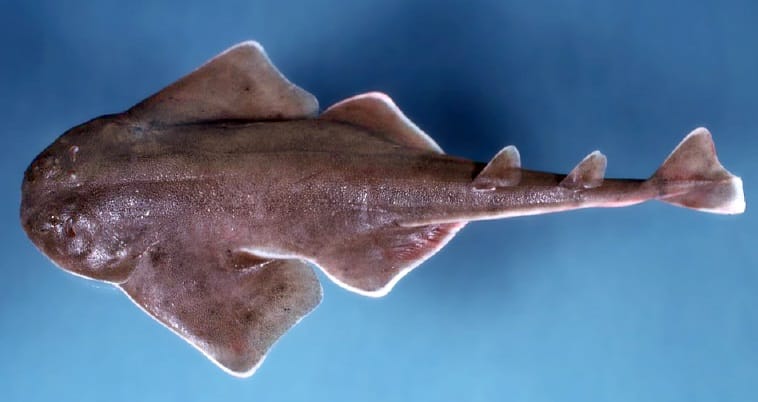
The Atlantic Angelshark is a regional variant of the angel shark family, native to the eastern and western Atlantic coasts. It shares the classic flattened body and ambush-hunting style of its relatives.
Reaching about 5–6 feet, Atlantic Angelsharks feed on fish, crustaceans, and mollusks. They bury themselves in sand near reefs or seagrass beds, striking suddenly when prey passes by.
Due to intensive fishing and habitat degradation, Atlantic Angelsharks are now considered critically endangered, highlighting the need for conservation.
62. Pacific Angelshark

The Pacific Angelshark is found along the eastern Pacific, from California to Chile. Its behavior and morphology are similar to other angel sharks, with a flat body and camouflaged coloration.
They feed mainly on small fish and invertebrates, often lying in wait partially buried in sand. Adults can reach lengths of about 6 feet, blending seamlessly with the ocean floor.
The Pacific Angelshark is also threatened by fishing and habitat changes, emphasizing the delicate balance in coastal ecosystems.
63. Spotted Wobbegong

The Spotted Wobbegong is a bottom-dwelling carpet shark, famous for its intricate patterns of spots and markings that provide perfect camouflage against reef and sandy bottoms. It is native to northern Australia and nearby islands.
Growing to about 8 feet, this shark uses ambush tactics to catch small fish and invertebrates. Its flattened body and fringed barbels around the mouth help lure prey close enough for a quick bite.
Wobbegongs are generally calm and slow-moving, a perfect example of patient hunting in shallow reefs.
64. Ornate Wobbegong

The Ornate Wobbegong is closely related to the spotted variety but is even more elaborately patterned, blending seamlessly with rocky reefs and coral environments. Found in Australian waters, it can reach about 9 feet long.
Like other wobbegongs, it is an ambush predator. Its broad body and wide mouth allow it to swallow prey efficiently, while its decorative skin pattern acts as camouflage against predators and prey alike.
Ornate Wobbegongs demonstrate the effectiveness of stealth and patience in shark hunting strategies.
65. Zebra Shark
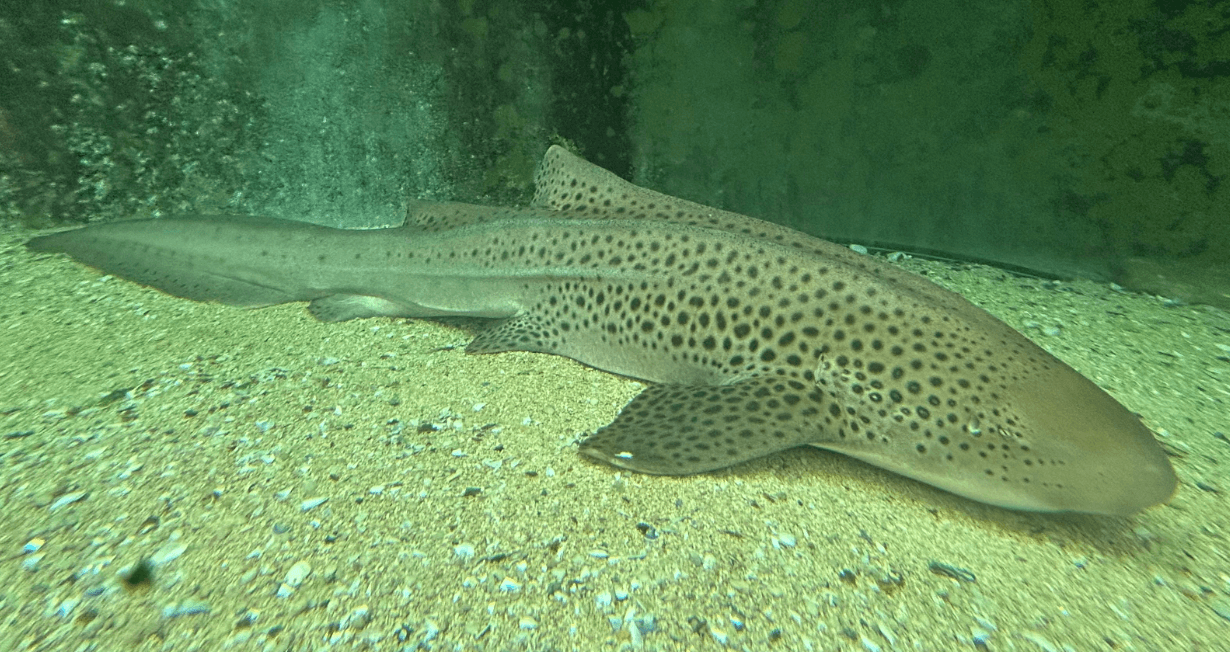
The Zebra Shark is a unique and striking species, known for its long tail and juvenile stripes that fade into spotted adult patterns. Native to the Indo-Pacific, it favors sandy or coral reef habitats.
Adults can reach over 12 feet long and feed mainly on mollusks, crustaceans, and small fish. Zebra Sharks are nocturnal hunters, slowly prowling the seafloor while searching for prey.
Despite their size, they are gentle and often interact calmly with divers, making them one of the more approachable Types of Sharks in tropical reefs.
“`html
66. Whitespotted Bamboo Shark

The Whitespotted Bamboo Shark is a small, nocturnal species commonly found in shallow tropical reefs of the Indo-Pacific. Its pale body is dotted with white spots, making it resemble a living piece of coral camouflage.
Growing up to about 3 feet, this shark prefers hiding in crevices during the day and emerges at night to hunt small fish, shrimp, and crustaceans. Its slow, deliberate movements make it a calm and fascinating observer of reef life.
Whitespotted Bamboo Sharks are popular in aquariums due to their manageable size and peaceful temperament.
67. Brownbanded Bamboo Shark

The Brownbanded Bamboo Shark is another small, reef-dwelling species. It is named for the dark brown bands across its body, which help it blend seamlessly into the reef environment.
Reaching around 3 feet in length, it is primarily nocturnal, feeding on small invertebrates and fish. Its compact body and small size allow it to maneuver easily through coral branches and sandy crevices.
This species exemplifies how camouflage and stealth are key survival strategies for smaller Types of Sharks.
68. Epaulette Shark

The Epaulette Shark is famous for its ability to “walk” across the seafloor using its strong, muscular pectoral fins. Native to the shallow reefs and tide pools of Australia and New Guinea, it has a distinctive black shoulder spot, or epaulette, giving it its name.
Growing to about 3 feet, it hunts mainly at night, preying on small fish and invertebrates. During low tide, it can survive out of water for short periods, using its fins to wriggle between pools—a remarkable adaptation for life in tidal zones.
The Epaulette Shark is a living example of how flexible and resilient smaller sharks can be in challenging habitats.
69. Indonesian Epaulette Shark

Similar to its Australian cousin, the Indonesian Epaulette Shark lives among shallow reefs and tide pools in Indonesia. It is slightly smaller and also possesses the distinctive black epaulette on its shoulder.
These sharks are nocturnal hunters, feeding on small invertebrates hidden in sand or coral. Their ability to move across land for short distances allows them to survive in tidal pools when water recedes.
The Indonesian Epaulette Shark demonstrates the adaptability of small reef sharks to unpredictable environments.
70. Japanese Angelshark

The Japanese Angelshark is a bottom-dwelling species found in coastal waters around Japan and Korea. It resembles other angel sharks with a flat, broad body and upward-facing eyes, allowing it to ambush prey effectively.
Growing up to about 6 feet, it feeds on fish and invertebrates while lying partially buried in sand or mud. Its camouflaged body helps it remain undetected by both prey and potential predators.
This species highlights the ambush hunting strategies common to many flat-bodied Types of Sharks.
71. Sawshark

Sawsharks are characterized by their long, flattened snouts lined with sharp teeth, resembling a hand saw. They live in coastal and continental slope waters, often at moderate depths, and use their saw-like snout to slash and stun prey.
Reaching up to 7 feet, they feed on fish and small invertebrates, swiping side to side to capture their meals. Despite their fearsome appearance, sawsharks are harmless to humans.
These sharks are a vivid example of specialized adaptations among Types of Sharks.
72. Bahamas Sawshark

The Bahamas Sawshark is a smaller species of sawshark native to the shallow waters around the Bahamas. Its long snout helps detect and incapacitate prey hiding in the sandy bottom.
Growing to about 5 feet, it primarily hunts small fish and crustaceans. Its slender body and distinctive rostrum make it a striking sight in the clear waters of the Caribbean.
This species demonstrates how specific environments drive unique anatomical adaptations in sharks.
73. Longnose Sawshark

The Longnose Sawshark is found in deeper waters off Australia and New Zealand. It uses its extended snout to sense and capture prey like shrimp and small fish.
Typically reaching 6–7 feet in length, this shark moves slowly along the seabed, sweeping its saw side to side to uncover hidden meals. Its elongated nose is a precise and effective hunting tool.
The Longnose Sawshark emphasizes how evolutionary innovation allows sharks to exploit diverse feeding niches.
74. Common Smoothhound
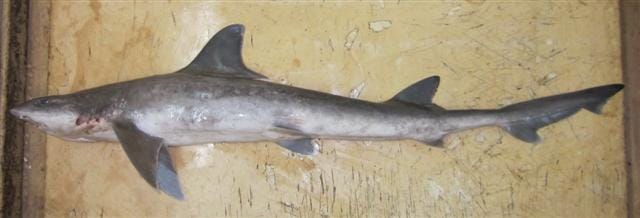
The Common Smoothhound is a small, coastal shark found in the eastern Atlantic and Mediterranean. With a sleek body and small teeth, it mainly feeds on crustaceans, mollusks, and small fish.
Growing to about 4 feet long, this shark often swims in shallow bays, estuaries, and sandy bottoms. Its calm and approachable nature makes it one of the more familiar small shark species to local fishermen and divers.
It serves an important role in controlling small prey populations in coastal ecosystems.
75. Starry Smoothhound
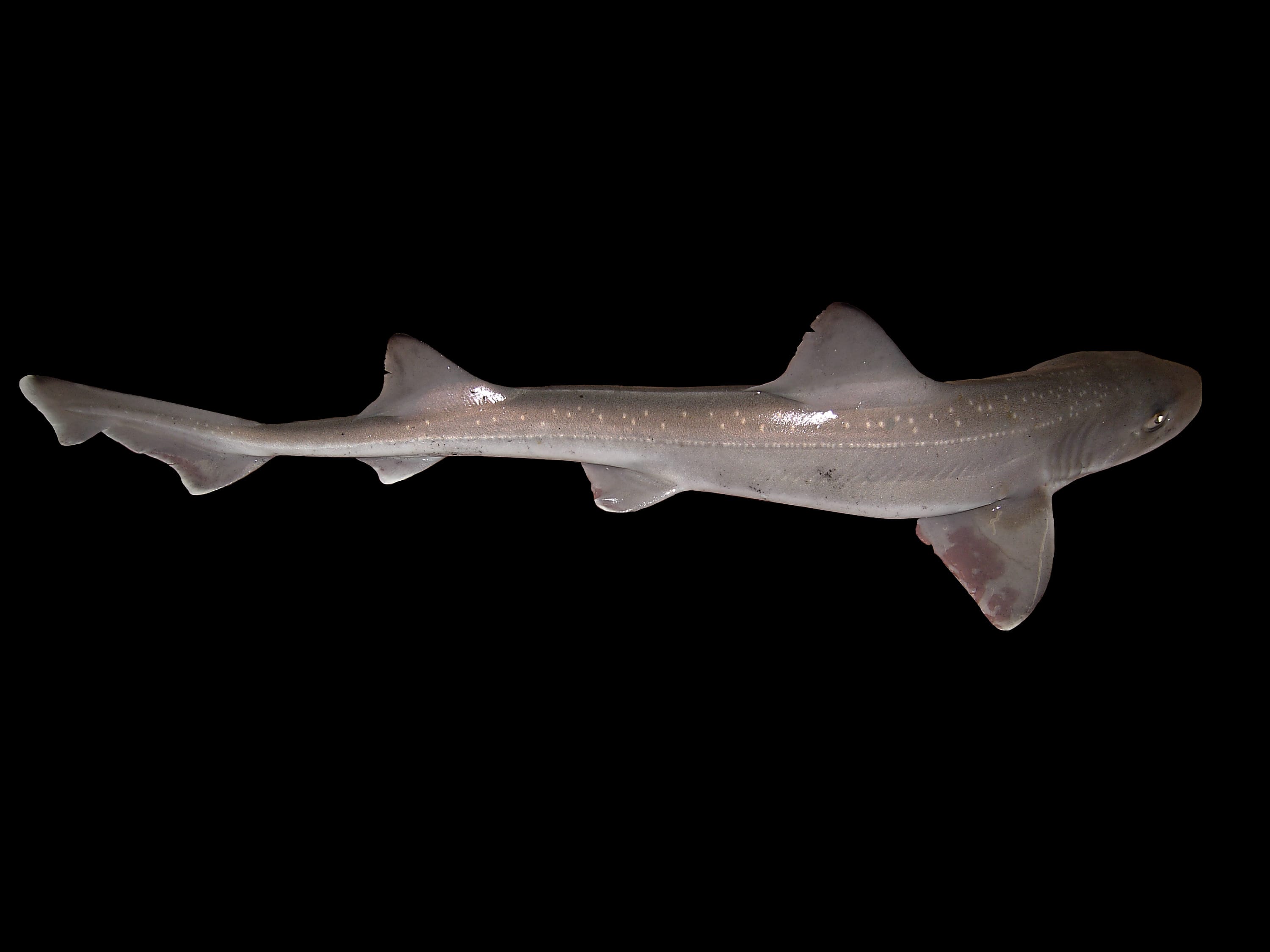
The Starry Smoothhound is similar to the common smoothhound but has distinctive white or yellowish spots along its back. Found in the eastern Atlantic, it prefers sandy and muddy coastal areas, hunting small fish and invertebrates.
Reaching around 3–4 feet, it is an agile hunter for its size and often swims near the bottom in groups. Its spotted pattern provides camouflage, helping it avoid predators while quietly maintaining its place in the food web.
Starry Smoothhounds are a gentle reminder that not all sharks are formidable giants; some quietly perform essential ecological roles in coastal waters.
“`html
76. Dusky Smoothhound
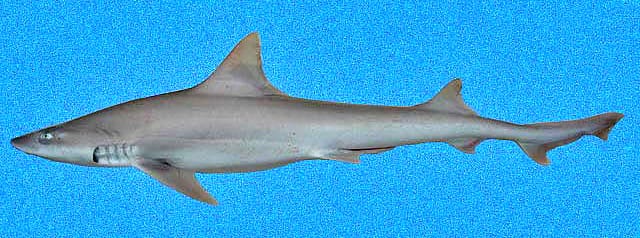
The Dusky Smoothhound is a medium-sized shark found in temperate coastal waters of the eastern Atlantic. It has a slender, streamlined body that allows it to navigate sandy and muddy bottoms with ease.
Growing up to about 5 feet, this shark feeds on crustaceans, mollusks, and small fish. It is primarily nocturnal, often resting during the day and hunting at night, making it a quiet and efficient predator of shallow waters.
Dusky Smoothhounds play a key role in controlling small benthic prey populations and are often found near fishing grounds, contributing to local marine ecosystems.
77. Bluegrey Carpet Shark

The Bluegrey Carpet Shark is a bottom-dwelling species with a patterned body that blends perfectly with rocky reefs and sandy seafloors. Native to southern Australia, it uses its camouflage to ambush prey like small fish and invertebrates.
It grows up to 4 feet long and is a slow, deliberate hunter, often lying in wait under ledges or in crevices. Its flattened body and muted colors make it nearly invisible to both predators and prey.
Bluegrey Carpet Sharks highlight how stealth and patience are effective hunting strategies among smaller shark species.
78. Pyjama Shark
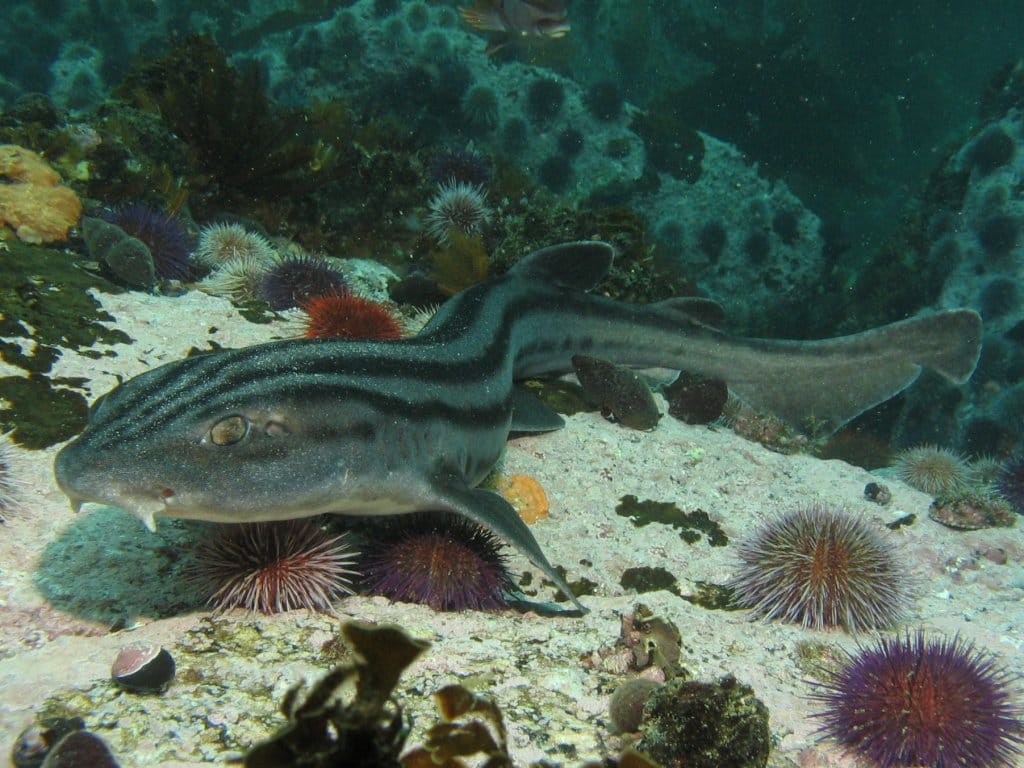
The Pyjama Shark is a small, nocturnal shark found around southern Africa. Its distinctive striped pattern, resembling pajamas, gives it its name and provides excellent camouflage among reefs and rocky crevices.
Reaching about 3 feet, it hunts small fish and invertebrates at night, resting in hiding spots during the day. Its peaceful nature and manageable size make it a favorite in aquarium displays.
Pyjama Sharks demonstrate how unique coloration and behavior can enhance survival in diverse reef environments.
79. Puffadder Shyshark
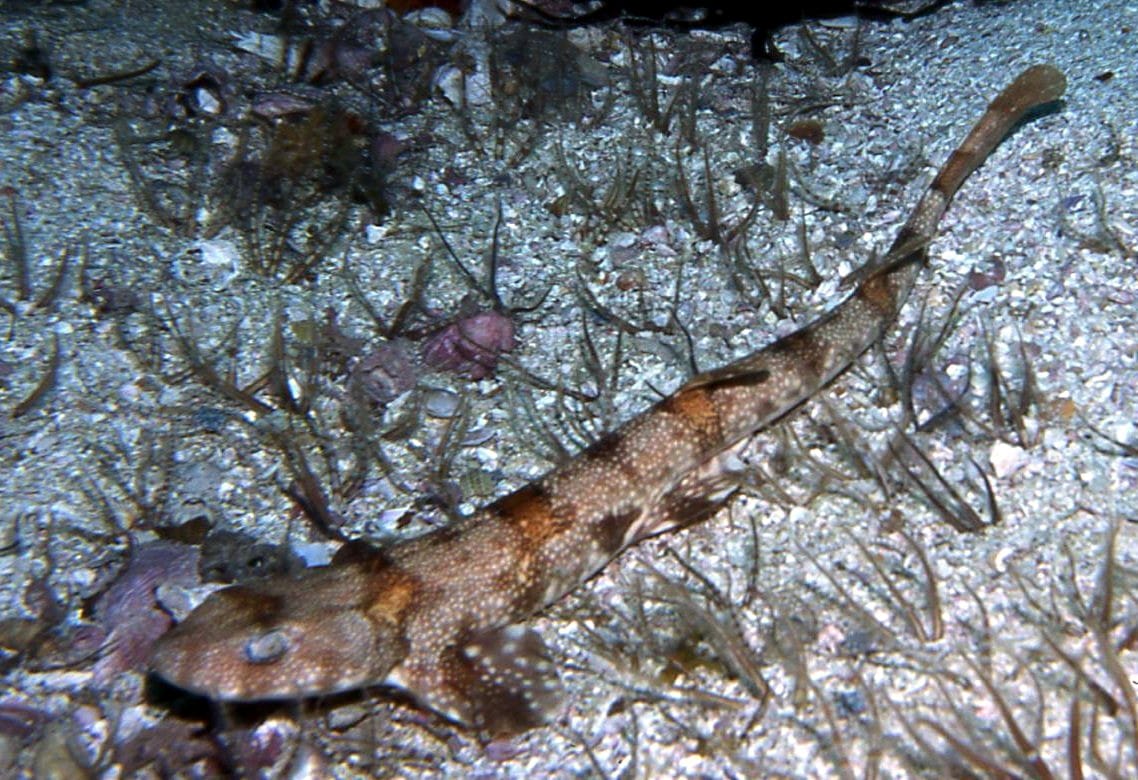
The Puffadder Shyshark is a tiny, harmless species from the shallow coastal waters of South Africa. Its brownish, banded body resembles a puff adder snake, giving it excellent camouflage against predators.
Growing only up to 2 feet long, it feeds on small crustaceans, worms, and tiny fish. True to its name, this shy shark curls into a U-shape when threatened, avoiding confrontation rather than engaging.
Its timid behavior and small size make the Puffadder Shyshark an unobtrusive but important member of coastal ecosystems.
80. Brown Shyshark

The Brown Shyshark is closely related to the Puffadder Shyshark and shares similar habitats along South African coasts. Its brown coloring helps it blend into sandy and rocky bottoms, avoiding predators and humans alike.
Reaching around 2 feet in length, it feeds primarily on small invertebrates. When disturbed, it curls into a ball as a defensive strategy, an unusual but effective adaptation.
This species demonstrates that not all sharks rely on size or speed; sometimes discretion is the best defense.
81. Small-spotted Catshark

The Small-spotted Catshark is a slender, bottom-dwelling shark with a pattern of tiny spots covering its grayish body. Found across the eastern Atlantic and Mediterranean, it prefers sandy and muddy seafloors.
It grows to about 3 feet long and hunts small fish, crustaceans, and cephalopods. Active mostly at night, it uses stealth and patience to capture prey.
These catsharks are harmless to humans and contribute to maintaining balanced populations of small benthic species.
82. Nursehound Shark

The Nursehound Shark is a large, slow-moving catshark native to the eastern Atlantic and Mediterranean. It can reach lengths of over 7 feet and is recognizable by its stout body and broad head.
It feeds mainly on crustaceans, mollusks, and small fish, using powerful jaws to crush shells. Nursehounds often rest on the seafloor during the day and hunt at night, demonstrating a sedentary yet effective predatory lifestyle.
Its size and feeding habits make it an important predator of benthic marine life.
83. Blackmouth Catshark
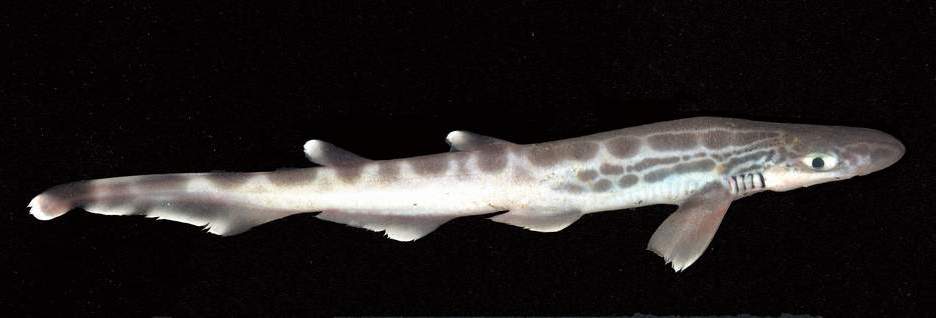
The Blackmouth Catshark is a small, deep-water shark found in the eastern Atlantic. It has a slender body with a distinctive dark interior of the mouth, hence its name.
Growing up to 2–3 feet long, it feeds on small fish and invertebrates. Nocturnal by nature, it is rarely seen near the surface, spending most of its life in deeper waters.
This shark illustrates how even small, less conspicuous Types of Sharks contribute to the complex food webs of the ocean.
84. Clouded Catshark

The Clouded Catshark is a small, patterned shark native to the western Pacific. Its body features irregular blotches that resemble clouds, providing excellent camouflage on sandy and rocky bottoms.
Reaching lengths of around 2 feet, it feeds on small fish and invertebrates, often hunting under cover of darkness. Its slow, deliberate movements make it a stealthy predator despite its size.
Clouded Catsharks show how intricate coloration patterns can be critical for survival in reef and deep-sea habitats.
85. Broadnose Catshark

The Broadnose Catshark is a small, deep-water species found in temperate and tropical oceans. It has a blunt snout and broad head, distinguishing it from other catsharks.
Growing to about 3 feet, it hunts small fish, shrimp, and squid along the ocean floor. Its slow-moving, bottom-dwelling lifestyle makes it a patient and effective predator.
Broadnose Catsharks highlight the diversity of ecological niches that smaller Types of Sharks occupy in marine ecosystems.
86. Coral Catshark

The Coral Catshark is a small, nocturnal shark native to the western Pacific, especially around coral reefs. Its striking orange body with blue or white spots makes it highly attractive and easily recognizable.
Growing to about 3 feet, it hunts small fish and invertebrates at night while resting in reef crevices during the day. Its small size and calm nature make it a favorite among aquarists and divers alike.
The Coral Catshark demonstrates how vibrant patterns can serve both as camouflage and as a signature feature among reef-dwelling sharks.
87. Japanese Catshark

The Japanese Catshark is a small, slender shark found in the coastal waters of Japan and surrounding areas. It has a brownish body with lighter markings, allowing it to blend seamlessly into sandy and rocky substrates.
Reaching up to 2 feet long, it feeds on small fish and crustaceans, primarily hunting at night. Its unassuming size and behavior make it largely unnoticed in its habitat, yet it contributes to local ecological balance.
This shark exemplifies the diversity of small, nocturnal Types of Sharks in East Asian waters.
88. Chain Catshark

The Chain Catshark is a small, patterned species found in the eastern Atlantic and Mediterranean. Its distinctive chain-like markings cover the body, providing camouflage against rocky and sandy bottoms.
Growing to about 2 feet, it feeds on invertebrates and small fish, mostly during nighttime. Its subtle beauty and calm behavior make it a quiet but important predator in benthic ecosystems.
Chain Catsharks illustrate how intricate patterns help smaller sharks evade predators while hunting effectively.
89. Spotted Catshark

The Spotted Catshark is a small, slender shark widespread in the eastern Atlantic and Mediterranean. Its body is covered with irregular spots, aiding in camouflage across sandy and rocky seafloors.
Reaching 2–3 feet in length, it preys on crustaceans, mollusks, and small fish. Active mainly at night, it demonstrates stealth and patience as a primary hunting strategy.
Spotted Catsharks highlight the ecological role of small benthic predators in maintaining healthy marine communities.
90. Combtooth Dogfish
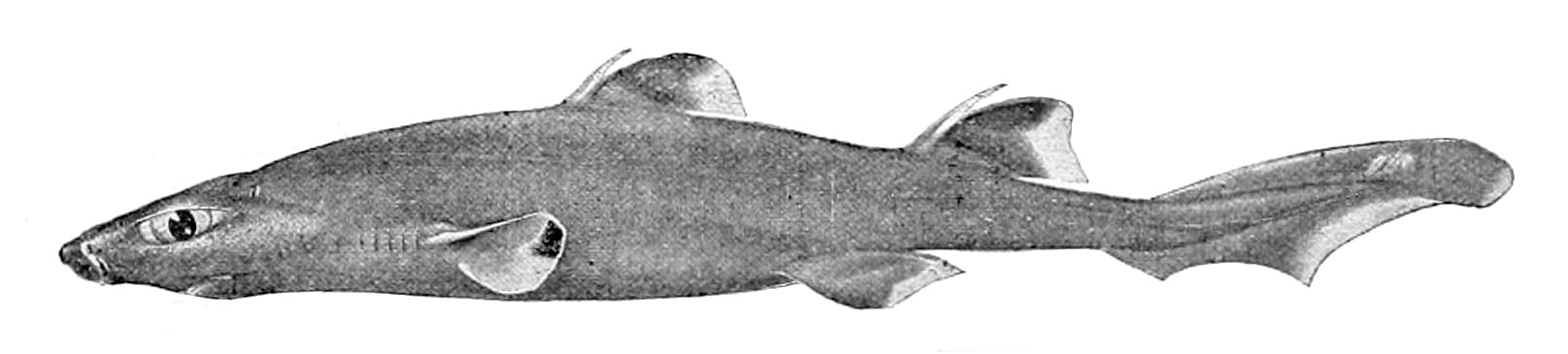
The Combtooth Dogfish is a deep-water shark with a slender body and rows of comb-like teeth, suited for catching small fish and invertebrates. It is found in temperate and tropical oceans worldwide.
Growing to about 3 feet, it spends most of its time near the seabed, hunting slowly and deliberately. Its nocturnal habits and deep-water preferences make it rarely seen by humans.
Combtooth Dogfish demonstrate the adaptations of smaller deep-sea sharks to specialized feeding niches.
91. Spiny Dogfish
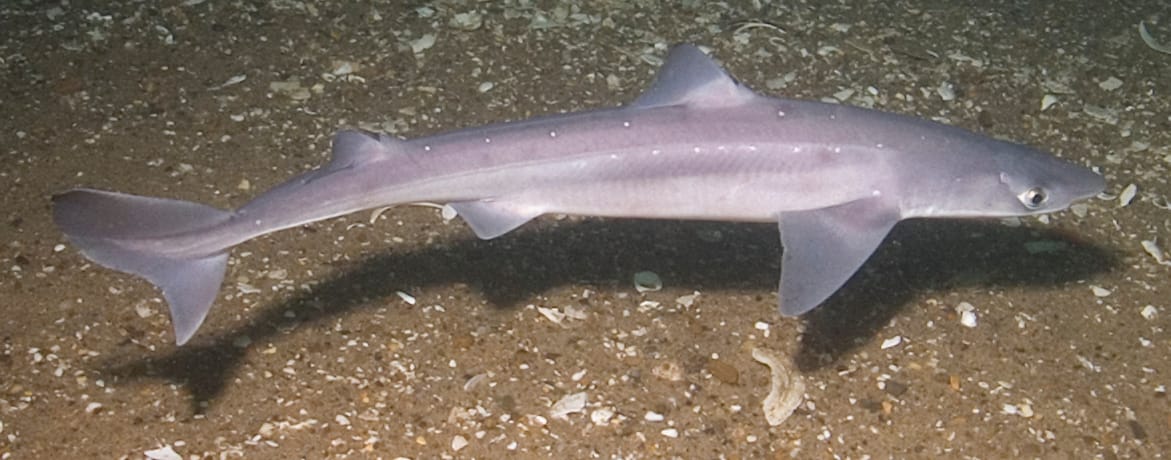
The Spiny Dogfish is a small, robust shark found in the Atlantic, Pacific, and Mediterranean. It has two sharp dorsal spines that provide defense against predators, hence its name.
Growing up to 4 feet, it feeds on fish, squid, and crustaceans. Often forming large schools, it migrates seasonally, making it one of the more well-studied Types of Sharks in temperate waters.
Spiny Dogfish highlight the combination of defensive adaptations and social behavior in small shark species.
92. Portuguese Dogfish
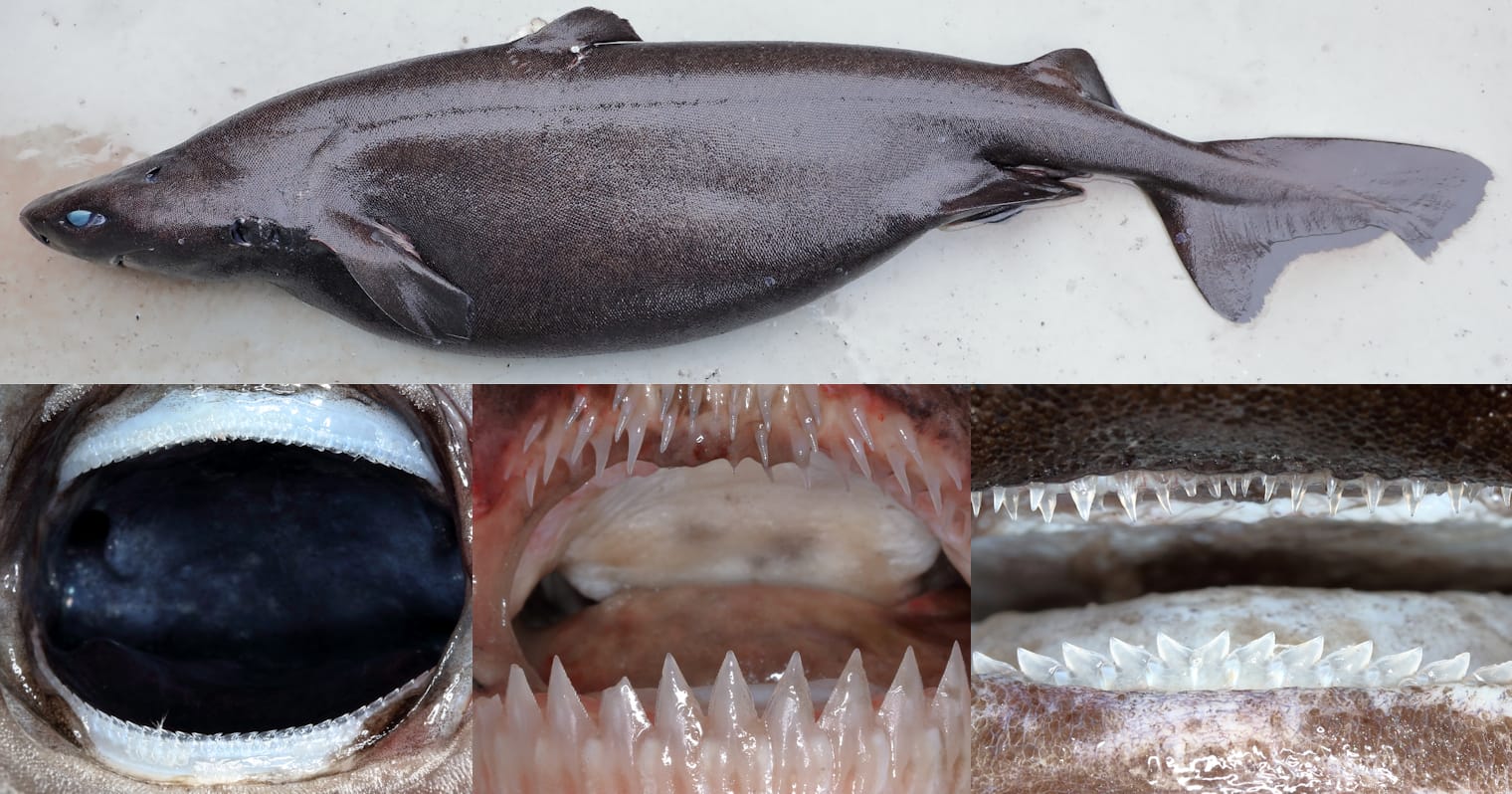
The Portuguese Dogfish is a deep-sea shark with a sleek, dark body and bioluminescent organs that help it navigate in low-light environments. Found in the Atlantic and Mediterranean at depths up to 3,000 meters, it is rarely encountered by humans.
Growing to about 3 feet, it feeds on fish and cephalopods. Its slow, energy-efficient movements make it well-suited for life in nutrient-scarce deep waters.
Portuguese Dogfish demonstrate how bioluminescence and stealth are key survival traits in deep-sea shark species.
93. Cuban Dogfish
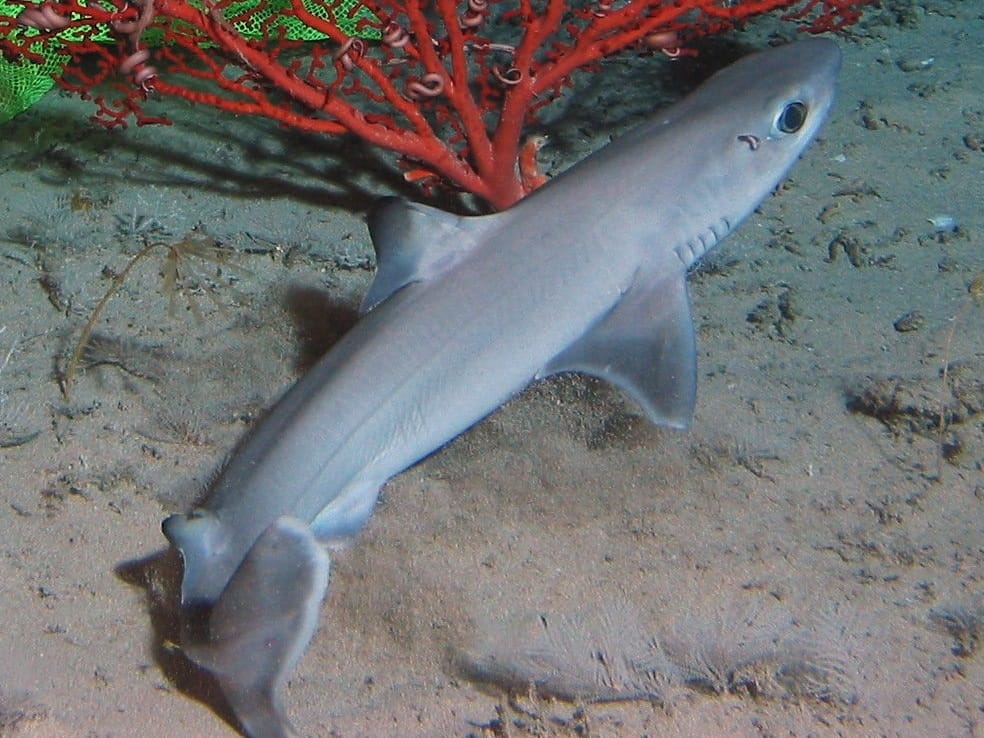
The Cuban Dogfish is a small, deep-water shark native to the Caribbean and Gulf of Mexico. It has a slender body and dark coloration, which helps it blend into shadowy underwater habitats.
Reaching about 3 feet in length, it preys on small fish and invertebrates. Its deep-water lifestyle keeps it largely out of human contact, illustrating the diversity of hidden shark species in tropical oceans.
Cuban Dogfish are an example of how even small sharks contribute to the balance of deep-sea food webs.
94. Roughskin Dogfish

The Roughskin Dogfish is a deep-water shark found in temperate and tropical oceans worldwide. Its name comes from its tough, sandpaper-like skin, which provides protection against predators.
Growing to 3–4 feet, it feeds on squid, small fish, and crustaceans. Its slow, deliberate movements and deep-sea habitat make it rarely seen by humans, but it is an essential component of benthic and midwater food webs.
Roughskin Dogfish show how physical adaptations can enhance survival in challenging ocean environments.
95. Velvet Belly Lanternshark

The Velvet Belly Lanternshark is a small, bioluminescent deep-sea shark with a soft, dark body and glowing belly. Found in the Atlantic and Mediterranean at depths of 200–1,500 meters, it uses its light to attract prey and communicate.
Growing up to 2 feet, it feeds on small fish and invertebrates, remaining mostly hidden in the dark ocean layers during the day. Its gentle, glowing appearance has made it one of the most fascinating examples of deep-sea adaptation.
Velvet Belly Lanternsharks demonstrate how bioluminescence provides both hunting and defensive advantages in the depths of the ocean.
96. Blackbelly Lanternshark

The Blackbelly Lanternshark is a small, bioluminescent shark inhabiting deep waters of the Atlantic and Pacific Oceans. Its glowing belly helps it avoid predators by blending with faint light from above, a strategy known as counter-illumination.
Reaching about 2 feet in length, it hunts small fish and invertebrates in the dim depths. Its slow, deliberate swimming and subtle glow make it an almost ghostly presence in the deep sea.
This species highlights the fascinating ways deep-sea sharks adapt to survive in low-light environments.
97. Great Lanternshark

The Great Lanternshark is a slightly larger relative of the Blackbelly Lanternshark, found in deeper waters of the Atlantic and Pacific. Its dark body and bioluminescent patterns help it hunt and avoid predators in near-total darkness.
Growing up to 3 feet, it feeds on small fish and squid. Its glowing organs can also serve as a signal to other sharks, allowing communication in a habitat where light is scarce.
Great Lanternsharks are an excellent example of how evolution shapes both hunting and survival strategies in the deep ocean.
98. Bramble Shark

The Bramble Shark is a slow-moving, deep-sea species found in temperate waters worldwide. Its rough, thorn-like dermal denticles give it a bristly appearance and protect it from predators.
Reaching lengths of about 7 feet, it feeds mainly on fish, squid, and smaller sharks. Bramble Sharks are generally solitary and remain in midwater or near the seabed, making encounters rare.
This shark illustrates how physical defenses, like spiny skin, help species thrive in deep-sea environments.
99. False Catshark

The False Catshark is a deep-water species found in tropical and temperate oceans. Its slender body and cat-like appearance earn it the “false” designation, distinguishing it from true catsharks.
Growing up to 6 feet, it feeds on small fish, squid, and crustaceans. Its deep-sea habitat and nocturnal habits make it elusive, rarely observed by humans.
False Catsharks demonstrate the diversity of adaptations that allow sharks to occupy a wide range of ecological niches.
100. African Dwarf Sawshark

The African Dwarf Sawshark is a tiny, rare species found in shallow coastal waters off western Africa. It has a short, toothed snout used to detect and capture small fish and invertebrates in the sand.
Measuring only about 1–2 feet long, it is one of the smallest sawsharks known. Its diminutive size and elusive behavior make it difficult to study, but it plays a role in controlling benthic prey populations.
This species is a perfect reminder that even the smallest sharks can possess remarkable adaptations and ecological importance.
Conclusion
From the massive, filter-feeding Basking Shark to the tiny, elusive African Dwarf Sawshark, the diversity among Types of Sharks is truly astonishing. Each species has evolved unique adaptations to survive in its specific habitat—whether it’s the bioluminescent glow of deep-sea lanternsharks, the ambush tactics of angel and wobbegong sharks, or the remarkable tail of the thresher shark used to stun prey.
Sharks play essential roles in marine ecosystems, from controlling fish populations to maintaining healthy reef and benthic communities. Their behaviors, habitats, and physical traits reflect millions of years of evolution, making them both fascinating and ecologically vital. Studying these incredible creatures not only deepens our understanding of the oceans but also underscores the importance of protecting their habitats against overfishing and environmental threats.
Whether you encounter a sleek reef shark, a mysterious deep-sea dweller, or a gentle bottom-dweller, one thing is clear: Sharks are a cornerstone of marine life, and learning about the wide variety of Types of Sharks helps us appreciate the complexity and wonder of the ocean world.
Frequently Asked Questions About Sharks
1. What are the main types of sharks?
Sharks are broadly categorized into groups such as requiem sharks, hammerheads, carpet sharks, catsharks, dogfish, angel sharks, and deep-sea sharks, among others.
2. How many species of sharks exist?
There are over 500 recognized species of sharks worldwide, ranging from tiny dwarf species to massive filter-feeders like the whale shark.
3. Are all sharks dangerous to humans?
No. Most sharks are harmless to humans. Only a few species, such as great whites, tiger sharks, and bull sharks, have been involved in attacks.
4. What is the largest shark species?
The whale shark is the largest shark, reaching lengths of up to 60 feet. Despite its size, it feeds on plankton and small fish.
5. What is the smallest shark species?
The dwarf lanternshark and the African Dwarf Sawshark are among the smallest, measuring only about 1–2 feet in length.
6. Where do most sharks live?
Sharks inhabit every ocean, from shallow coastal waters to deep-sea environments, and even some estuaries and rivers.
7. Do sharks sleep?
Sharks do not sleep like humans. Many must keep swimming to breathe, while some species rest on the seafloor and use spiracles to pump water over their gills.
8. How do sharks breathe?
Sharks breathe by passing water over their gills. Some species must swim continuously, while others can pump water over their gills while stationary.
9. What do sharks eat?
Shark diets vary: some are filter-feeders, others hunt fish, squid, or crustaceans, and a few prey on marine mammals or other sharks.
10. How do sharks reproduce?
Sharks reproduce in three ways: oviparous (laying eggs), ovoviviparous (eggs hatch inside the mother), and viviparous (live birth).
11. How long do sharks live?
Shark lifespans vary widely. Some small species live 10–20 years, while Greenland sharks can live over 400 years.
12. Are sharks endangered?
Many shark species are threatened or endangered due to overfishing, habitat loss, and bycatch. Conservation efforts are ongoing worldwide.
13. Can sharks see in the dark?
Yes. Many deep-sea sharks have large eyes adapted for low-light conditions, while others use bioluminescence or sensory organs to detect prey.
14. What is the fastest shark?
The shortfin mako shark is the fastest shark, capable of speeds up to 60 km/h (37 mph).
15. How do sharks sense their prey?
Sharks use a combination of smell, lateral line sensing, electroreception (via ampullae of Lorenzini), and vision to detect prey.
16. Do all sharks have teeth?
Yes, sharks have teeth, but the shape and size vary widely based on their diet, from flat crushing teeth to sharp serrated ones.
17. How often do sharks shed their teeth?
Sharks continuously replace teeth throughout their lives. Some may lose thousands of teeth over their lifetime.
18. Can sharks survive in freshwater?
Some species, like bull sharks and river sharks, can tolerate freshwater, traveling in rivers and lakes for part of their lives.
19. Are sharks warm-blooded?
Most sharks are cold-blooded, but species like the mako and great white have partial warm-blooded adaptations for faster swimming.
20. How do sharks contribute to ecosystems?
Sharks regulate prey populations, maintain healthy fish stocks, and help balance marine ecosystems, ensuring biodiversity.
21. What is a hammerhead shark?
Hammerhead sharks are recognized by their wide, flat heads. This shape helps them detect prey more efficiently using sensory organs.
22. What is a catshark?
Catsharks are small, bottom-dwelling sharks with elongated bodies, often patterned for camouflage. They feed mainly on small fish and invertebrates.
23. What is a dogfish shark?
Dogfish sharks are small, deep-water species with sharp dorsal spines. They often form schools and feed on fish and invertebrates.
24. What is a thresher shark?
Thresher sharks have long tails used to stun prey. They are fast hunters, mostly feeding on schooling fish in open waters.
25. What is a wobbegong shark?
Wobbegongs are bottom-dwelling, carpet sharks with frilly mouths and camouflaged bodies. They ambush prey by remaining hidden on reefs.
26. What is a lanternshark?
Lanternsharks are small deep-sea sharks with bioluminescent organs on their bellies, used to attract prey and avoid predators.
27. Can sharks detect electricity?
Yes. Sharks have electroreceptors called ampullae of Lorenzini that detect electrical fields produced by other animals.
28. Are all sharks solitary?
No. Some sharks, like dogfish and certain reef sharks, form schools, while others, such as great whites, are mostly solitary hunters.
29. Do sharks have predators?
Yes. Larger sharks, orcas, and humans are natural predators of many shark species.
30. How do deep-sea sharks survive?
Deep-sea sharks adapt through slow metabolism, bioluminescence, enhanced senses, and specialized feeding strategies.
31. Can sharks regenerate body parts?
Sharks cannot regrow fins or tails, but they continuously replace teeth and can heal wounds rapidly.
32. How do sharks communicate?
Sharks primarily communicate through body language, movements, and occasionally by bioluminescent signals in deep-sea species.
33. What is a carpet shark?
Carpet sharks are bottom-dwellers, often patterned for camouflage. They include species like wobbegongs and zebra sharks.
34. Are shark populations declining?
Yes. Overfishing, bycatch, and habitat destruction have caused significant declines in many shark species worldwide.
35. Can sharks get cancer?
Sharks can get cancer, contrary to popular myths, although some species show remarkable resistance to tumor formation.
36. How do sharks reproduce internally?
Most sharks use internal fertilization. Males have claspers, which transfer sperm into the female’s reproductive tract.
37. What is oviparous shark reproduction?
Oviparous sharks lay eggs, often in protective cases called “mermaid’s purses,” which hatch after weeks or months.
38. What is viviparous shark reproduction?
Viviparous sharks give live birth, with embryos developing inside the mother and receiving nutrients through a placental connection.
39. How fast can sharks swim?
Shark speeds vary: mako sharks reach 60 km/h, while bottom-dwelling species move more slowly, conserving energy.
40. Can sharks smell blood from far away?
Yes. Sharks have highly sensitive olfactory systems, capable of detecting small amounts of blood in water from hundreds of meters away.
41. How long do shark pregnancies last?
Shark gestation periods range from a few months to over two years, depending on the species.
42. Do sharks play a role in tourism?
Yes. Many species, especially reef and whale sharks, attract divers and snorkelers, supporting marine tourism and conservation awareness.
43. Are all sharks apex predators?
Not all. While some sharks, like great whites, are apex predators, many smaller species occupy mid-level roles in the food web.
44. How do sharks help coral reefs?
By controlling fish populations, sharks prevent overgrazing and maintain a balance that supports coral reef health and biodiversity.
45. Can sharks be kept in aquariums?
Some smaller species, like bamboo sharks and catsharks, can thrive in large aquariums, but most larger or deep-sea species are unsuitable for captivity.