

Dolphins are among the most intelligent and adaptable marine mammals in the world. Found in oceans, coastal waters, and even freshwater rivers, these highly social predators have developed a wide range of feeding strategies that allow them to thrive in diverse environments. From fast-moving open seas to murky river systems, dolphins rely on a varied and protein-rich diet to fuel their energy-demanding lifestyle.
Understanding what dolphins eat is essential for appreciating their role in marine ecosystems. As active hunters, dolphins help regulate fish populations, maintain ecological balance, and influence the behavior of prey species. Their diet also reflects the health of their environment—changes in prey availability can signal broader shifts in ocean conditions.
Unlike herbivorous animals, dolphins are strict carnivores. Their diet consists almost entirely of fish, cephalopods, and crustaceans. They use advanced hunting techniques such as echolocation, cooperative feeding, and even tool use to locate and capture prey. These behaviors make dolphins highly efficient predators capable of adapting to changing food sources.
Different dolphin species have slightly different diets depending on their habitat. Oceanic dolphins often hunt schooling fish like sardines and mackerel, while river dolphins may target freshwater species such as catfish or carp. Some dolphins specialize in catching squid or other soft-bodied prey, while others consume a wide variety of marine life.
A dolphin’s diet must provide high levels of protein and fats to sustain its fast metabolism, constant movement, and complex social interactions. Because dolphins do not chew their food, they swallow prey whole, relying on strong stomach acids to break it down efficiently.
In this comprehensive guide, we will explore 30 of the most common foods dolphins eat in the wild. Each food plays a role in meeting their nutritional needs and supporting their survival in dynamic marine environments.
Let’s begin by examining the first group of prey species that form the foundation of many dolphin diets: small, fast-moving fish.
What Do Dolphins Eat in the Wild?
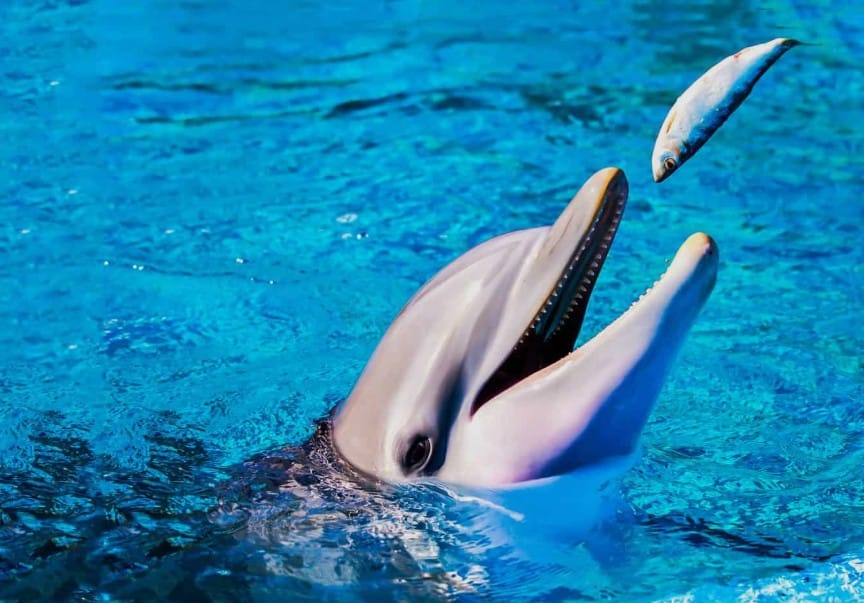
Dolphins rely heavily on small to medium-sized fish as the core of their diet. These fish are often found in large schools, making them ideal targets for cooperative hunting strategies. Dolphins use echolocation, speed, and teamwork to herd and capture these agile prey species efficiently.
1. Anchovies
Anchovies are one of the most common prey items for many dolphin species, particularly those living in coastal and temperate waters. These small, oily fish form dense schools, making them an efficient and energy-rich food source.
Dolphins often use coordinated hunting techniques to herd anchovies into tight groups, sometimes driving them toward the surface or into shallow waters. This behavior makes it easier to capture multiple fish in a single pass. Anchovies are rich in fats and proteins, providing the high-energy nutrition dolphins need to sustain their active lifestyle.
2. Sardines
Sardines are another staple food for dolphins, especially in regions where large sardine runs occur. These fish are slightly larger than anchovies but share similar characteristics, including schooling behavior and high fat content.
Dolphins often hunt sardines in groups, using bubble nets or rapid swimming patterns to trap them. Sardines are an excellent energy source, helping dolphins maintain their speed, endurance, and body condition.
3. Herring
Herring are medium-sized schooling fish commonly found in colder waters. They are a valuable prey item due to their size and nutritional richness.
Dolphins may chase herring schools over long distances or trap them against the surface. Their oily flesh provides essential fatty acids that support energy metabolism and insulation.
4. Mackerel
Mackerel are fast-swimming fish that require agility and precision to catch. Dolphins are well-equipped for this challenge, using bursts of speed and sharp turns to capture them.
These fish are highly nutritious, offering a rich source of protein and fats that contribute to muscle maintenance and overall health.
5. Cod
Cod are larger fish that dolphins may target when available. Unlike schooling fish, cod are often found individually or in smaller groups.
Catching cod requires different hunting strategies, including stealth and precise echolocation. Cod provide substantial nutrition due to their size and protein content.
6. Salmon
Salmon are occasionally preyed upon by dolphins, particularly in coastal regions where salmon migrate. These fish are larger and more challenging to catch.
Salmon are rich in omega-3 fatty acids, making them a highly nutritious meal that supports energy storage and overall health.
7. Mullet
Mullet are commonly found in coastal and estuarine environments. They are known for their speed and ability to jump out of the water to escape predators.
Dolphins often use clever strategies, such as creating mud rings or driving mullet toward shallow areas, to catch them. Mullet provide a balanced source of protein and energy.
8. Smelt
Smelt are small fish that inhabit both freshwater and marine environments. They are often consumed by dolphins living near river mouths or estuaries.
Their small size allows dolphins to consume multiple individuals quickly, making them an efficient food source.
9. Tuna (Small Species)
While large tuna are too fast and powerful, smaller tuna species can be captured by dolphins. These fish are highly energetic and require quick, coordinated movements to catch.
Tuna provide dense nutrition, including high levels of protein and fats, supporting the dolphin’s demanding lifestyle.
10. Catfish
Catfish are a common prey item for river dolphins and dolphins living in brackish waters. They are slower-moving compared to oceanic fish but can be harder to detect due to murky water conditions.
Dolphins rely heavily on echolocation to locate catfish in low-visibility environments. Catfish provide a reliable source of protein and energy.
These fish species form the backbone of many dolphin diets, offering high-energy nutrition and supporting their active hunting behavior. In the next section, we will explore additional fish species and soft-bodied prey such as squid and other cephalopods.
Part 3: What Do Dolphins Eat in the Wild? (Foods #11–#20)
Beyond common schooling fish, dolphins also consume a wide range of other fish species and soft-bodied marine animals. These prey items require different hunting techniques, including precision targeting, deep diving, and opportunistic feeding. Together, they add variety and essential nutrients to a dolphin’s diet.
11. Gobies
Gobies are small, bottom-dwelling fish commonly found in coastal and shallow marine environments. They are less mobile than open-water fish, making them easier targets for dolphins that forage near the seabed.
Dolphins may use echolocation to detect gobies hidden among sand or rocks. Although small, gobies are consumed in large numbers, providing a steady intake of protein and energy.
12. Lanternfish
Lanternfish inhabit deeper ocean waters and are known for their bioluminescent properties. They migrate vertically, coming closer to the surface at night.
Dolphins that feed in offshore or deep-water environments may take advantage of these migrations. Lanternfish are abundant and energy-rich, making them an important food source in certain regions.
13. Silverfish
Silverfish, particularly marine species, are small, shimmering fish that move in schools. Their reflective bodies can make them harder to detect visually.
Dolphins rely on echolocation to locate and capture them efficiently. These fish provide a quick and accessible source of protein.
14. Squid
Squid are one of the most important non-fish prey items in a dolphin’s diet. These soft-bodied cephalopods are found in many ocean habitats and are often hunted during nighttime dives.
Squid are rich in protein and easy to digest, making them highly valuable nutritionally. Dolphins capture them using rapid movements and suction feeding techniques.
15. Cuttlefish
Cuttlefish are closely related to squid and are known for their ability to change color and camouflage. Despite this, dolphins can detect them using echolocation.
Cuttlefish provide similar nutritional benefits to squid, including high protein content and essential nutrients for muscle function.
16. Octopus
Octopus are intelligent and elusive prey that require skill to capture. Dolphins must use precise echolocation and timing to catch them before they escape into crevices.
Octopus are rich in protein and low in fat, making them a valuable but less common food source compared to fish.
17. Shrimp
Shrimp are small crustaceans that dolphins may consume when feeding in shallow or coastal areas. They are often abundant and easy to catch.
Although small, shrimp contribute protein and minerals to the dolphin’s diet and are consumed in large quantities when available.
18. Krill
Krill are tiny crustaceans that form massive swarms in the ocean. While more commonly associated with whales, some dolphin species also feed on krill.
Krill are rich in nutrients and can be consumed efficiently due to their density in the water. They provide a quick energy boost when fish are scarce.
19. Crabs
Crabs are occasionally eaten by dolphins, particularly those that forage near the seabed. Catching crabs requires careful handling due to their hard shells and defensive claws.
Despite these challenges, crabs offer protein and minerals, contributing to dietary diversity.
20. Lobsters (Small/Juvenile)
Small or juvenile lobsters may be consumed by dolphins in certain regions. Like crabs, they are harder to catch but provide dense nutrition.
Dolphins may use their rostrum (snout) to manipulate and break apart these crustaceans before swallowing them.
These varied prey items highlight the adaptability of dolphins as opportunistic feeders. In the next section, we will explore even more unique and occasional foods, including unusual prey and opportunistic feeding behaviors.
21. Jellyfish
Jellyfish are occasionally eaten by dolphins, though they are not a preferred food source. Because jellyfish are mostly water and low in nutrients, dolphins typically consume them opportunistically or accidentally while hunting other prey.
Despite their low nutritional value, jellyfish can still provide small amounts of protein and hydration. Some dolphins may target them in environments where other prey is limited.
22. Eels
Eels are elongated fish that live in crevices, reefs, or muddy bottoms. They can be challenging prey due to their slippery bodies and ability to hide.
Dolphins use precise echolocation to detect eels and may flush them out of hiding before capturing them. Eels are rich in fats and protein, making them a valuable energy source.
23. Piranhas (River Dolphins)
River dolphins, such as those found in South American waterways, often prey on piranhas. These fish are aggressive but relatively small, making them manageable prey.
Dolphins rely on echolocation to navigate murky waters and locate piranhas. These fish provide protein and contribute to the diverse diet of freshwater dolphin species.
24. Carp
Carp are freshwater fish commonly consumed by river dolphins. They are slower-moving than many marine species, making them easier to catch in confined river systems.
Carp offer a reliable source of protein and energy, especially in environments where other prey may be limited.
25. Tilapia
Tilapia are another freshwater fish that dolphins may consume in river or estuarine habitats. They are widely distributed and often abundant.
Their availability makes them a dependable food source, supporting the survival of dolphins in freshwater ecosystems.
26. Small Reef Fish
Dolphins living near coral reefs often feed on a variety of small reef fish. These fish are diverse in species and behavior, requiring flexible hunting strategies.
Reef fish provide protein and contribute to dietary variety, although they are typically smaller than open-ocean prey.
27. Cephalopod Larvae
Young stages of cephalopods, such as squid and octopus larvae, are occasionally consumed by dolphins. These tiny organisms are part of the drifting marine community.
Although small, they can be eaten in large quantities and provide early-stage nutrients that complement the dolphin’s diet.
28. Fish Eggs (Roe)
Fish eggs are nutrient-rich and often found in large clusters during spawning seasons. Dolphins may consume them when encountered.
Roe is high in fats and proteins, making it a concentrated energy source despite its small size.
29. Zooplankton (Occasionally)
Zooplankton are tiny drifting organisms that are not a primary food source for dolphins. However, they may be consumed incidentally while feeding on other prey.
In rare cases, dolphins may target dense plankton patches, but this behavior is uncommon compared to fish hunting.
30. Any Small Schooling Fish
Dolphins are opportunistic predators and will consume virtually any small schooling fish available in their habitat. This includes a wide variety of species not individually listed.
Their ability to adapt to different prey types ensures survival even when specific fish populations fluctuate. By targeting schools, dolphins maximize energy efficiency and feeding success.
These final food types demonstrate the incredible adaptability of dolphins as predators. In the next section, we will summarize their dietary habits and explore how their feeding behavior supports marine ecosystems.
Conclusion: Understanding the Diet of Dolphins
Dolphins are highly adaptable carnivores with a diet that reflects both their intelligence and the environments they inhabit. From fast-moving schooling fish like sardines and mackerel to soft-bodied prey such as squid and octopus, dolphins rely on a wide range of marine life to meet their nutritional needs.
At the core of their diet are protein-rich and energy-dense foods that support their active lifestyle. Dolphins are constantly swimming, hunting, and interacting socially, all of which require a steady supply of energy. Fish provide essential fats and proteins, while cephalopods and crustaceans add diversity and additional nutrients.
One of the most remarkable aspects of dolphin feeding behavior is their adaptability. They can switch between prey types depending on availability, habitat, and environmental conditions. Whether hunting in open oceans, coastal waters, or rivers, dolphins use advanced techniques such as echolocation, cooperative hunting, and strategic movement to capture food efficiently.
Dolphins also play a vital role in maintaining marine ecosystem balance. By preying on fish populations, they help regulate species numbers and contribute to a healthy food chain. Their feeding patterns can influence the distribution and behavior of prey species, shaping the dynamics of aquatic ecosystems.
Overall, the diet of dolphins highlights their role as skilled predators and important ecological contributors. Understanding what dolphins eat not only reveals how they survive and thrive but also provides valuable insight into the health and complexity of marine environments around the world.
50+ FAQs About What Dolphins Eat
1. What do dolphins eat?
Dolphins are carnivores that primarily eat fish, squid, and crustaceans. Their diet varies depending on their habitat, but most species rely on small to medium-sized fish as their main food source.
2. Are dolphins carnivores?
Yes, dolphins are strict carnivores. They only consume animal-based foods and do not eat plants or algae.
3. What is a dolphin’s favorite food?
Many dolphins prefer oily fish such as sardines, anchovies, and mackerel because they provide high energy and are easy to catch in schools.
4. Do dolphins eat squid?
Yes, squid are a major part of many dolphin diets. They are rich in protein and relatively easy to catch, especially at night when they move closer to the surface.
5. Can dolphins eat octopus?
Dolphins do eat octopus, although they can be challenging to catch. Dolphins use precise echolocation and quick movements to capture them.
6. Do dolphins eat crustaceans?
Yes, dolphins sometimes eat crustaceans such as shrimp, crabs, and small lobsters, particularly in coastal and shallow environments.
7. How do dolphins find their food?
Dolphins use echolocation, a biological sonar system that allows them to detect prey by emitting sound waves and interpreting the returning echoes.
8. Do dolphins hunt alone or in groups?
Dolphins can hunt both alone and in groups. Many species use cooperative hunting techniques to herd fish into tight schools for easier capture.
9. Do dolphins chew their food?
No, dolphins do not chew. They swallow their prey whole and rely on strong digestive systems to break it down.
10. How much do dolphins eat per day?
Dolphins typically eat about 4–6% of their body weight daily, depending on their size, species, and activity level.
11. Do dolphins eat jellyfish?
Yes, dolphins may eat jellyfish occasionally, but they are not a primary food source due to their low nutritional value.
12. What fish do dolphins eat?
Dolphins eat a wide variety of fish including sardines, anchovies, herring, mackerel, cod, and many small schooling fish.
13. Do dolphins eat sharks?
Most dolphins do not eat sharks, but some larger species have been observed attacking and occasionally consuming small sharks.
14. Can dolphins eat humans?
No, dolphins do not eat humans. They are not predators of humans and generally show curiosity rather than aggression.
15. Do dolphins eat fish whole?
Yes, dolphins swallow fish whole because they do not have teeth designed for chewing.
16. Do dolphins eat in freshwater?
Yes, river dolphins eat freshwater fish such as catfish, carp, and piranhas.
17. What do baby dolphins eat?
Baby dolphins drink their mother’s milk for the first months of life before gradually transitioning to solid prey like fish.
18. How do dolphins catch fast fish?
Dolphins use speed, agility, and teamwork to chase and trap fast fish, often herding them into tight groups.
19. Do dolphins eat at night?
Yes, many dolphins hunt at night, especially for prey like squid that move closer to the surface after dark.
20. Do dolphins eat plankton?
Dolphins rarely eat plankton intentionally, though they may ingest small amounts accidentally while feeding.
21. What role does diet play in dolphin health?
Diet provides essential nutrients such as protein and fats, which are critical for energy, growth, and reproduction.
22. Do dolphins eat dead fish?
Dolphins prefer live prey but may occasionally consume dead fish if it is fresh and available.
23. How do dolphins digest food?
Dolphins have strong stomach acids and a multi-chambered digestive system that efficiently breaks down whole prey.
24. Do dolphins compete for food?
Yes, dolphins may compete with other predators such as sharks or seabirds for the same prey resources.
25. Can dolphins change their diet?
Yes, dolphins are highly adaptable and can switch prey depending on availability and environmental conditions.
26. Do dolphins eat every day?
Yes, dolphins need to eat daily to maintain their high energy levels and active lifestyle.
27. What happens if dolphins cannot find food?
If food is scarce, dolphins may travel long distances or change their hunting strategies to find new feeding grounds.
28. Do dolphins store food?
No, dolphins do not store food. They rely on frequent hunting and feeding.
29. Do dolphins eat large fish?
Most dolphins prefer smaller fish, but some species can capture and consume medium-sized fish when possible.
30. Are dolphins top predators?
Yes, dolphins are considered apex or near-apex predators in many marine ecosystems.
31. Do dolphins eat insects?
Marine dolphins do not eat insects, but river dolphins may consume small aquatic insects occasionally.
32. Can dolphins eat plants?
No, dolphins do not eat plants because they are carnivores.
33. Do dolphins eat crabs?
Yes, dolphins may eat crabs, especially when feeding near the seabed.
34. Do dolphins eat shrimp?
Yes, shrimp are occasionally eaten and provide protein and minerals.
35. Do dolphins hunt in shallow water?
Yes, dolphins often hunt in shallow water where fish are easier to trap.
36. What is cooperative hunting?
Cooperative hunting is when dolphins work together to herd and capture prey more efficiently.
37. Do dolphins use tools to hunt?
Some dolphins use tools, such as sponges, to protect their snouts while foraging on the seabed.
38. Do dolphins eat eels?
Yes, dolphins may eat eels, which are rich in fats and protein.
39. Do dolphins eat fish eggs?
Yes, dolphins may consume fish eggs when they encounter spawning areas.
40. How important is echolocation for feeding?
Echolocation is essential for locating prey, especially in dark or murky waters.
41. Do dolphins eat reef fish?
Yes, dolphins in reef environments consume a variety of small reef fish.
42. Do dolphins eat lobster?
They may eat small or juvenile lobsters when available.
43. Do dolphins eat in groups?
Yes, many dolphin species hunt and feed in groups for greater efficiency.
44. What is the most common dolphin prey?
Small schooling fish like sardines and anchovies are among the most common prey items.
45. Do dolphins eat fast-moving prey?
Yes, dolphins are capable of catching fast-moving prey due to their speed and agility.
46. Do dolphins eat different foods in different regions?
Yes, their diet varies depending on the region and available prey species.
47. Can dolphins overeat?
In the wild, dolphins rarely overeat because their feeding is regulated by energy needs and prey availability.
48. Do dolphins eat every type of fish?
No, dolphins prefer certain fish based on size, availability, and ease of capture.
49. Do dolphins eat alone?
Yes, dolphins can hunt alone, but group hunting is often more effective.
50. Why is dolphin diet important to study?
Studying dolphin diet helps scientists understand marine ecosystems and monitor environmental health.
51. How does diet affect dolphin survival?
A stable and diverse food supply is essential for dolphin survival, reproduction, and long-term population health.
Read more: