

Horses are large herbivorous mammals that have evolved over millions of years to survive primarily on plant-based diets. Unlike carnivores or omnivores, their digestive system is specifically designed to process fibrous plant material efficiently. Understanding what horses eat is essential not only for proper domestication and care but also for appreciating how these animals survive in natural and managed environments.
In the wild, horses spend most of their day grazing, moving slowly across grasslands, and selecting a wide variety of grasses and plants. This constant feeding behavior is necessary because their digestive system is built for small, frequent meals rather than large portions at once. Even domesticated horses retain this instinct and require a carefully balanced diet to maintain gut health, energy levels, and overall well-being.
Modern horse diets typically combine natural forage such as grass and hay with grains, concentrates, and safe fruits or vegetables. Each food type serves a specific nutritional purpose, from providing energy and fiber to supplying vitamins and minerals.
Below are the first key foods in a complete breakdown of 30 foods horses commonly eat.
What Do Horses Eat in the Wild?
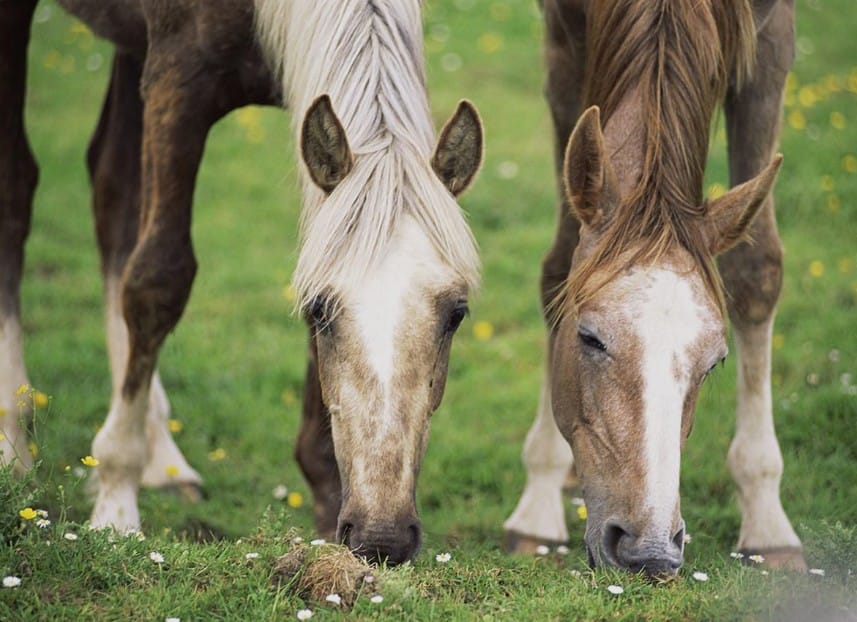
1. Grass (Pasture Grass)
Grass is the foundation of a horse’s natural diet and remains the most important food source in both wild and domestic environments. Horses are continuous grazers, meaning they are designed to eat small amounts of grass throughout the day rather than consuming large meals at once. This constant grazing behavior supports their digestive system, which relies on a steady intake of fiber to function properly.
From a nutritional standpoint, pasture grass provides essential fiber, water content, and moderate levels of protein and carbohydrates. The fiber in grass plays a crucial role in maintaining healthy gut motility and preventing digestive issues such as colic. Fresh grass also contains vitamins like A, E, and several B vitamins, which support immune function, skin health, and energy metabolism.
Horses naturally prefer young, tender grass shoots because they are easier to digest and contain higher nutrient density compared to mature, tough grass. In wild environments, they will move continuously to find fresh grazing areas, ensuring a balanced intake of nutrients while avoiding overgrazing a single patch.
Grass is not just food for horses—it is also a behavioral necessity. Grazing helps reduce stress, supports social bonding in herds, and keeps horses mentally stimulated. Without access to grass or equivalent forage, horses can develop behavioral and digestive problems.
Overall, grass is the biological and behavioral cornerstone of the equine diet and remains irreplaceable in maintaining horse health.
2. Hay (Timothy Hay)
Hay, particularly timothy hay, is one of the most important forage sources for domesticated horses and serves as a substitute for natural pasture grass. It is dried grass that retains much of its fiber content, making it essential for horses kept in stables or areas without year-round grazing access.
Nutritionally, timothy hay is high in structural fiber and relatively low in protein and sugar, making it ideal for maintaining digestive balance without excessive energy intake. The fiber in hay helps support the microbial fermentation process in the horse’s hindgut, where cellulose is broken down into usable energy.
Unlike fresh grass, hay has lower moisture content, which means horses must drink more water when consuming it. However, it provides a stable and consistent food source throughout the year, especially during winter months when fresh pasture is unavailable.
Timothy hay is often preferred over richer varieties because it is less likely to cause weight gain or metabolic issues in horses. It is commonly used in feeding programs for both leisure and performance horses due to its balanced nutritional profile.
Overall, hay functions as the backbone of managed horse diets, ensuring consistent fiber intake and supporting long-term digestive health.
3. Alfalfa Hay
Alfalfa hay is a nutrient-dense forage that is widely used in horse nutrition, particularly for animals requiring higher energy intake such as young horses, working horses, or pregnant mares. Unlike grass hay, alfalfa is a legume, which gives it a higher protein, calcium, and calorie content.
Because of its richness, alfalfa hay is often fed in controlled amounts rather than as a sole forage source. It provides essential amino acids needed for muscle development, tissue repair, and overall growth. The high calcium content also supports bone health, making it especially beneficial for developing foals.
However, due to its high energy density, overfeeding alfalfa can lead to weight gain or metabolic imbalances in less active horses. For this reason, it is commonly mixed with grass hay to create a more balanced diet.
In terms of digestibility, alfalfa is highly palatable and easily consumed by horses. Its soft texture and rich flavor make it appealing, but careful portion control is essential to maintain nutritional balance.
Overall, alfalfa hay is a powerful nutritional supplement within equine diets, best used strategically based on a horse’s age, workload, and health condition.
4. Orchard Grass
Orchard grass is a highly palatable cool-season grass commonly found in pastures and hayfields. For horses, it is an excellent source of fiber and moderate energy, making it a staple forage in both wild grazing environments and managed feeding systems. Its soft texture and sweet taste often make it more appealing than some other grass varieties, which encourages consistent grazing behavior.
Nutritionally, orchard grass provides a balanced mix of digestible fiber, moderate protein, and essential minerals such as potassium and magnesium. These nutrients support muscle function, hydration balance, and overall metabolic health. Because it is less energy-dense than legumes like alfalfa, orchard grass is often preferred for horses that require controlled calorie intake, such as easy keepers or less active animals.
In natural grazing systems, horses often rotate between orchard grass and other pasture species to diversify nutrient intake. This grazing variety helps mimic wild feeding behavior and supports gut microbial diversity, which is essential for healthy digestion. The long fibrous structure of orchard grass also encourages chewing, which increases saliva production and helps buffer stomach acid.
Overall, orchard grass is a safe, reliable forage that supports digestive health while providing steady energy for horses of all life stages.
5. Bermuda Grass
Bermuda grass is a warm-season perennial grass commonly found in southern climates. It plays an important role in horse diets, especially in regions with hot summers where cool-season grasses may become dormant. Horses grazing on Bermuda grass benefit from its dense fiber structure and moderate nutritional content.
This grass provides a solid foundation of dietary fiber, which is essential for hindgut fermentation in horses. The microbial population in the equine digestive system breaks down fiber into volatile fatty acids, which serve as a primary energy source. Bermuda grass is also relatively low in sugar compared to some other pasture types, making it suitable for horses prone to metabolic conditions.
Horses grazing on Bermuda grass tend to spend long periods foraging, which helps replicate natural grazing patterns and reduces boredom-related behaviors. Its resilience to grazing pressure also makes it a reliable pasture option in managed environments.
Overall, Bermuda grass supports digestive health and steady energy release, making it a valuable component of equine forage systems in warm climates.
6. Ryegrass
Ryegrass is a fast-growing pasture grass widely used in horse grazing systems due to its high productivity and nutritional value. It is particularly rich in digestible energy and protein, making it highly beneficial during periods of increased energy demand, such as growth, lactation, or intensive work.
From a nutritional perspective, ryegrass contains a higher sugar content compared to many other grasses. This makes it highly palatable but also requires careful management to prevent excessive calorie intake, especially in horses prone to laminitis or obesity. Despite this, when managed properly, ryegrass provides excellent nutritional support.
Horses grazing ryegrass often exhibit enthusiastic feeding behavior due to its sweetness and tender texture. However, in natural settings, horses instinctively balance their intake by moving between different pasture types to avoid overconsumption.
Overall, ryegrass is a valuable but energy-rich forage that must be offered in moderation depending on the horse’s metabolic needs.
7. Oat Hay
Oat hay is made from mature oat plants harvested before the grain fully develops. It serves as a dual-purpose forage, offering both fibrous stems and residual grain content. For horses, oat hay provides a balance between energy and roughage, making it a versatile feeding option.
Nutritionally, oat hay contains moderate levels of fiber along with higher carbohydrate content than standard grass hay. This makes it useful for horses requiring additional energy without the intensity of grain-heavy diets. It is also rich in certain trace minerals that support muscle function and overall vitality.
Because oat hay includes both stems and seed heads, horses often show selective grazing behavior, preferring the grain-rich portions. This natural preference highlights their ability to seek energy-dense food sources when available.
Overall, oat hay is a useful intermediate forage that bridges the gap between roughage and energy supplementation.
8. Barley Hay
Barley hay is produced from harvested barley plants and provides horses with a fibrous, moderately nutritious forage option. It is less common than other hay types but still plays a role in equine feeding systems, particularly in regions where barley is widely cultivated.
This hay offers a combination of fiber and residual grain nutrients, including carbohydrates and small amounts of protein. While not as nutrient-dense as alfalfa, it still contributes to energy intake and supports digestive function through its fibrous structure.
Horses consuming barley hay typically use it as a supplementary forage rather than a primary feed source. Its slightly coarse texture encourages chewing, which is beneficial for saliva production and digestive buffering.
Overall, barley hay provides a balanced but secondary forage option within a diverse equine diet.
9. Haylage
Haylage is a semi-fermented forage made by cutting and partially drying grass before sealing it to preserve moisture and nutrients. It is increasingly popular in modern horse management due to its high nutritional value and reduced dust content compared to dry hay.
Nutritionally, haylage retains more moisture and soluble nutrients than traditional hay, making it highly palatable and energy-rich. It contains a good balance of fiber, protein, and carbohydrates, supporting both maintenance and performance needs.
One of its main advantages is reduced respiratory irritation, as the higher moisture content helps minimize dust exposure. This makes haylage particularly suitable for horses with respiratory sensitivities.
However, because it spoils more quickly once opened, proper storage and handling are essential. When managed correctly, haylage is an excellent forage alternative that closely resembles fresh pasture nutrition.
10. Straw (Limited Use)
Straw is the dried stalk material left after grain harvesting and is generally low in nutritional value compared to other forages. However, it still plays a role in horse diets, primarily as a source of long fiber rather than energy or protein.
Due to its low digestibility and nutrient content, straw is typically fed in limited amounts or used as a supplement to bulk up forage intake. It is often included in diets for horses that require weight management, as it provides satiety without excessive calories.
Horses may also consume straw bedding opportunistically, although it should not replace proper forage. Its fibrous nature helps stimulate chewing activity and supports gut motility when used appropriately.
Overall, straw serves as a low-energy fiber source rather than a primary nutritional feed for horses.
11. Oats
Oats are one of the most traditional and widely recognized grains fed to horses. They have been used for centuries because of their excellent balance between digestible energy and safety compared to other cereal grains. In many feeding systems, oats are considered a “gentle energy” source, meaning they provide calories without causing excessive digestive stress when fed properly.
Nutritionally, oats are rich in starch, fiber, and moderate protein levels. They also contain important micronutrients such as phosphorus and B vitamins, which support energy metabolism and nervous system function. Unlike denser grains such as corn, oats have a fibrous hull that slows digestion, reducing the risk of rapid glucose spikes.
Horses typically consume oats in whole or rolled form. They are highly palatable and often eagerly accepted, making them useful for underweight horses or those needing additional energy for work or performance. However, because of their calorie content, portion control is important to avoid excessive weight gain.
Overall, oats remain a classic and reliable grain source that supports energy needs while maintaining relatively good digestive safety.
12. Corn (Maize)
Corn, also known as maize, is a high-energy grain used in many horse diets, particularly for performance horses or those requiring rapid weight gain. It is one of the most energy-dense feeds available and provides large amounts of starch and calories in a small volume.
From a nutritional perspective, corn supplies concentrated carbohydrates that are quickly converted into energy. It also contains some fat and protein, although its primary function is energy delivery. Because of its high starch content, corn must be carefully managed to avoid digestive disturbances such as colic or laminitis in sensitive horses.
Horses usually consume corn in cracked or processed form to improve digestibility. In wild-like conditions, horses would rarely encounter corn naturally, but in domestic environments it is an important supplemental feed.
Overall, corn is a powerful energy source best suited for controlled feeding programs where high caloric intake is required.
13. Barley
Barley is another cereal grain used in horse nutrition, valued for its moderate energy content and good digestibility when processed correctly. It sits between oats and corn in terms of energy density, making it a flexible feed ingredient.
Nutritionally, barley contains starch, fiber, and a moderate amount of protein. It also provides essential minerals such as selenium and magnesium, which support muscle and metabolic function. However, because its starch is more rapidly digestible than oats, processing (such as rolling or steam-flaking) is often recommended.
Horses consuming barley benefit from steady energy release, making it suitable for both working and maintenance diets. It is often blended with other grains to create balanced feed rations.
Overall, barley is a versatile grain that provides moderate to high energy with proper feeding management.
14. Wheat Bran
Wheat bran is the outer layer of the wheat kernel and is commonly used in horse diets as a fiber-rich supplement. It is especially known for its mild laxative effect, which can help support digestive regularity in some horses.
Nutritionally, wheat bran contains fiber, small amounts of protein, and minerals such as phosphorus and magnesium. It is often fed in mash form mixed with water, creating a soft, palatable feed that is easy to consume.
Although wheat bran is useful for digestive support, it should not be the primary feed source because it has an imbalanced calcium-to-phosphorus ratio. For this reason, it is usually combined with other calcium-rich feeds.
Overall, wheat bran serves as a functional supplement rather than a primary energy source in horse diets.
15. Rice Bran
Rice bran is a nutrient-dense byproduct of rice milling that is widely used in equine nutrition, particularly for adding calories and healthy fats. It is valued for its high fat content, which provides a slow-release energy source.
Nutritionally, rice bran contains fat, fiber, protein, and essential fatty acids such as omega-6. These nutrients support skin health, coat condition, and sustained energy levels. It is especially useful for horses that require weight gain without excessive starch intake.
Rice bran is often stabilized to prevent spoilage and may be included in pelleted or processed feeds. Its palatability makes it easy to incorporate into feeding programs.
Overall, rice bran is a valuable fat-based energy supplement in modern horse nutrition.
16. Molasses Feed
Molasses feed is a sweet, energy-rich supplement made from sugarcane or sugar beet processing. It is commonly added to horse feed mixes to improve palatability and increase energy content.
Nutritionally, molasses provides simple sugars that deliver quick energy. It also helps bind feed particles, reducing dust and improving texture. However, because of its high sugar content, it must be used carefully, especially in horses prone to metabolic disorders.
Horses are naturally attracted to its sweet taste, which makes it useful for encouraging feed intake in picky eaters or stressed animals.
Overall, molasses feed is a useful but carefully managed energy enhancer in equine diets.
17. Beet Pulp
Beet pulp is a highly digestible fiber source derived from sugar beet processing. It is widely used in horse diets because it provides energy through fermentation rather than high starch content.
Nutritionally, beet pulp contains fermentable fiber that supports healthy gut bacteria and provides steady energy release. It is often soaked in water before feeding to improve digestibility and hydration.
Beet pulp is particularly useful for horses needing weight gain or those with digestive sensitivities, as it is gentle on the hindgut.
Overall, beet pulp is one of the safest and most effective fiber-energy sources in equine nutrition.
18. Pelleted Horse Feed
Pelleted horse feed is a manufactured diet designed to provide balanced nutrition in a convenient form. It typically contains a mix of grains, fiber sources, vitamins, and minerals.
Nutritionally, pellets are formulated to ensure consistency and prevent selective feeding. This means horses receive a balanced intake of nutrients in every bite, which helps maintain health and performance.
Pelleted feeds are especially useful for horses with specific dietary needs, such as performance horses, breeding mares, or seniors requiring additional support.
Overall, pelleted feed offers convenience and nutritional precision in modern horse management.
19. Sweet Feed Mix
Sweet feed is a grain-based mixture often combined with molasses to enhance flavor and energy content. It usually includes oats, corn, barley, and other grains blended into a highly palatable ration.
Nutritionally, sweet feed provides a mix of fast and moderate energy sources, making it suitable for active horses. However, its high sugar content requires careful portion control to avoid metabolic issues.
Horses are strongly attracted to sweet feed due to its taste, which can help improve feed intake in picky or underweight animals.
Overall, sweet feed is an energy-rich but carefully managed dietary option.
20. Ration Balancer Pellets
Ration balancer pellets are specialized feeds designed to provide concentrated vitamins, minerals, and protein without excess calories. They are commonly used when horses consume primarily forage-based diets.
Nutritionally, these pellets fill dietary gaps by supplying essential amino acids, trace minerals, and vitamins that may be lacking in hay or pasture alone. They are especially important for maintaining long-term health and preventing deficiencies.
Because they are nutrient-dense, ration balancers are fed in small quantities compared to other feeds. They help ensure horses receive a complete and balanced diet without overfeeding energy.
Overall, ration balancer pellets play a crucial role in modern equine nutrition by ensuring dietary completeness.
21. Carrots
Carrots are one of the most popular treats fed to horses, known for their natural sweetness and high palatability. While not a staple food in wild conditions, they are widely used in domesticated settings as rewards or supplements. Horses enjoy carrots due to their crunchy texture and mild sugar content, which makes them appealing without being overly rich.
Nutritionally, carrots are rich in beta-carotene, which the horse’s body converts into vitamin A. This vitamin plays an important role in vision, immune system function, and skin health. Carrots also provide small amounts of fiber and natural sugars, giving a quick but mild energy boost.
Because they are low in calories compared to grains, carrots are considered a safe treat when fed in moderation. However, excessive feeding can still contribute to unnecessary sugar intake, especially in horses with metabolic sensitivities.
Overall, carrots are a nutritious, enjoyable supplement that supports vitamin intake while serving as a healthy reward food.
22. Apples
Apples are another widely loved treat among horses and are often used in training or as occasional snacks. In natural environments, horses may encounter wild apples or fallen fruit, especially in orchard-adjacent grazing areas.
Nutritionally, apples contain natural sugars, water, and small amounts of fiber and vitamin C. While vitamin C is not essential in large amounts for horses (as they produce it naturally), the hydration and energy content make apples a refreshing treat.
Horses typically eat apples whole, although they may bite them into chunks depending on size. Because of their sweetness, apples should be fed in moderation to avoid excess sugar intake.
Overall, apples provide hydration, flavor variety, and a natural energy boost within a balanced diet.
23. Bananas
Bananas are an unusual but increasingly popular treat for horses in modern feeding practices. Their soft texture and high sugar content make them highly palatable, even though they are not part of a natural equine diet.
Nutritionally, bananas provide potassium, carbohydrates, and small amounts of vitamin B6. Potassium supports muscle function and electrolyte balance, which is especially useful for active or working horses.
Horses may eat bananas whole or sliced, often enjoying both the flesh and peel. However, due to their high sugar content, they should only be given occasionally.
Overall, bananas are a sweet, energy-rich treat that can support electrolyte balance when fed responsibly.
24. Pears
Pears are a soft, juicy fruit occasionally fed to horses as a seasonal treat. In the wild, horses might encounter pears in areas where fruit trees grow near grazing land.
Nutritionally, pears contain natural sugars, fiber, and water content that support hydration and provide quick energy. The fiber in pears also aids digestion, although the fruit is primarily valued for its taste and hydration benefits.
Horses generally eat pears easily due to their soft texture. As with other fruits, moderation is important to prevent excessive sugar intake.
Overall, pears offer hydration and natural sweetness as a supplementary treat in equine diets.
25. Pumpkins
Pumpkins are a seasonal food sometimes offered to horses, particularly during autumn harvest periods. They are safe and nutritious when fed in appropriate amounts.
Nutritionally, pumpkins provide fiber, beta-carotene, and water content. These nutrients support digestive health, immune function, and hydration. The soft flesh is easy for horses to chew and digest.
Horses may eat both the flesh and seeds, although seeds should be fed in moderation. Pumpkins are often used as enrichment foods due to their size and novelty.
Overall, pumpkins are a fiber-rich seasonal treat that adds variety to the equine diet.
26. Watermelon
Watermelon is a highly hydrating fruit that horses may enjoy during hot weather. It is not a natural staple but is safe when given in moderation.
Nutritionally, watermelon contains high water content, natural sugars, and small amounts of vitamins A and C. Its hydrating properties make it particularly useful during summer months or after exercise.
Horses typically eat both the red flesh and sometimes the rind, although the flesh is preferred due to its sweetness.
Overall, watermelon is a refreshing hydration-focused treat for horses in warm climates.
27. Strawberries
Strawberries are a sweet, aromatic fruit that horses may consume as an occasional treat. While not part of their natural grazing diet, they are safe and appealing in small quantities.
Nutritionally, strawberries provide antioxidants, vitamin C, and natural sugars. These compounds support immune health and provide mild energy benefits.
Horses usually eat strawberries whole and enjoy their soft texture. Because of their sugar content, they should be offered sparingly.
Overall, strawberries are a flavorful and nutrient-rich occasional treat.
28. Celery
Celery is a fibrous vegetable that some horses enjoy due to its crunchy texture. It is commonly used as a low-calorie treat option in training and enrichment activities.
Nutritionally, celery provides fiber, water, and small amounts of vitamins such as vitamin K and potassium. It supports hydration and digestive health without adding significant calories.
Horses may eat celery stalks easily, and it can be fed raw in small pieces for safety. Its fibrous nature also promotes chewing activity.
Overall, celery is a low-sugar, hydrating vegetable suitable for occasional feeding.
29. Lettuce
Lettuce is a leafy vegetable that horses may consume in small amounts, particularly softer varieties such as romaine. It is not a major part of their diet but is safe when offered occasionally.
Nutritionally, lettuce contains water, fiber, and trace vitamins such as vitamin A and folate. Its high water content makes it mildly hydrating but not nutrient-dense.
Horses generally eat lettuce without difficulty, although it should be introduced gradually to avoid digestive upset.
Overall, lettuce is a light, hydrating snack with minimal caloric impact.
30. Sugar Cubes (Treats)
Sugar cubes are a traditional horse treat commonly used for training and bonding. While not part of any natural equine diet, they are highly palatable due to their concentrated sweetness.
Nutritionally, sugar cubes provide simple carbohydrates that deliver quick energy but lack fiber, vitamins, or minerals. Because of this, they should only be used as occasional rewards rather than dietary staples.
Horses quickly learn to associate sugar cubes with positive reinforcement, making them useful in behavioral training contexts.
Overall, sugar cubes are a high-reward treat that should be fed sparingly due to their concentrated sugar content.
Conclusion: What Do Horses Eat?
Horses are herbivores with a highly specialized digestive system designed to process fibrous plant material efficiently. Their diet is built around continuous grazing, which reflects their natural behavior of eating small amounts of forage throughout the day rather than consuming large meals.
At the core of a horse’s nutrition are grasses and hay, which provide the essential fiber needed for proper gut function and steady energy release. These forages support the microbial fermentation process in the hindgut, which is critical for converting plant fiber into usable energy.
In addition to forage, horses in managed care may consume grains such as oats, barley, and corn, along with fiber-based supplements like beet pulp and ration balancers. These foods help meet increased energy demands for performance, growth, and reproduction.
Fruits and vegetables such as carrots, apples, and pumpkins are often used as treats or supplemental nutrients, but they should be fed in moderation due to their sugar content. While horses may enjoy these foods, their digestive system is not designed for high-sugar diets.
Overall, a healthy horse diet is centered on balance: high-quality forage, controlled energy sources, and limited treats. When properly managed, this combination supports digestion, energy levels, and long-term health.
Understanding what horses eat is essential for ensuring their well-being, whether they are living in natural environments or under human care. A well-planned diet not only fuels their physical performance but also supports their behavior, comfort, and longevity.
50+ FAQs About What Horses Eat
1. What do horses eat in the wild?
In the wild, horses primarily eat grasses, herbs, and other fibrous plants. They graze continuously throughout the day, moving across large areas to find fresh vegetation. This constant grazing supports their digestive system, which is designed to process small amounts of food frequently rather than large meals.
2. What is the main food in a horse’s diet?
The main food in a horse’s diet is forage, especially grass and hay. These foods provide the fiber necessary for healthy digestion and energy production. Without forage, a horse’s gut health can quickly deteriorate.
3. Can horses survive on grass alone?
Yes, many horses can survive on good-quality pasture grass alone if it provides enough nutrients. However, in domesticated settings, additional supplements may be needed depending on workload, age, and health condition.
4. Why do horses need so much fiber?
Horses rely on fiber because their hindgut is designed to ferment plant material. Fiber helps maintain gut movement, supports beneficial bacteria, and provides a steady energy release essential for long-term health.
5. Do horses eat hay in the wild?
No, hay is a human-provided substitute for grass. In the wild, horses eat fresh vegetation. Hay is used in domesticated environments when fresh pasture is unavailable.
6. What is the difference between hay and grass?
Grass is fresh, living vegetation, while hay is dried grass preserved for later use. Both provide fiber, but grass contains more moisture and sometimes more vitamins.
7. Do horses eat grains naturally?
Wild horses rarely eat grains in large amounts. Grains like oats and corn are typically part of domesticated feeding programs to provide extra energy.
8. Are oats good for horses?
Yes, oats are a traditional horse feed that provides moderate energy and is relatively safe compared to other grains. They are commonly used for working or underweight horses.
9. Can horses eat corn?
Yes, horses can eat corn, but it is very energy-dense and must be fed carefully. Too much corn can lead to digestive issues due to its high starch content.
10. Is barley safe for horses?
Barley is safe when properly processed and fed in moderation. It provides energy and is often used in combination with other grains.
11. Why is alfalfa fed to horses?
Alfalfa is rich in protein and calcium, making it ideal for growing horses, pregnant mares, and performance animals that need extra nutrition.
12. Can horses eat fruits?
Yes, horses can eat fruits like apples, bananas, and pears in small amounts. These are treats and should not replace forage or grains.
13. Are carrots safe for horses?
Carrots are safe and commonly used as treats. They provide beta-carotene and are well-liked by most horses.
14. Do horses like apples?
Yes, most horses enjoy apples due to their sweetness and juiciness. They should be fed in moderation because of their sugar content.
15. Can horses eat bananas?
Yes, bananas are safe for horses and provide potassium and energy, but they should only be given occasionally.
16. Do horses eat watermelon?
Yes, watermelon is a hydrating treat that horses enjoy, especially in hot weather.
17. Can horses eat strawberries?
Yes, strawberries are safe in small amounts and provide antioxidants and natural sugars.
18. Do horses eat vegetables?
Yes, horses can eat vegetables like celery, lettuce, carrots, and pumpkins, usually as treats rather than staples.
19. Is sugar safe for horses?
Sugar should be limited in horse diets. While small treats like sugar cubes are used in training, excessive sugar can lead to metabolic issues.
20. What is beet pulp used for in horse feed?
Beet pulp is used as a high-fiber feed source that provides energy through fermentation. It is especially useful for weight gain and digestive health.
21. Do horses need supplements?
Some horses require supplements depending on diet quality, workload, and health status. Ration balancers help fill nutritional gaps.
22. What is a ration balancer?
A ration balancer is a concentrated feed that provides vitamins, minerals, and protein without adding excess calories.
23. Can horses eat grass all year round?
In some climates, horses can graze year-round, but in colder regions, hay replaces grass during winter months.
24. How often do horses eat?
Horses eat almost constantly throughout the day, typically grazing for 16–18 hours to maintain digestive health.
25. Why do horses graze so much?
Their digestive system is designed for continuous fiber intake, which keeps the gut functioning properly and prevents health issues.
26. Can horses overeat grass?
Yes, especially lush spring grass, which can be high in sugar and lead to metabolic problems if not managed.
27. What foods are dangerous for horses?
Foods like chocolate, onions, and excessive sugary treats are harmful and should be avoided completely.
28. Can horses eat bread?
Bread is not recommended because it offers little nutritional value and can cause digestive upset if fed in large amounts.
29. Do horses drink while eating?
Yes, horses drink water frequently throughout the day, especially when eating dry forage like hay.
30. How much water do horses need?
Horses typically need 20–50 liters of water per day depending on weather, diet, and activity level.
31. Do horses eat differently in winter?
Yes, they eat more hay in winter when fresh grass is unavailable and may require extra energy for warmth.
32. What is haylage?
Haylage is fermented grass forage that retains more moisture and nutrients than dry hay.
33. Is haylage better than hay?
Haylage is more nutrient-rich but must be stored carefully to prevent spoilage.
34. Can horses eat straw?
Straw is not very nutritious but can be used as a low-energy fiber source in limited amounts.
35. Why do horses chew so much?
Chewing stimulates saliva production, which helps protect the stomach and supports digestion.
36. Can horses eat too many treats?
Yes, too many treats can lead to obesity and metabolic disorders.
37. What is a horse’s favorite food?
Most horses prefer sweet foods like apples, carrots, and fresh grass.
38. Do horses eat flowers?
Sometimes horses may eat flowers accidentally while grazing, but they are not a major food source.
39. Do horses eat weeds?
Yes, many horses consume edible weeds along with grasses during grazing.
40. Can horses eat lettuce?
Yes, lettuce is safe in small amounts and provides hydration.
41. Do horses eat seeds?
Occasionally, horses may consume seeds while grazing, but they are not a primary food source.
42. Why is forage important for horses?
Forage maintains gut health, provides energy, and supports natural feeding behavior.
43. Can horses eat cooked food?
Cooked human food is not recommended because it is not designed for equine digestion.
44. Do horses need salt?
Yes, salt is essential for electrolyte balance and is often provided as a salt block.
45. What is a salt lick?
A salt lick is a mineral block that allows horses to consume salt as needed.
46. Do horses eat bark?
In some cases, horses may chew bark if forage is limited, but it is not ideal nutrition.
47. Can horses eat too much grain?
Yes, too much grain can cause digestive upset and serious metabolic issues.
48. How do horses choose what to eat?
Horses instinctively select fresh, nutrient-rich plants while avoiding bitter or toxic ones.
49. Do horses eat differently based on age?
Yes, young, adult, and senior horses have different nutritional requirements and feeding plans.
50. Why is a balanced diet important for horses?
A balanced diet ensures proper digestion, energy levels, and long-term health and performance.
51. What is the best overall diet for a horse?
A combination of high-quality forage, controlled grains, fresh water, and limited treats is considered the best diet for most horses.