

Penguins are some of the most fascinating birds on Earth, instantly recognizable by their black-and-white “tuxedo” appearance and their extraordinary ability to thrive in some of the harshest environments on the planet. From the freezing waters of Antarctica to temperate coastal regions in the Southern Hemisphere, these flightless seabirds have evolved highly specialized hunting skills that allow them to survive almost entirely on marine life.
Understanding what penguins eat is essential for learning how they survive, reproduce, and adapt to changing ocean conditions. Their diet is closely linked to the health of marine ecosystems, making them important indicator species for scientists studying climate change, ocean pollution, and fish population dynamics.
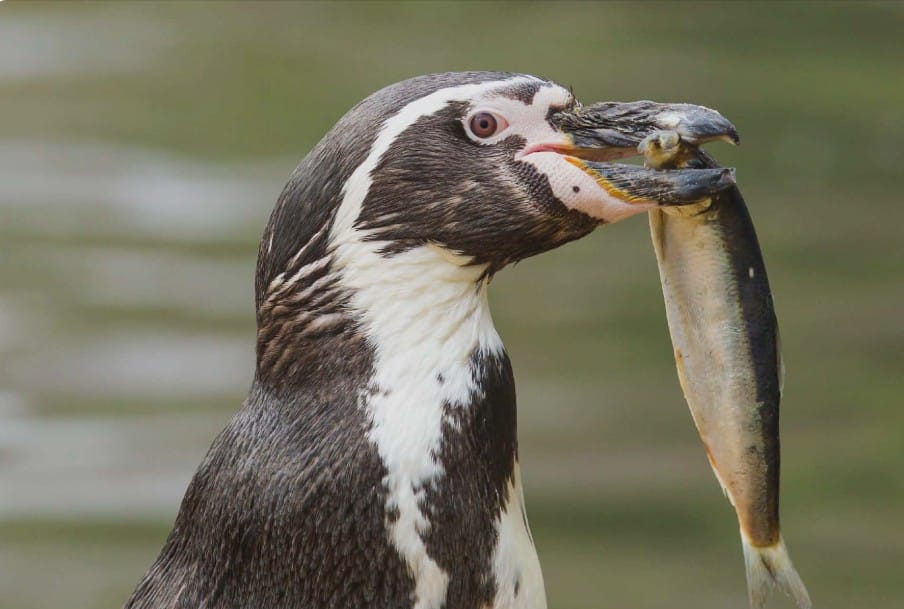
Unlike many birds, penguins do not rely on seeds, plants, or land-based food sources. Instead, they are expert swimmers and hunters that rely on the ocean for all their nutritional needs. Using streamlined bodies and powerful flippers, they can dive deep underwater to catch fast-moving prey with remarkable precision.
Across different species—such as Emperor Penguins, King Penguins, Adelie Penguins, and Gentoo Penguins—the diet can vary slightly depending on habitat and prey availability. However, most penguins share a core diet dominated by fish, squid, and crustaceans, especially krill, which is one of the most important food sources in Antarctic ecosystems.
Their feeding behavior is highly energetic and efficient. Penguins often hunt in groups, diving repeatedly and tracking schools of prey beneath the ice. Some species can dive hundreds of meters deep and hold their breath for several minutes while pursuing food.
In this article, we will explore 30 different foods that penguins eat in the wild. Each item plays a role in their survival, providing essential proteins, fats, and nutrients needed to maintain body heat, energy levels, and reproductive success in extreme cold environments.
From tiny krill to fast-moving fish and deep-sea squid, penguins have one of the most specialized marine diets in the animal kingdom. Let’s begin exploring exactly what fuels these incredible ocean hunters.
What Do Penguins Eat in the Wild?
1. Krill (Antarctic Krill)
Krill are one of the most important food sources for many penguin species, especially those living in Antarctica such as Emperor and Adelie penguins. These small, shrimp-like crustaceans form massive swarms in cold ocean waters and serve as a primary energy source in the Southern Ocean food web.
Penguins hunt krill by diving into dense swarms and snapping them up using their sharp beaks. Krill are rich in protein and fats, which are essential for penguins to maintain body heat in freezing temperatures. During breeding and molting seasons, krill becomes even more critical as penguins require higher energy intake.
Krill also contains carotenoid pigments, which can influence the coloration of penguin tissues and contribute to overall health. Because krill populations are sensitive to climate change and ice conditions, they play a key role in penguin survival and ecosystem stability.
2. Lanternfish
Lanternfish are small, bioluminescent fish found in deep ocean waters. They are a significant prey item for many penguin species that dive to mid or deep ocean layers in search of food.
These fish migrate vertically at night, moving closer to the surface, which makes them easier for penguins to catch. Lanternfish are highly nutritious due to their high fat content, which provides long-lasting energy for penguins during long dives and cold conditions.
Penguins rely on their excellent underwater vision and agility to track and capture lanternfish quickly before they can escape into deeper waters.
3. Silverfish (Antarctic Silverfish)
Antarctic silverfish are a key fish species in the diets of Emperor penguins and other Antarctic seabirds. These fish are adapted to icy waters and remain active even in extremely low temperatures.
Silverfish provide a rich source of protein and omega-rich fats, making them ideal for penguins that need to build energy reserves. Penguins typically hunt them in shallow waters or under sea ice, using swift underwater chases.
Their abundance in certain regions makes them a dependable food source during breeding seasons when penguins stay closer to nesting sites.
4. Icefish
Icefish are unique Antarctic species known for their ability to survive in freezing waters thanks to antifreeze proteins in their blood. Penguins often target them as part of their diet in polar ecosystems.
These fish are relatively slow-moving compared to other prey, making them easier for penguins to catch during deep dives. Icefish provide high-quality protein and are especially important during colder months when other prey becomes scarce.
Their availability beneath sea ice zones makes them a reliable food source for species adapted to extreme environments.
5. Anchovies
Anchovies are small, schooling fish found in temperate and subtropical waters. Penguins living in non-polar regions, such as Humboldt and Magellanic penguins, frequently rely on anchovies as a staple part of their diet.
These fish are energy-dense and rich in oils, providing essential nutrients that support migration, breeding, and chick-rearing activities. Penguins hunt anchovies in groups, using coordinated diving techniques to herd and capture schools of fish.
Anchovies are fast swimmers, so penguins must rely on speed and precision to successfully catch them underwater.
6. Sardines
Sardines are another small schooling fish that form an important food source for many penguin species. They are commonly found in coastal waters and are highly nutritious due to their fat content.
Penguins often follow sardine schools during seasonal migrations, taking advantage of their predictable movement patterns. Sardines provide a rich supply of calories needed for long-distance swimming and diving.
Because they gather in dense schools, sardines can be efficiently hunted by penguins using coordinated group feeding strategies.
7. Pilchards
Pilchards are closely related to sardines and are widely consumed by penguins in temperate ocean regions. These fish are small, oily, and form large schools near the surface of the water.
Pilchards offer a balanced nutritional profile of proteins and fats, making them an ideal energy source for active penguins. They are particularly important during breeding seasons when adults must feed both themselves and their chicks.
Penguins rely on speed and teamwork to chase pilchard schools, often driving them toward shallower waters for easier capture.
8. Mackerel
Mackerel are fast-swimming, mid-sized fish that provide a high-energy food source for larger penguin species. They are rich in omega-3 fatty acids, which support muscle strength and endurance.
Penguins hunting mackerel must be highly agile, as these fish are capable of rapid directional changes underwater. Successful hunting requires precision diving and strong swimming ability.
Mackerel are especially important in regions where smaller fish or krill populations are limited.
9. Herring
Herring are oily schooling fish commonly found in cold and temperate waters. They are a major prey item for penguins that forage in coastal feeding grounds.
These fish provide a dense source of calories and are often targeted during seasonal migrations. Penguins benefit from the high fat content of herring, which helps maintain energy reserves in cold environments.
Because herring move in predictable schools, penguins often use group hunting strategies to maximize capture success.
10. Cod
Cod are larger fish that some penguin species consume when available. While not as common as smaller schooling fish, cod provide a substantial nutritional boost due to their size and protein content.
Penguins typically target juvenile or smaller cod individuals, as adult cod are more difficult to catch. These fish are usually found in colder waters and are accessed during deeper dives.
Cod can help supplement penguin diets when other prey such as krill or small fish become scarce.
11. Squid (Various Species)
Squid are one of the most important prey groups for many penguin species, especially those that dive deeper into the ocean such as Emperor and King penguins. These soft-bodied cephalopods are abundant in both Antarctic and temperate waters, making them a reliable food source throughout the year.
Penguins hunt squid during deep dives, often reaching significant depths where these animals live. Squid are fast and highly maneuverable, but penguins use speed bursts and precise timing to capture them. Their soft bodies make squid easy to digest and rich in protein.
Nutritionally, squid provide essential amino acids and moderate fat content, supporting muscle development and sustained energy. They are particularly valuable during breeding seasons when penguins require high-calorie diets.
12. Cuttlefish
Cuttlefish are closely related to squid and octopus and are another cephalopod prey item for penguins. They are found in temperate and subtropical waters and are often consumed by penguin species outside Antarctica.
Cuttlefish have a unique internal shell called a cuttlebone, but penguins typically consume only the soft tissues. These animals are rich in protein and provide moderate energy levels needed for swimming and diving.
Penguins often encounter cuttlefish while hunting in coastal waters and rely on quick strikes to capture them before they can release ink or escape.
13. Octopus (Small Species)
Small octopuses are occasionally consumed by larger penguin species. Although not a primary food source, they provide a nutrient-dense meal when encountered.
Octopuses are intelligent and highly evasive, using camouflage and rapid movement to avoid predators. Penguins rely on surprise attacks and underwater agility to catch them.
Octopus meat is rich in protein and low in fat, making it a lean but valuable food source that helps diversify the penguin diet.
14. Cephalopod Larvae
Cephalopod larvae include juvenile stages of squid, cuttlefish, and octopus. These tiny organisms are easier to catch than adults and are commonly consumed by penguins during feeding in nutrient-rich waters.
They are abundant in oceanic currents and often form part of the planktonic food web. Penguins feed on them opportunistically while hunting schools of fish or krill.
These larvae provide concentrated nutrients in small packages, making them highly efficient energy sources for active penguins.
15. Fish Larvae
Fish larvae are a critical early-life stage of many marine species and form an important part of the penguin diet, especially in coastal breeding areas.
These larvae drift in large numbers in plankton-rich waters, making them easy targets during feeding dives. Penguins consume them alongside krill and other small organisms.
Fish larvae are rich in protein and highly digestible, providing quick energy that supports daily activity and chick feeding.
16. Fish Eggs (Roe)
Fish eggs, also known as roe, are nutrient-dense reproductive cells released by fish during spawning seasons. Penguins often consume these eggs when they are abundant in the water column.
Roe provides a concentrated source of fats, proteins, and essential nutrients. Because they are small and immobile, fish eggs are easy for penguins to ingest in large quantities.
Seasonal spawning events can create feeding opportunities where penguins temporarily rely heavily on roe as a food source.
17. Krill Larvae
Krill larvae are juvenile stages of Antarctic krill and form part of the planktonic ecosystem. Penguins consume them alongside adult krill during feeding in nutrient-rich waters.
These larvae are rich in protein and develop in large swarms, making them an accessible and abundant food source for penguins.
They play an important role in supporting penguin populations during breeding and molting seasons when energy demands are high.
18. Amphipods
Amphipods are small, shrimp-like crustaceans found in both deep and shallow marine environments. They are an occasional but important part of the penguin diet, especially in Antarctic ecosystems.
These organisms are rich in protein and are often consumed alongside krill and copepods. Penguins target them during opportunistic feeding in dense plankton zones.
Their small size makes them easy to consume in large numbers, providing steady energy intake.
19. Copepods
Copepods are tiny planktonic crustaceans that form one of the largest biomass groups in the ocean. They are a key component of marine food webs and are frequently consumed by penguins.
Penguins ingest copepods while feeding on plankton-rich swarms, especially in nutrient-dense waters. These organisms are rich in fats and proteins despite their small size.
Copepods are especially important for juvenile penguins and species that rely heavily on krill-like organisms.
20. Small Crustaceans
Small crustaceans include a variety of marine organisms such as tiny shrimp, larvae, and planktonic species. These form a significant supplemental food source for penguins in many regions.
They are highly abundant in coastal and open ocean waters, making them easy to access during feeding dives. Penguins consume them alongside fish and squid.
These crustaceans provide essential nutrients such as proteins, lipids, and minerals that support growth and energy balance in cold marine environments.
21. Amphibious Shrimp-like Crustaceans
Amphibious shrimp-like crustaceans are small marine organisms that often live in coastal zones where fresh and saltwater mix. These creatures can survive in fluctuating conditions, making them accessible prey for penguins that forage near shorelines and shallow waters.
Penguins consume these crustaceans during opportunistic feeding sessions, especially when they are abundant in nutrient-rich coastal currents. They are rich in protein and provide quick energy for active swimming and diving.
Because of their small size, penguins can consume large numbers of them in a single dive, helping maintain energy levels during long foraging trips.
22. Zooplankton
Zooplankton is a broad term that includes tiny drifting animals in the ocean, such as larvae, protozoans, and microscopic crustaceans. It forms the foundation of many marine food chains and is indirectly or directly consumed by penguins.
Penguins ingest zooplankton while feeding on krill swarms or plankton-rich waters. These organisms are highly abundant, especially in cold nutrient-rich oceans like the Southern Ocean.
Zooplankton provides essential fats and proteins in small but frequent amounts, contributing to the energy needs of penguins during constant activity.
23. Marine Copepod Swarms
Marine copepod swarms consist of dense aggregations of tiny crustaceans that drift through ocean currents. These swarms are a critical food source for many marine species, including fish, whales, and penguins.
Penguins feed on copepod swarms during plankton-rich feeding events, often alongside krill. The abundance of these swarms allows penguins to efficiently capture large quantities in a short time.
Copepods are rich in lipids, which are especially important for energy storage and insulation in cold climates.
24. Euphausiids (Krill Family Species)
Euphausiids are a broader group of krill-like crustaceans and are among the most important prey for Antarctic penguins. They form massive swarms that can stretch for kilometers in ocean waters.
Penguins rely heavily on euphausiids during feeding dives, especially in regions where other fish populations fluctuate. These organisms are high in fat and protein, making them a perfect energy source.
Their abundance and predictable seasonal patterns make them a cornerstone of penguin survival in polar ecosystems.
25. Small Schooling Baitfish
Small schooling baitfish include various species of juvenile fish that gather in dense groups for protection. These fish are a major target for penguins due to their abundance and predictable movement patterns.
Penguins use coordinated hunting techniques to herd and capture entire schools of baitfish. This strategy increases feeding efficiency and reduces escape chances.
Baitfish are rich in oils and proteins, providing essential calories needed for long migrations and breeding cycles.
26. Sea Snails (Rare, Small Species)
Sea snails are not a primary food source for penguins, but small species may occasionally be consumed when encountered during foraging. These mollusks are more commonly found in coastal benthic zones.
Penguins typically consume sea snails only when they are small enough to swallow or when they are already weakened or broken. The soft tissue provides limited protein compared to fish or krill.
Although rare in the diet, sea snails contribute minor nutritional diversity in certain habitats.
27. Jellyfish (Accidental Feeding)
Jellyfish are generally not a targeted food source for penguins, but they are sometimes ingested accidentally while hunting plankton or fish. Their gelatinous bodies provide little nutritional value.
When consumed, jellyfish offer mostly water content with minimal protein or fat. Penguins may encounter them frequently in open ocean environments where jellyfish blooms occur.
These encounters are incidental and do not represent a significant part of the penguin diet.
28. Barnacle Larvae
Barnacle larvae are microscopic drifting organisms released during barnacle reproduction. They form part of the plankton community and are consumed indirectly by penguins.
Penguins ingest barnacle larvae while feeding on plankton-rich waters. These larvae are rich in nutrients despite their small size.
They contribute to the overall diversity of microscopic prey items in the penguin diet.
29. Crab Larvae
Crab larvae are another planktonic food source that penguins consume opportunistically. These larvae drift in ocean currents before settling into adult habitats.
They are rich in proteins and fats, making them a valuable supplement to the penguin diet during feeding in productive waters.
Penguins often consume crab larvae alongside other planktonic organisms such as copepods and krill.
30. Tiny Marine Invertebrates Drifting in Open Water
Tiny marine invertebrates include a wide range of microscopic and small drifting organisms found throughout the ocean. These organisms form part of the planktonic ecosystem and are consumed indirectly by penguins during feeding.
Penguins capture these organisms while targeting larger prey like krill and fish, ingesting them as part of mixed mouthfuls of seawater and prey.
Although individually small, these invertebrates contribute collectively to the nutritional intake of penguins in productive marine environments.
Conclusion: What Do Penguins Eat and Why It Matters
Penguins have one of the most specialized diets in the animal kingdom, relying almost entirely on marine life for survival. From krill and small fish to squid, copepods, and other planktonic organisms, their food choices reflect the rich biodiversity of cold ocean ecosystems.
Across all species, the core of a penguin’s diet is built on high-energy, protein-rich prey such as krill, lanternfish, sardines, and squid. These foods provide the fat and protein needed to sustain long dives, endure freezing temperatures, and support energy-intensive activities like breeding and chick rearing.
What makes penguins especially remarkable is their adaptability. Depending on their habitat, they can shift between feeding on tiny planktonic crustaceans to hunting fast-moving fish or deep-sea squid. This flexibility allows them to survive in both polar and temperate marine environments.
Penguins also play a crucial ecological role as mid-level predators. By feeding on krill and small fish, they help regulate marine food chains and reflect the health of ocean ecosystems. Changes in their diet or feeding success often signal shifts in ocean temperature, ice coverage, and prey availability.
Understanding what penguins eat is not just about studying their behavior—it also provides valuable insight into the health of the planet’s oceans. As climate change continues to affect marine ecosystems, protecting the food sources of penguins becomes essential for their long-term survival.
In summary, penguins are highly efficient marine hunters whose survival depends on a delicate balance of ocean life. Their diet reflects both the abundance and fragility of the ecosystems they inhabit, making them one of the most important indicator species in the natural world.
50+ FAQs About What Penguins Eat
1. What do penguins mainly eat?
Penguins mainly eat marine animals such as krill, fish, squid, and small crustaceans. Their diet depends heavily on the species and location.
2. Do penguins eat fish?
Yes, fish are a major part of most penguin diets, especially species like sardines, anchovies, herring, and lanternfish.
3. Do penguins eat krill?
Yes, krill are one of the most important food sources, particularly for Antarctic penguins like Adelie and Emperor penguins.
4. Do penguins eat squid?
Yes, squid are commonly eaten by deep-diving penguins and provide a rich source of protein.
5. Do penguins eat crustaceans?
Yes, they consume crustaceans such as krill, amphipods, copepods, and other small marine species.
6. Do all penguins eat the same food?
No, diets vary depending on species, habitat, and prey availability in their environment.
7. Do penguins eat jellyfish?
Occasionally, but jellyfish are not a preferred or nutritious food source and are usually consumed accidentally.
8. Do penguins hunt in groups?
Yes, some penguins hunt cooperatively to herd fish schools and improve feeding efficiency.
9. How do penguins catch their food?
Penguins dive underwater, using speed and agility to chase and capture prey with their beaks.
10. How deep can penguins dive for food?
Some species like Emperor penguins can dive over 500 meters to reach deep-water prey.
11. Do penguins eat plants?
No, penguins are carnivores and do not eat plants or vegetation.
12. Do penguins eat algae?
No, algae are not part of their diet, although they may indirectly ingest microscopic organisms in water.
13. What is a penguin’s favorite food?
Krill is considered one of the most important and preferred food sources for many Antarctic penguins.
14. Do penguins eat anchovies?
Yes, anchovies are a common food source for penguins living in temperate coastal regions.
15. Do penguins eat sardines?
Yes, sardines provide high energy and are commonly eaten during seasonal migrations.
16. Do penguins eat herring?
Yes, herring are oily fish that provide essential fats for energy storage.
17. Do penguins eat lanternfish?
Yes, lanternfish are deep-sea prey often consumed during night or deep dives.
18. Do penguins eat icefish?
Yes, especially Antarctic penguins that hunt in freezing waters.
19. Do penguins eat cod?
Some penguins eat smaller cod or juvenile fish when available.
20. Do penguins eat mackerel?
Yes, mackerel are fast fish that provide high energy for penguins.
21. Do penguins eat copepods?
Yes, copepods are small planktonic crustaceans consumed indirectly or in swarms.
22. Do penguins eat amphipods?
Yes, amphipods are small crustaceans that form part of their diet in Antarctic waters.
23. Do penguins eat fish eggs?
Yes, fish eggs (roe) are eaten when available and provide concentrated nutrients.
24. Do penguins eat fish larvae?
Yes, fish larvae are easy to catch and rich in protein.
25. Do penguins eat squid larvae?
Yes, cephalopod larvae are consumed opportunistically during feeding.
26. Are penguins carnivores?
Yes, penguins are strict carnivores that rely entirely on marine animals.
27. Do penguins eat shellfish?
They may consume small crustaceans, but not hard-shelled shellfish like humans eat.
28. Do penguins eat crabs?
They may eat crab larvae, but adult crabs are rarely part of their diet.
29. Do penguins eat octopus?
Yes, small octopuses are occasionally consumed by larger penguin species.
30. Do penguins eat cuttlefish?
Yes, cuttlefish are part of the cephalopod group eaten by penguins.
31. Why do penguins eat krill instead of fish sometimes?
Krill are abundant, easy to catch in swarms, and provide high energy in cold waters.
32. Do penguins drink water?
They get most of their water from prey and can also drink seawater due to special glands that remove salt.
33. How often do penguins eat?
They feed daily or frequently depending on prey availability and energy needs.
34. Do penguins store food?
No, penguins do not store food; they must hunt regularly to survive.
35. Do baby penguins eat the same food as adults?
Chicks are fed regurgitated fish, krill, and squid by their parents.
36. Do penguins eat more during winter?
Yes, they often need more energy to maintain body heat in cold seasons.
37. Do penguins eat less during breeding season?
Adults may eat less while incubating eggs but consume large amounts when foraging.
38. Do penguins compete for food?
Yes, competition can occur when prey is limited in certain regions.
39. What happens if penguins cannot find food?
They may travel long distances or face starvation if prey becomes scarce.
40. Do penguins eat at night?
Yes, some species feed at night when prey like lanternfish migrate upward.
41. Do penguins eat deep-sea animals?
Yes, many penguins dive deep to catch squid and deep-water fish.
42. Do penguins eat plankton?
They do not eat plankton directly but consume organisms within plankton communities.
43. Are penguins top predators?
No, they are mid-level predators and are hunted by seals, orcas, and sharks.
44. Do penguins eat different food in zoos?
Yes, they are fed fish like herring, capelin, and sardines in captivity.
45. Do penguins prefer cold water food?
Most species rely on cold-water prey like krill and Antarctic fish.
46. Do penguins migrate for food?
Yes, many species migrate long distances to follow food availability.
47. Do penguins eat more fish or squid?
This depends on species, but many consume a mix of both.
48. Do penguins eat dead animals?
Rarely; they prefer live prey and fresh catches.
49. How important is krill to penguins?
Krill is one of the most essential food sources in Antarctic ecosystems.
50. Can penguins survive without fish?
No, fish and marine animals are essential for their survival.
51. What is the biggest threat to penguin food supply?
Climate change and overfishing reduce the availability of krill and fish populations.
52. Why are penguins important to ecosystems?
They help regulate marine food chains and indicate ocean health changes.
Read more: