
Armadillos are fascinating creatures known for their protective armor and unique behaviors. Found primarily in the Americas, these remarkable mammals belong to the order Cingulata and are recognized for their adaptability, diverse species, and intriguing evolutionary history. In this guide, we will explore the Types of Armadillos, highlighting 15 distinct species. From the commonly seen Nine-Banded Armadillo to the elusive Pink Fairy Armadillo, each species offers a window into the wonders of wildlife. This article is designed for beginners and wildlife enthusiasts alike, providing detailed identification, habitat, and behavioral traits, ensuring that readers can recognize and appreciate these armored mammals in their natural habitats.
1. Nine-Banded Armadillo (Dasypus novemcinctus)
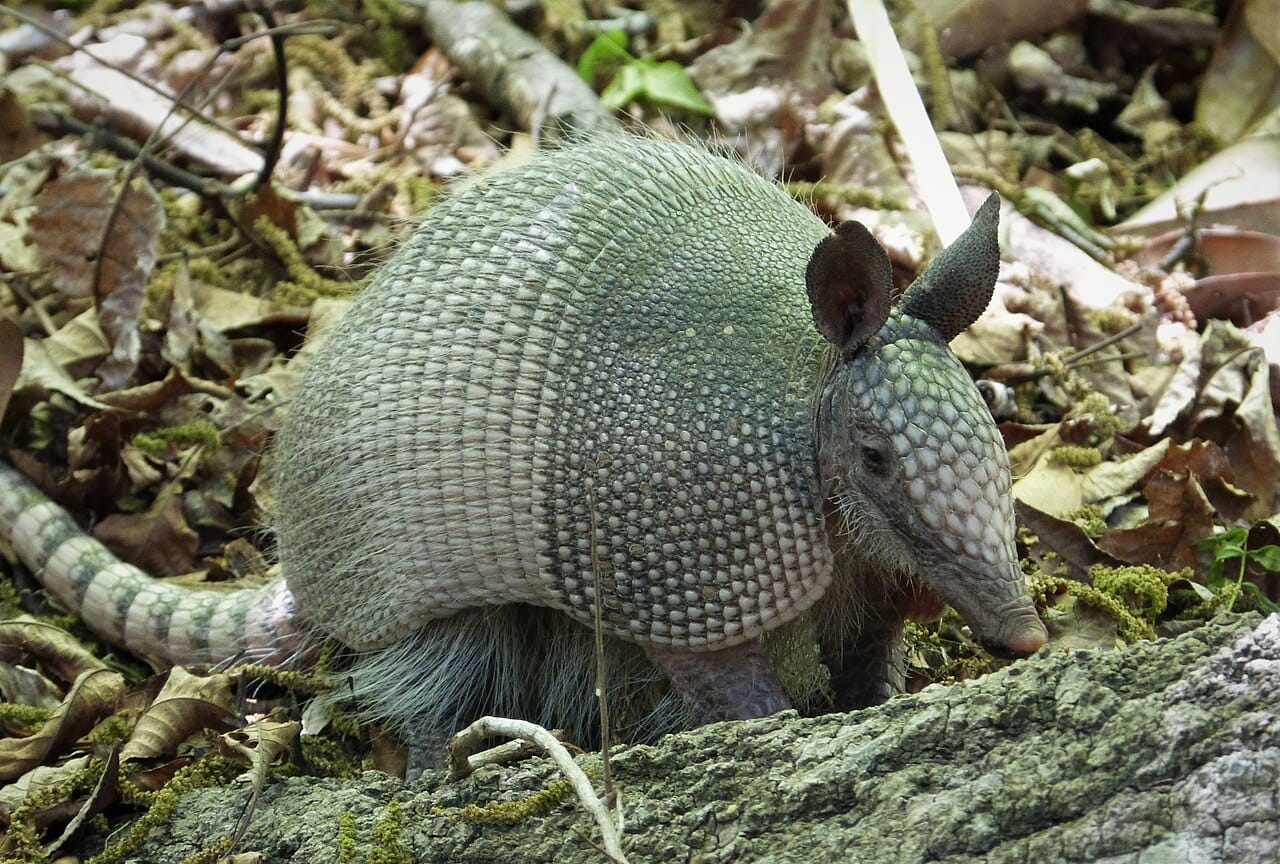
The Nine-Banded Armadillo is the most widely recognized species of armadillo, easily identified by the nine movable bands on its protective shell. Native to Central and South America, it has expanded its range into the southern United States, making it familiar to many North Americans. These armadillos are primarily nocturnal, digging burrows for shelter and foraging for insects, grubs, and other small invertebrates. Their flexible armor allows them to squeeze into tight spaces, while their keen sense of smell guides them to hidden prey. Despite their protective shell, they are preyed upon by large predators such as coyotes and jaguars. Observing their digging behavior and slow, deliberate movements offers insight into their survival strategies and ecological role.
The Nine-Banded Armadillo is a fascinating example of evolutionary adaptation, with a combination of defensive armor and burrowing abilities that have allowed it to thrive across diverse environments. This species is often used in research due to its unique reproductive biology, including the rare phenomenon of polyembryony, where a single fertilized egg splits to produce genetically identical quadruplets. Conservation status is currently stable, although habitat loss and road mortality can pose local threats. Understanding the Nine-Banded Armadillo is essential for appreciating the diversity of Types of Armadillos.
2. Seven-Banded Armadillo (Dasypus septemcinctus)
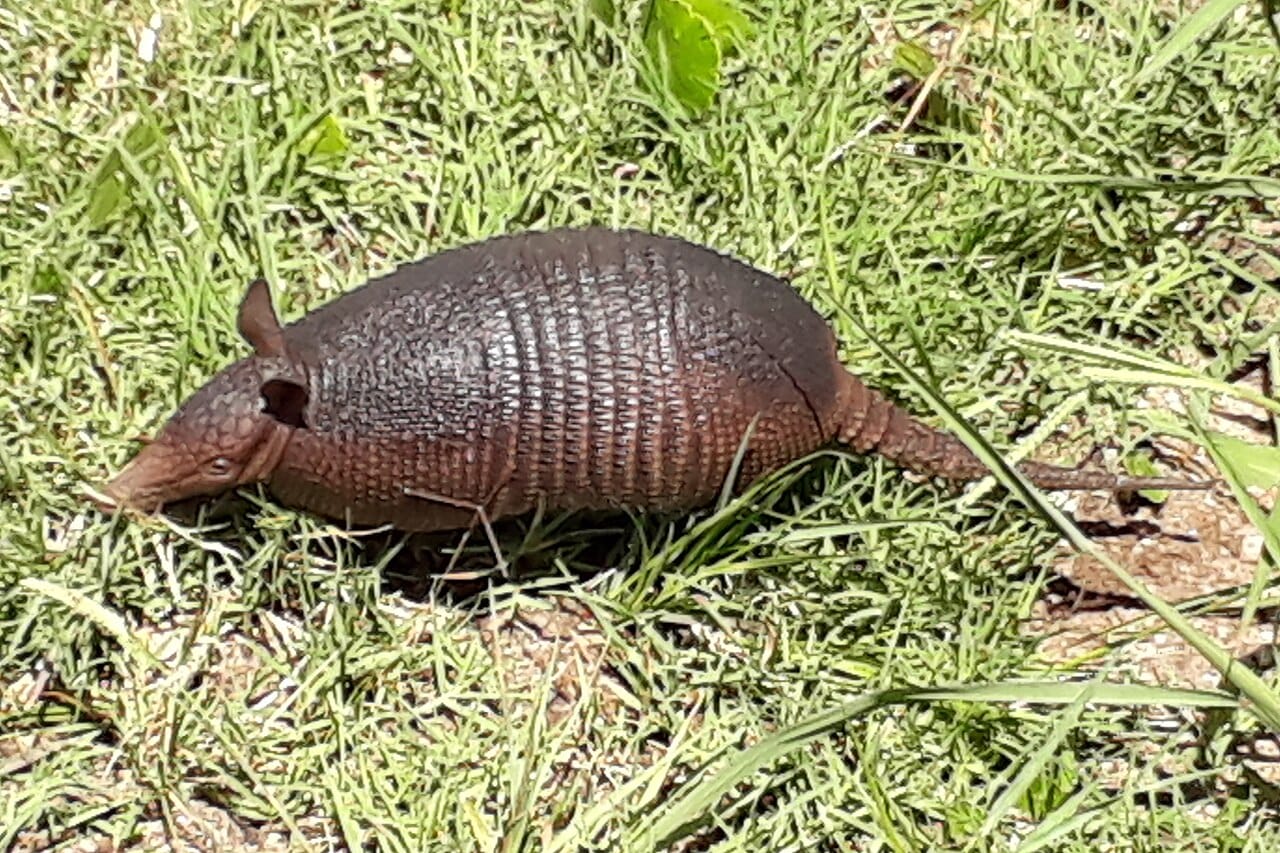
The Seven-Banded Armadillo is distinguished by its seven armored bands and slightly smaller body compared to its nine-banded relative. Found primarily in South America, particularly in Brazil, Paraguay, and Argentina, this species prefers forests and grasslands where it can forage for insects and other invertebrates. Its diet is similar to other Dasypus species, with a strong preference for ants and termites, which it excavates using its powerful claws. Unlike the Nine-Banded Armadillo, this species tends to be more reclusive, spending much of its time in dense vegetation or underground burrows.
Behaviorally, the Seven-Banded Armadillo is highly secretive, emerging mostly at night to avoid predators. Its armored shell provides protection from predation, while its digging habits play a critical role in aerating soil and controlling insect populations. This species is also noteworthy for its solitary lifestyle, only coming together for mating purposes. Understanding the Seven-Banded Armadillo provides a deeper appreciation for the ecological roles and behavioral diversity within Types of Armadillos.
3. Six-Banded Armadillo (Euphractus sexcinctus)
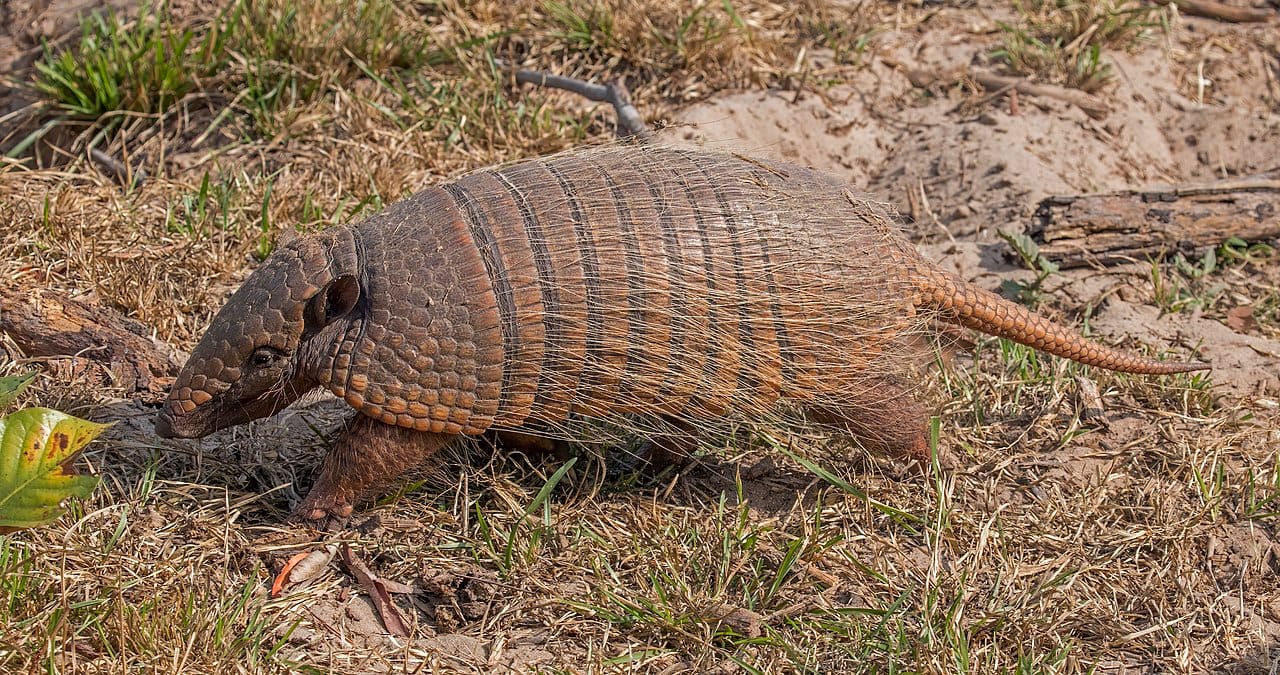
The Six-Banded Armadillo, or Six-Banded Armadillo, is native to South America and easily recognized by the six distinct bands on its armor. Unlike Dasypus species, it has a more robust and slightly more colorful carapace, often displaying yellowish or reddish tones. These armadillos are primarily insectivorous but also consume small vertebrates, fruits, and plants. They are excellent diggers, creating extensive burrows that serve as refuges from predators and harsh weather. Their nocturnal and crepuscular activity patterns help them avoid predation, although they remain vulnerable to larger carnivores.
The Six-Banded Armadillo exhibits interesting reproductive behaviors, often giving birth to a single offspring, unlike the polyembryonic reproduction seen in the Nine-Banded Armadillo. Conservation concerns for this species are relatively minor, but habitat encroachment poses localized threats. The Six-Banded Armadillo’s adaptability and foraging strategies illustrate the ecological significance of armored mammals in South American ecosystems. Learning about this species enriches our understanding of the variety among Types of Armadillos.
4. Southern Three-Banded Armadillo (Tolypeutes matacus)
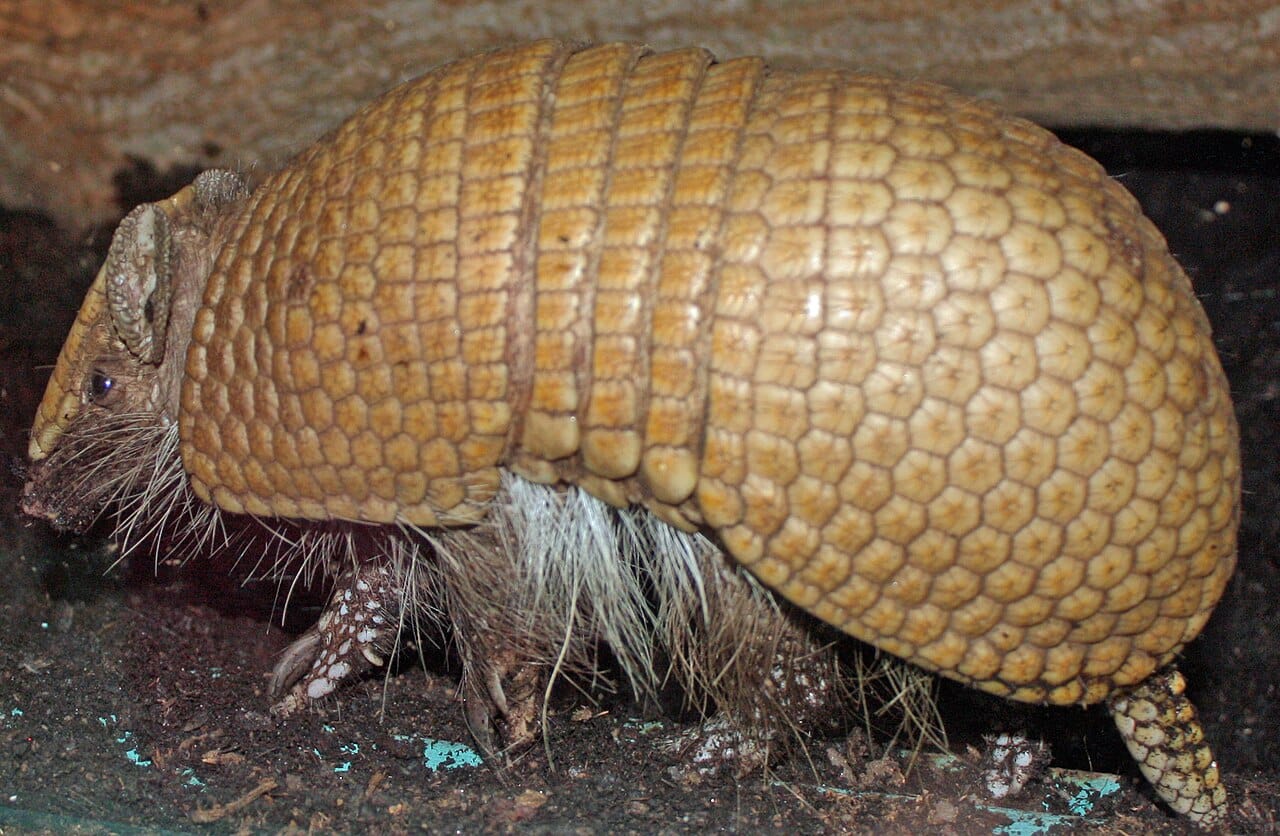
The Southern Three-Banded Armadillo is one of only two armadillo species capable of completely rolling into a ball as a defense mechanism. Found in central and southern South America, including Brazil, Bolivia, and Paraguay, this armadillo relies on its unique ability to shield its soft underparts from predators. Its shell is smooth and slightly domed, allowing it to curl tightly, leaving no exposed flesh. These armadillos prefer dry forests and savannas, where they forage for insects, small vertebrates, and plant material.
Behaviorally, the Southern Three-Banded Armadillo is diurnal in some regions, although activity can vary seasonally. Its rolling defense strategy is highly effective against predators, making it one of the more iconic armadillo species. Due to hunting and habitat loss, it is considered vulnerable in certain areas, emphasizing the need for conservation awareness. Studying this species provides unique insights into the defensive adaptations present in Types of Armadillos and highlights the evolutionary creativity of these armored mammals.
5. Brazilian Three-Banded Armadillo (Tolypeutes tricinctus)
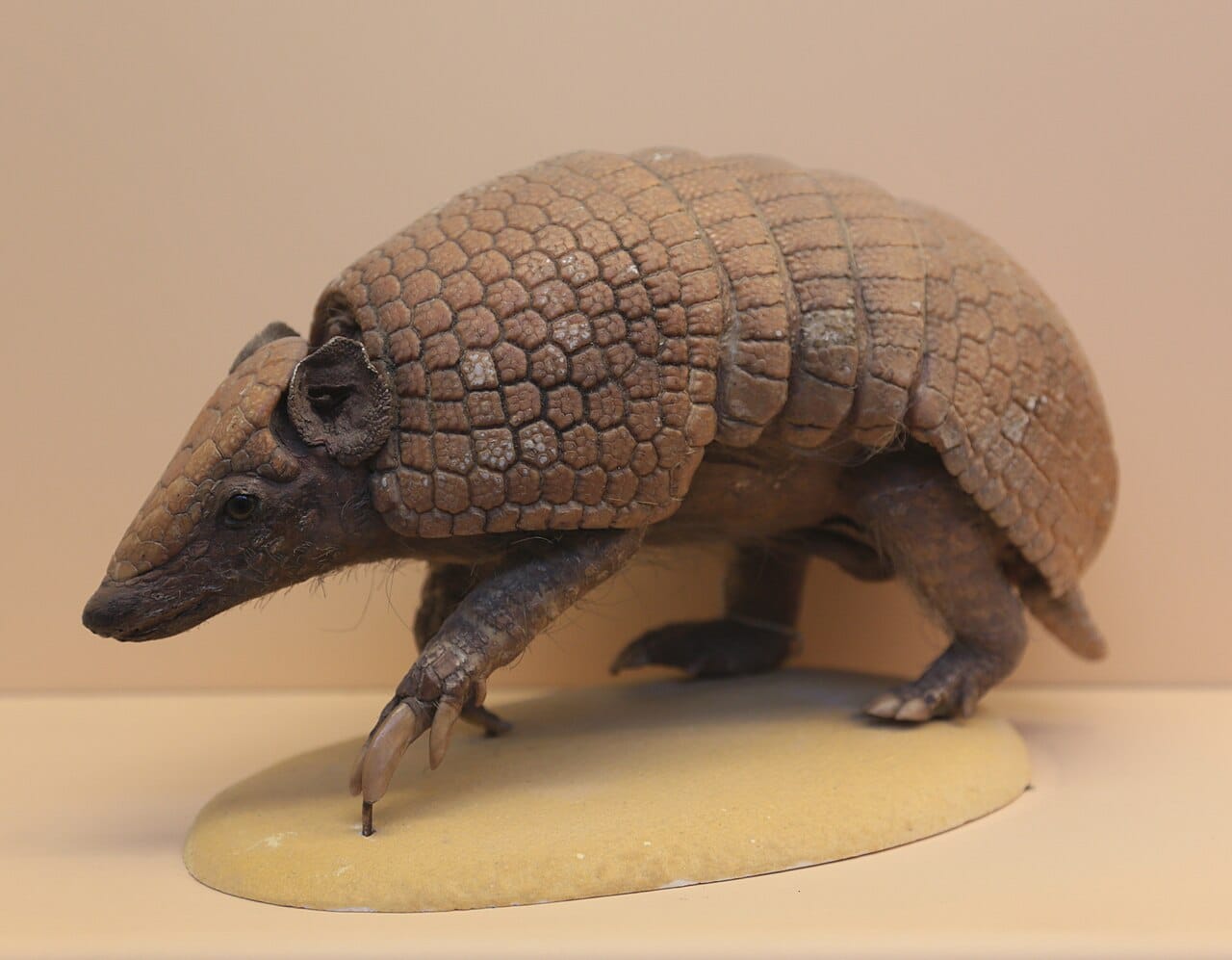
The Brazilian Three-Banded Armadillo is closely related to the Southern Three-Banded Armadillo and shares the remarkable ability to roll into a ball. Endemic to Brazil, this species inhabits the Cerrado, a vast tropical savanna rich in biodiversity. Its shell is highly flexible, with three distinct bands that enable complete closure for protection. This armadillo primarily feeds on ants, termites, and other invertebrates, but it may also consume fruit and vegetation during times of scarcity. The Brazilian Three-Banded Armadillo is known for its shy and solitary behavior, often retreating to burrows or dense vegetation when disturbed.
Conservation status for this species is critical, as habitat destruction and hunting have significantly reduced population numbers. The Brazilian Three-Banded Armadillo serves as an important ecological indicator, reflecting the health of the Cerrado ecosystem. Studying its behavior, diet, and habitat needs provides essential knowledge for the protection and management of Types of Armadillos. Observing this species in the wild allows researchers and enthusiasts to appreciate the evolutionary ingenuity that has enabled these animals to survive for millions of years.
6. Giant Armadillo (Priodontes maximus)
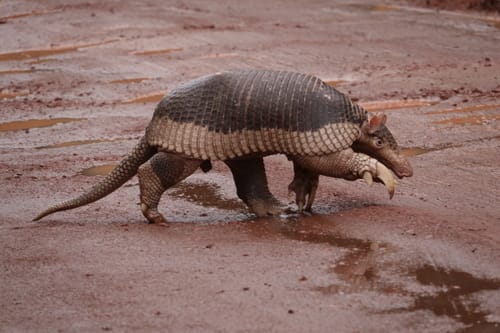
The Giant Armadillo is the largest living species of armadillo, easily distinguished by its massive size, powerful claws, and flexible yet robust armor. Native to South America, particularly the Amazon rainforest, this species inhabits dense tropical forests, grasslands, and savannas. Adult Giant Armadillos can reach up to 1.5 meters in length and weigh over 30 kilograms, making them formidable creatures in their ecosystems. Despite their size, these armadillos are elusive and nocturnal, primarily emerging at night to forage for insects, larvae, and other invertebrates. They use their exceptionally strong forelimbs to dig extensive burrows, which serve not only as personal refuges but also provide shelter for other species, playing a crucial role in their environment.
Giant Armadillos exhibit a fascinating combination of solitary behavior and territoriality, often maintaining large home ranges that they defend against conspecifics. Their diet is highly specialized, focusing on ants and termites, which they locate using an extraordinary sense of smell. Unlike smaller armadillos, they reproduce slowly, usually giving birth to a single offspring after a long gestation period. Conservation efforts are essential for this species, as habitat destruction and hunting have caused significant declines in population. Studying the Giant Armadillo provides valuable insights into the ecological significance and adaptive strategies of Types of Armadillos, particularly regarding burrowing behavior, nocturnal foraging, and the evolutionary benefits of armor and size.
7. Pink Fairy Armadillo (Chlamyphorus truncatus)
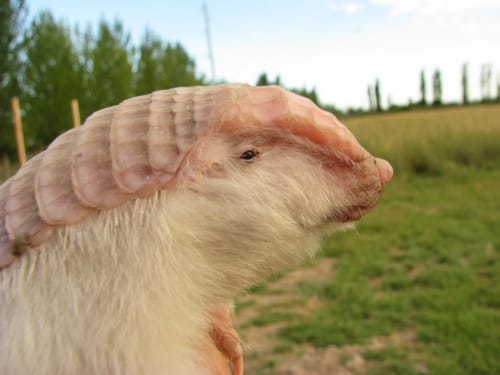
The Pink Fairy Armadillo is arguably the most enchanting member of the armadillo family, recognized for its tiny size, delicate pink shell, and nocturnal, subterranean lifestyle. Endemic to central Argentina, it inhabits sandy plains and scrublands where it can easily burrow to escape predators and extreme temperatures. Measuring only 10–12 centimeters in length, this armadillo is the smallest of its kind, yet its adaptations for survival are extraordinary. Its dorsal shell, slightly flexible and pale pink, provides camouflage against sandy soils, while its ventral side is soft and protected by a thin layer of skin. The Pink Fairy Armadillo primarily feeds on ants, larvae, and other small invertebrates, using its elongated snout and strong claws to excavate hidden prey.
This species is highly nocturnal, spending most of the day underground to avoid predators and conserve energy. Unlike larger armadillos, Pink Fairy Armadillos are solitary and have very limited dispersal ranges, which makes them particularly vulnerable to habitat fragmentation. Threats include agriculture, road mortality, and predation by domestic animals. Conservationists emphasize the importance of preserving native habitats to ensure the survival of this unique species. The Pink Fairy Armadillo exemplifies the diversity and specialization present in Types of Armadillos, showcasing evolutionary adaptation at a miniature scale with remarkable efficiency and survival strategies.
8. Northern Naked-Tailed Armadillo (Cabassous centralis)
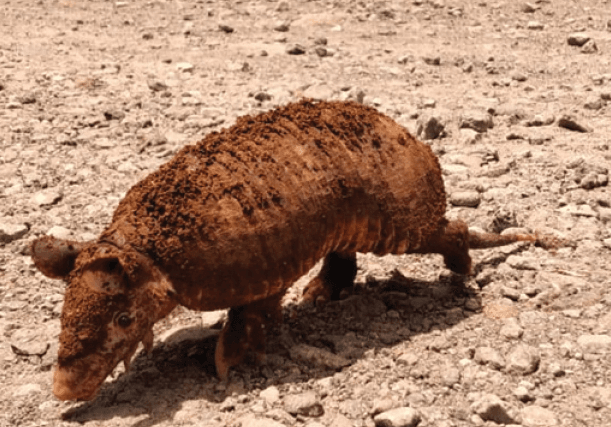
The Northern Naked-Tailed Armadillo is known for its partially exposed tail and preference for burrowing in forested areas of Central America. This medium-sized armadillo has a distinctive elongated snout, strong digging claws, and a mostly smooth, flexible carapace that allows it to maneuver underground efficiently. Its diet is insectivorous, focusing heavily on ants, termites, and other invertebrates, which it locates using its keen olfactory senses. Nocturnal in nature, the Northern Naked-Tailed Armadillo spends the day within its burrows, emerging at night to forage. Its burrows not only serve as protective shelters but also help aerate soil and support ecosystem diversity by providing habitats for other species.
Reproduction in this species is generally seasonal, with females producing one to four young per litter. The Northern Naked-Tailed Armadillo exhibits solitary behavior, except during mating periods, and demonstrates significant territoriality within its home range. Human activities, including deforestation and land conversion, pose substantial threats to its habitat. Observing this species offers valuable lessons in burrowing behavior, nocturnal adaptation, and ecosystem engineering. Its presence underscores the diversity within Types of Armadillos and highlights the evolutionary adaptations that have allowed armadillos to thrive across a wide range of environments.
9. Southern Naked-Tailed Armadillo (Cabassous unicinctus)
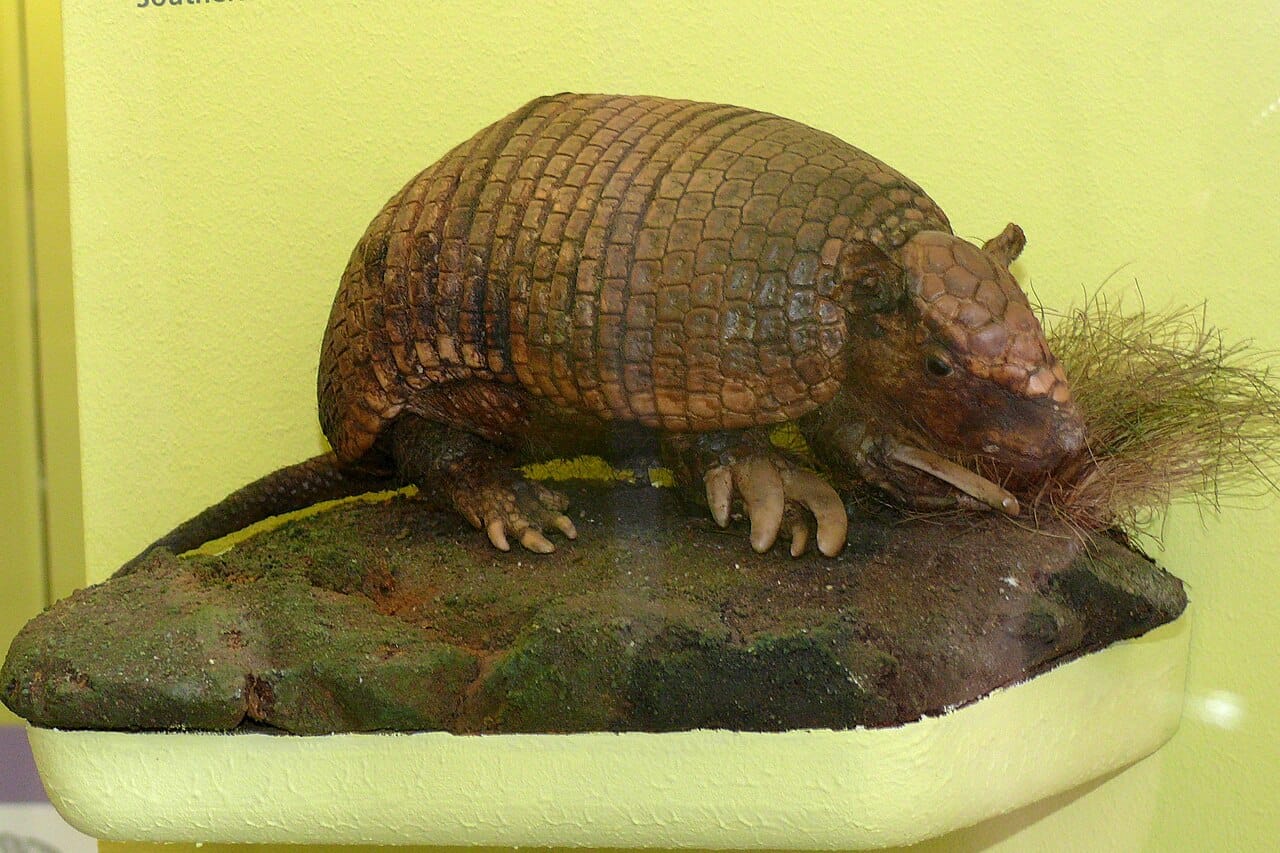
The Southern Naked-Tailed Armadillo is closely related to its northern counterpart but is native to South America, particularly in Brazil, Bolivia, and Paraguay. Like other naked-tailed species, it features a partially exposed tail and a smooth, flexible carapace that facilitates movement through soil and dense vegetation. This medium-sized armadillo is an expert digger, constructing intricate burrows that provide shelter from predators and extreme weather. Its diet consists primarily of insects, termites, and other small invertebrates, although it will occasionally consume plant matter. The Southern Naked-Tailed Armadillo is nocturnal and highly elusive, rarely observed in the wild except by dedicated researchers or local inhabitants.
Behaviorally, this species is solitary and maintains defined home ranges, which it actively defends. Its reproductive biology involves the birth of one to two offspring per year, with young developing rapidly within the safety of burrows. Threats include habitat destruction due to agriculture and human encroachment, as well as hunting in certain regions. The Southern Naked-Tailed Armadillo exemplifies the importance of burrowing mammals in soil health and ecosystem dynamics. Studying this species offers insight into the survival strategies, ecological contributions, and behavioral patterns of Types of Armadillos in South America.
10. Greater Long-Nosed Armadillo (Dasypus kappleri)
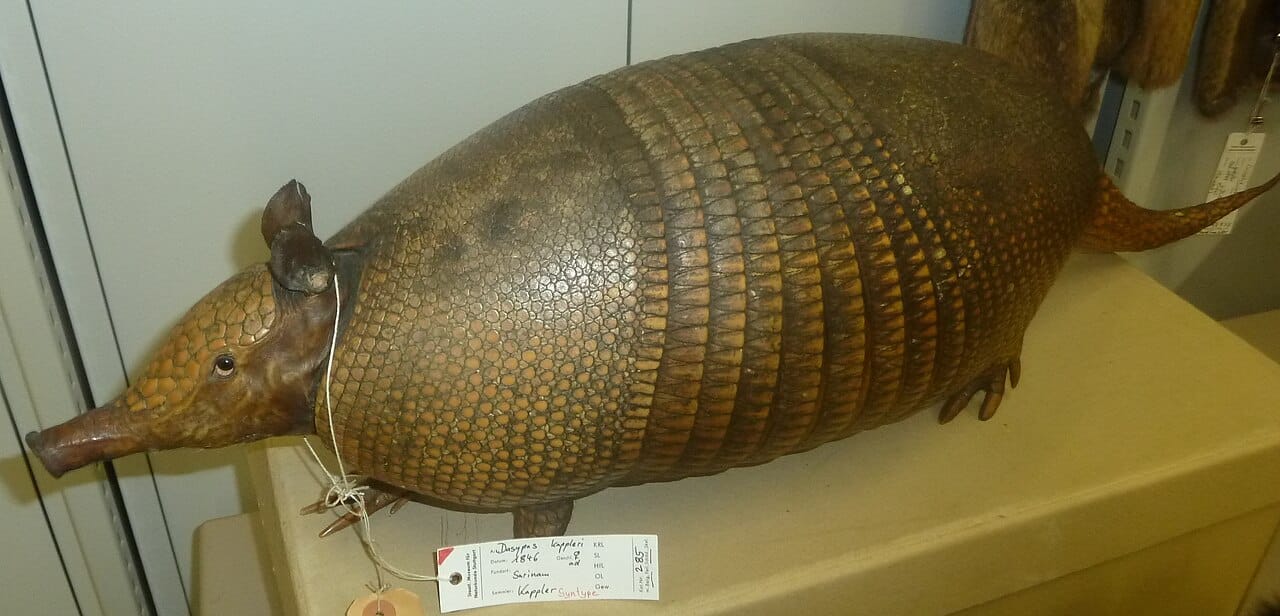
The Greater Long-Nosed Armadillo is a striking species distinguished by its elongated snout, robust build, and extensive armored bands. Found primarily in the tropical forests of northern South America, including Venezuela, Colombia, and Brazil, this species thrives in dense, humid habitats. It primarily feeds on insects, grubs, and small invertebrates, using its long snout and sensitive olfactory system to detect prey hidden underground. This armadillo is nocturnal, spending daylight hours in burrows or concealed beneath leaf litter. Its burrows are substantial, providing shelter from predators and contributing to soil aeration and ecosystem health.
Social behavior is mostly solitary, with individuals maintaining large home ranges and interacting only during the mating season. Reproduction is generally limited to one or two offspring per year, and the species exhibits strong parental care during the early developmental stages. Conservation concerns include habitat destruction and fragmentation, particularly from logging and agricultural expansion. The Greater Long-Nosed Armadillo exemplifies the diverse morphology and ecological roles within Types of Armadillos, illustrating the adaptations that have enabled these remarkable mammals to thrive in tropical ecosystems for millions of years.
11. Andean Hairy Armadillo (Chaetophractus nationi)
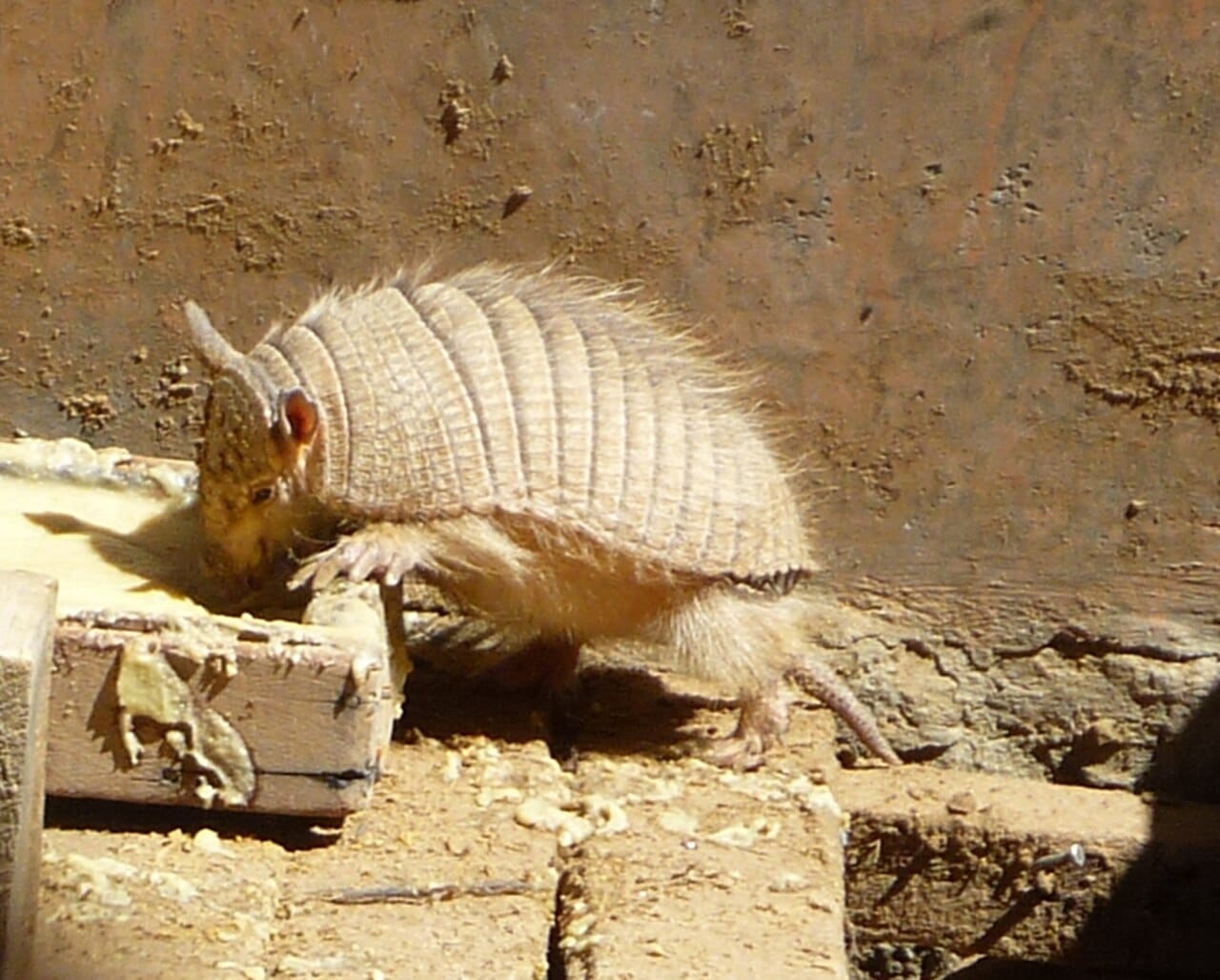
The Andean Hairy Armadillo is a fascinating species native to the high-altitude regions of the Andes Mountains, primarily in Bolivia. Unlike many of its relatives, this armadillo has noticeable hair covering its armored body, which helps insulate against the cold mountain temperatures. It is a medium-sized armadillo with a rounded carapace and powerful forelimbs adapted for digging burrows in rocky and mountainous terrain. Its diet is omnivorous, consisting of insects, worms, small vertebrates, and plant matter, demonstrating remarkable adaptability to highland ecosystems.
Behaviorally, the Andean Hairy Armadillo is mostly nocturnal, emerging at night to forage while avoiding daytime predators. Its burrows serve as crucial shelters against both predators and harsh environmental conditions. Solitary by nature, individuals maintain territories that they defend against intruders. Reproduction occurs annually, with females giving birth to two to four young per litter. Habitat loss, particularly due to agriculture and mining, poses a significant threat to this species. Studying the Andean Hairy Armadillo offers valuable insight into the diversity, adaptation, and resilience found within Types of Armadillos, especially in extreme environments.
12. Screaming Hairy Armadillo (Chaetophractus vellerosus)
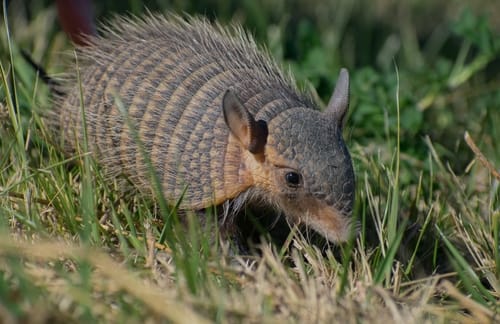
The Screaming Hairy Armadillo, named for its distinctive vocalizations, is native to the dry scrublands and grasslands of Argentina, Uruguay, and Paraguay. This small-to-medium-sized armadillo features a dense coat of hair over its armor, providing protection against cold nights and thorny vegetation. Its diet primarily consists of insects, seeds, and small plants, with foraging behaviors focused on digging in sandy or loose soils. When threatened, it emits a high-pitched squeal, which serves as a warning to predators and other armadillos in the area.
Nocturnal by habit, the Screaming Hairy Armadillo constructs burrows that provide safety from predators and environmental extremes. Solitary and territorial, it interacts with others mainly during mating season. Reproduction produces two to four young, which mature quickly and begin independent foraging within weeks. Conservation concerns include habitat conversion for agriculture and predation by domestic animals. The Screaming Hairy Armadillo exemplifies the behavioral diversity and ecological importance of Types of Armadillos, showcasing unique adaptations such as vocal communication and hair-covered armor in response to environmental pressures.
13. Chacoan Naked-Tailed Armadillo (Cabassous chacoensis)
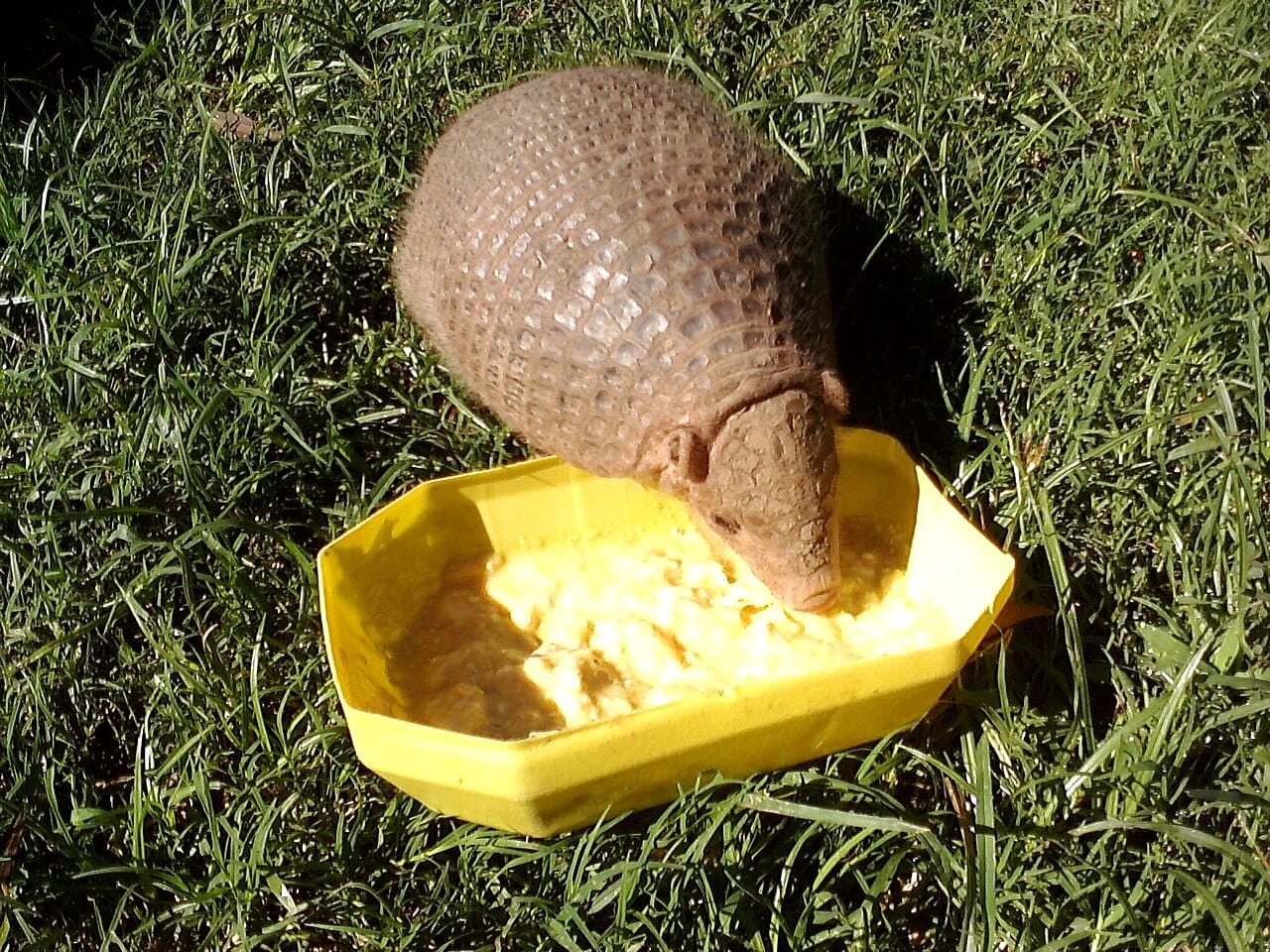
The Chacoan Naked-Tailed Armadillo inhabits the dry forests and savannas of the Gran Chaco region, spanning parts of Argentina, Bolivia, and Paraguay. Distinguished by its partially exposed tail and smooth armored plates, this armadillo is highly specialized for burrowing in compact, sandy soils. Its diet consists mainly of insects and other invertebrates, which it uncovers using its sharp claws and keen sense of smell. Nocturnal and elusive, it remains hidden during the day within its burrows, emerging at night to forage under the cover of darkness.
Socially, the Chacoan Naked-Tailed Armadillo is solitary and demonstrates territorial behavior, with individuals maintaining distinct home ranges. Reproduction typically results in one to two offspring per litter, and young remain in or near the maternal burrow until they are capable of independent foraging. Threats to this species include habitat fragmentation, hunting, and predation by larger mammals. Studying this armadillo provides insight into the burrowing adaptations, nocturnal behaviors, and ecological contributions of Types of Armadillos in South American dry forests, highlighting the intricate relationship between species and their habitats.
14. Southern Hairy Armadillo (Chaetophractus villosus)
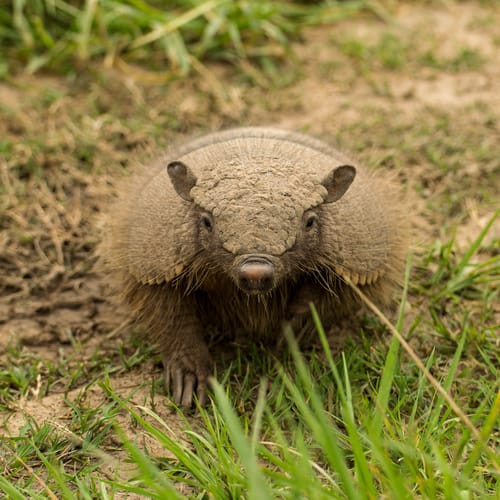
The Southern Hairy Armadillo is native to the grasslands, shrublands, and open forests of southern South America, including Argentina, Uruguay, and southern Brazil. Characterized by its hair-covered armored plates, this medium-sized armadillo is a skilled digger, constructing burrows that serve as shelters and nesting sites. Its diet is omnivorous, encompassing insects, worms, small vertebrates, and plant material. This species is primarily nocturnal, emerging at night to forage and returning to its burrows during the day to avoid predators and heat stress.
The Southern Hairy Armadillo exhibits solitary behavior, interacting with others mainly during mating periods. Reproduction produces two to four young per litter, and the species demonstrates a notable degree of parental care during the early weeks of life. Human activities such as agriculture and road construction threaten its habitat, emphasizing the need for conservation measures. By studying this species, researchers gain insights into burrowing behaviors, dietary flexibility, and the ecological importance of Types of Armadillos in temperate South American ecosystems.
15. Lesser Hairy Armadillo (Chaetophractus nationi variant)
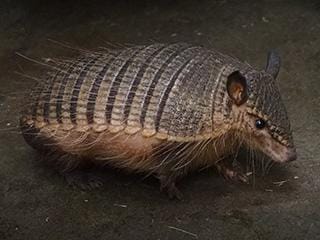
The Lesser Hairy Armadillo is a smaller relative within the hairy armadillo group, often found in arid and semi-arid regions of South America. This species has dense hair covering its armor, which provides insulation against fluctuating temperatures. It is an adept digger, using its claws to excavate burrows and uncover invertebrate prey. Its diet is omnivorous, including insects, seeds, and small plant matter, demonstrating flexibility in foraging habits. Nocturnal by nature, it spends daylight hours in burrows or beneath dense vegetation.
Behaviorally, the Lesser Hairy Armadillo is solitary and territorial, with interactions between individuals limited to mating periods. Females typically produce two to three young per litter, which remain in the safety of the burrow until capable of independent survival. Threats include habitat destruction, predation, and human encroachment. The Lesser Hairy Armadillo highlights the adaptability and resilience of Types of Armadillos, illustrating the evolutionary benefits of hair-covered armor, burrowing, and nocturnal activity for survival in diverse environments.
Conclusion: Exploring the Fascinating World of Types of Armadillos
Armadillos are among the most intriguing mammals in the animal kingdom, showcasing a remarkable diversity in size, behavior, and habitat. From the tiny Pink Fairy Armadillo to the enormous Giant Armadillo, each species has evolved unique adaptations that allow it to survive in harsh and varied environments. Burrowing behaviors, nocturnal activity, and protective armor are just a few of the strategies these creatures employ to thrive in their respective ecosystems. By studying the different Types of Armadillos, we gain insight into their ecological roles, evolutionary innovations, and the delicate balance they maintain in nature. Conservation efforts remain critical, as habitat destruction, hunting, and climate change continue to threaten many species. Understanding these fascinating mammals not only highlights their importance in the wild but also inspires a deeper appreciation for biodiversity and the complexity of life on Earth.
Frequently Asked Questions About Types of Armadillos
1. What are armadillos?
Armadillos are mammals known for their distinctive armored shell and digging abilities. They belong to the family Dasypodidae and are primarily found in the Americas.
2. How many species of armadillos exist?
There are about 21 recognized species of armadillos, ranging from tiny species like the Pink Fairy Armadillo to large species like the Giant Armadillo.
3. Where do armadillos live?
Armadillos inhabit diverse environments including forests, grasslands, scrublands, deserts, and savannas throughout Central and South America.
4. What do armadillos eat?
Most armadillos are insectivores, feeding on ants, termites, and other invertebrates. Some species also eat plants, seeds, and small vertebrates.
5. Are armadillos nocturnal?
Yes, most armadillos are nocturnal, emerging at night to forage and spending daylight hours in burrows to avoid predators and heat.
6. How do armadillos dig?
Armadillos use their powerful claws to dig burrows for shelter, nesting, and foraging. Some species can dig extensive tunnel systems.
7. Do armadillos have good eyesight?
No, armadillos rely more on their keen sense of smell than eyesight to locate food and detect predators.
8. Can armadillos swim?
Yes, some species can swim by holding their breath and using a dog-paddle motion. They can also cross rivers or float when needed.
9. How big can armadillos get?
The Giant Armadillo can grow over 1.5 meters in length and weigh more than 30 kilograms, while smaller species like the Pink Fairy Armadillo are just 10–12 cm long.
10. How long do armadillos live?
Armadillo lifespans vary by species, but most live between 4 and 15 years in the wild, with some larger species living longer in captivity.
11. Are armadillos solitary animals?
Yes, armadillos are mostly solitary, interacting with others mainly during mating periods. They maintain individual territories.
12. How do armadillos reproduce?
Females usually give birth to one to four young per litter, depending on the species, with offspring staying in or near the maternal burrow until they can survive independently.
13. Do armadillos roll into a ball?
Only certain species, like the Three-Banded Armadillo, can roll completely into a ball for protection. Most rely on burrows and armor for defense.
14. Are armadillos dangerous to humans?
Armadillos are generally not dangerous. They are shy and avoid humans. However, they can carry diseases like leprosy in rare cases.
15. What is the diet of a Pink Fairy Armadillo?
Pink Fairy Armadillos primarily eat ants, larvae, and other small invertebrates they find underground.
16. Where can I see a Giant Armadillo?
Giant Armadillos are elusive, but they can be found in South American rainforests, particularly in the Amazon Basin.
17. Do armadillos hibernate?
No, armadillos do not hibernate, but some species may enter torpor during extreme cold or food scarcity.
18. How do armadillos help the ecosystem?
By digging burrows, armadillos aerate soil, recycle nutrients, and create habitats for other animals.
19. Are armadillos endangered?
Some species, like the Giant Armadillo and Andean Hairy Armadillo, are considered vulnerable or near threatened due to habitat loss and hunting.
20. What adaptations help armadillos survive?
Key adaptations include their armored shell, digging claws, nocturnal behavior, keen sense of smell, and burrowing skills.
21. Can armadillos climb trees?
Most armadillos are ground-dwellers, but smaller species like the Pink Fairy Armadillo may occasionally climb low obstacles.
22. How do armadillos communicate?
Armadillos communicate through vocalizations, scent marking, and body postures, especially during mating or territorial disputes.
23. Do all armadillos have hair?
No, some species like the Naked-Tailed Armadillo have minimal hair, while hairy armadillos have dense hair covering their armor.
24. What is the difference between hairy and naked-tailed armadillos?
Hairy armadillos have a thick coat over their armor for insulation, while naked-tailed species have smooth, exposed tails and less hair.
25. How fast can armadillos run?
Armadillos are not fast runners. They rely on burrows, armor, and stealth to avoid predators rather than speed.
26. Are armadillos migratory?
No, armadillos are generally sedentary, staying within their home ranges year-round.
27. How do armadillos defend themselves?
They use armor protection, burrows, rolling into a ball (some species), and fleeing when threatened.
28. What predators eat armadillos?
Natural predators include jaguars, large cats, coyotes, birds of prey, and snakes, depending on the species and region.
29. How do armadillos dig so efficiently?
Their powerful forelimbs and specialized claws allow them to excavate soil quickly for burrows or to find insects underground.
30. Can armadillos adapt to urban areas?
Some species can survive near human settlements if food and shelter are available, though habitat loss remains a concern.
31. What is the smallest armadillo species?
The Pink Fairy Armadillo is the smallest, measuring only 10–12 cm long and weighing just a few ounces.
32. What is the largest armadillo species?
The Giant Armadillo can reach 1.5 meters in length and weigh over 30 kilograms, making it the largest armadillo.
33. How long do young armadillos stay in burrows?
Young armadillos remain in the burrow for several weeks until they are strong enough to forage independently.
34. Do armadillos carry parasites?
Yes, armadillos can carry ticks, fleas, and occasionally internal parasites, but they are generally not harmful to humans unless handled improperly.
35. Are armadillos nocturnal hunters?
Yes, most species forage at night to avoid predators and harsh environmental conditions.
36. Can armadillos roll into a ball like a pangolin?
Only three-banded armadillos can fully roll into a ball; other species rely on burrows and armor for protection.
37. How do armadillos reproduce?
Females typically mate once a year, giving birth to one to four genetically identical young per litter, depending on the species.
38. What is the role of armadillos in soil health?
By digging burrows, armadillos aerate the soil, recycle nutrients, and improve plant growth in their habitats.
39. Are armadillos good pets?
Armadillos are not recommended as pets due to specialized diets, habitat needs, and legal restrictions in many regions.
40. How do armadillos sense danger?
Armadillos rely on smell and hearing to detect predators, as their eyesight is relatively poor.
41. Do armadillos hibernate in winter?
Most armadillos do not hibernate, but some may enter torpor in colder regions or when food is scarce.
42. Are armadillos endangered?
Some species, like the Giant Armadillo, are considered vulnerable due to habitat destruction, hunting, and climate change.
43. Can armadillos swim?
Yes, several species can swim by holding their breath and using a dog-paddle motion to cross water bodies.
44. What is the habitat of the Southern Hairy Armadillo?
It lives in grasslands, shrublands, and open forests across southern South America, including Argentina, Uruguay, and Brazil.
45. What is the diet of the Andean Hairy Armadillo?
Omnivorous, feeding on insects, worms, small vertebrates, and plant material adapted to the high-altitude Andes environment.
46. How do armadillos dig burrows?
They use their strong, clawed forelimbs to excavate soil, often creating extensive burrow systems for shelter and nesting.
47. Are all armadillos solitary?
Yes, most armadillos are solitary and territorial, except during mating periods or occasionally when sharing burrows.
48. How do armadillos impact ecosystems?
They aid in soil aeration, control insect populations, and provide burrows that serve as habitats for other wildlife.
49. Can armadillos survive in deserts?
Yes, species like the Screaming Hairy Armadillo are adapted to arid and semi-arid environments.
50. What is unique about Pink Fairy Armadillos?
Their small size, pink shell, and subterranean lifestyle make them one of the most unique and delicate species among Types of Armadillos.
51. How do armadillos avoid predators?
Through burrows, nocturnal activity, protective armor, and in some cases, rolling into a ball for defense.
Read more: 10 Types of Guinea Fowls (Pictures And Identification)