

Dinosaurs have fascinated people for generations, and for good reason. These prehistoric animals once dominated land ecosystems for over 160 million years, evolving into an astonishing range of forms, sizes, and lifestyles. From massive plant-eating giants that reshaped entire landscapes to agile predators built for speed and precision, dinosaurs represent one of the most successful chapters in Earth’s natural history. This guide explores Types of Dinosaurs through clear descriptions and practical identification features, focusing on how each species lived, moved, and survived in its environment. Rather than overwhelming you with technical language, the goal here is simple: help you picture these animals as real, living creatures, not just museum skeletons or movie monsters. Let’s begin our journey into the age of Dinosaurs, one species at a time.
15 Types of Dinosaurs
1. Tyrannosaurus rex
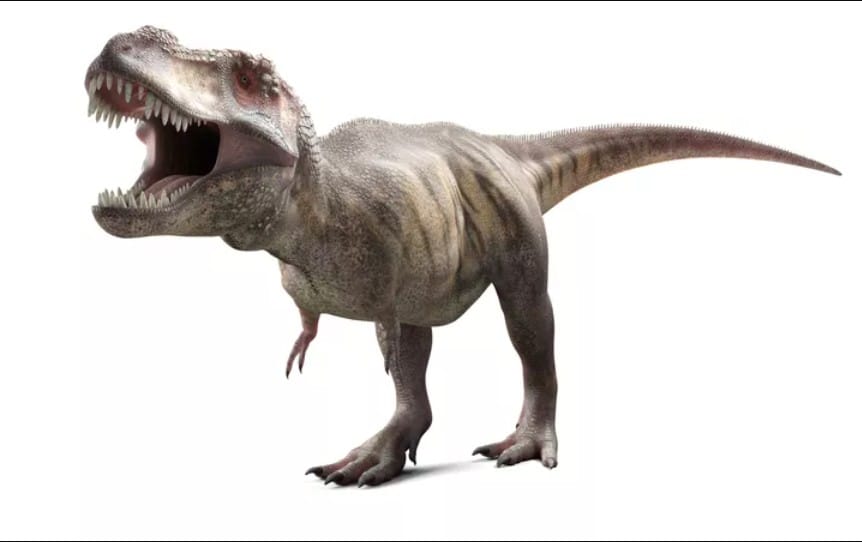
Few dinosaurs capture the public imagination like Tyrannosaurus rex. Often shortened to T. rex, this large theropod lived during the late Cretaceous period, roughly 68–66 million years ago, in what is now western North America. Despite its celebrity status, this dinosaur is more than a pop-culture icon. It was a highly specialized predator with physical traits shaped by millions of years of evolutionary pressure.
Tyrannosaurus rex was built for power rather than speed. Its massive skull, measuring over five feet in length, housed thick, banana-shaped teeth designed to crush bone. These teeth were not delicate slicing tools; they functioned more like heavy-duty spikes, capable of withstanding immense pressure. Bite force estimates suggest T. rex had one of the strongest bites of any land animal in history, strong enough to crack the bones of large herbivores such as Triceratops.
Its body proportions tell an interesting story. While the head and torso were enormous, the arms were famously small. For years, these short forelimbs were treated as a joke, but closer study shows they were muscular and functional, likely used for gripping prey at close range or helping the animal rise from a resting position. The hind legs, in contrast, were thick and sturdy, built to support immense weight rather than sprinting long distances.
Habitat played a major role in shaping this dinosaur’s lifestyle. Fossil evidence places Tyrannosaurus rex in coastal plains, river valleys, and forested floodplains. These environments supported large populations of plant-eating dinosaurs, providing a reliable food source. Some paleontologists argue that T. rex was primarily a scavenger, while others see it as an active hunter. The most balanced view suggests it did both, taking advantage of any opportunity for an easy meal.
Sensory abilities were another strong point. T. rex had forward-facing eyes, giving it binocular vision similar to modern birds of prey. This depth perception would have been helpful when judging distances during a hunt. Its sense of smell was also well developed, allowing it to detect carcasses from afar. One might imagine this dinosaur moving deliberately through its territory, relying on smell and sight rather than speed.
Social behavior remains a topic of debate. Some trackway evidence hints at group movement, while bite marks on fossils suggest intense competition, possibly even cannibalism. Whether solitary or occasionally social, Tyrannosaurus rex was undoubtedly an apex predator, sitting firmly at the top of its ecosystem.
When identifying Tyrannosaurus rex fossils, paleontologists look for a combination of traits: a massive skull with thick teeth, two-fingered hands, and a heavy, muscular tail used for balance. These features together create a clear picture of one of the most formidable Dinosaurs ever to walk the Earth.
2. Triceratops horridus
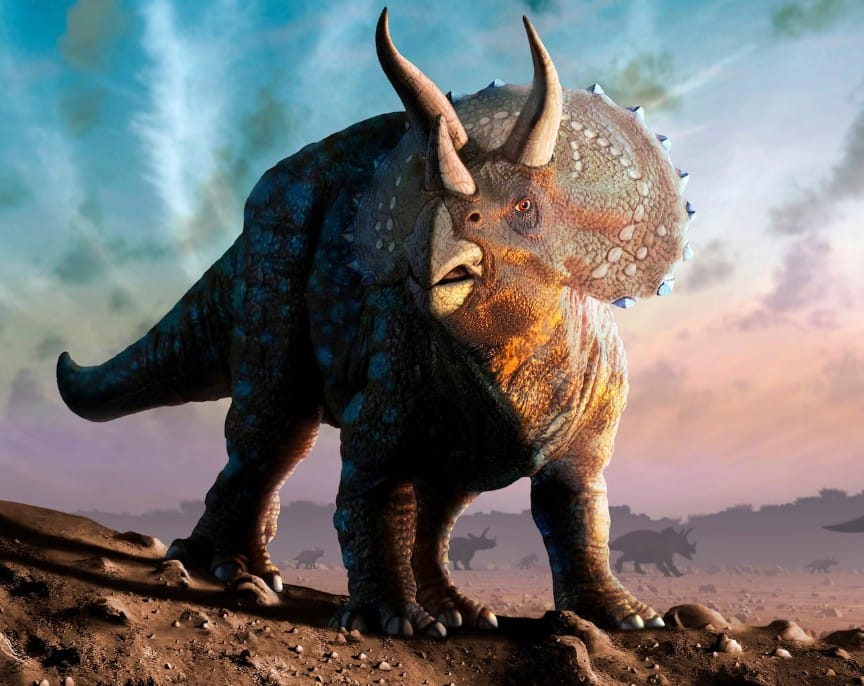
Triceratops horridus represents a very different survival strategy. This large herbivore lived alongside Tyrannosaurus rex during the late Cretaceous period. Its name means “three-horned face,” a fitting description for one of the most recognizable dinosaurs ever discovered.
The most striking feature of Triceratops is its skull. Making up nearly one-third of its total body length, the skull featured two long brow horns, a shorter nose horn, and a large bony frill extending from the back of the head. These structures were not just decorative. They likely served multiple purposes, including defense, display, and species recognition.
Triceratops was built low to the ground, with a wide stance and powerful limbs. This posture provided stability and strength, making it difficult for predators to knock over. When threatened, a Triceratops could lower its head and present its horns forward, turning itself into a living battering ram. One can easily picture a predator thinking twice before charging such a well-armed opponent.
Dietary adaptations were equally impressive. Triceratops had a beak similar to that of a parrot, used for cropping tough vegetation. Behind the beak, rows of tightly packed teeth formed a dental battery capable of grinding fibrous plant material. This setup allowed the dinosaur to feed on low-growing plants, shrubs, and possibly cycads, which were common during its time.
The frill has sparked endless discussion among scientists. While it may have offered some protection for the neck, many researchers believe it played a role in visual display. Differences in frill shape and horn length among individuals suggest that these features may have signaled age, health, or dominance, much like antlers in modern deer.
Triceratops fossils are among the most common dinosaur remains found in North America, suggesting the species was widespread and successful. This abundance also provides insight into growth patterns. Juveniles had shorter horns and smaller frills, which changed shape as the animals matured. These gradual transformations help paleontologists identify different life stages rather than separate species.
In terms of behavior, Triceratops may have lived in small groups or loose associations, especially when young. Adults, however, might have been more solitary or formed temporary herds. The fossil record does not provide a single clear answer, but it does show a resilient herbivore well adapted to a challenging environment.
To identify Triceratops, look for the unmistakable combination of three horns, a large frill, and a heavy, four-legged body. Among the many Types of Dinosaurs, this species stands out as a symbol of plant-eating strength and defensive innovation.
3. Velociraptor mongoliensis
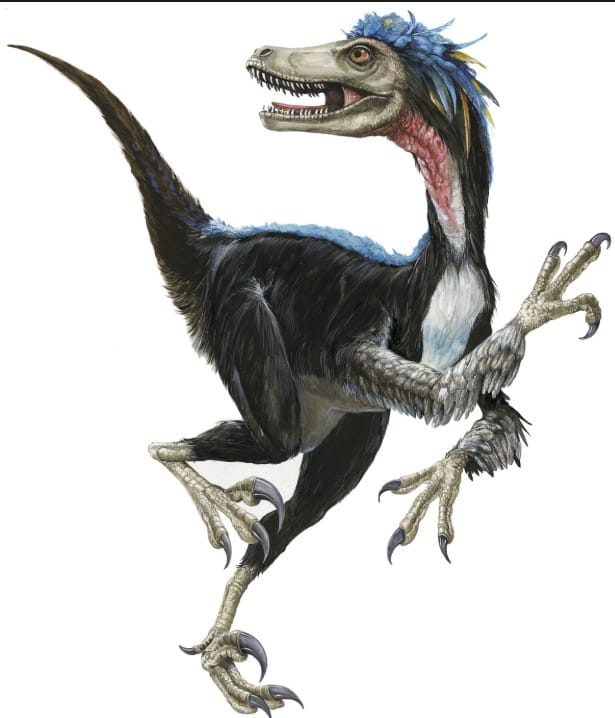
Thanks to movies, Velociraptor is often imagined as a human-sized monster. In reality, Velociraptor mongoliensis was much smaller, roughly the size of a large turkey. Yet size alone does not determine effectiveness, and this dinosaur was a highly capable predator in its own right.
Velociraptor lived during the late Cretaceous period in what is now Mongolia. Its environment was semi-arid, with sandy dunes and sparse vegetation. These conditions favored agile animals that could move quickly and make the most of limited resources.
One of the defining features of Velociraptor was the enlarged, sickle-shaped claw on each hind foot. This claw was held off the ground while walking and could be used to slash or grip prey. Rather than delivering a single fatal blow, the claw likely helped the dinosaur cling to struggling animals, using body weight and balance to subdue them.
Velociraptor also had long arms with grasping hands and curved claws. Evidence suggests these dinosaurs were feathered, with feathers covering much of the body and forming wing-like structures on the arms. While these wings were not used for flight, they may have assisted with balance, display, or temperature regulation.
The skull of Velociraptor was narrow and lightly built, with sharp, backward-curving teeth designed for slicing flesh. Its eyes faced forward, giving it good depth perception. Combined with a relatively large brain for its size, this suggests a predator capable of complex movement and quick reactions.
A famous fossil known as the “Fighting Dinosaurs” shows a Velociraptor locked in combat with a Protoceratops. This dramatic snapshot supports the idea that Velociraptor hunted prey close to its own size and was willing to take risks. It also reminds us that prehistoric life was not always a clean win-or-lose situation.
Velociraptor likely relied on stealth rather than brute force. It may have approached quietly, using terrain for cover, before launching a sudden attack. Whether it hunted alone or cooperated with others remains uncertain, but even solo individuals were formidable within their ecological niche.
When identifying Velociraptor fossils, paleontologists focus on the distinctive foot claw, lightweight bones, and skull proportions. Among Dinosaurs, this species demonstrates how intelligence and agility can rival sheer size.
4. Brachiosaurus altithorax
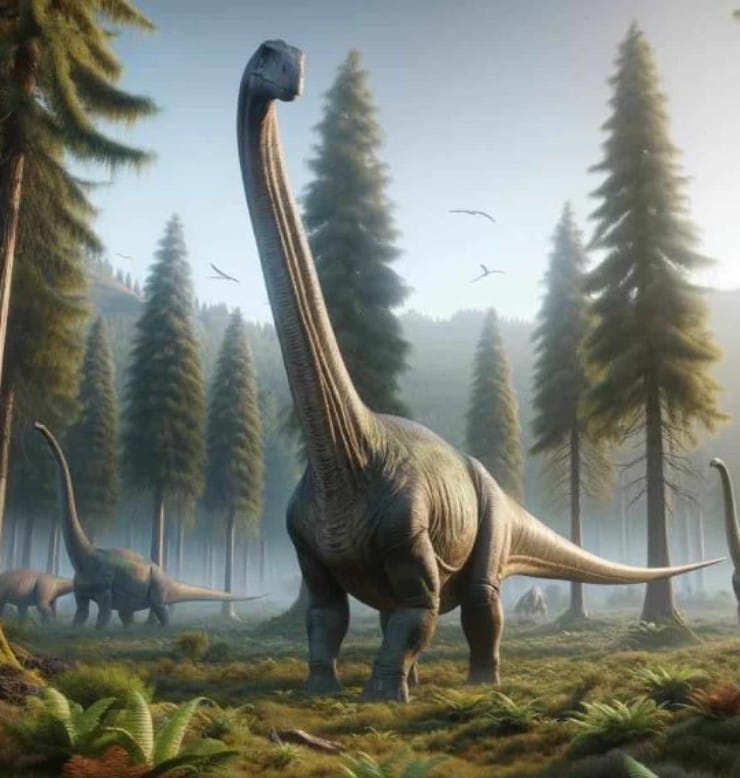
Brachiosaurus altithorax represents the opposite extreme from Velociraptor. This sauropod dinosaur lived during the late Jurassic period and is famous for its immense size and towering posture. Unlike many long-necked dinosaurs, Brachiosaurus had front legs longer than its hind legs, giving it a giraffe-like stance.
This body plan allowed Brachiosaurus to reach vegetation far above the ground. Its long neck extended upward rather than forward, making it well suited for browsing tall trees. In forests where multiple herbivores competed for food, this vertical feeding strategy reduced competition.
Despite its size, Brachiosaurus was not heavily built. Its bones were strong but relatively light, with internal air spaces that reduced weight. These adaptations, combined with a massive heart and efficient respiratory system, helped support its enormous body.
The skull of Brachiosaurus was smaller than one might expect, with spoon-shaped teeth designed for stripping leaves rather than chewing. Food was swallowed mostly whole and processed in the digestive system, possibly with the help of swallowed stones known as gastroliths.
Living as such a large animal came with advantages and challenges. Adult Brachiosaurus likely faced few predators, but juveniles were more vulnerable. Growth rates were probably rapid, allowing young individuals to quickly reach safer sizes.
Fossil evidence suggests Brachiosaurus inhabited floodplains and forested areas with abundant plant life. These environments could support the enormous food requirements of such a dinosaur. One can imagine herds moving slowly across the landscape, reshaping vegetation simply by feeding.
Identifying Brachiosaurus fossils involves noting the long forelimbs, tall vertebrae, and specific skull features. Among the many Types of Dinosaurs, Brachiosaurus stands as a symbol of gentle size and high-level browsing.
5. Stegosaurus stenops
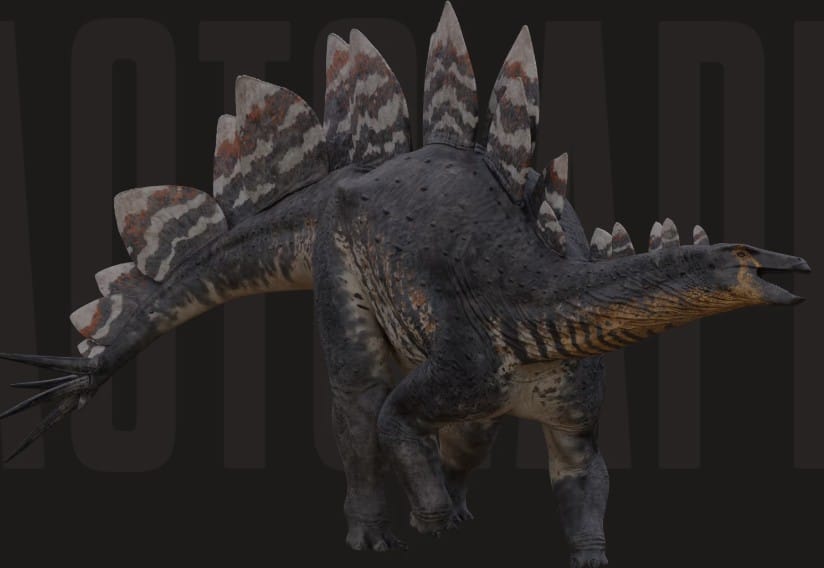
Stegosaurus stenops lived during the late Jurassic period and is instantly recognizable thanks to the large plates lining its back. These plates, along with the spiked tail known as a thagomizer, make Stegosaurus one of the most visually distinctive dinosaurs.
The plates were made of bone and covered in skin. For years, their function puzzled scientists. Current evidence suggests they played a role in display and temperature regulation rather than armor. Blood vessels within the plates could help release or absorb heat, while their shape made the animal appear larger to rivals or predators.
Stegosaurus was a herbivore with a relatively small head and simple teeth. It fed on low-growing plants such as ferns and shrubs. Its neck was flexible enough to reach food close to the ground, but it was not built for browsing at height.
The thagomizer was Stegosaurus’s primary defensive weapon. Fossil evidence shows puncture wounds on predator bones that match the shape of these tail spikes. A well-aimed swing could deliver serious injury, making even large predators cautious.
Stegosaurus had a small brain relative to its body size, but this does not mean it was unintelligent. Its nervous system included an enlarged region near the hips, sometimes jokingly called a “second brain,” though it was actually a nerve center controlling the hind limbs.
This dinosaur likely lived in open woodland environments where it could move between feeding areas. It may have been solitary or lived in small groups, though direct evidence is limited.
To identify Stegosaurus, look for the alternating back plates, low-slung body, and spiked tail. Among Dinosaurs, it shows that defense and display can be just as effective as speed or strength.
6. Allosaurus fragilis
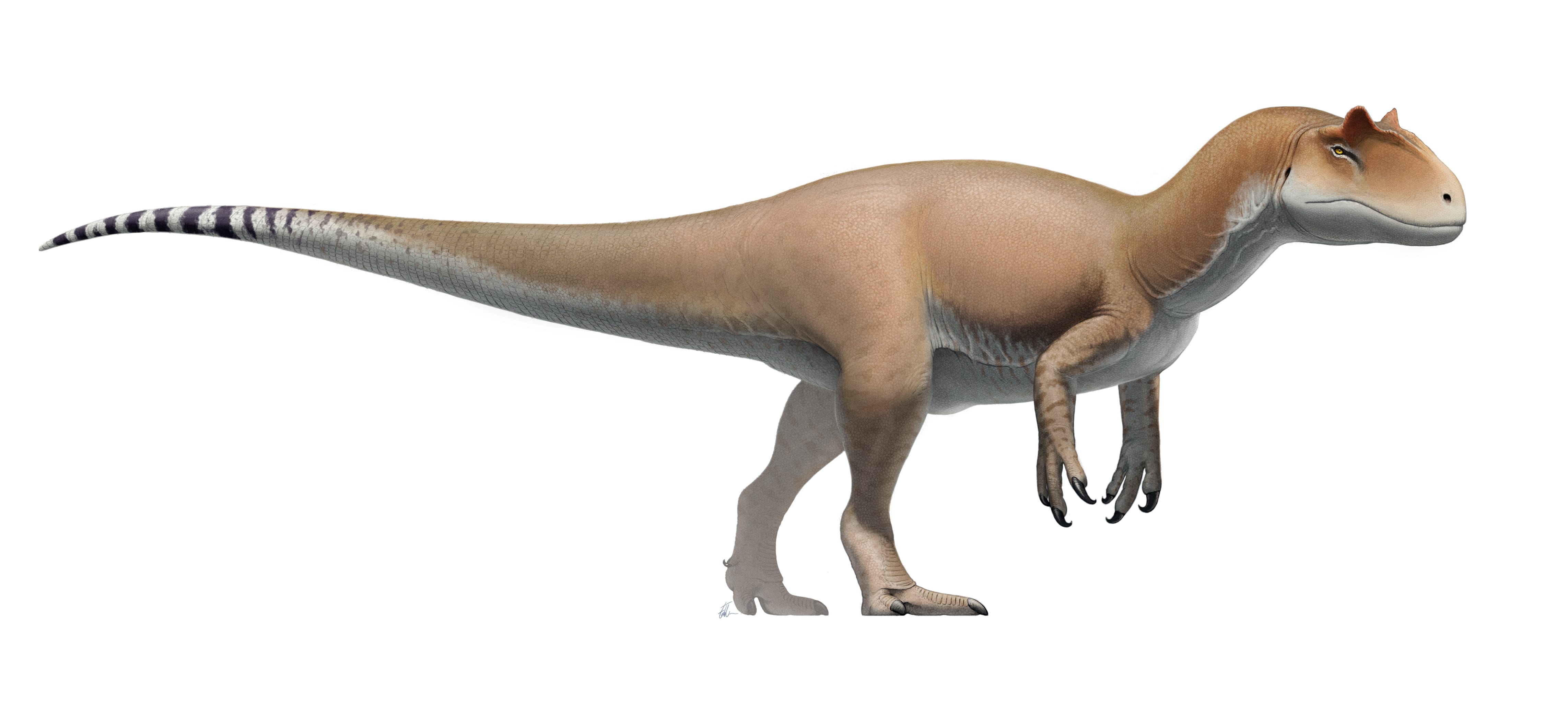
Allosaurus fragilis was one of the dominant predators of the late Jurassic period, long before Tyrannosaurus rex appeared on the scene. Fossils of this large theropod have been found across North America and parts of Europe, suggesting it was widespread and adaptable. In many ways, Allosaurus was the apex hunter of its time.
Allosaurus had a large skull with sharp, serrated teeth designed for slicing rather than crushing. Unlike the bone-cracking bite of T. rex, Allosaurus relied on speed, neck strength, and repeated bites to weaken prey. Its jaws could open wide, allowing it to clamp onto large herbivores and tear flesh with powerful head movements.
The arms of Allosaurus were longer and more functional than those of Tyrannosaurus. Each hand had three strong fingers ending in curved claws. These arms were likely used to grip struggling prey, pulling it closer while the jaws did the main work. This combination of grasping and biting made Allosaurus a versatile hunter.
Allosaurus was built for agility. Its long legs and balanced tail suggest it could move quickly, at least in short bursts. Rather than chasing prey over long distances, it probably relied on ambush tactics, using cover and surprise to its advantage. One might picture it lurking near water sources where herbivores gathered.
Evidence from bone beds suggests that Allosaurus may have interacted with others of its kind, though whether this means pack hunting or simply scavenging together remains debated. Bite marks on bones, including those of other Allosaurus, indicate competition was fierce.
In identification, paleontologists note the distinctive skull openings, three-fingered hands, and lighter build compared to later giant predators. Among the many Dinosaurs of the Jurassic, Allosaurus stands out as a skilled and adaptable carnivore.
7. Ankylosaurus magniventris
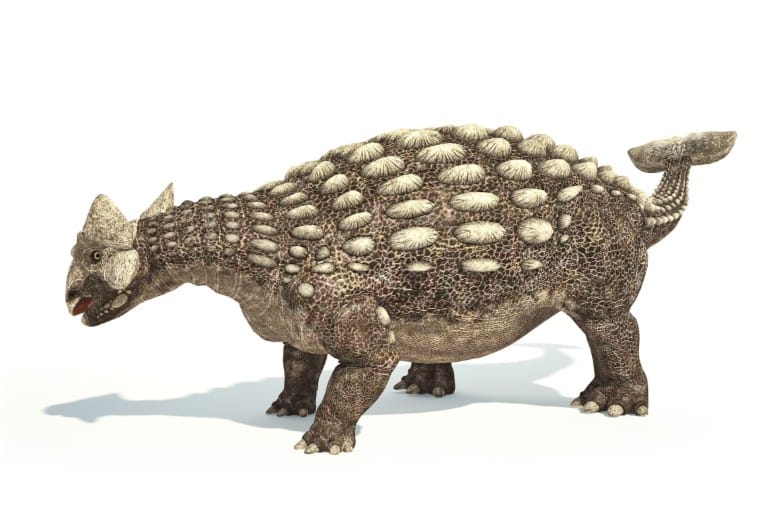
Ankylosaurus magniventris represents one of the most extreme examples of defensive evolution among Dinosaurs. Living during the late Cretaceous period, this heavily armored herbivore looked more like a walking tank than a typical plant-eater.
The body of Ankylosaurus was covered in thick bony plates called osteoderms, embedded in the skin. These plates protected the animal from head to tail, leaving very few vulnerable spots. The skull itself was heavily reinforced, with small openings for the eyes and nostrils.
Perhaps the most famous feature of Ankylosaurus is its tail club. Formed by enlarged bony plates fused to the tail vertebrae, this club was a powerful weapon. A well-timed swing could break bones or seriously injure a predator’s legs, effectively ending the threat.
Despite its fearsome defenses, Ankylosaurus was a calm herbivore. It fed on low-growing plants, using a beak to crop vegetation and simple teeth to process food. Its wide body and low center of gravity made it stable and difficult to overturn.
Movement was slow and deliberate. Ankylosaurus did not need speed, relying instead on its armor and tail club for protection. When threatened, it could crouch low, presenting its armored back and swinging its tail in wide arcs.
Fossils of Ankylosaurus are relatively rare, making complete specimens especially valuable. Identification focuses on the thick armor, wide body, and unmistakable tail club. Among Types of Dinosaurs, Ankylosaurus is a textbook example of defense over offense.
8. Spinosaurus aegyptiacus
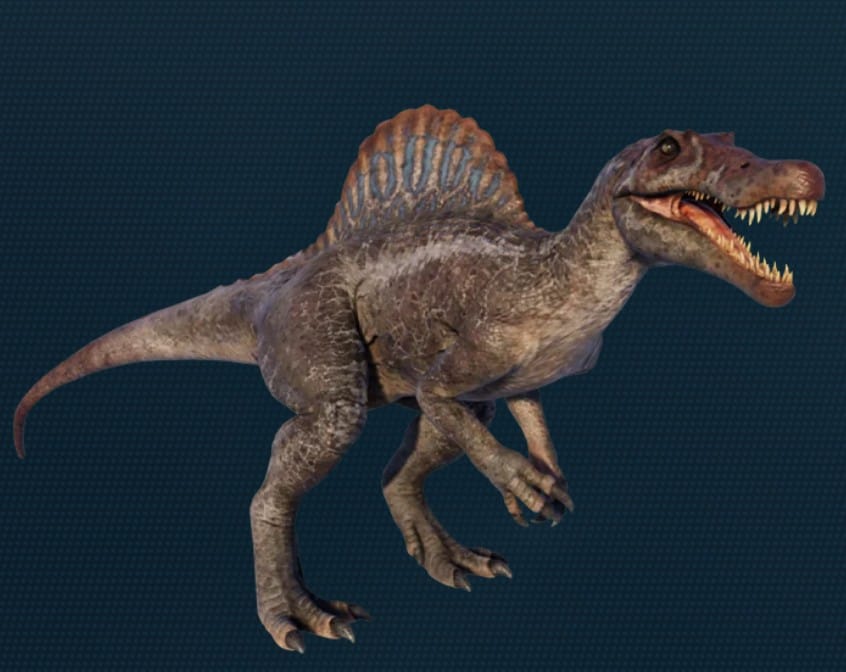
Spinosaurus aegyptiacus was one of the most unusual large predators ever discovered. Living during the mid-Cretaceous period in what is now North Africa, this dinosaur broke many of the rules associated with big theropods.
The most striking feature of Spinosaurus was the large sail on its back, formed by elongated neural spines. The exact function of this sail remains debated. It may have been used for display, temperature control, or species recognition. Whatever its purpose, it made Spinosaurus instantly recognizable.
Spinosaurus also had a long, narrow snout filled with conical teeth, resembling that of a crocodile. This skull shape was ideal for catching fish, suggesting a diet focused heavily on aquatic prey. Unlike many other large carnivores, Spinosaurus spent much of its time near rivers, lakes, and coastal areas.
Recent studies suggest Spinosaurus was semi-aquatic. Its dense bones would have helped with buoyancy control, while its powerful tail may have aided swimming. This lifestyle set it apart from other large Dinosaurs that were strictly land-based.
Its limbs also differed from typical theropods. The hind legs were shorter, and the feet may have been adapted for moving on soft, muddy ground. These traits support the idea that Spinosaurus split its time between land and water.
Identification relies on the sail vertebrae, crocodile-like skull fragments, and limb proportions. Among Dinosaurs, Spinosaurus challenges traditional ideas about what a large predator could be.
9. Diplodocus longus
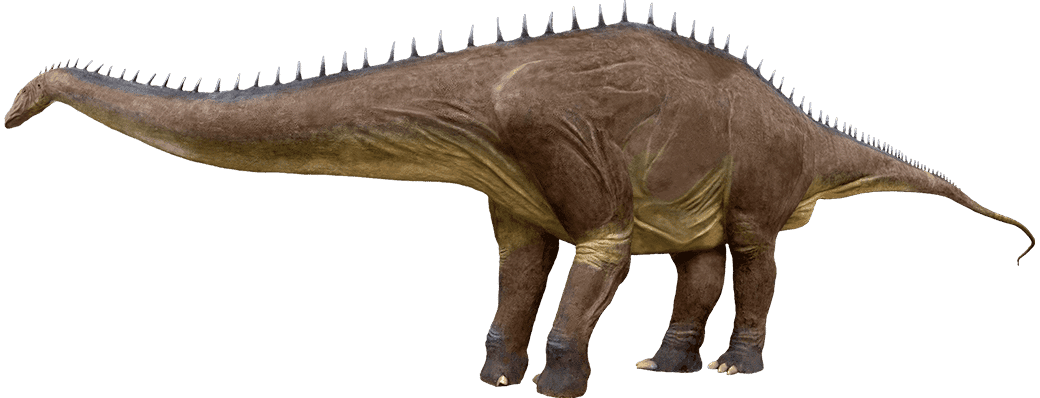
Diplodocus longus was one of the longest animals ever to walk on land. This sauropod lived during the late Jurassic period and is well known for its extremely long neck and whip-like tail.
Unlike Brachiosaurus, Diplodocus held its neck more horizontally, allowing it to feed on vegetation across a wide area without moving much. This feeding strategy helped it cover large patches of ground efficiently.
The skull of Diplodocus was small and light, with peg-like teeth located at the front of the mouth. These teeth were suited for stripping leaves rather than chewing. Food was swallowed whole and processed internally.
The tail of Diplodocus was long and flexible. Some scientists believe it could be cracked like a whip, producing loud sounds that may have been used for communication or defense. Even without dramatic motions, the tail added balance and stability to the long body.
Diplodocus likely lived in herds, offering protection for younger individuals and improving access to food. These massive animals shaped their environment simply by feeding and moving through it.
Identification features include the elongated body, double-beamed tail vertebrae, and narrow skull. Among Types of Dinosaurs, Diplodocus highlights the success of extreme length and efficient feeding.
10. Iguanodon bernissartensis
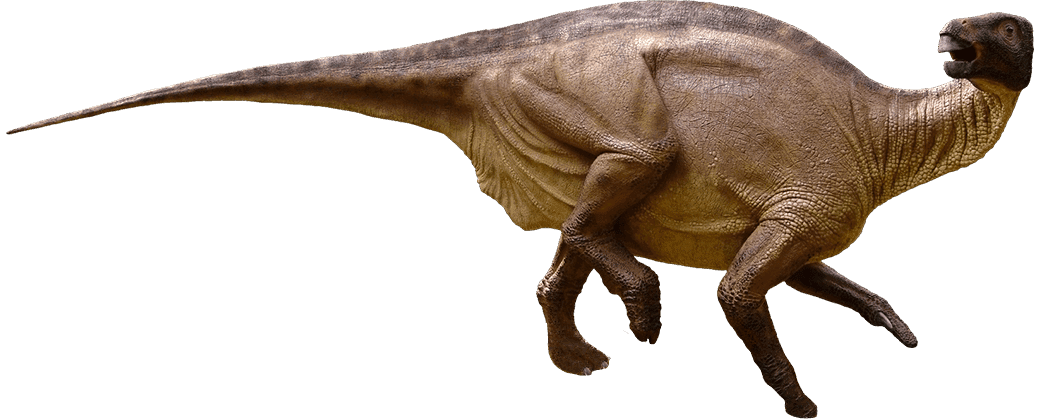
Iguanodon bernissartensis was one of the first dinosaurs ever discovered and scientifically described. Living during the early Cretaceous period, this herbivore played a key role in shaping early ideas about Dinosaurs.
Iguanodon was a large, robust plant-eater capable of walking on both two legs and four. This flexibility allowed it to browse at different heights and move efficiently across varied terrain.
One of its most famous features is the thumb spike. Originally thought to be a horn, this sharp spike was likely used for defense. A swing of the forelimb could deliver a painful blow to a predator.
The teeth of Iguanodon were well suited for grinding plant material. Unlike earlier herbivores, it had more advanced chewing abilities, allowing it to process tougher vegetation.
Evidence suggests Iguanodon lived in herds, offering safety in numbers. Trackways show multiple individuals moving together, possibly migrating in search of food.
Identification focuses on the thumb spike, strong limbs, and distinctive teeth. Among Dinosaurs, Iguanodon represents an important step in herbivore evolution.
11. Parasaurolophus walkeri
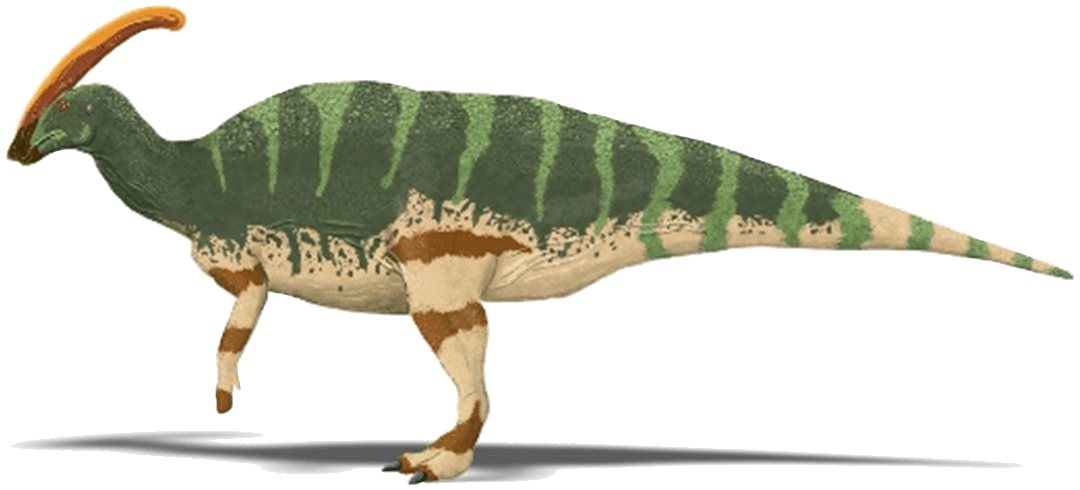
Parasaurolophus walkeri is one of the most recognizable herbivorous Dinosaurs, thanks to the long, curved crest extending from the back of its skull. This dinosaur lived during the late Cretaceous period and belonged to the hadrosaur group, often called duck-billed dinosaurs.
The crest of Parasaurolophus was hollow and connected to the nasal passages. Scientists widely agree that it functioned as a sound-producing structure. By forcing air through the crest, the animal could create deep, resonating calls. These sounds may have helped individuals stay in contact within herds or signal warnings.
Parasaurolophus was a large but gentle plant-eater. It fed on leaves, twigs, and soft vegetation using a broad beak and complex rows of grinding teeth. These dental batteries allowed it to process plant material efficiently, much like a natural food mill.
This dinosaur could walk on both two legs and four. While grazing, it often moved on all fours, but it could rise onto its hind legs to reach higher plants or move more quickly when needed. Its strong tail helped with balance during upright movement.
Fossil evidence suggests Parasaurolophus lived in social groups. Herd life offered protection from predators and made communication important, which fits well with its sound-producing crest.
Identification relies on the distinctive backward-curving crest, duck-billed snout, and robust body. Among Types of Dinosaurs, Parasaurolophus stands out for its voice as much as its appearance.
12. Corythosaurus casuarius
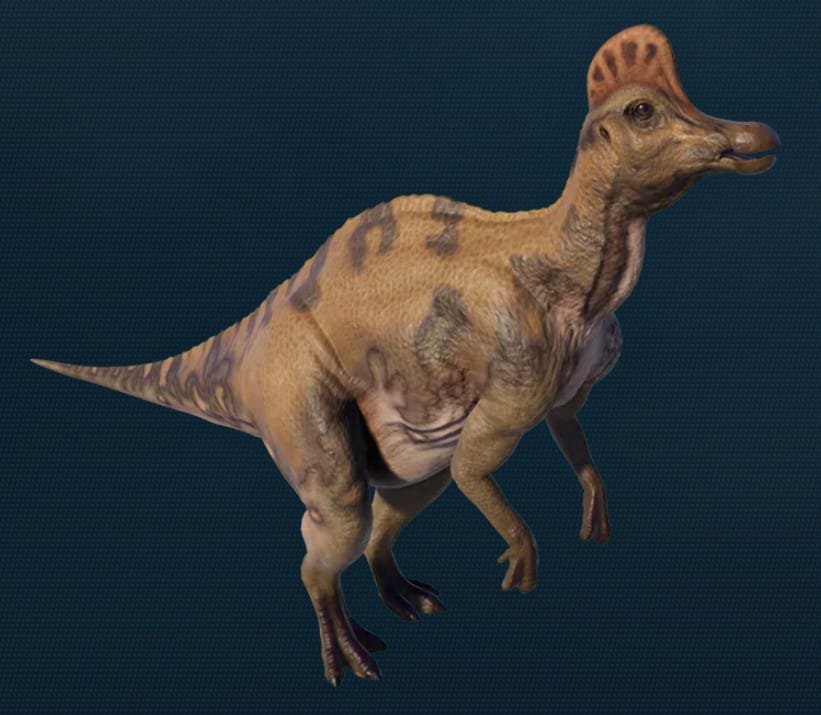
Corythosaurus casuarius was another crested hadrosaur from the late Cretaceous period. Its name means “helmet lizard,” a reference to the tall, helmet-like crest on its head.
The crest of Corythosaurus differed in shape from that of Parasaurolophus. It was taller and more rounded, resembling the helmet of an ancient warrior. Like other crested hadrosaurs, the hollow structure likely played a role in sound production and visual display.
Corythosaurus was a dedicated herbivore. It fed on a wide range of plants, from low shrubs to taller vegetation. Its dental batteries allowed it to chew food thoroughly, extracting as much nutrition as possible.
This dinosaur moved comfortably on both two and four legs. Its limbs were strong, and its posture flexible, making it well suited for life in forested floodplains and coastal environments.
Herd behavior is strongly suggested by fossil sites containing multiple individuals. Living together helped Corythosaurus detect predators early and care for younger members of the group.
Identification features include the helmet-shaped crest, long tail, and duck-billed snout. Within Dinosaurs, Corythosaurus reflects how display and communication shaped evolution.
13. Saurolophus osborni
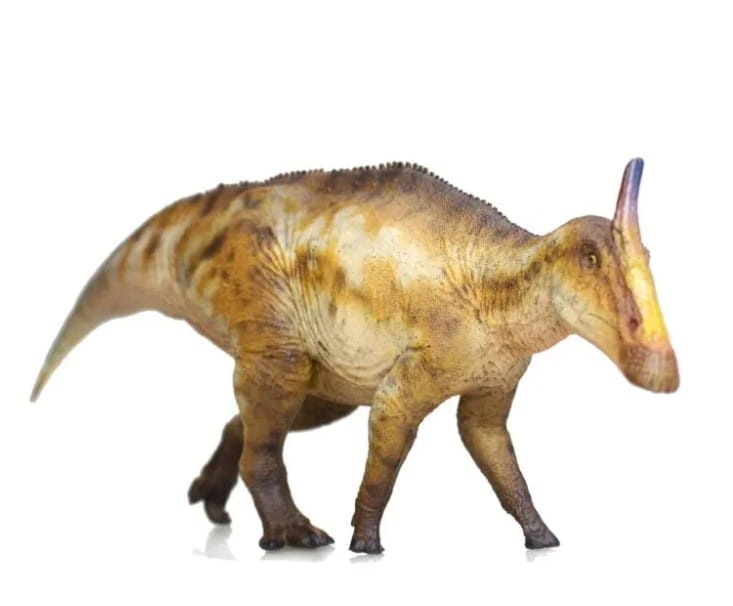
Saurolophus osborni was a large hadrosaur that lived during the late Cretaceous period in North America. Unlike the hollow crests of some relatives, Saurolophus had a solid, spike-like crest projecting from the top of its head.
This solid crest may have served mainly as a visual signal. It could help individuals recognize one another or signal maturity and dominance. The crest’s simple shape suggests it relied more on sight than sound.
Saurolophus was a powerful plant-eater with a wide beak and strong jaws. Its teeth were arranged in dense rows, allowing it to chew tough plant material efficiently. This gave it access to a wide range of vegetation.
It could walk on all fours while feeding and rise onto two legs when moving faster. Its strong hind legs and stiff tail provided stability and speed when needed.
Fossils of Saurolophus have also been found in Asia, indicating that related species crossed land bridges between continents. This wide distribution highlights the success of hadrosaurs.
Identification centers on the solid crest, broad body, and advanced chewing teeth. Among Types of Dinosaurs, Saurolophus represents durability and adaptability.
14. Ceratosaurus nasicornis
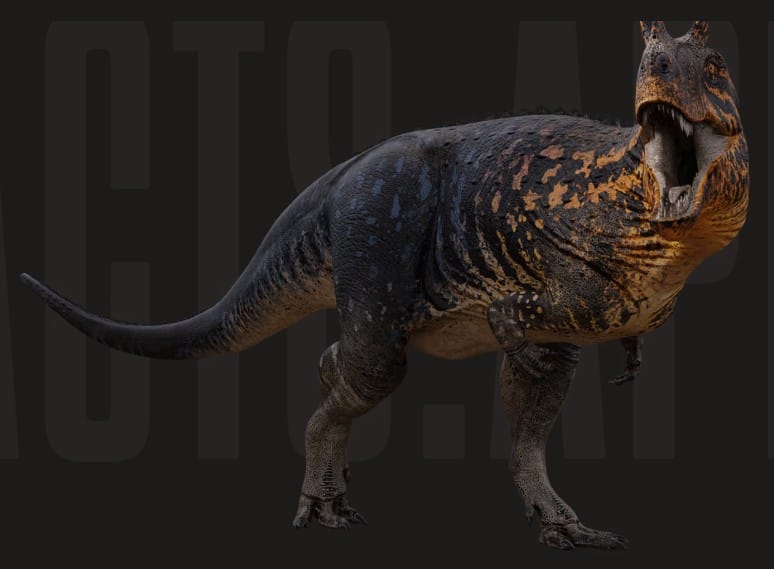
Ceratosaurus nasicornis was a medium-sized carnivorous dinosaur that lived during the late Jurassic period. It shared its environment with larger predators like Allosaurus but followed a slightly different hunting style.
The most noticeable feature of Ceratosaurus was the horn on its nose. This horn was made of bone and likely covered with keratin. It may have been used for display, species recognition, or minor combat with rivals.
Ceratosaurus had long, flexible jaws with blade-like teeth. These teeth were suited for slicing flesh, suggesting a diet that included smaller dinosaurs, fish, and possibly carrion.
Its body was slimmer and more agile than that of larger theropods. This build suggests Ceratosaurus relied on speed and quick strikes rather than brute force.
Some fossils have been found near ancient water systems, hinting that Ceratosaurus may have hunted near rivers or streams. This habitat choice reduced direct competition with larger predators.
Identification features include the nasal horn, long tail, and slender limbs. Among Dinosaurs, Ceratosaurus shows how smaller predators carved out their own niches.
15. Gargoyleosaurus parkpinorum
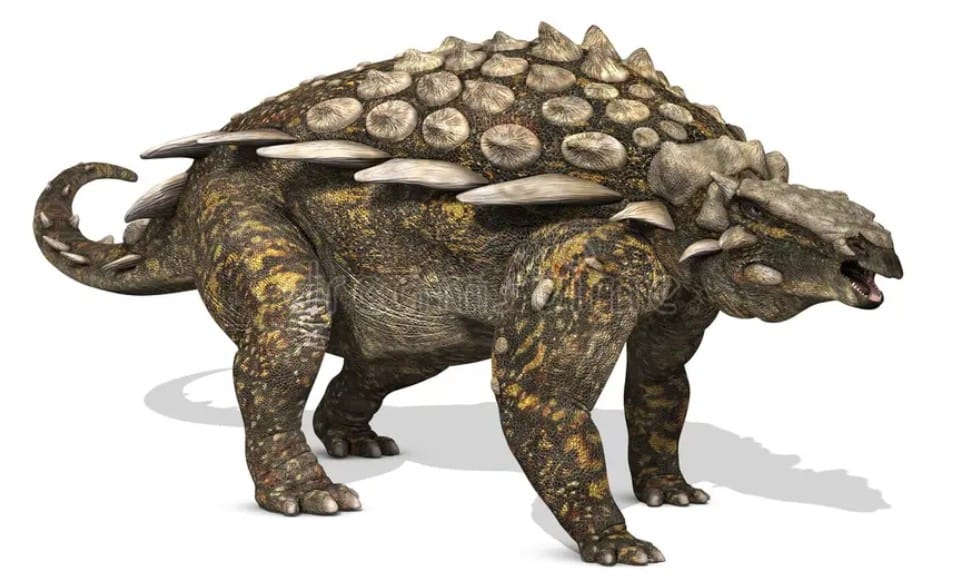
Gargoyleosaurus parkpinorum was an early armored dinosaur from the late Jurassic period. Though smaller and less heavily armored than Ankylosaurus, it represents an important step in the evolution of defensive Dinosaurs.
This dinosaur had bony plates along its back and sides, offering protection from predators. Its armor was simpler and lighter, allowing greater mobility compared to later ankylosaurs.
Gargoyleosaurus was a low-growing plant-eater. It fed on ferns and other ground-level vegetation, using a beak to clip plants efficiently.
Unlike later relatives, Gargoyleosaurus did not have a tail club. Instead, it relied on its armor and body position to deter attacks. By turning its back to a threat, it could shield vital areas.
Its limbs were strong and built for steady movement rather than speed. This dinosaur likely lived a calm, cautious life, avoiding danger when possible.
Identification includes smaller body size, early-style armor plates, and lack of a tail club. Among Types of Dinosaurs, Gargoyleosaurus highlights the early stages of armored defense.
Conclusion
The diversity shown by these 15 Types of Dinosaurs highlights how adaptable and inventive life on Earth once was. From towering plant-eaters like Diplodocus to heavily armored defenders such as Ankylosaurus, and from agile hunters like Velociraptor to river-loving Spinosaurus, each dinosaur followed its own path shaped by food, environment, and survival pressures.
What stands out is that Dinosaurs were not a single, uniform group. They filled roles similar to today’s mammals, birds, and reptiles, acting as grazers, predators, scavengers, and ecosystem engineers. Some relied on size and strength, others on speed, armor, or communication. Even subtle features, like crests and horns, played meaningful roles in social behavior and identification.
Studying these Dinosaurs helps us better understand evolution itself. Their fossils tell stories of adaptation, competition, and change over millions of years. While they vanished long ago, their legacy remains visible in modern birds and in the continuing fascination they inspire. Exploring the Types of Dinosaurs is a reminder that Earth’s past was as complex and dynamic as its present.
Frequently Asked Questions About Dinosaurs
1. What are dinosaurs?
Dinosaurs are a group of reptiles that lived millions of years ago during the Mesozoic Era. They ranged from small, bird-like animals to massive plant-eaters and powerful predators.
2. When did dinosaurs live?
Dinosaurs lived between about 230 and 66 million years ago, from the late Triassic period until the end of the Cretaceous period.
3. Are dinosaurs still alive today?
Non-avian dinosaurs went extinct, but birds are considered their living descendants. In that sense, dinosaurs still exist in modern ecosystems.
4. What caused dinosaurs to go extinct?
Most scientists believe a large asteroid impact, combined with volcanic activity and climate changes, led to their extinction.
5. Were all dinosaurs large?
No. Some dinosaurs were smaller than a chicken, while others were among the largest animals ever to walk on land.
6. What is the difference between dinosaurs and reptiles?
Dinosaurs are reptiles, but they had unique traits such as upright legs positioned beneath the body rather than sprawled to the sides.
7. What did herbivorous dinosaurs eat?
Plant-eating dinosaurs consumed leaves, ferns, shrubs, and other vegetation depending on their size and habitat.
8. What did carnivorous dinosaurs eat?
Carnivorous dinosaurs ate other animals, including smaller dinosaurs, mammals, fish, and sometimes carrion.
9. How do scientists know what dinosaurs looked like?
Scientists study fossilized bones, footprints, skin impressions, and compare them with modern animals to reconstruct dinosaur appearances.
10. What is the Mesozoic Era?
The Mesozoic Era is the age of dinosaurs and includes the Triassic, Jurassic, and Cretaceous periods.
11. What is a theropod?
Theropods are a group of mostly meat-eating dinosaurs that walked on two legs and include species like Tyrannosaurus and Velociraptor.
12. What is a sauropod?
Sauropods were large, long-necked herbivores such as Diplodocus and Brachiosaurus.
13. Did dinosaurs have feathers?
Some dinosaurs, especially smaller theropods, had feathers. Evidence suggests feathers evolved before birds.
14. Could dinosaurs swim?
Some dinosaurs likely swam or waded in water, though most were primarily land animals.
15. What is the largest dinosaur ever found?
Some of the largest dinosaurs include Argentinosaurus and Patagotitan, though exact sizes remain debated.
16. What is the smallest dinosaur?
Some small feathered dinosaurs were similar in size to modern birds.
17. How fast could dinosaurs run?
Speed varied by species. Smaller, lighter dinosaurs were faster, while massive ones moved more slowly.
18. Did dinosaurs live alone or in groups?
Many dinosaurs lived in herds or groups, while others likely lived solitary lives.
19. How long did dinosaurs live?
Lifespans varied widely, from a few years in small species to several decades in larger ones.
20. What is a fossil?
A fossil is the preserved remains or traces of ancient life, such as bones, teeth, or footprints.
21. Where have dinosaur fossils been found?
Dinosaur fossils have been discovered on every continent, including Antarctica.
22. How are dinosaur fossils dated?
Scientists use radiometric dating and geological layers to determine fossil ages.
23. What is a hadrosaur?
Hadrosaurs were duck-billed herbivorous dinosaurs known for advanced chewing abilities.
24. What is an ankylosaur?
Ankylosaurs were armored dinosaurs with bony plates and, in some species, a tail club.
25. Did dinosaurs lay eggs?
Yes, dinosaurs laid eggs, and some species cared for their nests.
26. How big were dinosaur eggs?
Egg size varied by species, from very small to larger than a football.
27. Did dinosaurs care for their young?
Evidence suggests some dinosaurs protected nests and cared for hatchlings.
28. What is sexual dimorphism in dinosaurs?
Sexual dimorphism refers to differences in appearance between males and females, such as crest size.
29. Were dinosaurs warm-blooded?
Many dinosaurs likely had a metabolism between cold- and warm-blooded, with some closer to modern birds.
30. What did dinosaur skin look like?
Dinosaur skin varied and could include scales, feathers, or a mix of both.
31. How intelligent were dinosaurs?
Intelligence varied. Some had relatively large brains and complex behaviors, while others were simpler.
32. Could dinosaurs make sounds?
Yes, dinosaurs likely made sounds for communication, though the exact noises remain unknown.
33. What is a dinosaur crest?
A crest is a bony structure on the head, often used for display or communication.
34. How do scientists classify dinosaurs?
Dinosaurs are classified based on skeletal features, evolutionary relationships, and shared traits.
35. What is the difference between Jurassic and Cretaceous dinosaurs?
Jurassic dinosaurs lived earlier and differed in species composition compared to those from the Cretaceous period.
36. Were dinosaurs affected by climate?
Yes, climate changes influenced dinosaur evolution, behavior, and distribution.
37. Did dinosaurs migrate?
Some dinosaurs likely migrated seasonally in search of food and favorable conditions.
38. What is a fossil bed?
A fossil bed is an area where many fossils are found together, often indicating group living.
39. How do footprints help scientists?
Footprints reveal information about movement, speed, and group behavior.
40. What is a predator dinosaur?
Predator dinosaurs hunted other animals for food and often had sharp teeth and claws.
41. What is a herbivore dinosaur?
Herbivore dinosaurs fed on plants and often had beaks and grinding teeth.
42. Did dinosaurs fight each other?
Evidence such as bite marks suggests dinosaurs sometimes fought for food or territory.
43. How tall were dinosaurs?
Height varied greatly, from under a meter to several stories tall.
44. Why are dinosaurs important to science?
Dinosaurs help scientists understand evolution, extinction, and ancient ecosystems.
45. What tools do paleontologists use?
Paleontologists use tools like brushes, chisels, and imaging technology to study fossils.
46. Are new dinosaur species still being found?
Yes, new species are discovered regularly as new fossils are uncovered.
47. Can dinosaur DNA be recovered?
So far, no complete dinosaur DNA has been recovered.
48. What is the most famous dinosaur?
Tyrannosaurus rex is often considered the most famous dinosaur.
49. Did dinosaurs live with early humans?
No, dinosaurs went extinct millions of years before humans appeared.
50. Why do dinosaurs still fascinate people?
Their size, diversity, and mystery continue to capture human imagination.
51. What can we learn from studying dinosaurs?
Studying dinosaurs teaches us about life’s resilience, change, and adaptation over time.
Read more: 35 Types of Koi Fish (Pictures And Identification)