

Types of Elk are among the most impressive large mammals found across North America and parts of Asia. Known for their massive antlers, haunting bugle calls, and seasonal migrations, elk—also called wapiti—play a vital role in forest and grassland ecosystems. Understanding the different types of Elk helps with identification, wildlife education, and conservation awareness. Although many people think of elk as a single animal, there are several distinct types shaped by geography, climate, and history. This guide explores elk in a clear, beginner-friendly way, breaking down how each type lives, behaves, and survives in the wild.
15 Types of Elk
1. Roosevelt’s Elk
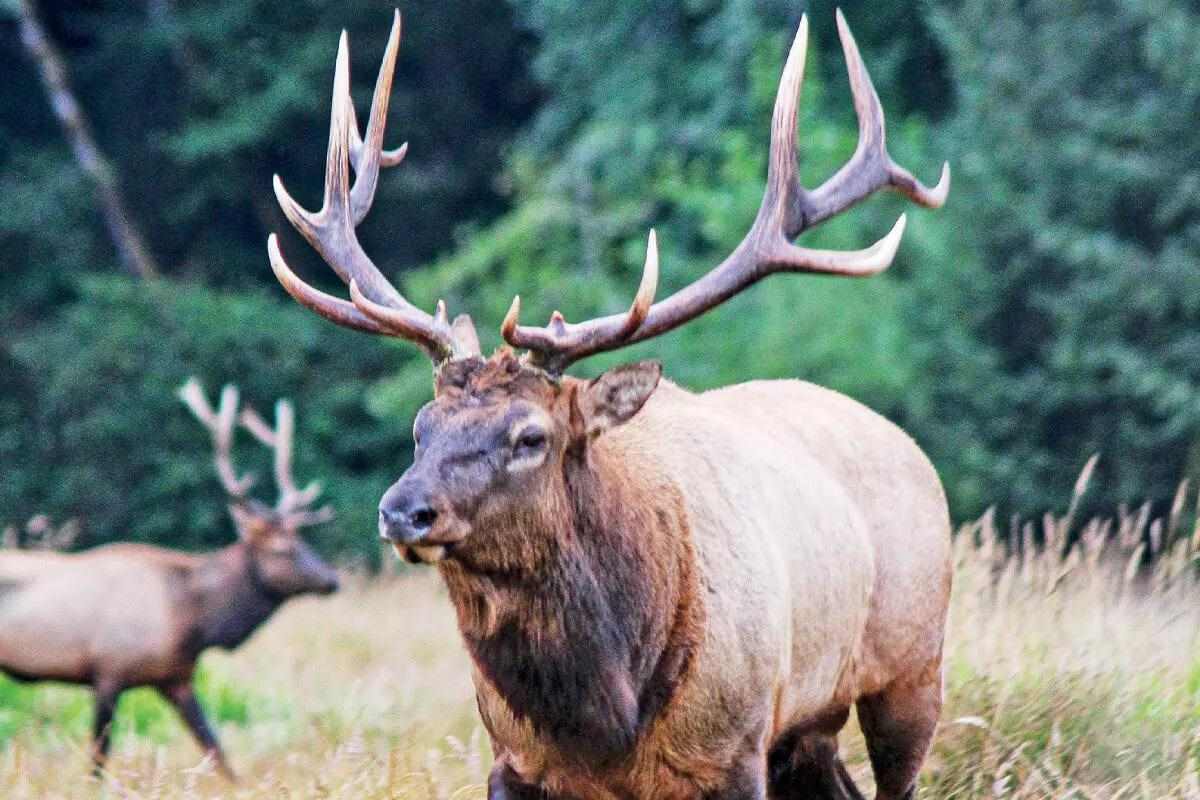
Roosevelt’s Elk are the largest living type of elk in the world, and seeing one in the wild can feel like watching a walking wall of muscle. Adult bulls can weigh over 1,000 pounds, with thick necks and heavy antlers built more for strength than show. These elk live mainly in the coastal forests of the Pacific Northwest, where rain is frequent and vegetation grows tall and dense.
Unlike elk that roam open plains, Roosevelt’s Elk prefer temperate rainforests filled with ferns, moss-covered trees, and thick undergrowth. Their darker coats help them blend into shadowy forest environments, especially during misty mornings. They spend much of their day moving slowly through cover, feeding on grasses, shrubs, leaves, and tree bark.
Socially, Roosevelt’s Elk live in herds for most of the year. During autumn, males enter the rut, a breeding season marked by deep, echoing bugle calls that roll through the forest like distant thunder. These calls are used to attract females and warn rival bulls. When conflicts happen, antlers clash in short but intense battles.
Roosevelt’s Elk were named after President Theodore Roosevelt, a strong supporter of wildlife conservation. Their survival today reflects decades of habitat protection and careful management. They stand as a reminder that large wildlife can recover when people choose protection over pressure.
2. Tule Elk
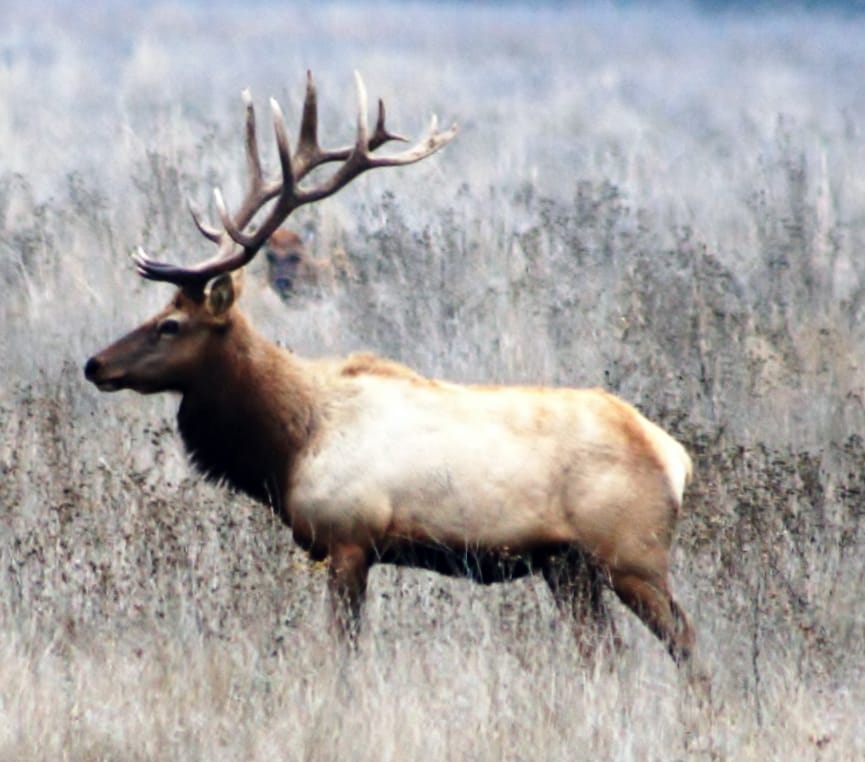
Tule Elk are a smaller and more compact type of elk, found only in California. At one point, they were believed to be extinct due to overhunting and habitat loss during the 19th century. Remarkably, a small group survived, allowing the species to rebound.
These elk prefer grasslands, marshes, and open valleys rather than dense forests. Their lighter bodies and shorter antlers suit wide-open spaces where visibility matters more than brute force. Tule Elk are excellent grazers, spending hours feeding on grasses and low plants.
One interesting trait of Tule Elk is their tolerance for warmer, drier climates compared to other elk. They often gather near water sources during hot seasons, forming tight-knit herds that move together like clockwork.
Today, Tule Elk are a conservation success story. While still limited in range, their comeback shows that even species pushed to the brink can return if given space and time.
3. Manitoban Elk
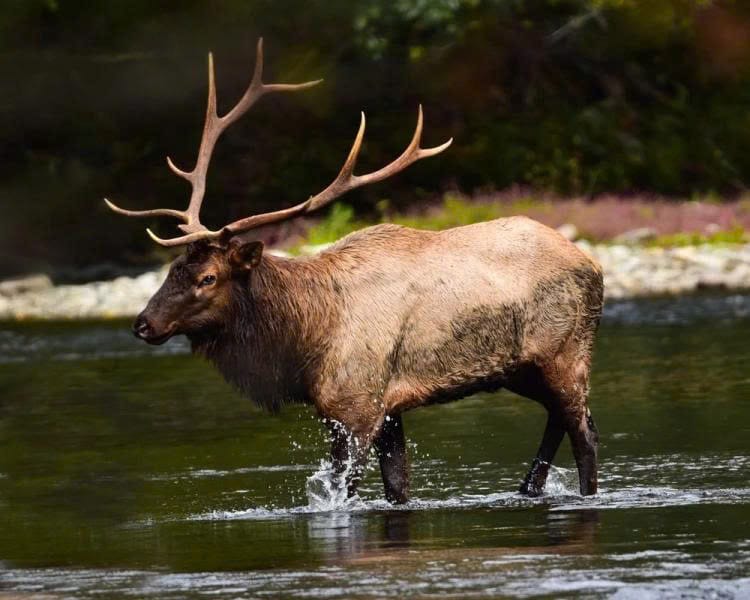
Manitoban Elk occupy the forests and plains of central Canada. They sit somewhere between large forest elk and open-land elk in both size and behavior. Their coats are lighter than Roosevelt’s Elk but darker than prairie-adapted types.
These elk experience harsh winters, so their bodies are built for cold. Thick fur and strong legs allow them to move through snow-covered landscapes in search of food. During winter, they feed heavily on woody plants and tree bark.
Manitoban Elk migrate seasonally, following food availability. In summer, they spread out across grasslands and forest edges. In winter, they cluster in sheltered areas where snow is thinner.
Their adaptability makes them resilient, but it also brings them into contact with farms and roads. Managing coexistence is a growing challenge in their range.
4. Rocky Mountain Elk
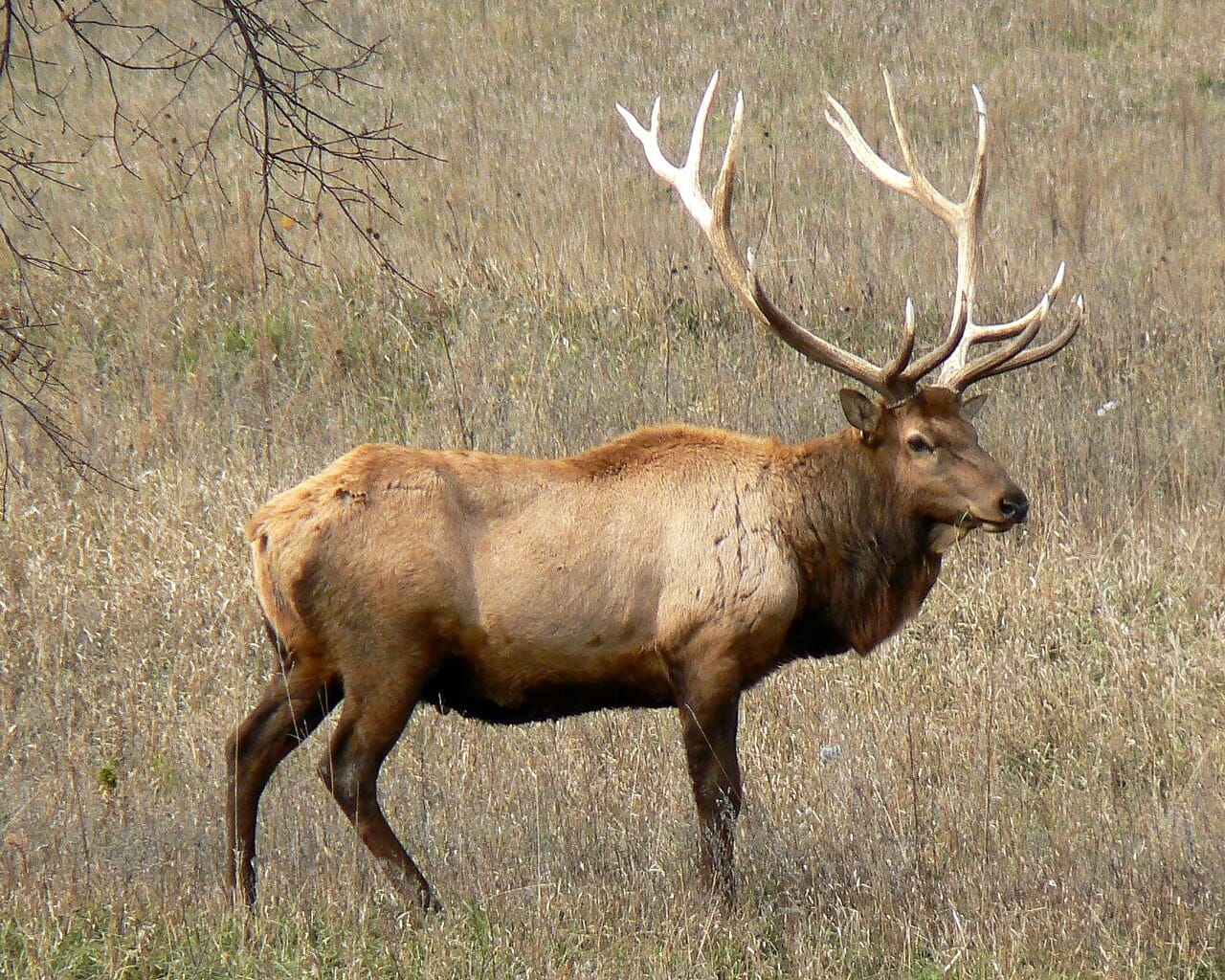
Rocky Mountain Elk are perhaps the most recognizable type of elk in North America. They inhabit mountainous regions from Canada down through the western United States. Their long legs and powerful lungs make them excellent climbers.
These elk move with the seasons, climbing to higher elevations in summer and descending during winter. This movement helps them find fresh grasses while avoiding deep snow.
Rocky Mountain Elk are famous for their bugling calls. During the rut, valleys echo with high-pitched whistles followed by deep grunts. It is one of the wildest sounds in nature.
They are a keystone species, shaping vegetation and supporting predators like wolves and bears. Without them, mountain ecosystems would look very different.
5. Eastern Elk (Extinct)
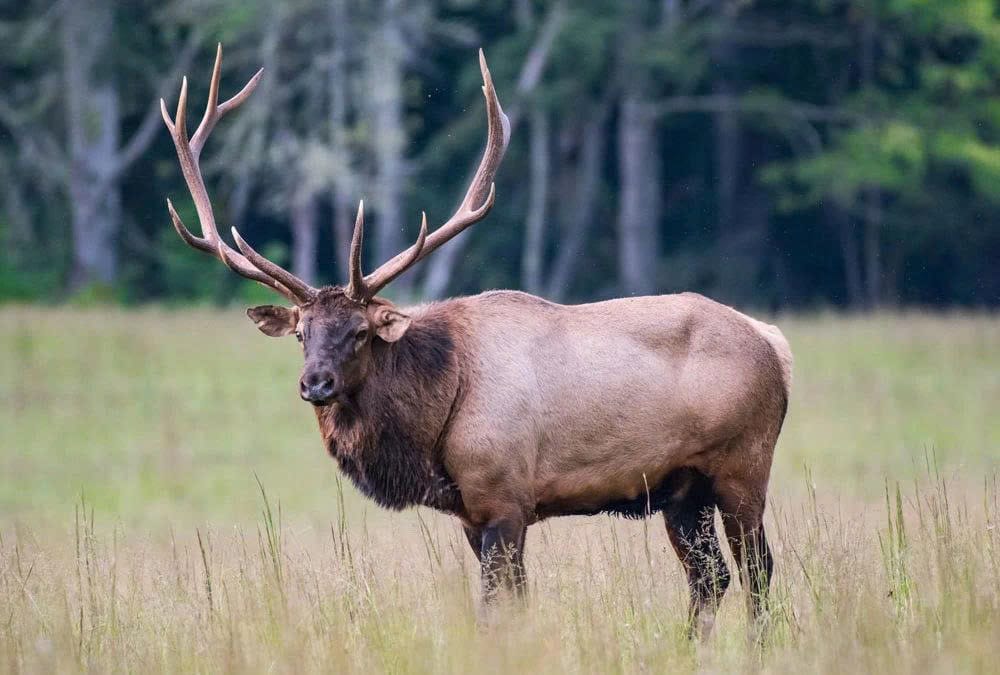
Eastern Elk once roamed forests and valleys across eastern North America. They were larger than many modern elk and adapted well to mixed woodlands.
Sadly, heavy hunting and rapid settlement led to their extinction by the late 1800s. Unlike western elk, Eastern Elk had no refuges left to retreat to.
Though gone, they played an important role in shaping early American ecosystems. Their disappearance changed forest growth patterns and predator dynamics.
Eastern Elk remind us that wildlife loss can happen quickly—and recovery is not always possible.
6. Merriam’s Elk (Extinct)
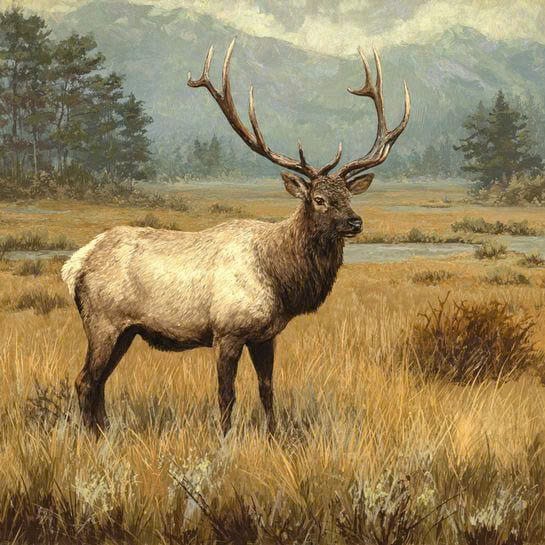
Merriam’s Elk lived in the southwestern United States, particularly in Arizona and New Mexico. They were adapted to drier climates and rugged terrain.
These elk were lighter in color and smaller than northern forest types. Their bodies suited open landscapes with sparse vegetation.
Like Eastern Elk, Merriam’s Elk vanished due to hunting and habitat disruption. By the early 20th century, they were gone.
Today, Rocky Mountain Elk have been introduced into some former Merriam’s Elk habitats, filling part of the ecological gap.
7. Altai Wapiti
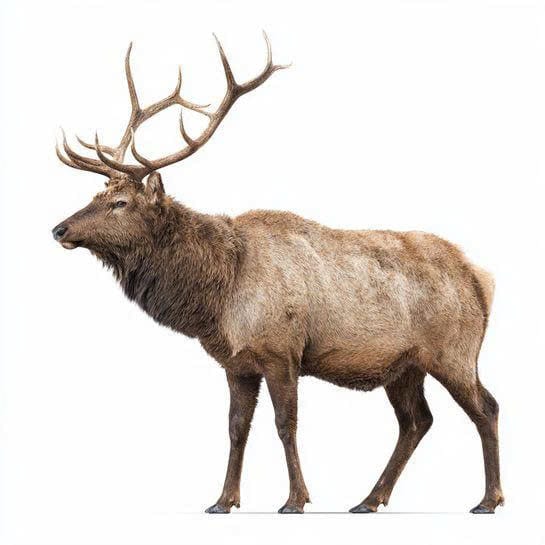
Altai Wapiti live in the mountainous regions of Central Asia. They are adapted to cold winters, steep slopes, and mixed forests.
Their thick coats and strong legs allow them to survive in rugged conditions where food can be scarce. They migrate short distances to track seasonal vegetation.
Altai Wapiti play a role similar to elk in North America, shaping plant growth and supporting large predators.
They show how elk have spread and adapted far beyond a single continent.
8. Tian Shan Wapiti
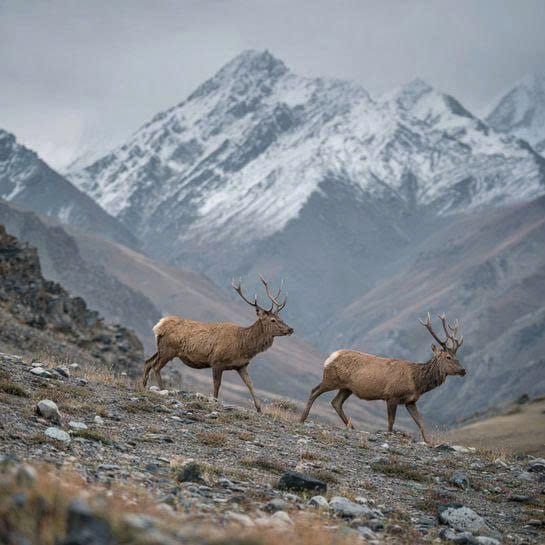
Tian Shan Wapiti inhabit high-altitude mountain ranges in Central Asia. Life here is tough, with cold temperatures and thin air.
These elk are agile climbers, moving across rocky slopes with ease. Their antlers are long but lighter, reducing strain in steep terrain.
They rely heavily on seasonal migration to survive. Timing is everything in their world.
Their survival depends on intact mountain ecosystems.
9. Manchurian Wapiti
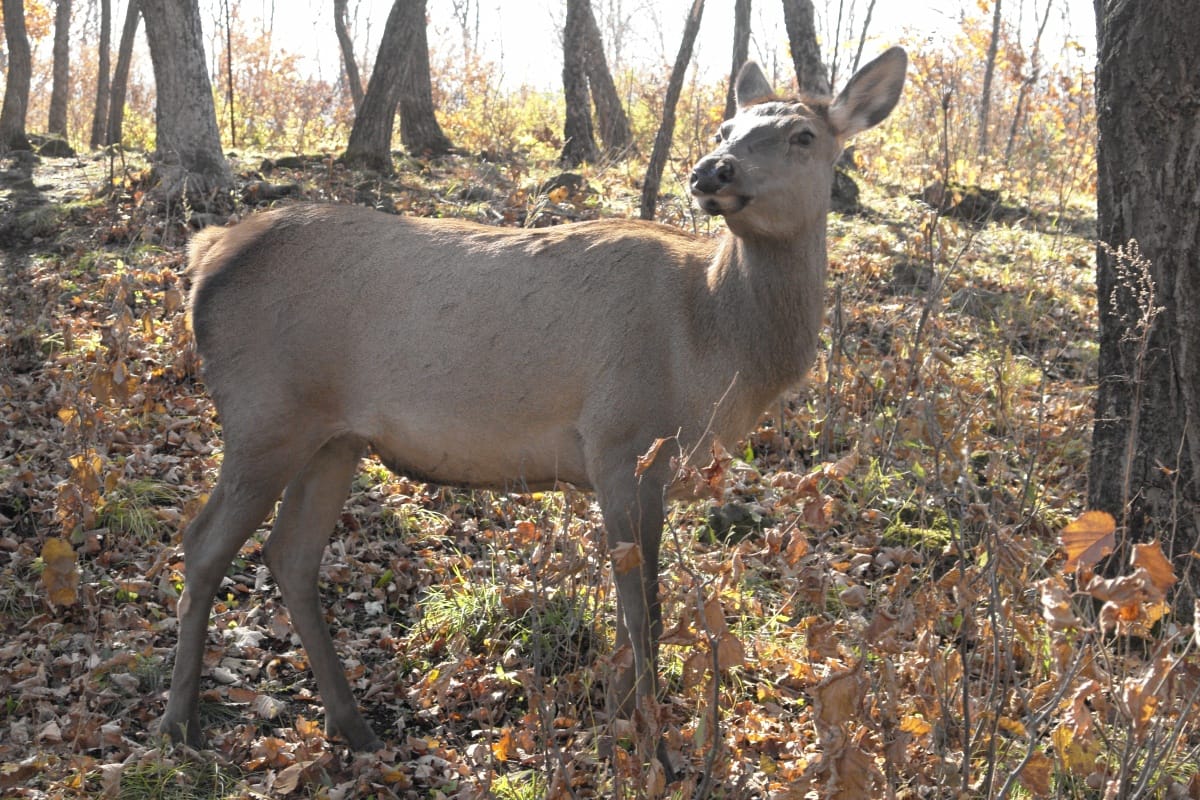
Manchurian Wapiti live in forested regions of northeastern Asia. They prefer mixed forests with open clearings.
These elk are shy and elusive, often avoiding human activity. Their behavior reflects centuries of hunting pressure.
They feed on grasses, leaves, and shrubs, adjusting diet with the seasons.
Protecting forest corridors is key to their future.
10. Alashan Wapiti
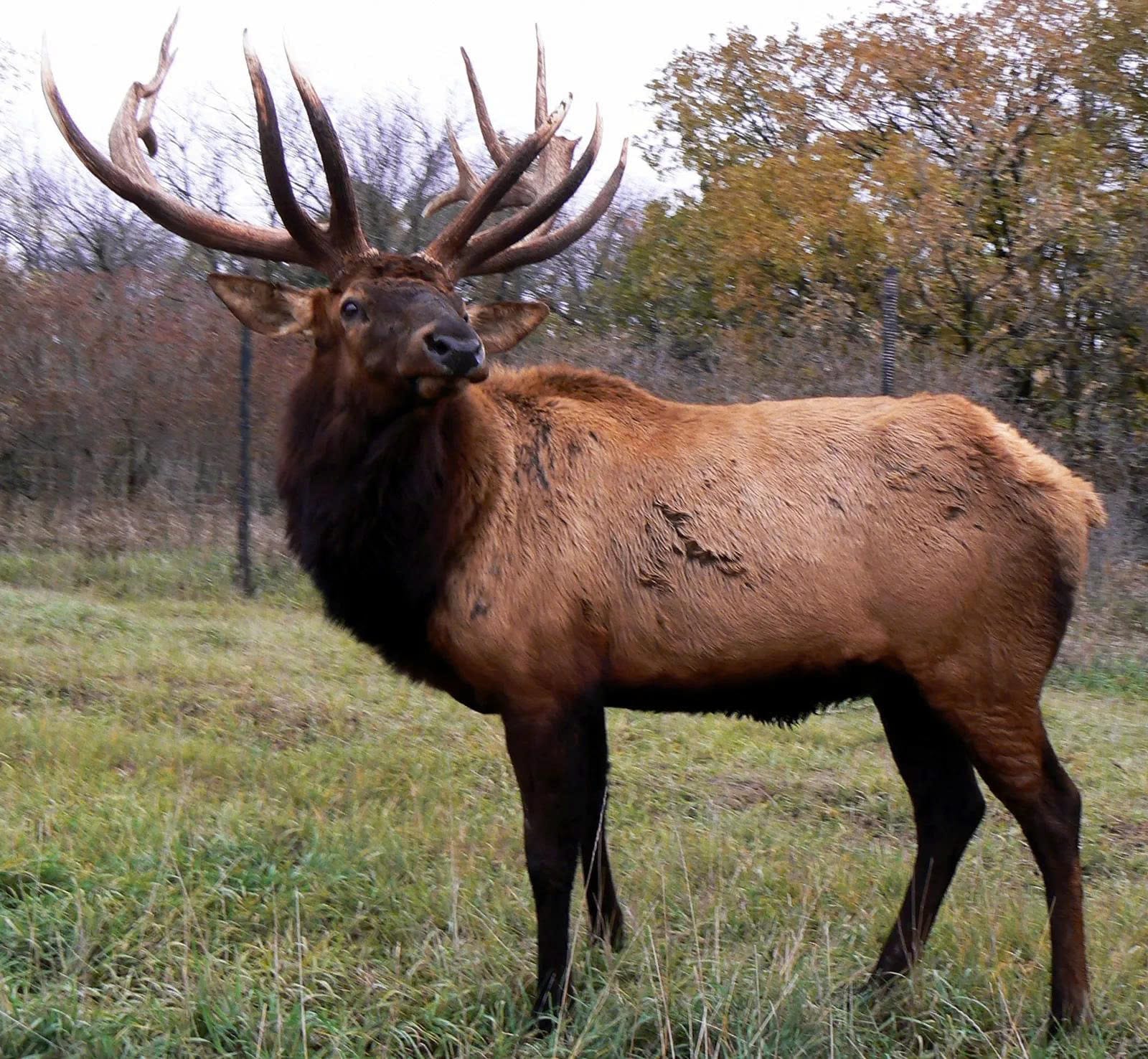
Alashan Wapiti inhabit arid and semi-arid regions, making them one of the most climate-tolerant elk types.
They rely on sparse vegetation and water sources, moving carefully across dry landscapes.
Their ability to survive where resources are limited highlights elk adaptability.
They complete this section as a reminder that elk are masters of survival across extremes.
11. Tibetan Red Deer (Cervus canadensis wallichi)
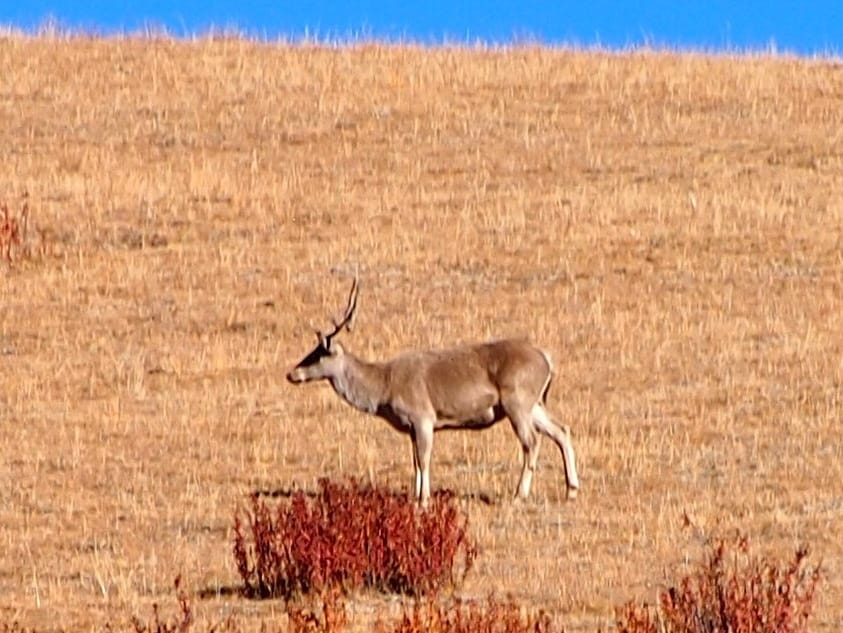
Tibetan Red Deer are high-altitude elk species found in the Himalayan regions. They are well adapted to thin air, cold temperatures, and rocky terrain. Their reddish-brown coats contrast with the snowy landscapes during winter, making them a striking sight against otherwise muted surroundings.
These elk primarily feed on grasses, shrubs, and tree leaves. Seasonal migration allows them to follow the best grazing grounds and avoid harsh winters at higher elevations. Herds are relatively small, usually consisting of a dozen or two individuals, which helps reduce competition for limited resources.
Behaviorally, Tibetan Red Deer are cautious and elusive. Their alertness helps them avoid predators like wolves and snow leopards. Watching one move gracefully across highland meadows is a reminder that survival in extreme conditions requires both strength and strategy.
They are considered vulnerable due to habitat loss and hunting pressure, making conservation efforts essential for their continued existence.
12. Kansu Red Deer (Cervus canadensis kansuensis)
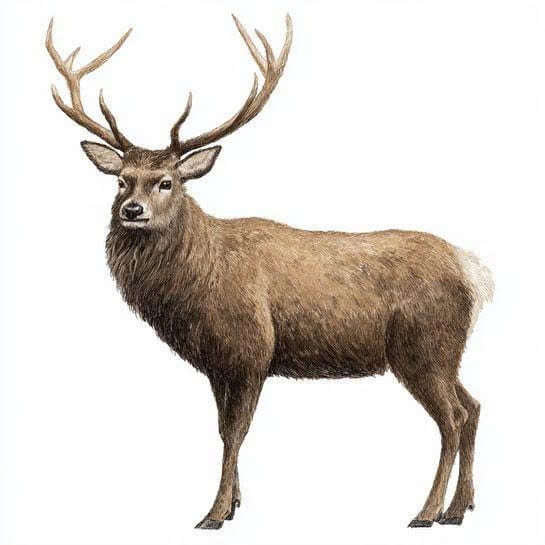
Kansu Red Deer are native to northwestern China, primarily inhabiting valleys and mountain slopes. Their medium-sized bodies and lighter antlers distinguish them from larger elk species, making them better suited for maneuvering through rugged terrain.
Diet consists of grasses, leaves, and young shoots, which vary seasonally. They are most active at dawn and dusk, minimizing encounters with predators and human activity.
Socially, Kansu Red Deer live in small herds. Males often display territorial behavior during the rut, using antler clashes and bugling calls to establish dominance and attract females.
Conservation status is moderately secure, but human expansion and deforestation have impacted some populations. Protecting their habitat ensures these elk continue to thrive in their native ranges.
13. Sichuan Deer (Cervus canadensis macneilli)
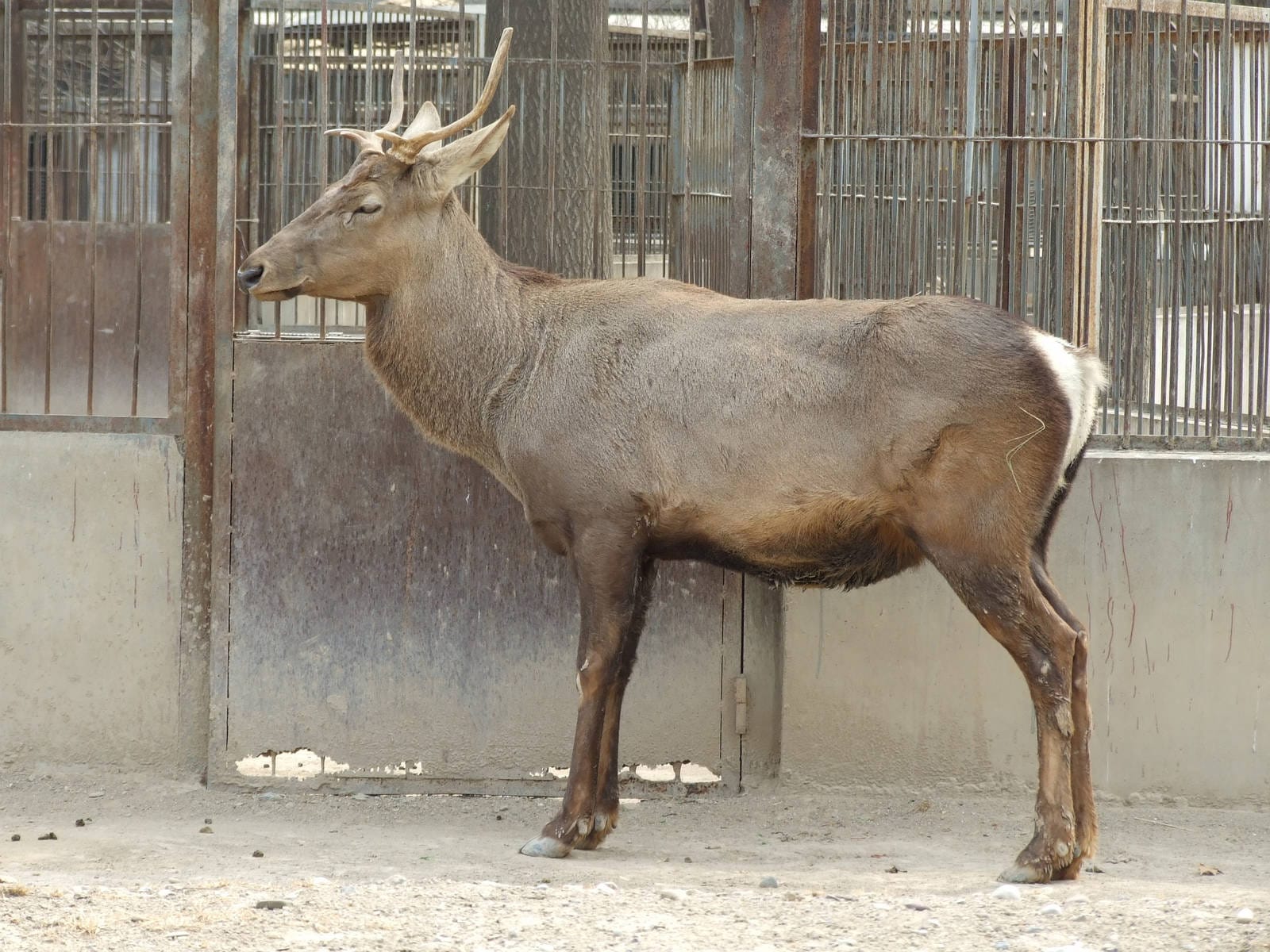
Sichuan Deer are a subspecies of elk found in southwestern China’s mountainous forests. Their coat is darker than many other elk, providing camouflage among dense conifers and undergrowth. Antlers are elegant but not overly large, allowing movement through thick vegetation.
They primarily graze on grasses and browse on shrubs, adjusting their diet with the seasons. Sichuan Deer are known for their cautious nature, often remaining hidden during human activity and emerging during quieter hours to feed.
These elk contribute to forest ecology by controlling vegetation growth and serving as prey for apex predators. Small herds maintain a delicate balance within these ecosystems, demonstrating the interconnectedness of species.
Ongoing habitat protection and anti-poaching measures are vital for maintaining healthy populations of Sichuan Deer.
14. American Elk
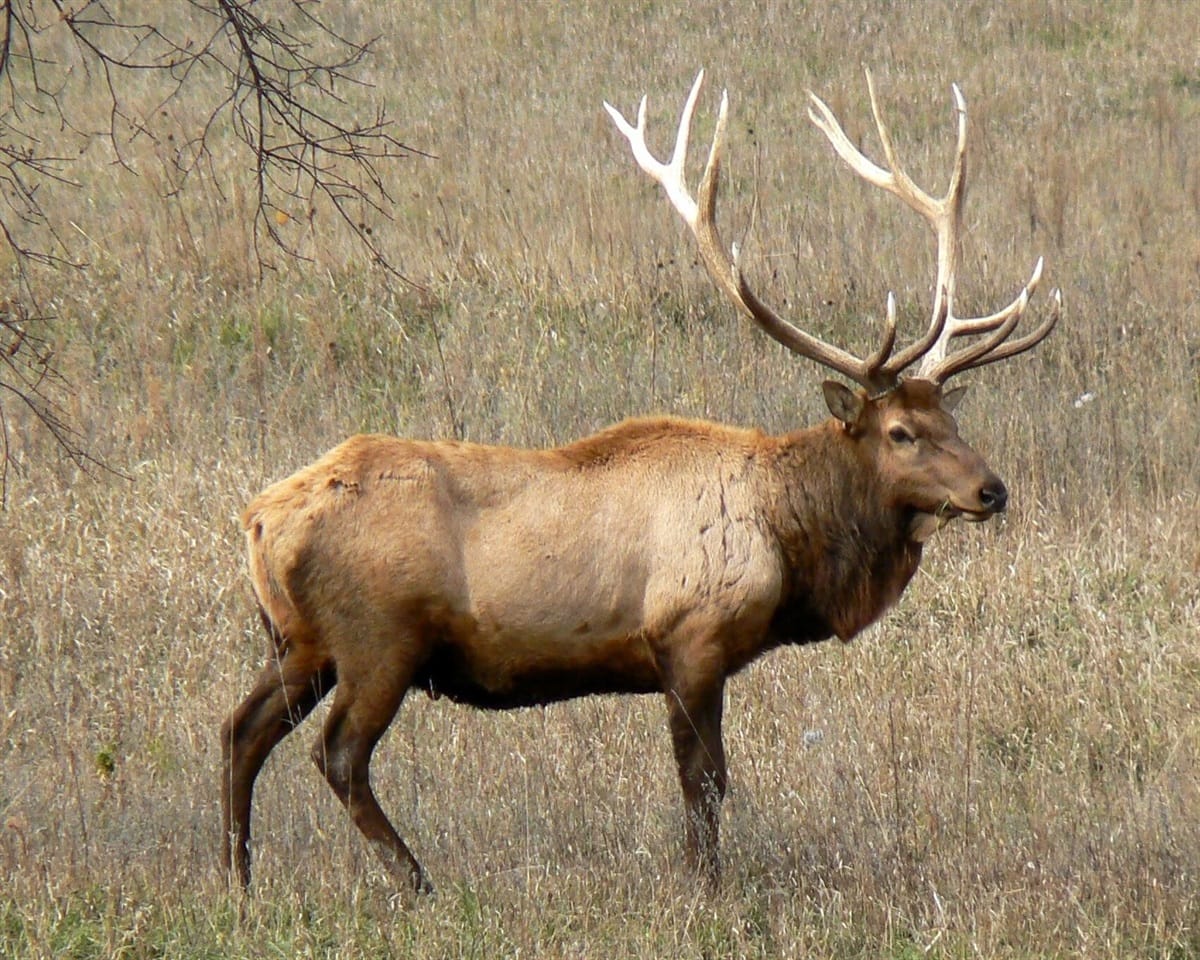
The term “American Elk” usually refers to Rocky Mountain Elk but can also encompass populations reintroduced in other parts of the United States. They are one of the most widespread and well-known elk species in North America.
American Elk are highly adaptable, thriving in forests, grasslands, and even river valleys. They feed on grasses, shrubs, and tree bark depending on seasonal availability. Migration is a key survival tactic, allowing them to find fresh food and avoid harsh winters.
During the rut, bulls perform dramatic displays, bugling loudly and clashing antlers. These behaviors are both impressive and essential for reproductive success.
Human management, hunting regulations, and conservation programs have helped maintain stable populations. They serve as ambassadors for elk conservation and education in the United States.
15. Eurasian Elk (Wapiti-type)
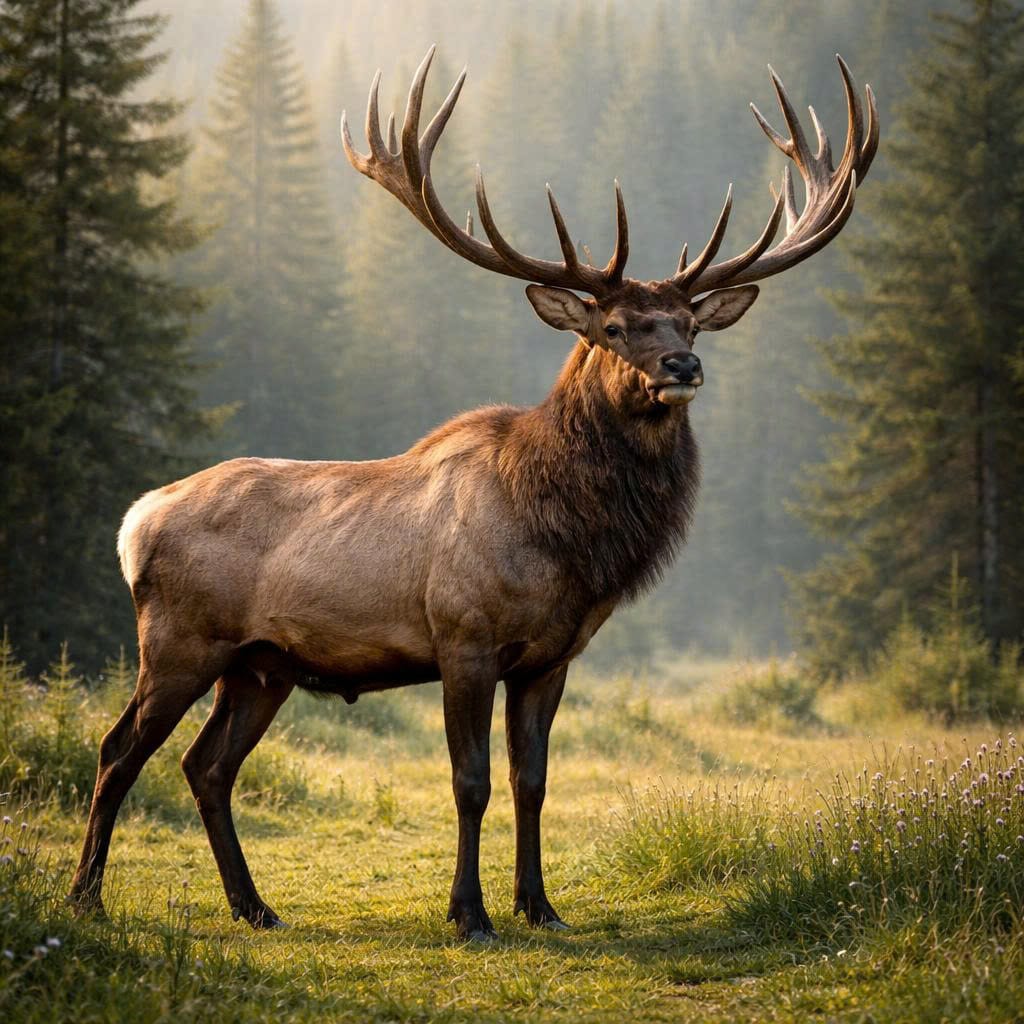
Eurasian Elk, sometimes referred to as the Old World wapiti, inhabit parts of Russia, Mongolia, and Central Asia. They are larger than many European red deer and have long antlers suited to both display and defense.
These elk navigate forests, meadows, and river valleys, feeding on grasses, leaves, and seasonal plants. They migrate moderately depending on food availability and climate.
Eurasian Elk are social animals, often forming herds of several dozen individuals. Their interactions are marked by communication through vocalizations and body language, helping maintain group cohesion.
Conservation measures have been increasingly important as habitat fragmentation and hunting pressure have affected populations. They illustrate the adaptability and resilience of elk species outside North America.
Conclusion
From Roosevelt’s Elk in coastal rainforests to elusive Tibetan Red Deer high in the Himalayas, the 15 Types of Elk showcase the diversity, adaptability, and ecological importance of this majestic animal group. Elk influence plant growth, support predator populations, and provide a living link between forests, grasslands, and mountains. Learning about the different types of elk helps us understand ecosystems, encourages wildlife appreciation, and highlights the importance of conservation.
Whether you are hiking in North America or exploring the forests of Asia, spotting an elk—or even learning about its behaviors from a distance—connects you with nature in a meaningful way. Protecting their habitats ensures that future generations can witness the power, beauty, and mystery of these incredible creatures.
If this guide helped you appreciate elk more, share it, bookmark it, or use it as a resource to deepen your understanding of types of elk and their vital role in our world.
Frequently Asked Questions About Types of Elk
1. What is an elk?
Elk are large mammals belonging to the deer family. They are known for their impressive antlers, vocalizations, and migratory behaviors.
2. How many types of elk are there?
There are at least 15 recognized types of elk, including Roosevelt’s Elk, Tule Elk, Rocky Mountain Elk, and several Asian subspecies.
3. Where do elk live?
Elk inhabit forests, grasslands, mountains, and valleys across North America, Asia, and parts of Europe.
4. What do elk eat?
Elk primarily feed on grasses, shrubs, leaves, bark, and young shoots depending on the season and habitat.
5. How big can elk grow?
Adult male elk can weigh between 700–1,100 pounds, while females are slightly smaller. Roosevelt’s Elk are among the largest types.
6. What is the difference between elk and wapiti?
“Wapiti” is another name for elk, especially in Asia, but the terms are often used interchangeably for large North American elk.
7. Do elk migrate?
Yes, many elk species migrate seasonally to follow food availability and avoid harsh winters.
8. How long do elk live?
Elk typically live 8–12 years in the wild, though some can reach 15–20 years in protected areas.
9. Are elk social animals?
Yes, elk usually form herds. Males and females may form separate groups outside the breeding season.
10. What is the rut in elk?
The rut is the breeding season, during which males display dominance through bugling, antler clashes, and mating behaviors.
11. How do elk communicate?
Elk communicate through vocalizations, body language, and scent markings.
12. What predators hunt elk?
Wolves, bears, cougars, and humans are the main predators of elk, depending on the region.
13. Are elk endangered?
Most elk species are not endangered, but some subspecies like Eastern Elk and Merriam’s Elk have gone extinct.
14. What is the largest elk species?
Roosevelt’s Elk is the largest species, with bulls weighing over 1,000 pounds and massive antlers.
15. Can elk swim?
Yes, elk are strong swimmers and often cross rivers or lakes during migration or in search of food.
16. How do elk survive winter?
Elk rely on fat reserves, thicker fur, and movement to lower elevations to survive harsh winters.
17. What is the smallest elk type?
Tule Elk are smaller and more compact compared to other elk types, adapted to California grasslands.
18. Do elk lose their antlers?
Yes, male elk shed antlers annually and regrow larger ones each year.
19. What is the average antler size?
Antler size varies by species and age; Roosevelt’s Elk can have antlers up to 4 feet long.
20. Are elk herbivores?
Yes, elk are strictly herbivores, feeding on plant matter throughout the year.
21. How do elk impact ecosystems?
Elk shape vegetation, support predators, and recycle nutrients in forests and grasslands.
22. Can elk live near humans?
Elk may venture near towns or farms but prefer wild habitats and are cautious around humans.
23. Do elk have good eyesight?
Elk have good eyesight, especially for detecting movement, but rely on hearing and smell for most detection.
24. How fast can elk run?
Elk can run up to 35–45 mph in short bursts to escape predators.
25. What are the main elk subspecies in North America?
Roosevelt’s Elk, Tule Elk, Manitoban Elk, and Rocky Mountain Elk are the main North American subspecies.
26. What are the main elk subspecies in Asia?
Altai Wapiti, Tian Shan Wapiti, Manchurian Wapiti, Alashan Wapiti, Tibetan Red Deer, Kansu Red Deer, and Sichuan Deer are the main Asian subspecies.
27. How do elk choose mates?
Males display strength and call loudly during the rut. Females choose mates based on dominance and vitality.
28. Do elk fight?
Yes, males clash antlers during the rut to establish dominance and mating rights.
29. What is an elk herd composed of?
Herds typically consist of females, calves, and young males, while older males may be solitary or form bachelor groups.
30. How do elk survive predators?
Elk use vigilance, group living, camouflage, speed, and knowledge of terrain to avoid predators.
31. Do elk eat bark?
Yes, in winter when grasses are scarce, elk strip bark from trees to supplement their diet.
32. What is the lifespan of elk in captivity?
Elk can live up to 20 years in captivity, longer than in the wild due to reduced predation and consistent food supply.
33. Do elk migrate long distances?
Some elk populations migrate over 100 miles seasonally to find food and suitable breeding grounds.
34. How do elk stay cool in summer?
Elk seek shade, drink water frequently, and may wallow in mud or shallow water to regulate body temperature.
35. Can elk adapt to different habitats?
Yes, elk are highly adaptable, living in forests, mountains, grasslands, and even semi-arid areas.
36. Are elk nocturnal?
Elk are crepuscular, being most active during dawn and dusk, though they can be seen at other times.
37. What is an elk bugle?
An elk bugle is a loud vocalization made by males during the rut to attract females and assert dominance.
38. Do elk eat aquatic plants?
Some elk species will graze on aquatic vegetation when available near lakes or rivers.
39. How do elk avoid hunting?
Elk rely on camouflage, alertness, migration, and quick movement to avoid hunters and predators.
40. Are elk solitary animals?
Outside the rut, adult males may live alone or in bachelor groups, while females and calves stay in herds.
41. How do elk calves survive?
Calves hide in vegetation during early weeks, rely on mother’s milk, and gradually join the herd as they grow.
42. Do elk fight over territory?
During rut, males establish territories using bugling, scent marking, and antler battles.
43. What is the role of elk in food chains?
Elk transfer energy from plants to predators, acting as both primary consumers and prey.
44. Are elk endangered in any region?
Most elk are not endangered, but local populations can be threatened due to habitat loss and hunting pressure.
45. How do elk deal with snow?
Elk have strong legs and hooves to move through snow and rely on low vegetation for food during winter.
46. Can elk live in semi-desert areas?
Some types, like Alashan Wapiti, survive in arid or semi-arid conditions by finding sparse vegetation and water sources.
47. Do elk mark territory?
Yes, males use scent glands and rub antlers on trees to mark territory during the rut.
48. How do elk influence plant growth?
By grazing selectively, elk shape vegetation patterns, control shrubs, and open space for other species.
49. What predators feed on elk calves?
Wolves, bears, and mountain lions primarily target calves during the first few months of life.
50. How do humans impact elk populations?
Hunting, habitat fragmentation, and urban expansion can reduce populations, while conservation efforts help maintain healthy herds.
51. Are elk intelligent?
Elk exhibit learning behaviors, memory of migration routes, and social intelligence within herds.
52. Do elk swim well?
Elk are strong swimmers and can cross rivers or lakes when needed for migration or escaping predators.
53. Can elk coexist with other deer?
Yes, in many regions elk coexist with deer and other herbivores, although competition for food may occur.
54. How do elk survive droughts?
Elk may travel long distances to find water and feed on drought-resistant vegetation.
55. Why are elk important to ecosystems?
Elk maintain plant diversity, support predators, aid in nutrient cycling, and help maintain balanced ecosystems across North America and Asia.
Read more:
- 30 Types of Shrimp (Pictures And Identification)
- 30 Types of Deer (Pictures and Identification)
- 15 Types of Deer in North America (Pictures And Identification)
- 12 Types of Deer in USA (Pictures And Identification)
- 25 Types of Deer in Africa (Pictures And Identification)
- What Do Deer Eat? Complete Guide to Deer Diet, Foods, and Seasonal Feeding Habits
- 5 Types of Deer in Scotland (Pictures and Identification)
- 8 Types of Deer in UK (Pictures And Identification)
- 8 Types of Deer in Texas (Pictures and Identification)
- How to Hunt Deer from the Ground: Expert Tips for Successful Ground-Level Deer Hunting
- 8 Types of Deer in California (Pictures And Identification)
- 5 Types of Deer in Colorado: Species Identification with Pictures
- 5 Types of Deer in Illinois (Pictures And Identification)
- 5 Types of Deer in Oregon (Pictures and Identification)
- 5 Types of Deer in New Mexico (Pictures and Identification)
- 5 Types of Deer in Wisconsin (Pictures And Identification)
- 11 Moose Facts About the Majestic Herbivorous Giant
- 5 Types of Deer in Montana (Pictures And Identification)