

When exploring the types of Coyote, many people are surprised to learn that coyotes are not a collection of separate species but a highly adaptable species called Canis latrans. However, across North and Central America, coyotes show distinct regional variations known as subspecies or ecological forms. These differences appear in size, coat color, behavior, and habitat preference. In this guide, we break down 20 types of Coyote found across deserts, forests, mountains, and urban landscapes. Each type has adapted uniquely to its environment, making the coyote one of the most flexible predators in the wild world.
20 Types of Coyote: Wildlife Classification and Identification Guide
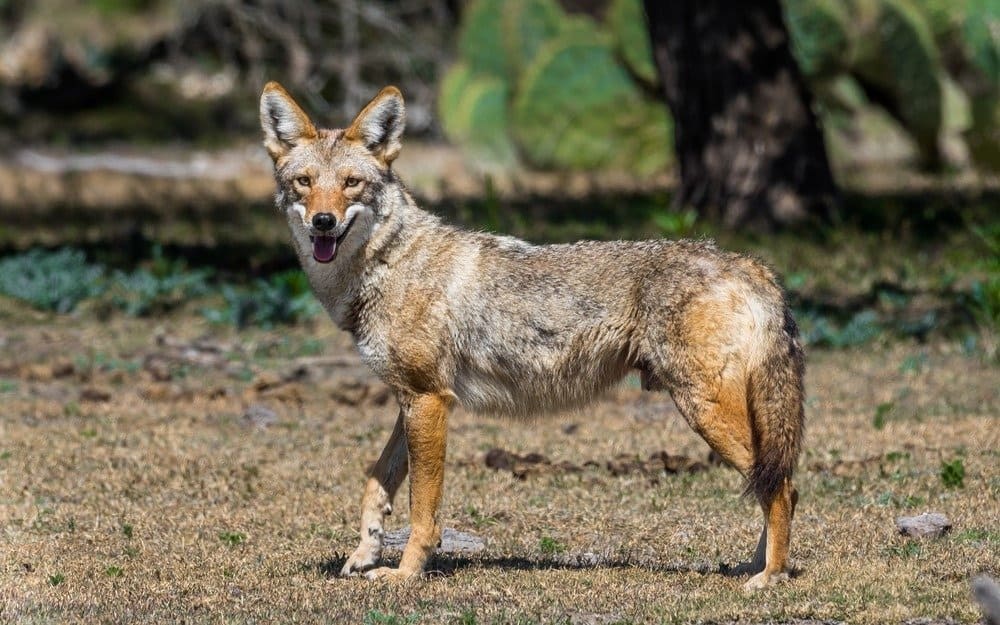
1. Eastern Coyote
The Eastern Coyote is one of the most fascinating variations in North America. It is often larger than western coyotes due to historical hybridization with wolves. This type is commonly found in forests, suburban areas, and farmland across the eastern United States and Canada. Its coat is usually a mix of gray, brown, and reddish tones, helping it blend into wooded environments.
Behaviorally, Eastern Coyotes are highly adaptable and less shy around human settlements compared to other wild canids. They hunt small mammals such as rabbits, rodents, and occasionally deer fawns. Their ability to survive in fragmented forests makes them a key predator in balancing local ecosystems.
2. Western Coyote
The Western Coyote is considered the “classic” form of the species and is widely distributed across the western United States. It is generally smaller and leaner than eastern populations. Its coloration ranges from sandy yellow to gray, depending on desert or grassland habitat.
This coyote is highly efficient in dry environments and is often seen in deserts, plains, and open scrublands. It is a highly opportunistic feeder, consuming rodents, insects, carrion, and even fruits. Its adaptability allows it to thrive in some of the harshest environments in North America.
3. Plains Coyote
The Plains Coyote inhabits the central grasslands of North America, where open landscapes dominate. This type is built for speed and endurance, allowing it to chase prey across long distances. Its coat is usually light gray or tan, providing excellent camouflage in grassy terrain.
Plains Coyotes are important regulators of rodent populations in agricultural regions. They are often seen near farmland, where they help control pests naturally. Their hunting strategy relies on patience, stealth, and sudden bursts of speed.
4. Mexican Coyote
The Mexican Coyote is one of the smaller subspecies and is adapted to arid and semi-arid environments in Mexico. It has a slender body, light coloration, and relatively large ears that help regulate body heat in hot climates.
This type of coyote plays an important ecological role in desert ecosystems. It feeds on small mammals, reptiles, and plant material when food is scarce. Its survival skills in extreme heat make it one of the most resilient members of the coyote family.
5. Northeastern Coyote
The Northeastern Coyote is often confused with the Eastern Coyote but tends to show stronger wolf genetic influence in some regions. It is found in dense forests and mixed woodland habitats. This type is generally larger and more powerful than western coyotes.
Its diet includes deer, small mammals, and occasionally larger prey when hunting in packs. The Northeastern Coyote is highly territorial and uses vocal communication such as howls and yips to maintain group coordination and territory boundaries.
6. Southeastern Coyote
The Southeastern Coyote is one of the most adaptable and least studied variations within the broader group of types of Coyote. Found throughout the southeastern United States, this population has expanded rapidly over the past century as forests were fragmented and human development increased. Unlike western coyotes that evolved in open deserts and grasslands, the Southeastern Coyote has adapted to humid forests, wetlands, and mixed agricultural landscapes.
Physically, this coyote is generally medium-sized, but it often shows subtle variation depending on local environmental pressures. Its coat tends to be darker than desert populations, often featuring a mix of gray, black, and brown fur that helps it blend into dense vegetation. In swampy or heavily forested areas, this camouflage is essential for survival, especially when hunting or avoiding larger predators.
One of the most interesting traits of the Southeastern Coyote is its behavioral flexibility. This animal is highly opportunistic and will adjust its hunting and feeding strategies depending on seasonal availability. In forested habitats, it primarily preys on rabbits, squirrels, and rodents, but it can also consume insects, fruits, and carrion when necessary. This dietary flexibility is one of the key reasons it has expanded so successfully in human-altered landscapes.
Behaviorally, Southeastern Coyotes tend to be more secretive compared to their western counterparts. Dense vegetation and higher predator competition have shaped a more cautious hunting style. They rely heavily on stealth, patience, and short bursts of movement rather than long-distance pursuit. This makes them efficient ambush predators in wooded environments.
Another important aspect of this type is its interaction with human environments. As suburban areas expand into forest edges, Southeastern Coyotes have become increasingly common near residential zones. However, they generally avoid direct human contact and are most active during twilight or nighttime hours.
Ecologically, they play a crucial role in controlling rodent populations and maintaining balance in forest ecosystems. Without them, smaller mammal populations could grow uncontrollably, affecting vegetation and agricultural lands. Overall, the Southeastern Coyote represents a successful example of wildlife adaptation in a rapidly changing environment.
7. Northern Coyote
The Northern Coyote is one of the most cold-adapted members of the types of Coyote, inhabiting regions such as Canada and the northern United States. This type has evolved to survive long, harsh winters where temperatures drop significantly and food resources become limited.
Physically, Northern Coyotes are generally larger and heavier than those found in southern regions. This increased body mass helps them conserve heat in cold environments. Their fur is also significantly thicker, often developing a dense winter coat that provides insulation against freezing temperatures and snow.
The coloration of Northern Coyotes varies seasonally. During winter, their coats may appear darker or grayer, while in summer, they shed to reveal lighter tones beneath. This seasonal adaptation helps regulate temperature and provides better camouflage depending on environmental conditions.
In terms of behavior, Northern Coyotes are highly resilient hunters. Food scarcity during winter forces them to become more opportunistic, often scavenging carcasses left by larger predators such as wolves or bears. They also rely heavily on small mammals like voles and snowshoe hares, which remain active during colder months.
Unlike some southern populations, Northern Coyotes may travel in small family groups more frequently, especially when hunting larger prey. This cooperative behavior increases their chances of survival in harsh environments where food is unpredictable.
Their vocal communication is also more pronounced in open snowy landscapes. Long-distance howling helps maintain territory boundaries and locate other pack members across vast, quiet winter terrains.
Overall, the Northern Coyote is a strong example of evolutionary adaptation to extreme climates. Its physical and behavioral traits reflect the demands of survival in some of the coldest ecosystems where coyotes exist.
8. Mountain Coyote
The Mountain Coyote is adapted to rugged, elevated terrain such as the Rocky Mountains and other high-altitude regions. Among the various types of Coyote, this one is particularly skilled at navigating steep slopes, rocky outcrops, and forested mountain zones.
Physically, Mountain Coyotes tend to be robust and muscular, with strong limbs that allow them to climb and move efficiently across uneven terrain. Their fur is typically thicker than lowland populations, offering protection against cold mountain air and sudden weather changes. Coat colors range from gray to dark brown, helping them blend into rocky environments.
These coyotes are highly territorial due to the limited availability of prey in mountainous ecosystems. They often maintain large territories to ensure sufficient access to food sources. Their diet includes small mammals, birds, reptiles, and occasionally larger prey if opportunities arise.
One of the defining traits of Mountain Coyotes is their exceptional agility. They are capable of leaping across rocks, navigating steep cliffs, and traversing snow-covered slopes with ease. This agility gives them an advantage when hunting or escaping larger predators.
Behaviorally, Mountain Coyotes are cautious and highly aware of their surroundings. The rugged terrain they inhabit requires constant vigilance, as threats can come from multiple directions. They rely heavily on scent marking and vocal communication to maintain territorial boundaries in complex landscapes.
Seasonal changes significantly influence their behavior. In winter, they may descend to lower elevations in search of food, while in warmer months, they return to higher altitudes. This vertical migration pattern is an important survival strategy.
The Mountain Coyote represents one of the most physically adapted forms of the species, showcasing how coyotes can thrive even in challenging high-altitude ecosystems.
9. Desert Coyote
The Desert Coyote is one of the most resilient and heat-adapted forms within the broader types of Coyote. Found across arid regions such as the Sonoran, Mojave, and Chihuahuan deserts, this coyote has evolved to survive extreme temperatures, scarce water resources, and wide-open landscapes with limited shelter. Unlike forest or mountain coyotes, desert populations must rely heavily on stealth, energy efficiency, and opportunistic feeding to survive in one of the harshest environments in North America.
Physically, the Desert Coyote is typically lighter in color, ranging from pale tan to sandy gray. This coloration provides excellent camouflage against desert soil, rocks, and dry vegetation. Its body is leaner and more streamlined compared to northern or eastern coyotes, which helps reduce heat retention during scorching daytime temperatures. Large ears are a defining trait, functioning as natural radiators that help dissipate body heat efficiently.
Behaviorally, Desert Coyotes are highly nocturnal or crepuscular, meaning they are most active during dawn, dusk, or nighttime hours when temperatures are cooler. During the heat of the day, they rest in shaded burrows, rocky crevices, or under sparse desert shrubs. Their survival strategy is heavily based on conserving energy rather than constant movement.
Diet is another area where adaptation is essential. Desert Coyotes are opportunistic feeders that consume small mammals such as kangaroo rats, jackrabbits, and ground squirrels. They also eat reptiles, insects, carrion, and occasionally desert fruits like cactus fruit when other food sources are unavailable. Water intake is often obtained indirectly through prey, reducing the need for frequent drinking.
Social structure in desert environments tends to be more flexible. While some coyotes maintain family groups, others may live and hunt alone depending on food availability and territory size. This adaptability allows them to survive in ecosystems where resources are widely scattered.
The Desert Coyote plays an important ecological role by controlling rodent populations and helping maintain balance in fragile desert ecosystems. Its ability to survive in extreme heat and dryness makes it one of the most specialized and efficient predators in the coyote family.
10. Texas Plains Coyote
The Texas Plains Coyote is a widespread and highly adaptable variation found across the grasslands and agricultural regions of Texas and surrounding states. As one of the most visible types of Coyote in North America, it has successfully adapted to both natural prairie ecosystems and human-modified landscapes such as farms, ranches, and suburban edges.
This coyote is generally medium-sized with a balanced, athletic build designed for endurance running across open plains. Its coat is usually a mix of gray, brown, and light tan, which provides effective camouflage in grassy environments. Seasonal shedding helps it adjust to temperature changes between hot summers and cooler winters.
Texas Plains Coyotes are highly efficient hunters, relying on speed, endurance, and sharp senses to track prey across wide, open terrain. Their diet consists mainly of small mammals such as rabbits, prairie dogs, and rodents. However, they are also known for their opportunistic behavior, feeding on carrion and occasionally livestock if natural prey is scarce.
One of their most important survival traits is their ability to travel long distances in search of food. Unlike forest coyotes that rely on dense cover, Texas Plains Coyotes must depend on open visibility and stamina. This has made them some of the most mobile canids in North America.
Social behavior varies depending on population density and food availability. Some individuals form stable family groups, while others may adopt solitary lifestyles. Communication through howling is especially important in open landscapes, where sound travels far and helps maintain territory boundaries.
Human interaction is common in this region due to the overlap between agricultural land and natural habitat. While they generally avoid direct contact, Texas Plains Coyotes are often seen near ranches and rural roads at night.
Overall, this coyote represents a successful balance between wild survival instincts and adaptability to human-altered environments.
11. California Valley Coyote
The California Valley Coyote is a well-known population found throughout California’s valleys, coastal foothills, and suburban edges. It is one of the most adaptable types of Coyote, thriving in environments that range from wild chaparral ecosystems to densely populated urban regions.
Physically, California Valley Coyotes are typically medium-sized with a slender, agile build. Their coat color varies widely, often showing gray, reddish-brown, and sandy tones depending on habitat. This variability helps them blend into diverse landscapes, including dry brushlands, agricultural fields, and suburban parks.
This coyote is particularly notable for its ability to survive in close proximity to humans. In many parts of California, it has successfully adapted to urban environments by exploiting food sources such as garbage, pet food, and rodents found in city parks and residential neighborhoods.
Despite their adaptability, California Valley Coyotes remain cautious and mostly nocturnal in urban areas. They are intelligent problem-solvers and can quickly learn to avoid human threats while taking advantage of available resources.
Their diet is highly varied and includes rabbits, squirrels, birds, insects, fruits, and carrion. In urban settings, they may also consume human-related food waste, although this behavior is typically discouraged in wildlife management programs.
Ecologically, these coyotes play an important role in controlling rodent populations in both natural and urban ecosystems. Their presence helps reduce disease spread and maintain ecological balance in rapidly expanding human environments.
The California Valley Coyote is a strong example of how wildlife can adapt to urbanization while continuing to maintain its role as a top mid-sized predator in fragmented ecosystems.
12. Northwest Coast Coyote
The Northwest Coast Coyote is a distinct regional population found along the Pacific Northwest, including coastal forests, river valleys, and temperate rainforests. As one of the more specialized types of Coyote, it has adapted to wet, dense, and highly vegetated environments where visibility is limited and prey behavior differs from open landscapes.
Physically, this coyote tends to have a darker and thicker coat compared to desert or plains populations. The fur often appears deep gray, brown, or nearly black in some individuals, which helps with camouflage in shadowy forest understories. Its body is moderately built—strong enough for hunting but compact enough to move quietly through dense vegetation.
Northwest Coast Coyotes rely heavily on stealth hunting techniques. Instead of long chases across open land, they prefer short, silent approaches followed by quick bursts of speed. Their primary prey includes rodents, rabbits, birds, amphibians, and occasionally fish or marine carrion washed inland along river systems or coastal areas.
One of the most interesting behaviors of this population is its ability to exploit coastal resources. In some areas, these coyotes have been observed feeding on salmon during spawning seasons or scavenging along shorelines where tides bring in food sources. This opportunistic behavior highlights their ecological flexibility.
Social structure varies, but many Northwest Coast Coyotes are either solitary or part of small family groups. Dense forest environments make large pack hunting less practical, so individuals often rely on personal hunting skills rather than coordinated group strategies.
Their vocal communication is adapted to forest acoustics. Unlike open plains coyotes that rely on long-distance howls, forest coyotes use shorter vocalizations and more localized communication due to sound absorption in dense vegetation.
Overall, the Northwest Coast Coyote is a highly adaptable predator that demonstrates how coyotes can thrive even in wet, forested ecosystems far different from their ancestral grassland habitats.
13. Lower Rio Grande Coyote
The Lower Rio Grande Coyote is found along the southern Texas border and northern Mexico, particularly near the Rio Grande basin. This region is a mix of brushland, semi-desert, farmland, and riparian corridors, making it one of the most ecologically diverse habitats among all types of Coyote.
This coyote is generally smaller and more slender than northern populations, an adaptation that helps with heat regulation in warmer climates. Its coat is usually light gray, tan, or sandy brown, blending well with dry brush and open terrain.
The Lower Rio Grande Coyote is extremely adaptable in its diet and behavior. It feeds on rodents, rabbits, birds, reptiles, and insects, while also taking advantage of agricultural areas where food may be more abundant. This opportunistic feeding strategy is key to survival in a region where resources can fluctuate seasonally.
Riparian corridors along the Rio Grande provide important hunting and resting areas. These green zones offer shade, water access, and higher prey density compared to surrounding dry landscapes. Coyotes in this region often use these corridors as travel routes between territories.
Behaviorally, these coyotes are highly cautious due to human presence along border towns and agricultural zones. They tend to be nocturnal or crepuscular, avoiding daytime activity when human activity is highest.
The Lower Rio Grande Coyote is also known for its territorial flexibility. In areas with high population density, territories may shrink, and overlapping ranges can occur, leading to more frequent interactions between individuals.
This coyote plays an essential ecological role in controlling rodent populations and maintaining balance in both natural and human-influenced ecosystems of the border region.
14. Mearns’ Coyote
The Mearns’ Coyote is one of the more regionally adapted subspecies found primarily in parts of Mexico and the southwestern United States. It is considered a relatively smaller and lighter variation within the broader types of Coyote, adapted for survival in dry, open, and semi-mountainous regions.
Physically, Mearns’ Coyotes are slender with a lighter overall build. Their fur is typically pale gray, tan, or buff-colored, which provides excellent camouflage in rocky and desert-like environments. Their smaller body size allows for efficient movement across rugged terrain and helps reduce water and energy requirements.
This subspecies is highly adaptable in its feeding behavior. It primarily hunts small mammals such as rodents and rabbits but will also consume reptiles, insects, and plant matter when necessary. This opportunistic diet is essential for survival in areas where food availability can be unpredictable.
Mearns’ Coyotes are generally solitary or form small family units. Their hunting style relies heavily on stealth and patience, often using terrain features such as rocks, shrubs, and elevation changes to approach prey unnoticed.
In terms of behavior, they are highly alert and cautious, especially in regions where larger predators or human activity are present. Their survival strategy depends on avoiding unnecessary energy expenditure while maximizing hunting success.
Despite being less well-known than other coyote types, Mearns’ Coyotes play a critical role in maintaining ecological balance in desert and semi-arid ecosystems by regulating small mammal populations.
15. Tiburón Island Coyote
The Tiburón Island Coyote is a rare island-adapted population found on Tiburón Island in the Gulf of California. Island environments create unique evolutionary pressures, making this one of the most distinctive types of Coyote.
This coyote is typically smaller and more isolated compared to mainland populations. Limited resources and geographic separation have influenced its size and behavior over time. Its coat is usually light brown or gray, blending with rocky and desert island terrain.
The diet of the Tiburón Island Coyote is highly opportunistic. It includes small mammals, reptiles, insects, seabird eggs, and carrion. Because island ecosystems have limited prey diversity, this coyote must exploit a wide range of food sources to survive.
Behaviorally, it tends to be highly cautious and energy-efficient. Island environments require careful resource management, so this coyote minimizes unnecessary movement and focuses on targeted hunting strategies.
Isolation has also influenced its genetic diversity, making it an important subject for ecological and evolutionary studies. Scientists study this population to understand how predators adapt to island ecosystems over time.
The Tiburón Island Coyote plays a vital role in maintaining ecological balance on the island by regulating small animal populations and contributing to nutrient cycling in a limited-resource environment.
16. Peninsula Coyote
The Peninsula Coyote is found primarily in the Baja California Peninsula of Mexico, a long and ecologically diverse region that includes deserts, coastal scrub, mountains, and dry forests. Among the broader types of Coyote, this population is especially interesting because it shows strong adaptation to isolated and semi-arid environments where food and water can be unevenly distributed throughout the year.
Physically, the Peninsula Coyote is generally medium to small in size compared to northern mainland populations. This reduced body size is considered an adaptation to limited resources, as smaller bodies require less energy and water to survive. Its coat is typically light tan, gray, or sandy brown, providing excellent camouflage in desert scrub and rocky landscapes.
Behaviorally, Peninsula Coyotes are highly opportunistic and resourceful. Their diet includes rodents, rabbits, lizards, birds, insects, and seasonal fruits such as cactus fruit. They also scavenge carrion when available, especially in coastal regions where marine animals may wash ashore. This flexibility in diet is essential for survival in a region where prey availability changes dramatically with rainfall and temperature cycles.
One of the most notable traits of this coyote is its ability to survive in extremely dry conditions. It conserves water efficiently by being mostly nocturnal or crepuscular, avoiding the intense daytime heat of the peninsula. Resting in shaded vegetation or rocky shelters helps reduce dehydration risk.
Territorial behavior is moderately strong in this subspecies. Individuals or small family groups maintain defined ranges, but territory overlap may occur in areas where resources are more abundant. Vocal communication, especially howling, is used to signal presence and avoid direct conflict.
Ecologically, the Peninsula Coyote plays a key role in regulating rodent and insect populations, helping maintain balance in fragile desert and coastal ecosystems. Its adaptability makes it one of the most resilient predators in Baja California.
17. Durango Coyote
The Durango Coyote is a regional population found in the mountainous and semi-arid regions of Durango, Mexico. This area features a mix of pine-oak forests, grasslands, and rugged highland terrain, making it one of the more ecologically diverse habitats among the types of Coyote.
This coyote is typically medium-sized with a robust but agile build. Its coat tends to be darker than desert populations, often showing a mixture of gray, brown, and black tones that help it blend into forested and rocky environments. Seasonal changes in fur density allow it to adapt to both warm summers and cooler mountain winters.
Durango Coyotes are highly versatile hunters. Their diet includes rabbits, rodents, birds, reptiles, and occasionally larger prey such as young deer when hunting in pairs or family groups. They also consume plant material and carrion when necessary, showing strong opportunistic feeding behavior.
Due to the mountainous terrain, these coyotes are excellent climbers and navigators of uneven ground. They often use ridges, valleys, and forest edges as travel routes and hunting corridors. Their agility allows them to move efficiently between different elevation zones.
Social structure in this population varies depending on resource availability. Some individuals remain solitary, while others form stable family units, especially during breeding seasons. Communication through vocalization and scent marking is essential for maintaining territory boundaries in complex landscapes.
The Durango Coyote is an important ecological predator in its region, helping regulate small mammal populations and contributing to the balance of mountain and grassland ecosystems.
18. Colima Coyote
The Colima Coyote is found in the western Mexican state of Colima and surrounding coastal and volcanic regions. This subspecies inhabits a mix of tropical dry forests, agricultural land, and coastal scrub, making it one of the more environmentally diverse types of Coyote.
Physically, the Colima Coyote tends to be smaller and more slender than northern populations. Its coat is usually light brown, reddish-gray, or sandy in color, which helps it blend into dry tropical environments. Its lighter body structure supports agility and heat regulation in warmer climates.
The diet of the Colima Coyote is highly adaptable and includes small mammals, birds, reptiles, insects, and seasonal fruits. In agricultural areas, it may also feed on crops or livestock carrion, demonstrating its opportunistic feeding strategy.
This coyote is highly adaptable to human presence, especially in rural farming regions where natural habitat overlaps with agriculture. It tends to avoid direct contact with humans but will exploit available food resources when possible.
Behaviorally, Colima Coyotes are mostly nocturnal, reducing activity during the hottest parts of the day. They use dense vegetation and terrain features for shelter and hunting, relying heavily on stealth rather than long-distance pursuit.
Ecologically, this subspecies plays an important role in controlling rodent and insect populations in both natural and agricultural ecosystems, helping maintain balance in the region’s biodiversity.
19. Belize Coyote
The Belize Coyote represents one of the southernmost extensions of the species’ range in Central America. It inhabits tropical forests, savannas, agricultural land, and mixed woodland ecosystems. Among the types of Coyote, this population is notable for adapting to humid tropical conditions that differ significantly from North American environments.
Physically, Belize Coyotes are generally smaller and more lightly built compared to temperate-zone populations. Their coat is often reddish-brown, gray, or buff-colored, providing camouflage in forest undergrowth and grassy areas. Their lighter build supports agility and heat dissipation in humid climates.
Their diet is extremely varied due to the biodiversity of tropical ecosystems. It includes rodents, birds, reptiles, insects, amphibians, fruits, and carrion. This wide dietary range is essential for survival in environments where food sources can shift rapidly with seasonal rainfall patterns.
Behaviorally, Belize Coyotes are highly adaptable and often avoid dense human populations, though they may be seen near agricultural fields and rural settlements. They are primarily nocturnal or crepuscular, reducing heat stress and human encounters.
This population plays an important ecological role in tropical ecosystems by controlling small vertebrate and insect populations, helping maintain ecological balance in both forested and agricultural landscapes.
20. Honduras Coyote
The Honduras Coyote is one of the southernmost recognized populations of coyotes in Central America. It inhabits dry forests, scrublands, and agricultural zones, representing the species’ remarkable ability to expand into tropical regions. Within the global list of types of Coyote, this subspecies demonstrates extreme adaptability.
Physically, the Honduras Coyote is small to medium-sized, with a lean body structure that supports movement in warm, humid environments. Its coat is typically light brown or grayish-tan, allowing it to blend into dry vegetation and forest edges.
Its diet includes small mammals, reptiles, insects, birds, and fruit. In agricultural areas, it may also scavenge or feed opportunistically on crops and livestock remains. This flexibility is crucial for survival in regions with seasonal food fluctuations.
Honduras Coyotes are generally solitary or live in small family groups. They are highly cautious due to human presence and tend to be active at night or during cooler hours of the day.
Ecologically, they contribute to controlling pest populations and maintaining balance in rural and semi-wild ecosystems. Their presence highlights the adaptability of coyotes across diverse environments from cold forests to tropical regions.
Conclusion: Understanding the Diversity of Types of Coyote
The wide range of types of Coyote shows just how adaptable and intelligent this species truly is. From cold northern forests to hot deserts and even tropical regions, coyotes have successfully expanded across nearly every type of landscape in the Americas. Each population has developed unique physical traits, hunting strategies, and behavioral adaptations that allow it to survive in its specific environment.
Despite regional differences, all coyotes share the same remarkable traits: intelligence, flexibility, and resilience. These qualities have made them one of the most successful wild predators in modern ecosystems. Whether in remote wilderness or near human settlements, coyotes continue to play a crucial ecological role in maintaining balance in nature.
Understanding these variations helps us appreciate not only the diversity of coyotes but also the importance of conserving their habitats. How many of these incredible types of Coyote did you already know about?
50+ FAQs About Types of Coyote (Detailed Answers)
1. What are the Types of Coyote?
The types of Coyote refer to regional populations or subspecies of the same species, Canis latrans. These include Eastern, Western, Desert, Mountain, and many others. While they are not separate species, they show differences in size, coat color, behavior, and habitat adaptation depending on geography.
2. Are all coyotes the same species?
Yes. All coyotes belong to one species, Canis latrans. The different types of coyote are variations or subspecies that developed due to climate, food availability, and geographic isolation.
3. How many types of Coyote exist?
There are around 15–20 recognized regional forms or subspecies depending on classification systems. Some scientists group them differently, but all are considered variations of the same adaptable predator.
4. What is the most common Type of Coyote?
The Western Coyote is the most widespread and commonly observed type. It is found across the western United States and is highly adaptable to deserts, grasslands, and even urban environments.
5. What is the largest Type of Coyote?
The Eastern Coyote is often the largest due to genetic mixing with wolves in some regions. This hybrid influence gives it a bigger body size and stronger build compared to western populations.
6. What is the smallest Type of Coyote?
The Mexican Coyote and some desert populations are among the smallest types. Smaller body size helps them survive in hot climates with limited food and water.
7. Where do coyotes live?
Coyotes live across North and Central America, including forests, deserts, mountains, grasslands, and even urban cities. Their adaptability is one of their strongest survival traits.
8. Why are there different types of Coyote?
Different environments create different survival pressures. Over time, coyotes adapt physically and behaviorally to local conditions, forming distinct regional types.
9. Are coyotes dangerous to humans?
Coyotes are generally shy and avoid humans. Attacks are extremely rare and usually occur only when animals become habituated to human food sources.
10. What do coyotes eat?
Coyotes are opportunistic omnivores. They eat rabbits, rodents, birds, insects, fruits, carrion, and occasionally livestock when natural prey is scarce.
11. Do coyotes hunt in packs?
Some types of coyote, especially in colder regions, may hunt in small family groups. However, many coyotes hunt alone depending on food availability.
12. Are coyotes related to wolves?
Yes. Coyotes and wolves are closely related and share a common ancestor. In some regions, hybridization has occurred between them.
13. Can coyotes survive in cities?
Yes. Urban coyotes are highly adaptable and can survive in cities by feeding on rodents, trash, and small animals.
14. What is the lifespan of a coyote?
In the wild, coyotes typically live 10–14 years, though many face threats such as disease, hunting, or vehicle collisions.
15. Are coyotes nocturnal?
Coyotes are mostly nocturnal or crepuscular, meaning they are active at night or during dawn and dusk to avoid humans and heat.
16. How fast can a coyote run?
Coyotes can reach speeds of up to 40–45 mph in short bursts, making them effective hunters of fast-moving prey like rabbits.
17. What is the Desert Coyote?
The Desert Coyote is adapted to hot, dry climates. It has a lighter coat, larger ears for heat regulation, and a nocturnal lifestyle.
18. What is the Mountain Coyote?
Mountain Coyotes live in rugged, high-altitude terrain. They are agile climbers and have thicker fur for colder temperatures.
19. What is the Eastern Coyote?
The Eastern Coyote is a larger population found in forests and suburban areas, often influenced by wolf genetics.
20. What is the Western Coyote?
The Western Coyote is the classic prairie and desert form, smaller and leaner, widely distributed across western North America.
21. Do coyotes migrate?
Coyotes do not migrate long distances like birds, but they may move locally in response to food availability or seasonal changes.
22. Are coyotes territorial?
Yes. Coyotes maintain territories using scent marking, vocalizations, and patrol behavior to defend resources.
23. Why do coyotes howl?
Coyotes howl to communicate with pack members, mark territory, and warn others of their presence.
24. Can coyotes climb fences?
Yes. Coyotes are agile and can jump or climb fences up to 6–8 feet if motivated by food or safety needs.
25. What predators eat coyotes?
Coyotes may be preyed upon by wolves, mountain lions, bears, and large eagles, especially young individuals.
26. Do coyotes eat pets?
In rare cases, coyotes may attack small pets like cats or small dogs, especially in urban areas where food is limited.
27. What is the California Valley Coyote?
This coyote is highly adaptable to urban and suburban life in California, often living near cities and farmland.
28. What is the Northwest Coast Coyote?
It lives in forested, coastal regions and may even feed on fish or marine carrion along shorelines.
29. What is the Texas Plains Coyote?
This type is common in open grasslands and ranch areas, known for endurance hunting across wide open terrain.
30. Are coyotes intelligent?
Yes. Coyotes are highly intelligent, capable of problem-solving, adapting to new environments, and learning from experience.
31. Do coyotes mate for life?
Many coyotes form long-term pair bonds, especially during breeding seasons, but not all pairs remain together permanently.
32. How do coyotes raise their young?
Both parents help raise pups, providing food and protection until they are old enough to hunt independently.
33. What is a hybrid coyote?
Some coyotes may hybridize with wolves or dogs, producing larger or genetically mixed offspring in certain regions.
34. Are coyotes endangered?
No. Coyotes are not endangered and are actually one of the most successful wild mammals in North America.
35. Why are coyotes so adaptable?
Their flexible diet, intelligence, and behavioral adaptability allow them to survive in nearly every environment.
36. Can coyotes swim?
Yes. Coyotes are capable swimmers and may cross rivers or lakes when necessary.
37. What is a Peninsula Coyote?
It lives in Baja California and is adapted to desert and coastal environments with limited water resources.
38. What is the Honduras Coyote?
This southern population lives in tropical environments and adapts to humid forests and agricultural zones.
39. Do coyotes hunt alone or in groups?
They do both. Hunting style depends on prey size, environment, and population density.
40. Are coyotes beneficial to ecosystems?
Yes. Coyotes help control rodent populations and maintain ecological balance.
41. What is the diet of urban coyotes?
Urban coyotes eat rodents, garbage, fruit, and occasionally small pets or livestock.
42. How do coyotes adapt to winter?
They grow thicker coats, store fat, and rely more on scavenging during cold months.
43. Do coyotes bark?
Yes. Coyotes use barks, yips, and howls for communication depending on the situation.
44. Are coyotes social animals?
They are semi-social, forming family groups but also living independently when necessary.
45. What is the Colima Coyote?
It is a small, adaptable coyote found in western Mexico with a flexible diet and nocturnal behavior.
46. What is the Durango Coyote?
This mountain-adapted coyote lives in mixed forest and grassland regions of Mexico.
47. Why do coyotes adapt so quickly?
Their genetic flexibility and behavioral intelligence allow rapid adaptation to new environments.
48. Do coyotes fear humans?
Yes. Wild coyotes typically avoid humans, though urban populations may become less fearful over time.
49. What is the Tiburón Island Coyote?
A rare island population adapted to limited prey and isolated environmental conditions.
50. What is the role of coyotes in nature?
Coyotes regulate ecosystems by controlling prey populations and supporting biodiversity balance.
51. Can coyotes survive droughts?
Yes. Coyotes reduce water dependency by obtaining moisture from prey and shifting activity patterns.
52. Why are coyotes expanding their range?
They expand due to habitat loss of larger predators and their ability to adapt to human environments.
53. What should you do if you see a coyote?
Stay calm, keep distance, avoid feeding, and make yourself appear large if it approaches.
54. Are coyotes important for farming ecosystems?
Yes. They help control rodents that damage crops and reduce pest populations naturally.
55. What makes coyotes one of the most successful predators?
Their intelligence, adaptability, diverse diet, and ability to live near humans make them extremely successful worldwide.