

Understanding the types of Termite is essential for both wildlife enthusiasts and homeowners, as termites are among the most ecologically important insects on Earth. These small but powerful insects play a key role in breaking down dead wood and recycling nutrients back into the soil. However, some species are also known for damaging wooden structures and becoming household pests. Termites live in highly organized colonies with specialized castes, including workers, soldiers, and reproductive individuals. In this guide, we explore 30 different types of termites, focusing on their identification, habitat, and behavior in a clear and beginner-friendly way. Each species has unique traits that make it fascinating from a biological and ecological perspective.
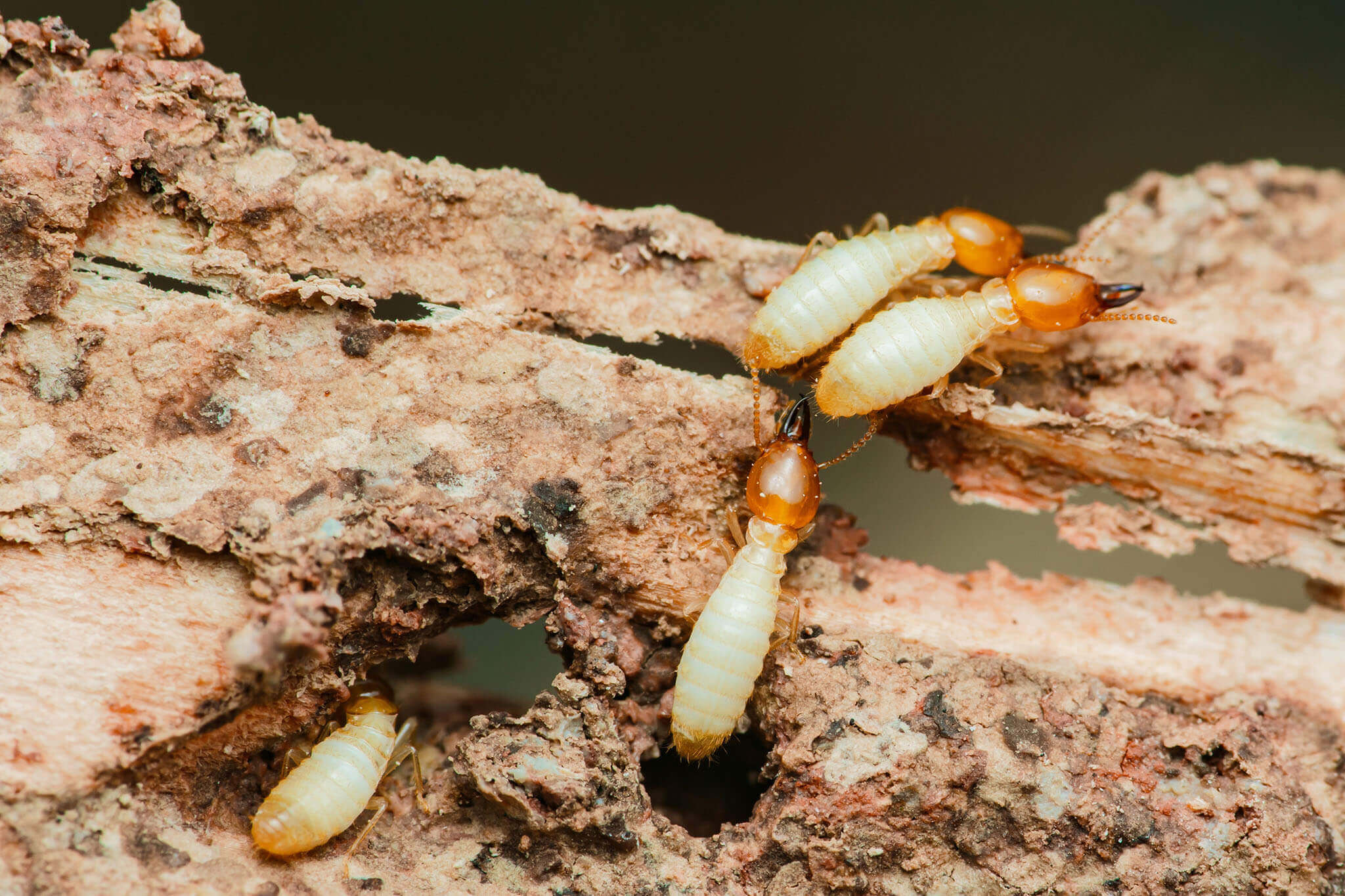
1. Subterranean Termite (Reticulitermes flavipes)
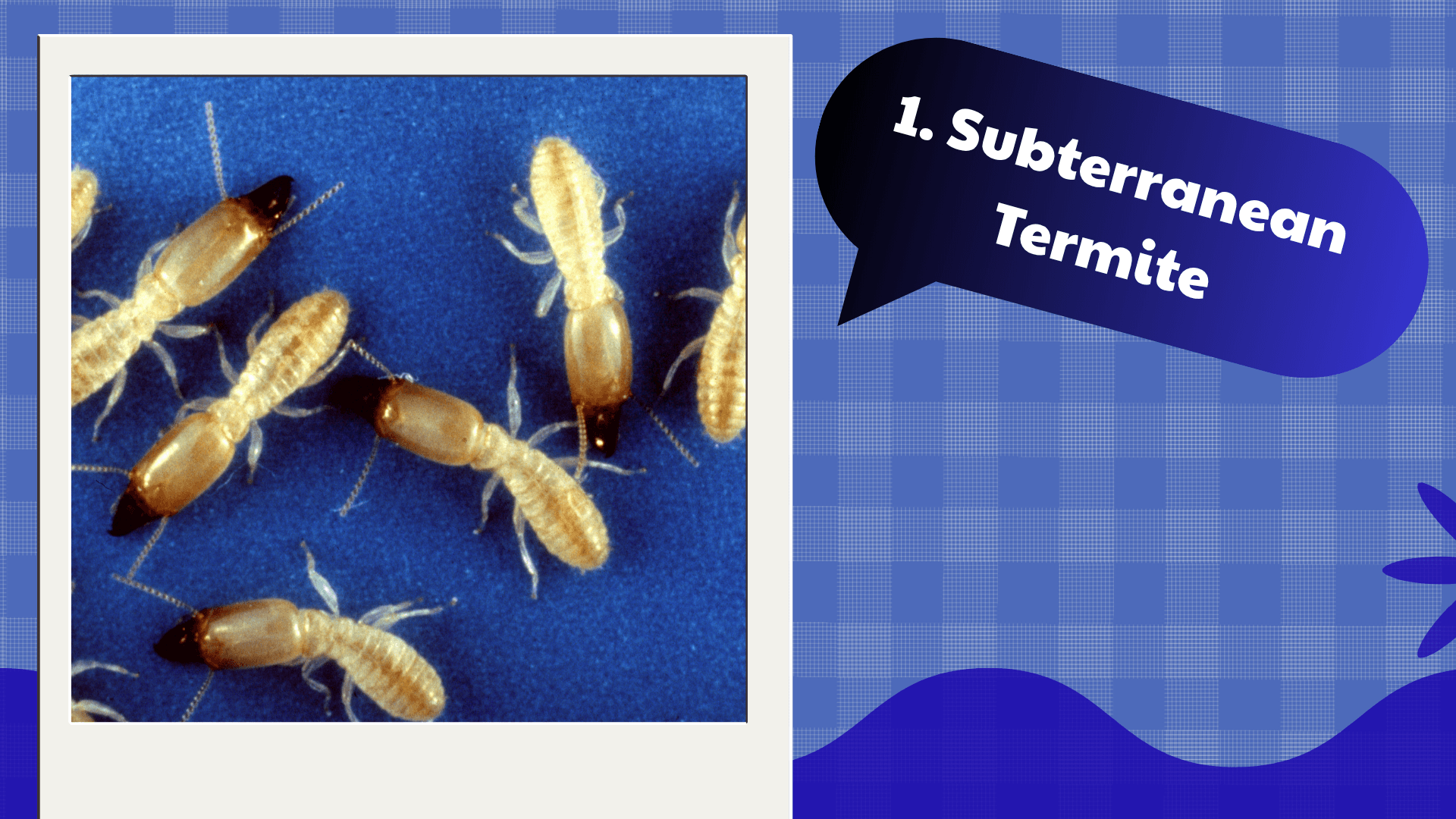
The Subterranean Termite is one of the most common and widely distributed termite species in North America. It is a highly social insect that lives in underground colonies connected by mud tubes. These tubes help protect the colony from predators and moisture loss. Among all types of Termite, this species is one of the most destructive to wooden structures due to its large colony size and constant feeding activity.
Workers are responsible for feeding on cellulose found in wood, paper, and plant material. They digest wood with the help of symbiotic microorganisms in their gut. Soldiers protect the colony using strong mandibles, while reproductive termites (alates) are responsible for forming new colonies during swarming season. Subterranean termites prefer moist environments and are commonly found in soil, making them difficult to detect until significant damage has occurred.
2. Formosan Subterranean Termite (Coptotermes formosanus)
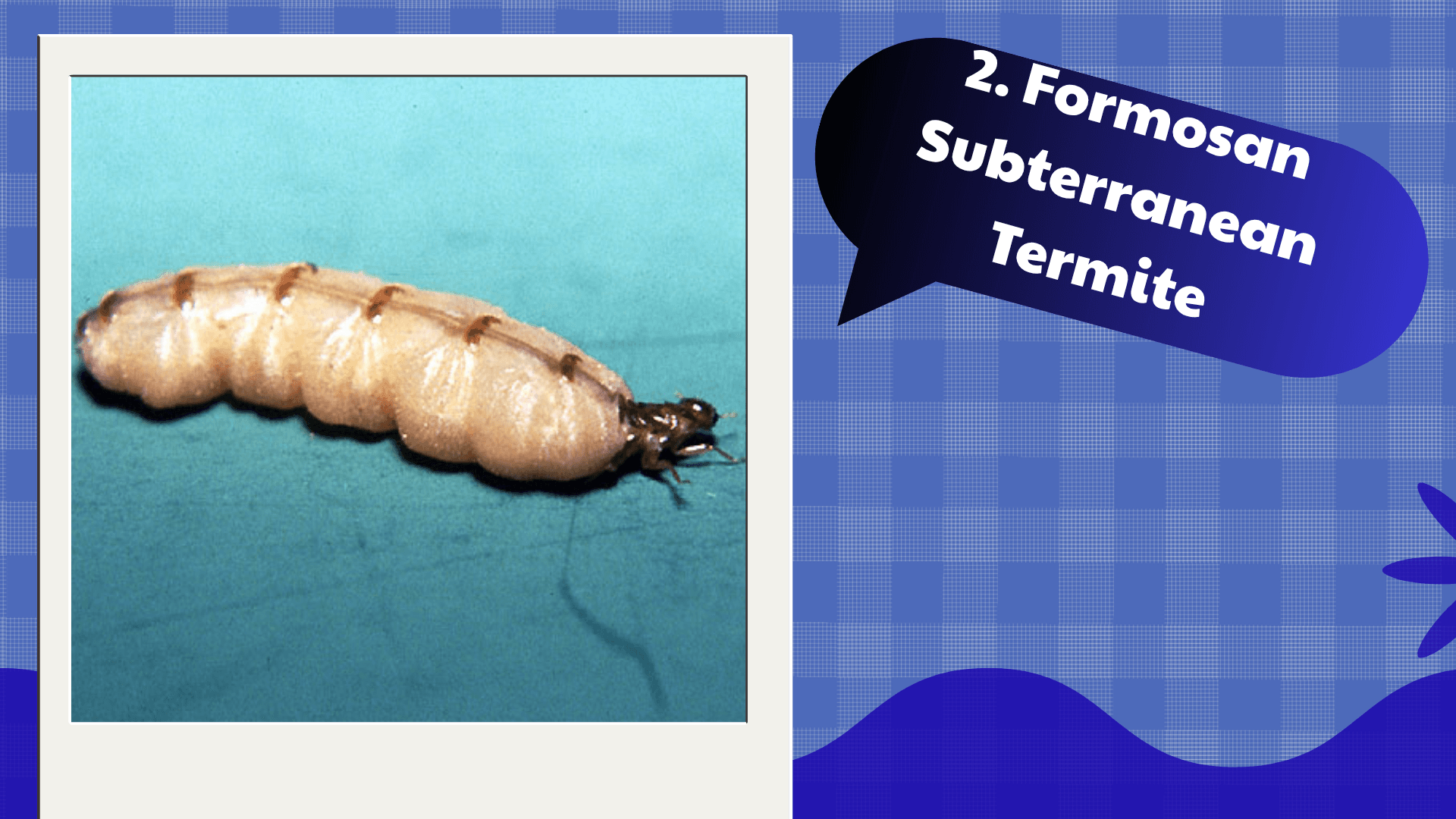
The Formosan Subterranean Termite is often called one of the most aggressive termite species in the world. Native to East Asia, it has spread to many regions through human activity. This species forms massive colonies that can contain millions of individuals, making it extremely efficient at consuming wood structures.
Unlike some other termite types, Formosan termites build both underground nests and above-ground carton nests. They are highly adaptable and can infest homes, ships, and even living trees. Their ability to consume wood rapidly makes them a serious pest in urban environments. They are especially active in warm, humid climates where moisture supports colony growth.
3. Drywood Termite (Incisitermes minor)
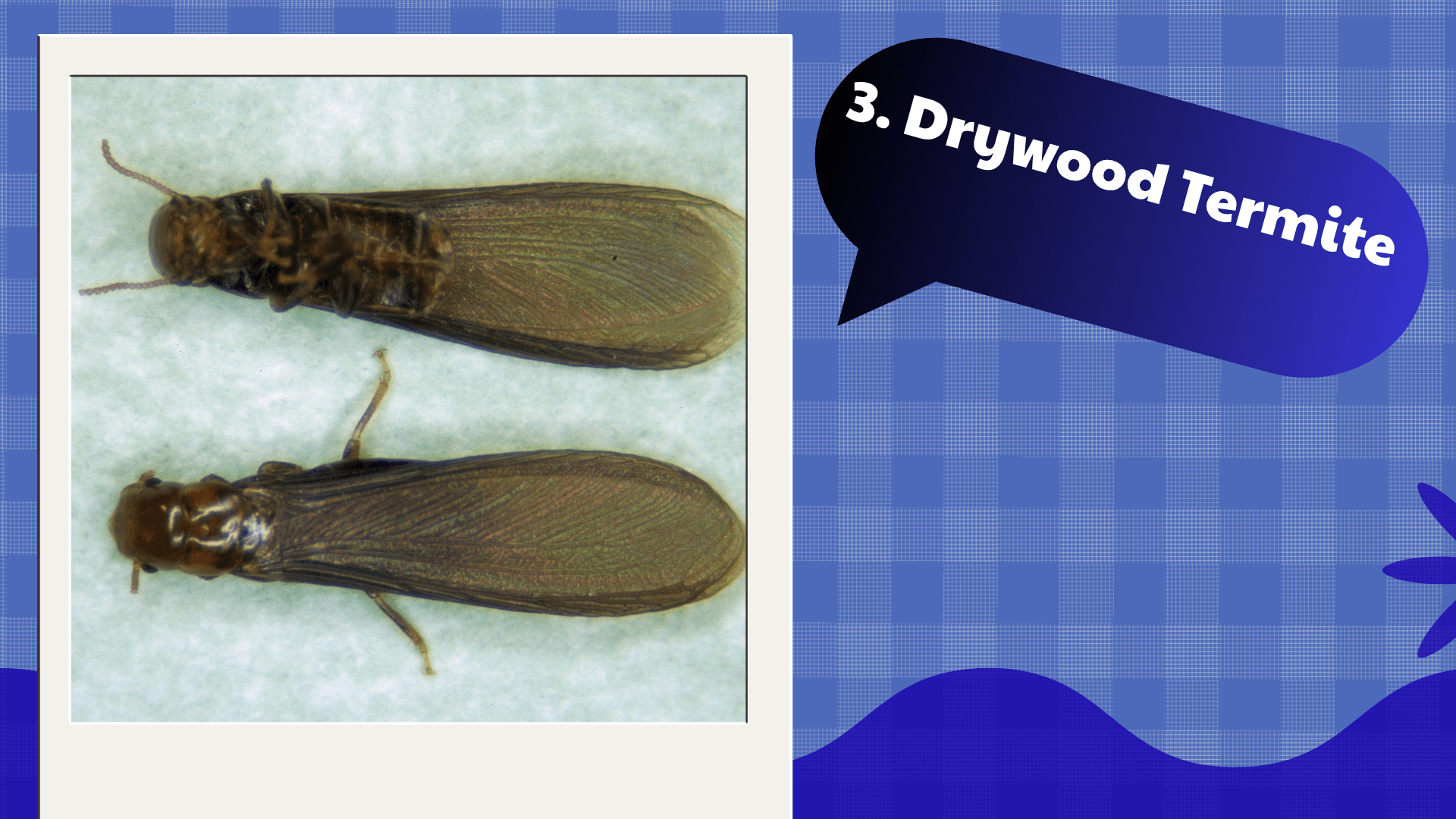
The Drywood Termite is unique because it does not require contact with soil to survive. Instead, it lives entirely within dry wood, such as furniture, beams, and structural timber. This makes it harder to detect compared to subterranean species.
Among all types of Termite, drywood termites are often found in attics, wooden furniture, and dead tree branches. They create small colonies inside wood and produce dry pellet-like droppings called frass, which are often the first visible sign of infestation. Their ability to live in dry environments allows them to spread through transported wooden items.
Although colonies grow more slowly than subterranean termites, they can still cause significant structural damage over time.
4. Dampwood Termite (Zootermopsis angusticollis)
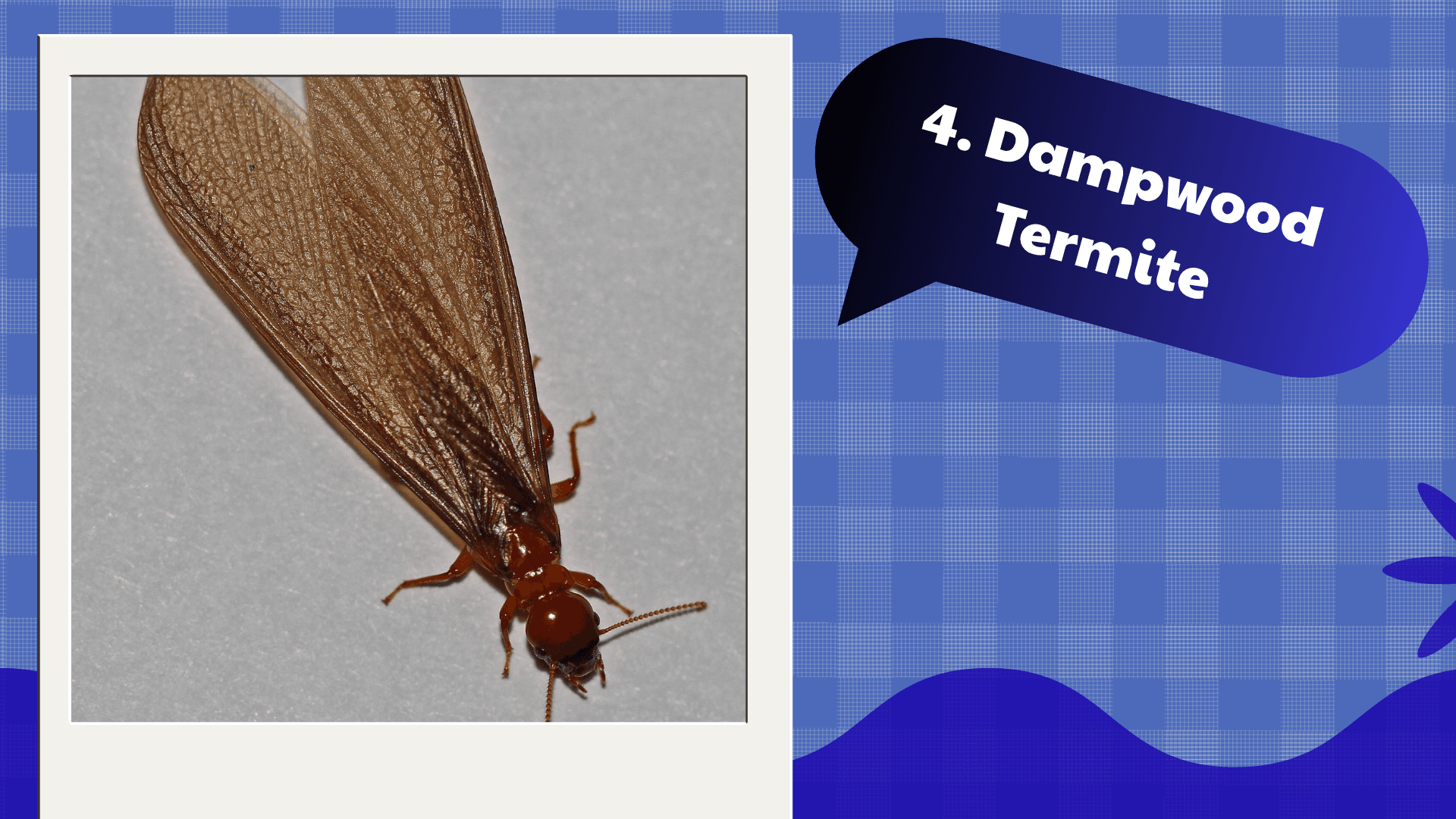
Dampwood Termites prefer high-moisture environments and are typically found in decaying logs, stumps, and wet wood. They are larger in size compared to many other termite species, making them easier to identify.
Unlike highly destructive species, Dampwood Termites are less likely to infest dry wooden structures because they require constant moisture to survive. They are commonly found in forests along streams or in areas with high rainfall. Their colonies are generally smaller but still play an important ecological role in breaking down decaying wood and recycling nutrients.
These termites are more of a natural decomposer than a structural pest, making them important for forest ecosystems.
5. Conehead Termite (Nasutitermes corniger)
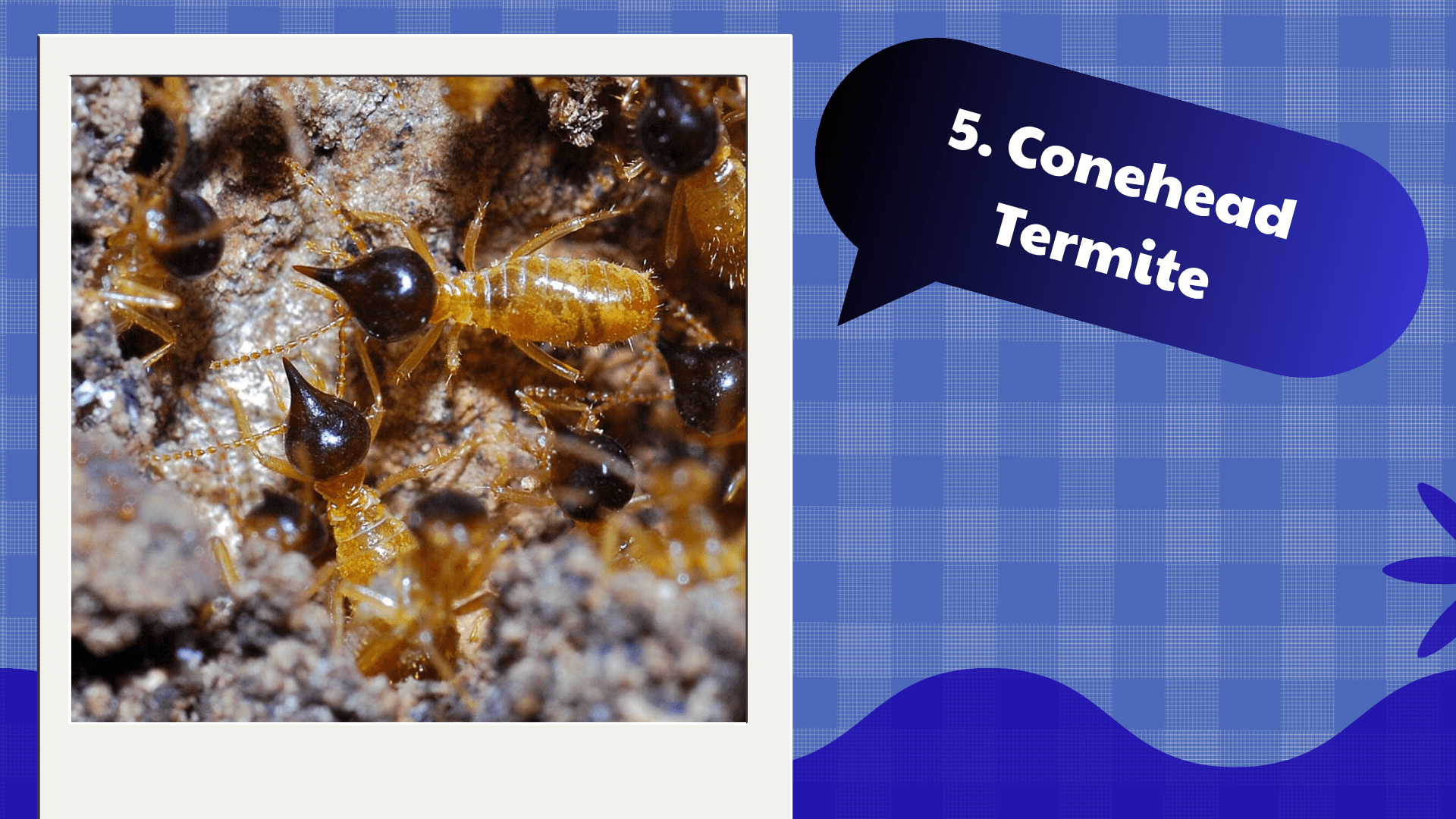
The Conehead Termite is known for its unique soldier caste, which has a pointed, cone-shaped head used for defense. Instead of biting, these soldiers can eject a sticky defensive substance to deter predators. This makes them quite different from many other types of Termite.
Native to the Caribbean and parts of South America, Conehead Termites build large, visible nests both in trees and on the ground. They are highly invasive in some regions, especially where they have been introduced accidentally. Their colonies can spread quickly and damage wooden structures, trees, and landscaping.
Because of their aggressive expansion and adaptability, they are considered a significant pest in non-native environments.
The first group of types of Termite shows how diverse and adaptable these insects are, ranging from soil-dwelling subterranean colonies to wood-exclusive drywood species. In the next section, we will continue exploring more termite species and their ecological roles in nature.
6. West Indian Drywood Termite (Cryptotermes brevis)
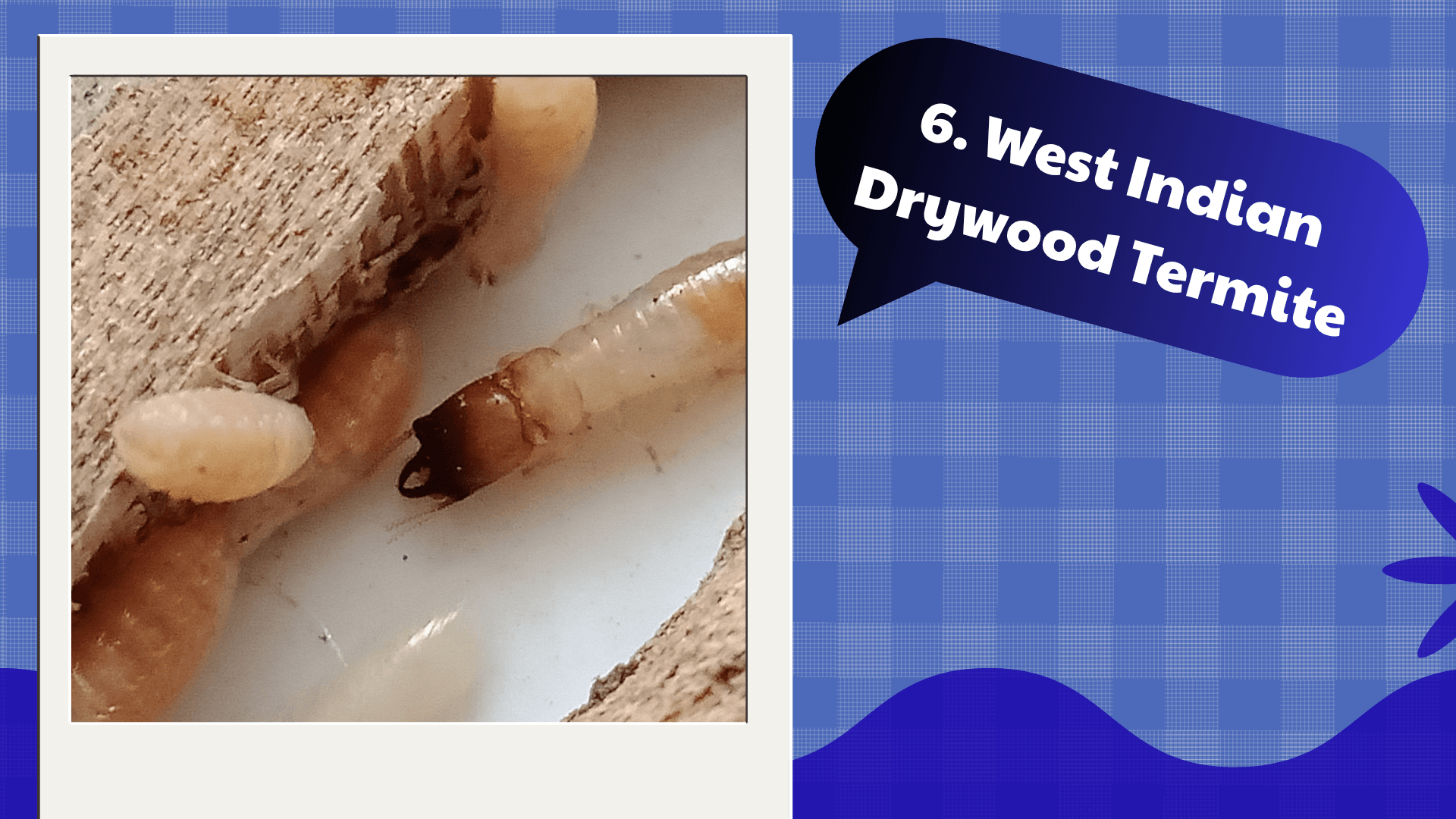
The West Indian Drywood Termite is one of the most widely distributed drywood termite species and is often considered a serious structural pest in tropical and subtropical regions. As part of the broader types of Termite, this species is especially known for its ability to infest dry wooden materials without needing contact with soil. It is commonly found in furniture, wall structures, wooden beams, and even exported timber products.
Unlike subterranean termites, this species forms small, self-contained colonies entirely inside wood. A single piece of infested wood can host an entire colony, which makes detection difficult until visible damage appears. One of the key identification signs is the presence of small, hard, pellet-like droppings called frass. These pellets are pushed out of tiny holes in the wood, often accumulating below infested areas.
The West Indian Drywood Termite has a relatively slow colony growth rate compared to subterranean species, but it compensates with long-term persistence. Colonies can survive for years without external moisture, relying solely on the wood they consume. This makes them particularly dangerous in wooden buildings where infestations may go unnoticed for long periods.
Ecologically, while they are considered pests in human environments, they also contribute to the natural decomposition of dry deadwood in forest ecosystems. However, their spread through human trade has made them a global concern in pest management.
7. Eastern Subterranean Termite (Reticulitermes flavipes)
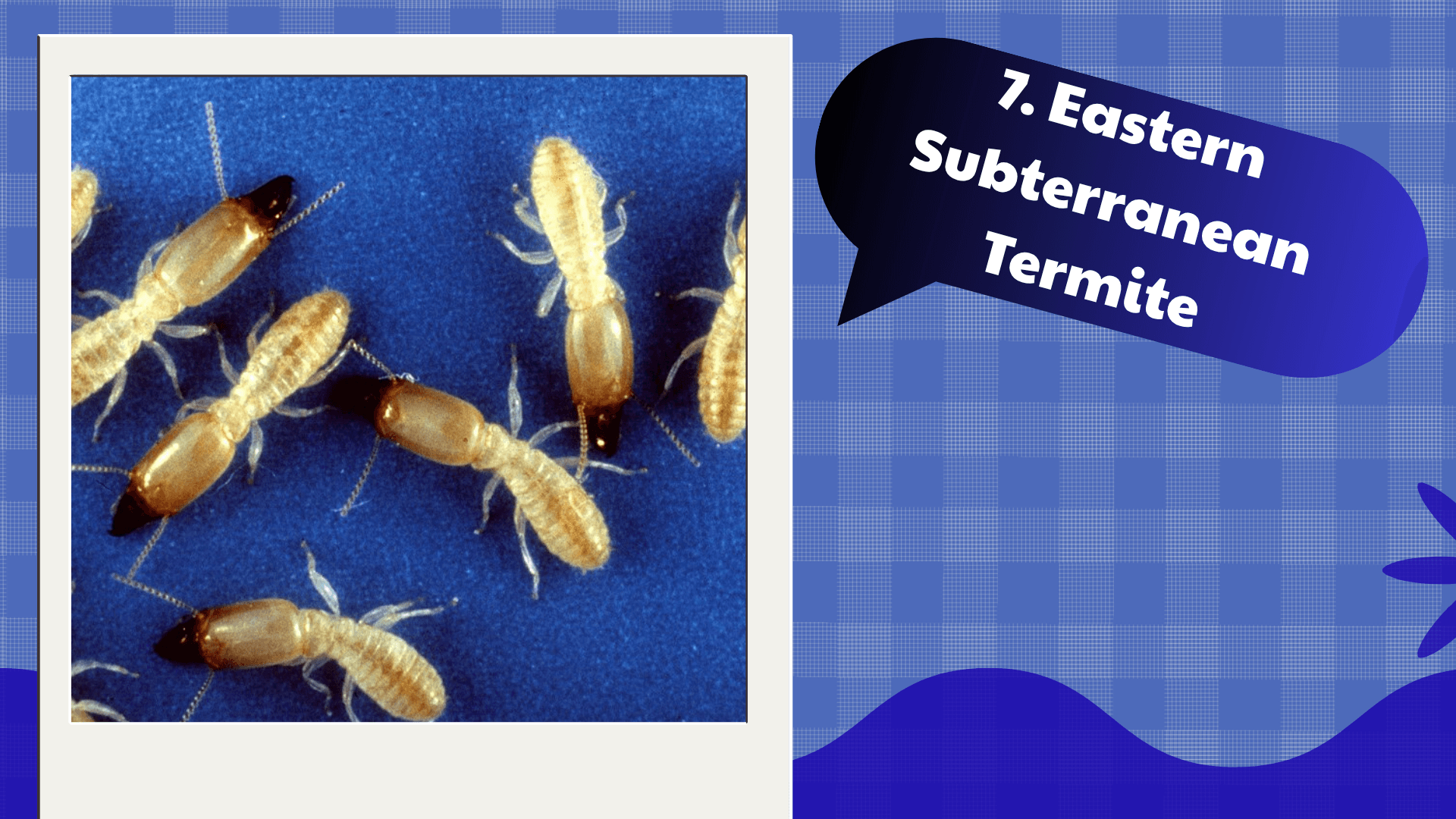
The Eastern Subterranean Termite is one of the most common and economically significant termite species in North America. It is a major representative among all types of Termite due to its wide distribution and destructive potential. This species lives in large underground colonies that may extend far beneath structures, gardens, and forests.
These termites build intricate tunnel systems made of soil and saliva, known as mud tubes, which allow them to travel safely between their nest and food sources. Wood in contact with soil is especially vulnerable to infestation. Workers feed on cellulose, breaking it down with the help of microorganisms in their digestive system.
Colonies of Eastern Subterranean Termites are highly organized, consisting of workers, soldiers, and reproductive individuals. Swarming occurs during warm seasons when winged termites emerge to form new colonies. This is often the first visible sign of an established infestation.
Because of their large colony sizes and hidden lifestyle, they can cause severe structural damage before being detected. They are considered one of the most economically damaging insect pests in the United States.
8. Western Subterranean Termite (Reticulitermes hesperus)
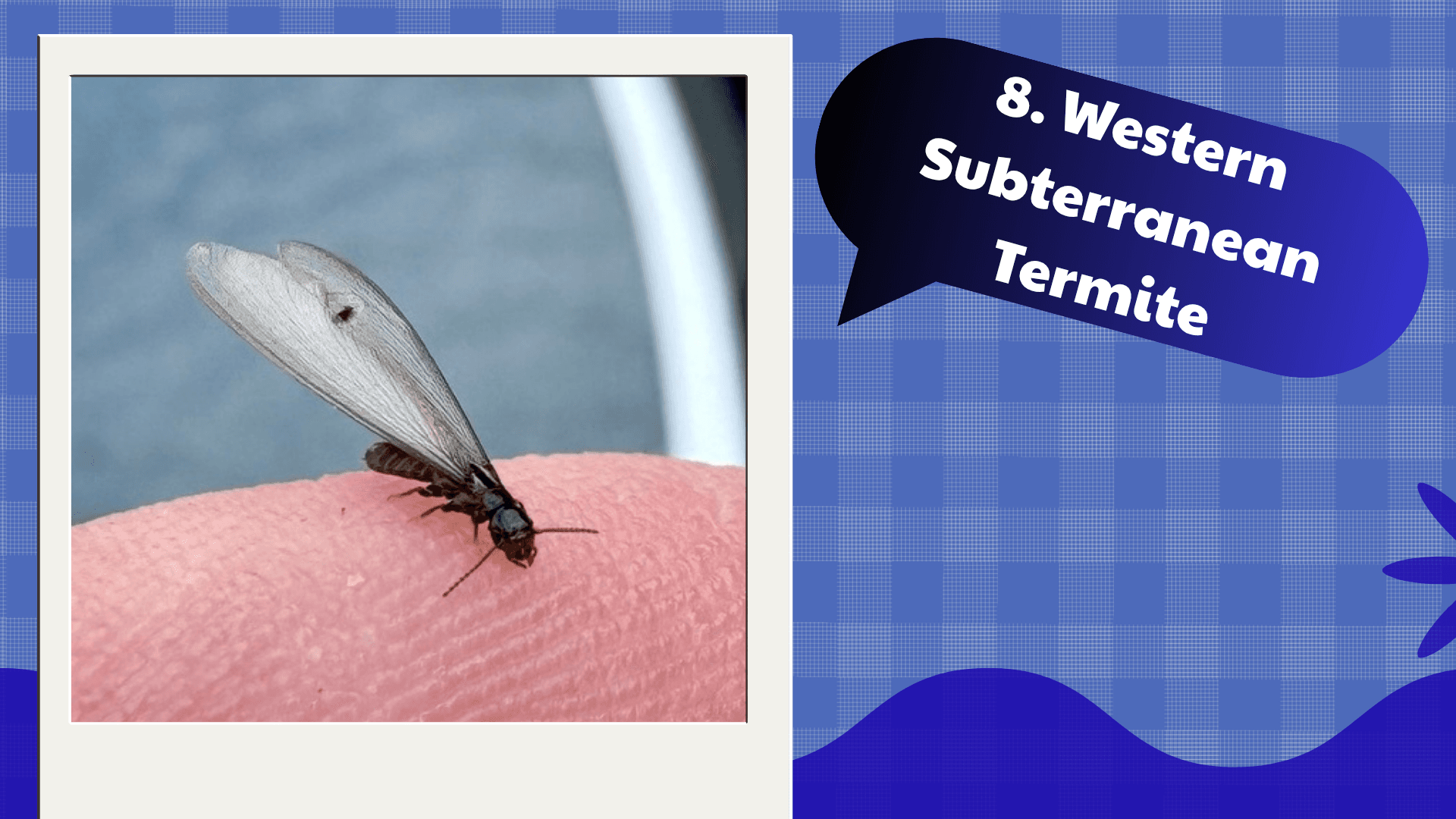
The Western Subterranean Termite is found primarily along the western regions of North America. It is closely related to other subterranean species but adapted to slightly different environmental conditions. As one of the important types of Termite, it plays a major role in wood decomposition but can also become a structural pest.
This species prefers moist environments and is commonly found in soil beneath logs, stumps, and human structures. It builds underground colonies with extensive tunneling systems that allow access to food sources. Like other subterranean termites, it feeds on cellulose-rich materials such as wood and plant debris.
The Western Subterranean Termite is less aggressive in colony size compared to its eastern counterpart, but it can still cause significant damage over time. Its activity is often hidden, making early detection difficult. Mud tubes are a key sign of infestation, especially around foundations and wooden structures.
Ecologically, this species is important for breaking down dead wood and recycling nutrients back into forest soil, supporting ecosystem health.
9. Desert Subterranean Termite (Gnathamitermes perplexus)
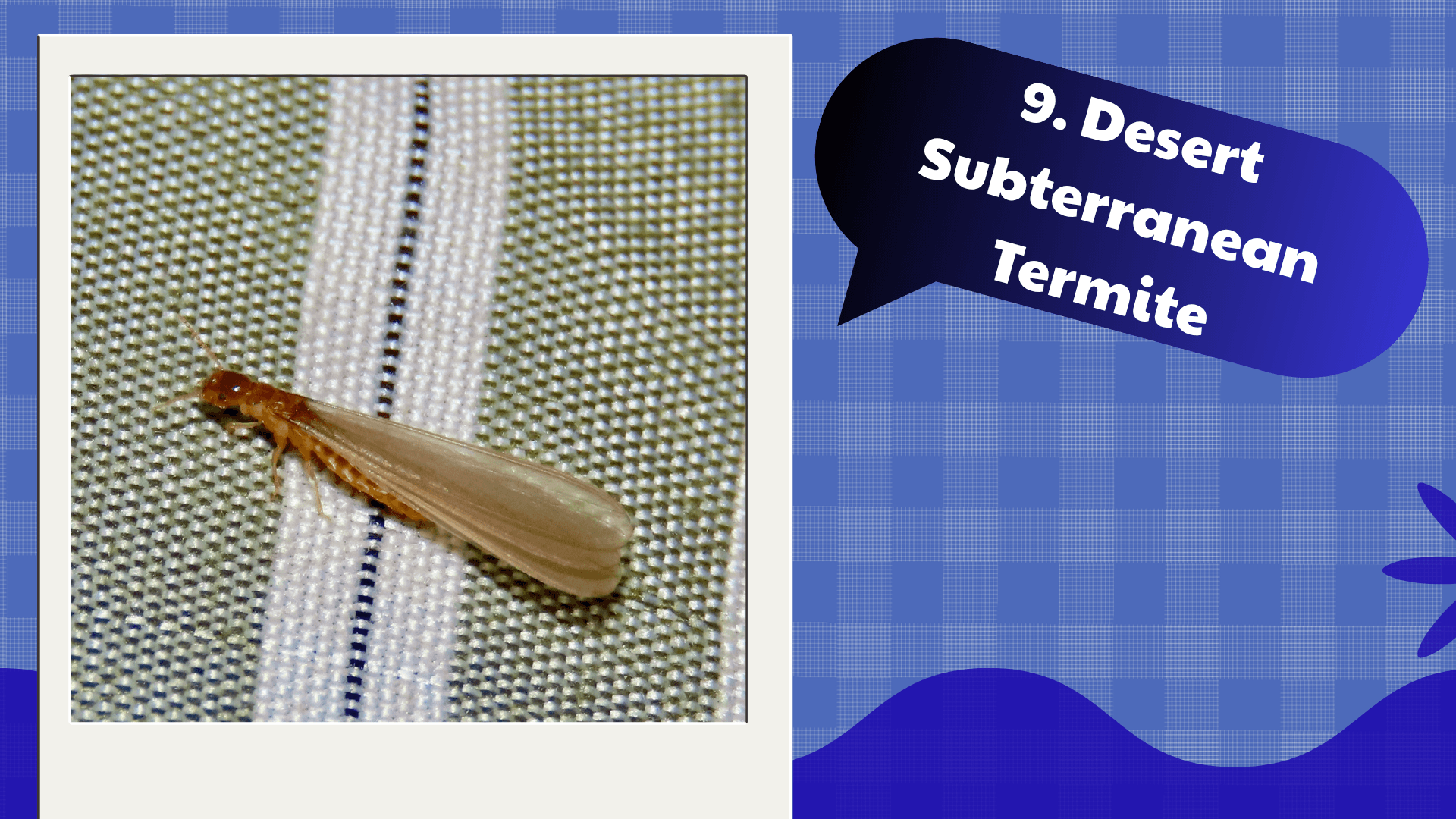
The Desert Subterranean Termite is uniquely adapted to survive in arid and semi-arid environments, making it one of the most specialized types of Termite. Unlike many other termites that require constant moisture, this species has evolved to tolerate dry conditions found in deserts and grasslands.
It primarily feeds on dry grasses, plant litter, and decomposing organic matter found on the soil surface. Colonies are usually found underground where moisture is slightly higher than the surface environment. These termites play a key role in nutrient cycling in desert ecosystems.
Because of limited water availability, Desert Subterranean Termites have smaller colony sizes compared to tropical species. However, they are highly efficient at processing dry plant material, helping maintain ecological balance in harsh environments.
They are generally not considered major structural pests, as they rarely invade human-made wooden structures. Instead, they are more important from an ecological standpoint than an economic one.
10. Asian Subterranean Termite (Coptotermes gestroi)
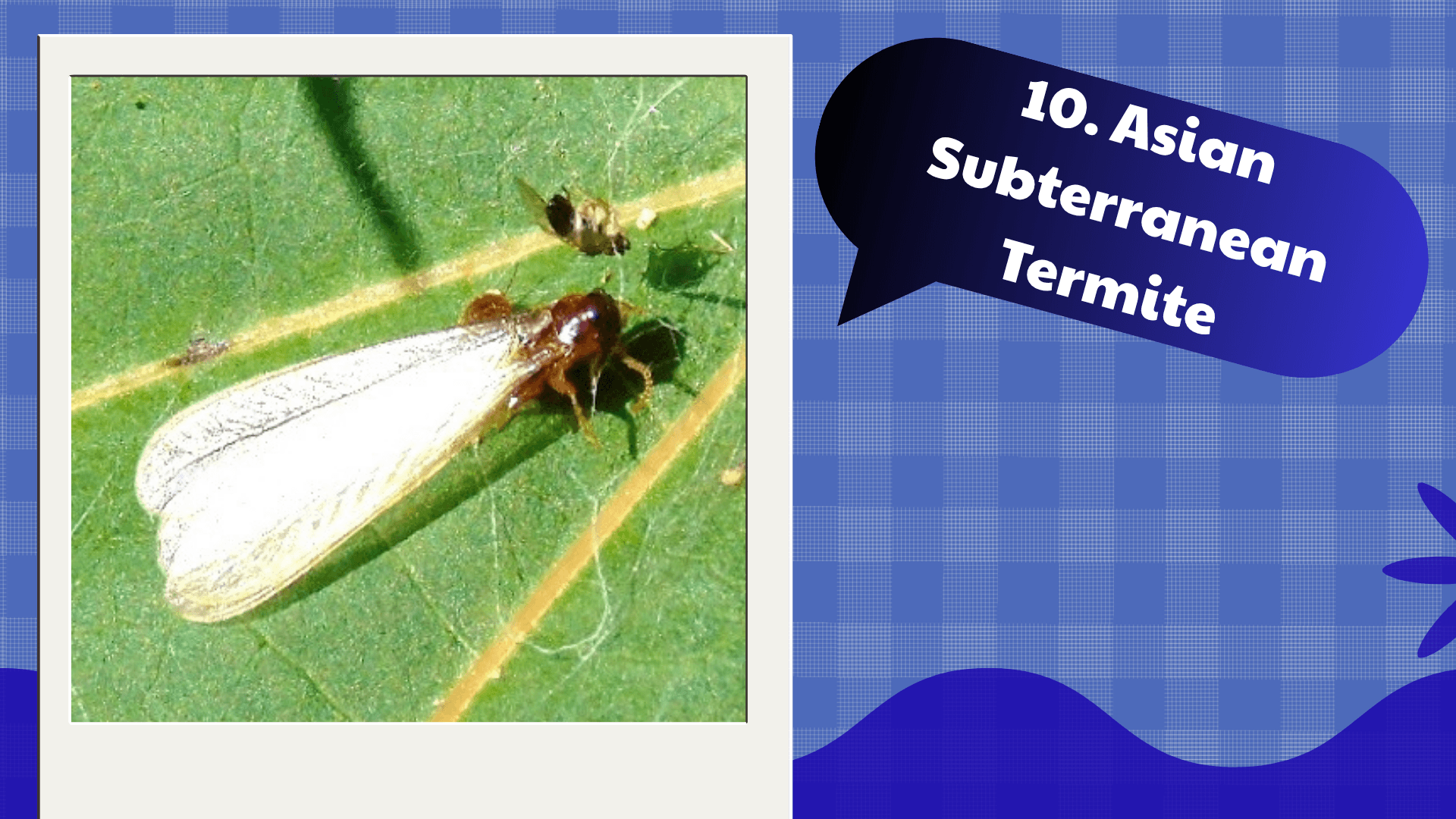
The Asian Subterranean Termite is one of the most invasive and destructive termite species in tropical regions. It is a major representative of aggressive types of Termite due to its rapid colony expansion and ability to infest a wide range of wooden structures.
Native to Southeast Asia, this species has spread to many parts of the world through human transportation. It forms large underground colonies that can extend over wide areas. Like other subterranean termites, it builds mud tubes to maintain moisture while traveling between soil and food sources.
This species is highly adaptable and can infest buildings, trees, and wooden infrastructure. Colonies grow quickly and may contain hundreds of thousands of individuals. Its feeding activity can cause severe structural damage in a relatively short time if left untreated.
Ecologically, it plays a role in decomposing dead wood in tropical forests. However, in urban environments, it is considered one of the most serious termite pests due to its aggressive expansion and resilience.
The second group of types of Termite highlights how different species adapt to environments ranging from humid forests to dry deserts. In the next section, we will continue exploring more unique termite species and their ecological roles.
11. African Subterranean Termite (Macrotermes bellicosus)
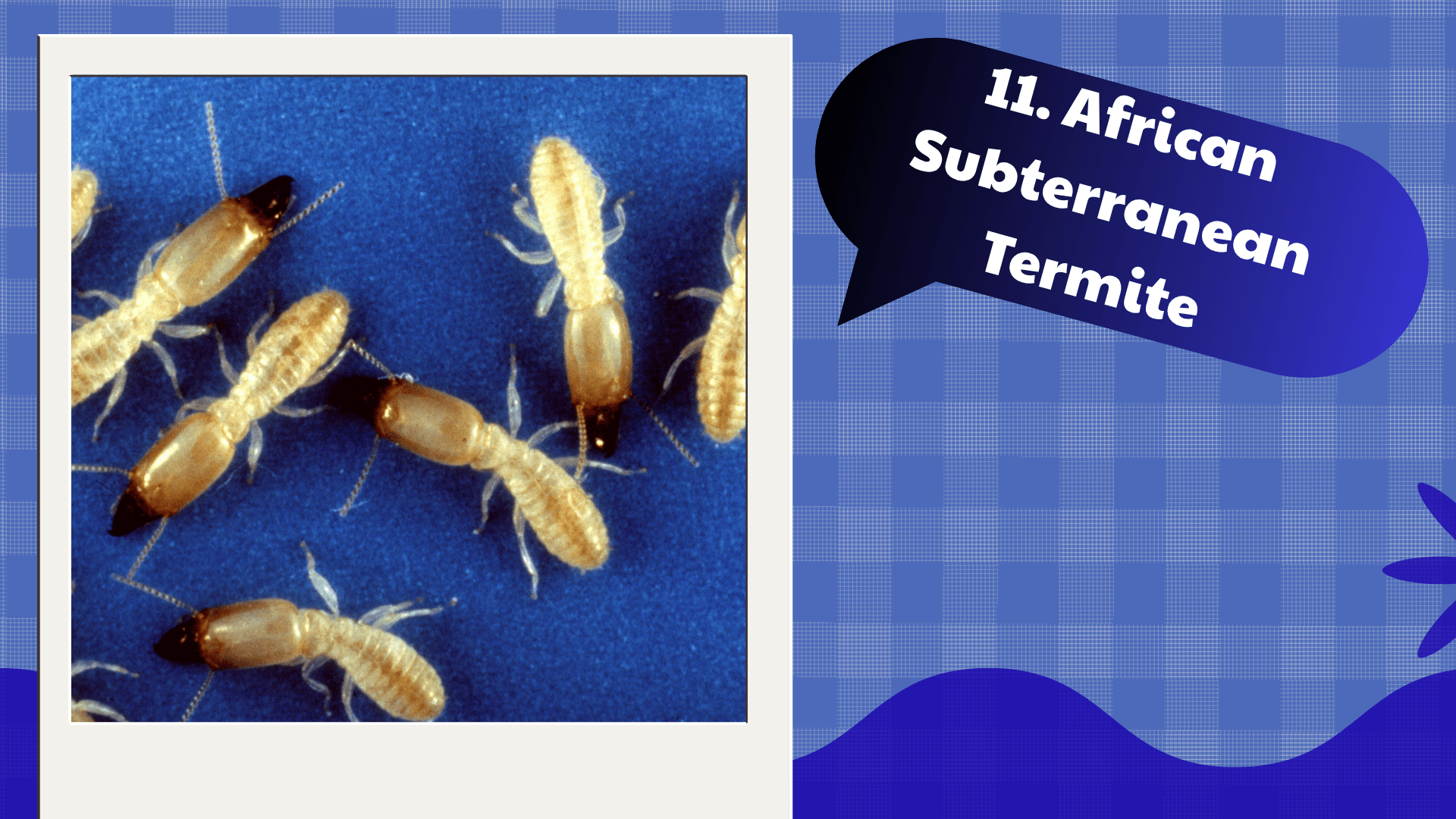
The African Subterranean Termite is one of the most impressive and ecologically important types of Termite found across sub-Saharan Africa. Known for building massive mound structures that can reach several meters in height, this species plays a major role in shaping savanna and woodland ecosystems. These termite mounds are not just nests—they function as highly complex climate-controlled systems that regulate temperature, humidity, and airflow for the colony inside.
Colonies of Macrotermes bellicosus are extremely large and organized. They include workers that gather plant material, soldiers that defend the colony with powerful jaws, and a reproductive queen that can live for many years while continuously producing eggs. One of the most fascinating aspects of this species is its relationship with fungi. The termites cultivate fungus gardens inside the nest, feeding them plant material and then consuming the fungus as their main food source. This makes them one of the few known insect groups practicing agriculture.
Ecologically, African Subterranean Termites are essential decomposers in savanna ecosystems. They break down dead plant material, recycle nutrients into the soil, and improve soil fertility. Their mounds also provide shelter for other animals, including reptiles, insects, and small mammals, creating microhabitats in otherwise dry environments.
12. Nasute Termite (Nasutitermes exitiosus)
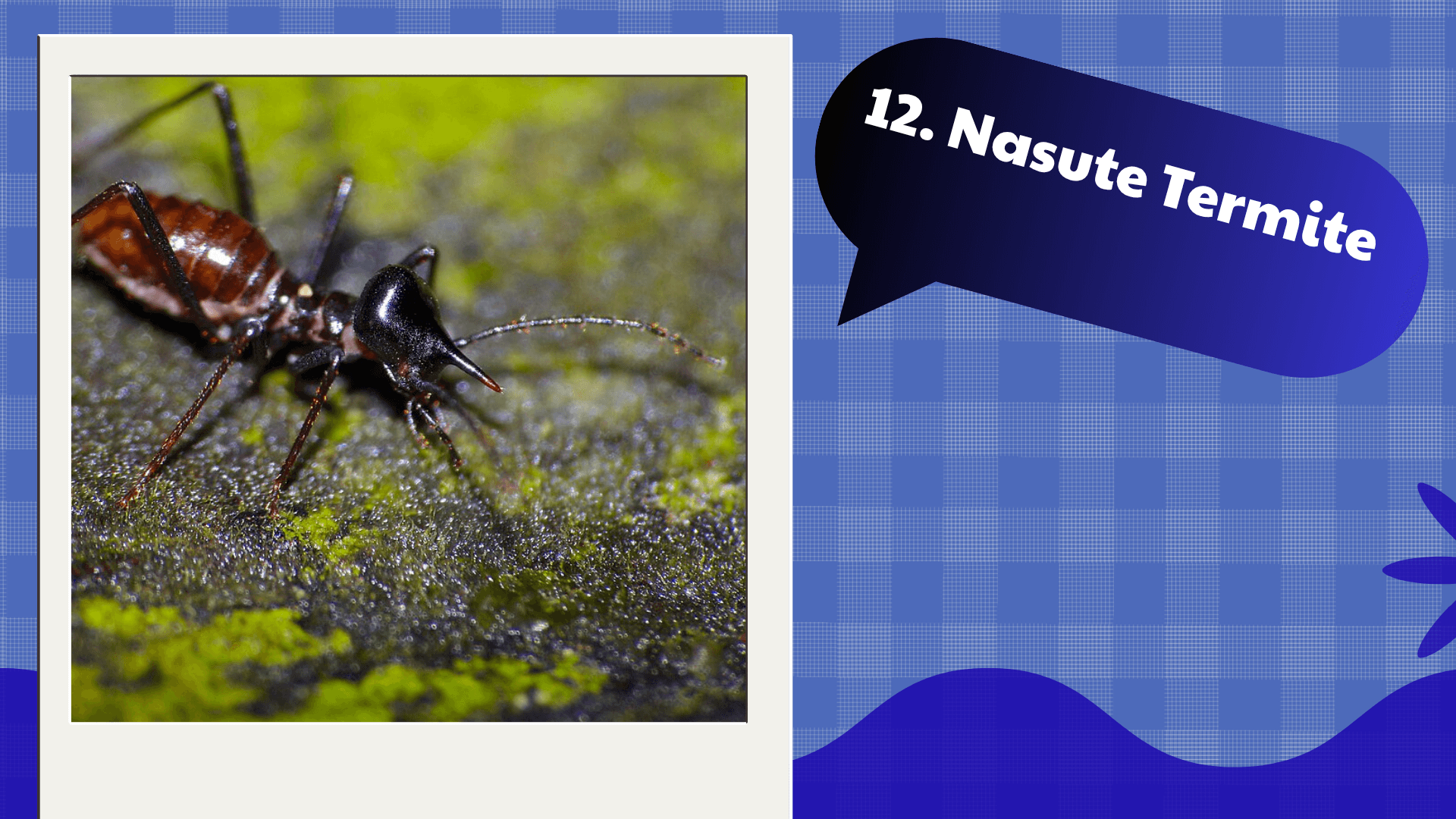
The Nasute Termite is a highly specialized species known for its unique soldier caste. Unlike most termites that use strong mandibles for defense, Nasute soldiers have a pointed snout that ejects sticky or toxic substances to deter predators. This makes them one of the most distinctive types of Termite in terms of defense strategy.
These termites are commonly found in tropical and subtropical regions where they build carton nests in trees, soil, or decaying wood. Their colonies are well-organized and can spread across large areas using covered runways that protect them from predators and environmental exposure.
Nasute termites primarily feed on dead wood and plant material. They play a vital ecological role in decomposition and nutrient cycling. Their ability to colonize both ground and arboreal environments gives them a significant ecological advantage in forest ecosystems.
13. Grass-Feeding Termite (Hodotermes mossambicus)
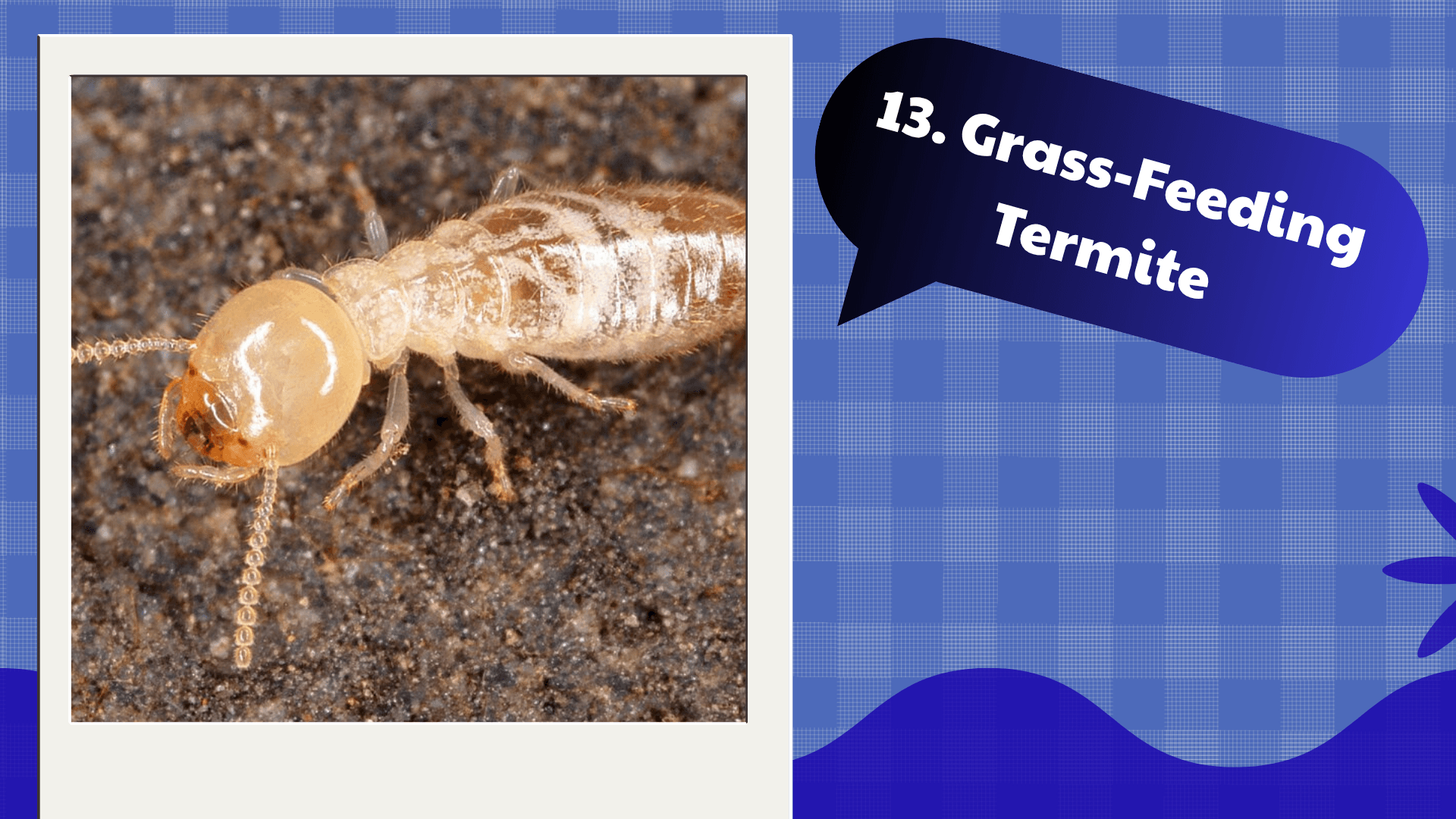
The Grass-Feeding Termite is one of the few termite species that primarily consumes grass rather than wood, making it a unique member among the types of Termite. Found in parts of Africa, especially savannas and grasslands, this species plays an important role in processing dry vegetation and maintaining ecosystem balance.
Unlike wood-feeding termites, these insects forage openly at night or during cooler hours. They collect dry grass and carry it back to underground nests, where it is broken down and consumed. Their foraging behavior can sometimes be seen as visible trails across open ground.
Ecologically, Grass-Feeding Termites help prevent excessive accumulation of dry plant material, reducing fire risk in grassland ecosystems. They are essential in nutrient cycling and soil enrichment in arid and semi-arid regions.
14. Harvester Termite (Hodotermopsis sjostedti)
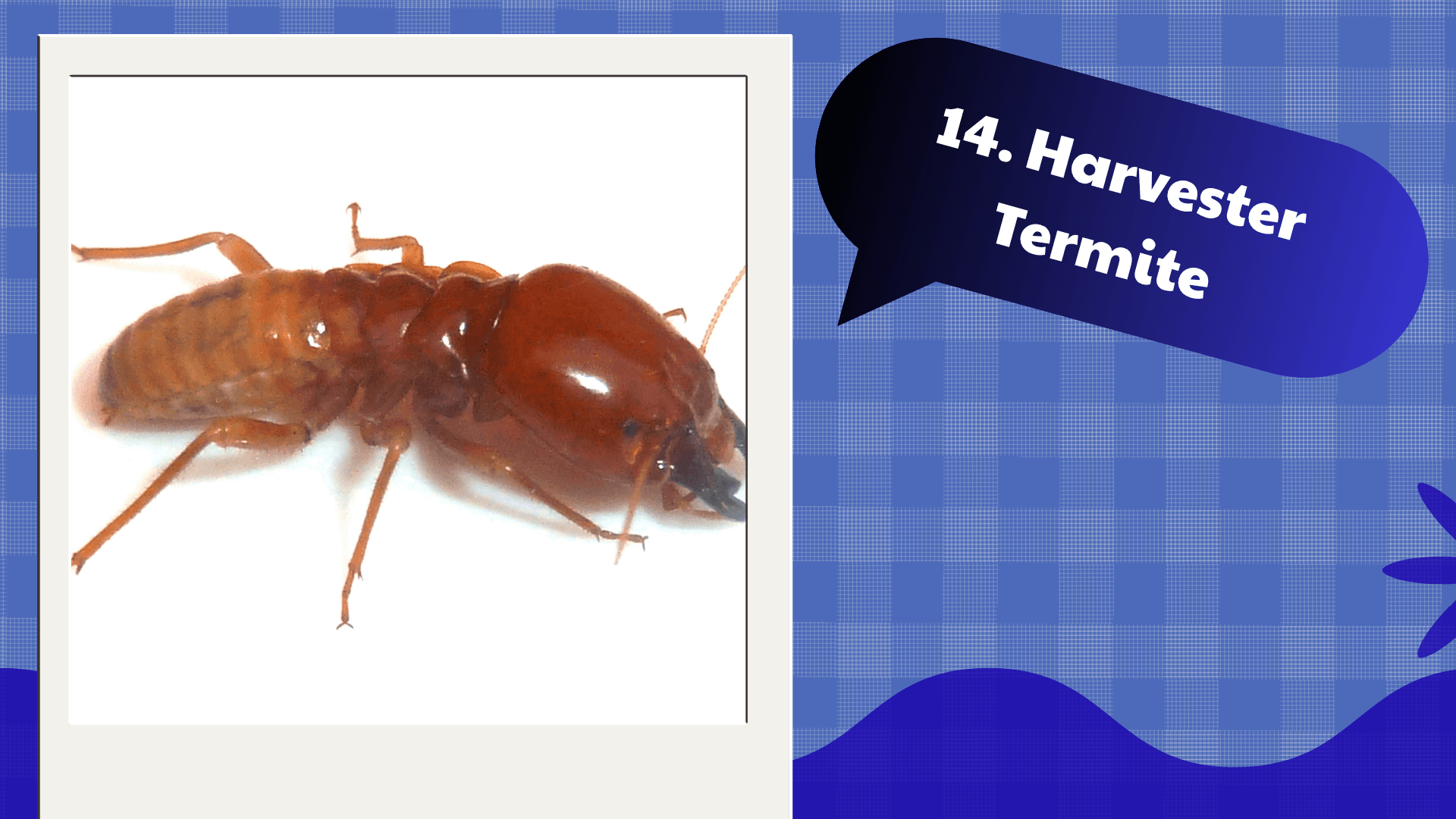
The Harvester Termite is a primitive and highly interesting species among all types of Termite. It is considered more evolutionarily ancient compared to many modern termite groups. Found in parts of Asia, it is known for its large colony structure and active foraging behavior.
Harvester termites collect dead plant material, especially leaves and dry vegetation, and transport it back to their nests. Unlike subterranean termites that rely heavily on wood, this species has a broader diet that includes various types of organic debris.
Their colonies are complex and can include thousands of individuals. Soldiers are well-developed with strong mandibles used for defense, while workers handle foraging and feeding tasks. Their ecological role is important in forest floor decomposition and nutrient recycling.
15. Australian Giant Termite (Mastotermes darwiniensis)
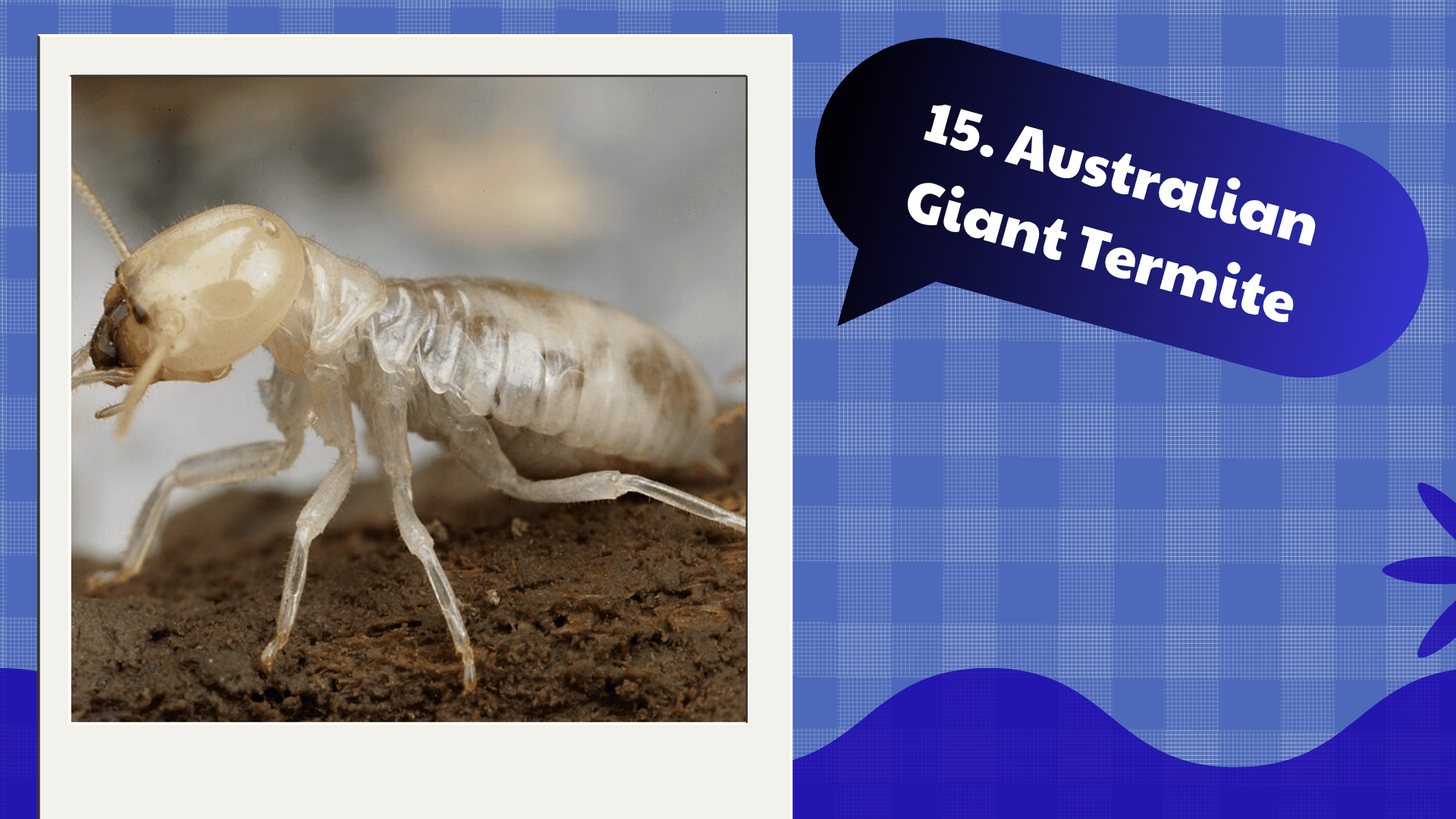
The Australian Giant Termite is one of the most primitive and largest termite species in existence. It is a key representative among the evolutionary history of types of Termite, often referred to as a “living fossil” due to its ancient lineage.
This species is native to northern Australia and is known for its enormous colony size and aggressive feeding behavior. It attacks a wide variety of materials, including wood, crops, and even man-made structures. Because of this, it is considered one of the most destructive termite species in its native range.
Unlike many modern termites, it retains certain primitive features that link it closely to cockroach ancestors. Its colonies are large and highly organized, with workers, soldiers, and reproductive individuals working together to maintain survival and expansion.
Ecologically, it plays a role in breaking down plant material in tropical environments, but in agricultural areas it can become a serious pest due to its broad diet and destructive feeding habits.
This third group of types of Termite highlights the incredible diversity of termite lifestyles—from fungus farming African species to grass-feeding savanna specialists and ancient Australian lineages. In the next section, we will continue exploring more unique and lesser-known termite species found around the world.
16. Powderpost Drywood Termite (Cryptotermes cynocephalus)
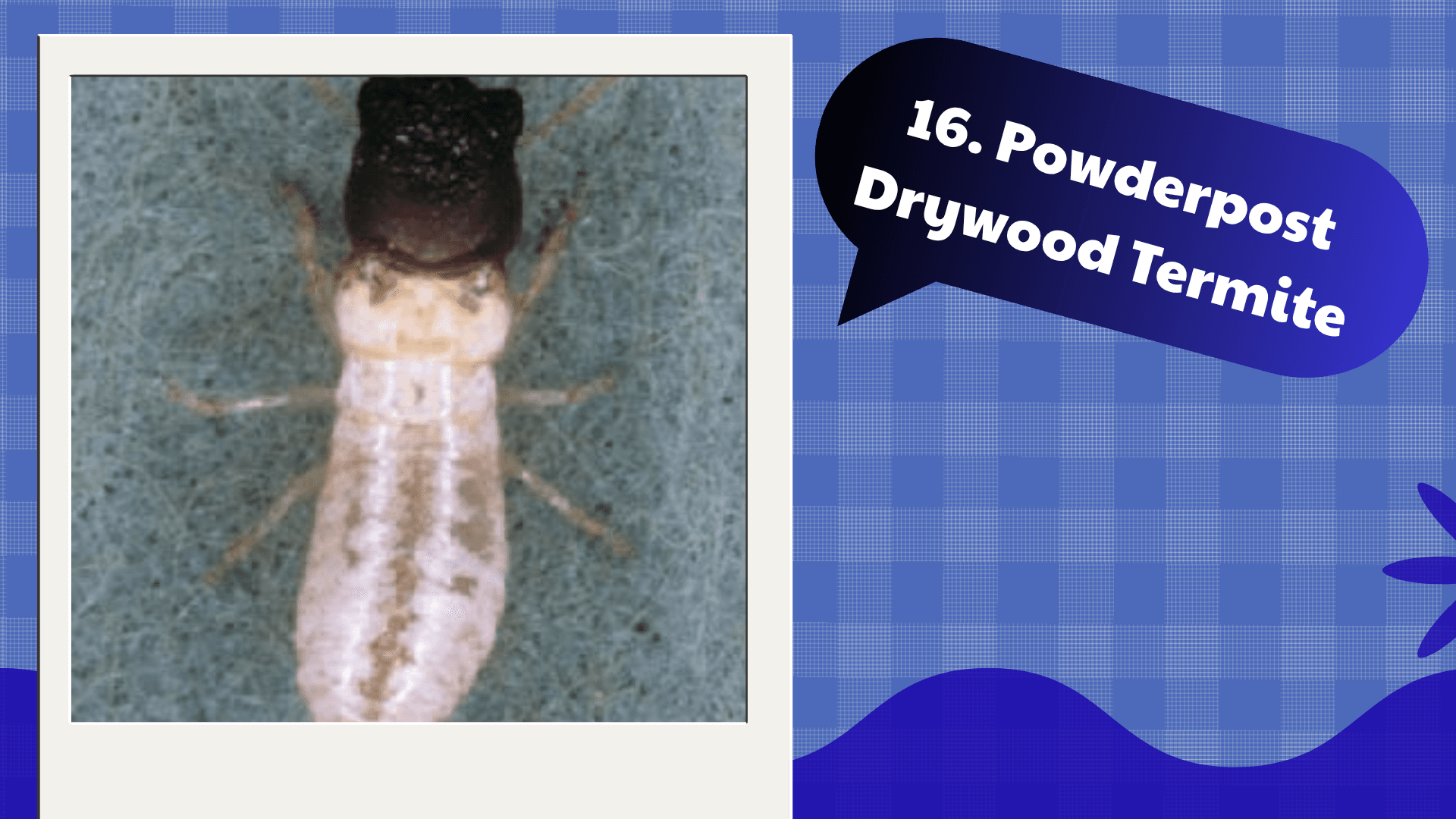
The Powderpost Drywood Termite is a small but highly destructive member among the types of Termite, known for infesting dry timber, furniture, and structural wood. Unlike subterranean termites, this species does not require soil contact, allowing it to survive entirely within wooden materials. Its name comes from the fine, powder-like frass it produces as it tunnels through wood, which often becomes the first visible sign of infestation.
Colonies are relatively small but highly efficient. Each colony develops entirely inside a single wooden object or structure, meaning multiple infestations can exist in different parts of a building simultaneously. Workers continuously feed on cellulose, slowly hollowing out the wood from the inside while leaving only a thin outer shell intact.
This species thrives in warm, dry environments and is often introduced through infested furniture or timber shipments. Although slower in growth compared to subterranean termites, its stealthy nature makes it difficult to detect early, leading to long-term structural damage if untreated.
17. Tree-Nesting Termite (Microcerotermes crassus)
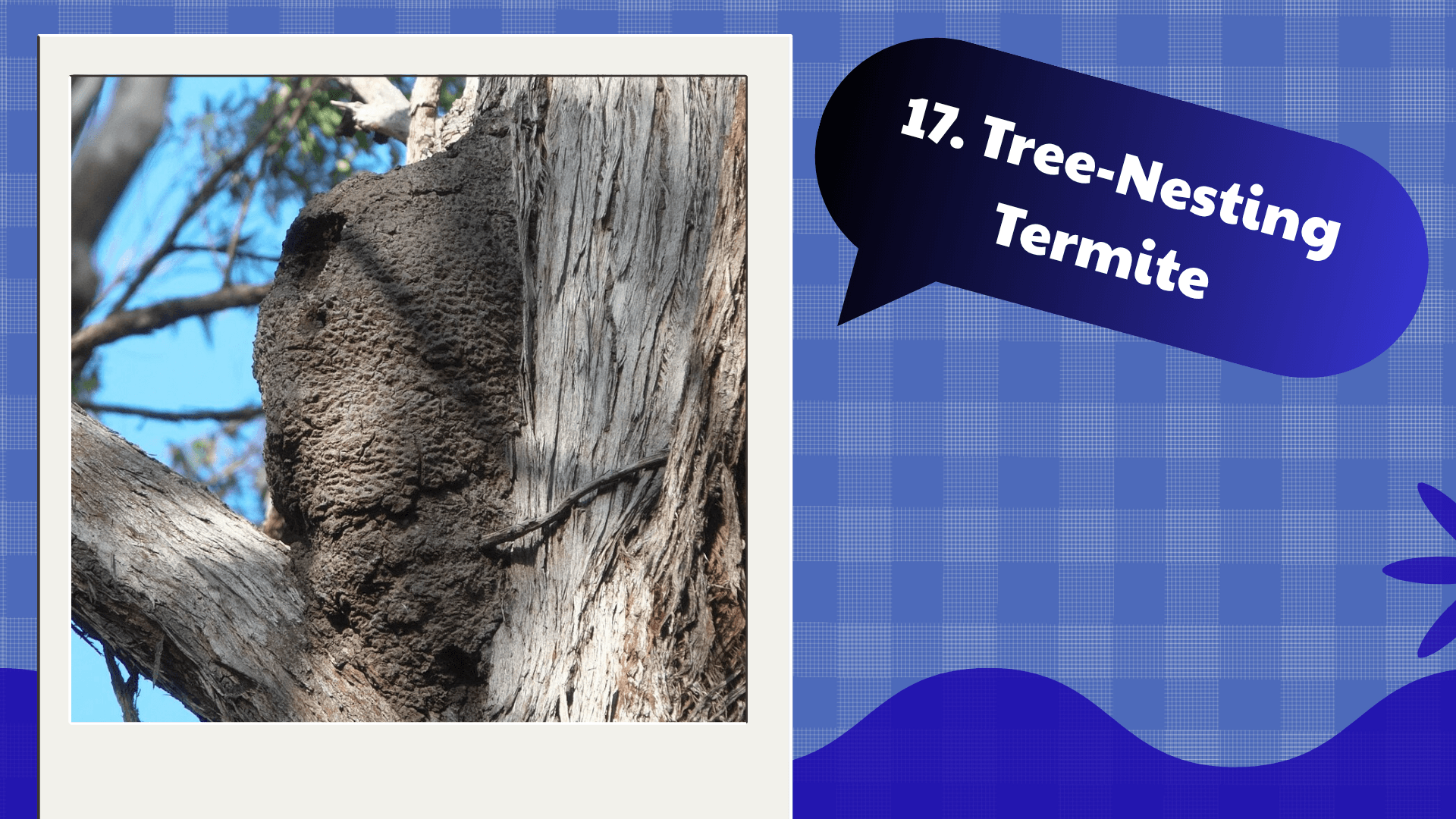
The Tree-Nesting Termite is an arboreal species that builds its colonies above ground, usually inside hollow tree trunks or branches. It is one of the more visually interesting types of Termite due to its ability to construct carton nests in elevated environments rather than underground systems.
These termites create nests from a mixture of chewed wood, saliva, and soil particles. The resulting structure is strong and insulated, protecting the colony from temperature changes and predators. Colonies can vary in size but are typically well-organized with distinct castes.
Tree-Nesting Termites feed on dead or decaying wood within trees and contribute significantly to forest decomposition. They are generally not major structural pests but can become problematic if trees near human settlements are infested and weakened over time.
18. Carton-Nest Termite (Nasutitermes ephratae)
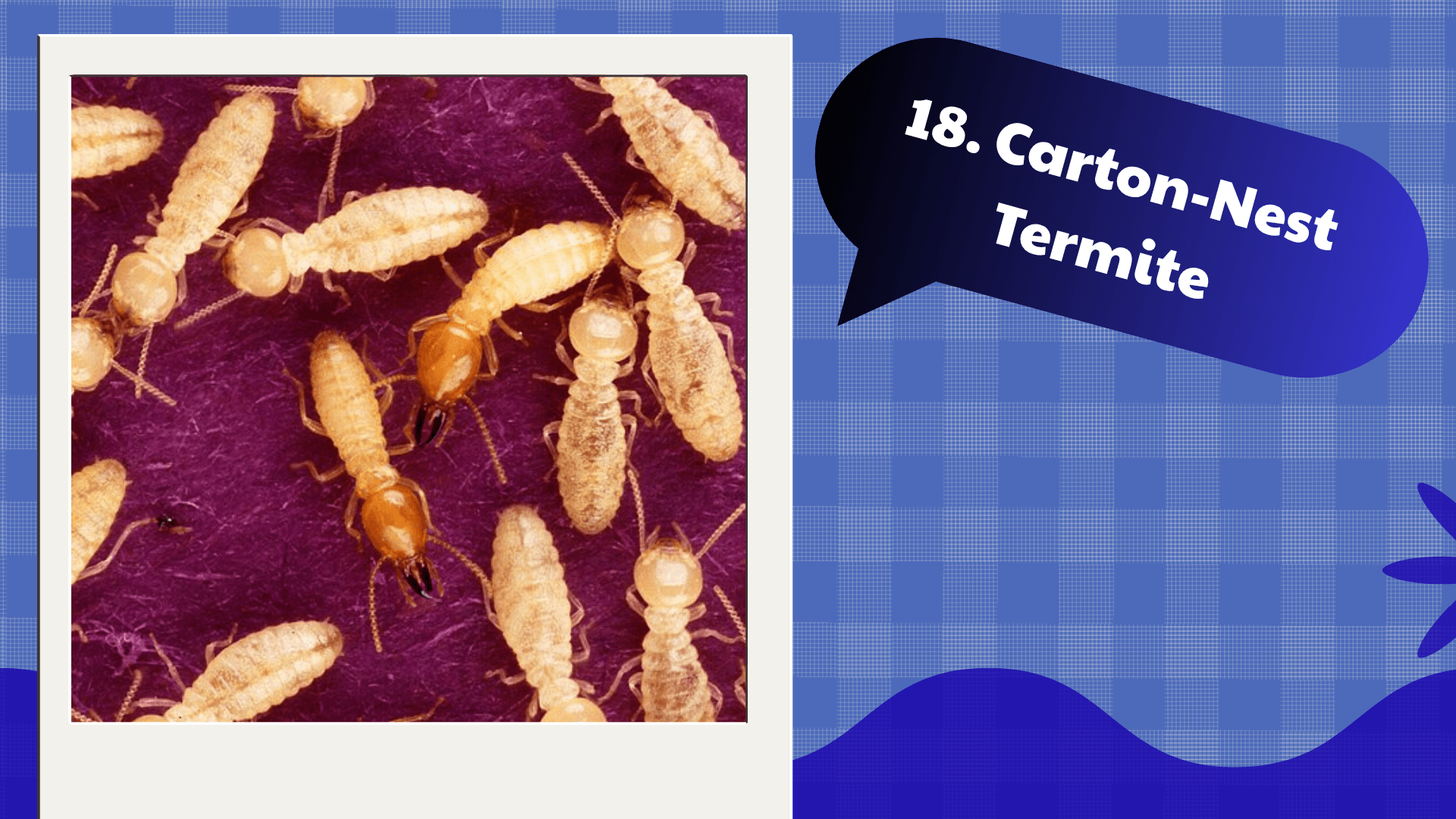
The Carton-Nest Termite is known for building large, papery nests made of chewed plant material and soil particles. These nests are often found on tree trunks, branches, or sometimes exposed structures. Among the many types of Termite, this species stands out for its architectural ability and colony organization.
Inside the nest, temperature and humidity are carefully regulated, ensuring optimal conditions for brood development. Soldiers protect the colony using chemical defense mechanisms, while workers continuously expand and repair the nest structure.
Carton-Nest Termites feed primarily on dead wood and plant debris. Their role in breaking down organic matter makes them important contributors to nutrient cycling in tropical ecosystems.
19. Fungus-Growing Termite (Macrotermes natalensis)
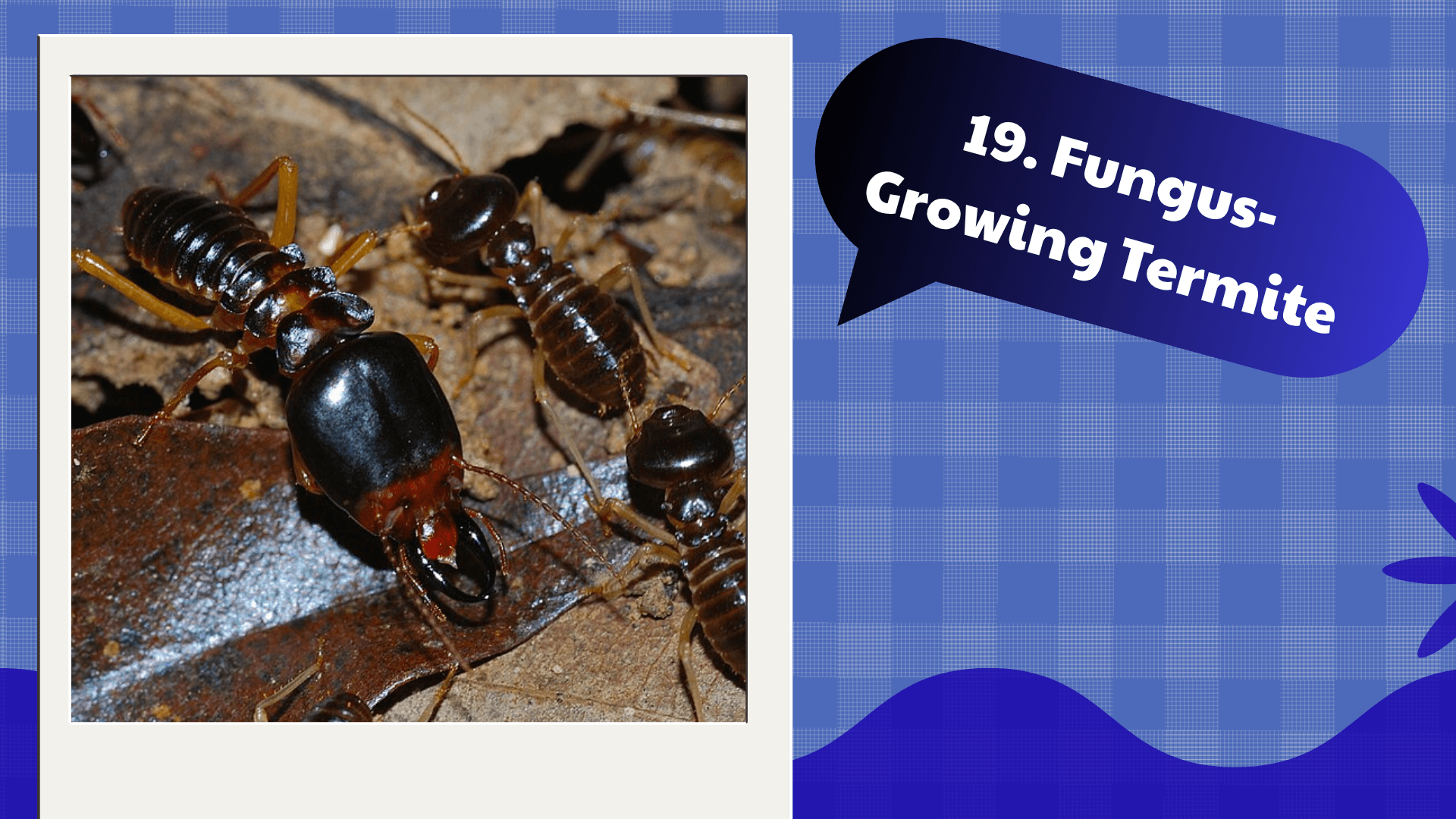
The Fungus-Growing Termite is one of the most advanced ecological engineers among all types of Termite. Found in African regions, this species is famous for cultivating fungus gardens inside its nests. These termites collect plant material, digest it partially, and then use it to grow specialized fungi, which become their primary food source.
Their mounds are large and complex, often featuring ventilation systems that maintain stable internal conditions. These structures are among the most sophisticated natural architectures in the insect world.
Ecologically, Fungus-Growing Termites are extremely important for breaking down tough plant fibers that many other organisms cannot digest. They play a key role in nutrient recycling in savanna and woodland ecosystems.
20. Soil-Nesting Termite (Amitermes wheeleri)
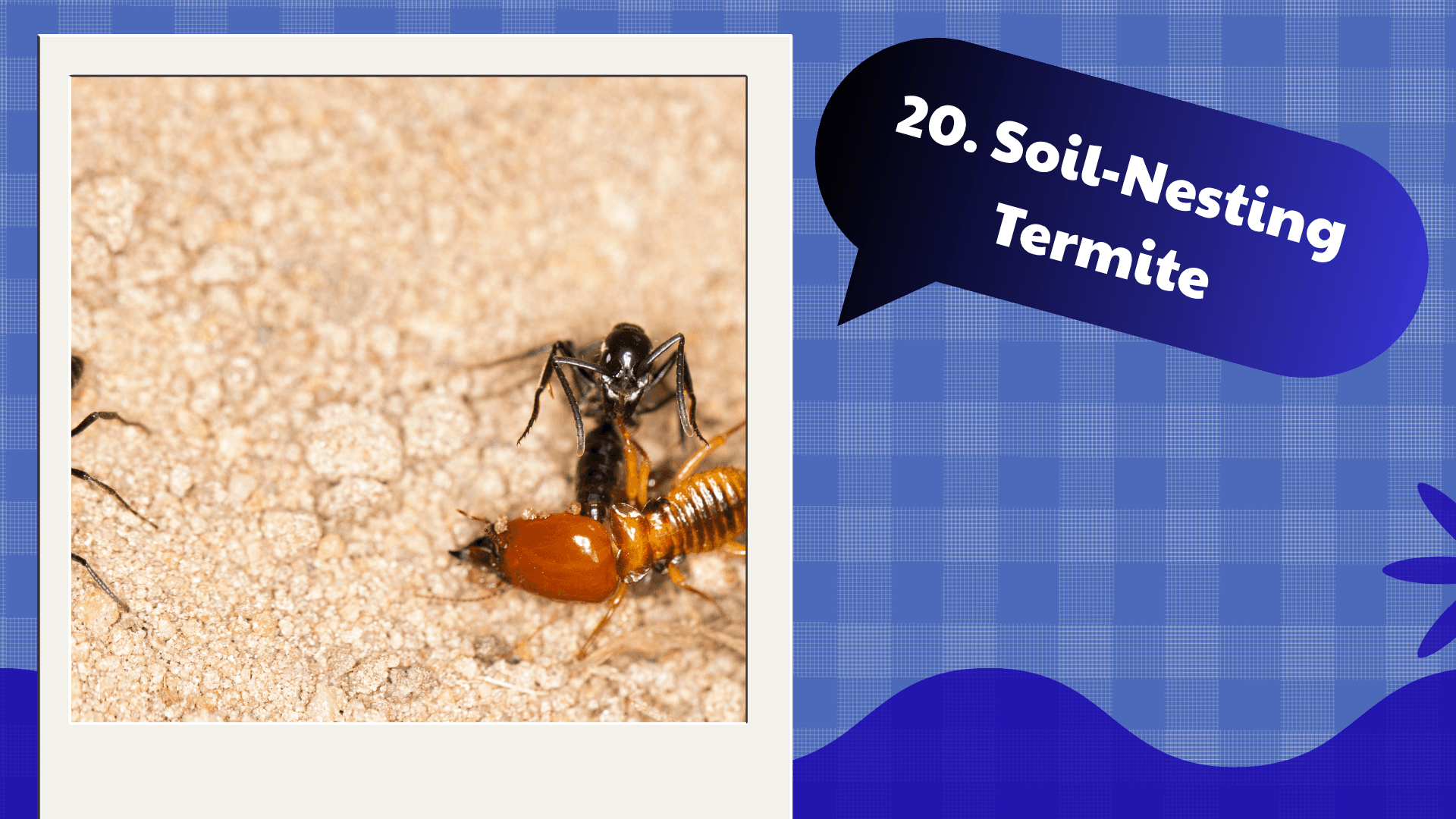
The Soil-Nesting Termite is adapted to life underground, building colonies entirely within soil structures. It is one of the more resilient types of Termite, capable of surviving in dry and semi-arid environments where moisture levels are limited.
These termites construct underground tunnels that connect feeding areas with the main nest. They feed on grass roots, decomposing organic matter, and occasionally wooden debris found in soil.
Their nests help improve soil aeration and nutrient distribution, making them beneficial to ecosystem health despite their occasional impact on agriculture. Colonies are highly organized, with a clear division of labor among castes.
This fourth group of types of Termite shows how adaptable termites can be—from arboreal nest builders to fungus farmers and soil engineers. In the next section, we will continue with more species that highlight even greater diversity in behavior and habitat adaptation.
21. Wood-Dwelling Termite (Kalotermes flavicollis)
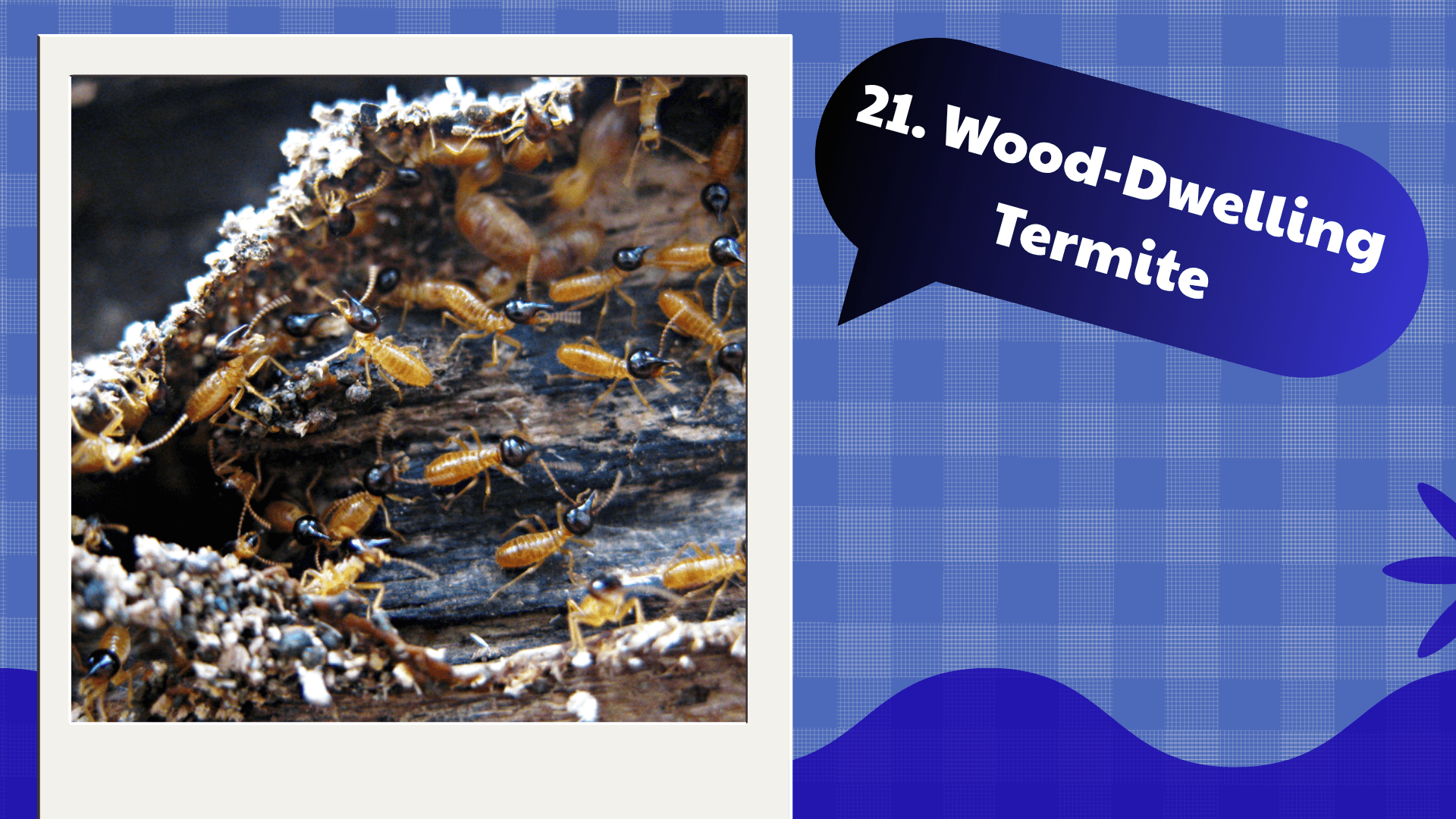
The Wood-Dwelling Termite is one of the classic examples among the many types of Termite that live entirely inside wood without needing soil contact. This species is commonly found in Mediterranean regions, where it inhabits dry logs, wooden beams, and old tree trunks. Unlike subterranean termites that rely on soil tunnels, wood-dwelling termites complete their entire life cycle within the same piece of wood they infest.
Colonies of Kalotermes flavicollis are relatively small compared to other termite species, but they are stable and long-lasting. The termites feed on cellulose inside the wood, slowly hollowing it out while leaving a thin external shell. This hidden damage makes infestations difficult to detect until structural weakness becomes noticeable.
One of the key identification features is the presence of smooth, clean internal galleries inside wood rather than muddy tunnels. Their frass (droppings) is often dry and pellet-like, accumulating near entry holes. Because they do not require moisture-rich environments, they can survive in relatively dry climates.
Ecologically, Wood-Dwelling Termites play an important role in breaking down deadwood and recycling nutrients in forest ecosystems. While they can occasionally affect wooden structures, they are generally less aggressive than subterranean species.
22. Tropical Dampwood Termite (Neotermes insularis)
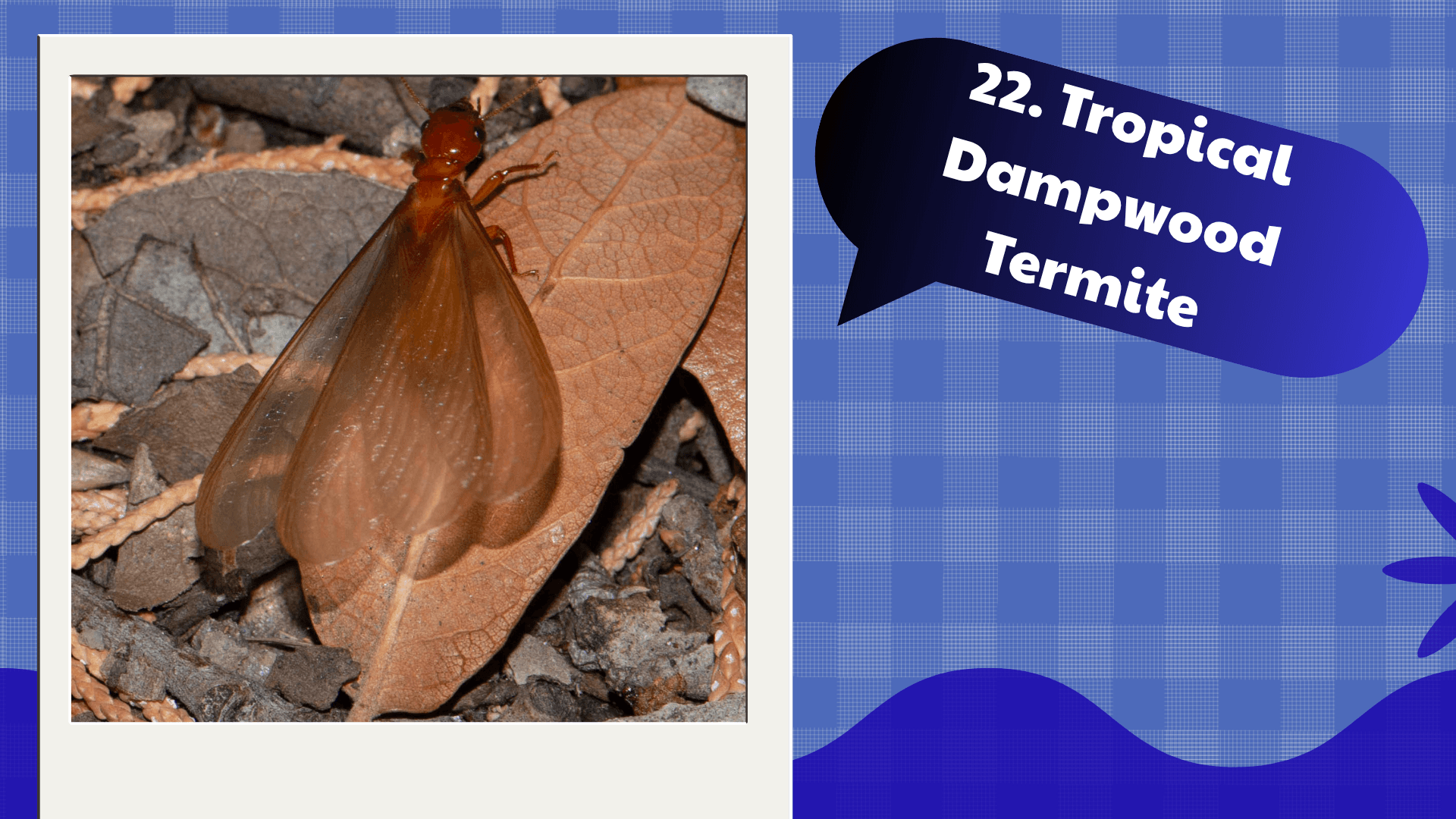
The Tropical Dampwood Termite is a moisture-dependent species that thrives in warm, humid environments. As part of the broader types of Termite, it is commonly found in tropical forests, coastal regions, and areas with high rainfall. This species prefers decaying logs, stumps, and wet wood that provides constant moisture.
Colonies are usually smaller but include well-defined castes such as workers, soldiers, and reproductives. Soldiers are often larger and have strong mandibles used for defense. Because of their dependence on moisture, these termites are rarely found in dry or artificial wooden structures unless there is significant water damage.
Tropical Dampwood Termites contribute significantly to forest decomposition processes. By breaking down wet and decaying wood, they help recycle organic material back into the soil, supporting plant growth and ecosystem health.
23. Northern Drywood Termite (Incisitermes schwarzi)
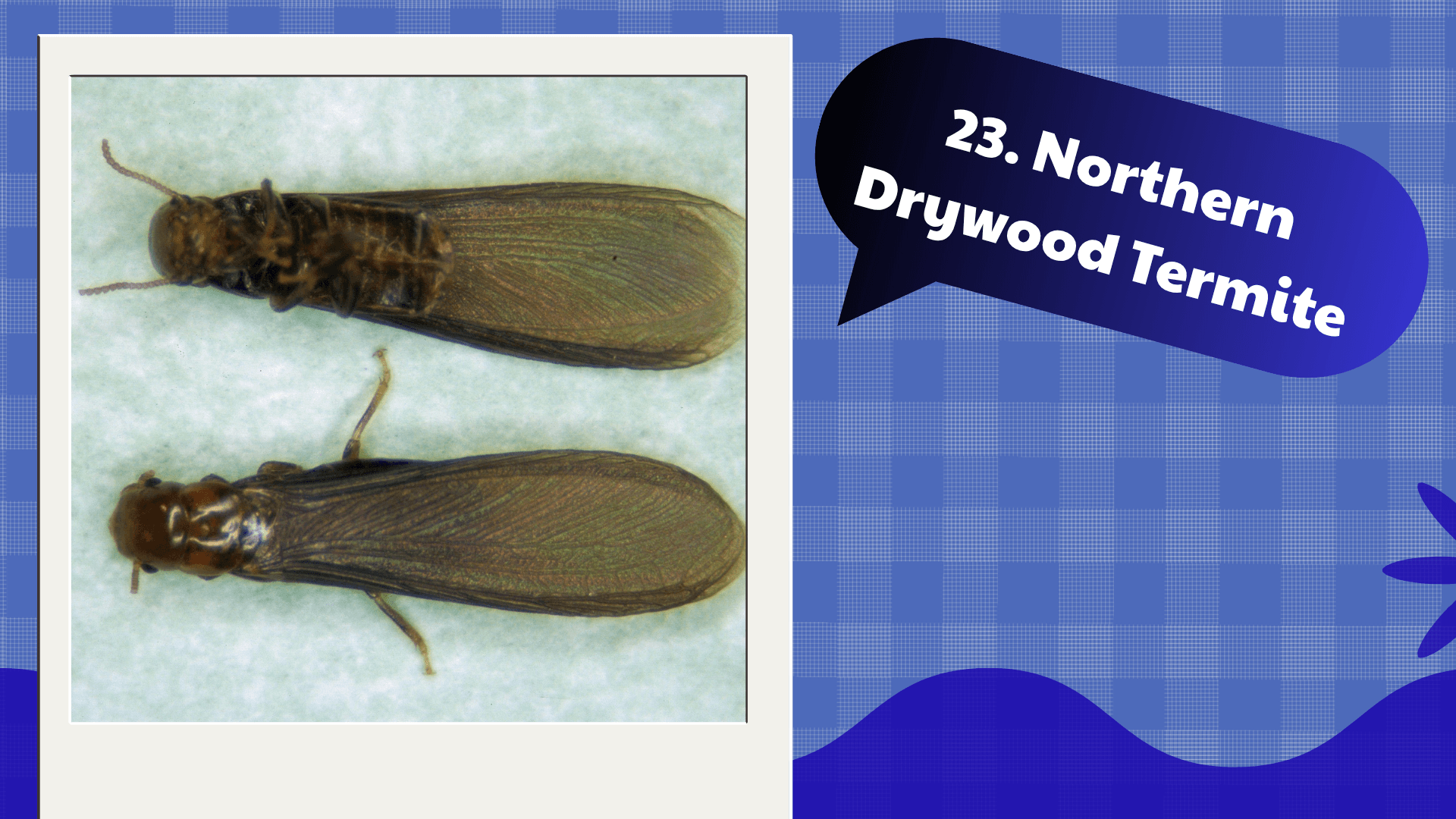
The Northern Drywood Termite is a less commonly known but ecologically significant member of the types of Termite. It is primarily found in coastal and subtropical regions, where it infests dry timber in buildings, fences, and natural deadwood.
This species is fully adapted to life without soil contact, completing its entire lifecycle inside wood. Colonies are small but persistent, and they expand slowly over time. One of the main signs of infestation is the presence of dry, granular frass pushed out through small exit holes.
Although less aggressive than some other drywood species, it can still cause long-term structural damage if left unchecked. It plays a natural role in decomposing deadwood in coastal ecosystems.
24. Cuban Drywood Termite (Cryptotermes havilandi)
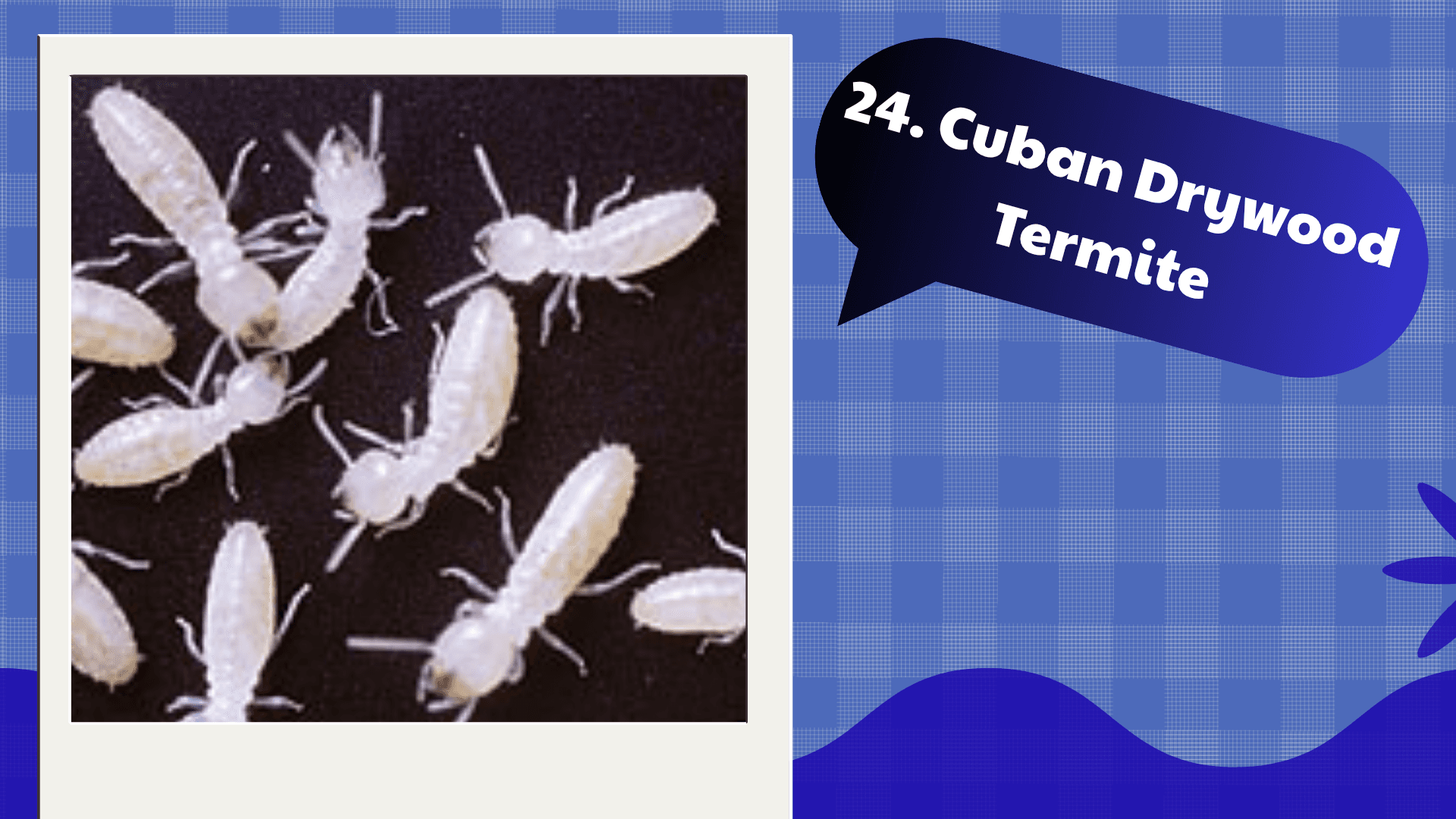
The Cuban Drywood Termite is an invasive species that has spread beyond its native range through human activity. It is an important example among the types of Termite because of its adaptability and ability to infest a wide range of wooden materials.
It commonly inhabits furniture, structural timber, and wooden packaging materials. Colonies remain hidden inside wood, making early detection difficult. Like other drywood termites, it produces dry pellet-like frass that accumulates near infested areas.
This species is particularly concerning in urban environments due to its ability to spread through transported goods. Its adaptability allows it to survive in both humid and moderately dry climates.
25. Southeastern Subterranean Termite (Reticulitermes virginicus)
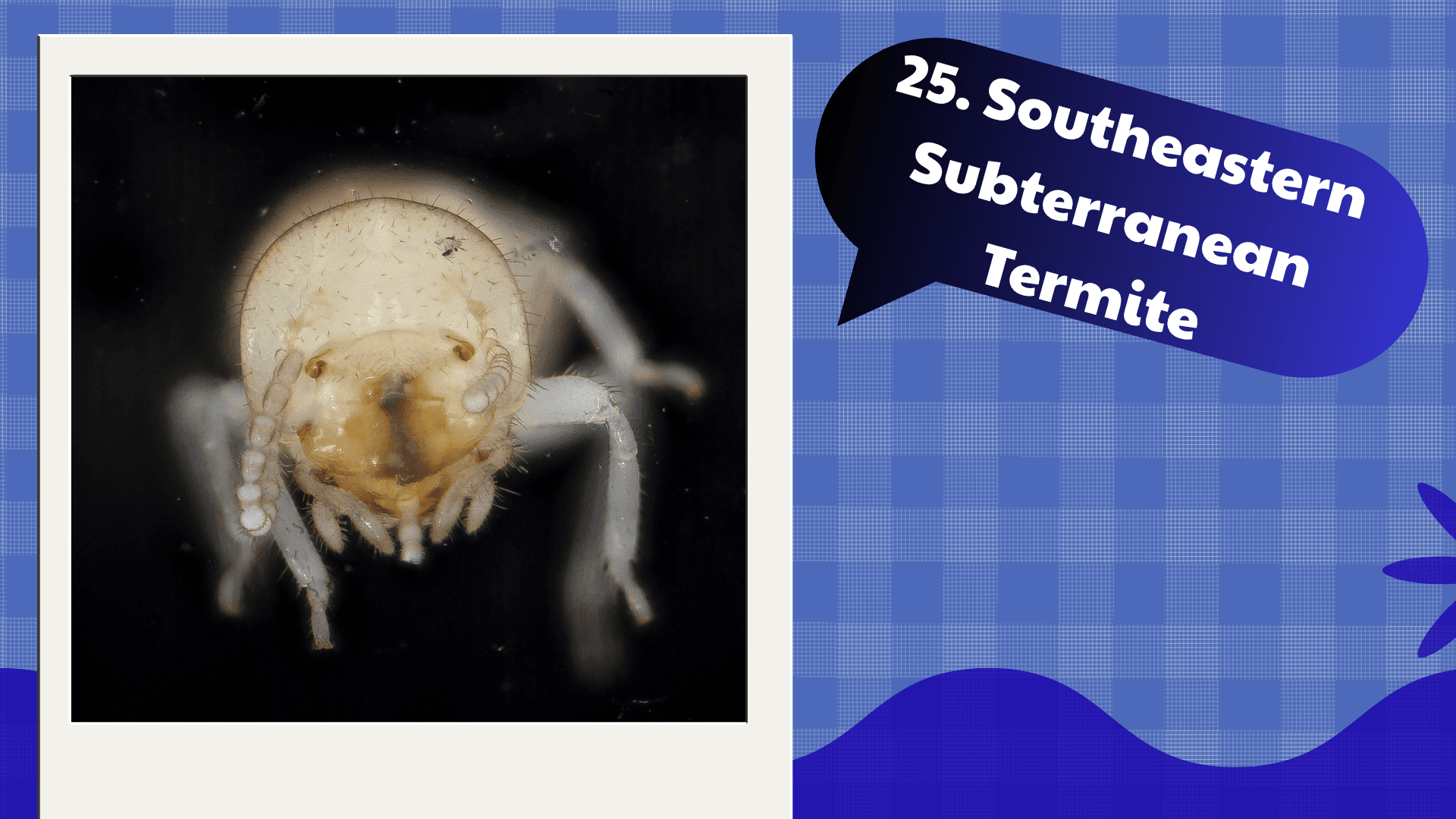
The Southeastern Subterranean Termite is one of the most widespread subterranean species in the southeastern United States. It is a significant member of the types of Termite due to its role in both ecosystem processes and structural infestations.
This species builds underground colonies connected by extensive mud tube networks. These tubes allow workers to travel safely between soil and food sources while maintaining moisture levels. They feed on wood, plant debris, and cellulose-based materials.
Colonies are large and well-organized, with clear division of labor. Swarming typically occurs in warmer months, when reproductive termites emerge to establish new colonies. In ecosystems, they contribute to decomposition and soil nutrient cycling, but in human environments, they can cause significant structural damage.
This final group of types of Termite completes the overview of 30 diverse species, showing how termites can adapt to environments ranging from dry wood structures to moist tropical forests and underground systems. Together, they highlight the ecological importance of termites as decomposers, ecosystem engineers, and sometimes challenging structural pests. Have you ever imagined how such tiny insects can shape entire ecosystems so effectively?
26. West African Macrotermes (Macrotermes subhyalinus)
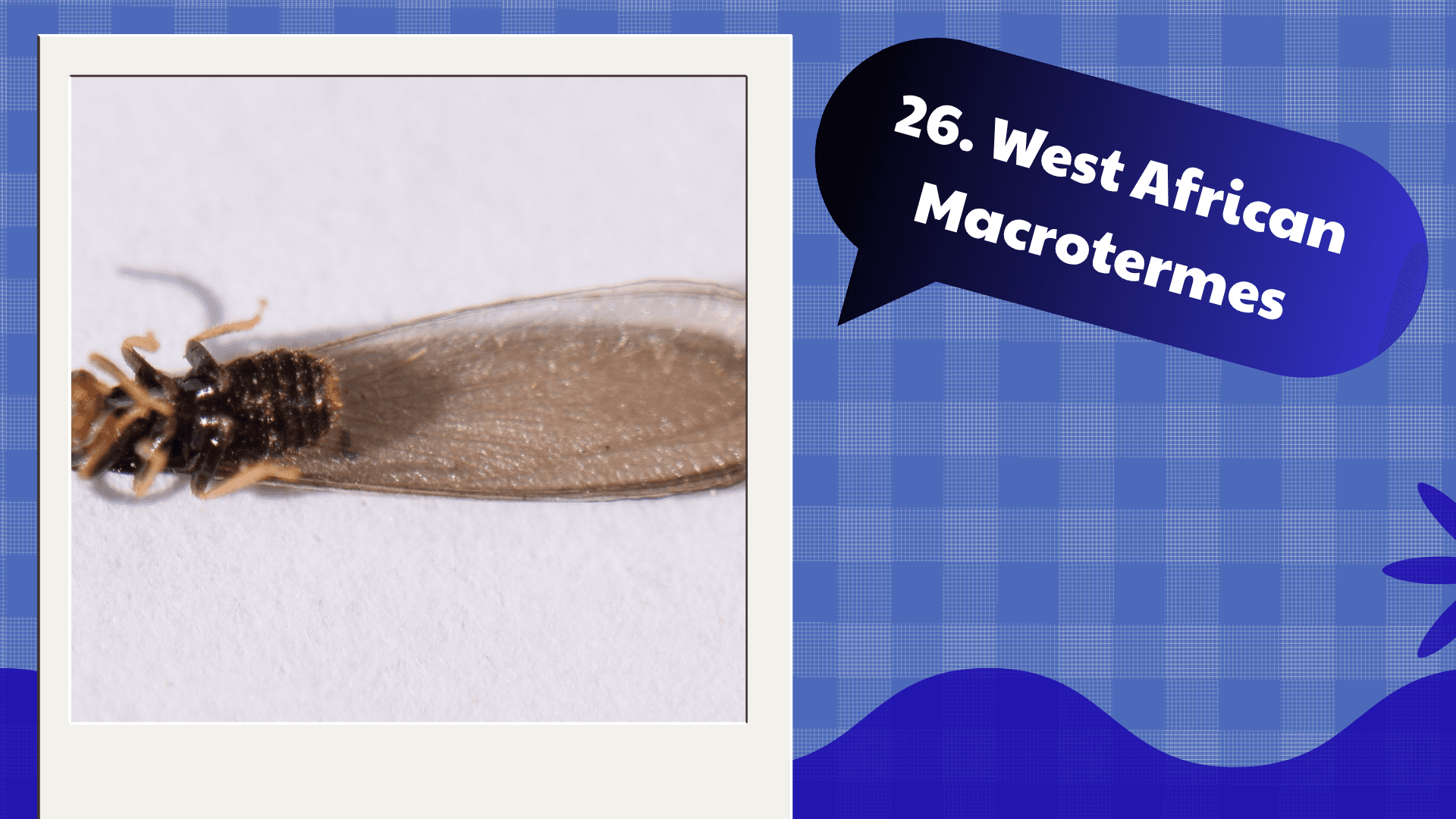
The West African Macrotermes is one of the most important ecological engineers among all types of Termite found in the African savanna. This species is famous for building large, durable termite mounds that can last for decades. These mounds are not just nests—they function as complex living structures with ventilation systems that regulate temperature, humidity, and gas exchange for the entire colony.
Colonies of Macrotermes subhyalinus are extremely large, often containing hundreds of thousands to millions of individuals. The species practices advanced fungus farming: workers collect dead plant material, break it down, and use it to cultivate fungi inside specialized chambers. The fungus is then consumed as the primary food source for the colony. This agricultural behavior makes them one of the most evolutionarily advanced termite groups.
Ecologically, they are essential for nutrient cycling in dry savanna ecosystems. Their mounds improve soil fertility, increase water infiltration, and create microhabitats for other organisms such as reptiles, insects, and small mammals. They are considered key ecosystem engineers in African landscapes.
27. African Grass Termite (Trinervitermes trinervoides)
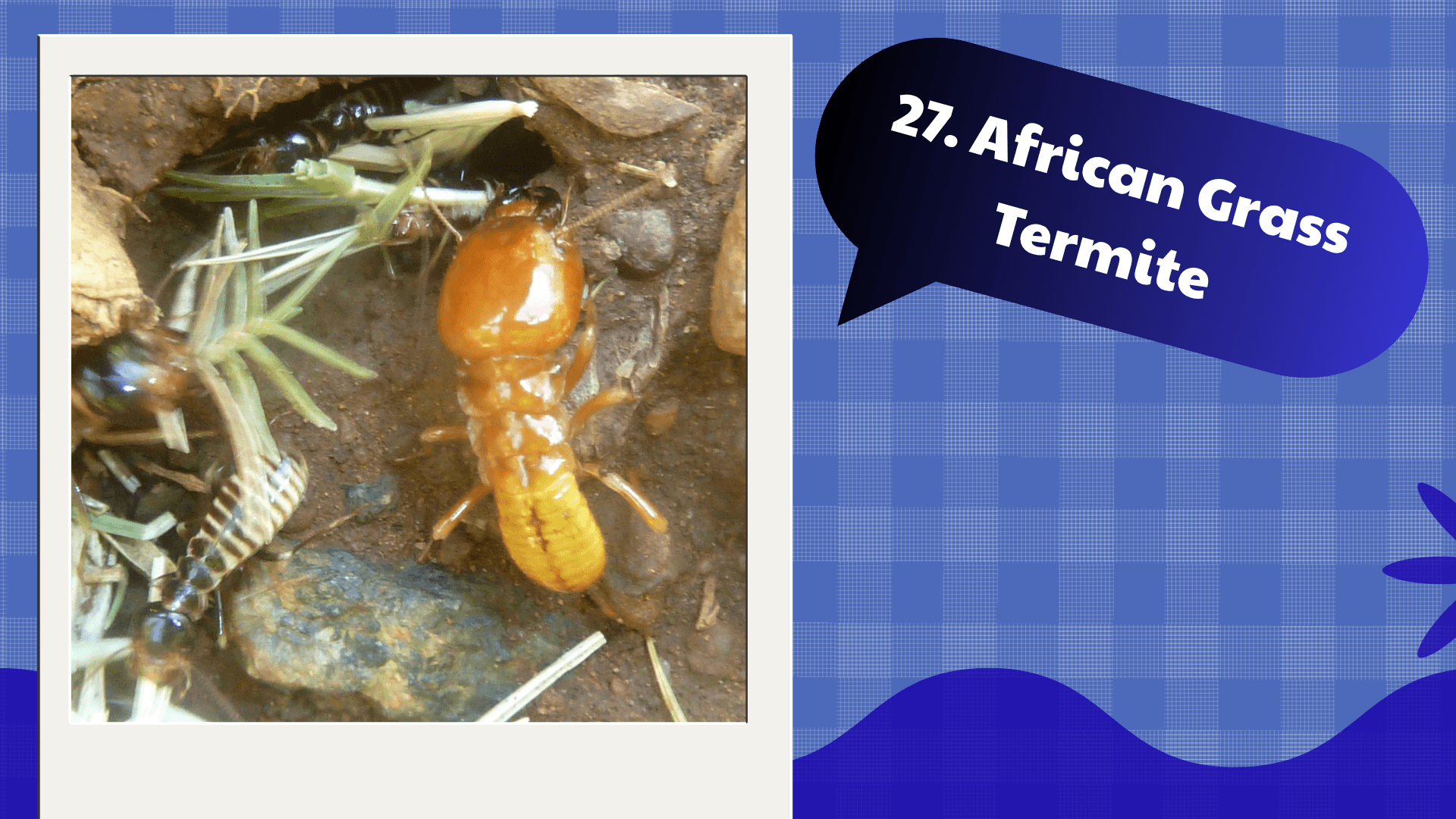
The African Grass Termite is a specialized grazer among the many types of Termite, primarily feeding on dry grass and plant litter in savanna ecosystems. Unlike wood-feeding termites, this species is adapted to open grasslands and plays a major role in processing dead vegetation.
These termites forage mostly at night to avoid predators and high daytime temperatures. They collect dry grass and carry it back to underground nests, where it is broken down and consumed. Their activity helps reduce dry plant buildup, which can otherwise increase wildfire risk in grassland environments.
Ecologically, African Grass Termites are crucial for maintaining balance in savanna ecosystems. By recycling plant material, they contribute to soil health and nutrient distribution across large landscapes.
28. Australian Subterranean Termite (Coptotermes acinaciformis)
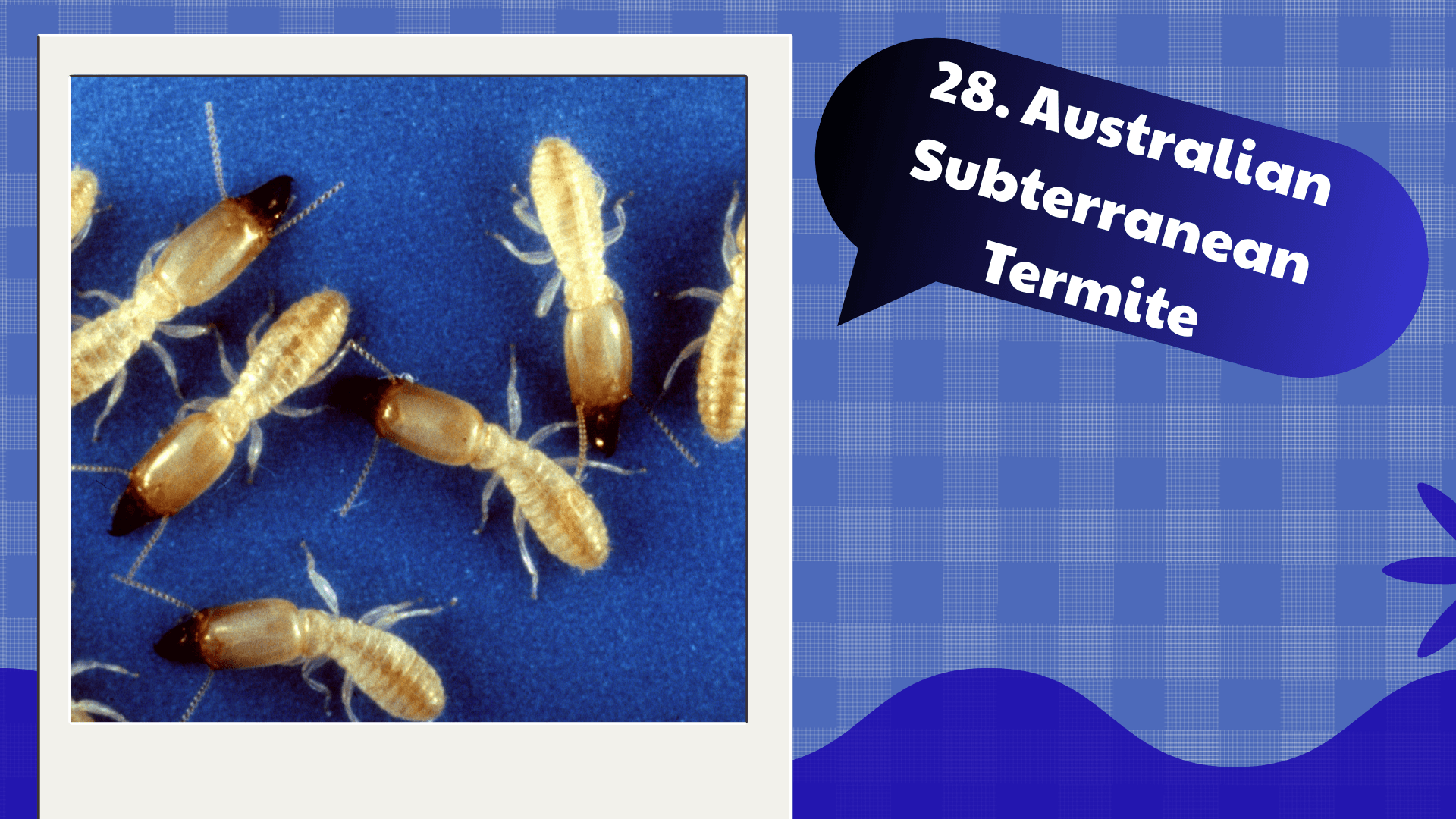
The Australian Subterranean Termite is one of the most destructive insect pests in Australia and a significant member of the global types of Termite. It is known for its large underground colonies and aggressive feeding behavior on wooden structures.
This species builds extensive tunnel systems in soil, allowing workers to access food sources while staying protected. It feeds on wood, timber structures, and even living trees in some cases. Colonies can spread widely, making infestations difficult to control once established.
Reproductive swarms occur during warm and humid conditions, when winged termites emerge to establish new colonies. Because of its destructive potential, this species is a major concern in urban pest management.
29. Mangrove Termite (Nasutitermes walkeri)
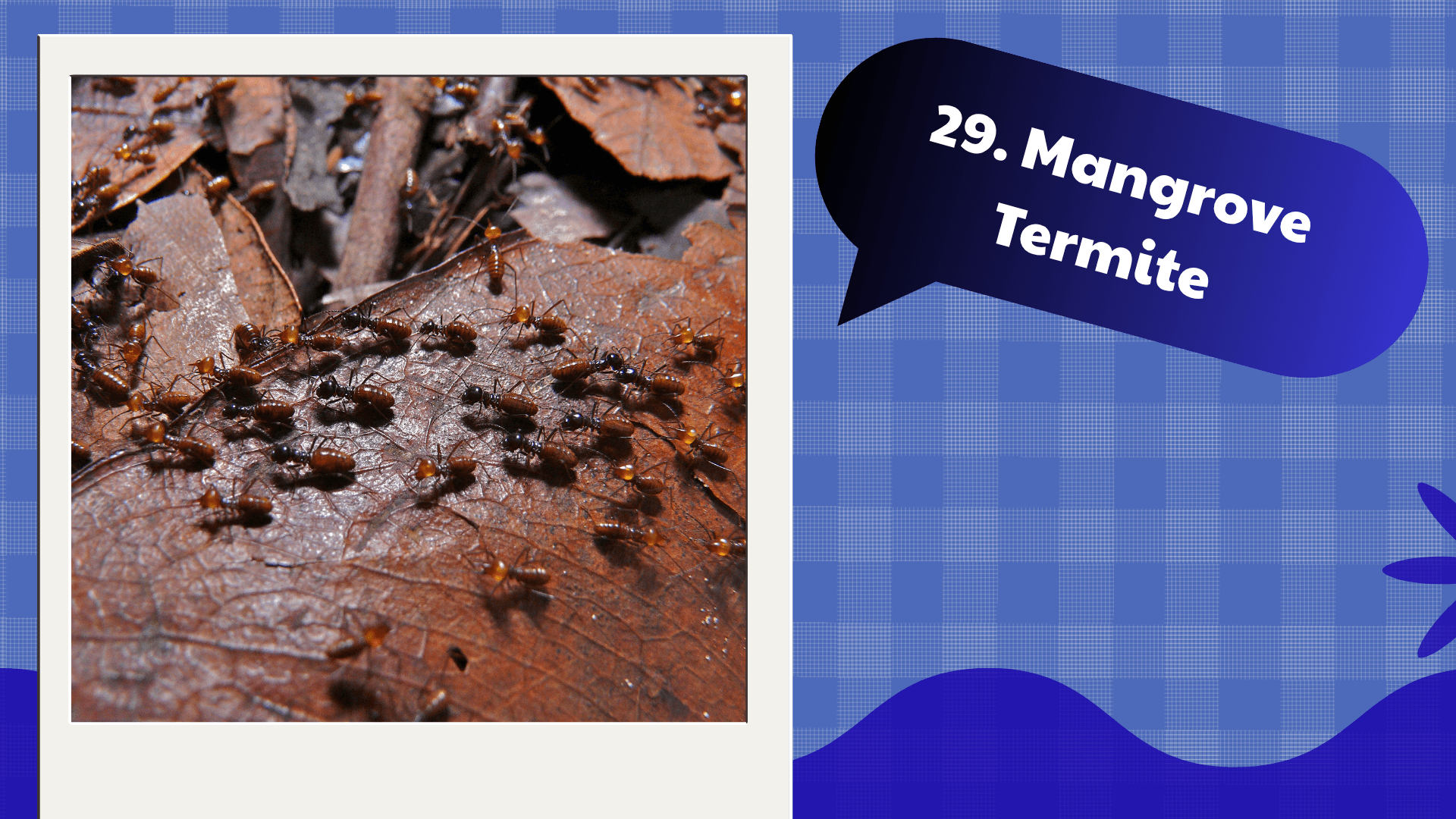
The Mangrove Termite is an arboreal species found in coastal mangrove forests, making it a unique representative among the types of Termite. It is adapted to saline and humid environments where it builds nests in trees and woody structures above ground.
These termites construct carton nests using chewed wood and saliva, often forming complex structures in tree branches or trunks. Their nests are well-ventilated and can withstand fluctuating humidity levels typical of coastal ecosystems.
Mangrove Termites feed on dead wood and plant material, playing an important role in breaking down organic matter in coastal forests. They also contribute to nutrient cycling in mangrove ecosystems, which are among the most productive coastal habitats in the world.
30. Arboreal Nasute Termite (Nasutitermes triodiae)
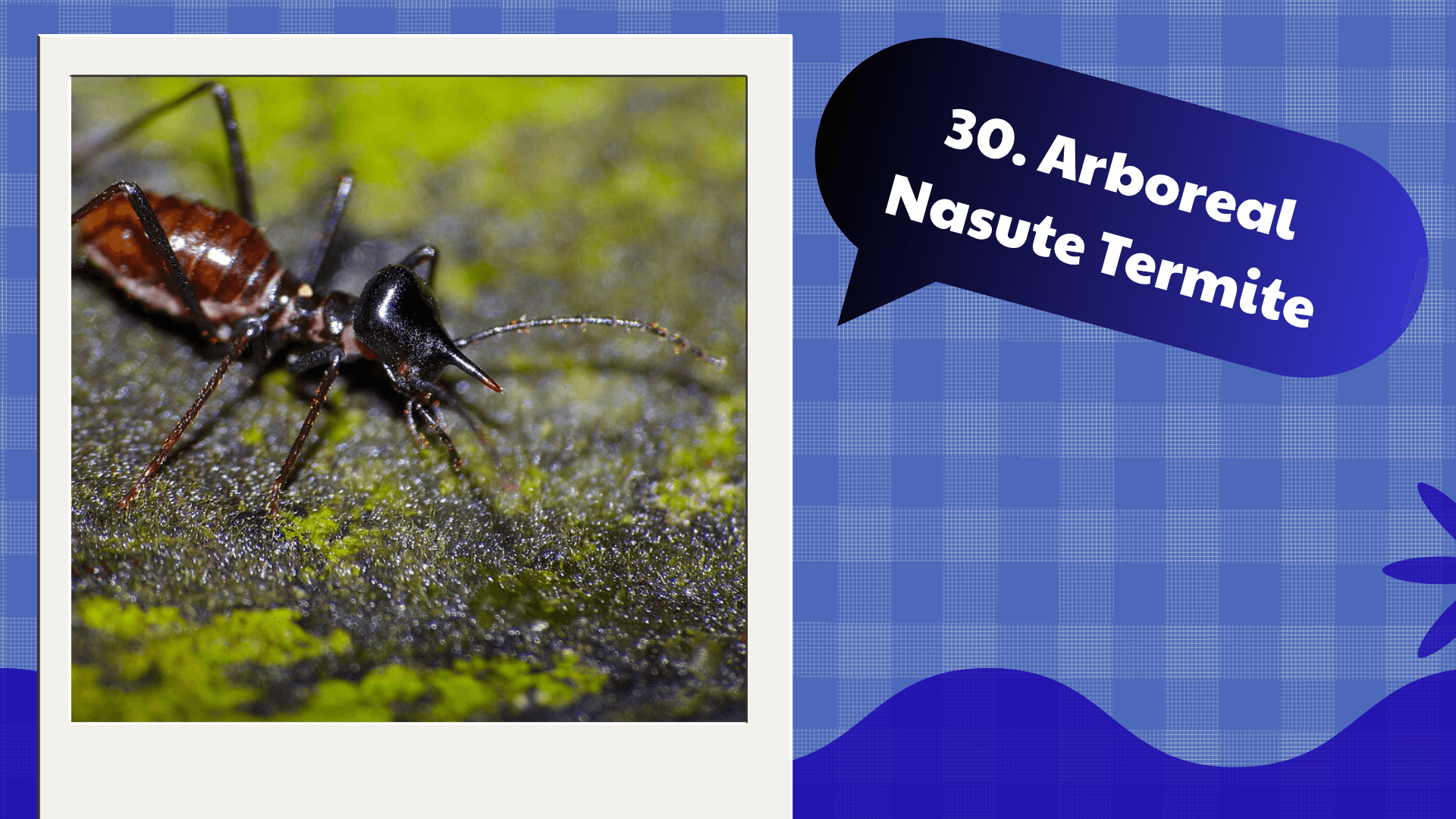
The Arboreal Nasute Termite is one of the most visually impressive species among all types of Termite, known for building towering mound structures that can reach several meters in height. These mounds are commonly found in northern Australia and are among the most complex termite constructions in the insect world.
Like other nasute termites, its soldiers possess a specialized defensive snout used to spray sticky or toxic substances at predators. This chemical defense allows the colony to survive in exposed environments where threats are frequent.
The mounds are carefully engineered with ventilation channels that regulate internal temperature and humidity. Inside, the colony remains highly organized with workers, soldiers, and reproductive individuals maintaining the structure.
Ecologically, Arboreal Nasute Termites are essential ecosystem engineers. Their mounds influence soil composition, water flow, and vegetation patterns, making them a key species in shaping northern Australian landscapes.
Conclusion: Diversity of Termite Species Around the World
The full range of types of Termite demonstrates how incredibly diverse and adaptable these insects are across different ecosystems. From underground subterranean colonies to towering arboreal mounds and drywood specialists hidden inside timber, termites have evolved highly specialized survival strategies.
They are not just pests; they are also essential ecosystem engineers. Termites break down dead plant material, recycle nutrients into the soil, improve fertility, and even create habitats for other species. Whether in tropical forests, savannas, deserts, or human environments, they play a critical role in maintaining ecological balance.
Understanding these 30 termite types helps us appreciate both their ecological importance and their impact on human structures. So, after exploring this wide diversity, which types of Termite surprised you the most with their behavior and adaptation abilities?
50+ FAQs About Types of Termite (Detailed Answers)
1. What are termites and why are they important in nature?
Termites are small social insects that feed mainly on cellulose found in wood, plants, and organic matter. Although often known as pests, they are extremely important in ecosystems. They help break down dead wood and plant material, which recycles nutrients back into the soil. Without termites, forests would accumulate large amounts of dead organic matter, slowing down natural decomposition cycles.
2. How many types of termite are there in the world?
There are over 2,700 known species of termites worldwide. These are grouped into different ecological categories such as subterranean, drywood, dampwood, fungus-growing, and grass-feeding termites. Each type has unique behavior, habitat preference, and colony structure.
3. What are the main types of termite?
The main categories include subterranean termites (live in soil), drywood termites (live inside dry wood), dampwood termites (prefer moist wood), and mound-building or fungus-growing termites. Each group adapts differently to environmental conditions.
4. Where do termites usually live?
Termites live in a wide range of environments including forests, grasslands, deserts, and urban areas. Most species prefer warm climates and are found in underground tunnels, wood structures, or above-ground nests depending on the species.
5. Why do termites eat wood?
Termites consume wood because it contains cellulose, a complex carbohydrate that provides energy. They cannot digest cellulose alone, so they rely on microorganisms in their gut to break it down into usable nutrients.
6. Are all termites harmful to humans?
No, not all termites are harmful. While some species damage buildings and wooden structures, many play a beneficial ecological role by decomposing dead plants and improving soil health.
7. What is the most destructive type of termite?
Subterranean termites and Formosan subterranean termites are considered the most destructive because they form large colonies and can rapidly damage wooden structures in homes and buildings.
8. How do termites build their nests?
Termites use soil, saliva, feces, and wood particles to construct nests. These structures can be underground, inside wood, or above ground as large mounds depending on the species.
9. What is a termite colony?
A termite colony is a highly organized social structure consisting of workers, soldiers, and reproductive individuals. Each caste has a specific role in survival, feeding, defense, and reproduction.
10. What do termite workers do?
Workers are responsible for gathering food, feeding other members of the colony, and maintaining the nest. They are the most numerous individuals in a colony.
11. What role do termite soldiers play?
Soldiers defend the colony from predators such as ants. They have strong jaws or chemical defense mechanisms depending on the species.
12. What are termite alates?
Alates are winged reproductive termites that leave the colony during swarming season to form new colonies. They are often mistaken for flying ants.
13. How do termites reproduce?
During swarming, male and female alates pair up, shed their wings, and establish a new colony where the queen begins laying eggs.
14. What is a termite queen?
The queen is the reproductive center of the colony. She lays thousands of eggs daily and can live for many years, maintaining colony growth.
15. Why are subterranean termites so dangerous?
They build underground colonies that are difficult to detect and can spread over large areas, silently damaging wood structures from below.
16. What is the difference between drywood and subterranean termites?
Drywood termites live inside wood without soil contact, while subterranean termites live in soil and build tunnels to reach food sources.
17. How do termites find food?
They use chemical signals called pheromones to guide other colony members to food sources and maintain organized foraging paths.
18. Can termites survive without food?
Termites can survive for a limited time without food, but they continuously need cellulose sources to maintain colony health.
19. Do termites sleep?
Termites do not sleep like humans but instead have cycles of activity and rest depending on environmental conditions and colony needs.
20. How long do termites live?
Workers and soldiers may live a few months to a few years, while queens can live for over a decade in some species.
21. What are fungus-growing termites?
These termites cultivate fungus inside their nests and use it as a primary food source, making them one of the most advanced termite groups.
22. Why do termites build mounds?
Mounds help regulate temperature, humidity, and air circulation inside the colony, ensuring a stable living environment.
23. Are termites found in cold regions?
Most termites prefer warm climates, but some species can survive in cooler regions by living underground or inside heated structures.
24. How fast can termites destroy wood?
Depending on colony size, termites can consume wood continuously and cause significant structural damage within months or years.
25. What attracts termites to homes?
Moisture, wood in contact with soil, cracks in structures, and untreated timber can attract termites to human buildings.
26. Can termites damage concrete?
Termites do not eat concrete, but they can pass through cracks in concrete to reach wood or cellulose materials.
27. What are dampwood termites?
They live in moist or decaying wood and are usually found in forest environments rather than dry structures.
28. Are termites related to ants?
Termites and ants are not closely related, although they share some social behaviors. Termites are more closely related to cockroaches.
29. Why do termites swarm?
Swarming is a reproductive event where winged termites leave the colony to establish new colonies and expand the population.
30. What is termite frass?
Frass is termite droppings, often seen as small pellets or powder depending on the species. It is a key sign of infestation.
31. Can termites survive underwater?
Most termites cannot survive long underwater, but some can survive short flooding periods by trapping air in their tunnels.
32. Do termites have eyes?
Most worker termites are blind or have very simple eyes, while reproductive alates have functional eyes for swarming.
33. How do termites communicate?
They communicate using pheromones, vibrations, and chemical signals to coordinate feeding and defense activities.
34. What is the role of moisture in termite survival?
Moisture is essential for many species, especially subterranean termites, as it helps maintain their tunnels and prevents dehydration.
35. Can termites eat living trees?
Yes, some species can attack living trees, especially if the tree is weakened or stressed.
36. What are conehead termites?
They are invasive termites with cone-shaped heads used to spray defensive chemicals, making them highly aggressive.
37. Are termites useful in agriculture?
Yes, termites help improve soil fertility and structure by breaking down organic matter.
38. What is the largest termite species?
Some Macrotermes species in Africa are among the largest and build massive mound structures.
39. Can termites fly?
Yes, only reproductive termites (alates) have wings and fly during swarming events.
40. How do termites affect ecosystems?
They play a vital role in decomposition, nutrient cycling, and soil formation in many ecosystems.
41. What is a termite mud tube?
Mud tubes are protective tunnels built by subterranean termites to travel safely between soil and food sources.
42. Can termites survive extreme heat?
Some species adapt to high temperatures by building insulated nests or living underground.
43. Do termites eat plastic?
Termites cannot digest plastic, but they may chew through materials that resemble wood.
44. What is the role of termite soldiers?
Soldiers protect the colony from predators using physical or chemical defense mechanisms.
45. Are termites active at night?
Many species are more active at night to avoid predators and extreme temperatures.
46. What is termite infestation?
It refers to the presence of termites damaging structures or materials by feeding on cellulose.
47. How do termites impact forests?
They help recycle dead wood and maintain forest nutrient cycles, supporting ecosystem health.
48. Can termites be controlled naturally?
Yes, natural predators like ants, birds, and reptiles help control termite populations.
49. Why are termites considered ecosystem engineers?
They modify soil structure, nutrient flow, and habitat conditions through their nesting and feeding activities.
50. What is the biggest challenge in termite control?
Their hidden lifestyle and large underground colonies make detection and elimination very difficult.
51. Are termites dangerous to wooden houses?
Yes, especially subterranean and drywood termites, which can cause serious structural damage over time.
52. How can termite damage be prevented?
Proper construction, moisture control, and regular inspections help reduce risk of infestation.
53. Do termites have predators in nature?
Yes, ants are their primary predators, along with birds, reptiles, and some mammals.
54. Why do termites matter to biodiversity?
They support biodiversity by recycling nutrients and creating habitats for other organisms.
55. What makes termites one of the most successful insect groups?
Their social structure, adaptability, diverse diets, and ecological flexibility make them highly successful worldwide.