
North America is home to a remarkable diversity of deer species, each adapted to its unique habitat. From dense forests to open plains, the continent’s deer populations provide both ecological balance and aesthetic wonder. Understanding the types of deer in North America can help wildlife enthusiasts, hunters, and conservationists identify and appreciate these incredible animals. In this guide, we explore 15 prominent deer species, offering clear identification tips, behavior insights, and habitat details. Whether you are spotting a deer in Idaho, Alaska, or the Rocky Mountains, this guide will help you recognize them accurately. Let’s begin our journey into the fascinating world of deer in North America.
1. White-tailed Deer (Odocoileus virginianus)
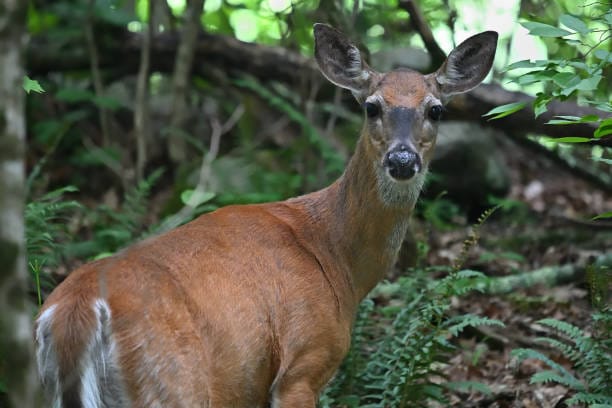
The White-tailed Deer is one of the most familiar deer species across North America. Named for the characteristic white underside of its tail, which it raises as an alarm signal, this deer thrives in forests, grasslands, and even suburban areas. Adult males, known as bucks, develop antlers each year that vary in size depending on age, nutrition, and genetics. Bucks use these antlers during the mating season to spar with rivals and attract females, or does.
White-tailed Deer are herbivores with a varied diet that includes leaves, twigs, fruits, and nuts. They are crepuscular, being most active at dawn and dusk, which helps them avoid predators like wolves and coyotes. Behaviorally, they are adaptable and can form small family groups or remain solitary, especially during the non-breeding season.
Identifying a White-tailed Deer is straightforward due to its slender body, reddish-brown summer coat, and the prominent white tail patch. During winter, their coat changes to a grayish-brown for camouflage. Understanding their seasonal movements is crucial for wildlife photographers and hunters. Observing the tail behavior, especially the white flash when running, can quickly indicate a White-tailed Deer in the wild.
2. Mule Deer (Odocoileus hemionus)

Mule Deer are primarily found in the western United States, from the Rocky Mountains to the deserts of the Southwest. They are named for their large, mule-like ears, which provide excellent hearing to detect predators. Bucks have bifurcated antlers that fork as they grow, making them distinct from the single-pointed antlers of White-tailed Deer.
Mule Deer prefer open woodlands, mountain foothills, and desert scrub habitats. They are browsers, feeding on shrubs, grasses, and seasonal fruits. During winter, they may migrate to lower elevations in search of food. Socially, Mule Deer often form small herds, with females and young forming family groups while males may roam more widely during the rut.
Physical identification includes a black-tipped tail, a grayish-brown coat in summer, and a paler underside. Observing their behavior, such as bounding jumps called “stotting” when alarmed, can distinguish Mule Deer from other species. They are highly alert and rely on keen senses to evade predators, which also makes them a favorite subject for wildlife watchers in western North America.
3. Elk (Wapiti) (Cervus canadensis)
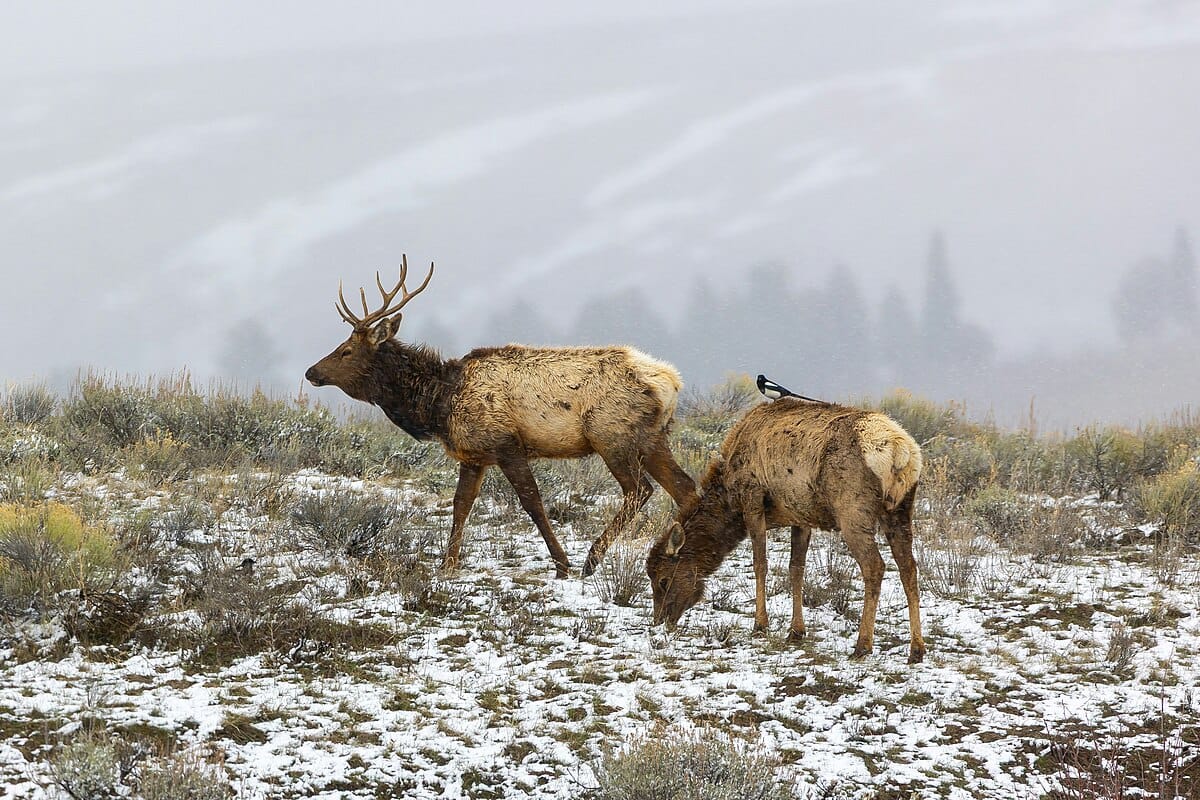
Elk, or Wapiti, are among the largest deer species in North America. Their impressive size, with males weighing up to 700 pounds and sporting massive, branching antlers, makes them highly recognizable. Elk inhabit forests, meadows, and alpine valleys, primarily in the western United States and Canada.
Elk are grazers and browsers, consuming grasses, plants, leaves, and bark depending on seasonal availability. During the fall mating season, known as the rut, males emit loud bugle calls to establish dominance and attract females. These calls, combined with physical displays like antler wrestling, create a spectacular wildlife scene.
Identification features include a light-colored rump patch, a dark neck, and a tawny body coat. Observing Elk during the rut provides insights into herd dynamics, as males compete for mates and females carefully choose their partners. Understanding their migration patterns, especially in areas like Yellowstone National Park, is essential for wildlife enthusiasts and photographers seeking to witness natural behaviors up close.
4. Moose (Alces alces)
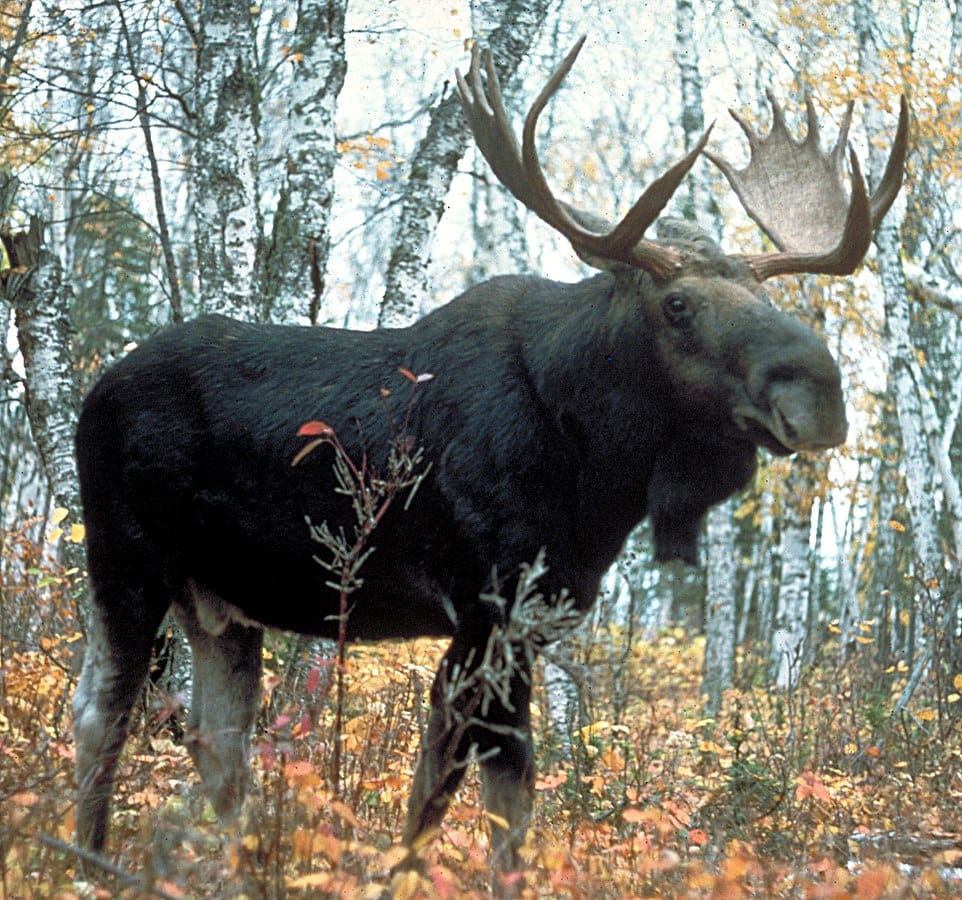
Moose are the giants of the North American deer family. They are easily distinguished by their towering height, long legs, and broad, palmate antlers found on adult males. Moose primarily inhabit northern forests and wetlands, from Alaska to New England and parts of Canada. Unlike other deer, moose are solitary animals, coming together mainly during the mating season.
Their diet consists mainly of leaves, twigs, aquatic plants, and bark. Moose are excellent swimmers, often feeding on submerged vegetation, which helps them avoid predators like wolves and bears. Their large nostrils allow them to breathe easily while submerged, and their long legs help them navigate deep snow and marshy terrain.
Identifying a moose includes noticing their distinctive dewlap, or “bell,” hanging from the throat, a humped shoulder profile, and dark brown coat. Observing moose behavior, especially during the rut, reveals fascinating displays of dominance and mating rituals. Their sheer size and unique physical features make moose a must-see for wildlife enthusiasts exploring North American forests.
5. Caribou (Reindeer) (Rangifer tarandus)
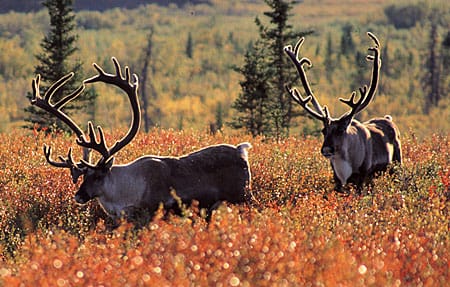
Caribou, also known as Reindeer, are highly adapted to cold climates and are primarily found in Alaska, Canada, and the northern reaches of the United States. Both males and females grow antlers, which is unusual among deer species, and these antlers can become large and elaborate. Caribou are famous for their migratory behavior, traveling hundreds of miles each year to find food and breeding grounds.
They feed mainly on lichens, mosses, grasses, and shrubs. Caribou have thick, hollow hair that provides insulation and buoyancy for swimming. Socially, caribou form large herds, which helps them avoid predators such as wolves and bears during migration. Observing these herds can be an incredible experience, as thousands of animals move in unison across vast landscapes.
Identifying caribou includes their compact, muscular bodies, light-colored neck and underbelly, and wide, spreading antlers. Their migratory behavior, antler shape, and winter coat color variations help distinguish them from other North American deer. For photographers and wildlife watchers, spotting a caribou herd can provide insight into these animals’ impressive endurance and social structure.
6. Sitka Black‑tailed Deer (Odocoileus hemionus sitkensis)

The Sitka Black‑tailed Deer is a subspecies of the Mule Deer, native to the coastal regions of Alaska and British Columbia. Known for their small size and dark tail, these deer are highly adapted to the dense temperate rainforests they inhabit. Sitka Black‑tailed Deer are agile, moving swiftly through thick vegetation to evade predators such as wolves, bears, and lynx.
Their diet consists mainly of browse, including leaves, twigs, ferns, and berries. Seasonal changes affect their feeding patterns, with coastal plant growth providing ample nutrition year-round. These deer are important prey species for local carnivores, and their population dynamics can influence the health of forest ecosystems.
Identification includes a compact body, dark black tail, and reddish-brown summer coat, which becomes darker in winter. Observing Sitka Black‑tailed Deer in the wild can be challenging due to their secretive nature, but spotting them provides a glimpse into the balance of coastal forest ecosystems. Their adaptability and keen senses make them an integral part of the North American deer diversity.
7. Columbian Black‑tailed Deer (Odocoileus hemionus columbianus)
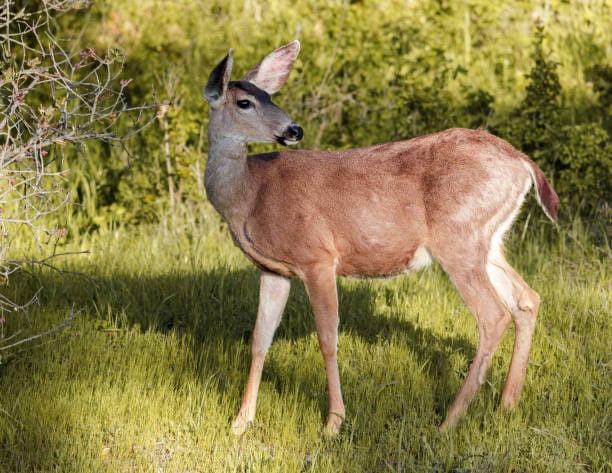
The Columbian Black‑tailed Deer is another subspecies of Mule Deer, inhabiting the coastal forests of the Pacific Northwest, from northern California to British Columbia. Slightly larger than the Sitka Black‑tailed Deer, this species is known for its characteristic black-tipped tail and graceful, slender build. Columbian Black‑tailed Deer thrive in a variety of habitats, including mixed forests, coastal meadows, and riparian zones, showcasing remarkable adaptability.
These deer are herbivores, feeding on a diet of leaves, shrubs, grasses, and young tree shoots. During winter, they may browse on conifers and evergreen vegetation when other food sources are scarce. Predators like cougars, black bears, and coyotes are natural threats, and these deer rely on their keen senses and agility to escape. Their seasonal movements are typically limited, and they often maintain well-defined home ranges.
Identifying the Columbian Black‑tailed Deer involves noting its black-tipped tail, slender legs, and reddish-brown summer coat, which darkens in the winter months. Observing them can be a rewarding experience for wildlife enthusiasts, as these deer display behaviors ranging from cautious grazing to alert postures when sensing danger. Their presence is a vital indicator of healthy forest ecosystems in the Pacific Northwest.
8. Rocky Mountain Elk (Cervus canadensis nelsoni)
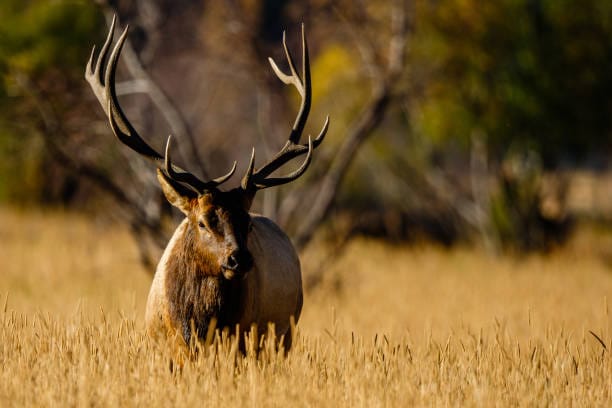
The Rocky Mountain Elk is a subspecies of elk native to the mountainous regions of western North America, particularly in the Rockies from Montana to New Mexico. Also called Wapiti in some regions, these deer are among the largest in North America, with males developing massive, branching antlers during the rut. Elk herds are highly social, often forming large groups that help protect against predators such as wolves and bears.
Their diet varies seasonally and includes grasses, forbs, shrubs, and tree bark. Rocky Mountain Elk migrate between high-elevation summer ranges and lower-elevation winter ranges, navigating steep terrains and snow-covered landscapes with impressive agility. Observing their rutting behavior in the fall, including bugling calls and antler displays, is a highlight for wildlife watchers and photographers.
Identifying Rocky Mountain Elk involves noticing their large size, tan-brown body, darker neck, and the impressive antlers of males. Females, called cows, are smaller and lack antlers. Elk play a crucial role in shaping vegetation patterns, maintaining ecosystem balance, and supporting predator populations. Encountering a herd in the wild provides a glimpse into the impressive dynamics of North American wildlife.
9. Roosevelt Elk (Cervus canadensis roosevelti)
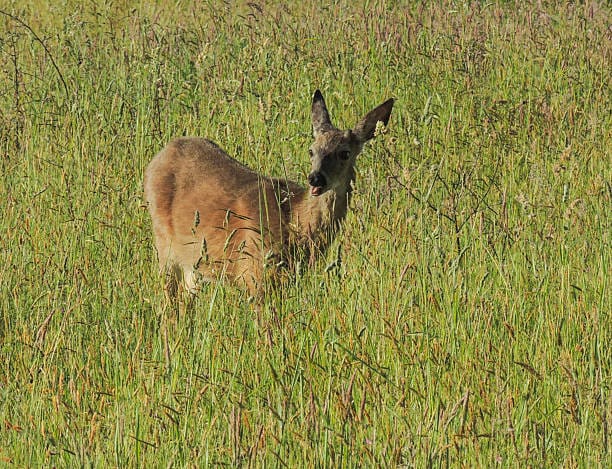
The Roosevelt Elk, native to the coastal rainforests of the Pacific Northwest, is the largest subspecies of elk in North America. Named after President Theodore Roosevelt, this majestic deer thrives in dense forests, wetland areas, and meadows. Adult males can weigh over 1,000 pounds, sporting large, impressive antlers during the rut, which they use in dominance displays and mating competitions.
Roosevelt Elk are herbivorous, feeding on grasses, shrubs, mosses, and tree bark. Seasonal migrations are common, with herds moving to lower elevations during harsh winters. Predators such as cougars, wolves, and bears pose natural threats, though adult elk often rely on their size and herd protection to deter attacks. Their presence indicates a healthy coastal forest ecosystem, as they influence vegetation patterns and provide prey for predators.
10. Barren-ground Caribou (Rangifer tarandus groenlandicus)

Barren-ground Caribou inhabit the tundra regions of northern Canada and Alaska. These caribou are highly migratory, traveling hundreds of miles between summer calving grounds and wintering areas. Both males and females grow antlers, which are used for foraging through snow and for mating displays. Their pale winter coat helps them blend into the snowy tundra, providing camouflage from predators like wolves.
Their diet primarily includes lichens, grasses, and shrubs, with seasonal variation based on availability. Migration is essential for accessing nutrient-rich feeding grounds and avoiding deep snow or harsh weather. Observing barren-ground caribou herds is a remarkable experience, showcasing large-scale social behavior, coordinated movement, and the resilience of North American wildlife in extreme environments.
11. Woodland Caribou (Rangifer tarandus caribou)
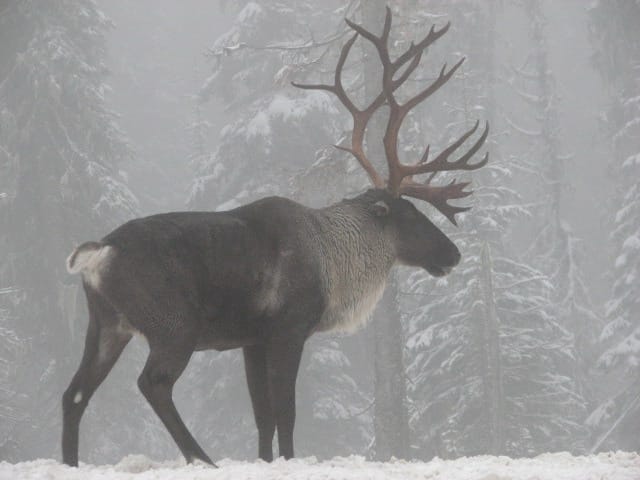
Woodland Caribou are a forest-dwelling subspecies of caribou found in Canada’s boreal forests. Unlike their tundra counterparts, woodland caribou have smaller, darker bodies and longer legs suited for navigating dense forests and deep snow. They are known for their elusive behavior, often traveling alone or in small groups rather than forming large herds.
Their diet consists mainly of lichens, particularly during winter, supplemented by leaves, grasses, and shrubs in summer. Predators include wolves and bears, and woodland caribou rely on their camouflage and forest cover to evade threats. Conservation efforts are critical, as habitat loss and human disturbances have made some populations vulnerable. Woodland caribou play an important ecological role, influencing plant communities and maintaining balance in forest ecosystems.
12. Desert Mule Deer (Odocoileus hemionus eremicus)

The Desert Mule Deer inhabits arid regions of the southwestern United States, including Arizona, Nevada, and southern California. Adapted to desert life, this subspecies can survive on limited water sources, often obtaining moisture from plants. Their slender build, long legs, and large ears help them regulate temperature and detect predators in open landscapes.
Diet includes desert shrubs, grasses, cacti, and forbs. Desert Mule Deer are primarily nocturnal in hot months to avoid daytime heat, becoming active at dawn, dusk, or nighttime. Predators include mountain lions, coyotes, and bobcats. Observing Desert Mule Deer in the wild offers insights into remarkable adaptations to extreme environments and the importance of water and vegetation in desert ecosystems.
13. California Mule Deer (Odocoileus hemionus californicus)
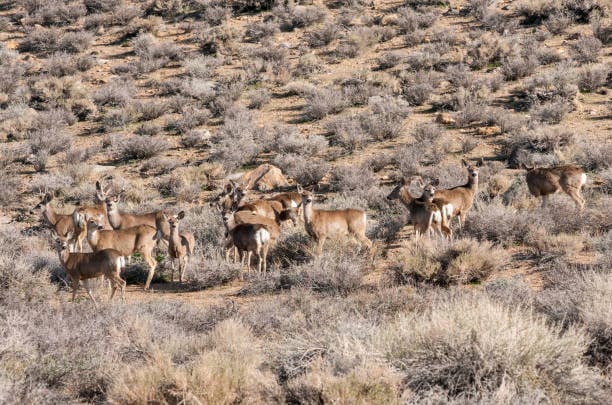
The California Mule Deer is a common subspecies in California’s varied habitats, ranging from coastal areas to mountain foothills. Recognizable by their black-tipped tails and large, branching antlers, these deer are highly adaptable, thriving in oak woodlands, chaparral, and grasslands. Their presence supports local predators and maintains ecological balance.
California Mule Deer are herbivores, feeding on leaves, grasses, acorns, and shrubs. Seasonal movement is common, as they shift between summer and winter ranges for optimal foraging. Predators include mountain lions, coyotes, and bobcats. Observing these deer highlights their graceful movement, alert behavior, and crucial role in the Californian ecosystems.
14. Sitka Deer (Odocoileus hemionus sitkensis)

The Sitka Deer, native to the Alexander Archipelago of Alaska, is a small subspecies of Mule Deer. Adapted to coastal forests, they feed primarily on shrubs, ferns, and mosses. Sitka Deer are known for their relatively small size, nimbleness, and black-tipped tails, which distinguish them from other subspecies.
Predators include wolves, bears, and eagles. These deer are vital to their ecosystems, influencing plant growth through browsing and providing prey for large carnivores. Observing Sitka Deer offers an intimate view of forest-dwelling deer behavior and survival strategies in remote, rugged habitats.
15. White‑tailed Deer (Odocoileus virginianus columbianus)
The White‑tailed Deer is widespread in North America, with the Columbian White-tailed Deer found in the western United States. This subspecies is easily recognized by its characteristic white underside to the tail, which is displayed as a warning signal when fleeing predators. White-tailed Deer are highly adaptable, inhabiting forests, grasslands, and agricultural areas.
Their diet consists of leaves, grasses, twigs, and agricultural crops. Predators include coyotes, bobcats, and humans through regulated hunting. White-tailed Deer play an essential ecological role by shaping vegetation and serving as prey for numerous predators. Observing their social behavior and alertness provides insight into one of North America’s most iconic deer species.
Conclusion
North America is home to an impressive variety of deer species, each uniquely adapted to its environment. From the towering Moose in northern forests to the nimble Desert Mule Deer in the arid Southwest, these deer play essential roles in ecosystems. They influence vegetation patterns, provide prey for predators, and inspire wildlife enthusiasts and photographers alike. Understanding the types of deer in North America helps us appreciate biodiversity and the need for conservation efforts. Whether observing White-tailed Deer in woodland areas or tracking the elusive Woodland Caribou, every encounter deepens our connection to nature. Protecting their habitats ensures that these majestic animals continue to thrive for generations to come.
Frequently Asked Questions (FAQ)
1. How many types of deer are in North America?
There are at least 15 recognized types of deer in North America, including subspecies of Mule Deer, White-tailed Deer, Caribou, and Elk.
2. What is the largest deer in North America?
The Moose is the largest deer species in North America, with males reaching over 1,500 pounds.
3. Are Caribou and Reindeer the same?
Yes, Caribou and Reindeer are the same species; the name “Reindeer” is often used for domesticated populations.
4. Where can you find White-tailed Deer?
White-tailed Deer are widespread across North America, from Canada to the southern United States.
5. What is unique about the Roosevelt Elk?
Roosevelt Elk are the largest subspecies of elk, found mainly along the Pacific Northwest coast.
6. Are Mule Deer and White-tailed Deer related?
Yes, both belong to the Cervidae family but are different species with distinct physical traits and habitats.
7. Can Moose be found in southern states?
Moose primarily inhabit northern forests and are rare in southern states.
8. What do North American deer eat?
Most deer are herbivores, feeding on leaves, twigs, grasses, shrubs, and sometimes agricultural crops.
9. Do all deer grow antlers?
Typically, only males grow antlers, but some Caribou females also grow them.
10. How fast can a White-tailed Deer run?
White-tailed Deer can run up to 30 miles per hour when escaping predators.
11. What are the main predators of deer?
Wolves, mountain lions, bears, bobcats, and humans are common predators of North American deer.
12. How long do deer live?
Deer live on average 4–10 years in the wild, depending on species and environmental factors.
13. What is the difference between Mule Deer and Desert Mule Deer?
Desert Mule Deer are adapted to arid environments, with behaviors and diet suited to limited water availability.
14. Are Sitka Deer endangered?
No, Sitka Deer populations are stable, though they are limited to coastal regions of Alaska.
15. How do Woodland Caribou differ from Barren-ground Caribou?
Woodland Caribou live in forested areas, usually in small groups, while Barren-ground Caribou inhabit tundra and migrate in large herds.
16. Do Elk and Moose compete for food?
They can overlap in habitat, but their diets and feeding behaviors are slightly different, reducing direct competition.
17. Can you see Deer in urban areas?
Yes, some species like White-tailed Deer adapt to suburban and urban settings where green spaces exist.
18. Do North American deer migrate?
Some species, like Caribou, migrate seasonally, while others, like White-tailed Deer, remain in relatively small home ranges.
19. How do deer communicate?
Deer use vocalizations, body language, and scent marking to communicate with other deer.
20. Are Mule Deer solitary?
Mule Deer can be solitary or form small groups, depending on season and habitat.
21. Do Moose have predators?
Adult Moose have few predators, but calves are vulnerable to wolves and bears.
22. How large are Elk herds?
Elk herds can range from a few dozen to several hundred individuals, especially during migrations.
23. What is the average antler size for White-tailed Deer?
Antler size varies by age and health, but mature bucks can have antlers spanning 3–4 feet wide.
24. Are all North American deer herbivores?
Yes, all deer species primarily feed on plants.
25. How do deer avoid predators?
Deer rely on speed, agility, camouflage, and herd vigilance to evade predators.
26. Do Caribou hibernate?
No, Caribou are adapted to survive harsh winters without hibernating.
27. What habitats do White-tailed Deer prefer?
They prefer forests, brushy areas, and farmland with adequate cover and food.
28. Are Roosevelt Elk endangered?
No, Roosevelt Elk populations are stable, though habitat conservation is important.
29. How do deer mark their territory?
They use scent glands and rub antlers on trees to mark territory.
30. What is the lifespan of a Caribou?
Caribou live about 10–15 years in the wild.
31. Are Moose and Elk the same species?
No, Moose (Alces alces) and Elk (Cervus canadensis) are different species in the deer family.
32. How do Desert Mule Deer survive without much water?
They obtain moisture from plants and feed during cooler hours to reduce water loss.
33. Do North American deer have predators besides humans?
Yes, wolves, cougars, bears, and bobcats are natural predators.
34. Can deer swim?
Yes, most deer are good swimmers and can cross rivers and lakes.
35. Are Sitka Deer smaller than other Mule Deer?
Yes, Sitka Deer are a smaller, more compact subspecies adapted to coastal forests.
36. How do deer impact ecosystems?
They shape vegetation, provide prey for predators, and contribute to nutrient cycling.
37. Do deer mate for life?
No, deer are generally seasonal breeders, and males do not form lifelong pair bonds.
38. How can you tell Mule Deer from White-tailed Deer?
Mule Deer have large, mule-like ears and forked antlers, while White-tailed Deer have smaller ears and antlers branching from a single main beam.
39. Do North American deer face habitat loss?
Yes, urbanization, logging, and agriculture reduce suitable habitats.
40. Are there conservation programs for deer?
Yes, wildlife agencies manage populations, protect habitats, and conduct regulated hunting for population control.
41. When is deer rut season?
Most deer species mate in autumn, with variations depending on latitude and species.
Read more: