

Tigers have fascinated people for centuries. Their bold stripes, calculated movements, and quiet authority create an impression that stays with any observer long after a sighting—whether in a dense rainforest, a documentary, or a wildlife reserve. In this guide, we explore 12 Types of Tiger from across Asia, including both surviving and extinct subspecies. Each profile highlights what sets them apart, from appearance and behaviors to habitat and how they survive in the wild. If you’ve ever wanted a straightforward but engaging reference that avoids unnecessary technical barriers, this breakdown offers a friendly and informative look into one of the planet’s most iconic predators.
1. Bengal Tiger
Physical Characteristics & Identification Tips
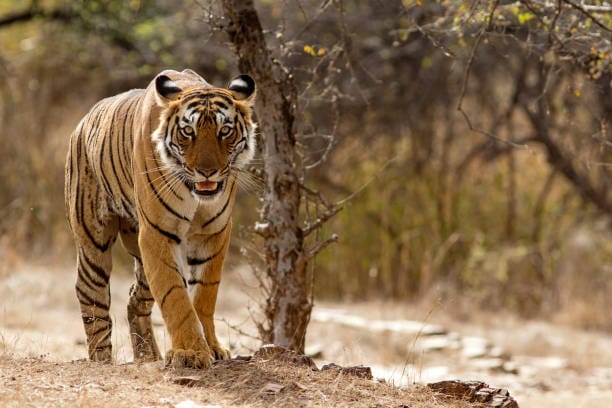
The Bengal Tiger is the image most people picture when hearing the word “tiger.” It carries a bright orange coat marked by strong black stripes, creating a sharp contrast that stands out in photographs yet blends surprisingly well into tall grasses. Most individuals have a white underside, and many show a noticeable ruff of fur around the cheeks. Adults can reach 300 kg, though size varies by region and available prey. One detail that helps observers distinguish them from similar subspecies is the relatively thick coat texture compared to Southeast Asian tigers. Their faces appear broader than those of the Indochinese or Malayan Tiger, giving them a more commanding look.
Behavior and Nesting Habits
Despite their reputation as aggressive predators, Bengal Tigers spend a surprising portion of the day resting. They are primarily solitary animals, except during mating season or when a female raises cubs. Their territories are clearly marked with scent and scrape marks to avoid unnecessary conflict. Many individuals develop preferred resting spots—shaded hollows, riverbanks, or abandoned dens created by other animals. These large cats are skilled swimmers, often cooling off in streams or ponds when temperatures rise. If you ever watch a Bengal Tiger in a sanctuary, you may see it wading into water with the same ease that a house cat approaches a sunny windowsill.
Habitat and Range
Bengal Tigers inhabit a mix of landscapes across India, Bangladesh, Nepal, and Bhutan. Their preferred habitats include mangrove forests, grasslands, dry deciduous woodlands, and tropical forests. The Sundarbans mangroves are particularly famous, offering a challenging environment where the tiger must adapt to muddy terrain and fluctuating tides. Tigers in Nepal often live at higher elevations, moving between forest and grassland corridors following seasonal prey migration.
Diet
The Bengal Tiger’s diet centers around medium to large mammals—spotted deer, wild boar, and occasionally buffalo. In mangrove regions, they sometimes take advantage of smaller prey, such as fish or crustaceans, showing how opportunistic they can be. Their hunting strategy is simple but effective: stalking quietly through vegetation, then launching a powerful ambush within a short distance. They rarely chase prey for long bursts.
Reproduction and Life Cycle
Mating can occur at any time of year, though peaks are common during cooler months. After a gestation of roughly 100 days, a female gives birth to 2–4 cubs inside a secluded den. These cubs remain hidden for weeks before they begin following the mother. Survival depends heavily on the mother’s hunting ability and her chosen territory. Male offspring leave earlier, while females sometimes settle near their birthplace, creating clusters of related individuals across a landscape.
Fun Facts / Interesting Traits
- Bengal Tigers are capable swimmers, often crossing large rivers.
- Some individuals are born “white,” though these are extremely rare in the wild.
- They’re known for vocalizations that carry far across forests—roars can travel nearly 3 km.
Human Interaction
Interactions have been shaped by both reverence and conflict. In some regions, tigers are woven into cultural stories that depict power and leadership. However, habitat loss and occasional livestock predation bring challenges for communities living near tiger territory. Conservation groups collaborate with local residents to improve safety and reduce tension through awareness programs and compensation systems. Tourism plays a role as well, helping fund anti-poaching efforts while offering visitors a chance to see these incredible predators responsibly.
2. Siberian Tiger (Amur Tiger)
Physical Characteristics & Identification Tips
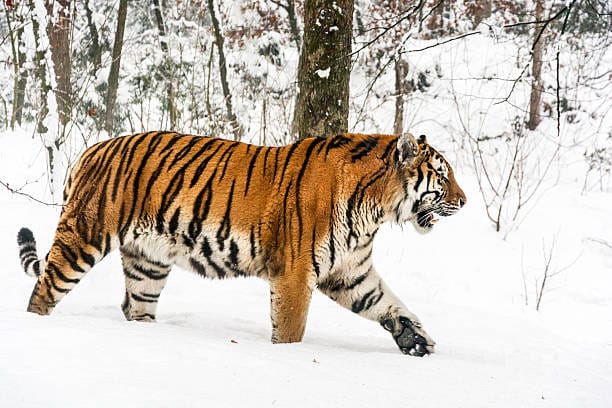
The Siberian Tiger is the largest tiger subspecies alive today. Its coat is paler than that of the Bengal Tiger, often appearing creamy orange with widely spaced stripes. This lighter coloration helps it merge into snowy landscapes. The fur grows thicker during winter months, especially around the neck and abdomen, giving it a bulkier appearance. Males frequently reach 300–320 kg, though body size varies by availability of prey and winter severity. Observers can distinguish this subspecies by its large skull, broad shoulders, and longer legs, features adapted for deep snow and long-distance travel.
Behavior and Nesting Habits
Siberian Tigers maintain enormous territories, far larger than those of tropical tigers. These territories allow them to follow seasonal prey movements and avoid unnecessary conflict. They spend much of their time walking forest routes, reusing familiar paths as they patrol scent marks and investigate potential feeding spots. Resting sites include rocky outcrops, sheltered depressions, and forest clearings that offer good visibility. Their behavior often reflects seasonal rhythms: winter demands greater energy, prompting longer travel distances, while summer allows more frequent resting near water sources.
Habitat and Range
This subspecies occupies the Russian Far East, with a smaller population in northeastern China. Their habitat comprises coniferous and mixed deciduous forests that experience long, cold winters. Snowfall influences movement patterns, and the tiger often takes advantage of frozen streams as pathways. Their range is influenced by prey density, forest cover, and human activity. Compared to tropical tigers, Siberian individuals depend heavily on large, continuous forest blocks to withstand harsh climate pressures.
Diet
Siberian Tigers feed on deer species such as sika and red deer, as well as wild boar. When prey is scarce, they switch to smaller mammals but require high-calorie meals to maintain body heat. Their hunting method relies on patience and positioning; thick snow muffles their steps, giving them an advantage. In some winters, they follow wolf packs or scavengers to locate weakened animals, though direct conflicts with wolves are uncommon.
Reproduction and Life Cycle
Breeding usually peaks in late winter. After a gestation of about 100 days, females give birth in dens located under fallen trees, rock shelters, or dense bushes. Cubs rely on their mother for warmth during the first months because the climate can be unforgiving. Gradually, they develop thick coats and begin learning to track prey. Mothers teach them by leading hunts, demonstrating stalking techniques, and offering chances to practice on smaller animals. Cubs typically separate from the family between 18–30 months.
Fun Facts / Interesting Traits
- Their paws act like natural snowshoes, spreading weight across soft snow.
- Siberian Tigers can lose 20% of their body mass during severe winters if prey is limited.
- They may travel 20–40 km in a single night.
Human Interaction
Conservation programs in Russia have greatly improved their numbers over recent decades. Community initiatives help reduce poaching and create buffer zones that protect both tigers and local residents. People living near tiger habitat sometimes report sightings along remote roads, especially during winter when prey migrates and food scarcity pushes tigers into new areas. Carefully managed ecotourism also supports research and public awareness.
3. Javan Tiger (Panthera tigris sondaica)
Physical Characteristics & Identification Tips
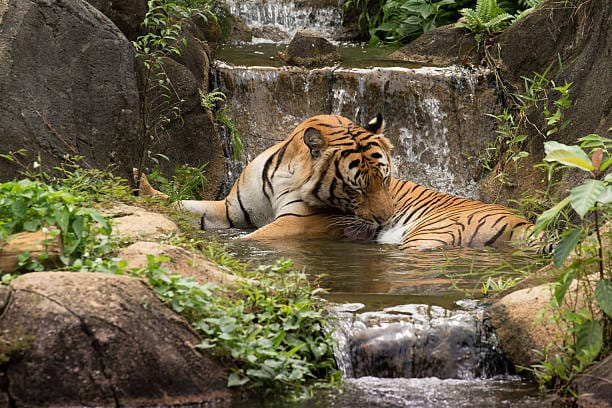
The Javan Tiger stood out as a mid-sized island tiger, larger than the Bali Tiger yet noticeably smaller than its Sumatran cousin. Adult males typically weighed between 220 and 310 pounds, while females remained slightly lighter. Their body structure was athletic and compact, a reflection of the dense jungles and mountainous terrain of Java. The coat carried a deep, almost rusty-orange hue, made more dramatic by tightly spaced black stripes. Compared to the broader stripes of Bengal Tigers, these appeared finer and more numerous, creating a pattern that resembled hand-drawn lines on a canvas.
The facial characteristics of the Javan Tiger were distinct as well. Photographs and museum specimens show elongated cheek ruffs and a narrow muzzle, giving them a sharp, alert expression. Their ears often appeared slightly rounded with a clear white spot—an eyespot—on the back, used for signaling during interactions with other tigers. If someone were comparing tiger images side by side, the Javan Tiger’s stripe density would be one of the easiest identification markers.
Another recognizable clue was the tail. It featured narrow rings that grew more closely spaced toward the tip, which often ended in a rich black tuft. These visual cues helped early naturalists differentiate the Javan Tiger from other Indonesian subspecies long before genetic studies existed.
Behavior and Nesting Habits
Older field reports describe the Javan Tiger as highly reactive, quick on its feet, and constantly alert to movement. Living on an island with limited room meant competition was inevitable—not just with other tigers, but with leopards, wild dogs, and large reptiles. These pressures shaped a behavior style that favored caution and efficient energy use.
They tended to patrol relatively small territories compared with mainland tigers. Their core areas centered around water sources, dense undergrowth, and ungulate-rich forest pockets. Javan Tigers relied heavily on their hearing, and locals once said the forest felt “tight” when a tiger was nearby because birds and monkeys would abruptly quiet down.
Nesting or denning areas were usually concealed inside thick vegetation, particularly bamboo clusters, thorny scrub, or shadowed hollows formed by volcanic rocks. Mothers frequently selected steep slopes or areas difficult for predators to access. Cubs spent the first several weeks in near-total seclusion, emerging only when they were strong enough to walk behind their mother through the forest.
Habitat and Range
The Javan Tiger lived exclusively on the island of Java in Indonesia. Its preferred habitats included lowland rainforests, monsoon forests, mangrove edges, and foothill ecosystems near volcanic ridges. Before large-scale agricultural expansion, Java supported lush landscapes with an abundance of deer and wild pig populations.
However, as Java’s human population grew—one of the densest in the region—forests rapidly transformed into farmland and later into coffee and sugar plantations. These changes fragmented the tiger’s territory into small, isolated pockets, forcing individuals into increasingly narrow strips of suitable habitat. Their final stronghold was the Meru Betiri region, where a handful of individuals persisted until the late 20th century.
Diet
Their diet centered on Javan rusa deer, wild boar, banteng (wild cattle), macaques, and smaller mammals. The availability of prey shaped their hunting patterns significantly. In areas where deer populations declined, the Javan Tiger shifted toward hunting boar or monkeys more frequently.
Their hunting technique relied on patience. Tigers on an island often have fewer opportunities for long-distance chases, so ambush strategies played a much larger role. They typically waited near narrow game paths or water holes, letting prey approach naturally. Their dense stripes were particularly effective in Java’s shadow-heavy forest structure, breaking up their silhouette during both dawn and dusk.
Reproduction and Life Cycle
Female Javan Tigers produced 2–3 cubs per litter after a gestation period of around 100 days. Like other tigers, the mother provided nearly all parental care—feeding, teaching, guarding, and relocating dens as needed. Cubs began practicing stalk-and-pounce movements within a few months and refined these through play with siblings.
At about 18–24 months, juveniles separated from their mother and searched for unoccupied territories. However, Java’s shrinking habitat made this difficult, and dispersing cubs often encountered conflicts or ventured into farmland. Historical records document an increase in human sightings during the species’ final decades, a sign that traditional movement corridors had collapsed.
Fun Facts / Unique Traits
One compelling detail about the Javan Tiger lies in old Indonesian folklore. Villagers described them as “spirit guardians of the volcano,” perhaps inspired by the species’ tendency to frequent volcanic highlands. In some regions, tiger tracks were considered a sign of forest health, and elders believed tigers kept certain mischievous forest spirits at bay.
Another interesting point: The Javan Tiger had a slightly longer skull relative to body size compared with many mainland tigers. This adaptation may have helped them prey on agile forest animals that required precision and speed during hunts.
Human Interaction
The relationship between humans and Javan Tigers was complex. For centuries, tigers lived close to villages without frequent conflict, thanks to abundant forest resources. This balance shifted drastically in the 19th and 20th centuries when land conversion surged. As forests shrank, tigers ventured into farmland, where encounters with livestock and people became more common.
By the mid-1900s, hunting, habitat loss, and reductions in prey resulted in catastrophic population crashes. The last confirmed sightings occurred in the 1970s, though unverified reports trickled in for decades. Today, the Javan Tiger is officially listed as extinct. Conservationists study its history carefully, as it represents how quickly isolated island species can disappear under environmental pressure.
Even though the Javan Tiger no longer roams the island’s forests, its story reinforces an important idea: the survival of large predators depends on healthy ecosystems and practical coexistence efforts. Indonesia now uses lessons from the Javan Tiger’s decline to inform conservation work for the Sumatran Tiger, giving hope that one subspecies may succeed where another could not.
4. Malayan Tiger (Panthera tigris jacksoni)
Physical Characteristics & Identification Tips
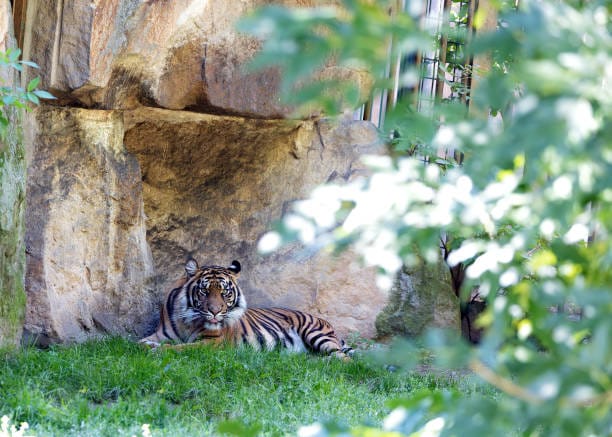
The Malayan Tiger is one of the smallest tiger subspecies, yet it carries a presence that feels far larger than its body suggests. Adults typically weigh between 220–300 pounds, placing them on the lighter end compared to Bengal or Siberian tigers. Their coat shows narrow, closely spaced stripes that create a tighter pattern compared to tigers from northern regions. This compact striping helps them stay hidden in the dim forest light of the Malay Peninsula, where sunlight drips down through old-growth canopies like golden threads.
A useful identification tip is the sleek, almost “compressed” look of their body profile. Their legs appear slightly longer in proportion to the torso, giving them a nimble, athletic stance. Their facial features also tend to be sharper, with bright amber eyes and pronounced cheek ruffs that stand out more prominently in males. If you ever see a photograph of a tiger moving like a shadow slipping between leaves—quick, near-silent, and low to the forest floor—there’s a good chance it’s a Malayan Tiger.
Behavior and Nesting Habits
These tigers are primarily solitary and spend most of their time patrolling dense forest zones. They show a preference for lowland tropical rainforests, which offer thick vegetation and an abundance of hiding spots. Unlike tiger populations that frequently rest in exposed areas, the Malayan Tiger chooses secluded pockets—root caves, fallen tree tangles, deep understory cover—to make temporary shelters. If you imagine a cat that loves secret corners, multiply that instinct by ten.
Their behavior centers around efficiency: short patrols, sudden bursts of pursuit, and long stretches of quiet observation. Individuals rarely roar unless establishing territory. Instead, they communicate through low grunts, scent markings, and scrapes on tree trunks. Their nests for raising cubs are almost always hidden in locations far from human trails, typically near streams or rock cavities.
Habitat and Range
The Malayan Tiger occupies the southern part of the Malay Peninsula, particularly in Malaysia’s Taman Negara, Endau-Rompin, and Belum-Temengor forests. These habitats are humid, layered ecosystems rich with palms, figs, lianas, and thick ground cover. Waterways shape much of their movement: streams, wetlands, and swampy forest corridors offer paths where prey density is higher and temperatures remain cooler.
Unfortunately, habitat fragmentation has made their range patchy. Large forest blocks are separated by plantations and villages, forcing tigers to navigate narrow corridors. Conservation efforts heavily focus on reconnecting these isolated patches.
Diet
Malayan Tigers rely on medium-sized ungulates such as sambar deer, barking deer, wild boar, and serow. They’re flexible hunters, shifting target species based on season and prey availability. When large game is scarce, they take monkeys, porcupines, and even reptiles. Their hunting style involves quietly trailing prey for long periods—sometimes more than an hour—before making a rapid approach with surprising acceleration.
Reproduction and Life Cycle
Females give birth to 2–4 cubs after a gestation of roughly 3.5 months. Cubs stay hidden for the first 6–8 weeks and begin following their mother on hunts around five months old. By the time they’re about two years old, most juveniles disperse to claim territories of their own. Malayan Tigers mature earlier than larger subspecies because of the competitive density of tropical forests.
Fun Facts / Unique Traits
One endearing quirk of the Malayan Tiger is its habit of “paw-testing” shallow water before stepping in, as if checking the temperature. They also have a surprisingly wide vocabulary of soft vocalizations—chirps, puff-snorts, and low huffs—that mothers use while guiding cubs. Researchers often remark that this tiger is far more vocal in close contact than its larger cousins.
Human Interaction
Human contact with the Malayan Tiger historically remained minimal due to dense habitat, but deforestation has increased encounters. While conflict occasionally occurs near livestock zones, most tigers prefer avoiding human presence entirely. Conservation groups in Malaysia use camera traps, ranger patrols, and cross-forest corridors to stabilize the population.
5. South China Tiger (Panthera tigris amoyensis)
Physical Characteristics & Identification Tips
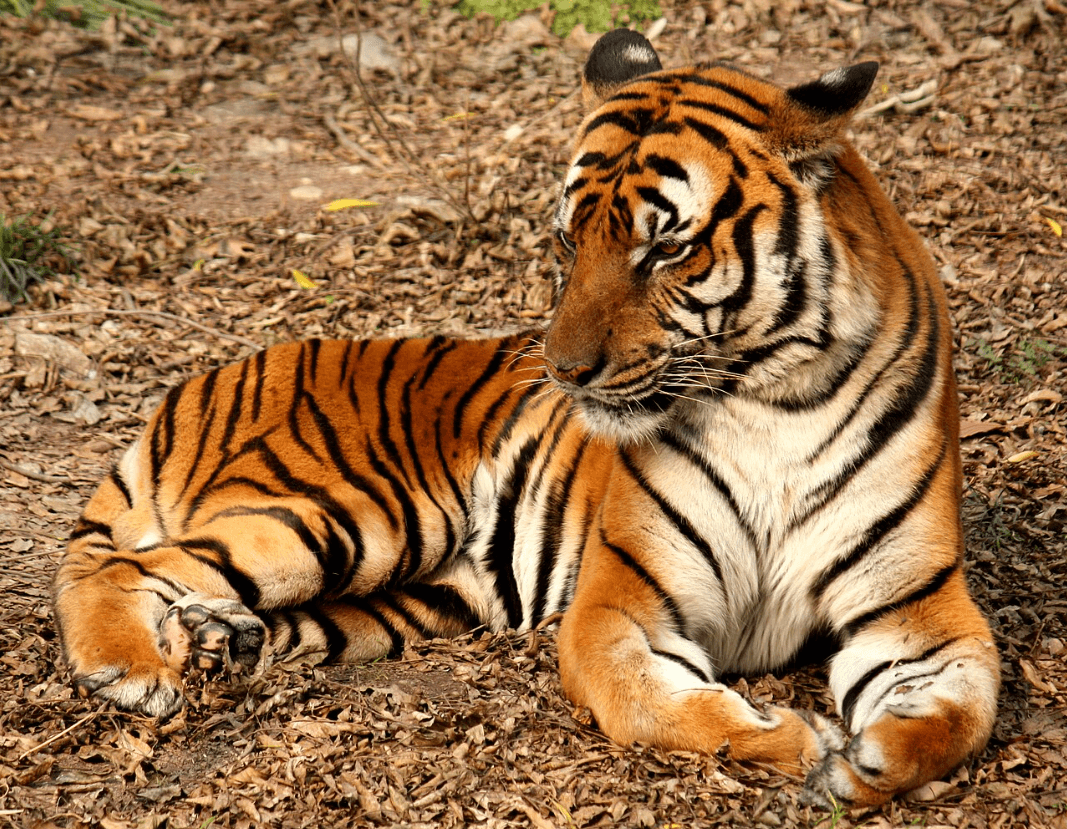
The South China Tiger—often called the “Amoy Tiger”—is one of the rarest big cats on Earth. Though functionally extinct in the wild, it remains a distinct subspecies with unmistakable physical features. This tiger is noticeably smaller than its northern relatives. Its coat is a bright orange shade with wide, dark stripes that appear more spaced apart than those of Bengal or Indochinese tigers.
The skull shape is also narrower, giving its face a somewhat elongated look. When compared side-by-side with the Siberian Tiger, the difference is dramatic: slimmer build, shorter tail, and a lighter bone structure. If you ever examine photographs from China’s early wildlife surveys, the tiger with crisp, bold striping and a lean, athletic frame is almost always the South China Tiger.
Behavior and Nesting Habits
Historical observations describe the South China Tiger as agile, alert, and particularly active during twilight hours. They displayed a strong preference for hill forests, often moving between ridgelines and valleys in search of prey. Their behavior closely resembled that of modern Indochinese Tigers: solitary, highly territorial, and selective about resting spots.
Nesting areas (especially for raising cubs) were frequently located in caves, rock overhangs, or bamboo thickets. These sheltered locations protected cubs from predators and harsh weather. Based on early field notes, mothers were exceptionally protective and relocated cubs several times during the first few months—a behavior shared with many forest-dwelling big cats.
Habitat and Range
Historically, the South China Tiger roamed across Guangdong, Fujian, Jiangxi, and Hunan provinces. Its preferred habitat was subtropical evergreen forests, where vegetation stayed lush throughout the year. These forests provided dense cover, moderate temperatures, and abundant prey. Sadly, habitat loss and hunting pressure pushed this subspecies to the brink.
Today, the remaining individuals exist only in captivity—mainly in Chinese breeding centers and a few conservation reserves in South Africa that host rewilding experiments.
Diet
Their traditional diet included wild boar, muntjac deer, serow, and occasionally livestock when natural prey was scarce. Early accounts also note that they pursued smaller animals such as hares and pheasants during lean seasons. Like other tigers, the South China Tiger hunted with stealth, approaching prey from behind cover and launching sudden attacks.
Reproduction and Life Cycle
Captive breeding records reflect typical tiger reproductive patterns: 2–4 cubs per litter and approximately 100-day gestation. Cubs stay with the mother for nearly two years. Because their wild population is gone, most current reproductive management focuses on maintaining genetic diversity and preventing further inbreeding.
Fun Facts / Unique Traits
One fascinating thing about the South China Tiger is that it is believed to resemble the ancestral tiger—meaning it might be the closest surviving subspecies to the earliest tigers that appeared nearly 2 million years ago. Its smaller size and forest-oriented adaptations make it a window into tiger evolution.
Human Interaction
The South China Tiger’s decline was heavily influenced by human expansion. In the 1950s–70s, tigers were declared pests in some regions, leading to large-scale eradication programs. Today, however, China views the species as a conservation priority. The challenge lies in restoring enough habitat for potential future reintroduction efforts. For now, its story serves as a reminder of how fragile large predators can be.
6. Sumatran Tiger (Panthera tigris sumatrae)

Physical Characteristics & Identification Tips
The Sumatran Tiger is the smallest living tiger subspecies, yet it carries a striking, expressive appearance. Its coat is deep orange with numerous narrow stripes—sometimes doubling or tripling into “beaded” patterns that look almost hand-drawn. These stripes are darker and more tightly packed than those of other tigers, helping individuals melt effortlessly into the shadowy rainforests of Sumatra.
One standout feature is the thick black lines on the face, especially around the cheeks and forehead. Many Sumatran Tigers also display a noticeable mane-like ruff, particularly in males, giving them a somewhat regal look. Their paws are broad and slightly webbed, an adaptation for moving through swampy terrain and mangrove edges.
Behavior and Nesting Habits
Sumatran Tigers are highly adaptable and surprisingly agile. They navigate steep slopes, dense undergrowth, and swampy areas with ease. Much of their behavior revolves around movement—narrow trails, riverbanks, ridge paths, and hidden routes form a complex system of travel corridors across their territory.
They prefer extremely secluded resting spots. Nests are typically hidden beneath palms, dense roots, or thick piles of vegetation in peat forests. Because prey density in some areas fluctuates seasonally, these tigers are known for being opportunistic. They will shift their activity patterns depending on rainfall, temperature, and prey availability.
Habitat and Range
This subspecies is restricted to the Indonesian island of Sumatra. It occupies lowland rainforests, mountain forests, peat swamps, and mangroves. While many big cats struggle in swampy regions, the Sumatran Tiger appears to handle them with surprising comfort. In fact, the swamp forests of Sumatra were historically some of its most important strongholds.
Unfortunately, palm oil expansion has drastically reduced available habitat. Fragmentation divides populations into isolated pockets, which makes conservation efforts urgent.
Diet
The Sumatran Tiger’s diet includes sambar deer, muntjac, wild boar, macaques, and various forest-dwelling mammals. In mangrove regions, they occasionally take fish or monitor lizards. They typically stalk prey at close range due to dense vegetation. Many attacks happen within 30 feet—a short distance compared to open-country tigers.
Reproduction and Life Cycle
Females give birth to 2–3 cubs per litter. Cubs remain in hidden dens for the first two months and gradually join their mother on short exploratory trips. Full independence usually arrives between 18 and 24 months. Because territories overlap less in fragmented areas, dispersal becomes more challenging, placing young tigers at higher risk of conflict with humans.
Fun Facts / Unique Traits
Sumatran Tigers are strong swimmers—so strong, in fact, that they will cross rivers more readily than other subspecies. Their webbed feet help them paddle efficiently. Another interesting behavior is their tendency to claw bark repeatedly on specific “marking trees,” creating deep grooves that last for years.
Human Interaction
Because forests in Sumatra often border villages, human–tiger contact sometimes occurs. Most tigers avoid humans, but habitat loss increases encounters. Conservation groups work with local communities to build safe livestock enclosures, maintain forest corridors, and monitor tiger movements through camera traps.
7. Indochinese Tiger (Panthera tigris corbetti)
Physical Characteristics & Identification Tips
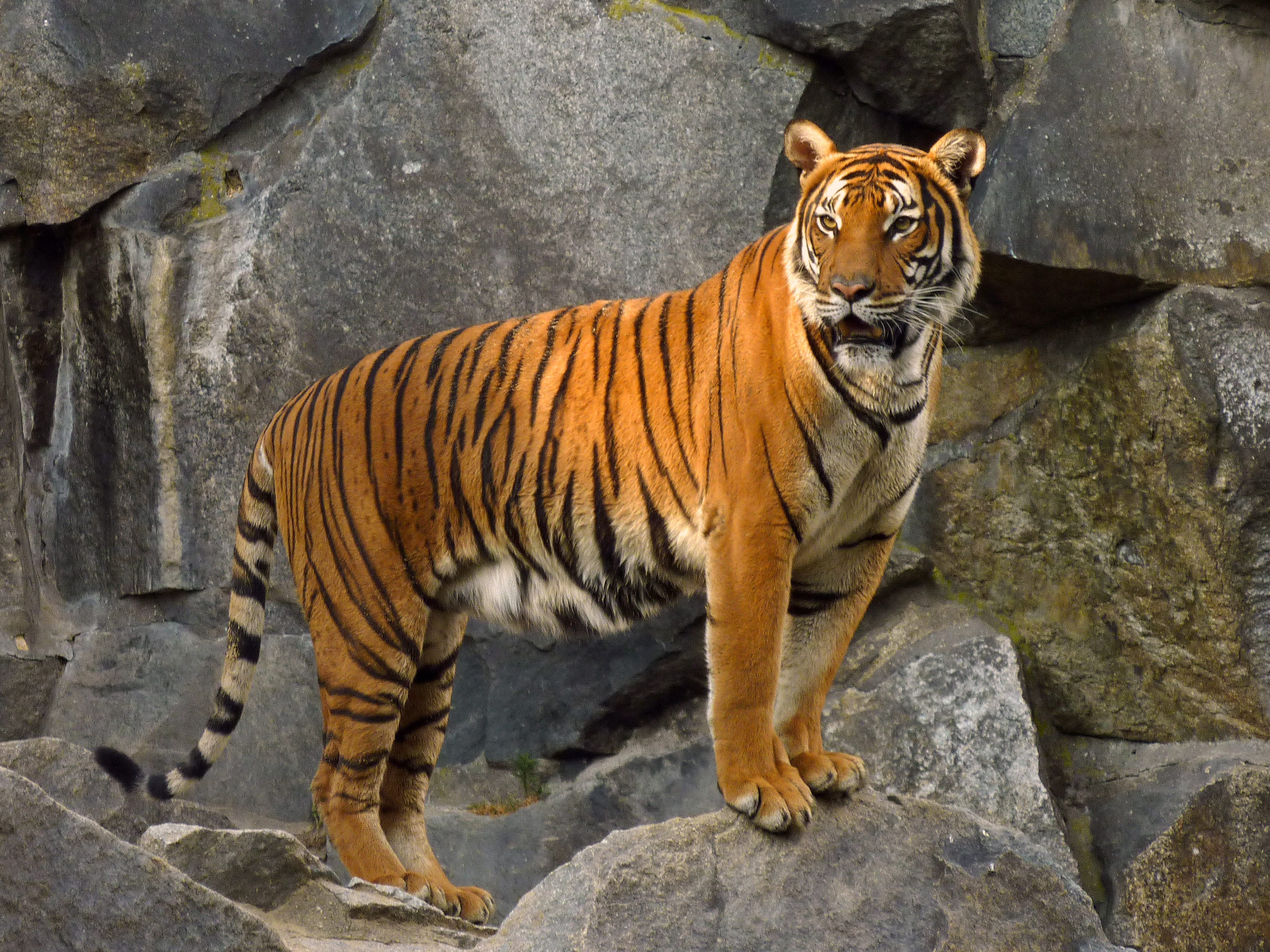
The Indochinese Tiger carries an elegant, streamlined look that sets it halfway between the massive Bengal Tiger and the compact Malayan Tiger. Adults typically weigh 330–430 pounds, though some large males can exceed that range. Their coat is a deep golden-orange with long, wavy stripes—less bold than the South China Tiger but not as narrow as the Malayan pattern. When sunlight filters through the forest canopy, those soft-edged stripes almost seem to ripple with the surrounding shadows.
Their skull shape is slightly elongated, giving the face a refined, somewhat narrow expression. Compared to the Bengal Tiger’s broad-headed appearance, the Indochinese Tiger looks more sculpted. Another identification clue is the darker hue of their coats in mountainous regions, where humidity and dense foliage offer less sunlight. If you ever find yourself comparing tiger photos and one looks as if someone added a mild bronze filter, that’s often the Indochinese Tiger.
Behavior and Nesting Habits
This tiger subspecies is incredibly elusive—perhaps one of the most stealth-oriented big cats. Scientists frequently describe them as “ghost-like,” not because of anything mystical but because camera traps often record only the briefest glimpse: a tail, a shoulder stripe, or a quick glance before they slip back into bamboo thickets. Their behavior revolves around flexible movement patterns, shifting between lowland forests, karst landscapes, and foothill zones depending on prey availability.
They rest in concealed areas formed by large roots, bamboo piles, or shallow caves. Mothers select nesting areas deep in dense cover, far from trails and human paths. Their dens often show traces of old leaves flattened into temporary bedding, along with deep scratch marks on nearby trees marking boundaries.
Habitat and Range
Historically, Indochinese Tigers lived throughout Thailand, Myanmar, Laos, Vietnam, and Cambodia. Today, their strongholds lie primarily in Thailand’s Western Forest Complex and parts of Myanmar. Their environment includes tropical evergreen forests, semi-evergreen bamboo forests, and rugged limestone landscapes. These terrain types give them tremendous camouflage advantages—bamboo shadows in particular hide their outlines perfectly.
Diet
Their main prey includes sambar deer, serow, wild boar, banteng, and various forest ungulates. In rugged karst regions where large prey is scarce, they adapt by hunting smaller mammals such as macaques or porcupines. Their hunting approach emphasizes patience: long, quiet trails, followed by short bursts of speed. Locals often say that if an Indochinese Tiger is hunting nearby, the forest suddenly “goes quiet,” a sign that smaller animals sense its presence before humans ever would.
Reproduction and Life Cycle
Females give birth to 2–3 cubs after roughly 100 days of gestation. Cubs depend heavily on their mother during the first year, gradually learning to stalk, pounce, and navigate steep terrain. They usually disperse between 18 and 30 months of age, often traveling long distances through forest corridors in search of territories that haven’t been occupied.
Fun Facts / Unique Traits
One interesting trait: Indochinese Tigers often roar far less frequently than other subspecies. Instead, they communicate with chuffs, low moans, and territorial marks—almost as if they prefer quiet diplomacy. Additionally, they are exceptional climbers, occasionally using small ledges or rocky outcrops to rest during hot afternoons.
Human Interaction
Human conflict varies by region. In Thailand, increasing conservation measures have created more stable populations, while in other areas habitat loss reduces their range. Rangers frequently track them through camera traps to monitor travel routes and reduce poaching. Many communities near tiger reserves now use livestock enclosures to prevent losses, allowing tigers to hunt wild prey without conflict.
8. Bali Tiger (Panthera tigris balica)
Physical Characteristics & Identification Tips
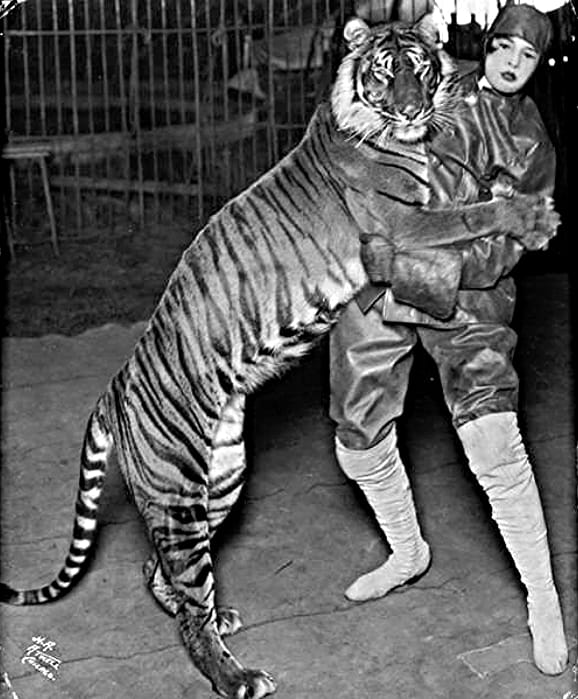
The Bali Tiger was the smallest tiger subspecies known to science. Adults weighed only 150–220 pounds—barely half the size of some Siberian males. Their coats were a vivid, almost burnt-orange shade with sparse, thin stripes that appeared more scattered than the dense pattern of the Sumatran Tiger. The stripes sometimes ended in small dots, a feature not commonly seen in other tiger populations.
Photographs and old illustrations reveal a tiger with a delicate build: slender legs, mid-length tail, and a relatively small head compared to the overall body. Because Bali is a small island with limited resources, the Bali Tiger evolved to be compact and efficient—a forest predator perfectly adapted to its environment.
Behavior and Nesting Habits
Historic accounts describe the Bali Tiger as agile, energetic, and extremely wary of human presence. They favored thick forest interiors and avoided open beaches or grasslands unless necessary. Their nesting areas were typically located in dense brush or small caves near freshwater sources. Mothers raised litters in well-hidden dens, moving cubs frequently to avoid predators or human threat.
They were believed to be more active during dawn and dusk, a crepuscular pattern that helped them avoid the intense daytime heat of the island.
Habitat and Range
The Bali Tiger lived exclusively on the island of Bali, primarily in lowland rainforests, monsoon forests, and scrub-covered volcanic slopes. Since Bali is smaller and more densely populated than Sumatra or Java, the tiger’s habitat was limited and fragmented early in the 20th century.
Diet
Their diet consisted largely of wild boar, deer species native to the island, smaller mammals, and occasionally reptiles or birds. Because Bali lacked the large ungulates found in mainland Asia, the Bali Tiger adapted to hunting smaller prey more frequently. They relied heavily on stealth, often approaching from behind dense vegetation or using slopes to mask their movement.
Reproduction and Life Cycle
Reproductive patterns likely mirrored those of the Sumatran Tiger: 2–3 cubs per litter, long maternal care, and slow juvenile dispersal. Much of the detailed life cycle remains unknown due to the early extinction of the subspecies.
Fun Facts / Unique Traits
One intriguing fact is that Balinese mythology includes numerous stories about forest spirits and striped guardians—many of which were inspired by the Bali Tiger. These tales portray the tiger as both a protector and a warning figure, emphasizing its cultural importance.
Human Interaction
Unfortunately, the Bali Tiger’s history is tightly linked to human expansion. By the early 1900s, hunting pressure and rapid land conversion caused the population to plummet. The last confirmed Bali Tiger sighting occurred in the 1930s. Though extinct, its legacy has shaped conservation programs across Indonesia, highlighting how quickly small-island species can disappear without proactive protection.
9. Caspian Tiger (Panthera tigris virgata)
Physical Characteristics & Identification Tips
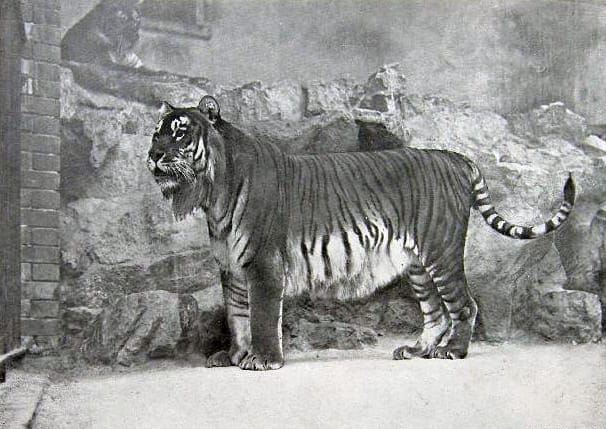
The Caspian Tiger—sometimes called the “Hyrcanian Tiger”—once roamed vast regions across Central Asia. It was a large, muscular tiger, weighing as much as 500 pounds, with a long, thick coat adapted to cold winters. Its coloration leaned toward a pale golden-orange, often appearing slightly duller than the vivid hues of Bengal Tigers. Stripes were long, narrow, and densely packed, creating a strong visual contrast against the lighter fur.
One distinguishing feature was its long legs and powerful shoulders, adaptations for walking long distances along river corridors and through reed beds. The tail was surprisingly thick, especially in winter when fur became dense and heavy.
Behavior and Nesting Habits
The Caspian Tiger lived a lifestyle quite different from tropical tigers. Instead of dense rainforests, it navigated river valleys, wetlands, and brushy riparian zones. Its behavior involved frequent long-distance travel, sometimes following the same river for dozens of miles. This roaming lifestyle helped them track migrating prey like boar and deer.
Dens were usually located in thick reeds, riverbank cavities, or under root masses. These spots offered insulation from harsh winters and protection from flooding.
Habitat and Range
Historically, this tiger ranged from Turkey and Iran through Central Asia all the way to western China. Its preferred habitat was the dense vegetation along rivers such as the Amu Darya and Syr Darya. These regions contained vast reed beds, tugai forests, and wetlands—ecosystems rich in prey but also vulnerable to agricultural development.
Diet
Wild boar formed the backbone of its diet, but it also consumed deer, gazelles, onagers, and smaller mammals. In winter, when prey became scarce, Caspian Tigers followed animal migration routes or targeted livestock near settlements. Unlike tropical tigers that strike from dense vegetation, Caspian Tigers often used terrain—river bends, tall reeds, or dunes—to hide their approach.
Reproduction and Life Cycle
The female Caspian Tiger likely produced 2–4 cubs per litter, similar to other subspecies. Cubs remained with their mother for nearly two years. Because their habitat consisted of long, narrow corridors along rivers, juvenile dispersal followed linear routes, often forcing young tigers to travel great distances before finding suitable territory.
Fun Facts / Unique Traits
Modern genetic studies suggest that the Caspian Tiger and the Siberian Tiger were extremely close relatives, differing only slightly despite living thousands of miles apart. This discovery has sparked conversations about potential reintroduction efforts using Siberian Tigers as ecological stand-ins.
Human Interaction
The spread of agriculture along river systems heavily impacted the Caspian Tiger’s habitat. As wetlands were drained and forests cleared, prey populations collapsed. Hunting pressure eventually eliminated the subspecies, with the last confirmed sightings in the 1960s. Today, several countries discuss habitat restoration, though reintroduction remains a complex challenge.
Conclusion
Tigers capture our imagination in a way very few animals can. Their size, confidence, and quiet precision make them some of the most fascinating predators on Earth. As you’ve seen throughout this guide, the story of each subspecies—living or extinct—reveals something different about how these big cats adapt to their surroundings. The compact Sumatran Tiger thrives in dense rainforests, while the Siberian Tiger survives snow and brutal winters. Others, like the Javan and Bali Tigers, remind us how delicate island ecosystems can be. Each profile tells a piece of a broader narrative, one that shows how varied these cats truly are.
The goal of learning about different Types of Tiger isn’t just to memorize names; it’s to understand how landscapes, prey availability, and human pressure shape a species’ path. Some tigers still have stable populations, while others hover near the edge, waiting for conservation efforts to tip the scale. By knowing where they live, what they eat, and how they raise their young, it becomes easier to appreciate what’s at stake. And sometimes, appreciating an animal is the first small step toward protecting it.
If you’ve ever wondered why people speak about tigers with such admiration, spending time with their stories provides the answer. They are symbols of strength, but they’re also reminders of how connected all life truly is. With every protected forest and every community working to reduce conflict, their chances improve. Hopefully, the next generation will grow up in a world where these remarkable cats are still roaming, still hunting, and still leaving their quiet tracks across wild landscapes.
FAQ’s
1. What are the main subspecies of tiger today?
Today’s recognized living subspecies include the Bengal, Siberian (Amur), Indochinese, Malayan, Sumatran, and sometimes the recently classified or revised regional groups; several island and historic subspecies (Bali, Javan, Caspian) are extinct.
2. How can I tell a Bengal tiger from a Siberian tiger?
Bengal tigers are generally more orange with denser striping and live in warmer climates, while Siberian (Amur) tigers are paler, thicker-furred, larger, and adapted to cold, forested landscapes.
3. What does “melanistic” mean for tigers?
Melanism is a genetic condition causing excess dark pigment; it is extremely rare in tigers compared with some other wild cats and usually results in a darker coat with faint visible stripes in good light.
4. How many tigers are left in the wild?
Exact numbers change with surveys, but global estimates for all wild tigers are in the low thousands; conservation groups publish updated counts periodically based on field studies and camera-trap data.
5. What habitats do tigers prefer?
Tigers use diverse habitats—tropical rainforests, mangroves, temperate forests, grasslands, and swampy areas—depending on subspecies and prey availability.
6. What do tigers eat?
Tigers are carnivores and primarily hunt ungulates (deer, wild boar, etc.), but they will take smaller mammals, birds, reptiles, and occasionally fish depending on local prey populations.
7. How large are tiger territories?
Territory size varies widely: small, prey-rich areas can be tens of square kilometers, while Siberian tigers may patrol hundreds of square kilometers to find sufficient prey.
8. How long is a tiger’s gestation period?
Tiger gestation is roughly 100–105 days, after which females typically give birth to two to four cubs in a secluded den.
9. When do tiger cubs become independent?
Cubs usually start hunting practice at several months and become independent between 18 and 30 months, depending on food availability and regional pressures.
10. Why did subspecies like the Javan and Bali tigers go extinct?
Extinction resulted from habitat conversion, hunting, and rapid human population growth on islands that reduced prey and isolated small tiger populations beyond recovery.
11. Can tigers swim?
Yes; many tiger subspecies are strong swimmers and will cross rivers, hunt in shallow water, or cool off by wading—Sumatran and Bengal tigers are particularly comfortable in water.
12. Do tigers roar like lions?
Tigers do roar; their vocalizations include roars, chuffs, growls, and moans, and their roar can carry long distances through forested terrain.
13. How are tiger stripes formed and are any two the same?
Stripes are determined by genetics and development; each tiger’s stripe pattern is unique, like a fingerprint, and helps with camouflage in dappled light.
14. Are white tigers a separate subspecies?
No—white tigers are a color variation caused by a recessive gene; they are the same subspecies as nearby orange tigers but have been heavily bred in captivity for their appearance.
15. What are the biggest threats to tigers today?
Main threats include habitat loss, poaching for illegal wildlife trade, depletion of prey species, and human–tiger conflict driven by expanding agriculture and settlements.
16. How do conservationists monitor tiger populations?
Common methods include camera traps, spoor and scat surveys, GPS collars, genetic analysis of scat or tissue, and community reporting to estimate numbers and movement patterns.
17. Can extinct tiger subspecies be brought back?
De-extinction is scientifically and ethically complex; some proposals suggest using close relatives for rewilding, but reintroduction requires habitat restoration and careful genetic management.
18. How do tigers choose denning or resting sites?
Tigers pick secluded, well-covered spots—caves, dense thickets, or hollow roots—near prey and water that provide safety for cubs and a quiet place to rest.
19. Do tigers attack humans often?
Tiger attacks on humans are relatively rare compared with other human–wildlife incidents; most attacks occur where tigers are injured, old, displaced, or when people enter tiger habitat without precautions.
20. How can local communities coexist with tigers?
Effective coexistence uses livestock enclosures, early-warning systems, community education, compensation schemes for losses, and land-use planning that preserves movement corridors and prey habitat.
21. What role does prey density play in tiger survival?
High prey density supports smaller territories and higher reproductive success; low prey numbers force tigers to range farther and increase the chance of conflict with humans.
22. Are tigers territorial year-round?
Yes; adult tigers maintain territories throughout the year, marking boundaries with scent, scratch marks, and vocalizations; territory size and intensity of marking vary with sex and prey availability.
23. How do researchers tell individual tigers apart?
Researchers use stripe patterns from photos, unique scars or markings, camera-trap IDs, and genetic profiles from scat to identify and track individuals over time.
24. What diseases affect tiger populations?
Tigers can suffer from parasites, viral infections (e.g., canine distemper), and diseases transmitted from domestic animals; monitoring and veterinary intervention in reserves help reduce outbreaks.
25. How does climate change impact tigers?
Climate change alters habitats and prey distributions, increases extreme weather events, and—for coastal systems like the Sundarbans—may reduce habitat area due to sea-level rise.
26. Is captive breeding helpful for tiger conservation?
Captive breeding can support genetic reservoirs and educational programs, but its success depends on genetic management, prevention of inbreeding, and clear plans for reintroduction and habitat protection.
27. What legal protections do tigers have?
Tigers are protected under international agreements (CITES) and national laws in range countries; enforcement quality varies and effective protection requires field-level anti-poaching efforts.
28. How do tigers hunt—stalk or chase?
Tigers primarily use stealth and short ambushes: they stalk to within striking distance and then use a rapid burst of power to take prey, rather than long chases.
29. How can individuals help tiger conservation?
Support reputable conservation organizations, avoid products linked to habitat destruction, promote sustainable tourism, and raise awareness about illegal wildlife trade and habitat protection.
30. Where is the best place to see wild tigers responsibly?
Well-managed national parks and reserves—such as India’s tiger reserves (e.g., Bandhavgarh, Ranthambhore), Russia’s Sikhote-Alin region, and select protected areas in Sumatra—offer responsible viewing under strict guidelines that benefit conservation efforts.
Read more: