

When it comes to understanding the diversity of waterfowl, few birds capture attention quite like geese. This guide dives into the fascinating world of Types of Geese, highlighting fifty unique species you might encounter in wetlands, rivers, and even your local park. Geese are more than just noisy visitors—they are social, intelligent, and have remarkable migratory patterns. Whether you are a budding birdwatcher, a student exploring wildlife, or simply curious about our feathered neighbors, this article will walk you through the key features, behaviors, and habitats of each species, helping you recognize them with ease and confidence.
1. Canada Goose
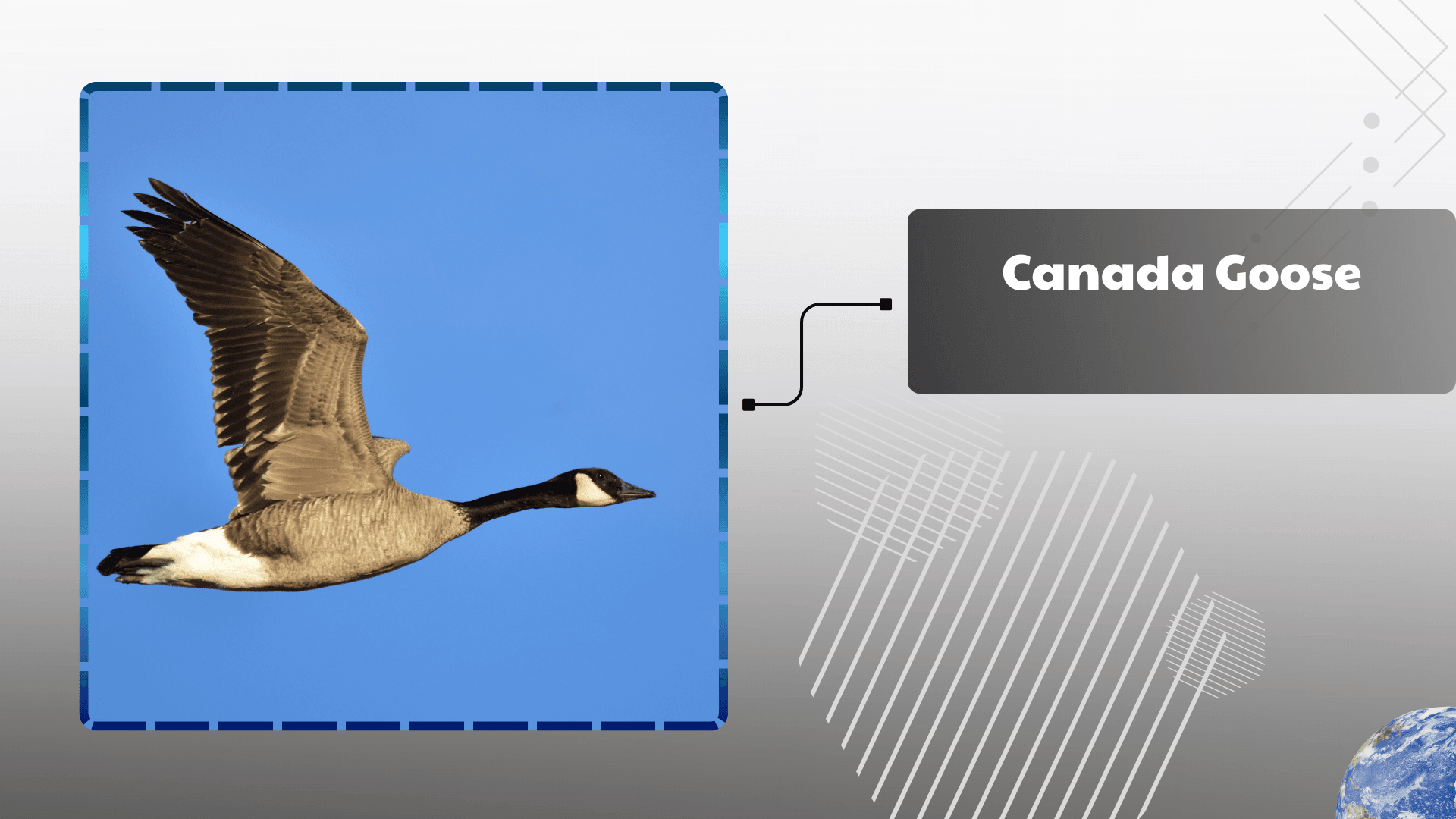
The Canada Goose is perhaps the most recognizable goose in North America, with its black head and neck, white cheeks, and brown body. These birds are highly adaptable, thriving in urban parks, agricultural lands, and natural wetlands alike. One striking feature is their long migratory flights, sometimes covering thousands of miles between breeding and wintering grounds. Canada Geese are social creatures, often seen in family groups or large flocks, honking in unison as they fly in their iconic V-formation. Beyond their visual appeal, these geese play a critical role in wetland ecosystems, contributing to seed dispersal and nutrient cycling. Observing a flock of Canada Geese on the move can feel like watching a well-orchestrated ballet in the sky. Their honking calls, while loud, are a key communication tool, helping the group stay coordinated during long journeys. If you spot one on a pond, take a moment to notice its webbed feet and strong bill—perfect adaptations for foraging on land and in water.
Canada Geese are also known for their remarkable memory and territorial instincts. During breeding season, pairs defend their nesting areas vigorously, sometimes even confronting humans who wander too close. They build nests on the ground, usually near water, and the female incubates the eggs while the male stands guard. Their goslings are precocious, following parents to feeding sites soon after hatching. Over time, these geese demonstrate impressive learning capabilities, recognizing safe routes and avoiding predators. With urban expansion, Canada Geese have become regular visitors in city parks, golf courses, and suburban ponds, reminding us that wildlife adapts alongside human habitats. Understanding these birds gives insight into how nature balances resilience and adaptability.
2. Greylag Goose
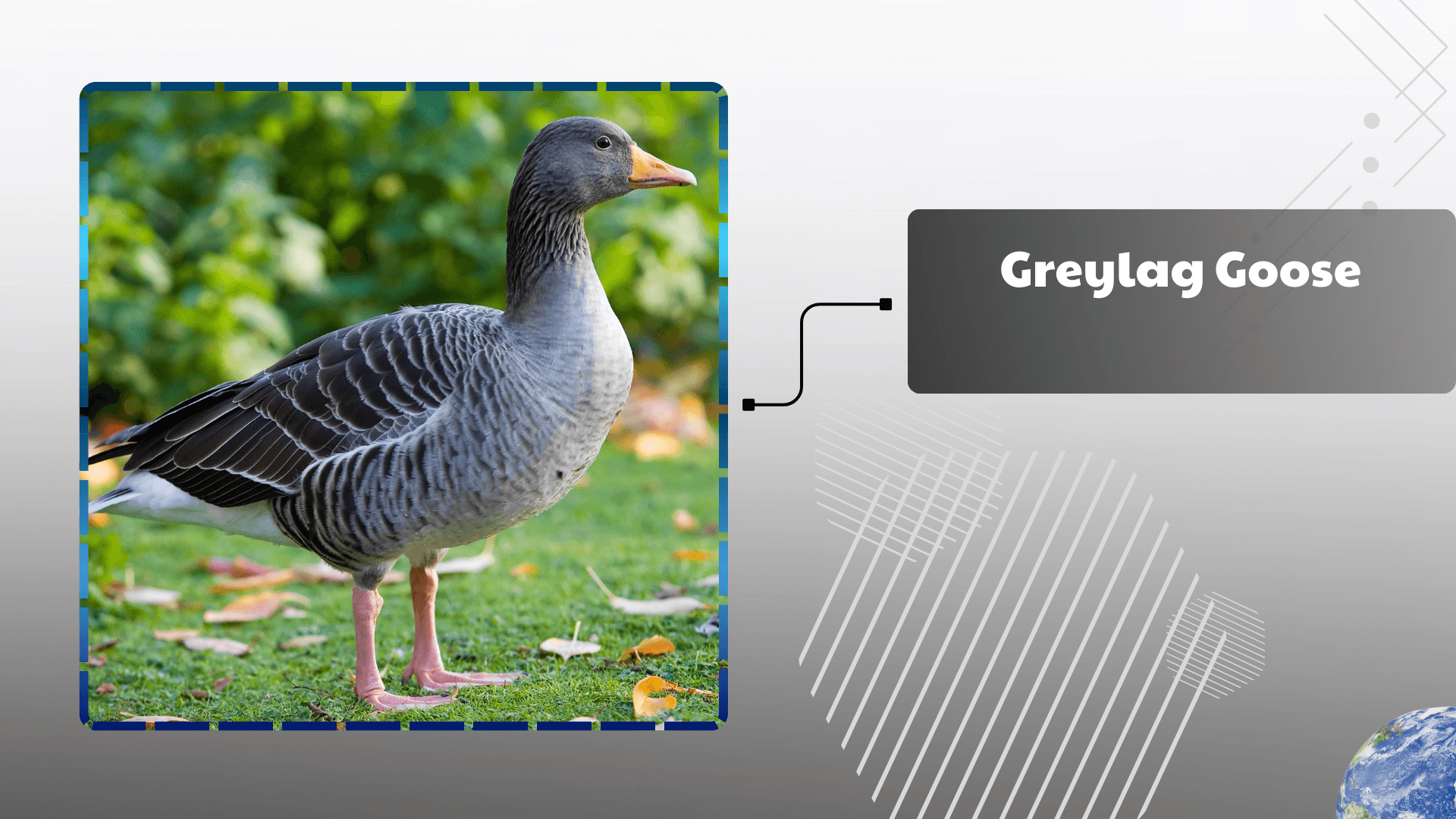
The Greylag Goose, native to Europe and Asia, is easily identified by its grey plumage, orange beak, and pale pink legs. Often considered the ancestor of many domestic geese, it holds historical significance in agriculture and human culture. Greylag Geese are highly social and form large flocks outside the breeding season, often seen grazing on fields or floating on calm waters. Their honking calls echo across wetlands, a lively soundtrack to the landscape. Interestingly, these geese demonstrate remarkable fidelity to their mates and nesting sites, returning year after year to the same locations. Their diets mainly consist of grasses, roots, and aquatic plants, which they forage for with methodical precision. Watching a Greylag Goose preen its feathers reveals an almost comical level of care and attention, as each feather is arranged for maximum insulation and waterproofing.
Migration is a highlight of Greylag life, with northern populations traveling to warmer southern regions in winter. Their flight is powerful and direct, often accompanied by rhythmic honking that signals group cohesion. Despite their calm appearance, they are highly vigilant, scanning for predators while feeding. This balance between social interaction and alertness ensures survival in both wild and human-influenced environments. For bird enthusiasts, the Greylag Goose offers a lesson in adaptability and communal behavior, demonstrating how species thrive in both natural wetlands and cultivated landscapes.
3. Snow Goose
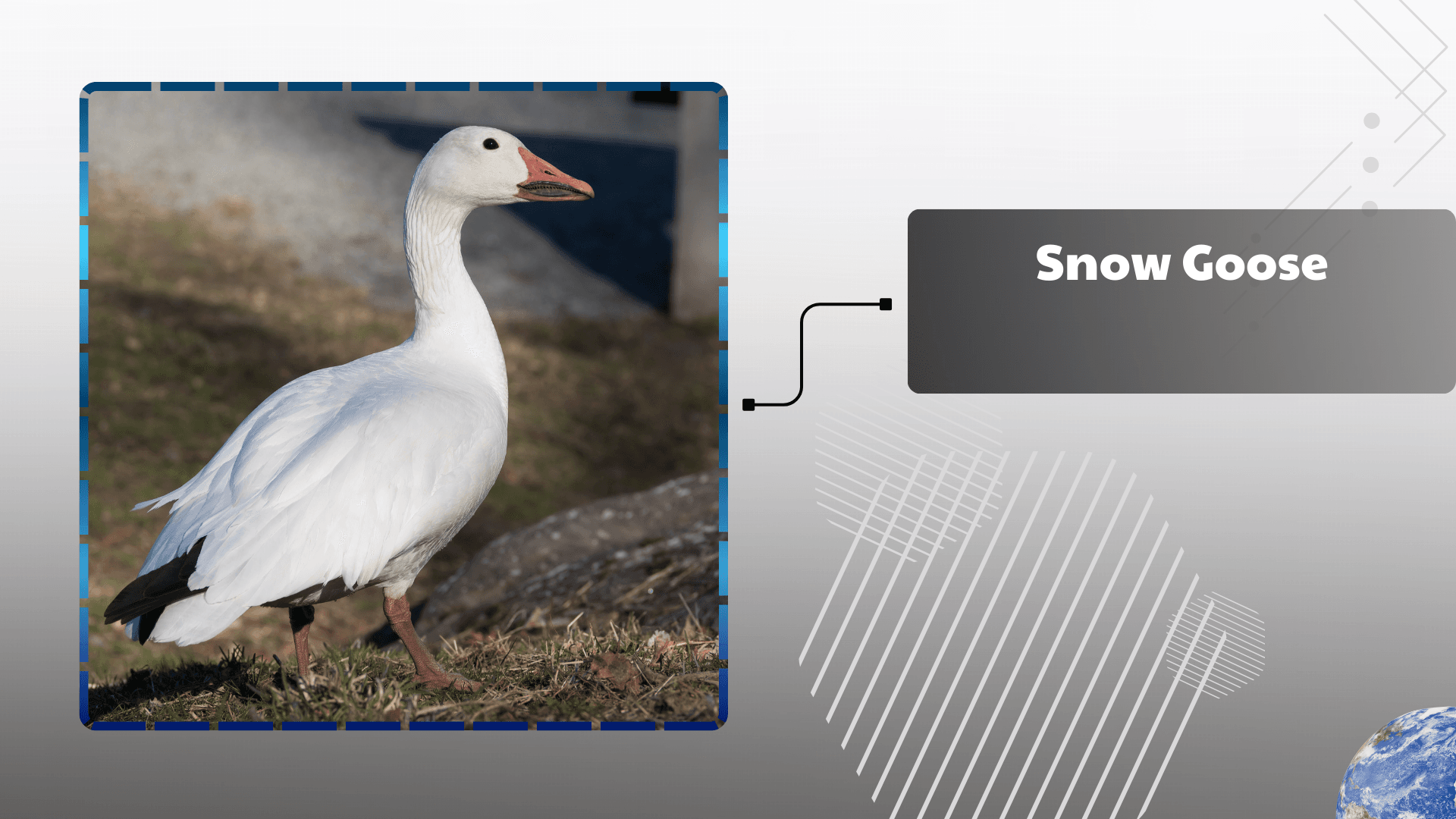
Snow Geese are a breathtaking sight, with their striking white plumage contrasting sharply against black wing tips. They inhabit North America and migrate in massive flocks, sometimes numbering in the tens of thousands. Their wintering grounds span southern United States and Mexico, while breeding occurs in the Arctic tundra. These geese are herbivores, feeding primarily on grasses, sedges, and agricultural crops, often creating visible feeding lines in fields. Snow Geese exhibit strong family bonds, with parents guiding goslings over long migratory journeys. Their coordinated flight formations create mesmerizing patterns in the sky, a spectacle that has drawn the attention of photographers and wildlife enthusiasts alike.
Behaviorally, Snow Geese are known for their persistence and resilience. Harsh Arctic conditions demand careful energy management and cooperative behavior among flock members. Their migratory strategies include timed rest stops and foraging breaks, ensuring survival over thousands of miles. Snow Geese also demonstrate an intriguing range of vocalizations, from soft clucks to loud honks, each serving as communication within flocks. Observing a Snow Goose flock is not just about appreciating their beauty; it’s witnessing a complex social network in action. By understanding these geese, we gain insight into how migratory species balance endurance, cooperation, and adaptability.
4. Swan Goose
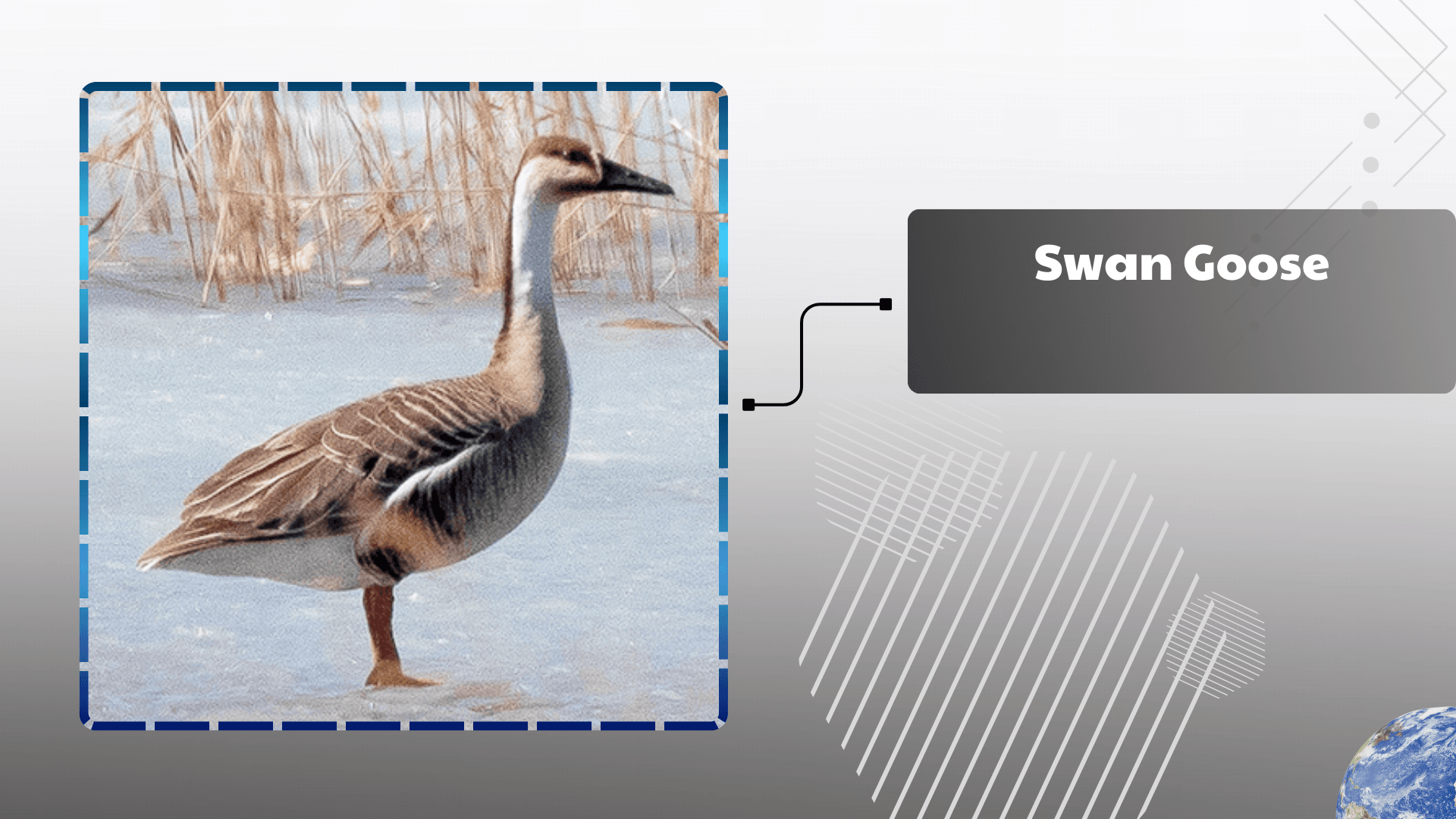
The Swan Goose, native to East Asia, stands out with its long neck, striking black stripe along the back of the head, and brownish-grey body. It is the wild ancestor of the domestic Chinese Goose and is found in wetlands, rivers, and lakes. Swan Geese are monogamous, forming lifelong pairs that defend nesting territories fiercely. They primarily feed on aquatic plants and grasses, using their elongated necks to reach underwater vegetation. This species is known for its cautious behavior, often taking flight at the slightest hint of danger. Despite their reserved nature, observing a pair interact during the breeding season reveals tender social behaviors, including synchronized movements and gentle vocal exchanges.
Migratory patterns of Swan Geese are notable, covering significant distances between breeding and wintering areas. Conservation concerns exist due to habitat loss and hunting, making understanding and protecting these birds vital. Their adaptability to seasonal changes, along with their elegant appearance, has made them subjects of both scientific research and cultural significance. In East Asian folklore, Swan Geese are often symbolic of loyalty and partnership, reflecting their lifelong bond patterns. Encountering a Swan Goose in the wild is a reminder of both nature’s grace and the challenges faced by migratory waterfowl.
5. Greater White-fronted Goose
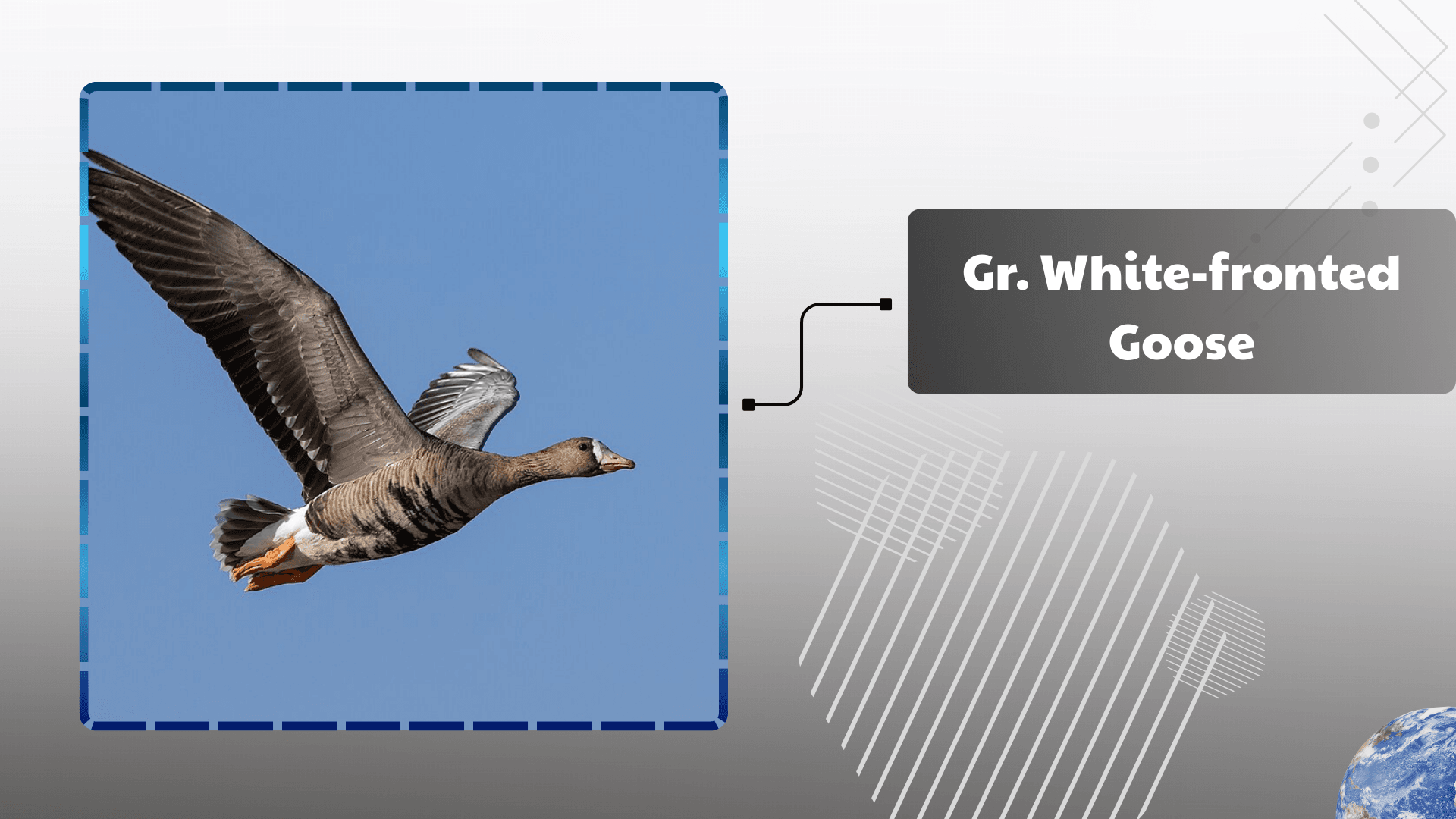
The Greater White-fronted Goose is easily recognized by the white patch at the base of its orange bill, along with dark barring on the belly. Found across North America, Europe, and Asia, these geese are highly migratory, traveling in tight formations during seasonal movements. Their diet is largely herbivorous, including grasses, grains, and aquatic vegetation. Greater White-fronted Geese are social, forming large flocks outside the breeding season and exhibiting coordinated flight patterns that maximize energy efficiency. They are also vigilant and agile, often taking to the air at the first sign of predators. Their vocalizations, consisting of high-pitched honks and calls, play a key role in maintaining group cohesion during long flights.
Breeding occurs in the Arctic tundra, where nests are constructed on elevated mounds near water sources. Females incubate the eggs while males stand guard, demonstrating cooperative parenting. Goslings are precocious, following parents to feeding areas shortly after hatching. The Greater White-fronted Goose’s combination of striking markings, migratory endurance, and social complexity makes it a fascinating subject for birdwatchers and wildlife enthusiasts. Observing their seasonal movements offers insight into the delicate balance of energy, safety, and social interaction necessary for survival in challenging environments.
6. Barnacle Goose
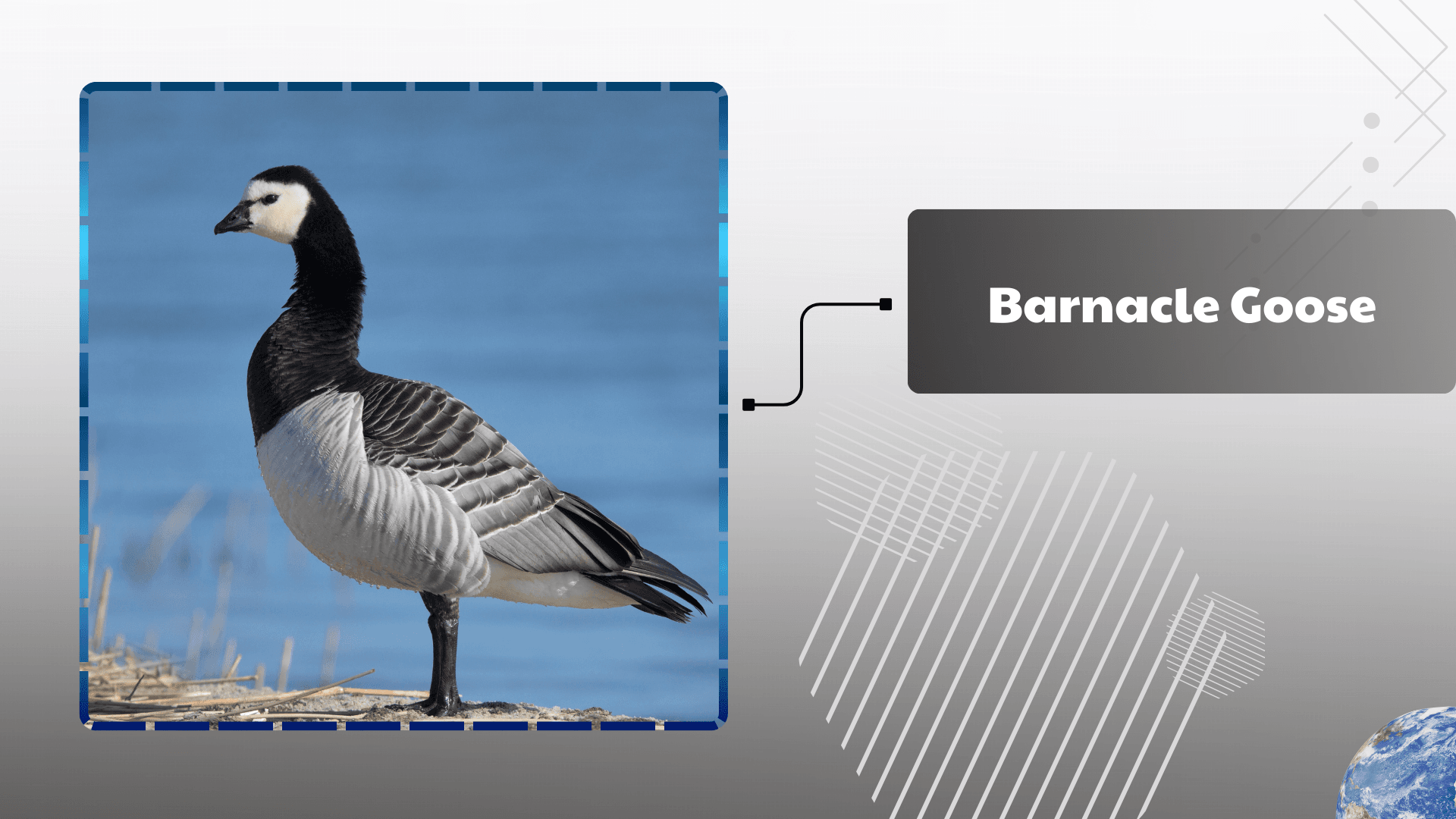
The Barnacle Goose features bold black-and-white plumage, with a black neck and face contrasting sharply against its white cheeks and belly. Native to the Arctic regions, they breed on rocky cliffs and migrate south to Europe for winter. These geese are highly social, forming large flocks that feed communally on grasslands and coastal fields. Barnacle Geese are herbivores, often grazing for hours at a time, and they exhibit remarkable navigational skills during long migratory journeys. Observing a flock in flight reveals highly synchronized movements and rhythmic honking, demonstrating complex social coordination among individuals.
Breeding pairs are monogamous, often returning to the same nesting sites year after year. Goslings are guided by parents to feeding areas, learning critical survival skills along the way. Barnacle Geese are particularly resilient, tolerating harsh climates and maintaining social cohesion under challenging conditions. Their distinctive plumage and cooperative behaviors make them a favorite among birdwatchers and wildlife photographers. By understanding Barnacle Geese, one gains appreciation for the delicate balance between instinct, social interaction, and environmental adaptation in migratory waterfowl.
7. Brent Goose
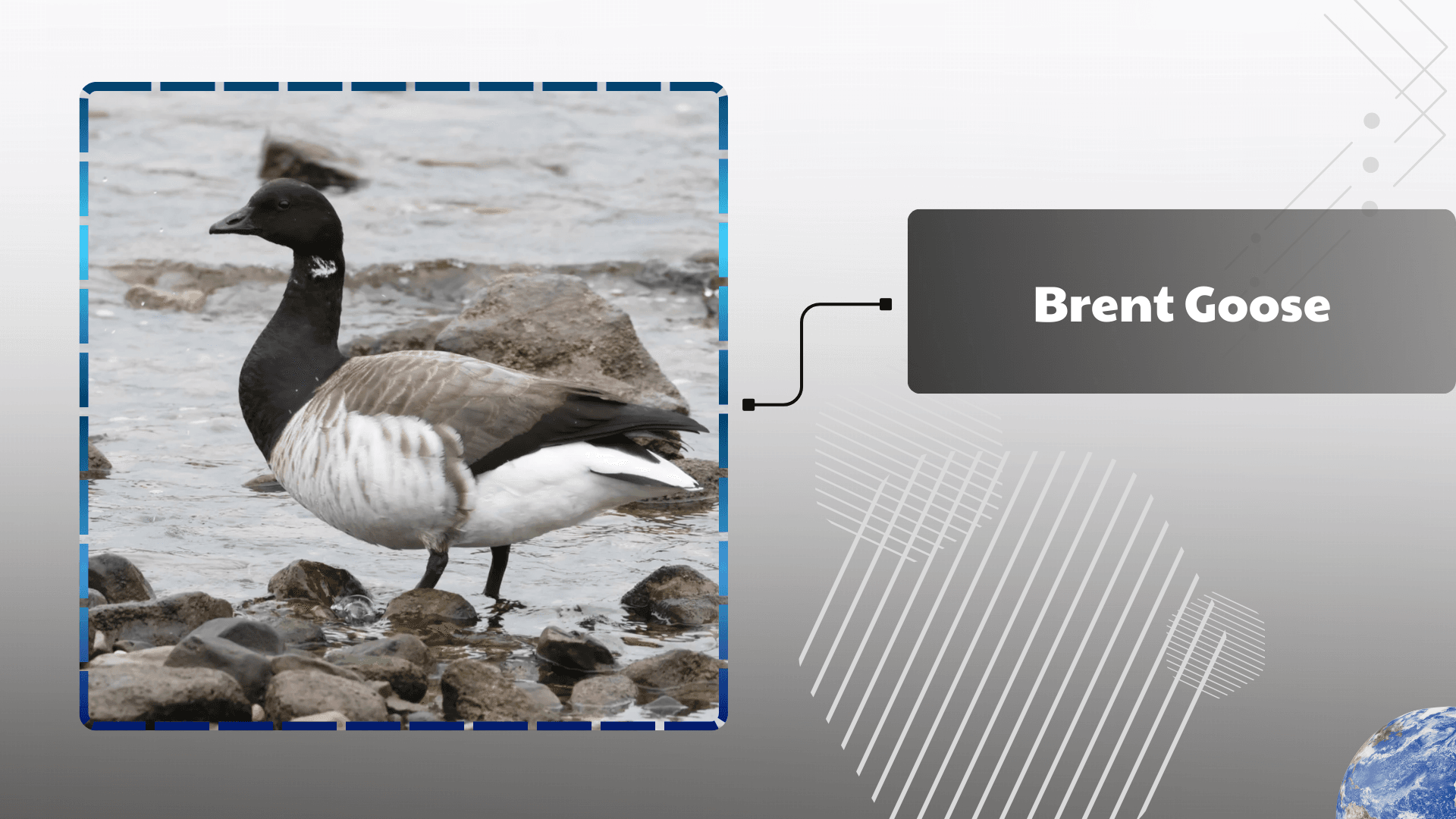
Brent Geese are small to medium-sized birds, notable for their dark bodies and pale neck patches. Found along coastal regions of Europe, Asia, and North America, they feed primarily on seagrasses and coastal vegetation. Brent Geese are migratory, often traveling vast distances between breeding grounds in the Arctic and wintering areas along temperate coasts. Their social structures are strong, with flocks coordinating flight patterns and foraging behaviors to maximize efficiency and safety. Brent Geese are vocal, using a variety of honks and calls to maintain group cohesion and signal alerts during feeding or flight.
These geese are adaptable and can thrive in a variety of coastal habitats, from salt marshes to estuaries. Breeding involves nesting in tundra regions, with females incubating eggs while males provide protection. Goslings are guided to foraging areas, developing essential skills for survival in harsh conditions. Observing Brent Geese provides insight into how migratory birds balance feeding, reproduction, and social interaction. Their striking appearance and energetic behaviors make them an engaging species for wildlife enthusiasts and birdwatchers alike.
8. Bar-headed Goose
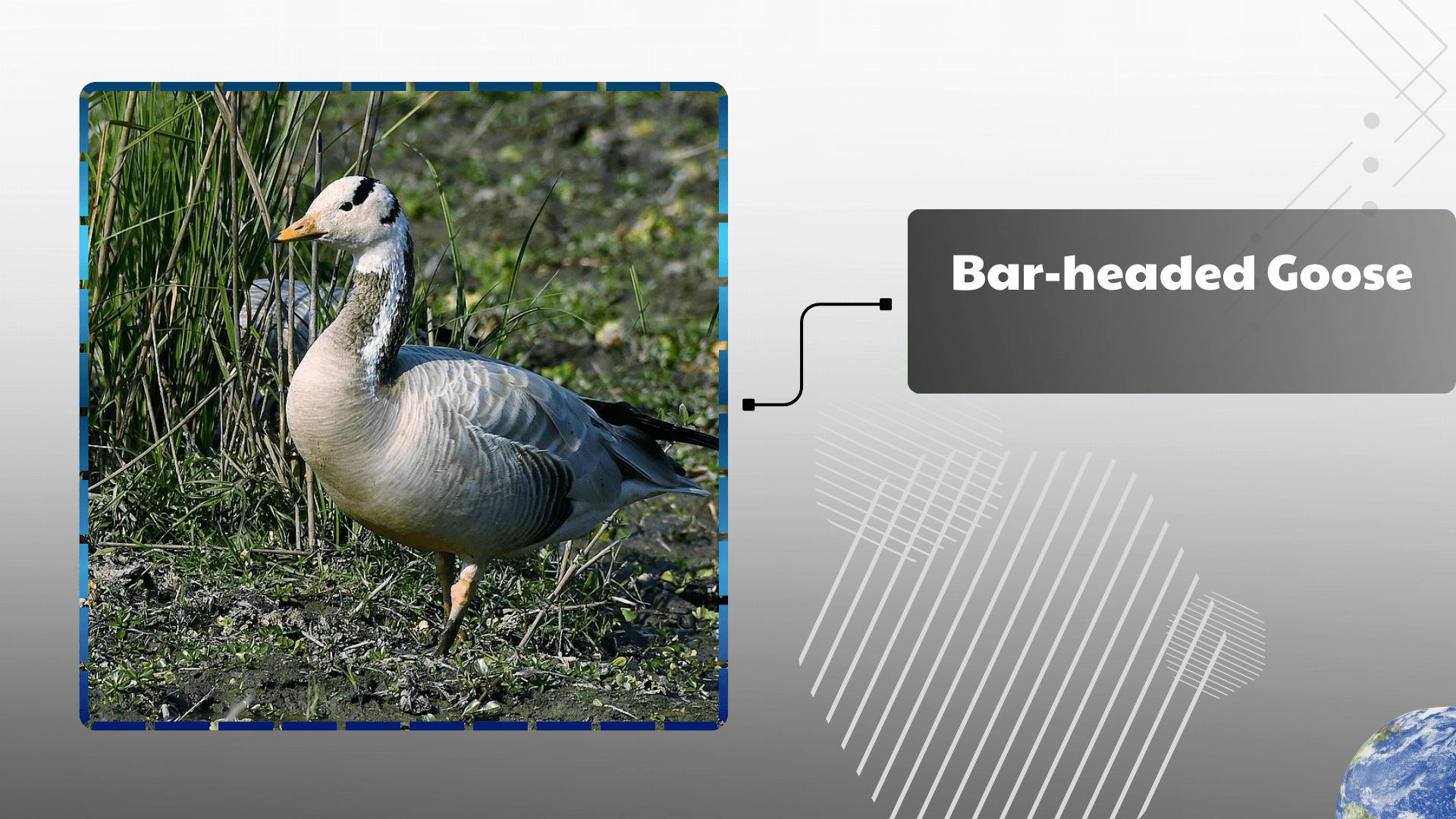
The Bar-headed Goose is famed for its extraordinary high-altitude migration across the Himalayas. It has a grey body, black bars on the head, and a white face. These geese primarily feed on grasses, seeds, and grains, and they are highly social outside the breeding season. Bar-headed Geese exhibit remarkable endurance, flying thousands of feet above sea level to reach wintering grounds in India. Observing them in flight is awe-inspiring, as their synchronized V-formations glide effortlessly across the sky. Their calls are loud and clear, helping maintain flock coordination during these extreme journeys.
Breeding occurs near freshwater lakes in Central Asia, with pairs forming long-term bonds. Female geese incubate the eggs while males guard the territory. Goslings are led to feeding sites shortly after hatching, learning from their parents essential migratory and survival skills. The Bar-headed Goose is a symbol of resilience and adaptability, showcasing nature’s ability to push the limits of endurance and cooperation. Watching them soar against the backdrop of mountains provides a glimpse into one of wildlife’s most incredible feats.
9. Cackling Goose
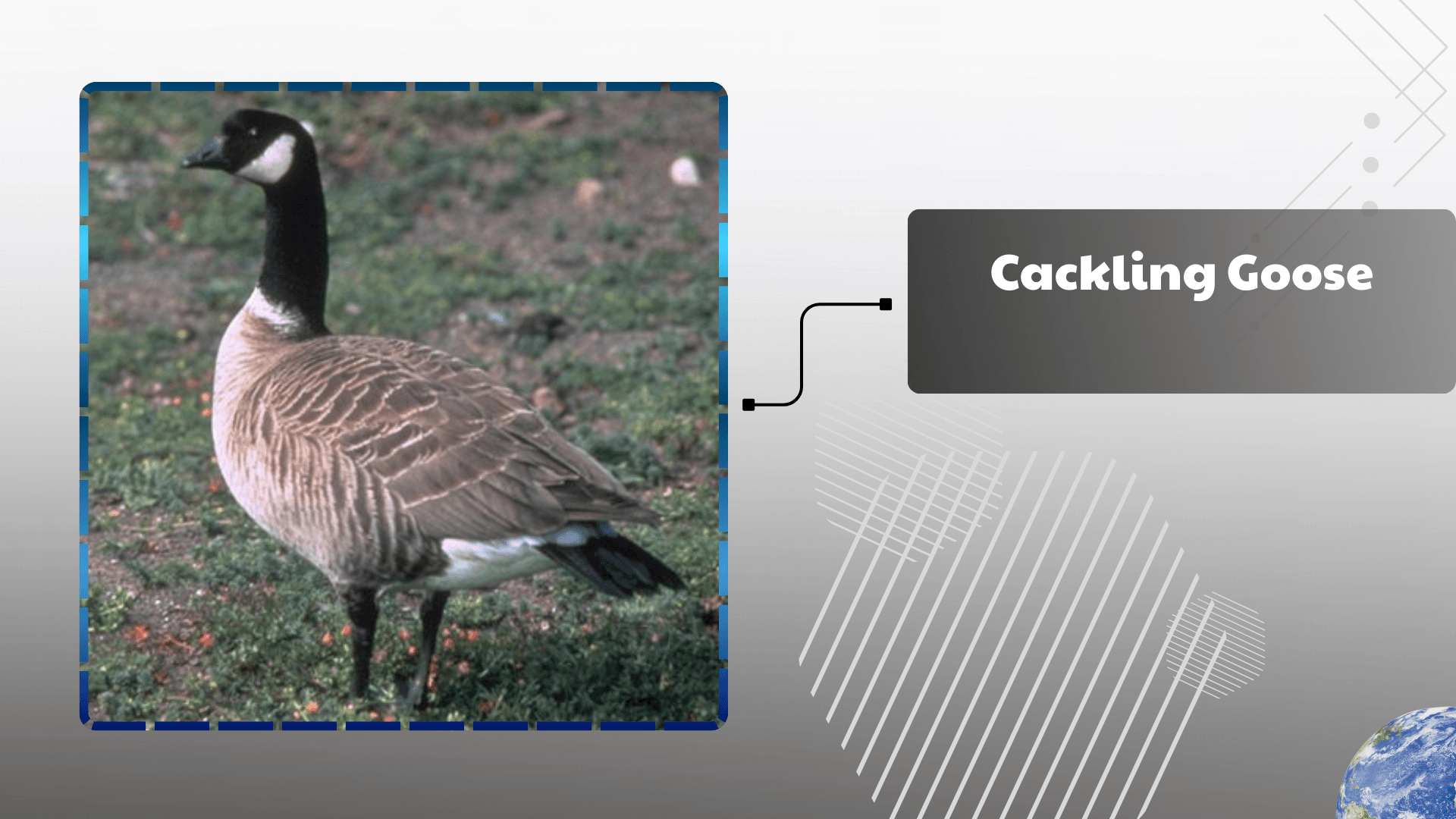
The Cackling Goose is a smaller relative of the Canada Goose, with a short neck, compact body, and distinctive honking calls. Found in North America, these geese prefer wetlands, rivers, and ponds, often forming mixed flocks with Canada Geese. Their diet consists of grasses, seeds, and aquatic plants, and they are highly social, using vocalizations to coordinate movements and maintain group cohesion. Cackling Geese are also known for their agility in flight, performing sharp turns and rapid maneuvers when evading predators.
During breeding season, pairs defend nesting areas diligently, constructing nests close to water. Goslings are guided by parents, learning to forage and recognize threats. Their smaller size compared to Canada Geese allows them to exploit different habitats, avoiding competition while maintaining social bonds. Observing Cackling Geese provides insight into behavioral flexibility and the nuanced differences between closely related species. Birdwatchers often note their distinctive calls, which add character to the wetlands they inhabit.
10. Ross’s Goose
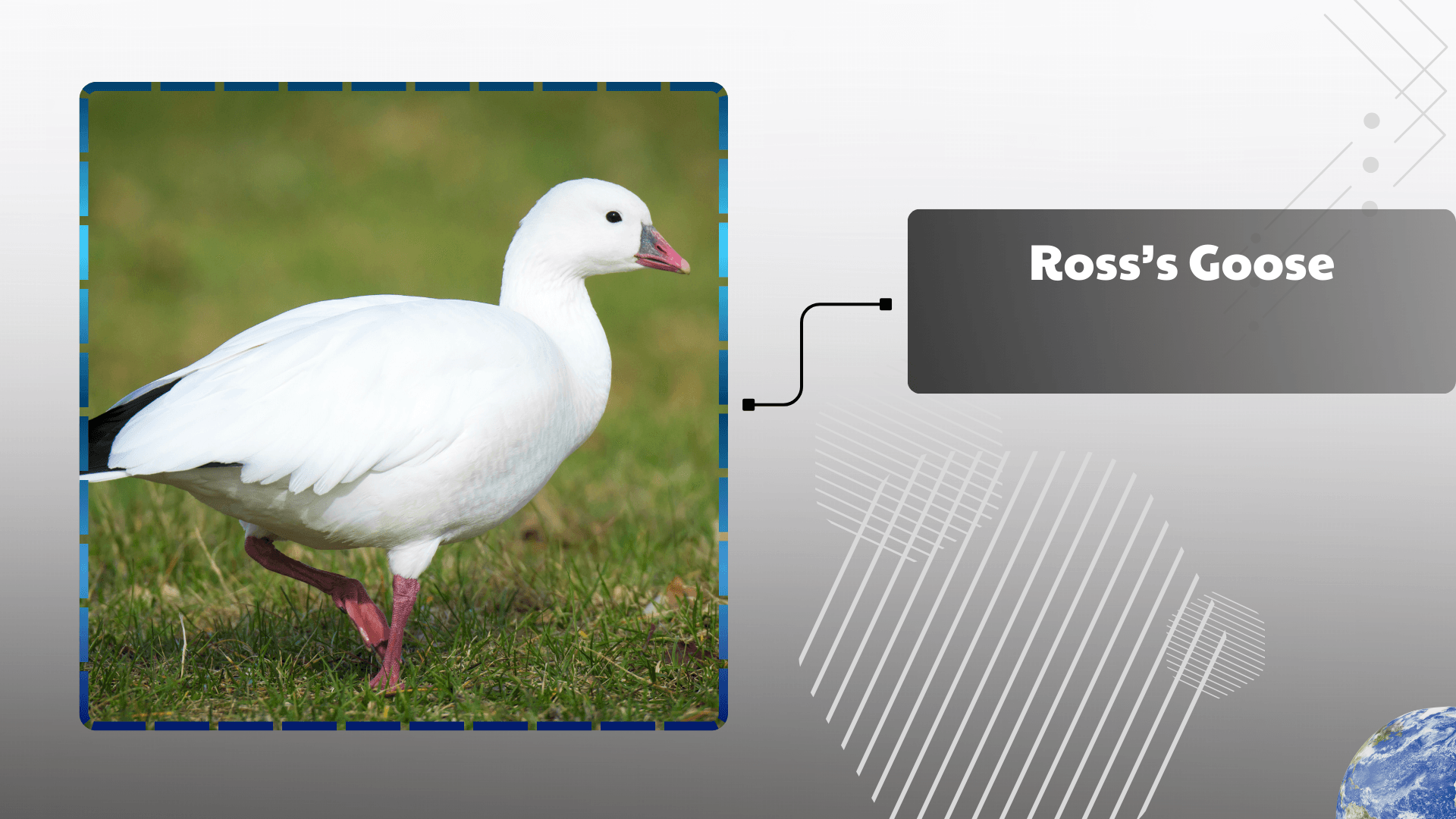
Ross’s Goose is a compact white goose with black wing tips, primarily breeding in the Arctic tundra. They migrate to North America’s southern plains and wetlands during winter. These geese feed on grasses, grains, and aquatic vegetation, forming large flocks that offer safety in numbers. Their vocalizations are softer than those of Canada or Snow Geese, yet they are highly communicative within flocks. Ross’s Geese demonstrate strong family bonds, with parents guiding goslings through complex migratory routes.
Breeding pairs are monogamous, and the female incubates eggs while the male guards the territory. Goslings are precocious, quickly learning to feed and navigate wetlands. Observing Ross’s Geese offers a window into the dynamics of migratory bird life, showcasing how size, social structure, and habitat choice interplay to ensure survival. Their small size, delicate appearance, and spirited behavior make them a delight for wildlife enthusiasts and educators alike.
11. Hawaiian Goose / Nene
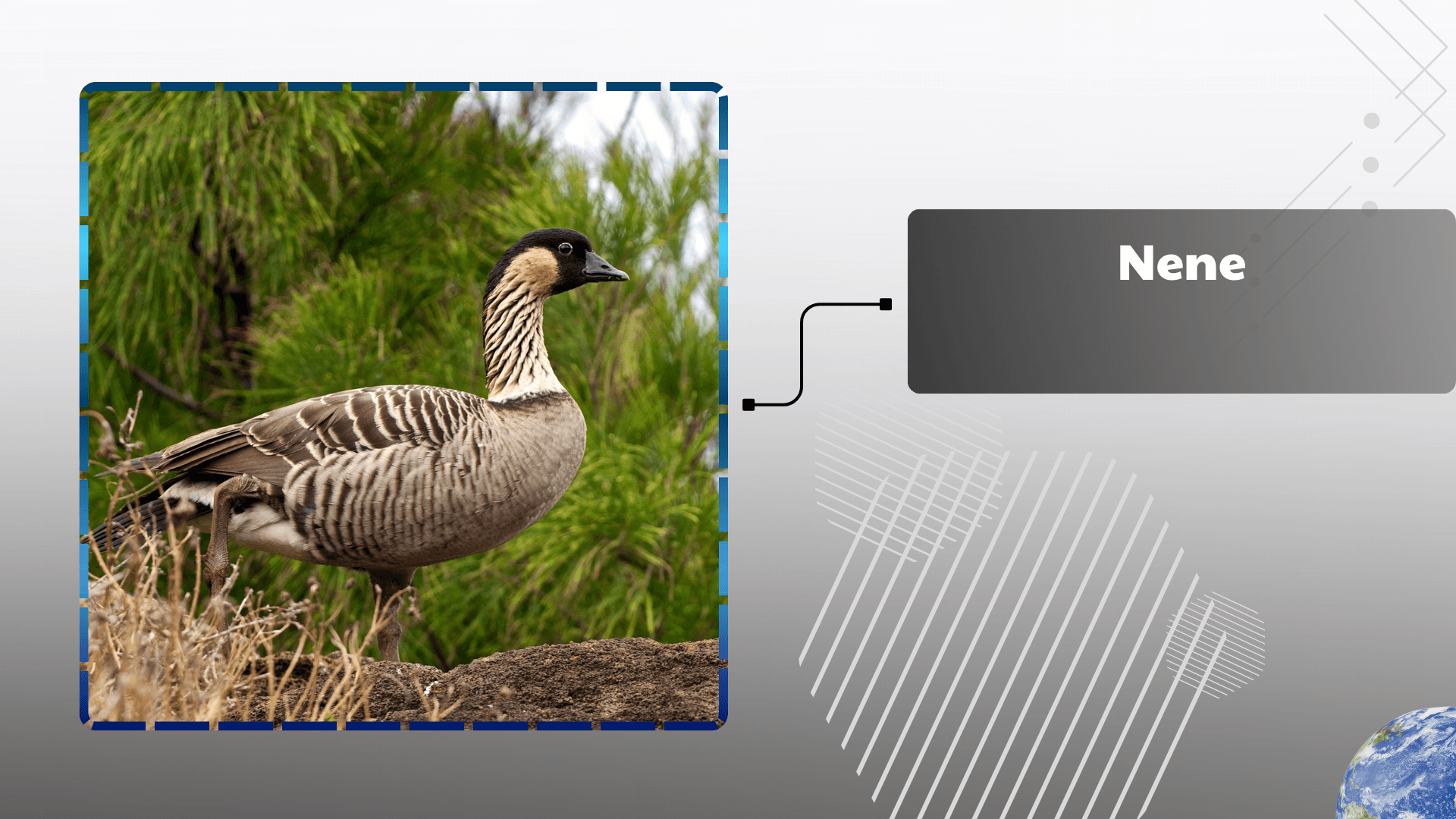
The Hawaiian Goose, commonly known as the Nene, is a true icon of Hawaii. With its brown body, black head, and striking facial markings, this goose is endemic to the Hawaiian Islands, making it one of the rarest geese in the world. Nenes primarily inhabit volcanic slopes, grasslands, and shrublands, adapting remarkably to Hawaii’s unique ecosystems. Unlike many migratory geese, Nenes are largely sedentary, although they move between highland and lowland areas in search of food and safe nesting sites. Their diet consists mainly of leaves, seeds, berries, and flowers, which they forage for with careful precision, often nibbling on delicate plants without damaging them excessively.
Nenes are monogamous, forming long-term pair bonds that last for multiple breeding seasons. Their nests are usually well-hidden in grasses or shrubs, offering protection against predators such as mongooses and feral pigs. Goslings are guided by parents through rugged terrain, learning to forage while staying alert to potential threats. Conservation efforts have been central to the survival of Nenes, as populations once dropped alarmingly due to habitat loss and introduced predators. Today, careful habitat restoration, breeding programs, and public awareness campaigns have helped the Nene population slowly rebound. Observing these birds provides a vivid lesson in adaptation, resilience, and the importance of human intervention in protecting vulnerable wildlife. Their gentle demeanor and quirky waddling gait also make them a delight for wildlife enthusiasts and photographers visiting the islands.
12. Emperor Goose
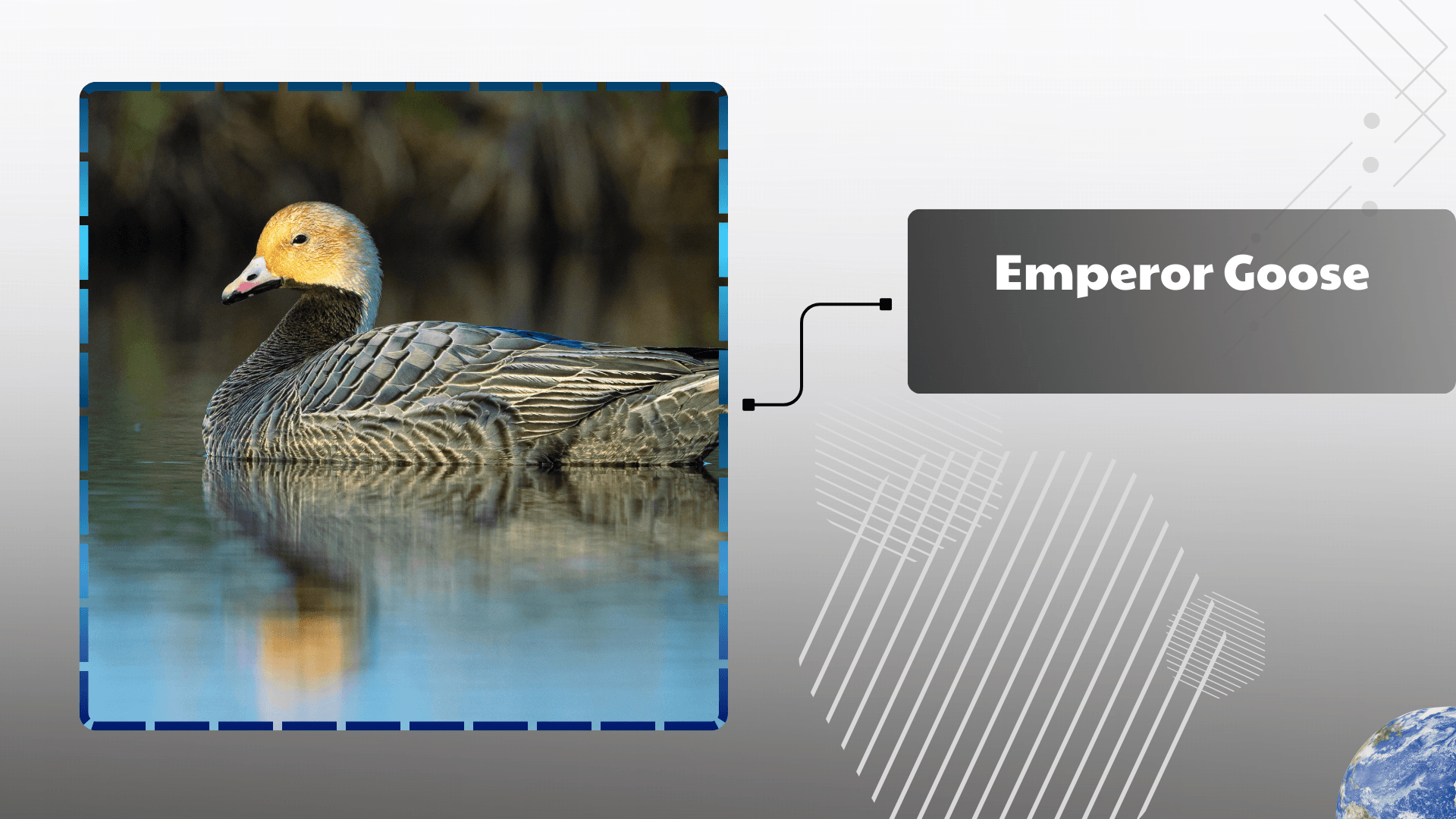
The Emperor Goose is a striking waterfowl native to the Bering Sea region of Alaska and Siberia. Its unique coloration—gray body, white head, and bold black barring—makes it instantly recognizable. Emperor Geese breed in Arctic tundra habitats, often nesting on small islands or near shallow ponds to avoid predators. Their diet consists of grasses, sedges, berries, and occasionally small aquatic invertebrates, providing a balanced nutritional profile that supports both survival and migratory endurance. These geese are moderately migratory, traveling in flocks to wintering grounds along the Pacific coast. Observing an Emperor Goose in flight reveals strong, deliberate wingbeats and highly coordinated formations, a testament to their social cohesion and collective intelligence.
Behaviorally, Emperor Geese are territorial during breeding season, with pairs actively defending nesting areas against intruders. Females incubate eggs while males provide vigilant protection, demonstrating a cooperative dynamic crucial for reproductive success. The goslings quickly learn essential survival skills, such as foraging and predator awareness, from their attentive parents. Conservation efforts are ongoing due to habitat changes and human activity, highlighting the importance of monitoring and protecting Arctic ecosystems. For birdwatchers and wildlife enthusiasts, the Emperor Goose represents the elegance of Arctic waterfowl and serves as a vivid reminder of nature’s delicate balance. Their combination of beauty, adaptability, and social behavior makes them a captivating species to study in the broader context of Types of Geese.
13. Pink‑footed Goose
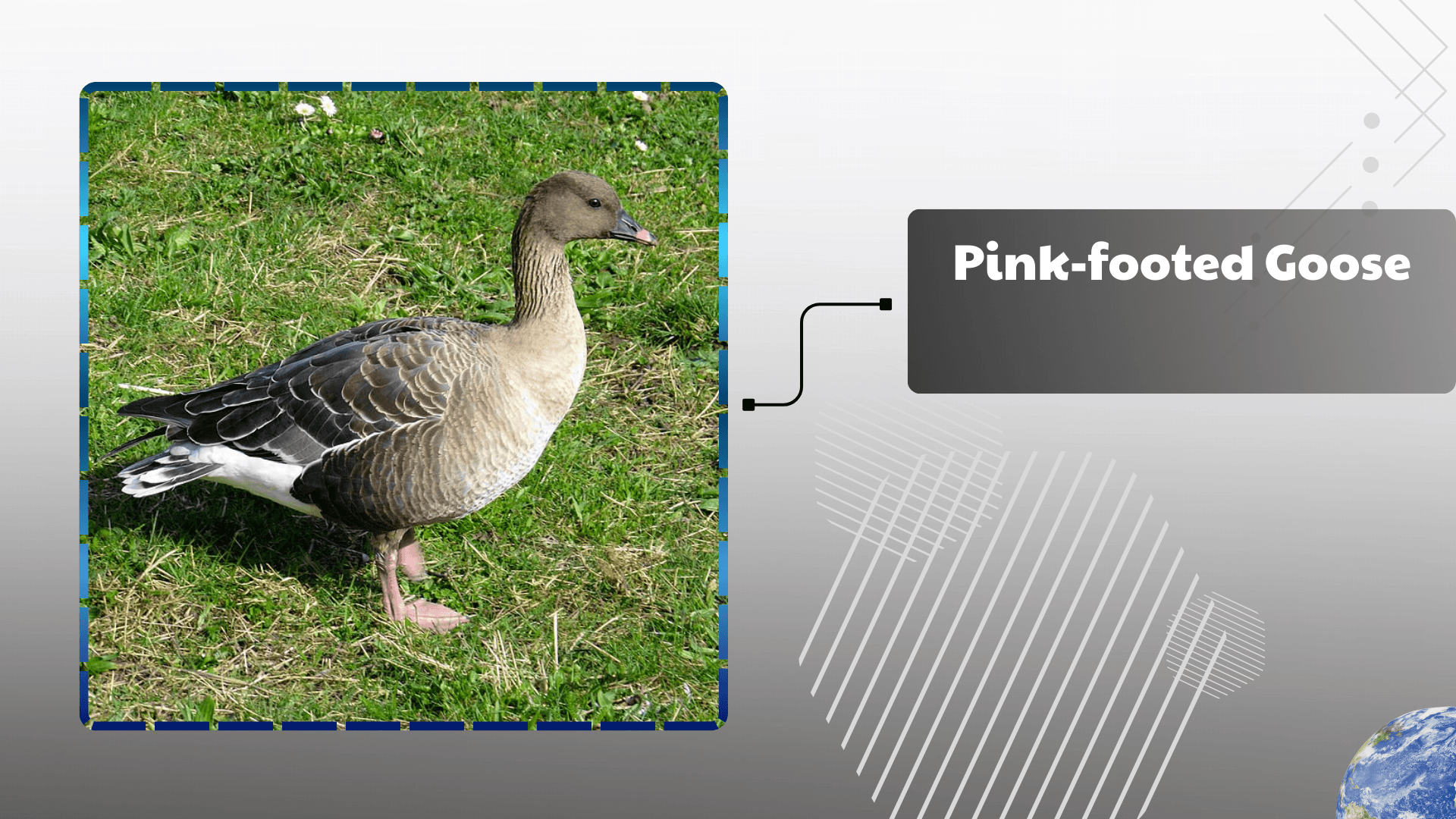
The Pink‑footed Goose is a medium-sized species known for its grey-brown body, pink legs, and distinctive pink bill with a black tip. Native to Greenland, Iceland, and Svalbard, these geese undertake remarkable migrations to winter in parts of the United Kingdom, Netherlands, and Denmark. Pink‑footed Geese primarily feed on grasses, roots, and agricultural crops, often forming large, tightly knit flocks that feed communally in open fields. Their vocalizations are high-pitched and persistent, helping maintain group coordination and alerting others to potential dangers. Watching a flock of Pink‑footed Geese in flight is a breathtaking experience, as thousands of birds create shifting, synchronized patterns across the sky.
Breeding occurs in the Arctic tundra, where nests are carefully concealed among rocks and vegetation. Parents exhibit strong family bonds, guiding goslings to feeding areas and teaching them essential survival skills. Despite the challenges posed by long-distance migration and harsh breeding grounds, Pink‑footed Geese maintain remarkable fidelity to their routes and wintering areas. Their adaptability to changing habitats and social cohesion exemplify how waterfowl thrive across varied landscapes. For wildlife enthusiasts, observing Pink‑footed Geese is not only a visual treat but also an opportunity to witness the intricate balance between endurance, teamwork, and ecological adaptation in the natural world.
14. Bean Goose
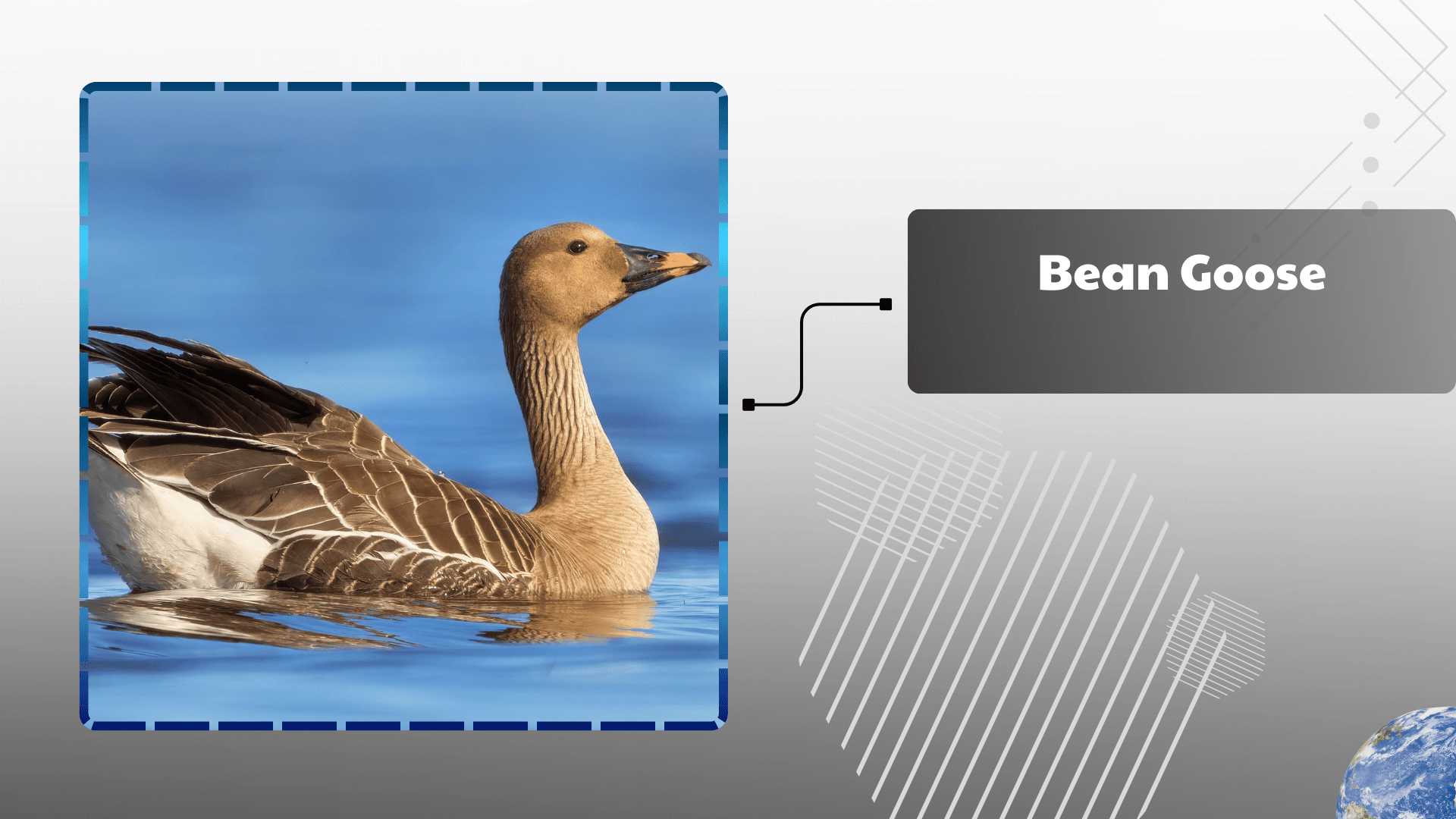
The Bean Goose, a native of northern Europe and Asia, is distinguished by its long neck, orange bill with black tip, and brown-gray plumage. These geese inhabit tundra, wetlands, and agricultural lands, migrating south in large flocks during winter. Bean Geese are herbivorous, feeding on grasses, grains, and aquatic plants. They are highly social, forming cohesive groups that forage and migrate together, relying on honking calls for communication. Their long migrations require careful energy management, and their coordinated flight formations allow for more efficient travel across vast distances.
Breeding occurs in the Arctic tundra, where pairs build nests near water sources and defend them aggressively. Female Bean Geese incubate eggs while males guard the nesting territory. Goslings are precocious and quickly learn foraging behaviors under parental guidance. Observing Bean Geese offers insight into the balance between social interaction, migratory endurance, and survival instincts. Their presence in both wild and cultivated landscapes illustrates their adaptability and the importance of preserving wetland habitats to support diverse populations within the broader spectrum of Types of Geese.
15. Lesser White‑fronted Goose
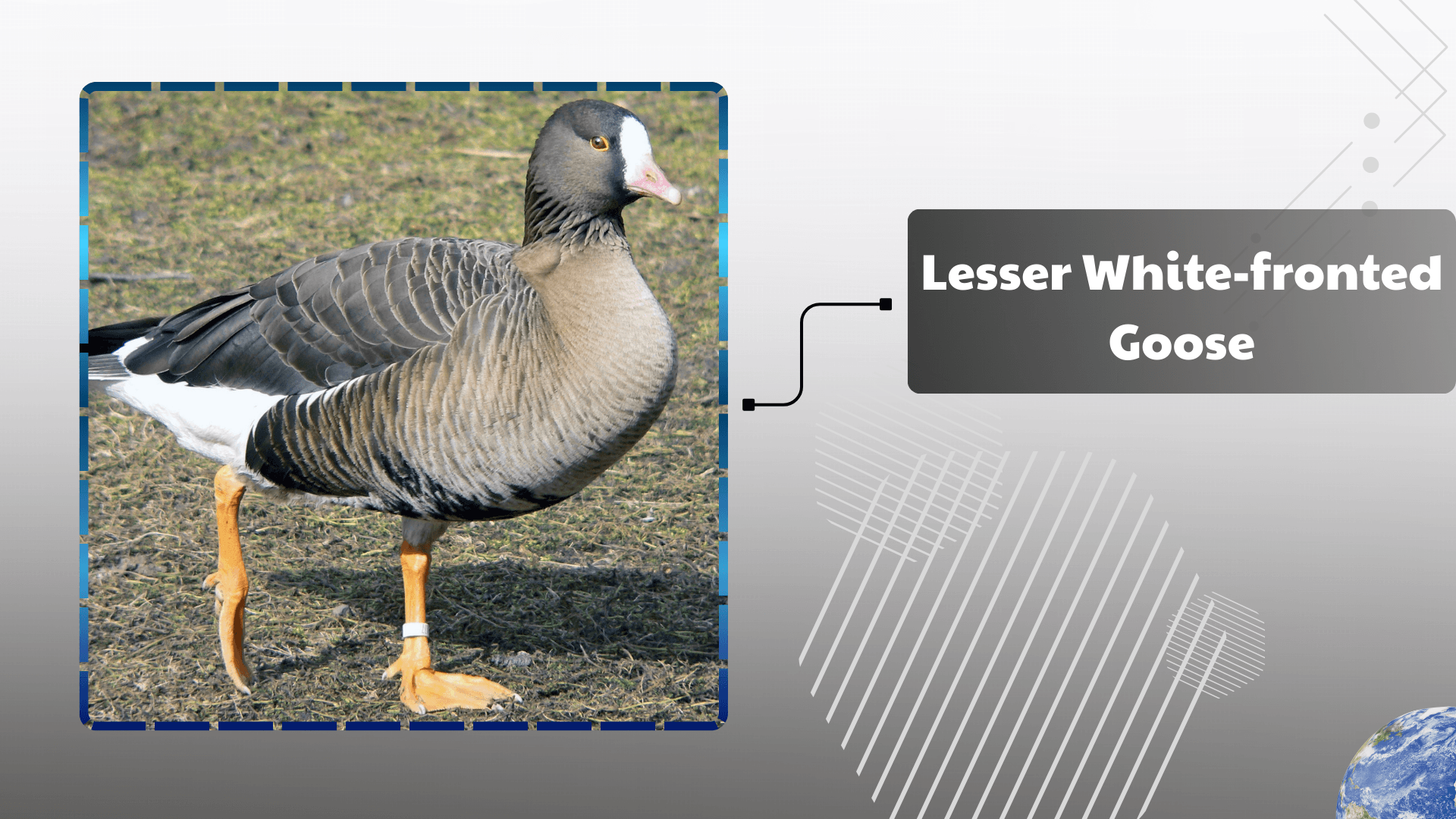
The Lesser White‑fronted Goose is a small, elegant species with a light grey body, white face, and bright orange legs. Breeding in northern Europe and Asia, these geese undertake extensive migrations to southern Europe, the Middle East, and parts of Asia during winter. They are primarily herbivorous, feeding on grasses, sedges, and grains. These geese are known for their cautious behavior, often keeping a close watch for predators while feeding and flying in tight, synchronized flocks. Vocalizations are soft but purposeful, maintaining social bonds within the group. Observing them in flight reveals their graceful wingbeats and the precision of their flocking behavior, making them a favorite among birdwatchers and wildlife enthusiasts alike.
During breeding, pairs show strong territorial instincts, with females incubating eggs and males standing guard. Goslings follow parents closely, learning critical survival skills and migratory routes. Conservation is crucial for this species, as habitat loss and hunting have reduced populations in some areas. Witnessing Lesser White‑fronted Geese in the wild offers a window into the delicate interplay of migration, social behavior, and adaptation, emphasizing the value of preserving wetland ecosystems for these remarkable birds.
16. Red‑breasted Goose
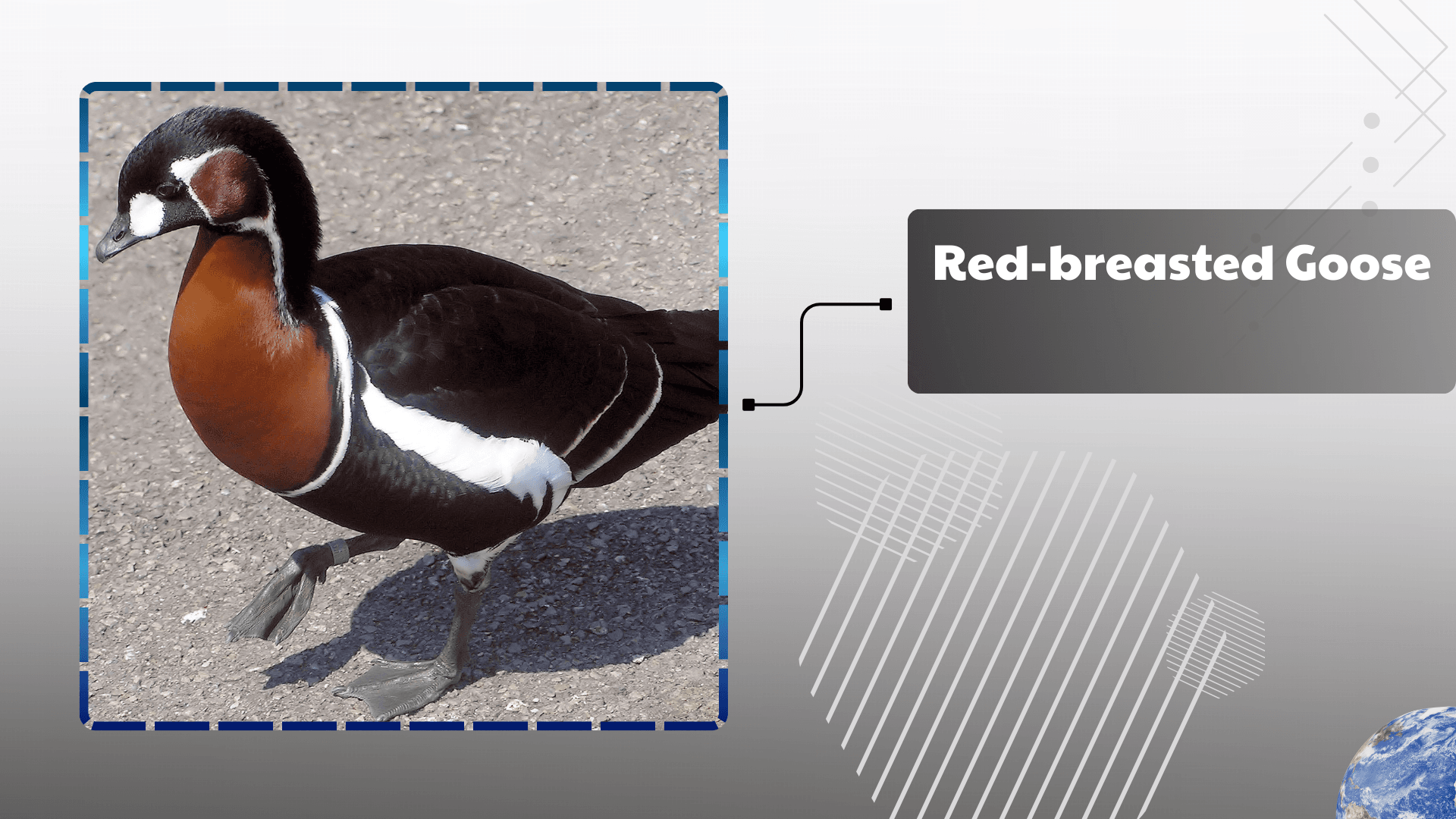
The Red‑breasted Goose is one of the most visually striking geese, with vibrant red chest, white facial patches, and dark black-and-brown plumage. Native to Arctic Siberia, they winter along the Black Sea coast in countries like Bulgaria, Romania, and Ukraine. Their diet consists mainly of grasses and aquatic vegetation, and they often feed alongside larger species like Barnacle Geese for added safety. Socially, Red‑breasted Geese are highly gregarious, forming large flocks during migration that move with remarkable synchronization and coordination. Observing these geese in flight is like watching living brushstrokes painting the sky with color and movement.
Breeding pairs are monogamous, returning to the same territories annually and defending nesting areas vigorously. Females incubate eggs while males keep watch for predators. Goslings are guided carefully to feeding grounds, learning to forage and navigate wetlands. Conservation programs have become essential due to their restricted range and vulnerability to hunting and habitat loss. For wildlife enthusiasts, the Red‑breasted Goose is both a marvel of nature and a reminder of the importance of protecting delicate Arctic ecosystems. Their vibrancy and social dynamics make them an unforgettable sight, highlighting the diverse beauty found within the broader Types of Geese.
17. Magpie Goose
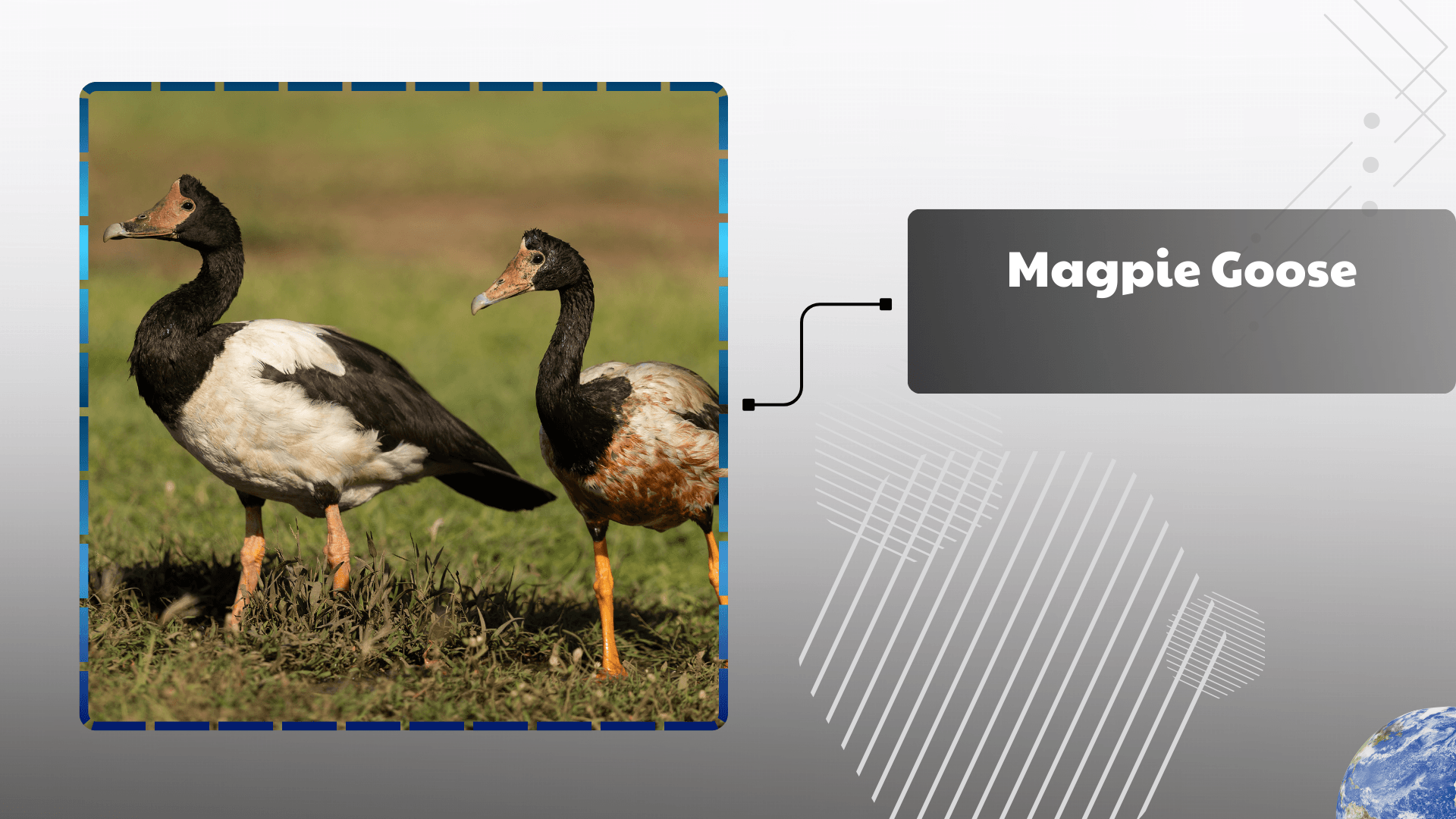
The Magpie Goose is a striking waterfowl native to northern Australia and southern New Guinea. Its black-and-white plumage and long legs make it instantly recognizable. Unlike many geese, Magpie Geese are largely non-migratory, though they move locally in response to seasonal water availability. They feed primarily on grasses, roots, and aquatic plants, often seen grazing in shallow wetlands. Socially, Magpie Geese are highly communal, forming large flocks that provide protection and facilitate learning for younger birds. Observing a flock in the wild reveals intricate social behaviors, including synchronized walking, preening, and vocal exchanges.
Breeding is cooperative, with colonies forming during the wet season. Nests are constructed in tall vegetation, and females incubate eggs while males guard the territory. Goslings are guided to feeding areas, developing essential skills for survival in dynamic wetland environments. Their adaptability to seasonal fluctuations in water and food availability makes them a fascinating study in resilience and behavioral ecology. For birdwatchers, the Magpie Goose offers both aesthetic appeal and a glimpse into the rich social structures of waterfowl, highlighting the diversity present among Types of Geese.
18. Spur‑winged Goose
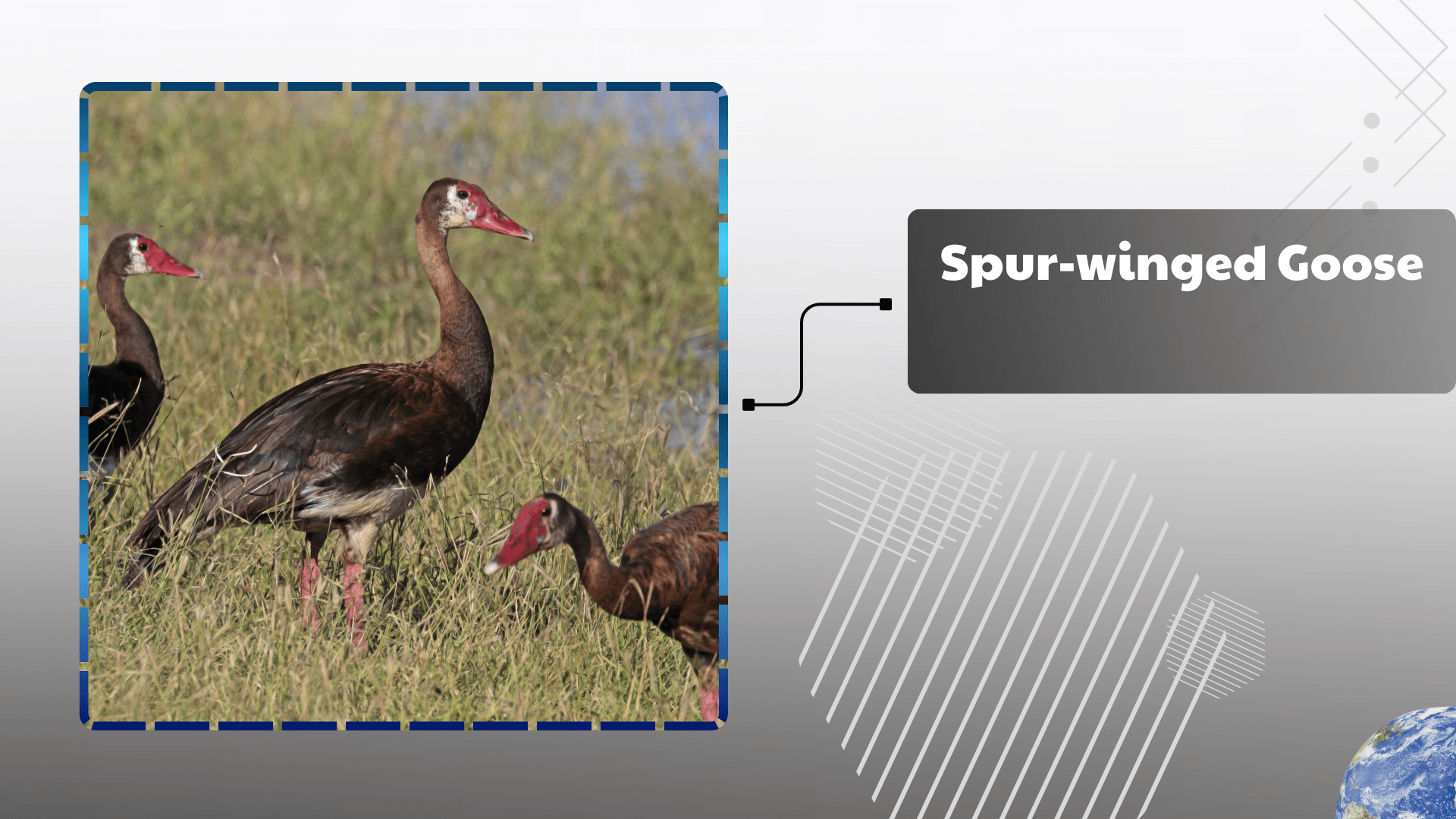
The Spur‑winged Goose is the largest African goose, notable for its grey body, white underwings, and prominent black spur on each wing. Native to sub-Saharan Africa, they inhabit wetlands, rivers, and lakes, feeding on grasses, seeds, and small invertebrates. These geese are highly social, forming flocks outside the breeding season and using loud calls to communicate and maintain cohesion. Observing Spur‑winged Geese in flight or on the water demonstrates their combination of power and elegance, with wingbeats strong enough to lift their considerable weight with ease.
During breeding, pairs establish territories near water and construct nests from reeds or grasses. Females incubate the eggs while males provide vigilant protection. Goslings follow parents to feeding sites and learn essential survival strategies. The Spur‑winged Goose’s size, striking appearance, and assertive behavior make it a favorite for wildlife enthusiasts in Africa. Understanding their ecological role in wetland environments offers valuable insights into habitat management and species conservation within the diverse spectrum of Types of Geese.
19. Cape Barren Goose
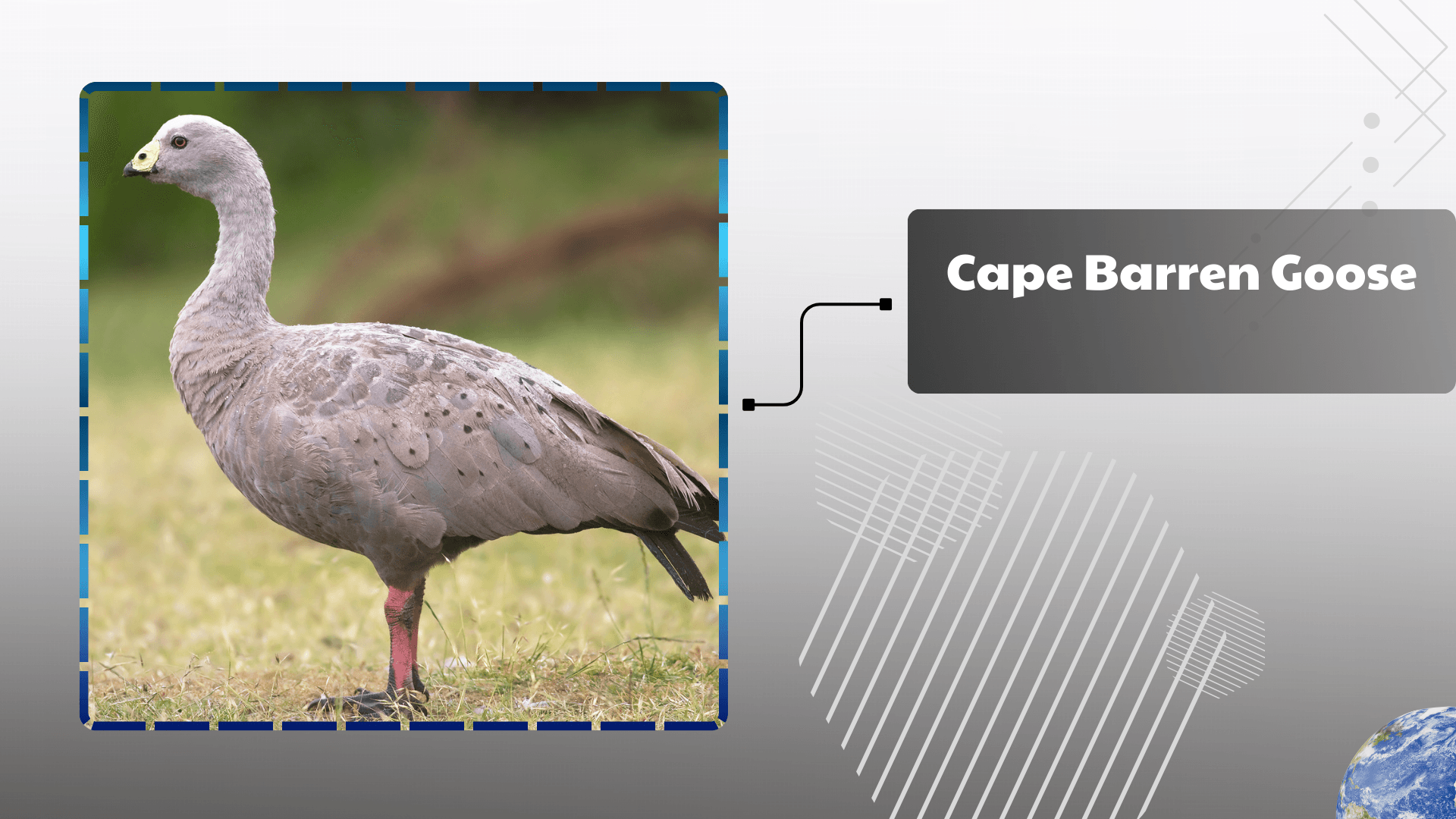
The Cape Barren Goose is a rare and intriguing species endemic to southern Australia, particularly islands off the coast of Tasmania. It has a grey-green body, pink legs, and a distinctive yellow beak. These geese prefer coastal grasslands and pastures, often feeding in open fields but remaining close to water sources for safety. Cape Barren Geese are primarily herbivorous, grazing on grasses and shrubs, and exhibit strong social behavior, forming family groups that forage together. Observing them in the wild reveals their cautious yet curious nature, often approaching humans at a measured distance to investigate while remaining alert to potential threats.
Breeding involves nest construction on elevated ground, often in rocky outcrops or islands. Females incubate eggs while males guard the area, and goslings are guided to feeding areas under parental supervision. Conservation has been successful in some regions due to protected habitats and reintroduction programs. The Cape Barren Goose is an excellent example of adaptation to a specialized environment, showcasing both resilience and social cohesion. For birdwatchers and wildlife educators, these geese offer a unique perspective on the diverse adaptations within Types of Geese.
20. Orinoco Goose
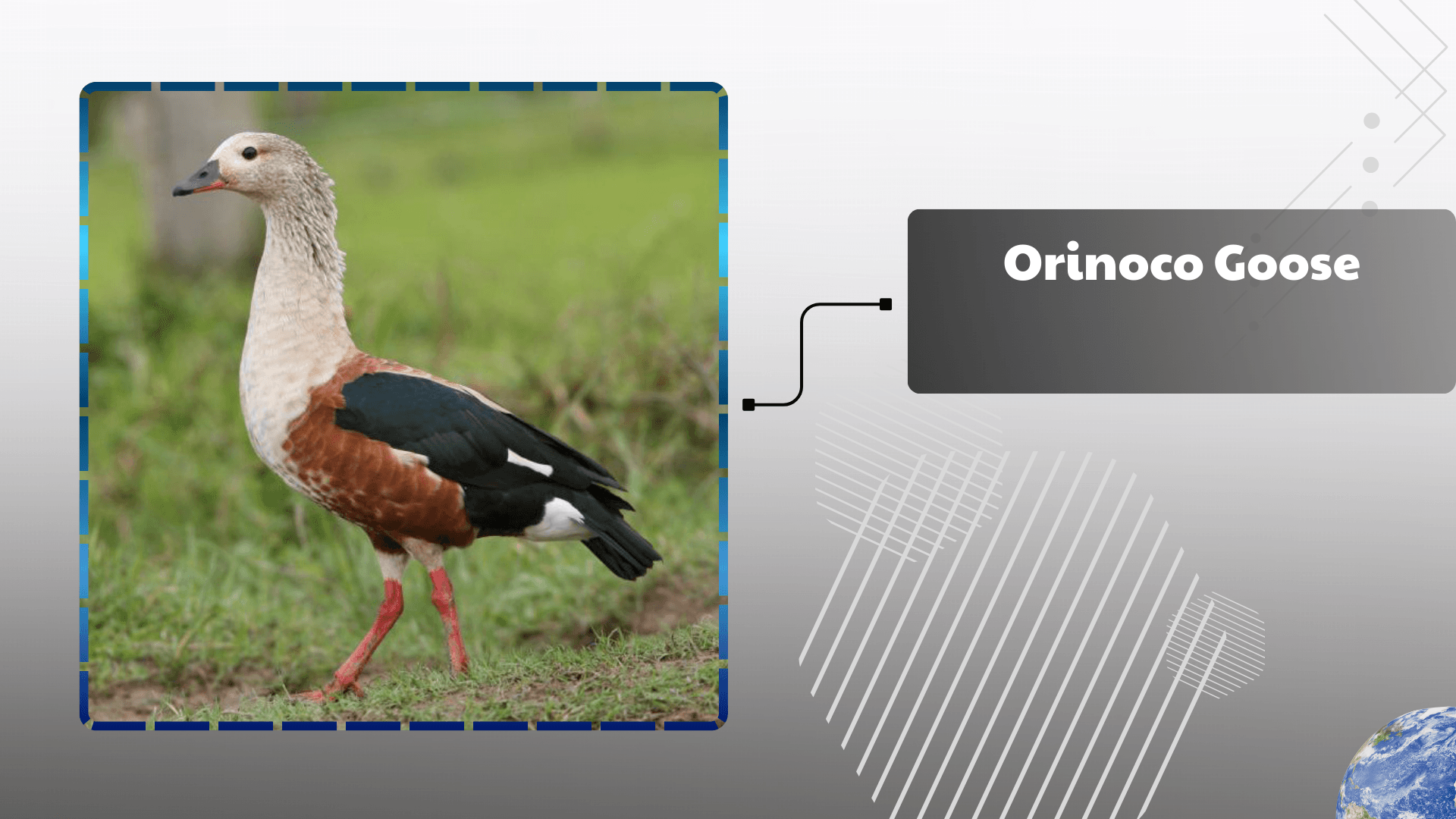
The Orinoco Goose, native to South America, is known for its striking plumage: grey body, chestnut breast, and white wing patches. Found along rivers and wetlands, they feed on grasses, seeds, and aquatic plants, often foraging in family groups. Orinoco Geese are semi-migratory, moving locally in response to seasonal changes in water levels and food availability. Their vocalizations are varied, including honks and soft clucks, used for communication within flocks and to signal alarm. Observing these geese reveals highly coordinated social behaviors, from synchronized flight to cooperative foraging strategies.
Breeding pairs establish territories along riverbanks, constructing nests in grasses or floating vegetation. Female geese incubate eggs while males stand guard, and goslings quickly learn to feed and navigate their habitat under parental guidance. Orinoco Geese provide insight into the behavioral complexity of South American waterfowl, demonstrating adaptability, social cohesion, and ecological awareness. For enthusiasts, observing these geese is an educational and visually rewarding experience, highlighting the remarkable diversity found in the global spectrum of Types of Geese.
21. Ashy-headed Goose
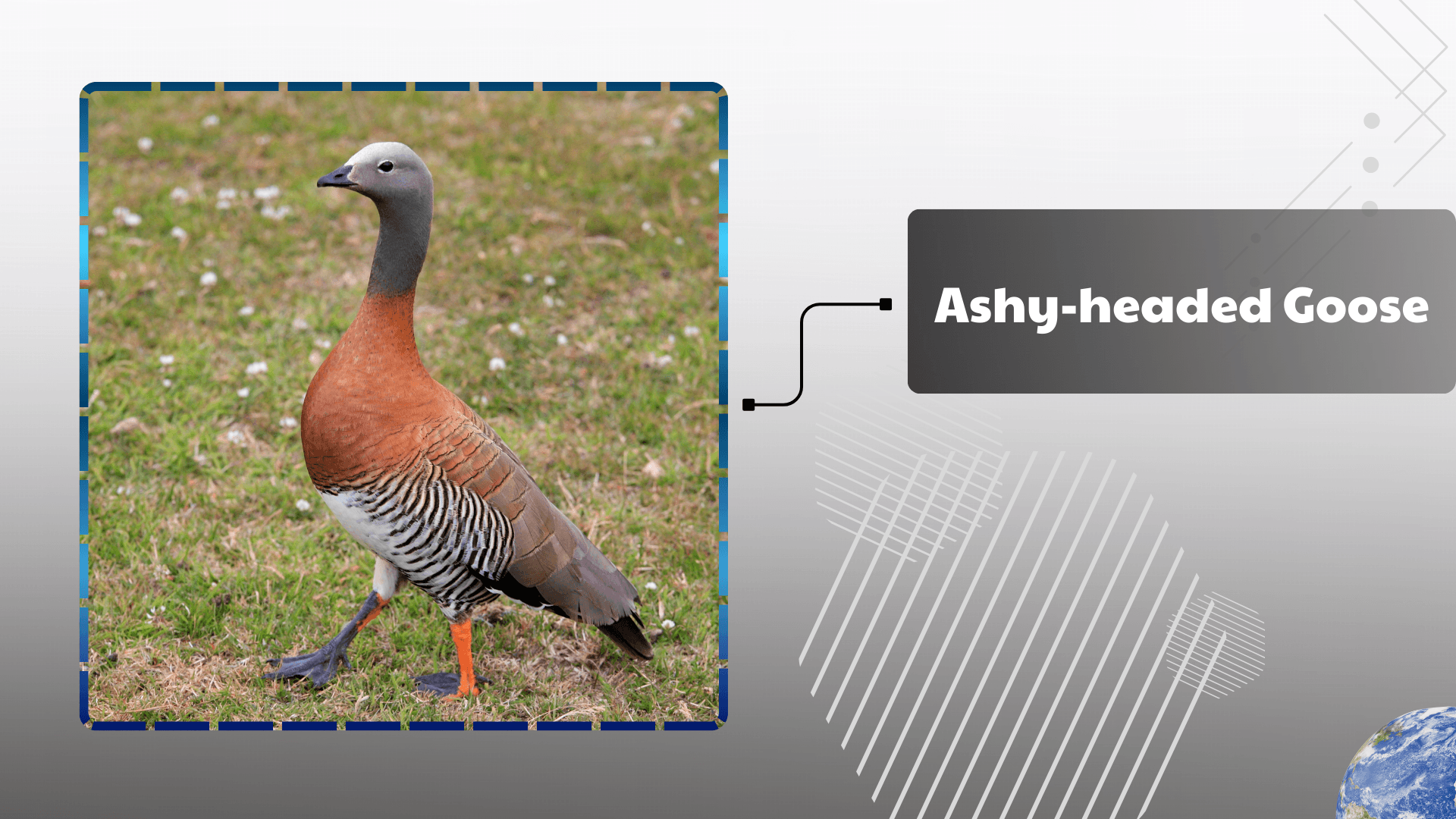
The Ashy-headed Goose, native to southern South America, is a medium-sized waterfowl distinguished by its grey head, brown body, and pale underparts. These geese primarily inhabit open grasslands, wetlands, and pasturelands in Argentina and Chile. Their diet consists mainly of grasses, herbs, and seeds, and they often forage in family groups, creating a lively display of social behavior. Observing Ashy-headed Geese reveals their cautious yet curious nature, as they are quick to alert one another at the slightest sign of danger. Their vocalizations are soft and melodious, a contrast to the louder calls of many other goose species.
Breeding pairs display strong territorial instincts, often returning to the same nesting areas each year. Nests are built on the ground, well-concealed among grasses or low shrubs, and females incubate eggs while males stand guard. Goslings are guided carefully to feeding areas, learning survival skills critical for life in open landscapes with predators such as foxes or raptors. The Ashy-headed Goose is a compelling example of adaptability in temperate environments, balancing social cohesion, vigilance, and feeding efficiency. Birdwatchers enjoy observing them for both their subtle beauty and intricate social interactions, making them a noteworthy member of the Types of Geese.
22. Kelp Goose
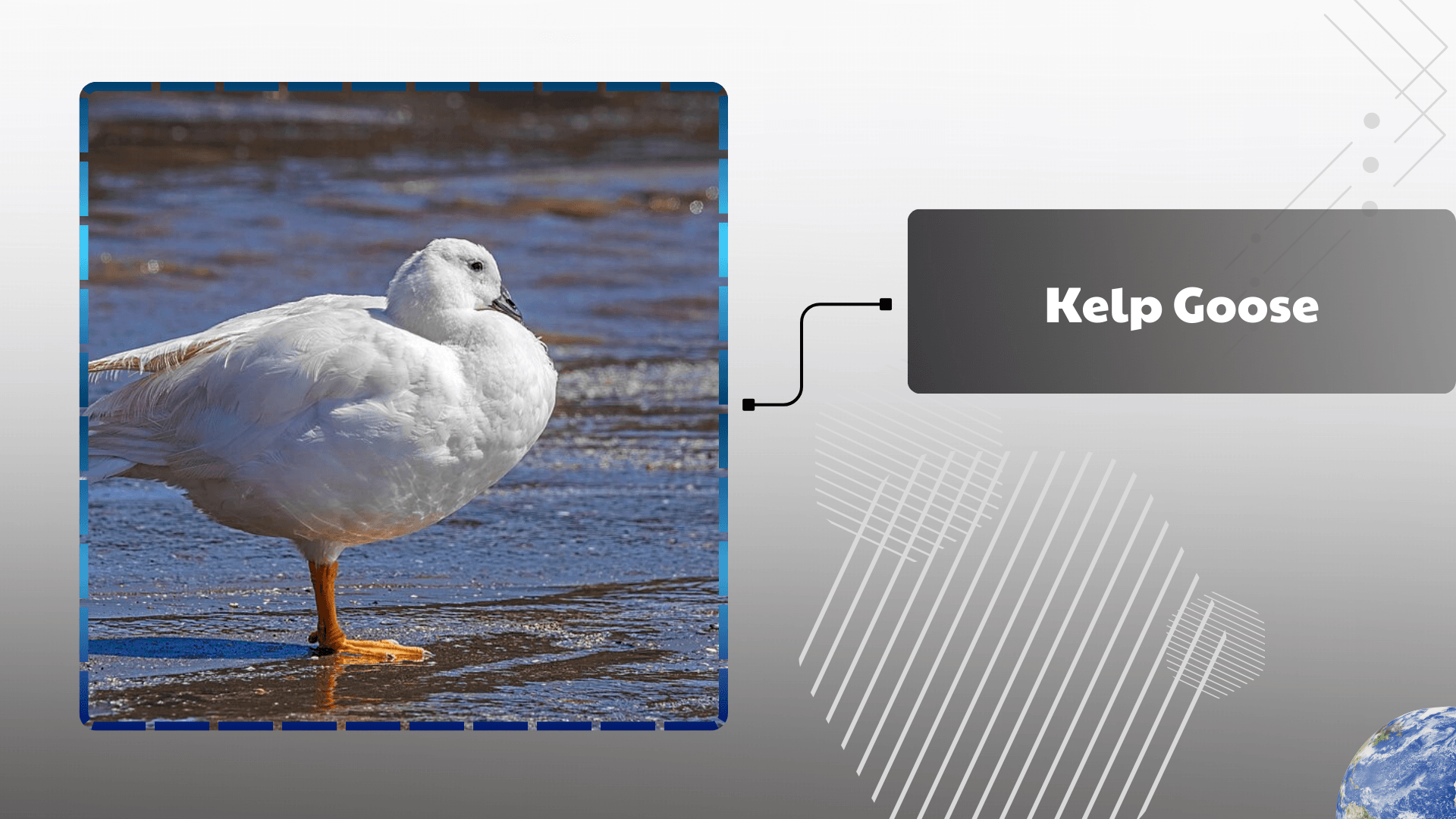
The Kelp Goose is a striking South American waterfowl found along the southern coasts of Chile and Argentina. Males are predominantly black with white flanks, while females are brown with lighter markings, creating a clear sexual dimorphism. Kelp Geese inhabit coastal rocky shores and islands, feeding primarily on algae and kelp, which they graze directly from rocks during low tide. Their specialized diet sets them apart from many other geese species, demonstrating remarkable adaptation to coastal ecosystems. Observing a Kelp Goose navigating slippery rocks to feed is both impressive and entertaining, highlighting their balance and dexterity.
Breeding occurs on islands, where nests are built among rocks or dense vegetation. Pairs are monogamous, and males often participate in guarding the nest while females incubate eggs. Goslings learn to forage early, developing agility and feeding skills necessary for survival in a harsh coastal environment. Socially, Kelp Geese form loose flocks during non-breeding periods, communicating with low honks and posturing to maintain group cohesion. Their unique coastal lifestyle and striking appearance make them an intriguing subject for birdwatchers and wildlife photographers, offering insight into how geese can thrive in specialized habitats.
23. Andean Goose
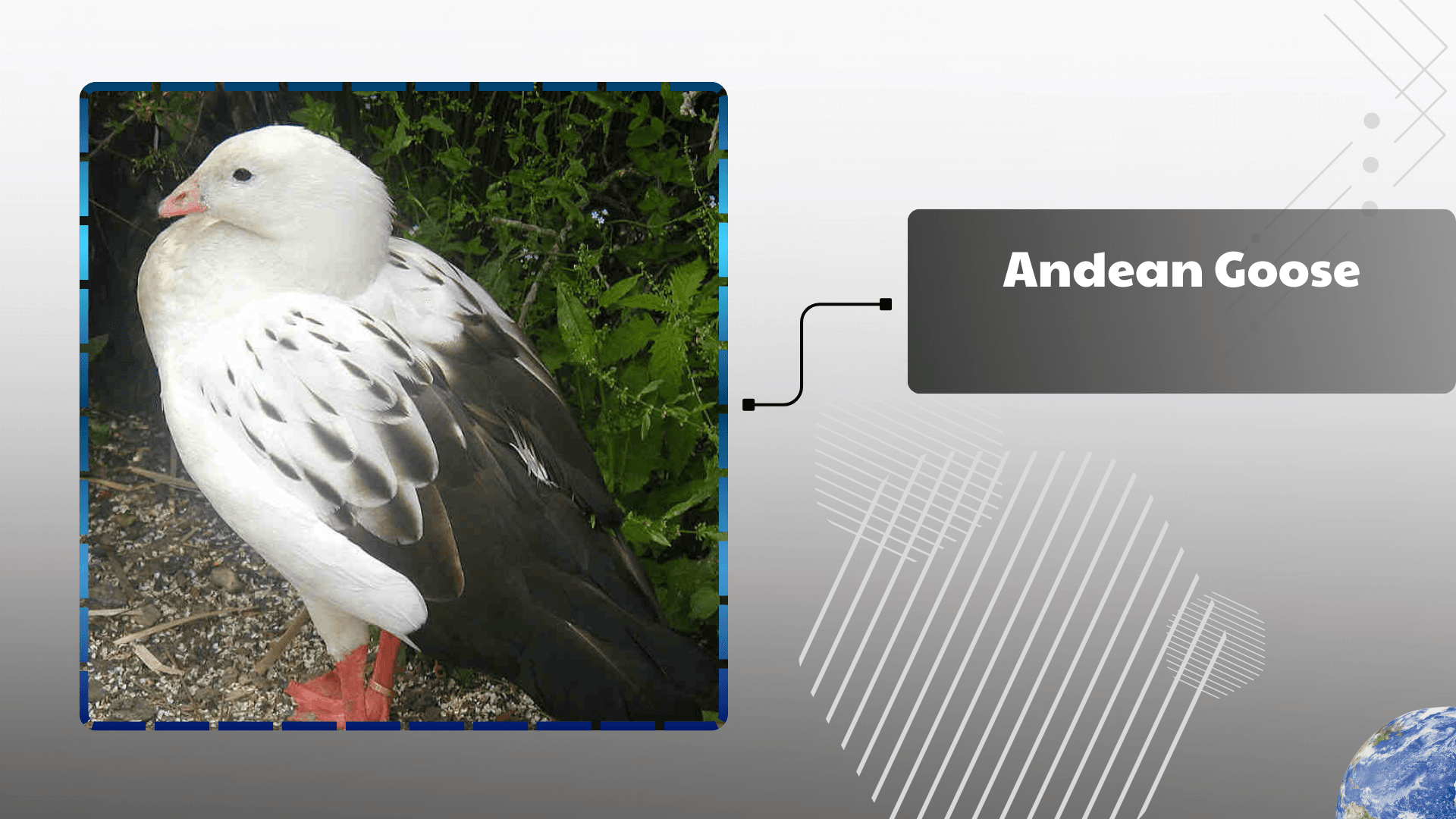
The Andean Goose, native to the high-altitude wetlands of the Andes Mountains, is easily identified by its white body, black wings, and orange bill and legs. These geese inhabit lakes, marshes, and grasslands above 3,000 meters, adapting to cold, oxygen-thin environments with remarkable ease. Their diet consists mainly of grasses and aquatic plants, which they forage for diligently in small family groups or larger aggregations. Observing Andean Geese in their natural habitat reveals their resilience and ability to withstand harsh climatic conditions while maintaining social cohesion within flocks.
Breeding takes place in elevated wetlands, where pairs defend nesting territories and build nests from grass and reeds. Females incubate eggs while males provide vigilant protection, ensuring goslings are guided safely to feeding areas. Their migratory behavior is limited due to their high-altitude lifestyle, but they exhibit local movements in response to food availability and seasonal changes. The Andean Goose exemplifies the adaptability of waterfowl to extreme environments, demonstrating endurance, coordination, and social cooperation that are vital for survival. For birdwatchers, their presence in the Andes provides both an educational and visually rewarding experience.
24. Upland Goose
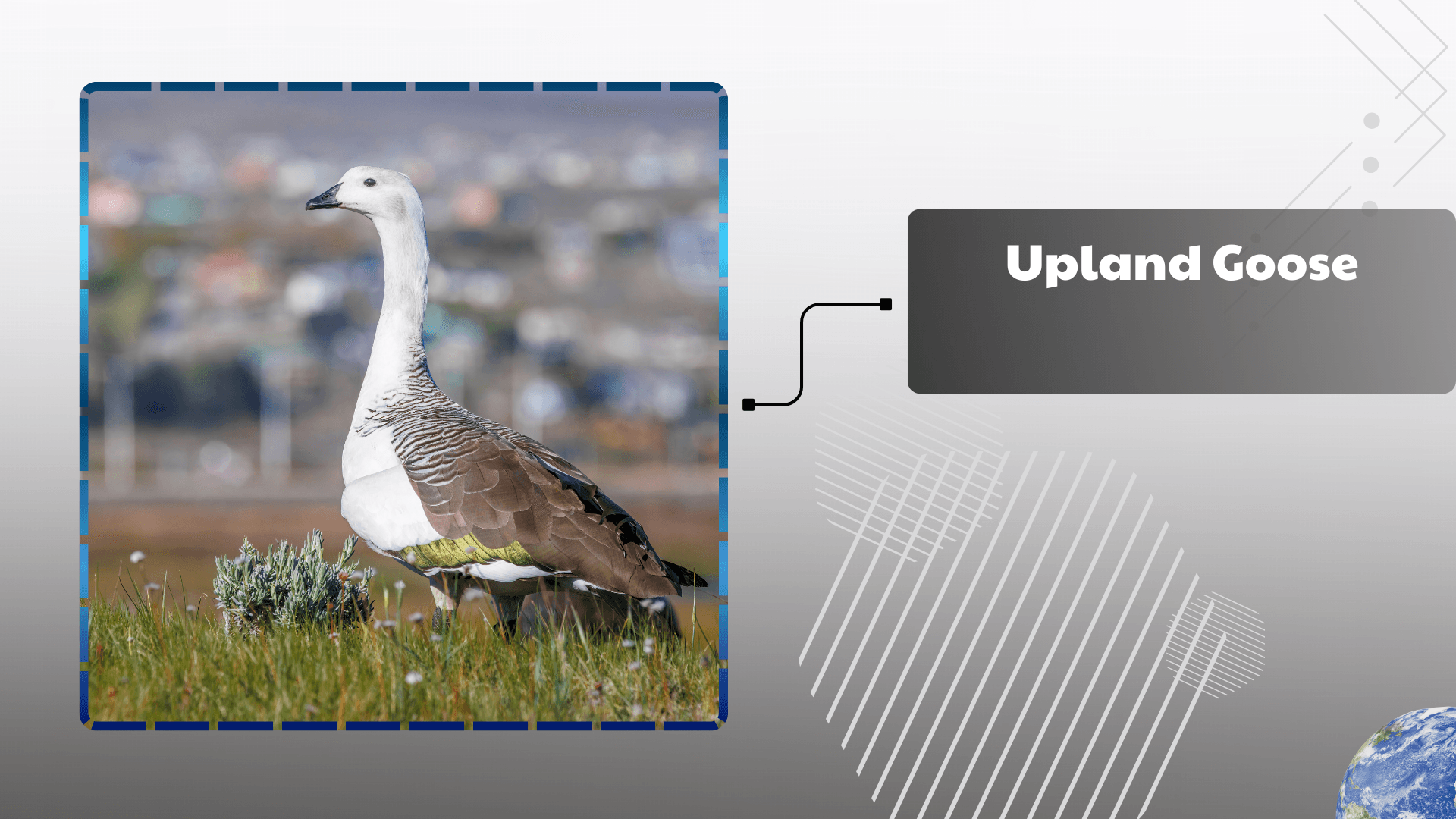
The Upland Goose, also known as Chloephaga picta, is a striking species native to southern South America, including Argentina, Chile, and the Falkland Islands. Males have white bodies with black tail feathers, while females are mottled brown, making them easy to differentiate. These geese inhabit grasslands, marshes, and coastal meadows, feeding primarily on grasses and herbaceous plants. Observing Upland Geese reveals their alert behavior, as they remain watchful for predators while grazing in open areas. Their social structure is fascinating, with pairs maintaining strong bonds and family groups often seen foraging together.
Breeding involves nest construction on the ground among dense vegetation, providing concealment for eggs and goslings. Males actively guard nesting sites, while females incubate the eggs and lead goslings to feeding areas. Upland Geese exhibit partial migratory behavior, with some populations moving to lower elevations during winter. Their adaptability to open landscapes, social cohesion, and vigilance make them a captivating species for wildlife enthusiasts. Watching Upland Geese navigate their habitats demonstrates how geese balance feeding efficiency, predator awareness, and social dynamics, highlighting key traits shared across many Types of Geese.
25. Ruddy-headed Goose
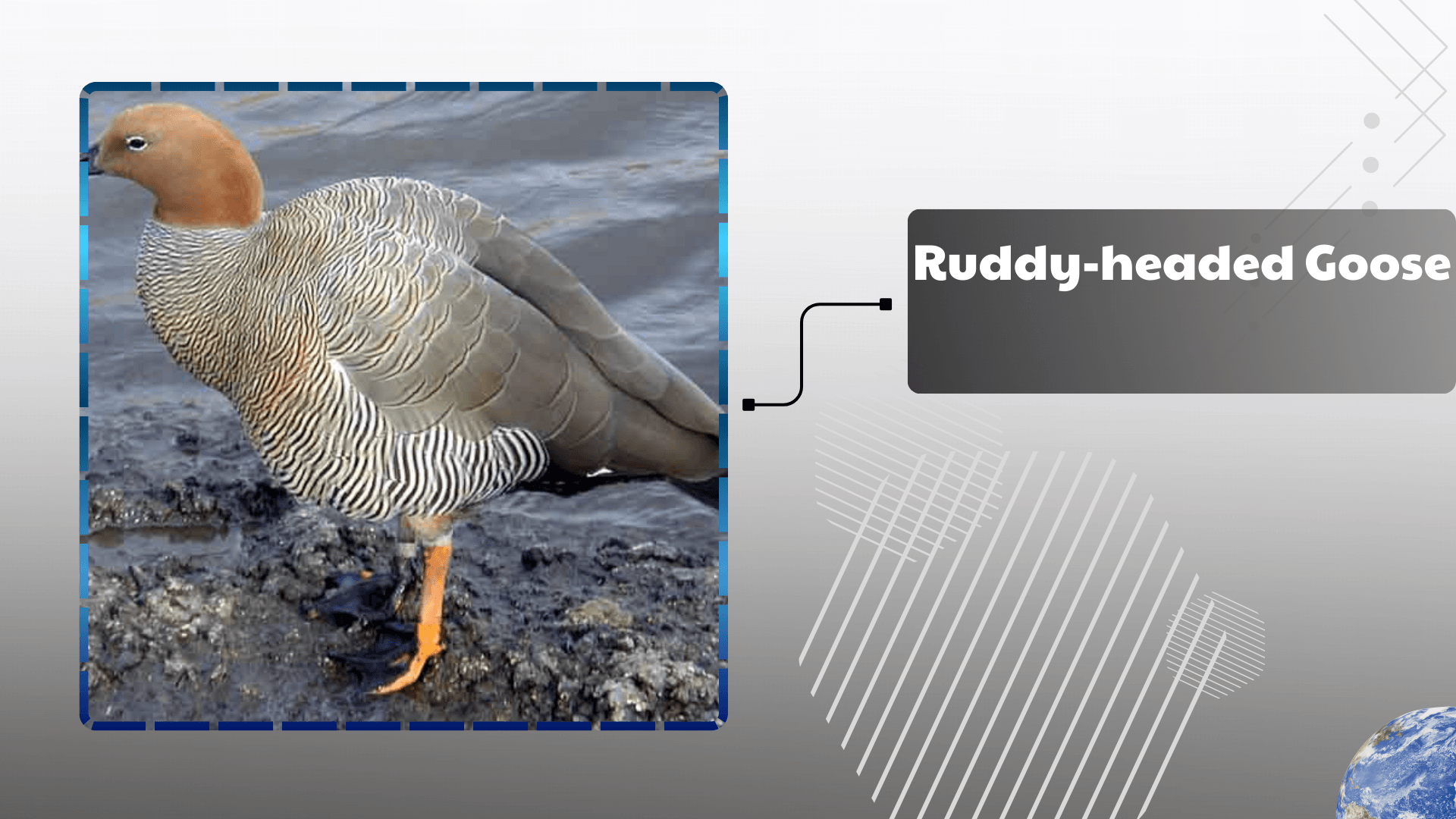
The Ruddy-headed Goose is a medium-sized South American waterfowl, with males exhibiting rich chestnut heads and females a more muted brownish coloration. They are primarily found in southern Argentina and Chile, inhabiting grasslands, marshes, and wetlands. Their diet consists of grasses, herbs, and seeds, and they often forage in small family groups or mixed flocks with other waterfowl. Observing Ruddy-headed Geese in the wild provides a glimpse into their cautious and social behavior, as they remain alert while maintaining close coordination with flock members.
Breeding occurs in sheltered grasslands near water, with pairs defending nesting territories and constructing nests from vegetation. Females incubate eggs while males protect the area, guiding goslings to feeding grounds after hatching. Conservation concerns exist due to habitat loss and predation by introduced mammals, highlighting the importance of preserving native grasslands and wetlands. Their social structure, feeding behavior, and striking head coloration make Ruddy-headed Geese a memorable species for wildlife observers, showcasing diversity within the broader Types of Geese.
26. Taiga Bean Goose
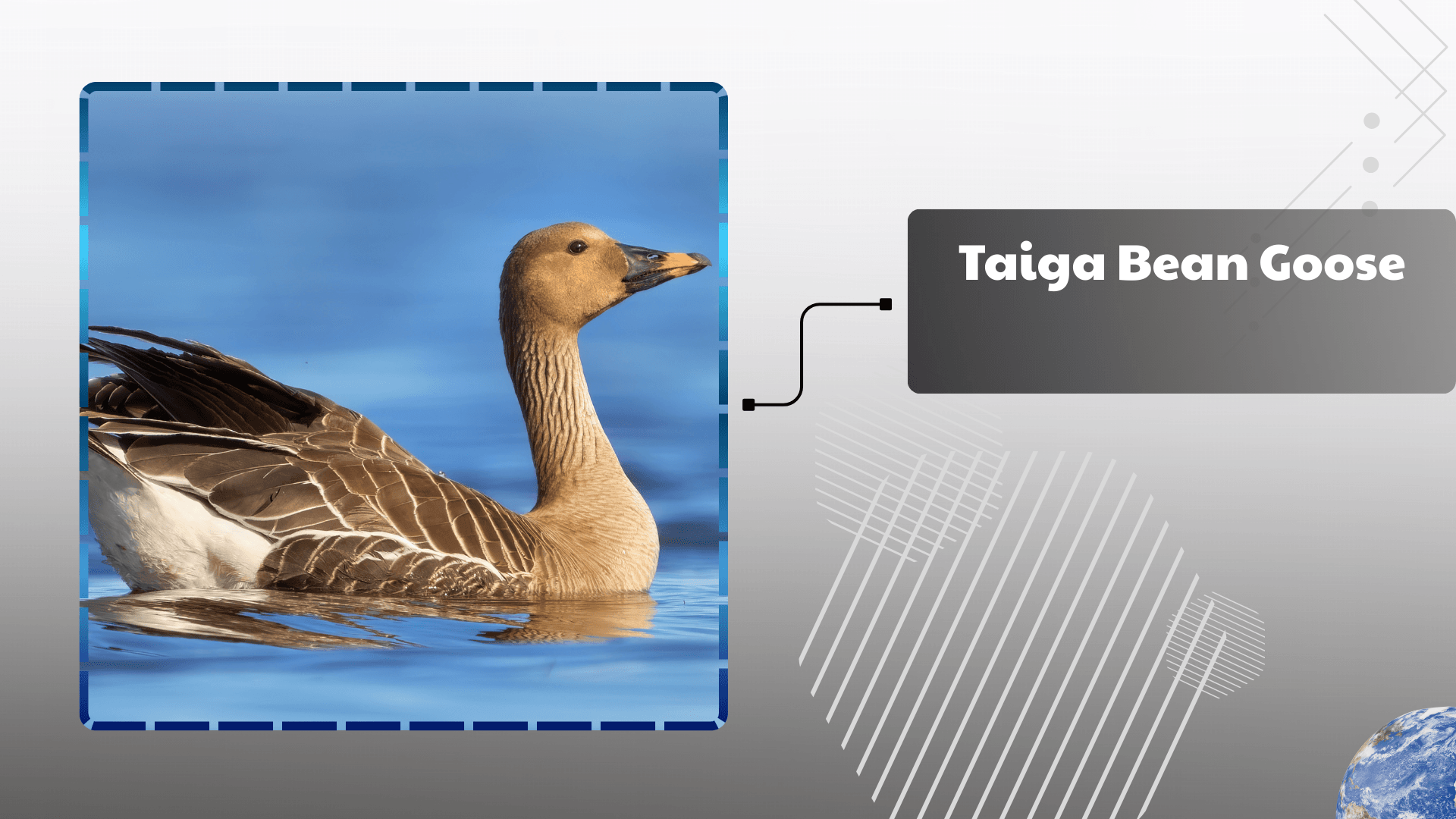
The Taiga Bean Goose, a subspecies of the Bean Goose, breeds in the boreal forests of northern Europe and Asia. It is characterized by a long neck, orange bill with a black tip, and brown-gray plumage. These geese migrate to temperate regions during winter, often forming large flocks that feed on agricultural fields, grasses, and sedges. Vocal and social, Taiga Bean Geese maintain cohesion through honks and coordinated flight patterns. Watching their migratory formations reveals remarkable synchronization, with individuals adjusting their positions in response to wind and flock dynamics.
Breeding pairs build nests on the ground near wetlands, and the female incubates eggs while the male guards the territory. Goslings are guided to feeding areas, learning vital survival skills under parental supervision. Their long-distance migrations, social cohesion, and adaptability to both natural and cultivated habitats make Taiga Bean Geese a fascinating subject for birdwatchers and wildlife enthusiasts. Observing them demonstrates how geese navigate seasonal changes, maintain social bonds, and survive in diverse landscapes, reinforcing their significance within Types of Geese.
27. Tundra Bean Goose
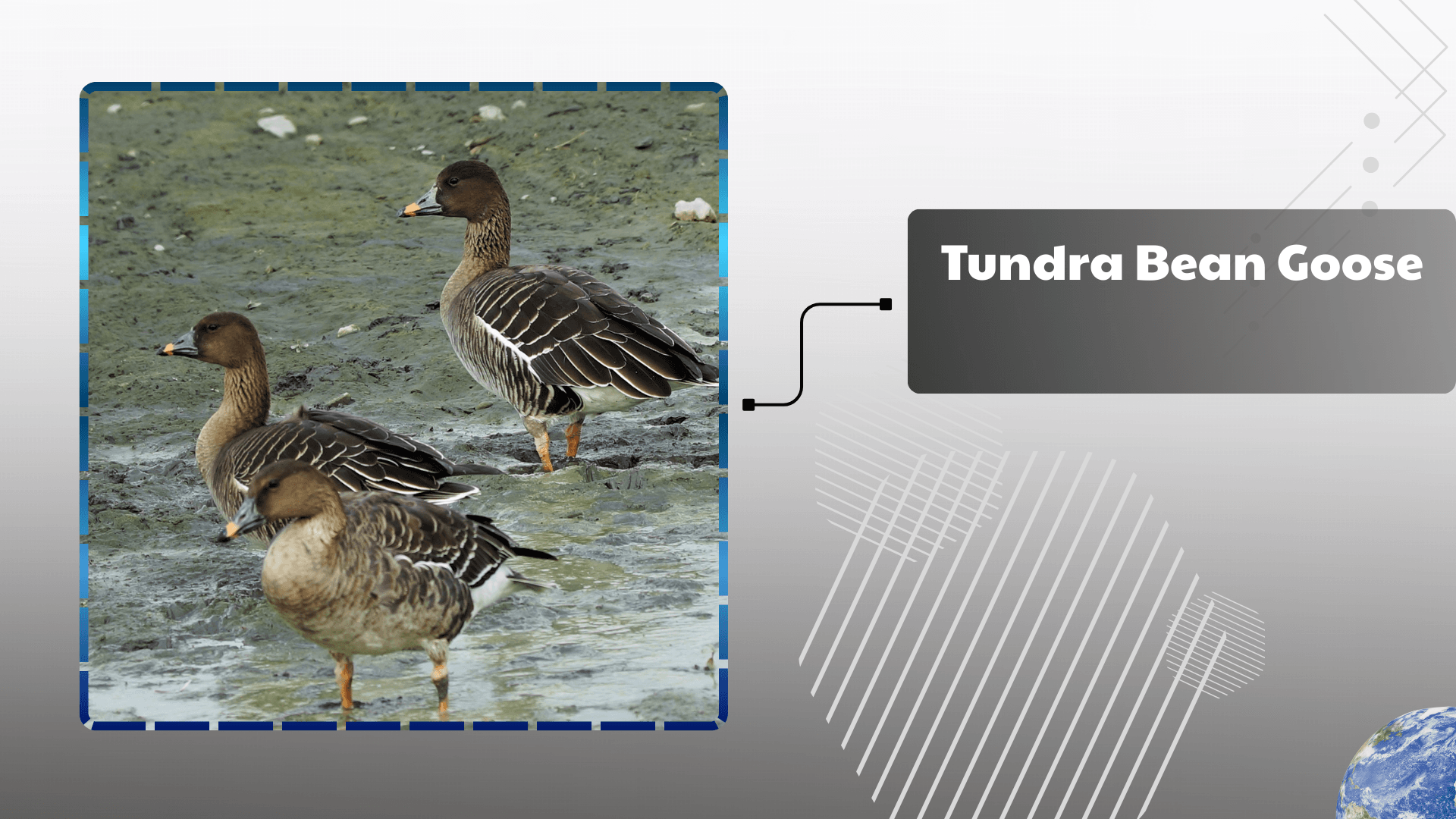
The Tundra Bean Goose is another subspecies of the Bean Goose, breeding in Arctic tundra regions of northern Europe and Asia. It has similar coloration to the Taiga Bean Goose but is slightly smaller and adapted to colder environments. Tundra Bean Geese migrate to milder temperate regions during winter, often feeding on agricultural lands and wetlands. They are highly social, forming cohesive flocks that communicate with persistent honks and calls, ensuring safety and coordination during migration and feeding. Observing these geese in the wild highlights their endurance, vigilance, and cooperative behavior.
During breeding, pairs defend nesting territories on the tundra, with females incubating eggs and males standing guard. Goslings are precocious, quickly learning to forage and navigate their environment under parental guidance. Their migratory endurance, social cohesion, and adaptation to harsh climates make Tundra Bean Geese a compelling species for wildlife enthusiasts. Observing their seasonal movements provides insight into the challenges faced by Arctic waterfowl and the strategies they employ to survive, adding depth to any study of Types of Geese.
28. Blue‑winged Goose
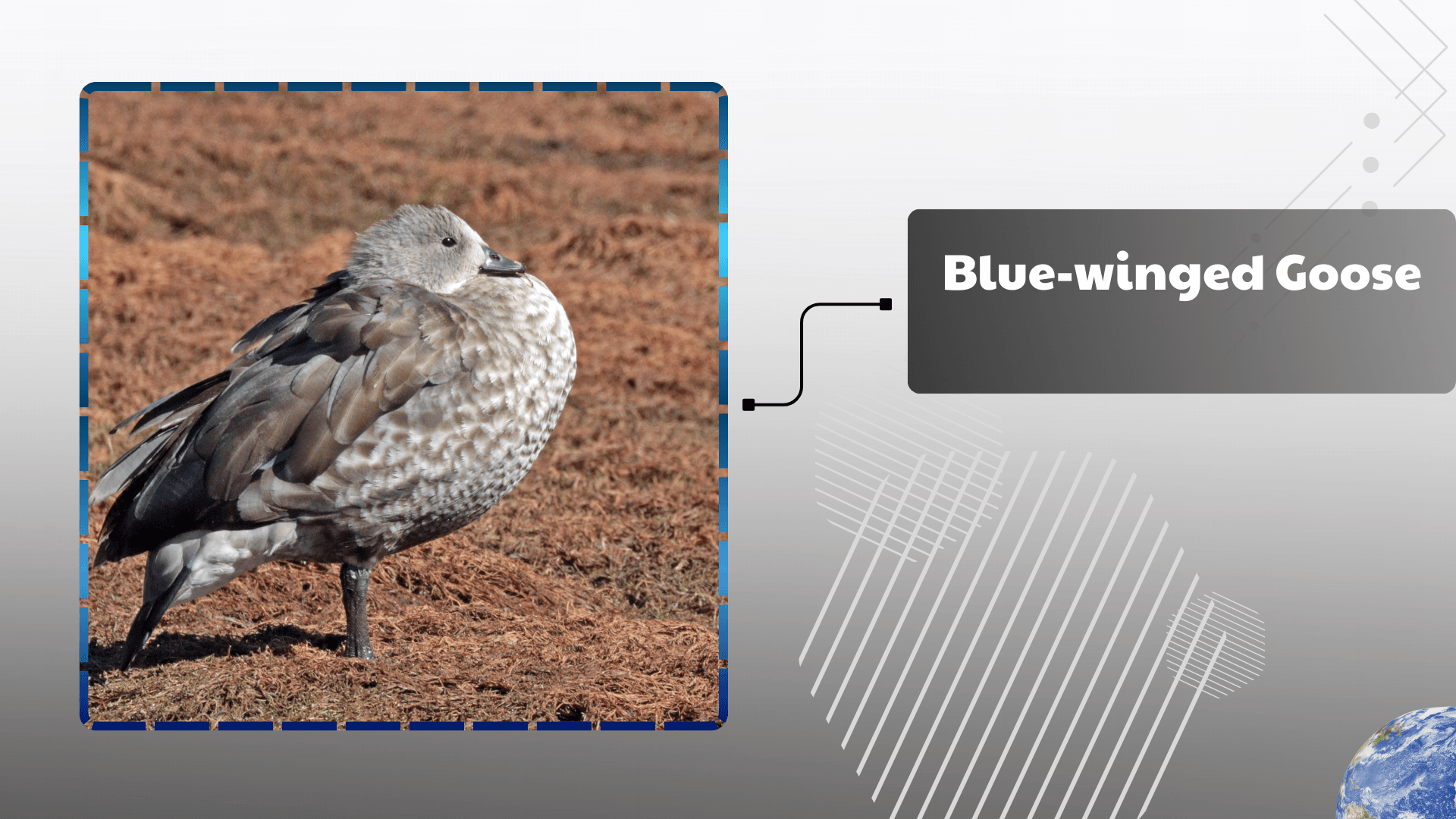
The Blue‑winged Goose, endemic to the highlands of Ethiopia, is a medium-sized goose with slate-gray plumage and striking blue wings. Inhabiting wetlands, lakes, and high-altitude grasslands, these geese feed primarily on grasses and aquatic plants. They are social birds, often forming flocks during non-breeding seasons, which provides safety and facilitates learning for younger individuals. Observing Blue-winged Geese reveals their cautious, curious nature, as they carefully inspect their surroundings while grazing or moving between water and feeding grounds.
Breeding pairs are territorial, constructing nests in dense vegetation near water. Females incubate eggs while males guard the area and guide goslings to feeding sites. The Blue-winged Goose is non-migratory but may undertake local movements in response to seasonal changes. Their unique highland adaptation, social cohesion, and striking appearance make them an engaging species for birdwatchers and researchers. Understanding their behavior provides insight into how geese adapt to specialized environments and maintain complex social structures, reinforcing their place within Types of Geese.
29. Embden Goose
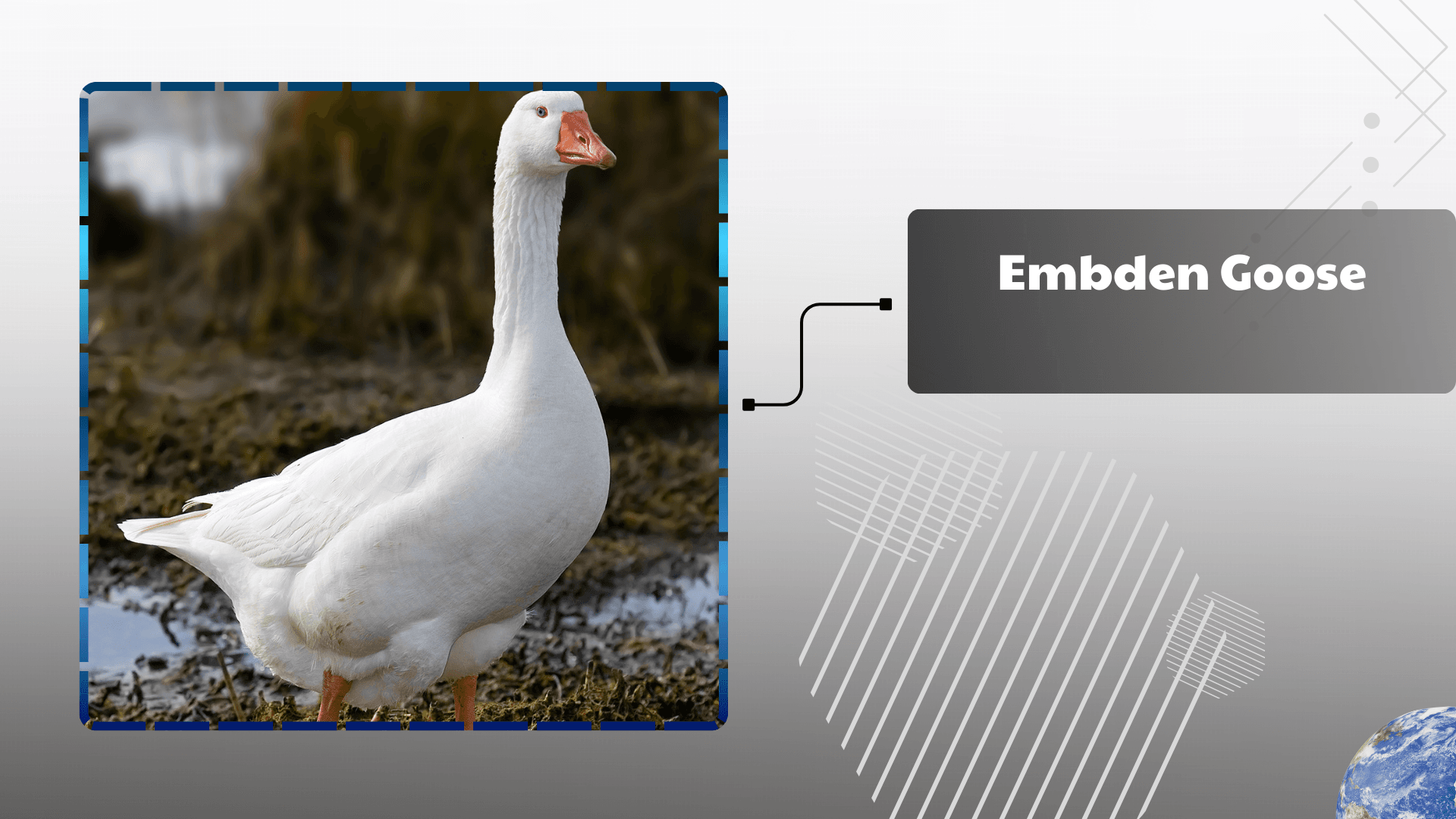
The Embden Goose is one of the largest domestic goose breeds, originating from Germany. It is recognized for its pure white plumage, orange bill, and sturdy frame. Typically raised on farms, Embden Geese are used for meat and egg production, but they also serve as guardians of farmyards due to their alert nature and loud honking. They are herbivorous, feeding on grasses and grains, and their social behavior includes strong pair bonds and flock coordination. Observing Embden Geese in farm settings reveals their playful, sometimes mischievous personality, as well as their strong communal instincts.
Breeding involves nest construction in sheltered areas, with females incubating eggs and males protecting the territory. Goslings grow rapidly, learning to forage alongside adults. The Embden Goose demonstrates how domestic breeds retain many social and behavioral traits of wild geese, including alertness, communication, and cooperative behavior. For enthusiasts interested in domestic waterfowl, Embden Geese offer insight into selective breeding while preserving natural goose behaviors within Types of Geese.
30. Toulouse Goose
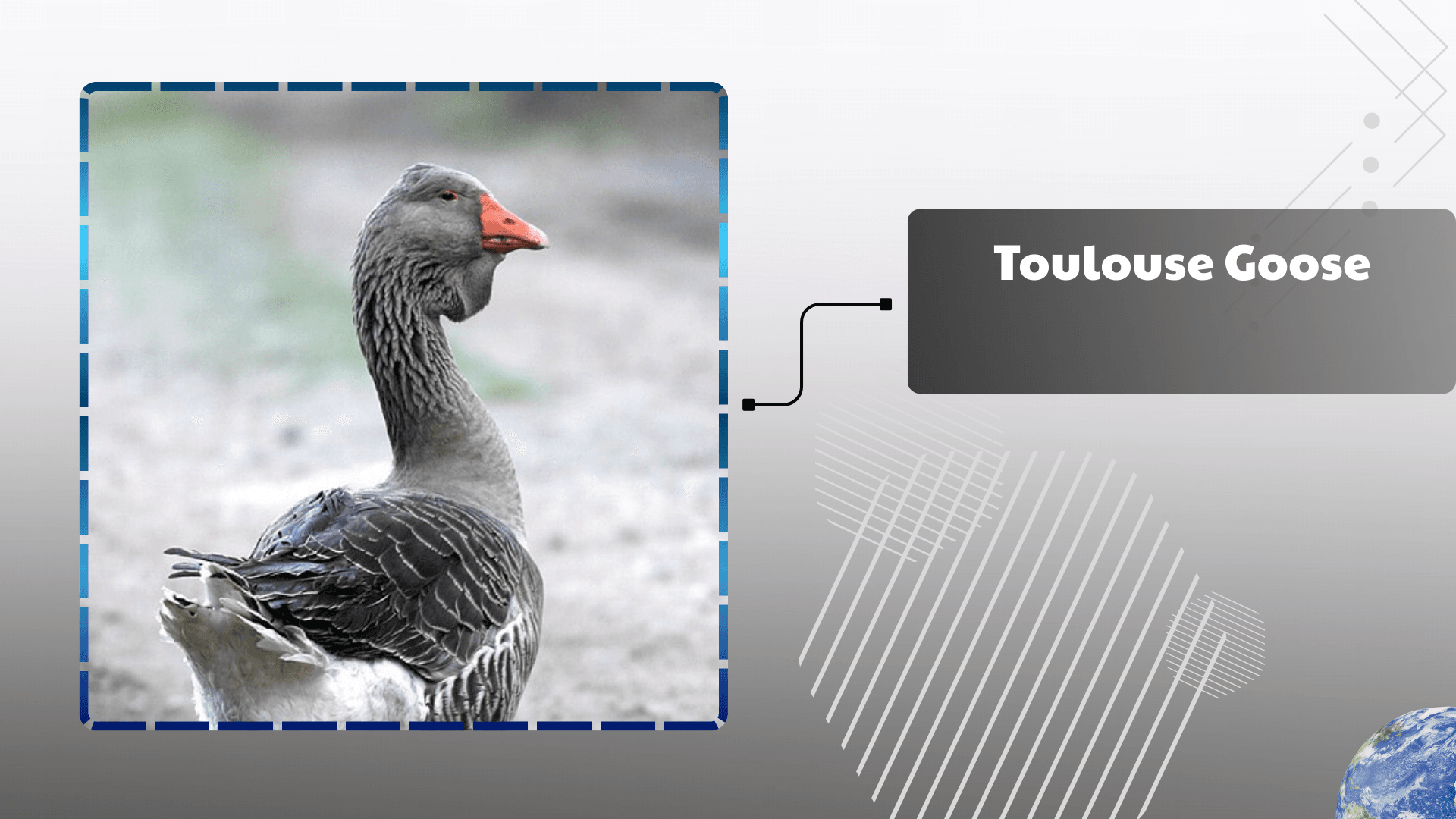
The Toulouse Goose, a large domestic breed from France, is known for its grey plumage, heavy body, and calm temperament. They are often used for meat production and, historically, for foie gras. Toulouse Geese are herbivorous, grazing on grasses and grains, and they display strong social bonds within flocks. Observing these geese in farm or park environments showcases their gentle nature, curiosity, and interaction with other geese. Their size and strength allow them to thrive in a variety of settings, from rural pastures to small-scale domestic ponds.
Breeding pairs are attentive, with females incubating eggs while males guard nesting areas. Goslings are guided carefully to feeding areas, learning both social behavior and foraging skills. The Toulouse Goose exemplifies how domestic geese maintain elements of natural behavior, including flock cohesion, alertness, and social communication. For anyone studying domestic breeds alongside wild geese, Toulouse Geese provide a fascinating perspective on adaptability, social structure, and human-influenced evolution within Types of Geese.
31. Sebastopol Goose
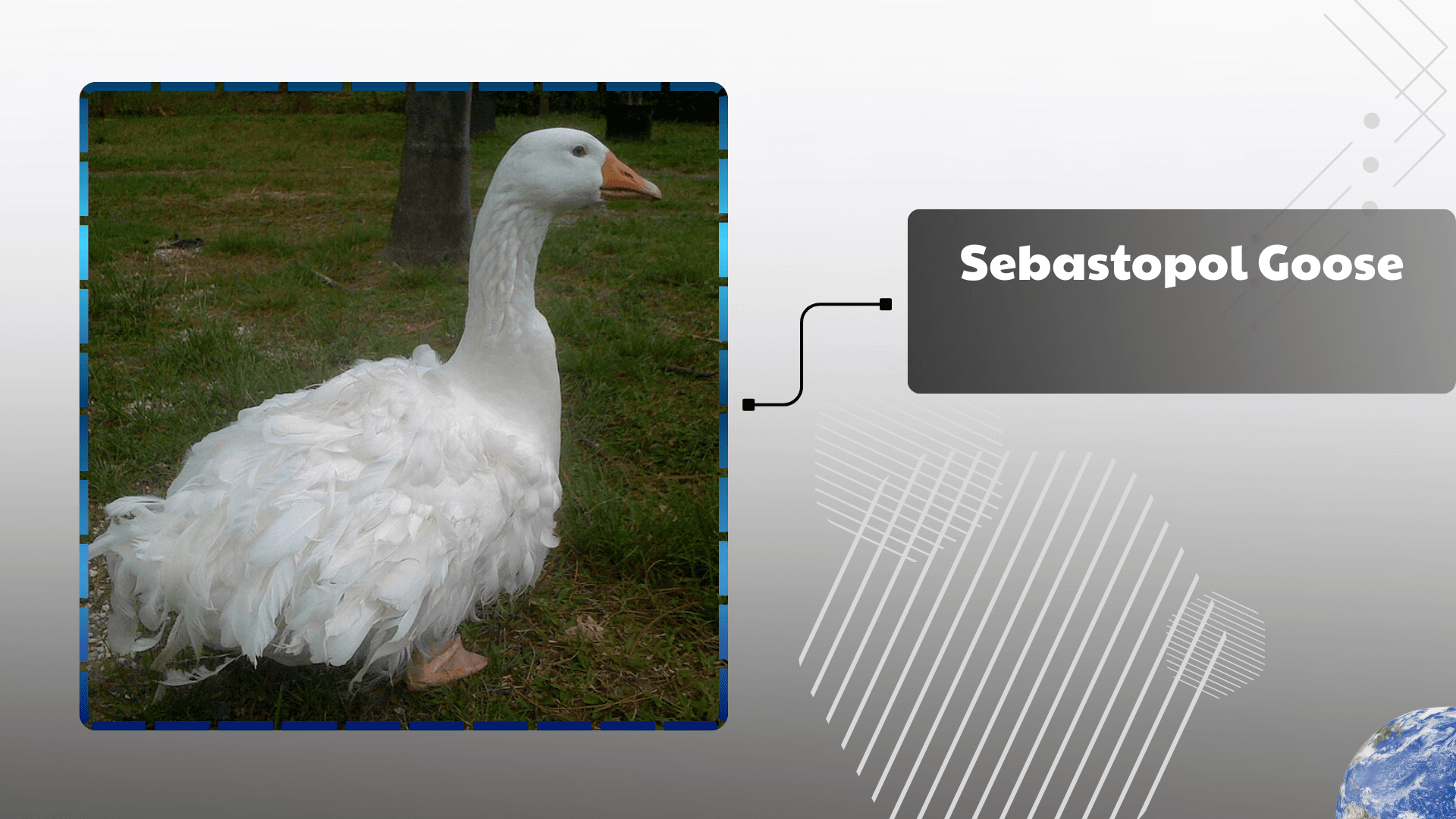
The Sebastopol Goose is a remarkable domestic breed known for its luxurious, curly feathers that cascade elegantly over its body. Originating from Central Europe, particularly Ukraine, Sebastopol Geese are often kept for ornamental purposes rather than food production due to their stunning appearance. Their plumage is predominantly white, and the unique curled feathers make them appear almost like floating snowflakes when in motion. These geese are social, forming strong bonds within flocks and displaying gentle, curious behaviors toward humans and other animals. Observing them in ponds or pastures offers a visually captivating experience, as they move gracefully while preening and interacting.
Breeding Sebastopol Geese requires careful attention, as their curled feathers can make incubation and gosling care slightly more challenging. Females build nests in sheltered areas and incubate eggs, while males help guard the territory and ensure safety for the brood. Goslings are guided to water and feeding areas under parental supervision, quickly learning social cues and foraging behaviors. Their ornamental beauty, combined with playful social interactions, makes Sebastopol Geese a favorite among domestic bird enthusiasts. For those studying Types of Geese, Sebastopol Geese highlight how selective breeding can emphasize aesthetics while retaining natural behaviors like flock cohesion and communication.
32. Pomeranian Goose
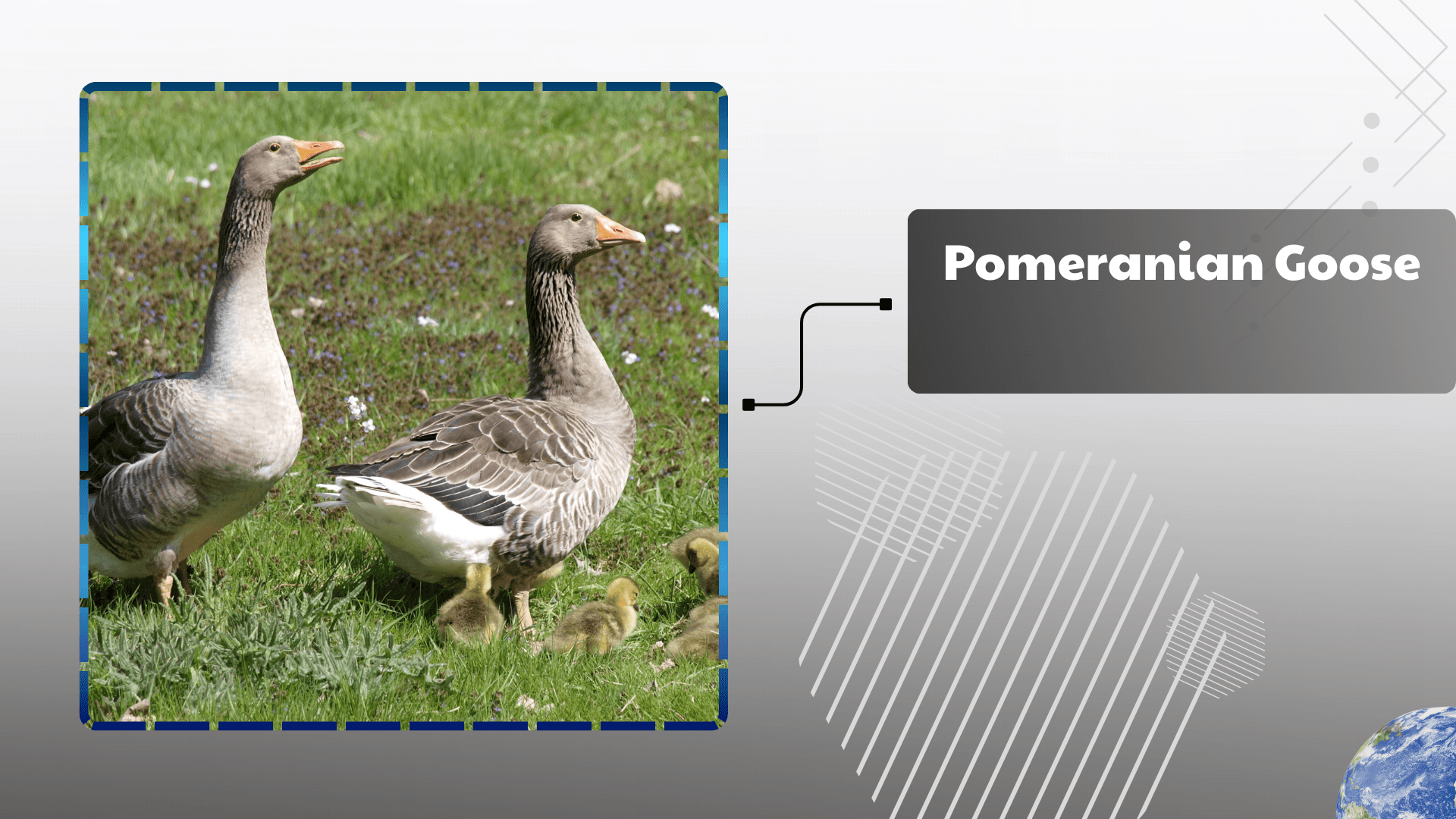
The Pomeranian Goose, originating from northern Germany and Poland, is a domestic breed admired for its striking grey plumage and gentle temperament. These geese have orange bills and legs, with a robust body well-suited to foraging in pastures and wetlands. Pomeranian Geese are highly social, often forming tight-knit flocks that demonstrate coordinated movements and vocal communication. Observing them provides insight into their playful interactions, mutual preening, and alert behavior toward potential threats. Their calm demeanor and adaptability make them a popular choice for small farms and ornamental ponds.
Breeding involves ground nests, often placed in sheltered grassy areas. Females incubate eggs while males guard the nesting territory, guiding goslings to feeding sites after hatching. Pomeranian Geese display strong family bonds, with young learning foraging and social behaviors from their parents. Their adaptability to human-managed environments while maintaining natural instincts highlights the delicate balance between domestication and inherent wildlife behavior. As part of Types of Geese, Pomeranian Geese exemplify how domesticated breeds can retain social cohesion, alertness, and migratory instincts, even within controlled settings.
33. Steinbacher Goose
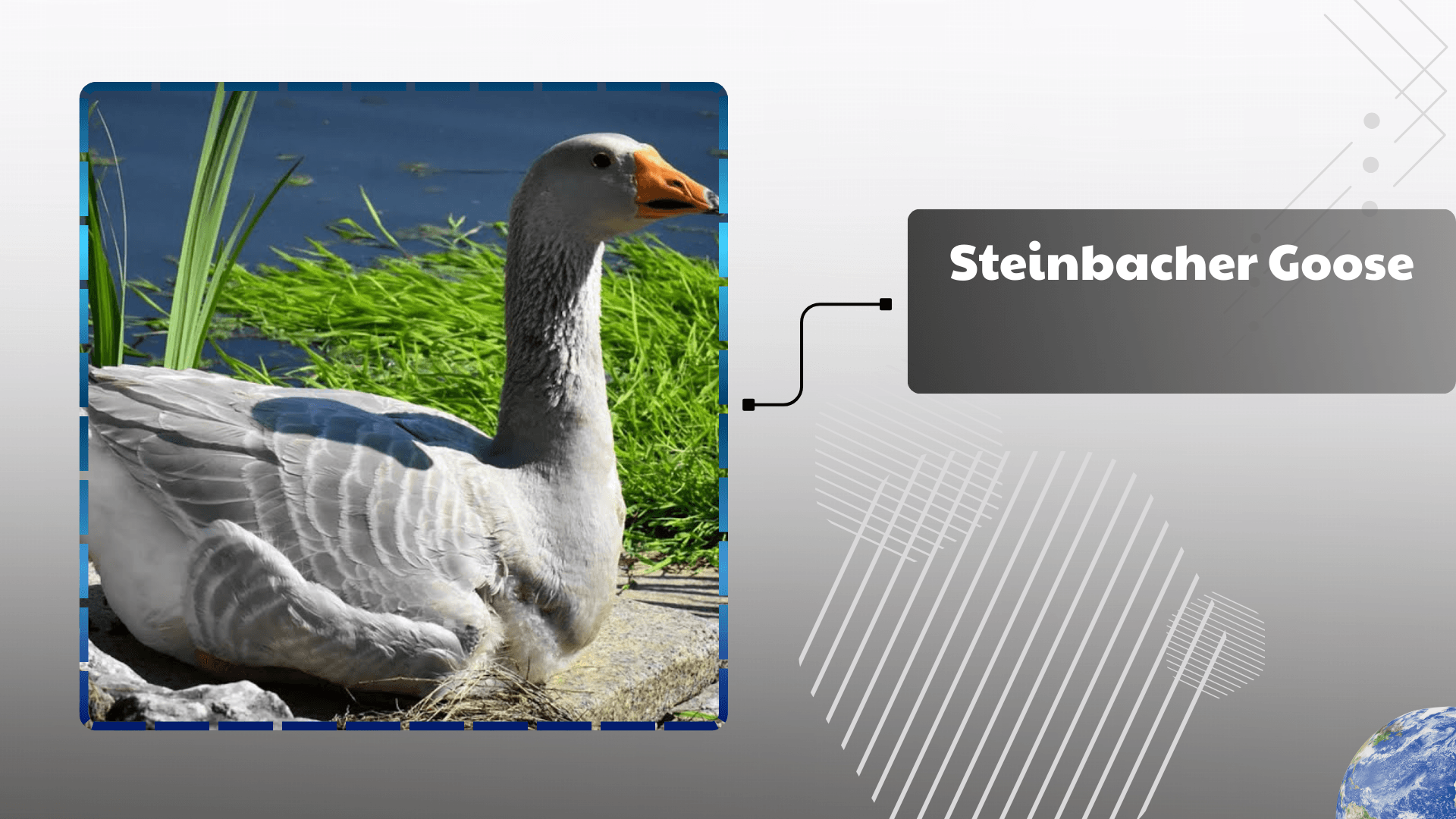
The Steinbacher Goose is a domestic breed originating from Austria, known for its calm temperament, strong build, and grey-white plumage. These geese are often raised for meat and egg production, but their sociable behavior and gentle nature also make them suitable for ornamental purposes. Steinbacher Geese are highly social, interacting closely with flock members through honks, posturing, and coordinated movements. Observing their feeding and grazing patterns reveals their alertness, as individuals monitor one another for potential threats while maintaining group cohesion.
During breeding, pairs establish nests on the ground, typically in grassy or sheltered areas. Females incubate eggs while males guard the territory, ensuring the safety of the brood. Goslings follow parents to feeding sites and quickly learn social cues and foraging skills. The Steinbacher Goose’s balance of calm temperament, alertness, and adaptability makes it an excellent representative of domestic geese within Types of Geese. Observing them highlights how domesticated breeds can maintain key natural behaviors while thriving in human-managed environments.
34. Roman Tufted Goose
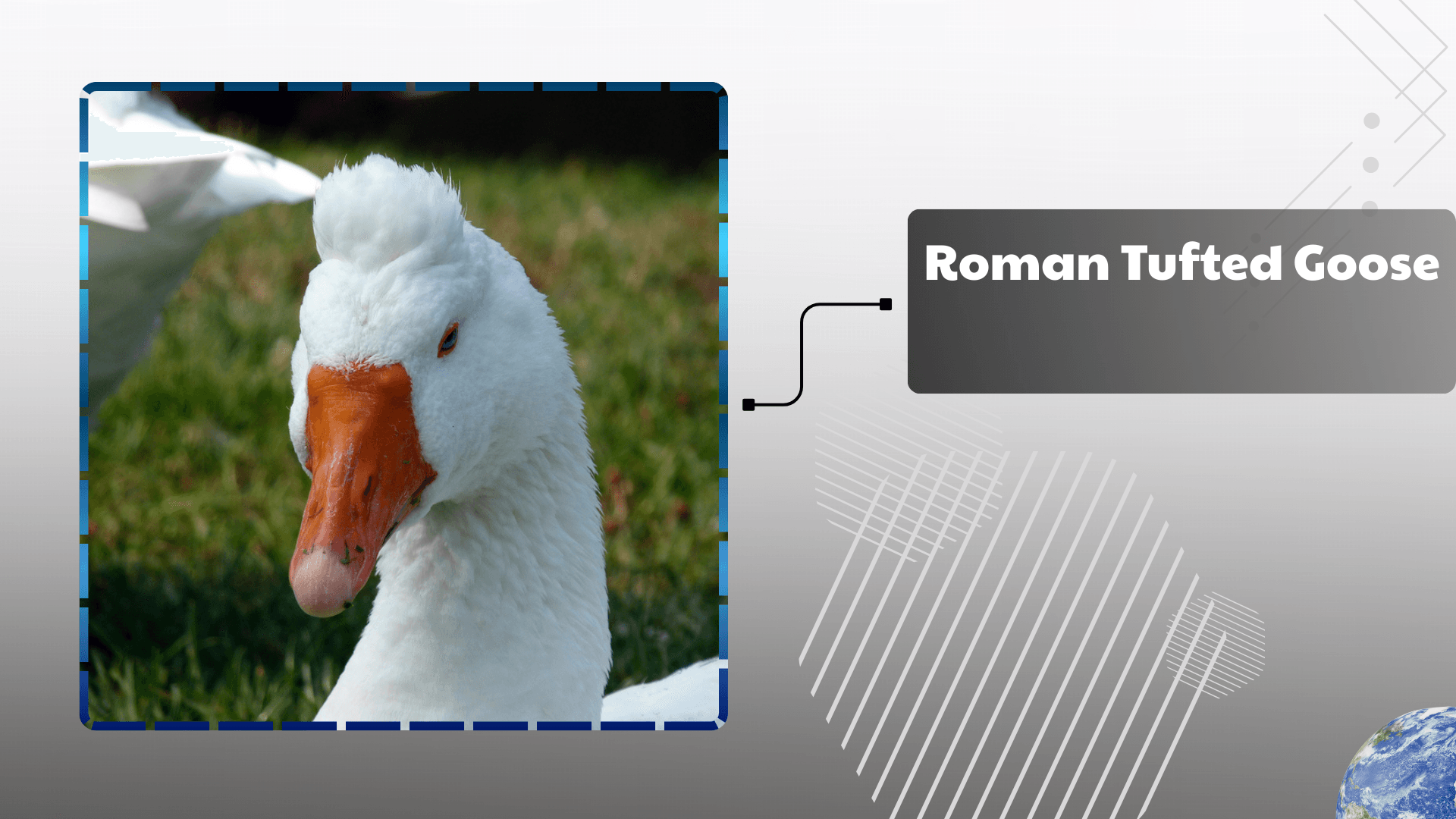
The Roman Tufted Goose, a domestic breed from Italy, is distinguished by a small crest or tuft on its head, giving it an elegant and unique appearance. Typically grey with white underparts, these geese are raised for ornamental purposes, farm use, and sometimes for meat. Roman Tufted Geese are social, forming family groups and flocks that communicate through honks and soft calls. Observing their interactions reveals playful preening, mutual grooming, and coordinated movement, highlighting their complex social behavior despite domestication.
Breeding involves sheltered ground nests where females incubate eggs while males protect the territory. Goslings quickly learn to forage, follow parents, and interact with other flock members. The crest adds a distinctive charm, making Roman Tufted Geese popular in ornamental collections and small farms. Their ability to adapt to human-managed environments while maintaining natural social behaviors demonstrates how domestic geese preserve essential traits of wild Types of Geese. Observing them is both visually appealing and educational, showcasing elegance and instinctive behavior combined.
35. American Buff Goose
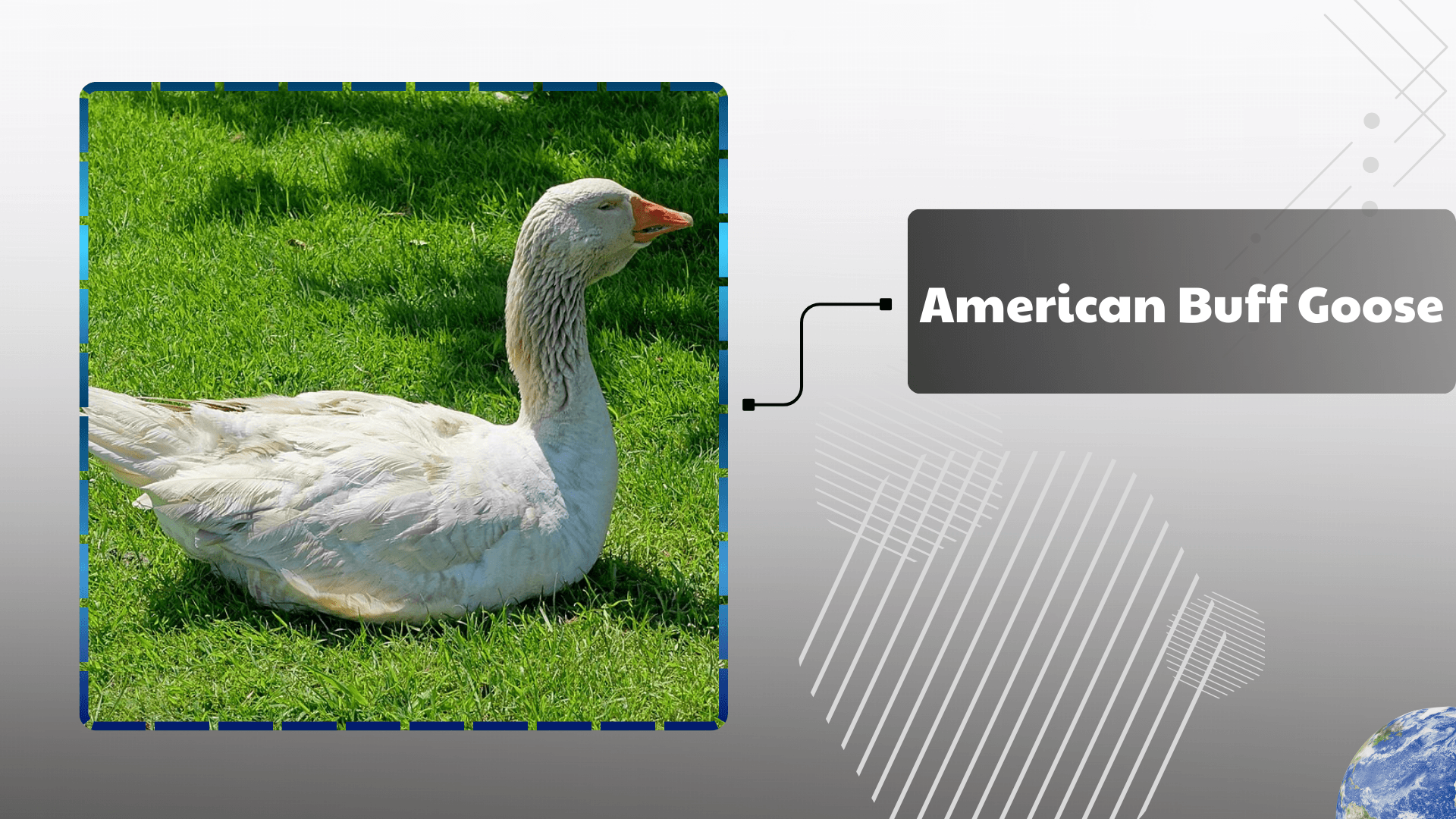
The American Buff Goose is a domestic breed originating in the United States, valued for its warm buff-colored plumage, large size, and calm temperament. These geese are commonly raised for meat production, but their gentle demeanor and sociable nature make them a favorite among small farm enthusiasts. American Buff Geese are herbivorous, feeding on grasses, grains, and pasture vegetation, often foraging in cohesive family groups. Their calm but alert behavior makes them easy to observe, providing insight into domestic goose social dynamics.
Breeding pairs build nests on the ground, often in well-concealed areas. Females incubate eggs while males guard the territory and assist with gosling protection. Goslings are guided to water and feeding areas, learning foraging techniques and social cues from their parents. The American Buff Goose exemplifies a blend of domestic utility and natural behavior, highlighting adaptability, social bonding, and coordinated flock movement. For enthusiasts studying Types of Geese, this breed provides a clear example of how selective breeding can enhance temperament and aesthetic traits without compromising natural instincts.
36. African Goose
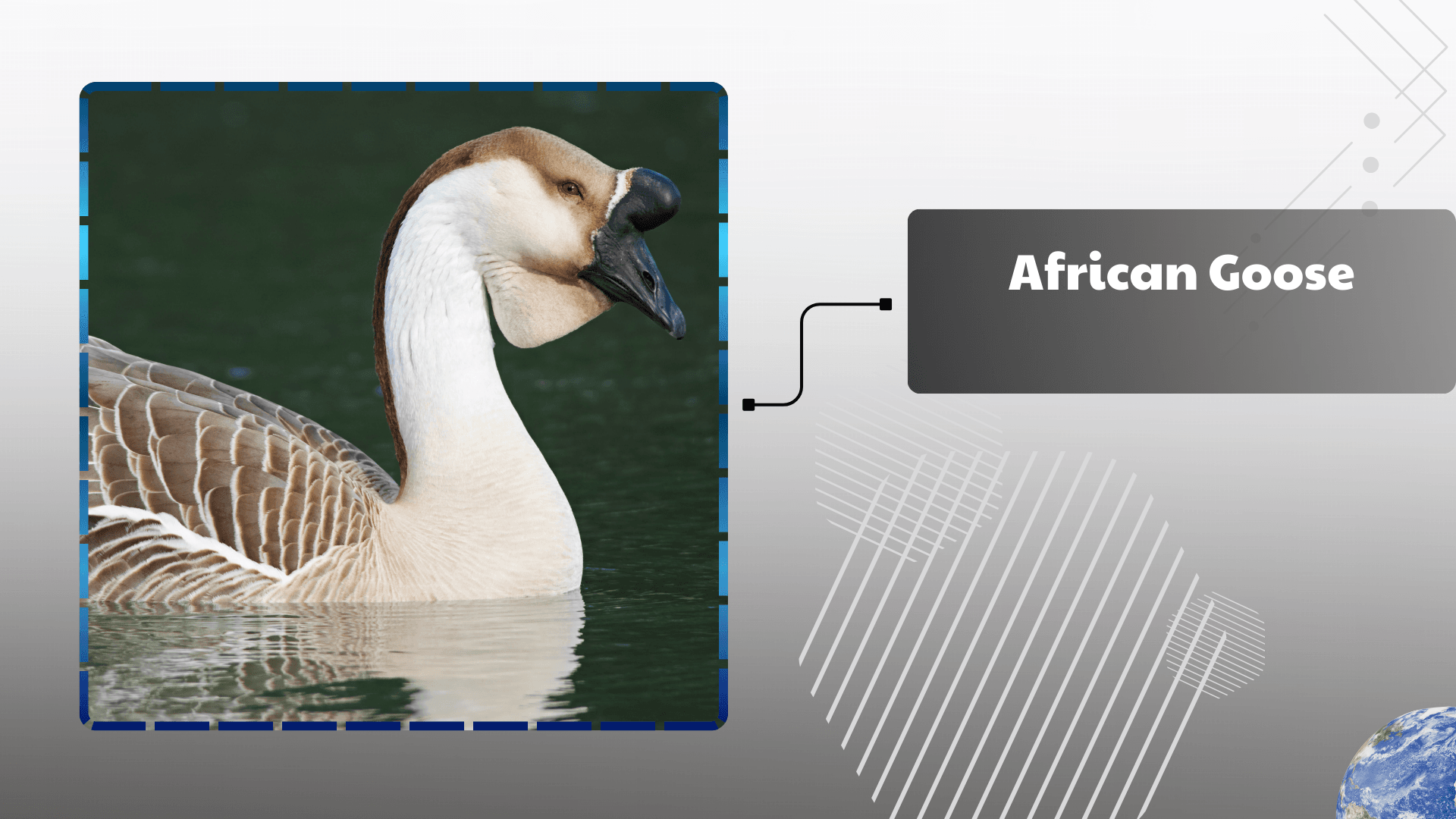
The African Goose, a domestic breed derived from the wild Swan Goose, is renowned for its impressive size, prominent knob on the bill, and loud honking. Native to China originally, African Geese have been introduced worldwide and are now common on farms for meat production. Their plumage ranges from brownish-gray to lighter shades, and they are highly social, forming cohesive flocks that display alertness and mutual communication. Observing African Geese in farm settings reveals their protective behavior, often serving as excellent “guard geese” due to their loud, attentive nature.
During breeding, females incubate eggs while males guard nests and defend territories. Goslings follow parents to water and feeding areas, quickly learning to recognize potential dangers. African Geese are intelligent and social, demonstrating both domesticated adaptability and retained wild behaviors, including group cohesion and vigilance. Their commanding presence, striking features, and dynamic social behavior make them an essential breed to consider when studying domestic types within the broader spectrum of Types of Geese.
37. Chinese Goose
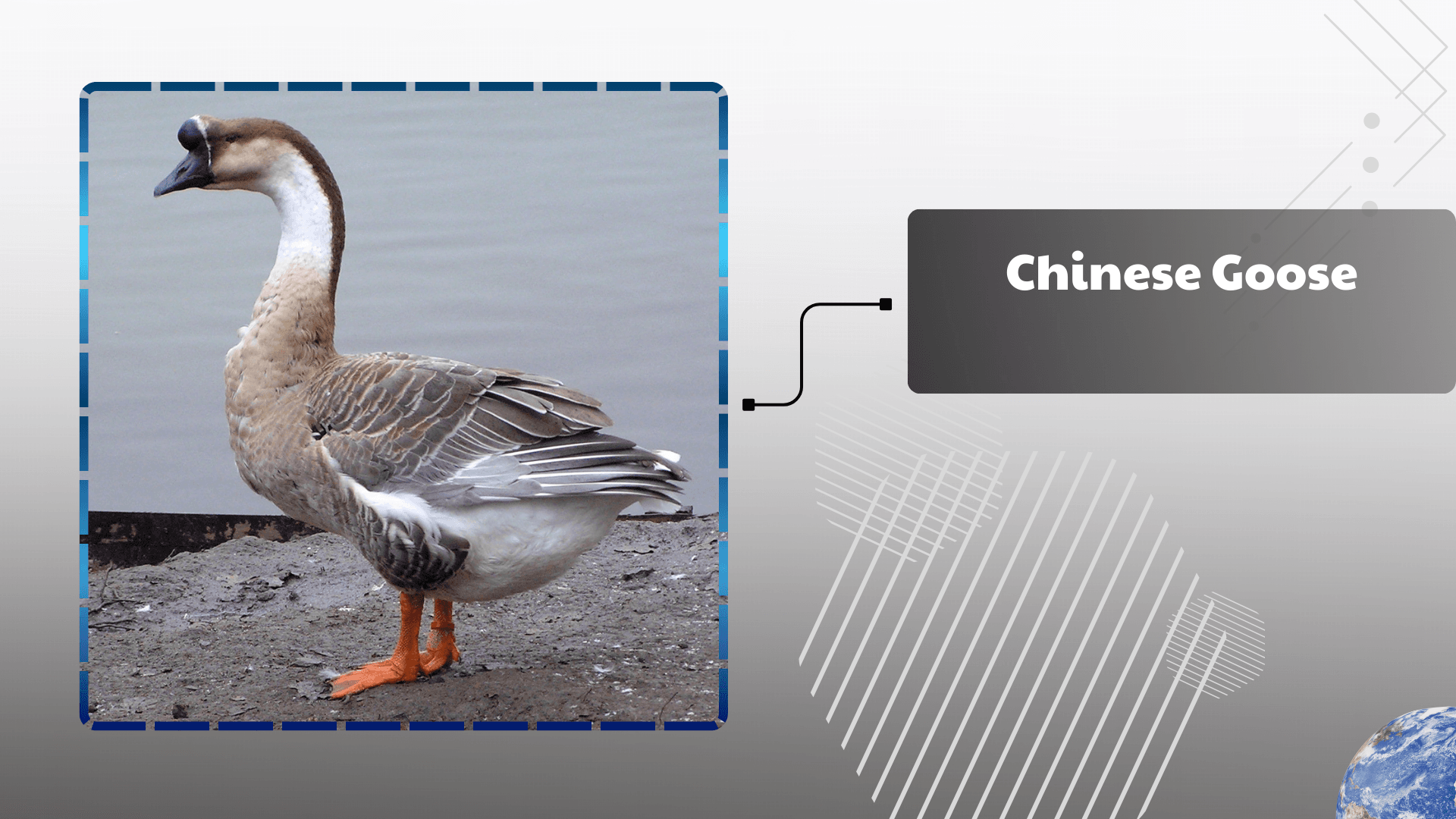
The Chinese Goose is a domestic breed originating from China, closely related to the wild Swan Goose. They are easily recognized by a pronounced knob at the base of the bill, long neck, and sleek body, often exhibiting brown, gray, or white plumage. Chinese Geese are active and social, often seen in cohesive flocks where honking maintains communication and group coordination. Their alert behavior and curiosity make them engaging to observe, particularly when they interact with other geese or humans.
Breeding involves nest construction on the ground or in sheltered areas, with females incubating eggs and males guarding nests. Goslings quickly follow parents to forage, learning both feeding and social skills essential for survival. Chinese Geese exemplify how domestic breeds retain key behaviors from their wild ancestors, including communication, vigilance, and social cohesion. For enthusiasts and farmers alike, they provide both practical utility and educational insight into domestic Types of Geese, demonstrating how traditional breeds balance natural instincts with human-managed environments.
38. Buff Back Goose
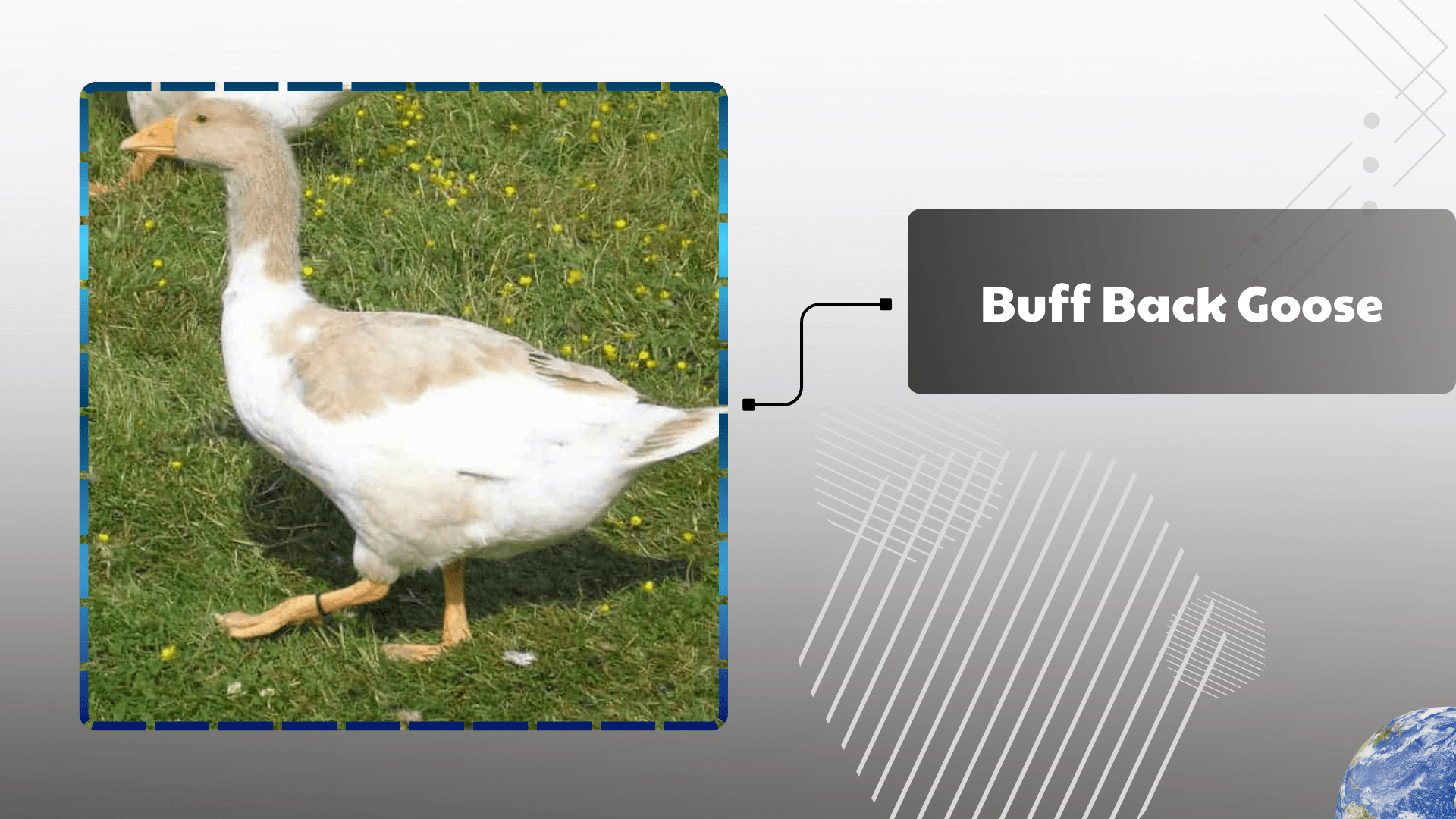
The Buff Back Goose, also known as the American Buff Goose, is a domestic breed admired for its striking buff-colored plumage and robust body. They are popular for meat production, but their calm temperament and sociable nature make them suitable for small farms and ornamental ponds. Buff Back Geese are herbivorous, feeding on grasses, grains, and pasture vegetation. Observing them reveals attentive social behaviors, including mutual preening, coordinated foraging, and alertness toward potential threats.
Breeding pairs construct nests on the ground, with females incubating eggs while males stand guard. Goslings learn essential survival skills, including foraging and social interaction, under parental guidance. Their gentle demeanor, adaptability to human environments, and social cohesion make Buff Back Geese a prime example of domestic Types of Geese. Observing these geese provides both visual enjoyment and a deeper understanding of how domestic breeds preserve important behaviors from their wild counterparts.
39. Czech Goose
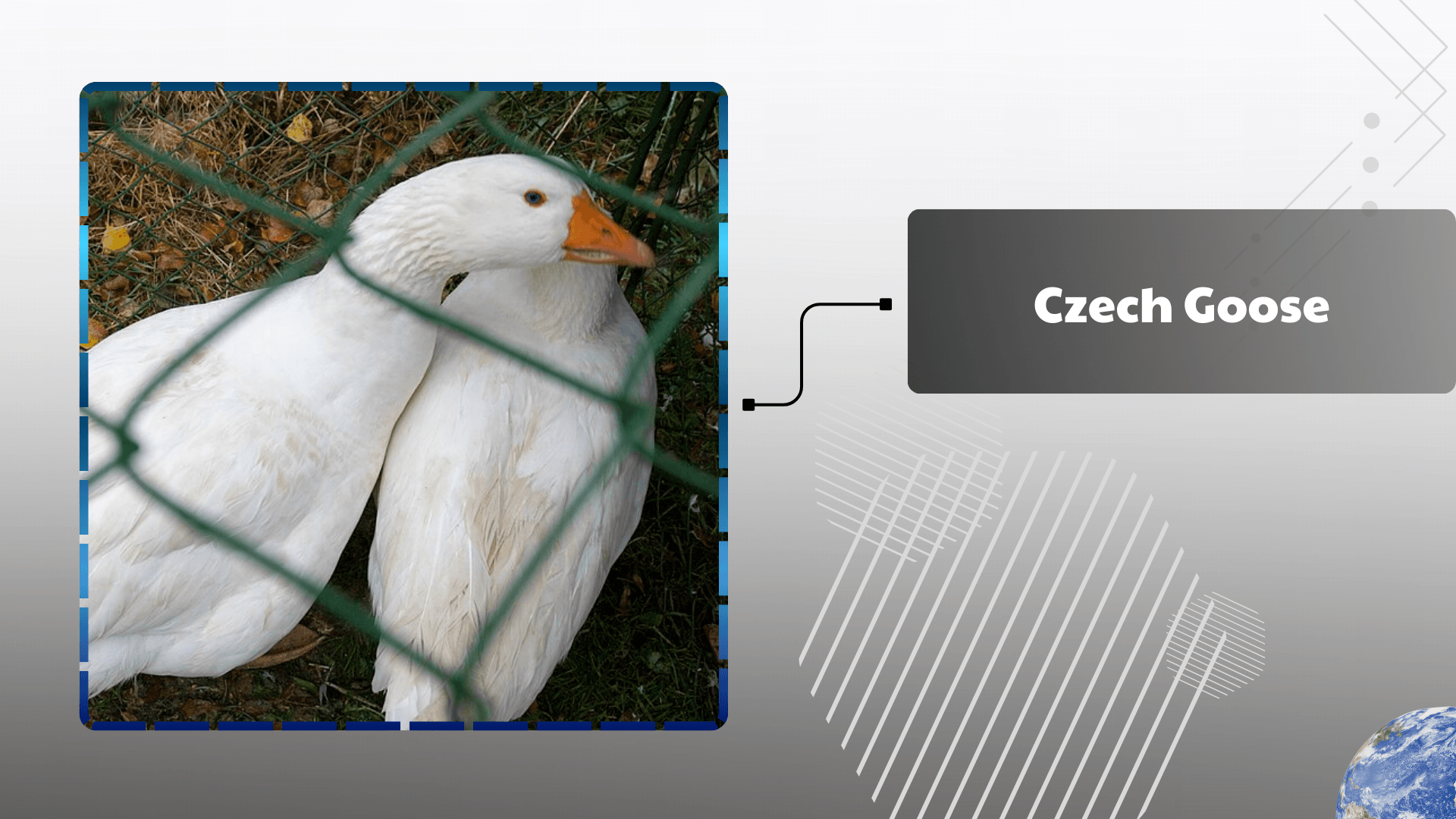
The Czech Goose, a domestic breed from the Czech Republic, is recognized for its grey and white plumage, calm temperament, and utility as a meat and ornamental breed. These geese are social and often form cohesive flocks where communication and coordination are evident through honks and posturing. Observing Czech Geese grazing or interacting in ponds offers insight into their alertness, playful behaviors, and group dynamics. They are adaptable to various farm environments, thriving in both pasture and water-accessible settings.
Breeding pairs build ground nests, with females incubating eggs and males guarding territories. Goslings are guided to feeding areas, quickly learning social cues and foraging behaviors. The Czech Goose demonstrates how domestic breeds retain essential social instincts, alertness, and communication skills. For enthusiasts and farmers, they provide a blend of aesthetic appeal, productivity, and educational value, highlighting the diversity within domestic Types of Geese.
40. Pilgrim Goose
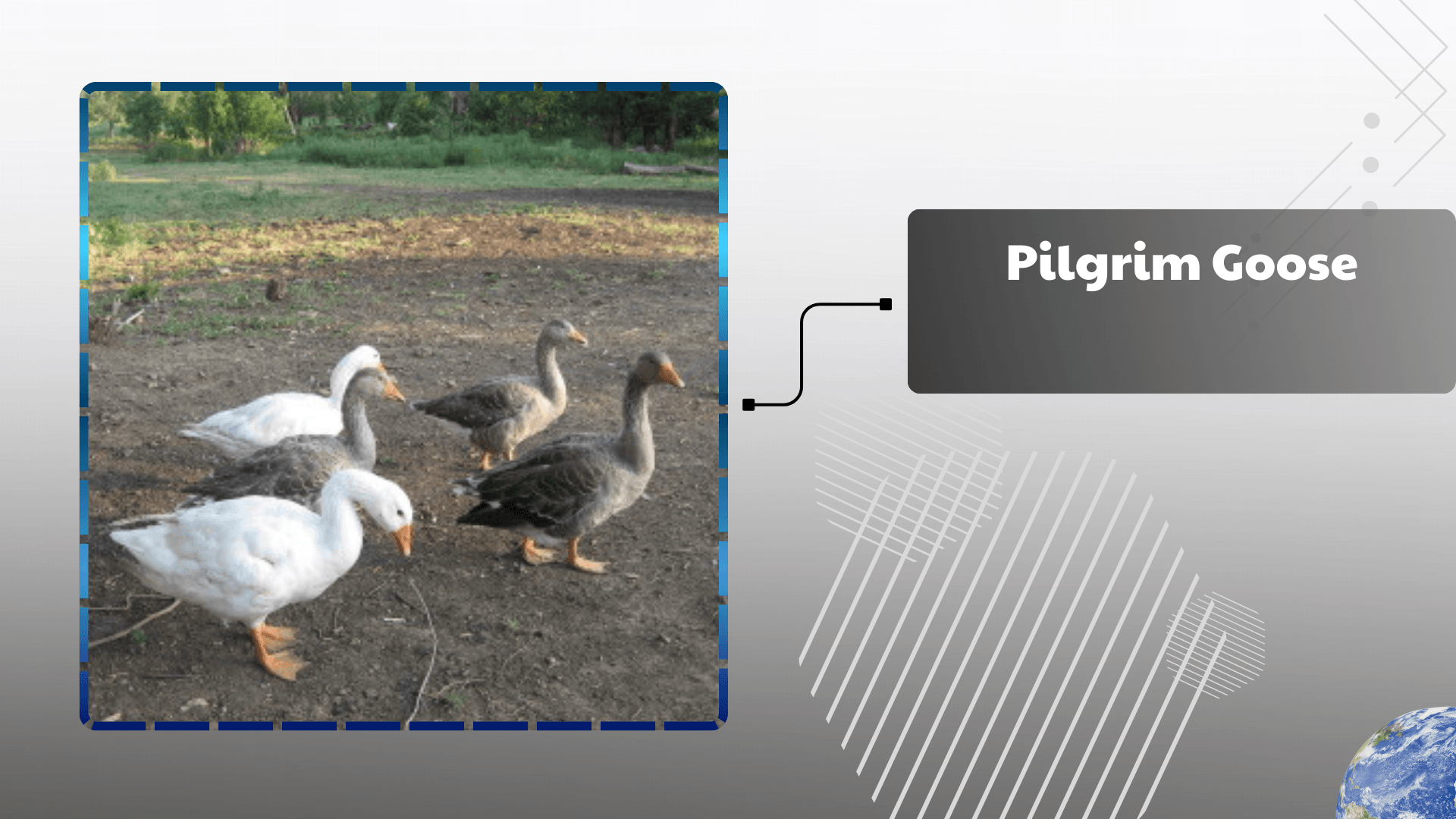
The Pilgrim Goose is a domestic breed originating in the United States, known for its striking white body with black primary feathers in males, while females are generally grey. This breed is highly social and intelligent, often forming strong bonds within flocks. Pilgrim Geese are herbivorous, grazing on grasses and grains, and display coordinated group behaviors when feeding or moving between water and pasture. Observing them in farm or pond settings reveals playful, curious interactions alongside alertness toward potential threats.
Breeding involves ground nests in sheltered areas, with females incubating eggs and males guarding nests and guiding goslings. Young birds quickly learn foraging and social behaviors from parents, retaining instincts seen in wild geese. Pilgrim Geese exemplify how domestic breeds can balance natural behaviors with aesthetic appeal and productivity. For those studying Types of Geese, Pilgrim Geese highlight the intersection of domestication, social behavior, and adaptation to human-managed environments, providing both educational and visual interest.
41. Pilgrim Goose
The Pilgrim Goose, originating in the United States, is a domestic breed admired for its striking appearance and calm temperament. Males display white plumage with black wing tips, while females are usually grey, creating a clear sexual dimorphism. Pilgrim Geese are social and highly interactive within flocks, communicating through gentle honks and maintaining cohesion while foraging. They feed primarily on grasses and grains, often seen grazing in pastures or near ponds. Observing Pilgrim Geese highlights their playful nature and cooperative behaviors, providing insight into domestic geese social dynamics.
During breeding, females construct nests on the ground, incubating eggs while males stand guard and guide goslings. Goslings quickly learn to forage, interact, and stay vigilant under parental supervision. Their adaptability to human-managed environments, combined with retained natural behaviors like flock cohesion and alertness, makes Pilgrim Geese a popular choice for small farms and ornamental collections. Within the spectrum of Types of Geese, they exemplify the balance between domestication and instinctive social behavior.
42. Roman Goose
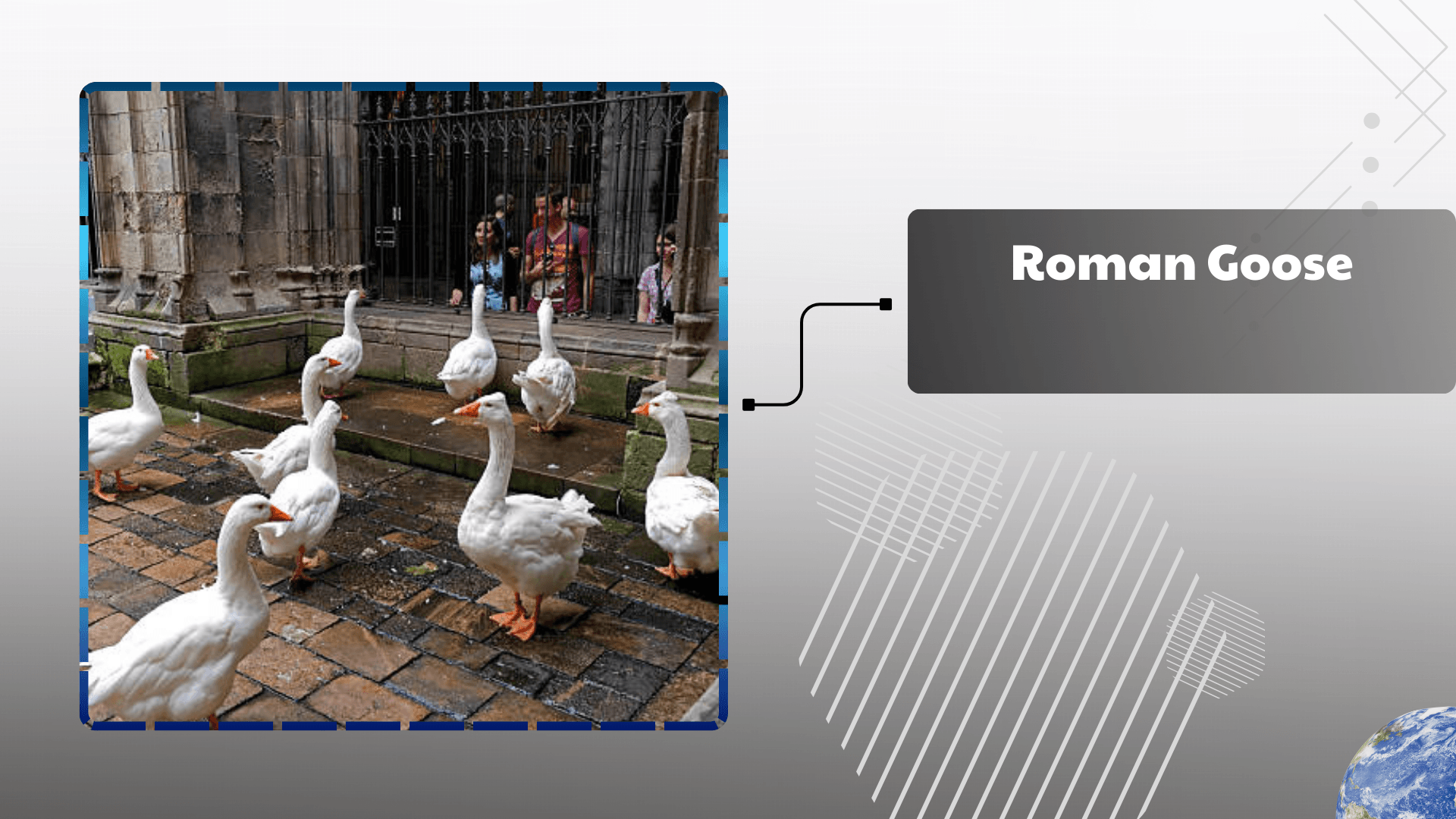
The Roman Goose is a domestic breed from Italy, known for its white plumage, large body, and calm disposition. Historically raised for meat, they are also kept for ornamental purposes due to their elegant appearance. Roman Geese are social birds, forming cohesive flocks that communicate through honking and body language. They are herbivorous, feeding on grasses, grains, and other pasture vegetation. Observing their behavior in ponds or pastures reveals alertness, playful interaction, and strong social bonds within the flock.
Breeding involves ground nests with females incubating eggs and males guarding the nesting territory. Goslings are guided to feeding areas, learning essential foraging and social skills. The Roman Goose demonstrates how domestic geese retain natural instincts such as vigilance, flock coordination, and parent-offspring communication. For enthusiasts and small-scale farmers, Roman Geese provide both visual charm and insight into domestic Types of Geese, balancing elegance with practical utility.
43. Brecon Buff Goose
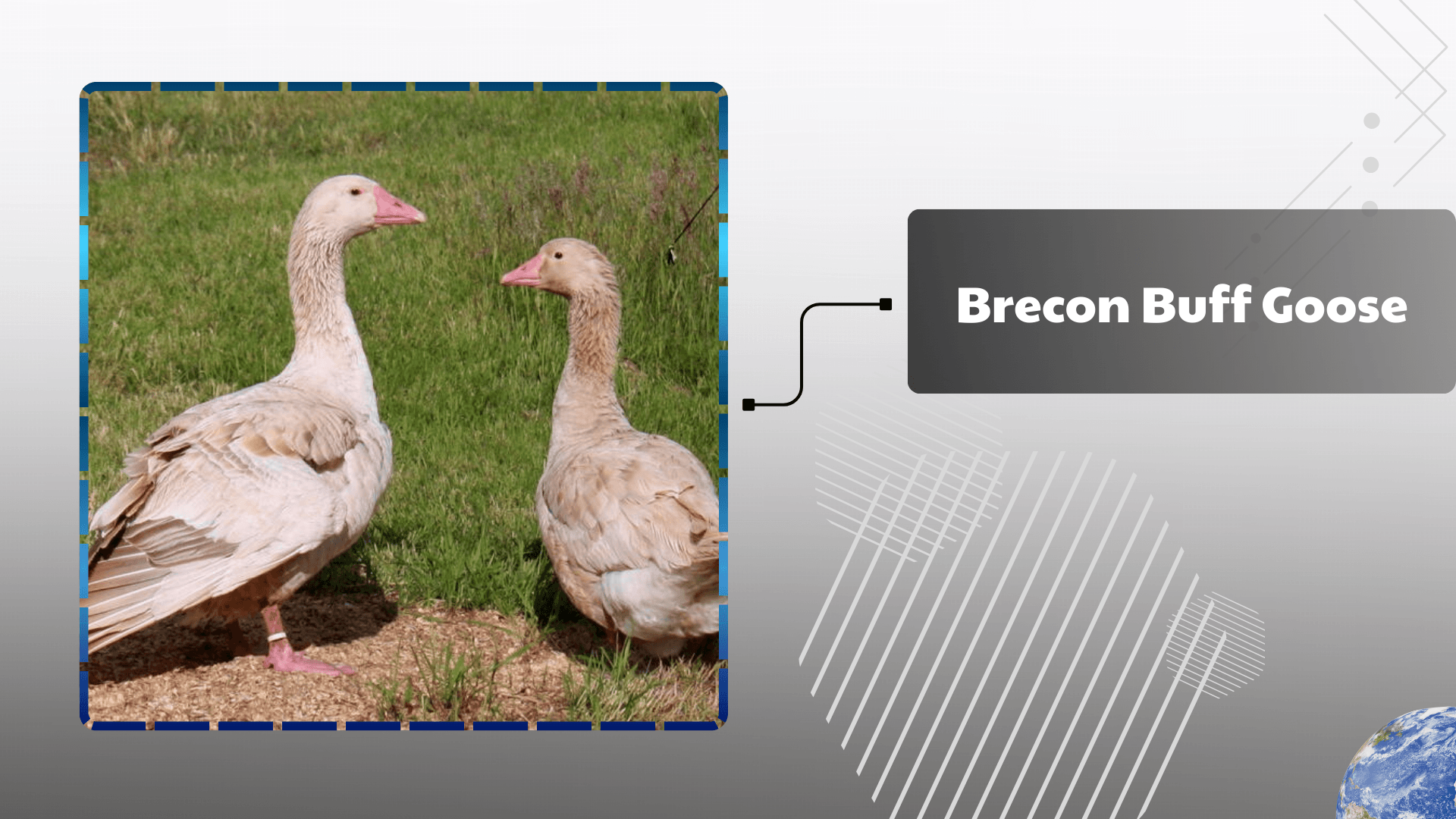
The Brecon Buff Goose is a domestic breed originating from Wales, recognizable by its warm buff-colored plumage and medium-to-large size. These geese are calm, friendly, and highly social, often forming tight family groups that forage together. They feed on grasses, herbs, and grains, and their alert yet gentle nature makes them excellent for both ornamental and productive purposes. Observing Brecon Buff Geese in pastures or ponds highlights their cooperative behaviors and intricate social dynamics, making them a delight for birdwatchers and small-scale farmers alike.
During breeding, females incubate eggs in ground nests while males guard the territory and protect goslings. Young birds quickly learn to forage and navigate their environment under parental guidance. The Brecon Buff Goose exemplifies domestic breeds that maintain strong social cohesion, alertness, and natural instincts, making them a notable member of Types of Geese. Their balance of beauty, temperament, and adaptability ensures they are both functional and engaging for enthusiasts.
44. Domestic Swan Goose (Chinese/Knobbed form)
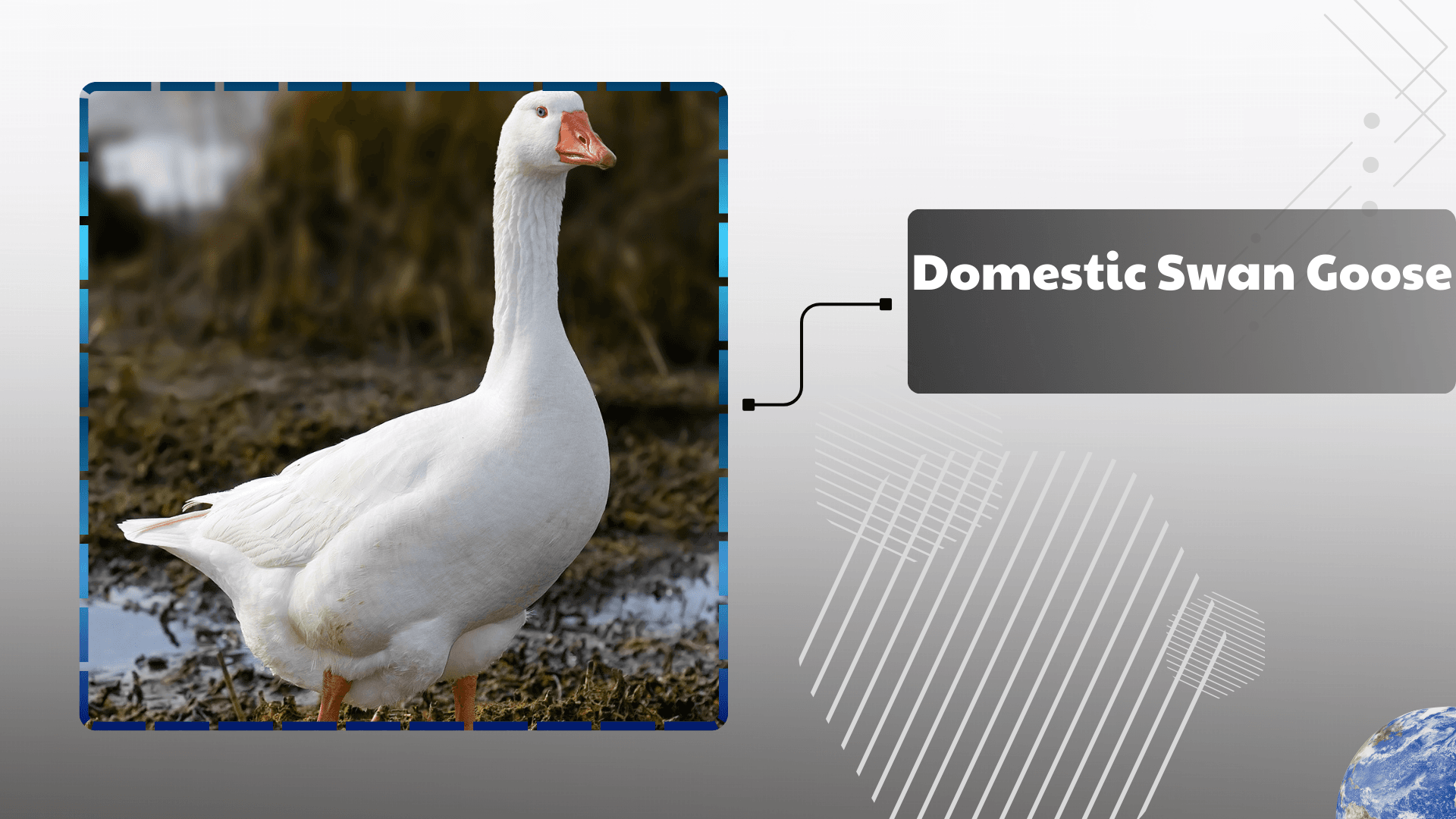
The Domestic Swan Goose, particularly the Chinese or knobbed variant, is derived from the wild Swan Goose and is easily recognized by its long neck, pronounced knob at the base of the bill, and elegant posture. These geese are kept worldwide for ornamental purposes and meat production. They are herbivorous, feeding on grasses and grains, and display highly social behaviors such as coordinated movement, honking communication, and mutual preening. Observing them provides insight into the retained wild instincts within domestic breeds, particularly their alertness and flock coordination.
Breeding involves nest construction in sheltered ground areas, with females incubating eggs while males guard the territory. Goslings learn foraging skills and social cues from parents, quickly developing strong bonds within the flock. The Domestic Swan Goose exemplifies how domestication can enhance certain physical traits while preserving natural social and survival behaviors. For those studying Types of Geese, they are an excellent example of elegance, adaptability, and retained instincts in domestic populations.
45. Domestic Bar‑headed Goose
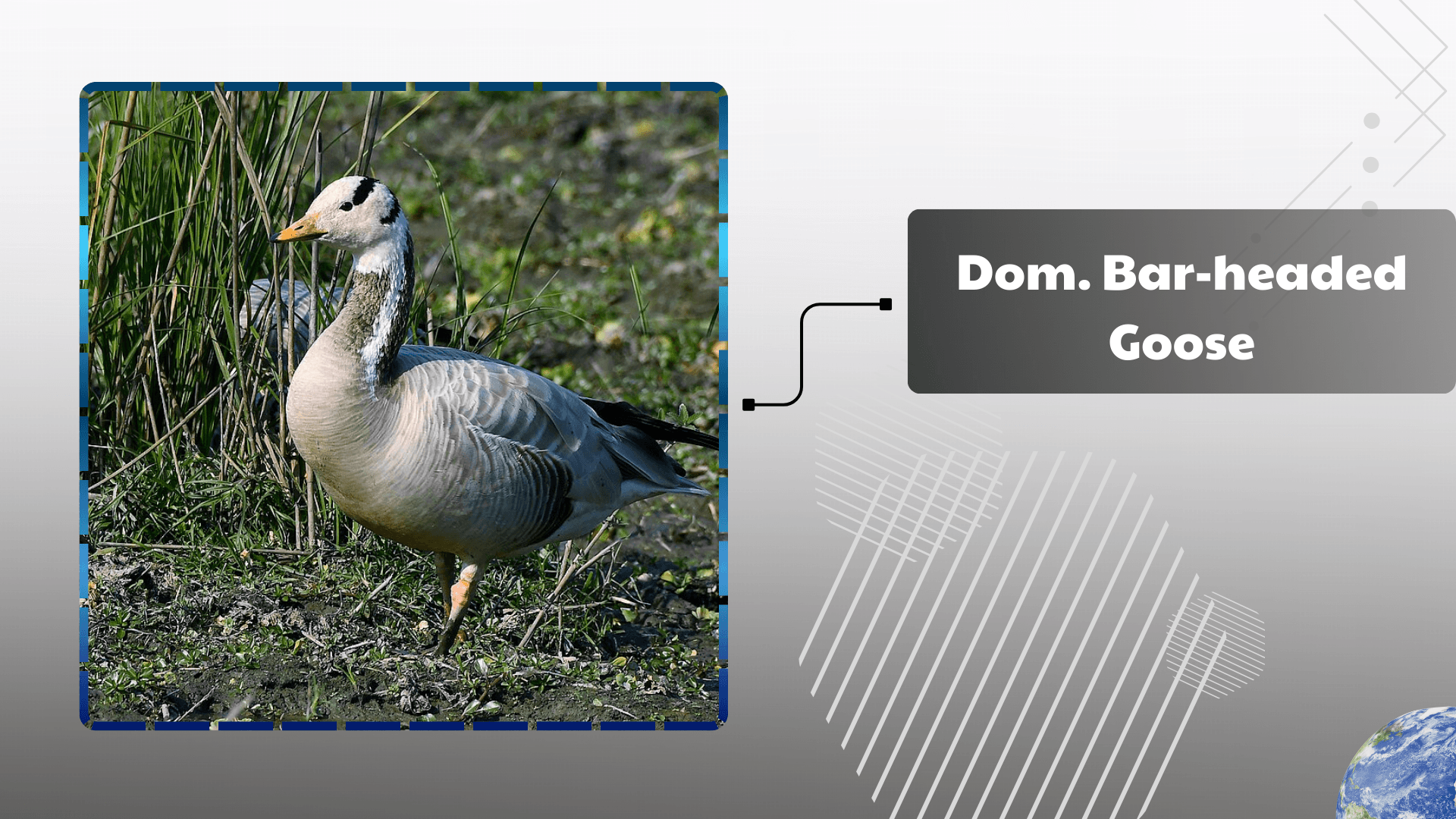
The Domestic Bar-headed Goose, derived from the wild Bar-headed Goose, is renowned for its distinctive black bars on the head and light grey body. These geese are highly adaptable and are often raised for meat, eggs, or ornamental purposes. Their diet consists of grasses and grains, and they display social behaviors such as flocking, honking communication, and mutual vigilance. Observing Domestic Bar-headed Geese highlights their alert nature, cooperative foraging, and calm demeanor, providing both educational and visual interest.
During breeding, females build ground nests, incubating eggs while males guard the territory and assist in gosling protection. Goslings quickly develop social and foraging skills under parental supervision. The Domestic Bar-headed Goose exemplifies how domestic breeds maintain behavioral traits from wild ancestors while adapting to human-managed environments. For wildlife enthusiasts and farmers, they offer insight into domesticated Types of Geese and the balance between natural instinct and selective breeding.
46. Graylag Goose – Toulouse variant
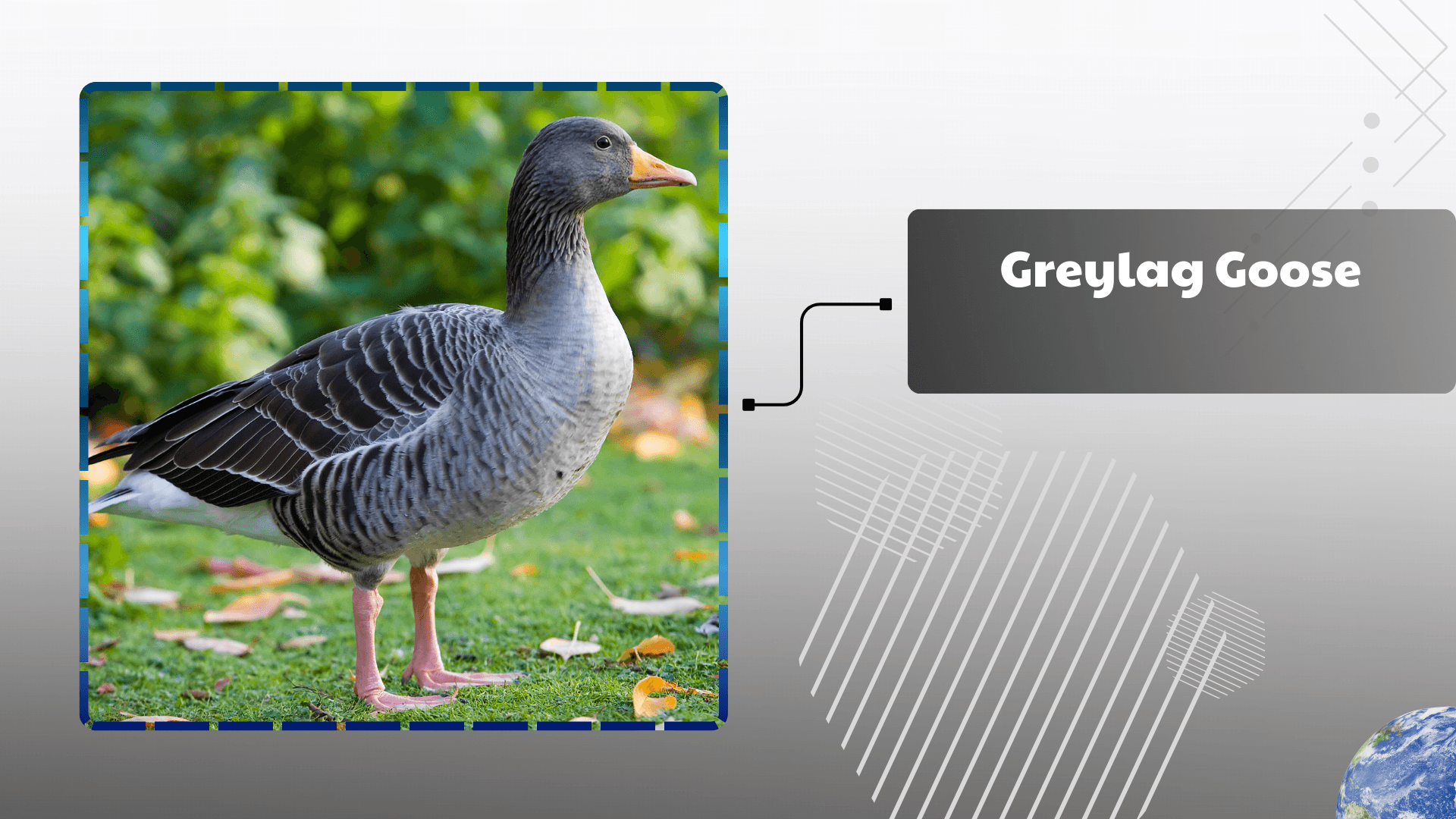
The Graylag Goose, Toulouse variant, is a domestic breed derived from the wild Graylag Goose, often recognized for its large size, grey plumage, and calm temperament. Native to Europe, these geese are raised for meat, eggs, and ornamental purposes. They are social, forming cohesive flocks that communicate through honks and body language. Observing Toulouse Graylag Geese grazing or moving between water and pastures reveals alertness, cooperative behavior, and strong social bonds within the flock.
Breeding involves ground nests with females incubating eggs and males guarding nests and goslings. Young birds learn essential foraging skills and social cues from their parents. The Toulouse variant demonstrates how domestic Types of Geese retain key instincts such as flock coordination, vigilance, and parental guidance. Their gentle temperament and adaptability make them suitable for small farms, educational purposes, and ornamental collections, combining utility with natural beauty.
47. Graylag Goose – Embden variant
The Embden variant of the Graylag Goose is another domestic breed derived from the wild species, characterized by its white plumage, large size, and calm nature. These geese are raised for meat and egg production but also serve as attractive ornamental birds due to their striking appearance. Embden Graylag Geese are social, forming tight flocks that communicate through honking, coordinated movement, and mutual preening. Observing them provides insight into domestic geese social behaviors, alertness, and adaptability to human-managed environments.
During breeding, females incubate eggs in ground nests while males guard the territory. Goslings are guided to water and feeding areas, quickly learning to forage and interact socially. The Embden variant exemplifies how domesticated geese maintain natural instincts from wild ancestors while thriving under human care. For enthusiasts and farmers, they offer both practical value and educational opportunities within the broader spectrum of Types of Geese.
48. Snow Goose – Giant Domestic variant
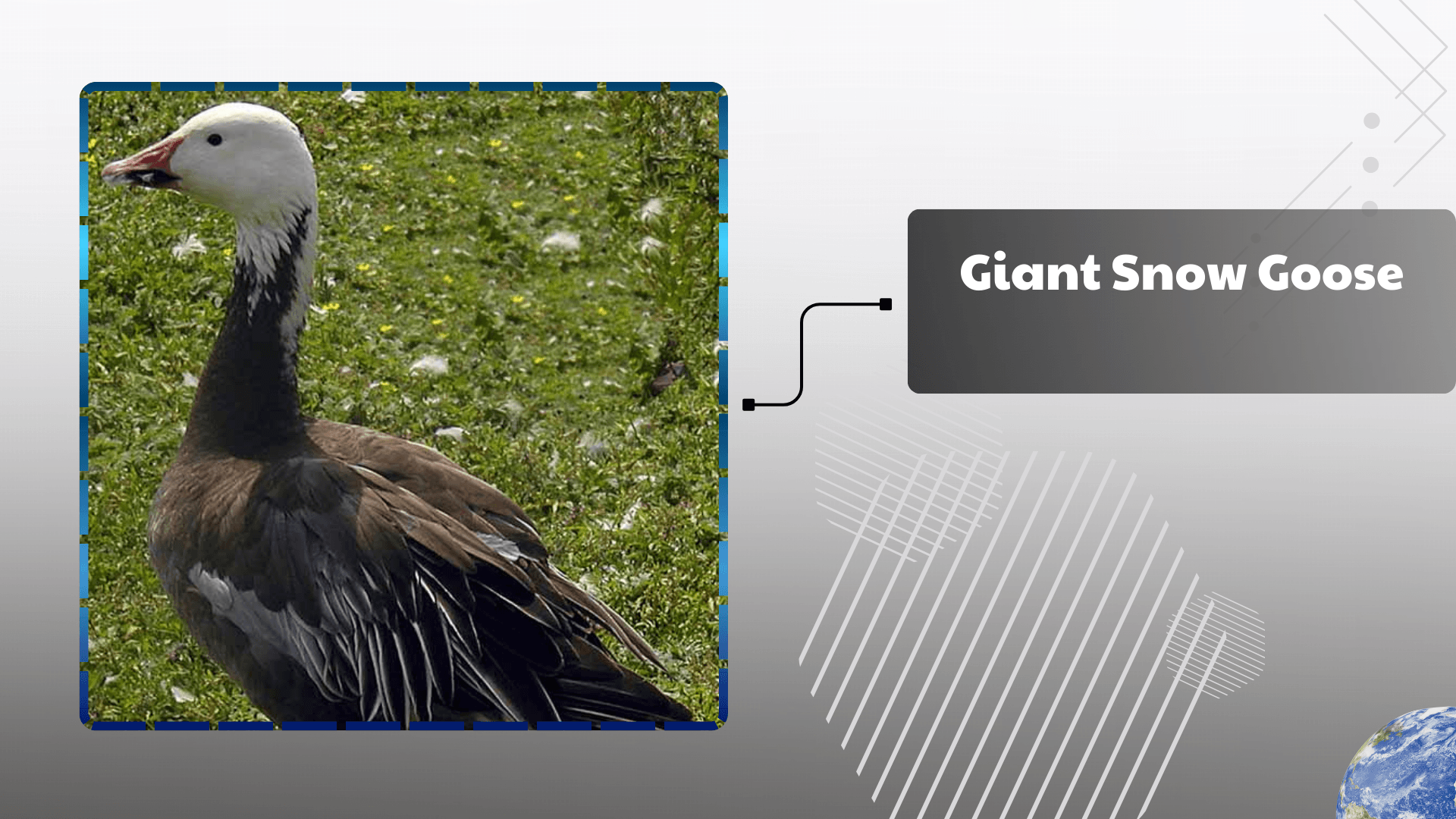
The Giant Domestic variant of the Snow Goose is a large, domesticated breed derived from the wild Snow Goose. Characterized by white plumage and large body size, these geese are raised primarily for meat and egg production. They are herbivorous, feeding on grasses, grains, and pasture vegetation, and they display strong social cohesion, often moving and feeding in coordinated groups. Observing them reveals alertness, cooperative behavior, and the playful interactions typical of domestic geese.
Breeding involves ground nests, with females incubating eggs and males guarding nests and guiding goslings. Young birds learn social and foraging behaviors from parents, maintaining instincts inherited from wild Snow Geese. The Giant Domestic Snow Goose illustrates how domestic Types of Geese can retain natural behaviors while being adapted for human use. For birdwatchers and farmers, they offer both educational and visual appeal, showcasing the intersection of domestication and natural instincts.
49. Egyptian Goose
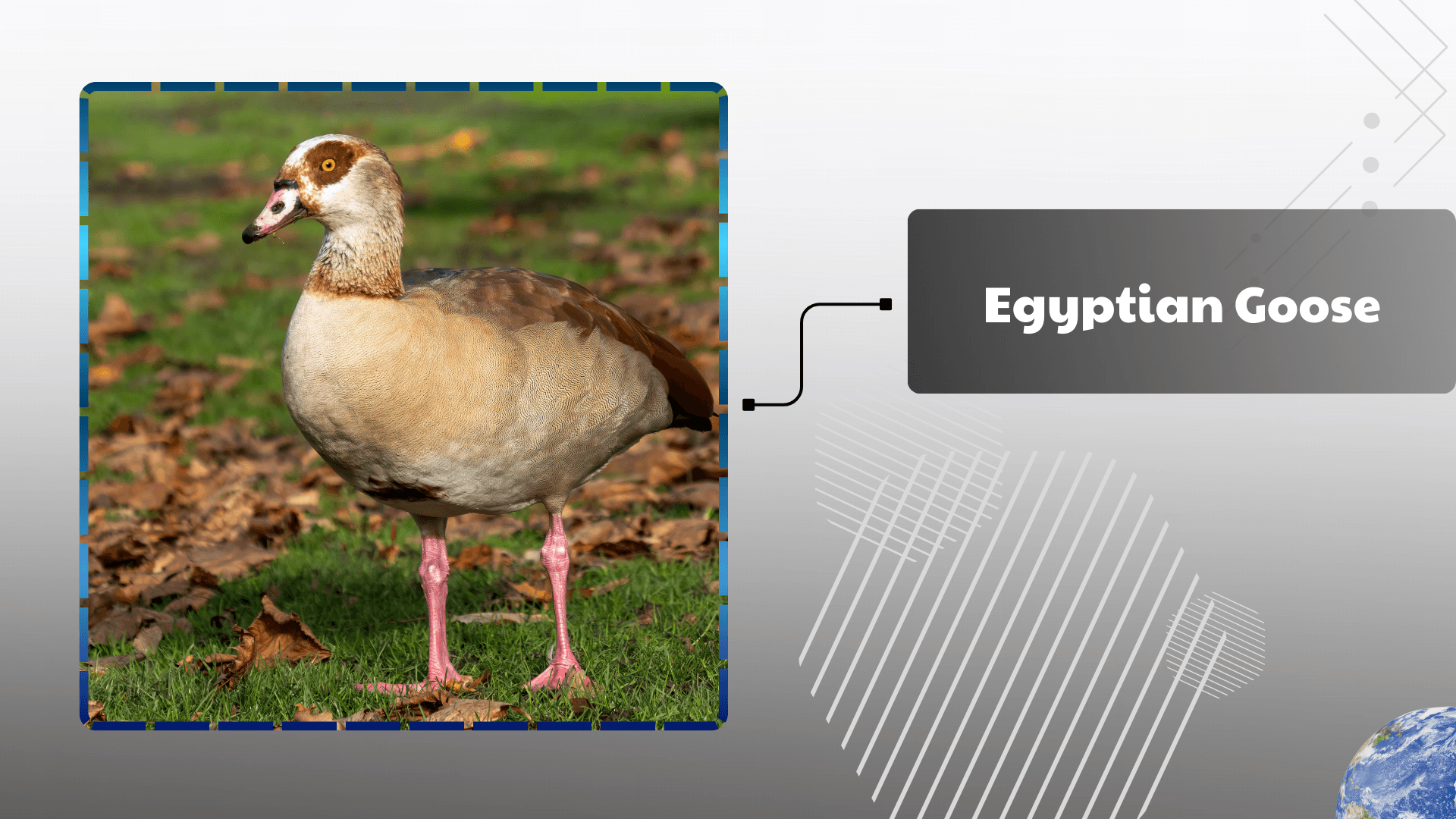
The Egyptian Goose is a striking species native to sub-Saharan Africa and the Nile Valley. With a tan body, dark eye patches, and reddish legs, these geese are highly ornamental and often kept in parks and ponds worldwide. They feed on grasses, seeds, and aquatic plants, and display bold, social behaviors, often forming tight family groups. Observing Egyptian Geese highlights their territoriality, alertness, and playful interactions with flock members. They are also known for strong pair bonds and active parental care, making them a captivating species to study.
During breeding, nests are built in elevated or sheltered locations, with females incubating eggs while males guard the area. Goslings quickly learn to forage and interact socially under parental supervision. The Egyptian Goose is an excellent example of a wild species that has adapted well to ornamental and managed environments. Their striking appearance and social dynamics provide both educational and aesthetic value, reinforcing their significance within Types of Geese.
50. Cobra Chicken
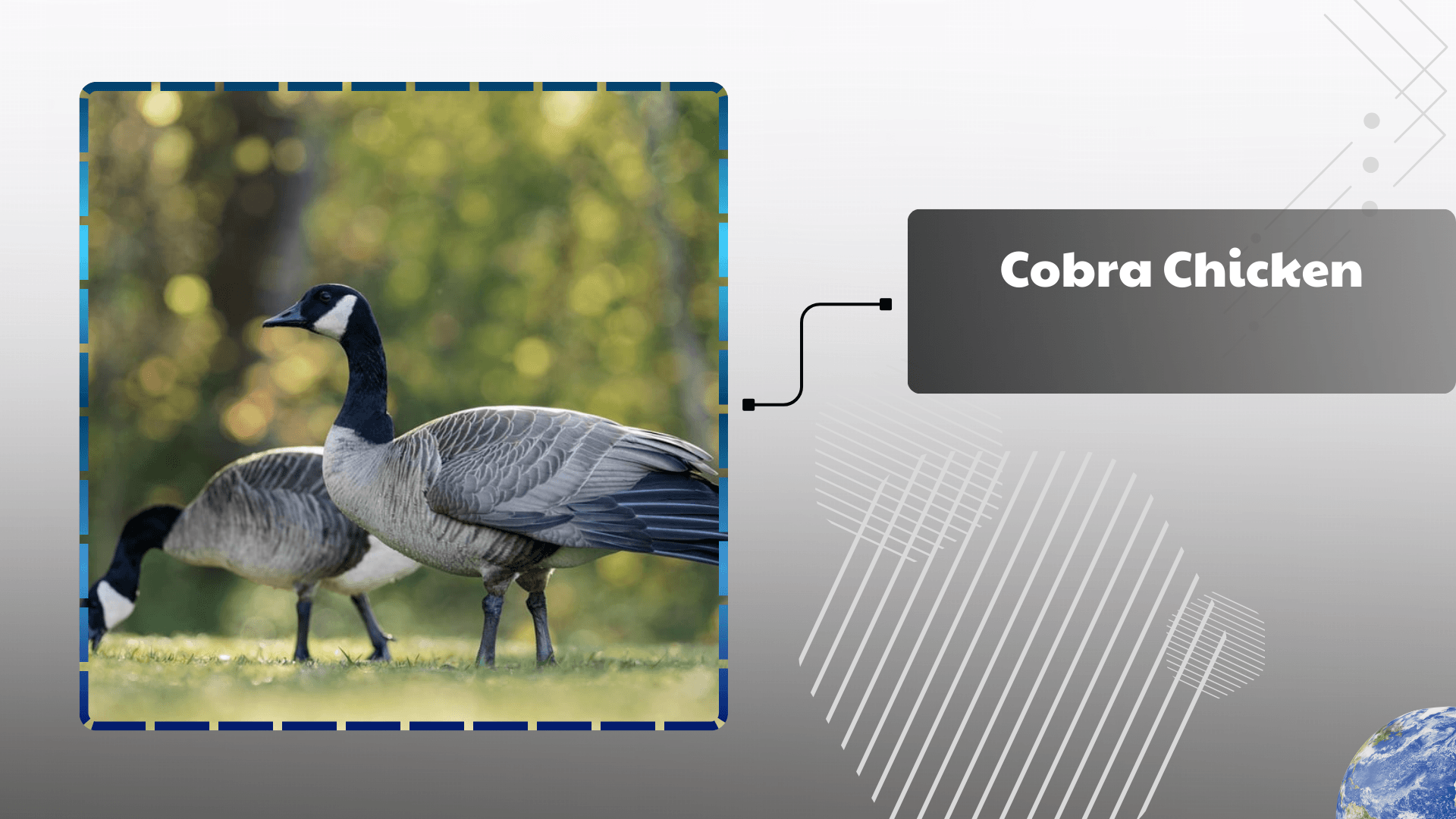
The Cobra Chicken, despite its unusual nickname, refers to a domestic goose breed with an upright posture and elegant, elongated neck reminiscent of a cobra. These geese are primarily ornamental, admired for their graceful appearance and sociable nature. Feeding mainly on grasses and grains, Cobra Chickens exhibit strong flock cohesion and coordinated behaviors. Observing them reveals alertness, playful interactions, and social learning within family groups, making them an engaging breed for enthusiasts.
Breeding involves ground nests, with females incubating eggs and males guarding nests and guiding goslings. Young birds quickly develop essential foraging and social behaviors under parental supervision. The Cobra Chicken illustrates how domestic Types of Geese can retain natural instincts such as vigilance, coordination, and parental guidance while exhibiting highly distinctive physical traits. For birdwatchers, breeders, and wildlife enthusiasts, they offer a unique and visually captivating addition to the diverse spectrum of geese species.
Conclusion: Exploring the Fascinating World of Types of Geese
From the striking Hawaiian Nene to the elegant Cobra Chicken, the diversity among geese is truly remarkable. Each species, whether wild or domestic, has adapted to its environment with unique behaviors, social structures, and physical characteristics. Observing these geese reveals not only their beauty but also the intricate balance of survival, family bonds, and social interactions that define their lives. Wild species like the Emperor Goose and Red‑breasted Goose demonstrate resilience in challenging habitats, while domestic breeds such as the Embden and Toulouse variants showcase how humans have influenced and preserved essential traits.
Learning about these 50 Types of Geese offers insights into ecology, migration, adaptation, and domestication, highlighting the delicate interplay between nature and human care. Whether you are a birdwatcher, wildlife enthusiast, or farmer, understanding these geese helps foster appreciation for their behavior, conservation needs, and cultural significance. From coastal shores to highland wetlands, grasslands, and farmyards, geese continue to captivate with their charm, intelligence, and social complexity.
Next time you see a flock of geese on a lake or pasture, take a moment to observe their interactions, plumage patterns, and calls—each species tells a story of survival, adaptation, and beauty. By learning about and supporting their habitats, you contribute to the ongoing preservation of these fascinating birds. Embrace the opportunity to explore and enjoy the wonderful diversity within Types of Geese.
Frequently Asked Questions About Types of Geese
1. What are the Types of Geese?
Types of Geese include a wide variety of wild and domestic species, ranging from the Hawaiian Nene to domestic breeds like the Embden and Toulouse. Each has unique features, behaviors, and habitats.
2. How many species of geese exist worldwide?
There are approximately 30–40 recognized wild species, with dozens of domestic breeds derived from wild ancestors, totaling over 50 distinct types commonly recognized by bird enthusiasts and farmers.
3. What is the Hawaiian Nene?
The Hawaiian Nene is a rare wild goose endemic to Hawaii. Known for its grey-brown plumage and black face markings, it is adapted to volcanic landscapes and grasslands.
4. Are all geese migratory?
No, not all geese migrate. Some species, like the Nene and Blue-winged Goose, are non-migratory, while others like the Tundra Bean Goose travel long distances seasonally.
5. What do geese eat?
Most geese are herbivores, feeding on grasses, grains, seeds, and aquatic plants. Coastal species like the Kelp Goose also feed on algae and kelp.
6. How do geese communicate?
Geese communicate through honks, calls, and body language. Vocalizations help maintain flock cohesion, warn of predators, and coordinate flight during migration.
7. What is a domestic goose?
A domestic goose is a breed raised by humans for meat, eggs, or ornamental purposes. Examples include Embden, Toulouse, and Sebastopol Geese.
8. How long do geese live?
Wild geese typically live 10–20 years, while domestic breeds may live up to 25 years with proper care.
9. Can geese fly?
Most wild geese are strong fliers capable of long migrations. Some domestic breeds, like Embden and Toulouse, are heavier and may fly only short distances or not at all.
10. What habitats do geese prefer?
Geese inhabit grasslands, wetlands, lakes, rivers, coastal shores, and high-altitude wetlands, depending on the species.
11. How do geese breed?
Geese usually build ground nests. Females incubate eggs while males protect the territory. Goslings are guided to feeding areas after hatching.
12. What is the Red-breasted Goose?
A small, strikingly colored wild goose from Eurasia, notable for its red, black, and white plumage. It breeds in Arctic tundras and migrates south in winter.
13. How can you identify a Kelp Goose?
Kelp Geese are coastal birds with black males and brown females. They feed on algae and kelp, often on rocky shores.
14. What is the difference between Taiga Bean Goose and Tundra Bean Goose?
They are subspecies of Bean Geese. Taiga breeds in boreal forests, while Tundra breeds in Arctic tundra. Both migrate seasonally but differ slightly in size and coloration.
15. Are Egyptian Geese real geese?
Yes, Egyptian Geese are wild waterfowl native to Africa. Despite their name, they are more closely related to shelducks but are commonly included in Types of Geese.
16. What is unique about the Ashy-headed Goose?
Native to South America, this goose has a grey head and brown body. It is social, cautious, and thrives in grasslands and wetlands.
17. Can geese be kept as pets?
Yes, many domestic breeds like Toulouse, Embden, and Sebastopol can be raised in farmyards or ponds, though they require space, water, and social companionship.
18. How do geese protect themselves?
Geese use honks, vigilance, and flock coordination to warn of predators. Some species, like African Geese, are aggressive and will chase intruders away.
19. What is the largest domestic goose?
The Embden Goose is one of the largest domestic breeds, known for its white plumage, sturdy frame, and calm temperament.
20. How do geese care for their young?
Parents guide goslings to food and water, teach them social and foraging skills, and defend them against predators until they can survive independently.
21. What is the difference between wild and domestic geese?
Wild geese adapt to natural habitats, migrate, and rely on instincts for survival, while domestic breeds are raised by humans for utility or ornamentation and may have limited flight.
22. Are geese herbivores?
Yes, most geese feed primarily on plant material, including grasses, seeds, and aquatic vegetation. Some coastal species eat algae and kelp.
23. How do geese migrate?
Wild geese migrate in flocks, often in V-formations to conserve energy. They navigate using landmarks, the sun, stars, and Earth’s magnetic field.
24. What is the Emperor Goose?
A medium-sized wild goose native to Alaska and Siberia, recognized by its grey body, white head, and orange legs. It breeds in Arctic tundras and migrates south in winter.
25. What are the breeding habits of domestic geese?
Domestic geese build nests in sheltered areas, with females incubating eggs and males guarding. Goslings learn to forage under parental guidance.
26. Can geese coexist with other farm animals?
Yes, domestic geese are generally peaceful and can share space with ducks, chickens, and other livestock, though some breeds may become territorial during breeding.
27. What is the Sebastopol Goose known for?
Its luxurious curly feathers make it ornamental and highly prized for display rather than meat or eggs.
28. How big can geese grow?
Size varies by species. Domestic breeds like Embden and Toulouse can weigh 10–12 kg, while wild species are generally lighter, around 3–5 kg.
29. Do geese honk?
Yes, honking is their primary form of communication, used for warning, flock cohesion, and mating displays.
30. How do geese adapt to different climates?
Geese adapt through migratory patterns, nesting behavior, and foraging strategies suited to their environment, whether tundra, coastal, or grassland habitats.
31. What is the Pink-footed Goose?
A small wild goose with grey body, pink feet, and orange bill, migrating between Greenland, Iceland, and Europe.
32. How intelligent are geese?
Geese are highly intelligent birds, capable of recognizing individuals, learning routes during migration, and demonstrating social problem-solving.
33. Can geese swim?
Yes, geese are excellent swimmers and use water both for feeding and protection against predators.
34. What is the difference between Toulouse and Embden Geese?
Toulouse Geese are large, grey, calm, and raised for meat, while Embden Geese are white, slightly larger, and also valued for meat production.
35. What is a Magpie Goose?
A wild goose native to northern Australia, notable for its black-and-white plumage and social foraging in wetlands and floodplains.
36. Are geese social animals?
Yes, geese are social, forming family groups, flocks, and engaging in cooperative behaviors like coordinated flight and foraging.
37. What is the lifespan of domestic geese?
Domestic geese can live 15–25 years with proper care, depending on breed and living conditions.
38. What is the Orinoco Goose?
A wild South American goose found near rivers and wetlands, with distinctive white and brown plumage.
39. Can geese recognize humans?
Yes, geese can recognize familiar humans and animals, often showing trust or alertness depending on past interactions.
40. What is a Cape Barren Goose?
A large, grey Australian goose with bright yellow legs and a short stubby bill, inhabiting coastal grasslands and islands.
41. How do geese defend themselves?
Geese use honking, wing flaps, biting, and coordinated flock movements to ward off predators.
42. What is the Andean Goose?
A high-altitude South American species with white body, black wings, and orange legs, adapted to mountainous wetlands.
43. What is the role of goslings in geese social structure?
Goslings learn foraging, social interaction, and predator awareness from parents, helping maintain family cohesion and survival skills.
44. Can geese live in urban areas?
Some species, like Canadian Geese, adapt well to urban parks and lakes, though they may require careful management to prevent overpopulation.
45. What is a Ruddy-headed Goose?
A South American goose with chestnut-colored head, found in grasslands and marshes, known for social family groups.
46. How do domestic geese differ in appearance?
Domestic breeds vary widely in size, plumage color, and feather patterns due to selective breeding for meat, eggs, or ornamental traits.
47. What is a Blue-winged Goose?
A rare Ethiopian highland goose with slate-gray body and striking blue wings, typically non-migratory.
48. Can geese interbreed?
Some species and domestic breeds can interbreed if closely related, producing hybrids, though fertility may vary.
49. What is the African Goose?
A domestic breed derived from the Swan Goose, with a prominent knob on the bill, large size, and loud honking behavior.
50. What is the Cobra Chicken?
A domestic goose with an upright posture and long neck, often kept ornamentally for its elegant appearance and social behavior.
51. How do geese contribute to ecosystems?
Geese play roles in seed dispersal, grazing management, and wetland maintenance, influencing plant growth and habitat structure.
52. Can geese be aggressive?
Yes, during breeding or when protecting goslings, geese may hiss, flap wings, or chase perceived threats to defend territory.
53. How do geese adapt to seasonal changes?
Wild geese migrate to find food and suitable breeding grounds, while non-migratory species adjust diet, nesting, and flocking behavior seasonally.
54. What is the difference between wild and ornamental geese?
Wild geese live independently in natural habitats, while ornamental geese are bred for appearance and often kept in parks or ponds under human care.