

Ducks are among the most adaptable and widespread waterfowl on the planet, found in freshwater lakes, rivers, wetlands, and even urban parks. These birds belong to the Anatidae family and are known for their diverse feeding habits, which allow them to thrive in a wide range of environments. Whether dabbling at the water’s surface or tipping headfirst underwater, ducks are constantly foraging for food.
Understanding what ducks eat is more than just a curiosity—it’s essential for wildlife conservation, proper care in captivity, and responsible human interaction. Many people feed ducks in parks without realizing that some foods can harm them. Knowing their natural diet helps ensure they receive proper nutrition and maintain healthy ecosystems.
Ducks are omnivores, meaning they eat both plant matter and animal-based foods. Their diet changes depending on age, habitat, and season. In this comprehensive guide, we’ll explore 30 foods ducks love the most and uncover how their diet supports their survival in the wild.
What Do Ducks Eat in the Wild?
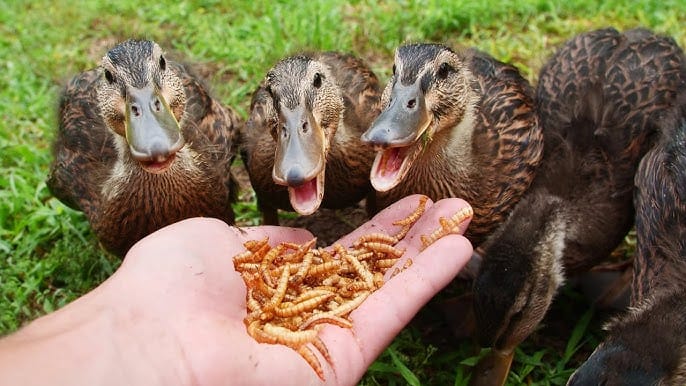
In the wild, ducks have a highly varied diet that reflects their opportunistic feeding behavior. They consume a mix of aquatic vegetation, seeds, insects, and small aquatic animals. This diversity ensures they receive essential nutrients such as protein, carbohydrates, fats, and vitamins.
Ducks are often classified as dabblers or divers based on how they feed. Dabbling ducks feed at the surface or tip forward to reach underwater plants, while diving ducks submerge completely to catch prey. This feeding strategy allows ducks to access a wide range of food sources across different habitats.
1. Aquatic Plants
Aquatic plants form the foundation of a duck’s natural diet, especially for species that inhabit freshwater lakes, ponds, and marshes. These plants include submerged vegetation, floating species, and emergent plants growing along the edges of water bodies. Ducks feed on these plants by dabbling at the surface or reaching underwater with their long necks, allowing them to access a steady and abundant food source.
These plants provide essential nutrients such as fiber, vitamins, and minerals that support digestion and overall health. Aquatic plants are particularly important for maintaining energy levels, especially during migration or breeding seasons when ducks require additional nutritional support.
Beyond nutrition, aquatic plants also play a key role in the ecosystem. By feeding on them, ducks help control plant overgrowth and maintain balanced aquatic environments, which benefits other wildlife species sharing the same habitat.
2. Algae
Algae are simple aquatic organisms that grow on the surface of water, rocks, and submerged objects. Ducks often consume algae while feeding on other plant materials, making it a regular part of their diet. Although small, algae are packed with nutrients, including proteins and essential fatty acids.
Algae are particularly beneficial for young ducks, as they provide easily digestible nutrients that support rapid growth. Ducks may graze on algae directly or ingest it while feeding on aquatic plants.
By consuming algae, ducks help prevent excessive algal blooms, which can harm water quality and aquatic ecosystems.
3. Duckweed
Duckweed is a tiny floating plant that covers the surface of still or slow-moving water. It is one of the most favored foods for ducks due to its high protein content and easy accessibility.
Ducks can consume large quantities of duckweed in a short time, making it an efficient food source. Its soft texture makes it easy to digest, and it provides essential nutrients that support growth and energy needs.
Duckweed also plays a role in maintaining water quality by absorbing excess nutrients, making it an important part of the aquatic ecosystem.
4. Pondweed
Pondweed is a common aquatic plant found in freshwater environments. Ducks feed on both the leaves and stems of pondweed, as well as the seeds it produces.
This plant provides a balanced mix of nutrients, including carbohydrates and fiber. It is particularly important during times when other food sources are scarce.
Ducks often forage in areas where pondweed grows densely, using their bills to pull up and consume the plant material.
5. Grass
Grass is a common food source for ducks, especially when they are foraging on land. Ducks graze on grass much like herbivorous mammals, nibbling on tender shoots and blades.
Grass provides fiber and helps maintain digestive health. It is also readily available in many habitats, making it a reliable food source.
Ducks may spend significant time grazing in grassy areas near water, particularly during periods when aquatic food is less abundant.
6. Leaves
Leaves from various plants are occasionally consumed by ducks, especially those growing near water bodies. These leaves provide additional nutrients and help diversify their diet.
While not a primary food source, leaves contribute to the overall nutritional balance, supplying fiber and certain vitamins.
Ducks may consume leaves while foraging for other foods, demonstrating their opportunistic feeding behavior.
7. Seeds
Seeds are a highly nutritious food source for ducks, providing energy-rich carbohydrates and fats. They are commonly found in grasses, aquatic plants, and agricultural fields.
Ducks often forage for seeds along shorelines or in shallow water, using their bills to sift through sediment and plant material.
Seeds are especially important during migration, as they provide the energy needed for long-distance travel.
8. Grains
Grains such as wheat, barley, and oats are often consumed by ducks, particularly in agricultural areas. These foods are rich in carbohydrates and provide a quick source of energy.
While grains are not always naturally available in the wild, ducks readily adapt to feeding on them when accessible.
However, reliance on grains alone is not ideal, as ducks require a varied diet to meet all their nutritional needs.
9. Rice
Rice is another grain that ducks may consume, especially in regions where rice farming is common. Contrary to popular myths, rice is safe for ducks to eat.
Rice provides carbohydrates that support energy levels, making it a useful supplemental food source.
Ducks often forage in flooded rice fields, where they can find both rice and other aquatic organisms.
10. Corn
Corn is a high-energy food that ducks readily consume. It is often found in agricultural areas and may also be provided by humans.
While corn is nutritious, it should not make up the majority of a duck’s diet, as it lacks certain essential nutrients.
In moderation, corn can be a valuable part of a balanced diet, particularly during colder months when ducks require more energy.
11. Berries
Berries are a naturally occurring and highly nutritious food source that ducks encounter in wetlands, forest edges, and riparian habitats where fruiting plants grow close to water. These small, colorful fruits are rich in natural sugars, antioxidants, and vitamins, making them an excellent energy source, particularly during migration and colder months when ducks need to build fat reserves. Ducks typically consume berries that fall into the water or grow on low shrubs, such as elderberries, blueberries, and blackberries.
The soft texture of berries makes them easy for ducks to swallow and digest, and their high moisture content also contributes to hydration. In addition, berries contain compounds that support immune function, helping ducks stay resilient against environmental stressors and disease.
By eating berries, ducks also play an important ecological role in seed dispersal. Seeds pass through their digestive system and are deposited in new locations, helping plants spread across wetlands and surrounding landscapes.
12. Fruits
Beyond berries, ducks also consume a variety of other fruits, especially those that fall into water or grow near shorelines. Apples, grapes, and other soft fruits are readily eaten when available. These foods provide natural sugars that supply quick energy, as well as vitamins that support overall health.
Fruits are particularly valuable during times when protein-rich foods are less available. While ducks do not rely solely on fruits, they incorporate them opportunistically into their diet.
In the wild, fruit consumption often depends on seasonal availability, making it a supplemental but beneficial part of a duck’s varied diet.
13. Vegetables
Ducks consume a range of vegetables, particularly leafy greens and soft plant matter found near water sources. In the wild, this includes wild greens and aquatic vegetation that resemble cultivated vegetables.
Vegetables provide essential vitamins and minerals, including vitamin A and calcium, which are important for growth and egg production. Their fiber content also supports healthy digestion.
While ducks do not encounter cultivated vegetables in the wild as often, they readily adapt to eating them when available in human-influenced environments.
14. Peas
Peas are a highly nutritious food that ducks can consume when available. Though more common in domestic or human-provided diets, peas are similar to certain seeds and legumes found in natural environments.
They are rich in protein and vitamins, making them especially beneficial for growing ducks and during breeding seasons. Their soft texture makes them easy to eat and digest.
Ducks often consume peas eagerly, whether found naturally or offered in managed environments.
15. Oats
Oats are a grain that ducks may encounter in agricultural areas or through natural seed dispersal. They are a good source of carbohydrates, providing energy needed for daily activities and migration.
Although not a primary wild food source, oats are similar to many natural seeds that ducks consume, making them a suitable addition to their diet when available.
Ducks typically eat oats along shorelines or in shallow water where grains accumulate.
16. Wheat
Wheat is commonly consumed by ducks in farming regions where fields are accessible. It provides carbohydrates and some protein, contributing to energy levels and basic nutrition.
Ducks are opportunistic feeders and will take advantage of spilled or leftover grains, including wheat. This adaptability allows them to thrive in both natural and human-altered environments.
However, like other grains, wheat should be part of a varied diet rather than the sole food source.
17. Barley
Barley is another grain that ducks may consume, particularly in agricultural landscapes. It offers a mix of carbohydrates and fiber, supporting energy needs and digestion.
Ducks often forage in harvested fields or near water bodies where barley grains are present. This behavior highlights their flexibility in utilizing available resources.
Barley contributes to a balanced diet when combined with other plant and animal foods.
18. Insects
Insects are a crucial part of a duck’s diet, especially for ducklings and breeding adults that require high levels of protein. Common insects consumed include beetles, flies, and aquatic insects found in wetlands.
Ducks capture insects both on land and in water, using quick movements of their bills. Insects provide essential amino acids necessary for growth, feather development, and overall health.
By feeding on insects, ducks also help control pest populations, benefiting both natural ecosystems and agricultural areas.
19. Insect Larvae
Insect larvae, such as mosquito larvae and other aquatic forms, are abundant in freshwater habitats and serve as a highly nutritious food source for ducks.
These larvae are rich in protein and easy to digest, making them especially important for young ducks. Ducks often filter them from the water using their specialized bills.
This feeding behavior not only provides nutrition but also helps reduce populations of potentially harmful insects like mosquitoes.
20. Worms
Worms, including earthworms and aquatic worms, are a valuable source of protein for ducks. They are commonly found in moist soil, mud, and shallow water.
Ducks locate worms by probing the ground or sediment with their bills. Once found, worms are quickly swallowed and digested.
This food source is particularly important during breeding seasons when ducks require extra protein to support egg production and chick development.
21. Snails
Snails are a common food source for ducks living in freshwater ponds, marshes, and slow-moving rivers. These soft-bodied mollusks are often found attached to aquatic plants, rocks, or moving slowly along the bottom of shallow water. Ducks consume snails by picking them directly from surfaces or from the sediment while foraging.
Snails provide an excellent source of protein, calcium, and essential minerals that support bone development and overall health. The calcium content is especially important for female ducks during egg production, as it contributes to strong eggshell formation.
By feeding on snails, ducks also help regulate mollusk populations in aquatic ecosystems, preventing overgrowth that could negatively impact plant life and water quality.
22. Slugs
Slugs are another soft-bodied invertebrate that ducks readily consume, particularly in damp environments near water bodies. These creatures are slow-moving and easy for ducks to locate while foraging on land or along the shoreline.
Slugs are rich in moisture and protein, making them a beneficial supplemental food source. Ducks often consume them along with other invertebrates when grazing in grassy or muddy areas.
Although small, slugs contribute to dietary diversity and help ducks maintain balanced nutrition in both wild and semi-urban environments.
23. Crabs
Crabs are an important food source for ducks that inhabit coastal wetlands and estuarine environments. These crustaceans provide a rich supply of protein, fats, and minerals, supporting energy needs and growth.
Ducks typically target smaller crabs or juvenile individuals, using their bills to capture and break them apart. Some species may also feed on soft-shell crabs, which are easier to consume.
Crabs play a role in strengthening ducks’ feeding adaptability, especially in nutrient-rich coastal ecosystems where multiple food sources are available.
24. Shrimp
Shrimp are small aquatic crustaceans commonly found in freshwater and brackish environments. Ducks actively forage for shrimp in shallow waters, where these organisms are abundant and easy to catch.
Shrimp are highly nutritious, offering a strong combination of protein and essential fatty acids. This makes them particularly valuable for young ducks and breeding adults that require higher energy intake.
Because shrimp are widespread in many habitats, they serve as a reliable food source throughout different seasons.
25. Small Fish
Small fish are part of the diet of many duck species, especially diving ducks that can submerge underwater to hunt. These fish provide a dense source of protein and fats essential for energy and growth.
Ducks capture small fish by chasing them underwater or ambushing them in shallow waters. Their streamlined bodies and strong legs make them efficient swimmers and hunters.
Although not all ducks rely heavily on fish, those that do benefit from the high nutritional value they provide, particularly in colder climates where energy demands are higher.
26. Tadpoles
Tadpoles are the aquatic larval stage of frogs and are commonly consumed by ducks in wetland environments. They are abundant in seasonal ponds and shallow waters, making them easy targets for foraging ducks.
Tadpoles are rich in protein and highly digestible, supporting rapid growth and development in ducks. They are especially important during breeding seasons when nutritional demands increase.
By feeding on tadpoles, ducks also help regulate amphibian populations within their ecosystems.
27. Frogs
Adult frogs are occasionally consumed by larger duck species, particularly diving ducks. While not a primary food source, frogs provide a substantial amount of protein and energy when available.
Ducks typically capture frogs in shallow water or along the edges of wetlands. Smaller frogs are easier to consume, while larger ones may be taken opportunistically.
This predation highlights ducks’ opportunistic feeding behavior and their ability to adapt to available prey.
28. Mussels
Mussels are bivalve mollusks that live attached to rocks, submerged surfaces, or sediment in freshwater and brackish environments. Ducks, particularly those with strong bills, consume mussels by prying them open or swallowing smaller individuals whole.
Mussels are rich in protein, iron, and essential minerals that support overall health and energy levels. They are especially beneficial in nutrient-dense wetland ecosystems.
Feeding on mussels also contributes to ecosystem balance by controlling mollusk populations.
29. Crayfish
Crayfish are freshwater crustaceans similar to small lobsters and are commonly found in rivers, streams, and ponds. Ducks actively forage for crayfish in shallow water or beneath rocks and vegetation.
These crustaceans are highly nutritious, providing protein, calcium, and fats essential for growth and reproduction. Ducks often target juvenile crayfish, which are easier to catch and consume.
Crayfish form an important part of the diet in many freshwater ecosystems, especially for dabbling and diving duck species.
30. Plankton
Plankton refers to microscopic organisms that drift in water, including both plant-like phytoplankton and animal-like zooplankton. Ducks often consume plankton unintentionally while filtering water or feeding on small aquatic organisms.
Plankton is rich in nutrients and forms the base of many aquatic food chains. Although tiny, it plays a significant role in supporting the broader ecosystem and indirectly contributes to duck nutrition.
Ducklings, in particular, benefit from plankton-rich environments as they provide easily accessible nutrients during early development stages.
Conclusion
Ducks are highly adaptable omnivores with a remarkably diverse diet that includes plants, grains, insects, and small aquatic animals. This flexibility allows them to thrive in wetlands, rivers, lakes, and even urban environments. Their feeding habits not only support their own survival but also help maintain healthy and balanced ecosystems.
From aquatic plants and seeds to crustaceans and fish, ducks rely on a wide range of foods depending on habitat and season. Understanding their natural diet helps us better protect wild populations and make informed choices when interacting with ducks in human environments.
Frequently Asked Questions About What Ducks Eat
1. What do ducks eat in the wild?
Ducks eat a mixed diet of aquatic plants, seeds, insects, small fish, and other aquatic animals depending on habitat and species.
2. Are ducks herbivores or carnivores?
Ducks are omnivores, meaning they eat both plant-based and animal-based foods.
3. What is the main food of ducks?
The main food of ducks includes aquatic plants, seeds, insects, and small invertebrates.
4. Do ducks eat bread?
Yes, but bread is not healthy and should be avoided because it lacks nutrients and can harm their digestion.
5. What do ducks eat in ponds?
In ponds, ducks eat duckweed, algae, insects, snails, and small aquatic creatures.
6. Do ducks eat fish?
Yes, some duck species eat small fish, especially diving ducks.
7. Do ducks eat grass?
Yes, ducks often graze on grass and tender plant shoots near water.
8. Can ducks eat rice?
Yes, rice is safe and commonly eaten by ducks in both wild and urban environments.
9. Do ducks eat insects?
Yes, insects are an important protein source for ducks, especially ducklings.
10. Do ducks eat worms?
Yes, worms are a highly nutritious food that ducks actively forage for.
11. What fruits can ducks eat?
Ducks can eat berries, grapes, apples (cut), and other soft fruits in moderation.
12. Do ducks eat vegetables?
Yes, ducks eat peas, lettuce, spinach, and other leafy vegetables.
13. Do ducks eat corn?
Yes, corn is a high-energy food ducks enjoy, especially in winter.
14. Do ducks eat seeds?
Yes, seeds are a natural and important part of their diet.
15. Do ducks eat algae?
Yes, ducks often consume algae while feeding in water.
16. Do ducks eat duckweed?
Yes, duckweed is one of their favorite floating plants.
17. Do ducks eat snails?
Yes, ducks eat snails for their protein and calcium content.
18. Do ducks eat slugs?
Yes, slugs are commonly eaten by ducks in wet environments.
19. Do ducks eat shrimp?
Yes, shrimp are an excellent protein source for ducks.
20. Do ducks eat crabs?
Yes, some ducks eat small crabs in coastal habitats.
21. Do ducks eat frogs?
Yes, larger duck species may eat small frogs.
22. Do ducks eat tadpoles?
Yes, tadpoles are commonly eaten in wetlands.
23. Do ducks eat crayfish?
Yes, crayfish are an important food source in freshwater habitats.
24. Do ducks eat mussels?
Yes, ducks may eat mussels when available.
25. Do ducks eat worms and larvae?
Yes, larvae and worms provide essential protein for growth.
26. Do ducks eat plankton?
Yes, ducks may ingest plankton while filtering water.
27. What do baby ducks eat?
Ducklings eat insects, larvae, small invertebrates, and soft plants.
28. Do ducks eat bread in parks?
Yes, but it is unhealthy and should not be fed regularly.
29. What should you not feed ducks?
Avoid bread, chips, candy, and processed human foods.
30. Do ducks drink water?
Yes, ducks drink freshwater and also obtain water from food.
31. Do ducks eat at night?
Most ducks feed during the day, but some may feed at night.
32. Do ducks eat grass seeds?
Yes, grass seeds are an important natural food source.
33. Do ducks eat leaves?
Yes, they occasionally eat tender leaves near water.
34. Do ducks eat oats?
Yes, oats are safe and nutritious for ducks.
35. Do ducks eat wheat?
Yes, wheat is commonly eaten in agricultural areas.
36. Do ducks eat barley?
Yes, barley is part of their grain-based diet.
37. Do ducks eat fruits from trees?
Yes, fallen fruits are often consumed by ducks.
38. Do ducks eat aquatic insects?
Yes, aquatic insects are a major protein source.
39. Do ducks eat beetles?
Yes, beetles and similar insects are commonly eaten.
40. Do ducks eat flies?
Yes, ducks will eat flies and other small insects.
41. Do ducks eat larvae from stagnant water?
Yes, larvae are abundant and frequently consumed.
42. Do ducks eat moss?
Some ducks may graze on aquatic moss-like plants.
43. Do ducks eat roots?
Yes, they sometimes dig for plant roots in wet soil.
44. Do ducks eat seeds from aquatic plants?
Yes, aquatic plant seeds are a key energy source.
45. Do ducks eat food from humans?
Yes, but only safe foods like grains and vegetables should be offered.
46. Do ducks overeat?
Ducks naturally regulate intake based on energy needs.
47. Do ducks eat during migration?
Yes, they eat heavily before and during migration for energy.
48. Do ducks change diet by season?
Yes, they eat more seeds and grains in winter and more insects in summer.
49. Do ducks compete for food?
Yes, ducks may compete in areas with limited food resources.
50. Why is duck diet important for ecosystems?
Ducks help control insects, spread seeds, and maintain aquatic balance.
51. Can ducks survive without insects?
Yes, but insects are important for protein, especially for ducklings.
52. What is the healthiest natural food for ducks?
A mix of aquatic plants, insects, seeds, and small aquatic animals is healthiest.
Read more: