

Types of Nautilus: Complete Wildlife Identification Guide
The types of Nautilus represent some of the most ancient and fascinating marine animals still alive today. Nautiluses are deep-sea cephalopods that have survived relatively unchanged for millions of years, making them often called “living fossils.” In this guide, we explore different Nautilus species, their identifying features, habitats, and ecological importance. If you are curious about Nautilus behavior, shell patterns, and distribution, this article gives you a clear and beginner-friendly breakdown. By the end, you will understand how each Nautilus species differs and why these mysterious ocean creatures continue to captivate wildlife enthusiasts around the world. Let’s dive into the world of Nautilus and explore their diversity in detail.
1. Nautilus pompilius (Chambered Nautilus)
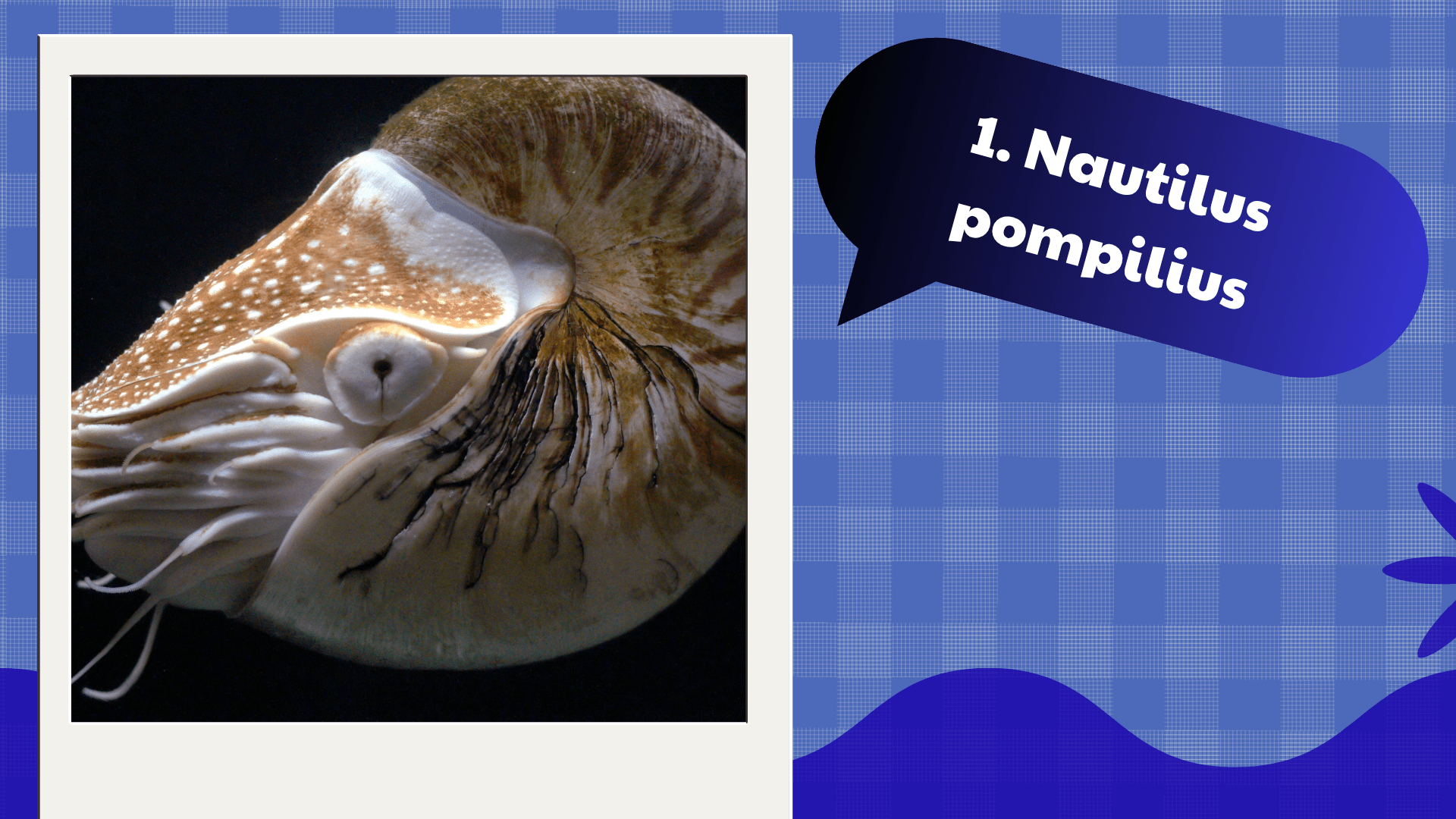
The Nautilus pompilius is the most well-known and widely recognized species among all Nautilus. It is often considered the “classic” example when people refer to Nautilus in general. This species is famous for its beautifully spiraled shell with smooth, pearly white and brown stripes. The shell structure follows a perfect logarithmic spiral, which has fascinated scientists and artists for centuries.
Nautilus pompilius typically inhabits deep slopes of coral reefs in the Indo-Pacific region. It prefers depths between 100 and 500 meters during the day and migrates upward at night to feed. This behavior is known as diel vertical migration, which helps it avoid predators while searching for food such as small fish, crustaceans, and carrion.
One of its most unique features is the gas-filled chambers inside its shell, which help control buoyancy. By adjusting the gas and liquid inside these chambers, the Nautilus can move up and down in the water column with ease. Its simple yet effective eye structure lacks a lens but is highly sensitive to light, making it perfect for low-light deep-sea environments.
Despite being widely distributed, Nautilus pompilius faces threats from overharvesting due to its attractive shell. Conservation efforts are ongoing to protect this iconic species.
2. Nautilus belauensis (Palau Nautilus)
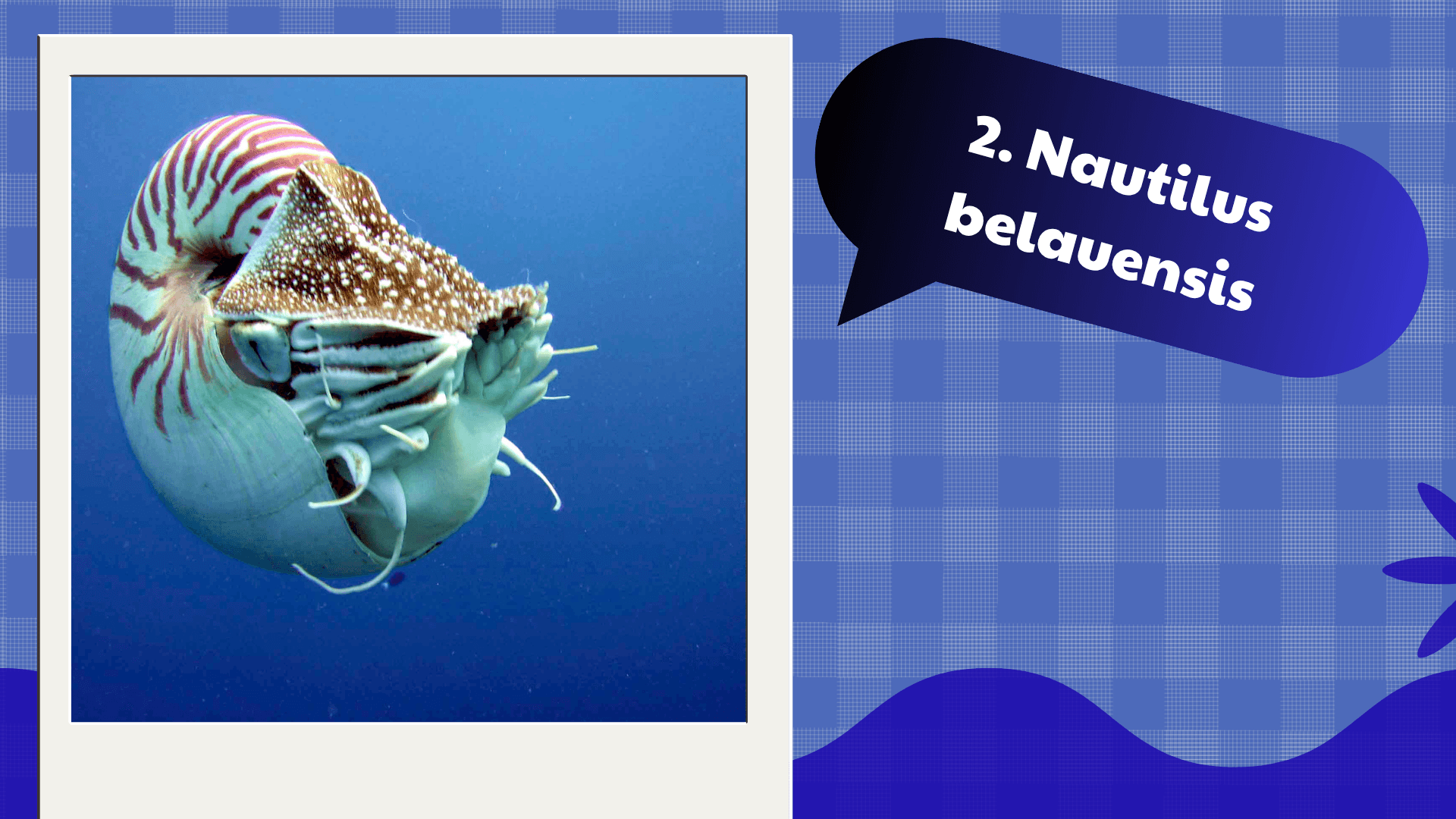
The Nautilus belauensis, commonly known as the Palau Nautilus, is native to the waters around Palau in the western Pacific Ocean. This species is slightly larger than Nautilus pompilius and is known for its thicker, more robust shell structure.
Its shell design is similar in spiral formation but often appears more rounded and less sharply patterned. The coloration tends to be cream or light brown with subtle banding, making it slightly less vibrant than other species.
Nautilus belauensis is usually found at similar depths to other Nautilus species, often between 150 and 400 meters. It is a nocturnal scavenger, feeding on dead marine organisms and small benthic animals. This ecological role is important because it helps recycle nutrients in deep-sea ecosystems.
What makes this species particularly interesting is its limited geographic distribution. Because it is mostly restricted to Palau, scientists study it closely to understand how isolated marine populations evolve over time. This makes Nautilus belauensis an important species in evolutionary biology research.
3. Nautilus macromphalus (Bellybutton Nautilus)
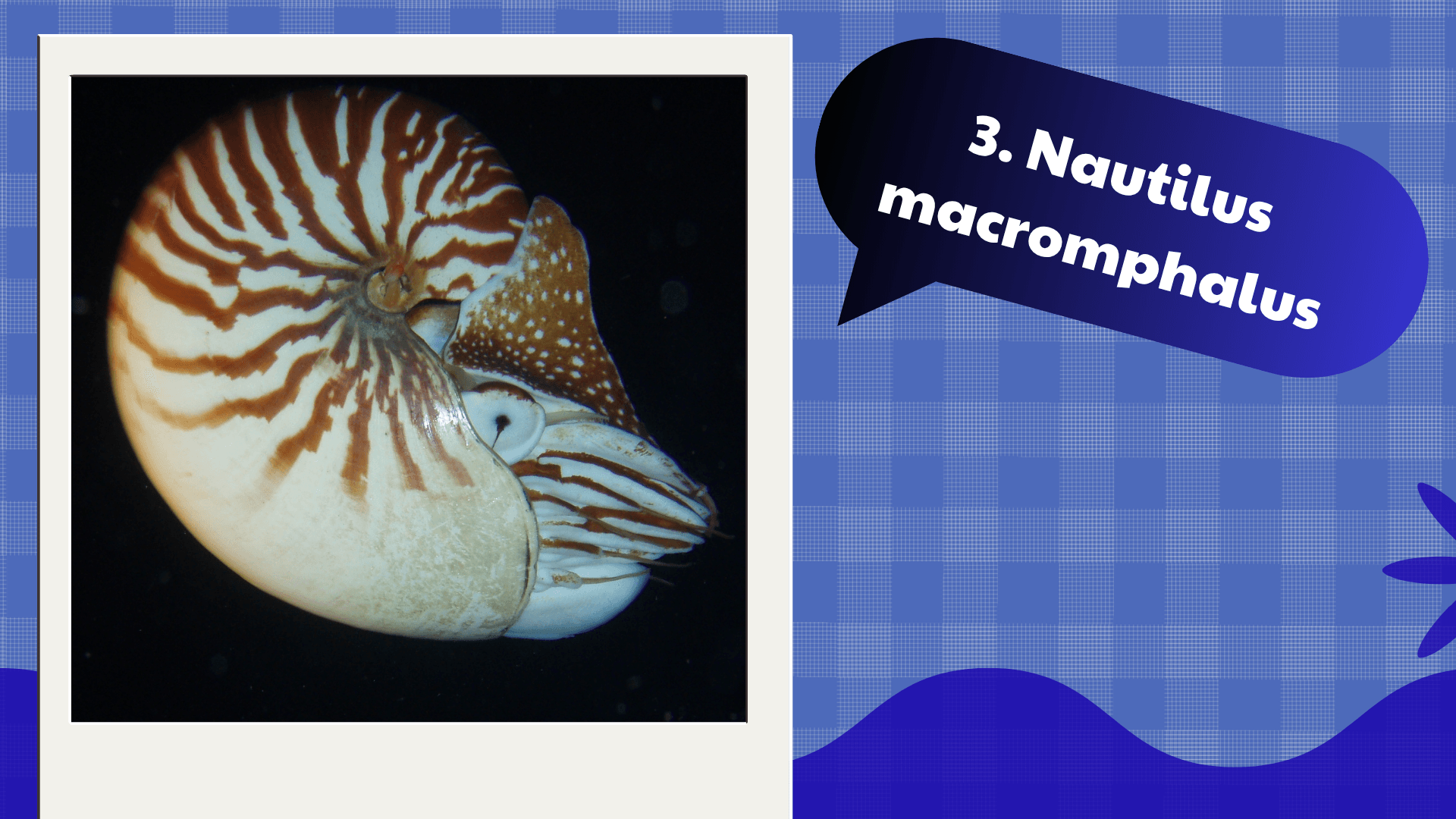
The Nautilus macromphalus, often called the Bellybutton Nautilus, is easily identified by the large open umbilicus at the center of its shell. Unlike other Nautilus species whose shells are tightly coiled, this species has a noticeable central opening that gives it a unique appearance.
It is found mainly around New Caledonia and nearby regions in the South Pacific. The shell is relatively flat compared to other species and often has a darker coloration pattern, with brown and orange tones.
This species is adapted to deep reef slopes and is typically found at depths ranging from 200 to 500 meters. It follows the same nocturnal feeding pattern as other Nautilus species, emerging at night to scavenge food.
Nautilus macromphalus plays a key role in deep-sea ecosystems as both scavenger and prey. Its distinctive shell also makes it a popular subject for collectors, which has raised conservation concerns in its native habitat.
4. Nautilus stenomphalus (White-Patch Nautilus)
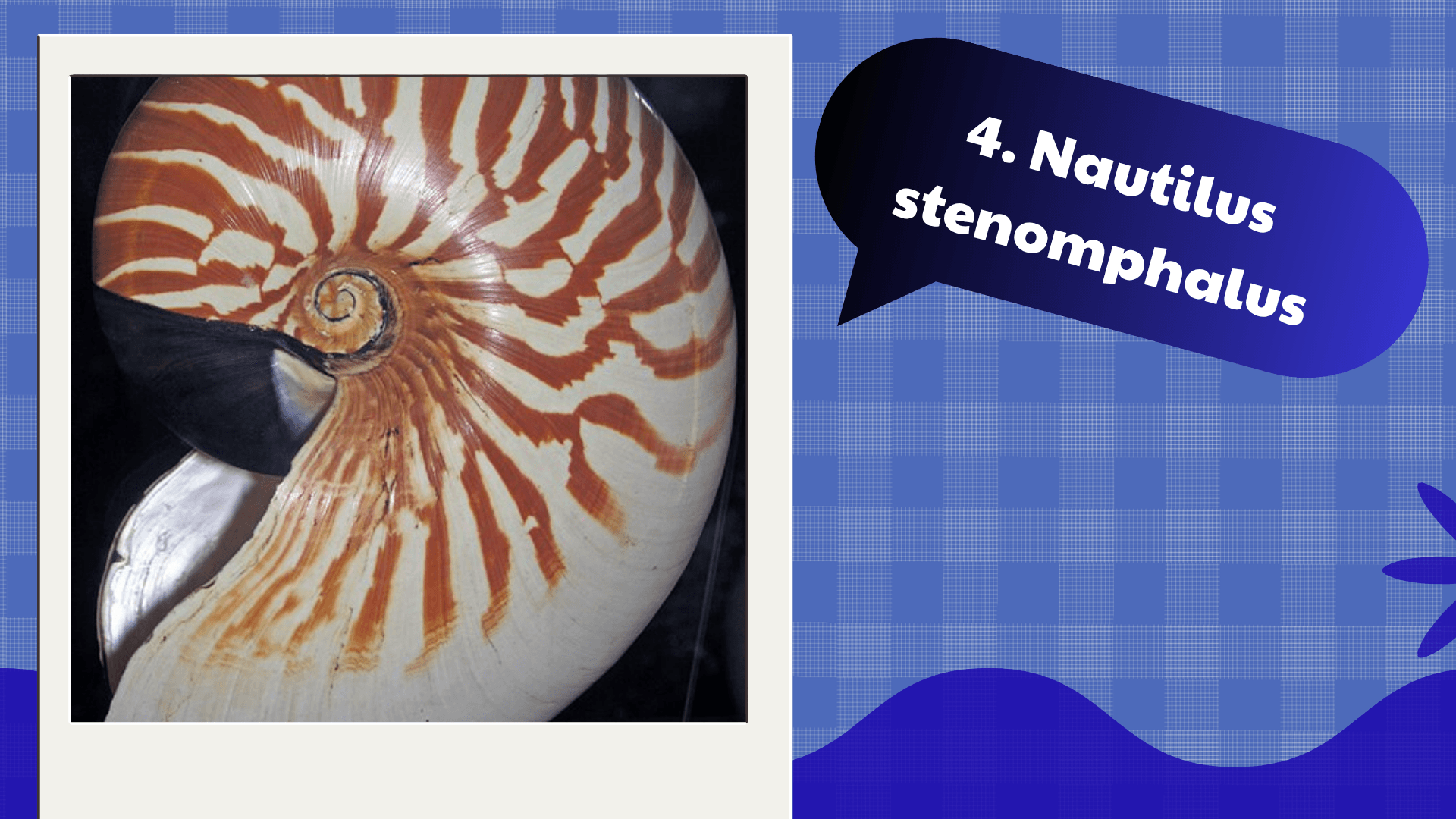
The Nautilus stenomphalus, sometimes called the White-Patch Nautilus, is closely related to Nautilus pompilius but can be distinguished by a prominent white patch on its shell near the umbilicus. This feature makes it relatively easy to identify compared to other species.
It is found primarily in the Great Barrier Reef region of Australia. This species prefers deep reef slopes and rocky underwater environments where it can hide during the day and forage at night.
The shell of Nautilus stenomphalus is usually smooth and rounded, with a more muted color pattern compared to its relatives. Its internal structure is nearly identical to other Nautilus species, featuring gas-filled chambers for buoyancy control.
Scientists often study this species to understand variation within Nautilus populations, as it provides insight into how small environmental differences can lead to physical changes in shell morphology.
5. Nautilus samoaensis (Samoa Nautilus)
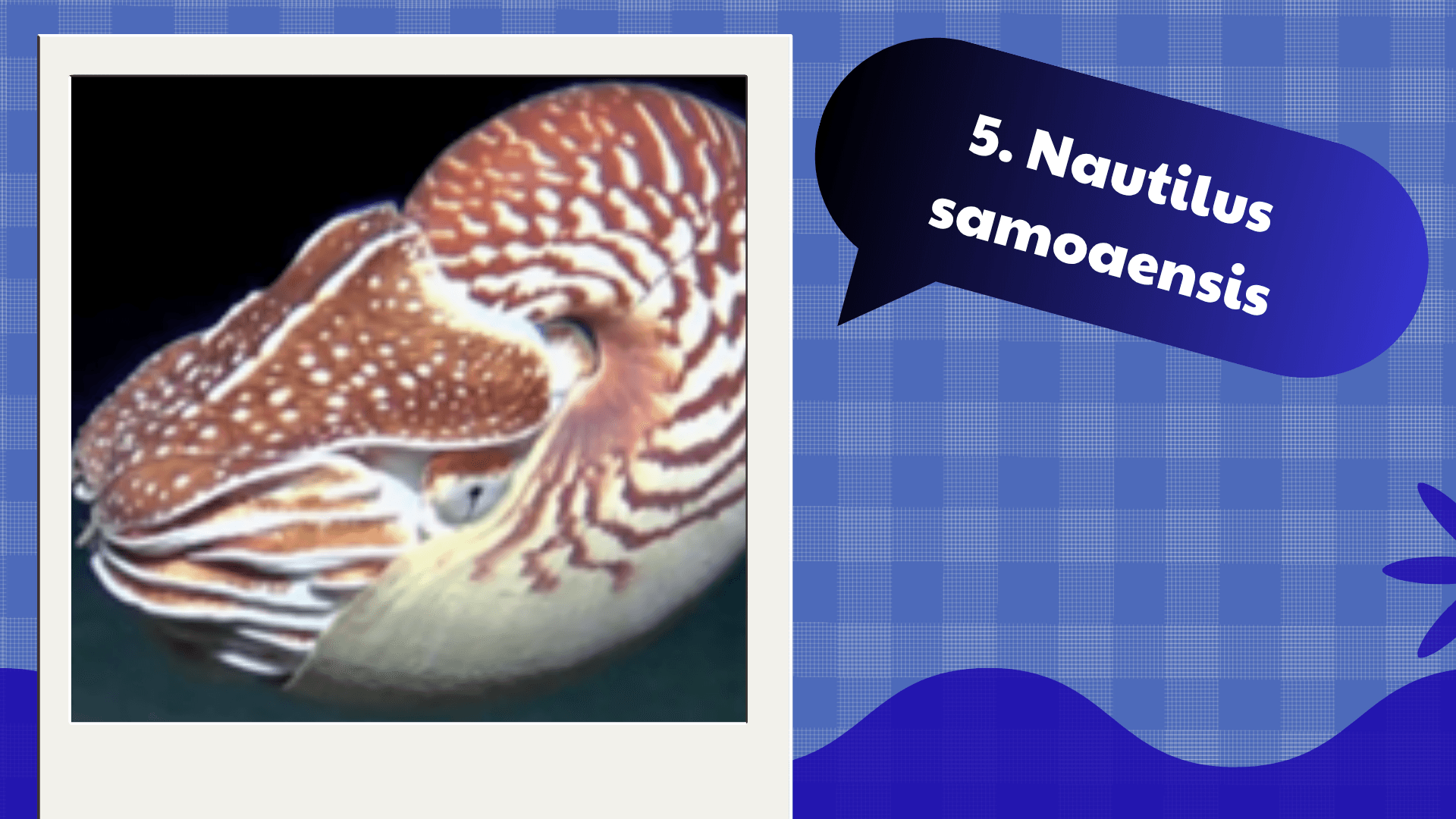
The Nautilus samoaensis is a lesser-known species discovered in waters around Samoa. It is part of the group of Nautilus species that show subtle but important differences in shell structure and genetics compared to more common species.
This species has a relatively compact shell with moderate striping and a smooth texture. It is adapted to deep ocean environments and is believed to inhabit depths similar to other Nautilus species, although exact range data is still being studied.
Nautilus samoaensis feeds primarily on organic debris and small marine organisms, playing a scavenger role in its ecosystem. Like other Nautilus species, it uses chemical and visual cues to locate food in dark deep-sea conditions.
Because it is relatively newly described in scientific literature, much about its behavior and population size remains unknown. This makes it an important subject for ongoing marine research and biodiversity monitoring.
6. Nautilus vanuatuensis (Vanuatu Nautilus)
The Nautilus vanuatuensis is a deep-sea species discovered around the waters of Vanuatu in the South Pacific. It is part of the newer group of Nautilus species identified through modern genetic research rather than only shell morphology. This species helps scientists understand how Nautilus populations diversify across isolated island ecosystems.
In terms of appearance, Nautilus vanuatuensis has a moderately thick shell with a rounded spiral shape. Its shell coloration is typically pale cream with light brown banding, but it is usually less contrasty than Nautilus pompilius. One of its subtle identifying features is the smoother transition between shell chambers, which reflects slight evolutionary adaptation to its specific habitat.
This species lives in deep reef slopes, typically between 200 and 500 meters. Like other Nautilus species, it follows a nocturnal lifestyle. During the night, it moves upward to feed, while during the day it retreats into deeper waters to avoid predators such as sharks and large fish.
Nautilus vanuatuensis plays an important ecological role as a scavenger. It feeds on dead organisms, helping recycle nutrients back into the deep-sea ecosystem. Because deep ocean environments are nutrient-limited, scavengers like Nautilus are essential for maintaining balance.
Scientists are especially interested in this species because it shows how geographically isolated populations evolve unique traits over time. Genetic studies suggest that even small island groups like Vanuatu can host distinct Nautilus lineages, making this species important for evolutionary biology and conservation planning.
7. Nautilus vitiensis (Fiji Nautilus)
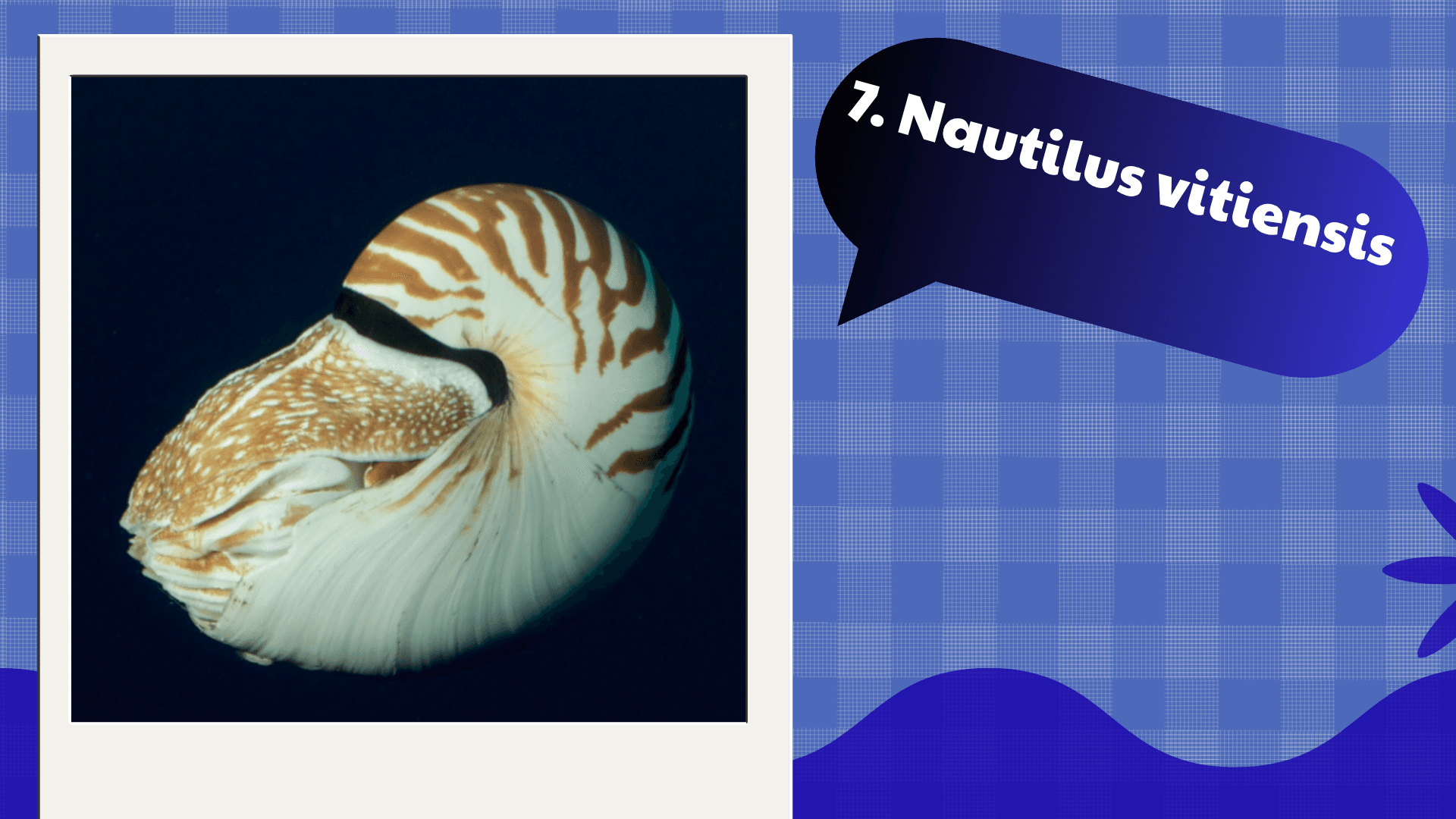
The Nautilus vitiensis, commonly referred to as the Fiji Nautilus, is found around the Fiji Islands in the South Pacific Ocean. It is closely related to other Pacific Nautilus species but has subtle differences in shell shape and genetic makeup that set it apart.
Its shell is generally smooth with a slightly compressed spiral structure. The coloration tends to be muted, often displaying soft brown stripes against a pale background. Compared to Nautilus pompilius, it often appears less glossy and slightly more elongated in shape.
This species inhabits steep reef slopes and deep ocean drop-offs. It is typically found at depths between 150 and 450 meters. During the day, it remains in deeper, darker waters, while at night it ascends to shallower zones to feed on organic matter and small marine animals.
One of the most interesting aspects of Nautilus vitiensis is its adaptation to Fiji’s unique underwater terrain. The region is known for volcanic slopes and complex reef structures, which may influence shell morphology and movement behavior.
Like other Nautilus species, it uses jet propulsion by expelling water through its funnel-shaped siphon. This allows it to move slowly but efficiently in search of food. Despite its slow speed, it is well adapted to survival in deep marine environments where energy conservation is critical.
8. Nautilus javanus (Java Nautilus)
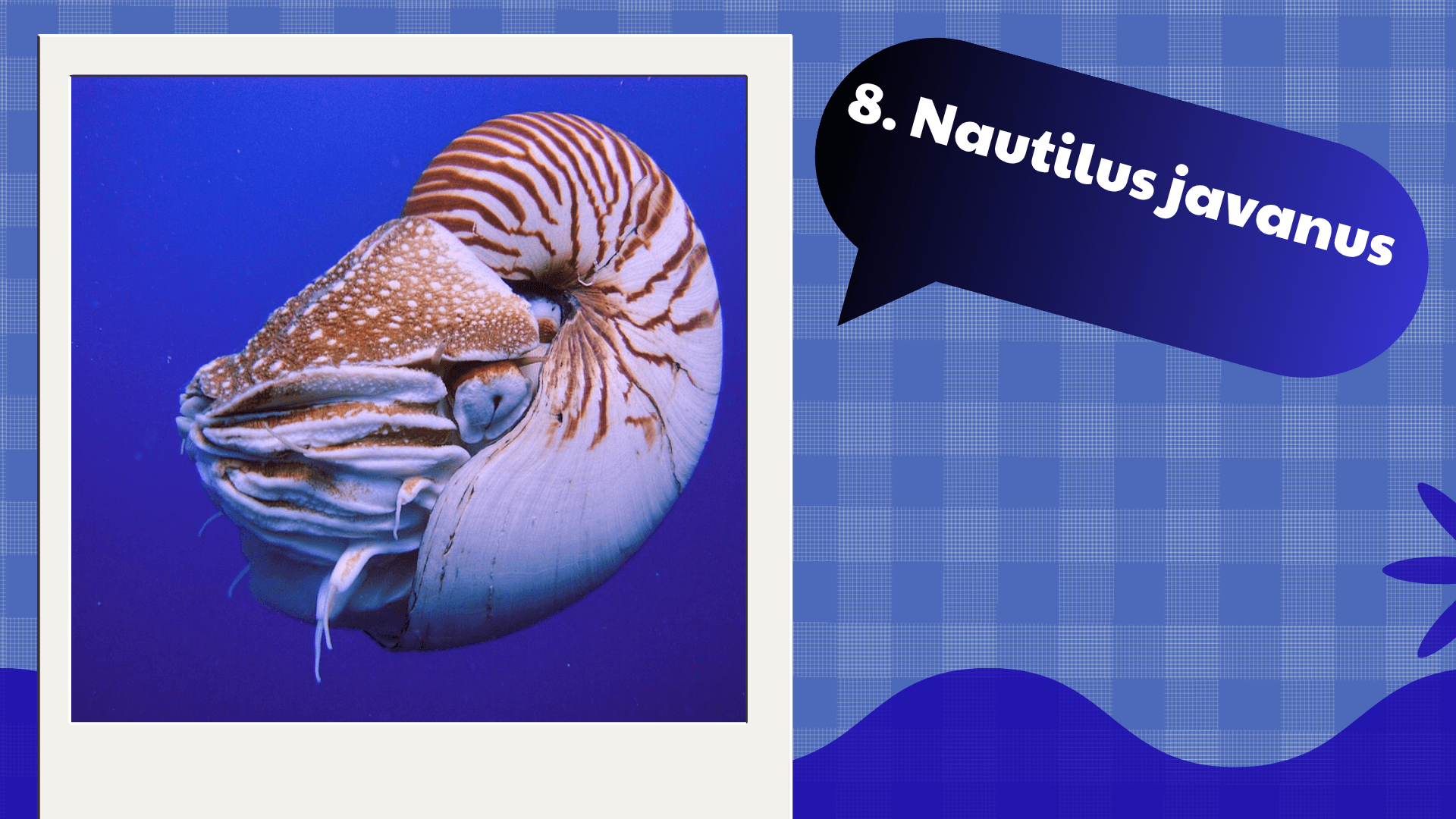
The Nautilus javanus, sometimes referred to as the Java Nautilus, is associated with regions around Indonesia, particularly near Java and surrounding waters. This species is part of the broader Indo-Pacific Nautilus distribution, which includes several closely related forms.
Its shell structure is typically robust and well-rounded, with a balanced spiral and moderate banding. The color pattern usually consists of warm brown tones with cream highlights, making it visually similar to Nautilus pompilius but with regional variations.
Nautilus javanus lives in deep reef slopes and underwater canyon systems. It is commonly found at depths ranging from 200 to 500 meters. This species follows the same nocturnal feeding cycle as other Nautilus, rising at night to scavenge for food.
The waters around Indonesia are among the most biodiverse marine regions in the world, and Nautilus javanus is part of this rich ecosystem. It interacts with a wide range of deep-sea organisms and contributes to nutrient cycling in its habitat.
Although not as widely studied as Nautilus pompilius, this species is important for understanding regional variation in Nautilus populations. Scientists believe that ocean currents, depth ranges, and geological features may have influenced its evolution.
9. Nautilus repertus (Reclassified or Rare Nautilus Form)
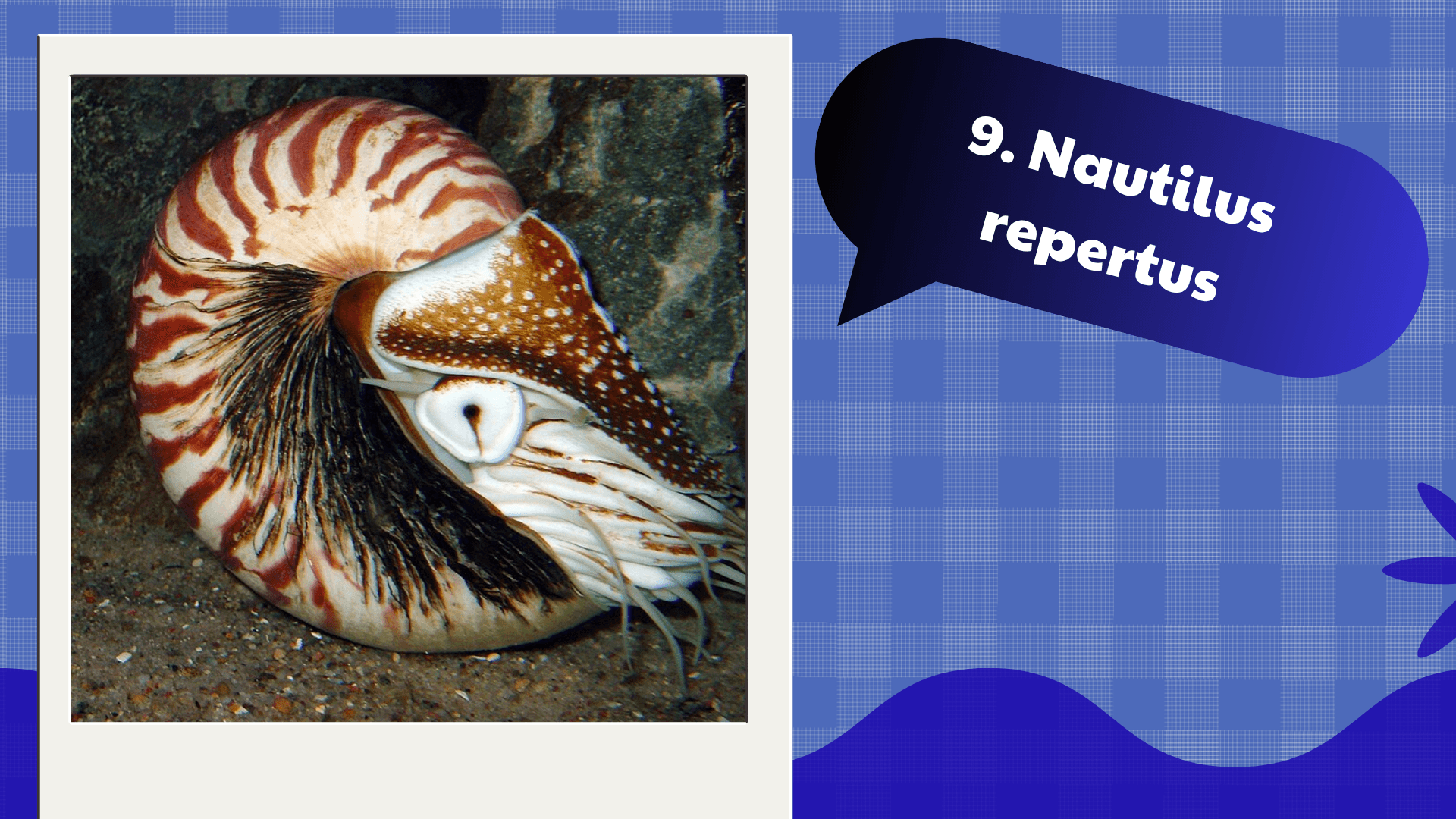
The Nautilus repertus is considered a rare or less commonly referenced Nautilus form, often discussed in scientific literature in relation to reclassification debates. Some researchers consider it a variation or subspecies within the Nautilus group rather than a fully distinct species.
Its shell characteristics are similar to other Indo-Pacific Nautilus, with a smooth spiral and moderate banding. However, subtle differences in chamber spacing and shell curvature have led scientists to study it separately in some taxonomic analyses.
This Nautilus form is believed to inhabit deep waters in scattered locations across the Indo-Pacific region. Because sightings are rare, much of what is known comes from collected shells rather than live observation.
Like other Nautilus, it is a scavenger and plays a role in deep-sea nutrient recycling. It likely follows the same vertical migration behavior, although direct behavioral studies are limited.
The importance of Nautilus repertus lies in its contribution to the ongoing discussion about Nautilus taxonomy. Scientists continue to debate how many true species exist versus regional variations of the same species.
10. Allonautilus scrobiculatus (Warty Nautilus)
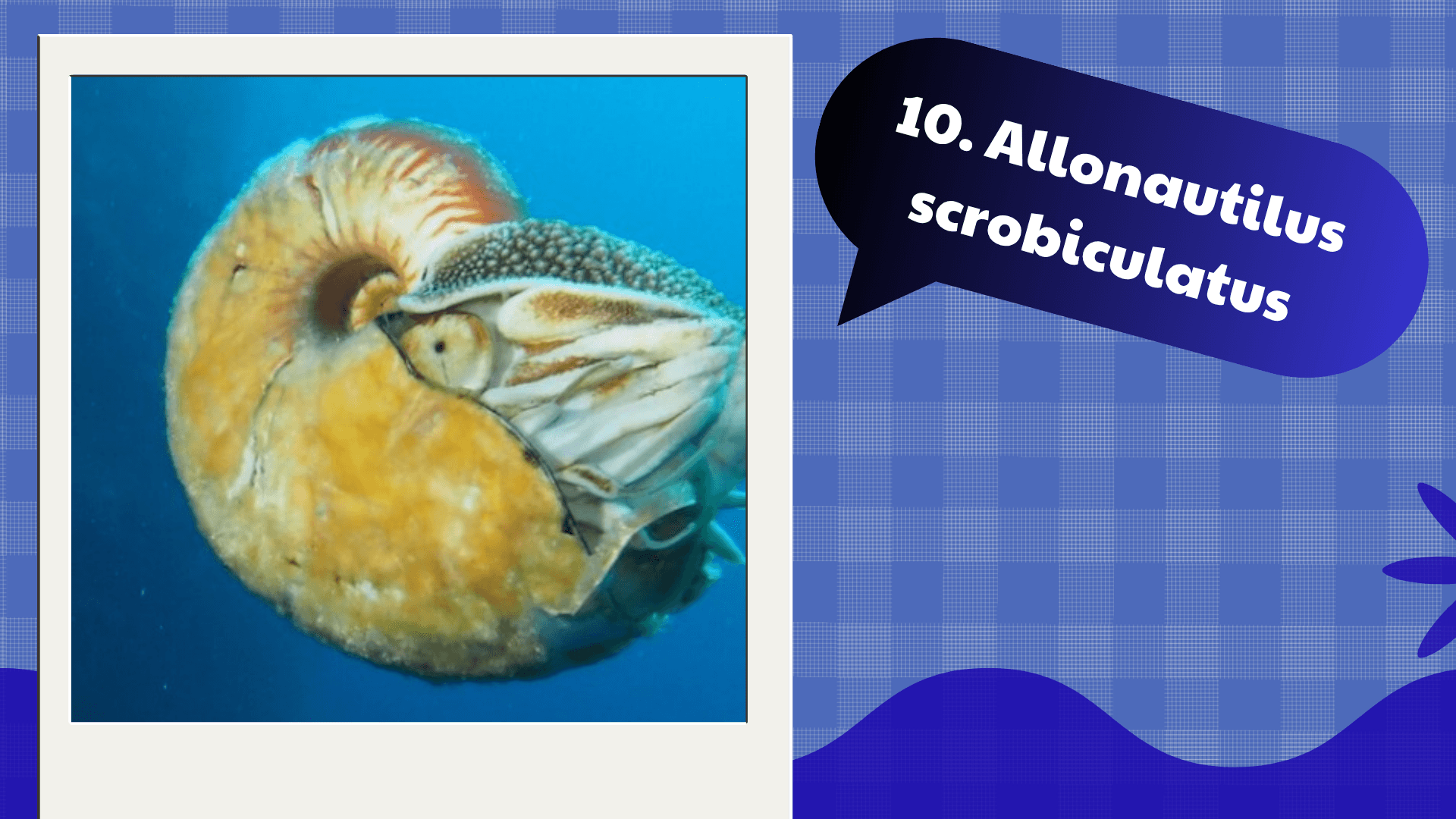
The Allonautilus scrobiculatus, commonly known as the Warty Nautilus, is one of the most unusual members of the Nautilus group. Unlike traditional Nautilus species, it belongs to a separate genus, Allonautilus, due to its distinct physical and genetic differences.
Its most noticeable feature is the “warty” or textured shell surface, which is very different from the smooth shells of other Nautilus species. It also has a thicker, more organic-looking covering on parts of its shell, which gives it a rougher appearance.
This species is found in deep waters around Papua New Guinea and nearby regions. It typically inhabits depths similar to other Nautilus, around 200 to 500 meters, and follows nocturnal feeding patterns.
Allonautilus scrobiculatus is extremely rare and has been observed only a few times in the wild. Because of this, it is considered one of the most mysterious cephalopods in the ocean. Scientists are still trying to understand its full behavior, population size, and ecological role.
Its discovery challenged previous assumptions about Nautilus uniformity and showed that deep-sea cephalopods are more diverse than once believed. This species is especially important in evolutionary studies because it may represent a more primitive or separate evolutionary branch.
Final Conclusion: Why Nautilus Species Matter in Wildlife Research
The types of Nautilus reveal a fascinating story of survival, adaptation, and evolution in the deep ocean. From widely known species like Nautilus pompilius to rare and mysterious forms like Allonautilus scrobiculatus, each species helps scientists understand how life thrives in extreme environments. These ancient marine animals have remained largely unchanged for millions of years, yet they still show subtle differences shaped by geography and ecology. Studying Nautilus not only improves our knowledge of marine biodiversity but also highlights the importance of protecting deep-sea ecosystems from overexploitation. As research continues, one question remains: what other hidden Nautilus species are still waiting in the unexplored depths of the ocean?
50+ Frequently Asked Questions About Types of Nautilus
1. What are the types of Nautilus?
The types of Nautilus refer to different species within the Nautilus genus and closely related groups like Allonautilus. These include well-known species such as Nautilus pompilius, Nautilus belauensis, Nautilus macromphalus, and rarer forms like Allonautilus scrobiculatus. Each species is identified by subtle differences in shell shape, coloration, geographic distribution, and genetic structure. While they may look similar at first glance, scientists use detailed morphological and DNA studies to separate them into distinct species or regional variants.
2. How many Nautilus species exist?
Scientists currently recognize around 6–10 main Nautilus and Allonautilus species depending on classification systems. However, this number is still debated because new genetic research sometimes reclassifies populations. Some species are considered distinct, while others are treated as regional variations. This makes Nautilus taxonomy an evolving field in marine biology.
3. Where do Nautilus live?
Nautilus species are found mainly in the Indo-Pacific region, including areas like Australia, Fiji, Palau, Indonesia, and Papua New Guinea. They live on deep reef slopes and underwater cliffs, typically between 100 and 500 meters below the surface. These deep habitats help them avoid predators and maintain stable environmental conditions.
4. Why are Nautilus called living fossils?
Nautilus are called living fossils because they have remained relatively unchanged for over 400 million years. Their basic body structure and shell design are similar to ancient fossil records. This stability suggests they are highly adapted to their environment, requiring little evolutionary change over time.
5. What do Nautilus eat?
Nautilus are scavengers. They feed on dead fish, shrimp, small crustaceans, and organic debris that sinks to the ocean floor. They rely on a slow metabolism, which allows them to survive in nutrient-poor deep-sea environments where food is scarce.
6. How do Nautilus move in water?
Nautilus move using jet propulsion. They expel water through a tube-like structure called a siphon, allowing them to glide slowly through the water. While not fast swimmers, they are efficient in conserving energy, which is important in deep-sea environments.
7. What is special about the Nautilus shell?
The Nautilus shell is divided into multiple chambers filled with gas and liquid. These chambers help the animal control its buoyancy, allowing it to rise or sink in the water. The shell also follows a perfect spiral shape, which has fascinated scientists and mathematicians for centuries.
8. Are Nautilus endangered?
Yes, many Nautilus species are considered threatened due to overfishing for their decorative shells. Habitat degradation and deep-sea harvesting have also impacted populations. Conservation measures are being implemented to protect them.
9. What is the largest Nautilus species?
Nautilus belauensis is often considered one of the largest species, with a larger and thicker shell compared to others. Size differences among species are generally subtle but important for classification.
10. How deep do Nautilus live?
Most Nautilus live between 100 and 500 meters deep. During the day, they stay in deeper waters to avoid predators. At night, they move upward to feed in shallower zones.
11. What is Nautilus pompilius known for?
Nautilus pompilius is the most famous species due to its iconic spiral shell and wide distribution. It is often used as the standard example when people think of Nautilus.
12. What is Nautilus macromphalus?
This species is known as the Bellybutton Nautilus because of its open central shell structure. It is mainly found in New Caledonia and has a distinctive flattened shell shape.
13. How do Nautilus reproduce?
Nautilus reproduce by laying eggs on hard surfaces in deep water. The eggs take a long time to hatch, and young Nautilus develop slowly compared to other marine animals.
14. How long do Nautilus live?
Nautilus can live for up to 15–20 years, which is relatively long for a cephalopod. Their slow growth rate contributes to their longevity.
15. Do Nautilus have eyes?
Yes, but their eyes are simple and lack lenses. They function like pinhole cameras, allowing Nautilus to detect light and movement in dark environments.
16. Can Nautilus hear?
Nautilus do not have traditional ears. However, they can sense vibrations in the water, which helps them detect nearby movement or predators.
17. Why do Nautilus migrate vertically?
They move up and down in the water column to balance feeding and safety. This daily migration helps them avoid predators while still accessing food sources.
18. What is Nautilus belauensis?
It is a species found in Palau, known for its thick shell and slightly larger size. It is an important species for studying isolated marine populations.
19. What is Nautilus stenomphalus?
This species is identified by a white patch near the shell opening. It is found mainly in the Great Barrier Reef region.
20. What is Nautilus vanuatuensis?
A species discovered in Vanuatu, it shows unique genetic traits that help scientists understand Nautilus evolution in island ecosystems.
21. What is Nautilus vitiensis?
Also known as the Fiji Nautilus, it is found around Fiji and has subtle differences in shell shape and structure compared to other species.
22. What is Nautilus javanus?
This species is associated with Indonesian waters and is part of the rich Indo-Pacific Nautilus diversity.
23. What is Nautilus samoaensis?
A relatively newly identified species from Samoa, still being studied for its behavior and population size.
24. What is Nautilus macromphalus used for in research?
It helps scientists study shell evolution and geographic variation in deep-sea cephalopods.
25. Why are Nautilus shells so valuable?
Their spiral shape and pearly interior make them highly attractive for collectors, which unfortunately increases harvesting pressure.
26. What eats Nautilus?
Sharks, large fish, and octopuses are known predators of Nautilus in deep-sea environments.
27. Are Nautilus social animals?
No, Nautilus are generally solitary creatures and do not form groups or social structures.
28. How do Nautilus sense food?
They use chemoreceptors in their tentacles to detect chemical signals from decaying organic matter.
29. How many tentacles do Nautilus have?
They have up to 90 small tentacles without suckers, used mainly for gripping and sensing food.
30. What is Allonautilus scrobiculatus?
It is a rare species with a rough, textured shell surface, different from the smooth shells of other Nautilus.
31. Why do Nautilus only come out at night?
Nautilus are nocturnal animals, meaning they are most active during the night. This behavior helps them avoid deep-sea predators such as sharks and large fish that rely on vision to hunt. At night, they move into slightly shallower waters where food is more available, including dead organisms and drifting organic matter. During the daytime, they retreat into deeper, darker zones where they remain hidden and safer.
32. How do Nautilus protect themselves from predators?
Nautilus rely on several survival strategies rather than speed or aggression. Their hard spiral shell acts as a natural armor, protecting their soft body. They also use depth migration, staying in deeper waters during the day to avoid threats. If disturbed, they can quickly jet away using water propulsion. Their coloration also helps them blend into dim underwater environments.
33. Do Nautilus have intelligence like octopuses?
Nautilus are not considered highly intelligent compared to octopuses or squids. They have simpler brain structures and more basic behaviors focused on survival, feeding, and reproduction. However, they are still effective at sensing their environment and responding to chemical and light cues in the deep sea.
34. How do Nautilus breathe underwater?
Nautilus use gills to extract oxygen from seawater. Water flows into their mantle cavity, passes over the gills, and oxygen is absorbed into their bloodstream. This system allows them to survive in deep, low-oxygen environments where many other animals cannot thrive.
35. Why is Nautilus shell structure important?
The shell structure is critical for buoyancy control. It contains multiple chambers filled with gas and liquid that the Nautilus can adjust to float or sink. This natural engineering system allows it to move vertically in the ocean without expending much energy.
36. Can Nautilus survive outside water?
No, Nautilus cannot survive outside water for long periods. Their bodies are adapted to deep marine conditions, including pressure, temperature, and oxygen levels. Exposure to air causes rapid dehydration and stress, which can be fatal.
37. How do scientists identify different types of Nautilus?
Scientists use a combination of shell shape, coloration, genetic analysis, and geographic location to identify Nautilus species. In recent years, DNA testing has become especially important because many species look very similar externally.
38. Why are Nautilus populations declining?
The main cause of decline is overharvesting for decorative shells. Nautilus grow slowly and reproduce at a low rate, making it difficult for populations to recover quickly. Habitat disturbance and deep-sea fishing also contribute to population stress.
39. Are Nautilus shells still used in decoration?
Yes, Nautilus shells are still used in jewelry and decoration, but this practice is increasingly discouraged. Many countries have introduced restrictions to reduce harvesting and protect wild populations.
40. How do Nautilus sense their environment?
They rely on chemoreceptors in their tentacles to detect chemical signals in the water. These sensors help them find food, avoid predators, and navigate dark deep-sea environments where vision is limited.
41. What makes Nautilus different from squid?
Unlike squid, Nautilus have external shells, more primitive eyes, and many small tentacles without suckers. Squid are faster, more intelligent, and lack external shells, showing a more advanced evolutionary path.
42. How fast do Nautilus grow?
Nautilus grow very slowly compared to most marine animals. It can take several years for them to reach maturity, which is one reason why they are vulnerable to overfishing and environmental changes.
43. Do Nautilus migrate long distances?
No, Nautilus generally stay within localized deep reef systems. They move vertically in the water column daily, but they do not travel long horizontal distances like many fish species.
44. What is unique about Nautilus blood?
Nautilus blood contains hemocyanin, a copper-based molecule that gives it a blue color. This helps transport oxygen efficiently in cold, low-oxygen deep-sea environments.
45. How do Nautilus reproduce in deep water?
Males transfer sperm to females using specialized tentacles. Females then lay eggs on hard surfaces such as rocks. The eggs develop slowly and hatch into fully formed miniature Nautilus.
46. Why are Nautilus considered ancient animals?
They are considered ancient because their body structure has changed very little over hundreds of millions of years. Fossil records show similar forms dating back to prehistoric oceans.
47. Do Nautilus have predators?
Yes, their main predators include sharks, large fish, and sometimes octopuses. Their shell provides protection, but they are still vulnerable when moving or feeding.
48. How do Nautilus shells grow?
As Nautilus grows, it adds new chambers to its shell. It moves into the larger outer chamber while sealing off older inner chambers, which then help control buoyancy.
49. Are all Nautilus species found in the same region?
No, different Nautilus species are distributed across various parts of the Indo-Pacific region. Some are localized to specific islands, while others have broader ranges.
50. What is the rarest Nautilus species?
Allonautilus scrobiculatus is considered one of the rarest and least observed species. It has only been seen a few times in the wild, making it highly mysterious.
51. Why do scientists study Nautilus?
Scientists study Nautilus to understand evolution, deep-sea adaptation, and ancient marine life. They provide valuable insight into how animals survive in extreme environments.
52. Can Nautilus be kept in aquariums?
It is extremely difficult to keep Nautilus in captivity because they require deep, high-pressure, cold-water conditions. Most attempts have been unsuccessful for long-term care.
53. How do Nautilus avoid light?
They prefer dark environments and avoid bright light. Their vertical migration pattern helps them stay in darker depths during the day when light is strongest.
54. What role do Nautilus play in the ecosystem?
Nautilus act as scavengers, helping clean up dead organisms in deep-sea environments. This recycling process is essential for nutrient flow in ocean ecosystems.
55. Will new Nautilus species be discovered?
It is very possible. Because deep oceans are still largely unexplored, scientists believe there may be undiscovered Nautilus species or genetic variations waiting to be found.