
Giraffes are one of the most iconic and fascinating animals on Earth. Known for their extraordinary height, long necks, and graceful movements, they have captured the imagination of wildlife enthusiasts for centuries. Understanding the types of giraffes is essential not only for nature lovers but also for conservationists aiming to protect these majestic creatures. Giraffes inhabit various parts of Africa, and each species has its own distinct features, behaviors, and habitats. From unique coat patterns to differences in size and range, learning about these species provides insight into their ecology, survival strategies, and the challenges they face in the wild. In this article, we’ll explore five prominent types of giraffes, offering a detailed review of their appearance, habits, and environment, all in a friendly, educational style suitable for beginners and wildlife enthusiasts alike.
1. Northern Giraffe (Giraffa camelopardalis)
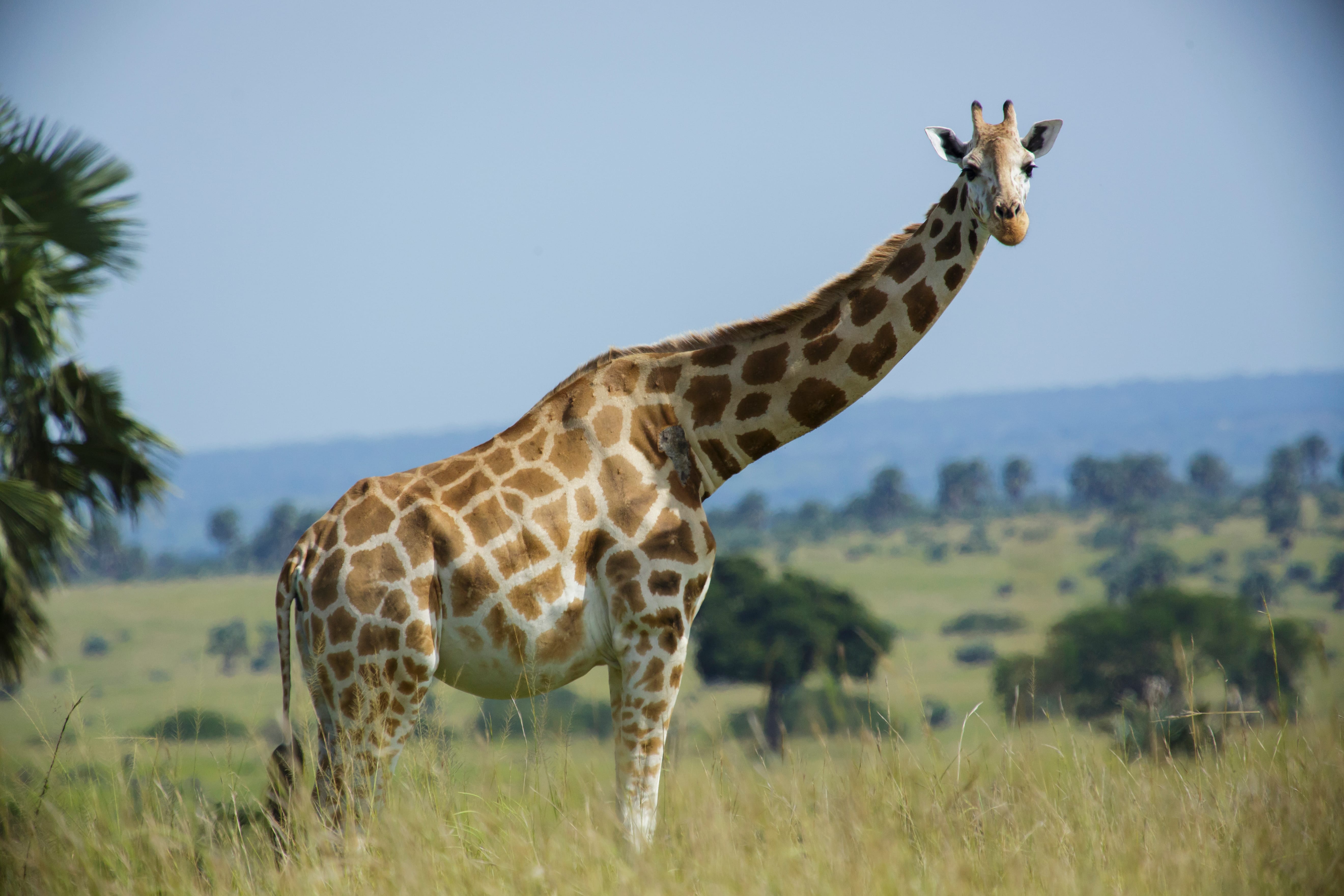
The Northern Giraffe is the most widespread giraffe species in Africa and includes several subspecies, such as the West African giraffe. Adult males can reach heights of up to 18 feet, while females are slightly shorter. Their long necks and legs not only give them a distinct silhouette against the African savannah but also allow them to reach high branches that few other herbivores can access. This feeding adaptation helps reduce competition for food and makes them key players in their ecosystems.
Northern Giraffes have a light tan coat with large, polygonal spots that vary in color from dark brown to nearly black. The patterns are distinct and help scientists identify individuals and populations. These giraffes are primarily found in countries like Niger, Chad, and parts of East Africa. Each subspecies occupies slightly different habitats, from savannahs to woodland areas, showing the adaptability of this species. Despite their adaptability, Northern Giraffes face threats from habitat loss, poaching, and fragmentation of populations, which makes conservation efforts critical.
Behaviorally, Northern Giraffes are social animals. They form loose herds, often with females and young, while males may roam alone or form bachelor groups. Communication occurs through subtle body language, neck movements, and low-frequency sounds that humans rarely hear. Their diet consists mainly of acacia leaves, which they skillfully strip using their long, prehensile tongues that can reach up to 20 inches. Water is not always necessary since much of their moisture comes from leaves, allowing them to survive in arid regions.
One remarkable aspect of Northern Giraffes is their breeding and life cycle. Females give birth standing up, and calves can stand and walk within hours, which is crucial for escaping predators. Predators such as lions, hyenas, and leopards primarily target calves, making vigilance and group living important for survival. Conservation programs, including habitat restoration and anti-poaching patrols, have helped stabilize some populations, but ongoing efforts are essential. By learning about the Northern Giraffe, we gain a better understanding of the species’ ecological role and the importance of protecting Africa’s iconic wildlife.
2. Masai Giraffe (Giraffa tippelskirchi)
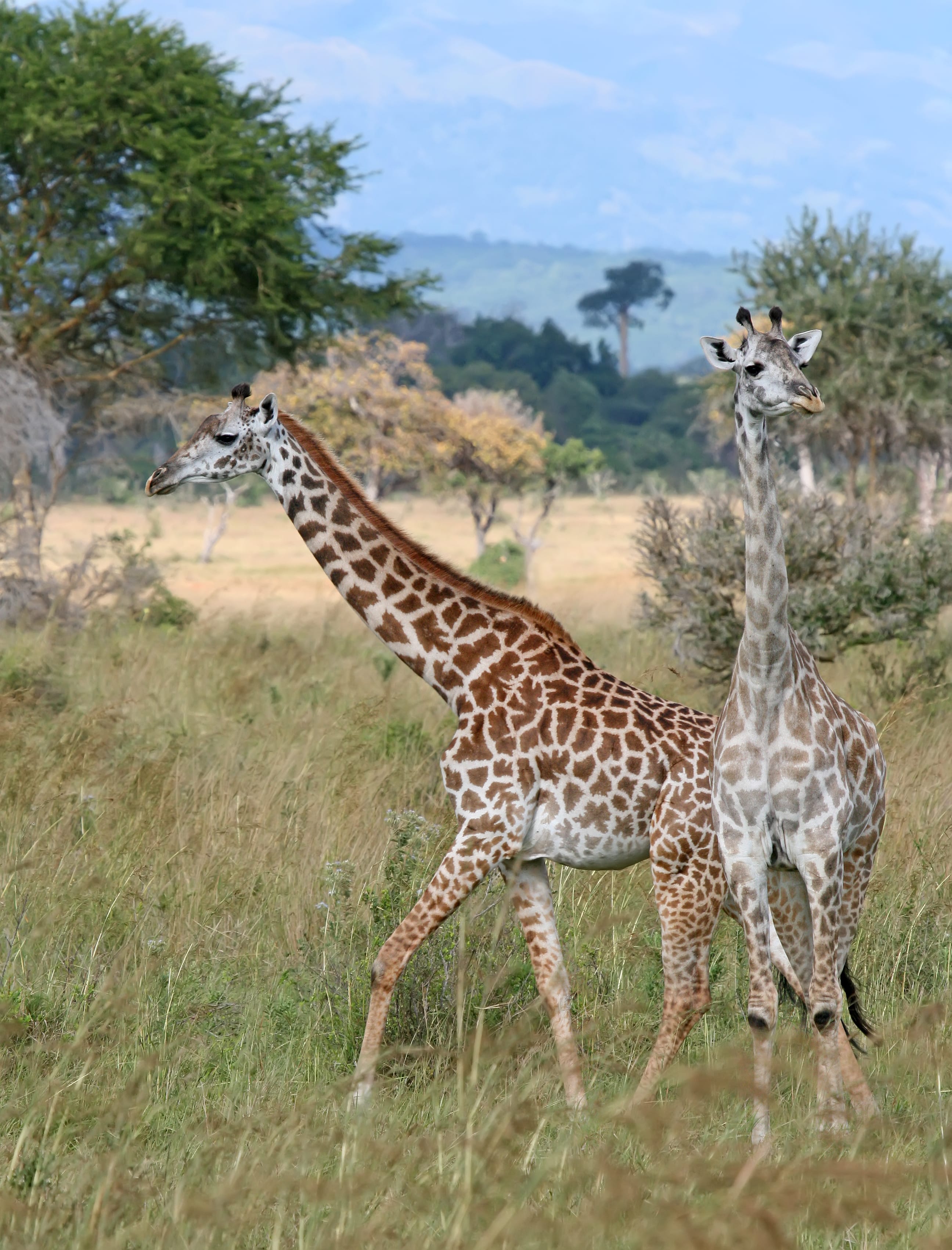
The Masai Giraffe is the largest-bodied giraffe species, found mainly in Kenya and Tanzania. They are easily recognizable by their jagged, irregular coat patterns, which resemble a network of leaves or vines. These bold patterns not only provide camouflage in the woodland and savannah habitats but also serve as a way to distinguish individuals within populations. Adult males can reach up to 19 feet, while females are slightly smaller.
Masai Giraffes are primarily browsers, feeding on acacia and mimosa trees. Their long, muscular tongues allow them to grasp thorny branches without injury. They are active mostly during the early morning and late afternoon, conserving energy during the heat of the day. Socially, they are moderately gregarious. Females with calves often stay in small groups, while males may engage in “necking” battles to establish dominance and breeding rights. Necking involves swinging their heads like hammers, sometimes resulting in minor injuries, but it is critical for reproductive success.
Their habitat spans open woodlands, savannahs, and scrublands. Seasonal migrations are common as they follow rainfall patterns and food availability. Masai Giraffes have a slower population growth compared to some other species, which makes them particularly vulnerable to threats. Poaching for meat and hides, along with habitat encroachment by humans, has led to declines in some areas. Conservation organizations focus on anti-poaching measures, wildlife corridors, and community engagement to protect these giraffes.
Masai Giraffes are fascinating not only because of their size and patterns but also for their behavior. They exhibit curiosity toward humans, sometimes approaching vehicles or observers cautiously. Mothers are attentive to calves, often positioning themselves between predators and their young. Their long legs allow them to cover significant distances quickly, helping them escape danger. Observing a Masai Giraffe in the wild is a memorable experience, highlighting the elegance and resilience of Africa’s tallest land mammals.
In summary, the Masai Giraffe is a remarkable example of adaptation and survival in the African landscape. Studying their feeding habits, social structures, and reproductive behaviors gives insight into the broader ecosystem dynamics. For anyone interested in learning about types of giraffes, the Masai Giraffe offers both a visual spectacle and a lesson in ecological importance. Conservation efforts remain vital to ensure these majestic creatures continue to thrive across their native ranges.
3. Reticulated Giraffe (Giraffa reticulata)
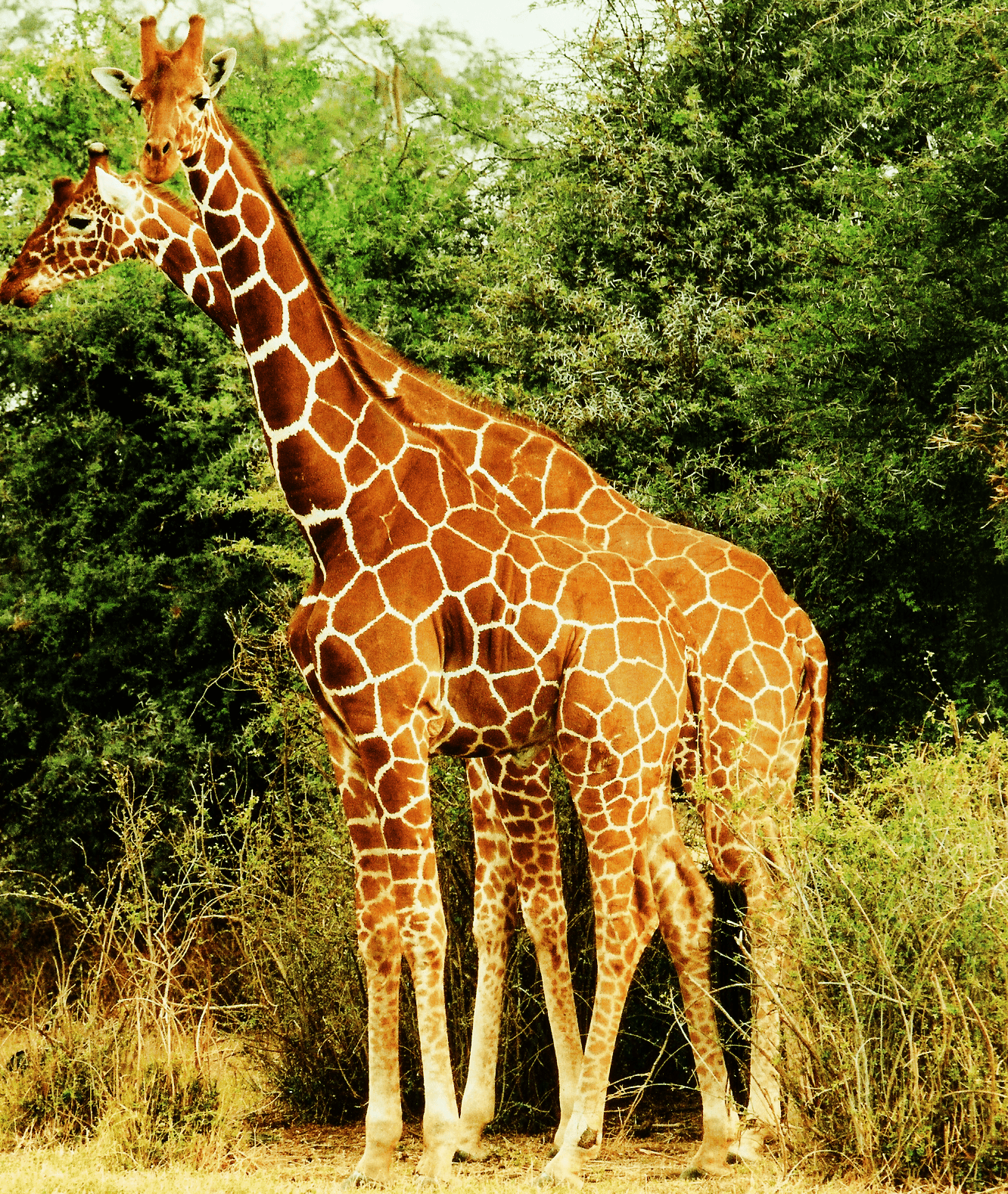
The Reticulated Giraffe is one of the most visually striking giraffe species, renowned for its distinctive coat pattern. Unlike other giraffes, the Reticulated Giraffe has large, polygonal patches separated by bright white lines that form a clear net-like pattern across its body. This unique coat not only makes it a favorite among wildlife photographers but also provides camouflage in the dry, thorny savannahs of northern Kenya and southern Ethiopia, where this species primarily resides. Reticulated Giraffes are slightly smaller than the Masai Giraffe, with males reaching heights up to 18 feet and females somewhat shorter.
Behaviorally, Reticulated Giraffes are social but tend to form smaller, fluid groups compared to the Masai or Northern Giraffes. Herd composition changes frequently, with females and calves often forming maternal groups, while males may roam alone or in temporary bachelor herds. They communicate using subtle body movements, infrasound, and occasional vocalizations, which humans rarely perceive. This communication is essential for coordinating movements, especially when foraging or avoiding predators.
4. Southern Giraffe (Giraffa giraffa)
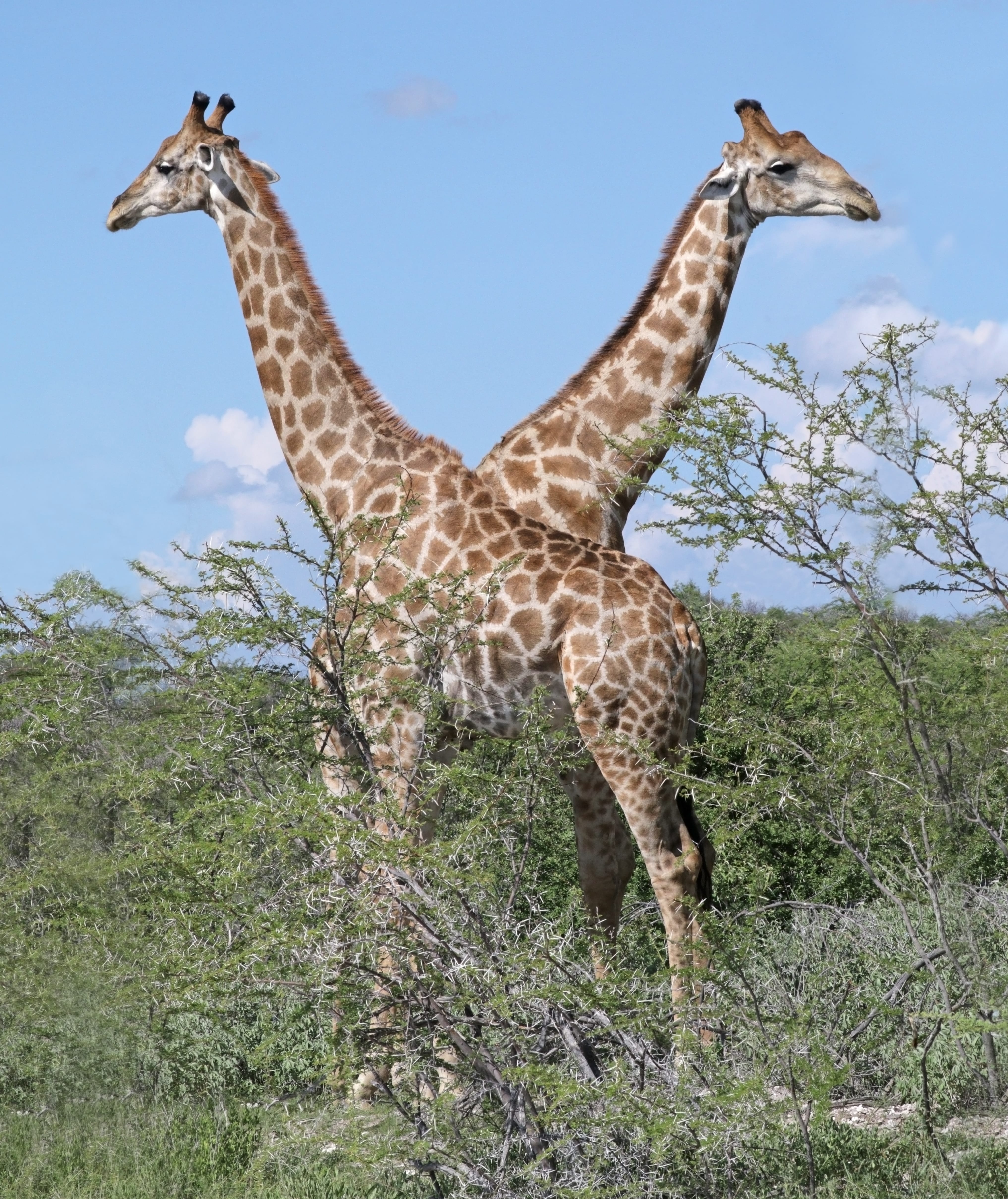
The Southern Giraffe is native to southern Africa, including countries like South Africa, Namibia, Botswana, and Zimbabwe. Recognizable by its lighter coat with star-shaped or irregular patches, this species blends beautifully into the open savannahs and woodlands it inhabits. Adults can grow up to 18 feet tall, with males being taller and more robust than females. These giraffes are active during the day, feeding on acacia, mimosa, and other thorny trees. Their height and prehensile tongues allow them to access foliage beyond the reach of most other herbivores, giving them a distinct ecological role.
Southern Giraffes are moderately social. Herd sizes fluctuate depending on food availability and season. Females with calves often form small groups, while males may roam singly or engage in necking contests to assert dominance and breeding rights. These necking battles, although sometimes intense, rarely result in serious injuries. Communication among Southern Giraffes includes subtle body movements, low-frequency sounds, and visual signals using their patterned coats.
Reproduction follows the typical giraffe pattern: females give birth standing up, and calves can stand within hours, which is crucial for avoiding predators such as lions and hyenas. Lifespan in the wild can reach 25 years, while individuals in protected reserves may live slightly longer. Seasonal movements are common, driven by rainfall and food availability. The Southern Giraffe’s adaptability to varying habitats and ability to browse on different tree species have helped populations remain relatively stable compared to some other giraffe species.
Conservation efforts are ongoing to protect Southern Giraffes, including habitat preservation and anti-poaching measures. National parks and wildlife reserves play a crucial role, allowing populations to thrive while minimizing human-wildlife conflict. Observing Southern Giraffes in their natural habitat offers a striking view of their elegance, social behavior, and ecological importance. This species exemplifies the grace and resilience of giraffes in Africa.
5. West African Giraffe (Giraffa camelopardalis peralta)
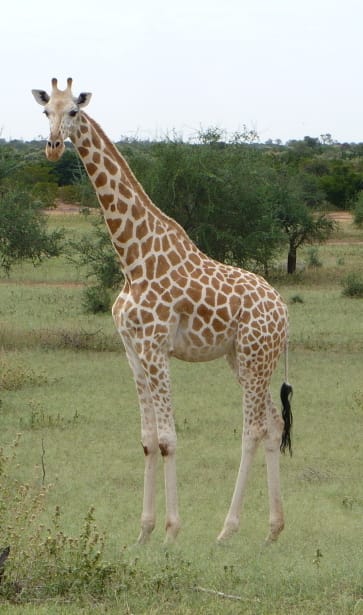
The West African Giraffe is a rare subspecies of the Northern Giraffe, primarily found in Niger, with a small population also in neighboring countries. Recognized by its pale coat with less defined patches, it is adapted to the Sahelian savannah and arid regions of West Africa. Adult males can reach up to 18 feet, while females are slightly shorter. Despite its limited range, the West African Giraffe has gained attention for successful conservation efforts that have helped increase its population in recent decades.
This subspecies exhibits social behaviors similar to other giraffes but often forms smaller groups due to limited habitat space. Mothers are highly protective of calves, which face threats from lions, hyenas, and human encroachment. The West African Giraffe feeds primarily on acacia leaves, using its long neck and tongue to reach higher branches. Its light-colored coat helps reflect sunlight and maintain body temperature in the hot, dry climate.
Conservation initiatives, such as community-based protection programs and habitat restoration, have been crucial in preventing extinction. Local communities are encouraged to protect giraffes while benefiting from ecotourism, creating a sustainable coexistence model. Observing West African Giraffes provides insight into how species can survive and even thrive with careful conservation management.
Behaviorally, these giraffes are curious and gentle, often approaching vehicles or observers cautiously. They are excellent jumpers and runners when threatened, demonstrating agility despite their height. Studying the West African Giraffe helps scientists understand how limited populations can maintain genetic diversity and adapt to environmental pressures. For anyone learning about types of giraffes, this subspecies offers a unique perspective on resilience and adaptation in challenging environments.
Conclusion: Appreciating the Diversity of Types of Giraffes
Exploring the five main types of giraffes—Northern Giraffe, Masai Giraffe, Reticulated Giraffe, Southern Giraffe, and West African Giraffe—reveals the incredible diversity within this iconic species. Each type has adapted to its unique environment, displaying distinct coat patterns, social behaviors, and feeding strategies. From the jagged patterns of the Masai Giraffe to the pale elegance of the West African Giraffe, these animals showcase the beauty, resilience, and complexity of Africa’s wildlife.
Understanding types of giraffes is essential for appreciating their ecological role and supporting conservation efforts. Protecting their habitats, preventing poaching, and promoting coexistence with human communities are crucial steps to ensure these majestic animals continue to thrive. Observing giraffes in the wild is not only a breathtaking experience but also a reminder of the intricate connections within nature. Whether you are a wildlife enthusiast, photographer, or conservation advocate, learning about giraffes enriches your appreciation for one of the world’s most remarkable animals.
Reticulated Giraffes are browsers that feed predominantly on acacia, mimosa, and other thorny trees. Their prehensile tongues, reaching up to 20 inches, allow them to skillfully strip leaves without injury from thorns. Feeding usually occurs in the early morning and late afternoon, leaving the hottest part of the day for rest and predator vigilance. The giraffes’ height and long necks give them access to foliage unavailable to most other herbivores, giving them a competitive advantage in their ecosystems.
Reproduction in Reticulated Giraffes follows a similar pattern to other giraffe species. Females give birth standing up, and calves are able to stand and walk within a few hours, which is critical for survival in predator-rich environments. Calves face threats from lions, hyenas, and leopards, making herd vigilance and maternal care vital. Adult males engage in necking contests to establish dominance and mating rights. These battles, while sometimes physically intense, are rarely fatal and play a significant role in shaping the social hierarchy within populations.
The Reticulated Giraffe’s habitat is primarily dry savannahs and open woodlands, where water sources may be scarce. They obtain most of their hydration from the leaves they consume, reducing dependence on rivers and watering holes. Seasonal movements are common, following rainfall and vegetation growth patterns, which ensures consistent access to fresh food. These migrations also expose them to human-wildlife conflicts, as expanding farmland and settlements fragment their range.
Conservation-wise, Reticulated Giraffes are currently listed as endangered due to habitat loss, poaching, and small, fragmented populations. Organizations work to establish protected areas, monitor populations, and engage local communities in conservation efforts. Education plays a vital role, as raising awareness about the species’ ecological importance helps reduce threats from hunting and land encroachment.
Observing Reticulated Giraffes in the wild is an unforgettable experience. Their graceful movements, striking coat pattern, and gentle social interactions highlight the beauty and complexity of African wildlife. Learning about this species provides insights into how giraffes have adapted to survive in challenging environments, from feeding strategies to social behaviors. For anyone exploring types of giraffes, the Reticulated Giraffe offers a perfect blend of elegance, resilience, and ecological significance.
Frequently Asked Questions About Types of Giraffes
1. What are the main types of giraffes?
The main types of giraffes are Northern Giraffe, Masai Giraffe, Reticulated Giraffe, Southern Giraffe, and West African Giraffe.
2. How can you tell the difference between giraffe species?
Differences are often seen in coat patterns, size, neck length, and geographic range.
3. Where does the Northern Giraffe live?
Northern Giraffes are primarily found in parts of East Africa, including Chad, Niger, and South Sudan.
4. What makes the Masai Giraffe unique?
Masai Giraffes have jagged, irregular coat patterns and are the largest-bodied giraffe species.
5. How tall can Reticulated Giraffes grow?
Adult Reticulated Giraffes can reach heights of up to 18 feet, with males slightly taller than females.
6. Where do Southern Giraffes live?
Southern Giraffes inhabit southern Africa, including South Africa, Namibia, Botswana, and Zimbabwe.
7. What is distinctive about West African Giraffes?
West African Giraffes have pale coats with less defined patches and are mostly found in Niger.
8. Do giraffe species have different social behaviors?
Yes, herd sizes and social structures vary by species, from small, fluid groups to larger herds.
9. How do giraffes communicate?
Giraffes communicate using body language, neck movements, low-frequency sounds, and visual cues from coat patterns.
10. What do giraffes eat?
Giraffes are browsers, feeding mainly on acacia, mimosa, and other thorny trees.
11. How do giraffes use their long necks?
Long necks allow giraffes to reach high branches, giving them access to food unavailable to other herbivores.
12. How long is a giraffe’s tongue?
Giraffe tongues can be up to 20 inches long, enabling them to strip leaves from thorny branches.
13. How do giraffes avoid predators?
Giraffes rely on height to spot predators early, run at high speeds, and calves often stay in the center of herds for protection.
14. What predators target giraffes?
Lions, hyenas, and leopards are the main predators of giraffes, particularly calves.
15. How do giraffes reproduce?
Females give birth standing up, and newborn calves can stand and walk within hours.
16. How long do giraffes live?
In the wild, giraffes live around 20–25 years, while in captivity they may live longer.
17. How fast can giraffes run?
Giraffes can run up to 35 miles per hour over short distances to escape predators.
18. Do giraffes migrate?
Some species make seasonal movements following rainfall and vegetation growth, while others remain in localized ranges.
19. Are giraffes endangered?
Some giraffe species, like the West African and Reticulated Giraffes, are considered endangered due to habitat loss and poaching.
20. What threats do giraffes face?
Major threats include habitat destruction, poaching, and fragmentation of populations by human activities.
21. What is giraffe necking?
Necking is a behavior where male giraffes swing their necks to fight for dominance or mating rights.
22. Are giraffes solitary animals?
Giraffes are social but may roam alone; herd sizes vary depending on species, season, and food availability.
23. Do all giraffes have the same coat pattern?
No, coat patterns vary by species: jagged for Masai, polygonal for Reticulated, and lighter patches for West African giraffes.
24. How do giraffes adapt to dry climates?
They get moisture from leaves and can survive with little water, helping them thrive in arid regions.
25. Do giraffes need water daily?
No, they can go several days without water, relying mostly on leaves for hydration.
26. Can you see differences in giraffe ears?
Yes, subtle differences in size and shape can exist between species, but coat pattern is more noticeable.
27. Are giraffes intelligent?
Giraffes show problem-solving skills, memory for food locations, and social awareness within herds.
28. How do calves survive in the wild?
Calves stay close to their mothers and the herd center, reducing vulnerability to predators.
29. Do giraffes have predators as adults?
Adult giraffes are less vulnerable due to size and height but can fall prey to lions in certain regions.
30. How do giraffes sleep?
Giraffes sleep standing or lying down for short periods, usually totaling 4–6 hours per day.
31. Can giraffes swim?
Giraffes are not known for swimming; they typically avoid deep water due to their long legs and neck.
32. How do giraffes interact with other animals?
Giraffes share habitats with zebras, antelopes, and elephants, often benefiting from early predator alerts.
33. What role do giraffes play in ecosystems?
They act as browsers, shaping vegetation structure and providing food sources for other species.
34. How do giraffes defend themselves?
Giraffes kick with strong legs, use height to spot danger early, and herd vigilance helps protect calves.
35. Are giraffes territorial?
Giraffes are not highly territorial; males establish dominance primarily through necking contests rather than defending strict areas.
36. Do giraffes make sounds?
Giraffes produce low-frequency sounds, humming, and snorts that are often below human hearing.
37. What is the largest giraffe species?
The Masai Giraffe is the largest-bodied giraffe species, with males reaching up to 19 feet tall.
38. What is the smallest giraffe species?
The West African Giraffe is smaller compared to Masai and Reticulated Giraffes, with lighter body mass and height.
39. How can you help giraffe conservation?
Support wildlife reserves, contribute to conservation programs, and promote awareness of habitat protection.
40. Why are giraffes important to humans?
Giraffes are a key part of African ecosystems, attract ecotourism, and inspire education and wildlife appreciation worldwide.
41. How do giraffes drink water?
They spread their legs and bend down carefully due to their long necks, making them vulnerable to predators.
42. Can giraffes coexist with livestock?
Yes, in some regions they share space with cattle or goats, but overgrazing can limit food availability for giraffes.
Read more: 40 Types of Mosquitos (Pictures And Identification)