

Snails are fascinating creatures that inhabit a variety of environments, from lush gardens to deep ocean waters. Their unique shells and slow, deliberate movements make them instantly recognizable, yet their diversity is often overlooked. This guide explores Types of Snails, highlighting 20 species, each with distinctive features, habitats, and behaviors. Whether you’re a hobbyist, a student of wildlife, or simply curious, this review offers clear and engaging insights into these mollusks.
1. Giant African Land Snail (Achatina fulica)
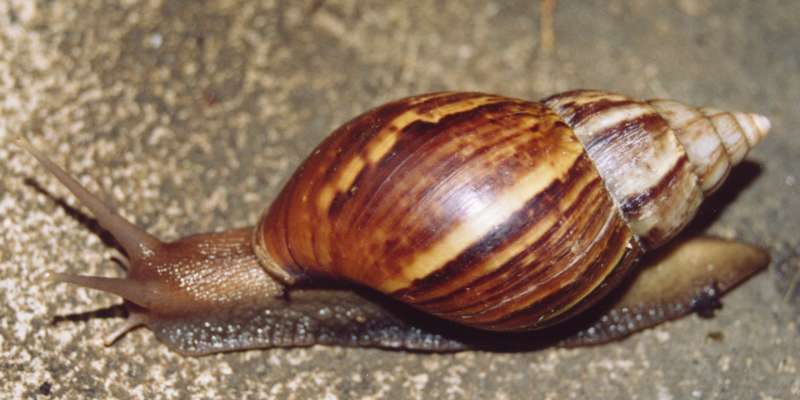
The Giant African Land Snail is renowned for its large size, sometimes reaching lengths of 20 centimeters. Native to East Africa, these snails have spread to many tropical regions due to human activity. They are terrestrial and prefer humid, shaded areas. Their shell is conical and displays brownish stripes that provide camouflage among fallen leaves. Despite their size, they are herbivorous, feeding primarily on leaves, fruits, and vegetables. One can imagine them slowly making their way through a garden, leaving a silvery trail. They are also known for their prolific breeding, laying hundreds of eggs each year, which contributes to their invasive potential in non-native habitats.
2. Garden Snail (Helix aspersa)
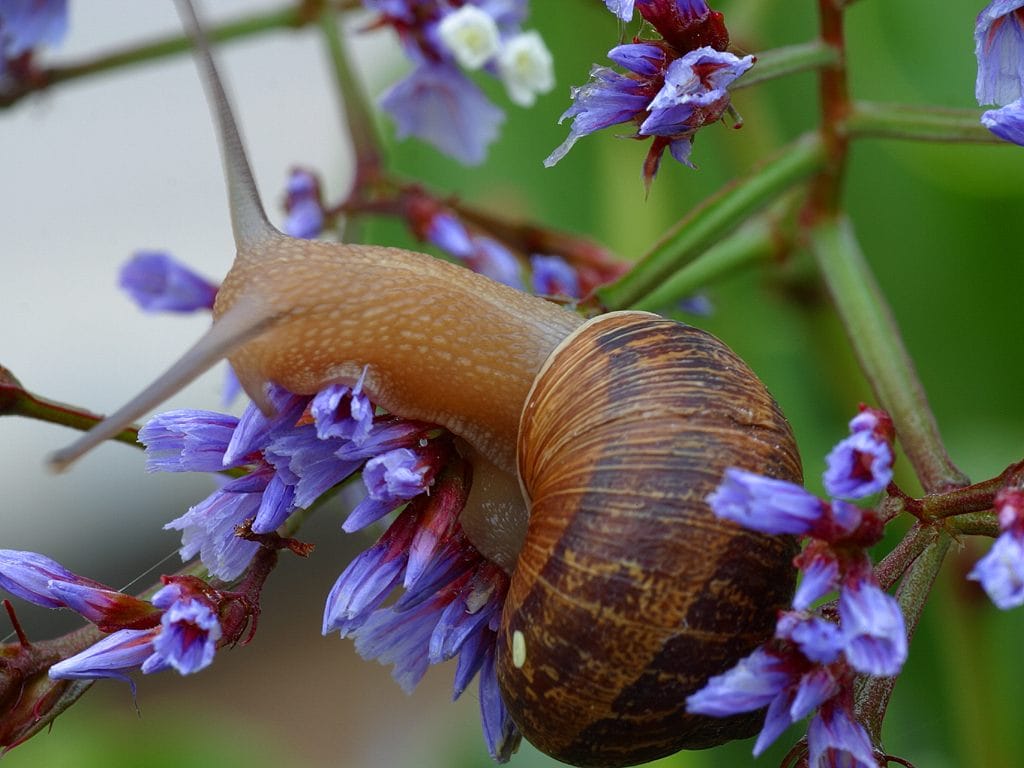
Common in Europe and introduced worldwide, the Garden Snail thrives in gardens, forests, and fields. Its shell is rounded, brown with light stripes, and provides protection from predators and harsh weather. Garden snails are nocturnal, feeding mainly on leafy plants and detritus. Their slow movement is offset by their remarkable ability to retract into their shells and secrete mucus for protection and lubrication. They play an ecological role in decomposition, breaking down organic matter while also serving as prey for birds, mammals, and insects. One might observe them after a rain, gliding across damp soil or leaves.
3. Roman Snail (Helix pomatia)
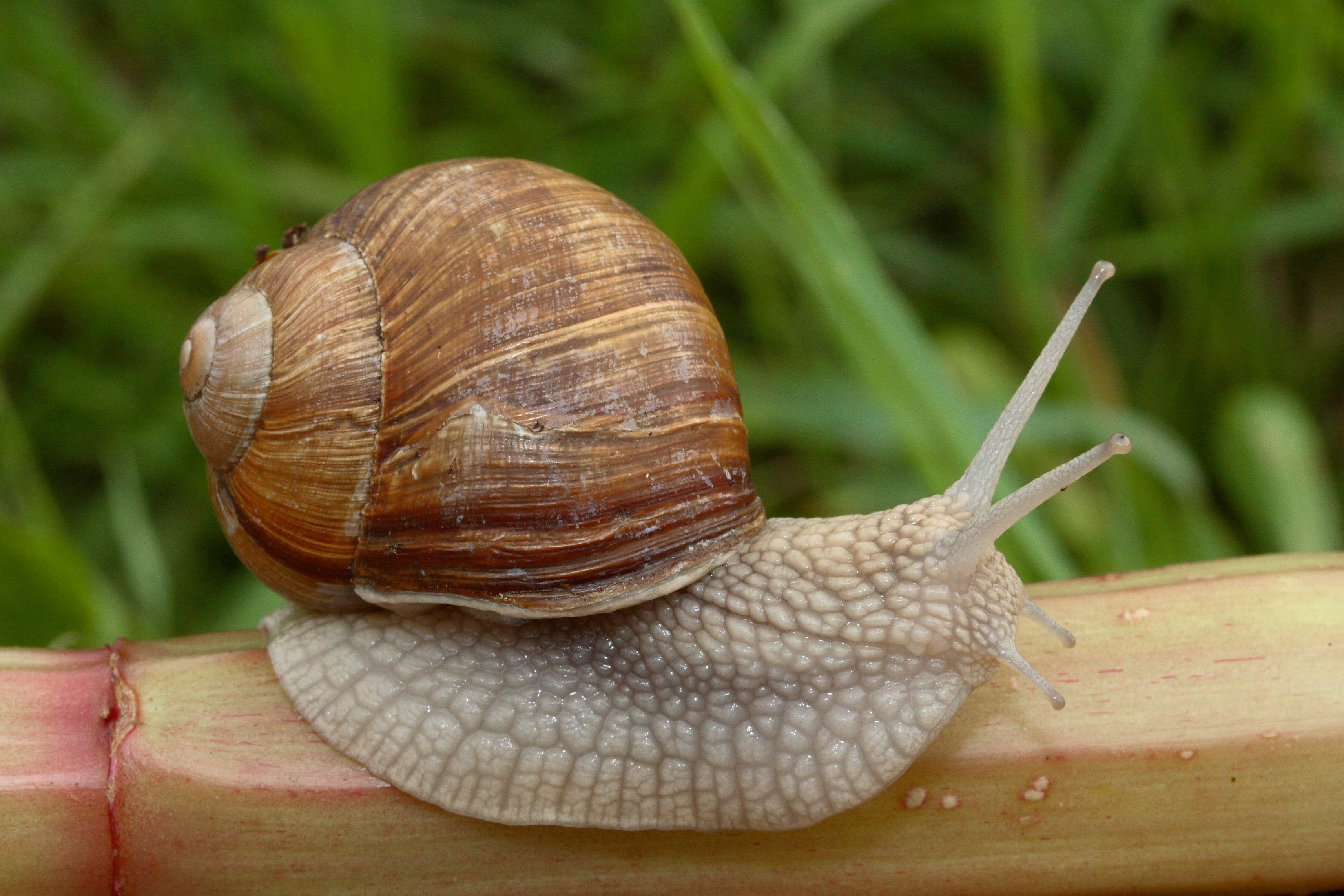
Also known as the Burgundy snail, the Roman Snail is a staple of French cuisine. It prefers calcareous soils and temperate climates. Its shell is robust, creamy-brown, and can reach up to 45 millimeters in diameter. These snails are primarily herbivorous, consuming plants, fruits, and even bark. They hibernate during cold months, retracting into their shells and sealing themselves with a calcareous epiphragm to conserve moisture. Roman Snails are notable for their longevity, often living up to 20 years in the wild, and they reproduce slowly compared to smaller species.
4. Mediterranean Green Snail (Cantareus apertus)
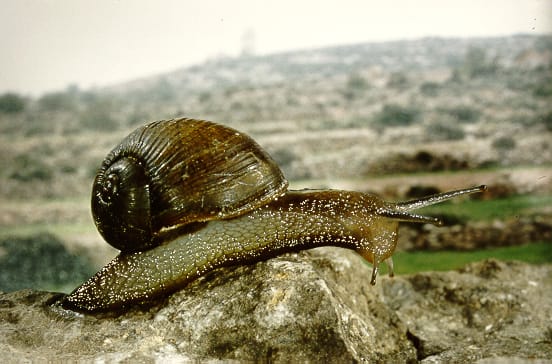
Native to the Mediterranean region, this snail is distinguished by its pale greenish-brown shell with fine spiral ridges. It thrives in dry, rocky areas as well as gardens. Like other land snails, it secretes mucus to aid in locomotion and prevent desiccation. The Mediterranean Green Snail feeds on a variety of plant material, helping recycle nutrients in its habitat. Its reproductive cycle includes laying eggs in soil crevices, where the young emerge after a few weeks. They are adapted to periods of drought by estivating in their shells, reducing metabolic activity until conditions improve.
5. White-lipped Snail (Cepaea hortensis)
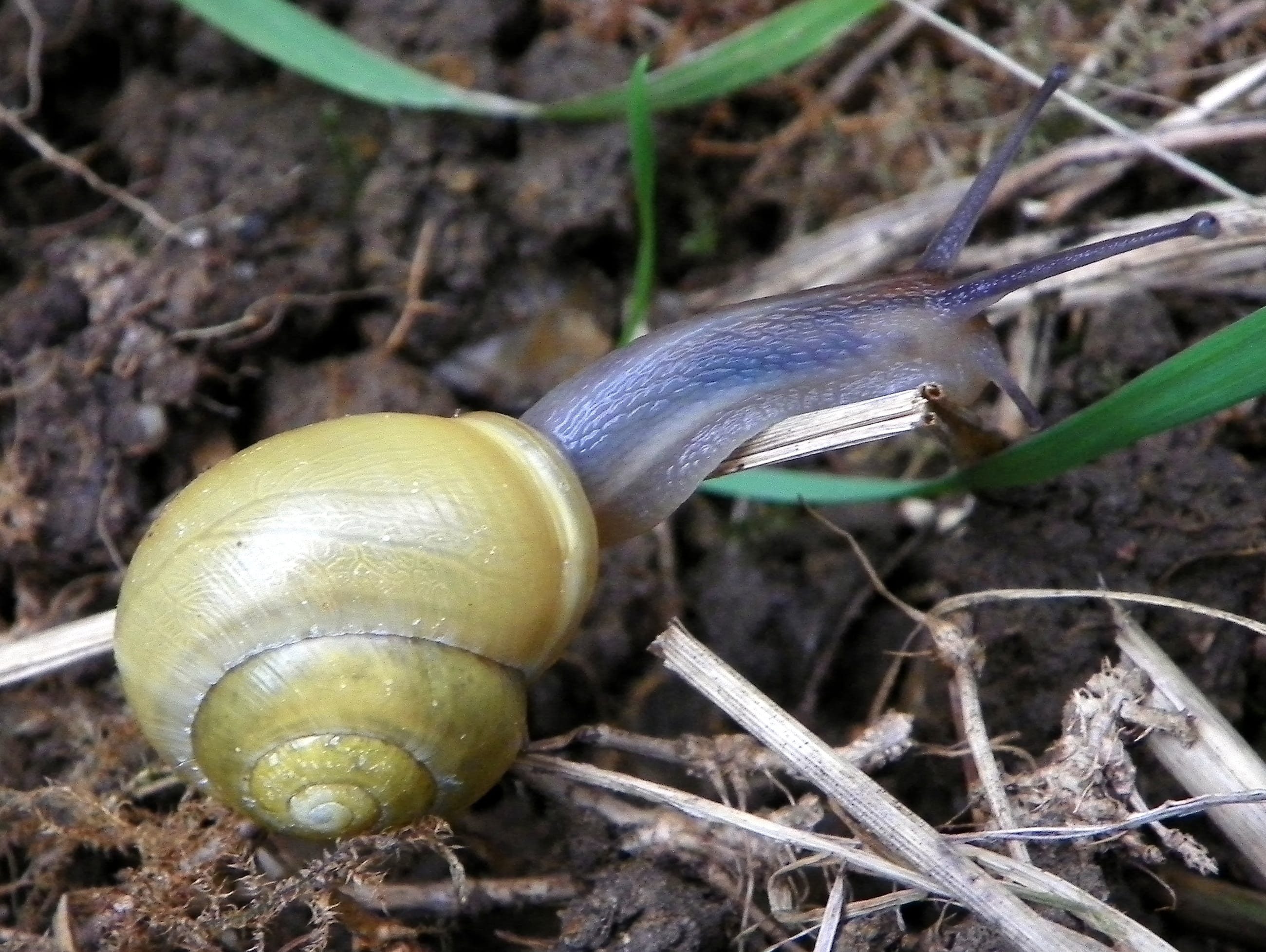
Characterized by its white-edged aperture, the White-lipped Snail inhabits grasslands, gardens, and hedgerows across Europe. Shell colors vary, often striped in shades of brown and cream. They are active during moist weather and tend to feed on herbaceous plants. White-lipped Snails hibernate in winter, usually buried under soil or leaf litter. Their populations fluctuate based on climate, predation, and habitat quality. Gardeners often notice them as slow-moving but persistent visitors, feeding on tender shoots and leaves, yet they also contribute to soil aeration and decomposition.
6. Brown-lipped Snail (Cepaea nemoralis)
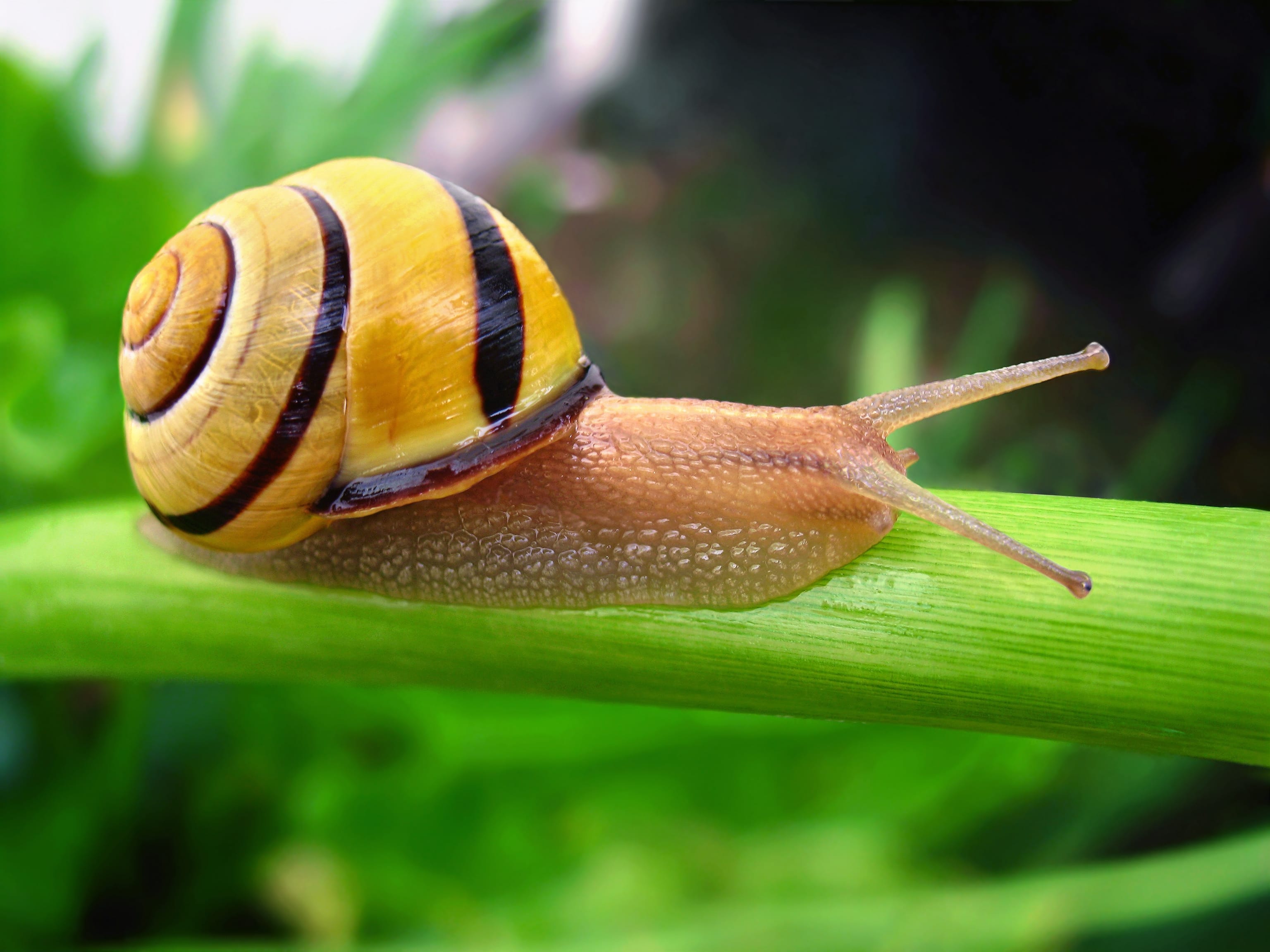
The Brown-lipped Snail is one of the most common land snails across Europe. It is instantly recognizable by its brown band along the opening of its shell, which contrasts with the lighter-colored body. This species inhabits gardens, meadows, and woodlands, preferring areas with plenty of leaf litter. Like other snails, it relies on mucus for locomotion, leaving a glistening trail behind as it moves slowly but steadily. Brown-lipped Snails are primarily herbivorous, feeding on a wide range of plants, including grasses and soft leaves. During dry periods, they can enter a state of estivation, retracting into their shells and sealing the opening with a protective layer of mucus to conserve moisture. Interestingly, their shell color and banding patterns are highly variable, a feature that makes them fascinating subjects for studies in genetics and natural selection.
7. Milk Snail (Otala lactea)
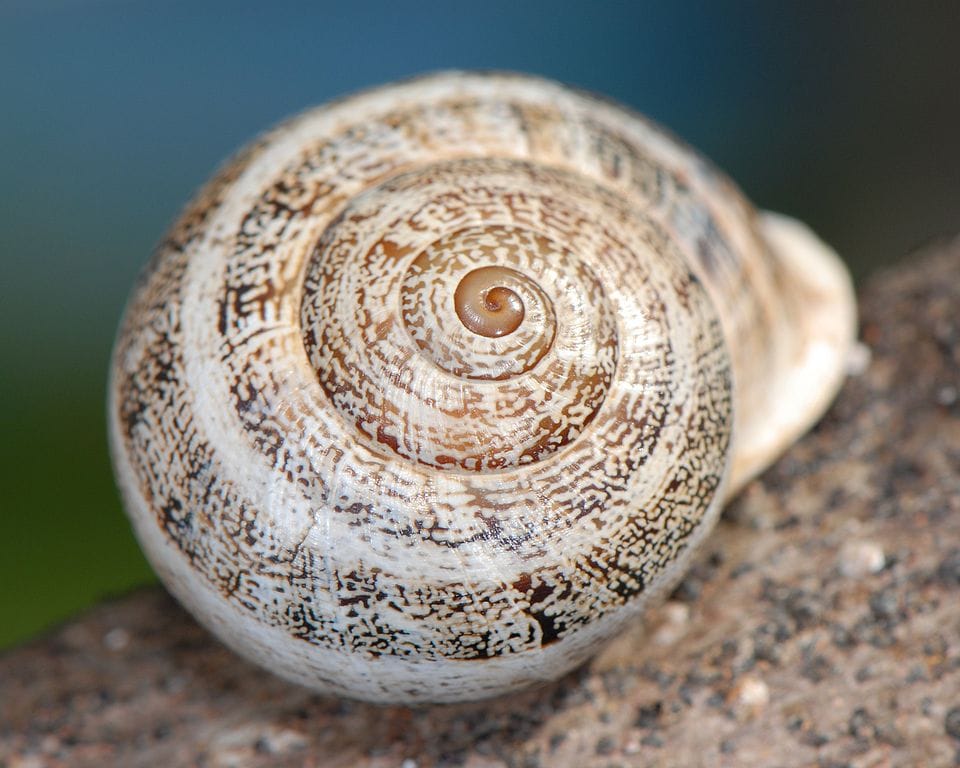
The Milk Snail is native to the Mediterranean region and is distinguished by its creamy, often spiraled shell that sometimes reaches up to 40 millimeters in diameter. These snails prefer dry, calcareous soils and are often found in gardens, rocky slopes, and grasslands. They are primarily nocturnal, feeding on plant matter at night and avoiding the harsh heat of the day. Milk Snails are also known for their hibernation during extreme heat or cold, retreating into their shells and secreting a protective epiphragm to maintain moisture. Their slow reproduction and the beauty of their shell patterns make them interesting both ecologically and aesthetically. They also play a role in the ecosystem by breaking down organic matter and serving as prey for birds and mammals.
8. Apple Snails (Family Ampullariidae)
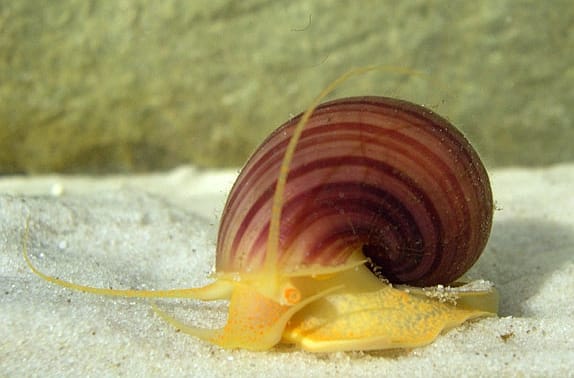
Apple Snails are freshwater snails found in tropical and subtropical regions. They are named for their rounded, apple-like shells, which can vary in color from brown to golden. Apple Snails are unique among freshwater snails for their ability to breathe both air and water thanks to a specialized lung and gill system. They feed on a variety of plant material, algae, and detritus, often cleaning aquariums and natural habitats. However, in some regions, they are considered invasive due to their high reproductive rates, laying clusters of bright pink eggs above the waterline. Their striking appearance and interesting behavior make them popular among aquarium enthusiasts.
9. Golden Apple Snail (Pomacea canaliculata)
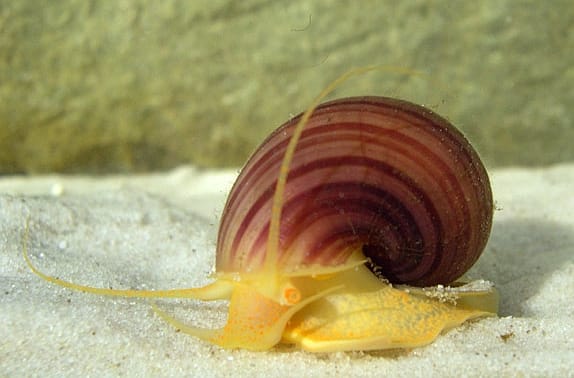
The Golden Apple Snail is closely related to the general apple snails but is more famous for its vivid golden-yellow shell. Native to South America, this snail has spread to Asia and other regions, often becoming a pest in rice paddies due to its voracious appetite for young plants. Golden Apple Snails are amphibious, spending time both in water and on land. They lay eggs above water to protect them from aquatic predators. These snails are fascinating because of their adaptive abilities and their role as both ecological contributors and agricultural challenges. Hobbyists appreciate their bright color and size in aquariums, but care must be taken to prevent escapes into natural waterways.
10. Mystery Snail (Pomacea bridgesii)
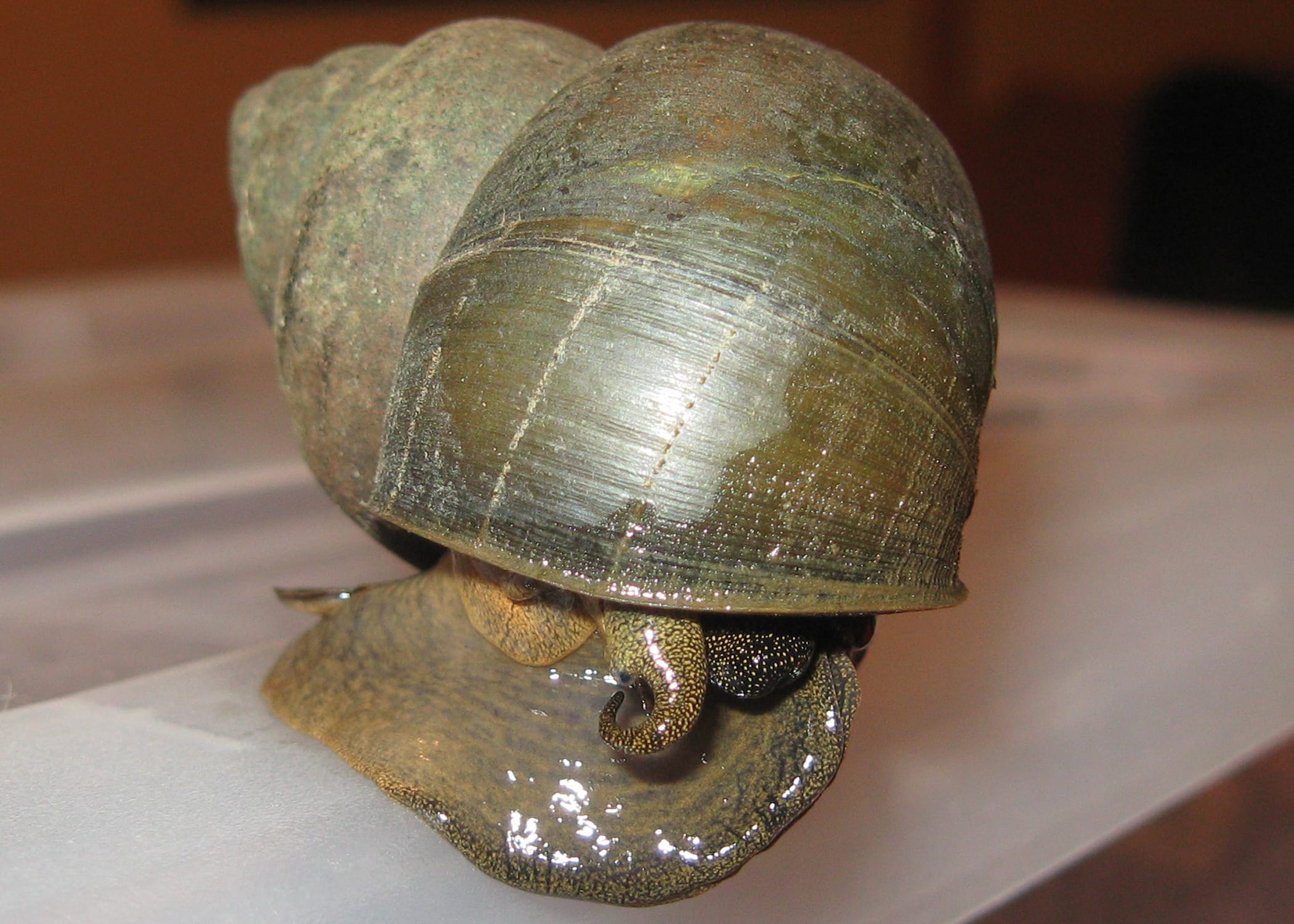
Mystery Snails are freshwater snails originating from South America. They are named for their habit of occasionally disappearing into the substrate, giving an impression of mystery. Their shells come in a variety of colors, including blue, gold, and ivory. These snails are excellent algae eaters and contribute to maintaining a healthy aquarium ecosystem. Mystery Snails are oviparous, laying eggs above the waterline, which is unusual for aquatic snails. Their gentle nature and fascinating reproductive habits make them popular among aquarium enthusiasts. They are also known for their long lifespan compared to other freshwater snails, often living 1–3 years under optimal conditions.
11. Colombian Ramshorn Apple Snail (Marisa cornuarietis)
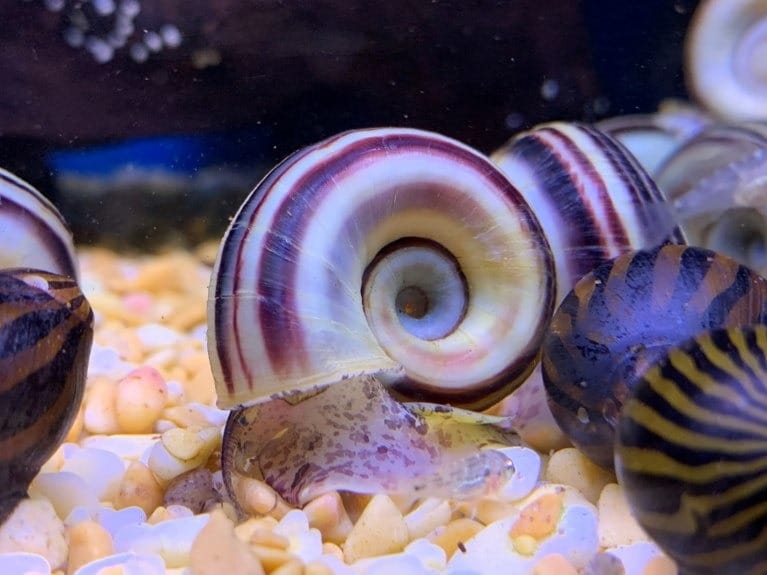
This large freshwater snail is native to Central and South America and is recognized by its flat, coiled ramshorn-shaped shell. The Colombian Ramshorn Apple Snail is a voracious feeder, consuming algae, plant matter, and detritus. Its reproductive habits are unique: it gives live birth to small, fully formed juveniles rather than laying eggs, which increases survival rates. These snails are used in aquariums to control algae growth and clean tank surfaces. Their spiral shells and active feeding behavior make them visually interesting as well as ecologically valuable. In the wild, they inhabit calm waters with plenty of vegetation, hiding among submerged plants during the day.
12. Common Whelk (Buccinum undatum)
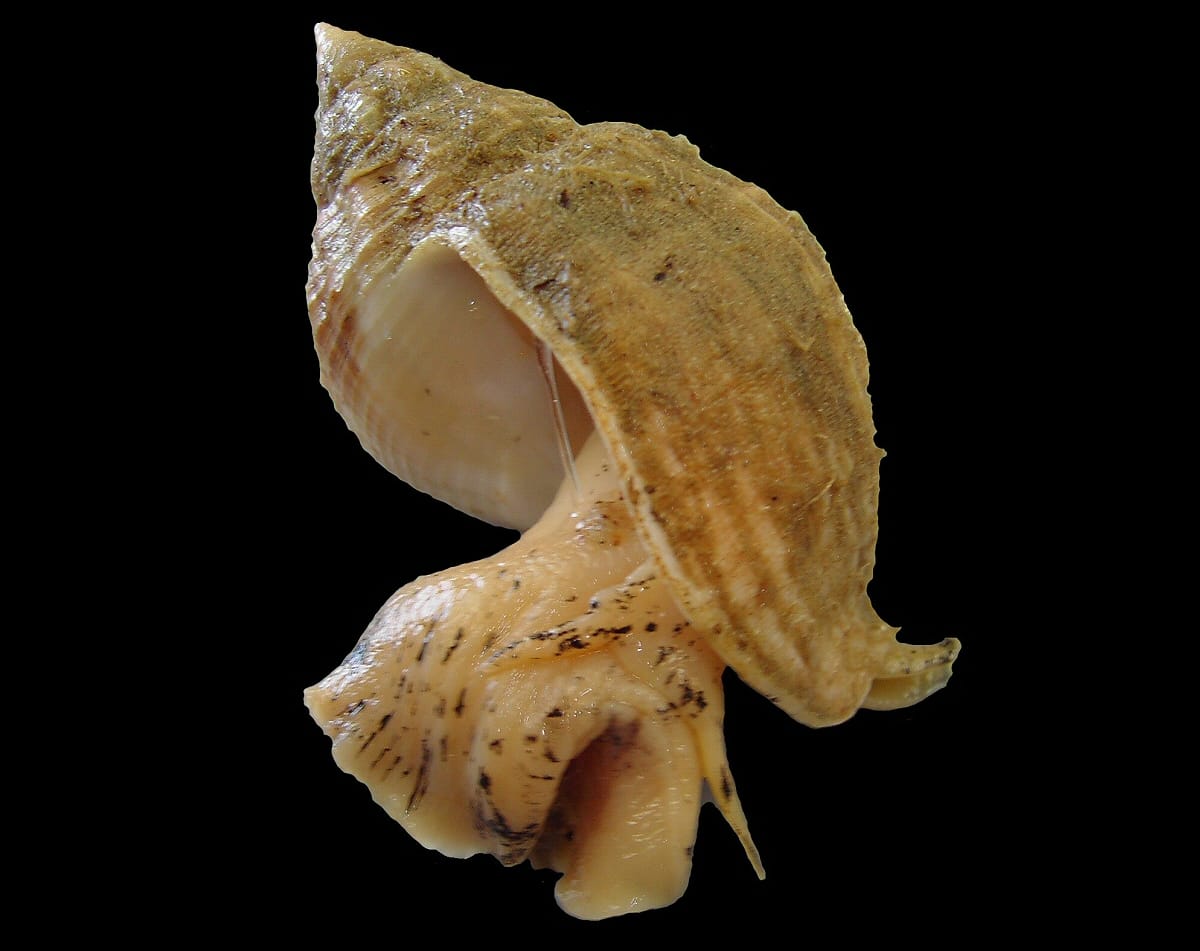
The Common Whelk is a marine snail found in cold Atlantic waters, particularly around Europe. It has a large, thick, spiraled shell that provides protection from predators and rough ocean currents. Whelks are carnivorous, feeding primarily on bivalves and other mollusks, using their radula to bore into shells. They play an important role in marine ecosystems by regulating prey populations. Common Whelks are often harvested for food in Europe and are considered a delicacy. They are slow-moving but persistent, crawling along sandy or muddy seabeds in search of food, and their presence can indicate the health of coastal ecosystems.
13. Common Periwinkle (Littorina littorea)
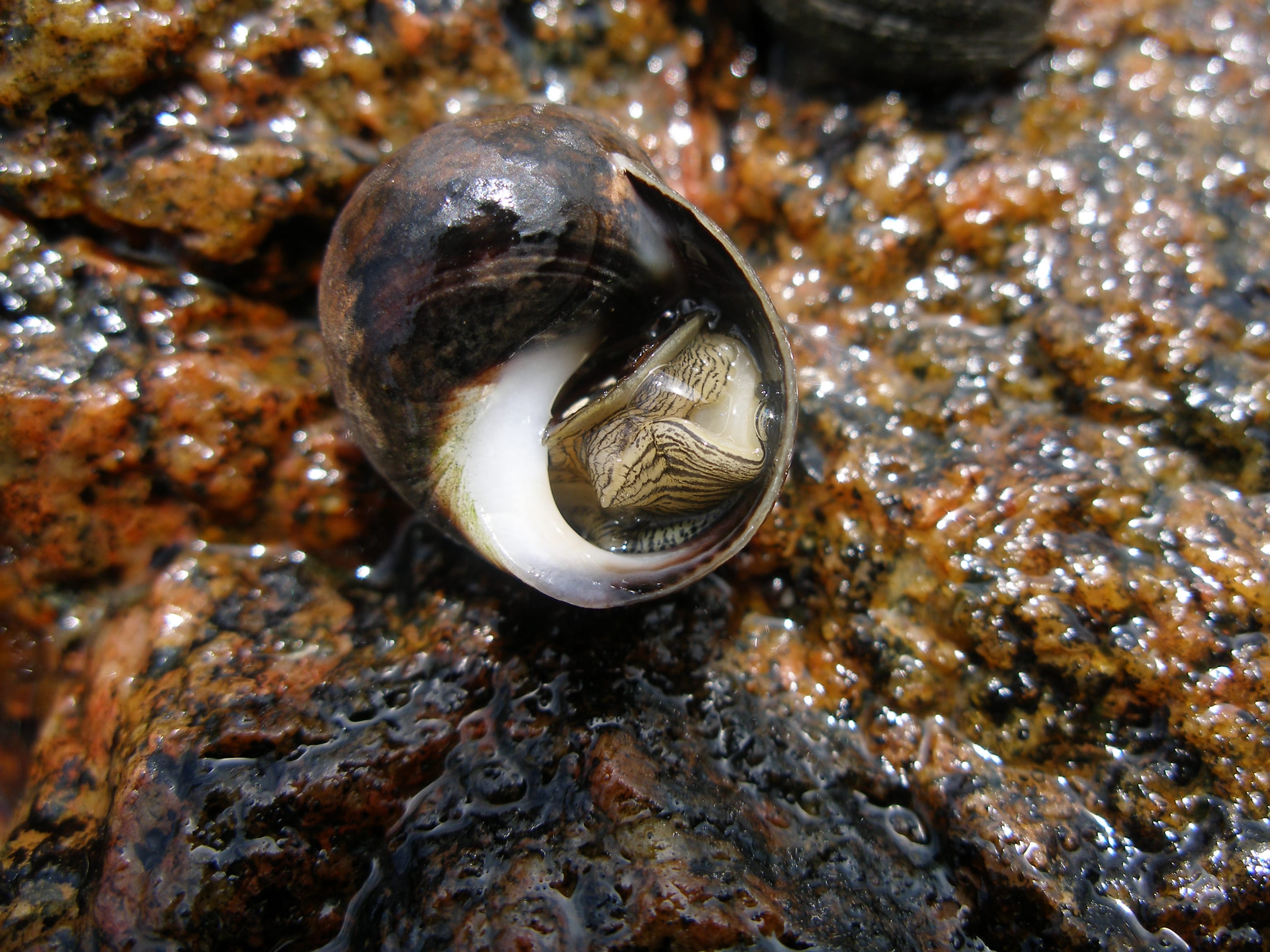
The Common Periwinkle is a small marine snail found along the rocky coasts of Europe and North America. Its thick, conical shell protects it from desiccation during low tides and from predators. Periwinkles are herbivorous, feeding on algae that grow on rocks and tidal pools. They play a crucial ecological role in controlling algae growth in intertidal zones. These snails are also indicators of environmental conditions, as they are sensitive to pollution and changes in water chemistry. One might see them clinging to rocks during low tide, moving in small groups, and grazing on microalgae.
14. Nerite Snail (Neritina natalensis / Vittina turrita)
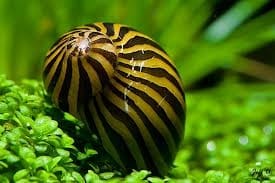
Nerite Snails are small freshwater and brackish water snails known for their beautifully patterned shells. They are highly valued in aquariums for their algae-eating capabilities and their ability to thrive in various water conditions. Nerites rarely reproduce in freshwater, as their larvae require brackish or marine environments, which helps control population growth in home aquariums. These snails are active grazers, constantly moving along surfaces to feed on biofilm and algae. Their striking shell patterns and vibrant colors make them both practical and aesthetically appealing for aquarists.
15. Assassin Snail (Anentome spinosa)
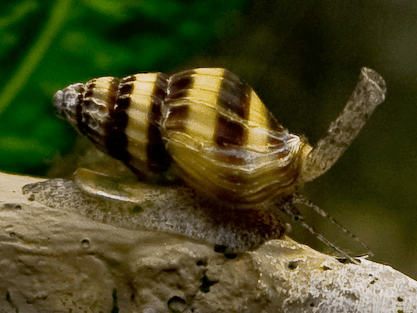
The Assassin Snail is a fascinating predatory snail that feeds on other snails, making it a natural solution for overpopulation in aquariums. Native to Southeast Asia, it has a conical, yellow-and-brown patterned shell. Assassin Snails are slow but deliberate hunters, using a proboscis to penetrate other snails’ shells and feed on their soft bodies. Despite their predatory nature, they are selective and will not harm other aquatic life. These snails are popular in the aquarium trade due to their unique behavior and their ability to maintain ecological balance within the tank.
16. Malaysian Trumpet Snail (Melanoides tuberculata)
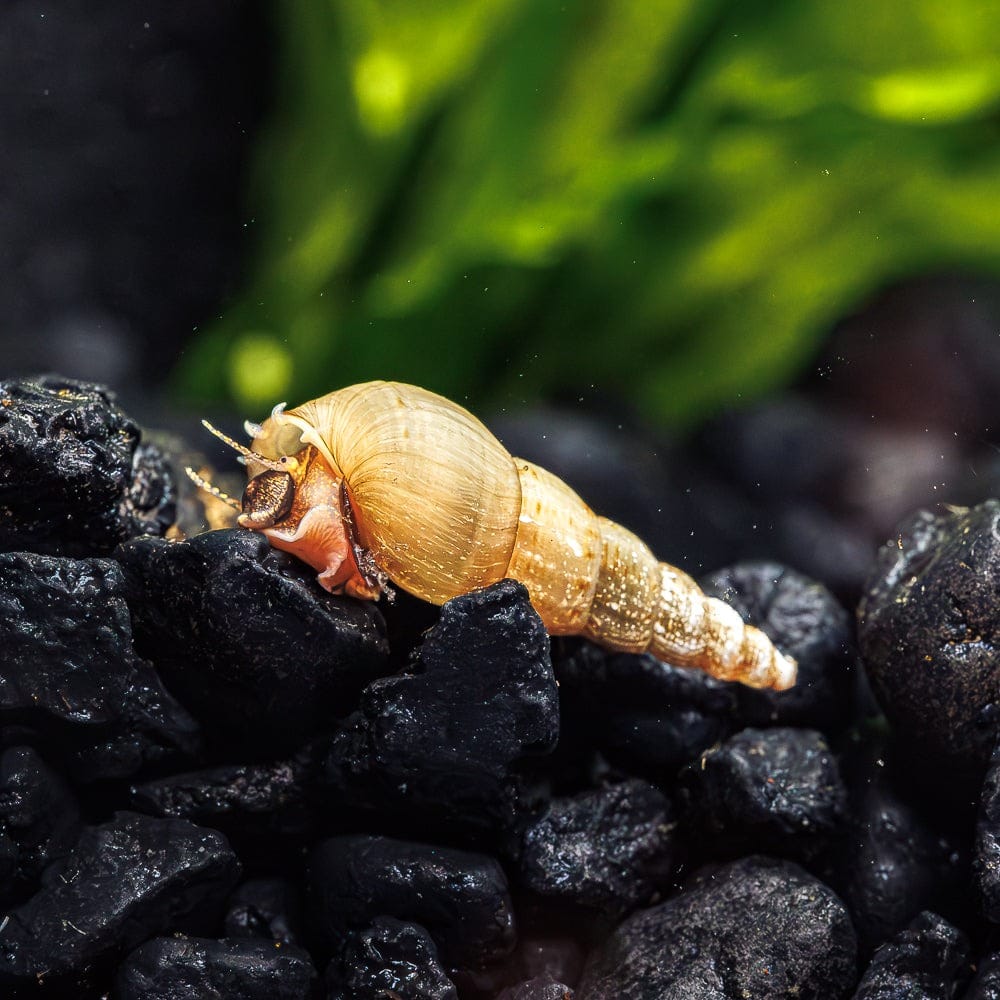
Malaysian Trumpet Snails are small, freshwater snails recognized for their elongated, spiraled shells. They are prolific breeders and burrow into the substrate, which helps aerate the aquarium soil and prevent toxic gas buildup. These snails are detritivores, feeding on leftover food and organic debris, making them excellent cleaners. They are hardy and adaptable, tolerating a wide range of water conditions. Their constant movement and burrowing behavior make them both functional and entertaining for aquarium enthusiasts. Malaysian Trumpet Snails are also used in scientific studies due to their rapid reproduction and resilience.
17. Bladder Snail (Physidae species)
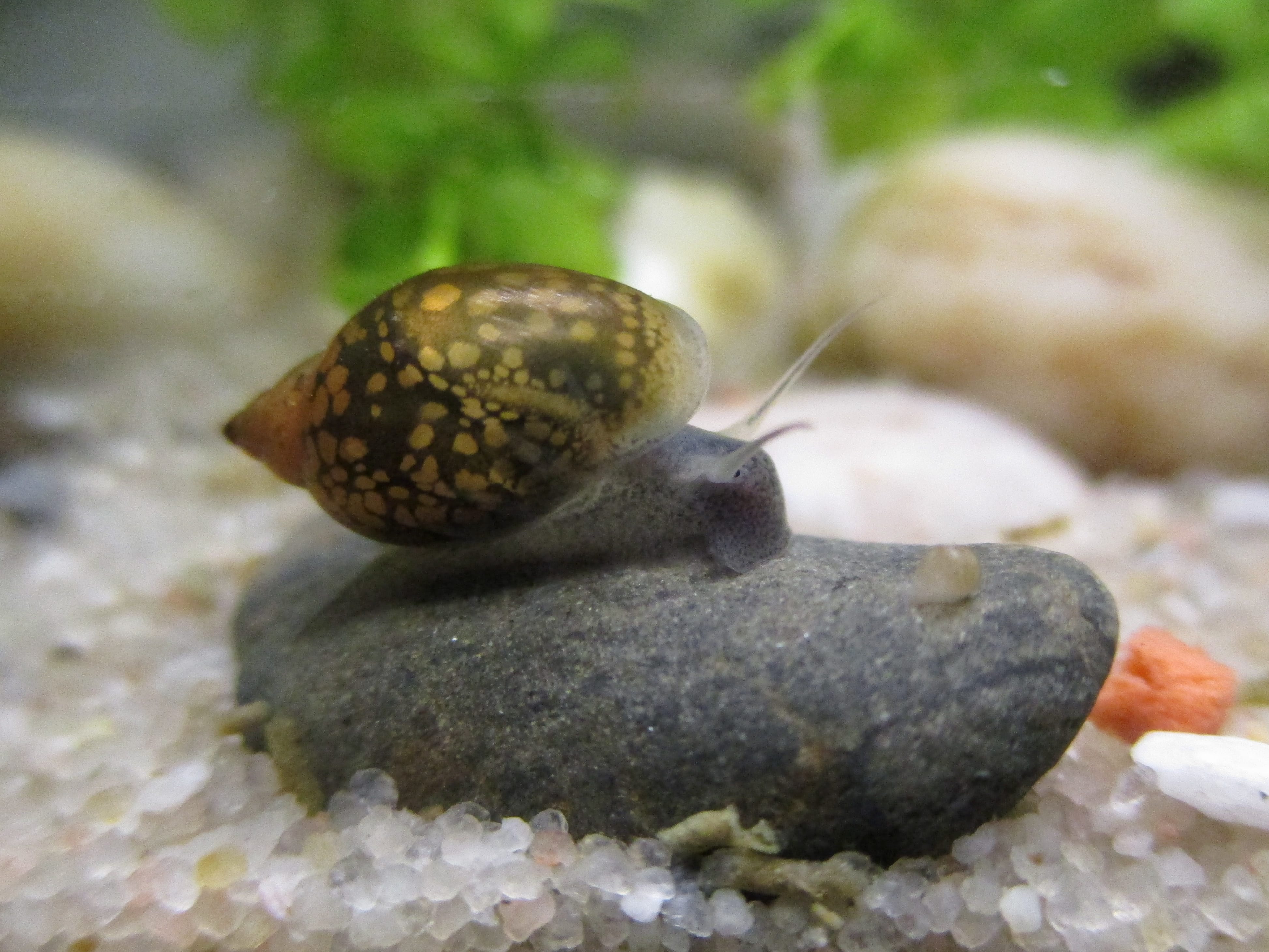
Bladder Snails are small, freshwater snails with thin, translucent shells. They are highly adaptable and can survive in a variety of freshwater environments, including ponds, rivers, and aquariums. Bladder Snails feed on algae, detritus, and plant matter. They reproduce rapidly through self-fertilization, which makes them one of the most prolific snail species in freshwater habitats. While they are sometimes considered pests in aquariums due to overpopulation, their ecological role in breaking down organic matter is significant. They move continuously, grazing on surfaces and contributing to nutrient cycling in aquatic systems.
18. Pond Snail (Lymnaea stagnalis)
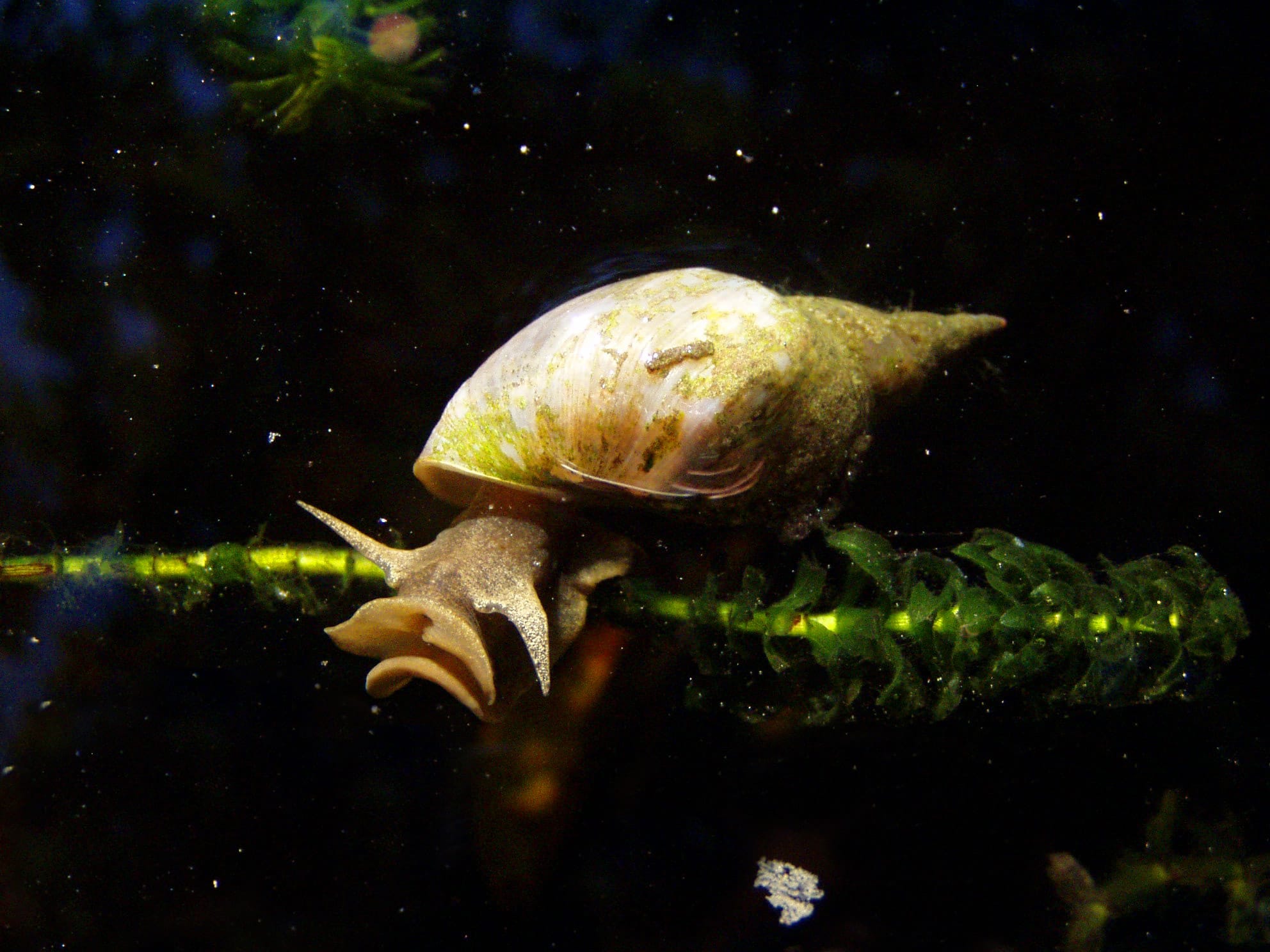
Pond Snails are common freshwater snails found in ponds, lakes, and slow-moving rivers. They have coiled shells and soft bodies that are sensitive to environmental changes. Pond Snails are herbivorous, feeding on algae, detritus, and decaying plants. They are an important food source for fish, birds, and amphibians. These snails can reproduce both sexually and asexually, which allows them to maintain stable populations even in fluctuating conditions. Their slow movements and grazing habits make them effective contributors to maintaining aquatic vegetation balance. Observing Pond Snails can reveal fascinating interactions within freshwater ecosystems.
19. Rabbit Snail (Tylomelania spp.)
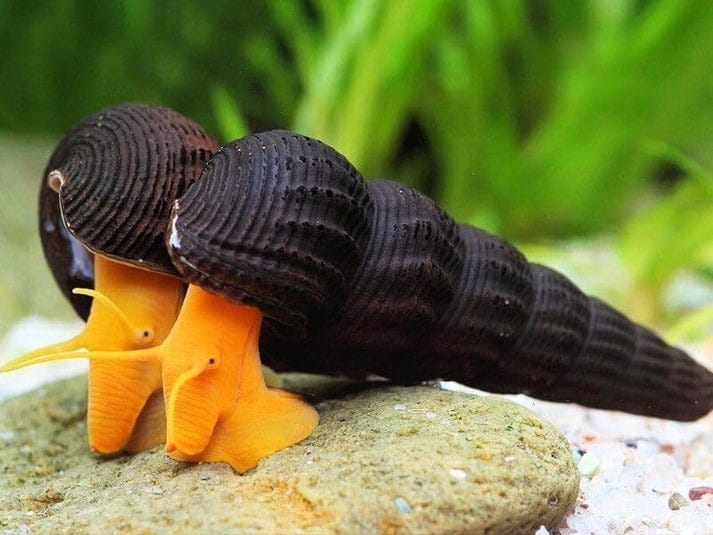
Native to Sulawesi, Indonesia, Rabbit Snails are freshwater snails known for their elongated, conical shells and gentle nature. They are nocturnal, feeding primarily on algae and detritus, and their slow movements make them a calm presence in aquariums. Rabbit Snails exhibit sexual dimorphism, with females typically larger than males. They give live birth to fully formed juveniles rather than laying eggs, which is rare among freshwater snails. Their unique reproductive strategy, combined with their distinctive appearance, makes them highly sought after by aquarium enthusiasts. In the wild, they inhabit slow-moving rivers and streams with plenty of vegetation.
20. Volcano Scaly-foot Snail (Chrysomallon squamiferum)
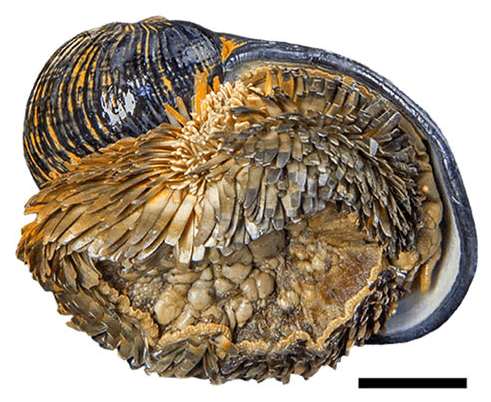
The Volcano Scaly-foot Snail is a remarkable deep-sea snail found near hydrothermal vents in the Indian Ocean. It is unique for its iron-sulfide scales on its foot, which provide protection against predators and the extreme vent environment. These snails rely on symbiotic bacteria to derive nutrients from sulfur compounds in the vent water, rather than traditional grazing. They are a striking example of adaptation to extreme habitats and are a focus of scientific research on deep-sea ecology. Their unusual biology, armored foot, and reliance on chemosynthesis make them one of the most extraordinary snail species on the planet.
Conclusion
Snails are among the most diverse and fascinating creatures on Earth, ranging from common garden dwellers to extraordinary deep-sea inhabitants. Each of the 20 Types of Snails discussed here offers unique adaptations, whether it’s the protective iron-sulfide scales of the Volcano Scaly-foot Snail or the predatory behavior of the Assassin Snail. They play crucial roles in ecosystems, contributing to nutrient cycling, algae control, and serving as food for a variety of animals. Understanding these snails allows us to appreciate both their ecological importance and their captivating diversity. Whether you are a hobbyist, student, or wildlife enthusiast, observing and studying snails can reveal a hidden world of slow-moving marvels and intricate survival strategies.
FAQ’s
1. What are snails?
Snails are soft-bodied mollusks with a coiled shell that protect their bodies. They move using a muscular foot and secrete mucus to glide along surfaces.
2. How many types of snails exist?
There are thousands of snail species worldwide, both terrestrial and aquatic, including freshwater and marine environments.
3. What do snails eat?
Most snails are herbivores, feeding on plants, algae, and detritus, while some species are carnivorous or omnivorous.
4. How do snails move?
Snails use a muscular foot to glide along surfaces, secreting mucus to reduce friction and aid locomotion.
5. Can snails survive without water?
Terrestrial snails can survive dry periods by entering estivation, retreating into their shells and sealing the opening with mucus.
6. Are all snails hermaphrodites?
Many snail species are hermaphroditic, possessing both male and female reproductive organs, though some have distinct sexes.
7. What is the lifespan of a snail?
Lifespan varies: some garden snails live 2–5 years, while certain deep-sea species can live over 20 years.
8. Do snails have teeth?
Yes, snails have a radula, a ribbon-like structure with tiny teeth used to scrape or cut food.
9. How do snails reproduce?
Snails reproduce either sexually or hermaphroditically, laying eggs or, in rare cases, giving live birth, depending on the species.
10. Are all snails slow?
Generally, yes, snails are slow movers, but their speed varies depending on species and environment.
11. Can snails be kept as pets?
Yes, many freshwater and terrestrial snails, like Mystery Snails and Rabbit Snails, are popular in aquariums and terrariums.
12. What is the largest snail?
The Giant African Land Snail (Achatina fulica) is one of the largest, with shells growing over 20 centimeters in length.
13. Are snails poisonous?
Most snails are harmless, though a few species carry parasites or toxins that can affect humans or pets.
14. How do snails protect themselves?
Snails use their shells as armor and can retract inside, sealing with mucus. Some species also have spines or scales for extra defense.
15. Where do snails live?
Snails inhabit a wide range of habitats including gardens, forests, freshwater lakes, rivers, oceans, and deep-sea hydrothermal vents.
16. How fast do snails grow?
Growth rates depend on species, diet, and environmental conditions. Some grow rapidly in aquariums, while others grow slowly over years.
17. What is the difference between slugs and snails?
Slugs lack a prominent external shell, whereas snails have a coiled, protective shell.
18. How do aquatic snails breathe?
Aquatic snails use gills or specialized lungs to extract oxygen from water, depending on the species.
19. Can snails see?
Snails have simple eyes, usually at the tips of their tentacles, and can detect light and movement but not fine detail.
20. Do snails hibernate?
Yes, terrestrial snails hibernate in cold conditions and estivate during extreme heat to conserve moisture.
21. How do predatory snails hunt?
Predatory snails like Assassin Snails use a proboscis to pierce other snails and consume their soft tissue.
22. Are snails important to ecosystems?
Snails recycle nutrients, control algae and plant growth, and provide food for birds, fish, and mammals.
23. How can I identify snail species?
Species are identified by shell shape, size, color, habitat, and sometimes behavior or reproductive patterns.
24. What is the smallest snail?
The smallest known snails are minute freshwater or land species, often less than a few millimeters in length.
25. Can snails regenerate?
Snails cannot regenerate lost shells, but they can repair minor cracks and damage to some extent.
26. Why do snails produce slime?
Slime aids locomotion, protects against injury, prevents desiccation, and helps snails adhere to surfaces.
27. Are all snails edible?
Many land snails are edible and consumed in dishes like escargot, though caution is needed with wild species due to parasites.
28. How do snails mate?
Many snails engage in courtship rituals involving tentacle touching, shell rubbing, and exchanging sperm before laying eggs.
29. Can snails survive in saltwater?
Marine snails are adapted to saltwater, while freshwater and terrestrial species cannot tolerate high salinity.
30. How do snails find food?
Snails use chemical cues and their sense of smell to locate food sources, such as plants or decaying matter.
31. Do snails have predators?
Yes, birds, mammals, amphibians, reptiles, and some insects feed on snails regularly.
32. How do deep-sea snails survive extreme conditions?
Species like the Volcano Scaly-foot Snail rely on symbiotic bacteria and armored feet to survive hydrothermal vent environments.
33. Are snails nocturnal?
Many snails are nocturnal, being more active at night to avoid predators and prevent water loss.
34. How fast do snails reproduce?
Reproduction rates vary widely; some aquarium snails can reproduce weekly, while others breed slowly in nature.
35. Can snails climb vertical surfaces?
Yes, thanks to their muscular foot and mucus, snails can climb walls, leaves, and rocks with ease.
36. How do snails sense their environment?
Snails use tentacles to sense light, touch, and chemicals, helping them find food and avoid predators.
37. Are snail shells made of calcium?
Yes, snail shells are primarily composed of calcium carbonate, which provides rigidity and protection.
38. Can snails live in extreme habitats?
Some snails thrive in deserts, forests, freshwater, oceans, and even near hydrothermal vents with extreme temperatures.
39. How do snails contribute to aquariums?
Aquarium snails eat algae, clean substrate, and help maintain water quality by recycling waste.
40. Do snails show interesting behaviors?
Yes, behaviors like burrowing, mating rituals, predation, and unique reproductive strategies make snails fascinating to study.