

The world of types of canned fish extends far beyond the familiar can of tuna. Grocery stores, international markets, outdoor-food suppliers, and specialty shops may carry salmon, sardines, mackerel, herring, trout, anchovies, regional freshwater fish, and premium tins packed in olive oil or seasoned sauces.
This guide compares 31 practical canned-fish varieties by taste, texture, best uses, label terminology, nutrition considerations, storage, mercury awareness, and sustainability. It also explains the difference between a true fish type and a commercial style such as kippers, white tuna, or brisling sardines. Whether you are building an emergency pantry, planning a camping meal, or exploring tinned-fish cuisine, the goal is to help you choose a can you will actually enjoy.
What Are the Main Types of Canned Fish?
The main types of canned fish are tuna, salmon, sardines, anchovies, mackerel, herring, and trout. Other options include cod, haddock, pollock, saury, bonito, eel, milkfish, carp, catfish, and several regional or gourmet species. The fish may be packed in water, brine, oil, tomato sauce, mustard, miso, smoke-flavored liquid, or another seasoning, so two cans of the same species can taste very different.
Types of Canned Fish Comparison Table
| Type | Taste | Texture | Best Uses | Notes |
|---|---|---|---|---|
| Canned Light Tuna (Usually Skipjack) | Mild, clean, lightly savory | Soft flakes | Sandwiches, salads, casseroles | Usually lower in mercury than albacore |
| Canned Albacore Tuna | Mild, buttery, slightly meaty | Firm, large flakes | Tuna salad, melts, grain bowls | Often labeled white tuna |
| Canned Yellowfin Tuna | Mild to medium, slightly richer than skipjack | Firm and meaty | Niçoise salad, pasta, tapas | Often sold as premium tuna |
| Canned Pink Salmon | Mild, slightly sweet | Tender flakes | Salmon cakes, salads, sandwiches | Common and budget-friendly |
| Canned Sockeye Salmon | Rich, distinctly salmon-like | Firm, dense flakes | Salads, pasta, salmon cakes | Deeper color and stronger flavor |
| Canned Sardines | Savory, rich, moderately fishy | Tender; bones soften in the can | Toast, pasta, salads, snack boards | Available in oil, water, or sauce |
| Canned Pilchards | Rich, savory, often tomato-forward | Soft to firm depending on size | Rice dishes, stews, toast | A larger sardine-style product |
| Canned Brisling Sardines | Delicate, lightly smoky or buttery | Small and tender | Crackers, canapés, salads | Usually made from small sprats |
| Canned Anchovies | Very savory, salty, intensely umami | Soft fillets | Sauces, pizza, dressings, pasta | Usually a seasoning rather than a main serving |
| Canned Atlantic Mackerel | Rich, oily, full-flavored | Moist, broad flakes | Rice, salads, pâté, pasta | Distinct from high-mercury king mackerel |
| Canned Pacific Chub Mackerel | Savory, rich, slightly milder than some mackerel | Firm yet moist | Rice bowls, soups, sandwiches | Often sold in Asian and Latin markets |
| Canned Herring | Rich, tangy, smoky, or sweet depending on sauce | Tender to firm | Rye bread, potatoes, salads | Common in northern and eastern Europe |
| Canned Kippers | Smoky, salty, rich | Firm, flaky fillets | Breakfast, toast, pâté | Made from split, smoked herring |
| Canned Trout | Mild, buttery, sometimes smoky | Tender, medium flakes | Toast, salads, dips, pasta | Often made from rainbow trout |
| Canned Cod | Mild, clean, lightly sweet | Lean, flaky | Fish cakes, chowders, sandwiches | Often packed as flakes or pieces |
| Canned Cod Liver | Very rich, buttery, marine | Soft and spreadable | Toast, crackers, pâté-style snacks | A specialty product, not ordinary cod fillet |
| Canned Haddock | Mild, slightly sweet; smoky when kippered | Lean, delicate flakes | Chowder, fish cakes, toast | Often sold smoked or in sauce |
| Canned Pollock | Mild and neutral | Soft, lean flakes | Fish cakes, soups, spreads | Often used in value-oriented products |
| Canned Saury | Rich, savory, slightly sweet in sauce | Firm, oily flesh | Rice, noodles, bento-style meals | Common in Japanese and East Asian products |
| Canned Bonito | Savory, meaty, tuna-like | Firm flakes or fillets | Salads, sandwiches, tapas | Related to tuna but not identical |
| Canned Yellowtail or Amberjack | Rich, clean, slightly sweet | Firm and succulent | Rice bowls, salads, tapas | Often sold in Japanese specialty tins |
| Canned Eel | Rich, sweet-savory, smoky | Soft and dense | Rice bowls, noodles, snacks | Usually packed in seasoned sauce |
| Canned Milkfish | Mild, savory, slightly rich | Firm with fine bones softened by processing | Rice meals, breakfast, stews | Popular in the Philippines and Southeast Asia |
| Canned Sturgeon | Mild, rich, slightly meaty | Firm and dense | Cold plates, salads, specialty appetizers | A niche product; verify species and source |
| Canned Carp | Mild to earthy | Firm, sometimes bony | Tomato stews, spreads, rice dishes | More common in European and Asian markets |
| Canned Catfish | Mild, slightly sweet | Tender, medium flakes | Spreads, salads, rice, stews | Usually farmed and regionally produced |
| Canned Tilapia | Very mild | Lean, soft flakes | Fish cakes, soups, sandwiches | Uncommon but available in some markets |
| Canned Mullet | Savory, moderately rich | Firm flakes | Rice, stews, spreads | Regional product in coastal markets |
| Canned Sea Bream | Mild, slightly sweet | Firm and fine-flaked | Tapas, salads, rice dishes | Usually a gourmet or regional product |
| Canned Sea Bass | Mild, clean, slightly rich | Firm, flaky | Salads, pasta, small plates | Species names can be confusing |
| Canned Snakehead Fish | Mild, savory | Firm, lean flesh | Congee, soups, rice, regional dishes | Commoner in parts of Southeast Asia |
1. Canned Light Tuna (Usually Skipjack)
Canned light tuna is the familiar everyday tuna found in sandwiches, pasta salads, casseroles, and lunch bowls. Most products are made primarily from skipjack, although some labels may include other smaller tuna species. The flavor is mild and less rich than oil-packed albacore, while the texture ranges from fine flakes to larger chunks depending on the grade. “Chunk light” is usually broken into medium pieces, and “solid light” is packed in larger portions.
Water-packed light tuna is convenient when you want a lean-tasting ingredient that can absorb mayonnaise, mustard, lemon, herbs, or chili sauce. Oil-packed versions are fuller and work especially well on toast, in bean salads, or in Mediterranean-style pasta. Because the word light refers to the tuna category rather than calories, always check whether the fish is packed in water, brine, broth, or oil.
For many households, this is the easiest entry point into canned fish. It is generally a lower-mercury tuna choice than albacore, but serving guidance still matters for children, pregnant people, and anyone who eats tuna frequently. Look for a clearly named species, a sensible sodium level, and transparent harvest information when available.
2. Canned Albacore Tuna
Albacore is the tuna most often sold as “white tuna.” It has pale flesh, a clean flavor, and firmer flakes than typical canned light tuna. Solid albacore usually comes in broad pieces that hold together well, making it a good choice for tuna melts, composed salads, grain bowls, and recipes where you want visible chunks rather than a finely shredded filling.
Oil-packed albacore tastes richer and can be served almost straight from the can with lemon, herbs, capers, or crusty bread. Water-packed albacore is lighter and easier to mix into mayonnaise-based salads. Because albacore is a larger, longer-lived tuna than skipjack, it generally contains more mercury. That does not mean it must be avoided by every adult, but it does mean variety and portion frequency are important.
When buying, compare drained weight, sodium, harvest method, and country of origin. “Pole-and-line,” “troll-caught,” and clearly traceable sourcing can provide more useful information than vague front-label claims. Albacore is best for readers who like a mild fish but want a steakier texture than canned light tuna.
3. Canned Yellowfin Tuna
Yellowfin tuna is frequently marketed as a premium canned or jarred tuna because its flesh stays relatively firm and has a deeper flavor than ordinary chunk light tuna. It is common in Mediterranean-style products packed in olive oil, where the larger pieces can be lifted from the container and placed directly over salads, beans, potatoes, or toasted bread.
This tuna works especially well in a Niçoise-style salad because it remains distinct alongside eggs, olives, tomatoes, and green beans. It can also replace fresh cooked tuna in rice bowls or cold pasta. Draining the oil gives a cleaner result, while using a spoonful of the packing oil in a dressing preserves more of the can’s flavor.
Yellowfin is not the same as canned light tuna, even though some light-tuna blends may contain it. Its mercury level is generally a greater concern than skipjack, so people in sensitive groups should follow current local fish-consumption advice. Choose products that identify yellowfin on the label rather than relying only on words such as “gourmet” or “premium.”
4. Canned Pink Salmon
Pink salmon is one of the most widely available types of canned salmon. It has a mild flavor, tender flakes, and a lighter color than sockeye. The can may contain edible skin and softened bones, both of which can be mashed into the fish. Boneless and skinless versions are also available for readers who prefer a smoother appearance.

This salmon is a practical choice for patties, croquettes, chowders, sandwiches, and quick salads. Its gentle flavor accepts strong seasonings without disappearing, so dill, mustard, lemon, scallions, curry powder, and hot sauce all work well. For salmon cakes, drain thoroughly but reserve a little liquid in case the mixture needs moisture.
Pink salmon is often valued as a convenient source of protein and marine fats, and products with the soft bones can also contribute calcium. Sustainability varies by fishery and location, so check the species, harvest area, and certification or fishery information rather than assuming every wild-caught label means the same thing. It is a dependable canned fish for beginners who want something milder than sardines or mackerel.
5. Canned Sockeye Salmon
Sockeye salmon is recognizable by its deeper red-orange color and more pronounced flavor. Compared with pink salmon, it feels denser and tastes richer, which makes it attractive when the fish is meant to be the main ingredient rather than a background protein. It is excellent in open-faced sandwiches, potato salads, rice bowls, and simple plates with crackers and pickled vegetables.
Like other canned salmon, sockeye may include skin and softened bones unless the label says boneless and skinless. The bones are edible after pressure processing and can be mashed in, but they can also be removed easily. Because the fish has a strong identity, it needs less mayonnaise or sauce than mild tuna. A little olive oil, lemon, black pepper, and fresh herbs may be enough.
Sockeye usually costs more than pink salmon, so compare the drained quantity as well as the can size. Avoid cans that are swollen, leaking, or deeply dented near a seam. Once opened, move leftovers to a covered container and refrigerate promptly. This is one of the best canned choices for people who enjoy fresh salmon’s flavor but want a shelf-stable format.
6. Canned Sardines
Canned sardines are small oily fish packed whole or as fillets in water, olive oil, vegetable oil, tomato sauce, mustard, chili, or other seasonings. Their flavor ranges from mild and buttery to robust and smoky. The skin and tiny bones are edible, and the heat-processing step softens the bones enough for most people to mash them with a fork.
Sardines are ideal on toast with lemon and herbs, tossed through pasta, served with rice, or added to a bean salad. Oil-packed fish generally taste rounder and feel more tender; water-packed sardines can be cleaner but sometimes seem drier. If you are new to sardines, try boneless, skinless fillets in olive oil before moving to whole fish.
The word sardine is a market name applied to several small schooling fish, so the exact species can vary. Read the ingredient list to learn what is actually inside. Smaller oily fish are generally valued for omega-3 fats and tend to accumulate less mercury than large predatory fish. Sustainability still depends on the stock, location, and harvest method, making traceable labeling useful.
7. Canned Pilchards
Pilchards are closely associated with sardines, and the terms overlap in everyday food labeling. In many markets, “pilchard” describes a larger sardine-type fish, often packed in tomato sauce. The fish may be arranged whole in a tall can or cut into sections. Their flavor is fuller than many small sardines, while the sauce softens the natural oiliness.
Tomato-packed pilchards are popular with rice, bread, potatoes, noodles, and simple stews. They can be warmed gently with onions and peppers or mashed with vinegar and chili for a quick spread. Because they are larger, the backbone can be more noticeable than in tiny sardines, although it is normally soft and edible after canning.
Check whether the product is labeled sardine, pilchard, or sardine-type fish, and look for the scientific name when you want to compare brands accurately. Sodium and added sugar can vary widely in flavored sauces. Pilchards are a useful option for readers who like sardines but want bigger pieces and a sauce that is ready to serve.
8. Canned Brisling Sardines
Brisling sardines are typically small sprats harvested in northern European waters and sold under a sardine-style name. They are narrower and more delicate than many ordinary sardines, and premium products are often carefully layered by hand. Depending on the preparation, the flavor may be buttery, gently smoky, or mildly briny.
Their small size makes them easy to serve whole on crackers, rye bread, cucumber slices, or a snack board. They also work in salads where larger sardines might dominate. Smoked brisling sardines are especially good with mustard, pickled onions, dill, and boiled potatoes.
“Brisling” refers to the small fish used, not simply to a flavor or packing medium. Look at the label to see whether the product contains sprats and whether smoke flavor is naturally produced or added. As with all oil-packed fish, the oil contributes both flavor and calories; it can be drained or used in dressings. Brisling sardines are an approachable choice for people who appreciate a refined, compact fish with soft bones and a tender bite.
9. Canned Anchovies
Canned anchovies are most often cured in salt and then packed as fillets in oil. The curing process creates an intense savory flavor that is much stronger than the taste of fresh anchovy. For that reason, one or two fillets can season an entire pan of tomato sauce, a Caesar-style dressing, a pot of beans, or a pasta dish.
When heated gently in oil, anchovy fillets dissolve and leave depth rather than obvious pieces of fish. They can also be placed directly on pizza, toast, eggs, or roasted vegetables. If a product tastes too salty, blot the fillets or rinse them briefly, although rinsing also removes some flavor.
Anchovies are not interchangeable with sardines in equal quantities. Sardines are commonly eaten as the main protein, while salt-cured anchovies function more like a concentrated condiment. After opening, transfer leftovers and enough oil to cover them into a small airtight container and refrigerate. Use clean utensils to prevent contamination, and follow the manufacturer’s storage directions because salt level and processing style differ.
10. Canned Atlantic Mackerel
Atlantic mackerel has a rich flavor and moist texture that make it one of the most satisfying alternatives to tuna. It is commonly sold as skin-on fillets in oil, brine, or sauce. The flesh breaks into broad flakes and can be eaten cold, warmed gently, or mashed into a spread with lemon, yogurt, mustard, or herbs.
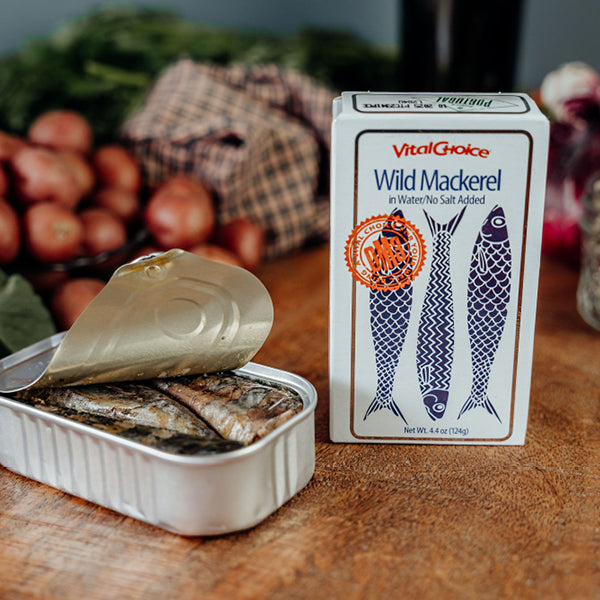
Because mackerel is naturally oily, it stands up to sharp ingredients such as vinegar, pickles, horseradish, kimchi, and chili. It is excellent over rice, mixed with potatoes, folded into pasta, or served on dark bread. If the flavor seems strong, drain the packing liquid and add acidity rather than covering the fish with heavy mayonnaise.
Do not confuse Atlantic mackerel with king mackerel. They are different fish with very different mercury guidance; king mackerel is a high-mercury species and is not the typical mackerel used in common tins. Read the species name when possible. Atlantic mackerel’s combination of robust taste and tender flesh makes it especially useful for outdoor meals and quick pantry cooking.
11. Canned Pacific Chub Mackerel
Pacific chub mackerel is a common canned fish in many Asian and Latin American markets. It may be packed in brine, oil, miso, soy-based sauce, tomato sauce, or spicy seasonings. The flesh is firm enough to hold in chunks but still moist, making it suitable for both cold salads and cooked dishes.
In rice bowls, chub mackerel pairs naturally with scallions, sesame, seaweed, ginger, and pickled vegetables. Tomato-packed versions can be simmered with onions, peppers, or beans. Plain brined fish can also be turned into a sandwich filling with mustard and crunchy vegetables.
Pacific chub mackerel is generally listed among lower-mercury choices, but labels should still be checked carefully because the broad word mackerel can refer to several species. Avoid assuming that every mackerel product is nutritionally or environmentally identical. The sauce may contain more sodium or sugar than plain fish, so compare nutrition panels if you use it often. This is a practical choice when you want a stronger taste than tuna without the intensity of salt-cured anchovies.
12. Canned Herring
Canned herring appears in many regional styles, including plain oil-packed fillets, tomato sauce, mustard sauce, curry sauce, and sweet-sour preparations. The fish is naturally oily and flavorful, but the final taste depends heavily on the seasoning. Plain herring tastes rich and marine, while sauced versions can be tangy, sweet, smoky, or spicy.
It pairs especially well with rye bread, boiled potatoes, beets, apples, onions, sour cream, and pickles. For a quick lunch, place the fillets over warm potatoes and add fresh dill. Herring can also be flaked into a salad, though strongly flavored sauces should be balanced with plain grains or vegetables.
Herring belongs to the same broad family as sardines and sprats, but it is usually larger and meatier. It is commonly considered a useful oily-fish option with a strong flavor-to-cost ratio. Check the label for added sugar and sodium, particularly in mustard or tomato sauces. Buyers interested in sustainability should look for the harvest area and fishery information because stock conditions can differ by region.
13. Canned Kippers
Kippers are herring that have been split, salted, and smoked. Canned kipper snacks usually contain fillets packed in their own juices, water, or oil. They have a pronounced smoky aroma, a savory taste, and a firmer texture than many plain canned herring products.
Traditionally associated with breakfast, kippers can be served with eggs, toast, potatoes, or tomatoes. They also make a quick pâté when blended with cream cheese or yogurt, lemon, and black pepper. Because the smoke and salt are already strong, they rarely need much additional seasoning.
Look for packages that clearly say herring or kippered herring. The word kippered can describe a smoking method, but classic kippers are made from herring. Sodium may be higher than in unsmoked fish, so compare labels if that is a concern. Kippers are ideal for readers who like smoked salmon but want a more economical, boldly flavored pantry option.
For camping or emergency meals, the compact can provides strong flavor without extra cooking. Open it away from fabric or enclosed sleeping areas because the smoke aroma can linger.
14. Canned Trout
Canned trout is a gentle, versatile fish that often appeals to people who find sardines too strong. Rainbow trout is a common species, and the fish may be packed plain, smoked, seasoned, or preserved in oil. Its flesh is tender but usually holds together better than canned light tuna.
Smoked trout is excellent on toast, in creamy dips, or beside pickled vegetables. Plain trout works in salads, pasta, fish cakes, and rice bowls. Its buttery character matches lemon, dill, horseradish, capers, cucumber, and potatoes. Because the flavor is already refined, avoid overwhelming it with too many heavy ingredients.
Farmed and wild trout products have different environmental profiles, so the label’s origin and certification can be useful. Freshwater trout is generally included among lower-mercury fish choices, but consumers should still follow current advice for their region and personal circumstances. Canned trout is a good bridge between familiar salmon and more adventurous oily fish.
15. Canned Cod
Canned cod is less common than canned tuna or salmon, but it is valued for its mild flavor and lean, flaky flesh. It may be packed plain, smoked, in oil, or as seasoned pieces. Because cod has less natural oil than sardines or mackerel, it can seem dry when drained too aggressively.
Use canned cod in fish cakes, chowders, creamy spreads, tacos, or sandwiches. It works well with butter, potatoes, parsley, lemon, and mild spices. When making patties, add enough egg, yogurt, or sauce to hold the flakes together without turning the mixture wet.
Species and source matter. “Cod” may refer to Atlantic or Pacific cod, and the sustainability of a product depends on the fishery and harvest area. Read the ingredient list to distinguish plain cod from mixed fish products. Canned cod is a useful choice for people who want a neutral-tasting fish that can take on the flavor of a recipe.
16. Canned Cod Liver
Canned cod liver is a specialty product made from the liver rather than the muscle meat of the fish. It has a soft, almost pâté-like texture and a rich marine flavor. The liver is usually packed in its own oil, which can be used sparingly on bread or in dressings.

Serve small portions on rye toast or crackers with lemon, onion, cucumber, or pickles. Because it is much richer than ordinary canned fish, it is better treated as an accent than as a full can of sandwich filling. Chilling the can before opening can make the texture easier to handle.
Cod liver naturally contains high levels of fat-soluble nutrients, so more is not automatically better. People who take supplements, are pregnant, or have medical dietary restrictions should seek individualized guidance before eating it frequently. Check the product date, can condition, origin, and storage instructions. This item belongs in a canned-fish guide because it is widely sold in tins, but it should not be confused with canned cod fillets.
17. Canned Haddock
Haddock is a mild white fish related to cod. In canned form it is often smoked, seasoned, or packed in a sauce because the lean flesh benefits from added moisture and flavor. The texture is delicate and breaks easily into flakes.
Use canned haddock in chowder, fish pie filling, croquettes, or a warm potato salad. Smoked versions are especially good with eggs, cream, mustard, leeks, and parsley. If the fish is packed in brine, drain and taste before adding salt to the recipe.
Haddock is generally considered a lower-mercury fish, but environmental performance depends on the stock and fishing method. Look for the harvest region and credible sourcing information. Because the product is uncommon in some countries, labels may use regional terms; confirm that haddock is the named fish rather than assuming from a smoked-fish description. It is a useful pantry substitute when a recipe calls for cooked white fish.
18. Canned Pollock
Canned pollock has a mild taste that blends easily into recipes. It is a lean white fish with soft flakes, so it works best when mixed with ingredients that add moisture and texture. You may find it packed on its own or used in mixed fish products.
Pollock can replace tuna in a sandwich spread, but the result will be lighter and less oily. It is also suitable for fish cakes, chowders, stuffed vegetables, and pasta sauces. Yogurt, mayonnaise, olive oil, eggs, or mashed potatoes can keep the mixture from becoming dry.
Check whether the label names Alaska pollock, another pollock species, or a blend. Sustainability can vary, although some large pollock fisheries are closely managed and widely certified. Pollock is generally included among lower-mercury fish choices. It is not the most luxurious canned fish, but its neutral flavor makes it practical for family meals and budget cooking.
When comparing products, check drained weight and whether breadcrumbs, starches, or flavorings have been added. Plain pollock gives you the most flexibility, while seasoned versions save preparation time.
19. Canned Saury
Saury is a slender oily fish popular in Japan and other parts of East Asia. Canned saury is commonly packed in soy-based sauce, miso, sweet seasoning, or kabayaki-style glaze. The flesh is firm, flavorful, and strong enough to remain distinct beside rice or noodles.
A can of seasoned saury can become a complete meal with steamed rice, greens, and pickles. The sauce may also be used to flavor vegetables, but it can contain substantial sodium and sugar. Plain or lightly salted versions allow more control over seasoning.
The bones are generally softened during canning and may be edible, although texture differs by product. Saury populations and fishing conditions can change, so sourcing information is worth checking. This fish is a good choice for readers who enjoy mackerel but want a distinctly East Asian pantry option with ready-made sauce.
Some cans contain cross-cut sections with skin and softened bones. That presentation is normal and can add texture, but boneless products may be easier for first-time buyers.
20. Canned Bonito
Bonito is a group of fast-swimming fish related to tuna and mackerel. Canned bonito has a meaty texture and a pronounced savory flavor, often stronger than skipjack tuna. Mediterranean products may be packed as firm fillets in olive oil, while other versions are flaked or seasoned.
Use bonito in salads, sandwiches, empanada fillings, pasta, or tapas. The stronger flavor pairs well with tomatoes, peppers, olives, beans, and vinegar. When packed in high-quality oil, it can be served simply with bread and herbs.
Names can be confusing because “bonito” is used differently across languages and markets, and skipjack is sometimes called bonito in Spanish labeling. Check the scientific name or country labeling when precise identification matters. Bonito is a useful option for people who want tuna-like versatility with a bolder taste.
Bonito preserved in olive oil generally tastes rounder than brine-packed fish. If the fillets are intact, serve them whole rather than breaking them apart so the premium texture remains visible.
21. Canned Yellowtail or Amberjack
Yellowtail and amberjack products are specialty canned fish most often found in Japanese or gourmet markets. The names may refer to related but not identical species, so the label deserves close attention. The meat is firm, rich, and slightly sweet, with enough fat to remain succulent after heat processing.
Seasoned yellowtail is excellent over rice with scallions, sesame, and pickles. Plain oil-packed pieces can be used in salads, pasta, or small plates. Because it has a refined texture, handle it gently rather than mashing it into a heavily dressed spread.
These products vary widely in sauce, origin, and species. Compare the ingredient list, sodium, and harvest information. Yellowtail is generally a premium choice rather than a basic pantry staple, but it broadens the range of canned fish beyond tuna and sardines and shows how regional canning traditions preserve high-value fish.
Because common names overlap, do not rely on a front-label illustration alone. The ingredient panel is the best place to confirm whether the fish is yellowtail, amberjack, or another related species.
22. Canned Eel
Canned eel is commonly sold in East Asian markets in a sweet-savory soy sauce, sometimes with smoke or chili. The texture is soft and dense, and the flavor is much richer than that of lean white fish. Small portions can season an entire bowl of rice or noodles.

Warm the unopened product only according to package directions, or transfer the contents to a heat-safe dish before heating. Serve with rice, cucumber, scallions, sesame, or pickled vegetables to balance the sweetness and fat. Because the sauce is concentrated, taste before adding extra salt.
Eel sustainability is complex. Some eel species face serious conservation pressure, and farmed products may still rely on wild-caught young eels. Buyers should look for clearly identified species, origin, and credible sustainability information. Canned eel is best treated as an occasional specialty rather than a default everyday fish.
Opened eel should be refrigerated promptly in a covered container and used according to the package directions. Do not store leftovers in an opened metal can for extended periods.
23. Canned Milkfish
Milkfish, known as bangus in the Philippines, is sold canned in oil, tomato sauce, adobo-style seasoning, or spicy sauces. Fresh milkfish is famous for having many fine bones, but pressure processing softens them and makes the canned product easier to eat.
The flavor is mild but richer than cod, and the flesh holds up well with rice, eggs, tomatoes, and vinegar-based dishes. Tomato-packed milkfish can be warmed as a quick main course, while oil-packed pieces work in salads or sandwiches.
Check the ingredient list for sodium, sugar, and sauce additives. Farm origin and production practices can vary, so traceability is useful. Canned milkfish is an excellent example of a regional staple that may be unfamiliar in Western supermarkets but is practical, flavorful, and well suited to pantry storage.
Some products are labeled boneless, while others retain softened pin bones. Readers who are sensitive to bone texture should start with a clearly marked boneless product and inspect each bite.
24. Canned Sturgeon
Canned sturgeon is a niche product with firm, dense flesh and a mild but rich taste. It is sometimes sold smoked, in oil, or in seasoned preparations. Unlike caviar, which is sturgeon roe, canned sturgeon contains the fish’s meat.
Serve it in small portions with bread, potatoes, pickles, or a simple salad. Its texture can stand in for smoked fish or premium tuna in appetizers. Because the flavor is delicate, avoid burying it under very sweet or spicy sauces unless the product is designed that way.
Sturgeon conservation status varies greatly by species, and illegal trade has affected some populations. Only buy clearly labeled products from legal, traceable sources. Farmed sturgeon may be a more transparent option when the producer provides species and origin information. This is not an everyday canned fish, but it belongs in a broad global guide because it is commercially preserved in several regions.
Premium packaging does not guarantee responsible sourcing. A detailed label with the species, producer, country, and lot information is more meaningful than decorative claims about rarity or tradition.
25. Canned Carp
Canned carp is found in parts of Europe and Asia, often in tomato sauce, vegetable sauce, or oil. The flavor can be mild or slightly earthy depending on the species, water source, and seasoning. Canning softens many small bones, but larger pieces may still be noticeable.
Tomato-packed carp can be warmed with potatoes, rice, or bread. Plain fish can be flaked into spreads or added to soups. Acidity from vinegar, lemon, or tomato helps brighten the flavor, while onions and herbs reduce any muddy impression.
Carp is a broad label covering several species, and local environmental advisories matter for wild-caught freshwater fish. Commercial canned products should identify the source and meet food-safety regulations, but consumers should still inspect the can and label. This is a regional pantry fish rather than a globally dominant one, yet it offers a firm texture and economical protein.
Because sauce strongly influences the final flavor, first-time buyers may prefer tomato or paprika versions. These seasonings make the fish easier to pair with familiar pantry staples.
26. Canned Catfish
Canned catfish is less common than frozen or fresh catfish, but it is produced in several regions as plain fish, smoked fish, or fish in sauce. The flavor is mild and slightly sweet, while the texture is tender enough for spreads and salads.
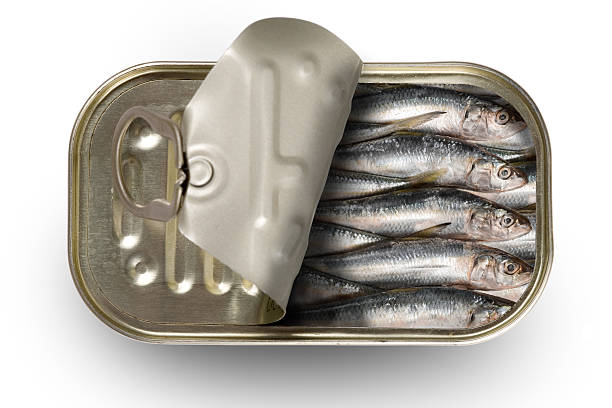
It can be mixed with mustard, herbs, and yogurt for sandwiches or warmed with tomatoes and spices over rice. Smoked canned catfish works well in dips and soups. Since catfish is not naturally as oily as sardines, a little olive oil or sauce can improve mouthfeel.
Species, farming practices, and origin vary widely under the general word catfish. Read labels carefully and choose products from regulated, transparent producers. Catfish is generally listed among lower-mercury fish choices, but local advisories are relevant to home-caught freshwater fish and should not be confused with commercial canned products.
For outdoor meals, canned catfish can be eaten cold, but a little acid and crunch improve it. Pack crackers, pickles, or sliced vegetables rather than relying on the fish alone.
27. Canned Tilapia
Canned tilapia is not as widely distributed as canned tuna, but it appears in some regional markets and emergency-food lines. Its main advantage is a very mild flavor that blends into almost any seasoning. The flesh is lean and soft, so it benefits from ingredients that add moisture.
Use it in fish cakes, chowders, tacos, sandwich spreads, or pasta sauce. Lemon, herbs, chili, garlic, and tomato can shape the final flavor. Drain carefully, because removing all liquid may leave the flakes dry.
Tilapia is commonly farmed, and production standards vary by country and producer. Look for origin, farming certification, and a short ingredient list. Tilapia is generally considered a lower-mercury fish choice. It is most useful for people who want a neutral canned fish and do not enjoy the stronger taste of sardines or mackerel.
As an uncommon canned item, quality can be inconsistent between brands. Start with a single can, note the texture and seasoning, and only stock more after finding a producer you trust.
28. Canned Mullet
Canned mullet is a regional product found in some Mediterranean, Middle Eastern, African, Asian, and coastal markets. The meat is firm and moderately rich, often packed in oil, brine, or tomato-based sauce. Smoked mullet may also be canned.
It works well with rice, flatbread, tomatoes, onions, herbs, and lemon. The firm flakes can be used in a salad or mashed into a spread. If the product includes roe or other parts, the label should say so; do not assume every mullet tin contains plain fillet.
Mullet species and harvest environments differ, so origin information matters. Commercial products from reputable processors can be convenient, but consumers should still compare sodium and inspect the package for damage. Canned mullet is a flavorful middle ground between mild white fish and strong oily fish.
Some coastal traditions combine mullet with hot peppers or aromatic spices. Those versions can be served as-is, while plain tins benefit from a quick dressing made with citrus and herbs.
29. Canned Sea Bream
Canned sea bream is most often found as a premium or regional product rather than a supermarket staple. It has mild, slightly sweet flesh and a fine, firm flake. Products may be packed in olive oil, brine, or a flavored sauce.
Serve sea bream simply with bread, olives, herbs, and lemon, or add it to a salad where its delicate flavor remains noticeable. It can also top rice or pasta. Avoid aggressive mixing, since the attractive flakes are part of the appeal.
The common name sea bream can refer to several species. Check the scientific name, harvest method, and origin when available. Sustainability varies by species and whether the fish is wild or farmed. Canned sea bream is best for readers exploring gourmet tins and wanting a milder alternative to mackerel or sardines.
Because it is often sold in small premium tins, compare the net and drained weights. A higher price may reflect careful preparation, olive oil, or limited production rather than a larger portion.
30. Canned Sea Bass
Canned sea bass is a specialty product with firm flakes and a clean, mild taste. It may be packed in oil, brine, or sauce and is often positioned as a gourmet tin. The fish can be served directly on toast or used in salads and pasta.
Pair it with simple ingredients such as lemon, parsley, capers, tomatoes, and beans. The packing oil can be used in a dressing if it tastes fresh and balanced. Because the flesh is leaner than mackerel, avoid prolonged reheating, which can make it dry.
“Sea bass” is a market name applied to different fish, including species with very different conservation and mercury profiles. The label should identify the actual species and origin. Do not assume Chilean sea bass, black sea bass, and European sea bass are interchangeable. Traceability is especially important for this category.
For a balanced meal, combine the fish with a grain, vegetables, and an acidic dressing. This stretches a small specialty tin while keeping the delicate flavor at the center of the plate.
31. Canned Snakehead Fish
Snakehead fish is canned in parts of Southeast Asia, sometimes plain and sometimes seasoned for soups, congee, or rice dishes. The flesh is firm and relatively lean, with a mild flavor that takes on sauces well.
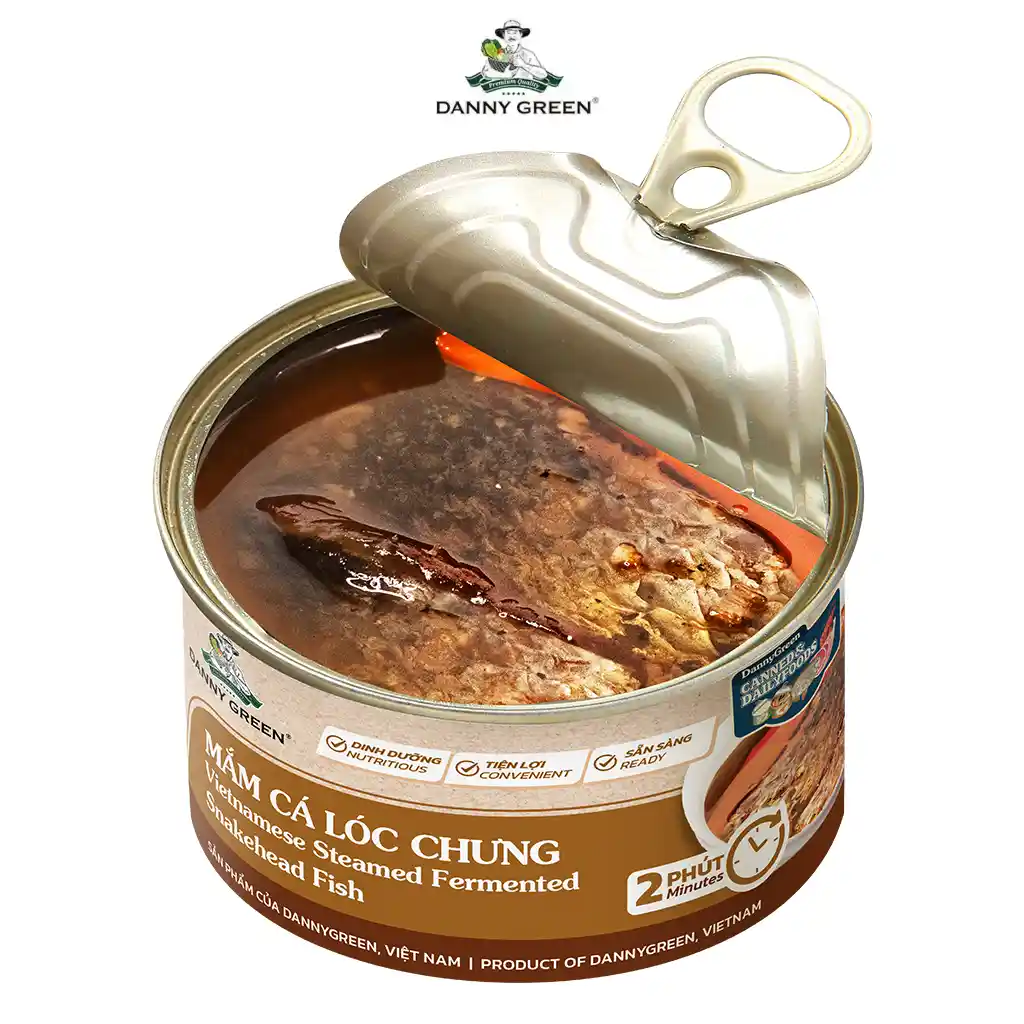
Use it in rice porridge, noodle soup, tomato-based stews, or simple rice meals. Because some products are strongly seasoned, taste the liquid before adding salt or fish sauce. The firm flesh can also be flaked into a salad with herbs and lime.
Snakehead includes several species, and some are invasive outside their native range. Commercial canned products should come through legal, regulated supply chains. Read the species and origin where listed, and do not release live fish or aquarium specimens into the wild. This canned fish is mainly relevant as a regional food rather than a globally common pantry item.
When buying imported products, make sure the label includes clear ingredients and storage instructions in a language you can understand. Avoid cans with missing importer information or damaged seams.
How Are These Types of Canned Fish Classified?
Canned fish can be classified in several useful ways. The first is by species or species group, such as tuna, salmon, sardines, mackerel, herring, trout, cod, or eel. This is the most important classification when comparing flavor, mercury guidance, fishery origin, and typical texture.
The second is by commercial name. “White tuna” usually means albacore, “light tuna” commonly includes skipjack, “brisling sardines” are generally small sprats, and kippers are smoked herring. Commercial names are convenient, but they can overlap across countries. The scientific name or detailed ingredient panel is more precise.
The third classification is by packing medium:
- Water or brine: clean-tasting and easy to mix into recipes, although lean fish can seem dry after draining.
- Olive oil or vegetable oil: richer, more tender, and often suitable for serving directly from the can.
- Tomato, mustard, chili, miso, curry, or soy-based sauce: ready-seasoned but sometimes higher in sodium, sugar, or calories.
- Smoked or kippered: bold aroma and flavor, useful for toast, breakfast, dips, and snack boards.
Finally, canned fish may be sold as whole small fish, skin-on fillets, boneless and skinless fillets, solid pieces, chunks, flakes, or pâté-like products. The best classification depends on how you plan to eat it.
Where Are These Food Fish Commonly Used?
Canned fish is a global food rather than a single cuisine. Tuna and salmon are common in North American sandwiches, casseroles, salads, and fish cakes. Sardines, mackerel, anchovies, bonito, and premium tuna are central to many Mediterranean pantry meals, where they are served with bread, tomatoes, beans, potatoes, pasta, herbs, and olive oil.
Northern and eastern European traditions use herring, sprats, kippers, cod liver, and smoked fish with rye bread, potatoes, pickles, mustard, dill, beets, and dairy-based sauces. Japan and other parts of East Asia offer seasoned mackerel, saury, eel, yellowtail, and tuna for rice bowls, bento-style meals, noodles, and quick side dishes.
Milkfish and other sauce-packed fish are common in Southeast Asian markets, while pilchards in tomato sauce are widely eaten with rice, bread, maize-based staples, or stews in parts of Africa, Asia, and the Caribbean. Regional freshwater products such as carp, catfish, and snakehead reflect local fishing and farming traditions. Availability changes by country, so international grocery stores often provide a much broader selection than a standard supermarket canned-food aisle.
How to Identify Different Types of Canned Fish
- Read the species line: Look beyond the large front-label name. “Tuna,” “sardine,” “mackerel,” and “sea bass” can each cover more than one species.
- Check the cut: Solid, chunk, flake, fillet, whole fish, boneless, skinless, and pâté describe different textures and uses.
- Notice the packing medium: Water tastes different from olive oil, and flavored sauces may dominate the natural fish flavor.
- Compare drained weight: Two cans with the same net weight may contain different amounts of actual fish.
- Inspect sodium and added sugar: Brine, tomato sauce, mustard, soy sauce, and sweet glazes can substantially change the nutrition panel.
- Look for harvest and origin details: Species, fishing area, farming country, catch method, and certification can help with traceability.
- Check the can: Do not use a can that is bulging, leaking, badly rusted, or deeply dented around a seam.
- Use aroma carefully: Strong-smelling fish can be normal, but an unexpected sour, rotten, or chemical odor is a reason to discard the product.
Cooking and Buying Tips
- Start mild: Beginners often prefer canned light tuna, pink salmon, trout, pollock, or boneless sardine fillets.
- Match the fish to the dish: Use firm tuna or bonito in composed salads, soft salmon in patties, anchovies in sauces, and oily fish on toast or rice.
- Balance rich fish with acid: Lemon, vinegar, tomatoes, pickles, mustard, and capers cut through the oiliness of sardines, herring, and mackerel.
- Do not overcook it: Commercial canned fish is already cooked. Add it late to hot dishes and warm it gently.
- Use good packing oil: Olive oil from a fresh-tasting tin can become part of a pasta sauce, dressing, or toast topping.
- Drain strategically: Drain water-packed fish for sandwiches, but reserve a little liquid when making fish cakes or spreads.
- Buy one can before stocking up: Flavor, bone texture, salt level, and sauce sweetness vary greatly between brands.
- Rotate the pantry: Put newly purchased cans behind older ones and follow the product’s date and storage directions.
Nutrition Notes for Canned Fish
Most canned fish provides protein and several micronutrients, but the exact profile depends on the species, serving size, packing medium, and whether the skin and bones are included. Oily fish such as sardines, salmon, mackerel, herring, and trout commonly provide more marine omega-3 fats than lean white fish. Small edible bones in sardines and some canned salmon can contribute calcium.
Oil-packed fish may be more flavorful and energy-dense, especially when all the oil is consumed. Water-packed products are not automatically healthier, because sodium can still be high. Flavored tins may contain added sugar, starch, or significant salt. Compare labels using the same serving size and look at drained weight when judging value.
Canned fish can be part of a balanced eating pattern, but it is not a treatment for disease. People with allergies, kidney conditions, sodium restrictions, gout concerns, pregnancy-related dietary questions, or supplement interactions should use individualized medical advice rather than relying on a general food guide.
Mercury and Food-Safety Notes
Mercury varies by species and the fish’s size, age, and place in the food chain. Smaller fish such as sardines and anchovies, along with salmon, Atlantic mackerel, trout, pollock, and canned light tuna, are generally among the lower-mercury choices. Albacore and yellowfin tuna usually require more attention to serving frequency than canned light tuna. King mackerel and bigeye tuna should not be confused with the common lower-mercury mackerel and light-tuna products described in this guide.
Pregnant or breastfeeding people, children, and frequent fish eaters should follow the current fish-consumption advice issued by their national or local health authority. Eating a variety of species is more sensible than relying on one tuna product every day.
Commercial cans are heat processed and shelf stable until opened when stored as directed. Keep them in a cool, dry place and avoid extreme heat or freezing. Discard cans that are swollen, leaking, heavily rusted, or deeply dented at a seam. After opening, transfer unused fish to a clean airtight container, refrigerate promptly, and generally use it within three to four days unless the manufacturer gives a shorter period.
Safety, Sustainability, and Conservation Notes
A sustainable canned fish choice depends on the species, stock, location, fishing or farming method, bycatch, and supply-chain transparency. A fish can be abundant in one region and under pressure in another. Broad claims such as “wild,” “natural,” or “dolphin safe” do not answer every sustainability question.
- Prefer labels that identify the species and harvest area.
- Look for credible fishery or aquaculture certification when it is relevant and independently verified.
- For tuna, terms such as pole-and-line, troll-caught, handline-caught, or FAD-free provide information about the harvest method, although no single label answers every concern.
- Be cautious with poorly identified eel, sturgeon, sea bass, and other species that may have conservation or illegal-trade risks.
- Use the entire can when practical, including safe edible bones, skin, sauce, or oil, to reduce food waste.
- Recycle the clean container where local facilities accept it.
Responsible buying is not about finding one perfect species. It means checking current guidance, choosing transparent products, varying what you eat, and avoiding waste.
How to Store Canned Fish for Camping and Emergency Use
Canned fish is useful for camping and emergency food because it is compact, ready to eat, and does not require refrigeration before opening. Choose pull-tab cans only when the tabs are protected from bending; otherwise pack a dependable can opener. Keep cans away from direct sun, hot vehicles, campfires, and standing water.
For day trips, combine fish with shelf-stable crackers, tortillas, rice cups, beans, olives, or dehydrated meals. Strong-smelling tins should be opened and disposed of carefully, especially in bear country or areas with wildlife. Follow local food-storage rules, seal waste, and never leave fish oil or cans near a campsite.
Emergency supplies should be rotated rather than forgotten. Mark purchase dates, inspect seams periodically, and include varieties your household has already tested. Dietary restrictions, fish allergies, sodium needs, and can-opening ability should be considered before canned fish becomes a major part of an emergency plan.
Fun Facts About Canned Fish
- The words canned and tinned fish usually describe the same shelf-stable preservation method.
- “White tuna” is a labeling term commonly associated with albacore.
- “Light tuna” describes a tuna category and does not necessarily mean low-calorie.
- Kippers are smoked herring, not a separate fish species.
- Brisling sardines are generally small sprats sold in a sardine style.
- The bones in many canned sardines and salmon soften during heat processing and are edible.
- Anchovies often disappear into a hot sauce while leaving a deep savory flavor.
- Canned fish is already cooked, so most recipes only need it warmed.
- The same fish can taste dramatically different in water, olive oil, tomato sauce, mustard, or miso.
- Drained weight can be more useful than net weight when comparing how much fish a can contains.
Final Thoughts on Types of Canned Fish
The best types of canned fish depend on your taste, recipe, budget, dietary needs, and access to responsibly sourced products. Tuna and salmon are versatile, sardines and mackerel offer rich flavor, anchovies add concentrated umami, and regional tins such as saury, milkfish, or eel can introduce entirely different food traditions.
Start with a species and packing medium that fit a familiar meal, read the full label, and buy one can before committing to a case. By rotating species, checking mercury guidance, storing cans correctly, and choosing transparent sourcing, you can build a practical pantry that works for everyday lunches, outdoor trips, and emergency meals.
Frequently Asked Questions
1. What is canned fish?
Canned fish is fish that has been prepared, sealed in an airtight container, and heat processed so it can remain shelf stable until opened. It may be packed in water, brine, oil, sauce, or its own juices. The process cooks the fish, so most canned fish can be eaten directly from the container.
2. What are the most common types of canned fish?
The most common types are tuna, salmon, sardines, mackerel, anchovies, herring, and trout. Availability differs by country. International markets may also carry saury, eel, milkfish, bonito, yellowtail, carp, catfish, cod, and other regional fish.
3. Is tinned fish the same as canned fish?
In normal food usage, yes. The words usually refer to seafood preserved in a sealed metal container and heat processed. “Tinned fish” is especially common in British and European English and is also used in gourmet food marketing.
4. Is canned fish already cooked?
Yes. Commercial canning uses heat processing, so the fish is cooked and can generally be eaten without additional cooking. You can warm it, but prolonged heating may dry out lean fish or break delicate fillets.
5. Which canned fish is mildest for beginners?
Canned light tuna, pink salmon, trout, pollock, tilapia, and some boneless sardine fillets are relatively mild. Water-packed products taste cleaner, while olive-oil-packed fish may feel richer and less dry. A flavored sauce can either soften or intensify the fish flavor.
6. Which canned fish has the strongest flavor?
Salt-cured anchovies are among the most intense because they are concentrated and highly savory. Smoked kippers, mackerel, herring, sardines, and cod liver can also taste strong. The packing sauce and smoke level may matter as much as the species.
7. What is the difference between canned light tuna and albacore?
Canned light tuna is commonly made from skipjack and has darker, softer flakes. Albacore is usually labeled white tuna and has pale, firm meat with larger flakes. Albacore generally contains more mercury than canned light tuna, so serving frequency may differ.
8. Is yellowfin tuna the same as canned light tuna?
Not necessarily. Yellowfin is a distinct tuna species and is often sold as a premium product. Some light-tuna products may contain yellowfin, but many are mainly skipjack. The ingredient list provides better identification than the general word “light.”
9. Are sardines and pilchards the same?
The terms overlap. In many markets, pilchard describes a larger sardine-type fish, while sardine can be a broader commercial name for several small schooling fish. Product labeling rules vary, so check the species name when precise identification matters.
10. Are brisling sardines real sardines?
Brisling sardines are generally small sprats marketed in a sardine style. They are delicate, tender, and often smoked. They are a recognized canned product, but the name does not mean they are the same species as every other fish sold as a sardine.
11. What is the difference between sardines and anchovies?
Canned sardines are usually cooked and eaten as the main fish. Common canned anchovy fillets are salt cured, intensely savory, and used in small amounts as seasoning. They are different fish and should not be substituted in equal quantities.
12. Are kippers a type of fish?
Kippers are a preparation rather than a separate species. Classic kippers are herring that have been split, salted, and smoked. Canned kipper snacks contain this smoked herring in a shelf-stable format.
13. Can you eat the bones in canned sardines?
Yes, the small bones in commercially canned sardines are normally softened by heat processing and are edible. They can be mashed into the fish. People who dislike the texture can choose boneless and skinless sardine fillets.
14. Can you eat the bones and skin in canned salmon?
In standard canned salmon, the softened bones and skin are generally edible. The bones can be mashed into patties or salad. Boneless and skinless versions are available for people who prefer a smoother product.
15. Which canned fish is generally lower in mercury?
Common lower-mercury options include sardines, anchovies, salmon, Atlantic mackerel, Pacific chub mackerel, trout, pollock, cod, and canned light tuna. Guidance can change and individual products vary, so sensitive groups should follow current official advice.
16. Is canned albacore high in mercury?
Albacore generally contains more mercury than canned light tuna because it is a larger tuna. It is commonly placed in a different consumption category from light tuna. Pregnant people, children, and frequent tuna eaters should follow current health-authority serving guidance.
17. Is canned mackerel safe to eat?
Common canned Atlantic mackerel and Pacific chub mackerel are generally considered lower-mercury choices. King mackerel is a different, high-mercury species. Look for the species name rather than relying on the single word “mackerel.”
18. Which canned fish is best for omega-3 fats?
Oily fish such as sardines, salmon, mackerel, herring, and trout are commonly good sources of marine omega-3 fats. The amount varies by species, processing, serving size, and packing medium. Compare nutrition labels when a specific amount matters.
19. Which canned fish contains calcium?
Sardines and canned salmon with softened bones can provide calcium because the bones are eaten. Boneless versions generally contain less. Calcium content varies, so the nutrition panel is the best source for a specific product.
20. Is fish packed in oil better than fish packed in water?
Neither is universally better. Oil-packed fish is usually richer, more tender, and ready to serve. Water-packed fish is cleaner tasting and easier to mix into some recipes. Compare sodium, calories, ingredients, flavor, and how much packing liquid you plan to consume.
21. Can I use the oil from canned fish?
Yes, when the can is in good condition and the oil tastes fresh. It can flavor pasta, salad dressing, toast, beans, or vegetables. Anchovy and sardine oil may be salty or strongly flavored, so add it gradually.
22. Should canned fish be rinsed?
Rinsing is optional. It can reduce surface salt or sauce, but it also removes flavor and some oil. Draining and blotting are usually enough. If sodium is a major medical concern, choose a lower-sodium product rather than relying only on rinsing.
23. How long does unopened canned fish last?
Follow the date and storage instructions printed by the manufacturer. Properly processed cans remain shelf stable for a long time when kept cool, dry, and undamaged, but flavor and texture can decline. Rotate pantry stock and do not use compromised cans.
24. How long does canned fish last after opening?
Transfer leftovers to a clean airtight container, refrigerate promptly, and generally use them within three to four days unless the label gives a shorter period. Strong sauces, oil, or salt do not make an opened product safe at room temperature.
25. Can canned fish be stored in the opened can?
Brief refrigeration in an opened can is not ideal. Transfer the fish and any useful liquid to a covered glass or food-safe container. This protects flavor, prevents spills and odors, and makes it easier to see how much remains.
26. How can I tell if canned fish is bad?
Discard a can that is bulging, leaking, badly rusted, or deeply dented at a seam. After opening, discard fish with an unexpected rotten, sour, or chemical odor, spurting liquid, unusual foaming, or other signs of spoilage. Do not taste suspicious food to test it.
27. Can I eat canned fish cold?
Yes. Commercial canned fish is already cooked and can be eaten cold. Tuna salad, sardine toast, salmon sandwiches, trout dip, and tinned-fish snack boards all use it without reheating.
28. Can canned fish be heated in the can?
Do not place a sealed metal can directly over a flame, stove, grill, or campfire. Pressure can build and coatings may be damaged. Open the can and transfer the food to appropriate cookware, or follow specific manufacturer heating directions.
29. What canned fish is best for sandwiches?
Tuna, salmon, trout, pollock, and mild sardines work well. Tuna and pollock blend easily with mayonnaise or yogurt, salmon makes a richer salad, and oil-packed sardines can be mashed with lemon, mustard, and herbs.
30. What canned fish is best for pasta?
Sardines, anchovies, mackerel, tuna, salmon, and bonito are excellent in pasta. Anchovies dissolve into sauces, sardines pair with breadcrumbs and lemon, and tuna or salmon works in tomato, cream, or olive-oil-based dishes.
31. What canned fish is best for camping?
Pull-tab cans of tuna, salmon, sardines, mackerel, or trout are convenient because they are ready to eat. Choose portions you can finish, pack crackers or tortillas, and store food and waste according to local wildlife rules.
32. Can canned fish be part of an emergency food supply?
Yes. It provides shelf-stable protein and requires little preparation. Stock only varieties your household eats, include a manual can opener, rotate the cans, consider sodium and allergies, and protect the supply from heat, freezing, water, and physical damage.
33. Is canned fish sustainable?
It can be, but sustainability depends on the species, stock, fishing or farming method, bycatch, and traceability. Look for detailed origin information and credible certification. Varying species and avoiding waste are also practical steps.
34. What labels should I look for when buying canned tuna?
Look for the tuna species, harvest area, catch method, drained weight, sodium, and packing medium. Pole-and-line, troll-caught, handline-caught, or FAD-free labels provide method information. A credible certification may add useful verification, but no single logo answers every question.
35. Why does canned fish sometimes taste metallic?
A metallic impression may come from the fish’s natural oils, the sauce, oxidation after opening, or the consumer’s own taste sensitivity. A severely damaged or corroded can should be discarded. Transfer leftovers to another container and refrigerate rather than keeping them in an open can.
36. Can dogs or cats eat canned fish made for people?
Plain fish may be used occasionally for some pets, but human canned products can contain too much salt, oil, spices, onion, garlic, or sauce. Bones, calories, allergies, and complete nutrition also matter. Ask a veterinarian before making it a regular food.
37. Is canned cod liver the same as cod liver oil?
No. Canned cod liver is the actual organ packed in its natural oil and eaten as food. Cod liver oil is a processed supplement. Both can be rich in fat-soluble nutrients, so frequent use should be considered carefully, especially alongside supplements.
38. Why is some canned fish more expensive?
Price can reflect species, fishery location, hand preparation, fillet quality, olive oil, smoke processing, certification, packaging, import costs, and limited production. Compare drained weight and ingredient quality rather than assuming the highest price always means the best taste.
39. What is the best way to introduce canned fish to children?
Choose a lower-mercury species appropriate for the child’s age, use the serving guidance from current health authorities, remove any texture that may be difficult, and mix the fish into a familiar food. Watch closely for fish allergy symptoms when introducing it.
40. Can I eat canned fish every day?
That depends on the species, portion, mercury level, sodium, overall diet, and personal health needs. Eating a variety of lower-mercury fish is generally more prudent than consuming the same tuna every day. Sensitive groups should follow official serving advice.
Read more:
22 Types of Cod Fish: Species and ID Guide