
Lions are among the most iconic and majestic of all big cats, often referred to as “kings of the jungle” despite primarily inhabiting savannahs and grasslands. Known for their social behavior and powerful presence, lions are a symbol of strength, courage, and cooperation. In this guide, we explore 12 types of wild lions, highlighting their physical characteristics, habitats, behavior, diet, reproduction, and interactions with humans. By understanding these different lions, one can appreciate their role in the ecosystem and the importance of their conservation. Whether you are a wildlife enthusiast, a student of zoology, or a curious observer, this guide provides a detailed and accessible look at the diversity of lions around the globe.
1. Barbary Lion
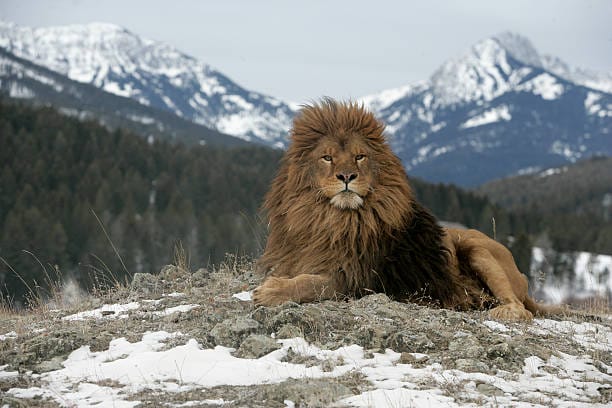
Fun fact: Barbary lions were once revered by ancient civilizations in North Africa for their size and majestic mane.
Physical Characteristics & Identification Tips
Barbary lions are known for their thick, dark mane extending over the shoulders and belly, giving them a robust and imposing look. Males can weigh up to 250 kg, slightly larger than their African counterparts.
Behavior
They were social cats, forming prides similar to modern African lions, but historical records suggest smaller pride sizes. Males often patrolled territories aggressively.
Habitat and Range
Originally found in the Atlas Mountains and surrounding regions of North Africa, Barbary lions are now extinct in the wild, surviving only in captivity.
Diet
They hunted medium to large ungulates such as gazelles, wild goats, and occasionally domestic livestock near human settlements.
Reproduction and Life Cycle
Females bore 1–4 cubs per litter. Cubs stayed with the mother until around 2 years old, learning hunting and social skills within the pride.
Fun Facts / Traits
Known as “Atlas Lions,” they were the largest lion subspecies and were sometimes kept in Roman arenas due to their size and ferocity.
Human Interaction
Hunting and habitat destruction led to their extinction in the wild. Captive breeding programs exist today to preserve their lineage.
2. Asiatic Lion
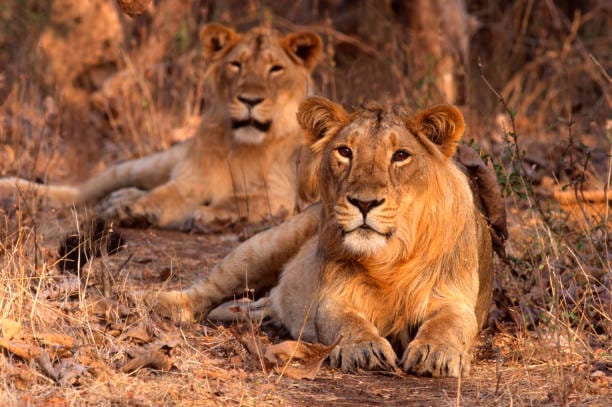
Fun fact: Asiatic lions are slightly smaller than African lions and have a distinctive fold of skin along their bellies.
Physical Characteristics & Identification Tips
Males weigh 160–190 kg and possess a less dense mane. They often have a prominent belly skin fold and slightly smaller body compared to African lions.
Behavior
Asiatic lions live in prides but typically smaller than African prides. Males participate less in hunting and more in territorial defense.
Habitat and Range
They are found exclusively in the Gir Forest of Gujarat, India, a protected reserve ensuring their survival.
Diet
Their diet includes deer, wild boar, and occasionally livestock.
Reproduction and Life Cycle
Females produce 1–4 cubs per litter. Cubs stay within the pride for protection and learning hunting techniques.
Fun Facts / Traits
They are culturally significant in India and appear in ancient texts and local folklore.
Human Interaction
Conservation efforts in India have increased their population from critically low numbers, making them a conservation success story.
3. West African Lion
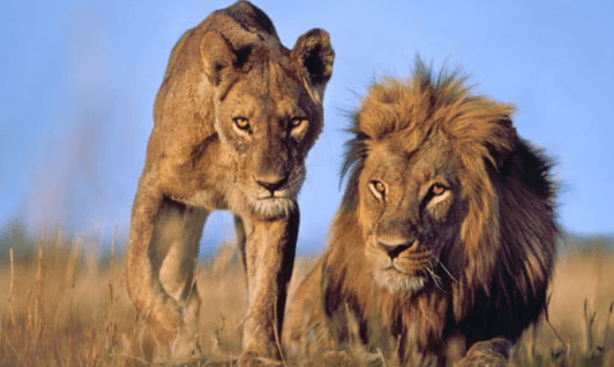
Fun fact: The West African lion is critically endangered and has a noticeably lighter coat compared to other African lions.
Physical Characteristics & Identification Tips
West African lions are smaller in size, with lighter manes and shorter bodies, adapted to the savannahs and forests of West Africa.
Behavior
They are elusive and primarily nocturnal, often avoiding human interaction whenever possible.
Habitat and Range
Found in fragmented habitats across West African nations such as Senegal, Niger, and Benin.
Diet
They prey on antelopes, warthogs, and other medium-sized herbivores.
Reproduction and Life Cycle
Females give birth to 2–4 cubs, which mature over 2–3 years.
Fun Facts / Traits
One of the rarest lion populations in Africa, with fewer than 400 individuals estimated in the wild.
Human Interaction
Conservation programs focus on anti-poaching and habitat protection to prevent further decline.
4. East African Lion
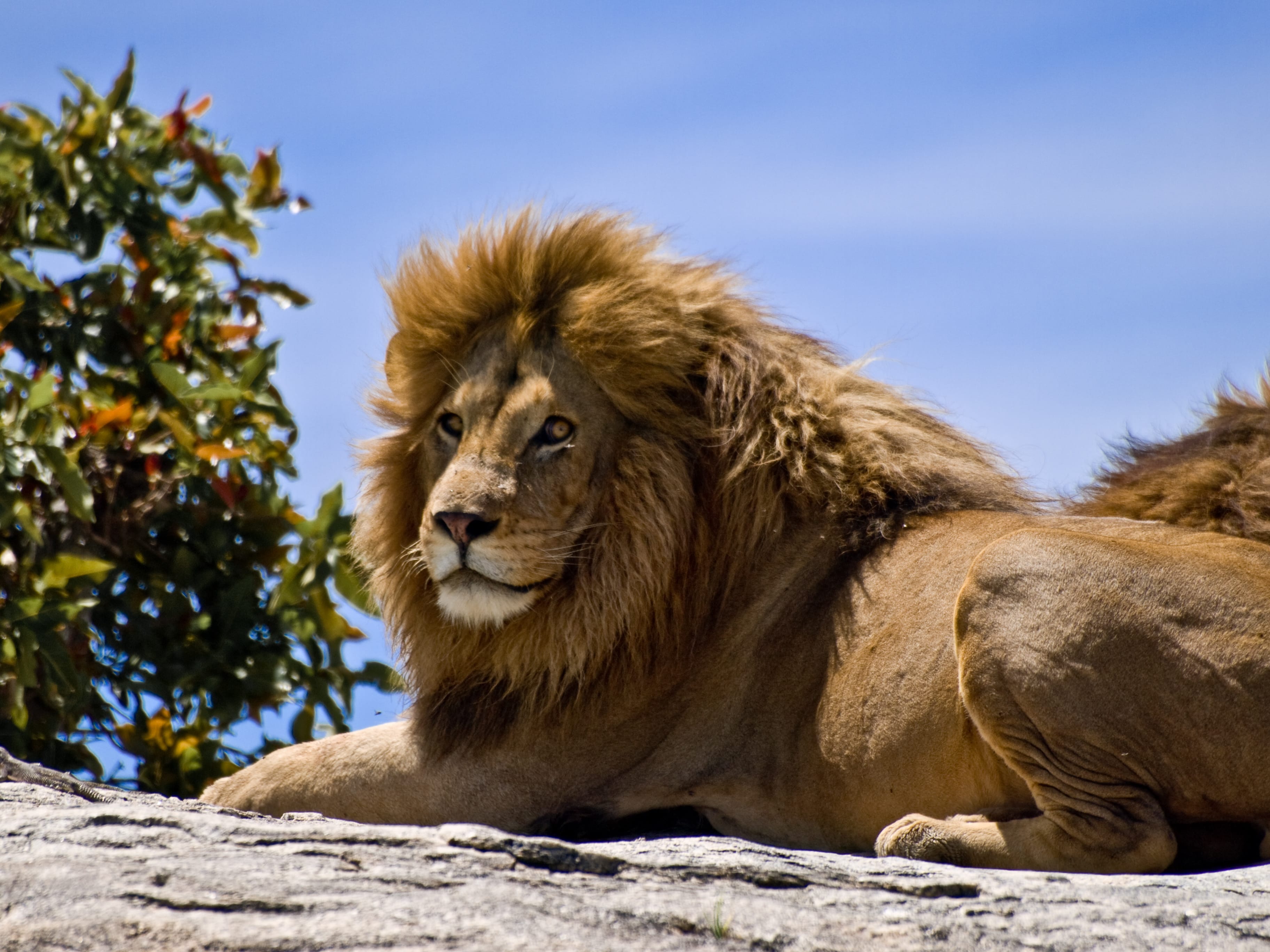
Fun fact: East African lions are famous for their large prides and cooperative hunting strategies.
Physical Characteristics & Identification Tips
Males have full, dark manes, while females are slightly smaller and tawny-colored. They are typically larger than West African lions.
Behavior
Prides often consist of 10–15 lions, with males defending territory and females hunting in groups.
Habitat and Range
They inhabit the savannahs and grasslands of Kenya, Tanzania, and Uganda.
Diet
Hunt zebras, wildebeest, buffalo, and smaller mammals.
Reproduction and Life Cycle
Litters of 2–4 cubs are typical. Cubs rely on pride members for protection and learning social behavior.
Fun Facts / Traits
Known for their cooperative hunting, one can see them strategizing to isolate prey in open savannahs.
Human Interaction
Tourism and national parks provide protective habitats, though conflict with livestock owners occurs occasionally.
5. Southern African Lion
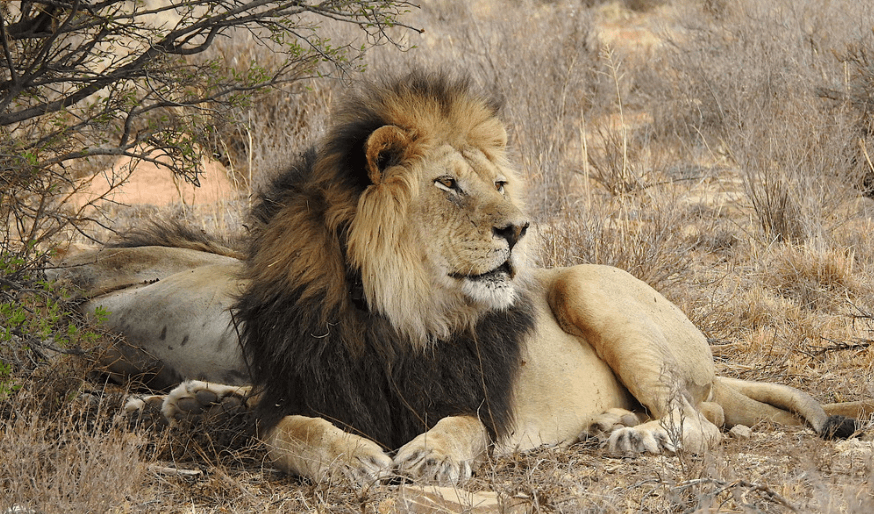
Fun fact: Southern African lions are among the largest lion populations and are iconic in safari tourism.
Physical Characteristics & Identification Tips
They exhibit large, dense manes and robust bodies, with males weighing up to 250 kg.
Behavior
Prides are social, with well-defined hierarchies. Females hunt cooperatively, while males patrol territories.
Habitat and Range
Found in Botswana, South Africa, Namibia, Zimbabwe, and Mozambique, primarily in savannah and grassland regions.
Diet
They hunt a wide range of ungulates, including zebras, wildebeest, and kudu.
Reproduction and Life Cycle
Females give birth to 1–4 cubs per litter, raising them within pride structures.
Fun Facts / Traits
Known for pride dynamics and cooperative hunting, one might observe a “lion team” working together on the African plains.
Human Interaction
National parks and conservancies protect these lions, though trophy hunting and habitat encroachment remain threats.
6. Congo Lion
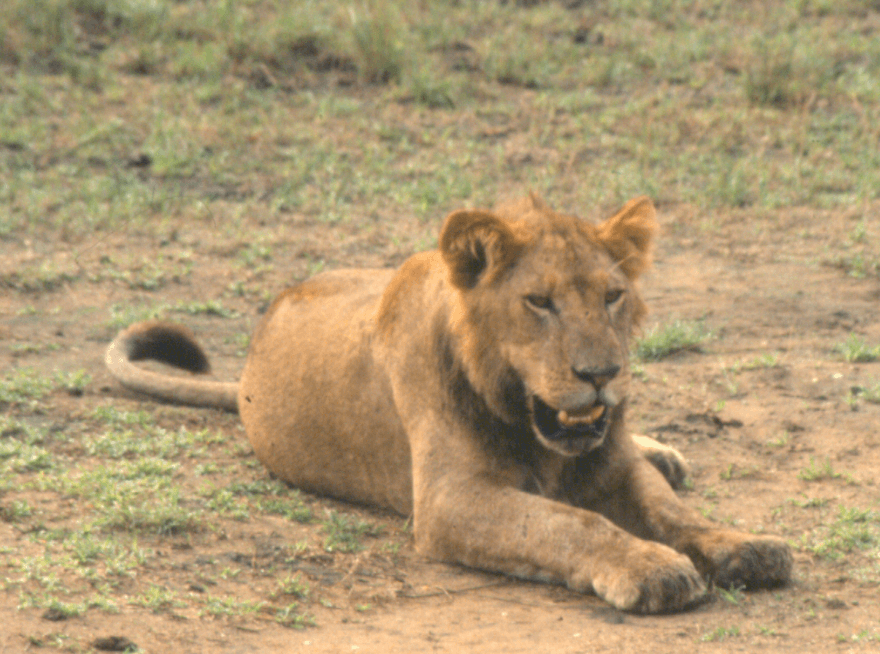
Fun fact: Congo lions are lesser-known lions inhabiting dense forests, exhibiting smaller sizes and darker coats.
Physical Characteristics & Identification Tips
Medium-sized lions with shorter manes, adapted to forested habitats, providing camouflage.
Behavior
Primarily solitary or small pride behavior, often nocturnal to avoid predators and human activity.
Habitat and Range
Rainforests and woodlands of the Congo Basin.
Diet
Prey includes forest antelopes, small mammals, and occasionally monkeys.
Reproduction and Life Cycle
Litters of 2–3 cubs; smaller pride structure compared to savannah lions.
Fun Facts / Traits
Adapted to dense forests, these lions demonstrate stealth and arboreal hunting tendencies.
Human Interaction
Logging, hunting, and habitat destruction are major threats.
7. Cape Lion
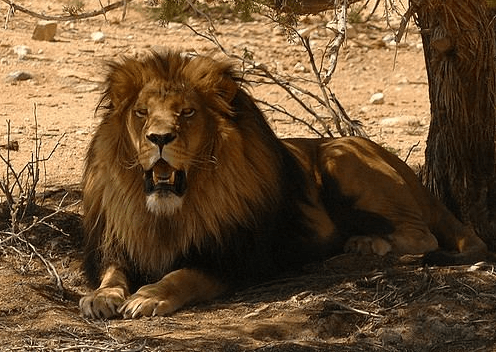
Fun fact: The Cape lion was known for its dark mane and impressive size but is now extinct in the wild.
Physical Characteristics & Identification Tips
Large lions with long, dark manes reaching the shoulders and belly. Historical accounts mention exceptional weight and muscular build.
Behavior
Prides were moderately sized, with males defending territory vigorously.
Habitat and Range
Found in the southwestern regions of South Africa, primarily grasslands and open plains.
Diet
They hunted antelopes, zebras, and domestic livestock.
Reproduction and Life Cycle
1–4 cubs per litter; strong pride cohesion was observed.
Fun Facts / Traits
Historical records emphasize their size and dark mane, making them legendary among early European explorers.
Human Interaction
Overhunting led to extinction in the wild; today, they survive only in historical accounts and captivity.
8. Nubian Lion
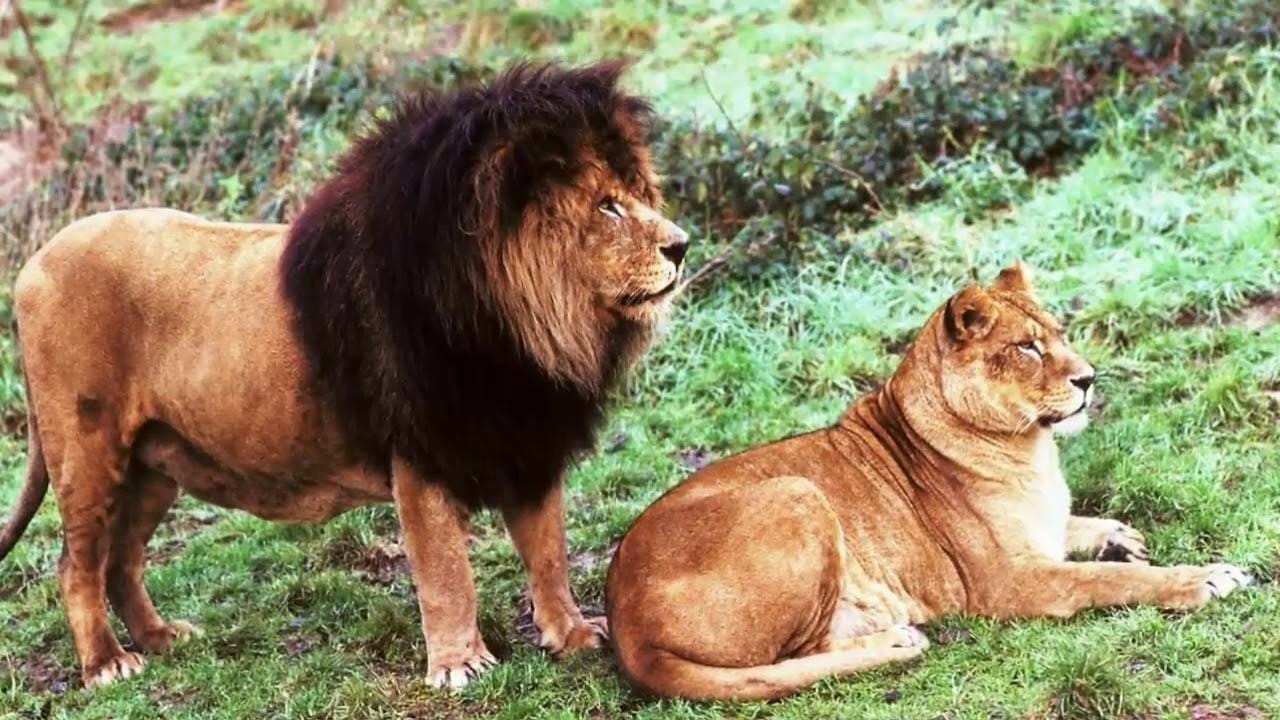
Fun fact: Nubian lions inhabit the border regions of northeast Africa and are elusive due to limited populations.
Physical Characteristics & Identification Tips
Medium-sized lions with lighter manes and agile frames, suited to savannah and woodland terrain.
Behavior
Solitary or small prides, often nocturnal and secretive.
Habitat and Range
Regions of Sudan, Ethiopia, and neighboring countries.
Diet
Ungulates such as gazelles, oryx, and smaller prey in forest edges.
Reproduction and Life Cycle
2–3 cubs per litter; cubs learn hunting through observation and play.
Fun Facts / Traits
Rare sightings have made them highly sought after by researchers studying African lion diversity.
Human Interaction
Habitat loss and hunting threaten this population, with some protection through reserves.
9. Katanga Lion
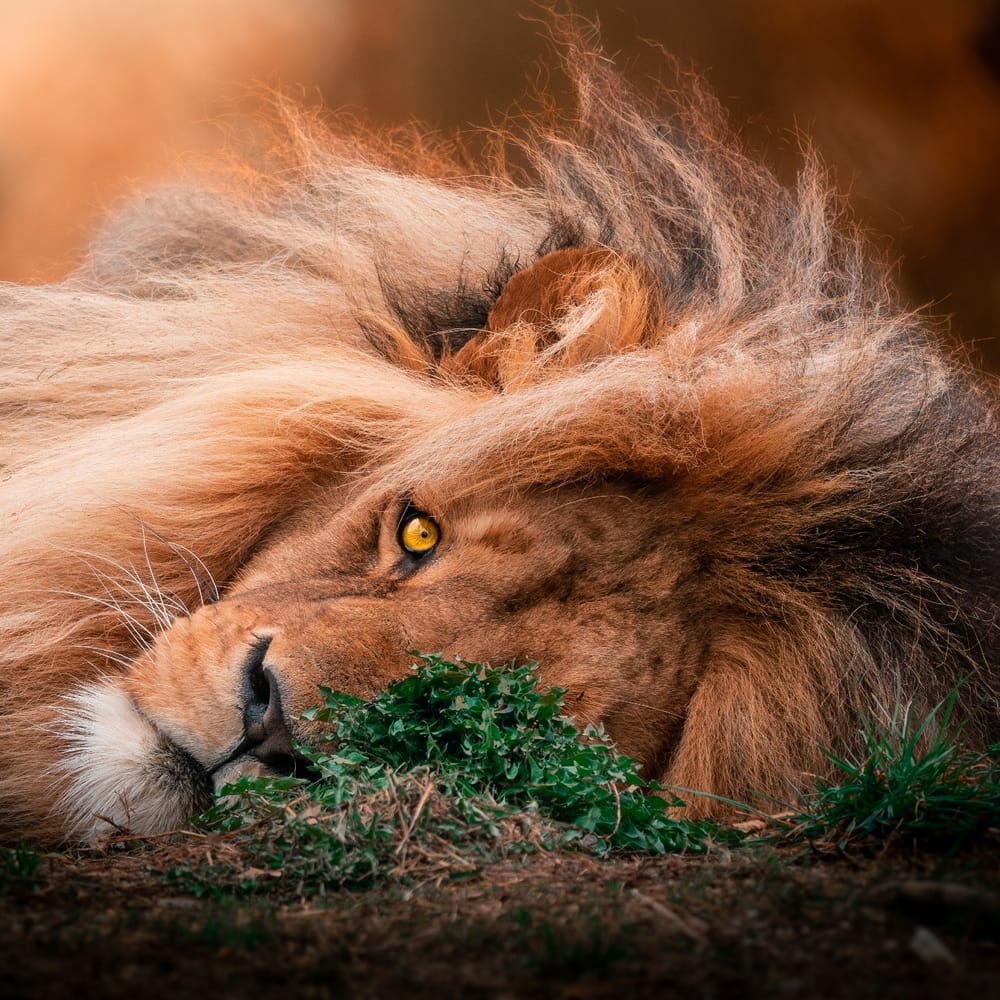
Fun fact: Katanga lions are localized to southeastern Congo and northern Zambia, exhibiting compact physiques.
Physical Characteristics & Identification Tips
Medium-sized lions with short, dark manes, adapted to woodland and savannah mosaics.
Behavior
Often solitary or in small coalitions; territorial males dominate hunting grounds.
Habitat and Range
Katanga region of Congo and northern Zambia.
Diet
Prey includes medium ungulates, rodents, and occasionally domestic animals.
Reproduction and Life Cycle
Litters of 2–3 cubs; cubs stay hidden until mature enough to join hunting.
Fun Facts / Traits
Known for stealth and adaptability to mixed woodland-savannah landscapes.
Human Interaction
Logging, hunting, and habitat fragmentation remain main challenges.
10. Transvaal Lion
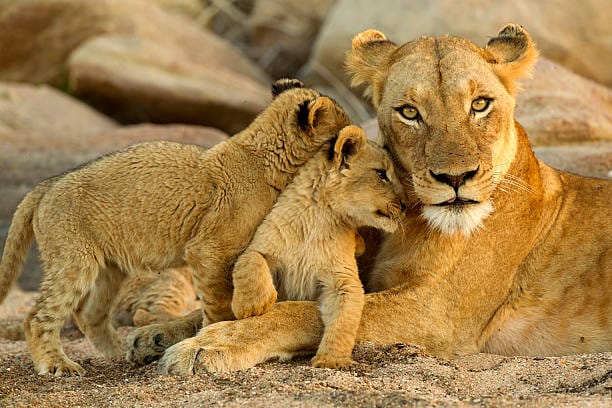
Fun fact: Transvaal lions inhabit northeastern South Africa and are highly territorial.
Physical Characteristics & Identification Tips
Large, muscular lions with dark manes, males weigh up to 220 kg.
Behavior
Prides are cohesive, with cooperative hunting and well-defined hierarchies.
Habitat and Range
Savannah and open woodland regions of South Africa, Botswana, and Zimbabwe.
Diet
They hunt zebras, wildebeest, and antelopes.
Reproduction and Life Cycle
Litters of 2–4 cubs; cubs rely on pride females for protection and learning.
Fun Facts / Traits
Territorial roars can be heard several kilometers away, marking their domain.
Human Interaction
Protected in national parks, though human-wildlife conflict occurs in surrounding farms.
11. Cave Lion (Panthera spelaea)
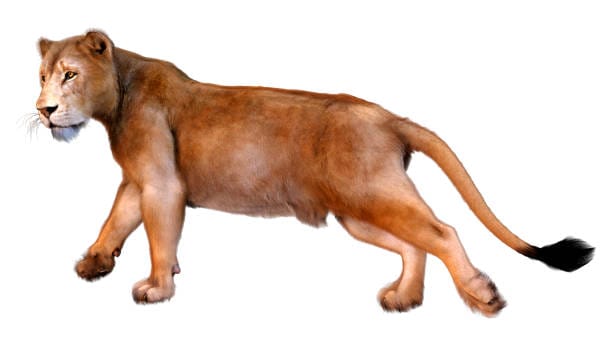
Fun fact: Cave lions were larger than modern lions and roamed Europe and Asia during the Ice Age.
Physical Characteristics & Identification Tips
Heavier and longer than modern lions, with pale coats. Fossils show strong limbs and muscular build.
Behavior
Likely apex predators, hunting large Pleistocene mammals such as mammoths and bison.
Habitat and Range
Europe and northern Asia, particularly in open tundra and steppe regions.
Diet
Large herbivores like reindeer, horses, and mammoths.
Reproduction and Life Cycle
Presumed similar to modern lions; cubs born in dens, taught to hunt by mothers.
Fun Facts / Traits
Some cave paintings depict them, emphasizing their importance in prehistoric culture.
Human Interaction
Extinct for thousands of years; knowledge comes from fossils and art.
12. American Lion (Panthera atrox)
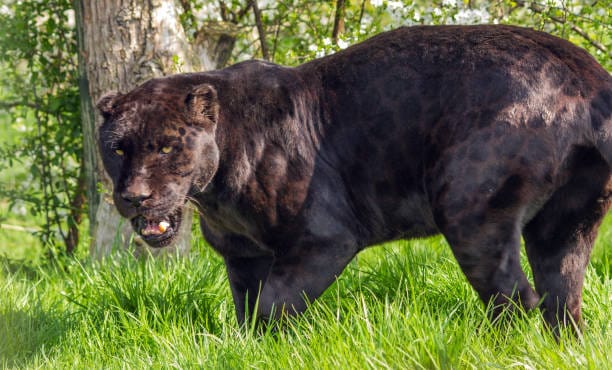
Fun fact: The American lion was among the largest lion species ever, roaming North and South America.
Physical Characteristics & Identification Tips
Massive size, with males potentially reaching 420 kg. Likely had shorter, less dense manes than African lions.
Behavior
Solitary or small group behavior, hunting large Pleistocene mammals.
Habitat and Range
North and South America, including open plains, forests, and tundra.
Diet
Preyed on bison, horses, camels, and other megafauna.
Reproduction and Life Cycle
Presumed similar to modern lions, with litters of 2–4 cubs.
Fun Facts / Traits
Considered the largest lion species known; fossils provide insight into Ice Age ecosystems.
Human Interaction
Extinct for ~10,000 years; likely impacted by hunting and habitat changes during the Pleistocene.
Conclusion
Wild lions are extraordinary predators with rich diversity in behavior, size, and habitat. From the endangered Asiatic lion in India to the legendary Cape lion of South Africa and the massive Ice Age cave and American lions, each species has its own story. These lions play critical roles in ecosystems as apex predators, controlling herbivore populations and maintaining ecological balance. Understanding and protecting wild lions ensures that future generations can witness the majesty of these apex predators, while also appreciating their evolutionary history and ecological importance.
Frequently Asked Questions About Types of Wild Lions
1. What are the different types of wild lions?
There are 12 recognized types of wild lions, including Barbary, Asiatic, West African, East African, Southern African, Congo, Cape, Nubian, Katanga, Transvaal, Cave, and American lions.
2. Where can Asiatic lions be found?
Asiatic lions are found exclusively in the Gir Forest of Gujarat, India.
3. Are Barbary lions extinct?
Yes, Barbary lions are extinct in the wild, with only a few descendants surviving in captivity.
4. How can you identify a West African lion?
West African lions are smaller, have lighter manes, and exhibit more elusive behavior compared to other African lions.
5. What do East African lions eat?
They primarily hunt zebras, wildebeest, buffalo, and other medium to large herbivores.
6. What is the average pride size of Southern African lions?
Southern African lions typically form prides of 10–15 members, with cooperative hunting among females.
7. Are Congo lions solitary?
Congo lions are often solitary or live in small groups, adapting to dense forest habitats.
8. Did Cape lions have a distinctive mane?
Yes, Cape lions were known for their long, dark mane that extended over shoulders and belly.
9. What makes Nubian lions rare?
Nubian lions are rare due to limited population numbers and fragmented habitats in Northeast Africa.
10. Where is the Katanga lion found?
Katanga lions inhabit southeastern Congo and northern Zambia, mainly in woodland and savannah mosaics.
11. What is special about Transvaal lions?
Transvaal lions are known for their large size, muscular build, and highly territorial behavior in South Africa.
12. Are Cave lions extinct?
Yes, Cave lions (Panthera spelaea) went extinct thousands of years ago during the Ice Age.
13. How big were American lions?
American lions (Panthera atrox) were among the largest lion species ever, with males weighing up to 420 kg.
14. Do all lions have manes?
Only male lions develop manes, which vary in color and size depending on the subspecies and region.
15. How do wild lions hunt?
Wild lions hunt cooperatively in prides or individually, targeting herbivores using stealth, ambush, and teamwork.
16. What is the lifespan of a wild lion?
In the wild, lions live around 10–14 years, though some may reach up to 16 years in protected areas.
17. How do lions reproduce?
Females give birth to 1–4 cubs per litter, which remain with the pride for protection and learning hunting skills.
18. Are all lions apex predators?
Yes, lions are apex predators in their ecosystems, controlling herbivore populations and maintaining ecological balance.
19. Can lions live outside Africa and India?
Historically, lions like Cave and American lions lived outside Africa, but today, wild lions are only in Africa and India.
20. How do human activities affect wild lions?
Hunting, habitat loss, and livestock conflict threaten wild lion populations across Africa and Asia.
21. What is the difference between African and Asiatic lions?
Asiatic lions are slightly smaller, have shorter manes, and a distinctive belly skin fold compared to African lions.
22. Are lions social animals?
Yes, most lion species form social groups called prides, which is rare among big cats.
23. How do lions communicate?
Lions communicate using roars, body language, scent markings, and vocalizations to coordinate pride activities and defend territory.
24. Which lion is the largest?
American lions and Cave lions were among the largest ever, larger than any modern lion species.
25. Can lions swim?
While lions are not primarily aquatic, they can swim when necessary to cross rivers or hunt near water.
26. What threats do lions face today?
Poaching, human-wildlife conflict, habitat fragmentation, and prey scarcity are major threats to wild lions.
27. Are all lions endangered?
Not all, but many subspecies, like West African lions and Asiatic lions, are classified as vulnerable or endangered.
28. How do lions affect their ecosystems?
Lions control herbivore populations, indirectly supporting plant growth and maintaining biodiversity.
29. Can lions be rehabilitated if injured?
Yes, injured lions are sometimes rehabilitated in wildlife reserves and sanctuaries, especially endangered subspecies.
30. Do lions have natural predators?
Adult lions have few natural predators, though humans and rival lions are significant threats. Cubs are vulnerable to hyenas, leopards, and wild dogs.
31. What is the role of male lions in the pride?
Male lions defend territory, protect cubs, and sometimes assist in hunting large prey, though females do most hunting.
32. Why are lions called “kings of the jungle”?
Lions are called this due to their strength, dominance as apex predators, and regal appearance, despite primarily living in grasslands.
Read more: 25 Types of Wild Parrots (Pictures And Identification)