

The best electronic ear muffs for shooting help protect your hearing while still allowing you to hear range commands, conversation, and important environmental sounds. That balance matters whether you are practicing at an indoor range, checking a hunting rifle, patterning a shotgun, or spending a full day outdoors with other responsible shooters.
Electronic shooting earmuffs are different from basic passive muffs because they use microphones and internal electronics to manage sound. They are designed to reduce hazardous impulse noise while amplifying or passing through safer sounds at a controlled level. That makes them especially useful for beginners, instructors, hunters, and range users who need both hearing protection and communication.
This guide compares 10 popular electronic ear muffs for shooting based on fit, low-profile design, noise reduction rating information when available, sound amplification, battery type, comfort, portability, brand reputation, buyer value, and practical range use. No single pair is perfect for everyone, so the best choice depends on your firearm type, range environment, head shape, eyewear, budget, and how long you usually wear your hearing protection.
Responsible shooting starts with safe handling, legal ownership, proper supervision, and the right protective equipment. Always follow federal, state, and local laws, obey range rules, use eye protection, and consider doubling up with foam earplugs under earmuffs when shooting indoors or around especially loud firearms.
Quick Picks:
- Best Overall: Walker’s Razor Slim Ultra Low Profile Electronic Earmuffs on Amazon
- Best Budget Option: Howard Leight Impact Sport Sound Amplification Electronic Earmuff on Amazon
- Best Premium Pick: 3M PELTOR Sport Tactical 500 Smart Electronic Hearing Protector on Amazon
- Best Bluetooth Option: Walker’s Razor Quad Electronic Bluetooth Muff on Amazon
- Best Rechargeable Pick: Walker’s Razor Rechargeable Electronic Muff on Amazon
Comparison Table: Best Electronic Ear Muffs for Shooting
| Product | Best For | Compatibility | Construction | Key Features | Safety / Security Features | Check Price |
|---|---|---|---|---|---|---|
| Walker’s Razor Slim Ultra Low Profile Electronic Earmuffs | Best Overall | Range, handgun, rifle, hunting, and general shooting use | Slim electronic earmuff with padded metal wire headband and composite housing | 23 dB NRR listed on product comparison content; Ultra low-profile ear cups for easier long-gun shoulder clearance; Two omnidirectional microphones for environmental sound pickup | Sound activated compression, sound-dampening housing, low-profile fit | Check Price on Amazon |
| Howard Leight Impact Sport Sound Amplification Electronic Earmuff | Best Budget Option | Beginner range use, shotgun practice, rifle range, and training classes | Low-profile electronic earmuff with folding headband and directional microphones | 22 NRR listed on Amazon product content; Directional microphones amplify conversation and range commands; Automatic sound management at higher ambient sound levels | Automatic shutoff, low-profile stock clearance, protected listening level design | Check Price on Amazon |
| 3M PELTOR Sport Tactical 500 Smart Electronic Hearing Protector | Best Premium Pick | Indoor range, outdoor range, rifle, shotgun, and high-volume training use | Full-size smart electronic earmuff with larger ear cups and adjustable headband | Smart electronic hearing protection design; Full-size ear cups for shooters who prefer more coverage; Designed for range communication and loud shooting environments | Full-size coverage, electronic sound management, premium range-focused design | Check Price on Amazon |
| Walker’s Razor Quad Electronic Bluetooth Muff | Best Bluetooth Option | Range communication, hunting practice, outdoor shooting, and general hearing protection | Electronic earmuff with quad microphones and Bluetooth feature set | 23 dB NRR listed in Amazon title content; Four microphones for broader sound capture; Bluetooth feature set for compatible audio use | Electronic compression, multi-mic awareness, low-profile range design | Check Price on Amazon |
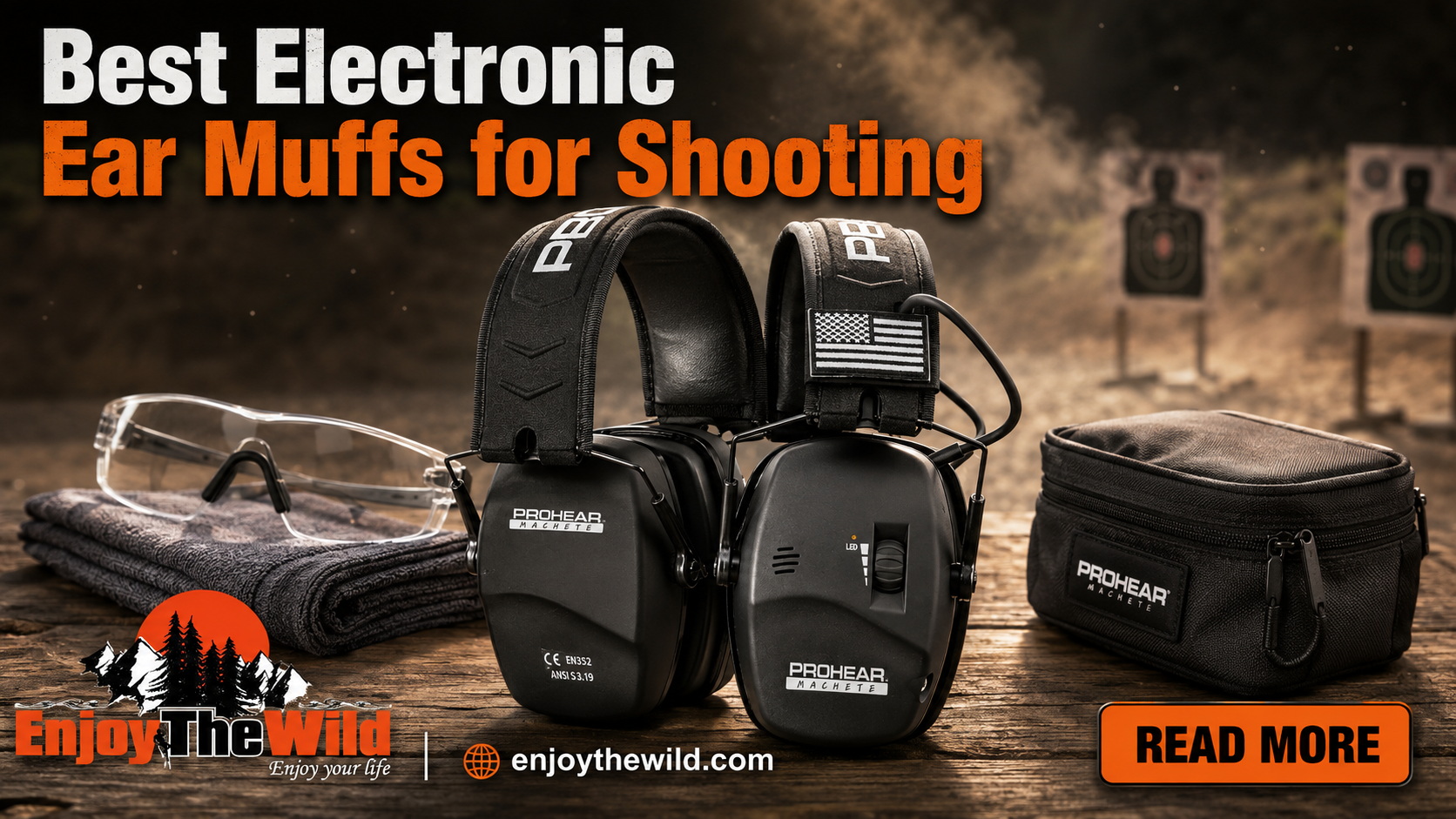
| PROHEAR 026 Electronic Ear Protection for Shooting | Best Value with Accessories | Gun range, hunting, woodworking, mowing, and noisy outdoor work | ABS-shell electronic earmuff with padded headband and foldable design | 23 dB NRR listed on Amazon product content; 4X sound amplification listed in the product title; Uses 2 AAA batteries according to listing content | ANSI S3.19 noise-reduction standard listed by product content, electronic suppression, compact storage | Check Price on Amazon |
| Walker’s Razor TACTI-GRIP Electronic Muff | Best Secure Headband Fit | Outdoor range, hunting practice, training, and general shooting use | Razor electronic muff with composite silicone TACTI-GRIP headband | 23 dB NRR listed in Walker’s product comparison content; Composite silicone headband for slip-resistant feel; Comfort gel ear cups listed in comparison content | Sound activated compression, secure headband, electronic awareness | Check Price on Amazon |
| Walker’s Razor Rechargeable Electronic Muff | Best Rechargeable Pick | Range bag setup, regular practice, outdoor shooting, and training classes | Rechargeable Razor electronic muff with comfort headband and slim cups | 21 dB NRR listed in product comparison content; USB Type-C charging port listed in comparison content; Tuned for natural sound clarity in comparison content | Rechargeable power system, sound activated compression, electronic environmental awareness | Check Price on Amazon |
| Walker’s Razor X-TRM Electronic Muff | Best Comfort Upgrade | Extended range sessions, outdoor shooting, training, and hunting practice | Razor electronic muff with cooling mesh headband and comfort gel cups | 21 dB NRR listed in product comparison content; Cooling mesh headband listed in comparison content; Comfort gel ear cups listed in comparison content | Electronic compression, comfort-focused seal, low-profile build | Check Price on Amazon |
| Walker’s XCEL 100 Digital Electronic Muff | Best Higher NRR Walker Option | Range use, hunting practice, and shooters who prefer full digital controls | Digital electronic muff with higher listed NRR and sound enhancement features | 26 dB NRR referenced in Amazon related product URL text; Electronic sound enhancement design; Range-focused electronic muff format | Higher listed protection category, electronic awareness, range-focused design | Check Price on Amazon |
| Walker’s Razor Digital Electronic Muff | Best Digital Sound Clarity | Outdoor range, indoor range with doubled protection, hunting practice, and training | Razor digital electronic muff with comfort headband and soft ear cups | 23 dB NRR listed in product comparison content; Advanced sound clarity with wind reduction listed in comparison content; Comfort headband and soft ear cups | Sound compression, digital clarity, wind reduction, hearing-aware shooting design | Check Price on Amazon |
Overall, the best electronic ear muffs for shooting are the ones that combine dependable hearing protection, clear communication, a secure seal, and a profile that works with your firearm. Slim models are easier to use with rifles and shotguns, while larger full-size muffs may feel more protective and comfortable for some indoor range users. Rechargeable models reduce battery hassle, Bluetooth models add convenience, and comfort-upgrade models are worth considering if you wear ear protection for several hours at a time.
1. Walker’s Razor Slim Ultra Low Profile Electronic Earmuffs on Amazon
Short Overview
The Walker’s Razor Slim is one of the easiest electronic earmuffs to recommend for shooters who want a practical balance of protection, awareness, comfort, and value. It is especially useful for range days because the slim cups reduce bulk around the stock while the microphones help you hear conversation and range commands at safer sound levels. The simple knob control is beginner-friendly and avoids the learning curve that comes with more complicated digital settings. The folding shape also makes it convenient to keep in a range bag, truck gear tote, or hunting pack. Hunters may like the low-profile build because it is less clumsy than oversized muffs when shouldering a rifle or shotgun. It is not the most premium option in this guide, but it solves the main buyer problem: dependable electronic hearing protection without overcomplicating the setup. For many casual shooters, new gun owners, and weekend range users, this model is the safest starting point. Always check the current Amazon listing for color, battery, and package details before buying.
Key Features
- 23 dB NRR listed on product comparison content
- Ultra low-profile ear cups for easier long-gun shoulder clearance
- Two omnidirectional microphones for environmental sound pickup
- External recessed volume control knob
- 3.5 mm audio input jack and folding design
Pros
- Very popular all-around electronic shooting earmuff
- Slim cups work well for many rifle and shotgun users
- Simple controls are easy for beginners
- Folds down for convenient range-bag storage
Cons
- Not as feature-rich as premium digital models
- Ear seals may feel warm during long summer sessions
- May benefit from gel pads for extended wear
Who It’s Best For
Shooters who want a proven, simple, affordable electronic muff for indoor ranges, outdoor ranges, hunting practice, and general firearm training.
2. Howard Leight Impact Sport Sound Amplification Electronic Earmuff on Amazon
Short Overview
The Howard Leight Impact Sport is a long-time favorite because it gives shooters electronic hearing protection at a very approachable value. It is a strong pick for beginners who need their first set of electronic ear muffs for shooting but do not want to spend premium money right away. The low-profile ear cups help with cheek weld compared with bulky passive muffs, which matters for rifle and shotgun shooters. The microphones make it easier to hear instructors, range officers, and hunting partners without repeatedly lifting the muffs. The controls are simple, and the folding design makes storage easy. It is not the thickest or most premium muff here, so users who shoot indoors often may still prefer doubling up with foam plugs underneath. For outdoor ranges, training days, and general firearm safety practice, it remains one of the most practical choices. Buyers should check current listing details for color, package contents, and current battery information.
Key Features
- 22 NRR listed on Amazon product content
- Directional microphones amplify conversation and range commands
- Automatic sound management at higher ambient sound levels
- Compact folding design
- AUX input and integrated power/volume knob
Pros
- Excellent value for first-time buyers
- Low-profile shape works well around many long guns
- Easy to fold and pack
- Good option for classes and casual range sessions
Cons
- NRR is lower than some larger full-size muffs
- Basic sound quality compared with premium models
- May need double protection for loud indoor ranges
Who It’s Best For
New shooters, budget-conscious buyers, and range users who want reliable electronic sound amplification without paying for advanced features.
3. 3M PELTOR Sport Tactical 500 Smart Electronic Hearing Protector on Amazon
Short Overview
The 3M PELTOR Sport Tactical 500 is a premium-style option for shooters who want more than a basic budget electronic muff. It is a better fit for users who spend longer days at the range, shoot indoors often, or want a more robust full-size earmuff design. Compared with ultra-slim models, the larger build may feel more protective and comfortable for some users, especially during extended sessions. It may also be preferred by shooters who want clearer communication and more advanced electronic behavior than entry-level muffs. The tradeoff is size: larger cups can interfere more with a rifle stock, so fit and cheek weld should be checked carefully. It is best for buyers who are willing to pay more for comfort, brand reputation, and feature depth. For hunters who hike long distances, it may feel bulkier than slim electronic muffs. For serious range use, however, it deserves a top place in any comparison of the best electronic ear muffs for shooting.
Key Features
- Smart electronic hearing protection design
- Full-size ear cups for shooters who prefer more coverage
- Designed for range communication and loud shooting environments
- Premium control layout compared with basic analog models
- Suitable for users who prioritize comfort and electronics
Pros
- Premium option for demanding range users
- Full-size design may feel comfortable for long wear
- Good choice for indoor and high-volume range days
- Strong brand reputation in hearing protection
Cons
- Bulkier than slim shooting muffs
- May cost more than beginner models
- May not be the best fit for every rifle stock
Who It’s Best For
Frequent range users, instructors, and shooters who want a more advanced electronic muff and are comfortable with a larger profile.
4. Walker’s Razor Quad Electronic Bluetooth Muff on Amazon
Short Overview
The Walker’s Razor Quad Electronic Bluetooth Muff is a strong option for shooters who want more environmental awareness than a basic two-microphone electronic muff. The four-microphone layout is useful when you want better directional awareness around a range line, hunting camp, or outdoor shooting area. Bluetooth capability adds convenience for users who want compatible audio features, but responsible shooters should keep the volume low enough to remain alert to safety commands. The profile is still range-friendly compared with many oversized muffs, which helps when using rifles and shotguns. It is a practical upgrade for someone who already likes the Walker’s Razor platform but wants extra sound pickup and connectivity. Battery maintenance is more important than with passive earmuffs, so keep spare batteries or a backup hearing protector in your gear bag. This is not necessary for every beginner, but it is a useful step up for experienced users. Always prioritize range commands and situational awareness over entertainment audio.
Key Features
- 23 dB NRR listed in Amazon title content
- Four microphones for broader sound capture
- Bluetooth feature set for compatible audio use
- Includes 2 AAA batteries according to listing title
- Designed for 360-degree sound awareness
Pros
- Four microphones improve environmental sound pickup
- Bluetooth adds convenience for compatible audio
- Good upgrade from basic two-mic muffs
- Useful for outdoor range and hunting practice
Cons
- Bluetooth features require responsible volume control
- Uses batteries, so maintenance matters
- May be more than casual shooters need
Who It’s Best For
Shooters who want electronic muffs with broader sound awareness and Bluetooth convenience while still keeping a range-focused design.
5. PROHEAR 026 Electronic Ear Protection for Shooting on Amazon
Short Overview
The PROHEAR 026 is a value-focused electronic shooting earmuff that appeals to buyers who want a feature-packed set without jumping into premium pricing. It is especially attractive for beginners because the product listing emphasizes simple controls, sound amplification, low-profile cups, and a package that includes useful extras. The lightweight build is practical for target practice sessions where heavy earmuffs become annoying after an hour or two. The slim cup shape is designed with shooting comfort in mind, which helps reduce interference around rifle and shotgun stocks. It can also serve double duty for noisy chores such as mowing or shop work, although firearm use should always follow range safety rules and local laws. For serious indoor ranges, many shooters may still double up with foam plugs. The PROHEAR 026 is not as established as older brands like Walker’s, Howard Leight, or 3M, but it offers a compelling balance of features and value. It is worth considering if you want electronic hearing protection that is simple, affordable, and practical.
Key Features
- 23 dB NRR listed on Amazon product content
- 4X sound amplification listed in the product title
- Uses 2 AAA batteries according to listing content
- Foldable design with carrying pouch in package details
- Slim low-profile ear cups with cutaways for shooting comfort
Pros
- Strong feature set for the money
- Low-profile design is made for shooting comfort
- Useful package details such as pouch and cable may be included
- Good multi-purpose hearing protection option
Cons
- Brand reputation is newer than some legacy options
- Battery details and package contents should be checked before purchase
- May not satisfy buyers who want premium digital audio
Who It’s Best For
Budget-minded shooters who want electronic sound amplification, a foldable design, and practical accessories for range use and noisy outdoor work.
6. Walker’s Razor TACTI-GRIP Electronic Muff on Amazon
Short Overview
The Walker’s Razor TACTI-GRIP Electronic Muff is built for shooters who like the Razor platform but want a more secure headband feel. A slipping headband can be distracting during a long range session, especially in hot weather or when moving between benches, bays, and vehicles. The TACTI-GRIP version is meant to improve that contact point while keeping the low-profile ear cup concept that makes the Razor series popular. The gel ear cups listed in the product comparison are another comfort advantage for longer sessions. This model is a good middle ground between basic budget muffs and more expensive digital designs. It offers a more refined feel without becoming too bulky for rifle or shotgun use. It is not necessarily the cheapest electronic muff, but comfort upgrades can be worth it if you shoot often. Always adjust the headband and ear cups before live fire to ensure a complete seal around the ears.
Key Features
- 23 dB NRR listed in Walker’s product comparison content
- Composite silicone headband for slip-resistant feel
- Comfort gel ear cups listed in comparison content
- Two AAA battery power source listed in comparison content
- Clear balanced sound style compared with basic Razor models
Pros
- Secure-feeling headband is useful for active range days
- Gel cups can improve long-session comfort
- Maintains low-profile Razor-style shape
- Good option for shooters who dislike slipping headbands
Cons
- Costs more than basic Razor Slim models
- Gel pads may need care and replacement over time
- Still battery-dependent like all electronic muffs
Who It’s Best For
Shooters who want a secure fit, comfort upgrades, and a practical electronic muff for repeat range use.
7. Walker’s Razor Rechargeable Electronic Muff on Amazon
Short Overview
The Walker’s Razor Rechargeable Electronic Muff is ideal for shooters who dislike buying and tracking disposable batteries. A rechargeable system is convenient if you keep a regular range schedule and remember to charge your gear before leaving home. It also reduces the chance of finding dead AAA batteries in your range bag right before a training session. The lower listed NRR compared with some Razor models means it may be best used with foam plugs underneath during especially loud indoor range sessions. For outdoor practice, its slim profile and simple layout remain practical. The rechargeable design makes it easy to keep as part of a prepared shooting kit with eye protection, chamber flags, gloves, and basic tools. It is not the best choice for users who forget to charge electronics, so keep a backup hearing protector available. For disciplined users, it is a clean and convenient alternative to disposable battery muffs.
Key Features
- 21 dB NRR listed in product comparison content
- USB Type-C charging port listed in comparison content
- Tuned for natural sound clarity in comparison content
- Comfort headband and soft ear cups
- Low-profile electronic shooting muff design
Pros
- Rechargeable design reduces disposable battery hassle
- Slim profile works well for many shooting positions
- Good option for regular range users
- Simple enough for beginners
Cons
- Must be charged before use
- Listed NRR is lower than some alternatives
- Not ideal if you prefer easily replaceable batteries
Who It’s Best For
Shooters who maintain a regular range bag and prefer rechargeable electronic gear over disposable battery systems.
8. Walker’s Razor X-TRM Electronic Muff on Amazon
Short Overview
The Walker’s Razor X-TRM Electronic Muff is a comfort-focused version of the Razor family. It is a sensible choice for shooters who already know that standard foam ear pads can feel hot or uncomfortable during long sessions. The cooling mesh headband and gel cup combination are the main reasons to consider it over the regular Razor Slim. It still keeps the general low-profile format that makes the Razor line useful around long guns. Since the listed NRR is not the highest in this guide, frequent indoor shooters may want to pair it with foam plugs or compare it carefully with full-size options. The practical advantage is comfort, not maximum bulk or maximum feature complexity. It is a good range-day upgrade for users who shoot often and want a better wearing experience. As with all earmuffs, seal quality depends on fit, eyewear temples, hats, and correct adjustment.
Key Features
- 21 dB NRR listed in product comparison content
- Cooling mesh headband listed in comparison content
- Comfort gel ear cups listed in comparison content
- Tuned for natural sound clarity
- Two AAA batteries listed in comparison content
Pros
- Comfort upgrades help during longer range sessions
- Gel cups may improve seal and feel
- Low-profile shape remains practical for shooting
- Good choice for repeat users
Cons
- Listed NRR is lower than some thicker models
- Comfort features may cost more
- Still requires proper fit to work well
Who It’s Best For
Shooters who prioritize comfort and want electronic earmuffs that feel better during long practice sessions.
9. Walker’s XCEL 100 Digital Electronic Muff on Amazon
Short Overview
The Walker’s XCEL 100 Digital Electronic Muff is worth considering if you want a Walker’s option with a higher listed NRR than many low-profile Razor models. The design is less about being the slimmest possible muff and more about electronic performance and protection. Shooters who spend more time indoors may prefer comparing this model against the thinner Razor styles. Digital features can add value for users who want more control and refined sound behavior, but they may be less necessary for a first-time buyer. This model is especially interesting for users who already own basic electronic muffs and want an upgrade path without leaving the Walker’s ecosystem. Because fit is personal, users with glasses or hats should check comfort carefully. It is also wise to verify the current product details on Amazon because electronic hearing protection models can change packaging and feature sets over time. When paired with good range discipline, it can be a practical upgrade for serious shooters.
Key Features
- 26 dB NRR referenced in Amazon related product URL text
- Electronic sound enhancement design
- Range-focused electronic muff format
- Designed for hearing protection and sound awareness
- Useful alternative to low-profile slim muffs
Pros
- Higher listed NRR than many slim Walker models
- Good upgrade for frequent range users
- Electronic design supports awareness and communication
- Practical alternative to ultra-slim designs
Cons
- May be bulkier than Razor Slim models
- Digital controls may be more than beginners need
- Current feature details should be checked before purchase
Who It’s Best For
Shooters who want a Walker’s electronic muff with more protection-oriented design and digital-style features.
10. Walker’s Razor Digital Electronic Muff on Amazon
Short Overview
The Walker’s Razor Digital Electronic Muff is a good choice for shooters who like the Razor shape but want more refined sound than the base version. The product comparison content highlights advanced sound clarity and wind reduction, which can matter outdoors where wind noise makes cheap electronic muffs annoying. It still keeps a relatively shooter-friendly profile while improving the listening experience. This makes it useful for hunters, outdoor range users, and anyone who wants to hear speech more naturally without constantly adjusting volume. It is not the cheapest choice, but the added audio refinement may be worth it for people who use electronic muffs often. Like all electronic protection, it should not be treated as a substitute for safe firearm handling or range awareness. If shooting indoors or around very loud firearms, consider doubling up with properly inserted foam plugs. For buyers comparing the best electronic ear muffs for shooting, this is the sound-quality-focused Razor option.
Key Features
- 23 dB NRR listed in product comparison content
- Advanced sound clarity with wind reduction listed in comparison content
- Comfort headband and soft ear cups
- Two AAA batteries listed in comparison content
- Digital-style Razor platform for improved audio behavior
Pros
- Improved sound clarity compared with basic models
- Wind reduction can help outdoors
- Maintains familiar Razor-style fit
- Good choice for users who communicate often on the range
Cons
- Costs more than basic analog muffs
- Still needs batteries
- May not provide enough isolation alone for all indoor range conditions
Who It’s Best For
Shooters who want a Razor-style muff with improved digital sound behavior for range commands, outdoor use, and hunting practice.
Buying Guide: How to Choose the Best Electronic Ear Muffs for Shooting
Choosing electronic ear muffs for shooting should start with the environment where you shoot most often. Indoor ranges are usually louder and more reflective than open outdoor ranges, so many shooters prefer higher-rated muffs or double protection with foam plugs underneath. Outdoor ranges may allow more flexibility, but impulse noise from firearms is still hazardous and should never be treated casually. If you shoot both indoors and outdoors, buy for the louder environment first.
The next factor is noise reduction rating, often shown as NRR. NRR is useful for comparing products, but it does not guarantee the exact protection you will receive in real life. Fit, seal, eyewear, hair, hats, and how carefully you adjust the headband can all affect protection. Thin safety glasses can help preserve the ear-cup seal better than thick eyewear temples. Before live fire, press gently around the cups and make sure the cushions fully cover the ears without gaps.
Electronic sound amplification is the main reason many shooters choose active earmuffs. Good electronic muffs let you hear range commands, conversation, wind, footsteps, or game movement while still reducing sudden loud sounds. This is useful for training classes, hunting practice, coaching new shooters, and public ranges where safety instructions matter. However, electronic features should never distract from firearm safety. Keep volume at a responsible level and pay attention to the range officer.
Low-profile ear cups are important for rifle and shotgun shooters. Bulky muffs can bump the stock and make it harder to keep a consistent cheek weld. If you mainly shoot handguns, cup profile may be less important, and you may prefer thicker muffs for comfort or protection. Hunters often like slim electronic muffs because they are easier to wear with hats, packs, and long guns in the field.
Comfort matters more than many beginners expect. A pair of muffs that feels fine for five minutes can become painful after two hours. Look at the headband padding, ear cushion softness, clamp force, cup depth, and weight. Gel ear pads can improve comfort and may help the seal around glasses, but they can also add cost. If you shoot in hot weather, a cooling or breathable headband may be helpful.
Battery type is another practical decision. AAA-powered muffs are easy to support because spare batteries are cheap and simple to keep in a range bag. Rechargeable muffs reduce disposable battery use and are convenient for organized shooters, but they must be charged before a session. Bluetooth muffs can be useful for compatible audio, but they should be used responsibly. Music, podcasts, or phone audio should never cover range commands or safety warnings.
Durability and build quality also matter. Shooting gear gets tossed into bags, exposed to dust, bumped on benches, and worn in changing weather. A rubberized coating, metal wire headband, solid hinges, protected battery door, and quality ear cushions can all improve long-term value. If you hunt, consider how the muff handles light moisture, cold, pack storage, and glove-friendly controls.
For firearm owners, responsible use is part of the buying decision. Electronic ear muffs are safety gear, not tactical equipment. They should support safer communication, better awareness, and more consistent training. Always follow local laws, range procedures, muzzle discipline, target rules, and storage requirements. Hearing protection should be used alongside eye protection and safe firearm handling habits.
Brand reputation and support are worth considering. Walker’s, Howard Leight, 3M PELTOR, and PROHEAR all appear frequently in shooting hearing protection discussions because they offer different balances of price, comfort, electronics, and availability. Check current Amazon listing details, product manuals, warranty terms, return windows, and recent buyer feedback before purchasing.
Finally, think about value instead of only price. The cheapest earmuff may be fine for occasional outdoor handgun shooting, but a frequent indoor range user may be happier spending more for comfort, better electronics, or a higher-rated design. If a comfortable pair makes you more likely to wear hearing protection every single time, it can be the better long-term purchase.
Final Recommendation
For most shooters, the Walker’s Razor Slim Ultra Low Profile Electronic Earmuffs are the best overall starting point because they are simple, slim, easy to pack, and practical for a wide range of shooting situations. They are especially useful for beginners who want electronic sound awareness without complicated controls.
For budget buyers, the Howard Leight Impact Sport remains a strong value. For premium range users, the 3M PELTOR Sport Tactical 500 is worth comparing. If you want Bluetooth convenience, consider the Walker’s Razor Quad Bluetooth Muff. If you prefer rechargeable gear, the Walker’s Razor Rechargeable is the most convenient pick in this list.
Before you buy, check current Amazon availability, size and color options, battery details, return policy, and recent customer feedback. Choose the product that fits your range environment, firearm type, comfort needs, and responsible safety habits.
FAQs About the Best Electronic Ear Muffs for Shooting
1. What are electronic ear muffs for shooting?
Electronic ear muffs for shooting are hearing protectors with microphones and internal electronics that help you hear safer sounds while reducing sudden loud impulse noise. They are useful because they let you hear range commands, instructors, and hunting partners without constantly lifting the ear cups. They still need to fit properly, seal around the ears, and be used according to the manufacturer instructions.
2. Are electronic ear muffs better than passive earmuffs?
Electronic muffs are often better for communication because they allow conversation and range commands to remain audible. Passive muffs can be simpler, cheaper, and sometimes thicker, but they block more everyday sound. Many shooters prefer electronic muffs for training and hunting because awareness matters. For very loud environments, some users wear foam plugs under electronic muffs.
3. What NRR should I choose for shooting?
Choose the highest practical protection that still works with your firearm, comfort needs, and communication needs. Many electronic shooting muffs fall in the low-to-mid 20 dB NRR range, while some larger models list higher ratings. NRR is only a comparison tool, and real-world protection depends heavily on fit and seal.
4. Should I double up with earplugs and earmuffs?
Doubling up is a smart idea for indoor ranges, enclosed bays, short barrels, muzzle brakes, or long shooting sessions. Foam plugs under electronic muffs can add protection while the electronic microphones still help you hear some speech through the muffs. Always insert plugs correctly and keep the muff seal tight.
5. Can I use electronic ear muffs for hunting?
Yes, many hunters use electronic muffs because they help maintain awareness while protecting against gunfire. Slim models are usually easier to use with rifles and shotguns. Hunters should also consider weather, battery life, comfort with hats, and whether the controls can be adjusted with gloves.
6. Are Bluetooth shooting earmuffs safe?
Bluetooth shooting earmuffs can be safe when used responsibly, but audio should never cover range commands or warnings. Keep volume low, avoid distractions during live fire, and turn off entertainment audio when listening to instructors or range officers. Hearing protection should support safety, not reduce awareness.
7. How do electronic earmuffs handle gunshots?
Electronic earmuffs use microphones, speakers, and circuitry to manage sound. They are designed to reduce or compress loud impulse noise while allowing safer sounds to remain audible. The exact behavior varies by model, so always read the manufacturer instructions and do not assume all electronic muffs perform the same.
8. Do electronic ear muffs need batteries?
Most electronic muffs need batteries or rechargeable power. Some use AAA batteries, while others have internal rechargeable batteries. Keep spare batteries or a backup pair of passive muffs in your range bag so you are never tempted to shoot without protection.
9. Are rechargeable shooting earmuffs worth it?
Rechargeable earmuffs are worth it for organized shooters who remember to charge their gear. They reduce disposable battery hassle and can be convenient for frequent practice. However, they are less convenient if you forget to charge them, so a backup hearing protector is still wise.
10. What is the best electronic earmuff for beginners?
A beginner should choose a simple electronic muff with easy controls, a comfortable fit, and a low-profile design. The Walker’s Razor Slim and Howard Leight Impact Sport are common beginner-friendly choices because they are straightforward and widely used. Beginners should focus on fit, protection, and safe habits before advanced features.
11. Can electronic muffs be used at indoor ranges?
Yes, but indoor ranges are often louder and more reflective than outdoor ranges. Many shooters use electronic muffs with foam plugs underneath for extra protection indoors. Check range rules, listen carefully to commands, and choose muffs that seal well with your eyewear.
12. Can I use shooting earmuffs for mowing or shop work?
Many electronic earmuffs can be used for mowing, woodworking, or other noisy tasks, depending on the product rating and manufacturer guidance. Shooting-focused muffs are designed around impulse noise and communication, but they can still be practical multi-purpose hearing protection. Always match the protector to the noise environment.
13. Do electronic earmuffs protect hearing when turned off?
Many models still provide passive muff protection when turned off, but you should confirm this in the product manual. Turning off the electronics usually means you lose sound amplification, not necessarily the physical barrier. The seal around the ears remains critical.
14. Why do my earmuffs feel less protective with glasses?
Thick glasses temples can create small gaps between the ear cushions and your head. These gaps reduce the seal and can lower real-world protection. Use low-profile safety glasses when possible and adjust the muffs carefully before shooting.
15. Are gel ear pads worth buying?
Gel ear pads can improve comfort and may help maintain a better seal around eyewear. They are useful for long sessions or shooters who dislike firm foam cushions. They add cost and may need replacement over time, but many frequent shooters consider them worthwhile.
16. How should electronic earmuffs fit?
They should fully cover your ears, apply even pressure, and seal without gaps. The headband should sit securely without causing sharp pressure points. If the cups shift when you shoulder a firearm, adjust the headband or consider a lower-profile model.
17. Do low-profile earmuffs protect less than large earmuffs?
Not always, but larger muffs often have more space for acoustic material and may list higher ratings. Low-profile muffs are designed to reduce stock interference. Compare the listed NRR, fit, comfort, and your shooting environment before choosing.
18. What are the best earmuffs for rifle shooting?
Rifle shooters often prefer slim electronic muffs because bulky cups can contact the stock. A low-profile design helps maintain a consistent cheek weld. Try the muffs with your unloaded firearm in a safe setting to confirm fit before range use.
19. What are the best earmuffs for shotgun shooting?
Shotgun shooters also benefit from slim cups because the stock comes close to the ear. Hunters may want muffs that are comfortable with hats and easy to adjust outdoors. Electronic awareness can help when communicating with partners or dogs in the field.
20. What are the best earmuffs for handgun shooting?
Handgun shooters can use either slim or larger electronic muffs because stock clearance is not usually a concern. This gives handgun users more freedom to prioritize comfort, NRR, sound quality, or price. Indoor handgun shooters may still want double protection.
21. Can children use electronic shooting earmuffs?
Children should only shoot under direct adult supervision and with properly fitted safety gear. Many adult earmuffs may not seal well on smaller heads, so youth-specific sizing may be needed. Always follow range rules and consult the product sizing information before buying for a young shooter.
22. How long do electronic earmuffs last?
Lifespan depends on build quality, storage, battery care, sweat exposure, and how often they are used. Ear cushions, headbands, and battery doors are common wear points. Store them dry, remove batteries when appropriate, and replace damaged parts or the entire muff when performance or fit declines.
23. How do I maintain electronic ear muffs?
Wipe the ear cups and headband after use, keep them dry, inspect cushions for cracks, and store them away from extreme heat. Check batteries before each range trip. Do not submerge electronic muffs unless the manufacturer specifically says they are water-resistant to that level.
24. Can electronic earmuffs get wet?
Some models tolerate light moisture better than others, but most electronic earmuffs should not be soaked. Rain, sweat, and humidity can affect electronics and cushions. Hunters should check weather resistance claims on the current product listing and keep muffs protected when not in use.
25. What is sound amplification in shooting earmuffs?
Sound amplification means the microphones pick up quieter sounds and play them through internal speakers. This can make speech and environmental sounds easier to hear. Good models manage amplification so that sudden loud sounds are reduced or compressed.
26. What does sound activated compression mean?
Sound activated compression is a system that reduces or limits loud sounds while allowing lower-level sound to pass through. It is common in electronic shooting earmuffs. The exact speed and quality vary by model, so product details and user feedback are worth checking.
27. Are electronic earmuffs good for tactical training?
Electronic muffs can be useful for lawful, supervised, safety-focused training because they help users hear commands. They should not be discussed or used for unsafe or harmful behavior. Always train responsibly, follow laws, and obey qualified instructors and range officers.
28. Do I still need eye protection?
Yes, shooting ear protection does not replace eye protection. Shooters should wear quality safety glasses to protect against debris, brass, fragments, and environmental hazards. Choose glasses with thin temples if possible so they do not break the earmuff seal.
29. Are expensive electronic earmuffs always better?
Not always. Expensive models may offer better comfort, electronics, controls, or build quality, but the best choice depends on fit and use. A properly fitting mid-range muff can be better than a premium muff that does not seal well on your head.
30. What should I check before buying on Amazon?
Check the exact product title, ASIN, current color or style, NRR, battery type, included accessories, return policy, seller, recent reviews, and warranty information. Product variations can change, so make sure the selected option is the one you actually want.
31. Why do product listings show different colors and ASINs?
Amazon product pages often group multiple colors or styles under one listing. Different colors may have different ASINs, sellers, or availability. Always confirm the selected variation before checking out.
32. Can I wear a hat with shooting earmuffs?
Yes, but thick hats can interfere with the headband or cup seal. Thin caps usually work better than bulky winter hats. If wearing cold-weather gear, check that the ear cups still seal fully around your ears.
33. Are electronic earmuffs comfortable for long sessions?
Some are, but comfort varies by head shape, clamp force, cushion material, and weight. Gel cups, padded headbands, and cooling headbands can help. If you shoot for several hours, comfort should be a major buying factor.
34. Do electronic earmuffs help with communication?
Yes, that is one of their biggest advantages. They can make it easier to hear instructors, range commands, and hunting partners. This can reduce the temptation to lift one ear cup, which is an unsafe habit around live fire.
35. Can electronic earmuffs fail?
Yes, electronics, batteries, switches, and microphones can fail. The passive muff shell may still offer some protection, but you should not rely on a malfunctioning product. Carry spare batteries and consider keeping foam plugs in your range bag.
36. What is the difference between analog and digital electronic muffs?
Analog models are often simpler and less expensive. Digital models may offer more refined sound processing, wind reduction, or better audio behavior. The best choice depends on your budget and how much you value sound quality.
37. Are slim earmuffs good for indoor ranges?
Slim earmuffs can work indoors, but many indoor shooters prefer double protection because indoor noise can be intense. If a slim model has a lower NRR, foam plugs underneath can add protection while the electronic muff still supports communication.
38. How should I store electronic earmuffs?
Store them folded or relaxed in a dry range bag or case. Avoid crushing the cushions under heavy gear. Remove batteries if the manufacturer recommends it or if you will not use them for a long time.
39. Can I use electronic earmuffs for competition shooting?
Many competition shooters use electronic muffs because they need to hear commands. Choose a low-profile, comfortable model that does not interfere with your firearm or eye protection. Always follow match and range safety rules.
40. What if earmuffs hurt my jaw or temples?
Jaw or temple discomfort usually means the clamp force, cup shape, or eyewear interaction is not ideal for you. Try adjusting the headband, using thinner safety glasses, or choosing gel cushions. If pain continues, compare a different model.
41. Can electronic muffs amplify dangerous sounds?
They are designed to manage sound, but users should still set volume responsibly. Do not turn the volume higher than needed. If a product behaves strangely or painfully, stop using it and inspect the settings, batteries, and condition.
42. Is NRR the only safety feature that matters?
No. NRR matters, but so do fit, seal, comfort, durability, and whether you actually wear the protection every time. A comfortable muff that seals well and stays on your head is often safer in practice than a higher-rated muff that you constantly adjust or remove.
43. What earmuffs are best for instructors?
Instructors often need clear communication, comfort, and durability. Premium electronic muffs with good sound clarity can be useful. Instructors at loud indoor ranges may also choose double protection to reduce cumulative noise exposure.
44. What earmuffs are best for hunting partners?
Hunters often want slim, comfortable electronic muffs that allow conversation and environmental awareness. Battery life, weather resistance, glove-friendly controls, and compatibility with hats are important. Choose a model that does not interfere with safe firearm handling.
45. Can I use electronic earmuffs while carrying a range bag?
Yes, but avoid throwing them loose under heavy gear. Folding muffs fit well in many range bags, but the ear cushions and microphones should be protected. A soft pouch or dedicated compartment can extend service life.
46. Do electronic earmuffs block all noise?
No hearing protector blocks all noise. Electronic muffs reduce harmful noise and manage sound, but the protection level depends on the product rating and fit. Extremely loud conditions may require doubling up with plugs.
47. Are shooting earmuffs legal everywhere?
Hearing protection is generally allowed and encouraged at ranges, but firearm activities themselves are governed by laws and range rules. Always follow federal, state, and local laws, and comply with range safety procedures. This article is product guidance, not legal advice.
48. Do I need different earmuffs for rifle and pistol?
Not always. Many muffs work for both. Rifle and shotgun shooters usually care more about low-profile ear cups because of stock contact, while pistol shooters can prioritize comfort or higher-rated full-size muffs.
49. Can electronic earmuffs help new shooters feel more confident?
Yes, they can help because new shooters can hear instructions without removing hearing protection. Clear communication often makes training calmer and safer. New shooters should still receive proper instruction and follow all safety rules.
50. What are common mistakes when buying shooting earmuffs?
Common mistakes include choosing only by price, ignoring NRR, buying bulky muffs for rifle use, forgetting batteries, using thick glasses that break the seal, and not checking current product variations. Comfort and fit should be tested before a full range day.
51. How often should I replace ear cushions?
Replace cushions when they crack, flatten, harden, or stop sealing properly. Heavy users may need replacements sooner than occasional users. A poor cushion seal can reduce real-world protection even if the electronics still work.
52. Can I share electronic earmuffs with another shooter?
You can, but hygiene and fit matter. Wipe cushions between users and adjust the headband for each person. A muff that fits one shooter well may not seal correctly on another head shape.
53. Are electronic earmuffs good gifts for gun owners?
Yes, they can be practical gifts for responsible shooters, hunters, and range users. Check whether the person needs slim cups, Bluetooth, rechargeable power, or higher NRR. Avoid buying unknown off-brand products without checking reviews and safety details.
54. What is the best overall electronic ear muff for shooting?
For most buyers, a simple, low-profile, proven model like the Walker’s Razor Slim is a strong overall choice. Budget buyers may prefer Howard Leight Impact Sport, while premium users may compare 3M PELTOR or upgraded Walker’s models. The best product is the one that fits well, seals properly, and matches your range environment.
55. Should I rely on electronic earmuffs for all firearm noise?
No single product should be treated as a guarantee against hearing damage. Use quality protection, fit it correctly, double up when conditions are loud, and limit unnecessary exposure. Seek professional hearing advice if you already have hearing loss or ringing in the ears.
READ MORE:
10 Best Shooting Glasses