

Florida is home to an extraordinary mix of animals, from coastal mammals and wading birds to reptiles, freshwater fish, and rare land predators. This guide to the types of animals in Florida highlights 30 notable native, established, or commonly observed species and explains where they live, what they eat, how to identify them, and why they matter.
What Are the Main Types of Animals in Florida?
The main types of animals in Florida include mammals, birds, reptiles, amphibians, fish, and invertebrates. Famous examples include the Florida panther, American alligator, West Indian manatee, bottlenose dolphin, roseate spoonbill, and American crocodile. Florida’s wildlife lives in habitats ranging from beaches and coral reefs to pine forests, wetlands, springs, rivers, and the Everglades.
1. Florida Panther
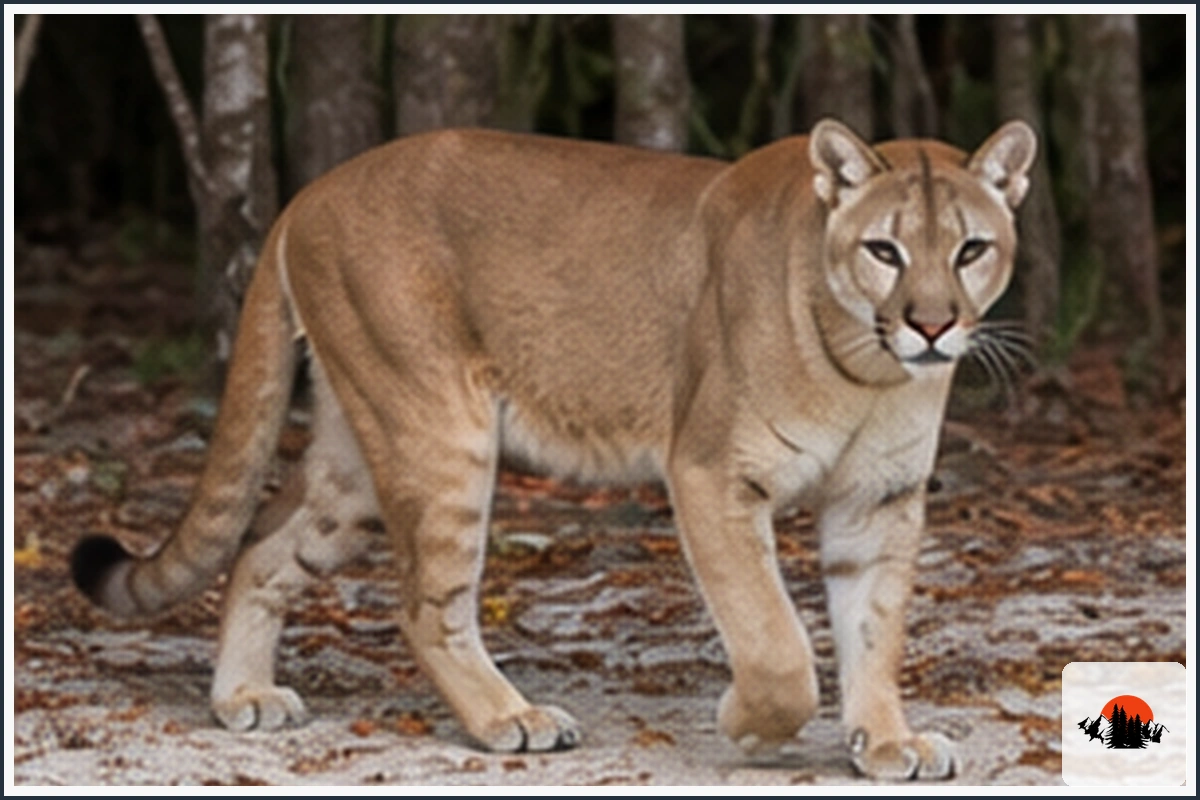
Scientific name: Puma concolor couguar. The Florida panther is a rare cougar population found mainly in southern Florida. It has a tan coat, long tail, powerful legs, and dark markings around the muzzle and tail tip. Adults commonly weigh between 60 and 160 pounds, with males usually larger than females.
Florida panthers use forests, wetlands, prairies, and pine rocklands. They are solitary predators that hunt white-tailed deer, wild hogs, raccoons, armadillos, and smaller animals. Habitat loss, roads, and limited genetic diversity remain important conservation concerns.
2. American Alligator
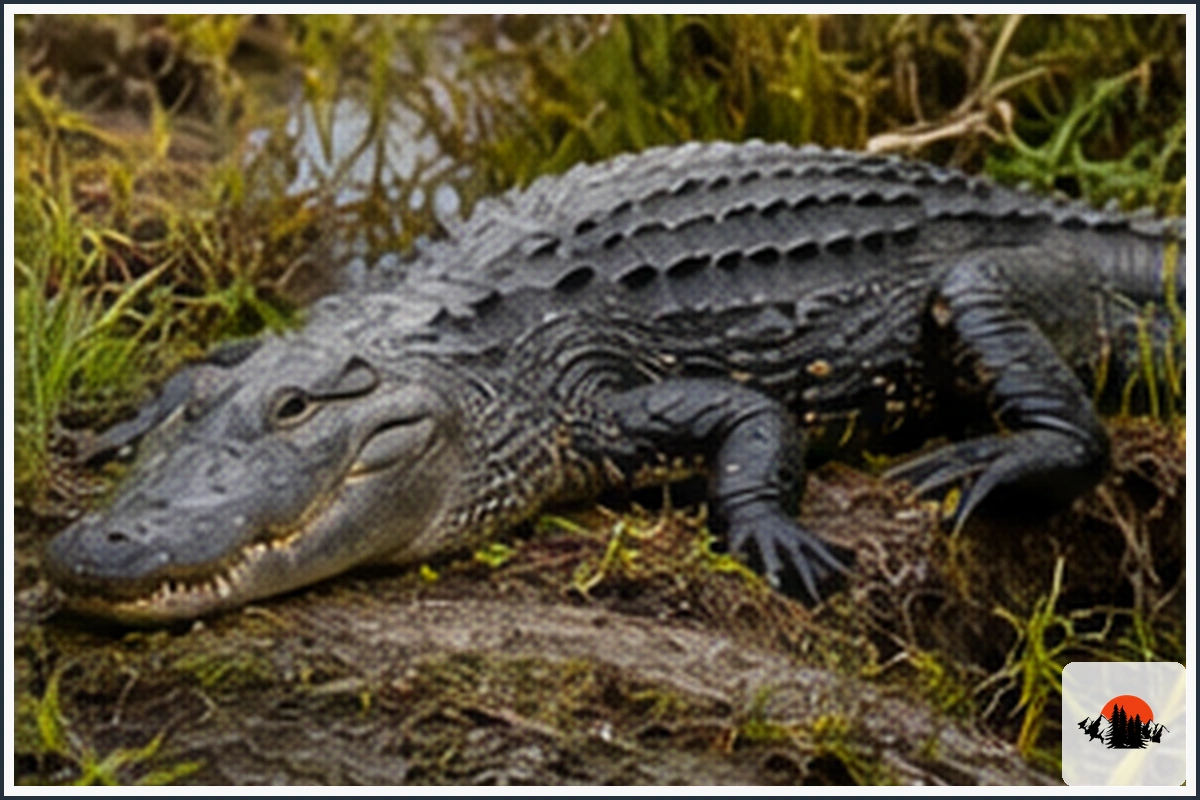
Scientific name: Alligator mississippiensis. The American alligator is one of Florida’s best-known reptiles. It has a broad snout, armored body, muscular tail, and dark gray or black coloration. Large adults may exceed 12 feet in length.
Alligators live in lakes, marshes, canals, ponds, rivers, and swamps. They eat fish, turtles, birds, mammals, and other available prey. Although they usually avoid people, they are powerful wild animals and should always be observed from a safe distance.
3. American Crocodile
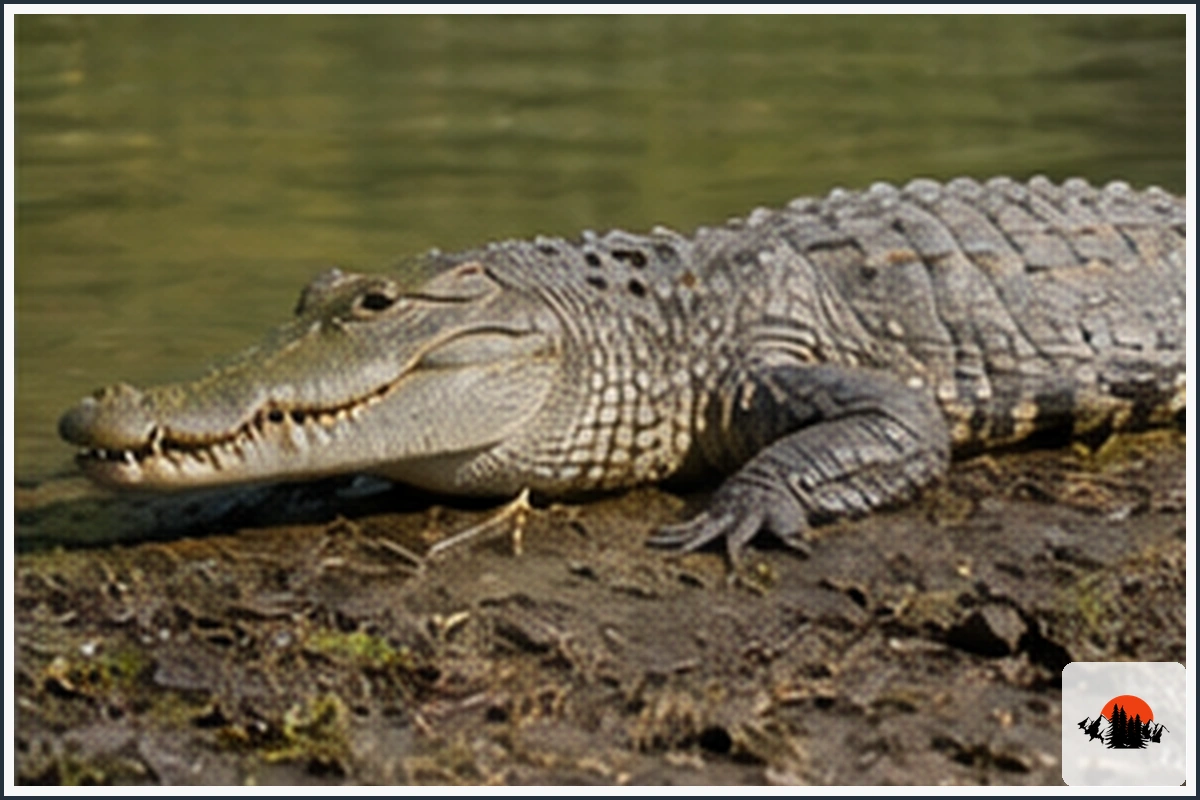
Scientific name: Crocodylus acutus. The American crocodile has a longer, narrower snout than an alligator and is most common in southern Florida, coastal lagoons, mangrove forests, and the Florida Keys. Adults may reach more than 12 feet.
These reptiles eat fish, crabs, birds, and mammals. They tolerate brackish and salt water better than alligators. American crocodiles are protected in Florida and should never be fed or approached.
4. West Indian Manatee
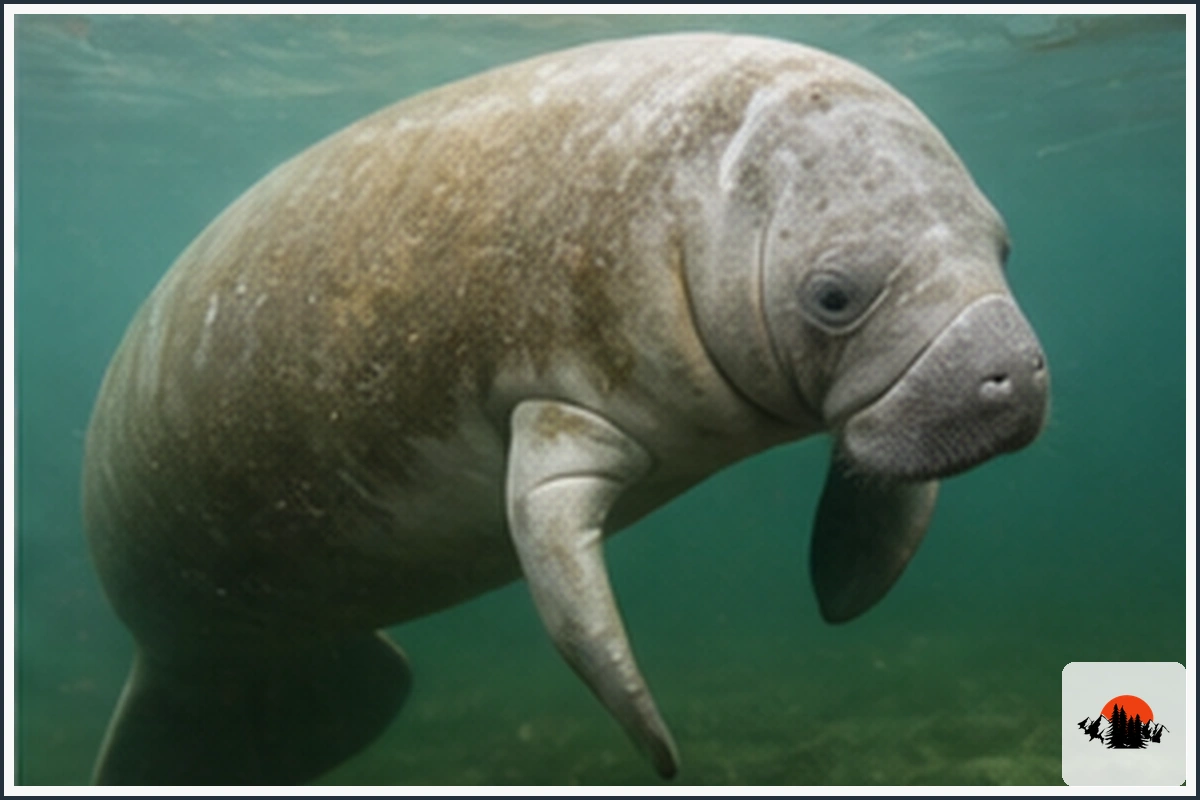
Scientific name: Trichechus manatus. The West Indian manatee is a large aquatic mammal with a rounded body, paddle-shaped flippers, and a broad flat tail. Adults often weigh hundreds of pounds and may grow more than 10 feet long.
Manatees eat aquatic plants and spend much of their time in rivers, springs, estuaries, and coastal waters. During cold weather, they gather in warm-water springs and power-plant outflows. Boat strikes and loss of warm-water habitat are major threats.
5. Bottlenose Dolphin
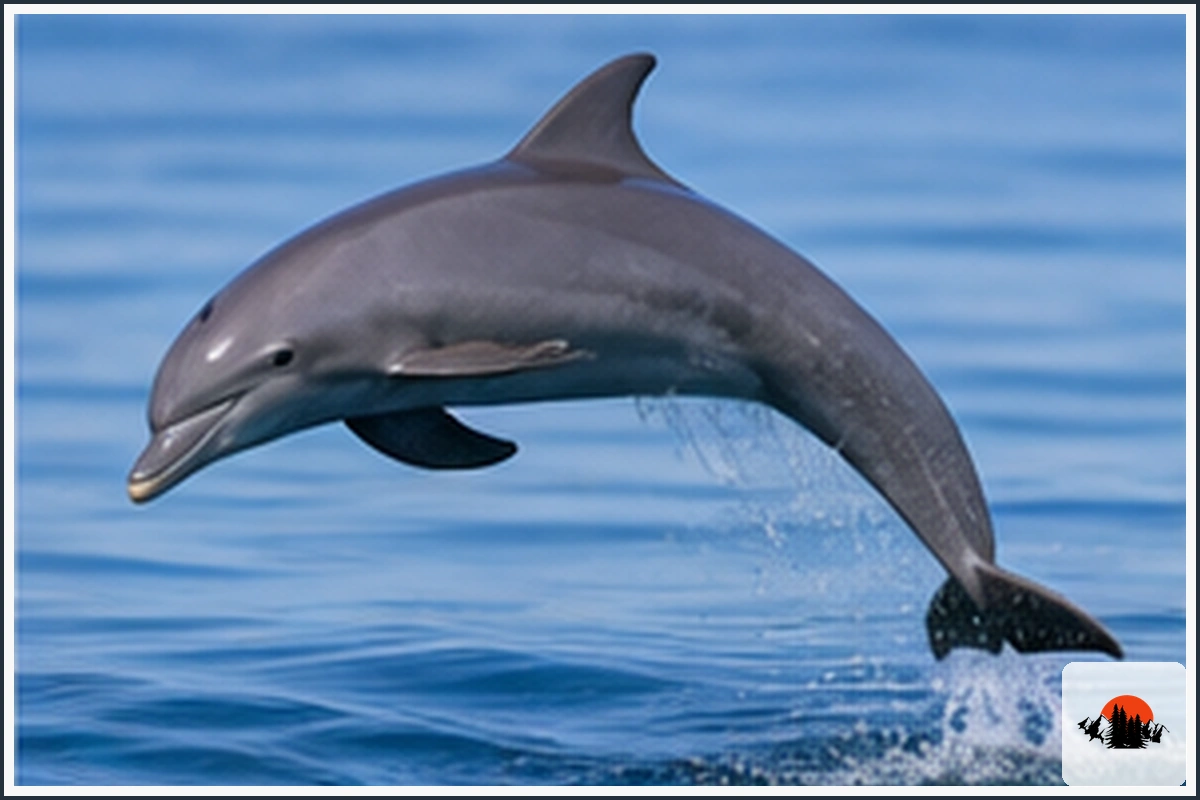
Scientific name: Tursiops truncatus. Bottlenose dolphins are commonly seen in Florida’s bays, estuaries, rivers, and coastal waters. They have rounded foreheads, streamlined gray bodies, and curved dorsal fins.
They travel in social groups and use echolocation to locate prey such as fish, squid, and shrimp. Coastal dolphins may enter shallow water, but wild dolphins should never be touched, fed, or chased.
6. Florida Black Bear
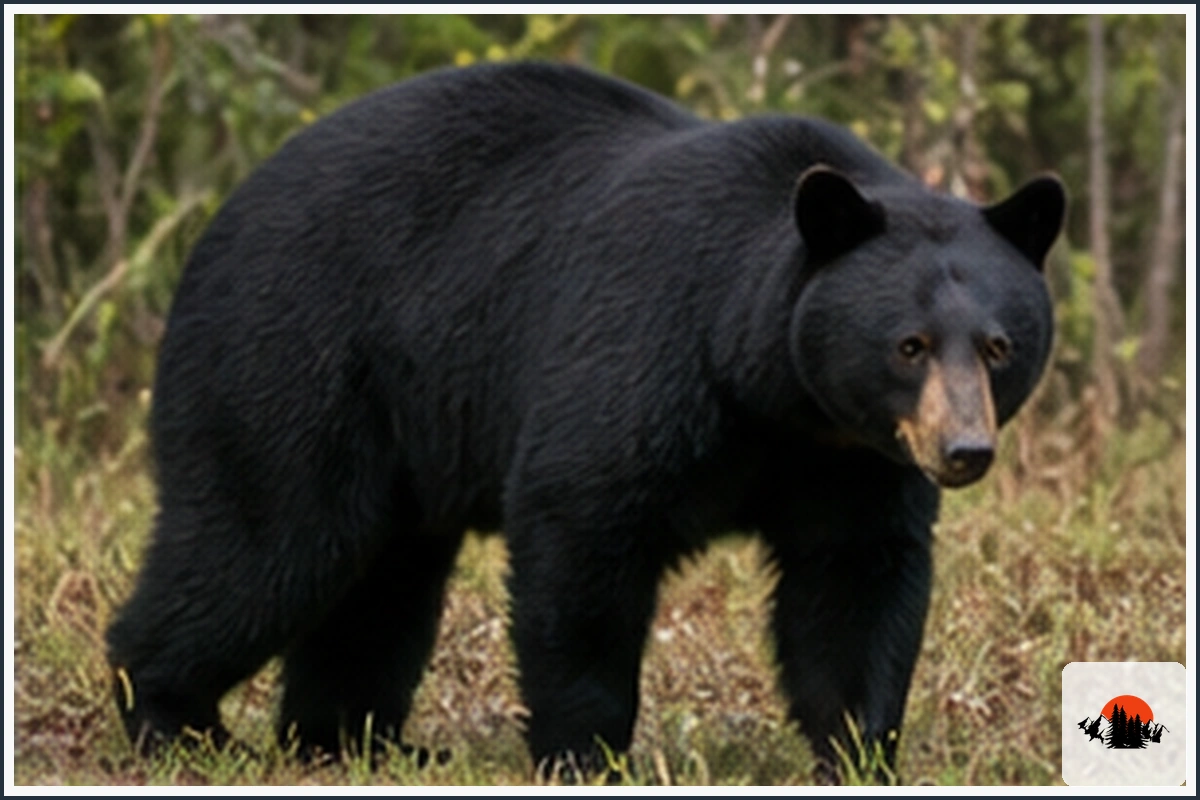
Scientific name: Ursus americanus floridanus. Florida black bears are generally black with a brown or cinnamon muzzle. They live in forests, swamps, scrub, and other areas with dense cover.
Their varied diet includes berries, acorns, insects, honey, carrion, and small animals. Bears are excellent climbers and swimmers. Secure garbage, pet food, and birdseed to avoid attracting them to homes.
7. White-Tailed Deer
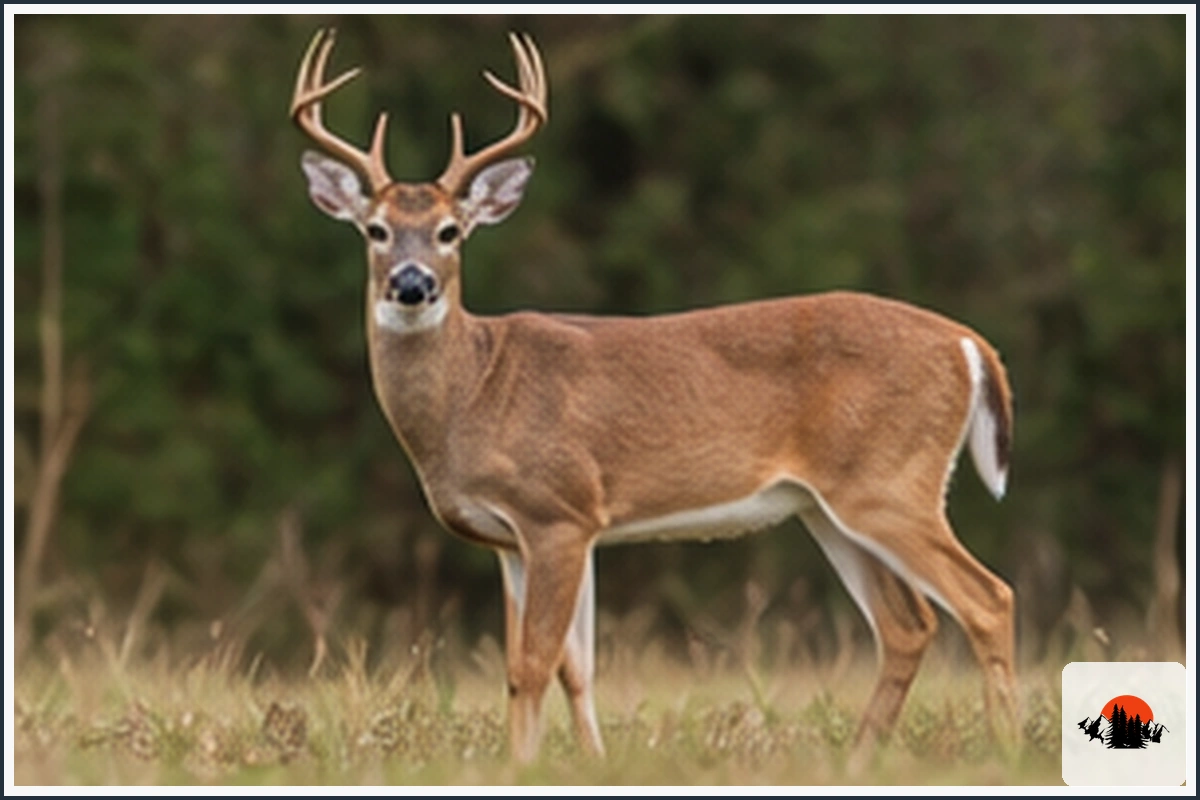
Scientific name: Odocoileus virginianus. White-tailed deer are widespread throughout Florida. Their reddish-brown summer coat becomes grayer in winter, and their raised white tail is a useful identification feature.
They browse on leaves, shoots, fruits, grasses, and agricultural plants. Deer live in forests, fields, marsh edges, and suburban green spaces. Males grow antlers each year.
8. North American River Otter
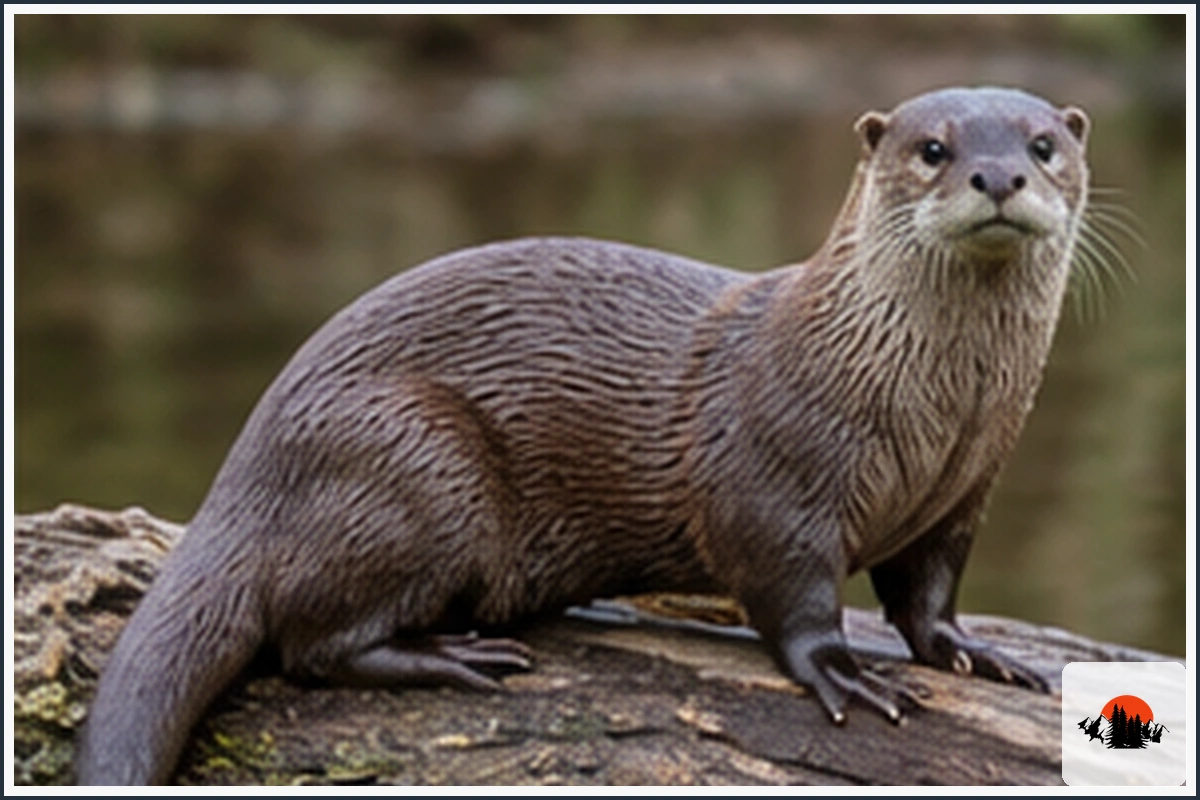
Scientific name: Lontra canadensis. River otters have long, streamlined bodies, short legs, webbed feet, and dense brown fur. They are found near rivers, lakes, marshes, springs, and estuaries.
They eat fish, crayfish, frogs, and other aquatic animals. River otters are agile swimmers and may slide along muddy banks or snow-like sandy slopes.
9. Raccoon
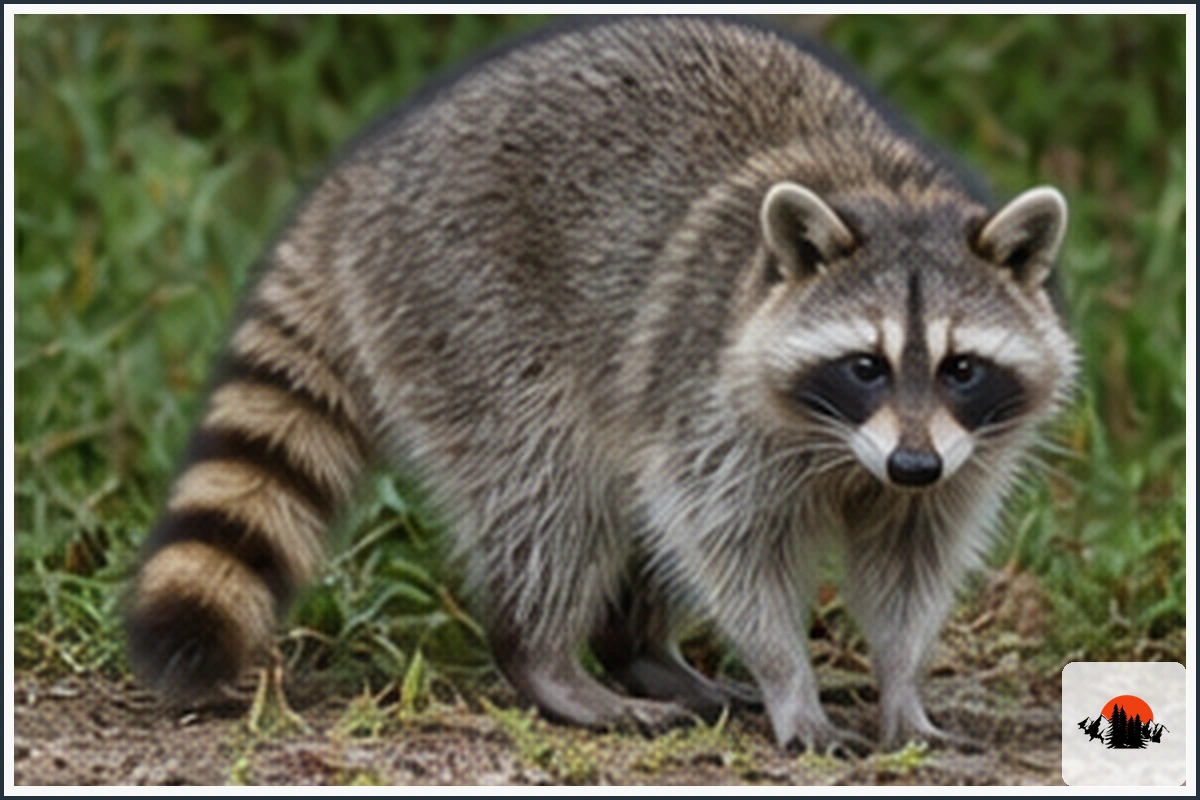
Scientific name: Procyon lotor. Raccoons are recognizable by their black facial mask, ringed tail, and dexterous front paws. They live in forests, wetlands, neighborhoods, and coastal areas.
Raccoons are opportunistic omnivores that eat fruits, insects, eggs, crustaceans, frogs, and human food waste. Their adaptability makes them common in developed areas, but feeding them creates safety and disease risks.
10. Nine-Banded Armadillo
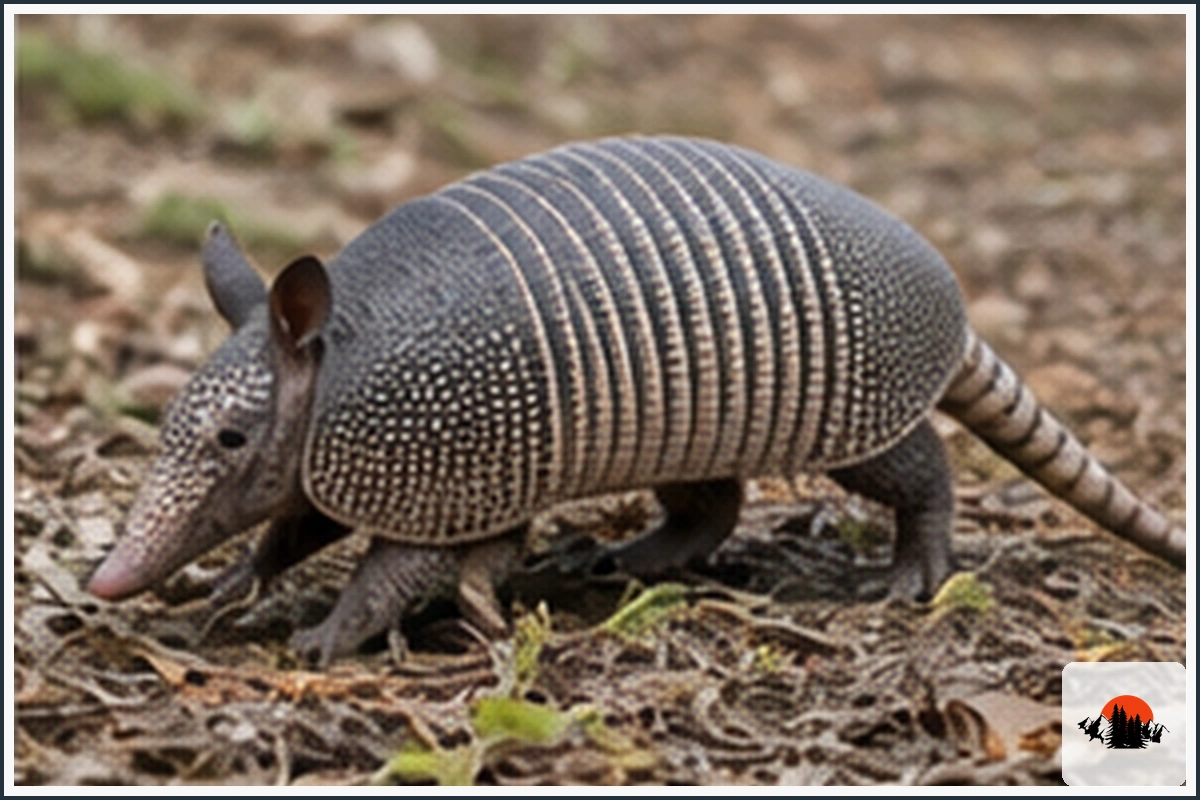
Scientific name: Dasypus novemcinctus. The nine-banded armadillo has a hard armored shell, pointed snout, and strong digging claws. It is common in much of Florida, especially in forests, yards, and roadside habitats.
It searches for beetles, grubs, ants, worms, and other invertebrates. Armadillos are mostly active at night and often leave small cone-shaped holes while foraging.
11. Roseate Spoonbill
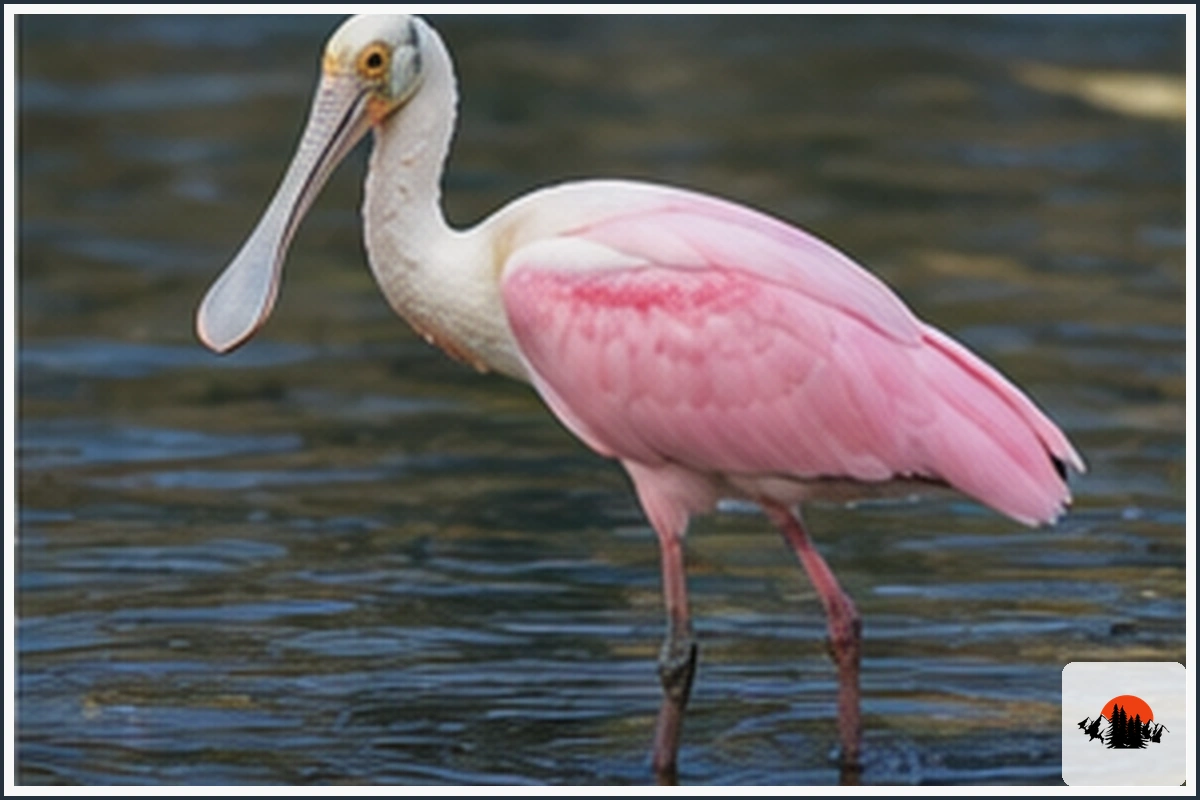
Scientific name: Platalea ajaja. Roseate spoonbills are large pink wading birds with white shoulders, redder wings, and a distinctive spoon-shaped bill. Young birds are paler than adults.
They sweep their bills through shallow water to find small fish, shrimp, crustaceans, and aquatic insects. They nest in colonies near mangroves, marshes, and coastal wetlands.
12. Great Blue Heron
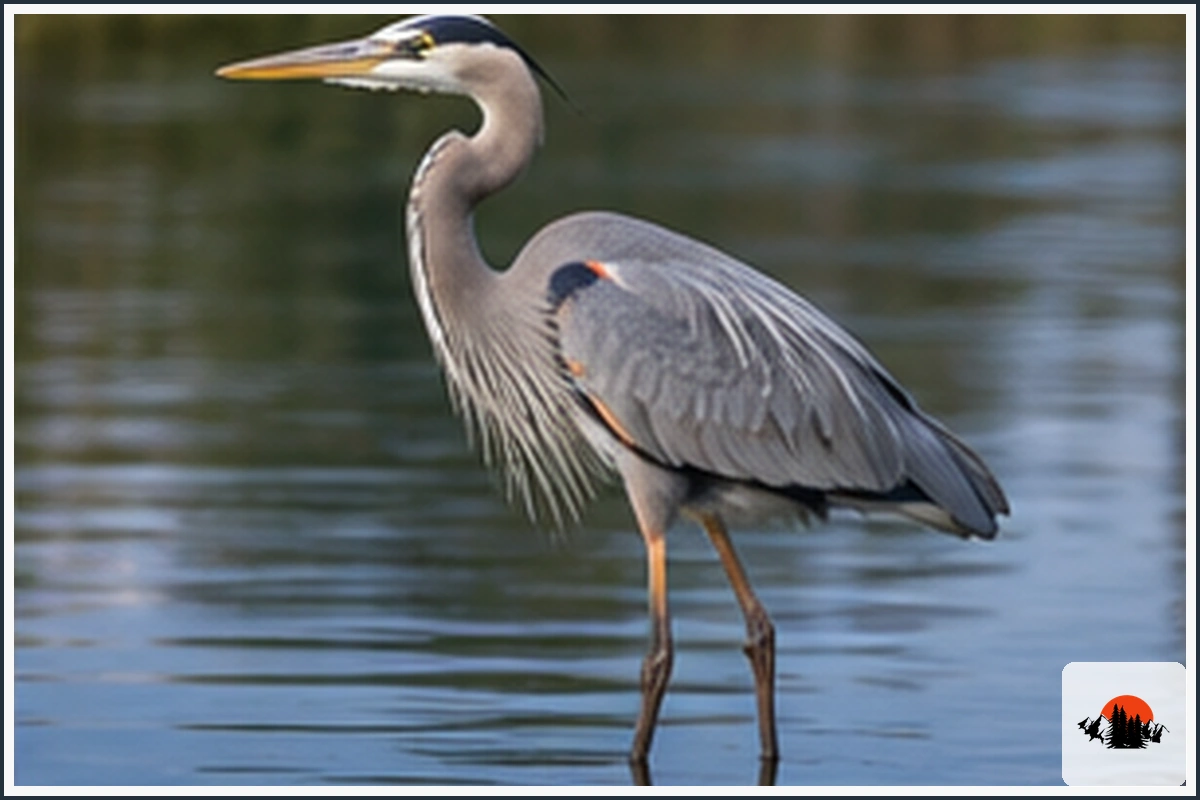
Scientific name: Ardea herodias. The great blue heron is a tall bird with blue-gray plumage, long legs, a dagger-like bill, and a slow wingbeat. It occurs around nearly every kind of Florida wetland.
Herons stand motionless before striking fish, frogs, snakes, and small mammals. They may nest in trees near lakes, rivers, ponds, and estuaries.
13. Great Egret
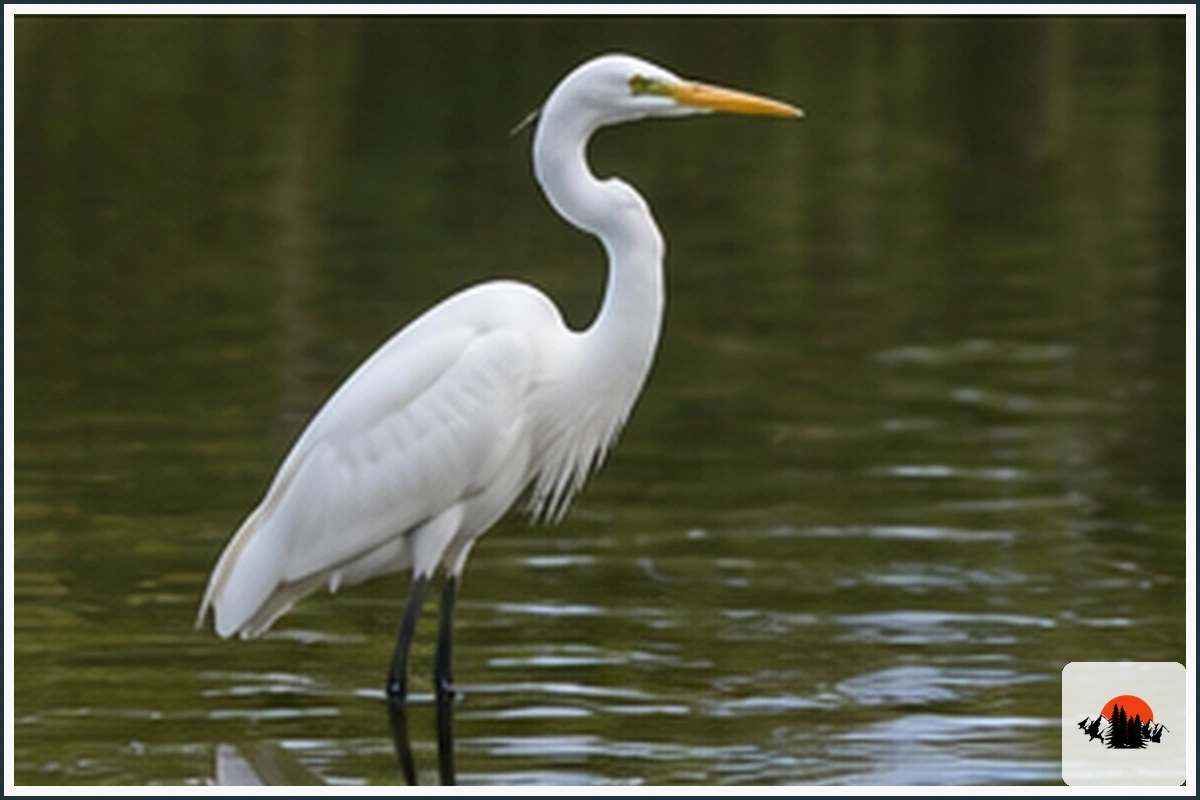
Scientific name: Ardea alba. Great egrets are elegant white wading birds with long black legs and yellow bills. During breeding season, they develop delicate plumes.
They hunt by walking slowly through shallow water or waiting for prey to approach. Fish, frogs, insects, and small reptiles make up much of their diet.
14. American Flamingo
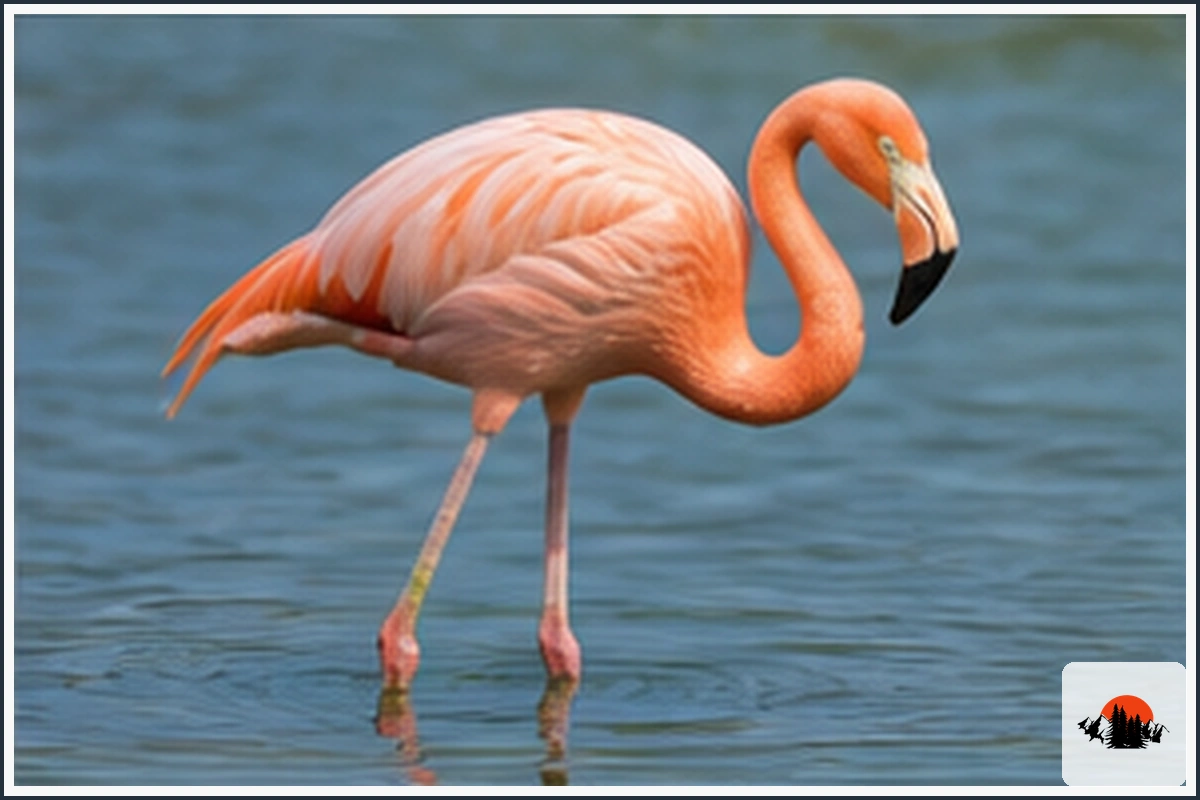
Scientific name: Phoenicopterus ruber. American flamingos have brilliant pink feathers, long legs, and strongly curved bills. They are associated with southern Florida and the Florida Keys, although sightings can be irregular.
Flamingos filter small aquatic organisms from shallow water. Their color comes partly from pigments in their diet, including algae and tiny crustaceans.
15. Brown Pelican
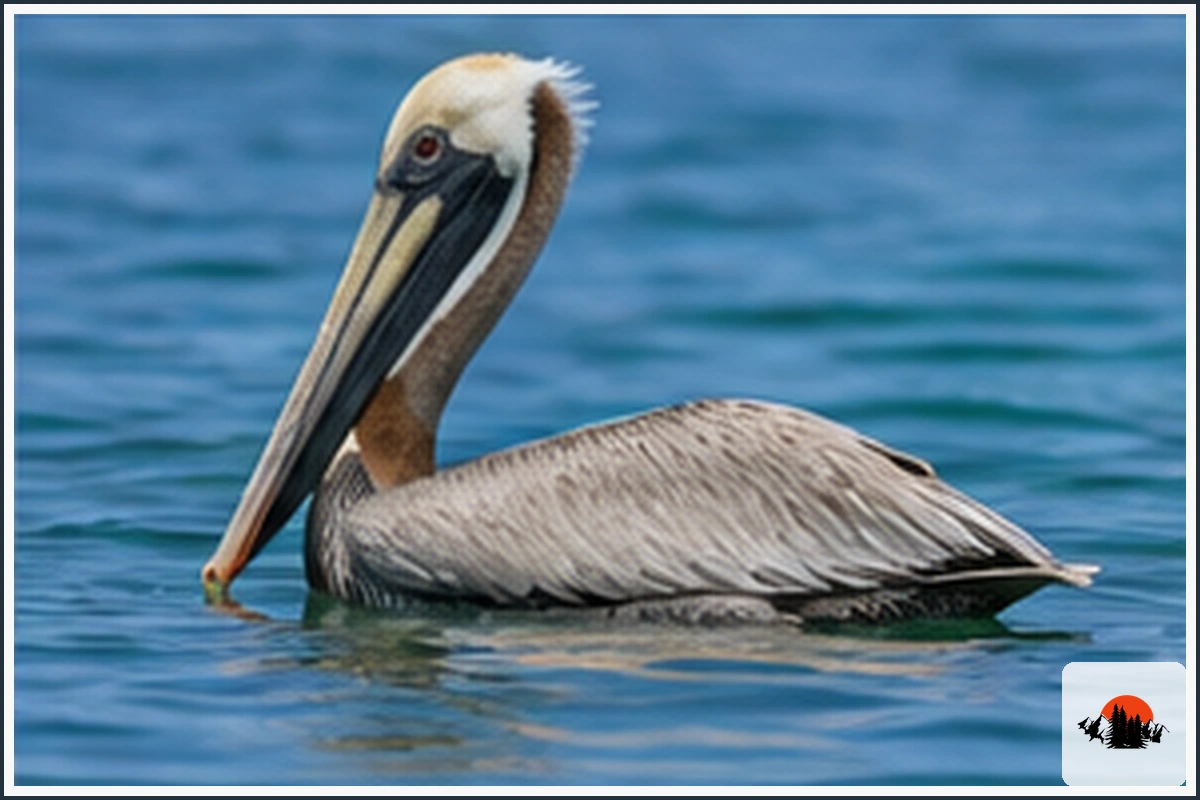
Scientific name: Pelecanus occidentalis. Brown pelicans are coastal birds with long bills and expandable throat pouches. Adults have gray-brown bodies and pale heads.
They often plunge into the water from the air to catch fish. Brown pelicans rest on docks, sandbars, mangrove islands, and coastal structures.
16. Bald Eagle
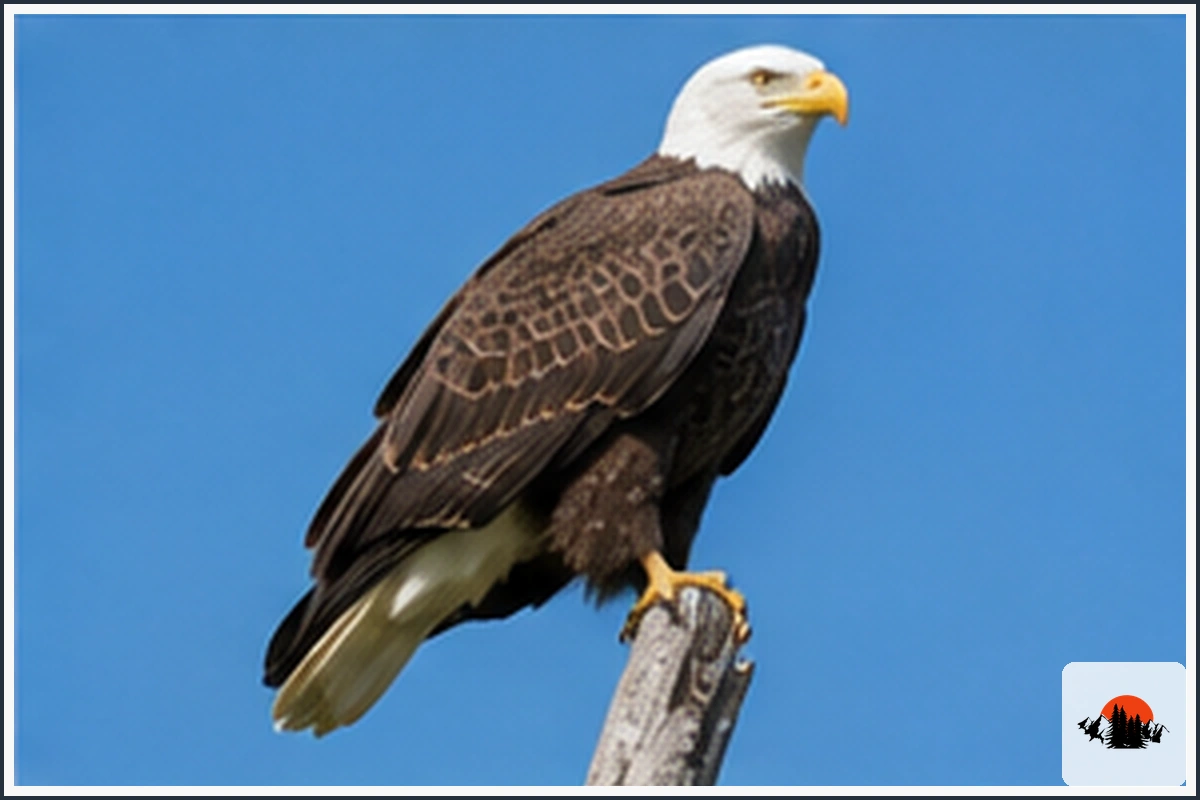
Scientific name: Haliaeetus leucocephalus. Bald eagles have dark brown bodies, white heads and tails, and yellow bills and feet. Florida supports many nesting pairs because of its abundant lakes, rivers, and coastal habitats.
They eat fish, waterbirds, carrion, and small mammals. Look for them near large bodies of water, especially where tall trees provide nesting and perching sites.
17. Florida Scrub-Jay
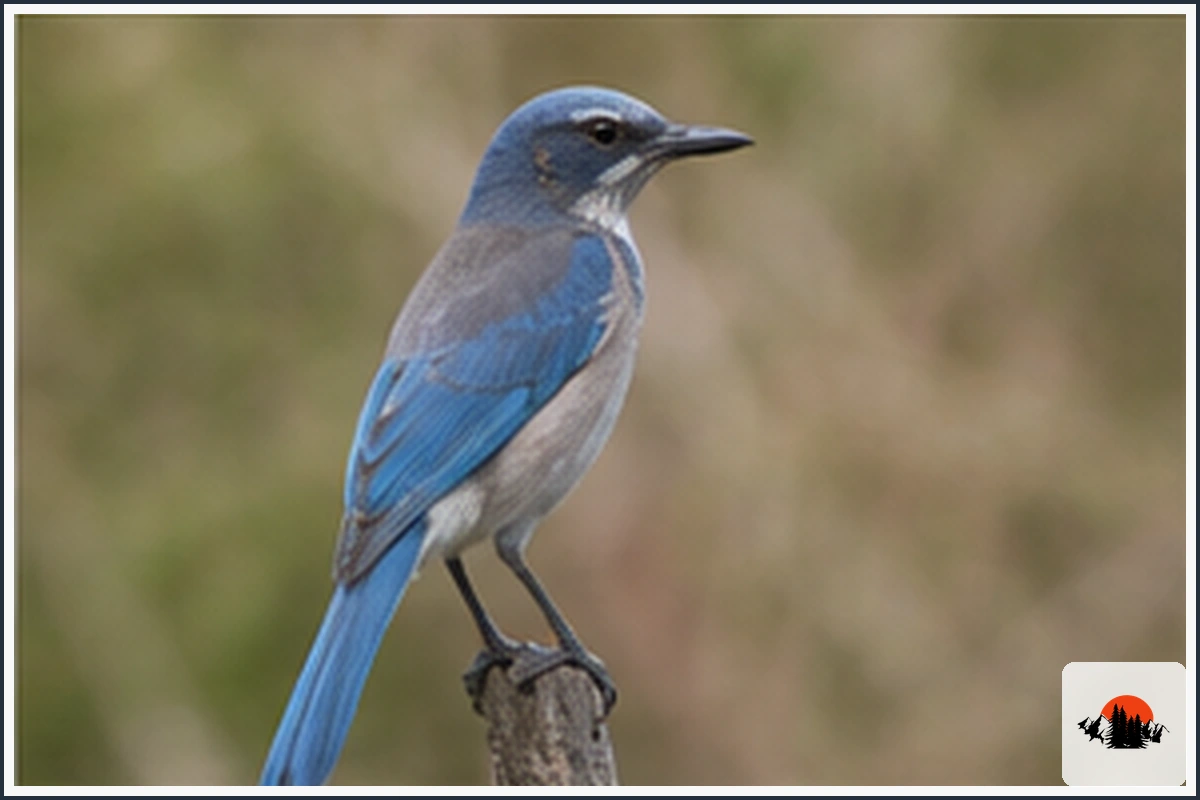
Scientific name: Aphelocoma coerulescens. The Florida scrub-jay is a blue-gray bird found in dry scrub habitat. It has a blue head, pale throat, and long tail.
It feeds heavily on acorns, insects, fruits, and small animals. Because it depends on rare scrub ecosystems, habitat loss has made it a conservation priority.
18. Anhinga
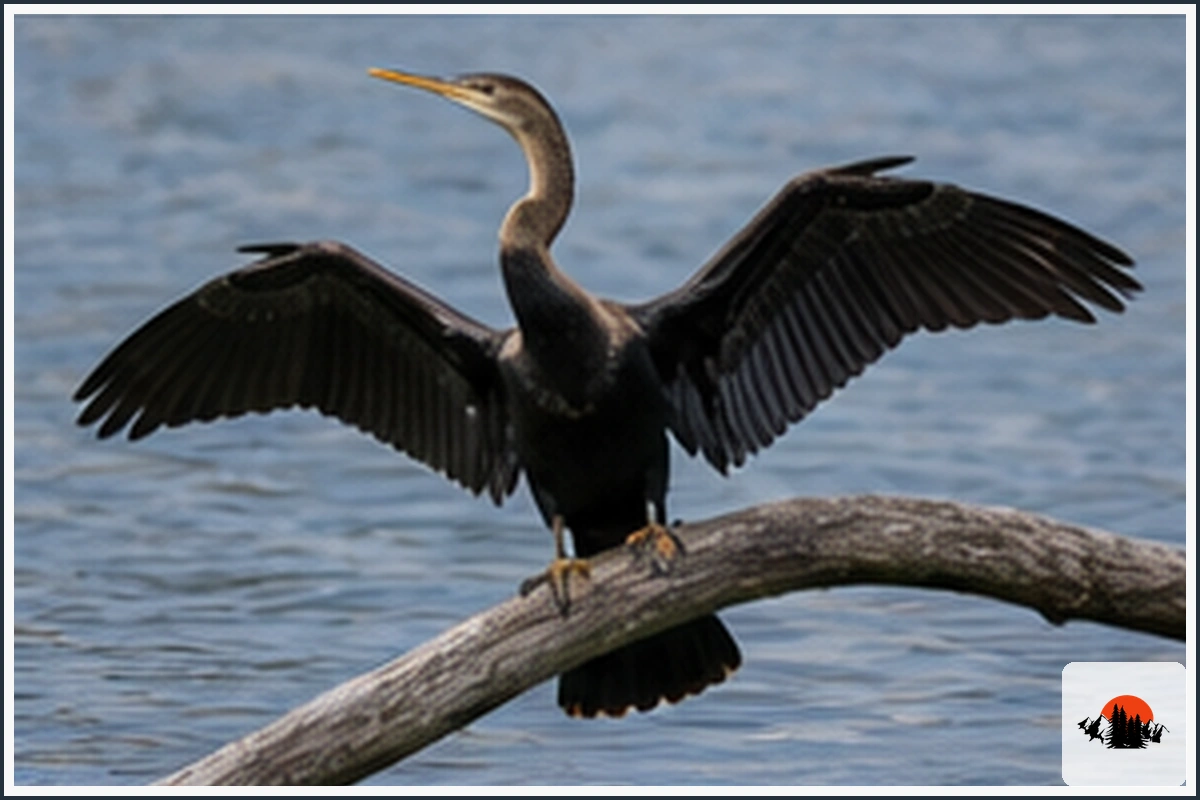
Scientific name: Anhinga anhinga. Anhingas have long necks, pointed bills, broad wings, and dark bodies. They are sometimes called snakebirds because their necks appear above the water while they swim.
Anhingas spear fish underwater and often spread their wings to dry in the sun. They are common around ponds, canals, swamps, and slow-moving rivers.
19. Wild Turkey
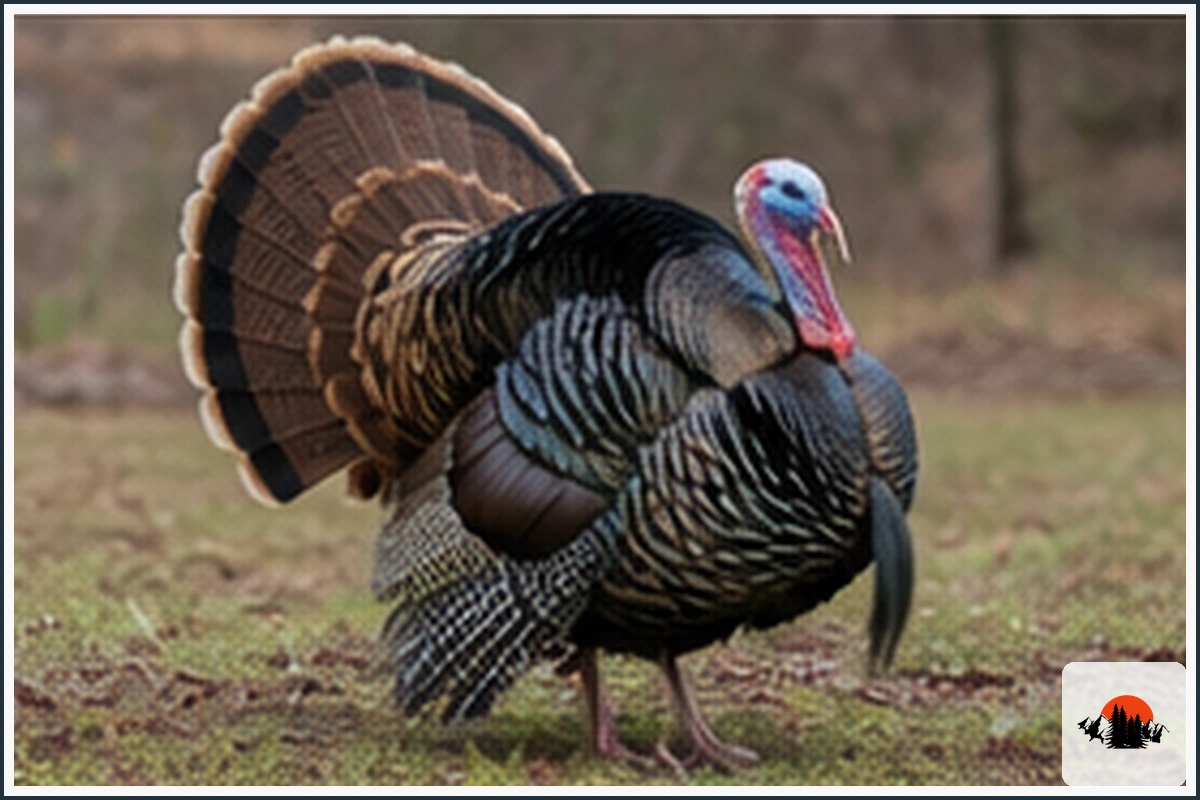
Scientific name: Meleagris gallopavo. Florida’s wild turkeys live in pine forests, hammocks, fields, and woodland edges. Males have iridescent feathers, a fan-shaped tail, and a bare, colorful head.
Turkeys eat seeds, nuts, berries, insects, and green plants. They usually travel on foot but can fly short distances when startled.
20. Eastern Indigo Snake
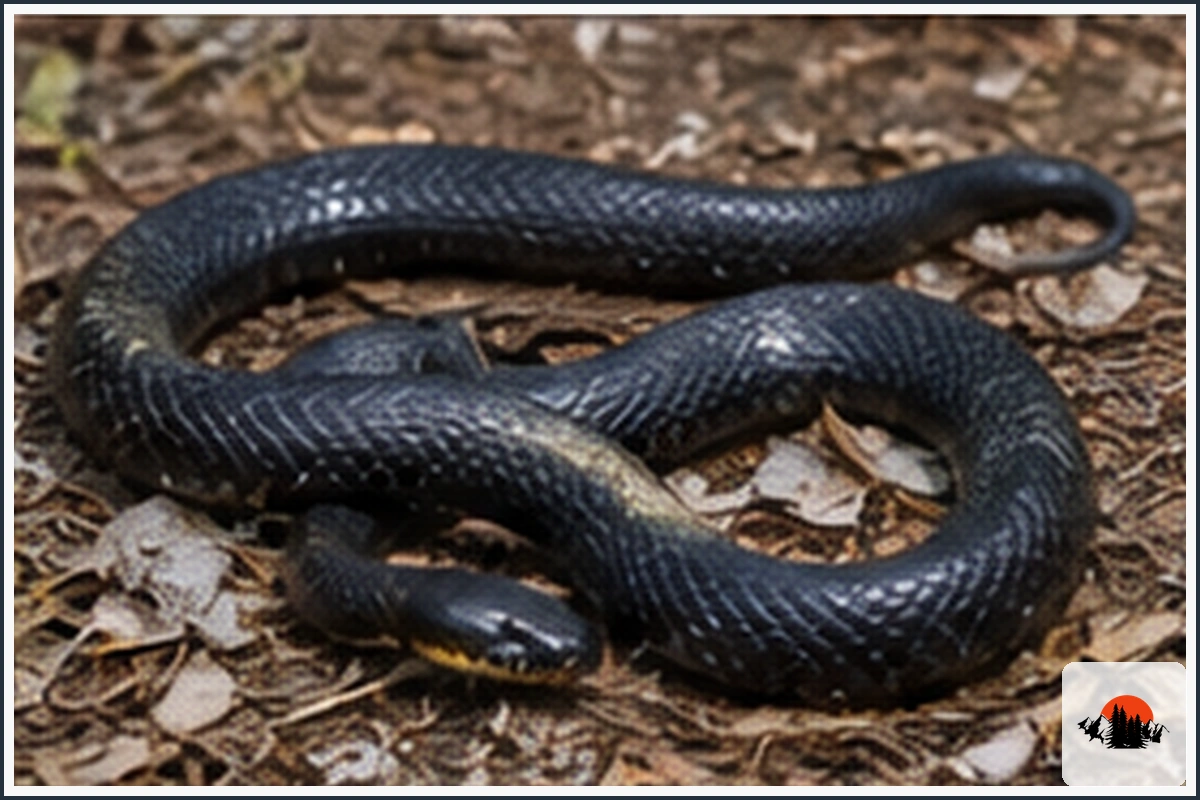
Scientific name: Drymarchon couperi. The eastern indigo snake is a large, nonvenomous snake with glossy blue-black scales and a reddish or orange throat in some individuals.
It uses pine forests, scrub, hammocks, and wetlands and may shelter in gopher tortoise burrows. Its diet includes snakes, frogs, lizards, turtles, birds, and small mammals. It is protected because of habitat loss and past collection.
21. Eastern Diamondback Rattlesnake
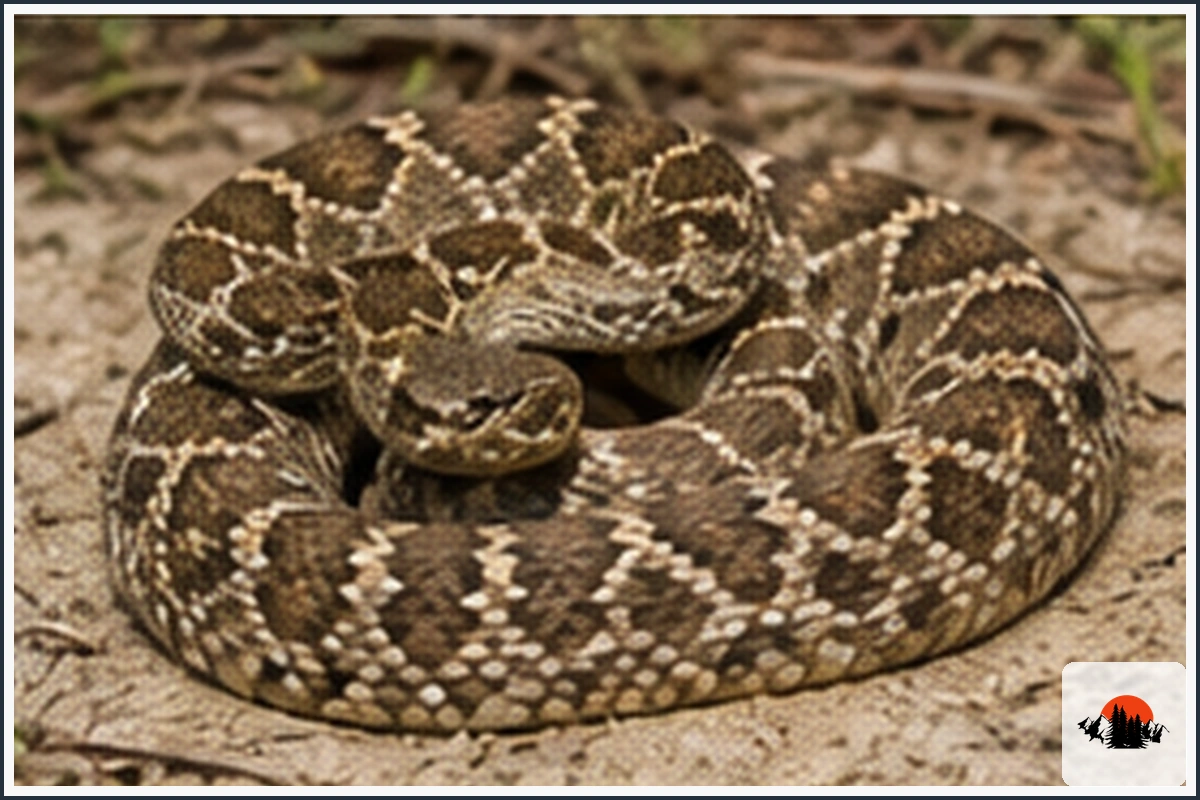
Scientific name: Crotalus adamanteus. This large venomous snake has dark diamond patterns, a strongly keeled body, and a rattle at the tail tip. It lives in pine flatwoods, coastal scrub, dry forests, and marsh edges.
Eastern diamondbacks eat rodents, rabbits, birds, and other small animals. Never handle or approach one; give it a wide path and contact local wildlife authorities if it poses a safety concern.
22. Green Anole
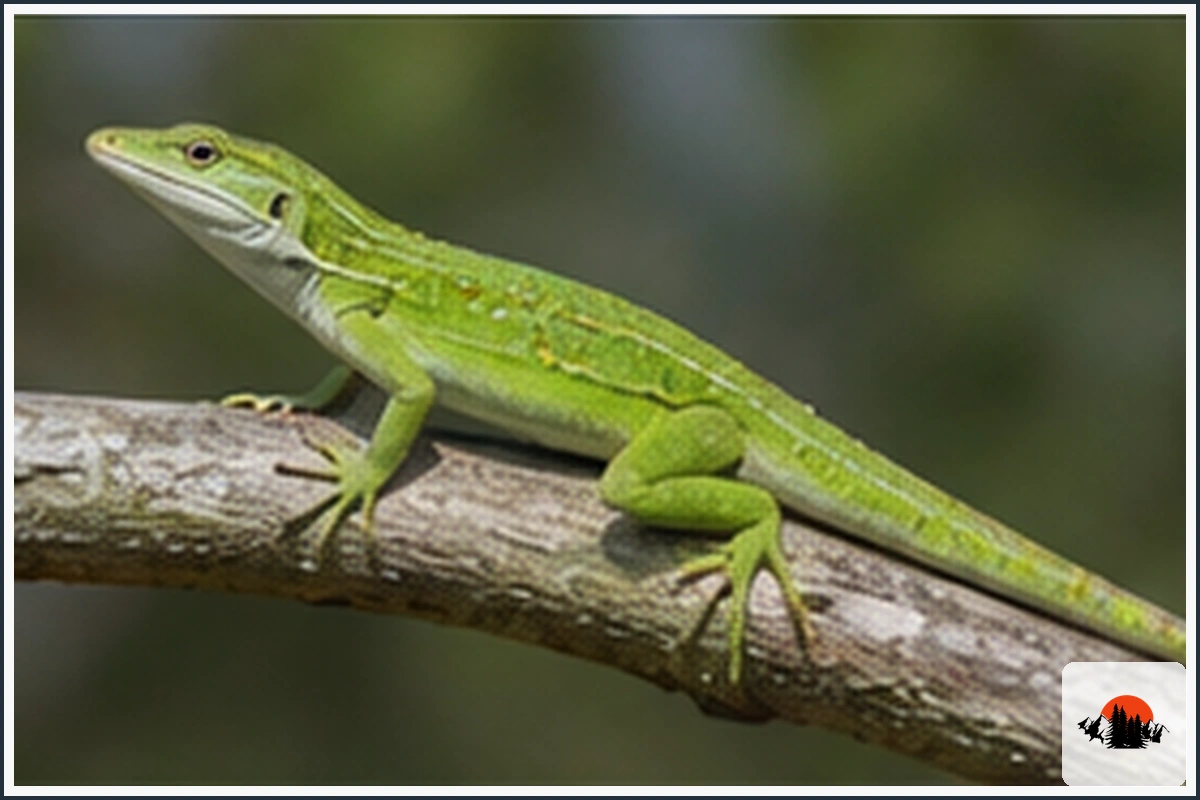
Scientific name: Anolis carolinensis. The green anole is a small lizard with a pointed snout, long tail, and colorful throat fan called a dewlap. Males often turn bright green or brown depending on conditions.
They eat insects and spiders and are common in gardens, trees, fences, and buildings. Green anoles are active climbers and use head movements and dewlaps for communication.
23. Gopher Tortoise
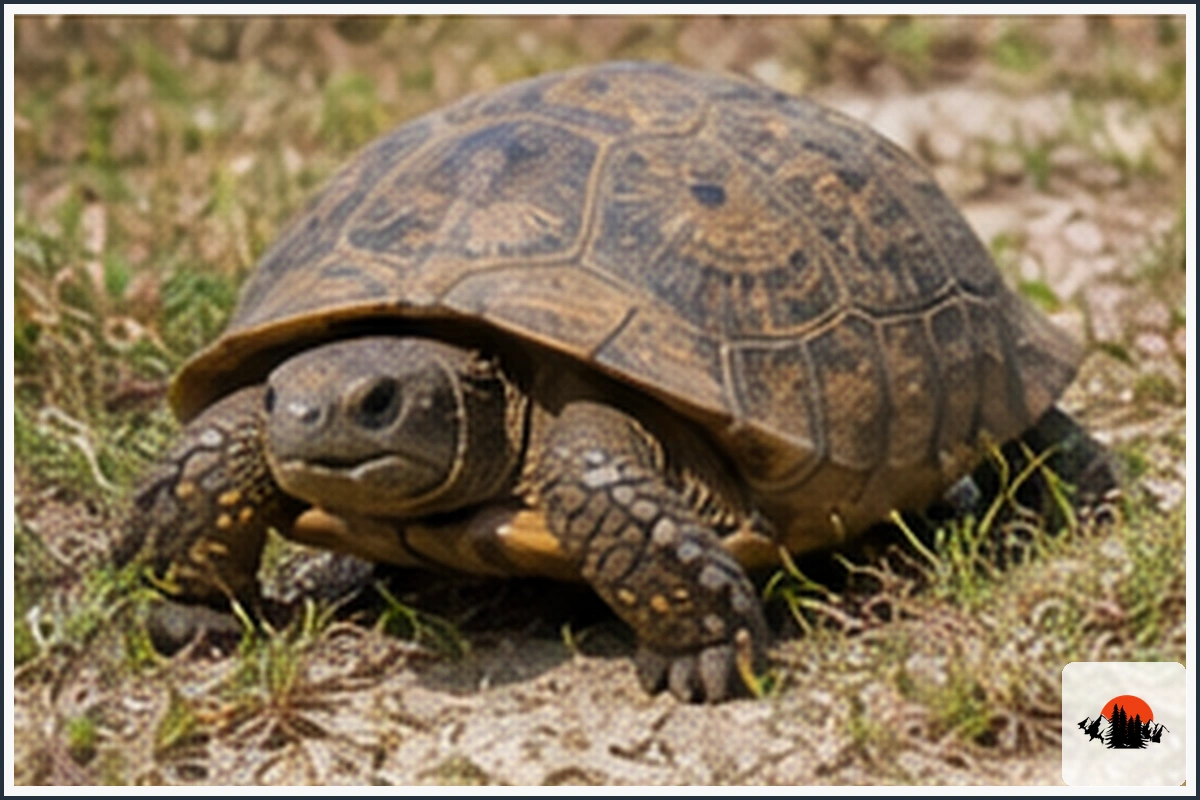
Scientific name: Gopherus polyphemus. Gopher tortoises have sturdy, elephant-like front legs and high-domed shells. They prefer dry sandy habitats such as pine flatwoods, scrub, and coastal dunes.
They mainly eat grasses, herbs, and other plants. Their deep burrows provide shelter for many other species, making them an important ecosystem engineer.
24. Green Sea Turtle
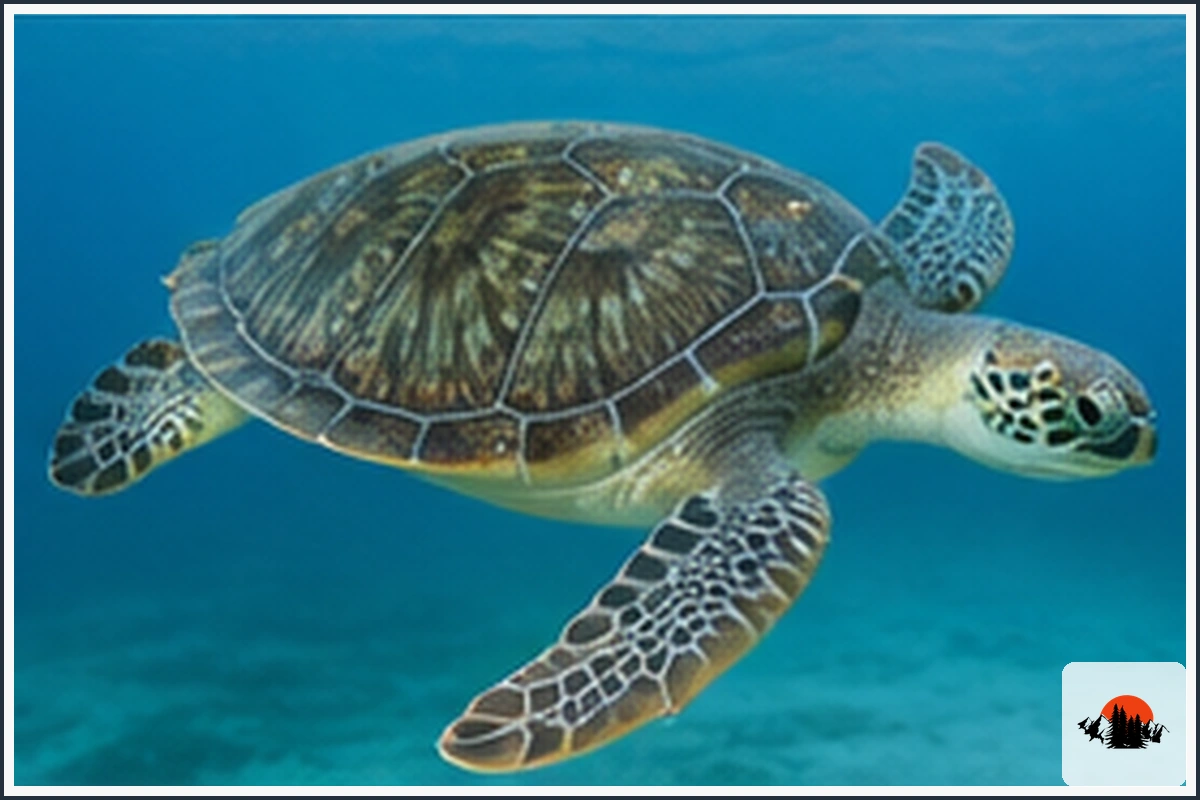
Scientific name: Chelonia mydas. Green sea turtles have smooth shells, powerful flippers, and streamlined bodies. They nest on Florida beaches and feed in shallow coastal waters.
Adults often graze on seagrass and algae, while younger turtles may eat more animal prey. Artificial lighting, fishing gear, plastic, and habitat disturbance can affect their survival.
25. Loggerhead Sea Turtle
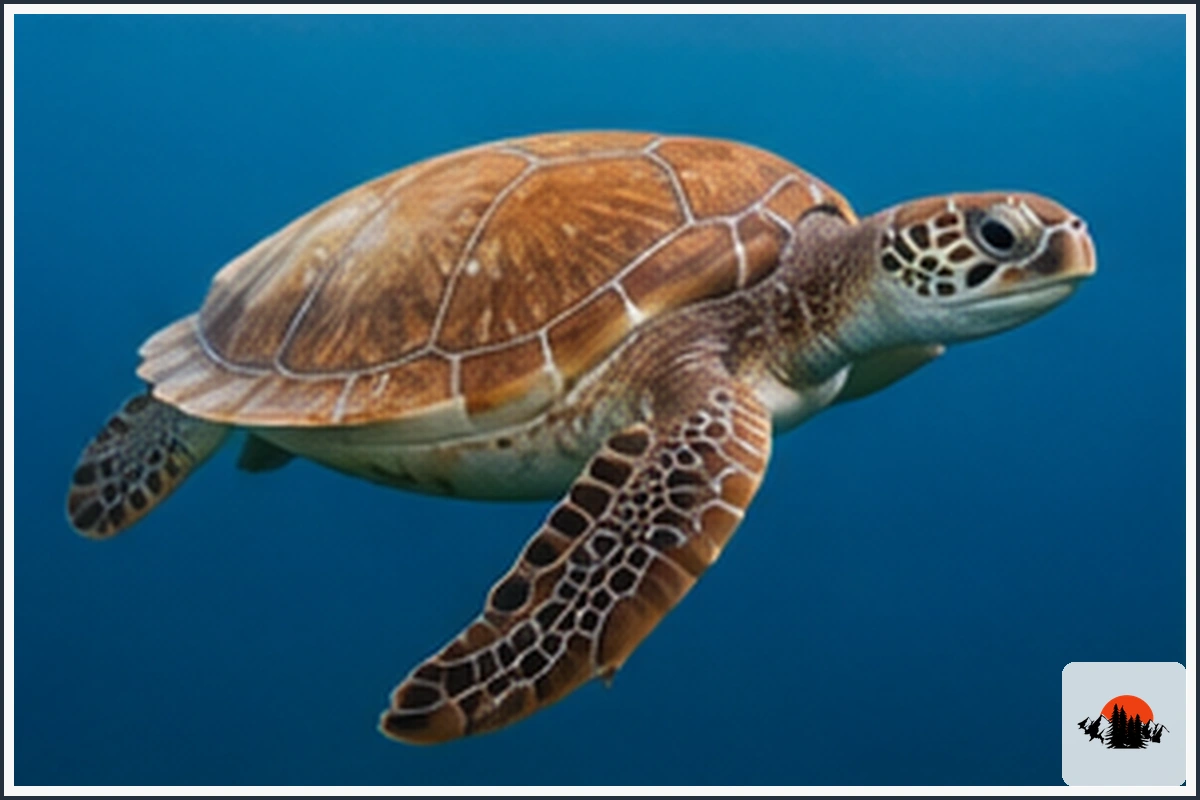
Scientific name: Caretta caretta. Loggerhead sea turtles have large heads, strong jaws, reddish-brown shells, and powerful flippers. Florida supports some of the most important loggerhead nesting beaches in the world.
They eat crabs, mollusks, jellyfish, and other marine animals. Nesting females should never be disturbed, and beachfront lights should be shielded during nesting season.
26. American Bullfrog
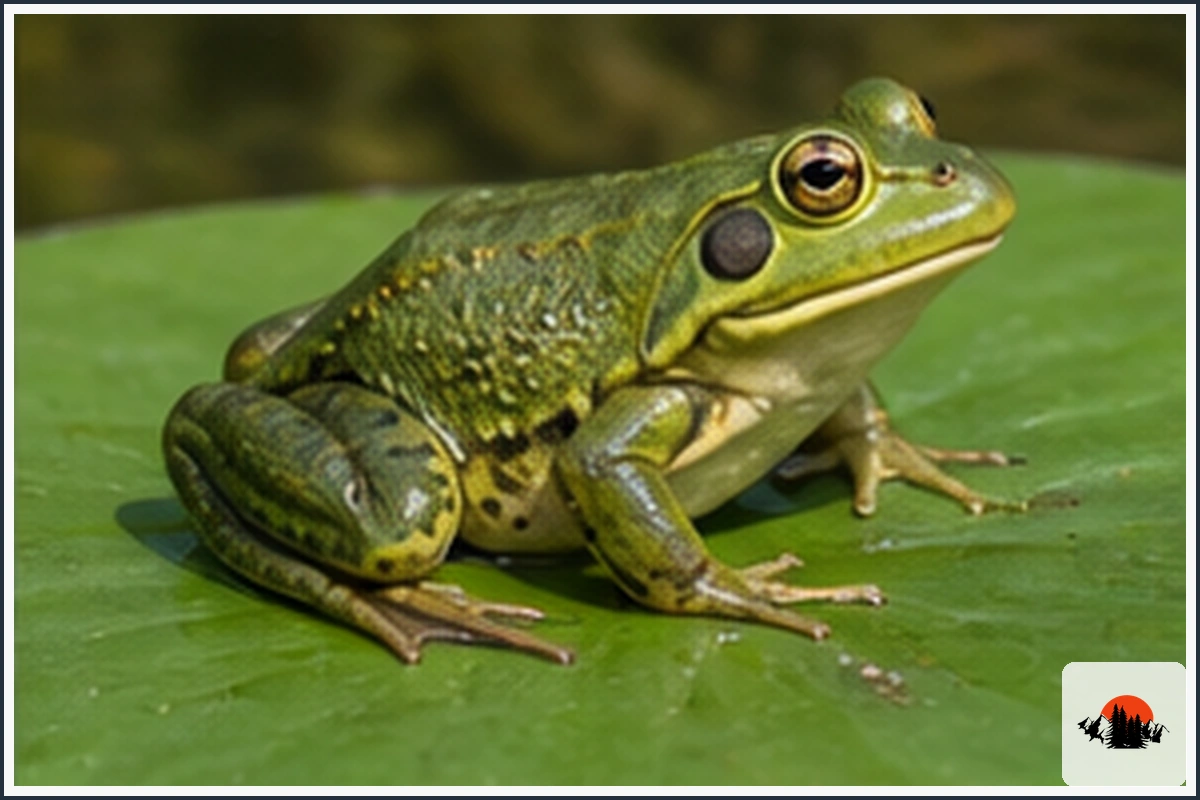
Scientific name: Lithobates catesbeianus. American bullfrogs are large frogs with broad heads, powerful hind legs, and deep calls. They live around ponds, lakes, canals, marshes, and slow-moving waterways.
They eat insects, crayfish, fish, frogs, snakes, birds, and small mammals. Bullfrogs are important predators but may affect native wildlife where introduced or unnaturally abundant.
27. Common Snapping Turtle
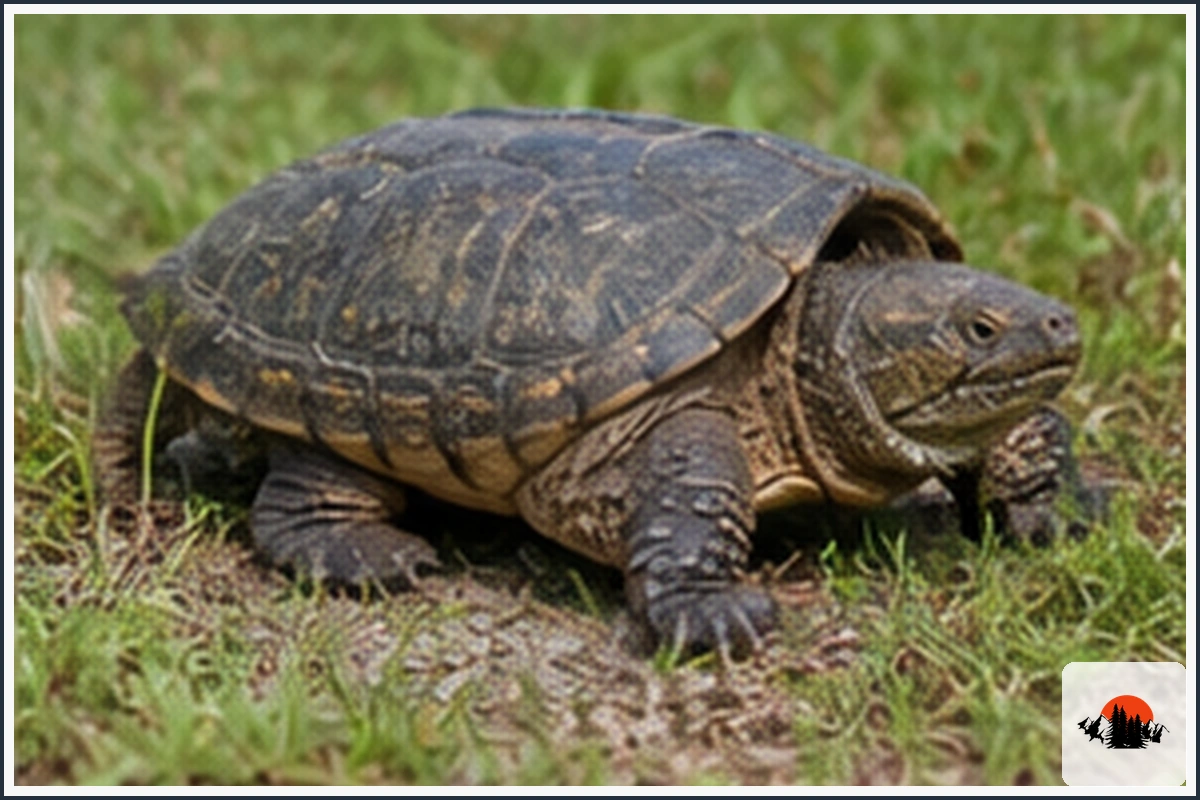
Scientific name: Chelydra serpentina. Common snapping turtles have rough shells, long tails, powerful jaws, and a defensive temperament on land. They live in ponds, lakes, canals, marshes, and slow rivers.
They eat fish, amphibians, aquatic plants, carrion, and other animals. Never pick one up by the tail; use caution and allow it to cross roads safely when possible.
28. Tarpon
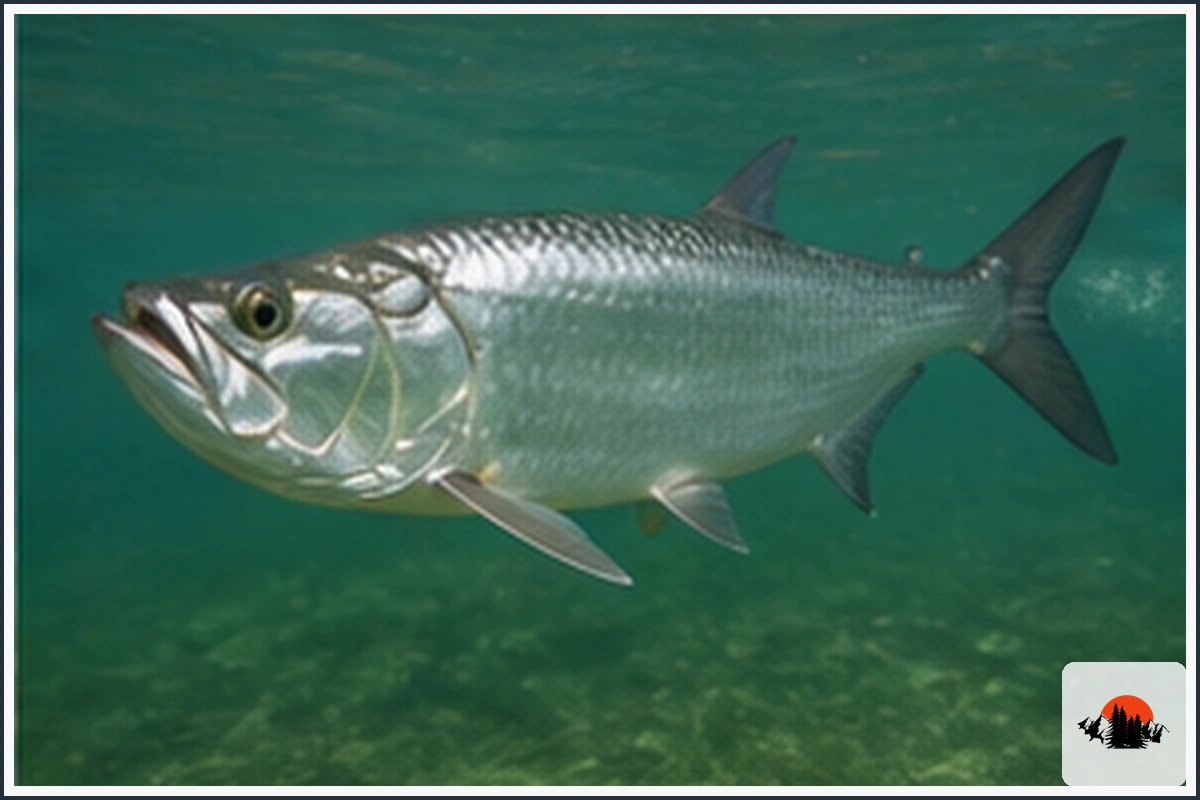
Scientific name: Megalops atlanticus. Tarpon are large silver fish with oversized scales, upturned mouths, and long dorsal filaments. They inhabit Florida’s coastal waters, bays, passes, rivers, and mangrove channels.
Tarpon eat fish, shrimp, and crabs. They are famous sport fish because of their spectacular leaps, but anglers should follow current regulations and handle them carefully.
29. Largemouth Bass
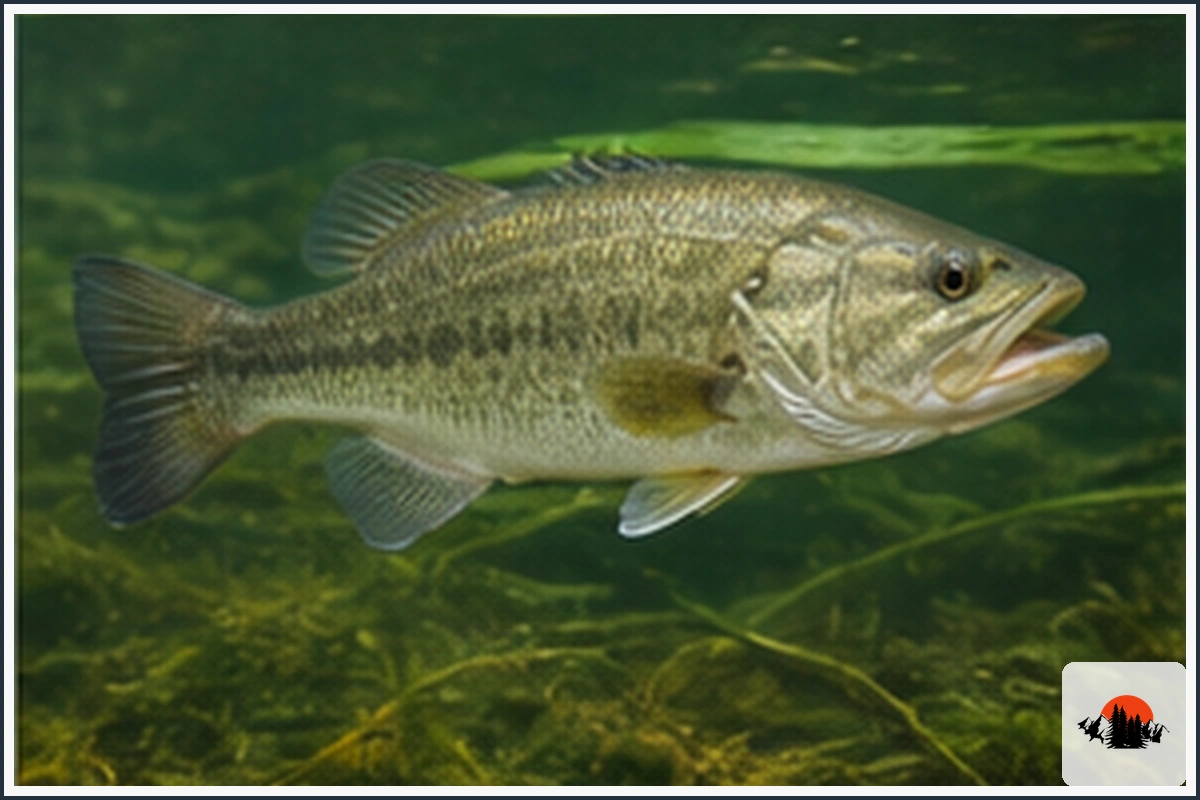
Scientific name: Micropterus salmoides. Largemouth bass are freshwater fish with a large mouth extending behind the eye and a dark lateral stripe. They are common in Florida lakes, ponds, rivers, and canals.
They ambush fish, frogs, crayfish, and insects near vegetation, logs, and drop-offs. Largemouth bass are among Florida’s most popular freshwater sport fish.
30. Lionfish
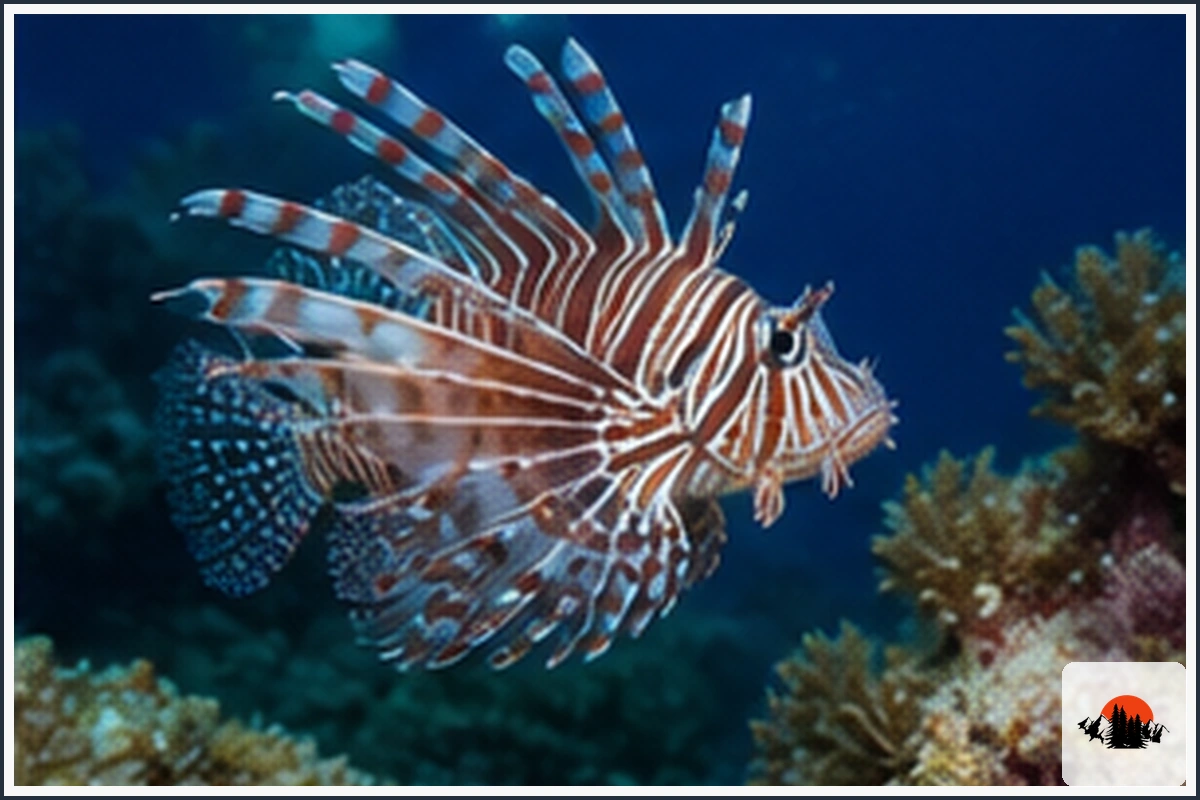
Scientific name: Pterois volitans and Pterois miles. Lionfish are striking marine fish with fan-like fins, red-and-white bands, and venomous spines. They are nonnative invasive predators in Florida’s Atlantic waters, reefs, wrecks, and coastal habitats.
They consume many smaller reef fish and crustaceans. Their venomous spines require careful handling, and removal efforts should follow local guidance.
How Are These Animals Classified?
Florida’s wildlife can be grouped into several major animal categories:
- Mammals: Panther, manatee, dolphin, bear, deer, otter, raccoon, and armadillo.
- Birds: Spoonbills, herons, egrets, pelicans, eagles, scrub-jays, anhingas, and turkeys.
- Reptiles: Alligators, crocodiles, snakes, turtles, tortoises, and lizards.
- Amphibians: Frogs and salamanders that depend on moist habitats for at least part of their lives.
- Fish: Freshwater, estuarine, and marine species such as bass, tarpon, and lionfish.
Where Do These Animals Live?
Florida’s animals occupy a wide range of habitats, including the Everglades, cypress swamps, pine flatwoods, scrub, hardwood hammocks, freshwater springs, rivers, lakes, beaches, mangrove forests, seagrass beds, coral reefs, and offshore waters. Wetlands support wading birds, alligators, turtles, frogs, and fish, while forests provide cover for panthers, bears, deer, turkeys, and snakes.
What Do Florida Animals Eat?
- Herbivores: Manatees, deer, gopher tortoises, and some sea turtles eat plants, grasses, algae, or seagrass.
- Carnivores: Panthers, crocodiles, alligators, dolphins, and many snakes hunt other animals.
- Omnivores: Bears, raccoons, armadillos, turkeys, and snapping turtles eat both plant and animal foods.
- Fish-eaters: Herons, egrets, pelicans, bald eagles, otters, tarpon, and bass commonly feed on fish or aquatic prey.
How to Identify Different Animals in Florida
- Start with habitat: Note whether the animal is in a forest, wetland, beach, reef, lake, or neighborhood.
- Check body shape: Look for wings, shells, fins, long legs, armor, or a distinctive tail.
- Observe color and markings: Diamond patterns, facial masks, pink feathers, white tails, and dark shells can be helpful.
- Estimate size safely: Compare the animal with nearby plants, trees, or familiar objects without approaching it.
- Listen for behavior: Calls, splashes, rattles, wingbeats, and feeding habits often provide clues.
- Consider season: Nesting, migration, breeding colors, and seasonal movement can change what you see.
Outdoor Tips for Finding and Observing Florida Wildlife
- Use binoculars and a telephoto lens instead of approaching animals.
- Stay on marked trails and keep a safe distance from alligators, crocodiles, bears, snakes, and nesting birds.
- Visit wetlands early in the morning when many animals are most active.
- Wear sun protection, insect repellent, and sturdy footwear.
- Never feed wildlife, even if an animal appears calm.
- Carry water and check weather conditions before entering remote areas.
Safety, Sustainability, and Conservation Notes
Florida wildlife should be viewed without feeding, touching, chasing, or blocking its movement. Keep dogs leashed near wildlife areas, secure food and garbage from bears and raccoons, and give venomous snakes and large reptiles plenty of space. Boaters should slow down in manatee areas and watch for animals near the surface.
Anglers should follow current size, bag, season, and licensing rules. Release protected species carefully, remove fishing line from shorelines, and never release aquarium animals or nonnative fish into Florida waters. Protecting wetlands, beaches, seagrass, forests, and scrub helps preserve the state’s biodiversity.
Fun Facts About Animals in Florida
- Florida manatees can use warm-water refuges during cold weather.
- Roseate spoonbills get much of their pink color from their diet.
- Gopher tortoise burrows can shelter many other animals.
- Anhingas swim underwater with only their long necks showing.
- Florida panthers are adapted to forests, wetlands, and open habitats.
- Alligators help create and maintain small wetland pools.
- Tarpon can gulp air at the surface to help survive in low-oxygen water.
- Florida scrub-jays depend on open scrub maintained by natural disturbance.
- Brown pelicans can plunge into water from considerable heights.
- Lionfish are beautiful but invasive and have venomous spines.
Final Thoughts on Types of Animals in Florida
The types of animals in Florida reflect the state’s remarkable variety of habitats, from freshwater marshes and pine forests to beaches, mangroves, and coral reefs. Learning to recognize these species makes outdoor adventures more rewarding and encourages safer, more responsible wildlife observation. Give animals space, protect their habitats, and follow local regulations whenever you fish, hike, boat, or explore.
Frequently Asked Questions
1. What are the most famous animals in Florida?
Some of Florida’s most famous animals are the American alligator, Florida panther, West Indian manatee, bottlenose dolphin, roseate spoonbill, brown pelican, and white-tailed deer.
2. What is Florida’s state animal?
The Florida panther is Florida’s official state animal.
3. Are alligators found throughout Florida?
Alligators occur in suitable freshwater and brackish habitats throughout much of Florida, including lakes, marshes, rivers, canals, and ponds.
4. What is the difference between an alligator and a crocodile?
Alligators usually have broader, rounded snouts and darker bodies, while American crocodiles have longer, narrower snouts and are more closely associated with southern coastal habitats.
5. Where can I see manatees in Florida?
Manatees can be seen in coastal waters, rivers, springs, estuaries, and warm-water refuges. Popular viewing locations include springs and designated wildlife areas.
6. Are Florida panthers dangerous?
Florida panthers generally avoid people. Sightings are rare, but hikers should never approach, follow, or corner one.
7. What animals live in the Florida Everglades?
The Everglades supports alligators, crocodiles, manatees, turtles, wading birds, otters, deer, fish, snakes, and many smaller animals.
8. What are Florida’s most common backyard animals?
Common backyard wildlife includes squirrels, raccoons, opossums, lizards, frogs, songbirds, armadillos, and sometimes white-tailed deer.
9. Are there bears in Florida?
Yes. Florida black bears live in forested and wetland areas across several parts of the state.
10. What should I do if I see a bear?
Stay calm, keep your distance, bring children and pets indoors if possible, and never feed or approach the bear.
11. What are Florida’s largest land animals?
Florida black bears, white-tailed deer, Florida panthers, and wild hogs are among the state’s largest land mammals.
12. What are Florida’s largest reptiles?
American alligators and American crocodiles are among Florida’s largest reptiles. Large snakes and sea turtles are also impressive reptiles found in the state.
13. Are Florida snakes dangerous?
Most Florida snakes are harmless, but several species are venomous. Never handle an unidentified snake, and give it space.
14. What is Florida’s largest venomous snake?
The eastern diamondback rattlesnake is generally considered Florida’s largest venomous snake.
15. Are gopher tortoises protected?
Yes. Gopher tortoises are protected, and disturbing, collecting, or relocating them without authorization may be illegal.
16. What birds are commonly seen in Florida wetlands?
Great blue herons, great egrets, anhingas, wood storks, roseate spoonbills, ibises, and brown pelicans are common wetland birds.
17. Why are roseate spoonbills pink?
Their pink coloration comes largely from pigments in foods such as small crustaceans and other aquatic organisms.
18. Are flamingos native to Florida?
American flamingos are naturally associated with the Caribbean and nearby regions, and southern Florida is part of their broader historical range. Sightings should be verified carefully because escaped captive birds can resemble wild individuals.
19. What fish are popular with Florida anglers?
Popular targets include largemouth bass, tarpon, snook, redfish, sea trout, grouper, snapper, and many other freshwater and saltwater species.
20. Is tarpon good to eat?
Tarpon are bony fish and are usually valued more as sport fish than table fish. Anglers should follow current regulations and release them responsibly where required.
21. Are lionfish native to Florida?
No. Lionfish are nonnative invasive fish in Florida waters, where they can affect native reef communities.
22. Can lionfish hurt people?
Yes. Their dorsal, anal, and pelvic spines contain venom. Never handle a lionfish without proper training and equipment.
23. What is the best season for Florida wildlife viewing?
Wildlife can be viewed year-round. Cooler months are often comfortable for hiking, while spring and summer bring nesting activity and abundant young animals.
24. Where can beginners safely observe Florida wildlife?
State parks, national wildlife refuges, boardwalks, springs, botanical gardens, and guided wildlife tours are good choices because they provide maintained access and visitor information.
25. Should I feed Florida wildlife?
No. Feeding wildlife can make animals dependent on people, increase aggression, spread disease, and create dangerous encounters.
26. What should I do if I find an injured wild animal?
Do not handle it unless instructed by a professional. Contact a licensed wildlife rehabilitator or the appropriate local wildlife agency.
27. How can boaters protect manatees and dolphins?
Slow down in posted zones, obey no-wake rules, watch carefully for animals, and never chase or feed marine wildlife.
28. What habitats are most important for Florida animals?
Wetlands, mangroves, seagrass beds, pine forests, scrub, freshwater springs, beaches, and coral reefs all provide essential food, shelter, or breeding areas.
29. Can I keep native Florida wildlife as a pet?
Generally, native wildlife should remain in the wild. Possession of many species is regulated or prohibited, and wild animals have specialized care needs.
30. Why is Florida so rich in animal diversity?
Florida has a warm climate, long coastline, wetlands, rivers, forests, islands, reefs, and a position between temperate and tropical regions. These conditions support many different animal communities.