

California is one of the most biologically diverse states in the United States. Its Pacific coastline, redwood forests, Sierra Nevada mountains, Central Valley, deserts, chaparral, wetlands, and urban parks support an impressive range of wildlife. This guide to the types of animals in California highlights 40 recognizable mammals, birds, reptiles, amphibians, fish, and marine animals found across the state.
Use this list to learn how to identify California wildlife, where different species live, what they eat, and how to observe them responsibly. Some animals are widespread, while others are rare, threatened, invasive, or restricted to specialized habitats.
What Are the Main Types of Animals in California?
The main types of animals in California include mammals such as black bears, mountain lions, coyotes, bobcats, and mule deer; birds such as the California condor and golden eagle; reptiles such as western rattlesnakes and desert tortoises; amphibians such as California newts; freshwater fish such as golden trout; and marine animals such as sea otters, gray whales, and harbor seals.
1. California Black Bear
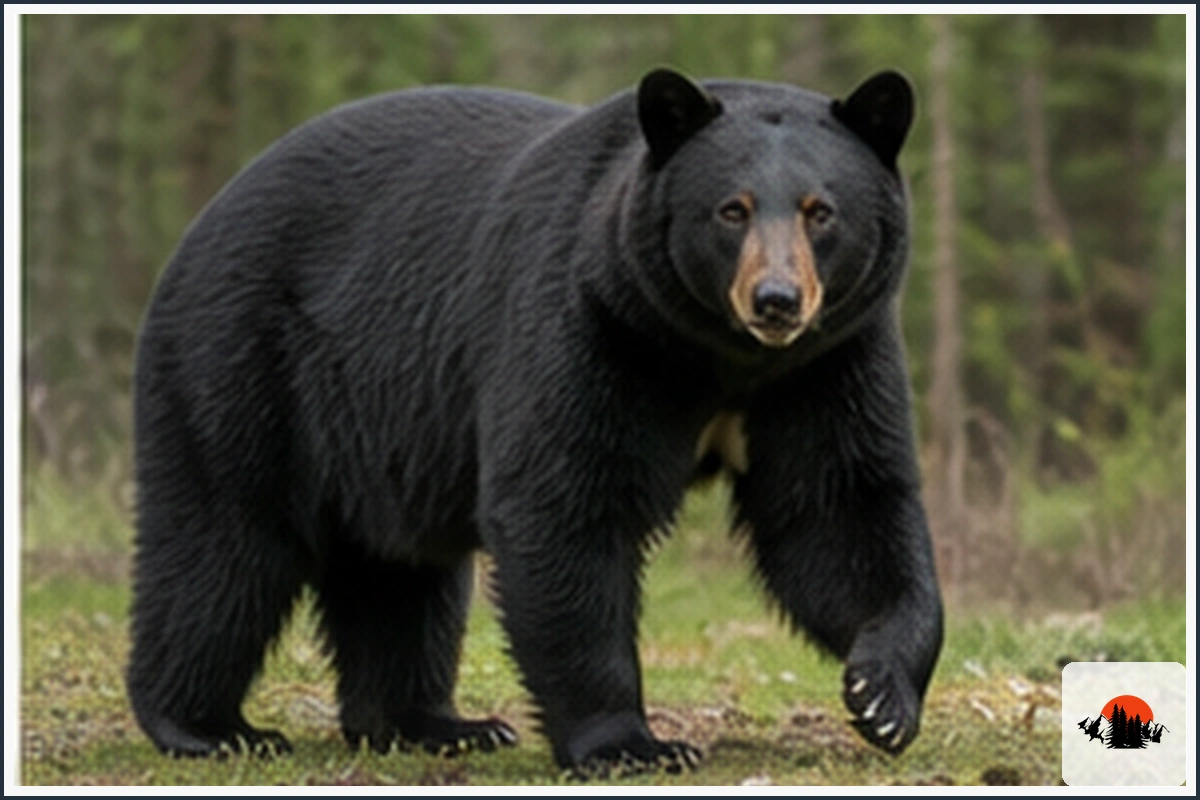
Scientific name: Ursus americanus. California black bears are the state’s largest land mammals still living in the wild. Despite their name, their coats may be black, brown, cinnamon, or blond. They inhabit forested mountains, oak woodlands, and remote foothills, especially in the Sierra Nevada and northern California.
These omnivores eat berries, acorns, grasses, insects, carrion, and occasionally small animals. Bears are excellent climbers and swimmers, but adults usually avoid people. Never feed a bear; secure food, garbage, and pet food when camping.
2. Mountain Lion
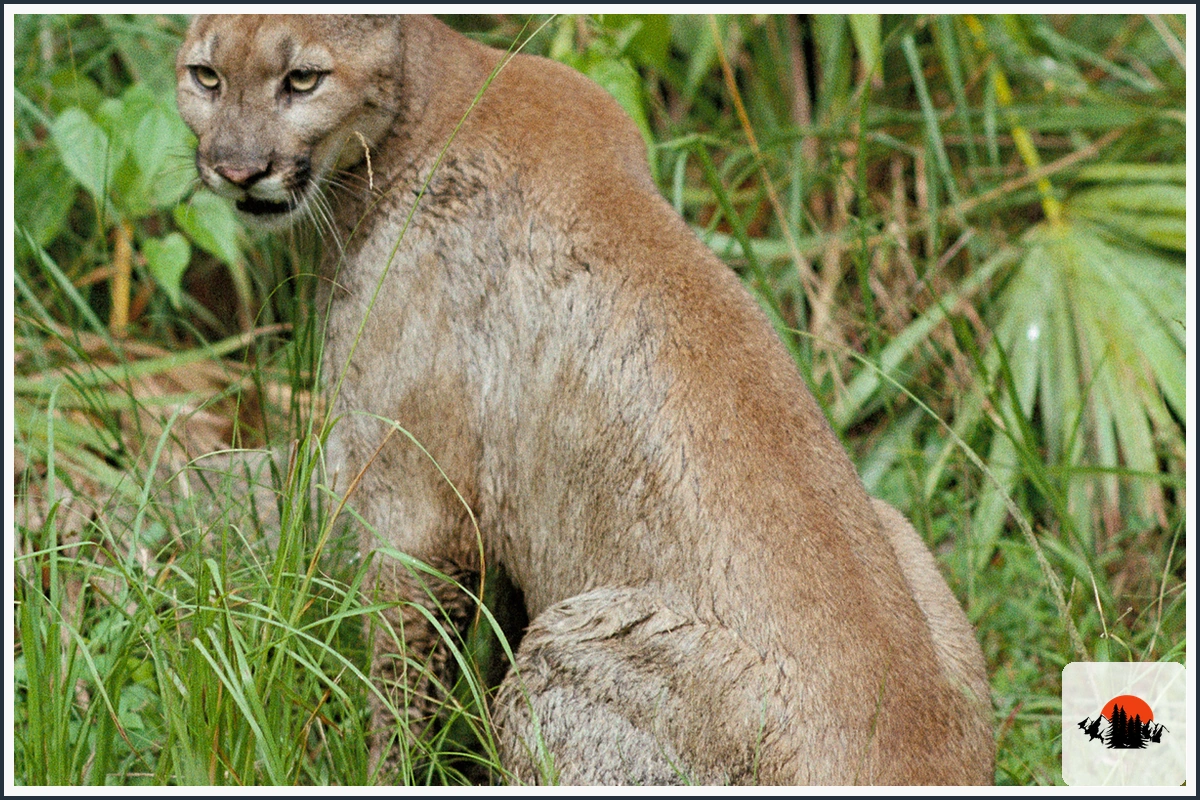
Scientific name: Puma concolor. Also called cougars or pumas, mountain lions are powerful, tawny cats with long tails and rounded ears. They occur across much of California wherever deer and thick cover are available, including mountain ranges, foothills, deserts, and some suburban edges.
Mountain lions mainly hunt mule deer, but they may also take smaller mammals. They are solitary and most active around dawn, dusk, and nighttime. If you encounter one, do not run. Face the animal, appear large, keep children close, and move away slowly.
3. Coyote
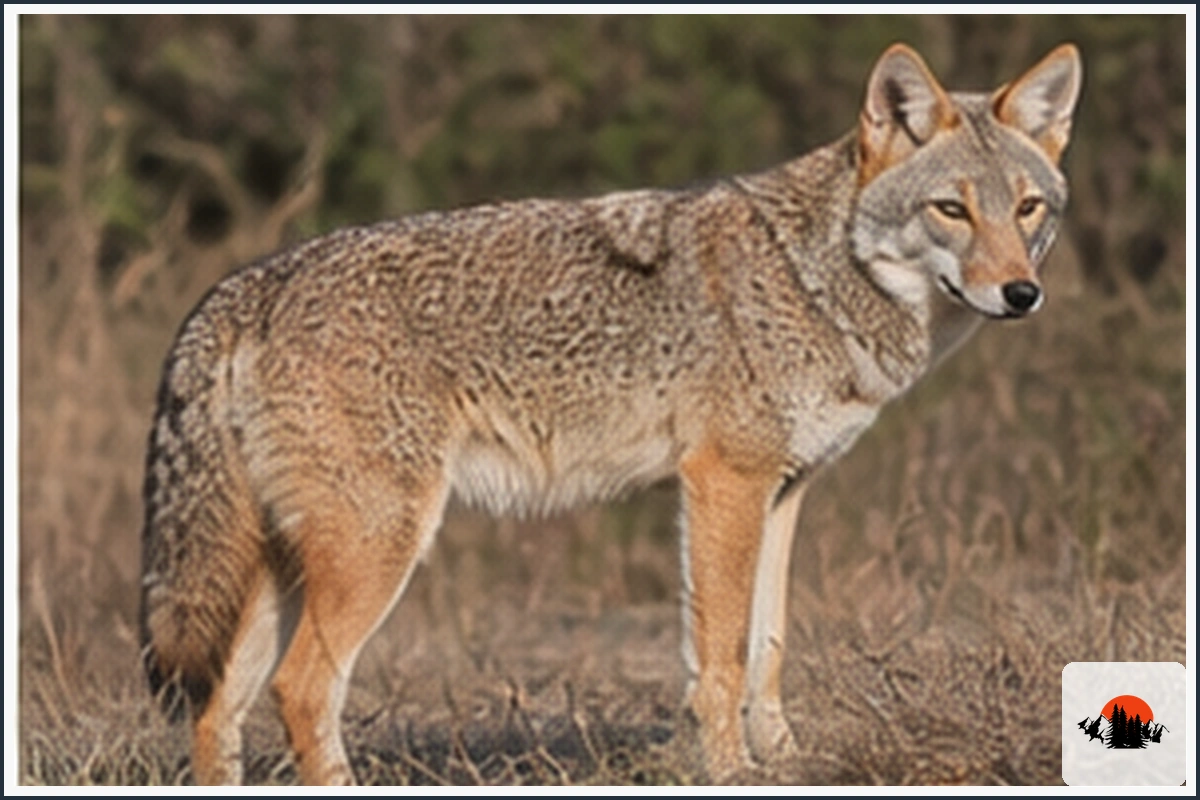
Scientific name: Canis latrans. Coyotes are adaptable canids found in nearly every California habitat, including deserts, farmland, forests, beaches, and cities. They have narrow faces, pointed ears, bushy tails, and gray, tan, or reddish coats.
Their diet includes rodents, rabbits, insects, fruit, carrion, and occasionally unattended pets. Coyotes may hunt alone or in pairs, although family groups can form around food sources. Keep coyotes wild by securing trash and never feeding them.
4. Bobcat
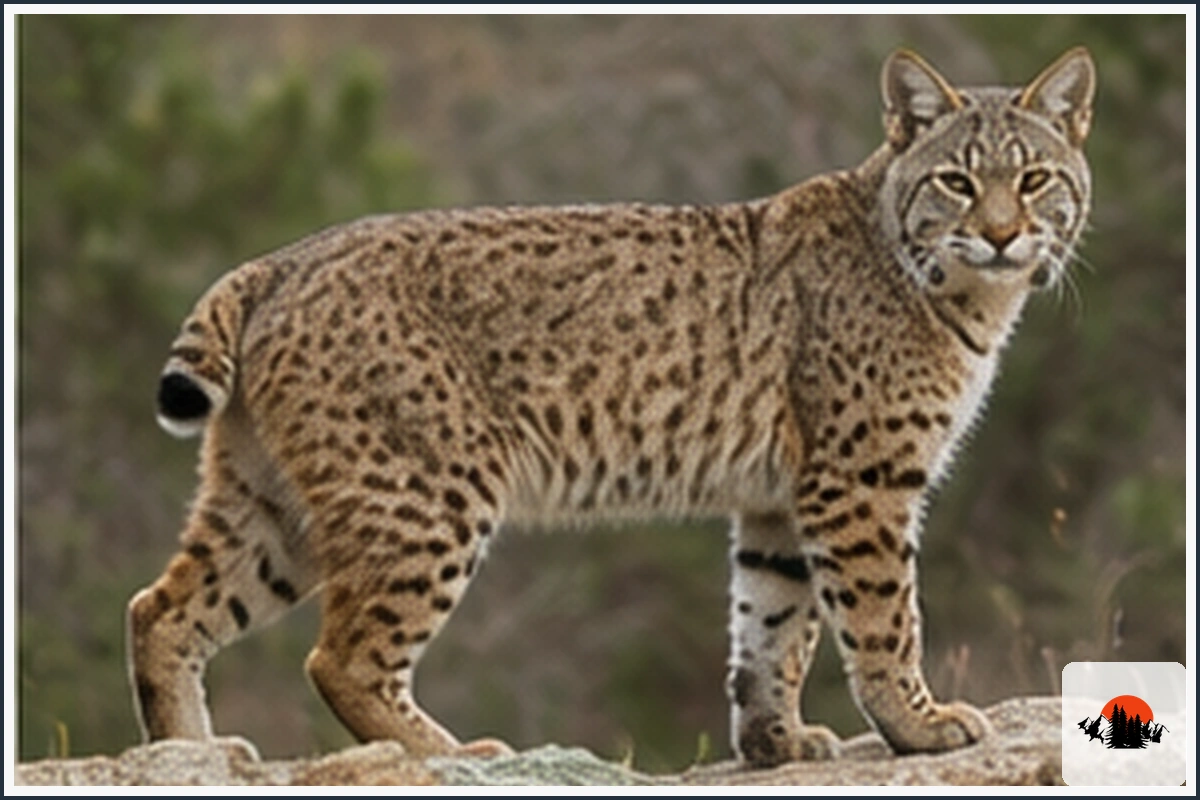
Scientific name: Lynx rufus. Bobcats are medium-sized wild cats recognized by their short, “bobbed” tails, spotted coats, facial ruffs, and tufted ears. They live throughout California in chaparral, woodland, desert edges, grasslands, and suburban open spaces.
Rabbits, rodents, birds, reptiles, and small mammals make up much of their diet. Bobcats are generally solitary and secretive. Their tracks resemble those of a domestic cat but are larger and usually lack visible claw marks.
5. Mule Deer
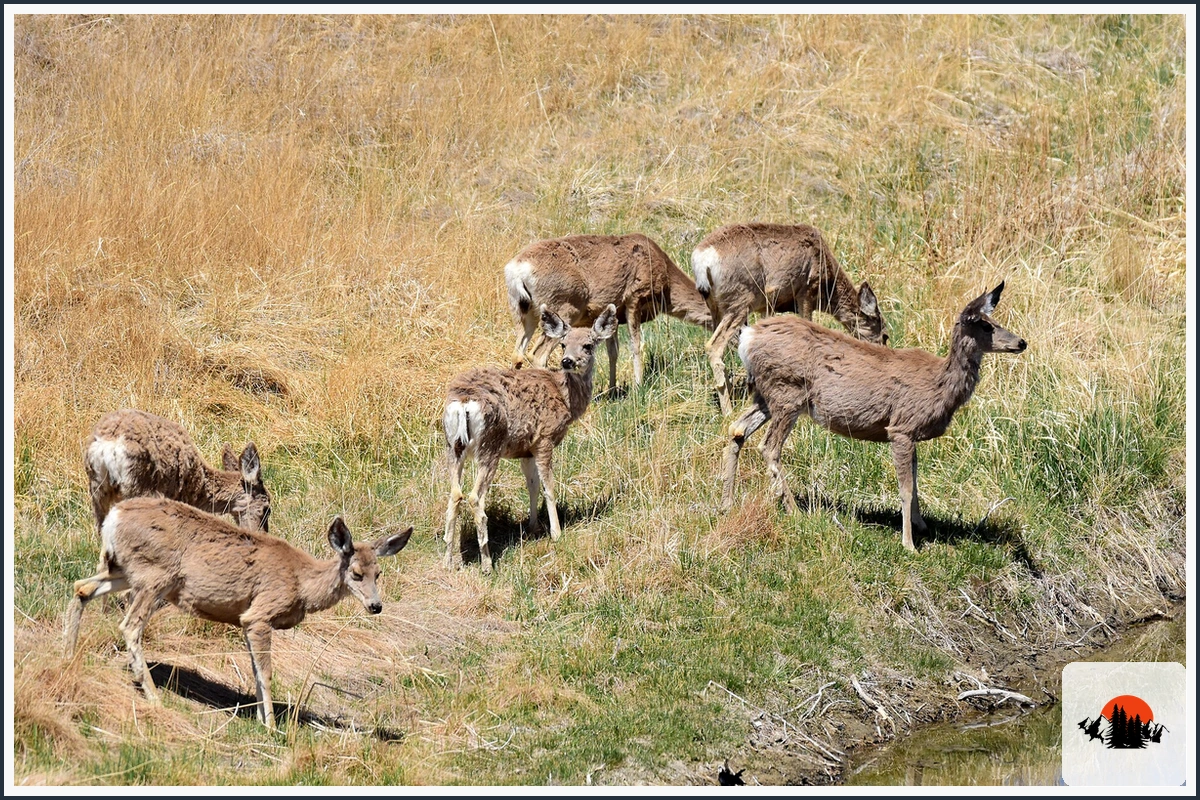
Scientific name: Odocoileus hemionus. Mule deer are named for their large mule-like ears. They have gray-brown coats, white rumps, and black-tipped tails. Males grow branched antlers, while females usually do not.
They occupy forests, grasslands, deserts, chaparral, and mountain valleys. Mule deer browse on shrubs, leaves, grasses, and tender shoots. Look for them near forest edges, meadow margins, and roads at dawn or dusk, but slow down because vehicle collisions are common in deer country.
6. American Badger
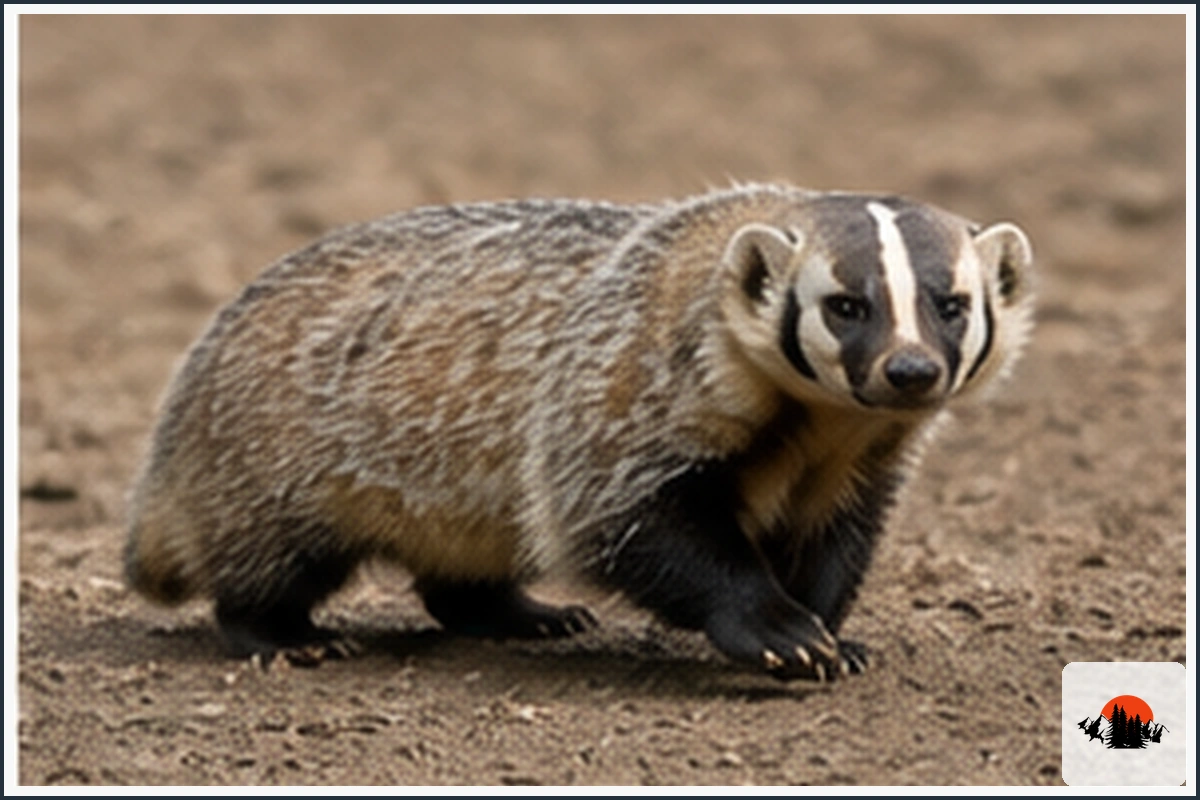
Scientific name: Taxidea taxus. American badgers are sturdy, low-slung mammals with powerful forelimbs, long claws, and a white stripe running from the face over the head. They occur in open grasslands, deserts, agricultural areas, and foothills.
Badgers excavate burrows while hunting ground squirrels, pocket gophers, mice, snakes, and insects. They are mostly solitary and can be active during both day and night. Their digging helps loosen soil and creates shelter used by other wildlife.
7. Raccoon
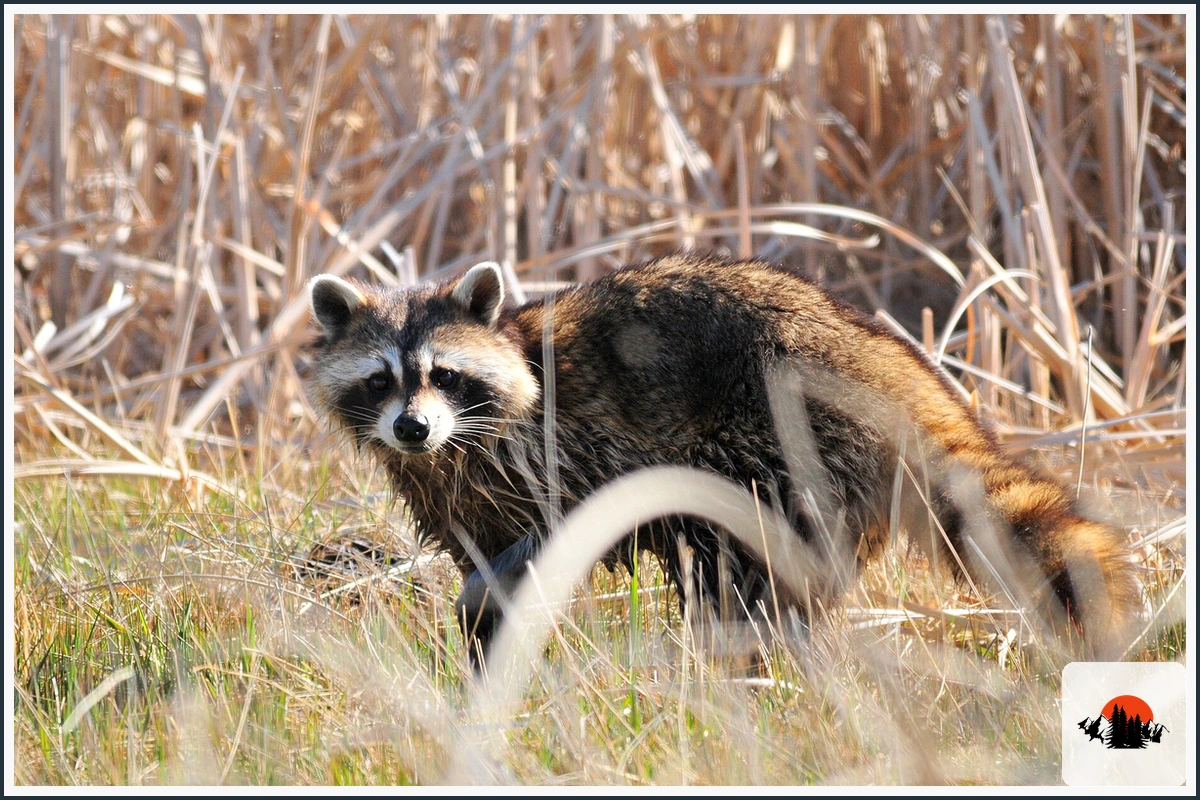
Scientific name: Procyon lotor. Raccoons are recognizable by their black facial masks, ringed tails, dexterous front paws, and gray-brown fur. They thrive in woodlands, wetlands, neighborhoods, and coastal communities.
As opportunistic omnivores, they eat fruit, insects, eggs, crayfish, small animals, and human food waste. Raccoons are mainly nocturnal. Avoid touching them, especially if they appear sick, unusually aggressive, or disoriented.
8. North American River Otter
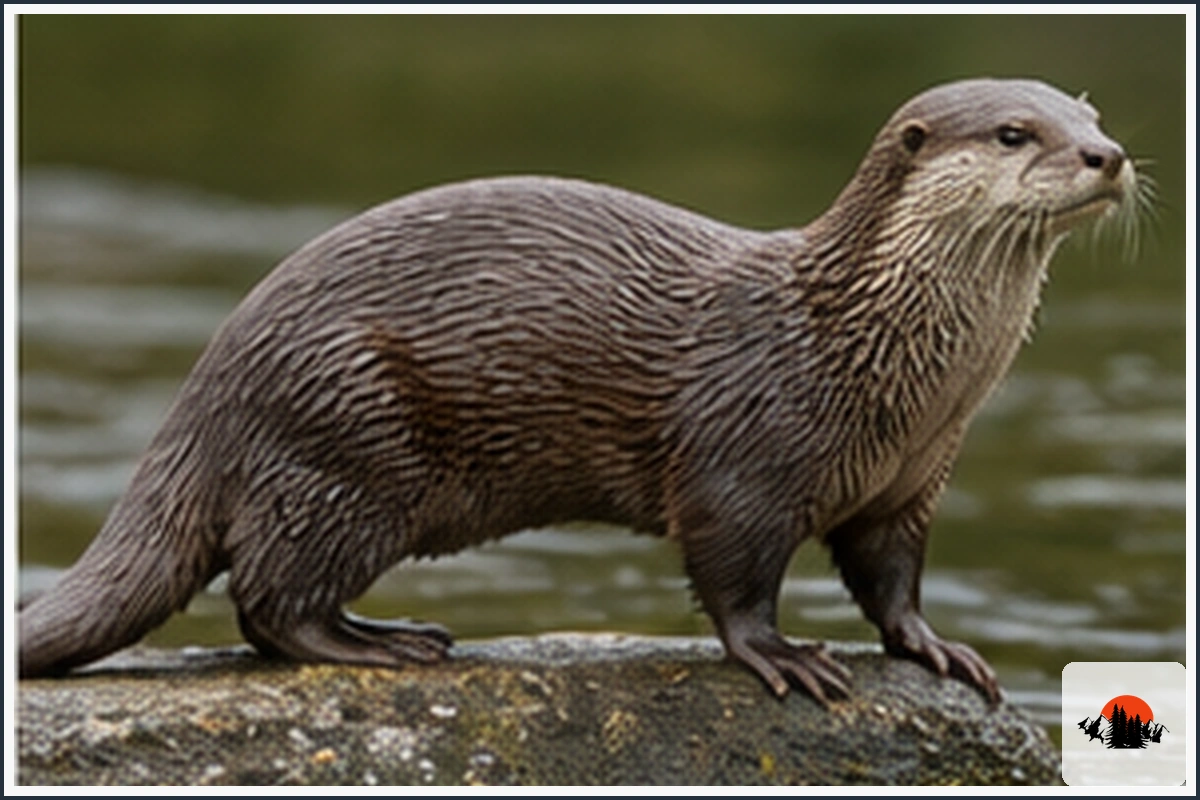
Scientific name: Lontra canadensis. River otters have streamlined bodies, dense brown fur, webbed feet, and muscular tails. They live along clean rivers, lakes, marshes, and some coastal waterways in northern and central California.
They eat fish, crayfish, frogs, and other aquatic prey. River otters are excellent swimmers and may slide along muddy or snowy banks. Their presence can indicate productive wetland or stream habitat, although they still need protected waterways and healthy fish populations.
9. Sea Otter
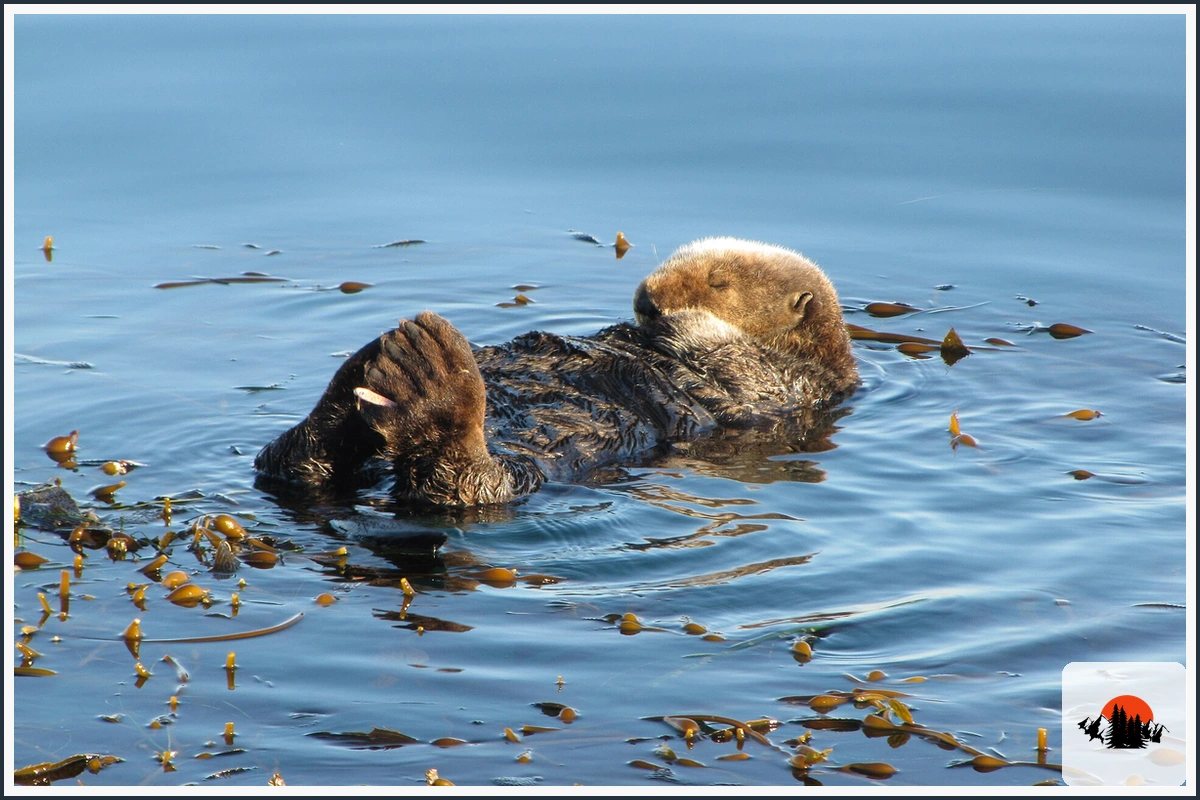
Scientific name: Enhydra lutris. Southern sea otters float in kelp forests and shallow coastal waters along central California. They have exceptionally dense fur, which helps keep them warm because they lack the thick blubber common in many marine mammals.
Sea otters eat sea urchins, crabs, clams, snails, and other invertebrates. They often use rocks as tools to break open hard shells. By consuming sea urchins, they help protect kelp forests, making them an important keystone species.
10. California Ground Squirrel
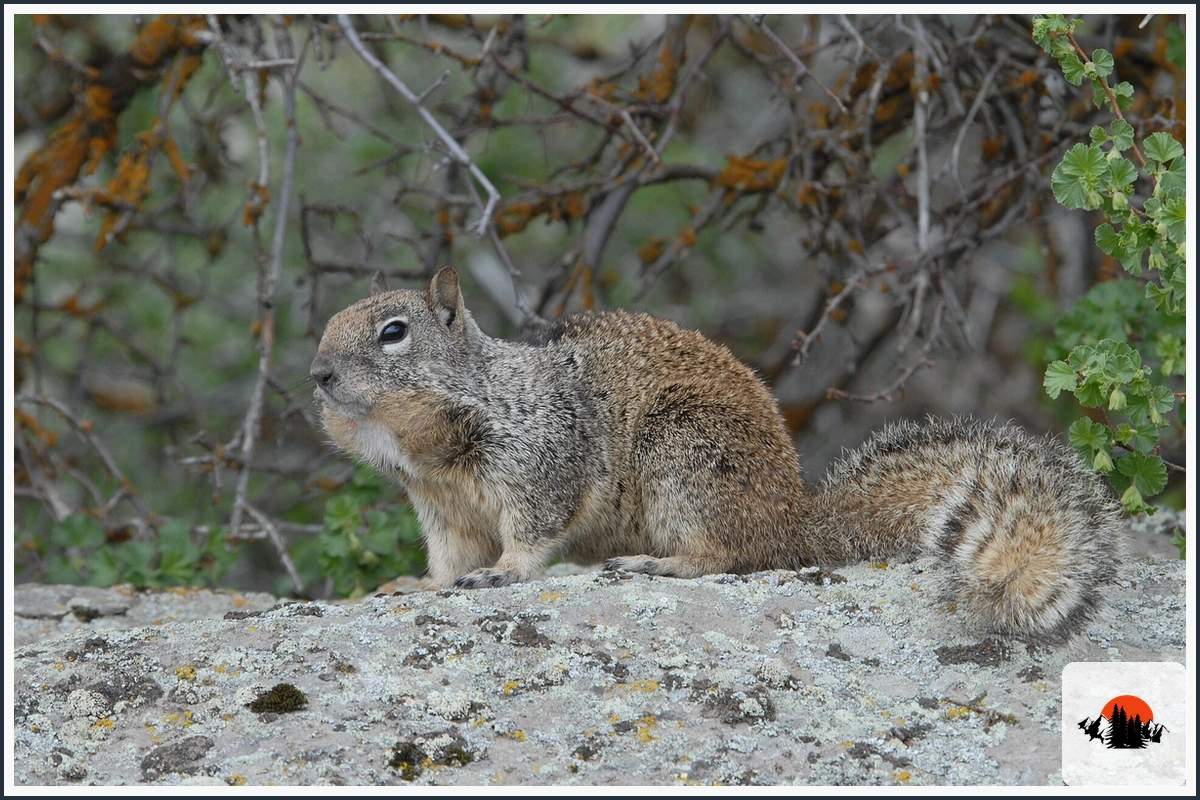
Scientific name: Otospermophilus beecheyi. California ground squirrels are common in grasslands, oak savannas, parks, farms, and suburban areas. Their gray-brown bodies and bushy tails distinguish them from many tree squirrels.
They eat seeds, grains, fruit, leaves, and insects, and dig extensive burrows. Those burrows may later shelter reptiles, amphibians, insects, and small mammals. Ground squirrels are alert and often whistle sharply when danger approaches.
11. Desert Bighorn Sheep
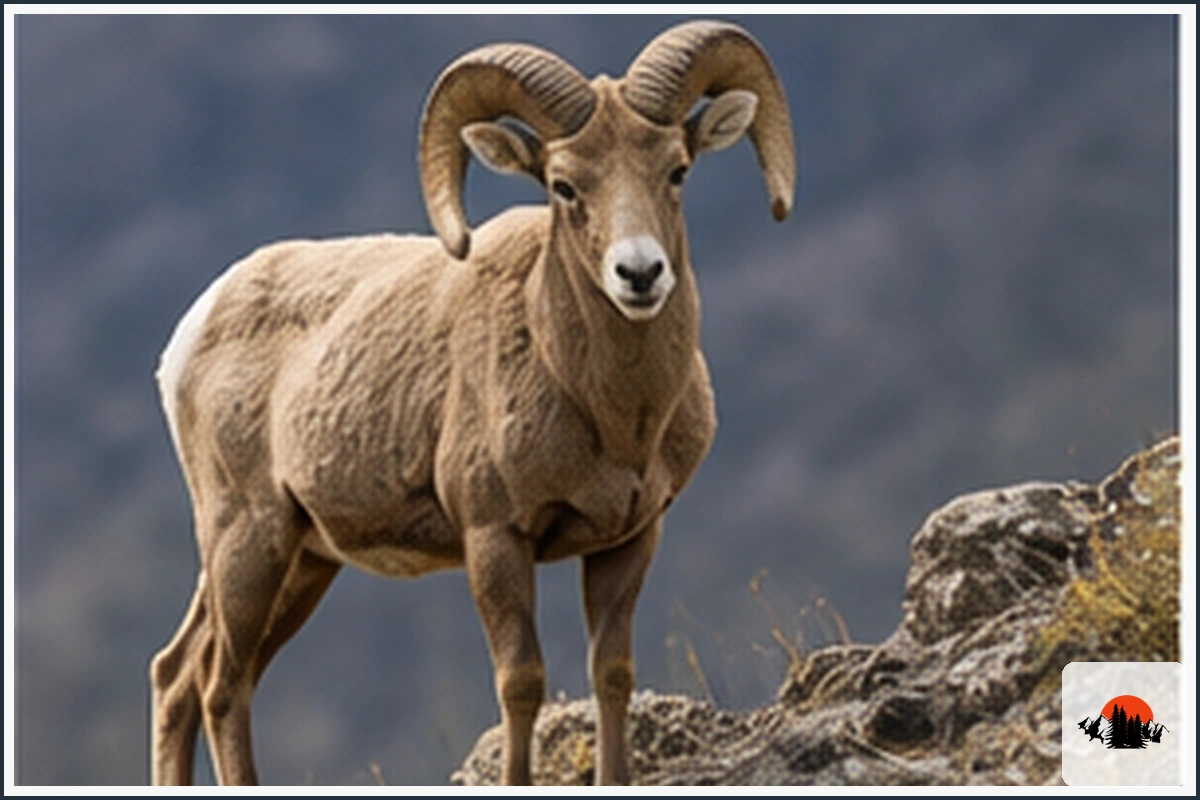
Scientific name: Ovis canadensis nelsoni. Desert bighorn sheep are muscular hoofed mammals adapted to rocky deserts. Males have massive curled horns, while females have smaller horns. Their specialized hooves help them climb steep cliffs.
They feed on grasses, shrubs, and desert plants and obtain moisture from food and occasional water sources. In California, they occur in rugged desert mountain ranges. Avoid approaching them, especially near water holes where wildlife may be stressed.
12. Tule Elk
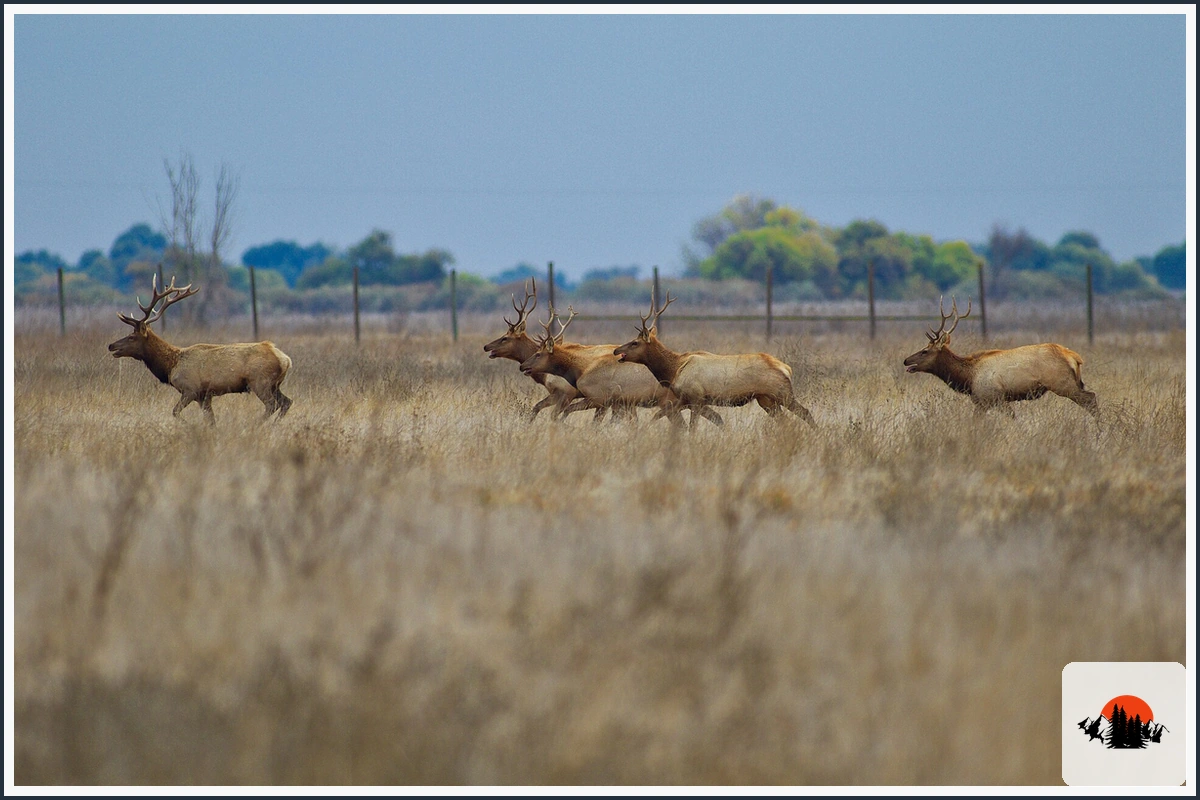
Scientific name: Cervus canadensis nannodes. Tule elk are California’s smallest elk subspecies and are found mainly in protected herds in the Central Valley, coastal ranges, and parts of northern California.
Males grow large antlers and bugle during the breeding season. Tule elk graze on grasses and browse on shrubs. Their recovery from very low historical numbers is an important California conservation success, although habitat fragmentation and drought remain concerns.
13. California Condor
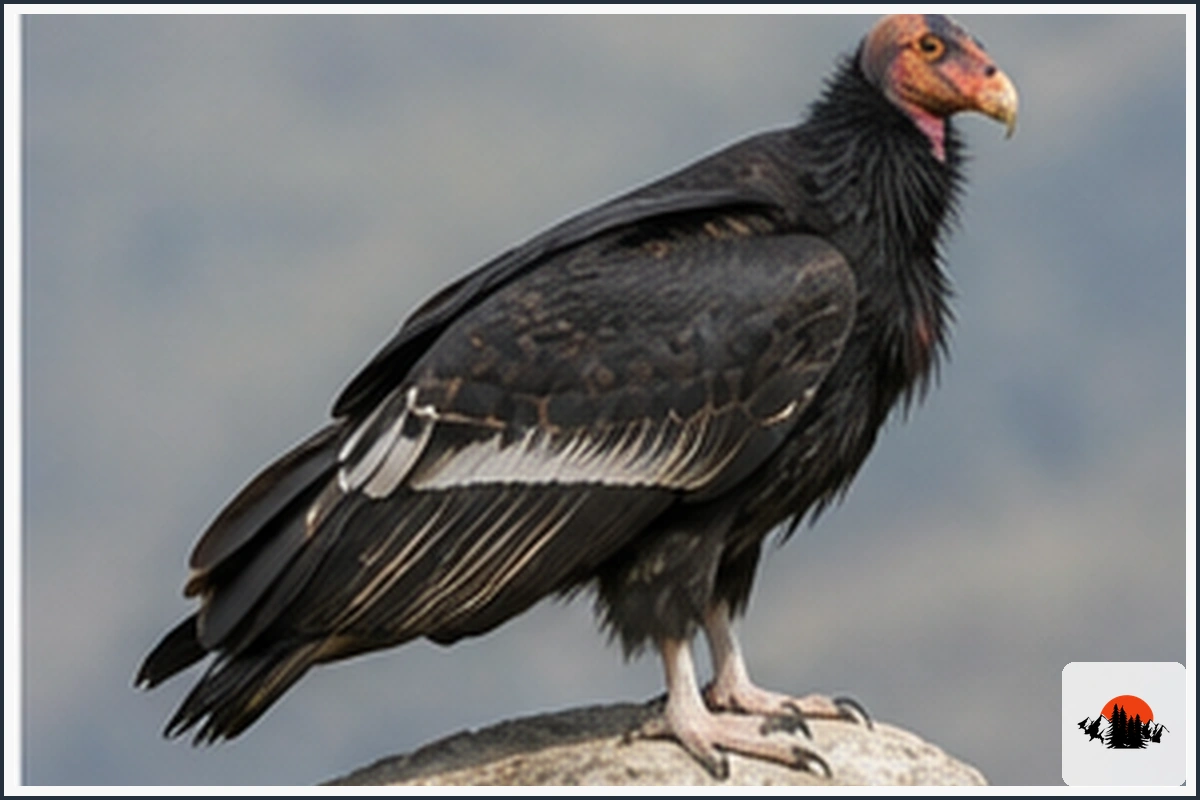
Scientific name: Gymnogyps californianus. The California condor is North America’s largest flying land bird, with a wingspan that can exceed nine feet. Adults have mostly black plumage, white patches beneath the wings, and bare orange-pink heads.
Condors are scavengers that feed on carrion. They depend on large, undisturbed nesting areas and safe food sources. Lead poisoning, habitat loss, and human disturbance have threatened the species, but carefully managed reintroduction programs continue to support its recovery.
14. Golden Eagle
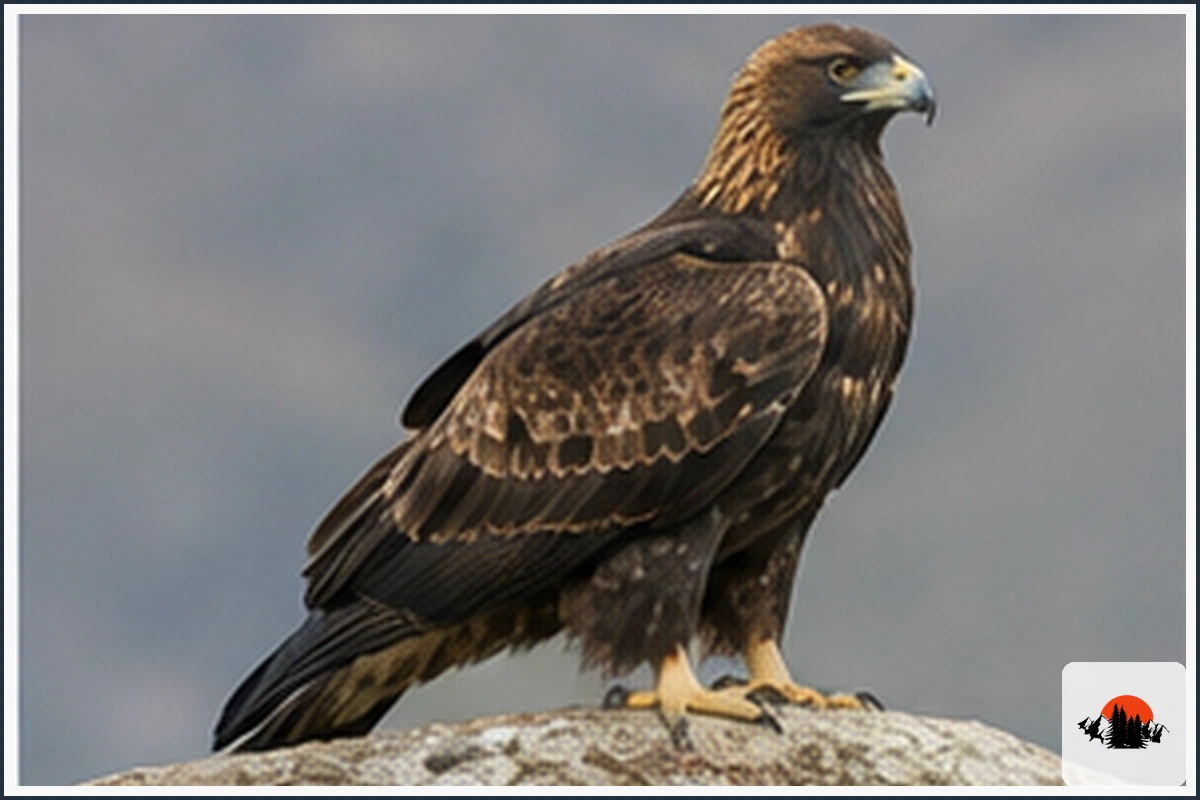
Scientific name: Aquila chrysaetos. Golden eagles are large raptors with broad wings, dark brown feathers, and golden coloring on the head and neck. They nest on cliffs or tall structures in mountains, deserts, and open country.
They hunt rabbits, ground squirrels, birds, and reptiles. Their broad wings allow them to soar on rising air currents. Give nesting cliffs and soaring raptors plenty of space, particularly during the breeding season.
15. Bald Eagle
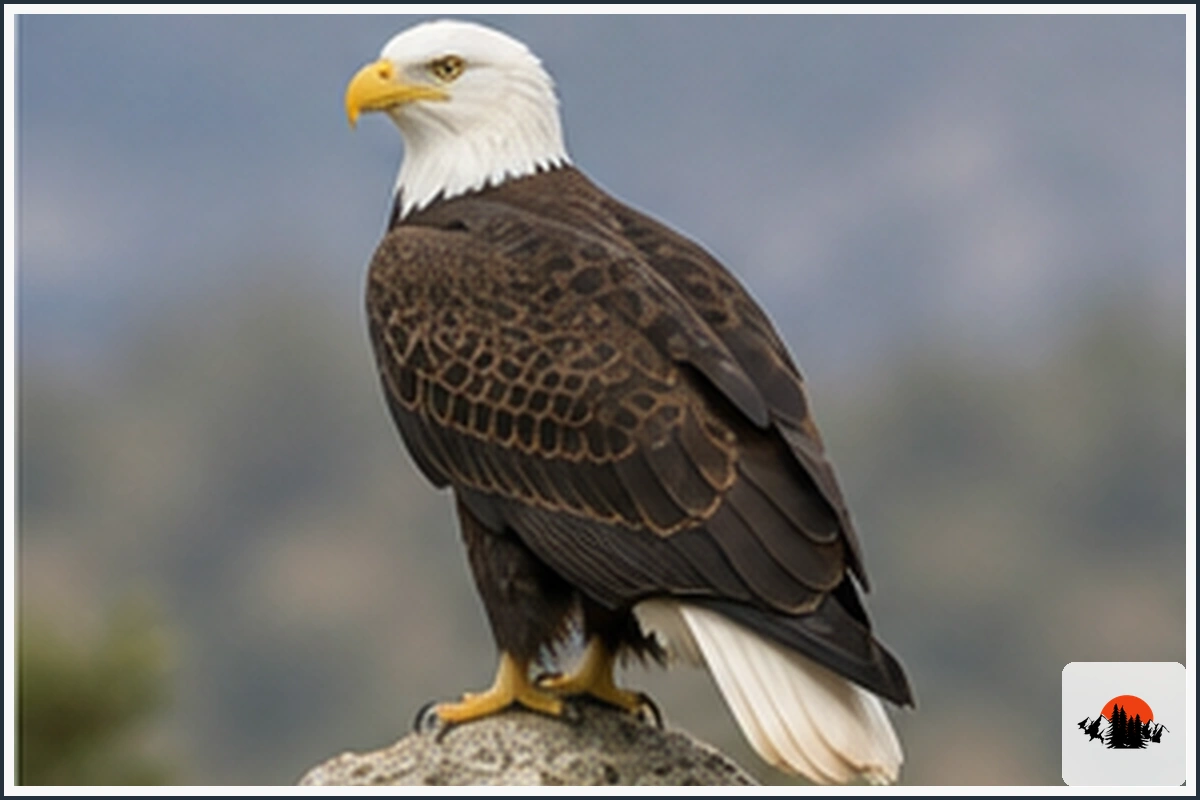
Scientific name: Haliaeetus leucocephalus. Adult bald eagles have white heads and tails, dark brown bodies, and yellow bills and feet. They are commonly associated with lakes, rivers, reservoirs, and coastal areas.
Fish form much of their diet, although they also eat waterfowl and carrion. Bald eagles often reuse large stick nests. Their numbers have improved greatly since protections were established, but disturbance near nesting sites can still cause problems.
16. California Scrub-Jay
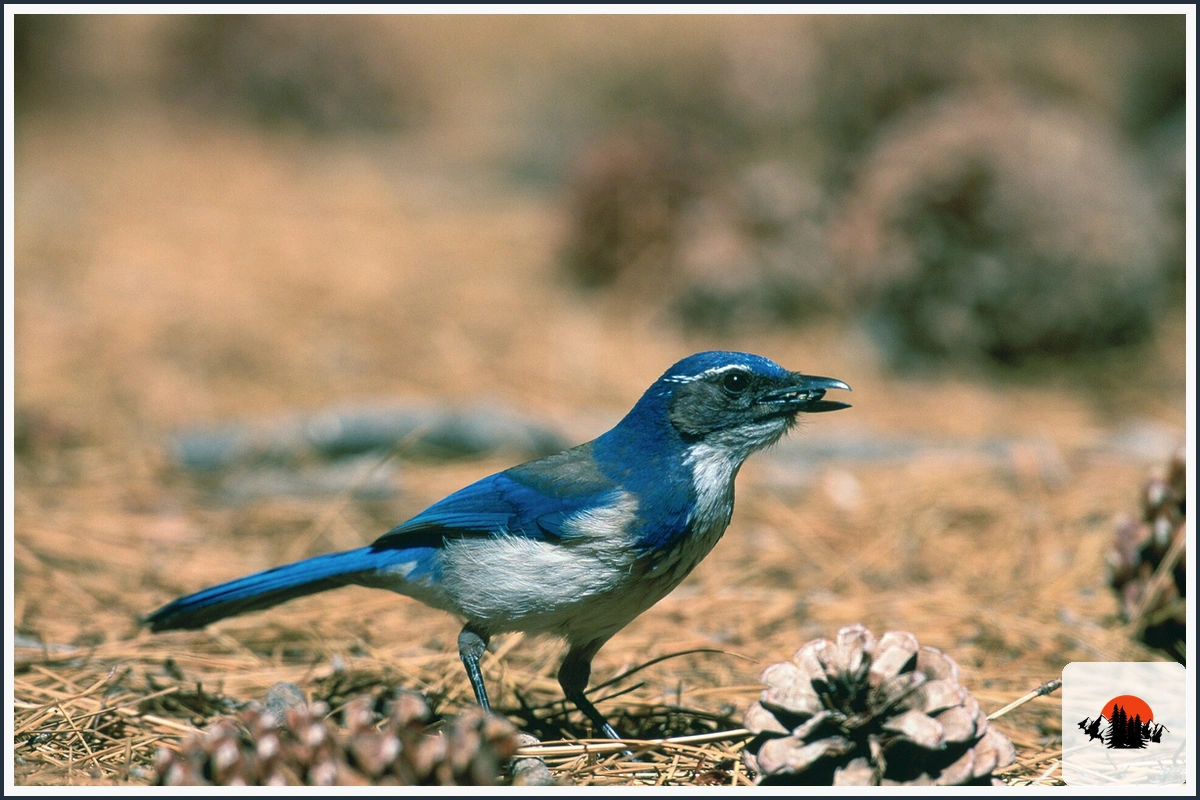
Scientific name: Aphelocoma californica. California scrub-jays are blue-and-gray birds with long tails and bold personalities. They occupy chaparral, oak woodland, suburban yards, and dry foothills throughout much of the state.
They eat acorns, insects, fruit, seeds, and small animals. Scrub-jays cache acorns in the soil, helping disperse oak trees. Their loud calls often reveal their presence before they come into view.
17. California Quail
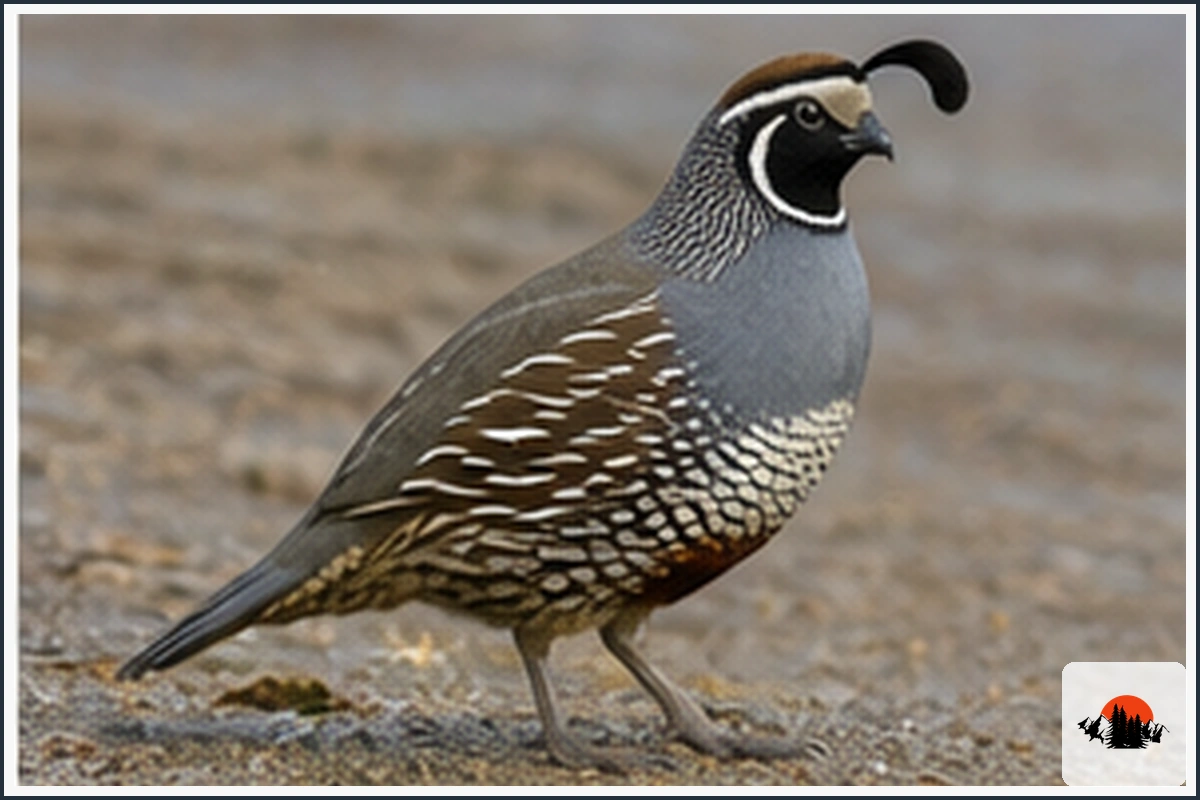
Scientific name: Callipepla californica. California quail are compact ground birds with gray bodies, chestnut bellies, and a distinctive forward-curving head plume. They live in brushy foothills, grasslands, oak woodlands, parks, and suburban edges.
They eat seeds, grains, leaves, and insects. Quail often travel in groups called coveys and run quickly through vegetation. Listen for their familiar “chi-ca-go” call in brushy habitats.
18. Great Blue Heron
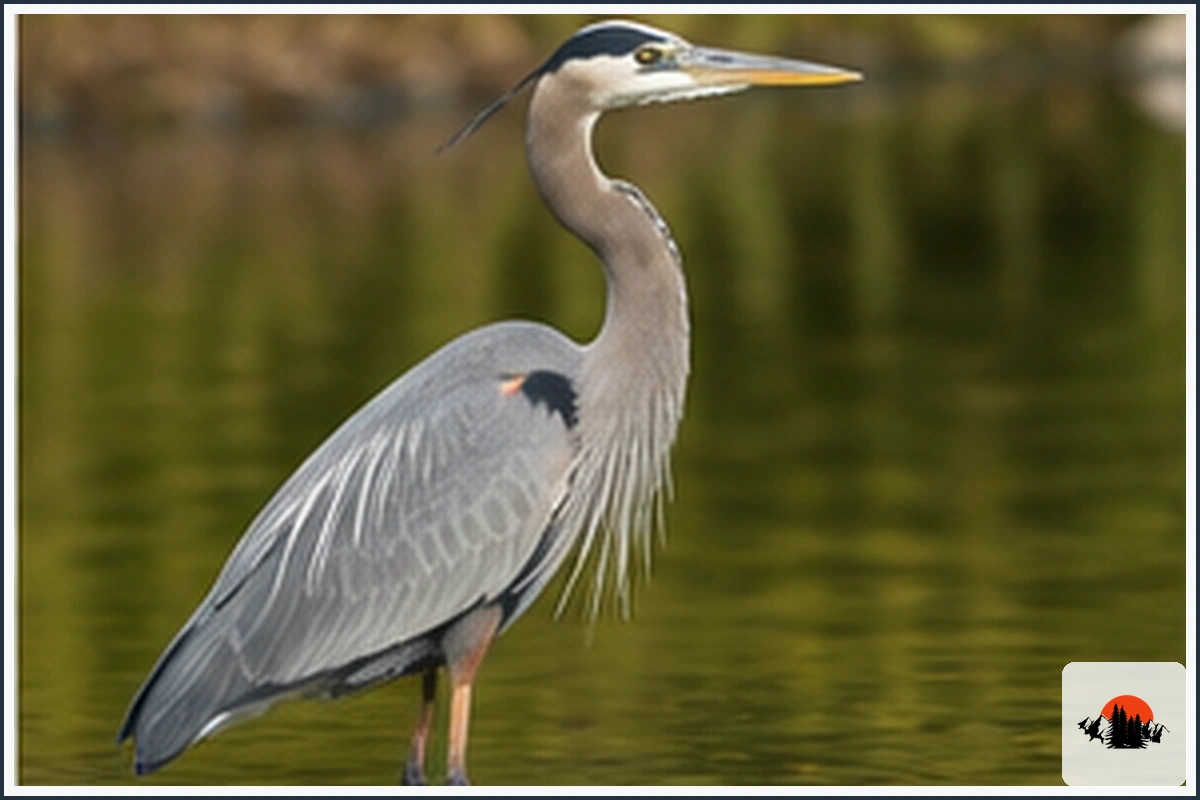
Scientific name: Ardea herodias. Great blue herons are tall wading birds with blue-gray bodies, long legs, pointed bills, and slow wingbeats. They occur around ponds, rivers, wetlands, estuaries, lakes, and coastlines.
They stand motionless before striking fish, frogs, crustaceans, and small mammals with their bills. Herons are patient hunters, so watching quietly near water often produces the best sightings.
19. Western Snowy Plover
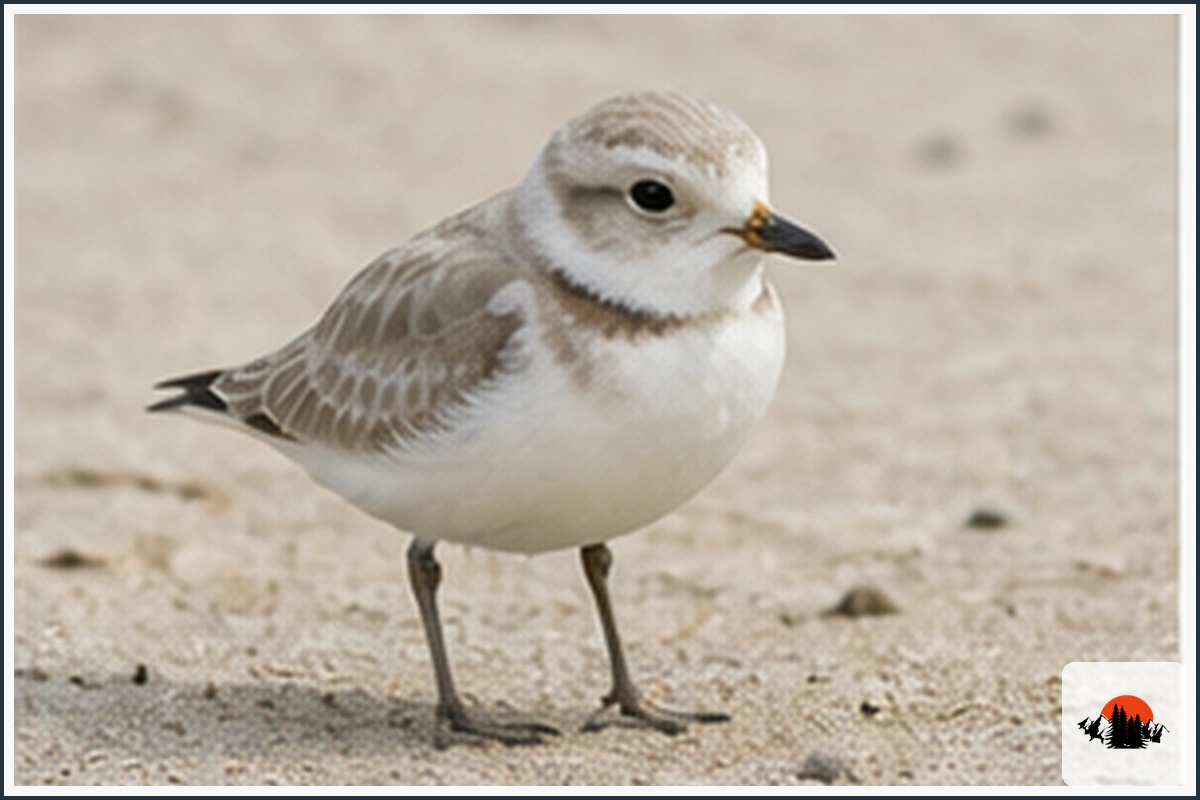
Scientific name: Charadrius nivosus nivosus. Western snowy plovers are small shorebirds with pale bodies, dark markings, and quick, stop-and-go movements along sandy beaches and coastal wetlands.
They forage for insects and tiny invertebrates in the sand. Nesting areas can be difficult to notice, so stay out of signed closures and keep dogs leashed near sensitive beaches. Coastal development and disturbance have reduced suitable habitat.
20. Western Rattlesnake
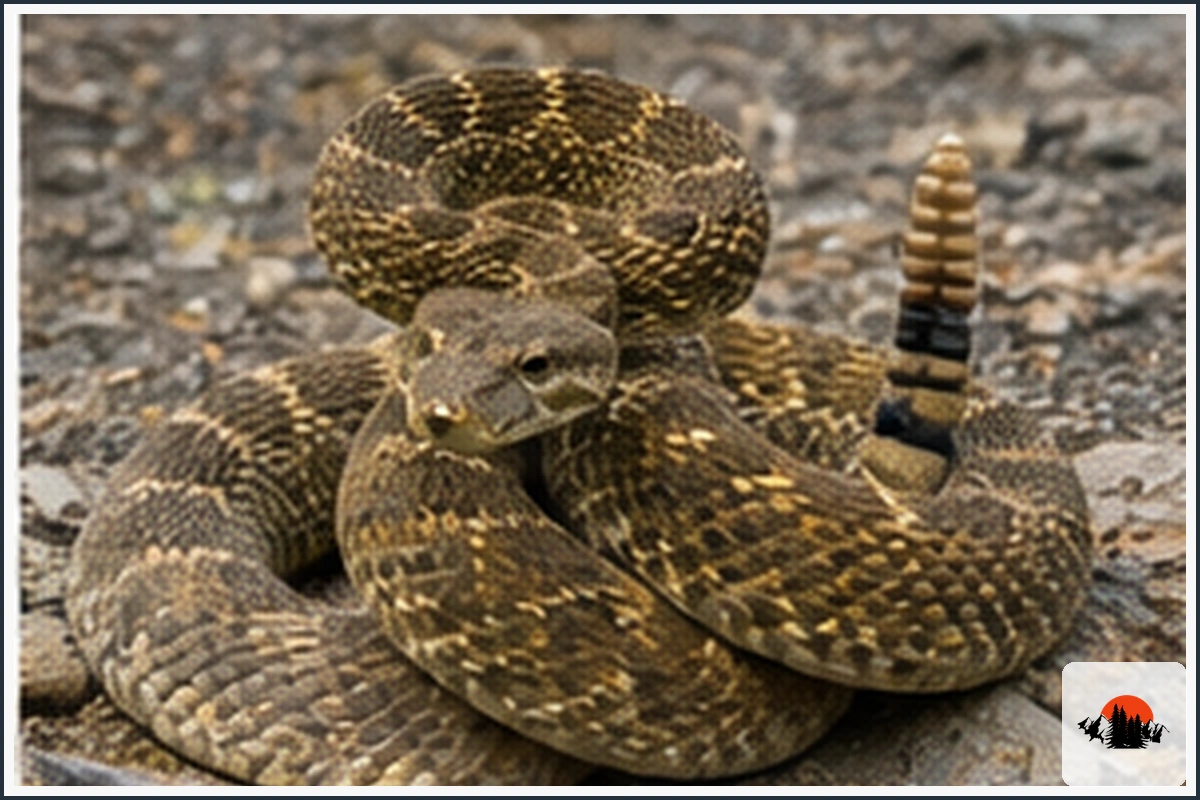
Scientific name: Crotalus viridis and related species. Western rattlesnakes are venomous snakes with patterned bodies, triangular heads, and rattles at the end of their tails. Several rattlesnake species occur in California, depending on the region.
They eat rodents, rabbits, birds, lizards, and other small animals. Rattlesnakes prefer warm rocks, brush, grasslands, deserts, and woodland edges. Never handle a snake; give it space and let it move away.
21. Gopher Snake
Scientific name: Pituophis catenifer. Gopher snakes are long, nonvenomous snakes with blotched brown, tan, or gray patterns. Their markings can resemble those of rattlesnakes, and they may hiss or vibrate their tails when threatened.
They eat rodents, rabbits, birds, eggs, and reptiles. Gopher snakes are valuable predators around farms and gardens because they help control rodent populations. Look for them in grasslands, deserts, foothills, and agricultural areas.
22. Western Fence Lizard
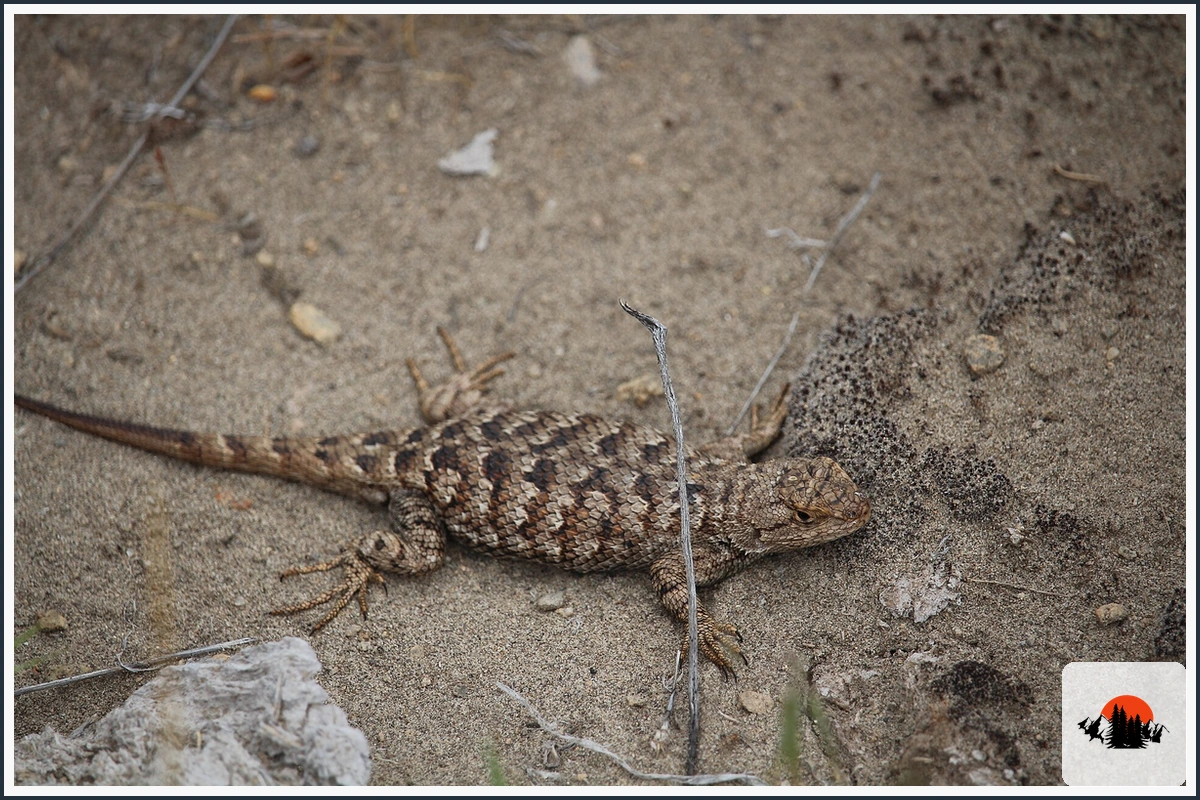
Scientific name: Sceloporus occidentalis. The western fence lizard is one of California’s most familiar reptiles. It has rough scales, a brown or gray back, and a blue patch on the throat and belly, especially visible in males.
These lizards bask on fences, rocks, logs, and walls before darting after insects and spiders. They are common in gardens, woodlands, chaparral, and deserts. Their quick push-up displays are used in territorial and courtship behavior.
23. Desert Tortoise
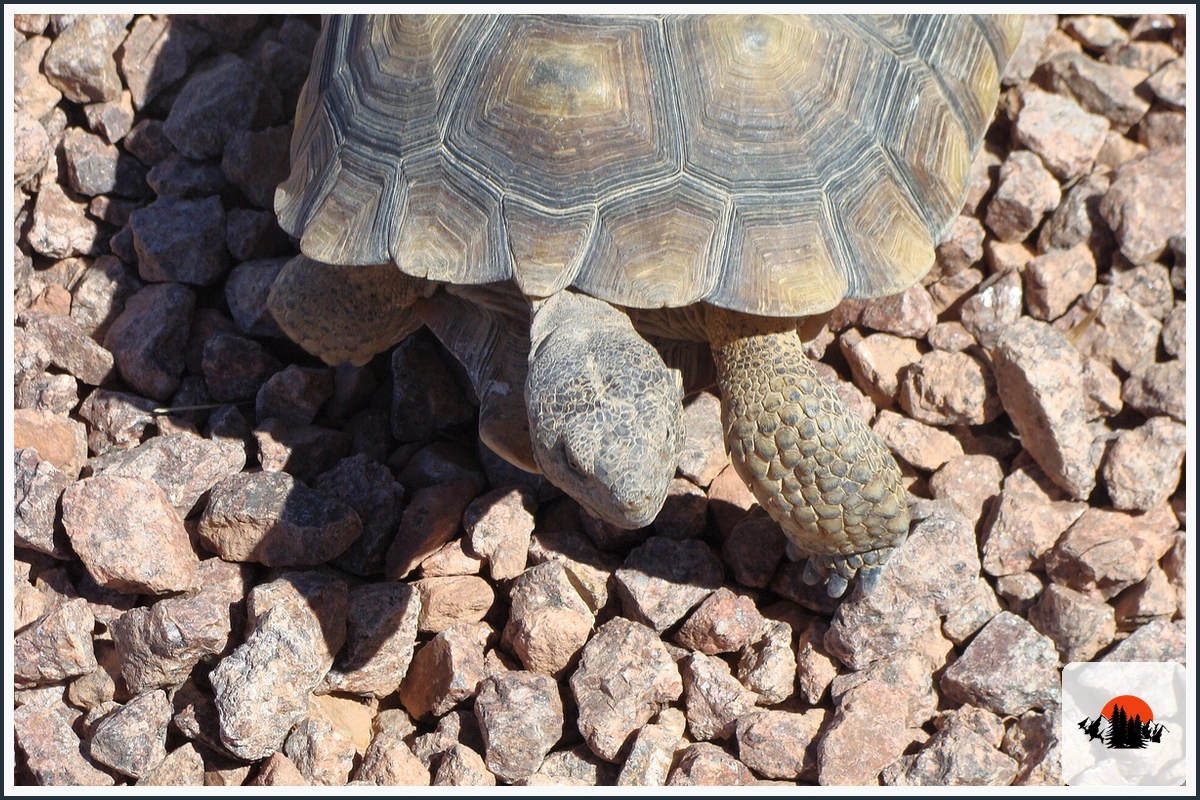
Scientific name: Gopherus agassizii. Desert tortoises have domed shells, sturdy legs, and thick, scaly skin. They live in California’s Mojave Desert, where they use burrows to escape extreme heat and cold.
They eat wildflowers, grasses, and other desert vegetation and can survive long periods without drinking. Desert tortoises are threatened by habitat loss, disease, vehicles, and human collection. Never remove one from the wild or move it unless it is in immediate danger.
24. California Kingsnake
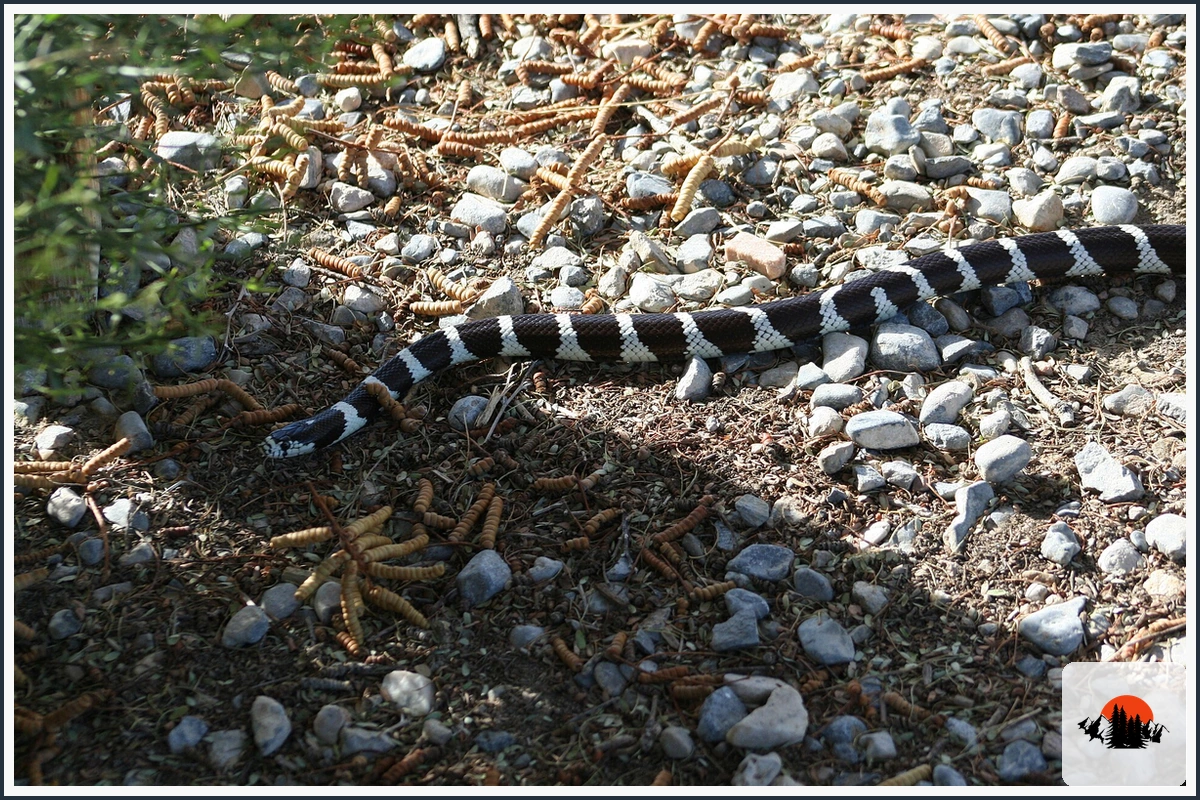
Scientific name: Lampropeltis californiae. California kingsnakes are nonvenomous snakes known for bands or stripes in black, white, cream, brown, or yellow. They occur in forests, grasslands, deserts, wetlands, and suburban areas.
Kingsnakes eat rodents, lizards, birds, eggs, and other snakes, including some rattlesnakes. Their ability to tolerate varied habitats makes them one of California’s most widespread snakes.
25. California Newt
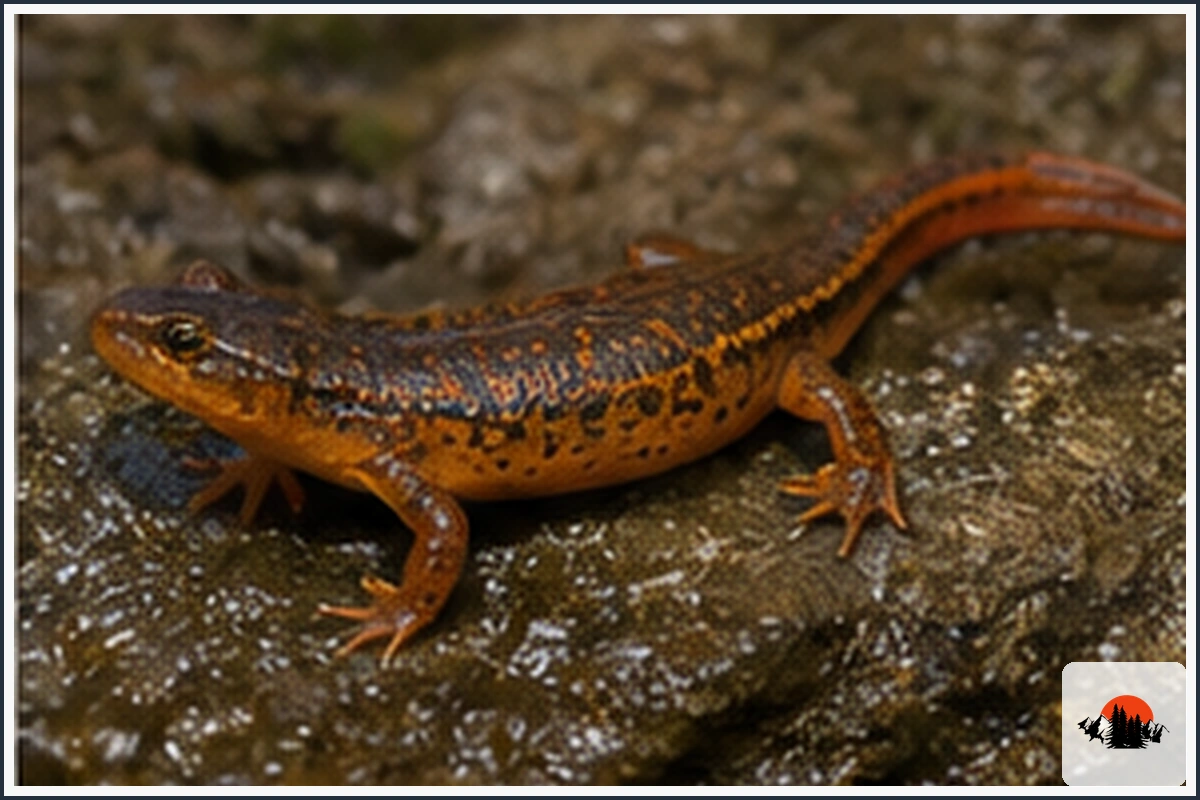
Scientific name: Taricha torosa. California newts have rough brown skin, orange or yellow bellies, and rounded bodies. They live in moist woodlands, stream corridors, ponds, and seasonal wetlands, particularly along coastal ranges and foothills.
Adults eat small aquatic and terrestrial invertebrates. Their skin produces toxins that discourage predators, so they should never be handled or consumed. Breeding adults migrate to ponds and streams during wet seasons.
26. California Red-Legged Frog
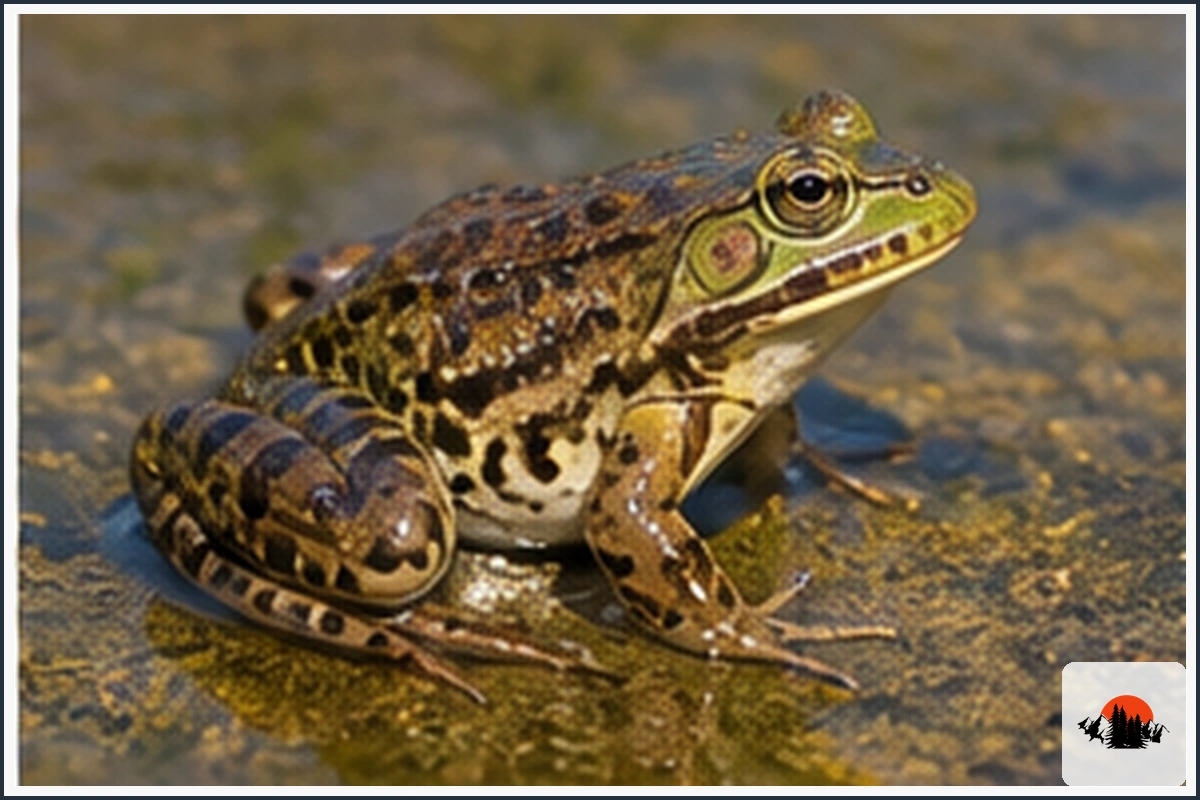
Scientific name: Rana draytonii. California red-legged frogs are medium-sized frogs with reddish coloring on the underside of their legs and bodies. They depend on ponds, streams, wetlands, and thick vegetation in parts of coastal and foothill California.
They eat insects, spiders, worms, small amphibians, and other prey. Habitat loss, invasive bullfrogs, disease, and altered water systems have reduced populations. The species is federally listed as threatened.
27. American Bullfrog
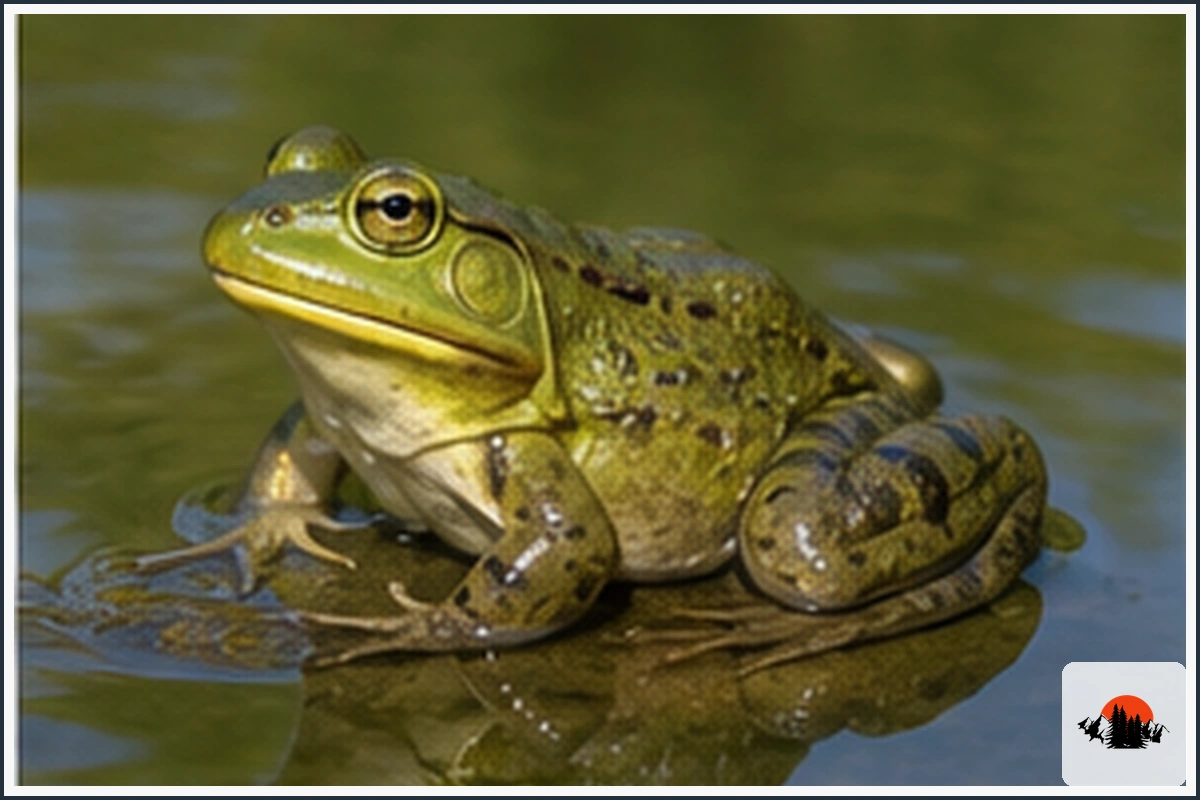
Scientific name: Lithobates catesbeianus. American bullfrogs are large green or brown frogs with prominent eardrums behind the eyes. They live in ponds, reservoirs, canals, and slow-moving waterways.
They eat insects, fish, frogs, snakes, birds, and small mammals. Bullfrogs are invasive in many California ecosystems and can compete with or prey on native amphibians. Never release aquarium pets or unwanted frogs into the wild.
28. Golden Trout
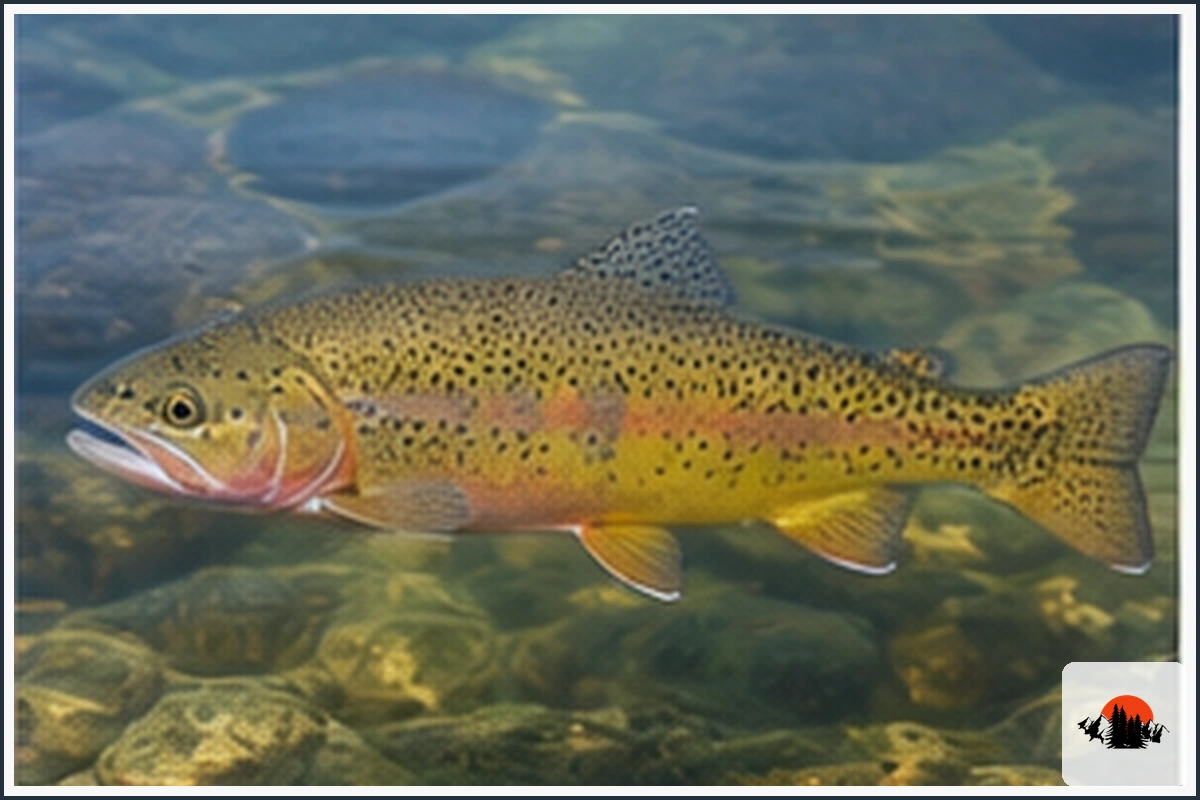
Scientific name: Oncorhynchus mykiss aguabonita. Golden trout are California’s official freshwater fish. They have vivid golden sides, reddish lateral bands, and dark spots, and are native to high-elevation streams and lakes in the southern Sierra Nevada.
They feed on aquatic insects, terrestrial insects, and small aquatic organisms. Golden trout are popular with backcountry anglers, but fragile alpine habitats require careful handling, legal compliance, and release practices where regulations call for them.
29. Garibaldi
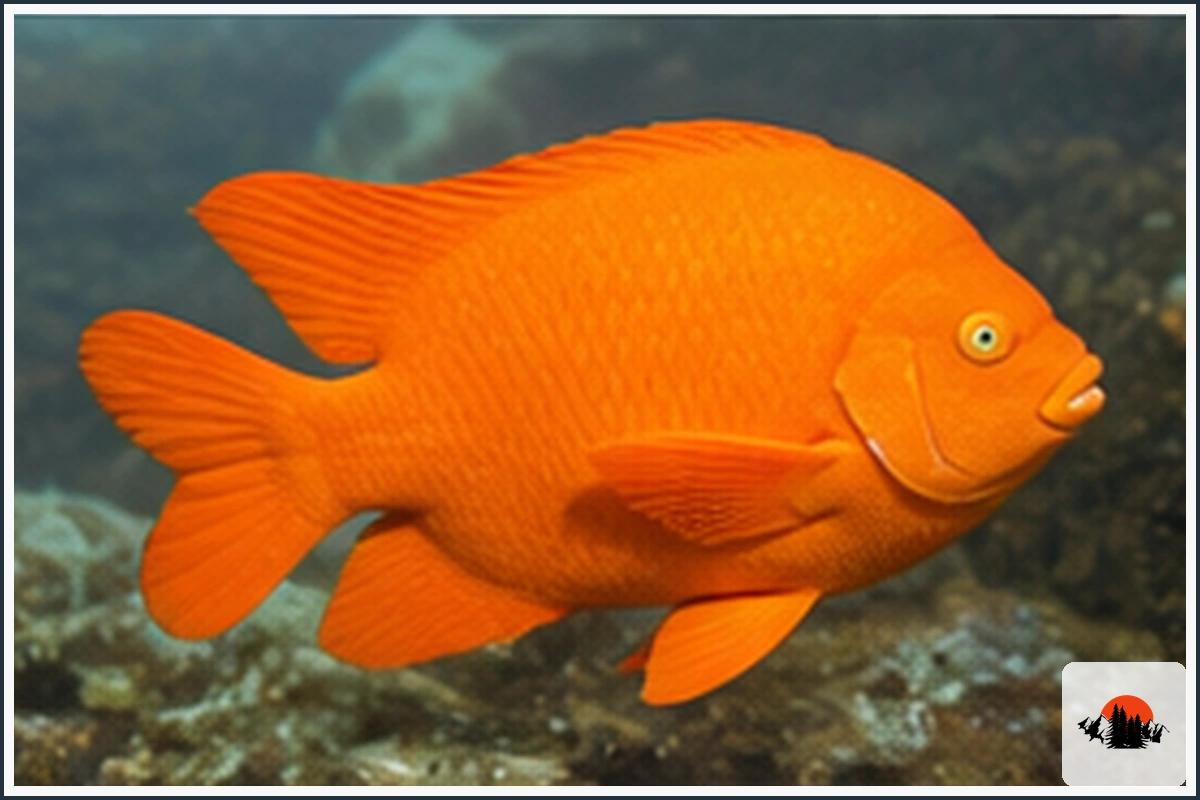
Scientific name: Hypsypops rubicundus. The garibaldi is California’s official marine fish and is easily identified by its brilliant orange color. It lives around rocky reefs, kelp forests, and coastal structure from shallow water to moderate depths.
Garibaldi feed on algae, small invertebrates, and plankton. They defend nesting territories, and California regulations protect them from recreational take. Divers and snorkelers should observe them without chasing or touching.
30. Harbor Seal
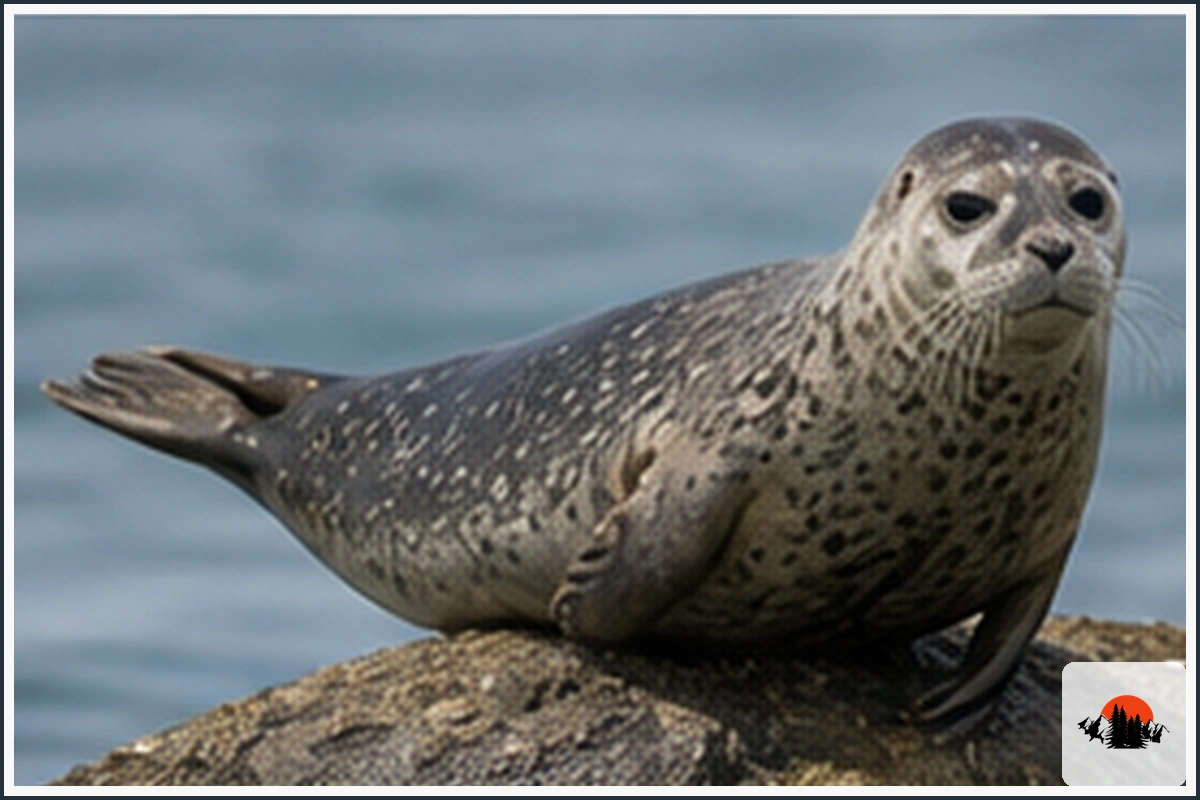
Scientific name: Phoca vitulina. Harbor seals have rounded bodies, spotted coats, whiskered faces, and no external ear flaps. They haul out on beaches, sandbars, rocks, estuaries, and sheltered coastal islands.
They eat fish, squid, crustaceans, and other marine prey. Resting seals may appear alone or in groups. Keep a safe distance and never attempt to return a seal to the water; contact trained wildlife responders if an animal appears injured.
31. California Sea Lion
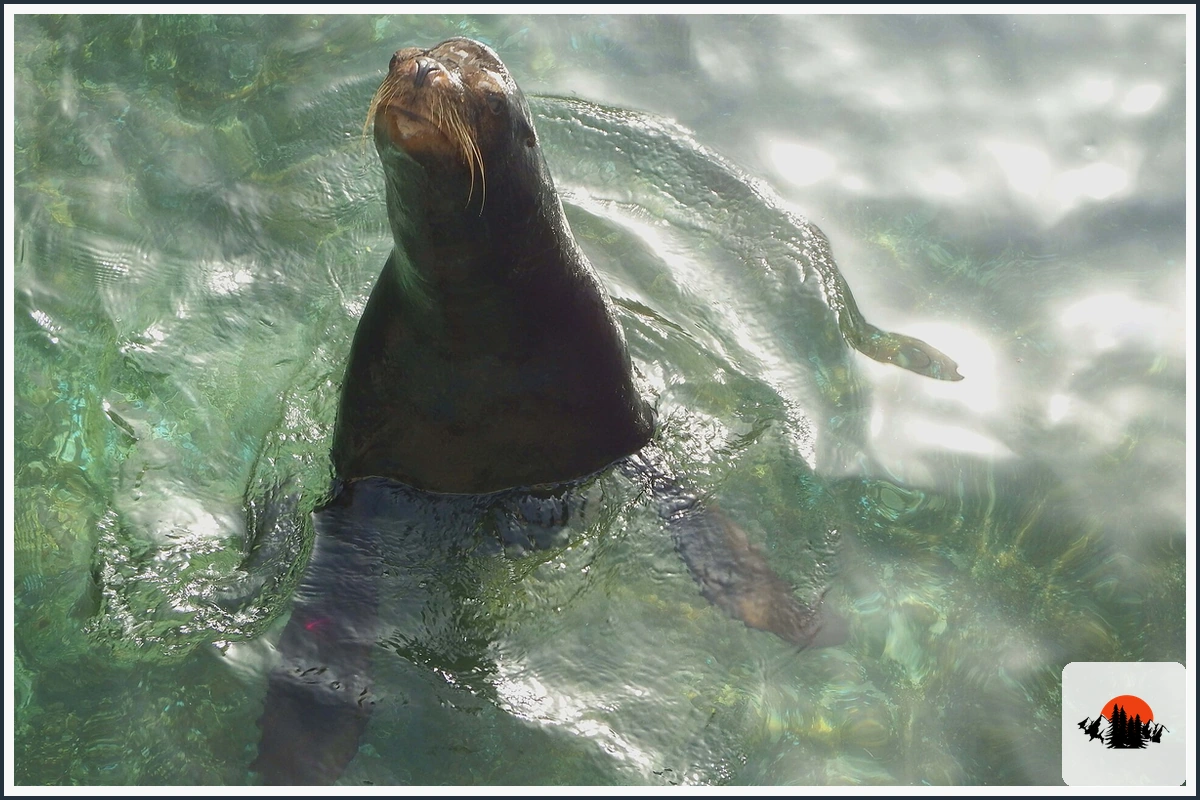
Scientific name: Zalophus californianus. California sea lions are social marine mammals with external ear flaps, long front flippers, and loud barks. They gather along rocky shores, docks, islands, and coastal haul-out sites.
They eat fish, squid, and other marine animals. Adult males are much larger than females and develop a prominent forehead. Sea lions can move surprisingly quickly on land, so give them wide space.
32. Gray Whale
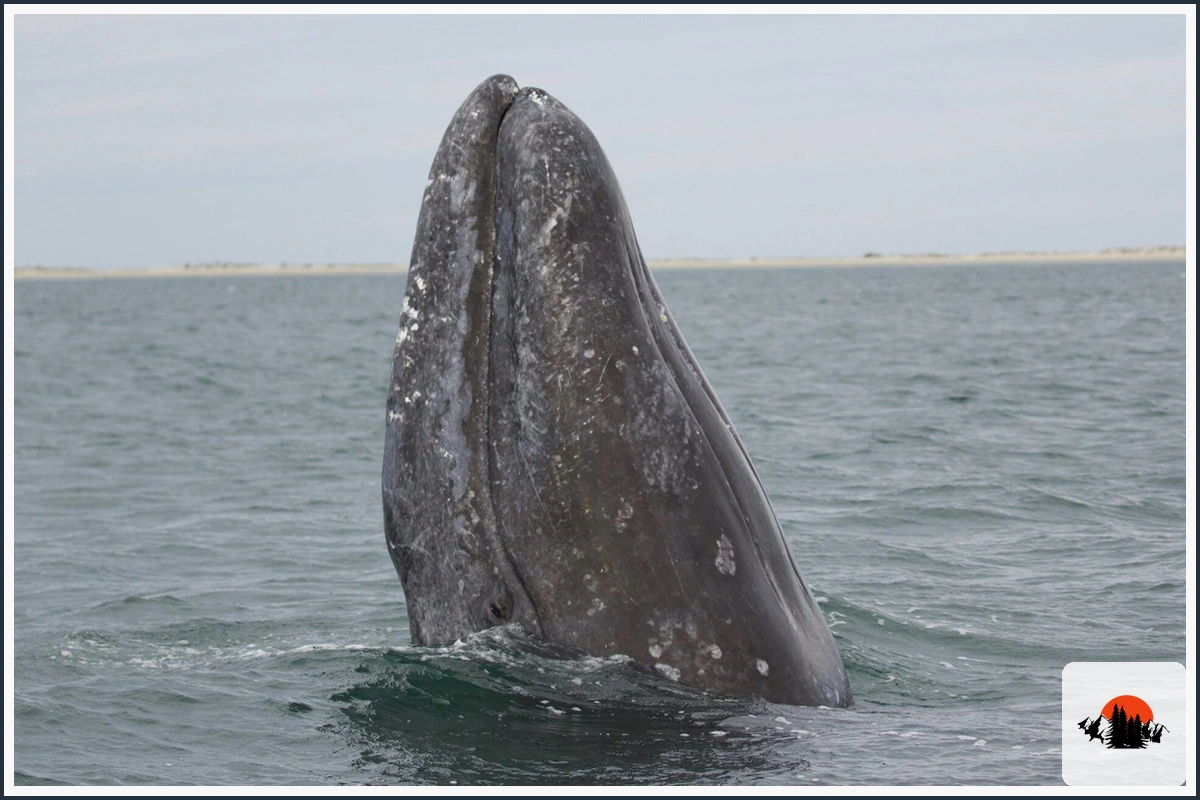
Scientific name: Eschrichtius robustus. Gray whales migrate along California’s coast between feeding grounds in the north and breeding and calving lagoons in Baja California. They are gray with pale patches and often carry barnacles and whale lice.
Gray whales feed mainly on bottom-dwelling organisms by filtering sediment. Spring and winter migrations offer excellent viewing opportunities from coastal headlands and boats. Responsible whale watching avoids sudden approaches and excessive speed.
33. Humpback Whale
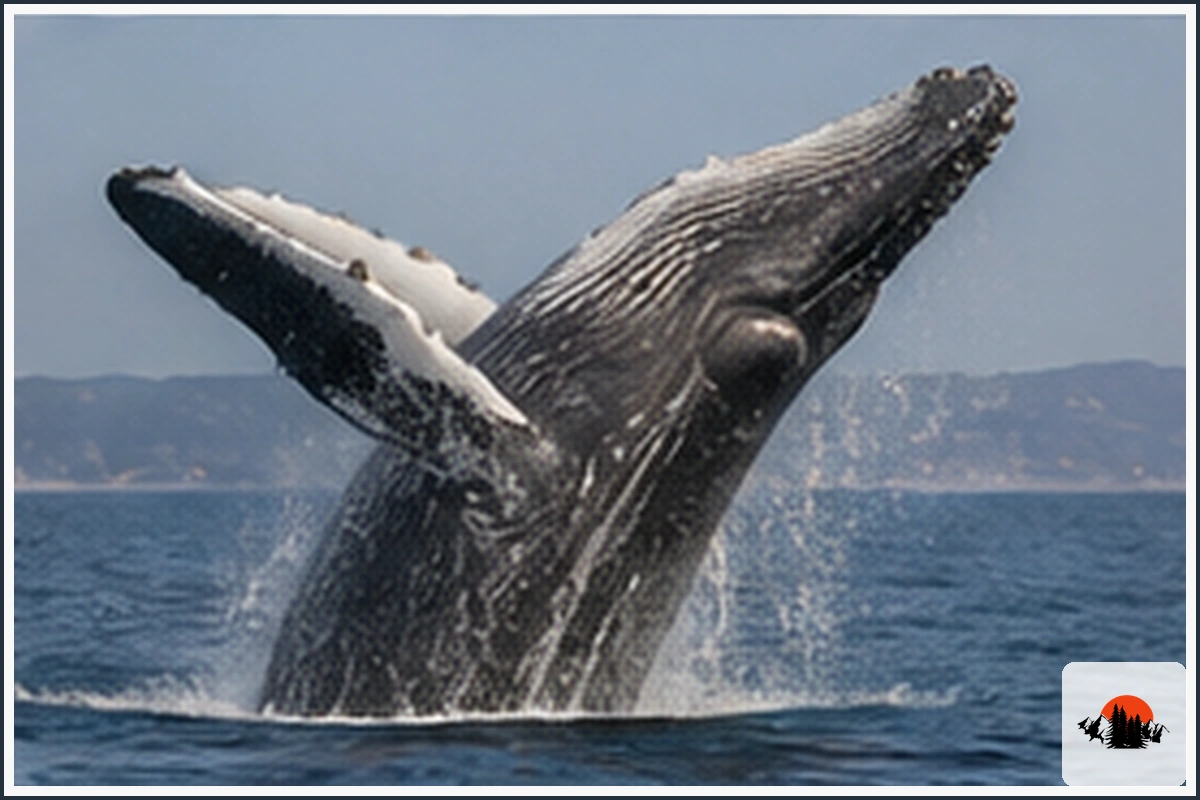
Scientific name: Megaptera novaeangliae. Humpback whales are recognized by long pectoral fins, knobby heads, and dramatic breaches. They visit California waters to feed on krill and schooling fish.
Their complex songs are most associated with breeding behavior, while coastal feeding groups may use bubble nets or other coordinated techniques. Vessel operators should follow marine mammal distance rules.
34. Great White Shark
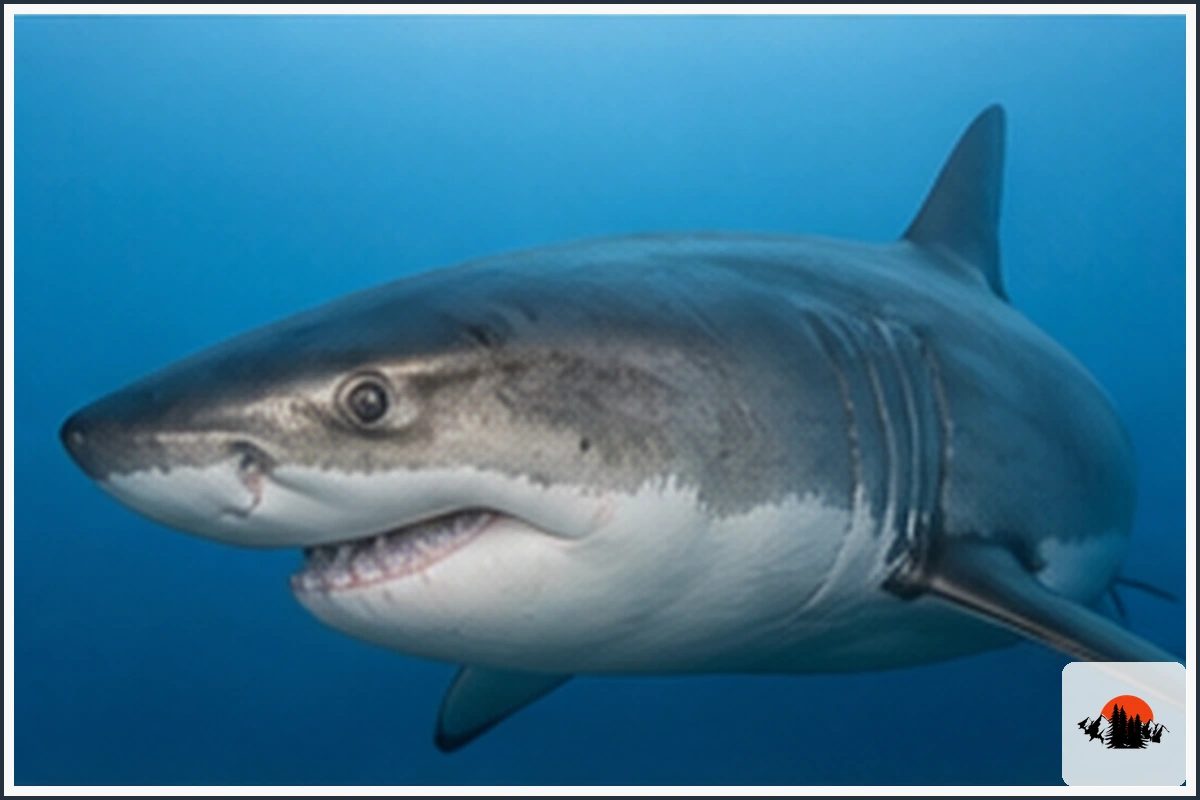
Scientific name: Carcharodon carcharias. Great white sharks are large predatory fish with gray backs, white undersides, pointed snouts, and triangular serrated teeth. Juveniles and adults occur along California’s coast, especially near productive seal and sea lion habitats.
They eat fish, rays, pinnipeds, and carrion. Encounters are uncommon, but swimmers and surfers should follow local advisories, avoid murky water near seal colonies, and never approach or feed sharks.
35. California Tarantula
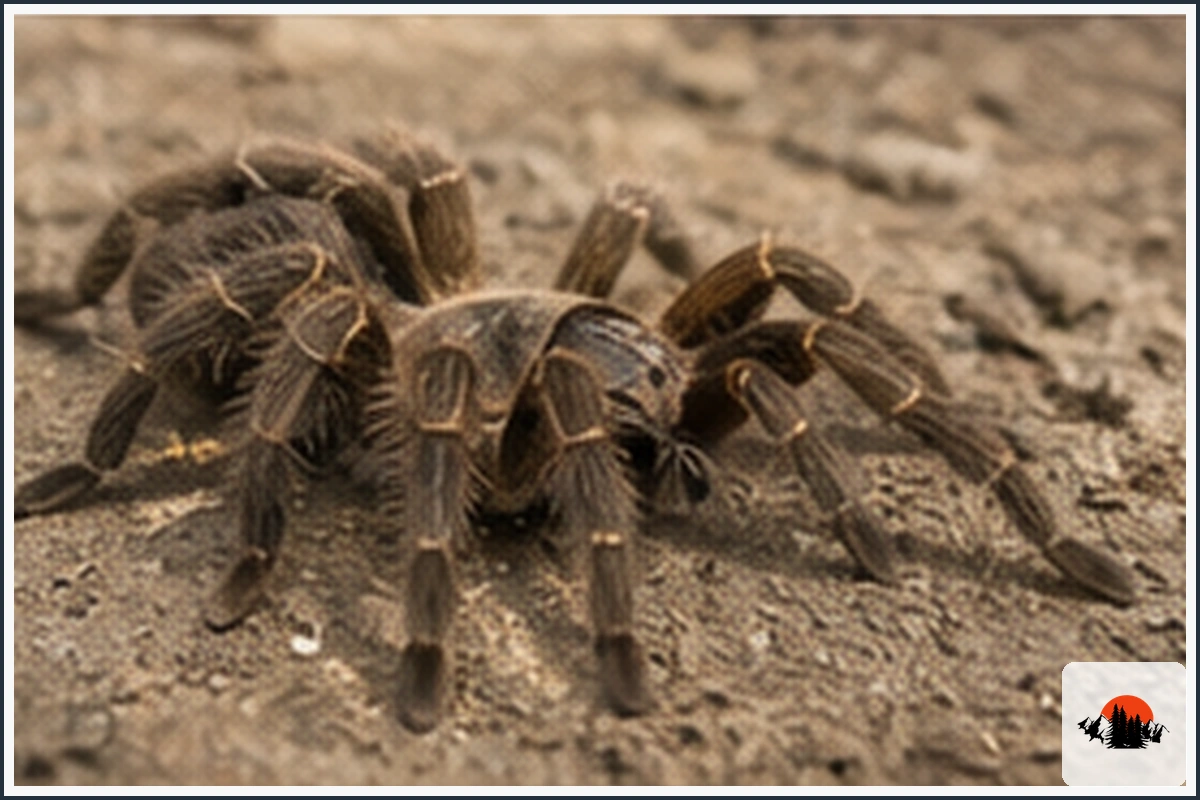
Scientific name: Aphonopelma species. California tarantulas are large, hairy spiders commonly seen crossing roads or open ground during the late summer mating season. They inhabit grasslands, oak woodlands, chaparral, and dry foothills.
They eat insects and other small prey, usually from burrows or sheltered locations. Their appearance can be intimidating, but they are generally slow-moving and not dangerous when left alone. Avoid picking them up because stress can cause them to shed irritating hairs.
36. California Dogface Butterfly

Scientific name: Colias eurydice. The California dogface butterfly is the state insect. Males are yellow with a distinctive dark pattern resembling a dog’s profile on the wings, while females are often paler.
Adults visit flowers for nectar, and caterpillars feed mainly on plants in the pea family, including native lupines. They occur in foothills, meadows, chaparral, and open woodland.
37. Monarch Butterfly
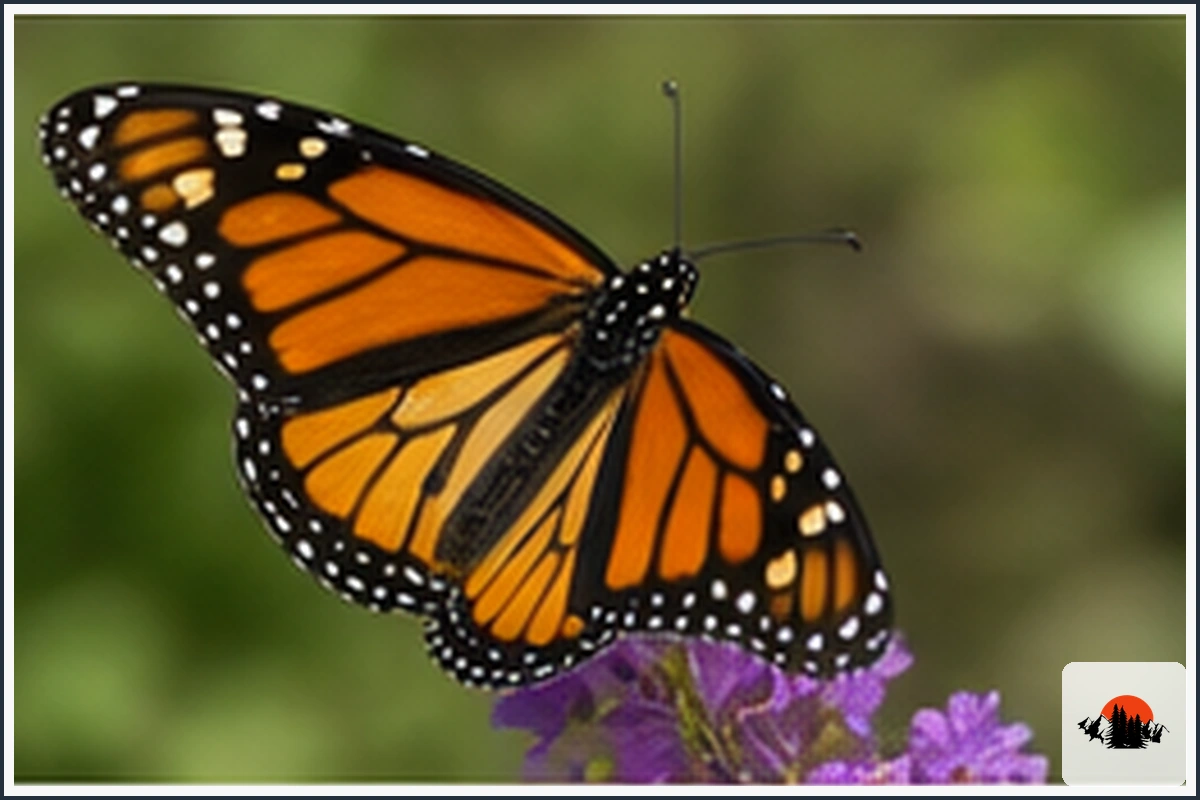
Scientific name: Danaus plexippus. Monarch butterflies have orange-and-black wings with white spots. Western monarchs migrate to coastal California overwintering sites, where thousands may cluster in suitable groves.
Caterpillars depend on milkweed, while adults drink nectar from many flowers. Habitat loss, pesticides, climate stress, and declining milkweed affect monarch populations. Planting pesticide-free native nectar plants can support them.
38. California Tiger Salamander
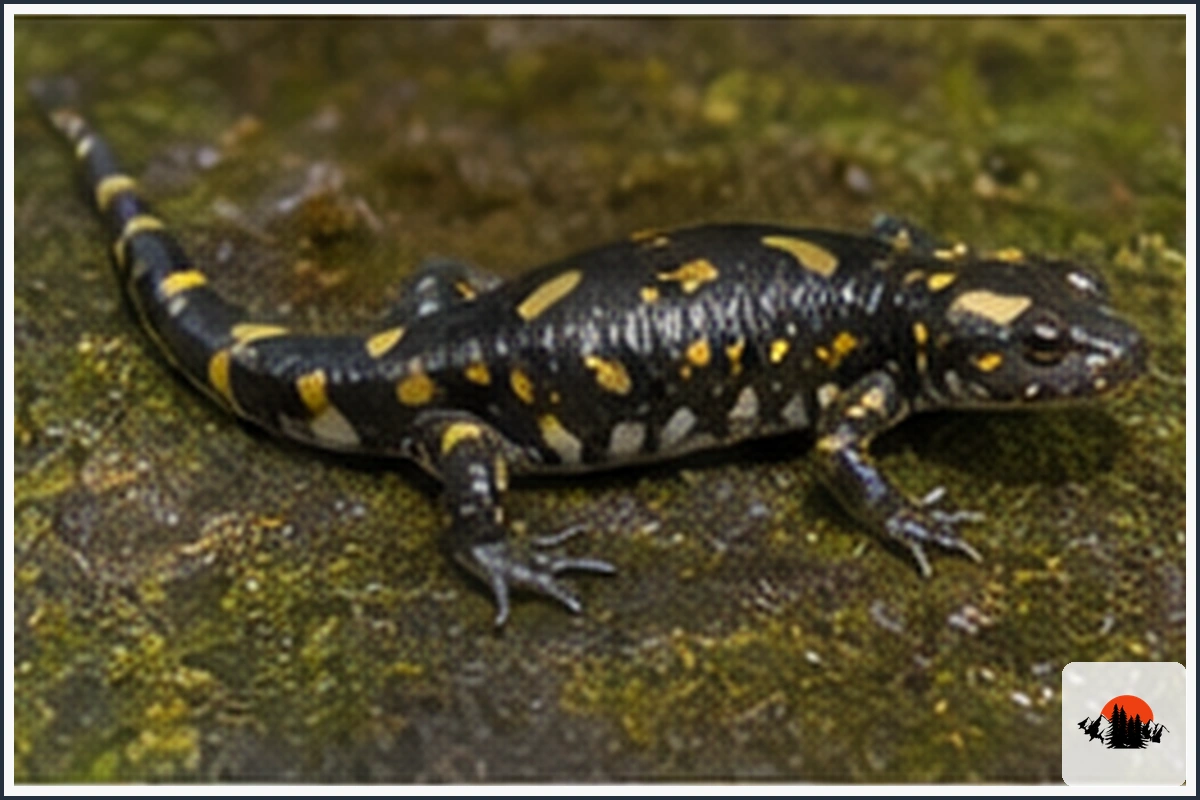
Scientific name: Ambystoma californiense. California tiger salamanders are dark amphibians marked with cream or yellow spots and bars. They spend much of the year underground and emerge during wet weather to breed in seasonal pools.
They eat insects, worms, and other small invertebrates. Seasonal wetlands and surrounding grasslands are essential to their life cycle. Several populations are protected because development and habitat fragmentation have reduced breeding sites.
39. Island Fox
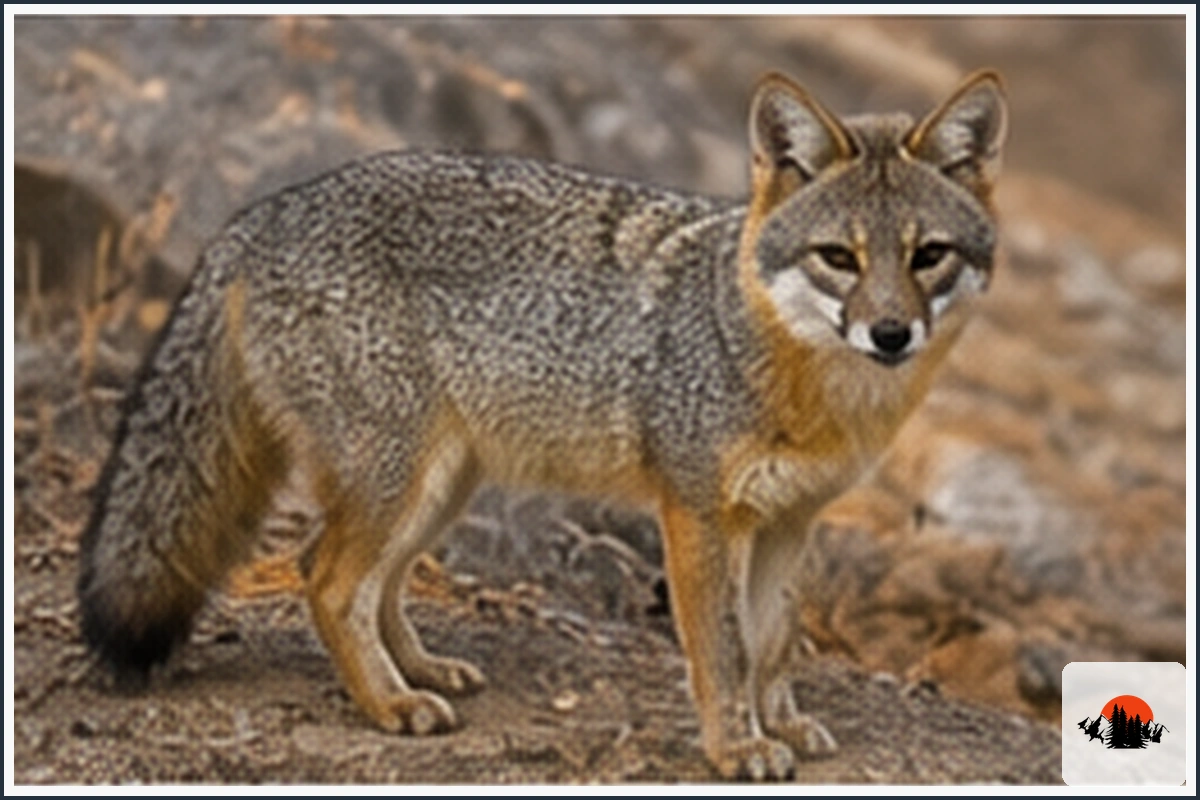
Scientific name: Urocyon littoralis. Island foxes are small gray foxes found on several California Channel Islands. They have compact bodies, short legs, large ears, and bushy tails.
Their diets include insects, fruit, rodents, lizards, and birds. Each island population has distinctive traits and faces different conservation conditions. Disease, introduced predators, and ecosystem changes have affected some populations, but recovery programs have helped several subspecies.
40. Gray Wolf
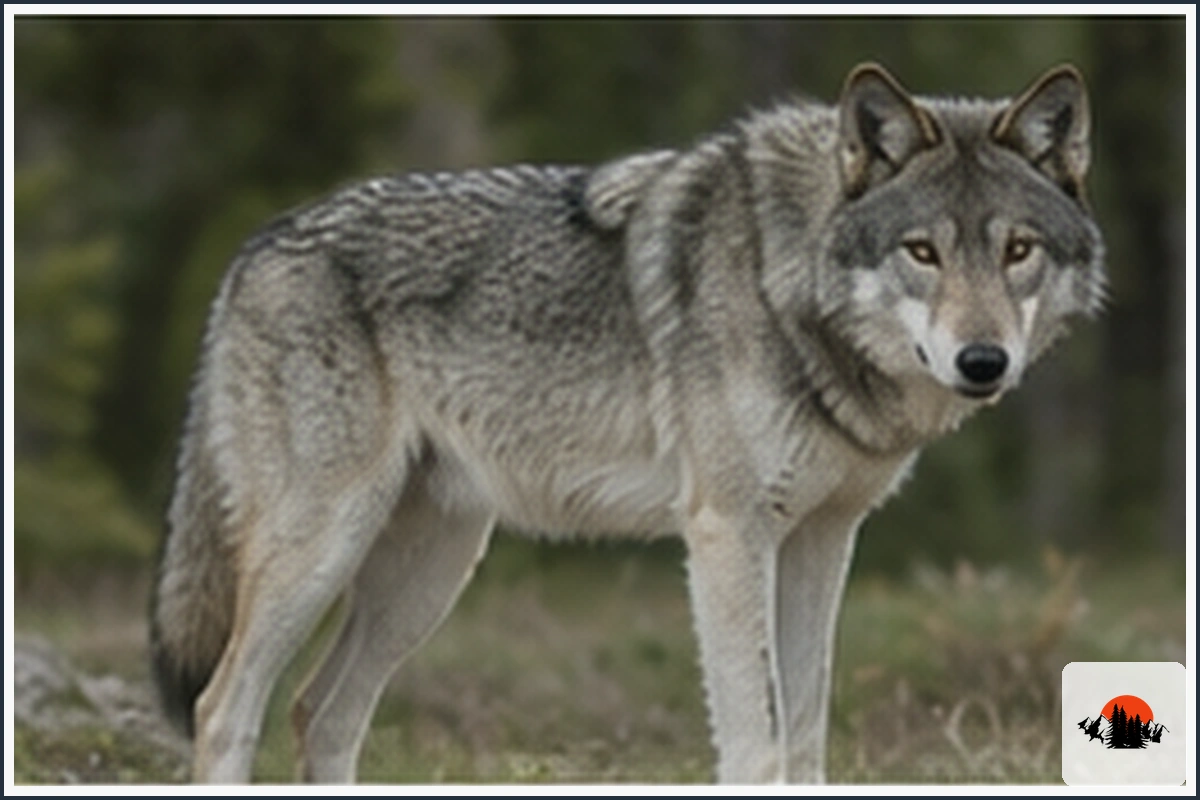
Scientific name: Canis lupus. Gray wolves historically occupied California but disappeared from the state for many decades. In recent years, naturally dispersing wolves have returned, particularly to northeastern California and the northern Sierra Nevada.
Wolves live in family groups and hunt deer, elk, and smaller animals. Their return is scientifically important but can create management concerns involving livestock, habitat, and public safety. Never approach or feed a wolf, and report confirmed sightings to wildlife authorities.
How Are These Animals Classified?
California wildlife can be classified in several useful ways:
- Mammals: Animals with hair or fur that feed their young with milk, including bears, deer, otters, foxes, and whales.
- Birds: Feathered, egg-laying animals such as condors, eagles, quail, and herons.
- Reptiles: Scaled animals such as snakes, lizards, and tortoises.
- Amphibians: Animals that usually depend on moist habitats during part of their life cycle, including frogs, newts, and salamanders.
- Fish: Aquatic vertebrates such as golden trout and garibaldi.
- Invertebrates: Animals without backbones, including tarantulas and butterflies.
Where Do These Wild Animals Live?
California’s wildlife is strongly shaped by its varied habitats. Coastal waters support whales, sea otters, seals, sea lions, and marine fish. Redwood forests and mountain woodlands provide cover for black bears, bobcats, deer, and numerous birds. Deserts support tortoises, bighorn sheep, kingsnakes, and specialized reptiles. Grasslands and oak savannas are important for coyotes, badgers, ground squirrels, quail, and raptors. Wetlands, rivers, and seasonal pools support herons, otters, newts, frogs, salamanders, and freshwater fish.
What Do California Animals Eat?
California animals use many different food sources:
- Herbivores: Mule deer, tule elk, desert bighorn sheep, and tortoises eat grasses, shrubs, leaves, or desert plants.
- Carnivores: Mountain lions, bobcats, wolves, sharks, and rattlesnakes hunt other animals.
- Omnivores: Coyotes, black bears, raccoons, and foxes eat both plant and animal foods.
- Scavengers: California condors and some eagles consume carrion.
- Aquatic predators: Sea lions, seals, otters, whales, and fish feed on fish or marine invertebrates.
- Insect specialists: Many birds, lizards, bats, spiders, frogs, and butterflies depend heavily on insects or nectar.
How to Identify Different Animals in California
- Start with habitat: Note whether you are in desert, forest, wetland, grassland, mountain, urban, or coastal country.
- Check body shape: Long tails, antlers, wings, shells, webbed feet, or a rounded body can quickly narrow the possibilities.
- Look for tracks: Paw prints, hoof marks, burrows, scat, feathers, and feeding signs can reveal hidden wildlife.
- Study movement: Soaring, gliding, swimming, hopping, crawling, and running patterns are useful clues.
- Listen: Calls, barks, rattles, hoots, and splashes may identify an animal before you see it.
- Consider season: Migration, breeding, flowering, hibernation, and wet-season activity change what you can find.
- Use distance: Binoculars and zoom lenses provide safer, more ethical observations than approaching animals.
Outdoor Tips for Finding and Observing California Wildlife
- Visit protected parks, wildlife refuges, wetlands, beaches, forests, and public lands.
- Go during early morning or late afternoon when many animals are most active.
- Move slowly, keep your voice low, and avoid blocking escape routes.
- Use binoculars, a field guide, and a wildlife identification app.
- Stay on marked trails and obey seasonal closures.
- Keep dogs leashed where required, especially near nesting birds and marine mammals.
- Never feed wildlife or leave food scraps behind.
- Do not handle reptiles, amphibians, insects, young animals, or stranded marine life.
Safety, Sustainability, and Conservation Notes
California wildlife faces habitat loss, drought, wildfire, pollution, invasive species, disease, road mortality, and human disturbance. Visitors can help by following park regulations, keeping waterways clean, driving carefully through wildlife corridors, and supporting habitat restoration.
Keep a safe distance from bears, mountain lions, rattlesnakes, sharks, seals, sea lions, and other potentially dangerous animals. Never release aquarium fish, frogs, turtles, or exotic pets into California waters. Anglers should check current fishing regulations, observe catch limits, use appropriate tackle, and release protected species carefully.
Fun Facts About Animals in California
- California contains deserts, alpine peaks, redwood forests, oak woodlands, grasslands, wetlands, and extensive marine habitats.
- The California condor is North America’s largest flying land bird.
- The southern sea otter uses rocks as tools to open hard-shelled prey.
- Golden trout is California’s official freshwater fish.
- Garibaldi is California’s official marine fish.
- The California dogface butterfly is the state insect.
- California ground squirrel burrows may shelter many other species.
- Desert tortoises spend much of their time in burrows to avoid temperature extremes.
- Gray whales migrate along the California coast each year.
- Western fence lizards often display bright blue coloring on the throat and belly.
Final Thoughts on Types of Animals in California
The types of animals in California reflect the state’s extraordinary variety of landscapes and ecosystems. From mountain lions and condors to desert tortoises, sea otters, whales, frogs, and colorful fish, each species has specific habitat needs and an important role in nature. Learning to identify wildlife is most rewarding when paired with patience, safe observation, responsible recreation, and respect for protected species.
Frequently Asked Questions
1. What are the most common types of animals in California?
Common animals include coyotes, raccoons, California ground squirrels, mule deer, western fence lizards, scrub-jays, rabbits, skunks, and many coastal birds.
2. What is California’s official state animal?
The California grizzly bear is the official state animal, although this bear has been extinct in California since the early twentieth century.
3. What is California’s official freshwater fish?
Golden trout is California’s official freshwater fish.
4. What is California’s official marine fish?
Garibaldi, a bright orange fish found around rocky reefs and kelp forests, is California’s official marine fish.
5. Are there bears in California?
Yes. California has a large population of American black bears. They may have black, brown, cinnamon, or blond fur.
6. Are mountain lions common in California?
Mountain lions are distributed across much of California, but they are secretive and rarely seen. They need large territories with prey and cover.
7. What should I do if I see a mountain lion?
Do not run. Face the animal, make yourself look large, keep children close, and slowly move away without turning your back.
8. Are coyotes dangerous?
Coyotes usually avoid people, but they can become bold when fed. Secure garbage, supervise pets, and never approach or feed them.
9. Which California animals live in the desert?
Desert animals include desert tortoises, desert bighorn sheep, gopher snakes, kingsnakes, rattlesnakes, coyotes, kit foxes, lizards, and many specialized insects.
10. Which animals live in California’s forests?
Black bears, bobcats, mule deer, mountain lions, gray squirrels, owls, woodpeckers, newts, and salamanders are among the forest species.
11. What animals live along the California coast?
Coastal wildlife includes sea otters, harbor seals, sea lions, gray whales, humpback whales, great white sharks, shorebirds, pelicans, and garibaldi.
12. Is the California condor endangered?
The California condor remains critically endangered and is supported by captive breeding, monitoring, and reintroduction programs.
13. What do California condors eat?
California condors are scavengers that feed primarily on the carcasses of large mammals and other animals.
14. Are there wolves in California?
Yes. Gray wolves have naturally returned to parts of northern and northeastern California after being absent for many decades.
15. Are rattlesnakes found throughout California?
Several rattlesnake species occur in California, from deserts and grasslands to foothills and woodland edges. Their distribution varies by region.
16. What should I do if I find a rattlesnake?
Stop, give it plenty of space, and allow it to move away. Never attempt to catch, kill, or handle it.
17. Are gopher snakes dangerous?
Gopher snakes are nonvenomous and generally harmless to people. They may imitate rattlesnakes when threatened.
18. What is California’s largest land bird?
The California condor is California’s largest land bird and has a wingspan of more than nine feet.
19. What animals can be seen in California wetlands?
Wetlands support herons, egrets, ducks, frogs, newts, salamanders, river otters, turtles, fish, and many insects.
20. Are bullfrogs native to California?
American bullfrogs are not native to California. They are invasive in many areas and may harm native amphibians and other wildlife.
21. Can I keep a wild California animal as a pet?
No. Wild animals have specialized needs and are protected by laws. Contact wildlife professionals rather than attempting to keep or rehabilitate one yourself.
22. Why are California sea otters important?
Sea otters help control sea urchin populations, which supports healthy kelp forests and the many species that depend on them.
23. When is the best time to see whales in California?
Gray whales are commonly seen during migration in winter and spring. Humpback whales may be observed during much of the warmer feeding season.
24. How can I safely watch seals and sea lions?
Stay well back, keep dogs away, avoid loud noises, and never touch, feed, or attempt to move them.
25. What is the best way to identify California wildlife?
Record the location, habitat, size, color, behavior, markings, and season. Photographs taken from a distance can help confirm an identification.
26. Are California desert tortoises endangered?
Desert tortoise populations face habitat loss, disease, roads, invasive plants, and development. They are protected and should never be collected or relocated casually.
27. What do mule deer eat?
Mule deer browse on shrubs, leaves, grasses, flowers, and young shoots. Their diet changes with season and habitat.
28. What animals eat acorns in California?
Black bears, scrub-jays, squirrels, deer, wild turkeys, and many rodents eat acorns or use them as an important seasonal food.
29. Why do California animals enter neighborhoods?
Food, water, shelter, drought, habitat loss, and development can draw wildlife into residential areas. Removing attractants helps reduce conflicts.
30. Are California tarantulas dangerous?
California tarantulas are generally not dangerous when left alone. Their defensive hairs can irritate skin or eyes, so they should not be handled.
31. What animals are unique to California?
Examples include the island fox, tule elk, California condor, golden trout, garibaldi, California newt, and California dogface butterfly, although some also have close relatives elsewhere.
32. How can I help California wildlife?
Protect habitat, avoid feeding wildlife, keep pets controlled, reduce pesticide use, drive carefully, support conservation groups, and follow all park and fishing regulations.