
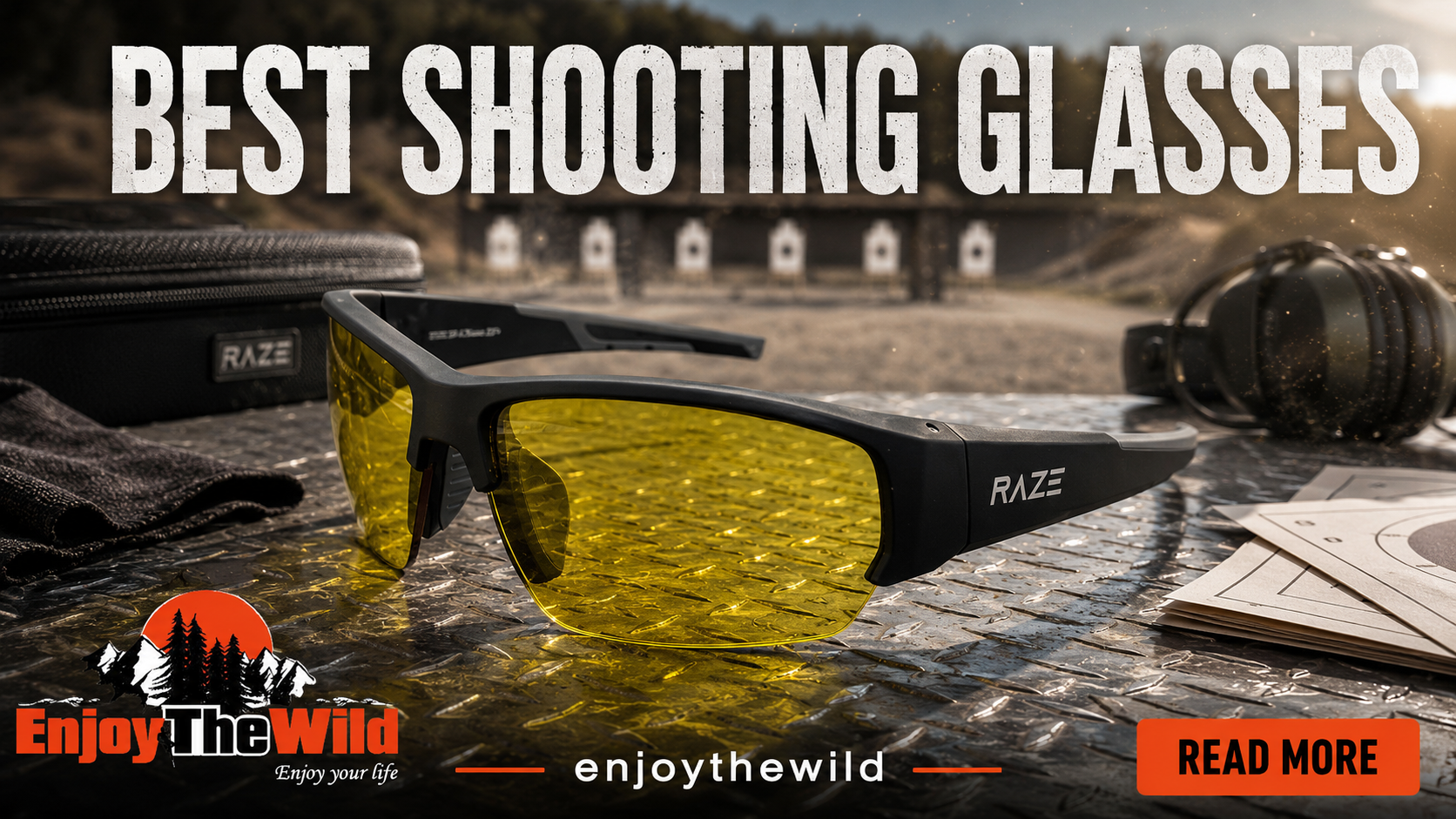
The best shooting glasses are more than a small accessory you throw into a range bag. They are an important piece of protective equipment for firearm owners, hunters, clay shooters, and anyone who spends time around active ranges. A good pair of shooting glasses helps protect your eyes from common range hazards such as ejected brass, dust, windblown debris, target fragments, and unexpected particles while still allowing you to see your sights and targets clearly.
This guide compares 10 popular shooting glasses and protective eyewear options for different buyers. Some are premium ballistic-style glasses built for serious training, while others are affordable clear-lens or multi-lens options for beginners, backup use, and casual practice. The goal is not to claim that one pair is perfect for every shooter, but to help you choose the right eyewear based on fit, lens tint, side coverage, optical clarity, comfort with ear muffs, durability, and overall value.
When comparing the best shooting glasses, always look beyond the product photo. Check the current Amazon listing for safety markings such as ANSI Z87.1 or Z87+, lens color, included accessories, anti-fog coating, UV protection, and whether the frame will work with your hearing protection. Responsible shooters should also follow all range rules, use proper hearing protection, obey federal, state, and local firearm laws, and handle every firearm safely.
Quick Picks:
- Best Overall: Wiley X Saber Advanced Shooting Glasses on Amazon
- Best Budget Option: Radians Revelation Protective Shooting Glasses on Amazon
- Best Premium Pick: ESS Crossbow Suppressor 2X+ Shooting Glasses Kit on Amazon
- Best for Beginners: Walker’s Sport Glasses Kit on Amazon
- Best Goggle-Style Protection: Pyramex I-Force Safety Goggles on Amazon
Comparison Table
| Product | Best For | Lens / Material | Fit / Compatibility | Key Features | Durability / Safety Features | Check Price |
|---|---|---|---|---|---|---|
| Wiley X Saber Advanced Shooting Glasses | Best Overall | Interchangeable polycarbonate lenses | Adjustable nose piece and wraparound shield design | Ballistic-style design, interchangeable lens options, side coverage, lightweight frame | Look for ANSI Z87.1+ and ballistic standard details on the current listing | Check Price on Amazon |
| ESS Crossbow Suppressor 2X+ Shooting Glasses Kit | Best Premium Pick | Interchangeable ballistic-style lenses | Ultra-thin temples for earmuff compatibility | Suppressor frame, multiple lens options, wraparound coverage, kit format | Check current listing for ANSI and military-impact standard claims | Check Price on Amazon |
| Oakley SI Ballistic M Frame Shooting Glasses | Best High-End Sport Option | Ballistic-style shield lens | Sport frame with secure wraparound fit | High-coverage shield, sport fit, optical clarity, outdoor-ready design | Check current listing for ballistic and ANSI details | Check Price on Amazon |
| Radians Revelation Protective Shooting Glasses | Best Budget Option | Polycarbonate lens | Adjustable temples and lens angle | Affordable design, adjustable fit, lightweight frame, multiple tint options | Check current listing for ANSI marking and lens details | Check Price on Amazon |
| Walker’s Sport Glasses Kit | Best Starter Kit | Interchangeable lens kit | Wraparound sport frame | Multiple lens colors, storage case, range-friendly design, affordable kit | Confirm current lens material, tint package, and safety marking on Amazon | Check Price on Amazon |
| Smith & Wesson M&P Thunderbolt Shooting Glasses | Best Lightweight Pick | Polycarbonate lens | Lightweight wraparound frame | Slim profile, simple design, shooting brand identity, basic range protection | Check Amazon listing for current ANSI rating and lens details | Check Price on Amazon |
| NoCry Clear Safety Glasses | Best Clear Lens Option | Clear polycarbonate lens | Adjustable arms and wraparound design | Clear lens, anti-fog style coating, adjustable fit, wide utility use | Check current listing for ANSI Z87.1 rating and coating details | Check Price on Amazon |
| XAegis Tactical Eyewear Shooting Glasses Kit | Best Multi-Lens Value | Interchangeable clear, smoke, and yellow-style lenses | Sport frame with included accessories | Multiple lenses, case, strap options, tactical-style kit, budget-friendly package | Confirm current lens rating, included accessories, and package details on Amazon | Check Price on Amazon |
| Pyramex I-Force Safety Goggles | Best Goggle-Style Protection | Dual-pane anti-fog style lens | Foam-lined goggle with strap | Goggle coverage, foam seal, strap retention, anti-fog style design | Check current listing for ANSI rating and lens type | Check Price on Amazon |
| Allen Company Shooting Safety Glasses | Best Spare Pair | Polycarbonate-style protective lens | Basic wraparound shooting glasses | Simple range eyewear, lightweight frame, budget-friendly, easy storage | Check current listing for ANSI marking and lens color | Check Price on Amazon |
Overall, the best shooting glasses for most buyers are the ones that combine reliable impact protection, clear vision, a comfortable frame, and compatibility with hearing protection. Premium models such as Wiley X, ESS, and Oakley-style ballistic eyewear tend to focus on standards, lens quality, and long-term range comfort. Budget models from Radians, Walker’s, NoCry, Allen, and similar brands can still be practical for beginners, guest shooters, and backup use when the current listing shows appropriate safety markings. Goggle-style eyewear may be useful for dusty or windy environments, while clear glasses are often the most practical for indoor range lanes. Choose based on your shooting environment, face shape, lens preference, and how well the glasses work with your ear muffs.
1. Wiley X Saber Advanced Shooting Glasses on Amazon
Short Overview
The Wiley X Saber Advanced is a strong choice for shooters who want a serious pair of range glasses instead of basic shop eyewear. It has a wraparound shield-style design that helps cover the front and sides of the eyes while still keeping the frame fairly light. The interchangeable lens setup makes it useful for outdoor ranges, indoor lanes, cloudy conditions, and bright daylight depending on the lens package you choose. Hunters and range shooters often like this style because it can provide a wide field of view without a bulky full-frame feel. The adjustable nose piece is helpful when you need the glasses to sit correctly while wearing ear muffs, a cap, or a brimmed hat. It is also a practical option for users who want one pair of shooting glasses that can cover training, hunting preparation, and general eye protection around the range. Before buying, check the exact Amazon listing for the included lens colors and current safety markings. Overall, it is best for buyers who value protective standards, lens flexibility, and long-term usefulness.
Key Features
- Wraparound shield-style coverage for shooting and range use
- Interchangeable lens options depending on the kit selected
- Lightweight frame with adjustable nose piece
- Designed for clear visibility and side protection
- Suitable for indoor ranges, outdoor ranges, hunting practice, and training
Pros
- Strong all-around choice for serious range use
- Interchangeable lenses help adapt to changing light
- Good field of view compared with many full-frame glasses
- Useful for shooters who wear over-ear hearing protection
Cons
- Premium models may cost more than basic safety glasses
- Different kits may include different lens colors
- Buyers should confirm the exact safety rating on the current listing
Who It’s Best For
Best for hunters, target shooters, and outdoor enthusiasts who want a trusted protective eyewear style with interchangeable lens flexibility.
2. ESS Crossbow Suppressor 2X+ Shooting Glasses Kit on Amazon
Short Overview
The ESS Crossbow Suppressor 2X+ Kit is built for shooters who wear over-ear hearing protection and want glasses that do not create an uncomfortable pressure point. Its thin temple arms are the main reason many shooters consider it for range work, because thick eyewear arms can break the seal of ear muffs and create hot spots during long sessions. The wraparound lens shape gives a wide viewing area, which is useful when moving between targets, spotting impacts, or tracking clays. The kit format also makes it easier to switch between clear and tinted lenses depending on the range environment. It is a premium-style option for people who want purpose-built shooting eyewear rather than general safety glasses. The design works well for indoor range lanes, outdoor pistol practice, rifle sight-in days, and shotgun training. As with any protective eyewear, buyers should verify the exact lens rating and included accessories on Amazon before purchasing. It is especially useful for shooters who prioritize comfort with hearing protection.
Key Features
- Thin Suppressor-style temples designed to pair with ear muffs
- Interchangeable lens kit for different lighting conditions
- Wide wraparound coverage for range visibility
- Lightweight frame design for long practice sessions
- Good option for rifle, handgun, and shotgun range use
Pros
- Excellent choice for wearing under electronic or passive ear muffs
- Multiple lenses can improve flexibility in different light
- Wraparound shape supports practical side coverage
- Premium kit format works well for frequent shooters
Cons
- May cost more than simple single-lens glasses
- Slim temples may feel different from normal glasses
- Buyers should confirm the exact kit contents before buying
Who It’s Best For
Best for frequent range users, instructors, competitive shooters, and anyone who struggles with thick glasses under shooting ear muffs.
3. Oakley SI Ballistic M Frame Shooting Glasses on Amazon
Short Overview
The Oakley SI Ballistic M Frame style is aimed at buyers who want a premium sport eyewear feel with shooting-range protection in mind. It is a popular type of eyewear for shooters who want a secure wraparound fit, strong lens coverage, and a frame that feels stable during movement. The shield-style lens gives a broad field of view, which is useful for shotgun shooting, carbine classes, dynamic range drills, and general outdoor training. The sport profile also makes it comfortable for users who are used to performance sunglasses rather than industrial-looking safety glasses. For hunters, the lightweight feel and sun-ready design can make it practical for scouting, range practice, and field days. It is not the cheapest option, but it can be a good long-term pick for users who care about optics, fit, and brand reputation. Always confirm the exact lens color, included accessories, and current protective markings on the Amazon page. It is best for buyers who want shooting glasses that also feel like high-quality outdoor eyewear.
Key Features
- Premium sport-style frame for active shooting use
- Large shield lens for wide field of view
- Secure wraparound profile
- Useful for bright outdoor ranges and field practice
- Designed for shooters who prefer performance eyewear
Pros
- Premium fit and feel for active outdoor shooters
- Wide lens coverage supports better visibility
- Good option for shotgun, rifle, and pistol range use
- Sporty design can work beyond the range
Cons
- Higher-end option compared with budget glasses
- Lens tint and package details vary by listing
- May not be the best choice for buyers wanting a low-cost multi-pack
Who It’s Best For
Best for shooters who want high-end protective sport eyewear for outdoor ranges, sporting clays, and serious practice sessions.
4. Radians Revelation Protective Shooting Glasses on Amazon
Short Overview
Radians Revelation Protective Shooting Glasses are a practical budget option for new shooters, occasional range users, and buyers who want affordable backup eyewear. The adjustable temples and lens angle help users dial in a more comfortable fit, which is useful because poorly fitted glasses can slide, pinch, or interfere with ear protection. This model is often chosen by people who want simple protective glasses without paying for a premium ballistic kit. The lightweight design makes it easy to keep a spare pair in a range bag, truck console, hunting pack, or workbench drawer. It can be a useful choice for indoor pistol lanes, outdoor rifle sight-in, and basic clay target sessions. Because this is a value-oriented pick, buyers should pay close attention to the exact lens tint and safety marking shown on the current Amazon listing. It is not as refined as premium glasses, but it solves the most common beginner problem: getting usable eye protection without overspending. Overall, it is best for shooters who want simple, adjustable, and affordable range eyewear.
Key Features
- Budget-friendly protective shooting glasses
- Adjustable temples for a more customized fit
- Adjustable lens angle for comfort and visibility
- Lightweight design for easy range bag storage
- Available in different lens tints depending on the listing
Pros
- Very practical for beginners and backup use
- Adjustable fit helps improve comfort
- Easy to store in a range bag or glove box
- Good value for casual range trips
Cons
- Not as premium as high-end ballistic eyewear kits
- May not include multiple lenses
- Long-term durability may depend on how carefully it is stored
Who It’s Best For
Best for beginners, occasional shooters, and buyers who want affordable range glasses that are easy to replace or keep as spares.
5. Walker’s Sport Glasses Kit on Amazon
Short Overview
Walker’s Sport Glasses Kit is a good fit for new shooters who want more than one lens color without stepping into premium eyewear pricing. A kit-style setup is useful because clear lenses are often preferred indoors, smoke lenses can help outdoors, and amber or yellow lenses may improve contrast for some users in cloudy or lower-light conditions. The wraparound sport frame helps give basic side coverage while staying light enough for casual practice. It is also convenient for people who already use Walker’s hearing protection and want matching range accessories from the same category. The kit can work for pistol practice, rifle range days, shotgun sessions, and general outdoor utility use. Because lens kits can vary, check the Amazon product page carefully to see exactly which lens colors and accessories are included. It is not the most premium option in this list, but it provides practical flexibility for the price-conscious buyer. Overall, it is a solid starter kit for shooters building a complete range bag.
Key Features
- Kit-style shooting glasses with multiple lens options
- Useful for indoor and outdoor range conditions
- Sport-style frame with wraparound coverage
- Good match for beginner range bags
- Convenient option for shooters who want lens flexibility
Pros
- Multiple lenses help cover different lighting conditions
- Beginner-friendly kit format
- Easy to store with other shooting accessories
- Good value for casual shooters
Cons
- Frame quality may not feel as premium as high-end glasses
- Lens changes may take practice
- Buyers should confirm current kit contents before ordering
Who It’s Best For
Best for new range users, casual shooters, and buyers who want a simple multi-lens eyewear kit.
6. Smith & Wesson M&P Thunderbolt Shooting Glasses on Amazon
Short Overview
Smith & Wesson M&P Thunderbolt Shooting Glasses are designed for shooters who want a simple, lightweight pair of protective glasses from a familiar firearms-related brand. They are not complicated, which can be a benefit for people who simply need range glasses that are easy to pack and easy to wear. The wraparound shape helps with side coverage while keeping the glasses from feeling bulky. This style is useful for handgun practice, basic rifle bench work, range classes, and keeping extra glasses available for a guest shooter. Because they are lightweight, they can also be more comfortable under hats and ear muffs than heavier eyewear. They are a practical choice for building a basic shooting kit, especially if you want more than one pair stored in different bags. As always, confirm the current listing for lens tint, protective marking, and package quantity. Overall, they are best for shooters who want a straightforward pair of range glasses without extra features.
Key Features
- Lightweight protective eyewear for range use
- Wraparound style for practical side coverage
- Simple design that is easy to pack
- Works for pistol, rifle, and general shooting practice
- Good option for spare or guest eyewear
Pros
- Simple and easy to use
- Lightweight enough for longer range sessions
- Practical choice for backup eye protection
- Recognizable shooting-related brand
Cons
- May not include interchangeable lenses
- Less feature-rich than premium eyewear kits
- Fit can vary depending on face shape
Who It’s Best For
Best for range users who want simple, lightweight shooting glasses for basic protection and everyday practice.
7. NoCry Clear Safety Glasses on Amazon
Short Overview
NoCry Clear Safety Glasses are not marketed only to shooters, but they are a useful clear-lens option for indoor ranges and general protective eyewear needs. The clear lens is helpful when you need maximum light transmission, such as indoor pistol lanes, covered rifle benches, evening practice, or shop work around your gear. Adjustable arms and a wraparound profile make them easier to fit than many one-size basic glasses. They are also useful for buyers who want protective eyewear that can pull double duty for home projects, cleaning tasks, garage work, and outdoor chores. For shooting, they are best viewed as practical safety glasses rather than premium ballistic eyewear. The anti-fog style coating can be helpful, but fog performance always depends on humidity, temperature, face shape, and how the glasses sit with a hat or ear protection. Always check the Amazon page for the current rating, lens coating, and exact model details. Overall, they are a smart budget-friendly clear-lens option for range bags and general safety use.
Key Features
- Clear lens for indoor ranges and low-light use
- Adjustable arms for better fit control
- Wraparound design for practical coverage
- Useful beyond shooting for shop and outdoor tasks
- Good value for buyers who need simple clear safety eyewear
Pros
- Clear lens works well for indoor and covered ranges
- Adjustable fit improves comfort for many users
- Versatile enough for non-shooting safety tasks
- Good option for keeping extra glasses on hand
Cons
- Not a dedicated premium shooting eyewear kit
- Clear lens may not be ideal for bright outdoor sun
- Fog resistance depends on conditions and fit
Who It’s Best For
Best for indoor range users, beginners, and buyers who want clear protective glasses that can also be used around the home or workshop.
8. XAegis Tactical Eyewear Shooting Glasses Kit on Amazon
Short Overview
The XAegis Tactical Eyewear Shooting Glasses Kit is aimed at buyers who want an affordable multi-lens package with a tactical-style look. It usually appeals to shooters who want a full kit that includes several lens colors, a case, and accessories without paying premium-brand prices. Clear lenses can be useful indoors, darker lenses can help in sunlight, and yellow-style lenses may improve contrast for some users in cloudy conditions. The kit format makes it convenient for range bags, airsoft, outdoor training, and casual hunting preparation. It can also be a good option for people who want to test which lens colors they prefer before investing in a higher-end pair. Because package contents and ratings can vary, the current Amazon listing should be checked carefully before purchase. It is not the same as buying top-tier ballistic eyewear from a legacy protective brand, but it offers useful flexibility. Overall, it is best for value-focused buyers who want a multi-lens kit for general range use.
Key Features
- Multi-lens kit for different light conditions
- Includes storage and accessory options depending on listing
- Tactical-style frame design
- Useful for range, airsoft, outdoor practice, and general eye protection
- Budget-friendly alternative to premium lens kits
Pros
- Good value for buyers who want several lens colors
- Convenient kit format for range bags
- Lets beginners experiment with lens tints
- Useful for different outdoor and indoor conditions
Cons
- Not as refined as premium eyewear brands
- Buyers should verify current safety markings
- Fit and lens-change feel may vary by user
Who It’s Best For
Best for budget-minded shooters who want multiple lens options in one kit.
9. Pyramex I-Force Safety Goggles on Amazon
Short Overview
Pyramex I-Force Safety Goggles are a better option for shooters who want more sealed coverage than standard glasses can provide. Goggle-style eyewear can be useful at dusty outdoor ranges, windy shooting areas, and situations where side gaps are a concern. The foam-lined design and strap can help keep the eyewear in place during movement or when wearing a hat. It may also be helpful for people who find that normal glasses slide down their nose during humid conditions. The trade-off is that goggles can feel warmer and bulkier than simple shooting glasses, especially during long summer sessions. They may also interact differently with over-ear hearing protection, so fit should be tested before relying on them for an entire range day. Check the current Amazon listing for exact lens coating, safety rating, and whether the model is clear, smoke, or another tint. Overall, this is best for shooters who prefer more enclosed coverage over the lightest possible feel.
Key Features
- Goggle-style design for more enclosed eye coverage
- Foam-lined fit helps reduce gaps
- Strap retention for secure wear
- Useful in dusty, windy, or outdoor range environments
- Dual-pane anti-fog style design depending on listing
Pros
- More coverage than standard open glasses
- Good for dusty or windy conditions
- Secure strap helps keep eyewear in place
- Useful for outdoor work and shooting environments
Cons
- Bulkier than regular shooting glasses
- Can feel warmer in hot weather
- May need fit testing with ear muffs
Who It’s Best For
Best for shooters who want goggle-style coverage for windy, dusty, or high-debris range environments.
10. Allen Company Shooting Safety Glasses on Amazon
Short Overview
Allen Company Shooting Safety Glasses are a simple choice for buyers who want basic range eyewear without complicated features. They are especially useful as a spare pair for guests, a backup in a range bag, or a low-cost option for occasional practice. The lightweight wraparound style makes them easy to wear for short sessions and easy to store with ammunition boxes, ear protection, and cleaning gear. They are not designed to compete with premium ballistic eyewear, but they can solve the common problem of arriving at the range without eye protection. For new shooters, having extra glasses available also supports responsible range habits and makes it easier to bring a friend or family member. As with any budget eyewear, buyers should confirm the exact current listing, lens color, and safety markings before relying on them. They are best when used as affordable basic protection rather than high-end performance glasses. Overall, they are a practical spare-pair option for range bags and hunting trucks.
Key Features
- Simple protective eyewear for shooting ranges
- Lightweight wraparound style
- Easy to keep as a spare pair
- Budget-friendly choice for guests and beginners
- Useful for range bags, hunting packs, and gear storage
Pros
- Affordable and easy to keep as backup eyewear
- Simple design with no learning curve
- Good for guest shooters and occasional range trips
- Lightweight and easy to pack
Cons
- Basic feature set
- May not offer interchangeable lenses
- Not as durable or refined as premium options
Who It’s Best For
Best for buyers who want an affordable spare pair of shooting glasses for range bags, guest shooters, or occasional use.
Buying Guide: Things to Consider Before Buying Shooting Glasses
Choosing the best shooting glasses starts with understanding where and how you shoot. A person who practices indoors once a month may need a different pair than a hunter who spends long days outside, a shotgun shooter tracking clays in changing light, or a range officer who wears eye protection for many hours. The right eyewear should protect your eyes, stay comfortable, and help you see clearly without distracting you from safe firearm handling.
Safety Rating and Markings
The first thing to check is the safety rating. Look for recognized markings such as ANSI Z87.1 or Z87+ when available. Some premium eyewear may also reference ballistic impact standards. Do not rely only on words like tactical, durable, or impact resistant unless the listing and manufacturer provide clear rating information. The exact lens and frame combination matters, so confirm the current model details before buying.
Lens Material and Optical Clarity
Most shooting glasses use polycarbonate lenses because polycarbonate is lightweight and impact resistant. However, not every lens has the same clarity or coating quality. Low-quality lenses may create distortion, glare, or eye strain. If you shoot rifles, pistols, or shotguns regularly, clear optics can make a real difference in comfort and sight alignment. Scratched or cloudy lenses should be replaced because they can interfere with your vision.
Lens Tint
Clear lenses are usually best for indoor ranges and low-light conditions. Smoke, gray, or bronze lenses are useful in bright outdoor sunlight. Yellow, amber, vermillion, or contrast-enhancing lenses may help some shooters see targets more clearly against certain backgrounds. Shotgun and clay shooters often experiment with different tints because sky color and target color can change the way the target appears. If you shoot in many environments, an interchangeable lens kit may offer better long-term value.
Fit and Coverage
A good pair of shooting glasses should sit securely without sliding, pinching, or leaving large gaps around the eyes. Wraparound frames are popular because they provide wider coverage and reduce open side gaps. Adjustable nose pieces and temples can help the glasses fit different face shapes. If the glasses move when you shoulder a firearm, look through a scope, or bend down to load gear, they are not the right fit.
Compatibility with Hearing Protection
Shooting glasses and hearing protection must work together. Thick temple arms can break the seal of over-ear muffs and create pressure points. Thin temples, suppressor-style arms, or flexible frames are more comfortable for long sessions. Always test your glasses with the exact ear muffs you plan to wear. If the combination hurts after 15 minutes, it will probably feel worse after a full range day.
Anti-Fog and Scratch Resistance
Anti-fog coating is useful for humid ranges, cold weather, indoor lanes, and shooters who wear hats or face coverings. Scratch-resistant coating is also important because range bags are hard on lenses. Still, no coating is perfect. Store your glasses in a case, clean them with a microfiber cloth, and avoid wiping dusty lenses with a shirt. Good maintenance keeps the lenses clearer and safer to use.
Indoor vs. Outdoor Use
Indoor shooters often need clear lenses, anti-fog performance, and comfortable temples that work with ear muffs. Outdoor shooters may need UV protection, glare control, and tinted lenses. Hunters may want lightweight glasses that work under hats and do not interfere with safe target identification. Clay shooters may care more about contrast and a wide field of view. Match the eyewear to the environment instead of choosing only by brand.
Prescription Needs
If you wear prescription glasses, do not assume your normal glasses are enough. You may need over-glasses safety eyewear, prescription safety glasses, or shooting glasses with prescription inserts. The protective eyewear should not push your prescription lenses out of place or create distortion in your sight picture. Check range rules because many facilities require safety-rated eyewear even for prescription users.
Comfort for Long Sessions
Comfort matters because uncomfortable eyewear gets adjusted constantly, and constant adjustment is distracting. Look for balanced weight, smooth temples, a comfortable nose piece, and enough airflow to reduce fogging. If you shoot for hours, a premium frame may be worth the investment. If you only shoot occasionally, a well-rated budget pair may be enough.
Value for Money
The best value is not always the cheapest pair. A budget pair may be fine for guest use or backup storage, but frequent shooters may benefit from stronger coatings, better optics, replaceable lenses, and a more comfortable frame. Consider how often you shoot, how many lighting conditions you face, and how important lens quality is for your activity. Eye protection is a safety purchase, so value should include protection, comfort, durability, and consistency.
Responsible Firearm Use
Shooting glasses do not replace safe firearm handling. Always keep firearms pointed in a safe direction, follow range commands, use the correct ammunition, maintain awareness of others, and obey all federal, state, and local laws. Eye protection is one layer in a responsible safety system that also includes hearing protection, safe storage, proper training, and ethical field use.
Final Recommendation
If you want the best overall option in this comparison, start with the Wiley X Saber Advanced Shooting Glasses on Amazon because they offer a strong balance of protective design, lens flexibility, comfort, and serious range use. For premium earmuff compatibility, the ESS Crossbow Suppressor 2X+ Kit on Amazon is a smart choice for shooters who dislike thick temple arms under ear muffs. For budget buyers, the Radians Revelation Protective Shooting Glasses on Amazon are simple, adjustable, and practical.
Beginners may prefer the Walker’s Sport Glasses Kit on Amazon because it gives them multiple lens colors to try. Indoor range users who want a clear lens can consider the NoCry Clear Safety Glasses on Amazon, while shooters who want more enclosed coverage may prefer the Pyramex I-Force Safety Goggles on Amazon. Before buying, check current availability, rating details, package contents, lens tint, and return policy on Amazon.
The right shooting glasses should help you see clearly, stay comfortable, work with your hearing protection, and support responsible range habits. Choose based on safety markings, fit, field of view, lens tint, and the conditions where you actually shoot. If you found this guide useful, share it with a hunting partner, range buddy, family member, or new shooter who is building a safer and more complete range kit.
FAQs
1. What are the best shooting glasses for most people?
For most shooters, the best shooting glasses are comfortable, impact-rated, clear enough for the lighting conditions, and compatible with hearing protection. A good pair should wrap around the eyes, reduce side gaps, and stay in place when you shoulder a rifle, mount a shotgun, or look down at a pistol sight picture. The best overall choice depends on whether you shoot mostly indoors, outdoors, in bright sun, or in mixed lighting. Interchangeable lens kits are useful if you want one pair for several environments, while clear single-lens glasses can be enough for indoor range use. Always check the current product listing for safety markings, included lens colors, and fit details before buying.
2. Do I really need shooting glasses at the range?
Yes, responsible shooters should wear eye protection every time they are on a range or around active shooting. Eye protection helps reduce risk from flying particles, ejected brass, target fragments, windblown debris, cleaning solvent splashes, and other range hazards. Many ranges require eye protection before you can enter the firing area. Regular sunglasses may not offer the same impact rating or side coverage as safety-rated shooting glasses. Choose glasses that fit securely and do not interfere with your ear protection, sight picture, or safe firearm handling.
3. Are shooting glasses different from regular safety glasses?
Shooting glasses are a type of protective eyewear, but the best shooting-specific designs focus on field of view, side coverage, lens tint, compatibility with ear muffs, and secure fit while aiming. Regular safety glasses can work for some range use if they carry appropriate impact markings and fit correctly. However, general shop glasses may have thicker temples, poor optical clarity, or lens shapes that interfere with ear protection. Shooting glasses often use wraparound lenses, thin temples, and tint options that help in bright or low-contrast shooting environments. Always compare safety markings and fit instead of relying only on the product name.
4. What does ANSI Z87.1 mean for shooting glasses?
ANSI Z87.1 is a common U.S. standard for occupational and educational eye and face protection. When shopping for shooting glasses, look for markings such as Z87 or Z87+ on the product or listing. The plus sign generally indicates high-impact protection under that standard, but you should still check the manufacturer’s documentation and current Amazon listing. For shooting use, many buyers prefer eyewear with strong side coverage and impact-rated lenses. ANSI marking is not a magic guarantee against every hazard, but it is an important baseline when choosing protective eyewear.
5. What does ballistic rated mean in shooting eyewear?
Ballistic-rated eyewear is tested to standards that are generally more demanding than basic civilian impact eyewear standards. Some premium shooting glasses may reference military-style standards such as MIL-PRF or MIL-DTL testing, depending on the product. This can be useful for shooters who want higher-impact protective eyewear for range work, training classes, or field use. However, standards and claims can vary by model, lens, and listing. Always verify the exact rating on the current product page and manufacturer documentation before buying.
6. Which lens color is best for indoor shooting ranges?
Clear lenses are usually the safest choice for indoor ranges because they allow the most light through and make it easier to see sights, targets, range commands, and nearby equipment. Yellow or amber lenses can improve contrast for some users, but they may distort colors. Smoke lenses are usually better for bright outdoor conditions and may be too dark indoors. If you shoot in several environments, an interchangeable lens kit can be useful. For indoor use, clarity and comfort are usually more important than dark tint.
7. Which lens color is best for outdoor shooting?
For bright outdoor ranges, smoke, gray, or bronze-style lenses can reduce glare and eye strain. Amber or yellow lenses may help some shooters see contrast against cloudy backgrounds or clay targets. Clear lenses are still useful for shaded ranges, dawn or dusk practice, and low-light conditions. The best lens color depends on target color, background, weather, and personal vision. Many shooters eventually prefer a multi-lens kit because outdoor light can change quickly.
8. Are polarized shooting glasses a good idea?
Polarized lenses can reduce glare from water, pavement, snow, and bright surfaces, but they are not always the best choice for every shooting activity. Some shooters find that polarized lenses affect how they see certain electronic screens, target displays, or optical reflections. For shotgun sports and fast target acquisition, lens color and contrast may matter more than polarization. If you hunt near water or shoot outdoors in harsh glare, polarized lenses may be useful. Always prioritize impact rating, fit, and optical clarity first.
9. Can I use sunglasses as shooting glasses?
Regular sunglasses should not automatically be treated as shooting glasses. Many sunglasses are not impact-rated for range hazards and may not provide enough side coverage. If the sunglasses are safety-rated, wraparound, and clearly marked for impact protection, they may be suitable depending on the range rules. Fashion sunglasses can break, slip, or leave gaps around the eyes. For shooting, choose protective eyewear designed or rated for safety use, not just sun protection.
10. Can prescription glasses replace shooting glasses?
Prescription glasses may not provide enough side protection or impact protection unless they are built as safety eyewear. Many ranges still require safety glasses over regular prescription lenses. Prescription shooters can choose safety-rated prescription shooting glasses, over-glasses protective eyewear, or shooting glasses that accept prescription inserts. The goal is to protect the eyes without disturbing the prescription lens position or sight picture. Check range rules and choose eyewear that fits securely with your prescription needs.
11. What are the best shooting glasses for people who wear ear muffs?
The best shooting glasses for ear muff users have thin, comfortable temple arms that do not break the seal of the ear cups. Thick temples can create pressure points and reduce hearing protection effectiveness. Models like suppressor-style frames, slim temples, or flexible arms are often more comfortable for long range sessions. Fit matters as much as brand, so test glasses with your actual hearing protection when possible. If comfort is poor, you may adjust the glasses repeatedly, which is distracting and unsafe.
12. Do shooting glasses fog up?
Shooting glasses can fog up, especially in humid weather, cold-to-warm transitions, indoor ranges, or when worn with hats, masks, or tight ear protection. Anti-fog coatings can help, but no coating works perfectly in every condition. Good airflow, proper fit, clean lenses, and anti-fog wipes may reduce the problem. Goggle-style eyewear may fog more than open glasses if ventilation is limited. If fogging is common for you, choose lenses with anti-fog treatment and avoid touching the inside of the lens.
13. How should shooting glasses fit?
Shooting glasses should sit securely without pinching your nose, temples, or behind the ears. They should cover the front and sides of your eyes while staying high enough to protect your line of sight. They should not slide when you look down, shoulder a firearm, or move between shooting positions. The temples should work with your ear muffs without creating painful pressure. If the glasses distract you, fog constantly, or leave large side gaps, choose a different fit.
14. Are wraparound shooting glasses better?
Wraparound shooting glasses are often better for range use because they provide more side coverage and a wider field of view than flat front lenses. They can help reduce exposure to ejected brass, dust, and small particles entering from the sides. However, wraparound lenses must still fit your face correctly. Some users experience distortion with low-quality curved lenses, so optical clarity matters. A good wraparound pair should feel comfortable, clear, and secure.
15. Are goggles better than glasses for shooting?
Goggles provide more enclosed coverage than standard glasses, which can be helpful in dusty, windy, or high-debris environments. They can also stay more secure during movement because of the strap. The downside is that goggles may feel warmer, bulkier, and more likely to fog in some conditions. They may also interfere with ear muffs if the frame or strap is too thick. For most casual range users, glasses are more comfortable; for dusty outdoor use, goggles can be worth considering.
16. Should shooting glasses have side shields?
Side protection is important because range hazards do not always come straight from the front. Ejected brass, fragments, dust, and debris can approach from an angle. Wraparound lenses often function as built-in side coverage, while some prescription safety glasses use side shields. OSHA emphasizes side protection for hazards from flying objects in workplace settings, and the same concept is useful for shooting environments. Choose eyewear that reduces large gaps around the eyes.
17. Can shooting glasses stop ricochets?
Shooting glasses can help reduce injury risk from small particles and fragments, but they should not be treated as a guarantee against ricochets or major projectile impacts. Safe range design, proper target placement, correct ammunition, and responsible firearm handling are still essential. Eye protection is a final layer of protection, not a replacement for safe behavior. If you notice unsafe targets, damaged steel, or questionable range conditions, stop and follow range rules. Never rely on eyewear to make unsafe shooting acceptable.
18. Are cheap shooting glasses safe?
Some affordable shooting glasses can be safe if they are properly rated, fit correctly, and are used within their intended purpose. The price alone does not tell you whether the eyewear is suitable. Check the product marking, current listing, lens material, customer feedback, and whether the glasses provide side coverage. Cheap glasses may have less durable coatings, less comfortable fit, or more distortion than premium options. For backup use, budget glasses can be practical, but do not ignore safety markings.
19. How many pairs of shooting glasses should I own?
Many shooters keep at least two pairs: one primary pair and one backup. If you shoot indoors and outdoors, you may want clear lenses, tinted lenses, and perhaps amber or yellow lenses. Keeping spare glasses in a range bag is also useful for guest shooters or when your main pair is scratched. If you hunt, consider keeping a dedicated pair in your hunting pack or vehicle. Having extra eye protection supports safe habits and prevents last-minute problems at the range.
20. How do I clean shooting glasses?
Clean shooting glasses with a microfiber cloth and lens-safe cleaner. Avoid wiping dusty lenses with a dry shirt because grit can scratch the coating. Rinse debris away first if possible, then gently dry the lenses. Do not use harsh chemicals unless the manufacturer says they are safe for the coating. Store the glasses in a pouch or hard case to prevent scratches between range trips.
21. How often should I replace shooting glasses?
Replace shooting glasses when the lenses are scratched, cracked, cloudy, warped, or no longer stay securely on your face. Scratches can distort your sight picture and make bright light more distracting. Frames that are loose or damaged may not protect properly. If the eyewear takes a serious impact, replace it even if damage is not obvious. Frequent shooters may need to replace lenses or glasses more often than occasional users.
22. Do shooting glasses expire?
Shooting glasses do not usually have a simple expiration date like food or batteries, but materials and coatings can degrade over time. UV exposure, heat, cleaning chemicals, sweat, and rough storage can weaken coatings or frames. If the lenses become cloudy, brittle, scratched, or loose, replace them. Check manufacturer guidance if available. Protective eyewear should be treated as safety equipment, not a permanent one-time purchase.
23. Can I wear shooting glasses for hunting?
Yes, many shooting glasses can be useful for hunting, especially during practice, upland bird hunting, small game hunting, and situations where brush, debris, or branches may contact your face. Lens tint matters in the field because bright sunlight, woods shade, and cloudy skies require different visibility. Clear or light amber lenses can be useful in the woods, while darker lenses may work in open country. Always follow hunting laws, identify your target clearly, and use eyewear that does not interfere with safe firearm handling.
24. What shooting glasses are best for shotgun sports?
For shotgun sports, look for a secure fit, wide field of view, good contrast, and lens tints that help you see clay targets against the background. Amber, vermillion, bronze, or purple-style lenses may help some shooters, depending on target color and sky conditions. The glasses should not interfere with cheek weld or hearing protection. Comfort matters because clay sessions can involve many rounds and constant head movement. A multi-lens kit is often useful for trap, skeet, and sporting clays.
25. What shooting glasses are best for pistol ranges?
For pistol ranges, clear or lightly tinted wraparound shooting glasses are usually practical. Indoor pistol ranges often benefit from clear lenses because lighting can be dim or uneven. Outdoor pistol bays may require smoke or bronze lenses in bright sun. Thin temples are helpful if you wear over-ear hearing protection. Choose glasses that let you see sights, targets, and range commands clearly without sliding down your nose.
26. What shooting glasses are best for rifle shooting?
Rifle shooters should look for glasses that do not interfere with cheek weld, scope alignment, or ear protection. Thin temples and low-profile frames can be helpful. Optical clarity matters because distortion can affect how you see sights or optics. For outdoor rifle ranges, tinted lenses can reduce glare, while clear lenses are useful under covered benches. Test the glasses in your normal shooting position before committing to long sessions.
27. Are shooting glasses useful for airsoft or paintball?
Some shooting glasses may be useful for airsoft practice, but paintball usually requires full-seal masks or goggles designed for that sport. Airsoft and paintball fields often have specific eye protection rules, and standard shooting glasses may not be allowed. For airsoft, full-seal goggles are often preferred because small BBs can enter from side gaps. Always follow the rules of the field or event. Do not assume range glasses are enough for every projectile sport.
28. Can I use shooting glasses for work?
Many shooting glasses can also work for shop, yard, or garage tasks if they are safety-rated for the hazard involved. However, workplace safety requirements may differ from recreational shooting needs. Check the marking, lens color, and whether the glasses protect against the specific hazard, such as dust, impact, splash, or chemical exposure. Clear lenses are usually most versatile for work. If your job has PPE requirements, follow your employer’s approved safety policy.
29. Should shooting glasses be scratch resistant?
Scratch resistance is very useful because scratched lenses can reduce clarity, create glare, and distract you while aiming. Many protective lenses include a scratch-resistant coating, but no lens is scratch-proof. Use a case, rinse grit away before wiping, and avoid tossing glasses loose into a range bag. If the lenses become scratched enough to affect vision, replace them. Clear vision is part of safe shooting.
30. Should shooting glasses be anti-fog?
Anti-fog coating is highly useful, especially for indoor ranges, humid climates, cold weather, and people who wear hats or face coverings. Fogged lenses can block your view and create unsafe distractions. Anti-fog treatment helps, but fit and airflow also matter. If you often experience fogging, choose anti-fog lenses and carry lens-safe anti-fog wipes. Never continue shooting if your vision is blocked.
31. Are interchangeable lens shooting glasses worth it?
Interchangeable lens kits are worth it if you shoot in different lighting conditions. Clear lenses work well indoors, darker lenses help in bright sun, and yellow or amber lenses may help with contrast in certain conditions. A lens kit can be cheaper than buying several separate pairs. The downside is that lens changes can take time and the parts must be stored carefully. If you shoot only indoors, a single clear lens may be enough.
32. What is the best lens tint for clay shooting?
Many clay shooters like amber, orange, bronze, vermillion, or purple-style lenses because they can improve target contrast against the sky or trees. The best tint depends on the clay color, background, weather, and your personal vision. Clear lenses may work in low light, while smoke lenses may help in bright sunlight. Competitive shooters often own several tints for different conditions. Beginners can start with a versatile amber or bronze lens and adjust from there.
33. Can shooting glasses affect accuracy?
Poor-quality glasses can affect how clearly you see sights and targets, which may indirectly affect accuracy. Lens distortion, scratches, fog, glare, and poor fit can all create visual problems. Good shooting glasses should allow a clear sight picture without forcing your head into an awkward position. For precision rifle or pistol work, optical clarity is especially important. If your groups change when you switch glasses, check for distortion or fit issues.
34. What are shooting glasses made of?
Most shooting glasses use polycarbonate lenses because polycarbonate is lightweight and impact-resistant compared with many common plastics. Frames may be nylon, polymer, rubberized material, or a combination of flexible and rigid components. Some premium models use specialized coatings for scratch resistance, anti-fog performance, and UV protection. Lens kits may include clear, smoke, amber, or contrast lenses. Always check the current listing for exact materials and ratings.
35. Do shooting glasses protect from UV light?
Many shooting glasses offer UVA and UVB protection, especially models intended for outdoor use. UV protection is helpful for long days at outdoor ranges, hunting fields, and clay courses. However, not every clear or budget lens provides the same level of UV protection. Check the current product details before buying. UV protection is separate from impact protection, so look for both when choosing outdoor shooting eyewear.
36. Can shooting glasses be worn over prescription glasses?
Some models are designed as over-glasses protective eyewear, but many standard shooting glasses are not large enough to fit comfortably over prescription frames. If you wear prescription glasses, look for OTG safety glasses, prescription safety glasses, or shooting glasses with prescription inserts. The protective eyewear should not push your prescription glasses out of position. Comfort and clear sight alignment are important. Test the setup with your hearing protection before using it at the range.
37. Are shooting glasses required by law?
Laws vary by location, and many requirements depend on the range, club, employer, or competition rules rather than a general law. Most shooting ranges require eye and hearing protection as part of their safety rules. Competitions may also have specific eye protection requirements. Hunters should follow local laws and use safe equipment even when not required. Eye protection is a responsible practice regardless of whether a rule forces you to wear it.
38. How do I store shooting glasses?
Store shooting glasses in a microfiber pouch or hard case when they are not being used. Do not toss them loose into a range bag with magazines, tools, ammunition boxes, or keys. Keep lenses away from heat, solvents, and abrasive dust. If you have interchangeable lenses, store each lens in its sleeve or case. Proper storage keeps lenses clearer and extends the useful life of the eyewear.
39. What should I avoid when buying shooting glasses?
Avoid glasses with unclear safety markings, poor side coverage, uncomfortable fit, and lenses that distort your vision. Also avoid choosing only by looks or price. Dark lenses that are too dim for indoor ranges can be unsafe because they reduce visibility. Thick temple arms can interfere with hearing protection. Always check rating, lens tint, comfort, field of view, and compatibility with your other range gear.
40. Are expensive shooting glasses worth it?
Expensive shooting glasses can be worth it for frequent shooters who want better comfort, optical clarity, lens kits, thin temples, durable coatings, or ballistic-rated designs. Budget glasses can still work for occasional use if they are properly rated and fit well. The right choice depends on how often you shoot and what conditions you face. If eye protection is uncomfortable, you may not wear it consistently. For serious range users, comfort and clarity can justify paying more.
41. Can kids use adult shooting glasses?
Adult shooting glasses may not fit children properly, leaving gaps or sliding during use. Young shooters need eye protection that fits their face securely and works with properly fitted hearing protection. Look for youth-sized safety eyewear or adjustable designs. Adults should supervise all range activity and ensure the eyewear stays on at all times. Fit is especially important for younger shooters because oversized glasses may not protect as intended.
42. What are the best shooting glasses for women?
The best shooting glasses for women are the ones that fit securely, provide side coverage, and work comfortably with hearing protection. Some women may prefer smaller frames, adjustable nose pieces, or flexible temples if standard glasses feel loose. Lens tint and safety rating matter just as much as frame size. Do not choose based only on gender labeling; choose based on fit and protection. If possible, try the glasses with your normal range gear.
43. Can shooting glasses be used in rain?
Shooting glasses can be used in rain, but water droplets may reduce visibility. Anti-fog and hydrophobic coatings can help, but they do not eliminate the need to keep lenses clean. For hunting or outdoor training in wet weather, a hat brim can help keep rain off the lenses. Clear or light lenses are usually better in dark rainy conditions than smoke lenses. Stop shooting if your vision becomes blocked.
44. Can shooting glasses protect against ejected brass?
Shooting glasses can help protect your eyes from ejected brass, especially wraparound designs with side coverage. Hot brass can bounce unpredictably from lane dividers, hats, walls, or nearby shooters. Good eye protection reduces the risk of brass contacting the eye area. However, eyewear cannot prevent every distraction or burn. Follow range spacing rules and stop safely if brass gets trapped near your face or clothing.
45. Do shooting glasses need a strap?
A strap is not always necessary, but it can help keep glasses secure during movement, hunting, competition, or windy conditions. Goggles usually use straps by design, while many glasses can accept a retainer cord. For bench shooting or indoor lanes, a secure normal fit may be enough. If your glasses slide when you sweat, a strap or different frame may help. The eyewear should stay in position without constant adjustment.
46. Are clear lenses better than tinted lenses?
Clear lenses are better for indoor ranges, low light, and general all-purpose visibility. Tinted lenses are better for bright outdoor sun, glare, or specific contrast needs. Neither is best for every situation. Many shooters keep both clear and tinted lenses. If you only buy one pair, choose based on where you shoot most often.
47. How do I know if my shooting glasses are rated?
Look for markings on the lens or frame and read the current product listing and manufacturer documentation. Common markings may include Z87 or Z87+ for ANSI-rated eyewear. Some premium products may reference ballistic standards. Be careful with listings that use vague words like tactical or impact-resistant without showing a recognized rating. If you cannot confirm the rating, choose a different product.
48. What shooting glasses are best for hot weather?
For hot weather, choose lightweight glasses with good airflow, anti-fog lenses, and a secure but not overly tight fit. Open wraparound glasses usually breathe better than sealed goggles. A hat brim can reduce glare without needing overly dark lenses. Clean lenses often because sweat and dust can create smears. If fogging is common, use anti-fog treatment and avoid touching the lens interior.
49. Can I use yellow shooting glasses at night?
Yellow lenses can brighten contrast for some users, but they may not be appropriate for every low-light situation. At night or in very dim conditions, clear lenses usually preserve the most light. Yellow lenses may alter color perception, which can matter for target identification. For safe shooting, visibility must be clear and reliable. Never shoot in lighting conditions where you cannot positively identify your target and surroundings.
50. Are mirrored lenses good for shooting?
Mirrored lenses can reduce glare and look appealing, but they are not automatically better for shooting. The underlying tint, impact rating, clarity, and fit matter more than the mirror coating. Mirrored coatings can scratch if stored carelessly. They may be useful in bright outdoor sun but too dark indoors. Choose mirrored lenses only if they match your shooting conditions and still provide proper protection.
51. What shooting glasses work best with hats?
Low-profile glasses with comfortable temples and a secure nose piece usually work best with hats. A hat brim can push bulky frames downward, so frame shape matters. Thin temples are also helpful under ear muffs when wearing a cap. Try the glasses with the same hat and hearing protection you use at the range. If the glasses shift when you mount a firearm, choose a different fit.
52. Can I use shooting glasses for fishing or camping?
Yes, many shooting glasses can be useful for fishing, camping, hiking, and outdoor chores if the lens tint and fit are appropriate. Clear lenses are useful around camp tasks, while tinted lenses can help in sun. However, fishing sunglasses may need polarization, and camping eyewear may prioritize comfort and UV protection. Shooting glasses prioritize impact and range hazards. Choose the eyewear that matches the activity and risk.
53. Do shooting glasses help with glare?
Tinted shooting glasses can help reduce glare outdoors, especially smoke, gray, bronze, or polarized options. Clear lenses do not reduce glare much, but they are better for dim conditions. Anti-reflective or high-quality lens coatings may improve comfort. If glare is a major issue at your outdoor range, try a darker lens while ensuring you can still see sights and targets clearly. Do not use lenses so dark that they reduce safe visibility.
54. What are the most important features in shooting glasses?
The most important features are impact rating, secure fit, side coverage, optical clarity, lens tint, anti-fog performance, scratch resistance, and compatibility with hearing protection. For frequent shooters, replaceable lenses and thin temples are also valuable. For outdoor use, UV protection and glare control matter. For indoor use, clear lenses and fog control are important. The best pair balances protection, comfort, and visibility.
55. Should I buy shooting glasses on Amazon?
Amazon can be convenient because it allows easy comparison of models, lens colors, reviews, and current availability. However, you should read the listing carefully and confirm that the product page matches the exact model you want. Check the safety rating, lens tint, included accessories, return policy, and seller details. Avoid listings that are vague or confusing. After receiving the glasses, inspect them for markings, lens clarity, and damage before use.
56. Can shooting glasses be used with suppressors?
Eye protection is still important even when shooting suppressed firearms. Suppressors may reduce noise, but they do not eliminate the need for eye and ear protection, and firearms can still produce gas, particles, debris, or ejected brass. Choose glasses that fit securely and do not interfere with your normal shooting position. Follow all federal, state, and local laws regarding firearm accessories. Do not treat any equipment as a substitute for safe handling and proper training.
57. Do shooting glasses protect from lead exposure?
Shooting glasses protect the eyes from particles and debris, but they do not solve all lead exposure concerns. Indoor firing ranges may involve airborne lead and surface contamination depending on ventilation and cleaning practices. Wash your hands after shooting, avoid eating or drinking on the firing line, and follow range hygiene rules. Eye protection is one part of a broader safety routine that includes hearing protection, ventilation awareness, and careful cleaning habits. For occupational concerns, follow OSHA, NIOSH, and employer guidance.
58. What should beginners know before buying shooting glasses?
Beginners should know that comfort and fit are just as important as the product name. Buy glasses that are safety-rated, fit securely, and work with your ear protection. Start with clear lenses if you mainly shoot indoors, or consider a multi-lens kit if you shoot both indoors and outdoors. Keep a backup pair in your range bag. Most importantly, wear eye protection every time, even for short practice sessions.
59. What is the safest way to use shooting glasses?
The safest way to use shooting glasses is to put them on before entering the firing area and keep them on until you leave. Make sure the lenses are clean, the frame is not damaged, and the fit does not interfere with hearing protection or firearm handling. Stop if the glasses fog, slip, or block your vision. Store them properly after use so they are ready for the next range trip. Eye protection should be part of a complete safety routine that includes following range commands and local firearm laws.
READ MORE:
10 Best Range Bag Options for Organized Shooting Gear